
1. It would give Californians the right to know about potentially harmful ingredients in cleaning products, helping them make informed decisions about the products they use in their homes and businesses. But its effect could reach well beyond California. Because the state’s market is so big, it’s likely that manufacturers would choose to label their products nationally, rather than incur the cost and bother of making one package for California and another for the rest of the U.S.
2. If passed in its current form, this would be the first state or national law known to require full ingredient disclosures for cleaning products. A federal cleaning products disclosure bill was introduced in Congress last year but didn’t make it out of committee for a full vote. No implemented regulations require manufacturers to completely reveal to consumers or workers what’s in their cleaning products. New York state passed a law, expected to go into effect sometime this year, to increase disclosure of ingredients in cleaning products. But instead of requiring ingredients to be listed on the label, the state will collect some information – the degree of which remains unannounced – in a central, searchable database.
3. Although some companies are beginning to voluntarily disclose many ingredients, the bill will unify a patchwork of disclosure initiatives by manufacturers. Some companies, such as Seventh Generation and Dr. Bronner’s are models of transparency. But only about one in seven products EWG reviewed last year fully disclosed ingredients on the company website. Most still used vague terms like “fragrance” or “preservative.”
4. Manufacturers would not be able to hide ingredients behind “trade secret” claims. Manufacturers have protections to keep “trade secrets,” but these exemptions from disclosure don’t cover simple lists of ingredients. Thanks to modern analytical methods, companies can easily figure out what’s in a competitor’s product. Innovation can continue to flourish in tandem with ingredient disclosure, despite disingenuous industry arguments to the contrary.
5. Labeling could be a critical first step toward reformulating products to be safer. Some product makers will likely choose to reformulate their products, rather than disclose ingredients and contaminants that raise health concerns. Reformulations prompted in California may also impact products sold throughout the country.
Author: Health Freedom Idaho
-

What California’s Cleaning Product Disclosure Bill Means For You
As many of us know, a lot of the cleaning supplies we use to “clean” our homes are actually “dirty” for our bodies.According to this post by EWG, a bill was introduced this week by California State Senator Ricardo Lara, D-Bell Gardens, that would require all ingredients of household and professional cleaning products made or sold in California to be completely disclosed on the label and online.Here are EWG’s top takeaways about the bill:Interested in protecting your health from toxins? Please check out our Toxins category for loads of useful information! -
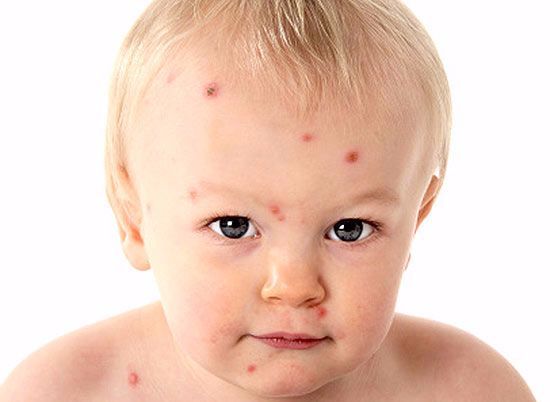
Spotty Logic: Mandated Chicken Pox Vaccine for school
IDAHO PARENTS who choose to opt-out of the chicken pox vaccine have done so after careful risk versus benefit analysis.VACCINE EXEMPTIONS PROTECT INFORMED CONSENT.- The chicken pox is a benign, self limiting childhood illness. 99.9% of children suffer NO complications and gain life-time immunity. Not a single Idaho child has died from the disease (or complications) in more than a decade.
- CDC reports that the Chicken Pox vaccine is NOT effective long term adding a second dose due to waning immunization rates.
- Chicken Pox vaccines can cause serious injury or even death. 1 out of every 1,481 children administered the VACCINE suffered adverse reaction.
- Complications from the chicken pox disease are EXTREMELY RARE. 12 individuals per Million will have complications. Its a vaccine for convenience rather than for a deadly childhood disease. Designed to keep parents at work and children in school but Medical Reports now show its not cost effective.
1. Benign Childhood Illness experienced by the entire population as children PRIOR to 1995.
CDC reports there were 3,700,000 cases of chicken pox cases EACH YEAR prior to the vaccine and
that there were 100 U.S. deaths each year (50 children and 50 adults)* the majority of those deaths had compromised immune systems or other health problems
The chance of complications resulting in death from chicken pox was .00002702 <source>1For 99.9 percent of healthy children, chickenpox is a mild disease without complications. However, up to 20 percent of adults who get chickenpox develop severe complications such as pneumonia, secondary bacterial infections, and brain inflammation (which is reported in less than one percent of children who get chickenpox). Most children and adults who develop these serious complications have compromised immune systems or other health problems.
2. Chicken Pox Vaccine NOT effective long term with ‘immunity waning’ so that CDC now suggests a second dose. <source> 2
We give our children the chicken pox vaccine. This vaccine required by many schools and daycares carries a limited protection from the illness and is not guaranteed effective. The vaccine itself contains a LIVE VIRUS which is KNOWN to spread chickenpox to others.
How Effective is the chicken pox vaccine?- Chickenpox vaccine effectiveness is reported to be 44 percent for any form of the disease and 86 percent for moderate to severe disease;
Consider this.
A close friend, has seven children at home. The teen was required to be ‘updated’ on his vaccines in Junior High because the CDC is now acknowledging that the vaccine ‘wears out’ over time. So, in order to continuing attending school activities, he received the chicken pox vaccine. Within days, his elder sibling came down with the illness. Unfortunately, she wasn’t aware that she was sick until she was away from home on her Senior Trip to Disneyland. The vaccine cause her to expose her entire class and those around her at Disneyland to the illness. Arriving back home, contagious, she then spread the illness to younger siblings, many had already been vaccinated with chicken pox vaccine in the past several years.This one family’s story prove that:
1. The chicken pox vaccine sheds and others do catch the chicken pox disease.
2. The chicken pox vaccine is not always effective.3. Danger of complications from the chicken pox illness increased with age.Most concerning is that Chickenpox is much more serious when caught by previously unexposed adults, when it can lead to pneumonia.
Mass use of chickenpox vaccine by children in the U.S. has removed natural boosting of immunity in the population, which was protective against shingles, and now adults are experiencing a shingles epidemic.
From the story above its obvious, the vaccinated individual could spread the disease to the immuno-compromised, who can develop septicaemia or meningitis.
4. The vaccine is one of convenience, not about saving lives.Is chicken pox really dangerous? The estimated death rate for chicken pox is only 1.4 per 100,000 cases (0.0014%) in normal children. It rises to 30.9 deaths per I00,000c ases (0.0309%) in adults.
As you can see,the death rate is still quite small. Although, it is FAR better to contract chicken pox as a child, than to wait until the adult years.Its worth noting chickenpox illness is more of a concern of economics than of deadly outbreak. Children are banned from childcare during the long course of the contagious window of chickenpox, a parent has to take up to a week or more off work to look after their afflicted kids at home. The CDC and local health departments use the ‘time from work’ reason to have children vaccinated.
5. Is the Chicken Pox Vaccine itself dangerous? YES.
Some children will have life long injury from the vaccine itself.Chickenpox vaccine is already associated with adverse effects in one in 1,481 vaccinations.1
Using the MedAlerts search engine, as of September 30, 2015 there had been 3,358 serious adverse events reported to the Vaccine Adverse Events Reporting System (VAERS) in connection with chickenpox and varicella-containing vaccines since 1990. Over half of those serious chickenpox vaccine-related adverse events occurring in children six years old and under. Of these chickenpox-vaccine related adverse event reports to VAERS, 161 were deaths, with over 60% of the deaths occurring in children under six years of age.
visit NVIC for more important information about Chicken Pox Disease and Vaccine.IDAHO PARENTS who choose to opt-out of the chicken pox vaccine have done so after careful risk verus benefit analysis. Idaho statue permits a parent’s choice, however, the Idaho Health and Welfare department chooses to attempt to harass and intimidate parents with their Immunization Exemption Form that falls FAR OUTSIDE THE SCOPE OF THE LAW.SOURCES:
1. http://www.nvic.org/vaccines-and-diseases/Chickenpox/chickenpoxfacts.aspx as confirmed by CDC’s own number: https://www.cdc.gov/chickenpox/surveillance/monitoring-varicella.html
2.0 https://academic.oup.com/jid/article/197/7/944/798673/Primary-Vaccine-Failure-after-1-Dose-of-Varicella
failure rate of chicken pox vaccine: https://www.ncbi.nlm.nih.gov/pubmed/226594472.3. -

Whooping Cough Vaccine FAIL mostly vaccinated in outbreaks
Here is an actual study published by the CDC
82% of vaccinated individuals got whooping coughfound at https://www.cdc.gov/pertussis/downloads/pertuss-surv-report-2014.pdf

-Number of un vaccinated children who had pertussis = 556
-Number of vaccinated children who had pertussis = 2,950
Obviously this proves vaccines aren’t as effective as they preach! With a strong immune system, pertussis can be cured naturally. So why inject our children’s bodies with poisons that are only assaulting that immune system? Chemicals do NOT strengthen the immune system. They destroy it!
-

Idaho Health & Welfare Committees 2018
Take some time today to download the Testifi app (by Idaho Freedom Foundation) this convenient app will let you send a text, audio or video to your legislator, committee members quick and easily.Click here to get Testifi on Google Play.
Click here to get Testifi in the Apple App Store.
House Health and Welfare Committee 2018
Chair- Fred Wood – (208) 332-1074 fwood@house.idaho.gov
Vice Chair – Kelley Packer – (208) 332-1045 kpacker@house.idaho.gov
Christy Perry – (208) 332-1044 cperry@house.idaho.gov
John Vander Woude – (208) 332-1037 jvanorden@house.idaho.gov
Eric Redman – (208) 332-1070 eredman@house.idaho.gov
Megan Blanksma – (208) 332-1054 mblanksma@house.idaho.gov
Karey Hanks – (208) 332-1056 khanks@house.idaho.gov
Brian Zollinger – (208) 332-1073 bzollinger@house.idaho.gov
Mike Kingsley (208) 332-1133 mkingsley@house.idaho.gov
Jarom Wagoner (208) 332-1052 jwagoner@house.idaho.gov
Sue Chew (208) 332-1049 schew@house.idaho.gov
Ilana Rubel (208) 332-1034 irubel@house.idaho.govEmail list for House Health & Welfare Committee 2018
fwood@house.idaho.gov, kpacker@house.idaho.gov, cperry@house.idaho.gov, jvanorden@house.idaho.gov, eredman@house.idaho.gov, mblanksma@house.idaho.gov, khanks@house.idaho.gov, bzollinger@house.idaho.gov, mkingsley@house.idaho.gov, jwagoner@house.idaho.gov,schew@house.idaho.gov, irubel@house.idaho.gov
Senate Health and Welfare Committee 2018
Meeting Time: M, T, W, Th, 3:00 pm, Room WW54Chair – Lee Heider- (208) 332-1347
Vice Chair – Mary Souza – (208) 332-1322
Fred S Martin – (208) 332-1407
Abby Lee – (208) 332-1325
Mark Harris – (208) 332-1429
Kelly Arthur Anthon – (208) 332-1327
Jeff Agenbroad – (208) 332-1329
Dan Foreman – (208) 332-1405
Maryanne Jordan – (208) 332-1352Email Blasts for H&W
lheider@senate.idaho.gov,msouza@senate.idaho.gov,fmartin@senate.idaho.gov,alee@senate.idaho.gov,mharris@senate.idaho.gov,kanthon@senate.idaho.gov,jagenbroad@senate.idaho.gov,dforeman@senate.idaho.gov,mjordan@senate.idaho.gov -

Dirty Truth about Dryer Sheets
Most commercial dryer sheets are loaded with all sorts of toxic chemicals including Benzyl Acetate, Benzyl Alcohol, Chloroform and Linalool; none of which are good for your health. In addition to all the chemicals that end up on your skin, when heated, the fumes are also toxic. These toxins go straight to their brain’s most sensitive neurological centers and wreck havoc.
5 Killer Reasons to Ditch Dryer Sheets Artificial Fragrances
When people use dryer sheets, they are coating their clothes with artificial chemical perfumes. These fragrance chemicals are extremely toxic. They are known carcinogens that cause liver damage and cancer in mammals.
In a recent study performed by UW professor Dr. Anne Steinemann, a research team conducted a small study to understand the effects of fragrances in laundry products (both detergent and dryer sheets). The results discovered more than 25 VOCs emitted from dryer vents, with highest concentrations of acetaldehyde, acetone, and ethanol (two of which are considered carcinogenic). To put it into context, one of the carcinogenic VOCs, acetaldehyde, had emissions that would represent 3% of total acetaldehyde emissions from automobiles in the study area. This is a major omission of toxic chemicals.
According to the U.S. Environmental Protection Agency (EPA) and industry-generated Material Safety Data Sheets (MSDS) from the 1990s, the following is a list of chemicals in fabric softener products, most in untested combinations.
1. Alpha-Terpineol–This chemical has been linked to disorders of the brain and nervous system, loss of muscle control, depression, and headaches
2. Benzyl acetate–Benzyl acetate has been linked to cancer of the pancreas
3. Benzyl alcohol–This upper respiratory tract irritant can cause central nervous system (CNS) disorders, headache, nausea, vomiting, dizziness and dramatic drops in blood pressure.
4. Chloroform–Neurotoxic, anesthetic and carcinogenic. Really toxic to your brain. Inhaling its vapors may cause loss of consciousness, nausea, headache, vomiting, and/or dizziness, drowsiness.
5. Ethanol– Another fabric softener ingredient which is on the EPA’s Hazardous Waste list and linked to CNS disorders.
6. Ethyl Acetate–causes headaches and is on the EPA Hazardous Waste list
7. Linalool–in studies, this chemical caused loss of muscle coordination, nervous system and brain disorders, and depression
8. Pentane–causes headaches, nausea, dizziness, fatigue, drowsiness, and depression
What’s the alternative to toxic dryer sheets? Wool balls. They are 100% natural and are effective at getting rid of static cling and wrinkles, soften clothes.
Sources and References:
livingtraditionally.com
ewg.org
healthwyze.orgThis article originally appeared at: http://www.realfarmacy.com/dryer-sheets/. -

The secret ingredient in fast food packaging
- Chemicals in fast food packaging have been linked to health problems
- Fluorinated compounds are also in furniture, carpets, clothing, cosmetics and cookware
(CNN)Most of the time, when you order fast food, you know exactly what you’re getting: an inexpensive meal that tastes great but is probably loaded with fat, cholesterol and sodium.
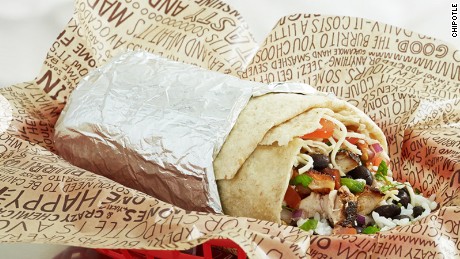
But it turns out that the packaging your food comes in could also have a negative impact on your health, according to a report published Wednesday in the journal Environmental Science & Technology Letters.The report found fluorinated chemicals in one-third of the fast food packaging researchers tested.These chemicals are favored for their grease-repellent properties.Along with their use in the fast food industry, fluorinated chemicals — sometimes called PFASs — are used “to give water-repellant, stain-resistant, and non-stick properties to consumer products such as furniture, carpets, outdoor gear, clothing, cosmetics (and) cookware,” according to a news release that accompanied the report.Read More“The most studied of these substances (PFOSs and PFOAs) has been linked to kidney and testicular cancer, elevated cholesterol, decreased fertility, thyroid problems and changes in hormone functioning, as well as adverse developmental effects and decreased immune response in children.”These are long-chain PFASs that have largely been phased out, in favor of shorter-chain compounds that are thought to have shorter half-lives in the human body, but these shortened forms have not yet been thoroughly studied.As these chemicals are used in many everyday products, consumers are exposed to them frequently, and the same health effects may not be true for all of them.Previous studies have shown that PFASs can migrate from food packaging into the food you eat, said Laurel Schaider, a research scientist at the Silent Spring Institute and one of the authors of the paper.“These studies have found that the extent of migration depends on the temperature of the food, the type of food and how long the food is in contact with the paper,” Schaider said. “And it depends on which specific chemical” is in the packaging.What constitutes a bad (w)rap?Scientists at the five institutions that collaborated on the report collected more than 400 samples of fast food packaging from 27 leading US chains.The types of packaging were split into six categories: food contact paper (sandwich wrappers and pastry bags), food contact paperboard (boxes for fries or pizza), non-contact paper (outer bags), paper cups, other beverage containers (milk and juice containers) and miscellaneous (lids).Food contact papers were divided into three subcategories: sandwiches, burgers and fried foods; Tex-Mex; and desserts and breads.Food contact paper fared the worst, with 46% of all samples testing positive for fluorine. Food contact paperboard was next, at 20%, followed by other beverage containers at 16%. Non-contact paper, paper cups and miscellaneous all tested negative for fluorine.The researchers did not provide any chain-specific data in order to compare fast food restaurants or determine which brands scored better or worse than average.“For foodservice packaging that requires a barrier coating, ‘short chain’ fluorochemicals are used today, so it’s no surprise that the study would find these chemicals,” said Lynn M. Dyer, President of the Foodservice Packaging Institute in the US. “These, like all packaging products, go through rigorous testing to ensure that they meet stringent US Food and Drug Administration regulations, providing the safe delivery of foods and beverages to consumers.”Dryer added, however, that “some fluorochemical-free products have been introduced since this study was conducted in 2014 and 2015,” meaning there are now a greater numbers of options available for fast food chains to provide oil, grease and/or water resistance.What’s a consumer to do?Short of asking that your next burger be served in between two lids, there isn’t a whole lot you can do to avoid PFAS exposure once you’ve chosen to eat at a fast food restaurant.“Unfortunately, for consumers, there’s no easy way to tell — just by looking at packaging — whether or not it contains fluorinated chemicals,” Schaider said. “For people who wish to reduce their exposure to these chemicals, they may be able to take some steps … to reduce that migration from packaging into food — for instance, by taking the food out of the packaging sooner rather than later.”You could also ask that your fries or dessert be served in a paper cup or a noncontact paper bag. This is the outer bag all your items are usually put into when you get your food.This article originally appeared at: http://www.cnn.com/2017/02/01/health/fast-food-packaging-chemicals-pfas-study/index.html. -

Could Lyme Disease Be the Cause of Your Health Condition?
HFI: Many of our members and subscribers have recently been given a diagnosis of lyme. If you have done research for yourself or a family member please feel free to CONTRIBUTE your voice and post resources to share with others. We are building a community to support each other’s health and education is a key component.Portion of an article by Dr. Karlfeldt regarding Lyme DiseaseLyme disease is the fastest spreading infectious disease in the United States, with an estimated 200,000 new cases per year. Lyme is a complex disease that can be highly difficult to diagnose. Currently there is no reliable test to determine if someone has contracted Lyme disease or is cured of it. People with chronic Lyme can have many debilitating symptoms, including severe fatigue, anxiety, headaches, and joint pain. Lyme disease is not just an “East Coast” problem.
In fact, in the last ten years, ticks known to carry Lyme disease have been identified in all 50 states and worldwide. Ticks can vary in size from a poppy-seed size nymphal tick to a sesame-seed size adult tick. The ticks can carry other infectious agents besides the spirochete that causes Lyme disease. The same tick that carries the bacteria that causes Lyme Disease, can also transmit other illnesses. The most common are Babesiosis, Ehrlichiosis, and Bartonella henselae.
Lyme Disease is very complicated to diagnose because:
Lyme bacteria are not always detectable in the whole blood, even in active disease. The bacteria like to hide and travel in the body through the connective tissue rather than the in blood. Every patient responds differently to an infection. Antibodies may only be present for a short time after the infection.
…
Lyme disease has three components, which should be recognized and addressed with treatment:
The presence of spirochete infection and co-infections: The co-infections are bacterial, viral, fungal and parasitic.
Since the spirochetes paralyze multiple aspects of the immune system, the organism is without defenses against many microbes. The illness producing effect of microbial exo- and endotoxins and toxins produced by the host in response to microbial trigger: Most of these are neurotoxins, some appear to be carcinogenic as well, others block the T3 receptor on the cell wall, etc. Decreased hormonal output of the gonads and adrenals is a commonly observed toxin mediated problem in Lyme patients. Central inhibition of the pineal gland, hypothalamus and pituitary gland is almost always an issue that has to be resolved somewhat independently from treating the infection. Furthermore, biotoxins from the infectious agents have a synergistic effect with heavy metals, xenobiotics and thioethers from cavitations and NICO lesions in the jaw and from root filled teeth. The immune reactions provoked by the presence of both toxins and microbes: The immune reactions are largely depending on host factors, such as genetics, prior illnesses, mental-emotional baggage, early childhood traumatization, current exposure to electromagnetic fields (sleeping location, use of cell phones, poor wiring in car or home, etc), food allergies and diet, socio-economic background, marital stress etc.The treatment of Lyme disease requires 4 distinctive steps:
1 Decreasing toxic body burden/unloading the system – supporting the body’s pathways of elimination (liver/gallbladder, colon, kidneys, lungs, and skin); reducing heavy metal, chemical, electro-magnetic, and microwave exposure.
2 Improving disturbed physiology – correcting nutritional deficiencies, balancing hormones, neurotransmitters, and repairing weak tissue.3 Decreasing microbial count – using proper broad based agents at high enough of a dosage and for long enough to support the reduction of Borrelia and it’s co-infections. Immunemodulation – reduce an over reactive response by the immune system to the presence of the bugs. It is believed that it is this response that creates more tissue damage than the actual presence of the bugs.4 A very effective technique to do this is Applied PsychoNeurobiology (APN) developed by Dr. Dietrich Klinghardt.Michael Karlfeldt, N.D., Ph.D., uses ART testing (autonomic response testing), which is the most advanced and scientifically validated method of muscle testing developed by Dr. Klinghardt, to determine what is stressing the body and what nutritional protocol would best restore balance. Dr. Karlfeldt has been trained by Dr. Klinghardt, one of the world’s foremost authority in the treatment of Lyme Disease.
 Dr. Michael Karlfeldt
2921 S. Meridian Rd, Meridian, ID, 83642
telephone – 208-338-8902
This article originally appeared at: http://www.truehealthshow.com/could-lyme-disease-be-the-cause-of-your-health-condition/. -

Teen Talks About GMO’s
Fifteen-year-old activist Rachel Parent believes that the use of these chemicals is negatively affecting our health, and that consumers have a right to know when they’ve been used to modify ingredients in the food we’re buying on a daily basis. In her informative TEDxToronto talk, Rachel urges Canadian officials to make it mandatory for food manufacturers to list the use of GMOs in labelling, so we can make informed decisions as consumers.At age 12, Rachel did a school project on Genetically Modified Organisms and became alarmed by what she learned. This sparked her into activism fighting for GMO labels to become a law in Canada. By 14, she had a heated TV debate with Kevin O’Leary, which instantly went viral. Now a veteran of the media public speaking circuit, Rachel is part of the United Nations Youth Leaders Education program and founder of Kids Right to Know, an organization created to inform the public, especially the youth, about food safety.
This article originally appeared at: https://youtu.be/b4sMMWJYUOs. -

Gut bacteria and the brain: Are we controlled by microbes?
The gut has defenses against pathogens, but, at the same time, it encourages the survival and growth of “healthy” gut bacteria.
The vast majority of these single-celled visitors are based in the colon, where no less than 1 trillion reside in each gram of intestinal content.
Estimating the number of bacterial guests in our gut is challenging; to date, the best guess is that 40 trillion bacteria call our intestines home – partially dependent on the size of your last bowel movement (poop’s major ingredient is bacteria).
To put that unwieldy number into perspective, our bodies consist of roughly 30 trillion cells. So, in a very real sense, we are more bacteria than man.
Most of our gut bacteria belong to 30 or 40 species, but there can be up to 1,000 different species in all. Collectively, they are termed the microbiome.
Of course, bacteria do benefit from the warmth and nutrition in our bowels, but it is not a one-way relationship – they also give back.
Some species benefit us by breaking dietary fiber down into short-chain fatty acids that we can then absorb and use. They metabolize a number of compounds on our behalf and play a role in the synthesis of vitamins B and K.
On the other side of the fence, recent research infers that dysregulation of gut bacteria might be an important factor in inflammatory and autoimmune conditions.
The microbiome’s role in health and disease is only slowly giving up its secrets. The latest and perhaps most remarkable finding is the ability that gut bacteria have to moderate our brain and behavior.
Why should the gut and brain be linked?
The goings on in our guts are a matter of life or death. If the gut is empty, our brain must be told; if there is a problem with our gut that will hinder food processing and therefore nutrition absorption, the brain will need to be informed. If our gut is facing a pathogen attack, our brain should be kept in the loop.
The links between our gut and brain are hormonal, immunological, and neural, via the central nervous system and the enteric nervous system, which governs the function of the gut. Collectively, they are termed the gut-brain axis.
Although, at first glance, the connections between the gut and brain might seem surprising, we have all experienced it in action. The relationship between stress, anxiety, and a swift bowel movement are no stranger to anyone.
These gut-brain conversations have been studied for some time. However, a new level to this partnership has recently been glimpsed; researchers are now considering the influence of our microbiome on the gut-brain axis. In other words, researchers are asking: do the bacteria in our gut affect our psychology and behavior?
Termed, rather clumsily, the brain-gut-enteric microbiota axis or microbiome-gut-brain axis, researchers are only beginning to scratch its surface.
Stress and the gut
In humans, the hypothalamic-pituitary-adrenal (HPA) axis is the primary responder to stresses of any kind. It is one of the major players in the limbic system and is heavily involved in emotions and memory.
Stress activates the HPA axis and eventually results in the release of cortisol – the “stress hormone” – which has a variety of effects on many organs, including the brain and gut.
In this way, the brain’s response to stress has a direct influence on the cells of the gut, including epithelial and immune cells, enteric neurons, interstitial cells of Cajal (the pacemakers of the bowels), and enterochromaffin cells (serotoninsynthesizing cells).
Conversely, these cell types are also under the influence of our resident army of bacteria. Although the mechanisms by which the microbiota regulate the brain are less clear, evidence is mounting that there is, indeed, a two-way dialogue.
What a difference a microbe makes
The first clues that microbes might have some control over our mental activity came more than 20 years ago. Patients with hepatic encephalopathy – a decline in brain function due to severe liver disease – were found to improve substantially after taking oral antibiotics.
Later studies provided further hints that the microbiome had more than a passing influence on states of mind; it was found to impact anxiety and depressive-like behaviors.
Another key observation linked dysbiosis (microbial imbalance) with autism. Children with autism often have abnormal and less diverse communities of bacteria in their gut. One researcher concluded:
“We suspect that gut microbes may alter levels of neurotransmitter-related metabolites, affecting gut-to-brain communication and/or altering brain function. […] Correlations between gut bacteria and neurotransmitter-related metabolites are stepping stones for a better understanding of the crosstalk between gut bacteria and autism.”
Researchers in 2004 noted that mice bred to have no gut bacteria had an exaggerated HPA axis response to stress. Further investigations using similar germ-free mice have demonstrated that their lack of gut bacteria alters memory function.
Germ-free mice have been a useful tool to study the microbiome-gut-brain axis. They have helped prove that something is going on, but the results are impossible to extrapolate into humans. They replicate no natural situation known to man – there is no such thing as a germ-free human.
Other studies have used different approaches; some investigated the effects of the neuroactive compounds that gut flora produce; others still have looked at the differences in the gut flora of individuals with psychiatric or neurological differences.
Research, in general, has not been conclusive. Even if changes in gut flora are seen, the eternal chicken or egg question persists: was the psychiatric condition caused by the change in gut flora, or did the psychiatric condition and its altered behavior patterns cause the gut flora to change? Or, is there a two-way interaction?
How can gut flora moderate the brain?
![[E.coli illustration]](https://hfi.designbyparrish.com/wp-content/uploads/2019/09/e-coli-illustration-1.jpg) Bacterial influence over human psychology is slowly coming into focus.
Bacterial influence over human psychology is slowly coming into focus.Stress is known to increase the permeability of the intestinal lining; this gives bacteria easier access to both the immune system and the neuronal cells of the enteric nervous system.
This may be one of the ways in which bacteria find a way to influence us. However, another, more direct route has also been demonstrated.
One study, using food-borne pathogens, provided evidence that bacteria in the intestines can activate stress circuits by directly activating the vagus nerve – a cranial nerve supplying a number of organs, including the upper digestive tract.
A more direct route still might involve direct contact of the microbiome with the sensory neurons of the enteric nervous system. Studies have shown that these sensory neurons are less active in germ-free mice, and, once the mice have been given probiotics to restock their microbiome, the activity levels of the neurons return to normal.
Probiotics influencing psychology
If germ-free mice show differences in behavior, the next question is whether adding gut bacteria to an animal can make similar changes. A meta-analysis, published in the Journal of Neurogastroenterology and Motility, collated the results of studies looking at the effects of probiotics on central nervous system function in both humans and animals.
They examined 25 animal and 15 human studies, most of which used Bifidobacterium and Lactobacillus over a 2-4-week period. Although, as the authors mention, translating animal studies like this into human terms is a dodgy game. They concluded:
“These probiotics showed efficacy in improving psychiatric disorder-related behaviors including anxiety, depression, autism spectrum disorder, obsessive-compulsive disorder, and memory abilities, including spatial and non-spatial memory.”
Another study, published in PLOS One, found that age-related decline in memory could be reversed in rats by altering the levels of Actinobacteria and Bacterioidetes in their gut with probiotics.
The authors conclude: “The data support the notion that intestinal microbiota can be manipulated to positively impact on neuronal function.”
The future of the microbiome-gut-brain axis
There is a long and winding path ahead of those scientists brave enough to investigate the strange reality of the microbiome-gut-brain axis. No doubt a multitude of molecules are involved in various ways to differing degrees.
In the far-flung future, perhaps medicines specifically targeting the microbiome will be created for psychiatric conditions; the microbiome may become an early warning system for certain diseases or even a diagnostic tool.
For now, all we can do is ponder the influence that bacteria have on our everyday state of mind. We should also be amazed and amused that humans, as intelligent as we consider ourselves, are partially under the control of single-celled lifeforms.
Perhaps we would do well to remember that bacteria predate us by billions of years and are highly likely to outlive our species by billions more.
This article originally appeared at: http://www.medicalnewstoday.com/articles/312734.php. -

Dr Rosie’s Health Boosting Juice
Minimize sugar so very little fruit
Organic or home grown (organic of course)
Natural Grocers is a good store to get everything or Fred Meyer has mostYour body is new every 6-12 months so what you consume will determine what quality cells, tissues and health you will have now and in the future. Diet is not the only factor in being healthy, but it’s a major one and deserves much focus, energy and financial investment. It’s always cheaper to stay healthy than to attempt to regain health once it’s lost.
Enjoy life and Maximize your health potential to the fullest
Recipe:
6 Kale leaves
Handful of spinach (pre-packaged works, but prefer fresh bunches)
½ Cucumber
4 celery stalks
1 Granny Smith Apple whole (only this type as all others have much higher glycemic index)
½ Lemon (lightly peel the yellow exterior, leaving as much of the white as possible)
½” of Ginger (finger thickness, increase a little if you can)
1” Turmeric Root (same)Extras to add if you can as they aid in detoxification:
Parsley (10 sprigs)
Cilantro (same)Be blessed.
This juice is great for a fast of 3 days, 5, 7, 30 or ??It is also great as a daily addition to a ‘truly’ healthy diet
Dr. Rosie Main
MAIN HEALTH SOLUTIONS2300 W Everest Ln, Ste
175 Meridian, Idaho@MainHealthSolutions
Call (208) 859-6170
visit Dr Rosie at DoctorMain.com

![[E.coli illustration]](https://healthfreedomidaho.com/wp-content/uploads/2019/09/e-coli-illustration-1.jpg)
