Author: Health Freedom Idaho

  • If only half of America is properly vaccinated, where are the epidemics?

    If only half of America is properly vaccinated, where are the epidemics?

    If only half of America is properly vaccinated, where are the epidemics?
    © Getty Images

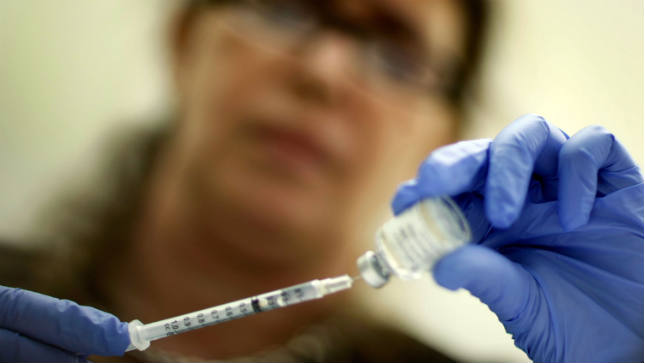
    In 2014, an outbreak of whooping cough (pertussis) broke out in the San Diego area. Of the 621 individuals who were infected, nearly all of them were completely up to date on all preventive vaccinations. If vaccines are given to protect from disease, how could this happen?

    San Diego public health official Dr. Wilma Wooten argued that the cause was related to a decrease in the protection offered by vaccines after the first year. This answer is most revealing, in that it speaks to the actual efficacy of vaccines. It also shows that the concept of herd immunity is largely myth—and completely misunderstood.

    The theory of herd immunity states that when a critical mass of the population (usually stipulated at 95%) is vaccinated against a disease, the possibility of outbreaks is eliminated. This is the main argument that is used to shame parents who wish to refuse certain vaccinations for their children: by not vaccinating, they put the health of the “herd” at risk.

    However, if vaccines start losing effectiveness after the first year, as Dr. Wooten says, then constant re-vaccination would be required, since the immunity offered is only temporary for most vaccines. Achieving the required rate of protection is virtually impossible under this paradigm.

    Of course, if we look back over the decades and note the lack of rampant epidemics in our nation, while remembering that vaccine protection is in perpetual decline, the myth of herd immunity quickly unravels. Our society has never achieved this level of herd immunity, yet not a single major outbreak of disease has occurred.

    Noted author and neurosurgeon Russell Blaylock, MD, offers this analysis:

    It was not until relatively recently that it was discovered that most of these vaccines lost their effectiveness 2 to 10 years after being given. What this means is that at least half the population, that is the baby boomers, have had no vaccine-induced immunity against any of these diseases for which they had been vaccinated very early in life. In essence, at least 50% or more of the population was unprotected for decades.

    After a 2015 outbreak of measles at Disneyland, the state legislature in California took the extraordinary measure of rescinding religious and philosophical exemptions for vaccinations, even for children at higher risk of vaccine injury. State Sen. Richard Pan, who led the fight, argued that it was imperative to public health to maintain herd immunity among the general population, and that to ensure 95% compliance, vaccination had to be mandatory. The law he authored, which risks the health of many vulnerable children, accomplishes nothing—because herd immunity is a myth.

    The argument for herd immunity was actually developed out of observations of natural immunity, not vaccination. Statisticians observed that populations were protected when sufficient members contracted the wild form of a disease, and subsequently acquired lifelong immunity. With vaccines, however, evidence shows that unvaccinated children may catch infectious diseases from vaccinated children. What is true of natural immunity is not true of vaccination.

    The herd immunity argument has always been inconsistent. On the one hand, the theory goes, people who cannot receive vaccines for whatever reason are protected from the disease through a high level of vaccination in the rest of society. On the other hand, the theory continues, parents who don’t vaccinate their children put the health of wider society at risk. How can a handful of people not getting vaccinated be protected from getting sick, while at the same time being so disease-ridden that they make others sick? This doesn’t make sense.

    While herd immunity may not exist, herd mentality most definitely does. Health authorities, media commentators, and schools and their parent–teacher associations waste no opportunity in perpetuating this myth. Proponents have done such a thorough job of convincing the public that a parent who questions it is treated like someone who thinks the earth is flat or believes climate change is a conspiracy. On the contrary: an unprejudiced view of the science about vaccines, and an examination of history, clearly show that the herd immunity theory is—and always has been—flawed. 

    Vaccines may have a place in our medical arsenal, but they are not the silver bullet they’re portrayed to be. Year after year the pharmaceutical industry, looking for lucrative new profit centers, churns out new vaccines. They use pseudo-science to convince the public that these products are safe and effective, and they use public shaming to convince the citizenry that non-compliance is a public health threat. This entire racket completely falls apart with a close examination of the herd immunity myth. Until we are honest in our assessment of both the safety and efficacy of vaccines, kids will continue to be hurt, rights will continue to be trampled, and mythology will continue to trump science.

    Gretchen DuBeau is Executive Director of Alliance for Natural Health USA.

  • Are Your Plant Containers Leaching Toxins Into Your Food?

    Are Your Plant Containers Leaching Toxins Into Your Food?

    Think twice before you decide what containers to put your plants in, particularly when it comes to edibles. Why? The very same properties that make soil a perfect channel for nutrients and water to find their way into plants also make it a channel for harmful toxins, especially ones that are hiding inside the pots and vessels holding the soil itself. Here’s what to avoid and what’s safe to use.

    Plastic
    Lightweight, and nearly indestructible, plastics have been the magic answer to a myriad of storage, transportation, and packaging dilemmas. Our world is swimming in plastics, and when we get the chance, it’s nice to be able to recycle them. But many plastics— particularly when they’re exposed to sunlight, water, and high temperatures—leach toxic chemicals like bisphenol A (or BPA), vinyl chloride, or phthalates which are hazardous to human health. Higher density plastics, such as those used to make yogurt pots, soda bottles, and rigid containers like cups, bowls, and planting pots are more stable, and therefore safer to use. Check the underside of containers to determine their suitability: numbers 1, 2, 4, and 5 are a good choice for planting edibles. Others are not.

    Ceramic
    Possibly the classiest choice for a planter, ceramic is practical as well. It’s durable, breathable, and generally made from natural ingredients (mostly clay). Ceramic has its own suite of challenges for the container gardener, but transferring harmful substances is, thankfully, not one of them—unless you opt for glazed ceramics. Colorful, glossy ceramic pots are coated with glazes that may contain lead oxides. 

    Wood
    An untreated wooden box is an excellent container for edibles except for the fact that, given time, it will rot. Slap on some stain or preservative paint, and things start to get complicated. Many wooden containers sold to gardeners are pressure treated to increase their lifespan and ability to stand up to moisture. The chemicals forced into wood during the pressure treating process (copper, chromium, and arsenic—also known as CCA) arrest decay and generally don’t leach into soils much after the first initial rain. Arsenic isn’t something you want to build up in your garden soil, however.
    To minimize any chemical movement, scrub or power wash wood prior to usage. Older, salvaged wood containers like whiskey barrels or window boxes have also usually been treated with CCA. If you’re working with a more fragile, antique container, add a plastic liner (see above) before planting to keep any residual leaching in check. If you choose to decorate your own wooden container, select paints, glazes, or oils that are marked with a nontoxic label.
    Prior to the 1980s, use of lead paint was widespread—particularly on outdoor surfaces exposed to wind, sun, and rain. Lead paint will chip and flake as it ages, letting it dissolve into soil, soa good way to assess whether that antique bucket has been coated in it is to look for lead paint’s characteristic cracking pattern. To go completely au naturel, use wood that is rot resistant and requires no treatment at all: Cedar is the perfect pick.  

    This article originally appeared at: http://www.rodalesorganiclife.com/garden/are-your-plant-containers-leaching-toxins-your-food.

  • 12 Ways to Avoid Toxins in the Kitchen

    12 Ways to Avoid Toxins in the Kitchen

    1. Avoid plastic whenever possible when it comes to food and beverage.  Hard plastics can contain BPA, which is a developmental, neural, and reproductive toxin. Scientists have linked very low doses of BPA exposure to cancers, impaired immune function, early onset of puberty, obesity, diabetes and hyperactivity[1].  It can be transferred from plastic into food and drink.  A recent study, found that even BPA-free plastics contain synthetic chemicals which can migrate into food[2].
    2. If you must use plastic in the kitchen:
      • Choose BPA-Free, PVC-free plastic #2, #4, #5 (see plastics guide)
      • Do not heat in the microwave (“microwave-safe” only means that the plastic won’t actually melt – the extreme heat of the oven will increase transference of chemicals).
      • Do not store fatty, greasy or acidic foods in plastic.
      • Do not use scratched, badly worn or cloudy plastics for your food and beverages.
      • Hand-wash plastics to avoid wear and tear.
    3. Avoid hard plastic melamine dishes.  They are made by combining the chemical melamine with formaldehyde (which is considered a known human carcinogen[3]) Studies have shown that formaldehyde can leach from dishware into food. [4]
    4. When it comes to food storage, safer materials include: glass, 304 grade stainless steel, food-grade silicone – all of which do not leach chemicals into your food.
    5. When it comes to dishware, glass is a great choice, followed by ceramic dishware with lead-free glaze.  If you are concerned about breakage – food grade silicone (Kinderville brand), high quality 304-grade stainless steel and bamboo or wood  containing food-safe finishes are all safe options.
    6. Avoid Teflon and any other chemical non-stick coatings. Teflon is a coating manufactured using perfluorooctanoic acid (PFOA), which is considered “a likely human carcinogen.” When heated, cookware coated with Teflon and other synthetic non-stick surfaces emits fumes that can kill birds[5] and potentially sicken people.  Over heating of non-stick pans and any scratching or chipping of the materials can cause these chemicals to be released.
    7. Use caution with aluminum cookware.  Aluminum is a soft, highly reactive metal and can migrate in measurable amounts into food when used for cooking. Aluminum has been linked to brain disorders as well as behavioral abnormalities and is considered a toxic substance by the Agency for Toxic Substances & Disease Registry.[6] Many companies are switching from aluminum to Anodized aluminum. In this treatment the aluminum is dipped into a chemical bath to create a more durable layer, so that the aluminum can’t as easily leach into food. However,  the anodization can break down over time – so still not the safest choice for cookware.
    8. Avoid plastic utensils and accessories when cooking as these can melt or flake with extreme heat or wear down over time potentially causing chemicals to migrate into food. Instead choose stable materials such as: wood, bamboo, silicone or stainless steel.
    9. The safest materials for cookware and bakeware include: glass, high quality 304 grade stainless steel, cast iron and Xtrema ceramic cookware.
    10. When using stainless steel cookware, know that deeply scratched and pitted pans can cause metals (nickel and chromium) to migrate into food in trace amounts. These are not toxic elements, so there is not really cause for concern unless you have a specific allergy or sensitivity.  But to play it safe, avoid frequent use of abrasive materials with stainless steel cookware.
    11. Use non-toxic cleaning products – avoid bleach, ammonia and synthetic fragrances and dyes.
    12. Filter tap water for drinking and cooking.  Find a high-quality filter than can remove heavy metals, chlorine, VOC’s and other contaminants.

    *Lastly, buy products from reputable manufacturers or individuals who can answer your questions. 

    How do YOU avoid toxins in the Kitchen? What are your favorite products, cleaners?
  • Facebook has announced that SNOPES will decide for them which sites are ‘fake’.

    Facebook has announced that SNOPES will decide for them which sites are ‘fake’.

    Facebook has announced that SNOPES will decide for them which sites are ‘fake’.  So, now, real news will go away just like it did on the networks.  #TruthAlwaysFindsAWay #TruthWins – Miste Karlfeldt, Director of Health Freedom Idaho’s Facebook status.

    Facebook has announced it will introduce warning labels on stories they deem to be “fake news,” with the help of partisan “fact checking” organisations such as Snopes and PolitiFact.
    Stories deemed to be false will now be “flagged” by Facebook, with an accompanying red label claiming the story is “disputed by 3rd Party Fact-Checkers.”

    Who will check Facebook stories?  Organizations run by a college journalism department or a worldwide research team? Nope.

    Snopes a website/blog run by a husband and wife team in Southern California. David and Barbara Mikkeslon, started the site in 1995 as a part time project, which later turned into a full time effort.  

    And other organizations such as Politifact, and FactCheck.org, all of which have records of left-wing partisanship — particularly throughout the 2016 election. 

    For example, PolitiFact infamously said it was “mostly false” when Donald Trump claimed in a presidential debate that Hillary Clinton wanted “open borders.” PolitiFact made this ruling despite Clinton being on the record at a paid speech saying “My dream is a hemispheric common market, with open trade and open borders.”

    Trump also said that Russia has 1,800 nuclear warheads and has expanded its arsenal while the U.S. has not. PolitiFact admitted that Trump’s claim was factual, but it rated the statement as “half true” for supposedly “missing the big picture.”

    In both of these cases, PolitiFact went beyond mere fact-checking and moved the goal posts in ways that benefited Clinton’s candidacy. This type of ideological “fact checking” went beyond parody during October’s presidential debates, with NBC taking Trump’s statement that Clinton “acid washed” her emails (a reference to the data deletion tool “BleachBit”) 100% literally and declaring the statement “false.”

    FACT CHECK IT YOURSELF!

    FAKE NEWS ‘propaganda’ campaign doesn’t end with facebook. The House recently passed a bill regarding propaganda.

  • Otter Vetoes Bill To Allow CBD Oil To Be Used To Treat Sick Idaho Kids

    Otter Vetoes Bill To Allow CBD Oil To Be Used To Treat Sick Idaho Kids

    IDAHO:  Gov. Butch Otter has vetoed SB 1146a, the bill that would have allowed parents of Idaho children with an intractable form of epilepsy to treat their kids with cannabidiol, a non-psychotropic oil that’s an extract of cannabis and can halt the children’s repeated, extended and life-threatening seizures. The bill passed after lengthy and emotional hearings during this year’s legislative session. “Of course I sympathize with the heartbreaking dilemma facing some families trying to cope with the debilitating impacts of disease,” Otter wrote in his veto message; you can read it here. But he said there were too many questions about the bill, including from law enforcement and his administration’s Office of Drug Policy, which raised concerns that the bill would open the door to legalizing medical marijuana.

    “It ignores ongoing scientific testing on alternative treatments,” Otter wrote. “It asks us to trust but not to verify. It asks us to legalize the limited use of cannabidiol oil, contrary to federal law. And it asks us to look past the potential for misuse and abuse with criminal intent.”

    “As an alternative to this legislation, I soon will issue an Executive Order authorizing the Department of Health & Welfare to study, and implement as it deems appropriate, an expanded access program for treatment-resistant epilepsy in children,” Otter wrote. “That program has been approved by the Food & Drug Administration.”

  • Idaho business selling CBD oil opposes ban

    Idaho business selling CBD oil opposes ban

    NORTH IDAHO – A North Idaho businessman is concerned the government is trying to prevent him from selling one of his more popular health products – CBD oil.

    Marijuana is not legal in Idaho. The oil is made from the cannabis plant, but it does not contain any THC – the compound in the plant that makes people high.

    Kurt Wilson is that owner, and he said the people who have bought CBD oil from him have seen great results.

    “There’s over 6,000 years of recorded history of this oil being used,” Wilson said. “It’s plant!”

    The store is called Survival Enterprises. Wilson caters to customers who want to live a lifestyle of being self-sufficient. He had everything for sale from knives to nutrition. Part of that nutrition is Cannabidiol, or CBD for short.

    “This stuff helps them not to be nauseous after chemotherapy,” Wilson said. “And they don’t have to get goofy by smoking dope or anything like that.”

    CBD is oil that comes from industrial hemp. Wilson said it does not contain any THC. Most CBD’s contain less than one percent of THC anyways, he said.

    Wilson said because of that, he said they are legal to sell.

    “I can give you a gallon of it to drink, and it’s just going to mellow you out a little bit and that’s it,” Wilson said. “So there’s no drug involved there in any way shape or form.”

    Wilson said he sells around 30 to 40 bottles a month of this stuff, but it is technically a controlled schedule 1 substance by federal standards.

    According to an article on leafly.com, a marijuana trade website, the US Drug Enforcement Administration clarified and reinforced their position that all cannabis extracts, like CBD, are illegal.

    The DEA action did not bring about any major change in law, but rather reinforced their position.

    Wilson said CBDs are an alternative for his survivalist customers who do not want to purchase medicines from big pharmaceutical companies.

    “What’s occurring here is that, again, we don’t have government,” Wilson said, “we have corporate representatives. And the corporations have told government we can’t really have competition.”

    In Idaho, CBDs are in somewhat of a gray area, Wilson said. In 2015, Governor Butch Otter vetoes a state bill that would have allowed Idaho parents to treat their epileptic children with CBD.

    Over however issues an order directing the state to study the effectiveness of the substance. Although federally illegal, Wilson said this is simply the byproduct of a plant.

    He wants to keep selling it to those who need it.

    “Now they’re going to start doing that to little guys like me selling a couple of jars of this stuff,” Wilson said.

    (© 2016 KREM)

  • ACTION ITEM! CBD Prohibition

    ACTION ITEM! CBD Prohibition

    The empire strikes back: DEA quietly announces “Schedule I” status for CBD extracts to comply with United Nations demands… CBD Prohibition? Hemp industry disputes

    Friday, December 16, 2016 by: Mike Adams

    ACTION ITEM: Sign the petition that asks the incoming Trump administration to legalize CBD supplements nationwide.

    Meaning an extract containing one or more cannabinoids that has been derived from any plant of the genus Cannabis, other than the separated resin (whether crude or purified) obtained from the plant.

     In effect, the DEA has, completely outside any act of Congress, created an entirely new “Schedule I” controlled substance it calls “Marihuana Extract” (note the spelling with an “h” rather than a “j”). This “Marihuana Extract” is, according to the DEA, any extract containing “one or more cannabinoids…”

    CBD is, of course, a non-psychoactive cannabinoid. It’s just one of over a hundred cannabinoids found in hemp extracts, which also include CBD-A, CBG, CBC, CBN and so on.

    Sign our petition at this link to ask the Trump administration to protect access to CBD products and keep the DEA’s hands off natural medicine from Cannabis.

    The sky is not falling! Hemp Industry Association responds…

    From the Hemp Industry Association, here’s a thoughtful response on all this, which insists the DEA’s new classification is not a show-stopper:

    Yesterday the Drug Enforcement Administration (DEA) issued a Final Rule on the coding of marijuana extracts. Unfortunately some misleading media stories and social media postings lead quite a few people to panic at reports that CBD was being banned under this new rule. 

    The Sky is NOT Falling. The Final Rule published by DEA did not change the legal status of CBD. This can only be done by a scheduling action which has NOT occurred. 

    HIA has carefully reviewed this with our legal advisers and discussed it with industry experts. While there are some differing opinions on the effect of the rule, there is general agreement that yesterday’s ruling did not change the status of CBD. Here are some important facts to know:

    • Cannabidiol is not listed on the federal schedule of controlled substances
    • Sec. 7606 of the Farm Bill defines hemp as distinct from marijuana and does not treat it as a controlled substance when grown under a compliant state program
    • Despite these facts, DEA has stated that CBD is a controlled substance previously
    • HIA strongly disagrees with the DEA position and is ready to take action to defend should DEA take any action to block the production, processing or sale of hemp under Sec. 7606
    • The Final Rule published on December 14th was not a scheduling action but rather an administrative action related to record keeping
    • The code assigned to “marihuana extract” in the rule is “Administration Controlled Substances Code Number” for the purposes of identification of substances on registration forms 
    • The rule was originally published as a proposed rule in 2011 BEFORE the Farm Bill and didn’t mention CBD or hemp
    • DEA confirmed to a reporter from the Denver Post that this was an administrative action and did not change the status of CBD in federal law

    So what does this all mean? We believe the DEA rule on “marijuana extracts” was not directed at hemp derived CBD products and has been in the works for 5 years. We also believe there is no imminent change in DEA policy regarding hemp derived CBD products. 

    For now, we want to urge everyone to calm down and continue with your businesses. We also hope that in future, reporters will take the time to get the facts before posting misleading stories about hemp and CBD.


    The industry plans to fight the absurd DEA classification with lawsuits and petitions

    The CBD industry, naturally, is planning on waging a fierce battle to keep CBD products legal in all 50 states. Via Leafly:

    Robert Hoban, a Colorado cannabis attorney and adjunct professor of law at the University of Denver, raised the notion that the rule itself may not be lawful. “This action is beyond the DEA’s authority,” Hoban told Leafly in an interview late this afternoon. “The DEA can only carry out the law, they cannot create it. Here they’re purporting to create an entirely new category called ‘marihuana extracts,’ and by doing so wrest control over all cannabinoids. They want to call all cannabinoids illegal. But they don’t have the authority to do that.”

    The CBD industry, in fact, has been looking for an opportunity to challenge the DEA in court, and it looks like that time has arrived.

    SIGN THE PETITION at this link, asking the Trump administration to protect consumers’ access to CBD products.

  • Imagine a world without pesticides

    Imagine a world without pesticides

    Can we imagine a day, a year or a world without using hazardous chemicals to grow our food? I can. And we must.

    Today, people are continuing to stand up for the future of food and farming, speaking out against harmful pesticide use in Hawaii, Iowa, California and beyond even when it draws the ire of corporate bullies like Monsanto and Dow. And internationally, often under daunting, even dangerous circumstances, grassroots groups in our global network are creatively and courageously drawing attention to the harms of chemical-intensive industrial farming in their countries.

    “It has become clear that the problems we have today with children’s lives being continuously wrecked by pesticides are because of institutional failures to acknowledge that pesticides are not necessary,” charged our sister organization PAN Asia & the Pacific on No Pesticides Use Day.

    ….

    A better world

    Our vision of a better world for our children and for future generations is a powerfully motivating factor — and we’ve made important progress on many continents in recent years. But there is clearly more work to do.

    For our children, we need to push back against corporate control over scientific and agricultural policies at every level — including in our state legislatures and in academic research on college campuses. For our children, we need to advocate for buffer zones to protect them from pesticide drift in agricultural areas. For our children, we need to provide farmers the tools and support to step off the pesticide treadmill.

    If we can imagine a world for our children without hazardous pesticides, we must begin now to invest in non-chemical alternatives to provide more and more of the food we’ll need for coming generations. As the saying goes, “The best time to plant a tree was 20 years ago; the second best time is now.”

    What alternatives do you use to protect your children from household toxins? Sharing information is the start of change. 
  • Harmful high fructose corn syrup gets a new name

    Harmful high fructose corn syrup gets a new name

    Big Food is at it again, fooling us with false advertisements to make us buy food we don’t want to consume. Most of today’s consumers are increasingly health conscious and want to avoid products that contain health-damaging ingredients. High fructose corn syrup (HFCS) is one of the substances that has made a bad name for itself.

    This questionable sweetener which is much cheaper than regular sugar, and extends the shelf life of processed products – has been linked to many health problems such as heart disease, obesity, dementia, diabetes, cancer and liver failure. For this reason, many consumers have begun to check food labels and steer away from foods containing HFCS.

    But manufacturers have come up with a sneaky way to fool their customers so that they don’t have to change their money-making ways. Instead of removing this cheap, harmful ingredient, they have just changed its name on packaging to conceal it within their products. FDA decided in 1997 that food companies could review their own products and determine if they were safe or not. This self-regulatory system legally enables food companies to put profits above safety.

    Now they succeeded in changing the name of a form of HFCS called HFCS-90 to fructose or fructose syrup. Since fructose makes up the sugar content in fresh fruits, it sounds much healthier than HFCS, however, when we consume fructose in fruits, we consume it along with fiber, enzymes, minerals and vitamins.

    The toxic ingredient now called fructose, or fructose syrup, contains even higher concentrations of harmful HFCS, making it more of a health risk than regular HFCS. Regular HFCS (HFCS-42 or HFCS-55) contains either 42 or 55 percent fructose, while HFCS-90 contains 90 percent. Even though multiple scientific studies add to a growing body of evidence that indicates HFCS consumption may result in negative health consequences when compared to natural sugar, high concentrations of HFCS are still allowed in our food chain.

    Here are a few other deceptive names of HFCS that you should look out for: maize syrup, glucose syrup, glucose/fructose syrup, tapioca syrup, fruit fructose and crystalline fructose.

    Sources:

    OrganicAndHealthy.org

    LiveInTheNow.com

    NaturalNews.com

    Food & Nature Food companies hiding harmful high fructose corn syrup under new nameBy Waking Science | December 12, 2016

    Submitted by Amy Goodrich via Natural News,