Author: Health Freedom Idaho

  • Fluoride: Just when you thought it was safe to drink the water …

    Fluoride: Just when you thought it was safe to drink the water …

    32% of Idahoians have fluoride added to their water. Fluoride the active ingredient in rat poison and Prozac, was in 2015 officially classified as a neurotoxin.  Unlike other chemicals added to water, which are intended to treat the water itself, fluoride is intended to treat the people who drink the water, whether they want the treatment or not. We believe that people have the right to choose to take medicine – or not. SIGN THE PETITION 

    Many communities in Idaho have fluoride added to the water. Click here to find out if YOUR water contains the neurotoxin fluoride. 

    In the 1950s, dentists believed that fluoride was a “nutrient.” A nutrient is a vitamin or mineral that is necessary for good health. Dentists believed that fluoride ingestion during childhood was necessary for strong, healthy teeth. A “fluoride deficiency” was thus believed to cause cavities, just like a deficiency of calcium can cause osteoporosis, or a deficiency of vitamin-D can cause rickets. It is now known, however, that fluoride is not a nutrient. As acknowledged by the CDC, the fluoride content of a tooth has little bearing on whether or not the tooth will develop a cavity. According to the CDC: “The prevalence of dental caries in a population is not inversely related to the concentration of fluoride in enamel, and a higher concentration of enamel fluoride is not necessarily more efficacious in preventing dental caries.” SOURCE: CDC (2001). Recommendations for using fluoride to prevent and control dental caries in the United States. Mortality and Morbidity Weekly Review 50(RR14):1-42.


    In short, people can have perfect teeth without consuming fluoridated water or any other fluoride product. As with teeth, no other tissue or cellular process requires fluoride. Accordingly, it is now accepted that fluoride is not an essential nutrient.

    Almost SIXTEEN years ago it was determined that fluoride doesn’t have dental benefits. This begs the question, “WHY IS FLUORIDE STILL PROMOTED TO HELP PREVENT TOOTH DECAY?”

    In fact, a report from the world’s oldest and most prestigious medical journal, The Lancet, has officially classified fluoride as a neurotoxin — in the same category as arsenic, lead and mercury. 

    The news was broken by author Stefan Smyle, who cited a report published in The Lancet Neurology, Volume 13, Issue 3, in the March 2014 edition, by authors Dr. Phillippe Grandjean and Philip J. Landrigan, MD. The report, which was officially released in 2014 and published in the journal, can be viewed by clicking here.

    It’s important to realize that fluoride is a cumulative toxin, which over time, can lead to more serious health concerns than dental fluorosis. The report authors state: “Neurodevelopmental disabilities, including autism, attention-deficit hyperactivity disorder, dyslexia and other cognitive impairments, affect millions of children worldwide, and some diagnoses seem to be increasing in frequency. Industrial chemicals that injure the developing brain are among the known causes for this rise in prevalence.” 

    Toxic Chemicals such as fluoride which is added to our drinking water and methyl mercury injected into our children via their childhood vaccination are accumulating in their systems and wreaking havoc on the neurological development of an entire generation of children.  

    In addition to fluoride in city water supplies, the substance can also be found in certain foods, especially in heavily processed brands of tea that may be grown in polluted areas (see this list for more info).

    If you’ve ever noticed the warnings on toothpaste labels you probably know just how serious fluoride poisoning can be, especially for children if they swallow too much at one time.

    Because of this threat, many parents have begun eschewing fluoridated toothpaste brands altogether and are using more natural brands such as Earthpaste, Desert Essence, Uncle Harry’s Toothpaste Dr. Bronner’s toothpaste line, or even making their own from a combination of ingredients such as coconut oil, organic neem leaf powders, essential oils like peppermint or cinnamon, and other natural ingredients.

    In the Lancet report, the authors propose a global prevention strategy, saying that “untested chemicals should not be presumed to be safe to brain development, and chemicals in existing use and all new chemicals must therefore be tested for developmental neurotoxicity.”

    10 FACTS About FLUORIDE PRINTABLE

    FACT #1: MOST DEVELOPED COUNTRIES DO NOT FLUORIDATE THEIR WATER
    FACT #2: FLUORIDATED COUNTRIES DO NOT HAVE LESS TOOTH DECAY THAN NON-FLUORIDATED COUNTRIES
    FACT #3: FLUORIDE AFFECTS MANY TISSUES IN THE BODY BESIDES THE TEETH
    FACT #4: FLUORIDATION IS NOT A “NATURAL” PROCESS
    FACT #5: 40% OF AMERICAN TEENAGERS SHOW VISIBLE SIGNS OF FLUORIDE OVER-EXPOSURE.
    FACT #6: FOR INFANTS, FLUORIDATED WATER PROVIDES NO BENEFITS, ONLY RISKS
    FACT #7: FLUORIDE SUPPLEMENTS HAVE NEVER BEEN APPROVED BY THE FDA
    FACT #8: FLUORIDE IS THE ONLY MEDICINE ADDED TO PUBLIC WATER
    FACT #9: SWALLOWING FLUORIDE PROVIDES LITTLE BENEFIT TO TEETH
    FACT #10: FLUORIDE is a medication and is labeled as a drug by the FDA

     Learn more about why you want to Remove Fluoride.

    REFERENCES:
    1)   See data at: www.fluoridealert.org/content/bfs-2012/

    2)   See data at: www.fluoridealert.org/content/water_europe/

    3)   For data on the number of countries in Europe that allow fluoridated salt, see: Gotzfried F. (2006). Schweiz Monatsschr Zahnmed 116: 371–75. Unlike water fluoridation (which applies fluoride to an entire water supply), salt fluoridation in Europe is limited to household salt that people have the option to purchase. In two of the five European countries that allow salt fluoridation, only 6% to 10% of household salt is actually fluoridated. Salt fluoridation is thus a far less intrusive application of fluoride than water fluoridation.
    4)   See extensive compilation of published research and data at:www.fluoridealert.org/studies/caries01/

    5)   World Health Organization Collaborating Centre for Education, Training, and Research in Oral Health, Malmö University, Sweden. Data available athttp://www.mah.se/CAPP/ (accessed on March 30, 2013).
    6)   A representative example of this viewpoint was expressed by Dr. Robert Kehoe in 1957: “The question of the public safety of fluoridation is non-existent from the viewpoint of medical science.”
    7)   In a January 2008 article published in Scientific American, Dr. Doull was quoted as saying: “[W]e’ve gone with the status quo regarding fluoride for many years—for too long, really—and now we need to take a fresh look. In the scientific community, people tend to think this is settled. I mean, when the U.S. surgeon general comes out and says this is one of the 10 greatest achievements of the 20th century, that’s a hard hurdle to get over. But when we looked at the studies that have been done, we found that many of these questions are unsettled and we have much less information than we should, considering how long this has been going on. I think that’s why fluoridation is still being challenged so many years after it began.” See: www.fluoridealert.org/researchers/nrc/panelists/

    8)   National Research Council. (2006). Fluoride in drinking water: a scientific review of EPA’s standards. National Academies Press, Washington D.C. Available online at:www.nap.edu/catalog.php?record_id=11571

    9)   See excerpts of NAS’s findings at: www.fluoridealert.org/researchers/nrc/findings/

    10) See excerpts of NAS’s recommendations at: www.fluoridealert.org/researchers/nrc/recommendations/

    11) Most fresh surface waters (e.g., lakes/streams) contain very little fluoride. When fluoride is obtained from deep ground water supplies, however, fluoride contamination can become a significant problem.  See infra note 13.
    12) High levels of naturally occurring fluorides have wreaked havoc on tens of  millions of people’s health around the world, particularly in developing countries where water shortages force many rural communities to obtain water from deep in the ground. Consumption of fluoride-laden well water causes serious health ailments, including tooth loss, bone disease, ulcers, brain damage, heart disease, and thyroid disease. See:www.fluoridealert.org/issues/health/. Because of this, international organizations like UNICEF assist developing nations in finding ways of removing fluoride from the water. For a review by UNICEF on the worldwide scope of fluoride poisoning, see:www.fluoridealert.org/uploads/UNICEF-1999.pdf

    13) In Canada, the average level of fluoride in fresh surface water is just 0.05 ppm, which is 14 to 24 times less fluoride than added to water in fluoridation programs. See: Environment Canada. (1993). Inorganic Fluorides: Priority Substances List Assessment Report. Government of Canada, Ottawa. p. 14. Fresh vegetables, fruits, milk, and eggs contain even lower levels of fluoride (unless they’re sprayed with fluoride pesticides). See: www.fluoridealert.org/content/fresh_foods/. In the rare circumstance where rivers or ponds contain the same level of fluoride that is added to tap water, salmon and frogs have been found to suffer serious harm, including bone disease, changes in behavior, and increased mortality. See: Shaw SD, et al. (2012). Journal of Zoo & Wildlife Medicine 43(3):549-65; Damkaer DM, Dey DB. (1989). North American Journal of Fisheries Management. 9: 154-162.
    14) As noted by the U.S. Environmental Protection Agency, “By recovering by-product fluosilicic acid from fertilizer manufacturing, water and air pollution are minimized, and water authorities have a low-cost source of fluoride available to them.” See:www.fluoridealert.org/uploads/hanmer1983.pdf.
    15) In 20th century, fluoride pollution caused more harm to livestock than any other pollutant. In Polk County, Florida (the capital of America’s phosphate industry), cattle downwind of the phosphate industry suffered “mass fluoride poisoning.” Between 1953 and 1960, “the cattle population dropped 30,000 head,” and “an estimated 150,000 acres of cattle land were abandoned.” As one farmer explained, “Around 1953 we noticed a change in our cattle… We watched our cattle become gaunt and starved, their legs became deformed; they lost their teeth. Reproduction fell off and when
    a cow did have a calf, it was also affected by this malady or was a stillborn.” For discussion and documentation, see: www.fluoridealert.org/articles/phosphate01/

    16) See: Weng C, et al. (2000). Treatment chemicals contribute to arsenic levels. Opflow (AWWA), October, p. 6-7. Available at: http://www.fluoridealert.org/uploads/opflow-2000.pdf

    17) Hirzy JW, et al. (2013). Environ. Sci. Policy http://dx.doi.org/10.1016/j.envsci.2013.01.007. On the lead/neurotoxic risk, see: Coplan MJ, et al. (2007). Neurotoxicology 28(5):1032-42; Maas RP, et al. (2007). Neurotoxicology 28(5):1023-31.
    18) Beltran-Aguilar ED, et al. (2010). Prevalence and Severity of Dental Fluorosis in the United States, 1999–2004. NCHS Data Brief No. 53.
    19) For photographs and discussion, see: www.fluoridealert.org/issues/fluorosis/

    20) Spzunar SM, Burt BA. (1988). J. Dent. Res. 67(5):802-06; Hodge HC. (1950). J. Am. Dent. Assoc. 40:436-39.
    21) See: www.fluoridealert.org/studies/dental_fluorosis01/

    22) See: www.fluoridealert.org/issues/sources/f-toothpaste/

    23) See: www.fluoridealert.org/issues/sources/processed/

    24) See: www.fluoridealert.org/issues/sources/f-pesticides/

    25) See: www.fluoridealert.org/issues/sources/tea/

    26) See: www.fluoridealert.org/issues/sources/teflon-pans/

    27) See: www.fluoridealert.org/issues/sources/pharmaceuticals/
    28) Institute of Medicine. (1997). Dietary Reference Intakes for Calcium, Phosphorus, Magnesium, Vitamin D, and Fluoride. p. 302.
    29) Ekstrand J, et al. (1981). British Medical Journal 283: 761-2.
    30) In a May 15, 2012 letter to Senator Barbara Boxer, the CDC wrote: “We are unaware of data . . .  about the additional protection from tooth decay that could result from [intakes greater than 10 micrograms/day of fluoride].” See: www.fluoridealert.org/uploads/cdc-2012.pdf

    31) See: www.fluoridealert.org/studies/infant02/

    32) See: www.fluoridealert.org/studies/infant01/

    33) Choi AL, et al. (2012). Environmental Health Perspectives 120:1362-68.
    34) For a discussion of these studies, see: www.fluoridealert.org/articles/iq-facts/. For a listing of all studies that have found an association between fluoride and reduced IQ, see:www.fluoridealert.org/studies/brain01/.
    35) Dr. Philippe Grandjean, the senior scientist who authored the Harvard review, has stated that: “Chemical brain drain should not be disregarded. The average IQ deficit in children exposed to increased levels of fluoride in drinking water was found to correspond to about 7 points – a sizable difference. To which extent this risk applies to fluoridation in Wichita or Portland or elsewhere is uncertain, but definitely deserves concern.” See:
    www.braindrain.dk/2013/02/fluoridated-water-and-brains/.
    36) Under current fluoride supplementation guidelines, two-year-old children living in non-fluoridated areas are prescribed 0.25 mg of fluoride per day. This is the same amount of fluoride contained in just one 8 ounce glass of water fluoridated at 1 ppm. To learn more about current fluoride supplementation guidelines, see: Rozier RG, et al. (2010). J. Am. Dent. Assoc. 141(12):1480-89.
    37) 21 U.S.C. § 355(a). Although an exception to this rule exists for drugs that were on the market prior to 1938, fluoride supplements did not enter the market until the 1950s. Accordingly, the “grandfather clause” exception does not apply to fluoride supplements. For a detailed discussion on this point, see: www.fluoridealert.org/researchers/fda/explanations/

    38) To access FDA’s letters confirming this fact, see: www.fluoridealert.org/researchers/fda/not-approved/

    39) The two fluoride supplements that FDA has rejected are Enziflur (a fluoride/vitamin combination) and prenatal fluoride supplements. See: www.fluoridealert.org/uploads/enziflur-1975.pdf  and www.fluoridealert.org/articles/fda-1966/.
    40) According to the NAS, “fluoride is no longer considered an essential factor for human growth and development.” See: www.fluoridealert.org/studies/essential-nutrient/

    41) According to the FDA: “Fluoride, when used in the diagnosis, cure, mitigation, treatment, or prevention of disease in man or animal, is a drug that is subject to Food and Drug Administration (FDA) regulation.” See: www.fluoridealert.org/researchers/fda/drug/

    42) In Germany, for example, “the argumentation of the Federal Ministry of Health against a general permission of fluoridation of drinking water is the problematic nature of compulsion medication.” See this and other statements from European authorities at:www.fluoridealert.org/content/europe-statements/.
    43) Under the principle of “informed consent,” the patient has the “right to self decision.” See: AMA Ethical Opinion 8.08. While the doctor has an “obligation . . . to present the medical facts accurately to the patient,” it is the patient (or the patient’s caregiver) who has the sole right to decide what medical treatments to use.
    44) Fejerskov O. (2004). Caries Research 38:184 (“The hypothesis was that increased intake of fluoride during tooth formation raises the fluoride concentration in enamel and hence increases acid resistance. As a consequence fluoride had to be taken systemically and artificial fluoridation of drinking waters became the ‘optimal’ solution.”).
    45) For an extensive compilation of quotes from dental researchers discussing this consensus, see: www.fluoridealert.org/studies/caries04/

    46) According to the CDC, “fluoride prevents dental caries predominately after eruption of the tooth into the mouth, and its actions primarily are topical for both adults and children.” Centers for Disease Control (1999). Morbidity and Mortality Weekly Report 48: 933-40.
    47) In Maryland, 84% of dentists do not accept Medicaid patients. Similar rates exist in other states, including Alabama (82%), Colorado (79%), and Ohio (72%). As a result, most low-income children are not able to receive treatment from a dentist. See data and reports at: www.fluoridealert.org/content/dental-care/

    48) See: www.fluoridealert.org/issues/sources/ej/

    49) Beltran-Aguilar ED et al. (2005). MMWR Surveillance Summaries 54(3): 1-44. For a discussion of other studies that have found racial disparities in fluorosis rates, see:www.fluoridealert.org/studies/dental_fluorosis02/

    50) See: www.fluoridealert.org/issues/ej/statements/

    51) For a compilation of reports, see: www.fluoridealert.org/studies/caries07/.
    52) See: www.fluoridealert.org/news/cincinnatis-dental-crisis/

    53) Ismail AI, et al. (2006). Severity of dental caries among African American children in Detroit. Presentation at ADEA/AADR/CADR Conference, March 11. Abstract available at:http://iadr.confex.com/iadr/2006Orld/techprogram/abstract_73168.htm

    54) Albert DA, et al. (2002). Dental caries among disadvantaged 3- to-4-year-old children in northern Manhattan. Pediatric Dentistry 24:229-33.
    55) Bridge to Healthy Smiles. Cook County Oral Health Crisis. Available at: http://www.bridgetohealthysmiles.com/ISDSBrochure.pdf

    56) Bexar County Head Start Dental Screenings Program. See data at:www.fluoridealert.org/uploads/san_antonio_caries.pdf

    57) For a discussion of these tragic outcomes, see: Carrie Gann, Man Dies from Toothache, Couldn’t Afford Meds, ABC News, Sept. 11,2011, and Laura Owings, Toothache Leads to Boy’s Death, ABC News, March 5, 2007.
    58) Allowing access to dental therapists represents an important strategy for expanding dental care services to underserved populations. Dental therapists are specially trained to provide dental care, such as tooth cleanings and fillings. According to a recent review, “the quality of technical care provided by dental therapists (within their scope of competency) was comparable to that of a dentist, and in some studies was judged to be superior.” Nash D, et al. (2012). A Review of the Global Literature on Dental Therapists. W.K. Kellogg Foundation. p. 6. Despite these findings, dental trade associations (such as the American Dental Association) are vigorously lobbying against efforts to allow dental therapists to serve underprivileged populations. See: Levine D. (2011). Why Are Dentists Opposing Expanded Dental Care? Available at: www.governing.com/topics/health-human-services/gov-why-are-dentists-opposing-expanded-dental-care.html
  • How a courageous woman took on the chemical industry and raised important questions about humankind’s impact on nature.

    How a courageous woman took on the chemical industry and raised important questions about humankind’s impact on nature.

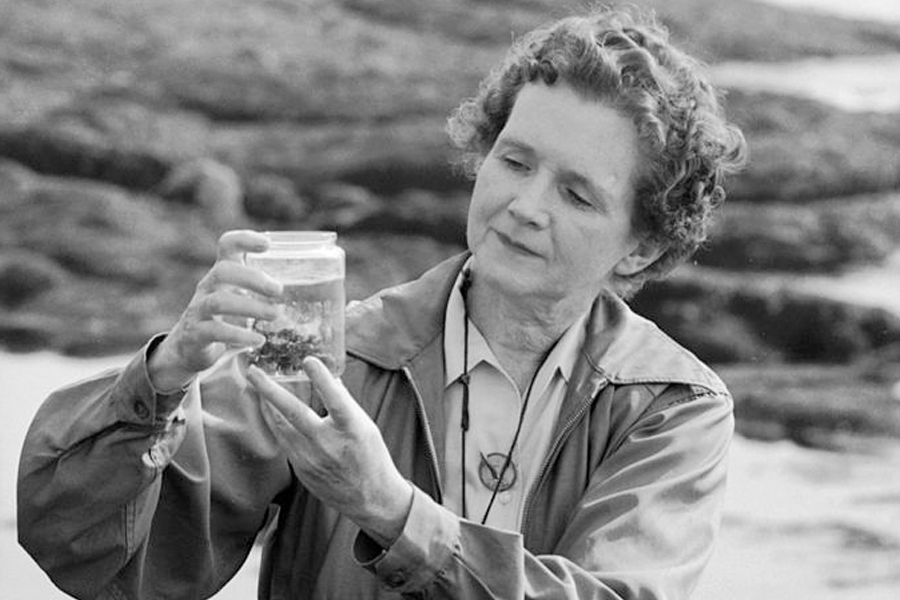
    Rachel Carson’s Silent Spring, which in 1962 exposed the hazards of the pesticide DDT, eloquently questioned humanity’s faith in technological progress and helped set the stage for the environmental movement.

    Carson, a renowned nature author and a former marine biologist with the U.S. Fish and Wildlife Service, or FWS, was uniquely equipped to create so startling and inflammatory a book. A native of rural Pennsylvania, she had grown up with an enthusiasm for nature matched only by her love of writing and poetry. The educational brochures she wrote for FWS, as well as her published books and magazine articles, were characterized by meticulous research and a poetic evocation of her subject.

    DDT, the most powerful pesticide the world had ever known, exposed nature’s vulnerability. Unlike most pesticides, whose effectiveness is limited to destroying one or two types of insects, DDT was capable of killing hundreds of different kinds at once. Developed in 1939, it first distinguished itself during World War II, clearing South Pacific islands of malaria-causing insects for U.S. troops while being used as an effective delousing powder in Europe. Its inventor was awarded the Nobel Prize.

    Silent Spring

    Silent Spring took Carson four years to complete.The book’s most haunting and famous chapter, “A Fable for Tomorrow,” depicted a nameless American town where all life—from fish to birds to apple blossoms to human children—had been “silenced” by the insidious effects of DDT. It meticulously described how DDT entered the food chain and accumulated in the fatty tissues of animals, including human beings, and caused cancer and genetic damage. A single application on a crop, she wrote, killed insects for weeks and months—not only the targeted insects but countless more—and remained toxic in the environment even after it was diluted by rainwater. Carson concluded that DDT and other pesticides had irrevocably harmed animals and had contaminated the world’s food supply.

    First serialized in The New Yorker in June 1962, the book alarmed readers across America and, not surprisingly, brought a howl of indignation from the chemical industry. “If man were to faithfully follow the teachings of Miss Carson,” complained an executive of the American Cyanamid Company, “we would return to the Dark Ages, and the insects and diseases and vermin would once again inherit the earth.” Monsanto published and distributed 5,000 copies of a brochure parodying Silent Spring entitled “The Desolate Year,” relating the devastation and inconvenience of a world where famine, disease, and insects ran amok because chemical pesticides had been banned. Some of the attacks were more personal, questioning Carson’s integrity and even her sanity.


    Vindication

    Her careful preparation, however, had paid off. Anticipating the reaction of the chemical industry, she had compiled Silent Spring as one would a lawyer’s brief, with no fewer than 55 pages of notes and a list of experts who had read and approved the manuscript. Many eminent scientists rose to her defense, and when President John F. Kennedy ordered the President’s Science Advisory Committee to examine the issues the book raised, its report thoroughly vindicated both Silent Spring and its author. As a result, DDT came under much closer government supervision and was eventually banned. The public debate moved quickly from whether pesticides were dangerous to which ones were dangerous, and the burden of proof shifted from the opponents of unrestrained pesticide use to the manufacturers.

    The most important legacy of Silent Spring, though, was a new public awareness that nature was vulnerable to human intervention. Carson had made a radical proposal: that, at times, technological progress is so fundamentally at odds with natural processes that it must be curtailed.

    One of the landmark books of the 20th century, Silent Spring’s message resonates loudly today, even several decades after its publication. And equally inspiring is the example of Rachel Carson herself. Against overwhelming difficulties and adversity, but motivated by her unabashed love of nature, she rose like a gladiator in its defense.

  • Five Ways to Reduce Your Exposure to Toxins in Food

    Five Ways to Reduce Your Exposure to Toxins in Food

    Food may go through a lot on its journey to your plate, sometimes in ways that are not beneficial to your health. Some things may occur before food is even planted or harvested. For example, crops can be treated with pesticides and fertilizers or transformed through hybridization or genetic engineering. And then there are toxic substances that are added to food either intentionally as ingredients or inadvertently as contaminants while food is being processed. While pesticides and genetically engineered foods can be mostly avoided by choosing organic, it can be challenging to avoid toxins added to food during processing and packaging.

    Researchers recently found almost two hundred chemicals of concern are used in food storage materials in the U.S. (1). Of these, I’ll focus this blog post on two types of chemicals: phthalates and bisphenol A (BPA), as well as its replacements. These chemicals are components in plastic wraps and food containers and give them flexibility and strength. They are also present in containers of small kitchen appliances like mixers, blenders, popcorn poppers, and water filtration pitchers.

    So, how are these chemicals a concern for your health? One of the major issues is that they act as hormone disruptors, meaning they interfere with your body’s natural cycles. Studies have shown that some phthalates have been linked to feminization of male fetuses in women who had higher levels in their blood stream during pregnancy (2). BPA has been shown to increase susceptibility to breast cancer or to act as an obesogen, which means that children exposed to higher levels as fetuses are more likely to gain weight later in their lives than those exposed to lower levels (3,4). Please note that products labeled ‘BPA-free’ may have alternatives that have also been shown to be disruptive to hormone cycles (5).

    So how do you avoid these chemicals in your diet? Several recent studies give some guidance both on ways to avoid them and how hard it can be to do so. Two of these studies tracked levels of BPA and phthalates in people’s urine before and during an intervention where they were asked to eat only unprocessed, unpackaged food. In one study, the levels of these chemicals dropped by more than half during the week they ate unprocessed food (6). In the other study, there were some sources of chemicals that they hadn’t expected and the reductions weren’t as successful (7). In another study, volunteers were asked to eat one serving of canned soup daily for five days. Their BPA levels went up by 1000% (e.g. a 10-fold increase) during that time (8).

    Because problematic chemicals aren’t well regulated in our food and consumer products, such as the ‘BPA-free’ products containing replacements that can be as toxic as the original, I recommend using non-plastic alternatives for cooking and storage of food and water, like stainless steel, glass, and low-lead ceramic containers. Also, it’s a good idea to use mesh and canvas bags when buying produce and bulk foods and become a collector of glass jars (i.e. canning and food jars) for storage.

    I offer these simple steps for reducing your exposure to toxins in food, whether they were added during processing, packaging, or from environmental contamination:

    1. Avoid processed and packaged food, including canned foods and beverages.
    2. Choose organic food whenever possible to reduce exposure to pesticides.
    3. Cook and store food in stainless steel, glass and ceramic and avoid plastic containers and nonstick pans.
    4. Minimize consumption of animal fats (meat, cheese, and butter), as they accumulate toxins like PCBs and dioxins (9).
    5. Avoid char on food (yup, even in barbecue), since it’s highly carcinogenic (10).

    References

    1. Geueke, B, et al. (2014). “Food contact substances and chemicals of concern: a comparison of inventories. Food Additives & Contaminants: Part A. Vol 31:1438.
    2. Swan SH, et al (2005). “Decrease in anogenital distance among male infants with prenatal phthalate exposure.Environmental Health Perspectives Vol 113:1056.
    3. Bhan, A, et al. (2014). “Bisphenol-A and diethylstilbestrol exposure induces the expression of breast cancer associated long noncoding RNA HOTAIR in vitro and in vivo.The Journal of Steroid Biochemistry and Molecular Biology, Vol. 141:160.
    4. Trasande, L, et al. (2012). “Association Between Urinary Bisphenol A Concentration and Obesity Prevalence in Children and Adolescents.Journal of the American Medical Association. 308:1113.
    5. Bienkowski, B. and Environmental Health News (2013). “BPA Replacement Also Alters Hormone.
    6. Rudel, R, et al. (2011). “Food Packaging and Bisphenol A and Bis(2-Ethyhexyl) Phthalate Exposure: Findings from a Dietary Intervention.Environmental Health Perspectives. 119:914.
    7. Sathyanarayana, S. et al. (2013). “Unexpected results in a randomized dietary trial to reduce phthalate and bisphenol A exposures.Journal Exposure Science & Environmental Epidemiology. Vol. 23:378.
    8. Carwile, JL, et al (2011). “Canned Soup Consumption and Urinary Bishphenol A: A Randomized Crossover Trial.Journal of the American Medical Association. 306:2218.
    9. Kalantzi, OI, et al. (2001). “The global distribution of PCBs and organochlorine pesticides in butter.”  Environmental Science & Technology. 35:1013.
    10. Massachusetts General Hospital (2011). “Can eating grilled foods really increase cancer risk?” 01/Jul/2011

    Photo: “Rusty tin cans” © 2013 by Beverley Goodwin. Used under Creative Commons License.

    —This article originally appeared at: https://eatingrules.com/reduce-toxin-exposure-in-food/

  • The Problem with Pesticides

    The Problem with Pesticides

    Pesticides

    Pesticides are the only toxic substances released intentionally into our environment to kill living things. This includes substances that kill weeds (herbicides), insects (insecticides), fungus (fungicides), rodents (rodenticides), and others.

    The use of toxic pesticides to manage pest problems has become a common practice around the world. Pesticides are used almost everywhere — not only in agricultural fields, but also in homes, parks, schools, buildings, forests, and roads. It is difficult to find somewhere where pesticides aren’t used — from the can of bug spray under the kitchen sink to the airplane crop dusting acres of farmland, our world is filled with pesticides. In addition, pesticides can be found in the air we breathe, the food we eat, and the water we drink.

    Pesticides and Human Health

    Pesticides have been linked to a wide range of human health hazards, ranging from short-term impacts such as headaches and nausea to chronic impacts like cancer, reproductive harm, and endocrine disruption.
    <pdf printable about pesticides and human health>

    Acute dangers – such as nerve, skin, and eye irritation and damage, headaches, dizziness, nausea, fatigue, and systemic poisoning – can sometimes be dramatic, and even occasionally fatal.

    Chronic health effects may occur years after even minimal exposure to pesticides in the environment, or result from the pesticide residues which we ingest through our food and water. A July 2007 study conducted by researchers at the Public Health Institute, the California Department of Health Services, and the UC Berkeley School of Public Health found a sixfold increase in risk factor for autism spectrum disorders (ASD) for children of women who were exposed to organochlorine pesticides.

    Pesticides can cause many types of cancer in humans. Some of the most prevalent forms include leukemia, non-Hodgkins lymphoma, brain, bone, breast, ovarian, prostate, testicular and liver cancers. In February 2009, the Agency for Toxic Substances and Disease Registry published a study that found that children who live in homes where their parents use pesticides are twice as likely to develop brain cancer versus those that live in residences in which no pesticides are used.

    Studies by the National Cancer Institute found that American farmers, who in most respects are healthier than the population at large, had startling incidences of leukemia, Hodgkins disease, non-Hodgkins lymphoma, and many other forms of cancer.

    There is also mounting evidence that exposure to pesticides disrupts the endocrine system, wreaking havoc with the complex regulation of hormones, the reproductive system, and embryonic development. Endocrine disruption can produce infertility and a variety of birth defects and developmental defects in offspring, including hormonal imbalance and incomplete sexual development, impaired brain development, behavioral disorders, and many others. Examples of known endocrine disrupting chemicals which are present in large quantities in our environment include DDT (which still persists in abundance more than 20 years after being banned in the U.S.), lindane, atrazine, carbaryl, parathion, and many others.

    Multiple Chemical Sensitivity (MCS) is a medical condition characterized by the body’s inability to tolerate relatively low exposure to chemicals. This condition, also referred to as Environmental Illness, is triggered by exposure to certain chemicals and/or environmental pollutants. Exposure to pesticides is a common way for individuals to develop MCS, and once the condition is present, pesticides are often a potent trigger for symptoms of the condition. The variety of these symptoms can be dizzying, including everything from cardiovascular problems to depression to muscle and joint pains. Over time, individuals suffering from MCS will begin to react adversely to substances that formerly did not affect them. (toxic buildup)

    For individuals suffering from MCS, the only way to relieve their symptoms is to avoid those substances that trigger adverse reactions. For some individuals, this can mean almost complete isolation from the outside world.

    Pesticides and Children

    Children are particularly susceptible to the hazards associated with pesticide use. There is now considerable scientific evidence that the human brain is not fully formed until the age of 12, and childhood exposure to some of the most common pesticides on the market may greatly impact the development of the central nervous system. Children have more skin surface for their size than adults, absorb proportionally greater amounts of many substances through their lungs and intestinal tracts, and take in more air, food and water per pound than adults.

    Children have not developed their immune systems, nervous systems, or detoxifying mechanisms completely, leaving them less capable of fighting the introduction of toxic pesticides into their systems.

    Pesticides and the Environment

    Since the publication of Rachel Carson’s landmark 1962 book Silent Spring, the impacts of pesticides on the environment have been well known. Pesticides are toxic to living organisms. Some can accumulate in water systems, pollute the air, and in some cases have other dramatic environmental effects. Scientists are discovering new threats to the environment that are equally disturbing.

    Pesticide use can damage agricultural land by harming beneficial insect species, soil microorganisms, and worms which naturally limit pest populations and maintain soil health;

    Weakening plant root systems and immune systems;

    Reducing concentrations of essential plant nutrients in the soil such nitrogen and phosphorous.

    The Solution to Pesticides

    We need to make our food, our air, our water, and our soil free from toxic chemicals.

    The real solution to our pest and weed problems lies in non-toxic and cultural methods of agriculture, not in pulling the pesticide trigger. Organically grown foods and sustainable methods of pest control are key to our families’ health and the health of the environment.

  • How to avoid the ORGANIC lie.

    How to avoid the ORGANIC lie.

    When you load up your shopping cart with organic leafy greens, are you getting more nutritional benefits than consumers on the other side of the produce aisle? More than half of Americans now believe organic food is healthier than conventionally-grown produce, even though there is no evidence to prove it.

    Fifty-five percent of Americans said they believed organic food to be more nutritional, a recent Pew Research Center study found — and of the 40% of Americans who say that “some” of the food they buy is organic, 75% do so because they believe it is healthier.

    “That is what 20 years of intensive marketing will do,” said Steve Savage, an agriculture expert and writer on farming and sustainability. Organic farming sales hit record highs in 2015, up 11% from the previous year at $43.3 billion, and is now more profitable than traditional farming. Despite the craze for organic food, Savage says there is no proven scientific reason to believe there are health benefits to opting for it. One 2012 study from Stanford University reviewed 237 top papers on the topic and found no evidence of a significant difference in health benefits between produce grown organically versus conventionally grown food.
    read more of this article at: http://www.marketwatch.com/story/is-organic-food-really-healthier-2016-12-01

    When the Soil Association, a major organic accreditation body in the UK, asked consumers why they buy organic food, 95% of them said their top reason was to avoid pesticides. They, like many people, believe that organic farming involves little to no pesticide use. I hate to burst the bubble, but that’s simply not true. Organic farming, just like other forms of agriculture, still uses pesticides and fungicides to prevent critters from destroying their crops.

    Confused?

    There are over 20 chemicals commonly used in the growing and processing of organic crops that are approved by the US Organic Standards. And, shockingly, the actual volume usage of pesticides on organic farms is not recorded by the government. Why the government isn’t keeping watch on organic pesticide and fungicide use is a good question, especially considering that many organic pesticides that are also used by conventional farmers are used more intensively than synthetic ones due to their lower levels of effectiveness. According to the National Center for Food and Agricultural Policy, the top two organic fungicides, copper and sulfur, were used at a rate of 4 and 34 pounds per acre in 1971 1. In contrast, the synthetic fungicides only required a rate of 1.6 lbs per acre, less than half the amount of the organic alternatives.

    The sad truth is, factory farming is factory farming, whether its organic or conventional. Many large organic farms use pesticides liberally. They’re organic by certification, but you’d never know it if you saw their farming practices. As Michael Pollan, best-selling book author and organic supporter, said in an interview with Organic Gardening, “They’re organic by the letter, not organic in spirit… if most organic consumers went to those places, they would feel they were getting ripped off.”

    What makes organic farming different, then? It’s not the use of pesticides, it’s the origin of the pesticides used. Organic pesticides are those that are derived from natural sources and processed lightly if at all before use. This is different than the current pesticides used by conventional agriculture, which are generally synthetic. It has been assumed for years that pesticides that occur naturally (in certain plants, for example) are somehow better for us and the environment than those that have been created by man. As more research is done into their toxicity, however, this simply isn’t true, either. Many natural pesticides have been found to be potential – or serious – health risks.2 

    In the end, it really depends on exactly what methods are used by crop producers. Both organic and conventional farms vary widely in this respect. Some conventional farms use little to no pesticides. Some organic farms spray their crops twice a month. Of course, some conventional farms spray just as frequently, if not more so, and some organic farms use no pesticides whatsoever.

     To really know what you’re in for, it’s best if you know your source, and a great way to do that is to buy locally. Talk to the person behind the crop stand, and ask them about their methods. This is the ONLY way to be certain of what you’re eating.

    read more about Organic Myths at https://blogs.scientificamerican.com/science-sushi/httpblogsscientificamericancomscience-sushi20110718mythbusting-101-organic-farming-conventional-agriculture/

  • When Foods hurt. When Foods Heal.

    When Foods hurt. When Foods Heal.

    Health Freedom Idaho Note: Excerpts of this article are encouraging to so many whose children suffer from symptoms that doctor’s simply want to treat instead of seeking the underlying cause. So many mothers (and fathers) have taken it upon themselves to become fully researched to help heal their children using real foods. It is a LOT of work and so rewarding…

    This mother writes:
    …”while researching auto immune disorders & came across The Paleo Mom. I remembered hearing, in the class I’d taken, that if you had one auto immune disorder (which now I knew eczema is considered to be) you were more likely to develop another AI disorder. I knew enough to be able to research further online & my research led me to the GAPS diet. I bought a copy of the book & while I waited, I poured over everything I could find online.

    I BELIEVE ARTHUR HAS A LEAKY GUT, WHICH IS WHY A TRADITIONAL ELIMINATION DIET DID NOT WORK FOR HIM. SIMPLY ELIMINATING FOODS WASN’T ENOUGH.

    I KNEW THE GAPS DIET WOULD HEAL MY SON.

    When my book finally arrived my husband & I sat down (me with my highlighter & pen, him with a glass of whiskey) & we dove right into the book. The information that came out of that book was equally shocking, reaffirming & bittersweet. I will forever wish I could have known what I know now so that I could have helped my other children sooner.

    The following are just a few quotes that I highlighted from the book, Gut and Psychology Syndrome by Natasha Campbell-McBride, that pertained to Arthur (or my other children).

    “GAPS children and adults have digestive problems, sometimes quite severe. Colic, bloating, flatulence, diarrhea, constipation, feeding difficulties & malnourishment…”

    “Whether we look at a child or an adult with GAPS, in the majority of cases digestive problems start at weaning time…”

    “It is also very rare for parents of GAPS children to describe their child’s stool as normal.”

    “…in many cases, undigested food is clearly visible in the stool. Very often the stool would have an extremely strong, unpleasant smell…”

    “Sometimes the stool would be very acidic and burn the child’s skin…”

    “In many of these cases the child would wake up at night screaming, when the parents do not know what is wrong. As the excessive gas gets released or simply moves to a different place in the bowel the pain would disappear and the child would settle down.”

    AS I READ MORE IT BECAME EVEN MORE CLEAR WHY A TRADITIONAL ELIMINATION DIET HAD NOT BEEN ENOUGH FOR ARTHUR.

    “If the gut flora is damaged, the best foods and supplements in the world may not have a good chance of being broken down and absorbed.”

    What I came to understand about Arthur was that, until his gut was healed & sealed, every food would end up being an allergen because his food would not get the chance to be digested properly before it was absorbed, therefore causing the immune system to react to the foods as ‘allergenic’.

    “As long as the gut wall is damaged and stays damaged, you can be juggling your diet forever, removing different foods and never getting anywhere.”

    More Information on the GAPS Diet for kids
    facebook:
  • Vaccine Damage Causes Autism

    Vaccine Damage Causes Autism

    HFI note: This is so worth sharing, again. Marcella wrote this over six years ago and its still relevant. The reports now reveal ONE in 36 children will be diagnosed with autism. Keep in mind, Autism cannot be confirmed by laboratory analysis. It’s strictly a behavioral diagnosis. Vaccines cause damage. This damage is inflammation that affects children to such a degree it is diagnosed as Autism. Semantics cannot change the fact that children’s suffering results in a diagnosis of autism. There have been numerous studies to show that the injection of toxins, Human DNA do in fact cause abnormal brain function that ultimately leads to the diagnosis of autism. We have provided information on 30 such studies.

    Okay. I give up.
    Vaccines do not cause autism.

    Autism is a behavioral diagnosis. To receive the diagnosis of “Autism” a child must exhibit a certain number of behaviors over a certain time frame. If he or she does not do so, the diagnosis of “autism” is not warranted.

    There is no blood test for “autism.”

    “Autism” can’t be confirmed or “ruled-out” by laboratory analysis. It’s strictly a behavioral diagnosis.

    Therefore, anything that causes physiological damage cannot directly “cause” autism.

    Ergo… vaccines cannot “cause” “autism.”

    …Vaccines cause the physiological damage to our children.

    These cause the underlying physical conditions that result in the pain, neurological damage, immune system disorders, gastrointestinal damage, and yeast overgrowth – all of which combine to produce the behavioral symptoms that lead to the “autism” diagnosis.

    Gastrointestinal damage is the most apparent result of vaccine damage.

    When a previously healthy child suddenly starts having multiple episodes of watery and extremely stinky diarrhea every day, and this happens shortly after receiving vaccinations, it is notable as a “vaccine injury.” What is not so obvious is that when the child’s gut is permanently damaged, he or she is no longer able to absorb nutrients necessary to produce neurotransmitters essential for proper brain function. So when the child develops mood swings, sleep difficulties, and learning disabilities several months later, these issues are not recognized as being related to vaccine injury because the initial damage occurred many months earlier.

    Please re-read the previous paragraph.

    This is why Dr. Andrew Wakefield is such a threat to the pharmaceutical industry.

    Dr. Wakefield NEVER said vaccines cause autism.
    Dr. Wakefield is a gastroenterologist. He saw a number of children with gastrointestinal problems who also happened to be diagnosed with autism. Dr. Wakefield reported his observations. He never claimed that the MMR “caused” autism. He merely reported that a number of children he had seen had BOTH gastrointestinal problems AND autism, and according to parental report, these issues developed within a short time of when the children received the MMR vaccine.

    Again… Why is Dr. Wakefield such a threat to the pharmaceutical industry?

    Hint: Not because vaccines cause autism – they don’t. Vaccines cause gastrointestinal damage.

    Gastrointestinal damage causes malabsorption of nutrients necessary for proper brain function.
    Mal-absorption of essential nutrients causes immune system disorders, seizures, encephalopathy, etc… and THAT’s what leads to the ultimate diagnosis of “autism.”

    If Dr. Wakefield’s observations are correct, SOMEONE SOMEWHERE will eventually draw the connection between vaccines and the domino-effect that leads to the “autism” diagnosis. From the perspective of the pharmaceutical industry, better to “nip it in the bud” now, which means discrediting Dr. Wakefield to the extent that no one will look further into the science.  By: Marcella Piper-Terry, M.S., Founder of VaxTruth.Org http://vaxtruth.org/2011/08/vaccines-do-not-cause-autism/

    Health Freedom Idaho would like to add, now more than half a decade later that there are more than 30 solid scientific peer-reviewed studies that back up the claims that autism is a direct result from receiving a vaccination. The question now is..to you believe the marketing or do you think the science backed up by the 1000’s of parental testimony and the statistics that our children are becoming irreversibly damaged by ‘preventative medicine.’

    The Studies

    The first research paper presented was the first one ever written on the subject, from 1943. Child Psychiatrist Leo Kanner discovered 11 children throughout several years who displayed a novel set of neurological symptoms that had never been described in the medical literature, where children were withdrawn, uncommunicative and exhibited similar odd behaviors. This disorder would become known as “autism.” In the paper, Dr. Kanner noted that the onset of the disorder began following the administration of a smallpox vaccine. This paper was published in 1943, and evidence that vaccination causes an ever-increasing rate of neurological and immunological regressions, including autism, has been mounting from that time until now.

    Patients MUST be able to make their own informed vaccine decisions because often, they know more about potential vaccine risks that even top public health officials do.

    1. Hepatitis B Vaccination of Male Neonates and Autism
    Annals of Epidemiology, September 2009
    CM Gallagher, MS Goodman, Stony Brook University Medical Center

    Boys vaccinated as neonates had threefold greater odds for autism diagnosis compared to boys never vaccinated or vaccinated after the first month of life.

    2. Porphyrinuria in childhood autistic disorder: Implications for environmental toxicity
    Toxicology and Applied Pharmacology, 2006
    Robert Natafa, et al, Laboratoire Philippe Auguste, Paris, France

    These data implicate environmental toxicity in childhood autistic disorder.

    3. Theoretical aspects of autism: Causes—A review
    Journal of Immunotoxicology, January-March 2011
    Helen V. Ratajczak, PhD

    Autism could result from more than one cause, with different manifestations in different individuals that share common symptoms. Documented causes of autism include genetic mutations and/or deletions, viral infections, and encephalitis following vaccination.

    4. Uncoupling of ATP-mediated Calcium Signaling and Dysregulated IL-6 Secretion in Dendritic Cells by Nanomolar Thimerosal
    Environmental Health Perspectives, July 2006.
    Samuel R. Goth, Ruth A. Chu Jeffrey P. Gregg

    This study demonstrates that very low-levels of Thimerosal can contribute to immune system disregulation.

    5. Gender-selective toxicity of thimerosal
    Exp Toxicol Pathol. 2009 Mar;61(2):133-6. Epub 2008 Sep 3. 
    Branch DR, Departments of Medicine and Laboratory Medicine and Pathobiology, University of Toronto

    A recent report shows a correlation of the historical use of thimerosal in therapeutic immunizations with the subsequent development of autism; however, this association remains controversial. Autism occurs approximately four times more frequently in males compared to females; thus, studies of thimerosal toxicity should take into consideration gender-selective effects. The present study was originally undertaken to determine the maximum tolerated dose (MTD) of thimersosal in male and female CD1 mice. However, during the limited MTD studies, it became apparent that thimerosal has a differential MTD that depends on whether the mouse is male or female.

    6. Comparison of Blood and Brain Mercury Levels in Infant monkeys exposed to Vaccines Containing Thimerosal
    Environmental Health Perspectives, Aug 2005. 
    Thomas Burbacher, PhD, University of Washington

    This study demonstrates clearly and unequivocally that ethyl mercury, the kind of mercury found in vaccines, not only ends up in the brain, but leaves double the amount of inorganic mercury as methyl mercury, the kind of mercury found in fish. This work is groundbreaking because little is known about ethyl mercury, and many health authorities have asserted that the mercury found in vaccines is the “safe kind.” This study also delivers a strong rebuke of the Institute of Medicine’s recommendation in 2004 to no longer pursue the mercury-autism connection.

    7. Increases in the number of reactive glia in the visual cortex of Macaca fascicularis following subclinical long-term methyl mercury exposure
    Toxicology and Applied Pharmacology, 1994 
    Charleston JS et al, Department of Pathology, School of Medicine, University of Washington

    The identities of the reactive glial cells and the implications for the long-term function and survivability of the neurons due to changes in the glial population following subclinical long-term exposure to mercury are discussed.

    8. Neuroglial Activation and Neuroinflammation in the Brain of Patients with Autism 
    Annals of Neurology, Feb 2005.
    Diana L. Vargas, MD [Johns Hopkins University]

    This study, performed independently and using a different methodology than Dr. Herbert (see above) reached the same conclusion: the brains of autistic children are suffering from inflammation.

    9. Autism: A Brain Disorder, or a Disorder That Affects the Brain? 
    Clinical Neuropsychiatry, 2005 
    Martha R. Herbert M.D., Ph.D., Harvard University

    Autism is defined behaviorally, as a syndrome of abnormalities involving language, social reciprocity and hyperfocus or reduced behavioral flexibility. It is clearly heterogeneous, and it can be accompanied by unusual talents as well as by impairments, but its underlying biological and genetic basis in unknown. Autism has been modeled as a brain-based, strongly genetic disorder, but emerging findings and hypotheses support a broader model of the condition as a genetically influenced and systemic.

    10. Activation of Methionine Synthase by Insulin-like Growth Factor-1 and Dopamine: a Target for Neurodevelopmental Toxins and Thimerosal
    Molecular Psychiatry, July 2004. 
    Richard C. Deth, PhD [Northeastern University]

    This study demonstrates how Thimerosal inhibits methylation, a central driver of cellular communication and development.

    11. Validation of the Phenomenon of Autistic Regression Using Home Videotapes
    Archives of General Psychiatry, 2005 
    Emily Werner, PhD; Geraldine Dawson, PhD, University of Washington

    Conclusion This study validates the existence of early autistic regression.

    12. Blood Levels of Mercury Are Related to Diagnosis of Autism: A Reanalysis of an Important Data Set
    Journal of Child Neurology, 2007 
    M. Catherine DeSoto, PhD, Robert T. Hitlan, PhD -Department of Psychology, University of Northern Iowa

    Excerpt: “We have reanalyzed the data set originally reported by Ip et al. in 2004 and have found that the original p value was in error and that a significant relation does exist between the blood levels of mercury and diagnosis of an autism spectrum disorder. Moreover, the hair sample analysis results offer some support for the idea that persons with autism may be less efficient and more variable at eliminating mercury from the blood.”

    13. Developmental Regression and Mitochondrial Dysfunction in a Child With Autism
    Journal of Child Neurology, February 2006 
    Jon S. Poling, MD, PhD, Department of Neurology and Neurosurgery, Johns Hopkins Hospital

    Excerpt: “Children who have (mitochondrial-related) dysfunctional cellular energy metabolism might be more prone to undergo autistic regression between 18 and 30 months of age if they also have infections or immunizations at the same time.”

    14. Oxidative Stress in Autism: Elevated Cerebellar 3-nitrotyrosine Levels
    American Journal of Biochemistry and Biotechnology, 2008 
    Elizabeth M. Sajdel-Sulkowska, – Dept of Psychiatry, Harvard Medical School

    Excerpt: The preliminary data suggest a need for more extensive studies of oxidative stress, its relationship to the environmental factors and its possible attenuation by antioxidants in autism.”

    15. Large Brains in Autism: The Challenge of Pervasive Abnormality
    The Neuroscientist, 2005. 
    Martha Herbert, MD, PhD, Harvard University

    This study helps refute the notion that the brains of autistic children are simply wired differently and notes, “neuroinflammation appears to be present in autistic brain tissue from childhood through adulthood.” Dr. Herbert suggests that chronic disease or an external environmental source (like heavy metals) may be causing the inflammation.

    16. Evidence of Toxicity, Oxidative Stress, and Neuronal Insult in Autism
    Journal of Toxicology and Environmental Health, Nov-Dec 2006. 
    Janet Kern, Anne Jones, Department of Psychiatry, University of Texas Southwestern Medical Center

    “This article discusses the evidence for the case that some children with autism may become autistic from neuronal cell death or brain damage sometime after birth as result of insult; and addresses the hypotheses that toxicity and oxidative stress may be a cause of neuronal insult in autism… the article discusses what may be happening over the course of development and the multiple factors that may interplay and make these children more vulnerable to toxicity, oxidative stress, and neuronal insult.”

    17. Oxidative Stress in Autism
    Pathophysiology, 2006. 
    Abha Chauhan, Ved Chauhan

    This study provides a helpful overview of the growing evidence supporting the link between oxidative stress and autism.

    18. Thimerosal Neurotoxicity is Associated with Glutathione Depletion: Protection with Glutathione Precursors
    Neurotoxicology, Jan 2005. 
    S. Jill James, PhD, University of Arkansas

    This recent study demonstrates that Thimerosal lowers or inhibits the body’s ability to produce Glutathione, an antioxidant and the body’s primary cellular-level defense against mercury.

    19. Aluminum adjuvant linked to gulf war illness induces motor neuron death in mice
    Neuromolecular Medicine, 2007 
    Christopher Shaw, Ph.D., Department of Ophthalmology and Program in Neuroscience, University of British Columbia

    This study demonstrates the extreme toxicity of the aluminum adjuvant used as a preservative in vaccines.

    20. Environmental mercury release, special education rates, and autism disorder: an ecological study of Texas
    Health & Place, 2006 
    Raymond F. Palmer, University of Texas Health Science Center

    This study demonstrated the correlation between environmental mercury and autism rates in Texas.

    21. Autism Spectrum Disorders in Relation to Distribution of Hazardous Air Pollutants in the SF Bay Area
    Environmental Health Perspectives, September, 2006 
    Gayle Windham, Div. of Environmental and Occupational Disease Control, California Department of Health Services

    Excerpt: “Our results suggest a potential association between autism and estimated metal concentrations, and possibly solvents, in ambient air around the birth residence.”

    22. A Case Series of Children with Apparent Mercury Toxic Encephalopathies Manifesting with Clinical Symptoms of Regressive Autistic Disorder
    Journal of Toxicology and Environmental Health, 2007 
    David A. Geier, Mark R. Geier

    This study reviewed the case histories and medical profiles of nine autistic children and concluded that eight of the nine children were mercury toxic and this toxicity manifested itself in a manner consistent with Autism Spectrum Disorders.

    23. Attention-deficit hyperactivity disorder and blood mercury level: a case-control study in chinese children
    Neuropediatrics, August 2006 – P.R. Kong

    Excerpt: “There was significant difference in blood mercury levels between cases and controls, which persists after adjustment for age, gender and parental occupational status. The geometric mean blood mercury level was also significantly higher in children with inattentive and combined subtypes of ADHD. High blood mercury level was associated with ADHD. Whether the relationship is causal requires further studies.”

    24. The Changing Prevalence of Autism In California
    Journal of Autism and Developmental Disorders, April 2003 
    Mark F. Blaxill, David S. Baskin, and Walter O. Spitzer

    This study helps to refute the supposition made by some researchers that autism’s epidemic may only be due to “diagnostic substitution”.

    25. Mitochondrial Energy-Deficient Endophenotype in Autism
    American Journal of Biochemistry and Biotechnology 2008 
    J. Jay Gargus and Faiqa Imtiaz, School of Medicine, University of California, Irvine,

    While evidence points to a multigenic etiology of most autism, the pathophysiology of the disorder has yet to be defined and the underlying genes and biochemical pathways they sub serve remain unknown.

    26. Bridging from Cells to Cognition in Autism Pathophysiology: Biological Pathways to Defective Brain Function and Plasticity
    American Journal of Biochemistry and Biotechnology 2008 
    Matthew P. Anderson, Brian S. Hooker and Martha R. Herbert, Cambridge Health Alliance/Harvard Medical School/Beth Israel Deaconess Medical Center

    We review evidence to support a model where the disease process underlying autism may begin when an in utero or early postnatal environmental, infectious, seizure, or autoimmune insult triggers an immune response that increases reactive oxygen species (ROS) production in the brain that leads to DNA damage (nuclear and mitochondrial) and metabolic enzyme blockade and that these inflammatory and oxidative stressors persist beyond early development (with potential further exacerbation), producing ongoing functional consequences.

    27. Heavy-Metal Toxicity—With Emphasis on Mercury

    John Neustadt, ND, and Steve Pieczenik, MD, PhD

    Conclusion: Metals are ubiquitous in our environment, and exposure to them is inevitable. However, not all people accumulate toxic levels of metals or exhibit symptoms of metal toxicity, suggesting that genetics play a role in their potential to damage health.

    28. Evidence of Mitochondrial Dysfunction in Autism and Implications for Treatment
    American Journal of Biochemistry and Biotechnology
    Daniel A. Rossignol, J. Jeffrey Bradstreet

    MtD and oxidative stress may also explain the high male to female ratio found in autism due to increased male vulnerability to these dysfunctions.

    29. Proximity to point sources of environmental mercury release as a predictor of autism prevalence
    Health & Place, 2008 
    Raymond F. Palmer et al, University of Texas Health Science Center

    This study should be viewed as hypothesis-generating – a first step in examining the potential role of environmental mercury and childhood developmental disorders. Nothing is known about specific exposure routes, dosage, timing, and individual susceptibility. We suspect that persistent low-dose exposures to various environmental toxicants, including mercury, that occur during critical windows of neural development among genetically susceptible children (with a diminished capacity for metabolizing accumulated toxicants) may increase the risk for developmental disorders such as autism.

    30. Epidemiology of autism spectrum disorder in Portugal: prevalence, clinical characterization, and medical conditions
    Developmental Medicine & Child Neurology, 2007 
    Guiomar Oliveira MD PhD et al, Centro de Desenvolvimento da Criança, Hospital Pediátrico de Coimbra; Assunção Ataíde BSc, Direcção Regional de Educação do Centro Coimbra;

    The objective of this study was to estimate the prevalence of autistic spectrum disorder (ASD) and identify its clinical characterization, and medical conditions in a pediatric population in Portugal.

    _________________________

    Given our belief that each person, parent or guardian should be free to choose how to get and stay well, we are committed to promote and preserve for the people of Idaho the right to access the healing and health care treatment, information, and services of their choice which they determine are necessary for their own health and survival; protect practitioners’ right to practice; develop state laws, statutes, and codes that honor our inalienable human right to self determination in all aspects of our own and our children’s health; and empower the citizens of Idaho by advocating understanding of the laws and factors impacting their right to access.  

    You can support our efforts to protect Health Freedom in Idaho by becoming a member today.
    Our Alliance is diverse, and we offer Membership opportunities for everyone interested in protecting our health freedom
    .

  • What Is Added To Our Foods Is Making Us Sick

    What Is Added To Our Foods Is Making Us Sick

    HFI Comment: It is SO VERY IMPORTANT to the health and well being of ourselves and our children to understand the additives in our foods. The rise of chronic disease is directly related to the increase of artificial foods, additives to our food and water and even to the amount of pesticides and herbicides we breathe and consume as residue on our foods.

    Thursday, December 01, 2016 by: Ethan A. Huff, staff writer

    They’re a staple ingredient in many processed foods, helping to maintain a food product’s texture and consistency while extending its shelf life. But chemical emulsifiers like polysorbate 80 and carboxymethylcellulose appear to be major driving factors in what many experts now admit are escalating rates of gastrointestinal disease and bowel cancer all around the world, a shocking new study has found.

    For their study, researchers from Georgia State University evaluated the metabolization of some of the more popular emulsifiers used in processed foods to see how they affect mammalian gut microflora. They tested these chemicals on mice at appropriate levels similar to what a human would encounter in common foods like baked bread, margarine, and dessert pastries.

    What they found is that the mice fed the chemicals experienced major changes to their internal microbial terrain, which resulted in a low-grade inflammation that precipitated the formation of cancer cells. A corresponding increase in “bad” bacteria offsetting the proper balance of “good” bacteria further created conditions hospitable to cancer cell growth and proliferation.

    With Crohn’s disease, ulcerative colitis, and other forms of inflammatory bowel disease on the rise, these findings have strong implications for the role that diet plays in exacerbating the colorectal cancer epidemic. The fourth most commonly diagnosed type of cancer after breast, prostate, and lung, colon cancer is a serious problem, and emulsifiers are at least partially to blame.

    “The incidence of colorectal cancer has been markedly increasing since the mid-20th century,” stated Dr. Emilie Viennois, lead author of the study, in conjunction with its publishing in the peer-reviewed journal Cancer Research. “A key feature of this disease is the presence of an altered intestinal microbiota that creates a favourable niche for tumorigenesis.”

    Vaccines often loaded with cancer-causing emulsifiersWhile food is probably the most significant source of exposure to chemical emulsifiers, vaccines are a close second. Polysorbate 80, for instance, is a common vaccine ingredient that’s used as a surfactant to reduce the surface tension between two or more liquid substances while increasing their solubility – in other words, like with food, it’s used to create a unified homogenous substance out of otherwise non-homogenous components.

    As explained by Health Impact News, polysorbate 80 is a key ingredient found in popular vaccines like those for DtaP (Infanrix), Influenza (Fluarix), Tdap (Boostrix), and Meningococcal (MenB-Trumenba). It poses many of the same risks as it does in food, and possibly even more due to the nature of its injection rather than ingestion.

    “Polysorbate 80 is used in pharmacology to assist in the delivery of certain drugs or chemotherapeutic agents across the blood-brain barrier,” explains pediatrician Dr. Lawrence Palevsky, M.D.

    “What viral, bacterial, yeast, heavy metal or other vaccine containing ingredient needs to pass into the brains of our children? Do they belong in the brain? Is that part of the needed immune response to protect our children from disease? Do vaccine materials pass across the blood-brain barrier with the help of Polysorbate 80? If so, are there complications from being in the brains of our children?” he asks.

    So while oral intake of emulsifiers like polysorbate 80 pose a direct threat to gut microbiota, intramuscular and/or intravenous intake of polysorbate 80 via vaccines poses a direct threat to the brain. In both cases, avoidance of this and other similar chemical emulsifiers seems prudent and necessary to mitigate potentially permanent damage to the body.

    The importance of maintaining a healthy ecological terrain in the gut for cancer prevention is now more evident than ever. And avoiding emulsifiers is clearly an important part of doing this, as is avoiding vaccines.

    Sources for this article include:

    DailyMail.co.uk

    MedicalXpress.com

    HealthImpactNews.com

  • Vaccine Promoter Offit Eyes Idaho

    Vaccine Promoter Offit Eyes Idaho

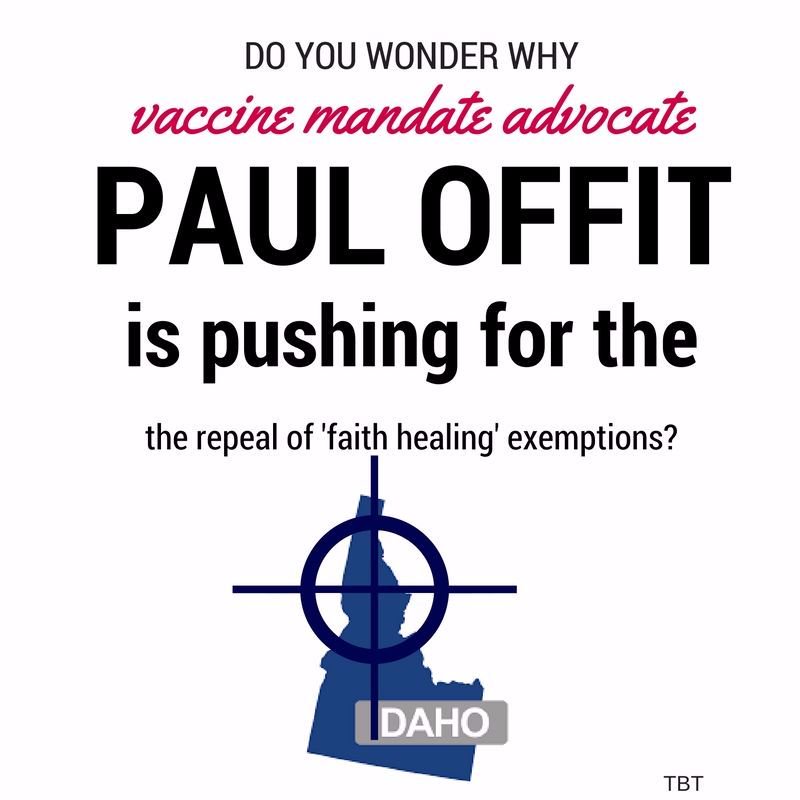
    Dr. Paul Offit holds a Merck-funded 1.5 million dollar research chair at the Children’s Hospital of Philadelphia, has stated that children can safely receive 10,000 vaccines in one sitting, and is the co-inventor of a massively profitable rotavirus vaccine called RotaTeq 1  which has caused serious suffering in the form of hospitalization, surgery,  and death to more than 1,000 U.S. infants 2.

    Therefore, it is ironic that he (a non Idaho resident) has joined a Protect Idaho Kids campaign entitled “Let Them Live”3 which targets the current Faith Healing Exemption law in our state. Many citizens fear the removal of this exemption to be a slippery slope to the inevitable and insidiously motivated, the end goal to further the removal of other parental rights concerning the medical treatment of our children.

    Offit stated in his December 15, 2015 video blog, that parents questioning vaccine safety hold “ill-founded beliefs.”

    Certainly the parents of the children that were dosed with Offit’s vaccine and hospitalized by this “preventive medicine” once held a firm belief in medical science. That is, until it killed or severely injured their previously healthy infants.

    His books, lectures and television commercials assert his belief that any public outcry advocating Informed Consent is “a threat to public safety” and is “undermining modern medicine.” Clearly, he (and his massive financial incentive) is threatened by individuals doing independent research about the safety, efficacy, and necessity of modern, allopathic medicine.

    In this video, he states that parents that choose not vaccinate their children in accordance with the entire CDC recommended vaccine schedule (which includes HIS vaccine among others) should be forced to relinquish their children to the State.  4 

    A doctor, financially profiting from “preventative” medicines which carry the potential risk of permanent injury or death to our infants, wants to convince the public that he acts in the “best interest of our children” more than we do!

    EACH AND EVERY PARENT should find this disconcerting.

    Dr. Paul Offit has joined a Statewide campaign calling for changes in our state laws. It begs the question from Health Freedom Advocates, “Is Dr. Offit sincerely interested in protecting Idaho’s children or just self-interested?”

    MORE RESEARCH RESOURCES: 

    RotaTeq Virus ADVERSE REACTIONS

    2 Reports on VAERS (June 15, 2016) for the Offit/Merck Rotateq vaccine introduced in 2006 list 1,135 cases of intussusception with 10 accompanying deaths  (1 in 107) while Rotarix (introduced in 2008) has 583 cases of intussusception  and 11 deaths  (a very disturbing rate of 1 in 50).

    RotaTeq Virus CONTAMINATION

    On May 7, 2010, the FDA announced that RotaTeq vaccine was contaminated with DNA from two porcine circoviruses: PCV1 and PCV2.  To date, the vaccine manufacturer, Merck, has not given any information regarding if, or when, PCV1 and PCV2 will be removed from this vaccine.  Although PCV1 has not been associated with clinical disease in pigs, PCV2 is a lethal pig virus that causes immune suppression and a serious wasting disease in baby pigs that damages lungs, kidneys, the reproductive system, brain and ultimately causes death.  The FDA recommended temporary suspension of the use of Rotarix vaccine on March 22nd after DNA from PCV1 was identified in Rotarix, but did not call for suspension of the use of RotaTeq vaccine after PCV2 was found in RotaTeq. On June 1st, NVIC called on Merck to voluntarily withdraw RotaTeq from the market until PCV2, especially, is removed from the vaccine.
    _________________
    Millions of Children Infected with “Vaccine Safety Expert’s” Rotateq Vaccine: Dr. Paul Offit.
    Paul Offit says you can safely administer 10,000 vaccines to infants at once. But he also profits from the patent he holds for the Rotateq vaccine. What’s wrong with this picture?
    By: Sayer Ji, Founder of GreenMedInfo.com
    A 2010 study published in Journal of Virology revealed that his multi-million dollar-grossing patent on the Rotateq vaccine contains a live Simian Retrovirus (with a 96% match of certainty) that has likely infected millions of children over the past few years causing great harm.  Retrovirus infections are permanent, and can carry on indefinitely into future generations. In other words, once they are inserted into the human genome they cannot be removed.
    View the entire PDF here. Read complete article HERE.

  • Action Alert: Tell the EPA “NO” more 2,4-D and glyphosate

    Action Alert: Tell the EPA “NO” more 2,4-D and glyphosate

    ACTION ALERT! Add your name to the petition here. 
    Excerpt of the proposal from the Center for Food Safety: 

    The EPA is proposing a dramatic expansion of the use of the toxic pesticide Enlist Duo. Enlist Duo is a mixture of glyphosate (the active ingredient in Monsanto’s Roundup®) and the even more toxic 2,4-D (part of the chemical mixture Agent Orange). If approved the pesticide cocktail could be used on corn, soy, and cotton in 34 states — up from 15 states where the product was previously approved for just corn and soy.

    The rush to expand the use of Dow AgroSciences’ toxic chemical concoction of glyphosate and 2,4-D for use on the next generation of genetically engineered crops comes only one year after the EPA asked a court to revoke its previous approval due to the unknown risks it posed, and now EPA suddenly wants to more than double the number of states where the pesticide can be used.

    Major news outlets are saying these crops are a serious cause for concern. According to the Los Angeles Times: “Just as the nation must stop overusing antibiotics if it hopes to slow the emergence of resistant infections, it must do the same with herbicides and genetically modified crops. The way to deal with so-called superweeds isn’t by escalating the arms race against them.”

    This GE crop system ensures a toxic spiral of ever-increasing chemical use on our land and food and poses a grave threat to our health. 2,4-D has been linked to major health problems including cancer, Parkinson’s disease, endocrine disruption, and reproductive problems. This approval would trigger millions of more pounds of toxic herbicides dumped onto our land. Even USDA admitted it could be as much as 176 million pounds per year!

    Tell the EPA to reject this massive expansion in the use of Enlist Duo!