Author: Health Freedom Idaho

  • Failed Flu Mist Vaccine Returns for 2018

    Failed Flu Mist Vaccine Returns for 2018

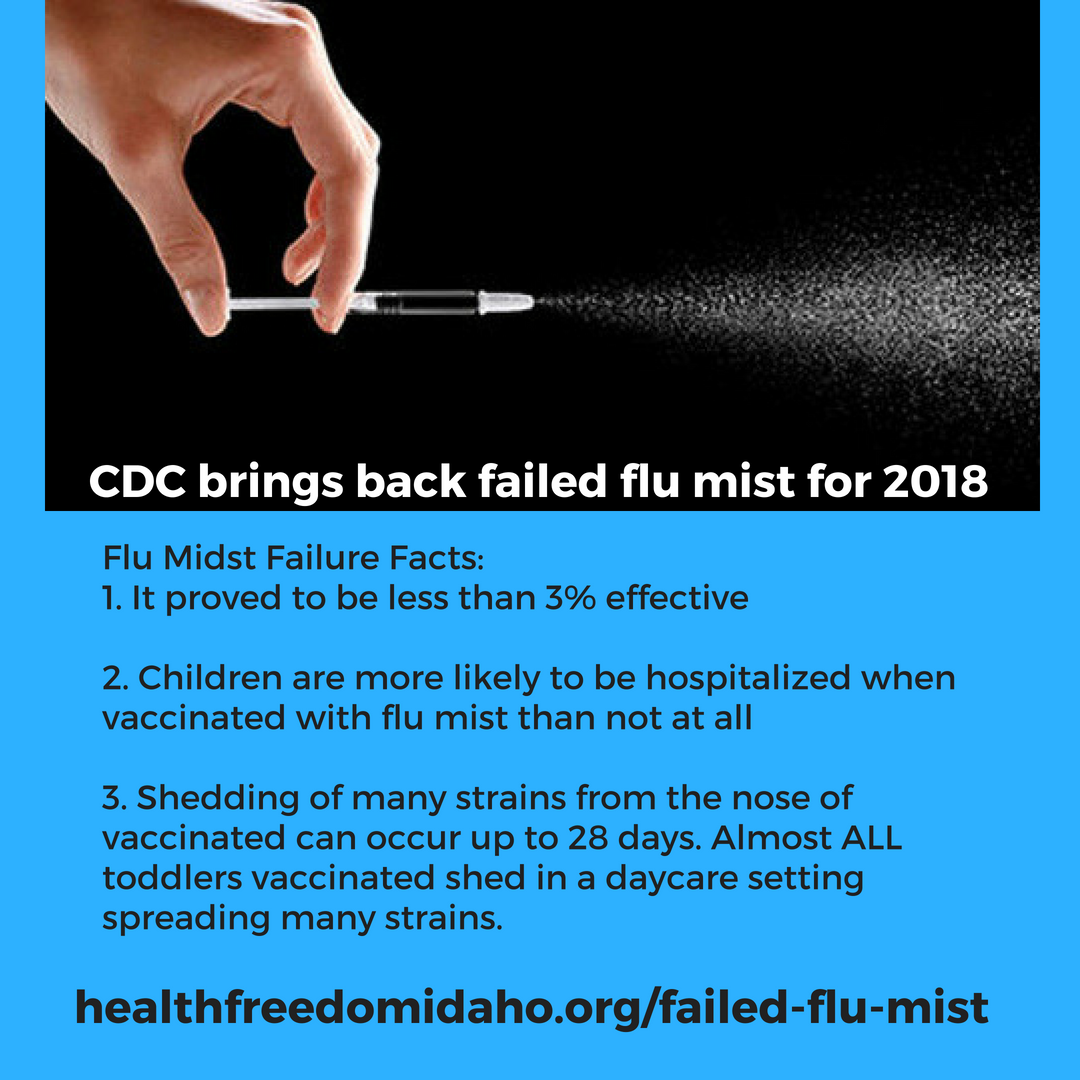
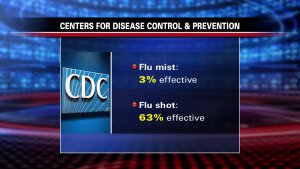
    Breaking News expect outbreaks of the flu this season. The CDC has brought back the (LIVE VIRUS) FluMist nasal spray. It was initially pulled due to poor “efficacy” boasting a 3% protection rating, which can more than likely be blamed on viral shedding from said vaccine. Most package inserts of live viral vaccines (MMR, chickenpox, shingles, flumist, rabies) state shedding can last for 2-5 weeks post vaccination. And if remembered correctly, last year it was noted by a study performed by PNAS, paid for by the CDC, that even those vaccinated with IM/injectable flu vaccinations had an increased shedding rate 6.3x more than those who do not receive a flu vaccination. Also, per Science Daily, it should also be noted that children who receive the flu vaccine have 3x the risk of hospitalization for Flu.

    Why on earth would you want to spray live virus into your nostrils. Think about it! They stopped giving it because it wasn’t working! Now suddenly it’s going to work? I guess it will work at spreading the Flu…

    Late last year Health Impact News reported on a study published by The Scripps Research Institute in La Jolla, California, documenting how influenza viruses cultured in eggs mutate, making the flu vaccines virtually worthless.

    The authors of the study stated:

    Seasonal influenza vaccine does not always confer protection in vaccinated individuals. Vaccine candidates are selected from clinical isolates based on their antigenic properties.

    It is common to use chicken eggs for culturing clinical isolates and for large-scale production of vaccines. However, influenza virus often mutates to adapt to being grown in chicken eggs, which can influence antigenicity and hence vaccine effectiveness.

    See:

    Study: Annual Flu Shot Ineffective

    Is the U.S. Mass Flu Vaccination Program Actually Causing More Severe Influenza Outbreaks?

    Over the past few years, several studies have pointed to the fact that repeated flu vaccinations year after year actually reduces the effectiveness of the vaccine, raising serious questions about yearly mass flu vaccination programs.

    The most recent was a study out of Australia where researchers showed that those who had multiple flu vaccines actually produced fewer antibodies than those who did not get the flu shot regularly.

    Most people probably do not realize that the measure of success for a vaccine is not whether you stay healthy or get sick, but simply if your body develops the appropriate antibodies thought to be required to fight off the disease being vaccinated against.

    Dr. Sherri Tenpenny explains this very well in the following video:

    This was not the first study to show that repeated flu shots every year decrease one’s resistance to influenza viruses.

    Dr. Edward Belongia of the Wisconsin’s Marshfield Clinic Research Foundation reported the same thing back in 2015, and a study in 2013 showed that getting the flu shot two years in a row lowered protection.

    We have frequently published an interview with Dr. Mark Geier explaining how little science there is behind the flu vaccine.

    Dr. Geier is NOT anti-vaccine. He is an M.D. and has a Ph.D. in genetics. He spent 10 years working at the National Institute of Health, and was a professor at Johns Hopkins University as a geneticist. He is also the author of over 150 peer-reviewed publications.

    He worked on vaccine safety and efficacy for more than 30 years. He was one of four scientists that worked to replace the DTP vaccine, a vaccine that caused every child to become sick with a high fever at the time of vaccination, with the DTaP vaccine, which is a more purified vaccine.

    Dr. Geier explains that the CDC does not follow the law for vaccines in requiring long-term safety testing for the influenza vaccine like they do with other vaccines, as it is impossible to test a vaccine that changes every year.

    So the flu vaccine is basically an experimental vaccine that they want to give out to 300 million people every year. There are also no studies showing the safety of giving the flu vaccine to the same person every single year.

    However, Dr. Geier points out that the CDC is in the business of distributing ‘flu vaccines, because they represent 300 million doses per year, whereas all the childhood vaccines together only number 20 million.

    Dr. Geier explains that flu is “the wrong thing to vaccinate against” because you have to keep re-vaccinating against it every year, unlike childhood infectious diseases, such as smallpox, that are only vaccinated for once.

    Learn How to Boost Your Natural Immunity

    Immune Boosting Herbs

    Fire Cider Tonic

    Ginger Teas

    Vitamin C

    Sources:

    https://www.cdc.gov/media/releases/2016/s0622-laiv-flu.html

    Something to think about and consider when (not if) flu epidemics begin to rise in our country this year. Who is really responsible for the “outbreaks?”

    Shedding: Vaccine Insert 12.2 Pharmacodynamics Shedding Studies
    Shedding of vaccine viruses within 28 days of vaccination with FluMist was evaluated in (1) multi-center
    study MI-CP129 which enrolled healthy individuals 6 through 59 months of age (N = 200); and (2) multi-
    center study FM026 which enrolled healthy individuals 5 through 49 years of age (N = 344). In each study,
    nasal secretions were obtained daily for the first 7 days and every other day through either Day 25 and on
    Day 28 or through Day 28. In study MI-CP129, individuals with a positive shedding sample at Day 25 or
    Day 28 were to have additional shedding samples collected every 7 days until culture negative on
    2 consecutive samples. Results of these studies are presented in Table 5.

    Return of FluMist: http://www.cidrap.umn.edu/news-perspective/2018/02/cdc-vaccine-panel-brings-back-flumist-2018-19-season

    http://www.pnas.org/content/early/2018/01/17/1716561115

    https://www.thewilddoc.com/cdc-funded-study-shows-the-vaccinated-shed-6-3-times-more-flu-virus-just-by-breathing/

    https://www.sciencedaily.com/releases/2009/05/090519172045.htm

  • Why You Should Avoid Soaps Labeled “Anti-Bacterial”

    Why You Should Avoid Soaps Labeled “Anti-Bacterial”

    Triclosan, one of the most prevalent antibacterial compounds found in products, is the focus of a campaign undertaken by a coalition of health and environmental groups led by Beyond Pesticides and Food & Water Watch, aimed at removing triclosan from the market. The antimicrobial agent can be fond in many health and beauty products, and has been found as a known endocrine disruptor. Triclosan was first used in the medical industry as a surgical scrub, but was soon added to consumer products like antibacterial soaps, detergents, deodorants, toothpastes and cosmetics.

    The chemical is used to kill bacteria and fungus and to eliminate odors. However, triclosan has also been found to cause endocrine disruption, impacting the thyroid by decreasing hormones, as well as building up in fatty tissues inside the body. In severe cases it has caused organ system toxicity, and in mild cases irritation and allergies. Triclosan is especially worrisome for pregnant women and breast feeding mothers.

    2014 Avon, one of the world’s largest beauty product manufacturers, to remove the antibacterial chemical triclosan from its products is “the latest example of how consumer pressure can improve product safety and change the marketplace.”

    “This is proof that consumer pressure does work and influences companies to do the right thing,” EWG’s Executive Director Heather White said. “We applaud Avon for putting the concerns of consumers first, and we hope other makers of beauty products will follow its example.”

    Triclosan is an antimicrobial chemical most commonly used in hand soaps and body washes to inhibit bacterial growth. It is also found in some brands of toothpaste, clothing, kitchenware, furniture and toys.

    Triclosan is absorbed through the skin and has been detected in human breast milk, blood and urine samples. In laboratory studies, it has been linked to hormone disruption. The chemical is also persistent in the environment and toxic to aquatic life.

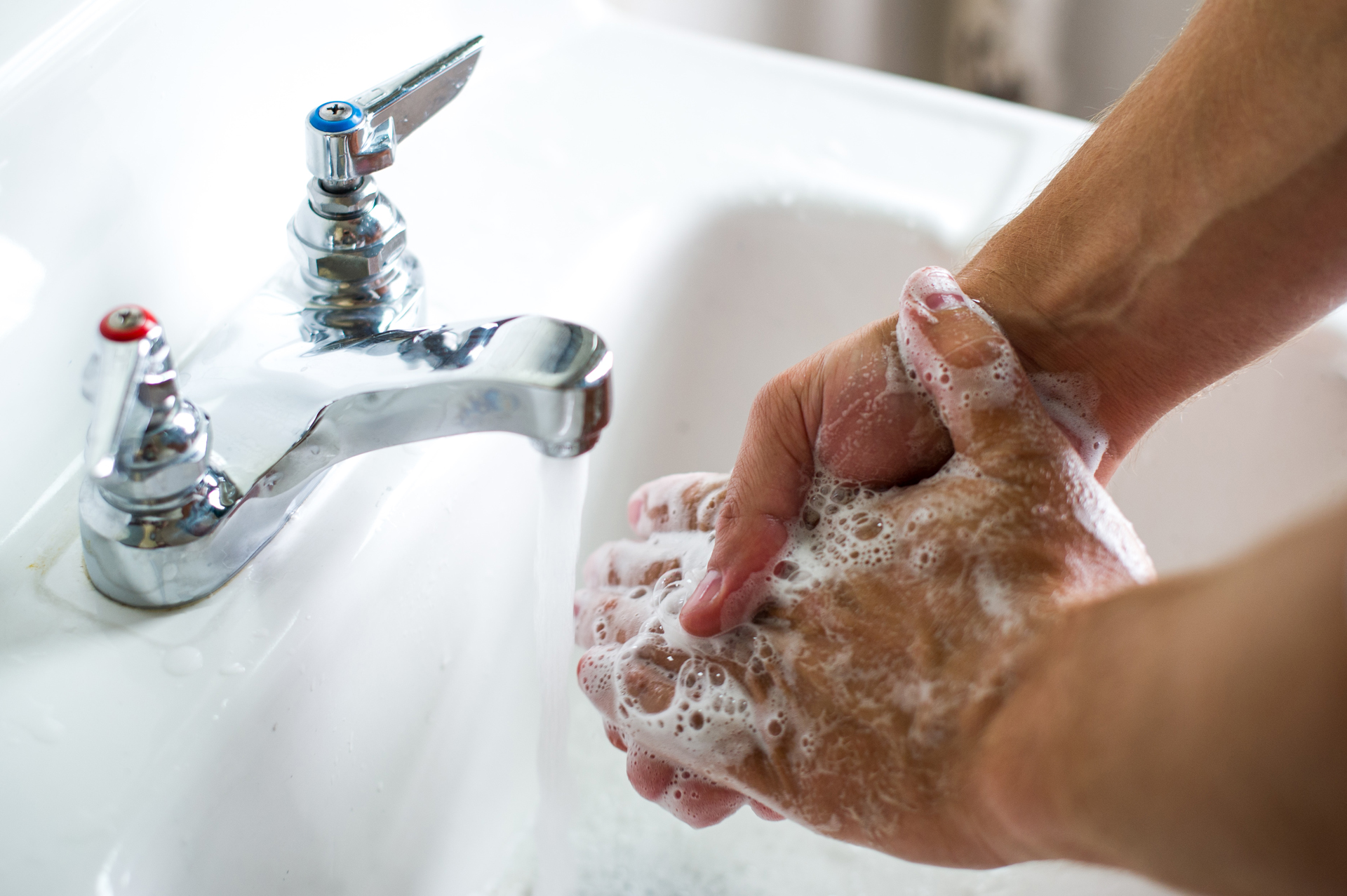
    According to the Food and Drug Administration, there is no evidence that triclosan in antibacterial soaps provide any benefit over washing with regular soap and water, yet many companies continue to add it to their consumer products. The FDA announced a new proposed rule in December of 2013 that would require manufacturers to provide more data about the effectiveness of antibacterial soaps.

    Products Containing Triclosan

    DISCLAIMER: Due to public pressure, many major manufacturers have quietly begun reformulating their products without triclosan. Product formulations may change without notice. Below is a small sampling of products formulated with, or used to be formulated with triclosan and is not to be considered a comprehensive list. Remember to always refer to product labels to determine whether triclosan is contained in your product. Some retail outlets may still carry older formulations. Look out for labels that state: “antimicrobial protection.” Some antibacterial soaps may use triclosan’s cousin, triclocarban, in place of triclosan.

    “Unfortunately, the FDA has been slow to act on triclosan, forcing consumers to advocate for themselves,” EWG’s White said. In the meantime, consumers can refer to EWG’s Guide to Triclosan to help reduce their exposure to the substance. One important tip is to avoid hand soaps and body washes labeled “antimicrobial” or “antibacterial.”

    Consumers can also use EWG’s Skin Deep Cosmetics Database and App to find out which products contain triclosan or other potentially hazardous chemicals.

  • Toxic Reality of America’s Favorite Weed Killer

    Toxic Reality of America’s Favorite Weed Killer

    Published on Aug 19, 2015

    Stephanie Seneff, PhD, MIT CSAIL presents “The ‘SAFE’ Herbicide that’s making us all Sick!” Seneff’s three decades of scientific rigor is added to a growing body of independent research that exposes the toxic reality of America’s favorite weed killer and biocide; Monsanto’s RoundUp.

    Presented by The SHAKA Movement’s Christina Fisher & Seeds of Truth’s Melissa Yee

    Special Thanks to “The Five Citizens” – Mark Sheehan, Alika Atay, Lei’ohu Ryder, Dr. Bonnie Marsh & Dr. Lorrin Pang

    Contact Information:
    Website/Donations: mauigmomoratoriumnews.org

    This article originally appeared at: https://youtu.be/qYC6oyBglZI.
  • Cabbage: 11 Varieties and 20 Health Benefits

    Cabbage: 11 Varieties and 20 Health Benefits

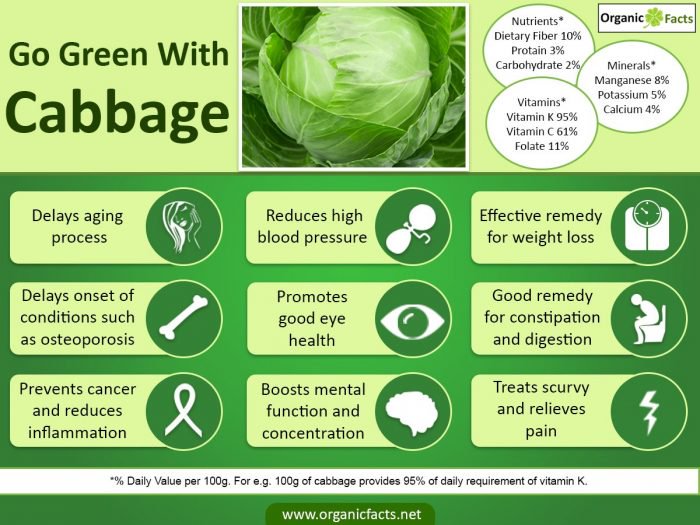
    Did you know that you don’t need to purchase organic cabbage to avoid pesticides? EWG reports that only two of more than 700 cabbage samples contained more than one pesticide residue. 86 percent of cabbage samples contained no detectable pesticide residue. Stock up on this hearty leafy green and all its health benefits.

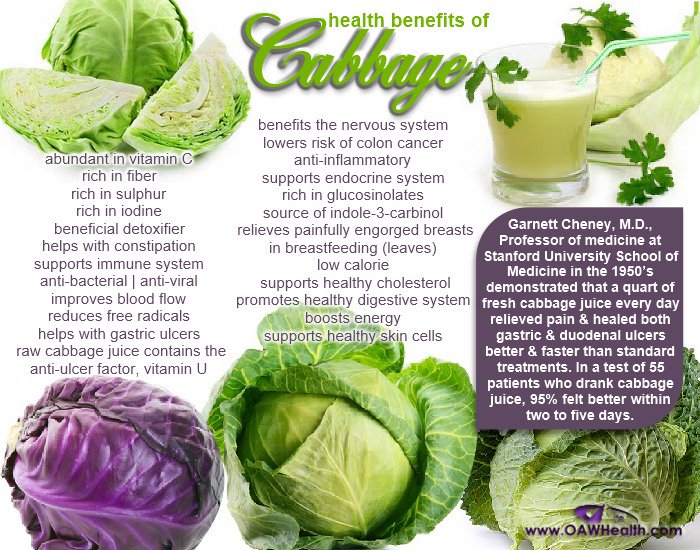
    The health benefits of cabbage include its frequent use as a treatment for constipation, stomach ulcers, headaches, obesity, skin disorders, eczema, jaundice, scurvy, rheumatism, arthritis, gout, eye disorders, heart diseases, and Alzheimer’s disease.

    What is Cabbage?

    Cabbage is a leafy green, red, or white biennial vegetable which is grown annually. This cruciferous vegetable belongs to the Brassica family and is round or oval in shape. It consists of soft, light green or whitish inner leaves covered with harder and dark green outer leaves. It is widely used throughout the world and can be prepared in a number of ways, but most commonly, it is included as either a cooked or raw part of many salads. Cabbage belongs the group of cole crops, which means that it is closely related to broccoli, cauliflower, and Brussels sprouts.

    Here are 11 varieties of cabbages and their uses


    1. Cannonball Cabbage
    This is a small, green cabbage variety that is sometimes described as a mammoth Brussels sprout, and them most common variety found at grocery stores and markets. They only grow to be about 12 inches across (which still makes for a lot of delicious greenery) with very dense leaves, making it perfect for shredding into coleslaw or sauerkraut.

    2. Bok Choy
    Bok choy is in fact a type of cabbage, but develops thick, white and watery-crisp stems and leaves that are green and tender. More akin to Swiss chard or spinach than a regular head of cabbage, bok choy makes an excellent addition to sautéed vegetable sides, stir-fries and Asian inspired soups.

    3. Choy Sum
    Sometimes labeled as ‘Chinese Cabbage’ choy sum can be found at mot grocery stores and all Asian food markets. This cabbage looks similar to bok choy, but is slightly slimmer and longer, with crispier stems and very tender leaves. It’s great chopped into an Asian salad with oranges and peanuts.

    4. Early Jersey Wakefield Cabbage
    This cabbage variety originates from Yorkshire in the U.K., but has morphed into a classic American heirloom over the centuries. The green cabbage has a heart or cone shaped head, which forms into a point that is surrounded by similar shape pale green leaves. These cabbages usually weigh 3-4 pounds and are excellent for plain steaming or light sautéing.

    5. January King Cabbage
    This curly-leafed cabbage displays gorgeous blue-green leaves with brushes of purple and dapples of turquoise. As the name implies, this cabbage variety enjoy cool weather and can even be planted in the fall for winter harvests. Rather small at 1 pound a head, this showy cabbage is great roasted and served as a unique side dish.

    6. Napa Cabbage
    Oblong in shape with crisp stems and frilly, greenish yellow leaves, this cabbage variety is sweet and softer than the average green cabbage. It is delicious raw in salads as a dumpling filler or steamed with other leafy greens and drizzled with lemon juice.

    7. Portugal Cabbage
    Another type of green cabbage, Portugal cabbage originates from the Mediterranean region. The plant features large, spread and ribbed leaves but forms no head; the rib part of the leaf and the top of the stem are the parts that are eaten. The leaves are tough but fantastic in a hearty Portuguese style soup!

    8. Red Drumhead Cabbage
    Red cabbages are typically tougher and deeper in flavor than green cabbages, and were traditionally harvested in the fall for pickling. Plant breeding has now allowed for more tender varieties of red cabbage that can be shredded into salads and coleslaws. Red cabbages are great options for veggie patches, as they tend to attract less worms and produce large, round heads.

    9. Savoy Cabbage
    The crinkly leaves of the beautiful savoy cabbage are deep green along the edges, turning yellow toward the base. The flavor of a savoy is earthy but mild, and smaller heads are perfect for grating or slicing into salads and stir-fries. Savoy cabbage is also a great choice for fermented foods like homemade kimchi!

    10. Walking Stick Cabbage
    This 2 to 3 foot tall variety looks more like kale than cabbage, the leaves of which can be steamed or lightly sautéed when young. Originally from Great Britain, the larger leaves of this cabbage were once used as wrappers for baking hearth breads. The cabbage received its name from the strength of the stem, which is often saved for use as a walking stick, plant stake or bean pole.

    11. Winnigstadt Cabbage
    German in origin, the Winnigstadt cabbage displays dark green, glossy leaves in a large and dense head with a small point. This cabbage requires ample growing space, with its outer leaves spreading up to 3 or 4 feet across, and unfortunately often attracts worms. Sweeter in flavor than most other cabbages, this variety is ideal for raw salads and coleslaw, but is also an excellent choice for sauerkraut.

    Nutrition

    Cabbage is a very good source of manganese, dietary fiber, calcium, magnesium, and potassium. It is also rich in various vitamins including vitamin C, B6, A, K, and E. With a 100 gram serving of cabbage containing about 25 calories, it proudly takes the title of a healthy addition to your diet. It is also high in antioxidants including flavonoid, zeaxanthin, lutein, choline, and beta-carotene.

    Health Benefits of Cabbage

    Did you know that the inexpensive and widely used cabbage can practically work miracles? Let’s take the look at the best ones!

    Antioxidant Agent

    Cabbage acts as a good detoxifier too, meaning that it purifies the blood and removes toxins, primarily free radicals and uric acid which are the main causes of rheumatism, gout, arthritis, renal calculi, skin diseases, and eczema. This detoxifying effect of cabbage is due to the high content of vitamin C and sulfur in it.

    Anti-inflammatory Agent

    Cabbage is known to accumulate a build-up of cadmium-binding complexes in its leaves and one of the main components of that is glutamine. Glutamine is a strong anti-inflammatory agent, so consuming it can reduce the effects of many types of inflammation, irritation, allergies, joint pain, fever, and various skin disorders.

    Supports the Body Against Cancer

    One of the most celebrated health benefits of cabbage is its powerful antioxidant quality. This means that cabbage and other similar vegetables scavenge free radicals from the body, which can be detrimental to overall health and are major contributors to cancer and heart diseases.

    It also contains another and glucosinolates that can be converted into isothiocyanate compounds that help in the prevention of various cancers including breast cancer, prostate cancer, bladder cancer, and colon cancer.

    Red cabbage also has a number of anti-cancer compounds, like lupeol, sinigrin, and sulforaphane (glucosinolates derived isothiocyanate), which are known to stimulate enzyme activity and inhibit the growth of tumors that lead to cancer. One study, performed primarily on Chinese women, showed a significant reduction in breast cancer when cruciferous vegetables like cabbage were regularly added to their diet.

    Supports the Digestive Tract

    Cabbage is very rich in fiber and glucosinolates, which is the main health benefit of roughage. This helps the body retain water and it maintains the bulkiness of the food as it moves through the bowels. Thus, it is a good remedy for constipation and other problems related to digestion.

    Roughage deficiency can be really fatal, but it is one that is commonly overlooked in the maintenance of personal health. A lack of roughage in food can result in constipation, which is the root cause of many other ailments and health hazards such as stomach ulcers, headaches, gastrointestinal cancers, indigestion, and a subsequent loss of appetite. The dangers of roughage deficiency even extend to skin diseases, eczema, premature aging, and hundreds of mild to serious conditions.

    Regulates Heart Health & Cholesterol

    By binding the bile acids, it helps to lower your total LDL cholesterol levels. Cabbage is also rich in polyphenols, which reduces the risk of cardiovascular diseases by reducing blood pressure and preventing platelet build-up.

    Protects from Radiation Therapy

    Cabbage has a rare compound called 3,3′-diindolylmethane (DIM), which has been shown to prevent the risks associated with radiation therapy. It helps in ensuring that the red and white blood cells and the platelet count remain existent, which is often not the case during radiation therapy. Therefore, DIM is also favored for use during cancer treatment in order to protect healthy tissue.

    Boosts Immunity

    Due to the high vitamin C content of cabbage, it helps in boosting the immune system and fighting off free radicals.

    Skin Care & Vitamin C

    As mentioned already, cabbage is rich in antioxidants, including vitamin C, anthocyanins, and sulfur, since it is a cruciferous vegetable. Antioxidants play a major role in skin health and the general toning and improvement of the body in response to the aging process. Free radicals can be an underlying cause of wrinkles, skin discoloration, spots, and many other conditions. Therefore, the antioxidants you get by eating cabbage can cause a turn-around in your aging processes, leaving you feeling and looking healthy and young. It also helps in preventing the onset of acne.

    Weight Loss

    Cabbage is frequently recommended for people who want to lose weight in a healthy way. Since cabbage is packed with many beneficial vitamins, minerals, and other nutrients, it is a healthy dietary option for people to eat and is quite filling since it has high levels of fiber, which add bulk to the bowels. It is also low in calories, amounting to only 33 calories in a cup of cooked cabbage.

    Prevents Cataract

    Cabbage is a rich source of beta-carotene, so many people, particularly as they get older, turn to cabbage for its ability to prevent macular degeneration and promote good eye health and delay cataract formation.

    Hair Care

    Cabbage being rich in sulfur and silicon helps in preventing dry hair. It also has a high vitamin A content that acts as an antioxidant and promotes hair health and hair growth.

    May help to Prevent Prostate Cancer

    Beta-carotene has been positively linked to reduced chances of prostate cancer, which is an extra bonus on top of other anti-carcinogenic effects of cabbage!

    Improves Brain Health

    Let’s not forget that cabbage is a very powerful brain food! The presence of vitamin K and anthocyanins within cabbage can give a strong boost to mental function and concentration. Vitamin K is essential for the production of sphingolipids, the myelin sheath around nerves. This wrapping is what protects nerves from damage and decay. Therefore, consuming vitamin K can improve your defense against neural degeneration, Parkinson’s and Alzheimer’s disease, and dementia.

    Furthermore, the anthocyanins in cabbage are a current area of research, but early indications point to it being a more powerful source of antioxidants than vitamin C, and red cabbage has even more types of anthocyanins than normal cabbage. It also appears that the nutrient uptake is not limited by anything and that people can eat as much cabbage as they want, and continue to accumulate antioxidants, which help fight off diseases, reduce chances of cancer, improve the nervous system, and increase brain function.

    Cabbage, being rich in iodine, also helps in the proper functioning of the brain and the nervous system, along with keeping the glands of the endocrine system in proper condition.

    Improves Bones

    Cabbage, as well as all cruciferous vegetables, are great sources of minerals, like calcium, magnesium, and potassium. These three essential minerals are integral in the protection of bones from degradation and the onset of conditions like osteoporosis and general bone weakening.

    Regulates Blood Pressure

    The presence of potassium in cabbage also makes it a wonderful way to protect yourself from elevated blood pressure, which increases the risk of heart attack and stroke. Potassium is a vasodilator, which means that it opens up the blood vessels and eases the flow of blood, so it isn’t being forced in a stress-inducing way through constricted arteries and veins. Overall, cabbage is a great shield against many types of dangerous conditions!

    Reduces Muscle Aches

    When certain bacteria ferment the sugars in cabbage during the preparation of sauerkraut, lactic acid is released. It isn’t the easiest compound to find in a diet, but it has been shown to reduce muscle soreness and aches, so in some small way, cabbage can help in general pain relief and muscle soreness, depending on how it is prepared.

    Speeds-up Healing

    Cabbage is rich in sulfur, which is a very useful nutrient as it fights infections. A deficiency of sulfur can result in microbial infections and a greatly reduced healing speed. It also reduces the frequency and severity of ulcers.

    Other benefits

    Cabbage can also be used for the treatment of varicose veins, leg ulcers, and peptic and duodenal ulcers.

    Basically, this common component of your Chinese dishes could be a miraculous addition to your diet. Don’t be afraid to add cabbage to your daily diet, whether it is in your soup or salad, and that small change will help you live a healthier and longer life.

    Uses of Cabbage

    Cabbage can be used in various culinary uses and can be incorporated into our daily diet in the following ways:

    • Salads: Cabbage can be shredded into salads with salt and other spices.
    • Soups: It can also be boiled into a soup and served hot.
    • Stews: It can be served raw or steamed into a stew with water and salt.
    • Sauerkraut learn how to make your own

    Article last updated on August 10, 2018 by OrganicFacts

    This article originally appeared at: https://www.organicfacts.net/health-benefits/vegetable/health-benefits-of-cabbage.html.

  • Why We MUST Detox from Glyphosate Toxins

    Why We MUST Detox from Glyphosate Toxins

    By now, most of us have heard about glyphosate in one way or another. Glyphosate has been found in the majority of our environment and food: rain, tap water, air, streams and even in our cereal, honey, breast milk and cotton products. It is almost impossible to avoid.

    Monsanto corporation – now a part of Bayer – lost the trial of the century against a man dying of cancer, his cancer alleged to be caused by Roundup herbicide. The corporation was found by a jury to be responsible for all claims and ordered to pay $289 million dollars in punitive damages to school groundskeeper Dewayne Johnson, whose life and limb are stricken with deadly lymphoma after years of using Roundup Pro and Ranger Pro.

    Moreover, the jury found that Monsanto “acted with malice, oppression and fraud.”

    Monsanto internal documents depict a “rampant corporate culture that has no interest in looking at whether or not their product is safe,” says Brent Wisner, lead trial counsel for Dewayne Lee Johnson in his lawsuit against the company.

    See the internal Monsanto papers and documents now unclassified that the jury saw that lead them to that conclusion.

    Our children are the sickest generation – 54% have chronic disease or neurological illness. Its easy to see that their health conditions are likely connected to this toxin’s pervasive use. Our children, the most susceptible to toxins. They are suffering the consequences of more than 250 million pounds of Roundup herbicide every year. At the same time, weeds are becoming more resistant to Roundup, so farmers are using more and more chemicals to deal with super-pests and super-weeds. From 1994 to 2005, the use of glyphosate has increased by 1,500 percent.

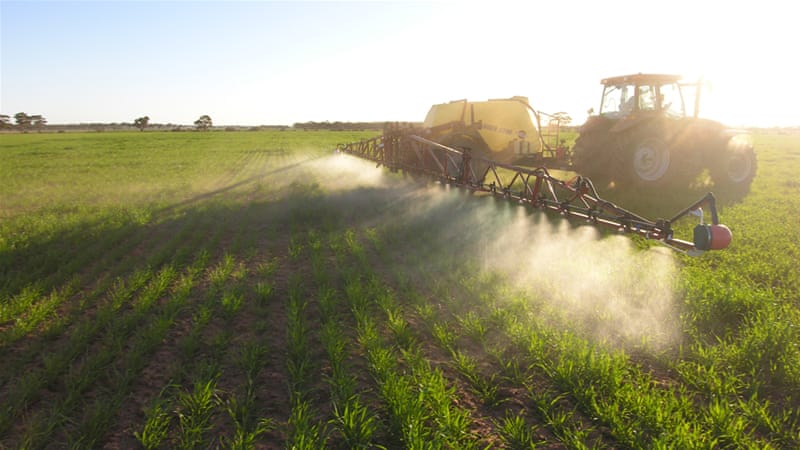
    Increasingly, glyphosate is also sprayed just before harvest on wheat, barley, oats and beans that are not genetically engineered. Glyphosate kills the crop, drying it out so that it can be harvested sooner than if the plant were allowed to die naturally.Monsanto’s Round Up ‘pre-harvest’ spraying guide meant for conventional farmers recommends that they spray crops just three days prior to harvest – and they don’t just mean on GMO crops. This means you’re likely consuming food which had been drenched in toxic pesticides.

    According to the Environmental Protection Agency (EPA), the following non-organic crops are sprayed with glyphosate (reporting years: 2004-2013) (10):

    1. Alfalfa*
    2. Almonds**
    3. Apples*
    4. Apricots
    5. Artichokes
    6. Asparagus
    7. Avocados
    8. Barley*
    9. Beans, Green
    10. Blueberries
    11. Broccoli
    12. Brussels Sprouts
    13. Cabbage
    14. Caneberries
    15. Canola*
    16. Canteloupes
    17. Carrots
    18. Cauliflower
    19. Celery
    20. Cherries*
    21. Chicory
    22. Corn**
    23. Cotton**
    24. Cucumbers
    25. Dates
    26. Dry Beans/Peas*
    27. Fallow**
    28. Figs
    29. Garlic
    30. Grapefruit*
    31. Grapes**
    32. Hazelnuts
    33. Kiwifruit
    34. Lemons*
    35. Lettuce
    36. Nectarines
    37. Oats*
    38. Olives
    39. Onions
    40. Oranges**
    41. Pasture*
    42. Peaches*
    43. Peanuts*
    44. Pears*
    45. Peas, Green
    46. Pecans*
    47. Peppers
    48. Pistachios*
    49. Plums/Prunes*
    50. Pluots
    51. Pomegranates*
    52. Potatoes
    53. Pumpkins
    54. Rice*
    55. Sorghum**
    56. Soybeans**
    57. Spinach
    58. Squash
    59. Strawberries
    60. Sugar Beets**
    61. Sugarcane*
    62. Sunflowers**
    63. Sweet Corn*
    64. Tangelos
    65. Tangerines
    66. Tobacco
    67. Tomatoes*
    68. Walnuts*
    69. Watermelons
    70. Wheat**
    *Over 100,000 pounds of glyphosate herbicide sprayed on them throughout the year
    **Over 1,000,000 pounds of glyphosate herbicide sprayed on them throughout the year

    Applying glyphosate to non-GMO crops as a desiccant before harvest is probably one of the worst times to spray, because the glyphosate then absorbs into the food crop directly. In other words, glyphosate can’t simply be “washed off,” as it has become part of the food itself. This chemical is them ingested by those who consume the whole, unprocessed food, or via processed foods that contain glyphosate as an ingredient.

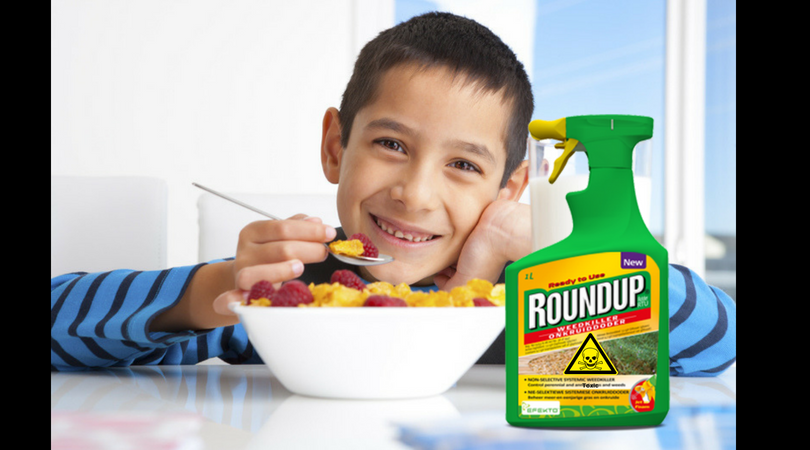
    Poison Served with Breakfast

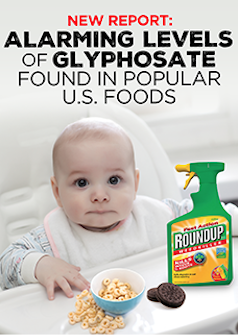
    The Environmental Working Group has released independent laboratory test results that found that Roundup’s weed-killing poison, glyphosate, has been found in 43 of 45 cereals tested, including those we feed our children.

    Of the 43 cereals that tested positive for glyphosate, 31 of those had a glyphosate level greater than 160 parts per billion–the threshold the EWG used. 1 part per trillion was shown to increase the growth of cancer cells. NO exposure is safe.

    Cereals found to contain even higher levels of glyphosate include:

    • Quaker Simply Granola Oats, Honey, Raisins & Almonds
    • Nature Valley Granola Protein Oats ‘n Honey
    • Quaker Dinosaur Eggs, Brown Sugar, Instant Oatmeal
    • Cheerios Toasted Whole Grain Oat Cereal
    • Lucky Charms, among others

    Dangers of Glyphosate

    Did you know that if your child has multiple allergies, rashes or even just irritability and learning focus challenges, that could indicate they have leaky gut? That means small holes in your child’s small intestines are leaking unprocessed food and potentially medications into their blood stream and causing havoc in the immune system.

    Did you know that Glyphosate (Roundup) weed killer sprayed on GMOs and non organic food, is allowed on 160 of our foods by the EPA at levels far above that which has shown to destroy gut bacteria? The gut bacteria is the stronghold of our immune system and is where Tryptophan is stored and made. Without Tryptophan our bodies cannot make Serotonin or Melatonin which regulate insulin, (diabetes) mental processing and illness, feeling satiated (obesity), bi polar and even acts of violence.

    Did you know that glyphosate can break down the blood brain barrier, allowing toxins into the brain such as chemical off gassing from fire retardent on pajamas, sofas and toxins in vaccines?

    Did you know that glyphosate destroys the tight junctions of blood vessels, hampering the flow of nutrients to bones and organs, leading to osteoporosis, arthritis and more?

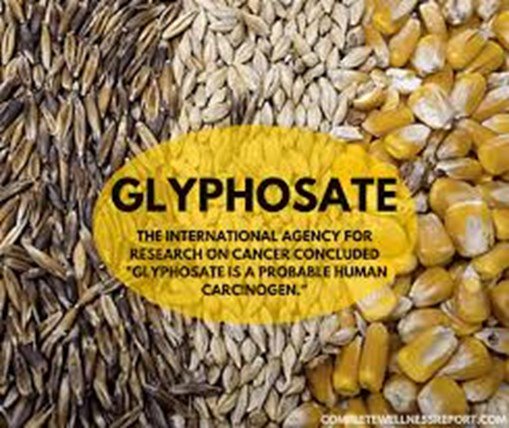
    In 2015, the International Agency for Research on Cancer, part of the World Health Organization, reviewed extensive U.S., Canadian and Swedish epidemiological studies on glyphosate’s human health effects, as well as research on laboratory animals. The IARC classified the chemical as probably carcinogenic to humans, and has steadfastly defended that decision despite ongoing attacks by Monsanto.

    In 2017, California listed glyphosate in its Proposition 65 registry of chemicals known to cause cancer. The state’s Office of Environmental Health Hazard Assessment, or OEHHA, has proposed a so-called No Significant Risk Level for glyphosate of 1.1 milligrams per day for an average adult of about 154 pounds. That level of exposure is more than 60 times lower than the safety level set by the Environmental Protection Agency.

    Scientists have been able to correlate a number of health issues related to glyphosate exposure, including, but not limited to:

    • ADHD [1]
    • Alzheimers Disease [2]
    • Autism [3]
    • Birth Defects [4]
    • Cancer [5]
    • Celiac Disease [6]
    • Colitis [7]
    • Heart Disease [8]
    • Inflammatory Bowel Disease [9]
    • Kidney Disease [10]
    • Liver Disease [11]
    • Non-Hodgkin Lymphoma [12]
    • Parkinsons Disease [13]

    Glyphosate Detox

    If we’re not directly eating glyphosate-sprayed crops, then we’re inhaling it, or drinking it (or even bathing in it). There is quite literally no way to escape the glyphosate chemical giant Monsanto (now owned by Bayer) has created.

    Here’s the steps to take to detox:

    1. Eating Cleaner Foods.

    • Choosing the organic or pesticide-free label.
    • Seeking out stores that sell local produce labeled pesticide free. *Shopping in-season helps to reduce the costs.
    • Shopping the regular sales at THRIVE MARKET seeking out the CHOSEN brand.
    • Getting meats and eggs from local farmers.
    • **Eliminating refined sugar – specifically GMO beet sugar is important as well!

    “Herbs such as cilantro help us to eliminate metals such as lead and mercury. Herbs like turmeric and garlic help to lower the levels of inflammation that are often the underlying causes [of chronic diseases” -Dr. Robert Zieve, an integrative medicine expert and medical director of Partners in Integrative Cancer Therapies, in Prescott, AZ

    2. Sipping Ferments.

    Apple Cider Vinegar , Sauerkraut juice and Kombucha contain a beneficial bacteria that neutralizes glyphosate! That is absolutely amazing!

    Dr. Natasha Campbell-McBride, MD, ““With every mouthful of sauerkraut you’re consuming billions of beneficial microbes which will be killing the pathogens in your gut driving them out and replenishing the beneficial flora in your digestive tract.”

    Click here to learn how to make sauerkraut at home and here to learn how to make kraut juice, a more gentle on the stomach probiotic for those with leaky gut. Getting your child to take the tangy savory liquid tends to be a bit more challenging.

    3. Regular Detox Baths (with filtered water).

    1/4 cup of Epson salts or baking soda or apple cider vinegar on a regular schedule has helped tremendously ESPECIALLY during the weeks before harvest as the fields around us are sprayed intensively with Glyphosate. 20 minute soak – or for our kids “until they get ‘wrinkly’.
    4. Restore balance. Support Natural Detox.

    We have added a new element to our routine. Toxic exposure is constant and even with a clean diet, sneaking in ferments (which is really hard to do with young children) and doing regular detox baths its not enough to overcome the hurtle of these health issues. We are calling in reinforcements.
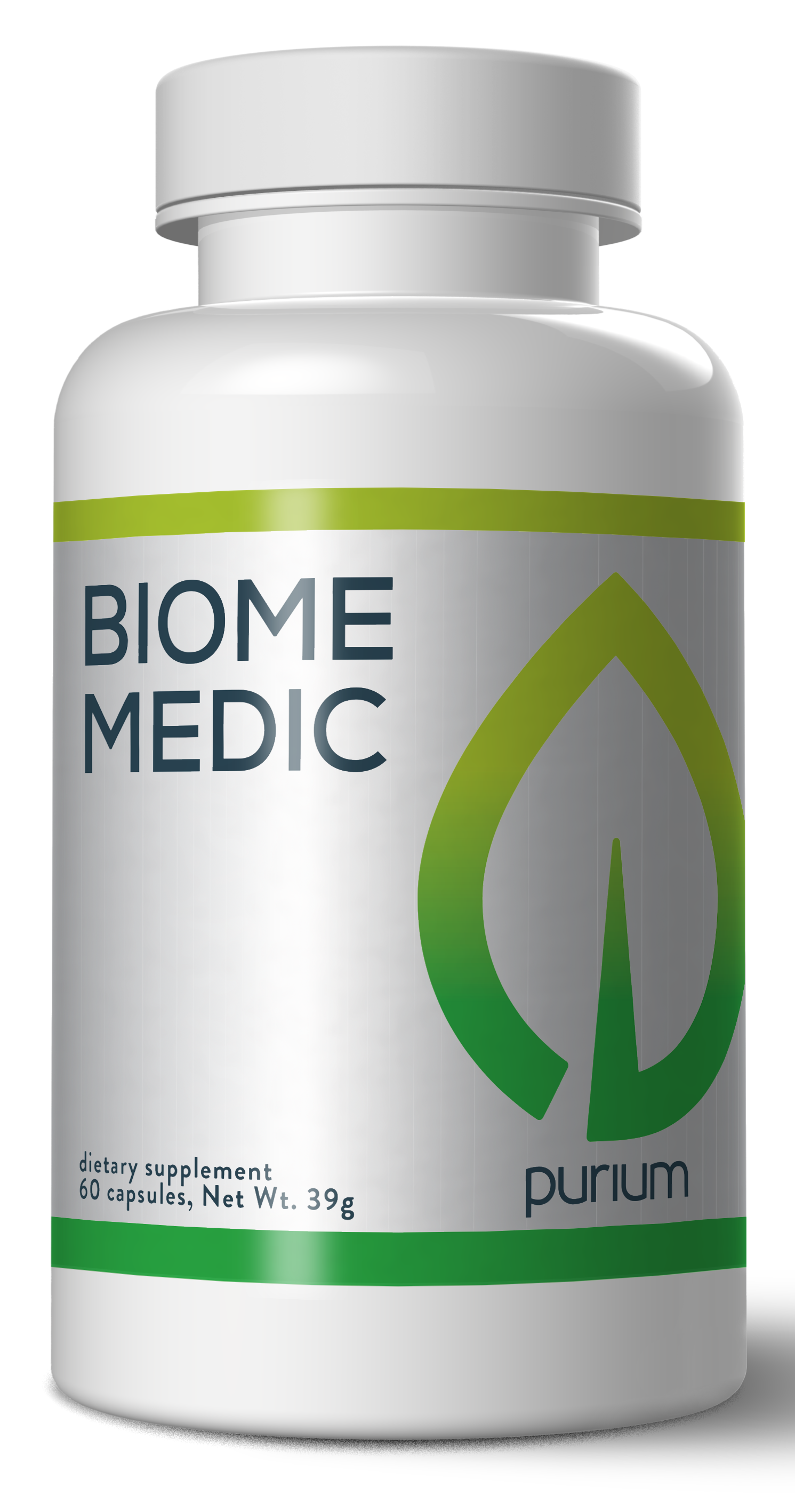
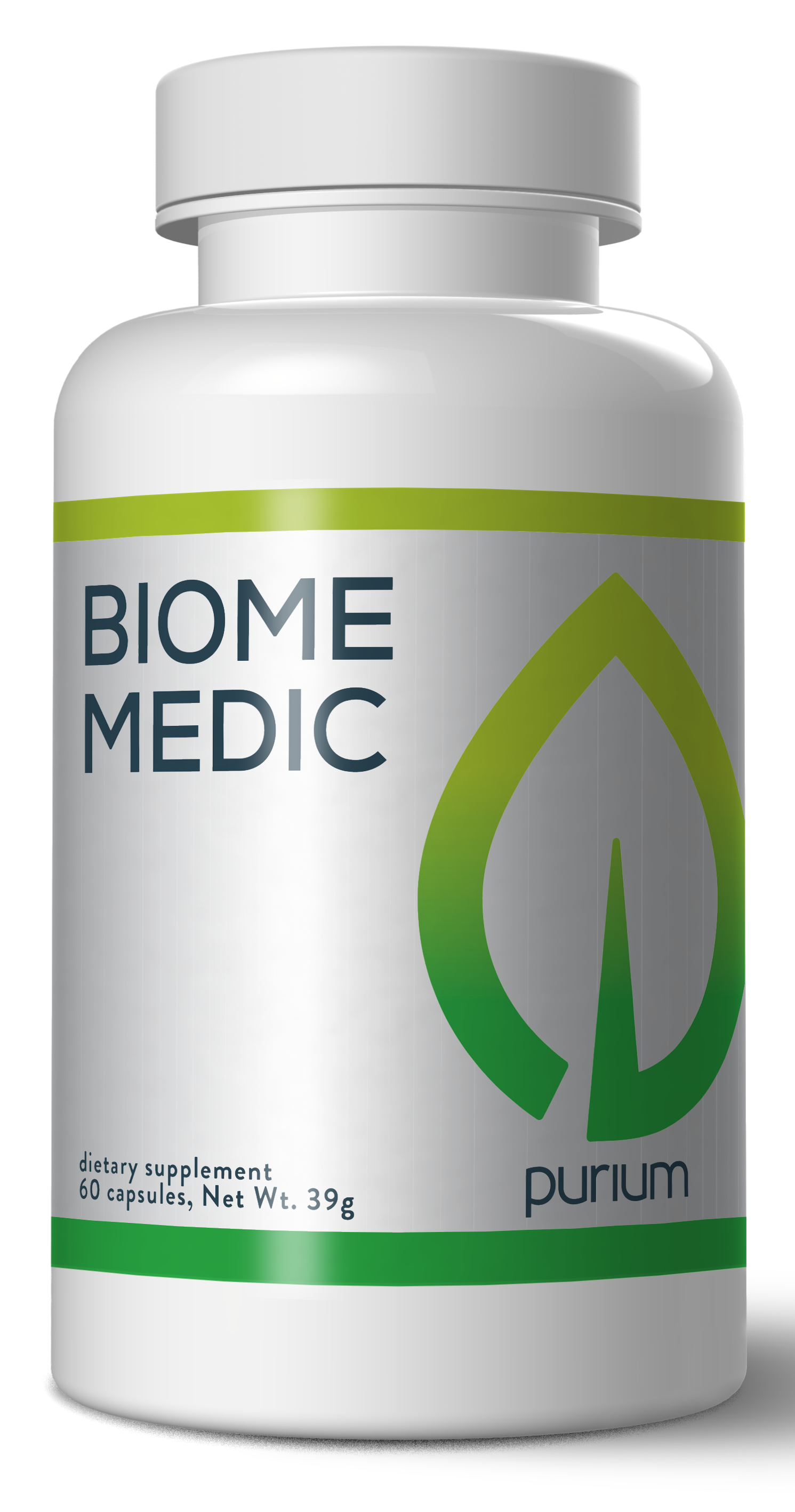
    As a family we are adding Biome Medic a product specifically designed to tackle glyphosate toxicity to help flush harmful toxins, support “good” bacteria and repair your microbiome.

    $50 Discount Biome Medic or Any Purium Detox Product

    Biome Medic. Studied under a randomized, product-controlled IRB approved protocol,the six-week pre-clinical trial reported a 74%reduction of the herbicide glyphosate, a 75% reduction in the inflammatory bio marker reactive protein(CRP) and a 35% increase in gut immune response as measured by reduced food sensitivities.
    http://www.puriumcorporate.com/purium1/php_uploads/BiomeMedicResearchResults-PressRelease.pdf

    Purim is a family owned company dedicated to providing whole, organic, GMO-free nutrients for the whole family.


    [1] The journal Environmental Health Perspectives reported in 2002 that exposure to Roundup [glyphosate herbicide] was been linked to attention deficit disorder (ADHD), likely due to the herbicide’s capacity to disrupt thyroid hormone functions.

    [2] A study published in the journal Toxicology found that glyphosate exposure can cause the same kind of oxidative stress and neural cell death found in Alzheimer’s diagnosis. It also affects CaMKII, an enzyme whose dysregulation has also been linked to Alzheimer’s.

    [3] A research scientist at MIT says the symptoms of glyphosate toxicity closely resembles the same of autism symptoms.

    [4] Glyphosate exposure can disrupt the Vitamin A signaling pathway, which is critical for normal fetal development. A study from Paraguay found that babies born to women, living less than a mile from fields sprayed with glyphosate herbicide, were more than twice as likely to develop birth defects.

    [5]: There are numerous glyphosate studies that link glyphosate to cancer. The International Agency of Research on Cancer (an agency within the World Health Organization) published a study in 2015 that determined glyphosate is a probable human carcinogen. There is also a meta-analysis study from 2014 published in International Journal of Environmental Research and Public Health and a 2008 Swedish study that link glyphosate and non-Hodgkin lymphoma. There are others, including a study in Argentina of 65,000 people in farming communities where Roundup is used (communities referred to as “the fumigated towns”), found cancer rates to be two to four times higher than the country’s national average. Specifically, the study noted increases in breast, prostate and lung cancers. In a comparison of two farming communities—one that sprayed Roundup and another that didn’t—31 percent of residents in the Roundup sprayed community had a family member with cancer. In the community that didn’t spray, only three percent of residents had a family member with cancer. The high cancer rates among those exposed to Roundup [glyphosate herbicide] can likely be traced to the herbicide’s known capacity to induce DNA damage, which has been demonstrated in a number of laboratory tests.

    [6] A study of fish exposed to glyphosate herbicide showed that some developed digestive problems similar to those with Celiac Disease. Parallels between glyphosate exposure and Celiac Disease include impairment in enzymes critical to detoxifying environmental toxins, imbalances in gut bacteria, amino acid depletion and certain mineral deficiencies.

    [7] A Roundup study titled ‘The Effect of Glyphosate on Potential Pathogens and Beneficial Members of Poultry Microbiota in Vitro’ found that glyphosate toxicity could be a significant predisposing factor in the overgrowth of clostridia, an established causal factor in colitis.

    [8]: A study published in Entropy found that glyphosate exposure can cause disruption to the body’s enzymes, causing lysosomal dysfunction, which is a factor in heart failure and cardiovascular disease.

    [9] In another Entropy study, researchers found that exposure to glyphosate has been demonstrated to create a severe tryptophan deficiency in some, which can cause inflammatory bowel disease.

    [10]: Glyphosate herbicide exposure may explain the recent spike in kidney disease statistics among farm workers in India, Central America and Sri Lanka. According to the International Journal of Environmental Research and Public Health: “Although glyphosate alone does not cause an epidemic of chronic kidney disease, it seems to have acquired the ability to destroy the renal tissues of thousands of farmers.”

    [11] A 2009 study showed that very low doses of glyphosate can disrupt liver cell function.

    [12] A study looking at meta-analyses of nearly 30 years worth of research on the relationship between Non-Hodgkin Lymphoma and occupational exposure to pesticides, found a positive association between glyphosate herbicide exposure and B cell lymphoma.

    [13] The onset of Parkinson’s following glyphosate exposure has been documented by a number of lab studies, which show that glyphosate can induce the cell death characteristic of the disease.

    Contaminated Cheerios: https://www.reuters.com/article/products-general-mills-glyphosate/general-mills-hit-with-lawsuit-over-glyphosate-containing-cheerios-idUSL2N1VB1MY

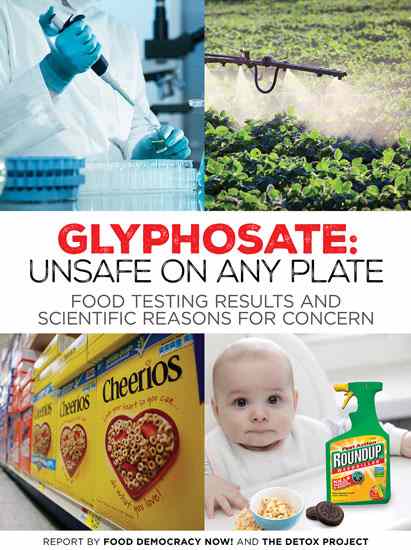
    To read more about allowable glyphosate levels and the chemical’s effects, read “Glyphosate: Unsafe on Any Plate”.

  • 17 Amazing Benefits of Pineapples

    17 Amazing Benefits of Pineapples

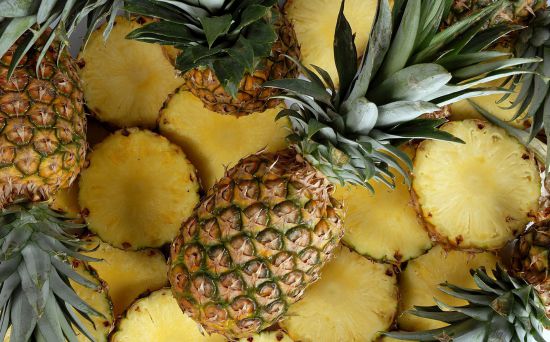
    Pineapples are delicious tropical fruits, which have been celebrated for centuries not only for their unique taste but also for their miraculous health benefits. Eat a cup of pineapple chunks to reap its amazing benefits, such as boosting immunity, improving bone and eye health, and aiding in digestion. It is also anti-inflammatory in nature and helps in curing coughs and colds and accelerating weight loss.

    90 percent of conventional pineapples had no detectable pesticide residues you don’t have to pick up an organic pineapple it’s on the clean 15 list from EWG.

    What is Pineapple?

    Pineapple, also known as ananas, is a delicious tropical fruit surrounded by thorny spikes and topped with hard, waxy leaves that are sometimes up to thirty per fruit. The fruit is up to a foot long and has a combination of sweet and tart taste. Pineapple belongs to the Bromeliaceae family and is actually a composite fruit made of coalesced berries that grow at the crown of a fruiting tree. The name pineapple evolved in the 17th century due to its structure and appearance being similar to pine cones.

    Pineapples are a storehouse of several health benefits due to their nutrients. They contain bromelain, protein, carbohydrates, sugar, and soluble and insoluble dietary fiber. The vitamins in these fruits include vitamin A, vitamin C, beta-carotene, thiamin, vitamin B5 (pantothenic acid), vitamin B6, and folate. Minerals like potassium, copper, manganese, calcium, sodium, and magnesium are also found in pineapples. These tropical fruits are low in calories and are, therefore, a major part of weight loss diets.

    Pineapple Uses

    The fruit can be added to your daily diet in many forms, most commonly by cutting them into pineapple chunks to snack on! Crushed pineapple can also be added to cupcakes, cookies, bars, ice creams, yogurt, and various other desserts. Fresh pineapple juice or smoothie is another popular and delicious way to start your day. Its antioxidant-rich juice is also enjoyed around the world as the tropical drink, pina colada.

    Pineapple leaves are used as wallpaper and in ceiling insulation. Pineapple fragrance oils are also popular due to their tropical touch.1

    Health Benefits of Pineapple

    The pineapple fruit is known to offer several benefits. Let us discuss each benefit in detail below.

    Boosts Immunity

    Pineapple is rich in vitamin C, which makes it one of the richest sources of ascorbic acid. Vitamin C helps in reducing illnesses and boosting the immune system by stimulating the activity of white blood cells and acting as an antioxidant to defend against the harmful effects of free radicals.

    Improves Bone Health

    Pineapple contains an impressive amount of manganese. Manganese is a trace mineral essential for the strengthening of bones as well as their growth and repair, as well as the creation and activation of certain enzymes. This is according to a report on the nutritional value and benefits of pineapple published in the International Journal of Nutrition and Food Sciences. A single serving of the tropical fruit can provide you with more than 70% of your daily requirement of this mineral.

    Treats Cough and Cold

    Pineapple is rich in both bromelain and vitamin C, therefore it helps in preventing and treating respiratory illnesses while eliminating phlegm and mucus from your body if you’ve already contracted an illness or infection. These two nutrients are connected with the reduction of phlegm and mucus build up in the respiratory tracts and sinus cavities.

    In order to check the impact of pineapple on immunity levels, almost 100 children were fed no fruit, some fruit, and lots of fruit daily in a nine-week study. Children who ate pineapple showed a lower risk of viral infections and children who the most had almost four times more white blood cells than the other two groups. This clearly shows that consuming pineapple daily is positively linked to increased immunity levels.

    Have you ever heard of drinking pineapple juice to alleviate your cough? It works!

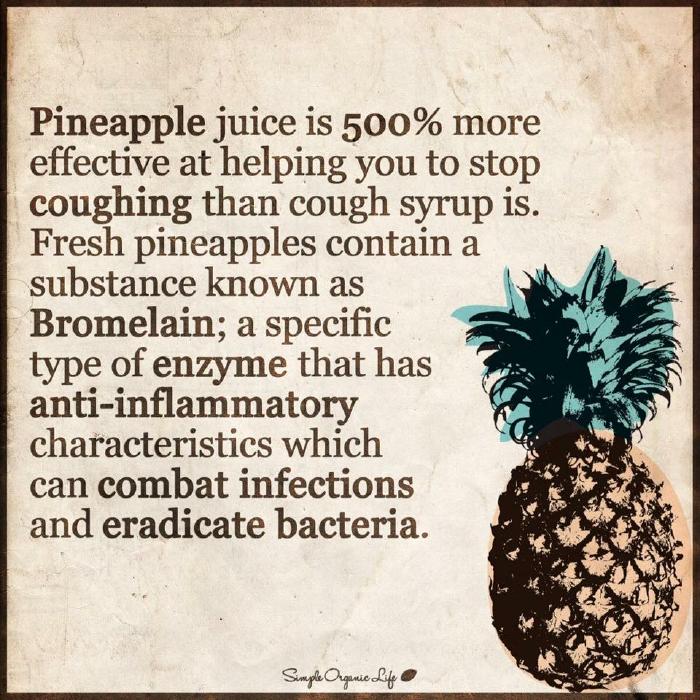
    On top of containing tons of illness-fighting vitamin C, pineapples have bromelain, an enzyme with anti-inflammatory properties. This combination of nutrients helps to fight off disease and kill bacteria, including those found in your throat! In fact, research has found that raw extracts from pineapple could decrease mucus five times faster than over-the-counter cough syrups.

    What kinds of coughs can it help?

    Pineapple juice can treat most persistent coughs, as long as they aren’t from something more serious like pneumonia. If you have a cold, skip the cough syrup and go straight for pineapple juice. It’s less expensive, healthier, and tastes much better.

    Relieves Asthma

    Pineapple aids in reducing the symptoms of asthma. It contains essential nutrients like vitamin C, bromelain, and beta-carotene, which help reduce inflammation often faced by asthmatics.

    How to Pick a Pineapple?

    The ripeness and freshness of a pineapple can be determined by the smell if its base (no matter how green the crown is). Pick a pineapple, the base of which smells sweet, just like pineapple juice. A fragrance-free pineapple is either harvested too early or is not sweet as it should be.

    Note: If you are planning to consume a pineapple, cut the crown and keep the fruit in the fridge placing it upside down. Generally, the sweetness settles at the bottom of the fruit and this will help in distributing it throughout the pineapple. It’s best to have pineapple slices when it’s fresh so as to get maximum nutrition from it.

    Like Share
    References

    1. https://www.ncbi.nlm.nih.gov/pmc/articles/PMC3529416/
    2. http://www.sciencedirect.com/science/article/pii/S0963996910004801
    3. http://nopr.niscair.res.in/handle/123456789/5694
    4. http://www.jpma.org.pk/full_article_text.php?article_id=8055
    5. https://www.ncbi.nlm.nih.gov/pubmed/24123777
    6. https://www.ncbi.nlm.nih.gov/pubmed/23620673
    7. http://onlinelibrary.wiley.com/doi/10.1002/mame.200400132/abstract
    8. http://iv.iiarjournals.org/content/19/2/417.short
    9. http://ajcn.nutrition.org/content/76/1/245.short
    10. https://www.ncbi.nlm.nih.gov/pmc/articles/PMC437620/
    11. http://article.sciencepublishinggroup.com/pdf/10.11648.j.ijnfs.20150401.22.pdf
    12. http://jamanetwork.com/journals/jamaophthalmology/article-abstract/416232
    13. http://ebm.sagepub.com/content/140/3/820.short
    14. http://www.jbc.org/content/82/2/465.short
    15. https://www.youtube.com/watch?v=3-z6PiCTA-o
    16. http://pubs.acs.org/doi/abs/10.1021/jf60227a026?journalCode=jafcau&
    17. http://onlinelibrary.wiley.com/doi/10.1111/j.1749-6632.1975.tb29287.x/abstract
    18. https://www.ncbi.nlm.nih.gov/pubmed/25505983/
    Article last updated on August 24, 2018 by OrganicFacts

    Report Error in this Article

  • Glyphosate Detox: Because Exposure is Inescapable

    Glyphosate Detox: Because Exposure is Inescapable

    Glyphosate has been found in the majority of our environment and food: rain, tap water, air, streams and even in our cereal, honey, breast milk and cotton products. It is almost impossible to avoid. My children struggle with multiple allergies, regulation and ADD. We changed their diet from conventional to an organic diet and discovered that it wasn’t the food that they were allergic to, it was the pesticide/herbicide ON the food.

    75% of our foods are contaminated with the poison called Roundup. Even the wheat, barley, oats and beans and more than 65 other crops that are not genetically engineered get a spray of crop-killing poison to help them ‘dry out’ fast just 7 days before harvest. Applying glyphosate to non-GMO crops as a desiccant before harvest is probably one of the worst times to spray, because the glyphosate then absorbs into the food crop directly. In other words, glyphosate can’t simply be “washed off,” as it has become part of the food itself. This chemical is them ingested by those who consume the whole, unprocessed food, or via processed foods that contain glyphosate.

    Dangers of Glyphosate

    Did you know that if your child has multiple allergies, rashes or even just irritability and learning focus challenges, that could indicate they have leaky gut? That means small holes in your child’s small intestines are leaking unprocessed food and potentially medications into their blood stream and causing havoc in the immune system.

    Did you know that Glyphosate (Roundup) weed killer sprayed on GMOs and non organic food, is allowed on 160 of our foods by the EPA at levels far above that which has shown to destroy gut bacteria? The gut bacteria is the stronghold of our immune system and is where Tryptophan is stored and made. Without Tryptophan our bodies cannot make Serotonin or Melatonin which regulate insulin, (diabetes) mental processing and illness, feeling satiated (obesity), bi polar and even acts of violence.

    Did you know that glyphosate can break down the blood brain barrier, allowing toxins into the brain such as chemical off gassing from fire retardent on pajamas, sofas and toxins in vaccines?

    Did you know that glyphosate destroys the tight junctions of blood vessels, hampering the flow of nutrients to bones and organs, leading to osteoporosis, arthritis and more? [1]

    I have seen FIRST HAND the impact that this toxin has had on my child’s ability to regulate emotions, process thoughts. The struggle of my child to stay focused long enough to complete a simple sentence is overwhelming for a mother to watch. When exposed to glyphosate contaminated food, significant food reactions result affecting him for more than a week. Glyphosate’s toxic affects are cumulative and overwhelming my child’s natural ability to detox.

    Glyphosate Detox

    One of the greatest threats to our health today is the toxic Glyphyosate. Glyphosate toxicity is reaching unprecedented levels in men, women, and children across the world. And while our ultimate goal is to stop its use and remove this harmful chemical from our environment, something had to be done immediately to protect us from its dangers and eliminate it from our bodies.

    If we’re not directly eating glyphosate-sprayed crops, then we’re inhaling it, or drinking it (or even bathing in it). There is quite literally no way to escape the glyphosate chemical giant Monsanto (now owned by Bayer) has created.

    Here’s the steps we have taken to see drastic improvement our family’s healing:

    1. Eating Cleaner Foods.

    • Choosing the organic or pesticide-free label.
    • Seeking out stores that sell local produce labeled pesticide free. *Shopping in-season helps to reduce the costs.
    • Shopping the regular sales at THRIVE MARKET seeking out the CHOSEN brand.
    • Getting meats and eggs from local farmers.
    • **Eliminating refined sugar – specifically GMO beet sugar is important as well!

    “Herbs such as cilantro help us to eliminate metals such as lead and mercury. Herbs like turmeric and garlic help to lower the levels of inflammation that are often the underlying causes [of chronic diseases” -Dr. Robert Zieve, an integrative medicine expert and medical director of Partners in Integrative Cancer Therapies, in Prescott, AZ

    2. Sipping Ferments.

    Apple Cider Vinegar , Sauerkraut juice and Kombucha contain a beneficial bacteria that neutralizes glyphosate! That is absolutely amazing!

    Dr. Natasha Campbell-McBride, MD, ““With every mouthful of sauerkraut you’re consuming billions of beneficial microbes which will be killing the pathogens in your gut driving them out and replenishing the beneficial flora in your digestive tract.”

    Click here to learn how to make your own. Click here to learn how to make sauerkraut at home and here to learn how to make kraut juice, a more gentle on the stomach probiotic for those with leaky gut. Getting your child to take the tangy savory liquid tends to be a bit more challenging.

    3. Regular Detox Baths (with filtered water).

    1/4 cup of Epson salts or baking soda or apple cider vinegar on a regular schedule has helped tremendously ESPECIALLY during the weeks before harvest as the fields around us are sprayed intensively with Glyphosate. 20 minute soak – or for our kids “until they get ‘wrinkly’.

    4. Restore balance. Support Natural Detox.

    We have added a new element to our routine. Toxic exposure is constant and even with a clean diet, sneaking in ferments (which is really hard to do with young children) and doing regular detox baths its not enough to overcome the hurtle of these health issues. We are calling in reinforcements.

    As a family we are adding Biome Medic a product specifically designed to tackle glyphosate toxicity to help flush harmful toxins, support “good” bacteria and repair your microbiome.

    To receive a $50 Discount Biome Medic or Any Purium Detox Product use coupon code BeTrue at checkout. *This code applies to any of their raw food, vegan products.

    Biome Medic. Studied under a randomized, product-controlled IRB approved protocol,the six-week pre-clinical trial reported a 74%reduction of the herbicide glyphosate, a 75% reduction in the inflammatory bio marker reactive protein(CRP) and a 35% increase in gut immune response as measured by reduced food sensitivities.

    http://www.puriumcorporate.com/purium1/php_uploads/BiomeMedicResearchResults-PressRelease.pdf

    Purim is a family owned company dedicated to providing whole, organic, GMO-free nutrients for the whole family.

    [1] To read more about allowable glyphosate levels and the chemical’s effects, read “Glyphosate: Unsafe on Any Plate”.
  • Benefits of the Alligator Pear AKA the Avocado

    Benefits of the Alligator Pear AKA the Avocado

    Avocado is the fruit of the avocado tree, scientifically known as Persea americana (1).This fruit is prized for its high nutrient value and is added to various dishes due to its good flavor and rich texture.These days, the avocado has become an incredibly popular food among health-conscious individuals. It’s often referred to as a superfood, which is not surprising given its health properties (2).

    Due to its various health benefits, this fruit is now grown in a number of countries. It has a very thick skin that protects it from pesticides. This is the reason you don’t need to buy organic avocados; it is one of the safest crops in terms of its low exposure to pesticides. <See EWG Clean 15>

    Nutritional Value of Avocado

    Avocados are considered a “superfood” and have a special position in the food calorie pyramid. Avocados are rich in various nutrients, vitamins, and minerals. They are also a good source of monounsaturated fatty acids and have a low sugar content. They are a good source of energy and contain a number of essential vitamins and minerals. According to the USDA National Nutrient Database, avocados contain calcium, iron, magnesium, potassium, copper, manganese, phosphorus and zinc. [4] They also contain minerals such as vitamin C, B6, B-12, A, D, K, E, thiamin, riboflavin, and niacin. Furthermore, they are a great source of dietary fiber, and a single serving can provide more than 40% of the daily requirement!

    Avocados are rich in potassium and successfully balance the potassium to sodium ratio which is vitally important to overall health. According to CAC (California Avocado Commission), a medium-sized California Hass avocado contains almost 22.5 grams fat. [5] Two-thirds of this fat is of the monounsaturated variety, and they are also very low in fructose. Perhaps most importantly, avocados have a unique collection of organic compounds like phytosterols, carotenoids, and flavonoids.

    Here are some of the most abundant nutrients, in a single 3.5-ounce (100-gram) serving (3):

    • Vitamin K: 26% of the daily value (DV)
    • Folate: 20% of the DV
    • Vitamin C: 17% of the DV
    • Potassium: 14% of the DV
    • Vitamin B5: 14% of the DV
    • Vitamin B6: 13% of the DV
    • Vitamin E: 10% of the DV
    • It also contains small amounts of magnesium, manganese, copper, iron, zinc, phosphorous and vitamins A, B1 (thiamine), B2 (riboflavin) and B3 (niacin).

    This is coming with 160 calories, 2 grams of protein and 15 grams of healthy fats. Although it contains 9 grams of carbs, 7 of those are fiber, so there are only 2 “net” carbs, making this a low-carb friendly plant food.

    How to Select and Store Avocado?

    Fresh, ripe avocados with no dark spots should be chosen. Do not refrigerate avocados unless they are ripe. If a portion of the fruit has been used then the remainder may be stored in the refrigerator for future use. Unripe avocados can be stored at room temperature.

    Quick Serving Ideas

    Guacamole: Mix chopped onion, tomato, lettuce and avocado in a bowl. Add salt, pepper, lime juice, and drizzle olive oil over the salad. Fresh avocado guacamole can be added as a topping on your meats and fish too.

    Soup: Garnish soups with chopped avocado for additional flavor and health benefits.

    Fruit: Ripe avocados can be consumed directly.

    Dressing: They can be used for dressing food preparations of your choice and can be sliced perfectly with avocado slicers available in the market.

    Avocado FAQs

    Is avocado a fruit?

    Yes, avocado is a fruit; although technically, it is a berry. Also known by the name of ‘Alligator Pear’ (a reference to its dark, rough outer skin), avocados are rich in healthy fats and are popular in many cuisines all over the world. They have numerous health benefits, both as a food and as an addition to natural skincare products.

    Are avocados good for you?

    Avocados are great for your health when incorporated into a balanced and healthy diet. They are rich in vitamins and minerals and are full of ‘healthy’ fats, which help keep you feeling full for longer. Avocados can be a great natural or vegan substitute for products like butter and margarine.

    Learn More about its health benefits at:
    https://www.organicfacts.net/health-benefits/fruit/health-benefits-of-avocado.html

    https://ketogenicwoman.com/primer-fats-and-oils-for-keto/

    What are YOUR favorite recipes for an avocado?

    Here’s a plethora of recipes from the Food Network

  • Public Demands Transparency & Action on Glyphosate-Contaminated Food and Vaccines

    Public Demands Transparency & Action on Glyphosate-Contaminated Food and Vaccines

    The high-stakes game continues for Bayer AG and its deeply troubled investment Monsanto as they struggle to regain public trust and marketshare. For those who entered this ongoing saga at any point in the timeline recently, a quickening of events can be witnessed. For years people have been demanding food transparency with respect to glyphosate contamination from producer to regulator to retailer only to be pushed aside and ignored. It appears the pressure has now hit a critical mass and is beginning to fracture the old paradigm at its most vulnerable points.

    Almost a month out from the $289M San Francisco Roundup-cancer verdict and further lawsuits are continuing to pile on. As thousands line-up

    throughout the US seeking compensation and justice for their cancer allegedly being triggered by Roundup, a new legal angle has emerged and activated. It was last week the nonprofit Environmental Working Group (EWG) released their study promptly picked up by major media outlets globally. The group, having a long history of spotlighting the dangers of glyphosate, discovered amounts of the widely used herbicide in thirty-one out of 45 tested products. The glyphosate levels, found in popular oats, granolas and snack bars, have levels higher than what some scientists consider safe for children. Shortly after EWG’s study findings were released, Reuters reported, “General Mills Inc has been hit with a proposed class action lawsuit claiming the company failed to warn consumers about traces of the weedkiller glyphosate in its Cheerios cereals.
    For a few years semi-regular reports have been published alerting consumers about concerning levels of glyphosate found in not only food products but within the vaccine supply given to infants and children. In the past the mainstream media has been silent, however it appears they no longer can be. Will media outlets have the courage to go further and report on how widespread glyphosate contamination has become? Will they begin to spotlight the numerous studies that do show glyphosate causes harm within the human body?
    Source: EWG, from tests by Eurofin Analytical Laboratories

    New York Senator Chuck Schumer’s office posted a press release pressuring the US Food and Drug Administration (FDA) to update the public on their two yeas of hidden testing surrounding glyphosate in everyday foods.

    Schumer stated, “I am making it known today that the federal government is in fact investigating this chemical, and I am here today to ask them to provide us all with an update on their work so that concerned parents and consumers can get the answers they seek.

    The press release goes on to state, “…according to reports on Freedom of Information requests to the FDA and their own submission, that the agency has been testing food samples for the weed killer chemical glyphosate, but that the agency has not released any official update or final report to Congress or the public. In 2016, an FDA spokesman also confirmed the agency study of the chemical to media, but Schumer says he and others are still waiting on results.

    Maybe Schumer has been a subscriber and reader of the weekly reports from Moms Across America who, in 2016, was demanding for multiagency transparency from US regulators as well as politicians after finding widespread glyphosate contamination in the vaccine supply. Nearly two years ago, MOM wrote,

    Moms Across America has sent a letter on September 1, 2016 to the FDA, CDC, EPA, NIH, California Department of Health, and Senator Boxer requesting that they make it a priority to test vaccines for glyphosate, recall contaminated vaccines and for the EPA to revoke the license of glyphosate to prevent further contamination. “And in the meantime we call upon our lawmakers to rescind the mandate which forces parents to vaccinate their child in order to attend school, in light of extraordinary new evidence.

    After not addressing MOM’s original request, a Freedom of Information Act request was sent
    for any and all information the FDA and CDC have exchanged or filed regarding glyphosate in vaccines. The agency’s responses contained redactions on approximately fifty percent of the pages from the FDA while many others were completely blank.

    How has Bayer AG-Monsanto navigated the controversy after their historic trial loss? Monsanto has continually went on record giving press statements defending their untested Roundup product. The company is holding the line claiming their product isn’t cancer-causing despite their internal emails and documents showing they have not done the proper testing. There are numerous studies showing glyphosate does cause harm. In addition, a lab has done some of the first tests on the entire, synergistic Roundup formulation and reported their findings in early 2018. The researchers found that exposing plants and human cells to the components of Roundup formulations, both mixed and separately, showed “measured toxicity and human cellular endocrine disruption below the direct toxicity experimentally measured threshold.

    Will Bayer AG simply try to erase all traces of Monsanto as the company’s reputation and failed agricultural technology goes up in smoke? Fox 2 Now St. Louis recently reported that during Bayer’s “Day One” transition of their newly acquire Monsanto division, their priority was to replace the “Monsanto” company signs with “Bayer: Crop Science Division.”

    In the age of information, it may take more than a change a window dressing for generations of families to forget the growing evidence of Big-Tobacco-level underhandedness that led to illness, diseases and environmental poisoning at the hands of Monsanto. The bottom line is that Bayer AG, at the very least, must now immediately begin to start warning people that their Roundup formulations can cause cancer.

    For years people have been demanding food transparency with respect to glyphosate contamination from producer to regulator to retailer only to

    be pushed aside and ignored. It appears the pressure has now hit a critical mass and is beginning to fracture the old paradigm at its most vulnerable points. If the General Mills lawsuit is viable, will that open another avenue of legal flood gates to sue all other food producers with glyphosate-containing products? Why didn’t food producers proactively implement internal controls to detect and eliminate glyphosate in their products. Why didn’t the FDA do more to regulate the amount of glyphosate in the US food chain when it appeared to have multiple years of data? Where are the other politicians demanding the US regulatory agencies release their unredacted glyphosate testing results from common food products and vaccines.

    More Resources:

    Toxicity of Roundup/Glyphosate in Breakfast Foods

    Glyphosate in Vaccines

    Sign the Petitions Stop Roundup Sold and Sprayed

    Glyphosate Detox

  • San Rafael residents take pre-emptive strike against 5G installations

    San Rafael residents take pre-emptive strike against 5G installations

    San Rafael, CA. Local residents have launched a campaign to block cellphone companies from attempting to build 5G towers in Marin. The 5G towers could exacerbate health symptoms already suspected as a result of exposure to electromagnetic fields, Vicki Sievers, of the EMF Safety Network, told the San Rafael City Council on Monday. According to the EMF Safety Network website, those symptoms can include fatigue, headaches, sleep problems, anxiety, heart problems, learning and memory disorders, ringing in the ears and increased cancer risk.

    “We’ve experienced 2G, 3G, 4G and now, on the horizon, is a fifth generation called millimeter wave technology,” Sievers said after her presentation that brought standing applause from about 20 people at the packed meeting. “Around the world, doctors and scientists are gravely alarmed about the biological and physiological effects of that technology.”

    Sievers said no permits for 5G so-called “small cell” towers have been issued in Marin as of yet — though they have in other Bay Area cities — and she suspects they are being planned in San Rafael and Marin.

    “(We want) amendments to the current telecommunications ordinance — which has not been reviewed since 2004 — that protect residential areas, schools and parks through setbacks and attention to power profiles,” Sievers said in an email Tuesday.

    According to Sievers, San Anselmo, Fairfax and Mill Valley are working on strengthening their cell tower ordinances.

    “Our effort has to do with making pre-emptive strikes before Verizon, AT&T (and others) actually make formal applications to each town and city,” Sievers said. “There are no applications in San Rafael to date, but there surely have been permits granted and installations begun in other Bay Area cities.”

    In May, Verizon was forced to withdraw its application to build two “small cell” towers in Sebastopol after four months of heavy opposition by residents and attorneys for the EMF Safety Network.

    “Several of us San Rafael residents went to the (San Rafael) council on Feb. 20 (when the Sebastopol issue arose), urging them to prevent such debacles here,” Sievers said.

    San Rafael Mayor Gary Phillips said Tuesday he was not aware of any ongoing activity to strengthen or upgrade cell tower regulations in the city and there were no immediate plans for further discussion.

    “It kind of came a little bit out of the blue,” he said of Monday’s presentation.

    EMFs include wireless radiation emitted by cell towers, cell and cordless phones, smart meters, smart grid, Wi-Fi and computers, power lines, fluorescent lights, indoor wiring and other electronic devices, according to the EMF Safety Network.

    According to the U.S. Centers for Disease Control and Prevention, the jury is still out on the health risks of exposure to EMFs.

    “Studies have shown that some workers exposed to high magnetic fields have increased cancer rates,” the CDC reported on its website. “But such associations do not necessarily show that EMF exposures cause cancer (any more than the springtime association of robins and daffodils shows that one causes the other). Scientists have looked carefully at all the EMF evidence, but they disagree about the health effects of EMFs except to say that better information is needed.”

    According to the website whatis5g.info, the 5G “small cell” tower “will include the higher millimeter wave frequencies never before used for internet and communications technology. These waves do not travel easily through buildings so 5G will require millions of new cell towers. The wireless telecom industry is aggressively seeking to outfit nearly every lamppost and utility pole around the country with a wireless ‘small cell’ antenna beaming hazardous radiation next to, or into our homes, 24/7.”

    San Rafael resident Chandu Vyas said Monday he is wary of EMFs after a health challenge about five years ago. He said he developed severe and constant headaches after a smart meter was installed at his home. The headaches went away after he “opted out” and had the smart meter at his property removed.

    “I don’t want to go through the same health problem again,” he told the City Council. “I ask your help.”

    Kiah Bosy of Chi Home Design showed the council how her EMF meters ratcheted up to high pitch when she walked toward a TV screen in front of the council chambers.

    “It’s serious,” she said. “We’re microwaving each other.”