Author: Health Freedom Idaho

  • Stats: How Many People Died or Suffered Permanent Harm Before Vaccines

    Stats: How Many People Died or Suffered Permanent Harm Before Vaccines

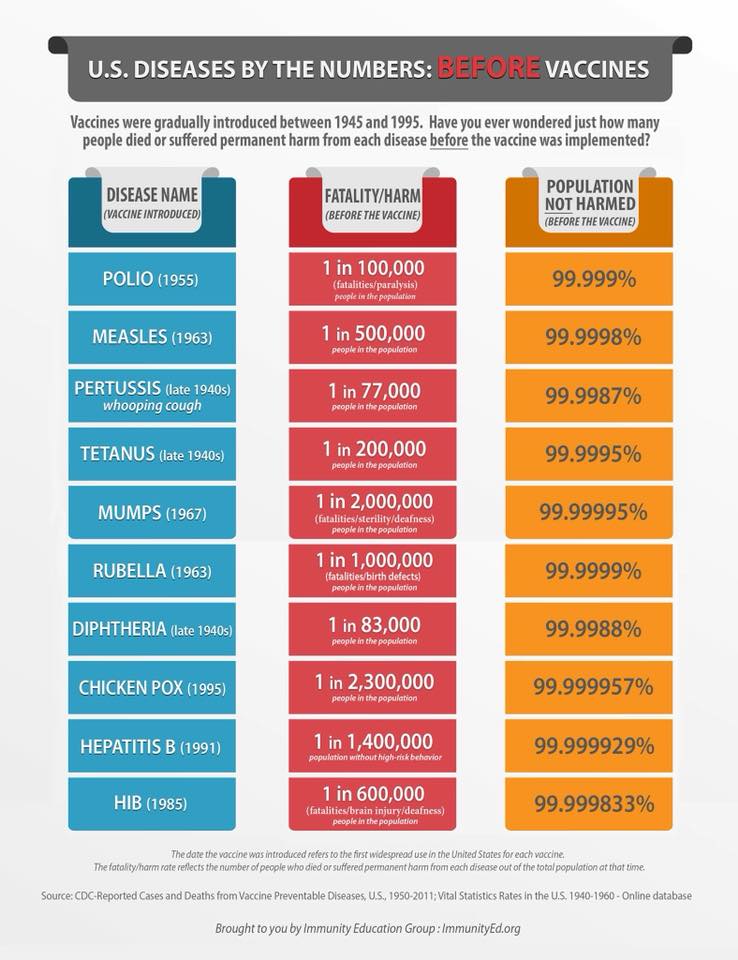
    Did you know? If not, you never had true informed consent prior to vaccinating your children. Sadly, policies are being made every day with the false assumption that vaccines are the magic that they claim to be and are completely safe. 99.9% of people who got the diseases we vaccinate our children against were not harmed by the illness.

    The most important thing you can do for your child is to arm yourself with information and facts. If you have already decided that as a parent you believe vaccinations are not right for your child, here is information on Idaho’s vaccine exemptions. If you are currently researching vaccines and are unsure whether or not they are safe, or whether or not they make sense for your family, our best advice to you would be to hold off.

    Don’t continue vaccinating your child until you are 100% sure it is the right thing to do. You can always continue vaccinating at a later date, but you can never, ever, take away the experience of injuring your child through dangerous chemicals and toxins being injected into their bloodstreams.

    Here are some articles to start your research:

  • Inflammation: The Root of Disease

    Inflammation: The Root of Disease

    What is Inflammation? How does it affect our overall health? What can be done to repair or avoid it? These were the themes from all the practitioners at the Natural Health Symposium in Boise last month. Research suggests that chronic inflammation contributes to the development of many diseases and various types of cancer. Genetic risk factors, a compromised immune system, stress, obesity, lack of sleep, and a poor diet all play a role in the onset of chronic inflammation. Maintaining a healthy, well-balanced diet, getting enough sleep, staying physically active, monitoring your genetic risk factors and staying on top of treating acute inflammation are steps to take to prevent an onset of chronic inflammation.
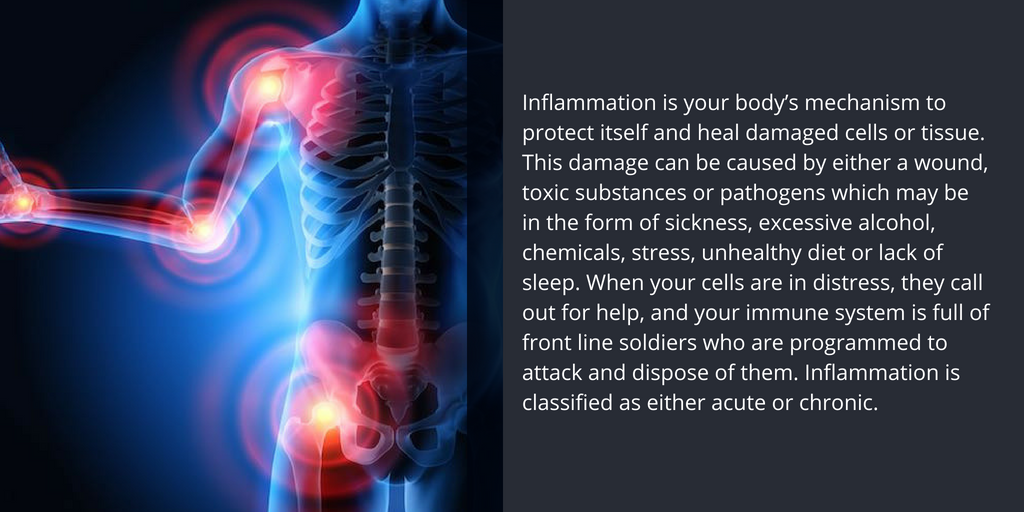
    Inflammation is the immune system’s protective response to injury, disease or irritation of the tissues.
    Inflammation may cause cancer, skin conditions, allergies, muscle pain, joint pain, headaches and painful menstruation. So what exactly is inflammation?
    It’s a combination of heat, pain, redness and swelling that happens externally or inside the body. (Dr. David Samadi, Lenox Hill Hospital)

    Acute vs. Chronic Inflammation
    Acute inflammation occurs in the short-term and is responsible for getting rid of infection, helping clean a wound, and repairing your tissue. Examples may include cutting yourself while shaving, breaking a bone, or spraining your ankle. The inflammation that occurs is a healthy reaction to repair the injured tissue. An army of white blood cells are the first responders that essentially ingest and dispose of the damaged cells, pathogens, or irritants that may have entered your body.
    On average, as long as you don’t re-injure yourself, an acute inflammatory response should only last a few days or weeks. Your body knows to trigger acute inflammation in order to get rid of things that are harming you.
    Here’s the problem: if you don’t take care of that wound, or if your body is inundated with a constant invasion of pathogens or toxins, your cells continually call for help from your immune system, and your body is on high alert at all times. This prolonged “state of emergency” can cause lasting damage and is called chronic inflammation.
    Chronic inflammation can last from several months to years. The onset of chronic inflammation can be delayed, and signs of chronic inflammation are difficult to detect. In fact, it can be incredibly difficult to identify the part of your body that becomes inflamed when the problem is chronic.
    We were curious as to exactly which parts of our body are affected by inflammation. Let’s think of inflammation in terms of a car. For example, in order to run properly, a car engine needs fuel, air intake and a spark plug to ignite the fuel, which creates the energy to turn the driveshaft, that turns the qwheels and takes you to the grocery store. And the excess fuel mixture is burned off and turns into exhaust. (Dr. Brant Larsen)

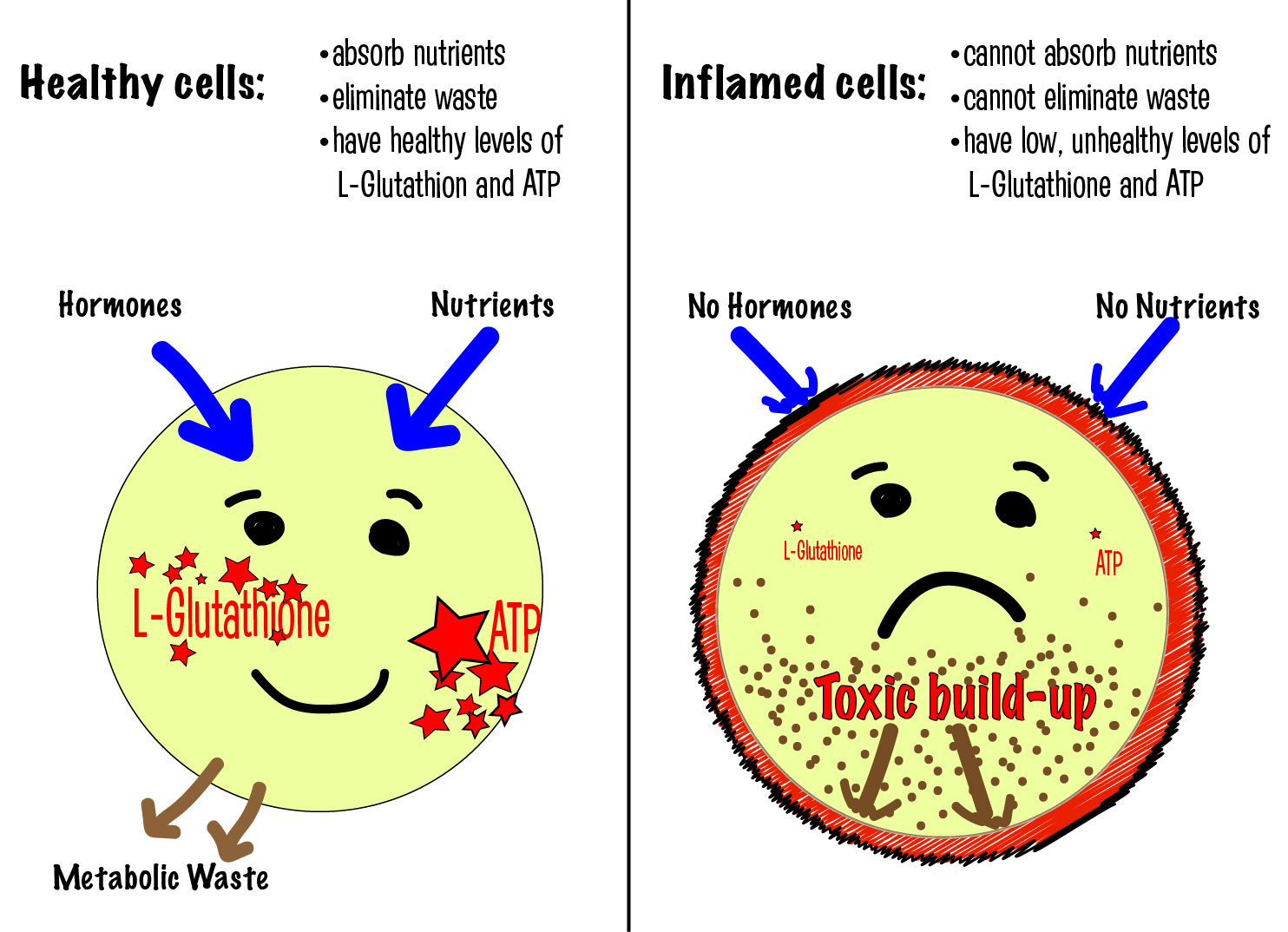
    All of our human life happens inside our very tiny human cells. Each cell wall consists of a membrane made of a phospholipid bilayer that functions similarly to soap with a hydrophobic interior and a hydrophilic exterior. The food we eat gives the cells the fuel – in the form of sugars, glucose and fats. We breathe air to give the cells oxygen. The spark – which are the electrical impulses from our nervous system – create the energy we need. Through the membrane, our cells eliminate the burned fuel, metabolic waste, and any harmful substances that have entered the cell through the membrane.

    Chronic inflammation is more common than we think.

    If our body is using energy to unnecessarily fight a perceived “invasion”, then it has less energy for normal functions. More importantly, with less energy available, our bodies cannot produce anti-inflammatory compounds such as glutathione, one of our bodies’ major antioxidant. In addition, adenosine tri-phosphate (ATP)— the energy molecule used by our cells is being used to fight a threat that isn’t real. At the end of the day, we have less energy and lower levels of antioxidants creating vulnerability for potentially diseased states.

    How do you know if you are chronically “inflamed”?

    You may not always be able to visually see the effects of inflammation, but there are signs that indicate its presence.

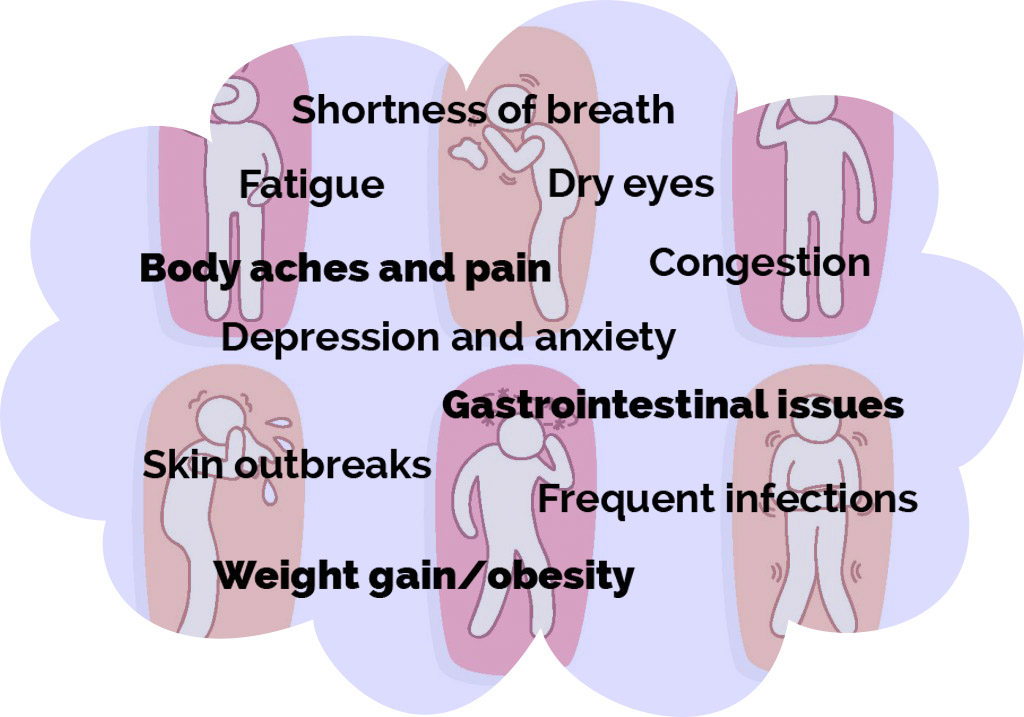
    Chronic inflammation can manifest itself in many ways, including digestive issues and skin problems, exhaustion, and recurring infections.

    Genetics play a role in inflammatory responses.

    Chronic inflammation is believed to play a role in the development of several long-term illnesses like cancer, heart disease, autoimmune diseases and even brain diseases such as Alzheimer’s and dementia.

    Triggers for chronic inflammation.
    To better understand the primary reasons our body could have chronic, low-grade inflammation, we spoke to Dr. Peter Bongiorno of Inner Source Health. He discussed three primary triggers for chronic inflammation:
    Digestive, Obesity, and Toxins.

    Digestive: Since the majority of your immune system is located inside your digestive tract, it is important to keep this healthy. Eating nutrient-dense, whole foods will encourage good digestive enzymes and healthy microbiota and enable your digestive system to process your food and effectively eliminate waste. A poor diet high in many processed foods, including hydrogenated and partially hydrogenated oils, high in sugar and white flour causes your immune system to respond with an inflammatory response to protect its healthy cells. If you have been tested by your doctor and suffer from specific food allergens, like gluten or dairy for example, these foods can also trigger an inflammatory response.

    Researchers today are working hard to understand how much of the immune system is located inside your digestive tract. It is believed that it is a significant source for inflammation triggers.

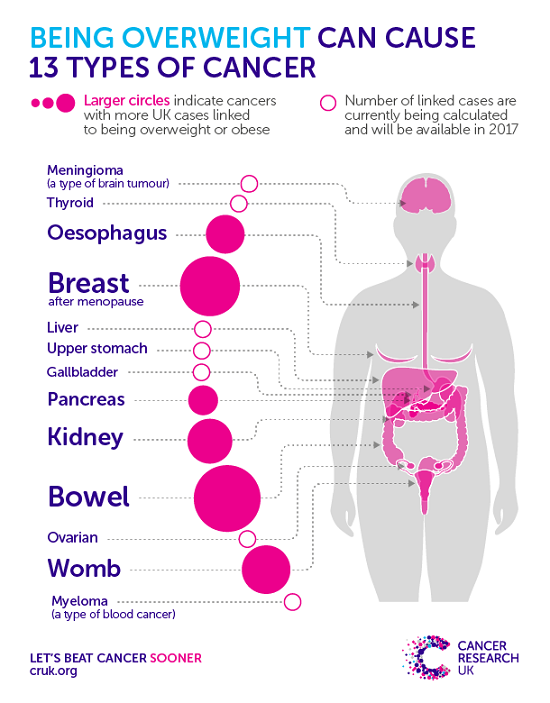
    Obesity: Having excess body fat, especially visceral fat around the hips and abdomen, contributes to chronic, low-grade inflammation, which can cause DNA damage and an increase in risk factors for certain types of cancer. According to the National Cancer Institute, obesity is linked to at least 13 different cancers. However, half of all cancer cases could be avoided using the information we already know (i.e. keep a healthy diet, don’t smoke, and get good amounts of sleep and exercise).

    Fat tissue will create inflammation that uses up nutrients and makes it more challenging for your body to clear toxic substances. It also switches how cells grow and use energy. Dr. Bongiorno

    Obesity is a leading cause of chronic illness and is attributed to many types of cancer.

    Toxins: If you are inhaling or ingesting large amounts of toxic substances, they can be stored in fatty tissue and then eventually your healthy cells. While our bodies can handle a certain amount, an overload can cause healthy tissue and cell membranes to become inflamed and damaged. Additionally, processed foods and an unhealthy gut will negatively affect your body’s ability to process exposure to toxic substances. If you are exposing yourself to more toxins than your body is eliminating, this may create inflammation.

    If you are exposing yourself to more toxicants than your body is eliminating this may create inflammation.

    How should we fight chronic inflammation?
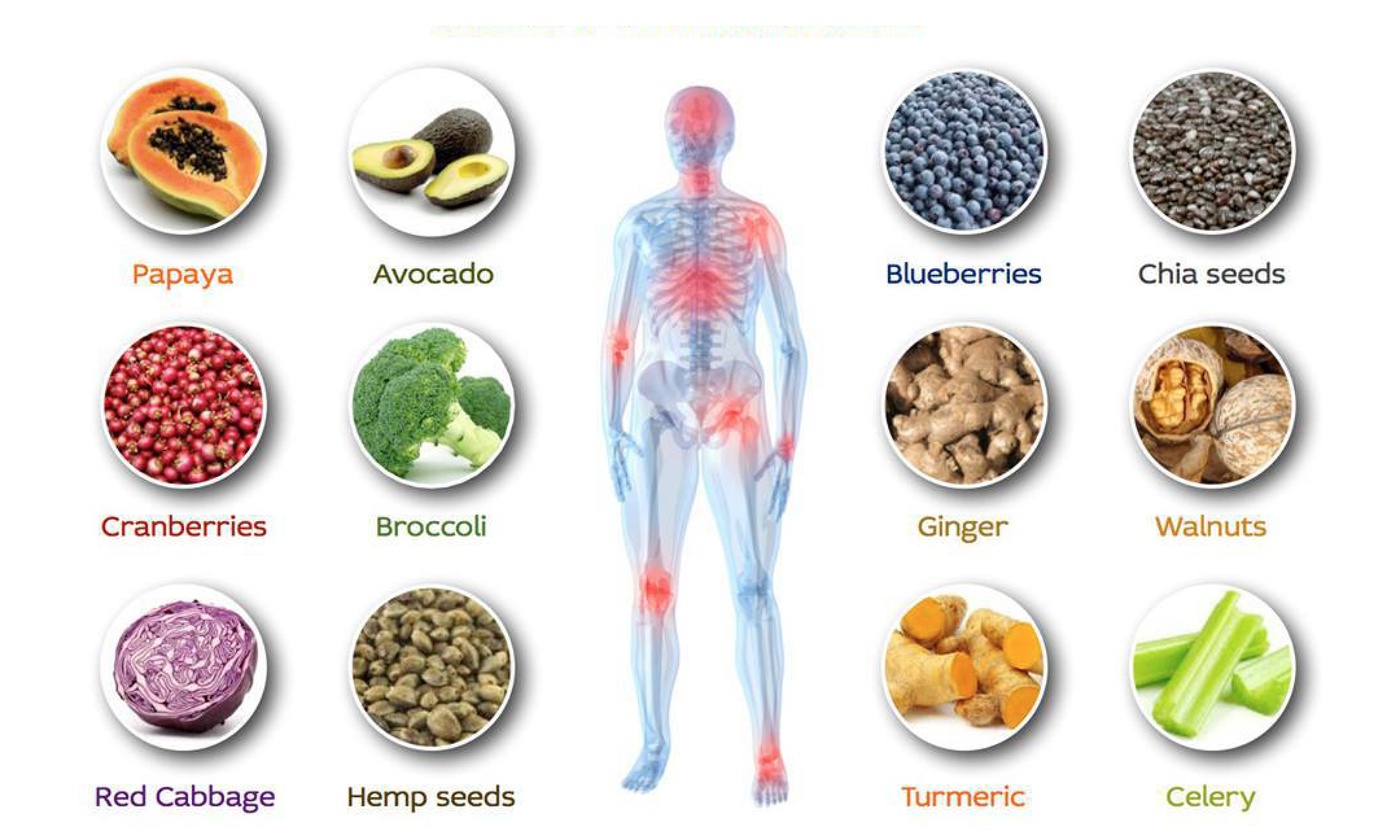
    Keep a healthy diet. You can avoid certain foods that are known to trigger inflammation. These include sugars and overly-processed foods – otherwise known as “junk food.” Additionally, smoking and excessive alcohol consumption should be curbed.
    • A healthy diet helps fight inflammation.

    Foods to eat include plenty of colorful vegetables and greens, and foods containing healthy fatty acids, such as those found in nuts and avocados. Additionally, drink plenty of clean water so your cells stay hydrated and can perform at their optimal level!

    Learn More About Diet: Jennifer Whitney

    Regular exercise is also an important part of fighting inflammation. A recent study performed by Mark Hamer, PhD, an epidemiologist at the University College London, examined the long-term effects of exercise with regard to inflammation. The study lasted for 10 years and included 4,000 middle-aged men and women.

    Dr Rosie Main has nutrition and exercise plans to support your healing

    • Regular exercise helps fight inflammation.
    Ultimately, Dr. Hamer found that subjects who completed approximately 2.5 hours of “moderate” exercise per week – or at least 30 minutes a day – reduced their inflammation markers by a minimum of 12%. Additionally, some study participants began exercising midway through the study period and were able to significantly lower their inflammation levels as well— meaning it is never too late for the benefit of working out!

    Get enough sleep and reduce stress. Poor sleep and stress are known triggers of inflammation. According to a study performed by Emory University and presented at the 2010 American Heart Association Scientific Sessions, getting less than six hours of sleep per night is associated with higher levels of inflammation. This is also linked with an increased risk of heart attack and stroke.

    • Reducing stress and getting enough sleep helps fight inflammation.

    In addition to lack of sleep, excessive levels of long-term stress can negatively affect your gut and compromise the production of enzymes that aid in the digestive process. For your best performance, it is optimal to get eight hours of sleep each night, with at least five of those hours being continuous or uninterrupted.

    Our Local Practitioners All Shared Numerous Ways To Support Your Healing From Inflammation visit their sites to learn more:

    David DeHaas of Living Waters Wellness Center

    Malisa Williams, LMSW, CMSP of Renew Wellness

    Dr. Michael Karlfeldt of The Karlfeldt Center

    Tamra Geryk RN of Functional Medicine of Idaho

    Dr. Rosie Main DC of Main Health Solutions

    Jennifer Whitney of Restoring Nutrition

    Lisa Hevern, an Independent DoTerra Wellness Advocate

    Dr. Jon Harmon of Clear Mind Idaho

    Dr. Andrew Rostenberg of Red Mountain Natural Clinic

    Sources:

    “Anti-Inflammatory Nutrition Research.” Inflammation Research Foundation, www.inflammationresearchfoundation.org/

    “Acute Inflammation.” Washington.Edu. University of Birmingham, n.d. Web. 05 Oct. 2016.

    DiCorleto, PhD Paul. “Why You Should Pay Attention to Chronic Inflammation.” Health Essentials from Cleveland Clinic, 25 July 2016, health.clevelandclinic.org/2014/10/why-you-should-pay-attention-to-chronic-inflammation/.

    Gushée, Sophia Ruan. A to Z of D-toxing: The Ultimate Guide to Reducing Our Toxic Exposures. N.p.: n.p., n.d. Print.

    Heid, Markham. “The Habit That Can Save Your Life.” Prevention. N.p., 16 Aug. 2012. Web. 05 Oct. 2016.

    “How being overweight causes cancer.” Cancer Research UK, 6 Apr. 2017, www.cancerresearchuk.org/about-cancer/causes-of-cancer/bodyweight-and-cancer/how-being-overweight-causes-cancer.

    Hume, Tim, and Jen Christensen. “WHO: Imminent Global Cancer ‘disaster’ Reflects Aging, Lifestyle Factors.” CNN. Cable News Network, 04 Feb. 2016. Web. 05 Oct. 2016.

    Nordqvist, Christian. “Pain / Anesthetics Bones / Orthopedics Immune System / Vaccines Arthritis / Rheumatology Inflammation: Chronic and Acute.”Medical News Today. MediLexicon International, 16 Sept. 2015. Web. 05 Oct. 2016.

    Paddock, Catharine. “Cardiovascular / Cardiology Sleep / Sleep Disorders / Insomnia Heart Disease Stroke Poor Sleep Tied To Inflammation, A Risk Factor For Heart Disease, Stroke.” Medical News Today. MediLexicon International, 15 Nov. 2010. Web. 05 Oct. 2016.

    Pevzner, Holly. “10 Ways to Reduce Inflammation.” EatingWell. Eating Well Magazine, June 2012. Web. 05 Oct. 2016.

    Rattue, Grace. “Immune System / Vaccines How Does The Immune System Power Inflammation?” Medical News Today. MediLexicon International, 05 July 2012. Web. 05 Oct. 2016.

    Samadi, David. “Inflammation: The Battle to the Death Inside Our Bodies.” The Observer. N.p., 11 Sept. 2015. Web. 05 Oct. 2016.

    Share:

    This article originally appeared at: https://www.dirt-to-dinner.com/what-is-inflammation/.
  • I Got West Nile Virus. It Was Like a Case of The Flu.

    I Got West Nile Virus. It Was Like a Case of The Flu.

    Today there is a report of the first positive mosquito for the West Nile Virus Trap located in Ada County for 2018. It is NOT a time for panic, nor should it be open opportunity for our state to spray our communities with known neurotoxins. The CDC reports that 8 out of 10 individuals won’t even know they have contracted the disease. Two of the ten will develop symptoms will be flu-like in nature. That’s right the West Nile Virus is a very rare disease that has very few long term affects on those living in Idaho. Yet, the propaganda has the general public nodding in agreement to be doused with chemicals for our ‘own protection’.

    If we could pause the fear based narrative for a moment and see the facts – we might be able to protect ourselves from both the disease and to toxins they are dousing our families with to ‘protect us from the rare disease.’

    CDC reports that COMPLICATIONS from West Nile Virus are VERY, VERY RARE less than 1% of individuals actually experience complications from West Nile Virus. For West Nile virus, chronic illness and immunosuppression also appear to be risk factors for severe disease and death7,14,24-27

    IDAHO REPORTED West Nile Cases per CDC

    2017 out of a population of 1.83 million there were
    24 cases | 10 hospitalization | Zero fatalities from West Nile Virus

    2016 out of a population of 1.67 million there were
    9 cases | 3 hospitalization | Zero fatalities from West Nile Virus

    Don’t Fear the Disease Simply Protect Yourself and Your Family

    Supporting your immune system eating right would be a great first line defense against any illness. Protection and prevention are the keys to avoid being bitten during the hot summer months (mosquito season).

    Don’t Let Fear of A Rare Disease Cause You to Expose Your Family to the Dangers of DEET

    DEET (chemical name, N,N-diethyl-meta-toluamide) is the active ingredient in many repellent products. It is widely used to repel biting pests such as mosquitoes and ticks. The CDC and EPA maintain that it is safe to use, which they follow up with a LONG list of “safe usage guidelines” that would appear to point to the contrary. This “safe” ingredient remains approved for use in the public despite countless reports of negative side effects after using products with this ingredient. The information given by these government agencies is conflicted. On one hand they will tell you there are no issues, and then on the other they will tell you not to get them in your mouth, eyes, lungs, not to put on too much, not to use too high of a concentration, not to spray it inside and various other restrictions. If it is so safe then why all the rules?

    Basically DEET is a game of toxic-roulette.

    Maybe your sweet little babes will suffer no harmful effects, or maybe they will have a severe reaction like neurotoxicity, encephalopathy, respiratory distress, seizures or even death. Or at best your child might be one of the one quarter of users who experience rashes, skin irritation, numb or burning lips, nausea, headaches, dizzinessand difficulty concentrating.

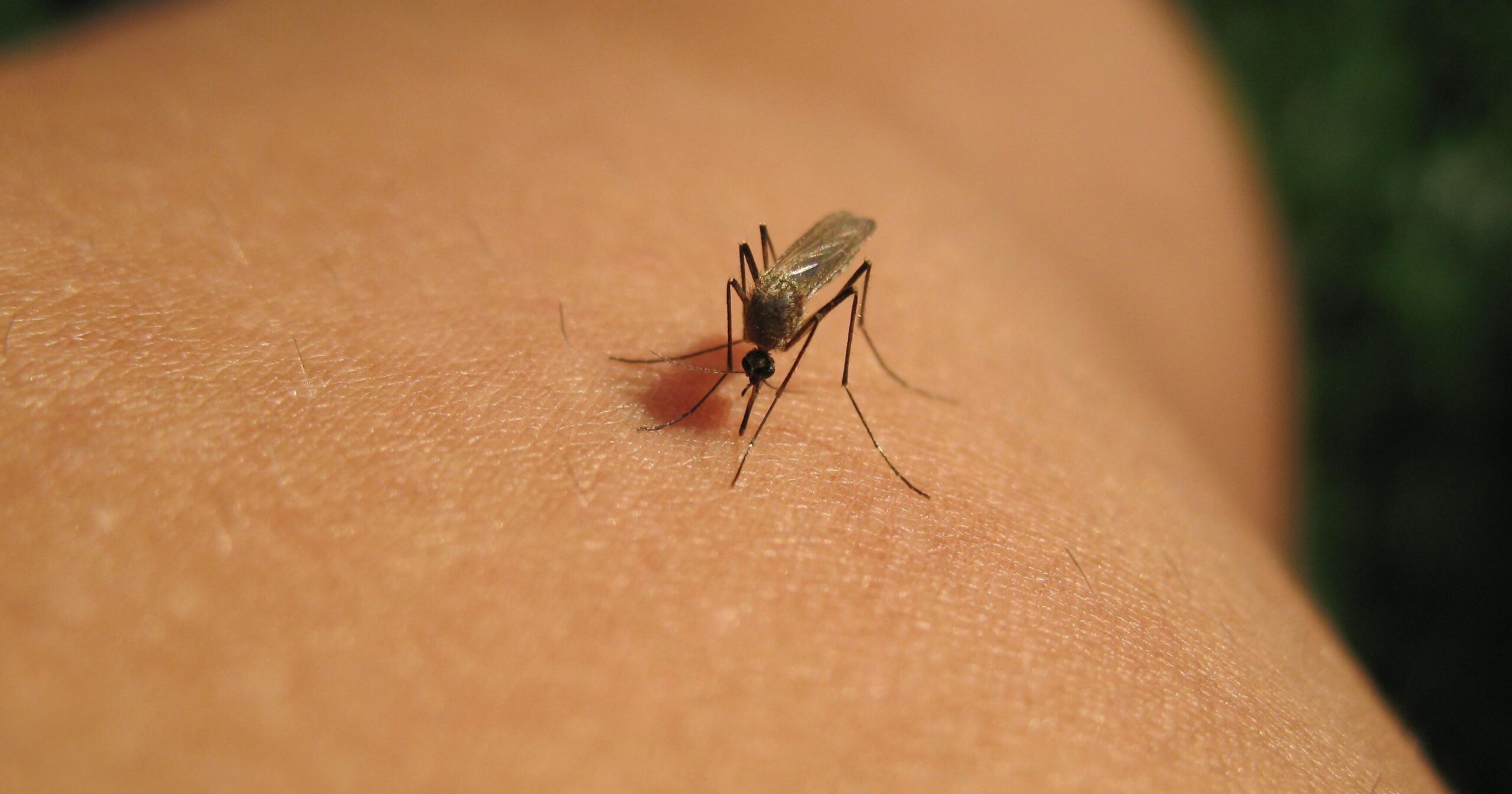
    STOP! Mosquito protection doesn’t have to be toxic ; Wear light-colored, loose-fitting clothing and footwear outdoors; avoid being outside during dusk and dawn; and dump and drain standing or stagnant water that can serve as a mosquito breeding habitat. And use NON TOXIC mosquito repellent.

    What’s it Like To Have West Nile Virus?

    According to Jane R. of Eagle Hills who got West Nile Virus during an outbreak more than a decade ago, it was a bad headache and case of the flu lasting about two weeks.

    In 2007 there was an outbreak, I didn’t think it could possibly be a big threat since we have so few mosquitoes here in the middle of Eagle. Turns out, I GOT IT! I know for sure because I had my blood tested. The “good news” is that once you have it you have antibodies that are supposed to keep you from getting it again, so I’ve checked that off my list of things to worry about. I suppose the virus could mutate and that might change this, but I’m not sure.

    There’s nothing they can do to “cure” West Nile, they just treat the symptoms–they gave me medication to reduce pain/inflammation and fever. Here’s what my symptoms were–what I can remember anyway.I had a really bad headache that lasted for about 8 days before I went to the doctor, and a couple more days after that the headache settled into the base of my skull/back of my neck. By the time I went to the doctor, I felt like I hurt all over, probably muscle aches. I think I had some fever. I didn’t have any nausea or vomiting, may have experienced some fatigue. I think I remember the symptoms being gone within 10-14 days, but I may have been tired for a while afterwards, like you are after the flu or other illnesses.

    What the CDC says about West Nile Virus

    No symptoms in most people. Most people (8 out of 10) infected with West Nile virus do not develop any symptoms.

    Febrile illness (fever) in some people. About 1 in 5 people who are infected develop a fever with other symptoms such as headache, body aches, joint pains, vomiting, diarrhea, or rash. Most people with this type of West Nile virus disease recover completely, but fatigue and weakness can last for weeks or months.

    Serious symptoms in a few people. About 1 in 150 people who are infected develop a severe illness affecting the central nervous system such as encephalitis (inflammation of the brain) or meningitis (inflammation of the membranes that surround the brain and spinal cord).

    • Symptoms of severe illness include high fever, headache, neck stiffness, stupor, disorientation, coma, tremors, convulsions, muscle weakness, vision loss, numbness and paralysis.
    • Severe illness can occur in people of any age; however, people over 60 years of age are at greater risk. People with certain medical conditions, such as cancer, diabetes, hypertension, kidney disease, and people who have received organ transplants, are also at greater risk.
    • Recovery from severe illness might take several weeks or months. Some effects to the central nervous system might be permanent.
    • About 1 out of 10 people who develop severe illness affecting the central nervous system die.

    Treatment

    • No vaccine or specific antiviral treatments for West Nile virus infection are available.
    • Over-the-counter pain relievers can be used to reduce fever and relieve some symptoms
    • In severe cases, patients often need to be hospitalized to receive supportive treatment, such as intravenous fluids, pain medication, and nursing care.

    Could we have a West Nile OUTBREAK!?

    Here’s what the U.S. Health Works Medical Group has to say about WNV:

    “How do you get the West Nile disease? Only one way, get bit by a mosquito that has the virus. The West Nile virus mostly lives in birds. Some mosquitoes bite birds and pick up the virus that way. Who knew mosquitoes bite birds? Seems like a suicidal food choice. If one of these mosquitoes actually manages to catch and bite the infected bird, and survive the experience, he now can bite you. As you would expect there are not exactly swarms of infected mosquitoes.”

    Now if one such infected mosquito manages to find you, you now have West Nile Virus. But you can’t give it to your family and friends. They have to find their own infected mosquito if they want the virus. In West Nile infected humans, the virus level is low enough that a mosquito biting you won’t likely get infected. So you can‘t pass it on, even with a mosquito’s help.”

    *There was an anomaly of almost one thousand people said to be infected with WNV in 2006. HFI couldn’t locate any research done by authorities to determine why there was such a HUGE spike in infection rates when there was an a total of 17 cases the previous seven years.

    Managing mosquitoes without poisoning people

    Efficacy of Mosquito Treatments

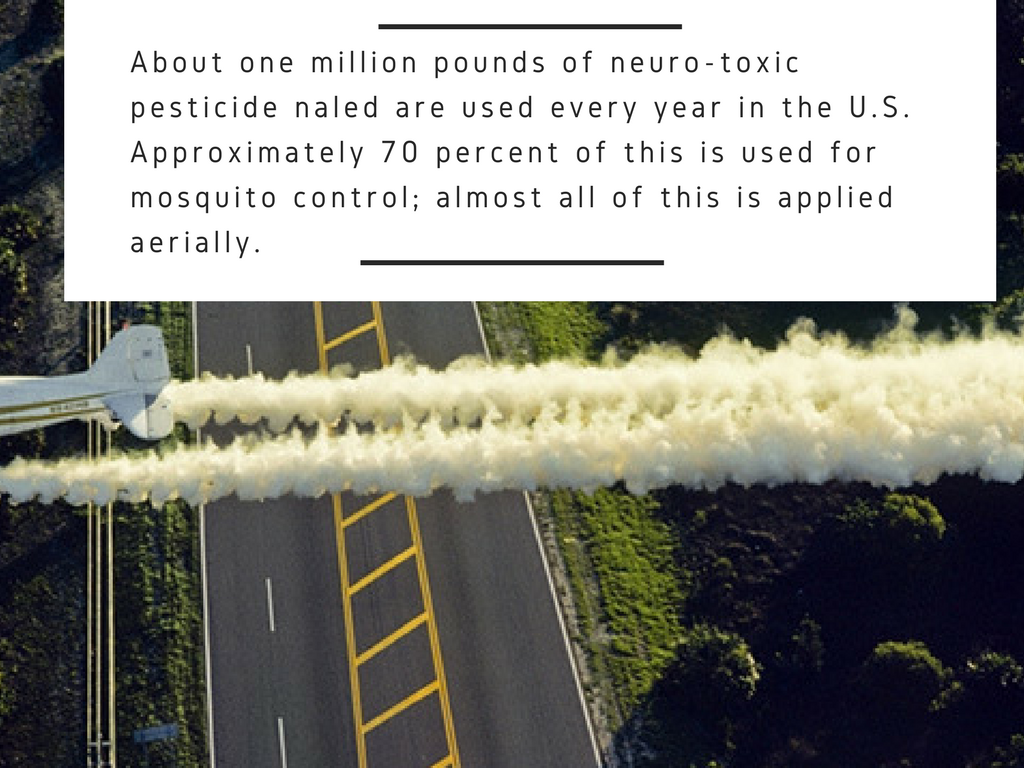
    The U.S. Centers for Disease Control and Prevention has written that “adulticiding, application of chemicals to kill adult mosquitoes by ground or aerial applications, is usually the least efficient mosquito control technique.

    Naled is no exception. For example, researchers from the New York Department of Health showed that 11 years of naled spraying was “successful in achieving short-term reductions in mosquito abundance, but populations of the disease-carrying mosquito of concern “increased 15-fold over the 11 years of spraying.

    We urge public officials everywhere to look at the safest, least toxic and most effective ways to control West Nile.Evidence from the U.S, and around the world shows there are safe and effective ways to control mosquitoes that do not rely on using pesticides that hurt human health and the environment. Instead of relying on pesticide spraying — whether by planes, through backpack sprayers in communities or inside homes — Integrated Vector Management stresses localized solutions. IVM can use a combination of the following methods to keep disease-carrying insect populations in check. We urge our local Mosquito Abatement Organizations to seek pesticides as a LAST RESORT not the first.

    See Health Freedom Idaho’s articles about West Nile Virus and Naled

    Watch West Nile Virus facts


    Locations of Positive Mosquito Traps: August 2018, Ada County Mosquito Abatement District has confirmed the presence of West Nile virus (WNV) in mosquito populations for the first time in Ada County this year. Two pools of mosquitoes tested positive for the virus. locations
    Ada County Mosquito Abatement District has detected West Nile virus in mosquito populations near the following locations:
    1. S. Cloverdale Rd. & E. Deer Flat Rd.
    2. S. Valley Heights Dr. & W. Raul St.
    3. S. Columbia Rd. & Gantz Ave.

  • Meningitis Facts

    Meningitis Facts

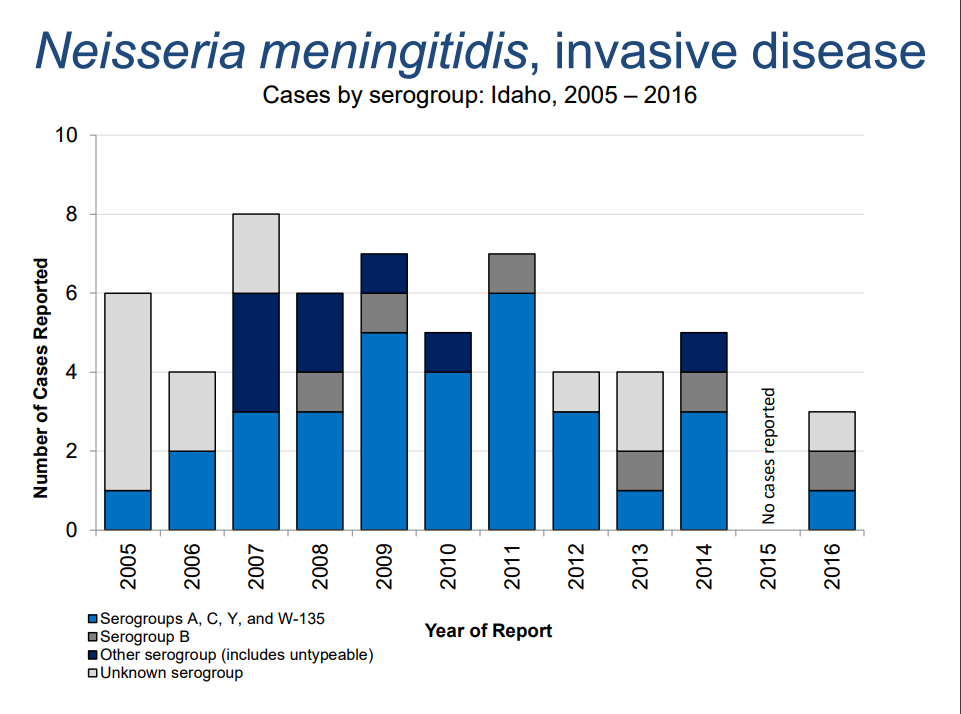
    IDHW is set to add another vaccine to the required high school schedule. Meningitis. According to the IDHW website, meningitis refers to an inflammation of the tissues covering the brain and spinal cord. This inflammation can be caused by viruses and fungi, as well as bacteria. Viral meningitis is the most common type: it has no specific treatment but is usually not as serious as meningitis caused by bacteria. CDC mortality statistics reveal that there is a literal one in a million chance you will die from bacterial meningitis in the US. There are around 300 cases in the United States annually. CDC reflects a downward trend in the disease prior to vaccine recommendations. [1]Idaho has an average of 3 cases a year the past twelve years. Still, Idaho Health Department intends on requiring an additional dose of the MenACWY meningitis vaccine for a majority of the state’s high schoolers.

    The CDC says there are two types of meningococcal vaccines available in the United States:

    • (MenACWY) Meningococcal conjugate vaccines targeting A, C, Y, and W-135 (Menactra® and Menveo®)
    • (MenB) Serogroup B meningococcal vaccines (Bexsero® and Trumenba®)
      Serogroup B is now responsible for 60% of U.S. cases of meningococcal disease

    During public testimony July 2018, IDHW gave the reasoning for this new requirement of an additional dose of the MenACWY vaccine. The CDC added it to the recommended schedule. And, it’s to protect the students who decide to go to college. Yes, you might have you heard of the meningitis outbreaks on college campuses.

    The flaw with this reasoning? The MenACWY vaccine is NOT the bacterial strain most commonly found on college campuses outbreaks.[2] According to the National Meningitis Association, the serogroup B bacteria accounts for more than one-third of the cases of the disease in the country and is only covered by the MenB vaccine.

    It’s puzzling if the reason for adding an additional requirement is for the protection of future college students, then why not mandate the alternate MenB vaccine?

    Meningitis is a very rare disease.
    In the United States last year there were 372 cases. 31 of cases aged 16 -23 of the strains covered by the MenACWY vaccine.

    • The MenACWY vaccine IDHW intends on requiring for high school covers 2/3rd of the bacterial strains of meningitis but NOT the bacteria of most serious concern for young adults.
      • Serogroup B accounts for one-third of U.S. cases, and is the most common cause of disease in adolescents. The required vaccine doesn’t cover Serogroup B.
    • MenACWY has proven less than 58% effective two to five years after vaccination. In a college setting 91% of students who got meningitis were vaccinated with the MenACWY vaccine.

    Is meningitis serious?

    Yes. But, with only 4 strains of bacterial meningitis and 0 strains of viral meningitis are in the recommended vaccine, it’s a guessing game, similar to the flu shot, on which strain you’d even be exposed to. The vaccine, in creating an artificial immune response, actually leaves you more vulnerable to the more virulent strains of meningitis, not covered in the vaccine.

    Meningitis isn’t spread by standing next to a person. The bacteria doesn’t live very long outside the body. Transmission is spread exchange of saliva through kissing, sharing drinks or sharing toothbrushes.

    Neisseria meningitidis, the meningococcal bacteria, is passed by coughing or contact with saliva and is normally present in the respiratory tracts of healthy people without causing disease [3, 4, 5]. In fact, probably no one escapes infection. Symptomatic disease is quite rare for N. meningitidis. As such, 100% of the population, vaccinated or not, are asymptomatic carriers at some point in their lives. In fact, at any time, 5-35% of the population is silently carrying the bacteria, though the numbers often rise to nearly 100% in close quarters, such as military barracks and college campuses [4].

    Is the meningococcal vaccine safe?

    • The meningococcal vaccine has been found to be about 58 percent effective within two to five years after adolescents have gotten the shot and, in 2011, CDC recommended that all 16-year-olds get a booster dose of meningococcal vaccine;
    • The manufacturer product inserts for meningococcal vaccine list adverse events reported during clinical trials or post-licensure, including irritability, abnormal crying, fever, drowsiness, fatigue, injection site pain and swelling, sudden loss of consciousness (syncope), diarrhea, headache, joint pain, Guillain Barre Syndrome (paralysis), brain inflammation, convulsions, and facial palsy.
    • Using the MedAlerts search engine, as of August 5, 2018, there were 24,344 cases of reported adverse reactions reported to the the federal Vaccine Adverse Events Reporting System (VAERS), for the MenACWY vaccines which includes only a small fraction of the health problems that occur after vaccination in the U.S., The vaccine caused 2477 serious health problems, hospitalizations and injuries following meningococcal shots, including 146 deaths.

    Is the meningococcal vaccine effective?

    GOT THE SHOT – STILL GOT THE DISEASE!

    Not according to the CDC’s enhanced report on meningitis! Read the report: https://www.cdc.gov/meningococcal/downloads/NCIRD-EMS-Report.pdf
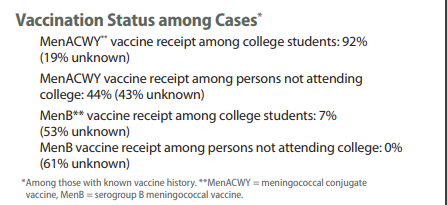
    92% of college students living onsite who contracted the meningitis were vaccinated against the disease with the MenACWY vaccine Idaho Health Department is requiring for high school students.

    Is the mandate of an additional vaccine necessary?

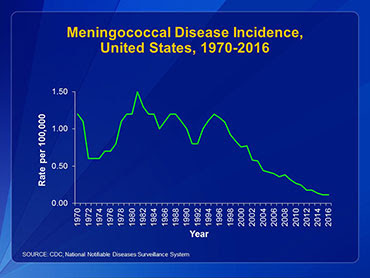
    The disease is on a downward trend, even without the ‘herd immunity rate’ of 95%.

    Figure 1 shows incidence rates (per 100,000 persons) of meningococcal disease in the United States by year from 1970 to 2016. The incidence rate began declining in 1995; however, it has reached an historic low of 0.12 in 2016. View data for this chart.

    Idaho infectious disease reports shows the following for Neisseria meningitidis, often referred to as meningococcus. Which causes cause meningitis and other forms of meningococcal disease such as meningococcemia, a life-threatening sepsis.

    Idaho’s rate of infection shows actual cases reported for the ACYW serogroups average 3 cases a year. Nowhere is it reported that meningitis was transmitted in a school setting.
    Taking into account the vaccine effectiveness rate of 58% that’s recommending vaccines for a majority of high school students to prevent about 1 case of meningitis that does not even show transmitted in a school setting.

    There is no discussion here about the financial impact of requiring an ineffective vaccine for our high school students. Those who testified in favor of the new vaccine requirement would all financially benefit from the increased vaccine load. The individuals who spoke against the vaccine recommendations were parents of students who would be directly impacted by any adverse reaction their child would suffer.

    How can you, as a parent, best protect your child from meningococcal infection?

    Answer: Improve your child’s immune system by providing a healthy diet of whole foods that are rich in nutrients. Give supplements that are high in antioxidants, balanced B-vitamins, minerals and essential fatty acids. Give extra vitamin D3 during cold and flu season. Heal the gut if your child has gastrointestinal problems. Stress the importance of getting enough sleep and fresh air. Help your child learn to relax. And, just say NO to vaccines that damage your child’s innate immune system.

    Read about this vaccines function, efficacy and reactions here:

    https://schaabling.wordpress.com/2016/01/01/meningococcal-vaccine-meningitis/

    [1]. Meningococcal Disease and Vaccination. Fear-Mongering? YES!! (2011 – disease incident rates have DECREASED since)

    [2] https://www.nmaus.org/disease-prevention-information/serogroup-b-meningococcal-disease/outbreaks/

    [4] http://femsre.oxfordjournals.org/content/31/1/52.long?view=long&pmid=17233635

    [5] http://www.whale.to/vaccines/meningitis5.html

    Proposed Rule:

    https://adminrules.idaho.gov/bulletin/2018/07.pdf#page=91
    DOCKET NO. 16-0215-1802 (pg 91) The Health Department wants to “require a second dose of meningococcal (MenACWY) vaccination before a student enters the 12th grade in Idaho, starting with school year 2020-2021. If a student received their first dose of meningococcal (MenACWY) vaccine at 16 years of age or older, they will not be required to receive the second dose before entry into the 12th grade.”

    https://www.millioninsights.com/industry-reports/meningococcal-vaccines-market

    Idaho Infectious Disease Reporting:
    http://healthandwelfare.idaho.gov/Health/Epidemiology/IdahoDiseaseSummary/tabid/202/Default.aspx

    Disease Trends in Idaho:

    http://healthandwelfare.idaho.gov/Portals/0/Health/Epi/Disease%20Summaries/ID%20DZ%20Trends_2016_FINALv2.pdf

    Rates of Vaccination: https://www.cdc.gov/vaccines/imz-managers/coverage/teenvaxview/data-reports/menacwy/trend/index.html

  • When State Defines Neglect Limiting of Recognized Treatments

    When State Defines Neglect Limiting of Recognized Treatments

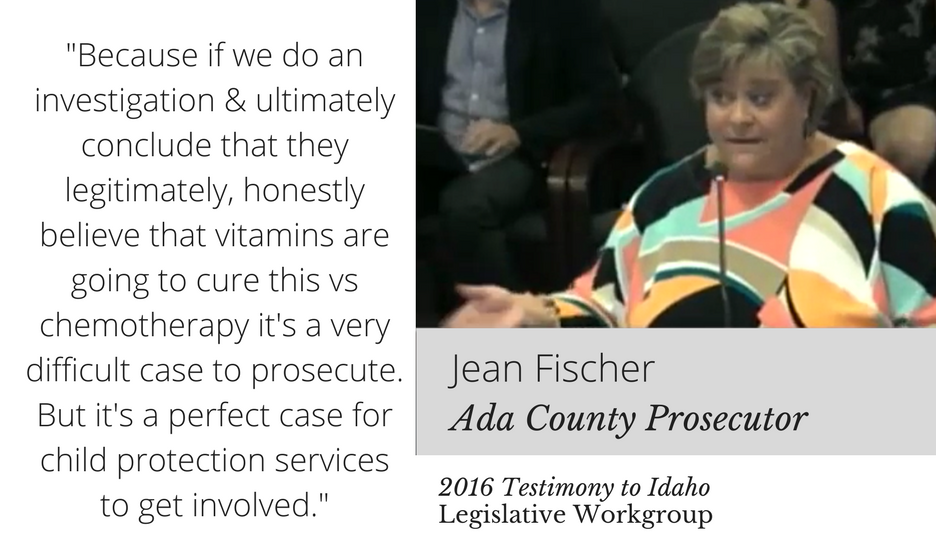
    Health Freedom Idaho doesn’t take a position on the “faith healing” aspect per se as much as a government mandate and their involvement of the health/medical care of children. The government should not have the power to determine a parents choice of care over the child.

    In Idaho, and across the nation, laws were passed during the 1960’s, and 70’s to legally guide state’s care and protection of children, especially during instances in which it is found that children have been neglected or abused. The states found it necessary to pass statutes, to prosecute parents and guardians for neglect, who might be found guilty of neglect, to protect some children who would otherwise be neglected.

    The word neglect naturally is used to describe a failure to provide care and treatment for the parent’s or guardian’s children.

    Whose parents, guardian, or other custodian is unable to discharge his or her responsibilities to and for the child and, as a result of such inability, the child lacks the parental care necessary for his or her health, safety, or well-being…Neglect: Citation: Idaho Code § 16-1602

    No One Form of Treatment Can Guarantee Positive Results

    Licensed medical healthcare, since it was and is widely used as a treatment, was and is recognized by statute. The state of Idaho and many others recognized the fact that prayer was and is a treatment, and that many practitioners of treatment by prayer use that form of treatment exclusively. Today, many people use modern medical care exclusively, while others choose treatment by prayer exclusively. Many people prefer to use both forms of treatment. Some people of diverse cultures select alternative methods of treatment which are not recognized by licensed medical practitioners.

    It is a fundamental, God-given right of an individual to make his or her own choice of treatment for themselves and as such for their children.

    Conventional Treatments Fail vs Faith Healing/Alternative Treatment Fail

    Since medical care and its practitioners are unable to guarantee complete success, it is unreasonable to assume that it is always the best form of treatment. Treatment by prayer alone does not always produce measurable results, but neither does medical care. A combination of the two different treatments often produces no measurable results as well. Still, most people can attest to successful treatment, whether by prayer or by medical or through use of both types of treatment.

    It is of paramount importance that the state recognizes the individuals God given right, to use the treatment of individual choice, or to refuse treatment, not interfering in families or parents choices of conscience. I can think of few things more intrusive, than an external interference, by the state or another individual, in the matter of treatment, for my own body or that of my children.

    We must not allow the state to re-define treatment to exclude all but state-licensed forms of treatment!

    Neglect Should Be Defined as ‘Lack of Treatment’ Not Adherence to a Specific Treatment Protocol

    Since neglect is and should be a crime, punishable by law, the burden of proof of a crime of neglect should remain on the state. If the state is allowed to define a totalitarian definition of “treatment”, the burden of proof of neglect, would be simply eliminated. Unless a practice of compliance with state-approved treatments is adhered to. We are addressing individual rights. This has nothing to do with any religious exemption.

    Neglect should not be legally re-defined to exclude all but medically licensed treatment. Neglect should remain defined as it is, a lack of treatment.

    If the state wishes to prosecute a parent or guardian in the event of the apparent failure of alternative treatment, then it must also prosecute practitioners of licensed medical treatment in kind!

    If Parents Are Prosecuted for a Lack Of Positive Results for Their Treatment Choice So Then Should Practitioners

    Before that should happen, be reminded that licensed medical practice is the third leading cause of death in the U.S. at this time. The death toll estimated from 220,000 – 444,000 deaths per year from state-licensed medical error. At the same time abuse and neglect is expected to be responsible for 1520 deaths of children according to the National Child Abuse And Neglect Data System in 2013, a 12.7% decrease from 2009.

    “If people let government decide what foods they eat and what medicines they take, their bodies will soon be in as sorry a state as are the souls of those who live under tyranny.” -Thomas Jefferson-

    SOURCES:

    1. MEDICAL ERROR. THIRD LEADING CAUSE OF DEATH.
    source of statistics/interview of author Death from medical care itself : John Hopkins University 3rd leading cause of death
    original analysis: http://www.bmj.com/content/353/bmj.i2139

    Medical error has been defined as an unintended act (either of omission or commission) or one that does not achieve its intended outcome, the failure of a planned action to be completed as intended (an error of execution), the use of a wrong plan to achieve an aim (an error of planning), or a deviation from the process of care that may or may not cause harm to the patient.

    Pediatric Staff admits errors as much as 67%
    from the Nursing Certification review Manual Continuing Education Resource Clinical Practice Resource

    2. Stratton, Biegen, Pepper and Vaughn 2004 conducted a descriptive study that surveyed a convenience sample of 57 pediatric-care and 227 adult care hospital nurses regarding medication errors reported on their units, examining why medication error occur, and why medication errors are not always reported. This study primarily focused on pediatric data with a comparison of adult acute care nurses. Pediatric nurse indicated that a higher proportion of errors were reported compared with adult care. 67% pediatric care errors compared to 56% adult care.)

    2. DEATH REVIEW BOARD FINDINGS Idaho Children who received treatment by prayer or alternative means:

    Refusal of Medical Treatment Due to Religious Beliefs
    In 2013, the CFR Team identified 5 deaths to infants from families whose religious beliefs prevented them from seeking medical intervention. All of these 2013 deaths were to newborn infants. ***IDAHO ranks one of the highest states in PREMATURE BIRTHS. Still more infants born in hospitals DIED receiving conventional medical treatment.

    In 3 consecutive review years, the team has encountered a total of 10 deaths to infants or children who were reportedly not treated medically due to the parents’ religious beliefs. These cases were identified using information provided on death certificates and coroner reports. Since Vital Statistics does not compile the number of deaths in this category, it is difficult to estimate the actual number of preventable deaths to children of religious objectors.
    For the 2013 review year, the causes of death to infants from families who did not seek “conventional’ medical treatment included meconium aspiration, intestinal blockages, and sepsis. The CFR Team determined that each of these deaths may have been prevented with proper and timely medical treatment.

  • What Are Toxins Doing To Our Kids?

    What Are Toxins Doing To Our Kids?

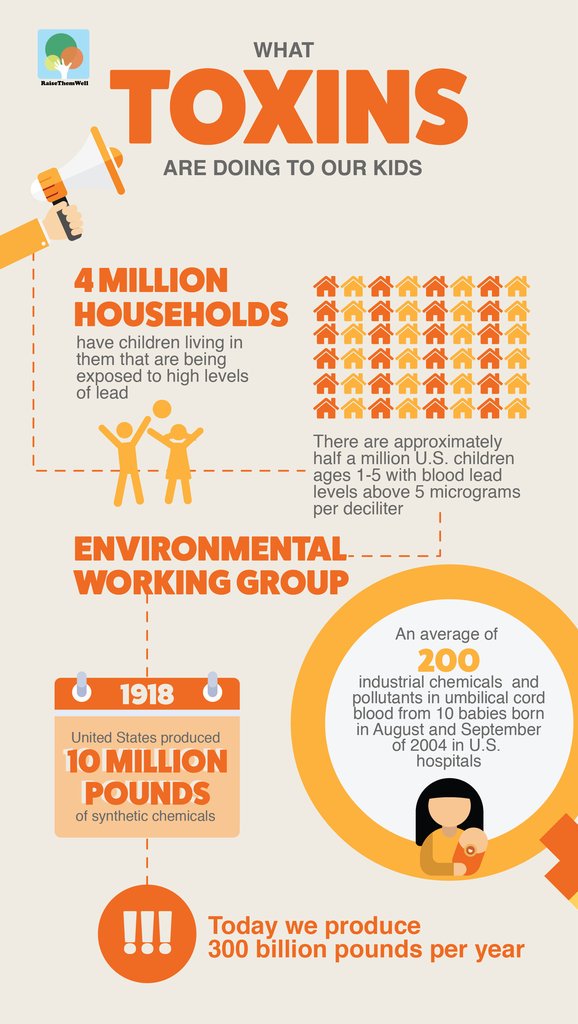
    We cannot assume that just because chemicals are in common trade and usage that they have been evaluated for safety by our government or any other scientific board, nor that they have been approved. Most are not and have not. We’re strong parents who can face the truth and do something strong and positive and powerful with it to protect our kids, our neighbor’s kids, and kids in other countries who are still getting exposed to those same chemicals that have been banned for use in our country.

    62,000 Toxic Chemicals & Failed Legislation

    The Toxic Substance Control Act (TCSA), passed in 1976, is the US federal law that regulates industrial and consumer chemicals – the thousands of synthetic chemicals in use that are not intended to be used in medication, cosmetics, foods, or pesticides. At the time this law was passed, the Environmental Protection Agency was charged with creating an inventory of all existing chemicals, which were then to the biomarker for safety. At that time there were already about 62,000 existing chemicals. Rather than being tested, however, they were “presumed safe” and were “grandfathered in.”

    Only 5 chemicals have been banned under the TSCA in over 35 years. Yes, 5! Do you find that as shocking as I do?

    The EPA has otherwise been entirely unable to require testing on, regulate, or remove any of the remaining chemicals from the marketplace. Only a few states in the US – California, New York, and Massachusetts among them – have state laws relevant to children’s environmental health. California put legislation in place so that by 2012, 1200 chemicals identified by the EPA were to be regulated; NY, MA, and CA require commercial pesticide applicators and farmers to report pesticide application to the state, and CT has banned BPA use in carbonless receipts from banks and retail stores due to its risk of absorption and potential harm to offspring when childbearing women who handle these regularly at work are exposed.

    Of the over 80,000 chemicals now in use in the US, it is clear that many are harmful to human physical and neurological development. Exposure at various vulnerable times during pregnancy, infancy, early childhood, and even though the teenage years when the lungs, endocrine, and nervous systems are still developing, can result in the same health problems increasing amongst our children including those I mentioned earlier. Because of their surface area-to-body weight ratio and immature detoxification abilities, most toxins impact children’s health harder than they do us grown-ups.

    https://hfi2.designbyparrish.com/our-kids-are-so-very-sick

    What You Can Do to Protect Your Children from Environmental Toxins

    1. Optimize nutrition

    Great nutrition has two key benefits – eating natural foods with as little packaging and as few additives, colorings, pesticides, and herbicides as possible reduces chemical exposures for our kids (even after just 5 days of switching to mostly organic produce, kids’ blood levels of toxic agricultural chemicals go way down). Also, good nutrition boosts our natural ability to detoxify environmental toxins. I recommend that kids get at least two brightly colored fruits or vegetables at each meal (think carrots, blueberries, squash, for example). Healthy All Year has an entire section of lessons dedicated to teaching you how to use nutrition to boost your child’s immunity and support natural detoxification. You’ll also learn which supplements you can use to enhance detoxification naturally and safely, without breaking the bank!
    Teach your children about real foods Food Renegade has a new lesson book a great resource to learn together.

    2. Get Educated & Reduce Exposures

    Knowing which industrial, household and personal products (i.e., shampoos, lotions, sunscreens) are most toxic is key to protecting your child’s health. You also need to know which are the healthier alternatives. The Environmental Working Group, which has recently merged with Healthy Child, Healthy World, another of my favorite environmental advocacy groups. Other advocacy groups, Robyn O’Brien’s Allergy Kids, and Beth Lambert’s Epidemic Answers. Support the body’s ability to naturally detox.

    3. Don’t be Afraid to be Called “Mean Mommy” and Other Names

    It’s our job to be parents and that means keeping our kids out of harm’s way when we can, even if it makes us temporarily unpopular. While we want our kids to live comfortably in the world, and not make life feel too restrictive, how comfortable is obesity or a hormone problem, really?

    Yes, my kids called me “mean mommy” because I refused to let them wear the cool pajamas their friends were wearing – the ones treated with flame retardant chemicals. Now, 25 or so years later, the data is unequivocal. Flame retardants are seriously hazardous to our health, and more so to young children whose exposures far outweigh our own, and in whom exposures at critical times may have a detrimental impact on immunity, hormones (including those that impact obesity), and neurological health.

    4. Join Together and Speak Up!

    It’s amazing what powerful mothers, fathers, grandparents, and citizens have accomplished in making policy changes in their children’s environments from toxic paints and toxic foods in schools to environmental dumping, fracking, and chemical waste plant leaks. Health Freedom Idaho is a coalition of moms (dads, grandparents, concerned citizens) who are speaking up. It is no small task, but clearly, the government isn’t going to clean this problem up for us, so we’ve got to be activists for our children’s health!

    Will you join us!

    Impact of Toxins on Children’s Health:

    Aviva Romm https://avivaromm.com/government-failing-to-regulate-toxins-harming-kids/

    toxins and children

    ToxicFreeTribe: 16 ways to reduce toxic exposure

    Generation In Jeopardy: https://www.psr-la.org/PesticidesReport

  • FDA Allows Chemical Additives Known To Be Toxic To Kids

    FDA Allows Chemical Additives Known To Be Toxic To Kids

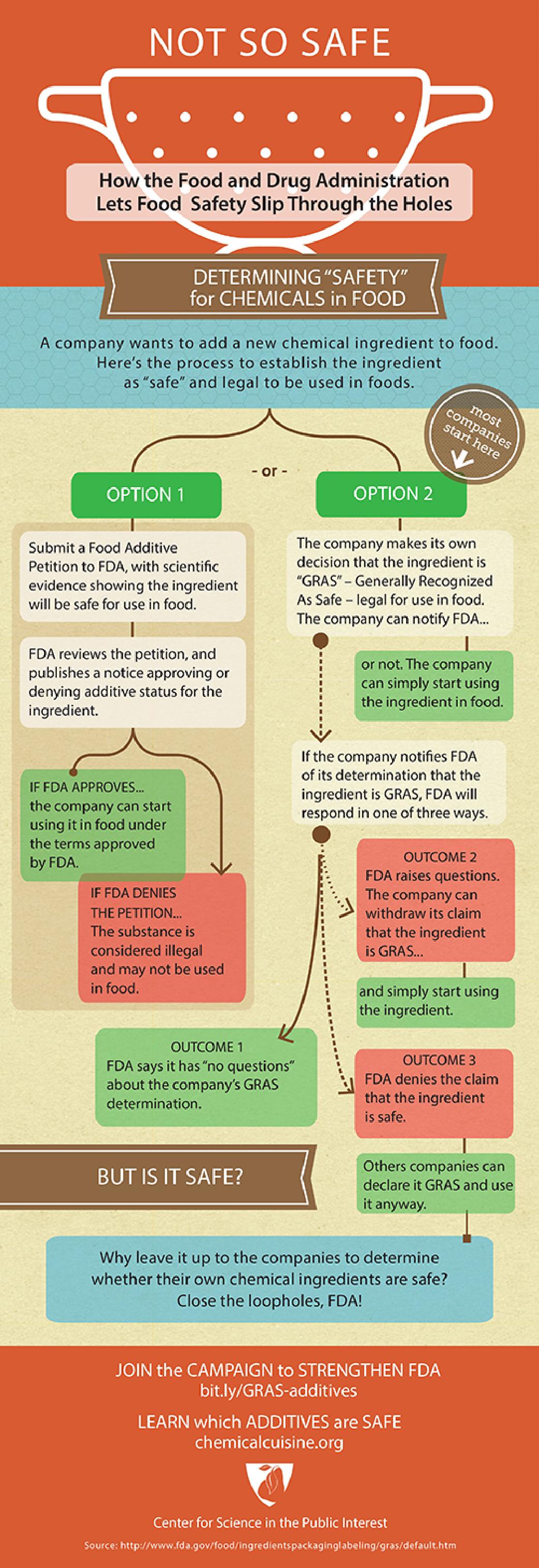
    Today, your body is dealing with more than 10,000 food additive chemicals, all of which are allowed to be added (directly or indirectly) to food. And that’s only the chemicals allowed to be in your food! Many of these chemicals have not been proven safe for children and in fact a significant loophole in our processed food system: Generally Recognized As Safe (GRAS) allows food companies to get a free pass to use whatever chemical additives they want in our food with little to no oversight.

    Shockingly, due to the way new additives are reviewed the FDA simply cannot guarantee the safety of most ingredients, which we now know can affect our health at nanoparticle doses – much lower than was previously expected – and the FDA does not have authority to obtain data on or reassess the safety of chemicals already on the market. Additionally, conflicts of interest with industry, prevent adequate and accurate safety data from ever being acquired or seeing the light of day.

    Tweet: 67,000 of the country’s children’s doctors are calling for more rigorous testing and regulation of thousands of toxic chemicals used as food additives or indirectly added to foods when they are used in manufacturing or leach from packaging and plastics. #toxic https://ctt.ac/4Ga1D+

    American Academy of Pediatrics issued the guidelines in a statement and scientific-technical report on Monday,. The group joins other medical and advocacy groups that have expressed concern about the growing body of scientific evidence indicating that certain chemicals that enter foods may interfere with the body’s natural hormones in ways that may affect long-term growth and development.
    Food Additives in your food, on your food, leeching into your food.

    This term, food additives, is the whole set of artificial colorings, flavorings, and chemicals added to food during processing, which are known as “direct food additives”, but there’s also a whole category of “indirect food additives” we tend to forget about: think adhesives, dyes, coatings, paper, paperboard, plastic, and other polymers, which are introduced to foods during the manufacturing process and through food packaging. Some food additives of concern are bisphenols phthalates, PFCs, food colors, nitrates, and nitrites – but there are obviously a lot more.

    AAP called out these chemicals of increasing concern:

    • bisphenols, which are used in the lining of metal cans to prevent corrosion45;

    • phthalates, which are esters of diphthalic acid that are often used in adhesives, lubricants, and plasticizers during the manufacturing process17;

    • nonpersistent pesticides, which have been addressed in a previous policy statement from the American Academy of Pediatrics and, thus, will not be discussed in this statement46;

    • perfluoroalkyl chemicals (PFCs), which are used in grease-proof paper and packaging47; and

    • perchlorate, an antistatic agent used for plastic packaging in contact with dry foods with surfaces that do not contain free fat or oil and also present as a degradation product of bleach used to clean food manufacturing equipment.48

    Additional compounds of concern discussed in the accompanying technical report include artificial food colors, nitrates, and nitrites.

    This issue is of great importance and concern for chemicals approved decades ago on the basis of limited and sometimes antiquated testing methods. For instance, some compounds, such as styrene and eugenol methyl ether, remain approved for use as flavoring agents, although they have been subsequently classified as reasonably anticipated to be human carcinogens by the US National Toxicology Program.67 -AAP

    READ MORE https://www.nytimes.com/2018/07/23/well/chemicals-food-children-health.html

    Groups Sue FDA to Protect Food Safety Seek to Ensure Food Additives Are Found Safe Before Being Marketed to American Consumers
    Chemical and food manufacturers often seek to add chemicals to processed food, typically to enhance flavor, add nutrients, or prevent spoilage. Chemicals also often leach into foods from processing equipment and packaging. While Congress has required that FDA itself determine that chemical additives are safe before they can be used in food, the FDA rule allows manufacturers to decide for and by themselves—in secret—what can be added to processed foods. The groups assert this rule is unconstitutional and illegal. READ MORE https://cspinet.org/news/groups-sue-fda-protect-food-safety-20170522

    How are Food Additives Affecting Children?
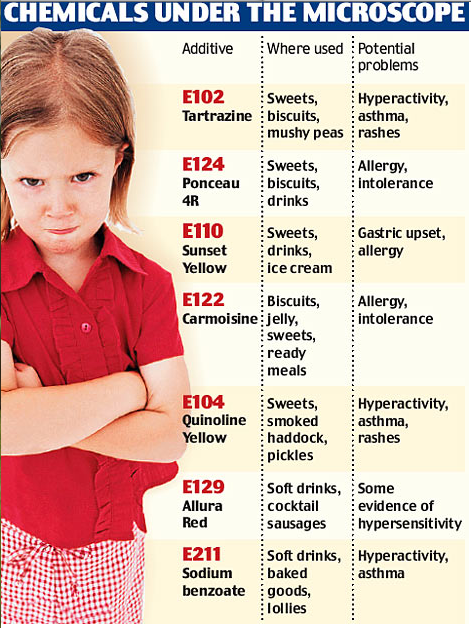
    According to a recent paper by the American Academy of Pediatrics, common food additives (in concentrations most of us deal with in daily life) are linked with: endocrine disruption, insulin resistance, reduced immune response, thyroid hormone alterations, and neonatal hypothyroidism. Here’s what we know: the health dangers of food additives are especially high during pregnancy, infancy, early childhood, and even through the teenage years when the lungs, endocrine, and nervous systems are still developing.

    Children are naturally more vulnerable to the effects of food additives because of their surface area-to-body weight ratio and immature detoxification abilities. The potential for endocrine system disruption from food additives and chemical exposure is bigger in children than for us grown ups, and carries a risk of permanent and lifelong imbalances.

    No wonder we’ve seen such a spike in health concerns in children and women over the three decades during the time our volume of our exposure has also escalated. I certainly see it reflected in my medical practice: children suffering from anxiety, depression, obesity, autoimmune diseases, early puberty, and so much more, all of which was mostly unheard of only a few decades ago!

    Watch this important interview with Dr. Philip Landrigan, a pediatric environmental medicine pioneer.

    What Can I Do Today to Protect My Kids?

    Here’s what you can do starting right now to avoid food additives to support your children’s health. The encouraging news is that previous studies have shown that these changes can make a difference in children’s blood levels of environmental toxins in as little as three days.

    1. Eat Healthy

    This first tip might seem like a no-brainer, but what do we really mean when we say “Eat Healthy?” In the context of food additives and their effects on children, it means prioritizing fresh or frozen fruits and veggies, and choosing local and organic as much as possible to avoid contaminants, or at least avoiding all processed animal products (meat, dairy). The Environmental Working Group Clean 15 and Dirty Dozen is an easy chart for making choices when it comes to organic vs. conventional produce.

    Encourage hand-washing before handling foods and/or drinks, and wash all fruits and vegetables that cannot be peeled.

    Keep in mind, good nutrition boosts your child’s immunity and supports natural detoxification.

    Avoid processed meats, which are heavy in nitrates and nitrites, as well as canned foods (metal cans are lined with bisphenols to prevent corrosion… except then you’re left with contaminated food).

    2. Invest in better food storage containers

    Some lifestyle habits can help reduce exposure to food additives and other harmful chemicals involved with food preparation and handling. Mostly, it all comes down to avoiding plastic as best you can. Most plastic containers leach endocrine-disrupting chemicals into your food and beverages. Replace plastic containers with stainless steel or glass alternatives as much as possible. The same goes for plastic water bottles – I personally use Mason jars or Kleen Canteen bottles which are practically unbreakable (I’ve had the same one for over a decade and have dropped it onto concrete several times!). They make kids drinking bottles with sippy spouts in fun colors!


    If you do use plastic containers and bottles, follow these simple steps to minimize their health risk: don’t use them to heat foods or liquids in the microwave, and wash them by hands rather than in the dishwasher.

    Finally, check out the recycling codes on your plastic containers before you purchase food items, to find the plastic type, and avoid plastics with recycling codes 3 (phthalates), 6 (styrene), and 7 (bisphenols) unless plastics are labeled as “biobased” or “greenware,” indicating that they are made from corn and do not contain bisphenols.

    https://www.nytimes.com/2018/07/23/well/chemicals-food-children-health.html

    https://avivaromm.com/food-additives/

    http://pediatrics.aappublications.org/content/142/2/e20181408

    http://thegreendivas.com/2014/06/11/chemical-additives-in-our-food-tested/
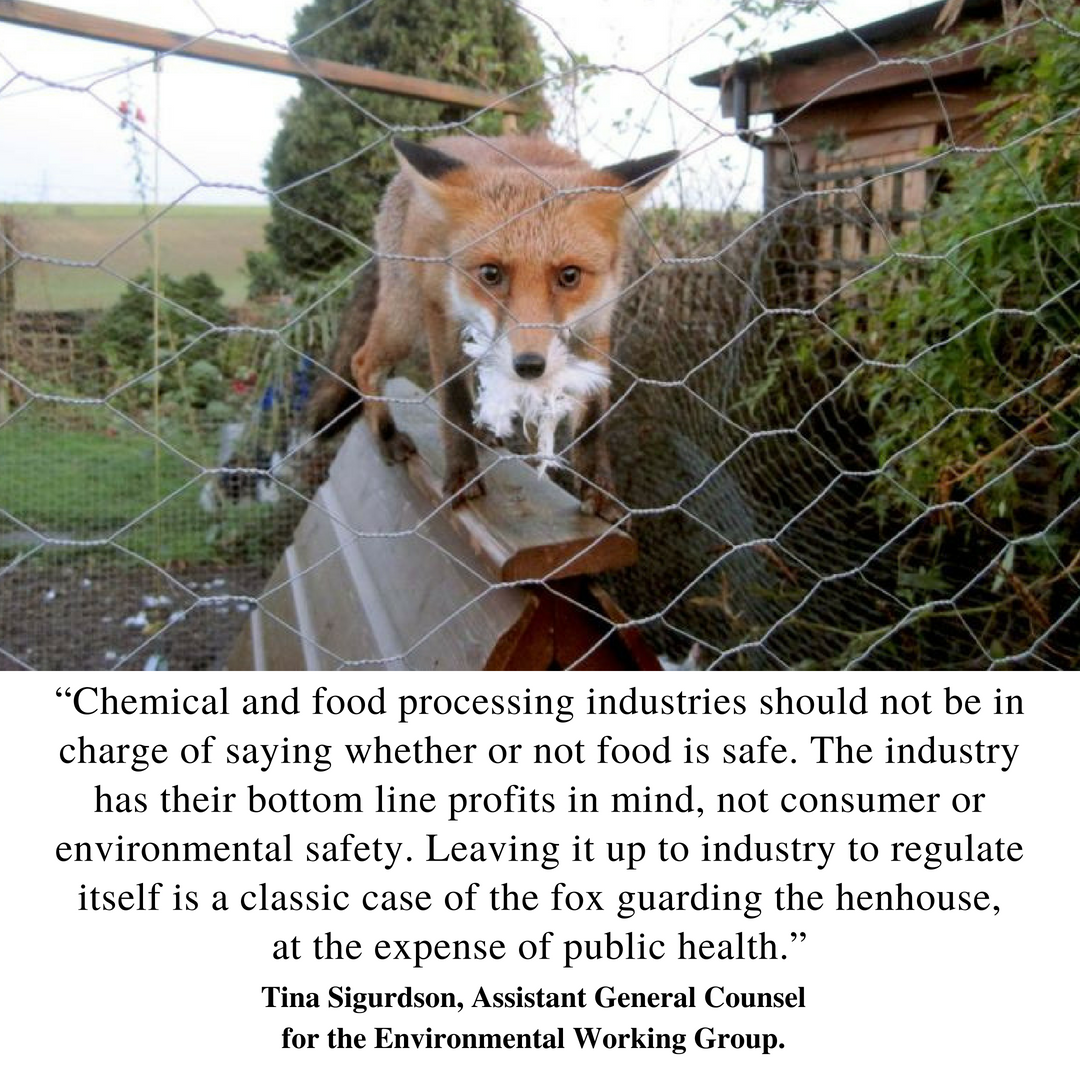
    Do you still trust the FDA whose core mission to protect and promote public health for our nation’s consumers?

  • IDAHO 2018 School Enrollment: No Shots Mandated. No Form Necessary.

    IDAHO 2018 School Enrollment: No Shots Mandated. No Form Necessary.

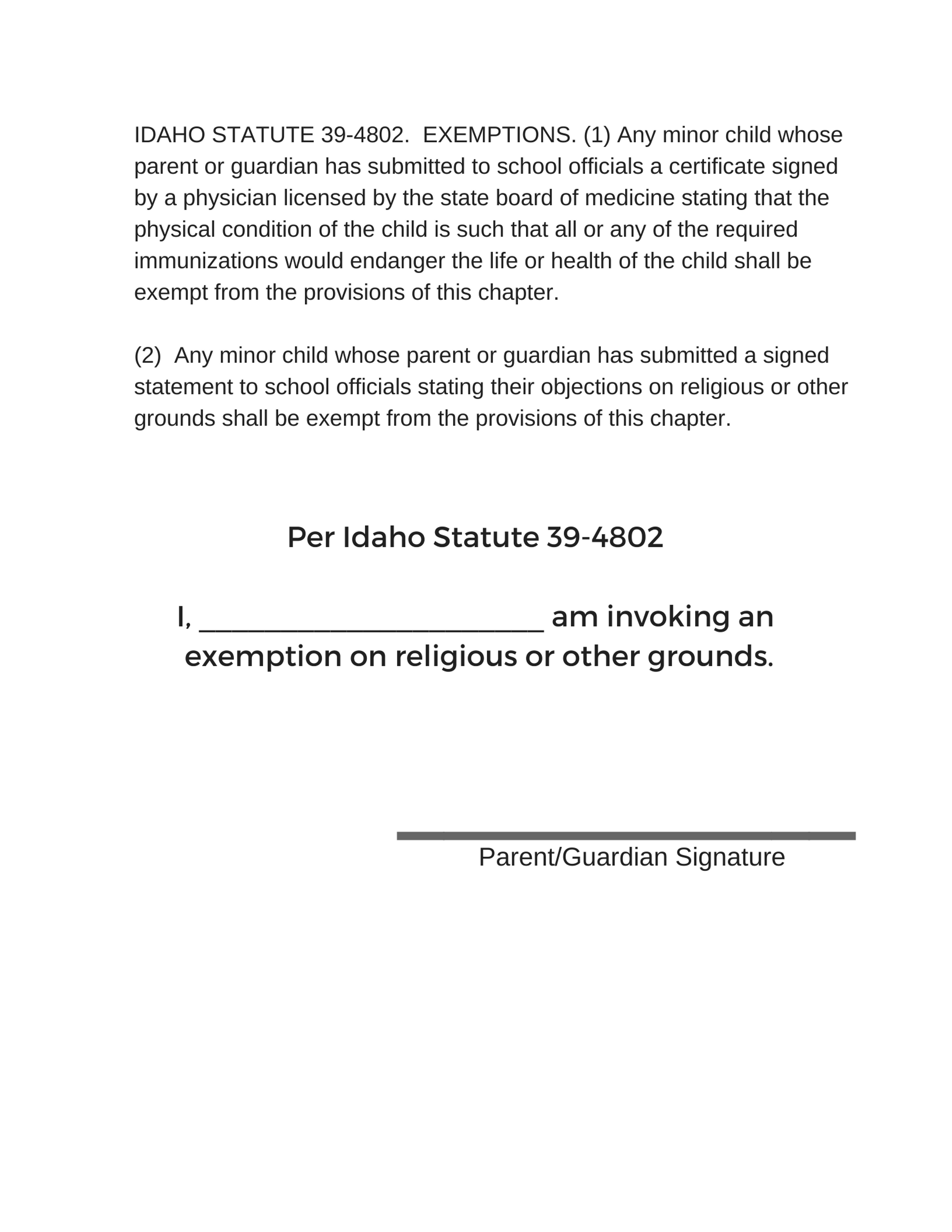
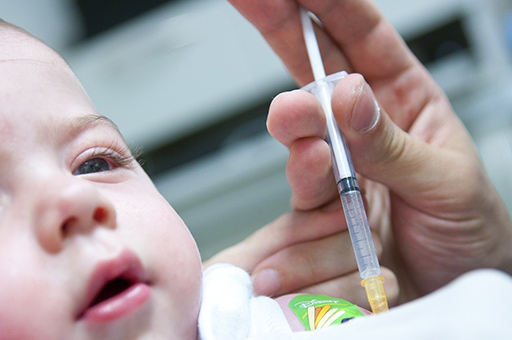
    As you begin to prepare for the new school year, remember that #parentscalltheshots. Contrary to the health and welfare generated school materials presented to parents at registration children CAN enroll in school without vaccines. Idaho has three vaccine exemptions religious, medical or philosophical. Idaho rules changed this year to line up with the statute a HUGE WIN for health freedom. Schools must accept a parent signed statement to invoke religious or philosophical exemptions. We repeat! The “immunization” exemption form is NOT REQUIRED! You can enroll your child in school as ‘exempt’ from the required school vaccines with a parental signed statement per Idaho statue 39-4802 -2.

    Idaho Statute 39-4802(2) permits a parent/guardian:
    1. The right to choose whether to vaccinate their child
    2. The right to choose to participate or decline participation in the state vaccine registry system (IRIS).
    3. The right to opt out without explanation of objection.

    OPT OUT OF ANY VACCINE. ANY TIME REASON WITH SIGNED PARENTAL STATEMENT.

    Here’s an example that a parent used for enrolling her elementary student. Printable PDF copy.

    Is you child’s vaccine status in the tri-state database? A child born in Idaho is automatically entered into Iris without written consent. At each doctor’s visit and school enrollment your child’s information is updated for government tracking. Prefer not to have your child’s information stored by the government? OPT OUT.

    What’s wrong with the form? Simply put they are using your child’s private medical information to drive their sales and increase their profit. When you allow your child’s vaccination exemption status to be tracked you are participating in the marketing campaign designed to target your family as ‘public health enemy’ number one.

    Superintendent confirms that vaccine exemption form is NOT REQUIRED for school enrollment

    If vaccines are safe and effective -Why are parents opting out?

    Parents have been empowered with information and truth. Reading vaccine inserts, reviewing ingredient lists and looking at scientific journals that accessible to the public. They are realizing that there are a lack of scientific studies for safety and effectiveness of vaccines. They are waking up to the truth that vaccines permanently damage, injure and cause death to children and adults. Families who suffered intense loss have NOTHING to gain by sharing their stories except the hope that their loss will prevent further destruction of the health and lives of other children.

  • Toxic Teas To Avoid

    Toxic Teas To Avoid

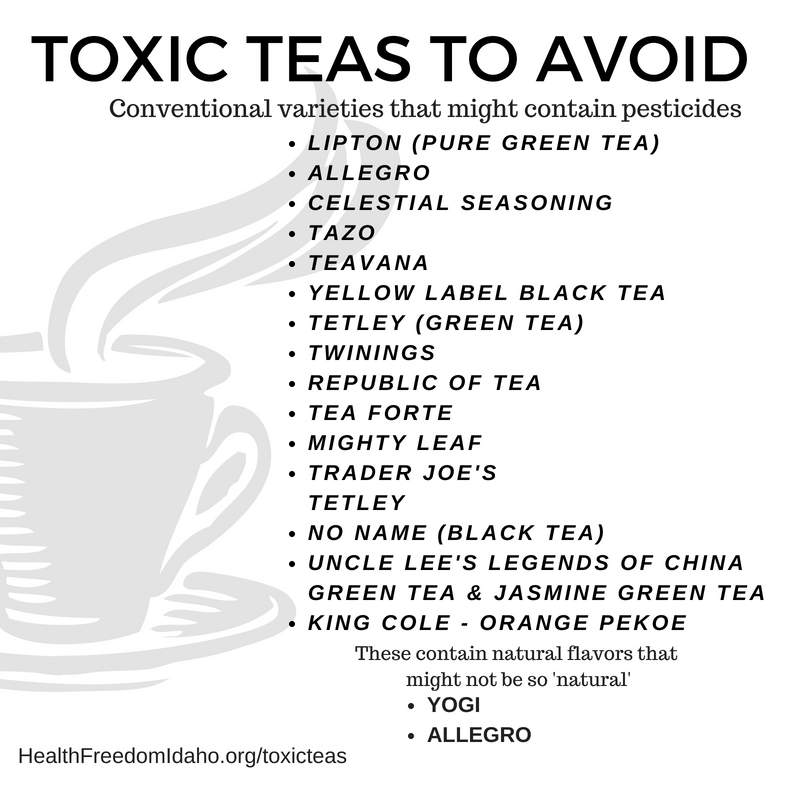
    Although tea is widely thought to be a healthier source of caffeine than coffee, soda or energy drinks, conventional tea brands have been shown to contain high levels of toxic substances such as fluoride and pesticides, artificial ingredients, added flavors and GMOs(modified corn starch and soy lecithin).The levels found in these products are so high that they are considered unsafe for consumption. As with most products, all tea is not created equal. Opting to save a few dollars on cheaper tea can cost you a lot more when it comes to your health.

    Conventional Teas May Contain Fluoride and Pesticides

    Most tea isn’t washed before it is distributed into bags. If the tea was sprayed with pesticides, those pesticides will wind up directly in your cup. Many non-organic tea brands have been found to contain pesticides that are known carcinogens. Popular tea brands often get away with listing “natural flavors” as an ingredient, causing many consumers to think they are buying better, cleaner ingredients. But there is a whole list of what “natural flavors” could mean.

    Reports from India and China find high levels of banned pesticides in tea products, pointing to a lack of enforcement on pesticide use in major tea exporting countries. In the U.S., the Food and Drug Administration (FDA) consistently finds high levels of illegal residues on imported Tea that eventually finds its way to the American consumer. These include permethrin (a synthetic pyrethroid, linked to cancer and endocrine system disruption), DDE (a metabolite of DDT, banned in the U.S. in 1972), heptachlor epoxide (a derivative of the pesticide heptachlor, which was banned in the U.S. for use in agriculture and as a termiticide due to its carcinogenicity and persistence in the environment) and acetamiprid (a bee-toxic neonicotinoid). These issues increase consumer exposure to a dangerous blend of pesticides in conventional tea.

    Where Does The Fluoride Come From?

    Tea plants absorb fluoride from soil and accumulate it as they grow, so older leaves contain the most fluoride. Cheaper quality teas are often made from older tea leaves, which contain more fluoride. These teas also contain the least amount of anti-oxidants, lessening the health benefits associated with drinking tea. See our full article on the dangers of neurotoxic Fluoride

    Which Brands Contain The Most Toxins?

    The Canadian Broadcasting Corporation actually conducted an investigation on several popular international tea companies, including:

    1. Tetley
    2. Lipton
    3. Twinnings
    4. No Name
    5. Uncle Lee’s Legends of China
    6. King Cole
    7. Signal

    Alarmingly, the CBC found that half of the tea brands contained a level of toxins that exceeded the legal limit. The worst offenders were:

    • King Cole, which contained the monocrotophos – a chemical that is currently in the process of being banned, as it causes irregular heartbeat and even coma.
    • Uncle Lee’s Legends of China, which contained more than 20 types of pesticides. One was endosulfan, which causes nervous system damage.
    • No Name, which contained more than 10 pesticide types.

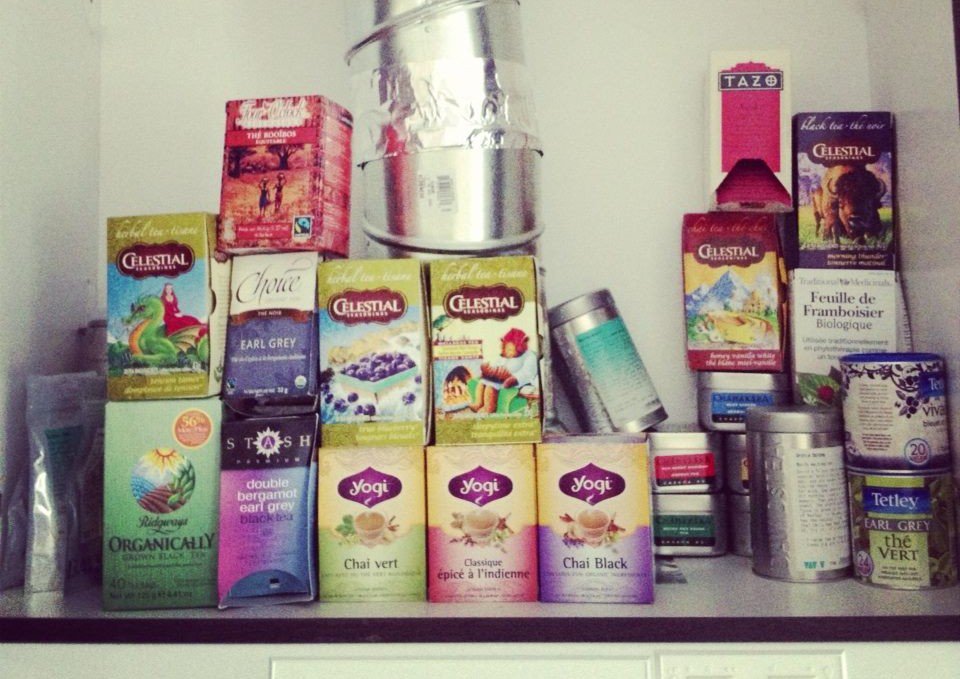
    A study conducted by EuroFins (a worldwide analytic testing company) 91% of Celestial Seasonings teas contained levels of pesticides that exceed the US federal limits. Considering all of the other toxins and poisons that the FDA lets slide by, this is very alarming. When Celestial Seasonings started in 1969, it was “founded on the belief that all natural teas could help people live healthier lives.” Maybe that was the case in 1969 because there weren’t as many pesticides being sprayed, but in this day and age we have to be wary of the products we are consuming. <source>

    How To Avoid Toxic Chemicals in Tea

    You don’t need to stop drinking tea altogether to keep yourself safe from harmful toxins or pesticides that may be lurking in your cup. After all, tea is the source of some amazing health benefits. So what’s the solution?
    • Try switching to white tea. It has the least amount of fluoride because it’s made from young leaves.
    • Be sure to buy loose leaf tea or brew your own tea from scratch.
    • Buy organic! Choose a non-GMO certified brand of tea.
    • Check the ingredient list to make sure there are no added flavors or GMO ingredients added to the tea leaves.
    • Many restaurants use tea brands that are known to be full of pesticides, so be careful about ordering tea while out to eat.
    • Know the correct brewing times for certain types of tea. Black or Pu-reh teas should be steeped for 3-5 minutes; white or green teas should be steeped for 2-3 minutes; Oolong teas should be steeped for 4-7 minutes; and herbal teas should be left to steep for five minutes at minimum, longer for a stronger tea.

    That doesn’t mean the other tea brands were totally safe, however.
    In fact, only Red Rose tea was found to contain no pesticides at all.

    Here is a list of bagged tea that is safe!

    Sources:

    IS THE TEA YOU ARE DRINKING TOXIC AND THE TEA BAG IT IS IN …. https://www.bwellbhealthy.com/blog/2017/2/26/is-the-tea-you-are-drinking-toxic-and-the-tea-bag-it-is-in

    Most Brands of Tea Contain THESE Harmful Chemicals …. https://www.davidwolfe.com/tea-contain-harmful-chemicals/

    These Popular Tea Brands Possess Dangerously High Levels …. https://worldtruth.tv/these-popular-tea-brands-possess-dangerously-high-levels-of-pesticides/

    The hidden dangers of bagged tea | Body Unburdened. https://bodyunburdened.com/the-hidden-dangers-of-bagged-tea/

    Additional Information:
    CBC
    FluorideAlert.org
    Toxipedia.org
    FoodBabe.com

  • Jacob’s Story

    Jacob’s Story

    “We thought we were being safe. We thought we were being cautious. He got a single vaccine that day the MMR.” Jacob’s mom
    www.healthfreedomidaho.com/1shot

    This content originally appeared on [YouTube](https://www.youtube.com/watch?v=JRFv2UJ5AF8).