Author: Health Freedom Idaho

  • Immune Boosting Herbs and Vitamins

    Immune Boosting Herbs and Vitamins

    The immune system is the body’s defense against infectious organisms and other invaders. Through a series of steps called the immune response, the immune system attacks organisms and substances that invade body systems and cause disease.

    Immune System boosting includes:

    Vitamin C – Immune boosting, detox.
    Vitamin B12 (methylcobalamin) – Immune System building, Cognition, Brain health.
    Vitamin B Complex – Immune System building, Cognition, Brain health.
    Full Spectrum Minerals – Immune System Health
    Elderberry Syrup – Immune System Booster
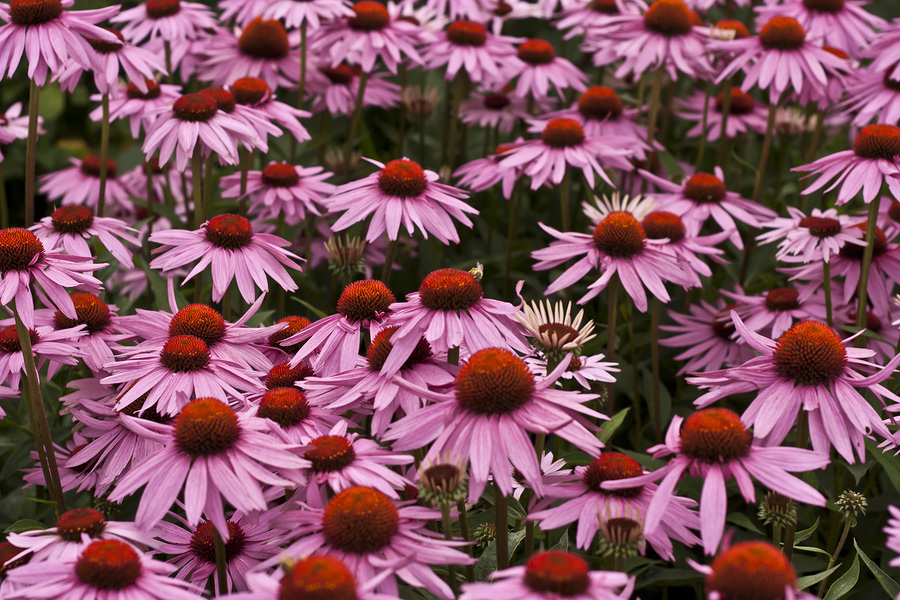
    Echinacea – Immune System booster.
    Goldenseal – Immune System booster.
    Garlic – Immune System booster.
    Ginger – Immune System booster, digestive aide.
    Beta Glucan – Immune System booster.
    Oil of Oregano – Immune System booster.
    Ashwaganda, immune tonic safe for everyday use. Good for stress relief.
    Chinese Goldenthread – Purify blood, detox, & immune system repair
    Turkey tail mushrooms – The natural anti-viral and anti-fungal qualities of this mushroom support the body in fighting off viruses infections. This includes a range of health problems, from the common cold and pneumonia to E. coli, Herpes, and HIV. They also are said to have anti-cancer properties.

    What are your favorite source of supplements, herbs and oils?

  • The Fact is Vaccines Cause Permanent Damage and Death

    The Fact is Vaccines Cause Permanent Damage and Death

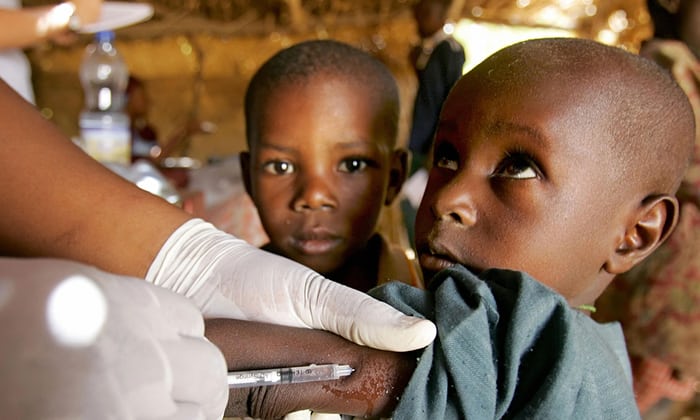
    Vaccines injure children, and the U.S. government has an entire division set up to compensate families for that injury.

    As of March 30, 2018, the Vaccine Injury Compensation Program had paid $106.5 million (THIS YEAR) for 283 claims since the beginning of the 2018 fiscal year. Drugwatch’s legal partners are accepting vaccine injury cases.

    Since 1988, over 18,426 petitions have been filed with the VICP. Over that 29-year time period, 16,555 petitions have been adjudicated, with 5,581 of those determined to be compensate-able, while 10,974 were dismissed. Keep in mind the CDC estimates that only about 10% of adverse events are reported. Total compensation paid over the life of the vaccine injury compensation program is approximately $3.7 billion. 1

    Vaccine Injury is FAR more frequent than one in million.

    • The US Dept of HHS and the CDC claims that being injured by a vaccine is one in a million (3,597 compensated claims out of 3.1 billion vaccine doses.) Let’s take a look at that number. The CDC recommends every person receive 72 doses of 16 vaccines (note one MMR shot is considered to be 3 doses, same for DTaP), but let’s use a smaller number and say those that do get vaccinated, only receive 40 of the recommended doses. That comes out to be one in every 20,000 kids is damaged and compensated
    • (3.1 billion ÷ 40 doses each ÷ 3,597 victims).
    • But if you take into consideration the CDC also reports only 1% of adverse reactions are actually reported.
    • Voluntary reporting makes accurate numbers impossible. So with all our computer technology why not automate it? It was. When vaccine injury was covered in automated reporting there was 100 fold increase in identified reactions

    Read More:

    Vaccines, Vaccine Injury, & My Perspective as a Doctor & Mom …

    Vaccine Damage Causes Autism

  • Another Face of the Anti-Vax Agenda

    Another Face of the Anti-Vax Agenda

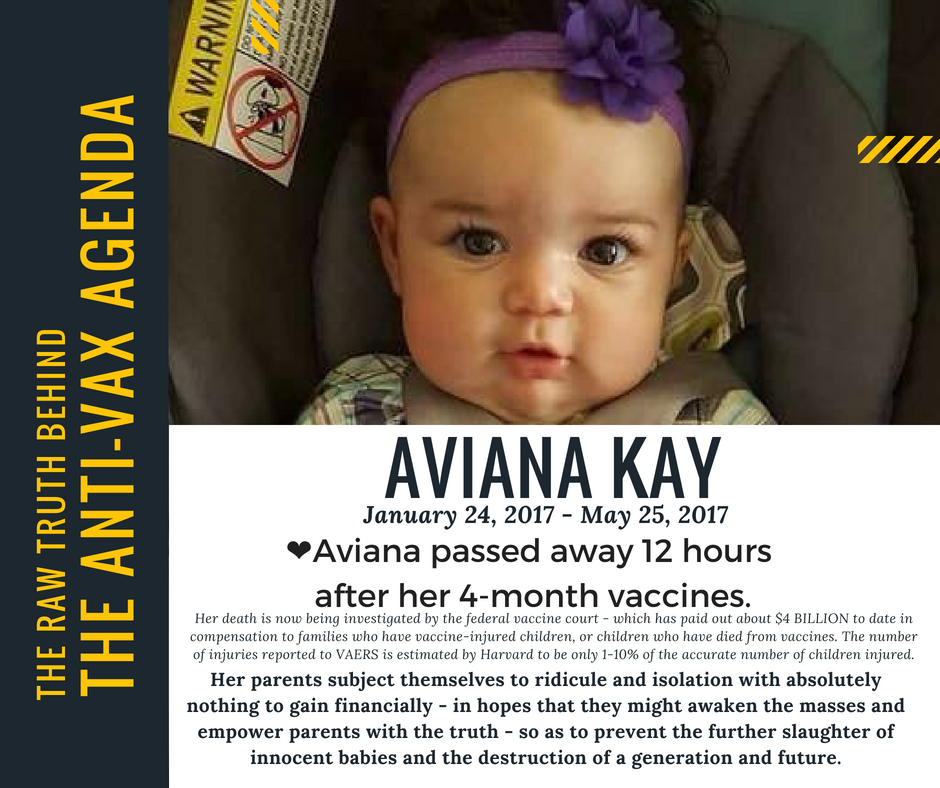
    The Anti-Vax “agenda” in which parents subject themselves to ridicule and isolation with absolutely nothing to gain financially – in hopes that they might awaken the masses and empower parents with truth – so as to prevent the further slaughter of innocent babies and the destruction of a generation and future.

    Just one year ago, Aviana passed away just 12 hours after her 4-month vaccines. Her death is now being investigated by the federal vaccine court – which has paid out about $4 BILLION to date in compensation to families who have vaccine-injured children, or children who have died from vaccines. The number of injuries reported to VAERS is estimated by Harvard to be only 1-10% of the accurate number of children injured.

    www.TinyURL.com/RIPAviana

    #HearThisWell
    #WeDid
    #VaccinesKill
    #LearnTheRisk
    #EducateBeforeYouVaccinate

    Shared from Facebook Post of the #TheVaccineFreeMom

  • 2017 Vaccine Study Determines Children 10xs More Likely to Die AFTER DTP vaccine

    2017 Vaccine Study Determines Children 10xs More Likely to Die AFTER DTP vaccine

    “Evidence suggests that DTP vaccine may kill more children from other causes than it saves from diphtheria, tetanus or pertussis.”

    In 2017, perhaps the most devastating study ever done on the impact of a single vaccine (DTP) on a child population was published by one of the world’s foremost experts on vaccines, Dr. Peter Aaby, titled “The Introduction of Diphtheria-Tetanus-Pertussis and Oral Polio Vaccine Among Young Infants in an Urban African Community: A Natural Experiment.”

    Children who received the DTP vaccine in Africa were 10 times more likely to die from ‘unrelated’ diseases than those who were un-vaccinated.

    Read the study for yourself: https://www.ncbi.nlm.nih.gov/pmc/articles/PMC5360569/pdf/main.pdf

    Learn More about Vaccines: Truth About Vaccines Documentary full episode #1 Interview with Robert F Kennedy, Jr.

    WHAT TO EXPECT IN THIS EPISODE…
    – Dr. Jennifer Margulis thoroughly explains the fundamental concept of “informed consent” and shares some “insider secrets” of the CDC.
    – Robert F. Kennedy Jr at shares the real reasons why vaccine manufacturers have no liability and describes the “precautionary principle”.
    – Hear from an attorney who litigates vaccine cases in the “Vaccine Court”.
    – Get a “behind the scenes” look at a “vaccine legislation” meeting with a Congressman in the Rayburn House Building in Washington D.C.
    – Hear the personal story of Davida and Nico LaHood (District Attorney for Bexar County, TX) as they describe the differences in their four children- Mike Adams (“the Health Ranger”) articulates the “risk benefit” analysis that is required for vaccines and elaborates on the similarities and differences between “vaccinations” and “immunizations.”
    – Dr. Suzanne Humphries, M.D. describes the smallpox epidemics in Victorian England and assesses the impact of the smallpox vaccine on these outbreaks.- Pathologist and HPV expert, Dr. Sin Hang Lee M.D., discuss editorial censorship of his articles about HPV DNA being found in the HPV vaccines.
    – Dr. Jack Wolfson, D.O. describes his appearance on NBC Television discussing the measles outbreak at Disneyland a couple of years ago.- Dr. Joseph Mercola, D.O. describes how he regrets failing to do his homework prior to vaccinating his patients.~~~~~~~~~~~~~~~~~~~~~~~~~~~~~~~~~~~~~~~~~~~~~

  • Non-Toxic Flea Prevention

    Non-Toxic Flea Prevention

    Living the all natural lifestyle takes a special effort especially when it comes to your sweet pet. Protect your pet and family by choosing alternatives to toxic chemicals. These home remedies for fleas will really help.

    An ounce of prevention

    Flea prevention is a whole lot easier than trying to get rid of them once they’ve taken over. How do you prevent flea infestations and keep them off your dog?

    DIY Non-Toxic Flea Collar

    An essential oil based flea collar is ideal since it provides excellent protection against fleas

    They’re cheap

    Easy to make

    Directions:

    Buy a soft material collar

    Soak it in the following mixture:

    1/2 tsp alcohol

    1 drops cedarwood

    1 drop citronella

    1 drop thyme

    Mix with 2 garlic capsules (empty them out) OR 2 drops of the following mixture: 1 tsp vegetable oil that’s been diluted with

    1 drop garlic EO

    Blend ingredients together and pour it over the collar until fully absorbed.

    Leave to dry before putting around your pet’s neck

    This treatment should be effective for about one month.

    Everyday Flea Repellent Spray

    Here’s my favorite everyday flea spray that’s lightly scented and very effective if you spray your dog each day when she goes outside. Pay special attention to the belly, tail, legs and ears.

    What you need:

    1 organic lemon

    2 sprigs of fresh rosemary

    1 sprig of garden sage (Salvia officinalis)

    1 quart of filtered water

    Optional: 1 sprig of lavender

    How to make it:

    • Slice the lemon into thin rounds

    • Place the lemon, rosemary and sage in a large stainless steel or glass bowl

    • Add a quart of almost boiling water

    • Cover and let steep overnight

    • In the morning strain the liquid into a spray bottle

    • Refrigerate (lasts 1 to 2 weeks)


    Prevention for the YARD
    Plants That Guard

    Keep pots of lemon balm, sage, rosemary, catnip, lemongrass, basil and mint outside of your main “potty” doors and throughout your yard. These plants help repel fleas through the natural oils that they secrete and deter fleas from entering the house.

    A Bit of Dust will do it. Diatomaceous Earth (DE) dust that is.

    Diatomaceous earth is a non-toxic powder made up of fossilized organisms called diatoms that break apart flea eggs and dry them out before they can grow into adult fleas.

    You can purchase DE online. Make sure you’re buying food grade DE only. Industrial grade DE is chemically treated and used for pools and manufacturing.

    CAUTION: DE can irritate your lungs so wear a mask and make sure your dogs and animals aren’t breathing the dust. After the dust has settled, DE is safe.

    What is YOUR favorite flea prevention?

  • Safe Alternative to Toxic Fabric Softner

    Safe Alternative to Toxic Fabric Softner

    Today, almost everyone in America adds a chemical fabric softener to their laundry routine, pouring a capful into the washer or tossing a sheet in the dryer. Fabric softener ads often portray an image of comfort, freshness and sweetness. Yet most fabric softeners contain a grim list of known toxins which can enter your body through the skin and by inhalation, causing a wide range of health problems, particularly for young children. Manufacturers are aware that the products contain toxic chemicals. The packaging on many brands include a warning that the product should not be used on children’s sleepwear. Since some of the same brands also have large images of children and toys, however, consumers may miss the small print message.

    What is fabric softener?

    It is a combination of chemicals that coat the surface of textiles with a thin layer of lubrication. This makes the clothes feel smoother and helps them to resist the buildup of static electricity. Early fabric softeners were made from a combination of soap and olive oil or other natural oils.

    However, today’s fabric softeners are made of noxious chemicals combined with a massive amount of fragrance that masks their nose-curling odors. Fabric softener actually makes material less absorbent, which is not a good thing for your bath towels anyway.

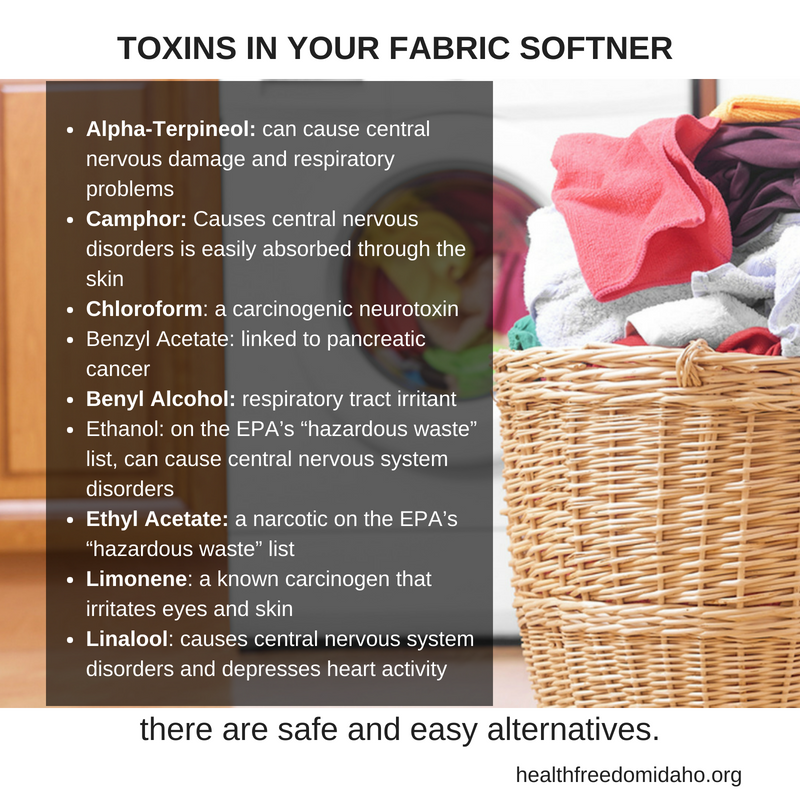
    Here is a list of just SOME of the toxic chemicals found in commercial fabric softeners:

    • Alpha Terpineol: can cause central nervous damage and respiratory problems
    • Camphor: causes central nervous disorders, is easily absorbed through skin
    • Chloroform: a carcinogenic neurotoxin preferred by Ted Bundy
    • Benzyl Acetate: linked to pancreatic cancer
    • Benyl Alcohol: respiratory tract irritant
    • Ethanol: on the EPA’s “hazardous waste” list, can cause central nervous system disorders
    • Ethyl Acetate: a narcotic on the EPA’s “hazardous waste” list
    • Limonene: a known carcinogen that irritates eyes and skin
    • Linalool: causes central nervous system disorders and depresses heart activity

    Safer Alternatives.

    Buy a $5 set of dryer balls, switch to a soy-based softener, or add a quarter-cup of baking soda or vinegar to your wash cycle and you will never have to use chemical fabric softener again.

    Vinegar is cheap and nontoxic. It naturally removes soap residue, and helps with static reduction during drying. Vinegar contains small amounts of sodium and potassium, which help soften hard water. Homemade fabric softener ingredients are combined with water to make a solution you can store in a container and use each time you do the wash.

    Making your own fabric softener is very easy and cost effective.

    Natural Homemade Fabric Softener Ingredients

    Mix ingredients together and pour into a storage container.

    To use:

    Dilute the vinegar mixture with water before being used in your laundry. For regular sizes loads, mix 1/4 cup of vinegar mixture with 3/4 cups of water. Pour the fabric softener into your washer during the final rinse cycle.

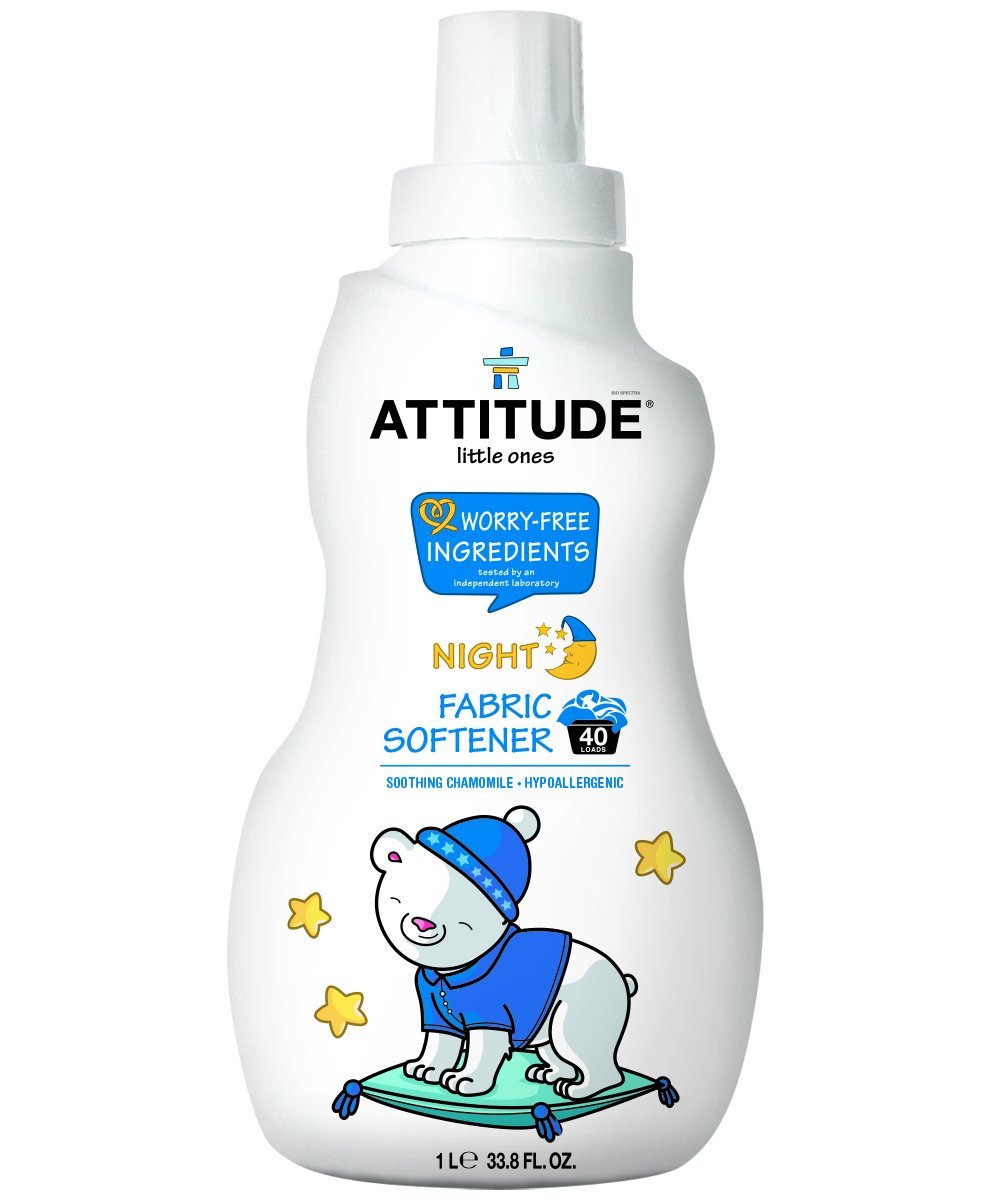
    If you feel the need to purchase fabric softener check out EWG’s list of toxin products.
    Attitude can be purchased online from AMAZON

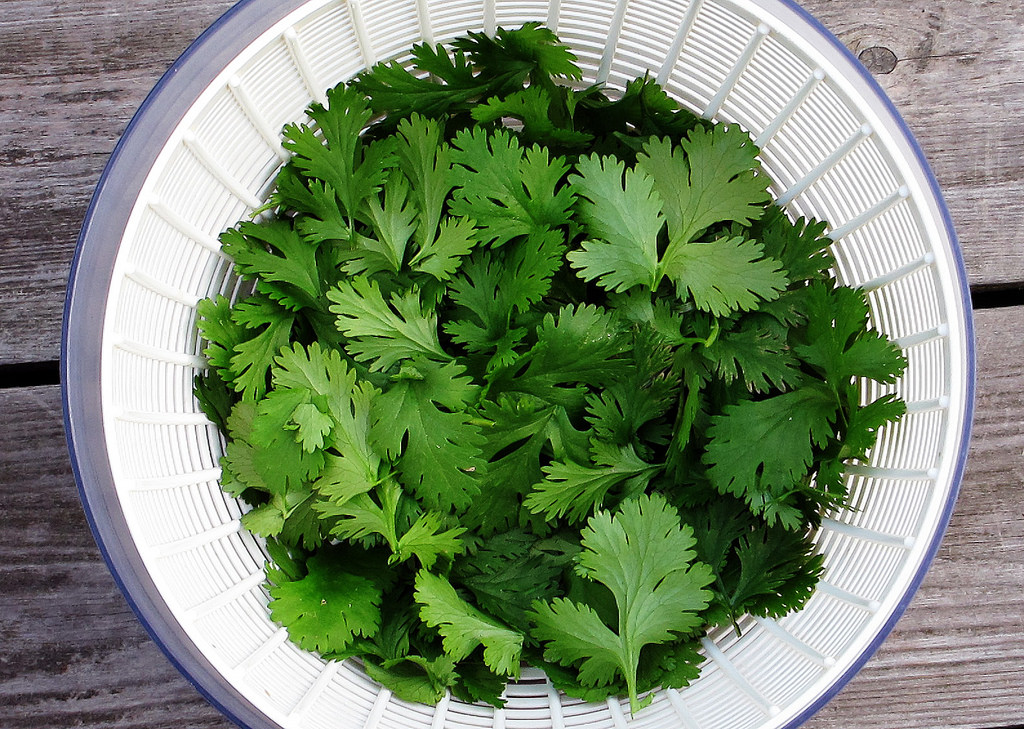
  • Benefits and Uses of Detoxing Herb: Cilantro

    Benefits and Uses of Detoxing Herb: Cilantro

    When you grow cilantro, you grow two herbs in one! The leaves impart a musky, citrus-like flavor to Chinese, Mexican and Thai cooking. The seeds, called coriander, taste of sage and lemon or orange peel, and season many traditional Indian dishes. Many people are realizing the detoxing properties found in the herb.

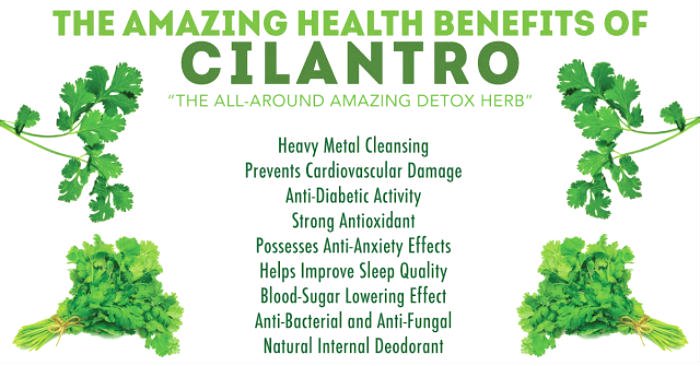
    Health Benefits of Cilantro

    Cilantro can help cleanse the body of toxic metals, it’s an incredible source of antioxidants, it’s loaded with vitamins and minerals, and it has a long history of culinary and therapeutic use. Cilantro helps cleanse the body of toxic metals by supporting the body’s natural detoxification processes. Compounds in cilantro leaf bind to toxic metals and loosen them from affected tissue. This process allows metals to be released from the body naturally. You can access these benefits by consuming the raw leaves or ingesting concentrated extracts. Unfortunately, fresh cilantro goes bad very quickly. If you want to be sure to always have access to its detoxification power, you should grow your own.

    How to Grow Cilantro and Harvest Coriander Seeds

    Cilantro (Coriandrum sativum) is really two herbs in one. The leaves, called cilantro or Chinese parsley, impart a musky, citrus-like (some even say “soapy”) flavor to Mexican, Chinese and Thai cooking. The tiny, round seeds, called coriander, taste of sage and lemon or orange peel, and season many traditional Indian dishes, especially curries.

    Coriander roots also have culinary use. In Southeast Asia, they are dug, chopped and added to salty pickled condiments by many kitchen gardeners.

    This is an annual which will need to be replanted each year or grown on a kitchen window sill This easy-to-grow herb is rich in vitamins A and C, and also contains iron and calcium. In the garden, coriander flowers attract beneficial insects. At the flowering and fruit-set stage, the plants give off a slightly acrid smell, which is probably why this herb’s botanical name is derived from the Greek word for “bedbug,” which emits a similar color. In mature seeds, this odor vanishes.

    Tips for Growing Cilantro

    Cilantro is easy to grow, and it’s convenient to have fresh cilantro ready to use. Cilantro grows quickly and does not always transfer well, so plan on growing your cilantro from seed. Cilantro leaves stop growing and become bitter after the plant flowers. That is why it’s best to plant your cilantro in spring and fall, avoiding the longer, hotter summer days in-between.

    Plant cilantro seeds in well-drained, well-fertilized soil. Choose a spot that gets full sun. Sow several seeds together one-quarter inch into the soil and six to eight inches apart. Water after planting and when the soil is dry to the touch.

    Expect to wait three to four weeks before harvesting the cilantro leaves. Leaves can be harvested anytime during the growing process, but you should wait until the plant is at least six inches in height. If you want to harvest the leaves continually, sow new seeds every two to three weeks. Unlike other herbs, cilantro leaves lose most of their flavor when dried, so it’s better to use them fresh. If you need to preserve them, freezing is the best option. The seeds of the cilantro plant—coriander—require a different approach. The seeds can be used for planting or can be dried and used in a culinary capacity. Wait to harvest the seeds until most have turned brown on the plant. Cut off the stalk a few inches below the seeds. Tie the stalks in bunches and hang them upside down in a brown paper bag. After about five days, the dried seeds should fall from the stalks into the bottom of the bag. You can store the seeds in an airtight, glass container for up to a year. To release the flavors, dry-roast or grind before use.

    How to Use Cilantro

    Some people find the unique smell and taste of fresh cilantro unpleasant, but those of this opinion are definitely in the minority, because the herb’s popularity has skyrocketed in recent years. Cilantro enthusiasts eagerly eat the leaves raw, chopped into salsas or salads, and layered onto sandwiches.

    Cook:

    Cooking With Cilantro Black-Eyed Pea Salsa Recipe Spicy Mango Salsa Recipe Albóndigas (Spanish Meatballs) Recipe Heirloom Tomato Salsa Recipe Pollo Encilantrado (Shredded Chicken in Cilantro Sauce) Recipe Sopa de Cilantro (Cilantro Soup) Recipe Cilantro-Lime Butter Recipe

    Does your family enjoy the flavor of cilantro? Share your favorite recipe.

  • 6 Natural Home Remedies for Summer Problems

    6 Natural Home Remedies for Summer Problems

    Summer means spending more time outdoors, which also increases your chances of getting bites and stings, rashes, and sunburns. We’ve rounded up six of our tried-and-true home remedies for summer problems. Many of these natural remedies use herbs and “weeds” that you might find in your own backyard. With these healing plants, you’ll be able to relax and make the most of the season.

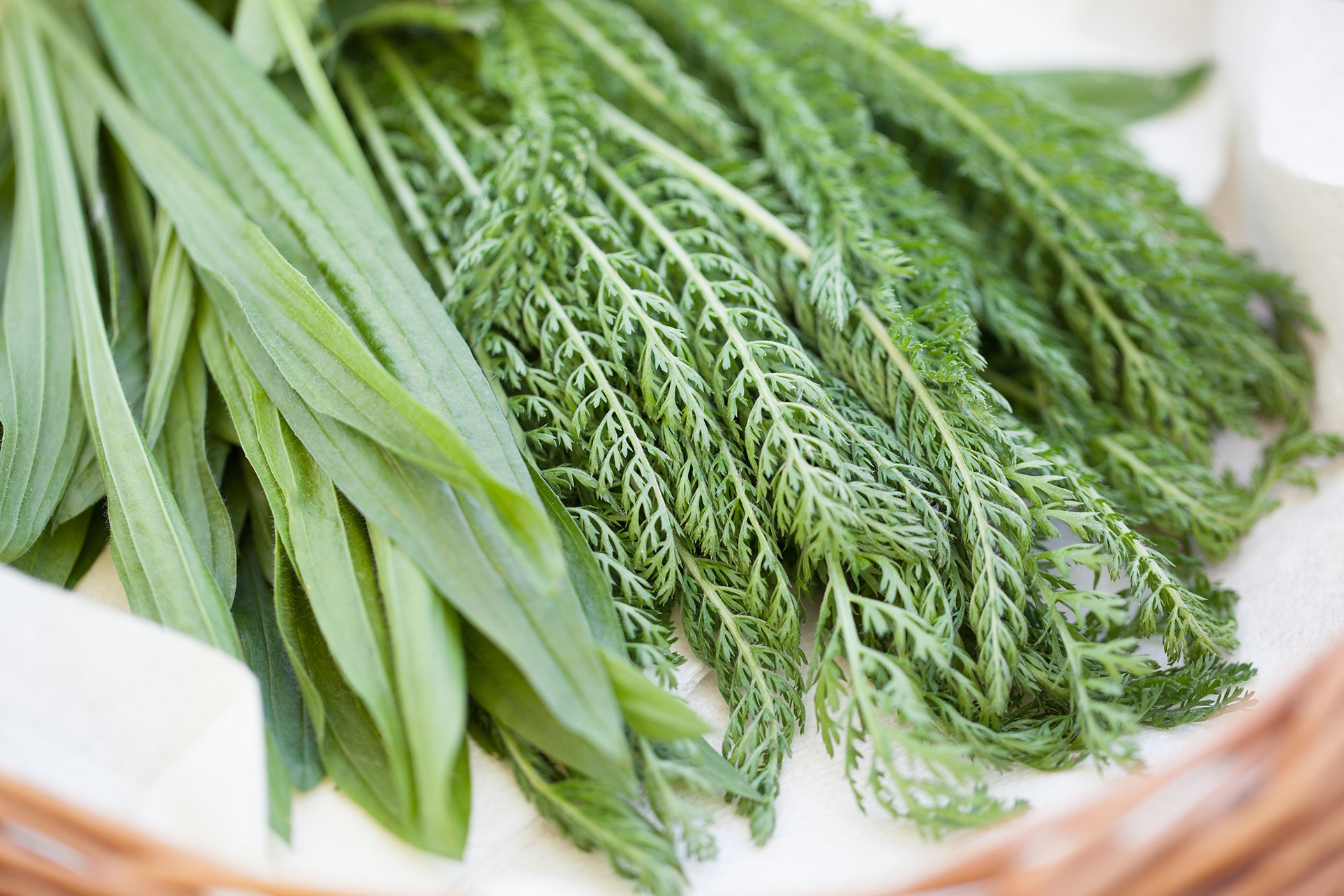
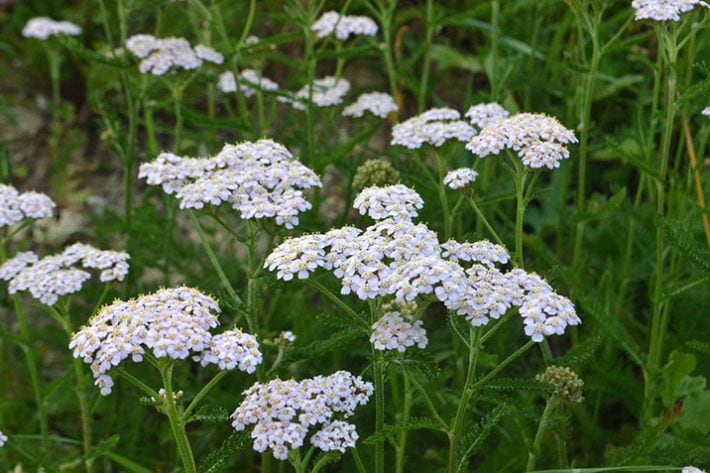
    1. Yarrow to Repel Bugs

    home remedies for summer

    Yarrow (Achillea millefolium) grows abundantly all over the world and has a multitude of uses, ranging from first aid to colds and flus. You can also use yarrow to make a fabulous homemade mosquito repellent.

    Get the recipe for homemade bug spray »

    2. Plantain for Bee Stings

    home remedies for summer

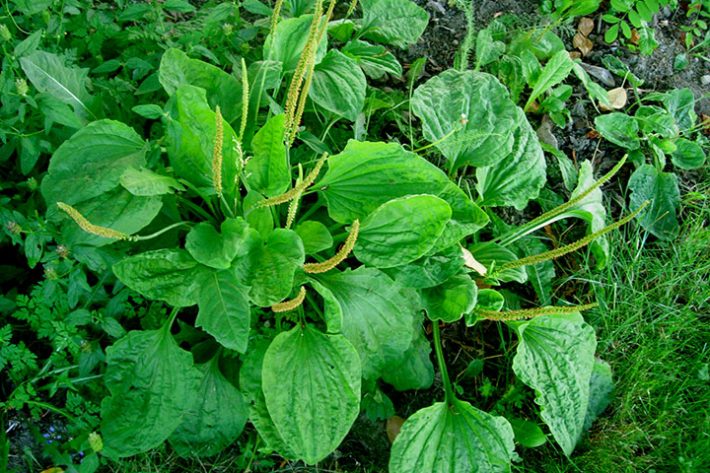
    Plantain (Plantago major, Plantago lanceolata) is a common “weed” found where soil has been disturbed. It may be growing in the cracks of your neighborhood sidewalks. And it’s an easy, effective bee sting remedy!

    Learn how to use plantain for bee stings »

    3. Chickweed for Insect Bites

    home remedies for summer

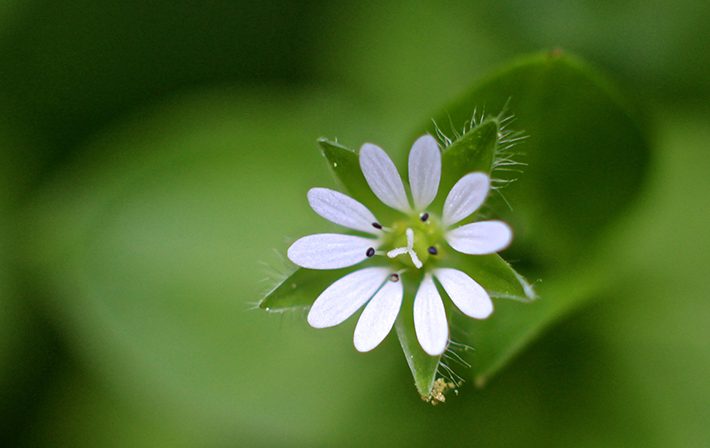
    Chickweed (Stellaria media) is a low growing herbaceous plant that thrives in cool and moist conditions and grows readily in disturbed soil. Chickweed salve can be used for hot, itchy, and inflamed skin issues, such as bug bites, rashes, and clean wounds.

    Get the recipe for super strong chickweed salve »

    (Note: If you can’t find chickweed this time of year, try the Healing Salve in our Herbal Remedy Kit.)

    4. Jewelweed for Poison Ivy

    home remedies for summer

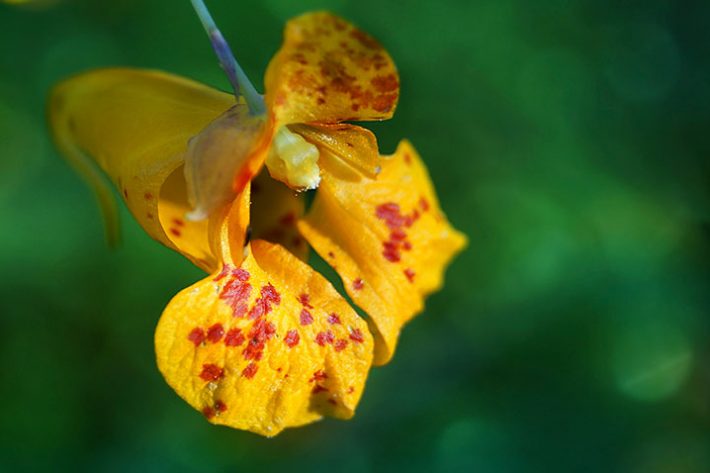
    When it comes to poison ivy and poison oak, awareness and avoidance is your first line of defense. In case you do get exposed, it’s good to know about jewelweed (Impatiens capensis). This plant grows in wetter conditions, such as near a stream, and can soothe the itch of poison oak and ivy.

    Learn how to use jewelweed for poison ivy »

    5. Aloe Vera for Sunburn

    home remedies for summer

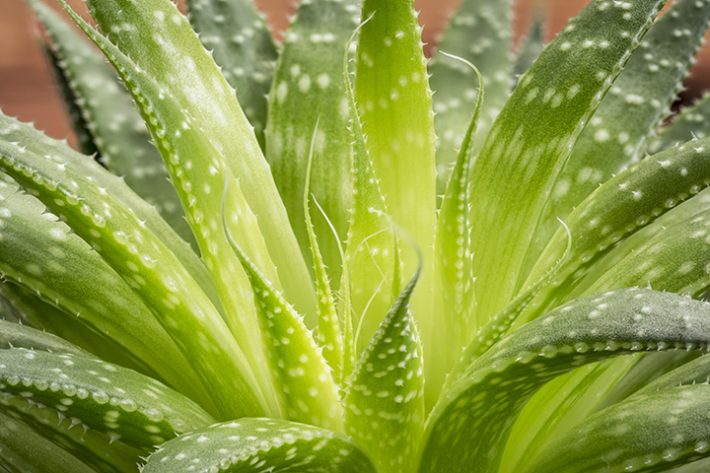
    Aloe (Aloe vera) is a well-known balm for treating sunburn, minor burns, and moisturizing skin. Aloe is easy to grow in a pot indoors and you can harvest and freeze the gel to rub on sunburned shoulders, add to smoothies, and more.

    Learn how to harvest and freeze aloe vera gel »

    6. Self-Heal for Skin Protection

    home remedies for summer

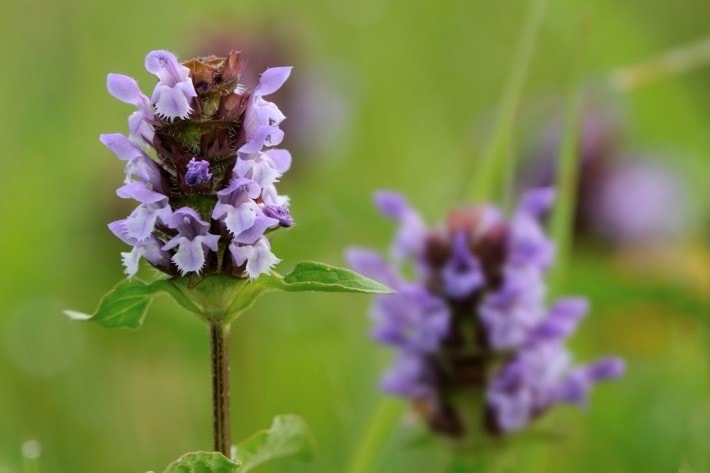
    An often overlooked “weed,” self-heal (Prunella vulgaris) is used for wounds on the skin, including cuts, scrapes and burns. You can make your own self-heal serum to hydrate and protect against sun damage, especially on the face.

    Get the recipe for self-heal skin serum »

    Got a favorite DIY recipe for bug bites, bug repellent? Share with us.

  • NEW RULES! Health Department Will Have To Follow The Law. WIN FOR HEALTH FREEDOM!

    NEW RULES! Health Department Will Have To Follow The Law. WIN FOR HEALTH FREEDOM!

    Health Freedom Idaho has spent the last two years going head to head with Idaho Department of Health and Welfare over their ‘immunization exemption form’. The form was purportedly ‘required’ by all schools and daycares in accordance with a rule created by IDHW. The problem? This RULE created by a state department directly undermined an existing Idaho STATUTE (law). Parents, schools and legislators recognized the issue prior to HFI involvement. State Representative Heather Scott brought it up with the Idaho Attorney General, who made it clear that the health department should NOT encourage schools to deny entrance to children whose parents had complied with the statute and submitted a signed statement invoking exemptions (in place of the falsely required form). 1

    Health Freedom Idaho presented multiple bills, over the course of the last two legislative sessions, addressing this inconsistency. SB 1050 and SB 1227 were each created to clarify that parents submitting written statements, in accordance with Idaho Statute regarding exemptions, was perfectly legal procedure for invoking exemption status for their children, rather than being coerced into using the IDHW exemption form. Neither bill was ever heard. The chairman of the senate health committee drawered them to avoid allowing these bills to be voted on by the entire legislature. This allowed IDHW to continue undermining law and train school staff to (illegally) deny the enrollment of children to schools and daycares whose parents chose to forego THEIR “official” form. The health department even went so far as to suggest that school staff go behind parents’ backs by filling out sectionsparents intentionally left blank.

    PARENTS STAND UP. CHILD DENIED ACCESS TO SCHOOL OVER AN ILLEGAL FORM.

    Issues surrounding the IDHW immunization form escalated. Sara’s son was denied access to an Idaho kindergarten after she submitted her own signed statement to the school, along with her child’s enrollment package, a month prior to the start date. Just days before school began, she was told her child was denied entry because she used her own signed statement, despite it being in full compliance with Idaho statute, rather than submit the IDHW form. This drew a LOT of media attention to the problem. It went up the chain of command and, rightfully, Sara’s son’s enrollment denial was overturned by the Superintendent of Education.

    GOV’T ATTEMPT TO MAKE THE FORM MORE PLEASING.

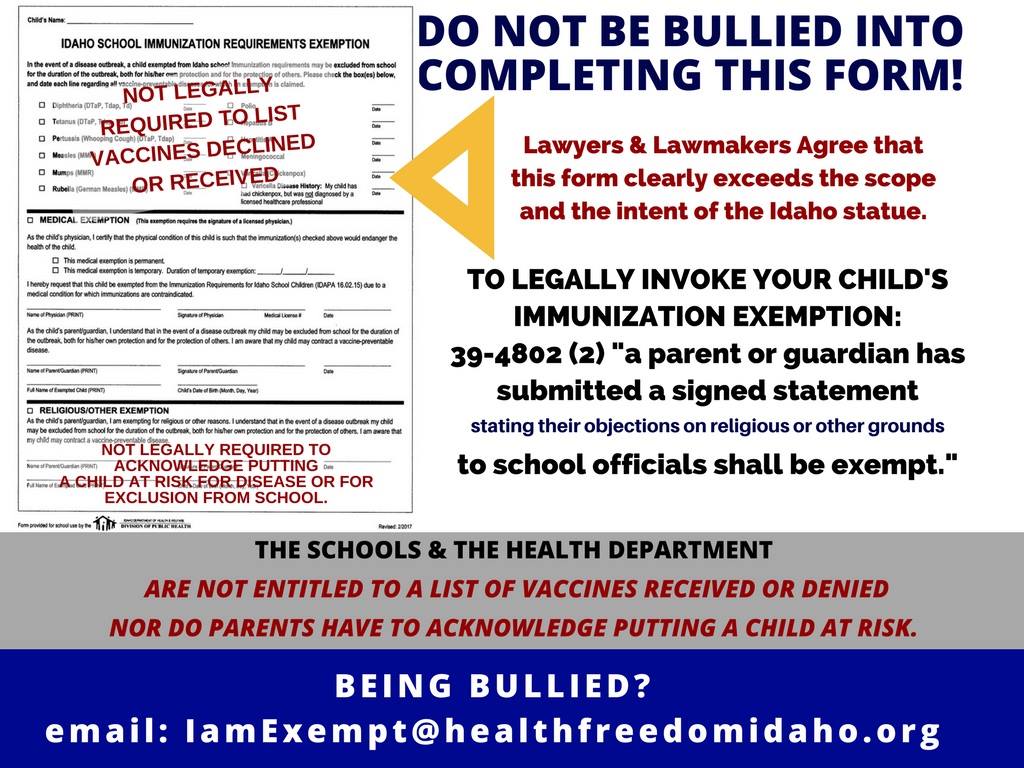
    The IDHW immunization exemption form was problematic from the beginning. Senator Anton called out the form’s most significant issues at the SB 1050 Health Committee hearing. The original form from IDHW attempted to coerce parents to ‘admit’ to putting their children at risk by choosing not to vaccinate. It also demanded parents provide the state with their religious convictions for rejecting vaccinations. Throughout the years, the form has been redesigned and presented to the legislators and rule committees, but each draft continued to contain components not required by Idaho statute.

    In a goodwill attempt, Sara was invited to a meeting to voice her opinion of the most recent ‘revamp’ on the IDHW immunization exemption form. Sara made a point to advise the committee that the form, in itself, is a non-requirement according to the Idaho statute.

    “The state–prescribed form, based on IDAPA 16.02.15, is in violation of code 39–4802 and 39–4804. The form developed by IDHW still falls far outside the scope of Idaho code 39–1118(2) and 39-4802(2).”

    Now, you may ask, “Have you seen the new form? They have taken the offensive language out of it.” Idaho Department of Health and Welfare altered the form both in February 2017 and in October 2017. It has changed, yet again, in 2018 with the addition of check boxes to give parents the option to ‘opt-out’ of providing non-required medical information utilized in vaccine tracking. Still, this “new” form implies that parents should provide information which IS NOT required by statute in order to invoke an immunization exemption for school or daycare attendance.

    Health Freedom Idaho still stands against the form and advises parents to submit their written signed statement for vaccine exemption to schools and daycare.

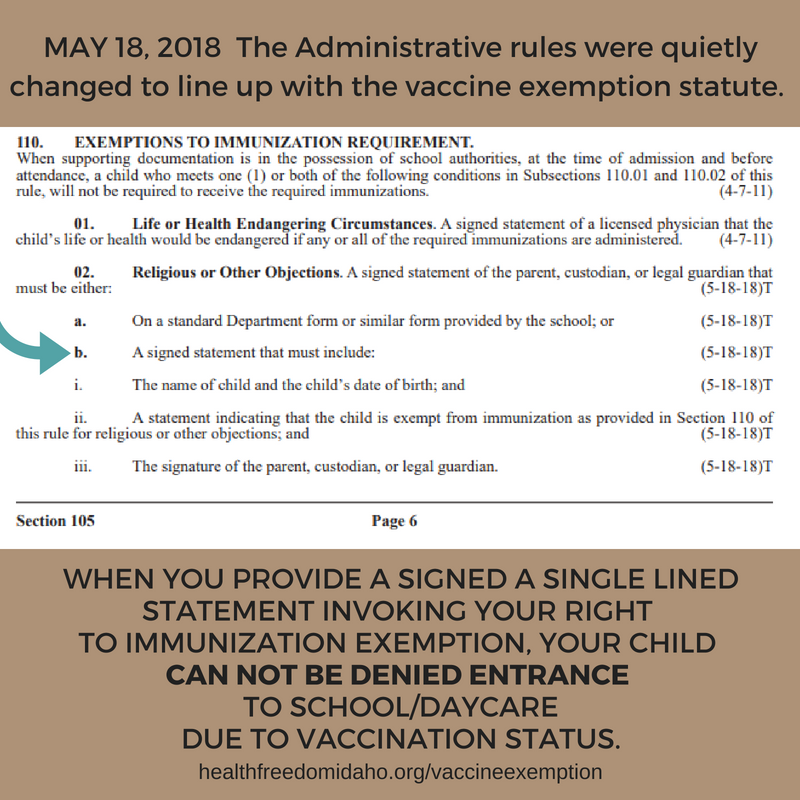
    HFI ENCOURAGES PARENTS TO STAND FIRM. SUCCESS!! QUIETLY THE GOVERNMENT APPROVED NEW RULES!

    Guess what folks! CHANGES HAPPENED! < See the new administrative rules for schools and daycares >

    This is good news! Now the Department’s rules are in agreement with the LAW. This should not have taken so long and such a large effort to achieve. Idaho’s parents expect the schools and the legislature to be open to the will of the people and clearly and completely follow the law. We should have had a public hearing on this issue long ago. The resistance of the department and the legislative process in regard to the vaccine opt out matter was a perfect example of government being reluctant to follow the law while adopting an attitude of “we know best.” That is not the way things should work under representative government. I am proud to have joined ranks with those standing up for their rights under Idaho law. I was fully prepared to push this issue next legislative session, but thankfully that won’t be necessary.
    Dan Foreman
    Senator – District Five

    The schools and day cares will now be required to follow the “letter of the law” allowing vaccine exemptions to children with a written statement provided it has only these 4 pieces of information.

    A signed statement that must include: (5-18-18)

    • i. The name of child and the child’s date of birth; and (5-18-18)
    • ii. A statement indicating that the child is exempt from immunization as provided in Section 110 of this rule for religious or other objections; and (5-18-18)
    • iii. The signature of the parent, custodian, or legal guardian (5-18-18)

    So there you have it folks! We stood up together to make sure that our health freedom for vaccine exemptions was protected. Remember we stand stronger, and our voice is louder when we stand together. JOIN US!

    #LibertyForever #HFIdaho


    1 In September 2015, Representative Scott sent a series of questions to the Idaho Attorney General. The first answers received are here (9-9-15-IdahoAGOpinion.pdf). In response to several questions that were not clearly addressed, Representative Scott sent out a series of follow up questions. The answers to these questions are here (10-14-2015-IdahoAGResponse.pdf).Please note the answers to questions 3 and 4. If you are having trouble with your school accepting an exemption letter versus filling out an IDHW exemption form, feel free to download this Idaho AG response and share it with your school.

    2 Schools are falsely telling parents seeking vaccine exemptions that they must fill out and sign a state prescribed form that is “incriminating” based on IDAPA 16.02.15, an Administrative Rule in conflict with Idaho law. See Administrative Rule 16.02.15 Immunization Requirements for Idaho School Children (page 6)
    http://adminrules.idaho.gov/rules/current/16/index.html

  • Directory of Culinary and Medicinal Herbs

    Directory of Culinary and Medicinal Herbs

    Many herbs are also valuable in the medicine cabinet, whether you’re looking for natural relief for a cold or headache, or trying to ease more chronic ailments, such as allergies, back pain or high blood pressure. Identify herbs to meet your health needs or goals, learn the basic medicinal preparations — teas, infusions and tinctures — and find simple recipes for remedies that can relieve, refresh and heal.

    Grow Your Herb Garden

    The incredible flavors of culinary herbs make them star players in a healthy diet, and the best way to make the most of herbs in the kitchen is to grow them yourself. Choose one of these four herb garden plans — an edging, a dooryard garden, a raised bed or a container garden — designed to fit into a 12-square-foot area and supply you with herb favorites such as basil, cilantro, dill, marjoram, mint, oregano, parsley, rosemary, sage, thyme and more.

    Where do you get organic spray free seeds/plants for starters?
    Snake River Seed Company
    North End Organic Nursery
    Restoration Seed

    Edwards Greenhouse

    Are we missing your favorite Nursery or Greehouse? Comment below and we will add it!

    Drying and Storing Herbs

    Of all the various types of foods and ways to preserve them, dehydrating herbs is the easiest place to jump in. Most herbs contain so little moisture that your job is done soon after you’ve bought or harvested them. Drying herbs is an economically savvy food preservation strategy, too, because dried herbs demand high prices at the grocery store. Here, we detail six methods for drying herbs at home.
    To freeze or to dry? That is the question. We turned to the experts to learn the best ways to preserve herbs.

    Herbal Healing Basics

    Does whipping up your own natural, effective medicines sound like your cup of tea? In this herbal medicine-making primer from renowned herbalist Rosemary Gladstar, you’ll learn the basic preparations for using herbs medicinally — teas, infusions and tinctures — and find simple recipes for homebrewed beverages that can relieve, refresh and heal. This is the perfect guide to get you started in making your own herbal remedies. Give it a go, and start sipping your way to better health.
    Your kitchen likely already has all the tools you need to concoct your own simple, all-natural herbal skin care remedies. In this herbal skin care primer from renowned herbalist Rosemary Gladstar, you’ll learn about the best natural skin care ingredients and their unique uses and benefits, and find easy, refreshing recipes for Rose Water, Bay Rum Aftershave and Astringent, and Sea Salt Glow.

    An A-to-Z Guide to Culinary and Medicinal Herbs

    Aloe

    Anise

    Basil

    Bergamot

    Black Cohosh

    Borage

    Calendula

    Chamomile

    Chervil

    Chives

    Cilantro

    Comfrey

    Dandelion

    Dill

    Echinacea

    Elderberry

    Eucalyptus

    Fennel

    Fenugreek

    Feverfew

    Garlic

    Ginger

    Ginseng

    Hibiscus

    Horehound

    Horseradish

    Juniper

    Lavender

    Licorice

    MarjoramMint

    Oregano

    Parsley

    Rosemary

    Sage

    Slippery Elm

    Sorrel

    St. John’s Wort

    Tarragon

    Thyme

    Valerian

    Verbena

    Willow

    Wintergreen

    Yarrow