Author: Health Freedom Idaho

  • CARRAGEENAN: a controversial ‘natural’ food additive making us sick

    CARRAGEENAN: a controversial ‘natural’ food additive making us sick

    For the past four decades, scientists have warned that the use of carrageenan in food is not safe. Health Freedom Idaho believes that the freedom to choose healthful and uncontaminated food should be a human right. Consumers should have the freedom to select whole real food free of GMOs and pesticides, and to be made aware when additives, antibiotics or other contaminants are part of their food. We appreciate organizations such as The Cornucopia Institute for the persistence and diligence in bringing this issue to light. The voice of the people was heard and carrageenan has now been removed from the natural additives list of organic foods.

    CARRAGEENAN: A CONTROVERSIAL “NATURAL” FOOD ADDITIVE extracted from red seaweed.
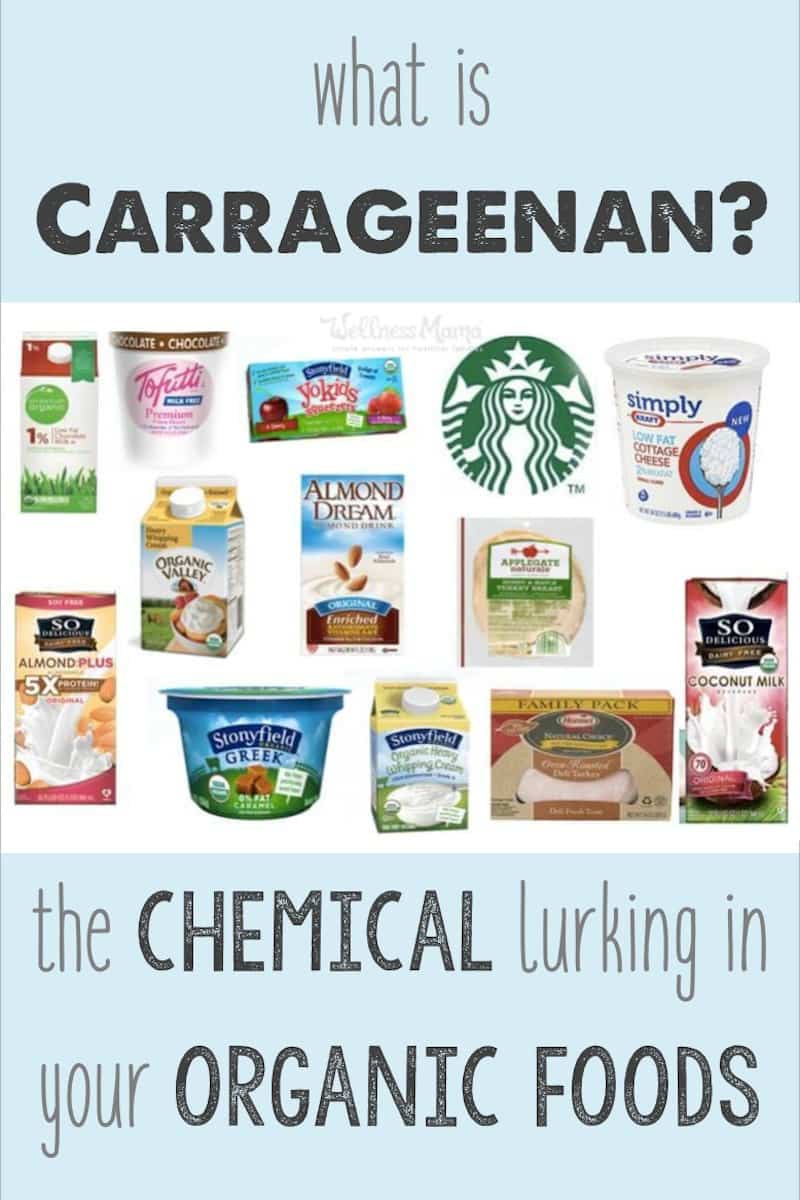
    For the past four decades, scientists have warned that the use of carrageenan in food is not safe. Animal studies and in-vitro studies with human cells have repeatedly shown that food-grade carrageenan* causes gastrointestinal inflammation and higher rates of intestinal lesions, ulcerations, and even malignant tumors. In fact, roughly 3,855 research papers show that carrageenan induces inflammation, most of which test the effectiveness of anti-inflammatory drugs.1

    The chemical structure of carrageenan—unique chemical bonds not found in other seaweeds or gums—affects the body in several ways. Most notably, it triggers an immune reaction, which leads to inflammation in the gastrointestinal system. Animal studies have repeatedly shown that food-grade carrageenan causes gastrointestinal inflammation and higher rates of intestinal lesions, ulcerations, and even malignant tumors. A convincing body of scientific literature shows negative effects caused by food-grade carrageenan. Moreover, scientists are concerned that the acidic environment of the stomach may actually “degrade” food-grade carrageenan once it enters the digestive system, thus exposing the intestines to this potent and widely recognized carcinogen. These scientific findings, coupled with the food industry’s extensive use of carrageenan, raise serious questions for consumers.

    Why is carrageenan in processed foods and beverages?

    Though carrageenan adds no nutritional value or flavor to foods or beverages, the food industry uses it in a wide variety of applications; its unique chemical structure makes it useful for several reasons. Carrageenan serves as a substitute for fat, and as a thickener of nonfat or low-fat foods or dairy replacements. It recreates a fatty “mouthfeel” in products such as low-fat or nonfat dairy (e.g., low-fat cottage cheese, low-fat sour cream) and plant-based dairy substitutes (e.g., soy milk, coconut milk). Carrageenan can also serve as a stabilizer for beverages that separate, and must be stirred or shaken before use to redistribute the particles. Addition of carrageenan allows beverages like chocolate milk and nutritional shakes to be consumed without first shaking or stirring.

    Which foods commonly contain carrageenan?

    DAIRY: whipping cream, chocolate milk, ice cream, sour cream, cottage cheese, “squeezable yogurt” marketed to children
    DAIRY ALTERNATIVES: soy milk, almond milk, hemp milk, coconut milk, soy desserts, soy pudding MEATS: sliced turkey, prepared chicken
    NUTRITIONAL DRINKS: examples include Ensure™, SlimFast™, Carnation Breakfast Essentials™ and Orgain™
    PREPARED FOODS: canned soup, broth, microwaveable dinners, frozen pizza SUPPLEMENTS: chewable vitamins

    Many individuals experiencing gastrointestinal symptoms (ranging from mild “belly bloat,” to irritable bowel syndrome, to severe inflammatory bowel disease) have noticed that eliminating carrageenan from the diet leads to profound improvements in their gastrointestinal health.

    Carrageenan is also used in meats, especially processed deli meats and prepared chicken. It is sometimes injected as a brine in precooked poultry to improve tenderness and maintain juiciness. It is added to low-sodium or low-fat deli meat (e.g. sliced turkey) as a binder. It is found in many processed foods, even some certified organic frozen pizzas and nutritional bars. And, many varieties of canned pet food contain carrageenan.

    Starting in the late 1960s, research showed that the type of carrageenan used in food caused gastrointestinal disease in laboratory animals, including an ulcerative colitis–like disease, intestinal lesions, and colon cancer.

    “The rising incidence and prevalence of ulcerative colitis across the globe is correlated with the increased consumption of processed foods, including products containing carrageenan. Since carrageenan has been found to cause colitis in animal models of ulcerative colitis we felt it would be important to perform a well-controlled dietary study to determine whether carrageenan causes exacerbations (flare ups) of ulcerative colitis in patients in clinical remission.” —Dr. Stephen Hanauer, MD, Chief, Section of Gastroenterology, Hepatology and Nutrition, and Joseph B. Kirsner, Professor of Medicine and Clinical Pharmacology, University of Chicago School of Medicine

    Carrageenan exposure clearly causes inflammation; the amount of carrageenan in food products is sufficient to cause inflammation; and degraded carrageenan and food-grade carrageenan are both harmful.” —Dr. Joanne Tobacman, MD, Associate Professor of Clinical Medicine, University of Illinois at Chicago “[Dr. Tobacman] explained that all forms of carrageenan are capable of causing inflammation.

    This is bad news. We know that chronic inflammation is a root cause of many serious diseases including heart disease, Alzheimer’s and Parkinson’s diseases, and cancer. All told, I recommend avoiding regular consumption of foods containing carrageenan.” — Dr. Andrew Weil The unique chemical structure of carrageenan triggers an innate immune response in the body, which leads to inflammation, a precursor to more serious diseases.

    In 1981, two prominent researchers conducted a literature review of the science published since the late 1960s, and raised concerns about the widespread use of carrageenan in the diet. The researchers wrote in the journal Cancer Detection and Prevention: “[U]ndegraded carrageenan is still widely used throughout the world as a food additive. Its harmful effects in animals are almost certainly associated with its degradation during passage through the gastrointestinal tract. There is a need for extreme caution in the use of carrageenan or carrageenan-like products as food additives in our diet.” 4 In the two decades between 1981 and 2001, more published research studies showed harmful effects of consuming foodgrade carrageenan.

    In 2001, the official journal of the National Institute of Environmental Health Sciences, which is part of the National Institutes of Health, published a review of the scientific literature. Its author, Dr. Joanne Tobacman, concluded: “The widespread use of carrageenan in the Western diet should be reconsidered” due to evidence that “exposure to undegraded as well as to degraded carrageenan was associated with the occurrence of intestinal ulcerations and neoplasms.” 6 Meanwhile, carrageenan manufacturers and the food industry commissioned scientists to perform similar studies.7

    When the public become aware of the potential health hazards of carrageenan preassure was put on the manufacturers.

    Cornucopia, along with several farmer and consumer groups testified at the April 2016 NOSB meeting that carrageenan does not meet the criteria defined in the Organic Foods Production Act, including essentiality and harm to human health. Dr. Joanne Tobacman, a physician, scientist at the University of Illinois College of Medicine and the nation’s foremost independent expert on carrageenan, presented her research and urged the NOSB to remove carrageenan from organic foods as well.

    The carrageenan trade lobby group, United 4 Food Science, fought back hard, and found allies in companies that make organic products containing carrageenan such as organic liquid infant formula (Similac) and vegan products (Follow Your Heart). Many companies that had fought to continue using carrageenan, including Group Danone (Stonyfield), CROPP (Organic Valley), WhiteWave (Horizon and Silk), Hain Celestial (Earth’s Best, Rice Dream and Westsoy) and Smucker’s (Santa Cruz Organics and R.W. Knudsen), have since removed it from some or all of their products in response to consumer demand.

    After six years of Cornucopia’s research, advocacy, and petitioning, the National Organic Standards Board (NOSB) voted in November 2016 to remove carrageenan, a potent inflammatory agent and possible carcinogen, from the National List for use in organics.

    Carrageenan Voted Out of Organic Food BUT its still in conventionally labeled foods!

    It will be some time before all organic products are carrageenan free. Until then consult Cornucopia’s buying guide.

    • Read The Cornucopia Institute’s updated full report on the dangers of carrageenan.
  • How to Make Iron Boosting Hot Cacao

    How to Make Iron Boosting Hot Cacao

    I love hot chocolate. (Well anything chocolate, actually). My kids have a cup almost every day in the winter. Especially during the Christmas season, there is something so special about cozying up next to the fire with family during the holidays and sharing a hot cup of deliciousness. I want to step away from the processed chemical laden foods and we have to avoid dairy for several kids food sensitivities. We found this tasty recipe with iron boosting properties of raw cacao powder and blackstrap molasses. These two ingredients both have incredible health benefits, especially raw cacao, which is a superfood filled with antioxidants.

    Iron Content:

    Raw cacao contains about 7.3 mg iron* per 100 grams. Studies have shown that cocoa is a significant source of moderately bioavailable iron. (1) Raw cacao is also high in beneficial antioxidants and magnesium.

    Blackstrap Molasses contains about 3.5 mg of iron* for per 1 tbsp (2). Blackstrap molasses also contains calcium and magnesium.

    For healthy adults between the ages 19-50, the recommended daily allowance is 8 mg for men and 18 mg for women.

    *Plant-based iron is not absorbed well by the body. Taking vitamin C with plant-based iron helps to increase its absorption. I would highly recommend this if you want the iron boosting benefits (2).

    Boost your iron naturally with homemade, healthy hot chocolate made with raw cacao and molasses! Just in time for the holiday season. Read the recipe at naturallyfreelife.com!

    Why Boost Iron?

    Why do I care about iron so much? Well, before we start making hot cacao, let’s do science.

    What does iron do in the body? In a short sense, iron assists the cells in delivering oxygen to the tissues.

    Red blood cells are filled with proteins called hemoglobin. Hemoglobin grabs oxygen as it comes from the lungs via the air we breathe. These oxygen rich red blood cells go from the lungs to the heart and then are pumped throughout the body. The oxygen is released to the cells in the body where it is utilized and the red blood cells pick up carbon dioxide. They travel back to the lungs where we expel the carbon dioxide through breathing and the process starts over.

    Hemoglobin

    Hemoglobin is made of two parts, heme rings and globin chains. Each hemoglobin has four total heme rings and four total globin chains. Each heme ring contains iron in the center; “Fe” is the periodic table abbreviation for elemental iron. This iron binds oxygen. So, there are four heme rings, each with an iron atom in the center; therefore, one hemoglobin can carry four oxygen molecules. The more red blood cells you have, the more hemoglobin you have. The more hemoglobin you have, the more oxygen your cells can carry. There are two blood tests that are done on a regular basis to check the oxygen carrying capacity of a persons blood: hemoglobin and hematocrit. (3)

    • A hemoglobin measurement is the grams per deciliter of hemoglobin in your blood.
    • A hematocrit measurement is the percent of packed red blood cells in your blood.

    A lack of iron decreases the oxygen carrying capacity of your red blood cells, may decrease your hemoglobin and hematocrit measurements, and is a cause, but not the only cause, of anemia.

    Boost your iron naturally with homemade, healthy hot chocolate made with raw cacao and molasses! Just in time for the holiday season. Read the recipe at naturallyfreelife.com!

    Hot Cacao Recipe

    • 12-16 oz of full fat coconut milk
    • 1 heaping tsp raw cacao powder
    • 1 tsp raw honey
    • ½-1 tbsp blackstrap molasses (start small, add more if you like the flavor)
    • One scoop grass-fed collagen peptides for a protein boost (optional)
    • Dash of ginger
    • Dash of cinnamon or cinnamon stick

      **Its not very sweet. My littles like it with a bit of organic stevia or xylitol to taste.

    Heat for a couple minutes on the stove add all ingredients, and mix very well with a whisk.

    The cacao iron article and recipe originally appeared at: https://www.naturallyfreelife.com/how-to-make-iron-boosting-hot-cacao/

    Please consult a doctor before making any health changes, especially if you have a specific diagnosis or condition. The information on this site should not be relied upon to determine diet, make a medical diagnosis, or determine treatment for a medical condition. The information on this website is not intended to be a consult with a healthcare provider. Any statements or claims about the possible health benefits from food or supplements have not been evaluated by the Food & Drug Administration (FDA) and are not intended to diagnose, treat, prevent or cure any disease.

  • Dark Days: It’s Time To Test Your Vitamin D Levels

    Dark Days: It’s Time To Test Your Vitamin D Levels

    Winter is almost officially here and we all know what that means: it’s the darkest time of the year. This is the ideal time to test your Vitamin D levels, since our blood serum concentration of Vitamin D has a significant impact on your immunity, mood and even our cancer risk! Cold and flu season can be less serious when your Vitamin D levels are optimized.

    The optimal Vitamin D level for health and disease prevention is between 60 and 80 ng/mL.

    Depression susceptibility: below nanograms per milliliter (ng/mL) may increase your risk by as much as 85 percent, compared to having a vitamin D level greater than 30 ng/mL.

    Type 2 Diabetes risk: people with a median level of 41 ng/mL present a diabetes rate of 3.7 per 1,000. Those with a median serum level of 22 ng/mL have a diabetes rate of 9.3 per 1,000.

    Pre-term birth risk: up to 59% of preterm birth (which represents 28% of newborn deaths during the first 30 days of life) could be prevented by optimizing the pregnant woman’s vitamin D level to 40 ng/mL.

    Breast cancer risk: levels above 60 ng/mL can lower risk by 83% compared to women with levels below 20 nl/mL

    There are various ways to test your Vitamin D levels. Some of our favorites are at-home prick tests such as those provided by Vitamin D Council and Grassroots Health. Both tests are around $60 and include personalized lab reports.

    There are numerous health issues that Vitamin D can play a supporting role in preventing or reducing symptoms, such as autoimmune diseases, gastrointestinal disease, dry eyes, rheumatoid arthritis, obesity, bone injuries, neurological disorders, dental health and much more.

    High-Dose Vitamin D Increase the Need for Calcium, Magnesium and K2

    Something of note also is the interplay between vitamin D, calcium, magnesium and Vitamin K2. While it’s important to supplement with quality vitamin D3 to optimize your levels, you may also need to increase key minerals and vitamin K2 so that all are working properly in your body.

    When these four key nutrients are imbalanced, there may be symptoms of vitamin D toxicity or increased risk of heart attack and stroke. The latter is most often caused by taking calcium supplements when vitamin K2 levels are low, which then causes overabsorption of calcium. This then in turn may cause calcium deposits in your heart and kidneys.

    A proper calcium to magnesium ratio is important, since magnesium keeps calcium in cells so they can function better. The historical healthy calcium-magnesium ratio has been 1-to-1.

    Magnesium and vitamin K2 also complement each other, as magnesium helps lower blood pressure, which is an important component of heart disease.

    Thus, when you supplement with any of the following: magnesium, calcium, vitamin D3 or vitamin D2, remember to take all the others into consideration as well.

    (Statistics from Dr. Mercola article and various studies).

    Vitamin D Levels During Pregnancy Must Be Considered for Healthy Babies

    Protect Our Children NOW! is a GrassrootsHealth campaign launched in 2015 to combat vitamin D deficiency among pregnant women worldwide.

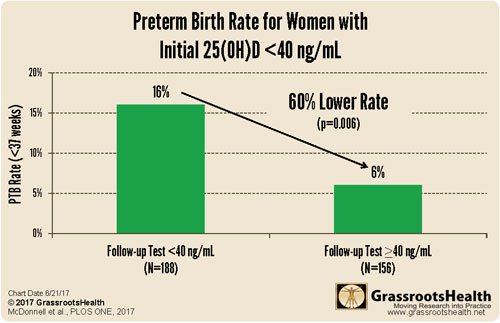
    Research conducted through this project reveals up to 59 percent of preterm births — which are responsible for 28 percent of newborn deaths during the first month of life — could be prevented simply by raising pregnant women’s vitamin D to a level of 40 ng/mL.

    Preterm babies are also more likely to suffer health problems later on, including a higher risk of ADHD, cerebral palsy, autism, asthma,22,23 intestinal problems, pneumonia, vision problems, hearing loss and dental problems.24,25,26 Your vitamin D status during pregnancy can even influence your child’s future risk for cardiovascular disease.27,28

    As of 2015, the U.S. had a preterm birth rate of 9.6 percent, meaning nearly 1 in 10 babies were born prematurely. The U.S., while one of the most advanced countries in the world, ranked No. 130 in preterm births out of 184 countries in 2010.

    Protect our Children NOW! is a cost-effective, reproducible program that protects children by ensuring pregnant mothers are vitamin D sufficient, and could go a long way toward improving these abysmal statistics. Among non-Caucasian women (among whom vitamin D deficiency is more common and prominent) the reduction in risk was even greater.

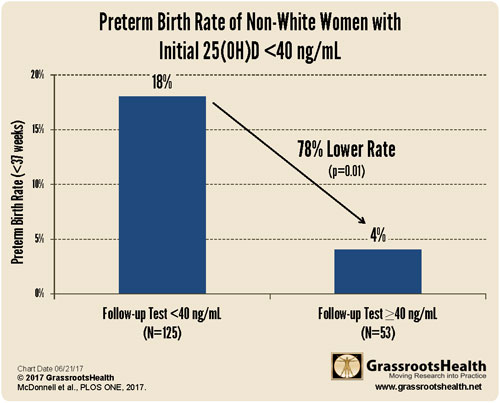
    In this group, the preterm rate prior to the start of the study was 18 percent. Those who achieved a vitamin D level of 40 ng/mL by their second test had a 78 percent lower preterm birth rate — reducing the preterm birth rate to just 4 percent!

    preterm birth rate for womenpreterm birth rate non-white women

    Aside from halving the risk for preterm birth, vitamin D optimization also protects the mother by reducing her risk of preeclampsia, gestational diabetes and prenatal infections by approximately 50 percent.29 If you are currently 12 to 17 weeks pregnant, you can join the join the GrassrootsHealth pregnancy study for free and test your vitamin D level from the comfort of your own home.

    If you are planning a pregnancy, or are more than 17 weeks pregnant, you can take control of your and your child’s health by using the D*Action test kit. It’s one of the most cost-effective ways to monitor your vitamin D status.

    So, now it the time to get tested and to optimize your levels for a healthier winter and year ahead!

    Photo by Mira Kemppainen on Unsplash

  • Offit Campaigning in Idaho concerns Health Freedom Advocates

    Offit Campaigning in Idaho concerns Health Freedom Advocates

    Paul Offit has accepted the invitation of Bruce Wingate of Protect Idaho Kids to manipulate public opinion into believing there is a significant issue of abuse and neglect affecting Idaho’s children. The ultimate goal of the campaign is to change the Idaho statute to force parents into compliance of government mandated treatments using CPS and Health and Welfare. Their campaign’s target is a small group of families, who reside in Idaho, who do not use medical treatments for religious reasons. Throughout the 2017 Legislative session, Health Freedom Idaho shared the concerns that the approach being taken was a direct violation of religious freedom and the erosion of parental rights. Legislators agreed and voted down SB 1182. <See Health Freedom Idaho’s specific concerns about this legislation> Health Freedom Idaho anticipates Offit’s organization will make another attempt.

    WHY WOULD OFFIT TARGET IDAHO TO UNDERMINE PARENTAL AUTHORITY IN HEALTHCARE CHOICES?

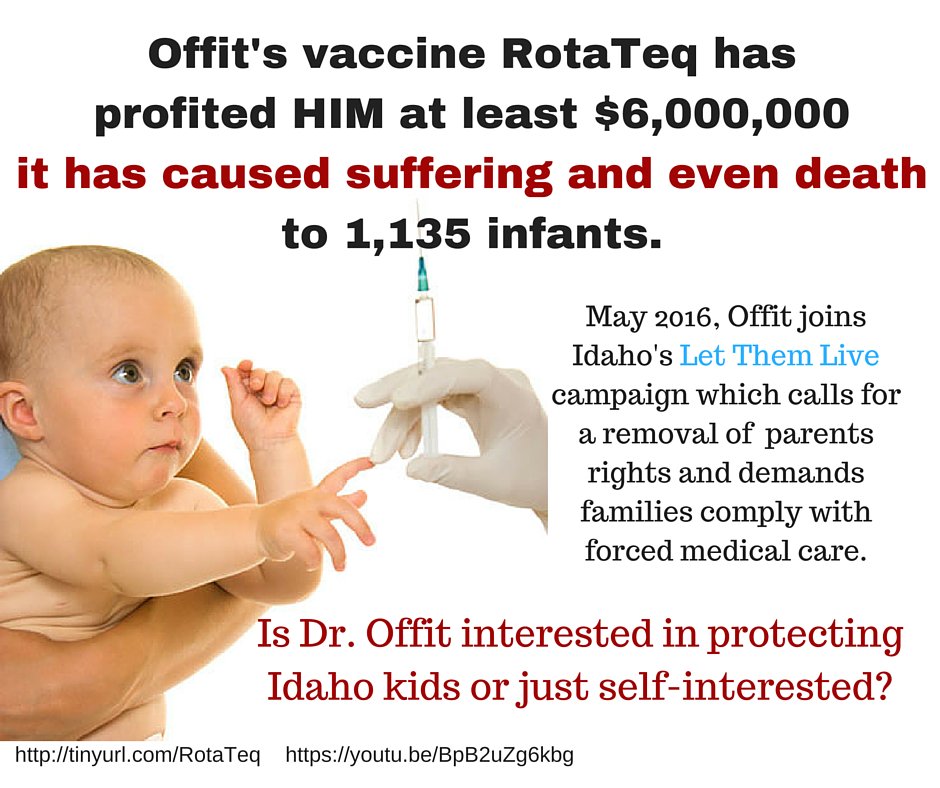
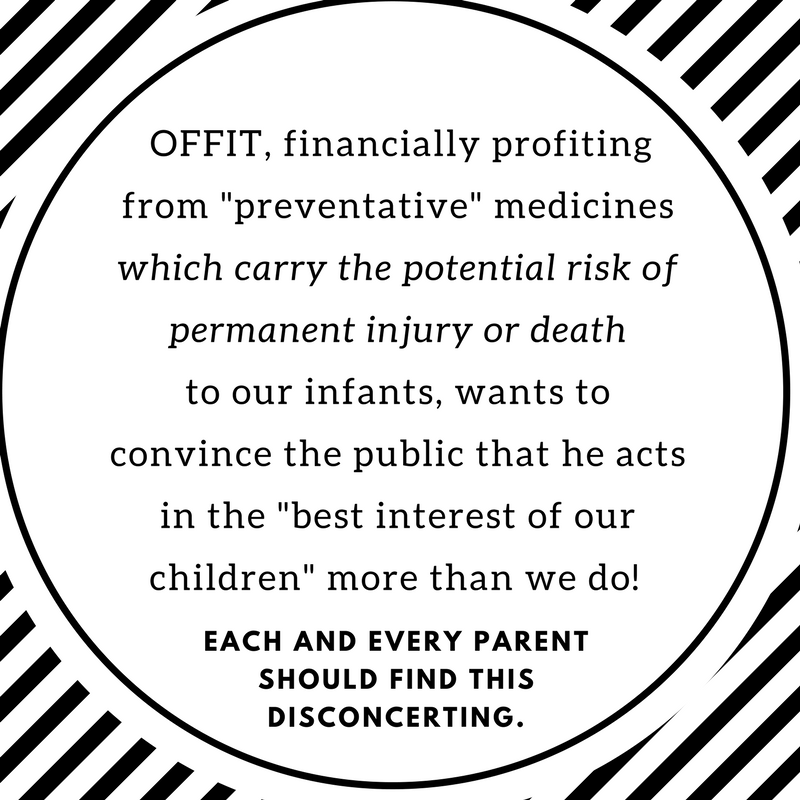
    Dr. Paul Offit holds a Merck-funded 1.5 million dollar research chair at the Children’s Hospital of Philadelphia, has stated that children can safely receive 10,000 vaccines in one sitting, and is the co-inventor of a massively profitable rotavirus vaccine called RotaTeq1 which has caused serious suffering in the form of hospitalization, surgery, and death to more than 1,000 U.S. infants2.

    Therefore, it is ironic that he (a non Idaho resident) has joined a Protect Idaho Kids campaign entitled “Let Them Live”3 which targets the current Faith Healing Exemption law in our state. Many citizens fear the removal of this exemption to be a slippery slope to the inevitable and insidiously motivated, the end goal to further the removal of other parental rights concerning the medical treatment of our children.

    Offit stated in his December 15, 2015 video blog, that parents questioning vaccine safety hold “ill-founded beliefs.” Certainly the parents of the children that were dosed with Offit’s vaccine and hospitalized by this “preventive medicine” once held a firm belief in medical science. That is, until it killed or severely injured their previously healthy infants.

    His books, lectures and television commercials assert his belief that any public outcry advocating Informed Consent is “a threat to public safety” and is “undermining modern medicine.” Clearly, he (and his massive financial incentive) is threatened by individuals doing independent research about the safety, efficacy, and necessity of modern, allopathic medicine.

    In this video, he states that parents that choose not vaccinate their children in accordance with the entire CDC recommended vaccine schedule (which includes HIS vaccine among others) should be forced to relinquish their children to the State. 4

    Dr. Paul Offit has joined a Statewide campaign calling for changes in our state laws force parental compliance with the use of CPS and Health and Welfare. It begs the question from Health Freedom Advocates, “Is Dr. Offit sincerely interested in protecting Idaho’s children or just self-interested?”

    MORE RESEARCH RESOURCES:

    RotaTeq Virus ADVERSE REACTIONS

    2 Reports on VAERS (June 15, 2016) for the Offit/Merck Rotateq vaccine introduced in 2006 list 1,135 cases of intussusception with 10 accompanying deaths (1 in 107) while Rotarix (introduced in 2008) has 583 cases of intussusception and 11 deaths (a very disturbing rate of 1 in 50).

    RotaTeq Virus CONTAMINATION

    On May 7, 2010, the FDA announced that RotaTeq vaccine was contaminated with DNA from two porcine circoviruses: PCV1 and PCV2. To date, the vaccine manufacturer, Merck, has not given any information regarding if, or when, PCV1 and PCV2 will be removed from this vaccine. Although PCV1 has not been associated with clinical disease in pigs, PCV2 is a lethal pig virus that causes immune suppression and a serious wasting disease in baby pigs that damages lungs, kidneys, the reproductive system, brain and ultimately causes death. The FDA recommended temporary suspension of the use of Rotarix vaccine on March 22nd after DNA from PCV1 was identified in Rotarix, but did not call for suspension of the use of RotaTeq vaccine after PCV2 was found in RotaTeq. On June 1st, NVIC called on Merck to voluntarily withdraw RotaTeq from the market until PCV2, especially, is removed from the vaccine.
    _________________
    Millions of Children Infected with “Vaccine Safety Expert’s” Rotateq Vaccine: Dr. Paul Offit.

    Paul Offit says you can safely administer 10,000 vaccines to infants at once. But he also profits from the patent he holds for the Rotateq vaccine. What’s wrong with this picture?
    A 2010 study published in Journal of Virology revealed that his multi-million dollar-grossing patent on the Rotateq vaccine contains a live Simian Retrovirus (with a 96% match of certainty) that has likely infected millions of children over the past few years causing great harm. Retrovirus infections are permanent, and can carry on indefinitely into future generations. In other words, once they are inserted into the human genome they cannot be removed.
  • Meet the tiny mobile home that comes equipped with a tiny greenhouse

    Meet the tiny mobile home that comes equipped with a tiny greenhouse

    Meet the tiny mobile home that comes equipped with a tiny greenhouse. I imagine that it might be a tad hard to TRAVEL with the greenhouse attached. The thought is interesting however. Enjoy the beautiful Northern Idaho landscapes and recreation in the summer and spring and head down to the Treasure Valley in the fall and winter wintering it out in ‘milder’ temperatures. Growing your own food, herbs.

    When people make the dramatic, yet increasingly popular, switch to tiny house living, they’re not just choosing to live in a smaller place. They’re choosing adventure (if it’s a mobile home), the outdoors because having a tiny interior encourages residents to venture outside, and a life free from all the extra stuff we collect over the years. In the process of paring down on items, lots of people feel that they are being forced to give up some of their passions that require lots of supplies, such as art or extreme sports, and more people and builders are developing better designs to help accommodate these needs.

    Credit: Olive Nest Tiny HomesCredit: Olive Nest Tiny Homes

    That’s exactly what the company Olive Nest Tiny Homes is doing with their designs and their latest release allows residents to continue with their passion for gardening and sustainability. Gardening can be difficult, especially for those living in apartments or small spaces that don’t allow for too many plants or have no access to sun. So it’s come as a surprise that the company was able to integrate a tiny greenhouse into their latest design, but it’s more than perfect for people already interested in sustainability, small carbon footprints, and rejecting consumerism.

    RELATED STORY:

    Credit: Olive Nest Tiny HomesCredit: Olive Nest Tiny Homes

    The main part of the tiny home is a cozy 323-square-feet, but the design of it and the hidden storage makes it feel spacious and airy. With stairs instead of a ladder leading up to the lofty bedroom, there’s room for more storage without the hassle of climbing stairs just to get to the room. A kitchen bar table easily turns out and becomes a table for four, and the kitchen itself is equipped with a full-size gas range and fridge.

    When making their way out to the greenhouse, which is 85-square-feet, residents have one more tiny area to get through: the adorable porch that attaches the main unit to the greenhouse. The porch is paneled with wood and even features a porch swing, where residents can enjoy the produce they’ve grown in their greenhouse.

    Credit: Olive Nest Tiny HomesCredit: Olive Nest Tiny Homes

    Designs like this really showcase the amazing way that people are coming together to address the needs of people wanting to convert to a tiny house lifestyle while showing others that the community is adapting to accommodate more hobbies and passions. This design is currently listed on Tiny House Listings for $81,000. Watch the video below to see all the features and take a tiny tour.

    Unfortunately for residents of Idaho, tiny homes are not supported. Codes restrict their placement to mobile home parks. It is illegal within Boise to park a tiny home on a residential property even with the owner’s permission.

    *Article originally appeared at True Activist.

  • Four Reasons to Celebrate the California Cleaning Product Right to Know Act

    Four Reasons to Celebrate the California Cleaning Product Right to Know Act

    At long last, the veil of secrecy over chemicals in cleaning products is lifting. In October, California Gov. Jerry Brown signed into law the Cleaning Product Right to Know Act of 2017, which will require known hazardous chemicals in home and commercial cleaning products to be listed on labels and online.

    Manufacturers of cleaning products have until 2020 to disclose ingredients online and until 2021 to list them on labels. But the impact of the new rules could be felt sooner, and well beyond California. The nation’s most populous state is also the biggest market for consumer products, and it’s likely that the new disclosure rules will trickle down to products manufactured, distributed and sold nationwide. (New York also has a cleaners ingredient disclosure law, but its specific rules are still being worked out.)

    EWG was a co-sponsor of the bill, authored by state Sen. Ricardo Lara, D-Bell Gardens. Here are four reasons we’re celebrating the fact that Californians will soon have unprecedented access to detailed chemical information for cleaning and disinfecting products used in the home and workplace.

    1. Rather than disclosing chemicals of concern, manufacturers may decide to take them out of products.

    Transparency often begets reformulation. In 2009, the California Safe Cosmetics Program began requiring companies to report carcinogens and reproductive toxicants in their products. By 2015, more than 150 companies reported removing a total of 2,193 ingredients. Cleaning product makers may take the same path, knowing that once ingredients are known, consumers can make educated decisions to avoid them and choose better options.

    2. Disclosure is mandatory for ingredients linked to chronic diseases and conditions, not simply immediate dangers.

    Previously, only some ingredients, such as those associated with acute hazards like skin or eye burns, physical hazards like flammability, or active ingredients in disinfectants or sanitizers, were required to be listed on package labels. Now, substances linked to longer-term problems like DNA damage, birth defects, endocrine disruption, neurotoxicity and respiratory impacts will have to be disclosed.

    3. For the first time ever in the U.S., manufacturers will have to disclose more of their fragrance ingredients.

    The vague term “fragrance” may hide the identity of dozens of chemicals in a complex mixture in a single product. But fragrance chemicals can trigger asthma and allergic reactions. Some are linked to cancer, like acetaldehyde, or can form carcinogenic secondary pollutants, like formaldehyde, when they mix with air. Some manufacturers have begun voluntarily disclosing fragrance ingredients, but many more have not. Under the new law, companies will have to list more of their fragrance ingredients, including the 26 allergenic components required in Europe.

    4. Impurities will be under greater scrutiny.

    The new law identifies 34 “non-functional constituents” that must be revealed online. These are substances present in small amounts that are not intentionally added, serve no technical purpose in the finished product or are not stripped out. They could be contaminants introduced from raw materials or processing equipment, breakdown products of an ingredient or a byproduct of the manufacturing process. The list includes hormone-disrupting phthalates, carcinogens such as benzene and nitrosamines, and the likely carcinogen 1,4-dioxane.

    While we wait for the bill to start taking effect, EWG’s Guide to Healthy Cleaning highlights products that help reduce exposure to known fragrance allergens and other hazardous ingredients and impurities.

  • 9 reasons we have a “sick”, not “health care” system

    9 reasons we have a “sick”, not “health care” system

    The conventional medical system and hospitalized care is now in the Top 3 leading causes of mortality, as announced by Johns Hopkins University in 2016.

    Does this sound like a system you would choose to participate in?

    Here are 9 reasons we have a “sick” and not a “health care” system:

    1. Any system which forces the population to seek and/or use only one methodology or approach to treatment for addressing health issues or face denial of coverage, is not “health care”.

    When there is only one accepted method of treating health care issues (via drugs or surgery, for example), when consumers lack education, choices and freedom about their health, this is not health care.

    Any time there is a risk to a treatment or medical procedures, there needs to be a choice. When we are forced to accept treatments that don’t heal our bodies or solve health care problems, and we continue to participate in treatment that doesn’t solve the problem, we are trapped in a system that effectively keeps patients and consumers in a state of being unwell.

    2. Any system which penalizes those who chose to go outside the system for “alternatives” or holistic treatment, is not “health care”.

    Punishing citizens by forcing them to pay into a system which they do not want to participate is not a free society and not only falls under the category of discrimination, but is a direct violation of human rights. Reasoning that our health care system is too costly for certain members of its population to afford it is not justification to mandate citizens to fund or participate in a system. There’s a word for this: it’s called fascism.

    If leaders of the health care industry possessed a sincere desire to make wellness achievable and accessible to all, they would advocate for holistic health alternatives, education and treatment. If these leaders were willing to provide information to patients and consumers that would allow them to experience wellness, we would see dramatic changes in our death and disease rates.

    Instead, what we have is a system that continues to create dependencies on drugs, surgery and other treatments that are costly and don’t heal or contribute to recovery. Making these changes would significantly impact the overall cost of health because less of our population would be sick and thus would be using medical services. This is the definition of a “sick care” system, and it is extremely profitable for the corporations involved.

    (As an aside, it’s fair to call it an industry since it generates profit, and quite a lot of it. According to Statistic Brain, the health care industry generates $1.668 trillion annually. Let that sink in.)

    3. Any system that uses treatments that manage rather than heal, and fails to improve health or well-being of its subscribers or members is not “health care”.

    Drugs, surgery, and other procedures do not prevent future health issues nor resolve the root of the problem. Instead, those who receive such treatments and are administered pharmaceutical products become looped into a system that requires continual appointments and treatment, vaccines, and renewal of drug prescriptions. This is not wellness, but “managed illness”. All drugs have side-effects which can cause a downward spiral of health issues, and still no resolution of the cause of the original health problem.

    4. Any system that refuses to cover care that goes outside the scope of the conventional medical model, or attempts to discredit other modes of medical or health treatments is not “health care”.

    The majority of insurance providers do not provide coverage for complimentary or holistic treatments. Instead, most covered services include only conventional treatments.

    When patients seek medical advice and are told that if they do not follow the recommendations provided they will be dismissed as a patient or are endangering themselves or their child of further disease or death, this is not health care.

    What motivation would there be for a system to continually attempt to tarnish or invalidate other types of health care other than to protect its own interests? There’s really only one answer to this: profits and power.

    5. Any system that relies upon drugs, surgery, vaccines and other similar treatments to treat health care issues does not support wellness. This reactionary, rather than preventative approach, is not “health care”.

    Although sometimes we do need drugs or surgery, these should be exceptions to the rule of health treatments; not what we use for every health care scenario. We are not drug, vaccine, or surgery deficient.

    The conventional medical model does not educate its patients on preventative habits or lifestyle choices that could lead to wellness. Instead, it recommends taking prescriptions to manage symptoms, consumption of a low-fat, high carbohydrate diet with more plants and grains, increased exercise, and diagnostics including mammography and colonoscopy for “prevention” of disease.

    Low-fat diets have actually been shown to lead to health issues, and no amount of exercise will create health in someone who is unwell and not addressing existing nutritional deficiencies in their body from consuming a low-fat diet. Contrary to what we’ve been told for decades, cholesterol is actually essential for for every aspect of health including cell structure, hormones, digestion, weight management, stress, brain function, metabolism and more. It’s the source of that cholesterol which makes the difference: cholesterol from animal foods that come from confinement operations versus organically-grown, pasture-raised environments are completely opposite on the spectrum. We can definitely expect to experience disease and chronic health issues from consuming the former, while choices from the second can be extremely beneficial and health-supporting.

    Diagnostics such as colonoscopies and mammograms involve risk due to exposing tissue to radiation and compression (which can lead to cancer), drug reactions, and perforation of human tissue.

    Each of these recommendations can and have lead to further incidence of disease, yet are advocated and endorsed by conventional medical practitioners and guidelines. Preventative diagnostics have been known to fail to detect or prevent the disease that is being screened. Read more about mammograms from Dr. Mercola.

    6. Any system that engages in bullying, coercion, threats, intimidation, discouragement of research and education, or disregards empowerment toward the patient or consumer is not “health care”.

    Patients and consumers regularly report receiving condescending, disrespectful, bullying and unfair treatment by practitioners when they decline or request more information on specific types of treatment. Any practitioner that engages in this type of behavior or approach is not practicing “health care”.

    7. Any system which repeatedly discredits, undermines or disesteems medical doctors, nurses, scientists and others including holistic practitioners who have taken their education and research outside of conventional approaches and treatments and gained an understanding of the importance of holistic approaches to address health care issues is not a “health care system”.

    When a doctor or practitioner goes outside of accepted answers or language about a treatment or procedure, the typical response is that said individual is not credible or has a soiled reputation, is a “quack”, or is discredited in some other way. In some cases, the individual may be targeted to lose his or her license, or may even die in a mysterious manner. Are these deaths simply coincidences? Erin from Health Nut News did an expose on the more than 70 health practitioners who died between 2015 and 2016 from unexplained causes.

    8. Any system which denies the existence of studies and research showing risks and flaws within the conventional health care approach is not “health care”.

    There are thousands upon thousands of studies and papers revealing the risks of conventional care approaches, yet many who are confronted with this information or evidence will dismiss and attempt to discredit those who bring this information to light. Why do those within the conventional system fight so vehemently against this information? Why do the defenders of the conventional medical system use the same arguments again and again, and without unbiased, scientific documentation? These responses beg the question: if you want to know who is oppressing you, find out who you are not allowed to question or raise skepticism toward. What do these staunch defenders have to worry about if the risks and flaws of the medical system, challenged by those who aren’t satisfied with the status quo, are wrong?

    9. Any system whose practitioners and representatives oppose parents who provide testimonials of children who have experienced vaccine-injury or death is not “health care”.

    There are literally tens of thousands of parents who have shared their stories about how vaccines have damaged or killed their children, many of them with similar symptoms and reactions. The majority of representatives in the conventional health care system insist that these parents are incorrect, uneducated, hysterical, irrational, abusive, “conspiracy-theory driven” or even criminals. Most parents who question vaccines were pro-vaccine at one time. The reason they began to question is because they experienced the tragedy of a vaccine-injured or dead child. This is not a place that most parents would ever want to find themselves in; and yet, more and more are having to endure that very scenario. Those parents wish more than anything that they could go back in time and make a different decision. Sadly, once a vaccine is administered, it cannot be “un-given”.

    Although we are assured otherwise, the science is not settled. If science is not allowed to be tested, questioned, or challenged, then we are clearly stifled and arrested as a civilization which cannot move forward in its acquisition and understanding of knowledge and information. The conventional medical system is by no means a “gold standard”. There have been and continue to be examples of those who use it and experience suffering and death as a result of their choice … and yet we are expected to regard this system as infallible and as possessing a guarantee about how to treat and “cure” illness when it appears more than obvious that it is anything but that level of reliable or sound.

    Recommended ways to maintain wellness are as follows:

    • Eat a diet of real, organic, nourishing foods including grassfed meats, pasture-raised poultry and eggs and raw dairy foods, organic or pesticide, herbicide and genetically-modified-free fruits, vegetables, legumes, nuts, seeds, and other foods .
    • Eliminate sugars, grains, processed and packaged food products.
    • Prepare foods at home, from scratch using ingredients rather than jars, packages, or prepared meals.
    • Consider traditional preparation of foods such as fermentation (sauerkraut, pickles, yogurt, kefir, sour cream), slow-cooking on low heat meats, fish and poultry using homemade meat broth and stocks from bones, vegetables, sea salt and filtered water. These methods render foods more nutritious and easier-to-digest as well as heal the digestive tract to enable higher absorption rate of nutrients.
    • Eliminate toxins from your environment including commercial cleaners, detergents, air fresheners, candles, shampoos, deodorant, toothpaste, soaps, body, beauty, and personal care products. Opt for natural products or make your own at home. Many cleaning and personal care products are easy to make at home with a few ingredients including kitchen and bathroom cleaners made with apple cider vinegar and baking soda, or plain vinegar and lemon juice, deodorant made with coconut oil and essential oils (such as lavender, lemongrass or peppermint), body butter made with equal parts of coconut oil, shea butter, olive oil and cocoa butter.

    When we eat better, we feel better and tend to get sick less often. Less illness leads to a healthier body and less chance of long-term, chronic illness such as heart disease, diabetes, depression, brain fog, memory issues, obesity, inflammation, and other auto-immune disorders.

    Health share programs

    Here is a list of health share programs that offer health care “coverage” for less than the average insurance plan (especially if you factor in the penalty for not participating), and provide you and your family with a means to lower expenses that would otherwise be difficult or impossible to manage on your own.

    These are not insurance companies, they are share programs that provide coverage to members when needed. Members of these groups are by definition “exempt” from penalties imposed if you opt out of the Affordable Care Act (ACA aka “Obamacare”).

    Altrua

    Aliera

    Liberty

    My Christian Care

    Samaritan Ministries

  • A sweet treat to beat the winter blues

    A sweet treat to beat the winter blues

    I’m a firm believer in the idea that part of the reason people get sick in the winter is because they don’t eat enough fruit or vegetables.

    We tend to purchase all our fruits, fresh and in season, however, I am so thankful for flash freezing! We pick up 5 pound bags of frozen organic berries from our local Grocery outlet store and make a fun sorbet. It requires only 4 ingredients and a food processor and a freezer.

    Frozen organic veggies and fruit can be just as nutritious as the fresh stuff, which makes it perfect for winter!

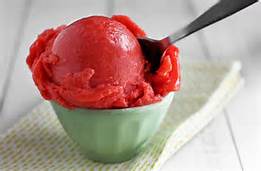
    One of my favorite ways to get fruit in my face is with this recipe for Strawberry Sorbet.

    Ingredients

    1. 3 cups frozen strawberries
    2. 2/3 cup cold water
    3. 1 tbsp balsamic vinegar
    4. 1/3 cup honey

    Instructions

    1. Place all the ingredients in a food processor and blend until smooth.
    2. Transfer the sorbet in an airtight container.
    3. Freeze for 1-2 hours or until firm, before serving.
  • Vaccinated children suffer severe disease after vaccination. Vaccine program now suspended by government

    Vaccinated children suffer severe disease after vaccination. Vaccine program now suspended by government

    733,000 children were injected with this vaccine before it was suspended from use. Children suffered more cases of ‘severe disease’ following vaccination.

    French pharmaceutical giant Sanofi announced December 2017, that its world-first dengue vaccine could lead to more severe symptoms for people who had not previously been infected.

    The Philippines has vaccinated more than 733,000 children with Dengvaxia since 2016 when it became the first country to start using it on a mass scale. THREE hundred sixty two recipients of the dengue vaccine from the Department of Health (DOH) have experienced Adverse Event Following Immunization (AEFI).

    But it said Friday the program had been suspended.

    “In the light of this new analysis, the DOH (Department of Health) will place the dengue vaccination programme on hold while review and consultation is ongoing with experts, key stakeholders, and the WHO (World Health Organization),” Health Secretary Francisco Duque said.

    Sanofi had initially said its Dengvaxia vaccine was “critical” in the fight against dengue, the world’s most common mosquito-borne virus.

    “For those not previously infected by dengue virus, however, the analysis found that in the longer term, more cases of severe disease could occur following vaccination upon a subsequent dengue infection,” Sanofi said.

    This is clinical evidence of extreme adverse reactions to the Dengue fever vaccine. While the vaccine is not used here in Idaho it begs the question, how much pre-licensing safety testing is done our vaccines prior to release and administration of our pediatric vaccines?

    Sources:
    Bill and Melinda Gates fund fast track version of vaccine reported in 2011 http://www.who.int/bulletin/volumes/89/7/11-030711/en/
    362 Adverse Reactions to fast tracked vaccine:
    http://www.sunstar.com.ph/manila/local-news/2016/04/25/doh-records-362-adverse-effects-dengue-vaccine-469921

    733,000 children injected with fast tracked vaccine prior to its suspension by government https://www.yahoo.com/news/philippines-suspends-world-first-dengue-vaccine-071338962.html

    More information on this topic:

    Herd Immunity

    Flu vaccines contain spermicide

    Safety and effectiveness of vaccines

    Interview with a toxicologist on vaccines

    Toxic exposure to aluminum via vaccines

    Who is responsible for monitoring vaccine safety?

    Are anti-vaxxers against all modern medicine or just vaccines?

    Pro-vaccine medical doctor speaks out on fraud of the flu vaccine

    Altered hormones and autism: do vaccines, herbicides and other products increase the risk?

  • Why You Should Use Apple Cider Vinegar (For Pretty Much Everything)

    Why You Should Use Apple Cider Vinegar (For Pretty Much Everything)

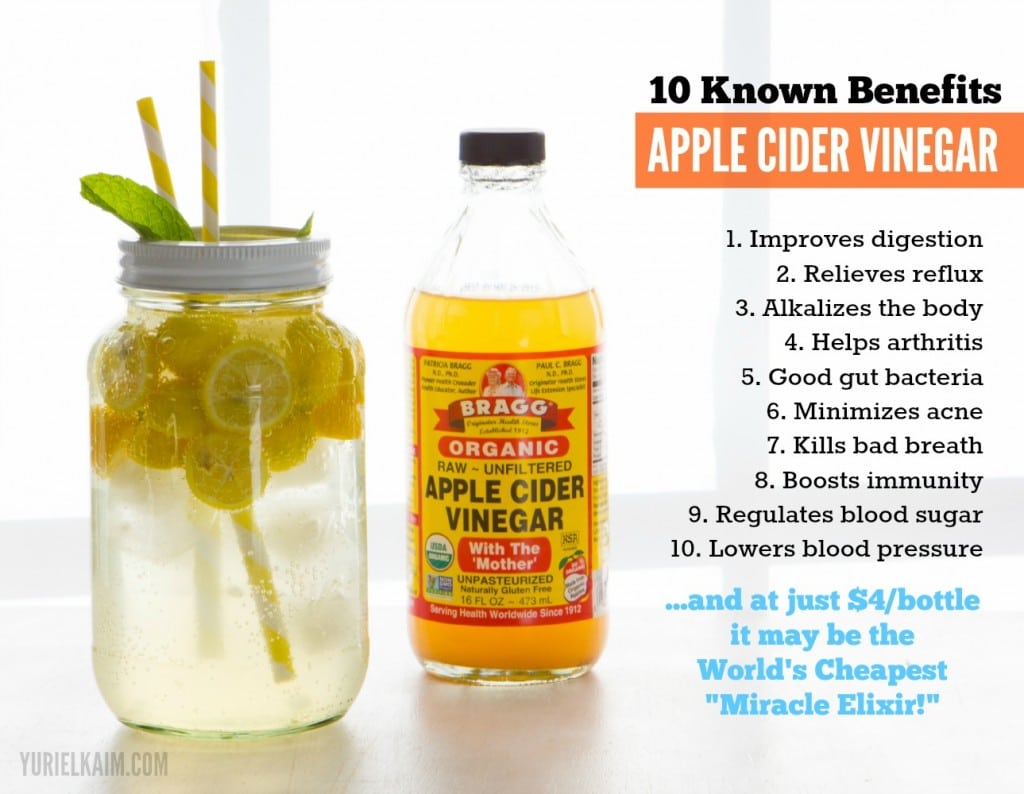
    Get the scoop on the uses and benefits of apple cider vinegar (ACV) and the very common, avoidable mistakes you should know about. By now, most people are aware of all of the amazing health benefits of apple cider vinegar. It’s used to promote shiny hair, cure a sore throat, and maintain good overall health.

    What is apple cider vinegar, exactly?

    It’s all very simple. Vinegar is formed when yeasts ferment natural food sugars into alcohol and acetic acid bacteria convert alcohol to acetic acid. As acetic acid bacteria grow on the surface of a liquid (like apple cider) and ferments, a “mother” forms, which is that gunky goodie stuff that floats around in the bottle. Although it looks like an ugly booger, it’s actually an amino-rich substance – a clear sign of an unpasteurized, high-quality, apple cider vinegar that contains antioxidant and antimicrobial rich properties.

    Apple Cider Vinegar (ACV) isn’t a new fad. It has been around since like…the beginning of time. God invented apples, and then he invented Adam, and then he told Adam to be fruitful and make some apple cider vinegar.

    Okay, that’s probably not exactly how it happened, but we do know that apple cider vinegar has been around since the time of the Babylonians, and that Hippocrates used it in 400 B.C to cure-all sorts of things from ulcers and sores, to coughs and infections. And let’s face it, that guy knew what he was talking about.

    What’s so awesome about it?

    Apple cider vinegar isn’t just your average vinegar … it’s down right medicinal. ACV contains acetic, caffein, and gallic acids, catechin, epicatechin, and other properties that push it into the “super awesome for you” category, like enzymes and prebiotics that feed beneficial bacteria in the gut that power your immune system.

    Even though it’s acidic, apple cider vinegar leaves an alkaline ash after it’s digested and restores the pH balance of the body. This is why people hail ACV for all things stomach, digestion, bacterial illness, diarrhea, yeast, and urinary tract infection. (Lemons are another example of something super awesome acidic that leave an alkaline ash….and we use those for everything too.)

    What is apple cider vinegar used for? (Pretty much everything.)

    You could just showcase a bottle in your kitchen so you look like you’re “in the know,” but I suggest actually opening the bottle and trying it out on at least 23 of the 1,000 things you can use apple cider vinegar for:

    1. Gas, Upset Stomach, and Digestive Issues
    Take a teaspoon before meals to prevent indigestion, gas, upset stomach, and food bourne illnesses.

    2. Foreign Travel / Food Poisoning
    Pour some apple cider vinegar into a travel-size container and take a teaspoon before your meals to prevent food poisoning.

    3. Diarrhea
    If your diarrhea is caused by a bacteria, apple cider vinegar may help. Add a tablespoon of apple cider vinegar to 4 ounces of water, and down it.

    4. Cold Prevention
    If you feel a cold coming on, take a tablespoon of apple cider vinegar three times a day until your symptoms disappear, or to keep them from coming on in the first place.

    5. Sinus Drainage
    Need a booger buster? No worries. Grab a teaspoon of ACV and a warm drink of water and…BAM! Acetic acid kills bacteria and potassium thins the mucus.

    6. Diabetes
    Studies show that two tablespoons a day can help prevent hyperglycemia, is beneficial for both type 1 and type 2 diabetes, and can improve insulin sensitivity.

    7. Ulcers and Wounds
    Hippocrates used apple cider vinegar to treat wounds and ulcers … and that’s good enough for me.

    8. Weight Loss
    Taking apple cider vinegar before meals has been shown to suppress appetite, decrease body fat, and make you feel fuller faster.

    9. Oxidative Stress and Cancer Prevention
    Apple cider vinegar contains polyphenols, which combat oxidative stress. Studies show that ingestion of polyphenols reduces the risk of cancer.

    10. All Things Cleaning
    You know how people love them some Clorox? Apple cider vinegar is like the Clorox of crunchy people who clean green. Spray it on your surfaces, use it in your bathroom, and switch out your expensive toxic products with something non-toxic that works better.

    11. Cooking
    Apple cider vinegar can be used in soups, salad dressings, sauces, juices, and baking and is an amazing natural preservative.

    12. All Things Hair
    If you want shinier, smoother, flake-free, and tangle free hair, add 1 part water to 1 part vinegar in a spray bottle. Spray your hair after shampooing, massage into your scalp, let sit for a few minutes, and rinse.

    13. Odor Neutralizer
    Place apple cider vinegar in a bowl near the stink to get rid of it.

    14. Tiny Insect Killer
    If you can’t get rid of those annoying gnats that think your fruit belongs to them, put a tiny squirt of dish soap in a bowl with a few tablespoons of water, add a tablespoon of apple cider vinegar, and watch the magic happen. It’s like a sticky trap … for gnats.

    15. Teeth Whitener
    Mix one part apple cider vinegar and two parts water. Swish for one minute to kill the bacteria and whiten your teeth. You can also create a whitening paste by mixing 2 teaspoons of ACV with 1 teaspoon of baking soda.

    16. Energy Booster
    Next time you’re drinking your “lemon, maple syrup, and cayenne water” … add a teaspoon (or two) of apple cider vinegar for a caffeine-free pick-me-up.

    Have you ever MADE YOUR OWN!?

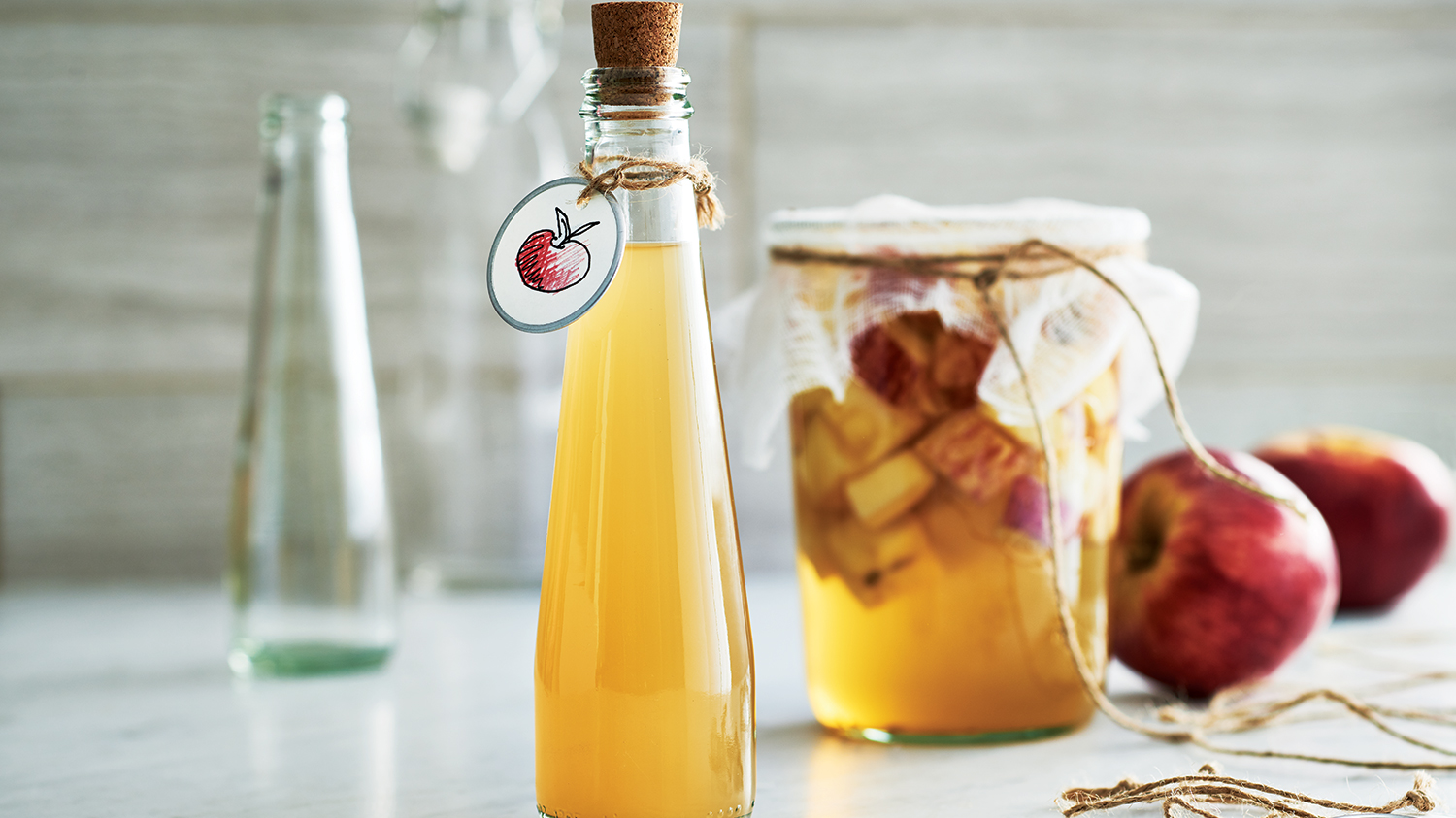
    Yep. We tried. Starting with our organic apples from our favorite Market – Cliff’s Country Markety Caldwell has organic apples CHEAPER than the low-spray the they carry as well. We got us a couple big boxes. Kids learned to peel and core and consumed the insides and saved the outsides and cores for our vinegar!

    This is how easy it is to make it.