Author: Health Freedom Idaho

  • Unvaccinated Pose Zero Risk to the Public

    Unvaccinated Pose Zero Risk to the Public

    Open Letter to Legislators from Dr Tetyana Obukhanych. She has studied immunology in some of the world’s most prestigious medical institutions. She earned her PhD in Immunology at the Rockefeller University in New York and did postdoctoral training at Harvard Medical School, Boston, MA. and Stanford University in California. Every parent should watch this video. Helps to understand the difference between natural immunity and vaccination.


    Dear Legislator:

    My name is Tetyana Obukhanych. I hold a PhD in Immunology. I am writing this letter in the hope that it will correct several common misperceptions about vaccines in order to help you formulate a fair and balanced understanding that is supported by accepted vaccine theory and new scientific findings.

    Do unvaccinated children pose a higher threat to the public than the vaccinated?

    It is often stated that those who choose not to vaccinate their children for reasons of conscience endanger the rest of the public, and this is the rationale behind most of the legislation to end vaccine exemptions currently being considered by federal and state legislators country-wide. You should be aware that the nature of protection afforded by many modern vaccines – and that includes most of the vaccines recommended by the CDC for children – is not consistent with such a statement. I have outlined below the recommended vaccines that cannot prevent transmission of disease either because they are not designed to prevent the transmission of infection (rather, they are intended to prevent disease symptoms), or because they are for non-communicable diseases. People who have not received the vaccines mentioned below pose no higher threat to the general public than those who have, implying that discrimination against non-immunized children in a public school setting may not be warranted.

    IPV (inactivated poliovirus vaccine) cannot prevent transmission of poliovirus. Wild poliovirus has been non-existent in the USA for at least two decades. Even if wild poliovirus were to be re-imported by travel, vaccinating for polio with IPV cannot affect the safety of public spaces. Please note that wild poliovirus eradication is attributed to the use of a different vaccine, OPV or oral poliovirus vaccine. Despite being capable of preventing wild poliovirus transmission, use of OPV was phased out long ago in the USA and replaced with IPV due to safety concerns.

    Tetanus is not a contagious disease, but rather acquired from deep-puncture wounds contaminated with C. tetani spores. Vaccinating for tetanus (via the DTaP combination vaccine) cannot alter the safety of public spaces; it is intended to render personal protection only.

    While intended to prevent the disease-causing effects of the diphtheria toxin, the diphtheria toxoid vaccine (also contained in the DTaP vaccine) is not designed to prevent colonization and transmission of C. diphtheriae. Vaccinating for diphtheria cannot alter the safety of public spaces; it is likewise intended for personal protection only.

    The acellular pertussis (aP) vaccine (the final element of the DTaP combined vaccine), now in use in the USA, replaced the whole cell pertussis vaccine in the late 1990s, which was followed by an unprecedented resurgence of whooping cough. An experiment with deliberate pertussis infection in primates revealed that the aP vaccine is not capable of preventing colonization and transmission of B. pertussis. The FDA has issued a warning regarding this crucial finding.

    Furthermore, the 2013 meeting of the Board of Scientific Counselors at the CDC revealed additional alarming data that pertussis variants (PRN-negative strains) currently circulating in the USA acquired a selective advantage to infect those who are up-to-date for their DTaP boosters, meaning that people who are up-to-date are more likely to be infected, and thus contagious, than people who are not vaccinated.

    Among numerous types of H. influenzae, the Hib vaccine covers only type b. Despite its sole intention to reduce symptomatic and asymptomatic (disease-less) Hib carriage, the introduction of the Hib vaccine has inadvertently shifted strain dominance towards other types of H. influenzae (types a through f).These types have been causing invasive disease of high severity and increasing incidence in adults in the era of Hib vaccination of children. The general population is more vulnerable to the invasive disease now than it was prior to the start of the Hib vaccination campaign. Discriminating against children who are not vaccinated for Hib does not make any scientific sense in the era of non-type b H. influenzae disease.

    Hepatitis B is a blood-borne virus. It does not spread in a community setting, especially among children who are unlikely to engage in high-risk behaviors, such as needle sharing or sex. Vaccinating children for hepatitis B cannot significantly alter the safety of public spaces. Further, school admission is not prohibited for children who are chronic hepatitis B carriers. To prohibit school admission for those who are simply unvaccinated – and do not even carry hepatitis B – would constitute unreasonable and illogical discrimination.

    In summary, a person who is not vaccinated with IPV, DTaP, HepB, and Hib vaccines due to reasons of conscience poses no extra danger to the public than a person who is. No discrimination is warranted.

    How often do serious vaccine adverse events happen?

    It is often stated that vaccination rarely leads to serious adverse events. Unfortunately, this statement is not supported by science. A recent study done in Ontario, Canada, established that vaccination actually leads to an emergency room visit for 1 in 168 children following their 12-month vaccination appointment and for 1 in 730 children following their 18-month vaccination appointment.

    When the risk of an adverse event requiring an ER visit after well-baby vaccinations is demonstrably so high, vaccination must remain a choice for parents, who may understandably be unwilling to assume this immediate risk in order to protect their children from diseases that are generally considered mild or that their children may never be exposed to.

    Can discrimination against families who oppose vaccines for reasons of conscience prevent future disease outbreaks of communicable viral diseases, such as measles?

    Measles research scientists have for a long time been aware of the “measles paradox.” I quote from the article by Poland & Jacobson (1994) “Failure to Reach the Goal of Measles Elimination: Apparent Paradox of Measles Infections in Immunized Persons.” Arch Intern Med 154:1815-1820:

    “The apparent paradox is that as measles immunization rates rise to high levels in a population, measles becomes a disease of immunized persons.”

    Further research determined that behind the “measles paradox” is a fraction of the population called low vaccine responders. Low-responders are those who respond poorly to the first dose of the measles vaccine. These individuals then mount a weak immune response to subsequent RE-vaccination and quickly return to the pool of “susceptibles’’ within 2-5 years, despite being fully vaccinated.

    Re-vaccination cannot correct low-responsiveness: it appears to be an immuno-genetic trait. The proportion of low-responders among children was estimated to be 4.7% in the USA.

    Studies of measles outbreaks in Quebec, Canada, and China attest that outbreaks of measles still happen, even when vaccination compliance is in the highest bracket (95-97% or even 99%). This is because even in high vaccine responders, vaccine-induced antibodies wane over time. Vaccine immunity does not equal life-long immunity acquired after natural exposure.

    It has been documented that vaccinated persons who develop breakthrough measles are contagious. In fact, two major measles outbreaks in 2011 (in Quebec, Canada, and in New York, NY) were re-imported by previously vaccinated individuals.

    Taken together, these data make it apparent that elimination of vaccine exemptions, currently only utilized by a small percentage of families anyway, will neither solve the problem of disease resurgence nor prevent re-importation and outbreaks of previously eliminated diseases.

    Is discrimination against conscientious vaccine objectors the only practical solution?

    The majority of measles cases in recent US outbreaks (including the recent Disneyland outbreak) are adults and very young babies, whereas in the pre-vaccination era, measles occurred mainly between the ages 1 and 15. Natural exposure to measles was followed by lifelong immunity from re-infection, whereas vaccine immunity wanes over time, leaving adults unprotected by their childhood shots. Measles is more dangerous for infants and for adults than for school-aged children.

    Despite high chances of exposure in the pre-vaccination era, measles practically never happened in babies much younger than one year of age due to the robust maternal immunity transfer mechanism. The vulnerability of very young babies to measles today is the direct outcome of the prolonged mass vaccination campaign of the past, during which their mothers, themselves vaccinated in their childhood, were not able to experience measles naturally at a safe school age and establish the lifelong immunity that would also be transferred to their babies and protect them from measles for the first year of life.

    Luckily, a therapeutic backup exists to mimic now-eroded maternal immunity. Infants as well as other vulnerable or immunocompromised individuals, are eligible to receive immunoglobulin, a potentially life-saving measure that supplies antibodies directed against the virus to prevent or ameliorate disease upon exposure.

    In summary: 1) due to the properties of modern vaccines, non-vaccinated individuals pose no greater risk of transmission of polio, diphtheria, pertussis, and numerous non-type b H. influenzae strains than vaccinated individuals do, non-vaccinated individuals pose virtually no danger of transmission of hepatitis B in a school setting, and tetanus is not transmissible at all; 2) there is a significantly elevated risk of emergency room visits after childhood vaccination appointments attesting that vaccination is not risk-free; 3) outbreaks of measles cannot be entirely prevented even if we had nearly perfect vaccination compliance; and 4) an effective method of preventing measles and other viral diseases in vaccine-ineligible infants and the immunocompromised, immunoglobulin, is available for those who may be exposed to these diseases.

    Taken together, these four facts make it clear that discrimination in a public school setting against children who are not vaccinated for reasons of conscience is completely unwarranted as the vaccine status of conscientious objectors poses no undue public health risk.

    Sincerely Yours,

    ~ Tetyana Obukhanych, PhD
  • Talking Turkey: Conventional vs Organic

    Talking Turkey: Conventional vs Organic

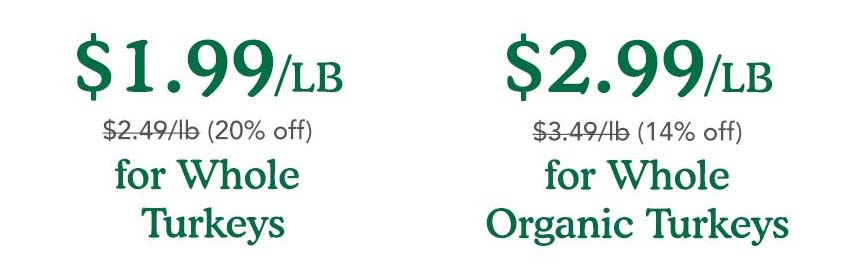
    When you choose your next turkey, what factors will you take into consideration? Do you want more meat or would you rather preserve an endangered breed? Do you know, understand the marketing gimmicks used by the industry to make you pay more? Organic turkeys are often in high demand; so if you choose to get one, you should order it now (if you haven’t already). Whole Foods/Amazon has a sale through November 26. <Click here >

    Hormones

    Most of us are willing to pay more for a bird raised without added hormones, right? We want that thick, juicy breast meat, but don’t want biological repercussions within our own bodies.

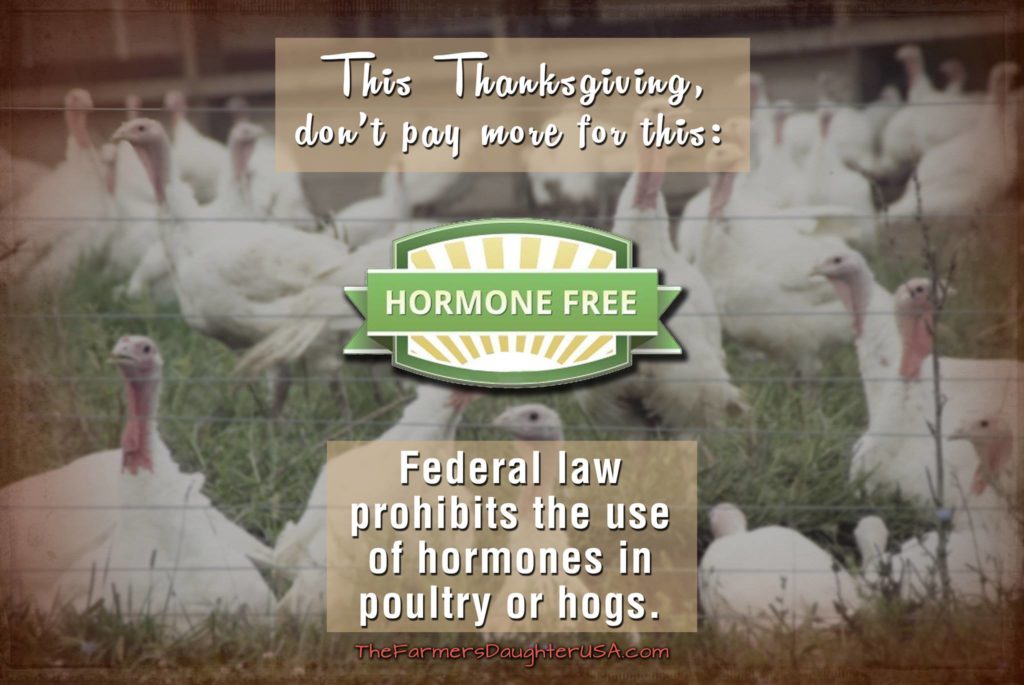
    What most of us don’t realize it’s illegal in the US to add hormones to poultry. Added hormones within our poultry is something we will probably never have to worry about. The packaging that says ‘no added hormones’ is simply a marketing ploy.

    Antibiotics

    An organic turkey is antibiotic free.
    Organic turkey farms use neither antibiotics nor feed that has not been certified organic.

    Turkeys may start out antibiotic-free, but farmers may medicate an entire flock if a few birds get sick. Some growers keep separate flocks, raising turkeys without antibiotics until problems occur, then moving sick birds to another pen if they have to medicate. Others must euthanize sick birds to keep the rest of the flock safe.

    An ongoing argument exists regarding the ethics of using antibiotics. While many farmers have announced that they will stop adding medication to daily feed, they hold that treating sick animals is the most humane way to raise meat. Eschewing all antibiotics means suffering of the animal, spread of disease, and euthanasia of sick animals before the other livestock can contract the illness.

    Injected Additives

    Self-basting or injected birds have been treated with a brine and/or a flavored injection to increase moisture retention and flavor. The fresh turkeys are injected with a basting solution made of salt water and “common household spices,”. Manufacturers are not required to share the specific ingredients/spices of their basting formula.

    Don’t let the “Natural” label fool you

    Unlike the word “organic” the word “natural” does not have a specific meaning and can mean many different things. In general, “natural” food does not contain artificial colors, flavors, sweeteners, preservatives or other additives. When you see the word “organic” on a label or a package that means the product was grown or made according to the strict standards (i.e. Without the use of toxic, persistent chemicals, GMOs, antibiotics or hormones) as established by the USDA.

    Summary of Organic vs Conventional

    Organic birds, one would imagine fields of open space with birds freely moving around. The use of synthetic fertilizers, pesticides, herbicides, irradiation, sewage sludge, hormones, antibiotics and genetic engineering is strictly prohibited. However, being organic does not guarantee they are free ranged.The appeal of free-range turkeys is that they are raised with access to outdoor space so they can roam — many folks believe that this makes for better tasting meat.

    Conventional broad breasted turkeys are in most cases caged, eat genetically modified grain, never see the light of day, and are given antibiotics, and injected with unknown solutions.

    Free-range and organic turkeys are often in high demand; so if you choose to get one, you should order it now (if you haven’t already). Whole Foods/Amazon has a sale through November 26. <Click ad below>

    THROUGH NOV 26, 2017

    Have you eaten heritage or organic turkeys? Did you notice a flavor difference?

    Deciphering the Label Online RESOURCES:

    USDA guidelines for conventional/organic turkey
    https://www.fsis.usda.gov/wps/wcm/connect/2a9bcae8-ae1e-4248-9ce7-4e752f2f91fc/Turkey_Raised_by_the_Rules.pdf?MOD=AJPERES

    Label Guide: Food Network http://www.foodnetwork.com/healthyeats/healthy-tips/2009/04/eco-friendly-food-label-decoder

  • Talking Turkey Labeling: Conventional Turkey or Heritage Turkey

    Talking Turkey Labeling: Conventional Turkey or Heritage Turkey

    Thinking of purchasing a turkey for the holidays? Is a Heritage Turkey worth the cost? Many store-bought conventional turkeys are injected with salt, water and other preservatives during processing to assist with the extended shelf life and to make sure that they make it thousands of miles from the factory to your home (which could take days, if not longer) before going bad. Since heritage turkeys are not mass produced, the heritage breed turkeys are not injected with preservatives, which allow you to enjoy one hundred percent of the turkey’s true flavor. Taste is not the only factor to consider for the optimal experience. If you, like many others, are trying to be more mindful of the moral and environmental impact of your food choices, then Thanksgiving dinner is the perfect start.

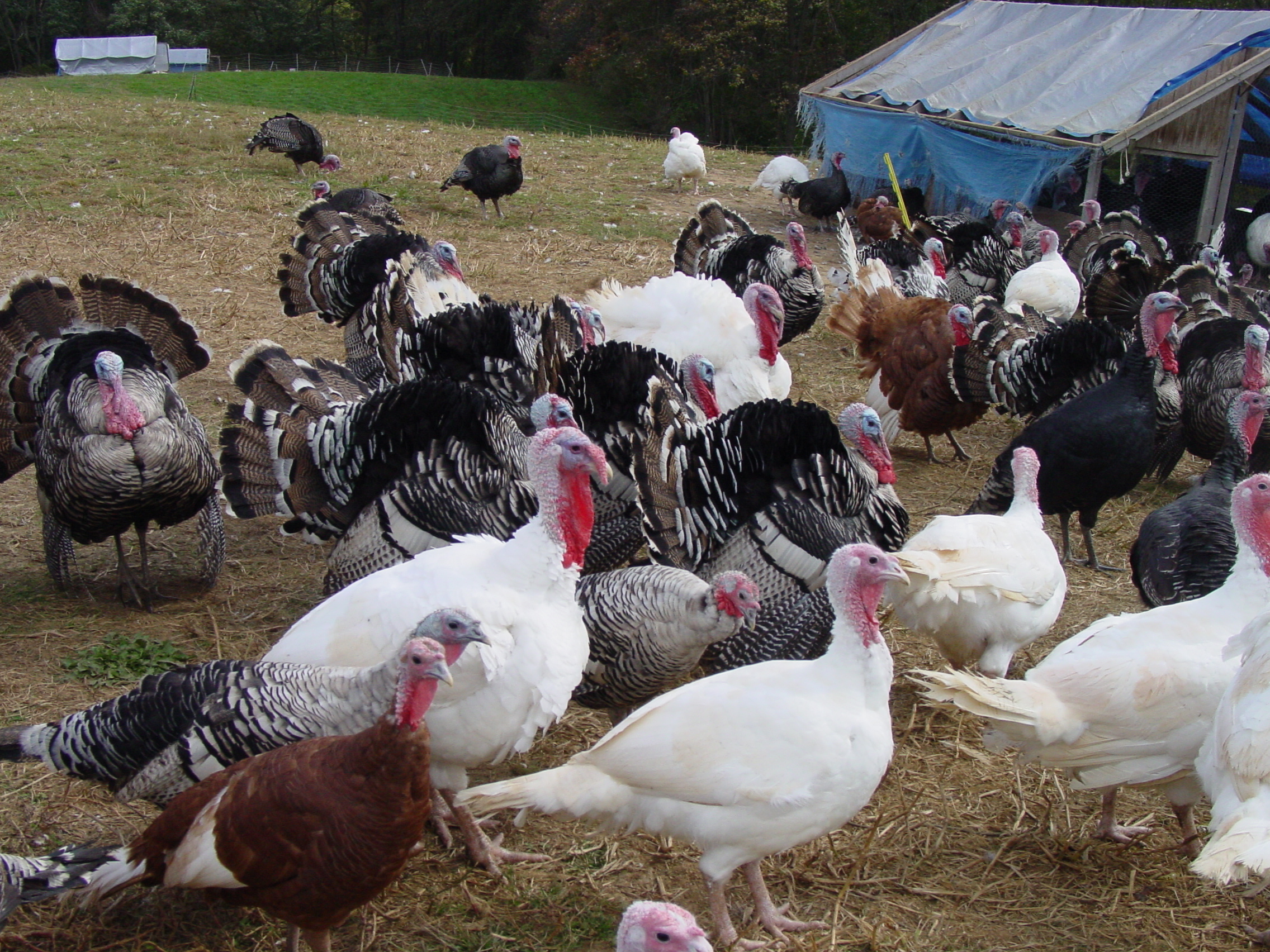
    Commercially raised turkeys are the Broad-Breasted White turkey. However, there are also Broad-Breasted Bronze turkeys, and both BB breeds can be raised humanely, free range, organic and natural. Don’t make the assumption that all Broad-Breasted breeds are white, and all are raised in factory settings. They are HYBRIDS, they are NOT genetically modified.

    Heritage turkeys are an old-fashioned breed, but their popularity has shown a recent resurgence. Heritage turkeys are hard-to-find breeds such as Narragansett, Standard Bronze, Blue Slate and Bourbon Reds. They are similar to what the Pilgrims themselves enjoyed during holiday times.

    These breeds have smaller breasts, darker leg meat and a truer, gamier “turkey” flavor than the factory-farm raised turkeys. Heritage birds are also raised for longer periods than the conventional birds. These breeds have a slaughter age of 26 to 28 weeks, while the conventional bird is ready for slaughter in 14-18 weeks. Heritage birds are also raised in smaller flocks and are generally given access to fresh air, sunshine, and pasture, making them more humanely raised than their factory-farm raised counterpart. This extra grow time and freedom allows for sturdier and more flavorful meat; two things very important to the outcome of your holiday meal.

    Here are the different types of heritage turkeys available for your Thanksgiving feast:

    USDA Certified Organic turkeys are fed without pesticides, chemicals fertilizers, GMOs or synthetic ingredients—including antibiotics.

    Non-GMO turkeys are raised without GMO feed.

    Vegetarian-Fed birds live on a veggie diet.

    Cage-Free turkeys are allowed out of their cages for 51% of their lives—but there is no restriction on how large that “outdoor” area should be.

    Free-Range means the birds are not confined to cages—but that doesn’t mean they’re ranging on grass.

    Pastured turkeys are raised without cages on grass and insects.

    Day-Range means the birds are pastured during the day, and cooped at night without cages.

    Kosher turkeys don’t have to be raised in a certain way; the way that they are slaughtered makes them kosher or not.

    Simple, right? I know: Not so much. In my family, we go with a USDA Certified Organic, pastured, heritage turkey. It’s once a year, and to me it’s worth the investment to avoid antibiotics, pesticides, chemical fertilizers, GMOs and other synthetic ingredients. And yes it’s subjective, but we think it tastes better, too.

    Finding Your Heritage Turkey

    While conventional turkeys are found in abundance in every supermarket in the United States, heritage breed turkeys can be a little more work to find, but the effort is worth it. Heritage turkeys can generally be found at local specialty farms, organic markets and Amish or Mennonite farms if you are lucky enough to have some in your area at a local farm. The internet is an invaluable resource to finding your holiday bird. Websites such as heritageturkeyfoundation.org and agrilicious.org provide helpful information for families interested in farms currently raising heritage turkeys. Many turkey farms offer shipping throughout the United States.

    There is a price difference between the conventional and heritage turkey, but the reasons for the extra costs are justified, particularly once you spend a little time with the farmers to learn how exactly they raised a happy, healthy heritage turkey.

    Taste is not the only factor to consider for the optimal experience. If you, like many others, are trying to be more mindful of the moral and environmental impact of your food choices, then Thanksgiving dinner is the perfect start. If you are willing to pay more for a higher quality bird, the heritage breed provides you with the opportunity to support a local farm and enjoy your meal knowing the turkey got to enjoy its entire life like a true turkey should—without confinement and with all the fresh air it can breathe. Take the plunge for the holiday meal this year! You will never look at a conventional supermarket turkey the same way again.

    Find a Turkey from Your Local Farm

  • Scientific study confirms DTP vaccination increases risk of allergies

    Scientific study confirms DTP vaccination increases risk of allergies

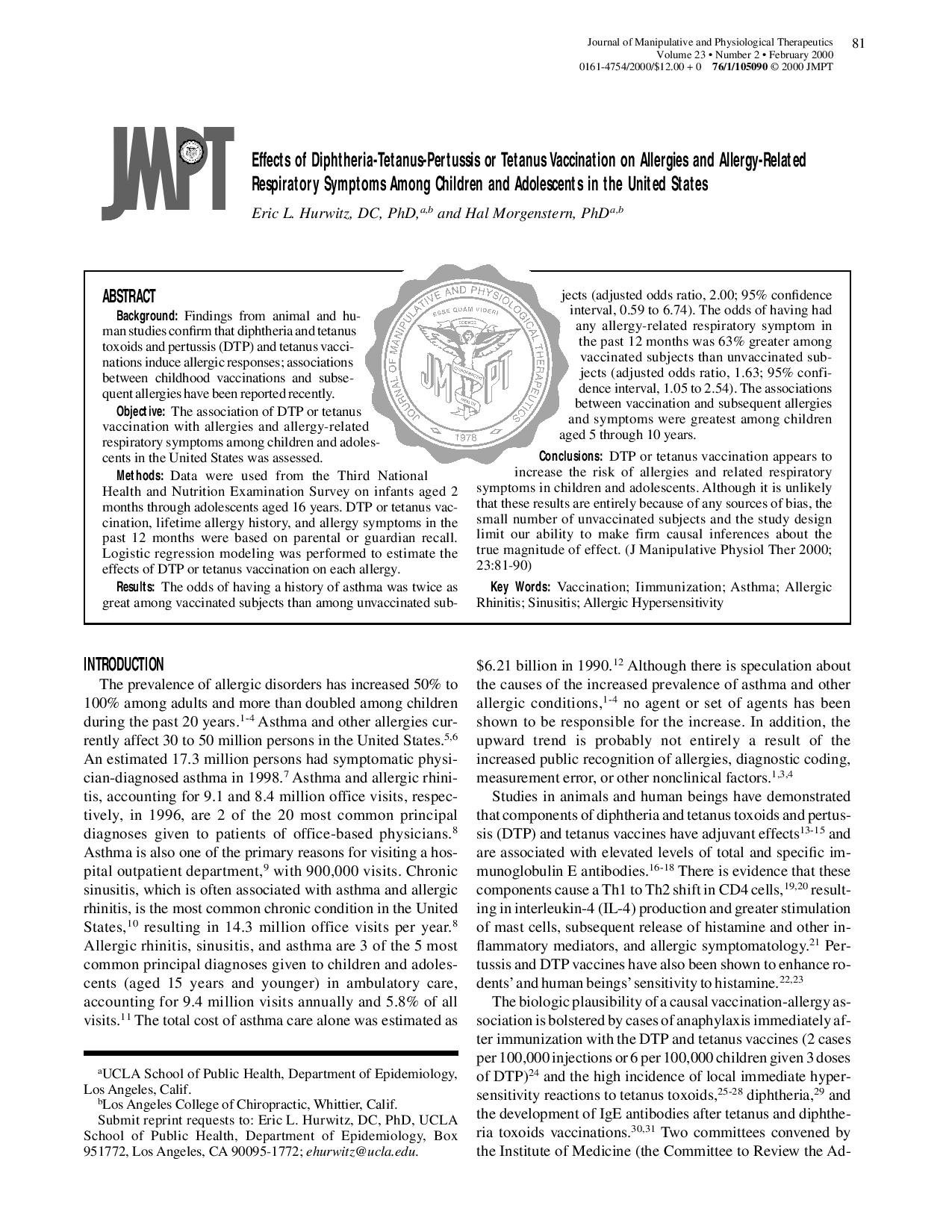
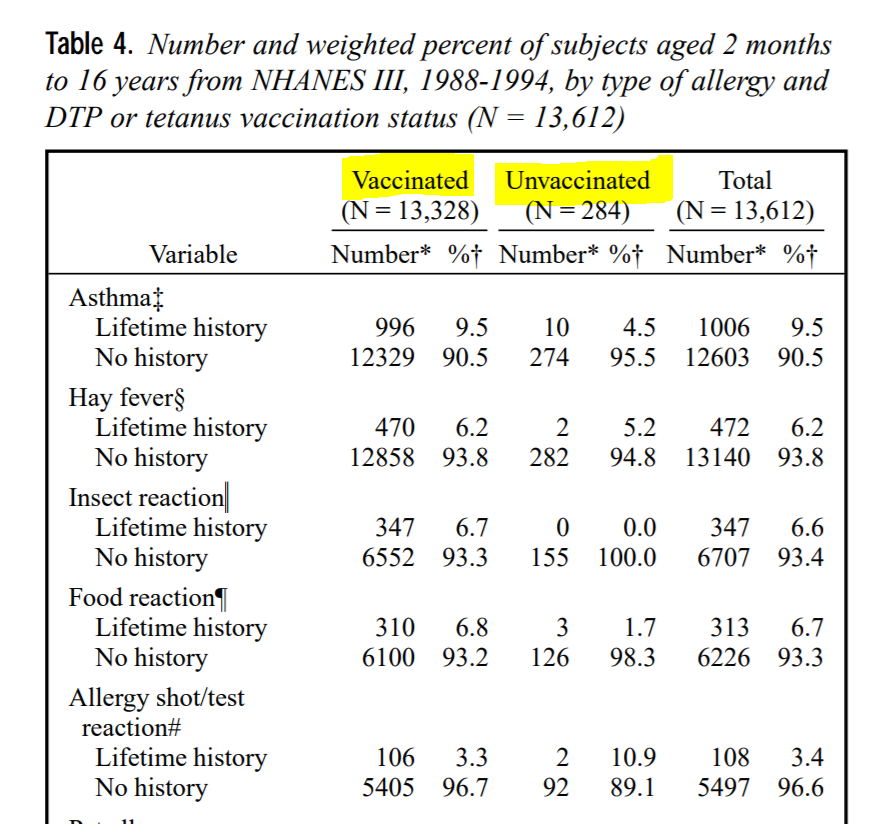
    DTP or tetanus vaccination appears to increase the risk of allergies and related respiratory symptoms in children and adolescents.
    This study was done in 2000. At that time, the prevalence of allergic disorders had increased 50% to 100% among adults and more than doubled among children during the past 20 years. The scientific paper on the “Effects of Diphtheria-Tetanus-Pertussis or Tetanus Vaccination on Allergies and Allergy-Related
    Respiratory Symptoms Among Children and Adolescents in the United States”

    Findings from animal and human studies confirm that diphtheria and tetanus toxoids and pertussis (DTP) and tetanus vaccinations induce allergic responses; associations between childhood vaccinations and subsequent allergies have been reported recently.

    Vaccination; immunization; Asthma; Allergic Rhinitis; Sinusitis; Allergic Hypersensitivity

  • When the bag says organic but the product isn’t

    When the bag says organic but the product isn’t

    What can we do? https://hfi2.designbyparrish.com

    This content originally appeared on [YouTube](https://www.youtube.com/watch?v=xJKC-_yIZE0).

  • Sample Letter for Religious Vaccine Exemption

    Sample Letter for Religious Vaccine Exemption

    The following is only an example of a letter of assertion of a religious exemption to vaccination. This letter was used by Registered Nurse Nancy McQuiston, BSN, RN, NE-BCe, to obtain a permanent religious exemption from all vaccinations at the large health system she works for. It is highly recommended that you do not copy this letter word for word. Instead use this letter as a guide to develop your own assertion of religious exemption to vaccination. The vaccine exemption committees are fast to catch on to form style letters if they detect replication.

    You can tailor your letter to your individual beliefs. For example, if you believe that receiving blood products go against your beliefs or even the particular religion you follow you might add that to your letter and add bible passages to support that belief. This might add to the point that you are trying to make. For instance, that you believe no unclean or contaminated substance enter your body.

    It can be very tricky and there are pitfalls that people fall into like making it personal, attempting to argue a point or identifying with a particular religion that doesn’t necessarily disapprove of vaccinations. The writing must be in a technical style. This RN has advised others who she works with to follow this structure and they have all been granted a permanent religious exemption

    This RN used information written in an article from a group of physicians against mandatory vaccination due to a “deeply held personal belief” that happened to come from a Christian worldview.

    Study your employer’s mandatory vaccination policy to determine exactly what information that employer is looking for in a religious exemption. If you dont belong to a religion that strictly prohibits or recommends against vaccination avoid naming your faith. Instead indicate in your letter that you have a Christian worldview. This will help you avoid being required by your employer to provide a letter from a church authority. Also study your state’s statute if one exists, to determine if you have a protected right to refuse vaccination and on what basis so that you can develop a letter that is well substantiated.

    Sample Letter

    Subject: Assertion of Religious Exemption to Vaccination

    To the Vaccine Exemption Committee,

    I hereby assert my right to a religious exemption from vaccination. I am a Christian who believes in the Bible, including the teachings in the New Testament. I have a Christian worldview. This perspective recognizes that faith and conscience compel an individual to submit to the proper jurisdiction within the rule of law, in this case, Divine Law.

    I am objecting to vaccines because I believe in and follow God and the principles laid out in His Word and I have a deeply held belief that vaccines violate them. I believe my body is a temple for the Holy Spirit.

    Specifically, the New Testament teaches that:

    “Know ye not that ye are the temple of God, and that the Spirit of God dwelleth in you? If any man defile the temple of God, him shall God destroy; for the temple of God is holy, which temple ye are…What? Know ye not that your body is the temple of the Holy Ghost which is in you, which ye have of God, and ye are not your own?” 1 Corinthians 3:16-17, 6:19 (KJV).

    Accordingly I believe, pursuant to my Christian faith, that my body is a temple of the Holy Spirit. It is a God-given responsibility and requirement for me to protect the physical integrity of my Body against unclean food and injections.

    Vaccines contain neurotoxins, hazardous substances, attenuated viruses, animal parts, foreign DNA, albumin from human blood, carcinogens and chemical wastes that are proven harmful to the human body. (Please see http://www.cdc.gov/vaccines/pubs/pinkbook/downloads/appendices/b/excipient-table-2.pdf).

    Not only the additives in vaccines considered contaminants from a biblical standpoint, the contaminants themselves are often contaminated. (Please see http://www.ncbi.nlm.nih.gov/pubmed/20456974).

    At least 27 vaccines contain cells, cellular debris, protein and DNA (please see http://www.cdc.gov/vaccines/pubs/pinkbook/downloads/appendices/B/excipient-table-2.pdf) from aborted babies including but not limited to Adenovirus, Polio, Dtap/Polio/HiB Combo, Hep A, Hep A/Hep B Combo, MMR, MMRV Pro Quad, Rabies, Varicella, Shingles vaccines, Ebola, tuberculosis, malaria and influenza (please see http://crucell.com/page/downloads/Factsheet_PER.C6_Technology.pdf).

    The broad prohibition against consuming anything that might “defile” the body, and hence the conscience, is stated again in 1 Corinthians 8:7:

    “Howbeit there is not in every man that knowledge: for some with conscience of the idol unto this hour eat it as a thing offered unto an idol; and their conscience being weak is defiled.”

    Again in 2 Corinthians 7:1, there is this admonition against defiling the flesh and the spirit:

    “Having therefore these promises, dearly beloved, let us cleanse ourselves from all filthiness of the flesh and spirit, perfecting holiness in the fear of God.”

    More broadly, the New Testament requires of Christians that we, “Render to Caesar the things that are Caesar’s, and to God the things that are God’s.” (Mark 12:17). When it comes to consuming things into our own bodies, as opposed to make payments to government, compliance with God’s law is required.

    The mandated vaccine, with its numerous additives and it’s mechanism for altering my body, is the equivalent of a prohibited “unclean food” that causes harm to my conscience. Vaccines to me are unclean. I believe in and follow God and the principles laid out in His Word and I have a deeply held belief that vaccines violate them.

    I will wear a face mask for infective protection for patients during periods of influenza risk upon approval notice of this exemption.

    I make this request for the glory of God and consistent with my faith. Thank you for your consideration of it.

    Respectfully,

    <Your Name>

  • Holding the Line on Vaccine Exemptions in America

    Holding the Line on Vaccine Exemptions in America

    Special Report, published by NVIC on State Legislative Action regarding informed consent.

    Dawn talks about OPT OUT vaccine tracking system in Texas. Health Freedom Idaho addressed this issue with the Idaho’s legislature last year 2016. A bill was defeated that would have added ADULTS into an opt-out vaccine tracking system.

    In this eye-opening NVIC Vaccine Legislative Action Report, the NVIC Advocacy Team analyzes in detail what happened in state legislatures between 2015 and 2017 after a measles outbreak at Disneyland led to a frenzied attack on vaccine exemptions in the U.S. by medical trade and special interest groups associated with pharmaceutical companies and federal health agencies.

    Review what happened in California, Vermont and 42 other states and how to protect flexible medical, religious and conscientious belief vaccine exemptions using the online NVIC Advocacy Portal.

    This article originally appeared at: https://youtu.be/_kZ0JG-aeoU.
  • Grass-Fed Meat And Dairy: Better for Farmers, Animals, the Earth and Us

    Grass-Fed Meat And Dairy: Better for Farmers, Animals, the Earth and Us

    Advocates of grass-grazing cattle say it’s better for the environment and the animals. Health experts herald it’s nutrient and heart-health benefits. But there’s another benefactor of the grass-fed movement: farmers and ranchers can become and stay financially viable.
    “Living off the land” has amplified meaning when you consider that energy and wealth come from the sun: it’s energy gets converted via photosynthesis in plants, which becomes food for grass-feeding animals, which in turn gives food in the form of dairy and meat to humans. The shorter the distance between the sun and the end product, the higher the profit to the farmer.

    Grass-fed beef is seeing 25-30% annual sales growth. Grass-fed yogurt and kefir increased by more than 38% in 2016.

    Dairies like Maple Hill Creamery are experiencing more demand than they can supply. That’s why its founders Tim and Laura Joseph are partnering with nearby farmers to convert their conventional dairies to organic and grass-fed operations. In fact, the last 7 years, they have helped around 125 small dairy farms to grass-fed and have onboarded 80% of them into the Maple Hill brand in just the past two years.

    For the farmers, the economics are driving change. Grass-fed milk can garner 2.5X the price of conventional milk, which is notable, but more than that, it’s the harbinger of a tighter belted future due to rapidly rising grain prices that enlighten farmers’ eyes to a sustainable future for themselves, the planet and the consumer. Grass-fed is a refuge from fluctuating milk prices on the international commodity market.

    Expensive grain feed is replaced with regenerative management practices, wherein animals graze on the renewable grass on pastureland, fertilized by the cow’s own nature, coaxed into production by the sun and watered by rains. It’s an insulated, independent, recyclable and healthy ecosystem.

    Animals are healthier, the earth’s ecosystem is maintained and the system is healthier for animals, making the product better for consumption. Grass-fed animals live longer, are healthier and actually benefit the microbial activity in the soil, which captures water better and thus reduces carbon.

    Organizations like the Savory Institute advocate for “holistic planned grazing” as a solution to human-caused desertification. One of their goals is to change public perception that livestock causes the degradation of grasslands, and rather note that the way humans improperly manage livestock is the issue, but with education, can be readily changed. Ecosystems are incredibly responsive to such changes if behaviors are altered.

    I read this Sunset article years ago (“Bringing the Bison Back“) and found the topic fascinating: restoring the prairie grasslands through bringing the bison back. Due to consumer demand, this grassland renewal has become economically viable. Sections of grazed prairies are becoming the diverse ecosystems they once were, all because bison are grazing on sun-grown and manure-fed grass (sprouted from latent grass seeds watered by rains). What an incredible solution to monocultured prairies stripped of their once-bountiful plant and animal life…just eat more bison. You’ll fund the ranchers who are humanely caring for these mighty creatures, that are helping to restore broken land.

    kfAhFGDiSJufnjRW2eTS_hans-veth-385486.jpgPhoto by Hans Veth on Unsplash

    Of course, grass-fed products are priced higher at the grocery store, anywhere from 20-60 percent, in general. But considering it’s documented health benefits and its service to the ecosystem and planet, it’s an investment in our bodies, in sustainable farms and a healthier earth.

    Other brands like EPIC are changing the game for ranchers as well. As producers of grass-fed meat bars, they have learned firsthand the supply limitations of the industry. EPIC’s bison bacon bar was so popular that demand way outpaced supply for grass-fed buffalo meat. The company’s acquisition by General Mills in 2016 provided the capital injection the founders needed to purchase $2.5 million worth of bison (Northstar Bison) that would be raised according to its standards, and guarantee a purchase price.

    The kind of innovation demonstrated by brands like Maple Hill Creamery and EPIC can provide encouragement to existing farmers and young people looking to get into the business. Forging partnerships with existing brands can result in near-term financial viability, longevity and the benefits of a purpose-driven business.

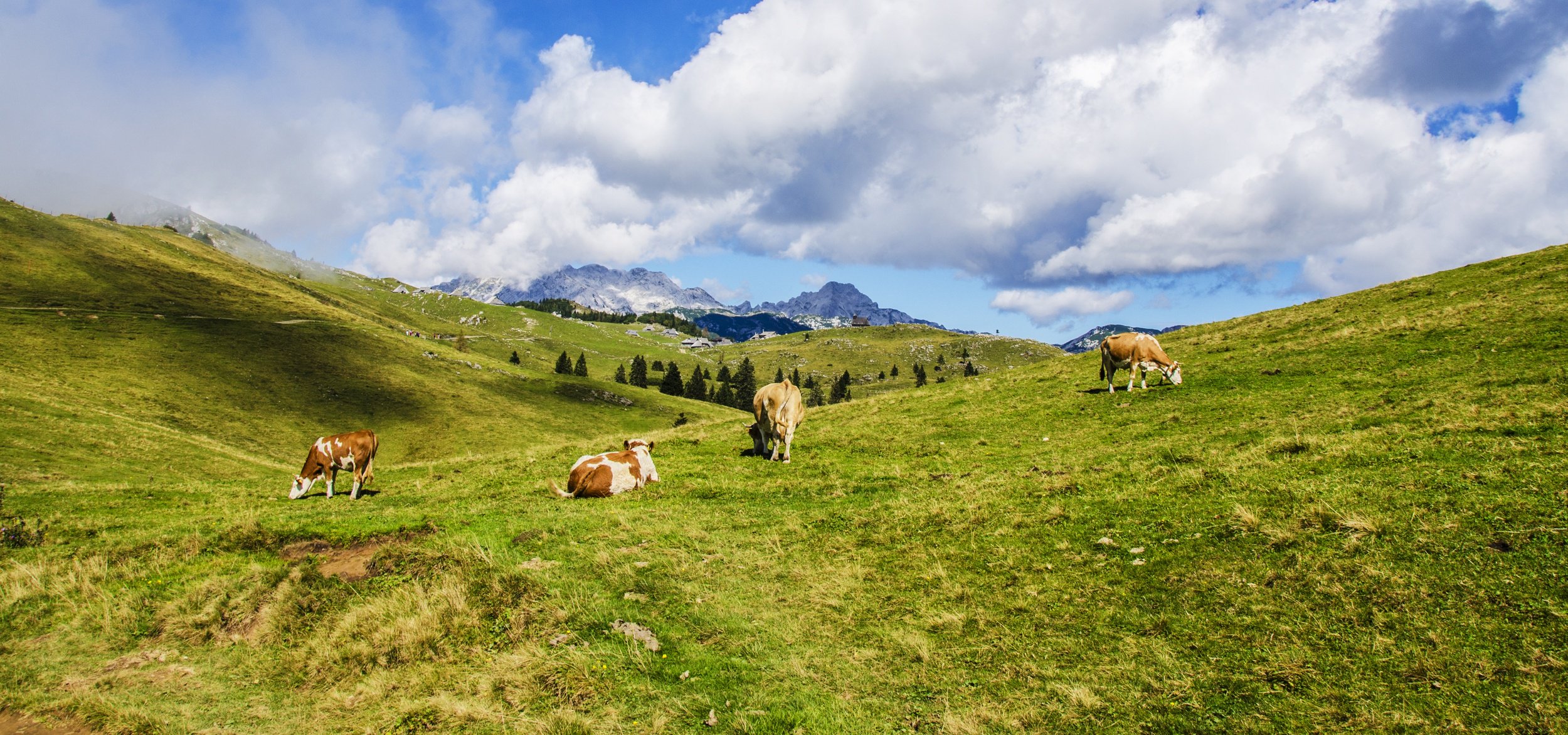
    Grass-fed cattle photo by Ales Krivec on Unsplash

    This article originally appeared at: https://www.jennifergosse.com/grass-fed-better-for-farmers-animals-earth-and-us.
  • HFI is holding the line. Protecting your parental rights.

    HFI is holding the line. Protecting your parental rights.

    It’s been so exciting to see new members signing up at https://hfi2.designbyparrish.com/join

    Some people are signing up for the $30.00 per year membership and others are contributing monthly support toward our fight for Health Freedom and Parental rights. THANK YOU!

    Please continue to spread the word. As we head toward our legislative session we need to be even bigger and stronger than ever. Your paid membership and monthly donations (even if it is $5 or $10 per month) help us to do that.

    https://www.youtube.com/watch?v=537pn4CWaXo Join Health Freedom Idaho as we hold the line to protect parental rights, informed consent, freedom of medical treatment choices, access to uncontaminated air, water, food and land. https://hfi2.designbyparrish.com/join This content originally appeared on [YouTube](https://www.youtube.com/watch?v=537pn4CWaXo).

  • Who do you trust to speak the truth on vaccine safety and efficacy?

    Who do you trust to speak the truth on vaccine safety and efficacy?

    Who do you trust to deliver accurate information on the risks of vaccines?

    The following individuals are pro-vaccine:

    Professor Brian Cox, OBE FRS, physicist

    Bill Nye – mechanical engineer and television personality

    Neil deGrasse Tyson, PhD – astrophysics, physical cosmology, and television personality

    Bill Gates – attended college (did not finish), technology founder, philanthropist and “humanitarian”

    Dr. Paul Offit, M.D. immunology, virology. He is the co-inventor of a rota-virus vaccine, now recommended for all infants by the CDC. Does it seem to be a conflict of interest to be such a staunch advocate for vaccines, especially when you are the recipient of income from a widely-used vaccine and pediatrician and director of the first children’s hospital that banned the use of dietary supplements to treat health issues?

    Do the background of these individuals make them qualified to speak on the safety and efficacy of vaccines? Their strategies typically involve use of fear and biased information to support a pro-vaccine stance. Here’s an important question: How much income do these individuals receive for their advocacy work?

    More significantly, these individuals fail to uphold Informed Consent, an “overarching ethical principle in the practice of medicine” that is repeatedly violated in medical, health environments and in public service and media messages. Read more from the National Vaccine Information Center.

    The following individuals are pro-education regarding vaccine safety and efficacy:

    Dr. Suzanne Humphries, M.D., nephrologist (kidney disease)

    Dr. Tetyana Obukhanych, PhD, immunologist

    Dr. Richard Moskowitz, M.D.,. family practice

    Dr. Meryl Nass, M.D., internal medicine

    Dr. Susan McCreadie, M.D., Board Certified Pediatrician

    Dr. Theresa Deisher, PhD, Molecular and Cellular Physiology

    Dr. Robert Rowen, M.D., board certified in family practice and emergency medicine

    Dr. Peter Fletcher, PhD, former Chief Scientific Officer at the Department of Health in the UK

    These medical and scientific professionals use critical thinking, science and clinical experience to evaluate the impact vaccines have on health. They are the recipients of continual criticism and discrediting by mainstream media and “medical science” due to their willingness to speak out on the dangers posed by vaccines. Many professionals experience a reduction of income when they expose the dangers of vaccines. This doctor tells about his loss of 1.7 million annually in his clinic since making the decision to not require patients to vaccinate .

    These medical and scientific professionals are upholding the principle of Informed Consent which says that as a patient (consumer) you have the right to disclosure of the risks of the treatment or procedure. The legal term for failing to obtain Informed Consent prior to receiving a test or procedure on a patient is known as battery (a form of assault).

    Read more on the profits made by the pharmaceutical industry and their influence on politicians here.

    It is important to note that prior to the advent of vaccines, diseases were on the decline due to improvements in sanitation and nutrition, the advent of electricity, closed sewage systems, and refrigeration. Read more from Whale and the Weston A. Price Foundation.

    Prior to the 1980s, pharmaceutical companies faced bankruptcy when they threaten to discontinue manufacture of vaccines. The federal government opted to “bail them out” rather than face the reality of their tainted products, and grant complete immunity from litigation when consumers experienced vaccine-injury. This was the start of something significant; consumers could no longer sue pharmaceutical companies for damage and had to file cases within the provisions and guidelines of the National Childhood Vaccine Injury Act of 1986. Those who are successful are funded by all taxpayer dollars in the form of a “surcharge” applied to all vaccine costs. Read more from the National Vaccine Information Center.

    More information on this topic:

    Herd Immunity

    Flu vaccines contain spermicide

    Safety and effectiveness of vaccines

    Interview with a toxicologist on vaccines

    Toxic exposure to aluminum via vaccines

    Who is responsible for monitoring vaccine safety?

    Are anti-vaxxers against all modern medicine or just vaccines?

    Pro-vaccine medical doctor speaks out on fraud of the flu vaccine

    Altered hormones and autism: do vaccines, herbicides and other products increase the risk?