Author: Health Freedom Idaho

  • You’ll Never Eat McDonald’s French Fries Again After Watching This

    Here is a 3-minute video from a talk given by author and activist Michael Pollan, revealing the shocking truth about how McDonald’s french fries are made.

    Be sure to share this eye-opening video — everyone needs to be informed about what is being sold to us as food.

    ————————–

    Renowned activist and author Michael Pollan illustrates how McDonald’s insists on using Russet Burbank Potatoes, a potato in America that is unusually long and difficult to grow. They further insist that their potatoes have no blemishes at all, which is hard because these potatoes commonly suffer from what is referred to as Net Necrosis, which causes unwanted spots and lines on the potatoes. If they have this, McDonald’s won’t buy them and the only way to eliminate this is through the use of a pesticide called methamidophos (Monitor) “that is so toxic that the farmers who grow these potatoes in Idaho won’t venture outside and into their fields for five days after they spray.”

    When McDonald’s is ready to harvest their potatoes, they have to put them in giant atmospheric controlled sheds the size of football stadiums because they are not edible for six weeks. “They have to off gas all the chemicals in them.”

    2016 STILL NO GMO FRIES AT MCDONALD’S

    McDonald’s does not use genetically modified potatoes, including Simplot’s line of Innate-brand potatoes. The potatoes, which received regulatory approval, are designed to reduce bruising and black spots, which increases storage capacity, and reduce a chemical that can become a carcinogen when cooked.

    McDonald’s does not plan to adopt use of genetically modified potatoes, said Dell Thornley, the chain’s director of global supply chain and sustainability.

    “That’s because of consumer acceptance, and, globally, because we need to be able to move products, and there are areas where genetically modified products aren’t allowed,” Thornley said.

    Simplot has said Innate potatoes were designed for the fresh-pack market and, because they don’t brown when cut, they will be perfect for restaurants, caterers and large-scale food preparers who can save time by using precut spuds.

    http://www.ipmcenters.org/CropProfiles/docs/IDpotatoes.pdf

  • Six year study proves wireless kills trees?

    Wireless Kills Trees. A six-year study of trees around wireless cell towers reveals the ‘invisible’ damage of exposure to RF radiation. Radiation from wireless technology is now jeopardizing the health of our trees and other plants. “Tree damage in the vicinity of mobile phone base stations” by Waldmann-Selsam and Egar in 2013, documented suspected RF radiation related tree damage and RF radiation readings over a period of six years.
    It found significantly higher RF radiation readings by damaged trees as compared to undamaged trees. Sometimes damaged areas and undamaged areas were on the same tree, in which case RF radiation levels were found to be higher near the damaged areas. Because trees are unable to move, differences in RF radiation levels from fixed sources like cell towers can result in very different RF radiation exposure micro-environments in different parts of the same tree or bush.

    Researchers state “More recently, it has been shown that mortality rates of all dominant tree species in the western United States have been doubling every 17-29 years in old growth forests, and that recruitment of new trees is now occurring at a lower rate than mortality.” The aspen experiment combined with other measurement and observational studies make a compelling case that our addiction to wireless technology is killing the trees we need so much for life far faster than they can replace themselves.

    In the Netherlands, because of the increased use if Wi-Fi over the last few years, a whopping 70% of urban trees are suffering from radiation poisoning, up from only 10% five years ago.

    Most people don’t really stop to consider how their cell phone or other wireless devices work. They’re just “magic” and “neat” and “convenient.” If they do think about it, common perception includes these erroneous assumptions: direct communication from device to base station similar to an invisible wire or a homogeneous RF field put out by devices and towers.

    Neither of these are true.

    The RF fields put out by both devices and towers are not exclusively direct from device to tower. Nor are the RF fields homogeneous. There are areas of high RF  concentration immediately adjacent to areas that are much lower. The exact nature of the fields depends on the transmitter configuration and use at the time. Hence, when you make a call on a cell phone or download a video on WiFi, the RF radiation (specifically, microwave radiation) used by the wireless devices goes through you and everyone around you. Which person, tree, or other creature is exposed to the most RF radiation will depend on the device, your surroundings, and the base station transmitter location. Trees cannot move when they start to “feel bad” and show signs of damage. 

    Tree give us oxygen and clear our air. Their health is declining visibly due to exposure. 

    What about the impact on human health?

    These towers are being placed at schools, shopping malls, and near neighborhoods. The federal government has given cell phone companies exemption from all local ordinances as long as they can prove there is a gap in coverage.  This means that even if NOBODY in the area wants it installed, they are still able to install it, and there is nothing we residents can do about it.

    What about City, County and State Governments – will they listen to citizen concerns?

    In Meridian and Eagle, Idaho, the West Ada school officials seemed to be unconcerned.
    Could that be due to the fact that the district receives up to $2,500 a month for each cell tower site or as much as $180,000 a year. The proposed tower on an Eagle Elementary school in 2013 was opposed by the public. But in 2017 Eagle High school installed a cell tower after it was APPROVED by the school board in 2016.  After being informed of the radiation testing results at the school, there has been no response or comment from the school board or the state governments.

    Testing results from the Eagle High School property as reported by Lisa Doyon:  

     maps, results and detailed research can be found at  EagleHealing,com

    The radiation from cell phones, towers, WI-FI, cordless technology is all the same microwave energy just at different frequencies and levels.  But the effects are the same.  After the school board approved a cell tower at the local high school where my daughter attends, I rented a meter to see for myself if there was indeed radiation outside and/or inside the school.   The results were shocking even to me.  As much as 66,700% higher levels of radiation measured in classrooms facing the tower than what has been shown to cause biological effects on us.  

    And the measurements of the WI-FI/wireless devices in my house were not much better.  It has caused me to make a plan to become WI-FI free in my house.  It can be done even if you have laptops, tablets, and phones you want to use with the internet.  It just takes a little inconvenience and a little money.  But most all of us have unknowingly turned our homes into microwave ovens.  The power level, though, is at a much lower level than your cooking microwave, so it’s just cooking you much slower, but is cooking you nevertheless. Click here to go right to the tower measurements.  Click here to go right to the WI-FI/device measurements. 

    Halgamuge, M.N. “Weak radiofrequency radiation exposure from mobile phone radiation on plants.” Electromagnetic Biology and Medicine, vol. 36, no. 2, 2017, pp. 213-235.

    •  
    •  “Our analysis demonstrates that the data from a substantial amount of the studies on RF-EMFs from mobile phones show physiological and/or morphological effects (89.9%, p < 0.001). Additionally, our analysis of the results from these reported studies demonstrates that the maize, roselle, pea, fenugreek, duckweeds, tomato, onions and mungbean plants seem to be very sensitive to RF-EMFs. Our findings also suggest that plants seem to be more responsive to certain frequencies…”

    Waldmann-Selsam, C., et al. “Radiofrequency radiation injures trees around mobile phone base stations.” Science of the Total Environment, vol. 572, 2016, pp. 554-69.

    Gustavino, B., et al. “Exposure to 915 MHz radiation induces micronuclei in Vicia faba root tips.”
    Mutagenesis, vol. 31, no. 2, 2016, pp. 187-92.

    •  
    •  The increasing use of mobile phones and wireless networks raised a great debate about the real carcinogenic potential of radiofrequency-electromagnetic field (RF-EMF) exposure associated with these devices. Conflicting results are reported by the great majority of in vivo and in vitro studies on the capability of RF-EMF exposure to induce DNA damage and mutations in mammalian systems. Aimed at understanding whether less ambiguous responses to RF-EMF exposure might be evidenced in plant systems with respect to mammalian ones, in the present work the mutagenic effect of RF-EMF has been studied through the micronucleus (MN) test in secondary roots of Vicia faba seedlings exposed to mobile phone transmission in controlled conditions, inside a transverse electro magnetic (TEM) cell. 
    •  Exposure of roots was carried out for 72h using a continuous wave (CW) of 915 MHz radiation at three values of equivalent plane wave power densities (23, 35 and 46W/m2). The specific absorption rate (SAR) was measured with a calorimetric method and the corresponding values were found to fall in the range of 0.4-1.5W/kg. 
    •  Results of three independent experiments show the induction of a significant increase of MN frequency after exposure, ranging from a 2.3-fold increase above the sham value, at the lowest SAR level, up to a 7-fold increase at the highest SAR. These findings are in agreement with the limited number of data on cytogenetic effects detected in other plant systems exposed to mobile phone RF-EMF frequencies and clearly show the capability of radiofrequency exposure to induce DNA damage in this eukaryotic cell system. 
    •  It is worth noticing that this range of SAR values is well below the international limits for localised exposure (head, trunk), according to the ICNIRP guidelines (35) and IEEE std C95.1 (38), which are 10 (8.0) W/kg for occupational exposure and 2.0 (1.6) W/kg for general public exposure respectively.

    Halgamuge, Malka N., See Kye Yak and Jacob L. Eberhardt. “Reduced growth of soybean seedlings after exposure to weak microwave radiation from GSM 900 mobile phone and base station.”
    Bioelectromagnetics, vol. 36, no. 2, 2015, pp. 87-95.

    •  
    •  The aim of this work was to study possible effects of environmental radiation pollution on plants. The association between cellular telephone (short duration, higher amplitude) and base station (long duration, very low amplitude) radiation exposure and the growth rate of soybean (Glycine max) seedlings was investigated. 
    •  The exposure to higher amplitude (41 V m−1) GSM radiation resulted in diminished outgrowth of the epicotyl. The exposure to lower amplitude (5.7 V m−1) GSM radiation did not influence outgrowth of epicotyl, hypocotyls, or roots. The exposure to higher amplitude CW radiation resulted in reduced outgrowth of the roots whereas lower CW exposure resulted in a reduced outgrowth of the hypocotyl. Soybean seedlings were also exposed for 5 days to an extremely low level of radiation (GSM 900 MHz, 0.56 V m−1) and outgrowth was studied 2 days later. Growth of epicotyl and hypocotyl was found to be reduced, whereas the outgrowth of roots was stimulated. 
    •  Our findings indicate that the observed effects were significantly dependent on field strength as well as amplitude modulation of the applied field.

    Senavirathna, M.D., et al. “Nanometer-scale elongation rate fluctuations in the Myriophyllum aquaticum (Parrot feather) stem were altered by radio-frequency electromagnetic radiation.”
    Plant Signal Behav, vol. 9, no. 3, 2014.

    •  
    •  Statistically significant changes to this plant from a non thermal effect.

    Soran, M.L., et al. “Influence of microwave frequency electromagnetic radiation on terpene emission and content in aromatic plants.”
    Journal of Plant Physiology, vol. 171, no. 15, 2014, pp. 1436-43.

    •  
    •  Microwave irradiation resulted in thinner cell walls, smaller chloroplasts and mitochondria, and enhanced emissions of volatile compounds, in particular, monoterpenes and green leaf volatiles (GLV). These data collectively demonstrate that human-generated microwave pollution can potentially constitute a stress to the plants. 
    •  The above is only a small sampling of the research showing biological effects at non thermal levels on living organisms.

    Haggerty, Katie. “Adverse Influence of Radio Frequency Background on Trembling Aspen Seedlings.” International Journal of Forestry Research, vol 2010, no. 836278, 2010.

    •  
    •  “This study suggests that the RF background may have strong adverse effects on growth rate and fall anthocyanin production in aspen, and may be an underlying factor in aspen decline.”

    Read more at our webpage on peer reviewed science on the  environment https://ehtrust.org/science/bees-butterflies-wildlife-research-electromagnetic-fields-environment/

    This article originally appeared at: https://ehtrust.org/tree-damage-caused-mobile-phone-base-stations-observation-guide-helmut-breunig/.

    RESOURCE:

    Photos and RF measurements by Cornelia Waldmann-Selsam Additional photos by Alfonso Balmori, Helmut Breunig, Örjan Hallberg, Volker Schorpp and Monika Schuberth-Brehm

    This documentation can be found online at Kompetenzinitiative.net. We have posted the peer-reviewed research that shows that cell  tower mobile phone base station radiation damages trees below this document.

    Note the published article by Waldmann-Selsam, C., et al. “Radiofrequency radiation injures trees around mobile phone base stations.” Science of the Total Environment, vol. 572, 2016, pp. 554-69.

    2017_Observation_Guide_ENG_FINAL_RED

  • Chicken Farmer

    1. Whole Eggs Are Among The Most Nutritious Foods on Earth

    One whole egg contains an amazing range of nutrients.

    Just imagine… the nutrients in there are enough to turn a single fertilized cell into an entire baby chicken.

    Eggs are loaded with vitamins, minerals, high quality proteins, good fats and various other lesser-known nutrients.

    One large egg contains (1):

    • Vitamin B12 (Cobalamin): 9% of the RDA.
    • Vitamin B2 (Riboflavin): 15% of the RDA.
    • Vitamin A: 6% of the RDA.
    • Vitamin B5 (Pantothenic Acid): 7% of the RDA.
    • Selenium: 22% of the RDA.
    • Eggs also contain small amounts of almost every vitamin and mineral required by the human body… including calcium, iron, potassium, zinc, manganese, Vitamin E, Folate and many more.

    A large egg contains 77 calories, with 6 grams of quality protein, 5 grams of fat and trace amounts of carbohydrates.

    It’s very important to realize that almost all the nutrients are contained in the yolk, the white contains only protein.

    Bottom Line: Whole eggs are incredibly nutritious, containing a very large amount of nutrients compared to the calorie load. The nutrients are found in the yolks, while the whites are mostly protein.

    2. Eggs Improve Your Cholesterol Profile and do NOT Raise Your Risk of Cardiovascular Disease

    Egg

    The main reason people have been warned about eggs is that they’re loaded with cholesterol.

    One large egg contains 212 mg of cholesterol, which is a LOT compared to most other foods.

    However, just because a food contains cholesterol doesn’t mean that it will raise the bad cholesterol in the blood.

    The liver actually produces cholesterol, every single day. If you eat cholesterol, then your liver produces less. If you don’t eat cholesterol, then your liver produces more of it.

    The thing is, many studies show that eggs actually improve your cholesterol profile.

    Eggs tend to raise HDL (the “good”) cholesterol and they tend to change the LDL (the “bad”) cholesterol to a large subtype which is not associated with an increased risk of heart disease (2, 3, 4).

    One study discovered that 3 whole eggs per day reduced insulin resistance, raised HDL and increased the size of LDL particles in men and women with metabolic syndrome (5).

    Multiple studies have examined the effects of egg consumption on the risk of cardiovascular disease and found no association between the two (6, 7, 8).

    However, some studies do show an increased risk of cardiovascular disease in diabetic patients. This needs further research though and probably doesn’t apply on a low-carb diet, which can in many cases reverse type II diabetes (9, 10, 11).

    Bottom Line: Studies show that eggs actually improve the cholesterol profile. They raise HDL (the good) cholesterol and increase the size of LDL particles, which should lower the risk of heart disease.

    3. Eggs Are Loaded With Choline, an Important Nutrient For The Brain

    Woman smiling and holding an egg

    Choline is a lesser-known nutrient that is often grouped with the B-complex vitamins.

    Choline is an essential nutrient for human health and is needed for various processes in the body.

    It is required to synthesize the neurotransmitter acetylcholine and is also a component of cell membranes.

    A low choline intake has been implicated in liver diseases, cardiovascular disease and neurological disorders (12).

    This nutrient may be especially important for pregnant women. Studies show that a low choline intake can raise the risk of neural tube defects and lead to decreased cognitive function in the offspring (13).

    In a dietary survey in the U.S. from 2003-2004, over 90% of people ate less than the daily recommended amount of choline (14)!

    The best sources of choline in the diet are egg yolks and beef liver. One large egg contains 113 mg of Choline.

    Bottom Line: Choline is an essential nutrient that 90% of people in the U.S. aren’t getting enough of. Egg yolks are an excellent source of choline.

    4. Eggs Contain High Quality Proteins With a Perfect Amino Acid Profile

    Chicken and Egg, Smaller

    Proteins are the main building blocks of the body and serve both structural and functional purposes.

    They consist of amino acids that are linked together, kind of like beads on a string, then folded into complex shapes.

    There are about 21 amino acids that the body uses to build its proteins.

    The body can not produce 9 of these amino acids, which are deemed as “essential” and must be gotten from the diet.

    The quality of a protein source is determined by its relative amounts of these essential amino acids. A protein source that contains all of them in the right ratios is a good source of protein.

    Eggs are among the best sources of protein in the diet. In fact, the biological value (a measure of protein quality) is often evaluated by comparing it to eggs, which are given the perfect score of 100.

    Bottom Line: Eggs are an excellent source of protein, with all the essential amino acids in the right ratios.

    This article originally appeared at: https://youtu.be/zgVFmfibjeE.
  • Citizens concerns causes city officials to stop the use of cancer-causing Round Up

    “It might mean more dandelions, but the bottom line is a dandelion won’t kill my daughter, poison will,” a mom said. This is the point. We don’t need the poison in our parks. Have you contacted your Parks and Rec or City to ask what they use for weed killer and what can be done to make a change for the sake of health? City of Caldwell has said that parents have to find a viable alternative and present it to the city for them to consider a change. Moral of the story? Things won’t change unless we speak up!

    LA Times Reports: 

    Burbank Mayor Will Rogers and several residents made it clear Tuesday that they don’t want the herbicide Roundup used in any city park.

    “I don’t want that crap anywhere near our parks,” Rogers said, which was followed by applause from about 30 people in the audience.

    Council members came to a consensus Tuesday to direct city staff to stop using the glyphosate-containing product that’s used to kill weeds in city parks and areas where the public gathers, such as the Chandler Bikeway, for one year.

    Roundup was recently placed on the state’s Proposition 65 list of known carcinogens.

    However, city officials will allow the Public Works Department to continue using the weed killer from Monsanto on sidewalks, alleys and street medians.

    During the one-year ban, council members directed the Parks and Recreation and Public Works departments to try alternative and safer products to remove weeds and to come back with a report about whether a replacement to Roundup was found.

    In March, Burbank Unified school officials decided to stop using the weed killer after several concerned parents and residents called for the end of its use. Since then, the district has been using Avenger, an organic herbicide.

    Glendale Unified officials also announced that month that the district would stop using any weed-killing product that contains glyphosate.

    Over-the-counter, not commercial-strength, Roundup is still being used by the city of Glendale, but only when needed by the city’s parks department, said Glendale spokesman Tom Lorenz in an email. He added that city staff has been testing some organic solutions to remove weeds.

    Jim Biery, the interim public works director for Burbank, told council members that the city had been using Roundup since the late 1980s and it was the most effective product to remove weeds.

    He added that public works employees who use the herbicide are trained and are told to not use the product when it is windy or raining and to wait until the chemical has fully dried before leaving the treated area.

    “The staff that uses it is highly trained to apply Roundup,” Biery said. “They do it in small doses under very controlled conditions.”

    However, several Burbank parents and residents told council members during a lengthy public comment period on Tuesday that they disagreed with the city’s staff report about the use of Roundup, saying that agencies such as the World Health Organization have determined that using glyphosate can lead to cancer.

    “I personally feel that it would be reckless to continue using Roundup when there are now so many viable, cost-effective, organic alternatives that don’t carry the same public-health concerns,” said resident Leigh Ann Kato. “It is true that not all Proposition 65 chemicals carry such great risk, but I would ask you to keep in mind, in this instance, children, adults and pets do not have a choice about their exposure to this toxin. That should never be the case in a cancer-causing agent.”

    Burbank resident Erin Vierra said there have been several people in her family who have died from some form of cancer and she is concerned about the future of her 4-year-old son and 16-month-old daughter, “who is notorious about eating grass at our public park.”

    After learning about the potential harm that Roundup can do to her family, Vierra said the city needs to switch to something safer for her children and for everyone in the community.

    “It might mean more dandelions, but the bottom line is a dandelion won’t kill my daughter, poison will,” she said.

    This article originally appeared at: http://www.latimes.com/socal/burbank-leader/news/tn-blr-me-roundup-stopped-20170713-story.html.
  • Vaccine ‘side-effects’ acknowledged by FDA and hidden from the public

    FDA Approved Vaccine with Autism and SIDS Listed as Adverse Events, Vaccine Safety Website Removes Information

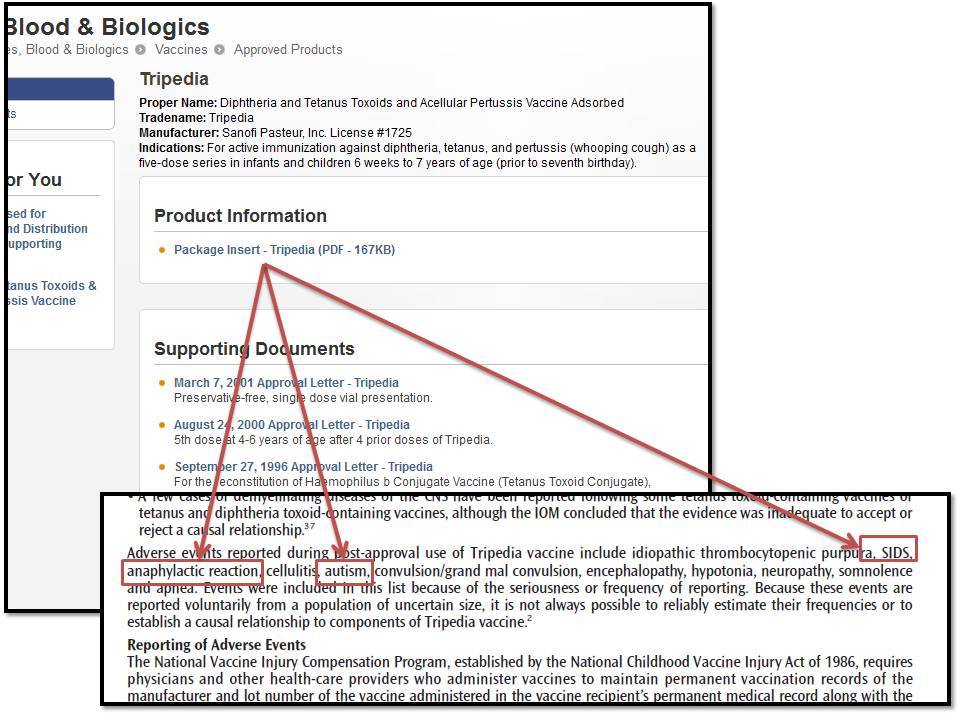
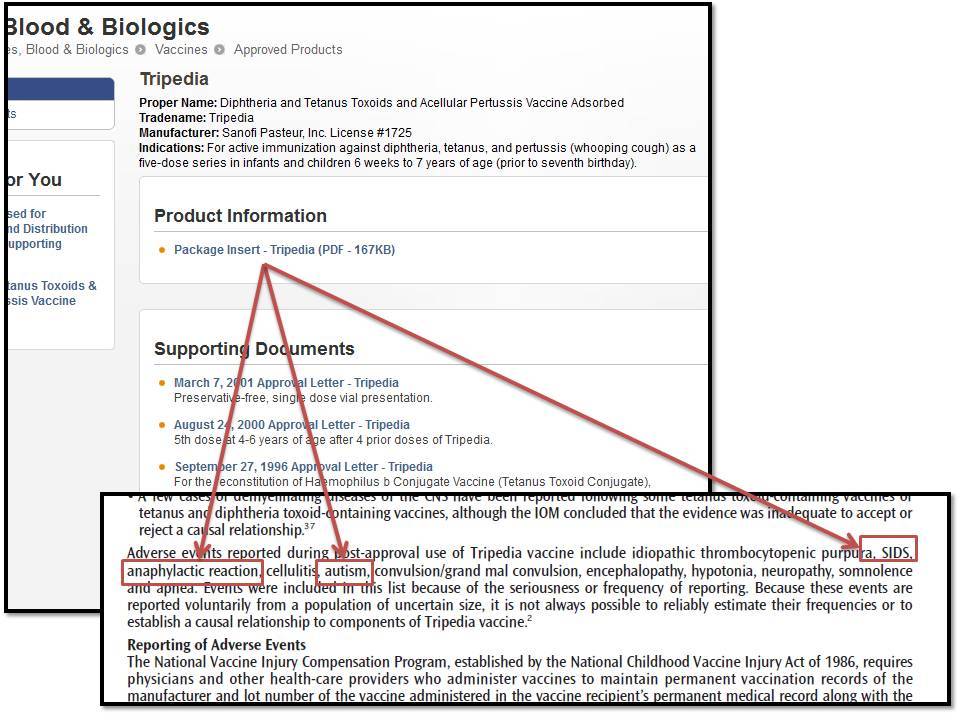
    The Tripedia vaccine product insert was removed from the Johns Hopkins Institute for Vaccine Safety website. [1]  I also discovered that it is now missing from the Centers for Disease Control Vaccine Price List. The “official” reason is likely Sanofi Pasteur’s discontinuing the production of the vaccine. [2]

    However, closer inspection of the Tripedia product insert reveals another smoking-gun relationship between vaccines and autism.

    [contentbox headline=”Tip” type=”attention”]Click on the photo to see the enlarged version of the illustration.[/contentbox]


    Snapshots of the Johns Hopkins Vaccine Safety Website both before and after the Tripedia vaccine information was changed.


    THE SECRET MEETING YOU WERE NEVER SUPPOSED TO KNOW ABOUT

    Information can disappear for many reasons.

    For example, perhaps a webmaster accidentally removes the hyperlink to the Tripedia vaccine product insert. But if it was removed intentionally, we obviously have a situation where “The Authorities” want to limit the exposure of very damaging information. Before you can appreciate what disappeared, you need to know why this information is so important.

    Let’s get right to it.

    Some vaccines contain a particularly nasty ingredient called thimerosal. The purpose of this organic mercury preservative in vaccines, as stated on the FDA’s website, is to prevent the growth of harmful microorganisms. [3] However, there are major concerns from parents regarding the mercurial compound being neurotoxic to children.


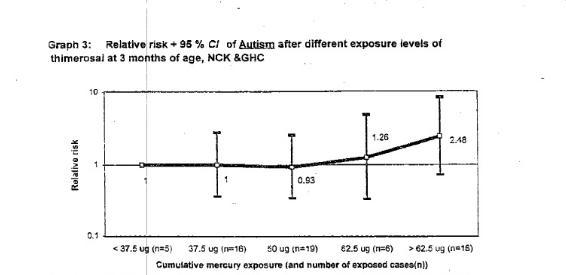
    Snapshot of the Verstraeten study dated 02/29/00 showing a statistically significant relationship between mercury exposure and autism. [4]

    In June of 2000, members from the Centers for Disease Control, the Food and Drug Administration, and pharmaceutical companies, met in a secret meeting held in Simpsonwood, GA. The topic of discussion was the relationship between thimerosal and autism.

    We know what was said at the meeting because parents obtained the transcripts through the Freedom of Information Act. The conversations are chilling. [5]

    Here are three important quotes from the Simpsonwood Document:

    …the number of dose related relationships [between mercury and autism] are linear and statistically significant. You can play with this all you want. They are linear. They are statistically significant.” – Dr. William Weil, American Academy of Pediatrics. Simpsonwood, GA, June 7, 2000

    “Forgive this personal comment, but I got called out at eight o’clock for an emergency call and my daughter-in-law delivered a son by c-section. Our first male in the line of the next generation and I do not want that grandson to get a Thimerosal containing vaccine until we know better what is going on. It will probably take a long time. In the meantime, and I know there are probably implications for this internationally, but in the meanwhile I think I want that grandson to only be given Thimerosal-free vaccines.” – Dr. Robert Johnson, Immunologist, University of Colorado, Simpsonwood, GA, June 7, 2000

    But there is now the point at which the research results have to be handled, and even if this committee decides that there is no association and that information gets out, the work has been done and through the freedom of information that will be taken by others and will be used in other ways beyond the control of this group. And I am very concerned about that as I suspect that it is already too late to do anything regardless of any professional body and what they say…My mandate as I sit here in this group is to make sure at the end of the day that 100,000,000 are immunized with DTP, Hepatitis B and if possible Hib, this year, next year and for many years to come, and that will have to be with thimerosal containing vaccines unless a miracle occurs and an alternative is found quickly and is tried and found to be safe.” – Dr. John Clements, World Health Organization, Simpsonwood, GA, June 7, 2000

    The last quote by Dr. John Clements is important and revealing, because here is what happened next.

    [contentbox headline=”Additional Information For You” type=”attention”]For an excellent commentary on the harmful side effects of thimerosal, read Patrick Jordan’s two part series:

    [/contentbox] BIG PHARMA IS QUICK TO RESPOND

    Recall that the spotlight of this story is on the Tripedia vaccine.

    Tripedia is an FDA approved diphtheria, tetanus, acellular pertussis (DTaP) vaccine and the Centers for Disease Control recommends that infants be injected at 2, 4, and 6 months of age. [6]

    It contains thimerosal.

    Nine short months AFTER the Simpsonwood meeting mentioned above, the Food and Drug Administration approved a “thimerosal free” Tripedia vaccine. [7] Do you think the FDA might have been a bit concerned about the findings discussed at the Simpsonwood meeting?

    I personally think so.

    You can now see the importance of the following passage on the FDA’s website:

    “Much progress has been made to date in removing or reducing thimerosal in vaccines…In March 2001 the FDA approved a second DTaP vaccine formulated without thimerosal as a preservative (Aventis Pasteur’s Tripedia, trace thimerosal).” [3] (emphasis mine)

    In my opinion, it couldn’t be any clearer. The pharmaceutical companies are being shielded from a landslide of litigation. But here’s the smoking gun I promised to show you.


    EXTREME ADVERSE EVENTS (AUTISM & SIDS) REPORTED

    The smoking gun comes in the form of the Tripedia vaccine product insert dated December 2005. This places the insert four years on the timeline after being approved for a “thimerosal free” alternative.

    Keep in mind, no massive recall was made for the vaccines already containing thimerosal. The vaccines stayed on the shelves and were injected into your children. The reason you didn’t hear about any major recalls of the vaccines is because doing so would have jeopardized the public’s confidence in the entire vaccine program.

    With that, I’m going to suggest that this information may radically change the way you look at vaccines forever.  Page 11 of the Tripedia product insert states:

    Adverse events reported during post-approval use of Tripedia vaccine include idiopathic thrombocytopenic purpura, SIDS [Sudden Infant Death Syndrome], anaphylactic reaction, cellulitis, autism, convulsion/grand mal convulsion, encephalopathy, hypotonia, neuropathy, somnolence and apnea.” [8] (emphasis mine)

    SIDS is most likely to occur between 2 and 4 months of age. [9] DTaP is given at 2,4, and 6 months. [6]

    Strange coincidence, is it not?

    The insert continues to say it is not possible to establish a “causal relationship” between the reactions and the components in the vaccine. In other words, the language is saying you can’t blame the vaccine for these conditions, even though they were reported.

    Snapshot of the FDA website and the Tripedia Vaccine Product Insert.

    The FDA has a large problem on their hands, and they know it. They approved vaccines with thimerosal and are trying to keep the situation quiet, especially when it comes to parents.  As shown in this article, this information is coming up missing. But, the missing information did shine a HUGE spotlight on the information in the vaccine product insert.

    With all the controversy surrounding vaccines and autism, why even mention it in a vaccine product insert for an FDA-approved vaccine?!? We may never know the true answer, but consider this question for a moment.

    How many times have you heard a doctor or health worker hysterically say there is ZERO chance that vaccines cause autism?

    My hope is for health professionals to take the time and independently research vaccines. However, researching vaccines and putting the pieces together can be difficult, especially when information disappears.

    CONCLUSION

    The secret Simpsonwood meeting points to a direct causal relationship between vaccines and autism. This information prompted vaccine manufacturers to rapidly and very quietly manufacture a thimerosal-free vaccine with the FDAs full cooperation. I think parents need to keep that in mind.

    Four years after a “thimerosal free” vaccine became available, a cryptic paragraph referencing autism and SIDS appeared  in a vaccine product insert. Now that information is being scrubbed from government and vaccine safety websites. Shame on them!

    And by the way, Mom and Dad, as of May 2, 2012, the Johns Hopkins Institute for Vaccine Safety knows Tripedia has trace amounts of thimerosal. [10]

    You need to know that if your child is injured by a vaccine, your doctor is not held responsible. Read the vaccine product inserts. Research the information for yourself. Don’t take for granted that your doctor has done it for you.


    [contentbox headline=”References” type=”normal”]

    1. Communication with Marcella Piper-Terry regarding Johns Hopkins Institute for Vaccine Safety website. http://www.vaccinesafety.edu/package_inserts-bymanuf.htm
    2. http://www.ashp.org/DrugShortages/NotAvailable/Bulletin.aspx?id=764
    3. http://www.fda.gov/BiologicsBloodVaccines/SafetyAvailability/VaccineSafety/UCM096228
    4. http://vactruth.com/2009/09/16/confidential-thimerosal-vsd-study-phase-i/
    5. http://www.putchildrenfirst.org/chapter2.html
    6. http://www.cdc.gov/vaccines/schedules/hcp/child-adolescent.html#printable
    7. http://www.fda.gov/BiologicsBloodVaccines/Vaccines/ApprovedProducts/ucm101582.htm
    8. http://www.fda.gov/downloads/BiologicsBloodVaccines/Vaccines/ApprovedProducts/UCM101580.pdf
    9. http://www.ncbi.nlm.nih.gov/pubmedhealth/PMH0002533/
    10. http://www.vaccinesafety.edu/thi-table-12-0502.pdf
    This article originally appeared at: https://vactruth.com/2012/09/18/fda-vaccine-autism-sids/.
  • The Top 10 Toxins that are Poisoning Your Kids

    From BPA, MSG, pesticides, environmental chemicals, household cleaners, toxins in vaccines and prescription drugs, our children are exposed to a huge amount of toxic chemicals. Toxins are everywhere in our modern society. They are damaging your child’s health and causing disease. How can you get these chemicals out of your children’s bodies and protect them? The first step is to understand where they are coming from. Then you can eliminate them and incorporate a healthy lifestyle that naturally detoxes your child’s body.


    Toxins and Childhood Health

    The problem of toxic exposure has only increased year by year. My readers of more advanced years will remember a time when children were generally healthy and active. Today, however, there are more children who are sick and taking prescription drugs than there are healthy children. Certainly, there are many factors that contribute to this but the extreme exposure to toxins is a huge factor that you can control.

    Nearly 12 million children in the United States under age 18 suffer from one or more learning, developmental, or behavioral disabilities.(1) We have seen ridiculous increases in the incidence of autism, ADHD and cancer in children. Consider these facts:


    -Autism rates were 1 in 150 in 2000. By 2008, the rate had increased to 1 in 88.(2)-From 2001 to 2010, the rate of ADHD diagnosis increased 25%.(3)-Cancer is now the leading cause of death by disease in children under age 15.(4)


    Children and Toxins

    The fact is that children are exposed the same chemical toxins as adults. However, children are more vulnerable to toxins than adults for several reasons.


    -Their bodies are still growing
    -Pound for pound children drink more water/juices, eat more food and breathe more air than the average adult which increases their exposure to toxins
    -The typical child receives 50+ toxin-laden vaccines before age 6(5)


    Here are the top 10 toxins that our children are exposed to regularly:

    1. Mercury Fillings. The mercury in these fillings is slowly leached into your kid’s body everyday which causes long term neurological damage. This mercury exposure is made even worse by the other sources your child is exposed to from vaccines and other drugs.
    2. Toxins in Vaccines. Vaccines are not as safe as you may have been led to believe. I do not intend to discuss the validity of vaccines in this post. I would refer you to NVIC and Vactruth.com for a full discussion of this important issue. However, please do educate yourself fully before deciding which vaccines and how many vaccines to give to your child. Regardless of your vaccine decision, they are filled with toxic chemicals that damage your child’s health and cause disease. Here are just some of the common vaccine ingredients posted on the CDC website(6) – that may shock you:


    -Formaldehyde- also used to preserve dead things
    -Mercury (thimerosal), especially in flu vaccines
    -Aluminum- highly associated with alzheimer’s disease
    -GMO yeast
    -Monosodium Glutamate (MSG)
    -Antibiotics (neomycin, streptomycin)
    -Human cells from aborted fetal tissue
    -Cells from pig and horse blood
    -Monkey kidney cells
    -Calf serum protein
    -Chicken embryo cells
    -Egg Protein extracts
    -Soy Protein extracts
    -Ammonium Sulfate


    3. Prescription Drugs. I discussed the problem with antibiotics that my child experienced. That was only scratching the surface. Prescription drugs are all toxic and inherently dangerous. ADHD drugs are especially dangerous and toxic. They belong to a class of drugs called amphetamines and are similar to street drugs like meth and speed. No parent would even consider handing their child meth. However, when a doctor gives you a prescription for a legal version of the same thing, unfortunately, most parents don’t even think twice about giving it to their kids every day. Even worse, more and more kids are being prescribed antidepressant drugs as well with devastating effects.
    4. MSG in foods and personal care products. MSG is everywhere. It is very toxic and results in many health problems. Read How to Avoid Being Secretly Poisoned by MSG to learn more about this important issue.
    5. Toxins in processed foods and fast foods. Have you thought about the amount of synthetic chemicals, preservatives, nitrates and artificial colors and flavors in the hot dog that you give your child for lunch? These chemicals are used in all processed and fast foods and are a constant source of toxicity.
    6. Toxins in Laundry products. These products may smell nice, however, the chemicals that create that fragrance are cancer-causing toxins. They are absorbed by your clothing and then absorbed through your skin and into your body.
    7. Toxins in shampoo and personal care products (soap, deodorant, toothpaste, etc). Have you read the back of your shampoo or body wash bottle lately? Chances are that you will not recognize 99% of the ingredients. Neither will your body when they are absorbed through your skin.
    8. Toxins in household cleaning products. Window cleaners state on the bottle that they are harmful or fatal if swallowed. Bleach will certainly cause grave danger if ingested. Though we don’t drink them, these chemicals are absorbed into our bodies by inhalation or through our skin.
    9. Pesticides in the home, food, and environment. We use pesticides in the home that get into our bodies by inhalation or accidental skin exposure. We consume produce and meat that contain ridiculous levels of pesticides.
    10. Soda pop. Both depending on where you live soda (and) pop contain high amounts of phosphoric acid which literally dissolves your child’s teeth and leads to softening of the bones as well. Not to mention the high fructose corn syrup causing toxicity, obesity and diabetes.


    If you stop to think about all of these items, it becomes abundantly clear that our children (and you) are toxic! What can you do? How do you get rid of these toxins? Join the  Healthy Families from Main Health Solutions to learn how to keep your kids safe.


    This article originally appeared at: http://realfarmacy.com/top-10-toxins-poisoning-kids/.
  • West Nile Virus vs Naled Neurotoxin

    NALED Insecticide Fact Sheet

    Naled is an insecticide in the organophosphate pesticide family that is commonly used to kill adult (flying) mosquitoes.

    Naled has been registered for use in the U.S. since 1959 and is sold under the brand name Dibrom. AMVAC Chemical Corporation has been the major manufacturer of NALED since 1998.

    Use:

    About one million pounds of naled are used every year in the U.S. Approximately 70 percent of this is used for mosquito control; almost all of this is applied aerially.
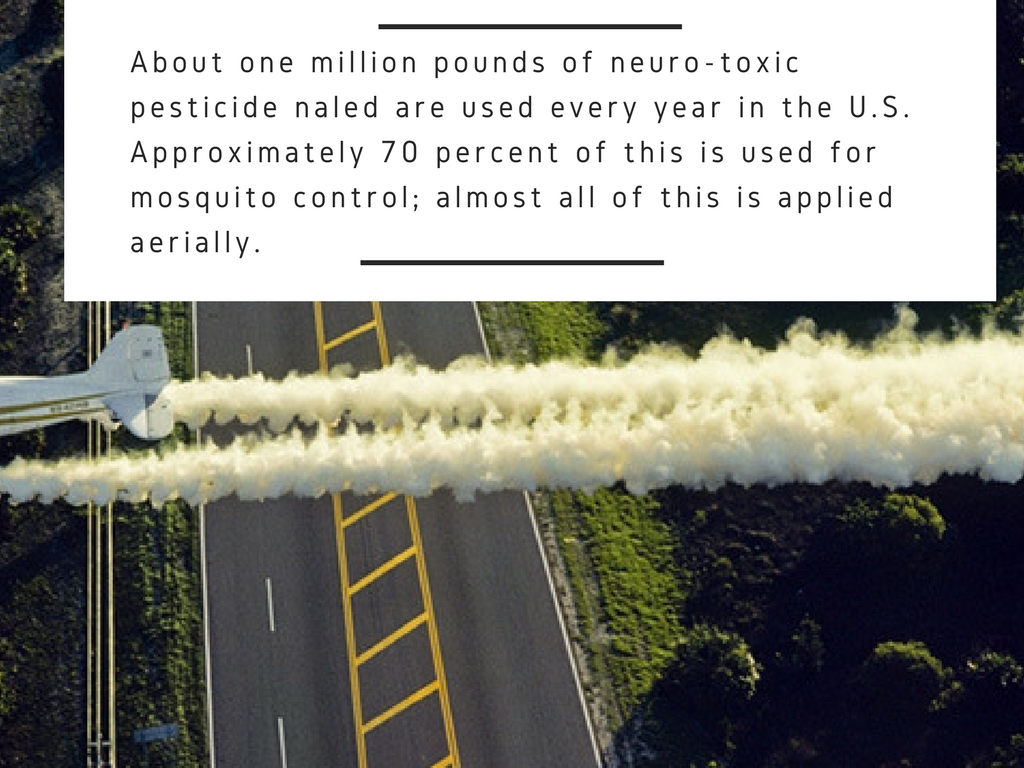
    The remaining 30 percent is used in agriculture. Major agricultural uses are on cotton in California and Louisiana, on alfalfa in Idaho and Oregon, and on grapes in California.

    Efficacy of Mosquito Treatments

    The U.S. Centers for Disease Control and Prevention has written that “adulticiding, application of chemicals to kill adult mosquitoes by ground or aerial applications, is usually the least efficient mosquito control technique.

    Naled is no exception. For example, researchers from the New York Department of Health showed that 11 years of naled spraying was “successful in achieving short-term reductions in mosquito abundance, but populations of the disease-carrying mosquito of concern “increased 15-fold over the 11 years of spraying.

    Mode of Action

    Like all organophosphate insecticides, NALED (DIBROM) Naled is an insecticide in the organophosphate pesticide family used primarily for mosquito control. Dibrom is a common brand name for naled products. About one million pounds are used annually in the U.S. Like all organophosphates, naled is toxic to the nervous system. Symptoms of exposure include headaches, nausea, and diarrhea. Naled is more toxic when exposure occurs by breathing contaminated air than through other kinds of exposure. In laboratory tests, naled exposure caused increased aggressiveness and a deterioration of memory and learning.

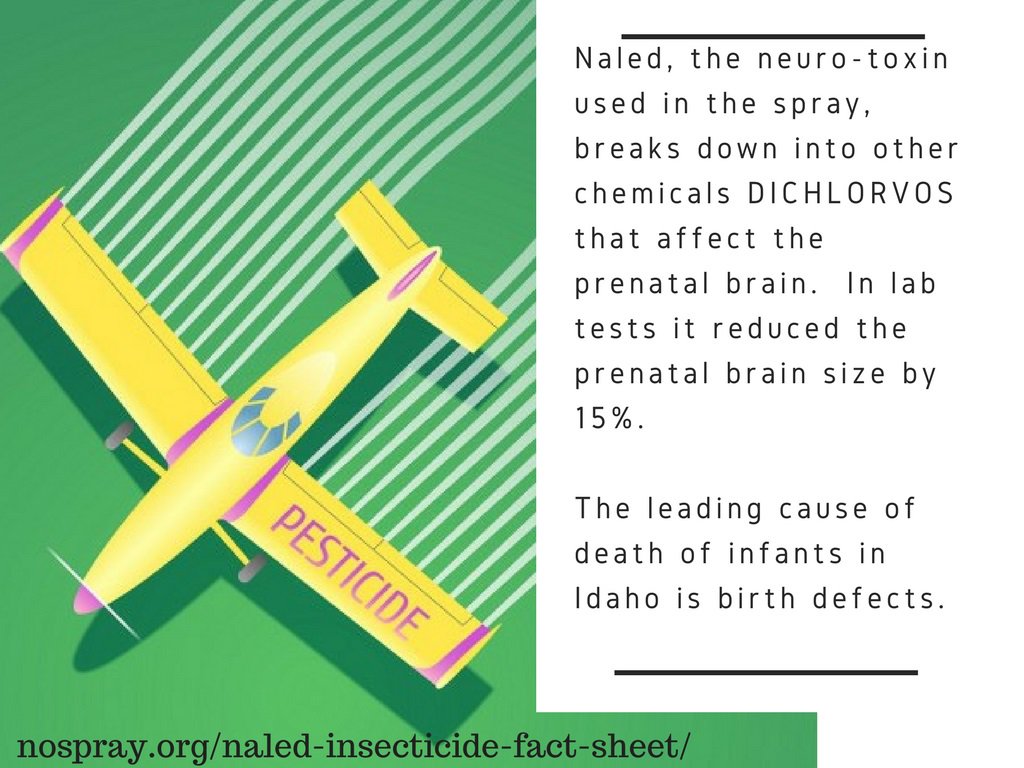
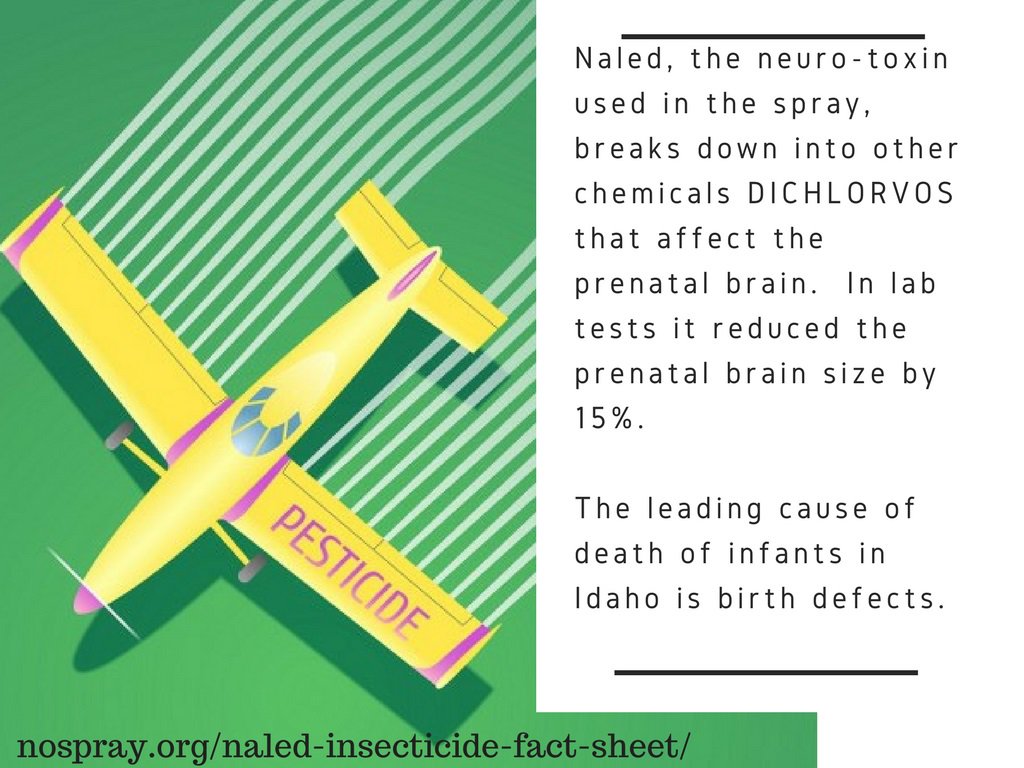
    Naled’s breakdown product DICHLORVOS (another organophosphate insecticide) interferes with prenatal brain development. In laboratory animals, exposure for just 3 days during pregnancy when the brain is growing quickly reduced brain size 15 percent.
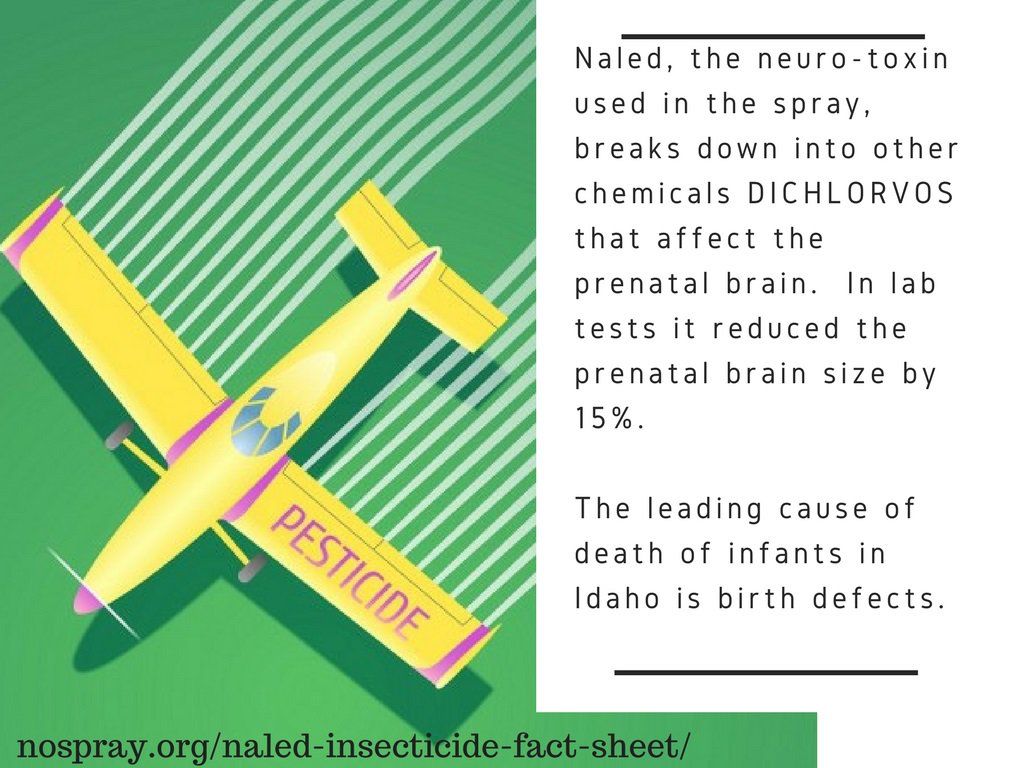
    DICHLORVOS also causes cancer, according to the International Agency for Research on Carcinogens. In laboratory tests, it caused leukemia and pancreatic cancer. Two independent studies have shown that children exposed to household “no-pest” strips containing dichlorvos have a higher incidence of brain cancer than unexposed children.

    Aerial applications of naled can drift up to one-half mile. According to the U.S. Environmental Protection Agency, naled is moderately to highly toxic to birds and fish. It also reduced egg production and hatching success in tests with birds and reduced growth in tests with juvenile fish. convulsions, paralysis, and death.

    Breakdown Products

    ** Naled breaks down into dichlorvos **

    DICHORVOS
    another organophosphate insecticide, in animals and soil. THIS IS DANGEROUS!!!

    Effects on Behavior

    Exposure to naled has multiple effects on behavior. In a study conducted by naled’s manufacturer, naled caused reduced muscle strength, slow responses to stimulation, and reduced activity in rats.

    These behavioral changes occurred at all but the lowest dose level tested in males and all dose levels tested in females, suggesting that females are more sensitive than males to naled poisoning.
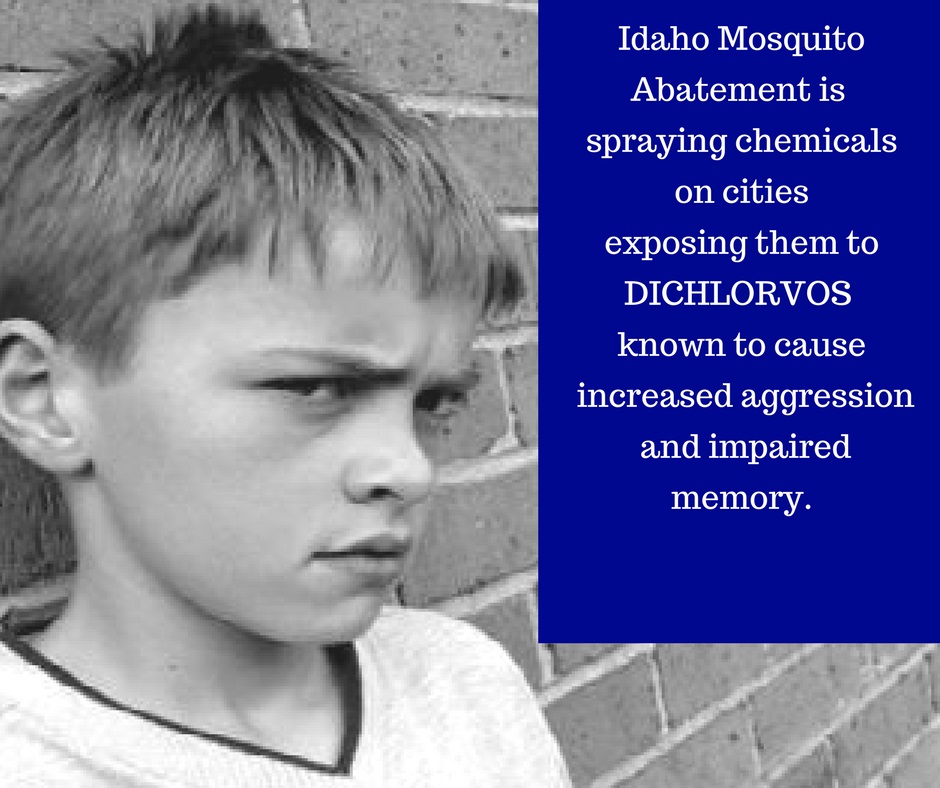
    Exposure to naled’s breakdown product dichlorvos causes increased aggression and impaired memory. The Indian biochemists mentioned above found that fighting aggression was increased about 5 times

    Inert Ingredients

    Like most pesticides, commercial naled-containing insecticides contain ingredients other than naled. Many of these ingredients, according to U.S. pesticide law, are called “inert.” Except for tests of acute effects, toxicology tests required for the registration of a pesticide are not conducted with the combination of ingredients found in commercial products.

    Most inert ingredients are not identified on product labels, and little information about them is publicly available.

    Symptoms of Exposure

    Symptoms of exposure to naled and all organophosphate insecticides include headaches, muscle twitching, nausea, diarrhea, difficult breathing, naled kills insects by inhibiting acetylcholinesterase (AChE), an enzyme involved in the transmission of nerve impulses from one nerve cell to another. This causes a “jam” in the transmission system, resulting in restlessness,depression, seizures, and loss of consciousness.

    Toxicity to the Nervous System

    A symptom of exposure to naled that occurs at low doses (whether by breathing, through the skin, or orally) is inhibition of acetylcholinesterase (AChE).

    In studies conducted by naled manufacturers, exposure of rats to naled in air at a dose of 0.3 milligrams per kilogram of body weight (mg/kg) per day for three weeks, skin exposures of 20 mg/kg per day for 4 weeks, and oral exposure of 10 mg/ kg per day for 4 weeks caused inhibition of AChE.

    Long-term exposure also caused AChE inhibition; reduced AChE activity occurred in dogs exposed orally to 2 mg/kg per day for 1 year and in rats exposed orally to the same dose for 2 years.

    In addition, the long-term study with dogs found that doses of 2 mg/kg per day also caused mineralization of the spinal cord.

    Naled’s breakdown product dichlorvos inhibits the activity in rats of a nervous system enzyme called neuropathy target esterase.

    In experiments conducted by biochemists at the Postgraduate Institute of Medical Education and Research (India), doses of 6 mg/kg per day reduced the enzyme’s activity by about 40 percent.

    Inhibition of this enzyme causes partial paralysis of the hind legs followed by incoordination.

    Toxicity Caused by Breathing Naled

    Naled is more potent when exposure occurs through breathing than when exposure occurs through eating contaminated food or drinking contaminated water.

    Toxicologists at the University of California found that inhalation was 20 times more toxic to rats than oral dosing (dosing through the mouth) of naled.

    The U.S. Environmental Protection Agency (EPA) came to a similar conclusion based on tests submitted to the agency by naled’s manufacturer: the dose required to cause cholinesterase inhibition through inhalation exposure was less than 1/6 of the lowest oral dose causing the same effect.

    An additional study by the University of California researchers mentioned above found that small droplets of naled (the size produced by ultra low volume sprayers often used in mosquito spraying) were about four times more acutely toxic than larger droplets.

    Dibrom Concentrate

    (EPA Registration No. 5481-480) contains the inert ingredient aromatic hydrocarbon solvent (Chemical Abstract Services number 64742-94-5), also called solvent naphtha.

    This solvent contains two aromatic hydrocarbons, naphthalene and 1,2,4- trimethylbenzene. Dibrom 8 Emulsive (EPA Registration No. 5481-479) contains naphthalene. Dibrom 8 Miscible (EPA Registration No. 34704-351) contains solvents4 whose ingredients can include naphthalene and trimethylbenzene.

    Naphthalene has been classified by EPA as a possible human carcinogen because it caused lung tumors in mice following inhalation.

    Naphthalene exposure also causes headaches, restlessness, lethargy, nausea, diarrhea, and anemia.

    Anemia in newborns can be caused by exposure during pregnancy.
    1,2,4-trimethylbenzene is irritating to eyes and skin. It can depress the central nervous system and cause headache, fatigue, nausea, and anxiety. It has also caused asthmatic bronchitis.

    Exposure to Naled’s Breakdown Product Increases Aggressiveness and Disrupts Learning
    In laboratory animals, exposure to naled’s breakdown product dichlorvos causes more frequent fighting and hinders learning. Number of fighting episodes (per minute, with standard deviations) ore common among exposed rats than among unexposed ones.

    Exposed animals also required more trials than unexposed ones to learn an avoidance behavior, indicating a “severe deterioration in their memory and learning functions.”

    Eye and Skin Irritation
    Naled is a “severe” eye irritant and is “corrosive” to skin. All three frequently used commercial Dibrom products pose similar hazards.

    Labels of two of the products warn “causes irreversible eye and skin damage and the third states that it is “corrosive” and “causes eye damage and skin damage.” Skin irritation was documented by physicians soon after naled’s use in the U.S. began.

    Effects on the Circulatory System

    In a long-term feeding study conducted by naled’s manufacturer, naled caused anemia in dogs at all but the lowest dose level tested. Exposures of 2 mg/kg per day reduced the number of red blood cells and the amount of hemoglobin (the oxygen-carrying pigment) in the blood.20

    Effects on Reproduction

    Dichlorvos, naled’s breakdown product, interferes with prenatal brain development.

    Biologists at the University of Oslo found that dosing guinea pigs with 15 mg/kg of dichlorvos twice daily for three days during pregnancy caused a significant (15 percent) decrease in the offspring’s brain size.

    The guinea pigs were dosed with dichlorvos between the 40th and 50th day of their pregnancy, a time when the fetal brain is undergoing a growth spurt.

    In addition, University of Michigan researchers showed that naled exposure causes delays in the development of rat embryos. For example, exposure of pregnant rats on the ninth day of their pregnancy caused a significant delay in the closing of the embryo’s neural tube.

    Naled and dichlorvos can be passed from mothers to their offspring through nursing. German researchers found both insecticides in milk from cows that had been treated with naled.

    Ability to Cause Genetic Damage (Mutagenicity)
    Naled damaged bacteria’s genetic material in laboratory tests conducted by geneticists at Monash University (Australia)24 as well as biologists at Texas Tech University.

    Naled’s breakdown product DICHLORVOS also causes genetic damage.

    A team of Greek and Dutch scientists found that injections of dichlorvos at weekly intervals in mice caused a 3-fold increase in the number of mutations in liver cells.

    A team of geneticists from the National Research Centre (Egypt) found that oral doses of dichlorvos given to mice, or feeding mice diclorvos-treated beans, increased the incidence of chromosome abnormalities in both spleen and sperm cells.

    Ability to Cause Cancer (Carcinogenicity)

    EPA classifies naled as a “Group E” chemical. Group E chemicals have demonstrated “evidence of noncarcinogenicity” in laboratory tests.

    Naled’s breakdown product DICHLORVOS however, is classified as “possibly carcinogenic to humans,” with “sufficient evidence in experimental animals” for its carcinogenicity by the International Agency for Research on Carcinogens. The agency gave dichlorvos this classification because it caused forestomach tumors, leukemia, and pancreatic tumors in laborators tests with rats and mice.

    In children, exposure to dichlorvos has been linked with increased cancer risks. Researchers at the University of North Carolina found an association between exposure to dichlorvos “no-pest” strips during pregnancy or during childhood and the incidence of three types of childhood cancer: leukemias, brain tumors, and lymphoma.

    Missouri Department of Health researchers found similar results for childhood brain cancer.

    Effects on the Immune System

    Both naled and its breakdown product DICHLORVOS inhibited an enzyme in white blood cells called monocyte esterase, according to a study conducted by researchers at the Technicon Science Center.

    Monocyte esterases are an “integral component”33 of the process by which white blood cells eliminate virus-infected cells from our bodies and monitor for precancerous cells.

    Synergy

    A study submitted to EPA by Shell Chemical Co. showed that “the toxic effects of naled were potentiated by co-administration of Ciodrin, malathion, and methyl parathion. All three are insecticides in the organophosphate family.

    Special Susceptibility

    Malnourished individuals may be particularly susceptible to naled poisoning. Researchers from the Institute of Hygiene and Occupational Health (Bulgaria) studied naled’s effects on rats that were fed a low-protein diet and found that naled was almost twice as toxic to them as it was to rats fed a normal diet. In addition, the rats fed a low-protein diet developed liver damage from their naled exposure.

    Contamination of Food

    The U.S. Department of Agriculture documented contamination of strawberries, peppers, and beans with naled’s breakdown product dichlorvos.

    Water Contamination

    Insecticides in naled’s chemical family, the organophosphates, are com-Malnutrition Increases Naled’s Toxicity Naled inhibits the activity of an immune system enzyme. It is also more toxic to malnourished animals than animals fed a normal diet.

    Median lethal dose

    (milligrams per kilogram of body weight in rats) mon contaminants of urban streams and rivers. However, neither naled or its breakdown product dichlorvos were included in the national water quality monitoring program currently being conducted by the U.S. Geological Survey.

    This means that no systematic information is available about naled contamination of U.S. streams, rivers, or wells.

    EPA also does not have monitoring data for naled or its breakdown products in ground or surface water.

    Air Contamination

    Naled can persist in air up to several days after treatment. University of California, Davis toxicologists measured both naled and its breakdown product dichlorvos in the air around a naledtreated orange grove for three days after application.

    Drift

    Aerial applications of naled drift (move from the target site during application) for significant distances. Entomologists from the University of Florida measured naled contamination 750 meters (2400 feet) downwind from sprayed areas. They suggest that nospray buffer zones greater than 750 meters in width “be placed around ecologically sensitive areas.

    Effects on Beneficial Insects
    Because it is a broad spectrum insecticide, it is not surprising that naled impacts beneficial insects, those that provide important economic benefits to farmers. In a study submitted as part of naled’s registration process, naled was “highly toxic”42 to honey bees. Follow-up studies found that this toxicity decreased rapidly during the first day after treatment.42 Naled’s toxicity to other species of bees (alfalfa leafcutting bees and alkali bees) is more persistent than for honey bees.43 It can “mimic long residual [persistent] materials,” reducing leafcutting bee numbers 48 hours after treatment.

    Parasitoid wasps (wasps that lay their eggs in juvenile stages of other insects, which then are killed as the wasps hatch and develop) can also be poisoned by low-level exposure to naled.

    Naled (and Dichlorvos)Inhibit the Immune System
    According to U.S. Department of Agriculture researchers, a wasp that parasitizes fruit flies was killed by a naled and protein bait mixture designed to kill fruit flies.

    Naled is also highly toxic to a predatory mite.

    A University of Florida zoologist studied areas in Florida where regular mosquito spraying occurred with Dibrom and another insecticide. He found a “major loss” in insect diversity in sprayed sites. Wasps showed “some of the most dramatic drops in species diversity.”47 Scale insects, whose populations are normally controlled by parasitic wasps, increased.

    Effects on Birds

    According to EPA, naled is moderately to highly toxic to birds. The most sensitive species tested by naled’s manufacturer during the registration process was the Canada goose, killed by 37 mg/kg of naled.

    According to tests conducted by naled’s manufacturer, this insecticide also affects bird reproduction. Mallard ducks eating food treated with naled laid fewer eggs, produced fewer viable eggs, and hatched fewer ducklings than unexposed mallards.

    Effects on Fish

    According to EPA, naled is very highly toxic to lake trout; highly toxic to rainbow trout, cutthroat trout, and catfish; and moderately toxic to sunfish, minnow, and bass. The most sensitive species in tests submitted to EPA by naled’s manufacturer was lake trout, with an LC50 (median lethal concentration; the dose required to kill 50 percent of test animals) of 87 parts per billion (ppb). Naled also causes effects on fish other than death. In a test conducted by naled’s manufacturer, a concentration of 15 ppb impaired the growth of fathead minnows

    Effects on Other Aquatic Animals

    Ecologically important insects are killed by naled. According to a naled manufacturer, a concentration of 8 ppb kills stoneflies.50 Research conducted by the Arctic Health Research Center (Alaska) showed that water striders were killed 300 feet from a naled fogger.

    Stoneflies are important nutrient cyclers in streams and water striders are scavengers and predators. Aquatic arthropods are also impacted by naled. Waterfleas are killed by less than 0.5 ppb of naled in tests conducted by naled’s manufacturer, and less than 0.2 ppb disrupts waterflea growth. Shrimp are killed by less than 10 ppb. According to EPA, naled is “very highly toxic” to oysters. Sea urchins are also sensitive to naled exposure. University of Miami researchers showed that concentrations of less than 4 ppb disrupt normal development of embryos.

    Effects on Endangered Species

    Evaluations by both EPA and the U.S. Fish and Wildlife Service have concluded that use of naled puts endangered mammals, fish, mussels, and other species at risk. In addition, there is field evidence of naled’s hazards for endangered species.

    Dibrom spraying (along with spraying of another insecticide) was “directly correlated with the precipitous decline in the Schaus Swallowtail populations on Key Largo [FL], according to a University of Florida zoologist. This swallowtail is listed as an endangered species under both Florida and federal law.

    A University of Florida entomologist studying a different rare butterfly, the Florida lacewing, found higher populations in unsprayed areas than in sprayed areas. (See Figure 7.) He concluded that “it is likely that chemical applications play an important role in affecting the population size and behavior of these species.

    Effects on Plants

    Insecticides are typically not expected to damage plants. However, University of California researchers showed that naled treatment caused brown lesions in celery and bronzing of strawberries.The strawberry damage was accompanied by reduced photosynthesis (using sunlight to produce sugars) and closing of leaf openings (stomata).60 Brazilian researchers found that naled also “drastically reduced” tomato pollen germination. In aquatic plants, naled reduces photosynthesis. In laboratory tests, a naled concentration of 1 ppm reduced photosynthesis by estuary algae by over 50 percent.

    *********************************
    http://www.pesticide.org/naled.pdf
    http://www.panna.org/
    http://www.panna.org/resources/gpc/gpc_200212.12.3.14.dv.html

    This article originally appeared at: http://nospray.org/naled-insecticide-fact-sheet/.
  • Italy to make all childhood vaccinations mandatory

    HFI: Listen to the passion of these Italian parents shouting for their rights.
    One wise mother said, “Our government does not own our children! We can not let them think that they do!”
    What will you do when these mandates come knocking on your door? This is a world problem

    #ChildrenAreOurFuture
    #Italy
    #Room
    #HumanRights
    #ParentalRights#Vaxxed

    July 28, 2017

    Rome, Italy Vaccine Mandates Passed. Italy’s parliament has given final approval to a new program making a slate of childhood vaccinations mandatory for school children up to age 16. The decree has passed the 2nd house. Now it moves to Mattrella for signing into law.

    #NonFinisceQui
    #ItDoesNotEndHere

    TERMS OF THE VACCINE MANDATES FOR ITALIAN CHILDREN: 

    The initial proposal included fines up to 7500 euro and removal of the child from the home.  

    0-5 years: no daycare and preschool,
    100-500€ fine to pay (but we don’t know if it’s 1 time or 1 per vaccine)

    5-16 years: they can go to school but we have to pay always the fine
    Mandatory vaccines were 4
    Now they have 10.

    Details directly from Italy WeAreVaxxed Team:

    How did this Happen?? 

    MONEY…This article is from 4-16. GlaxoSmithKline infected Italy with their dirty money and now politicians seem to be willing to sell the health of it’s citizens. This is a global problem.

    GlaxoSmithKline, the British pharma giant, is doubling down and betting €1 billion on Italy over the next four years. It’s a substantial investment, one that may not getting its due acknowledgment in terms of GSK’s global growth plans. The firm anticipate an increase of activity and business in Italy starting with vaccination centers in Siena and Rosia, the R&D hub of the sector after GSK’s massive asset swap with Novartis was finalized last year.

    Investing a billion to force vaccines on the children of Italy. 

    READ MORE: http://www.italy24.ilsole24ore.com/art/business-and-economy/2016-04-12/glaxo-investe-siena-133250.php?uuid=ACZ2y35C

    MORE RESOURCES:

    https://www.facebook.com/wearevaxxed/videos/503431936670754/

  • Lemon Raspberry Zucchini Bars

    Just in time for you to use all the extra zucchini from the garden that you have no idea what to do with! 

    With all the talk about the dangers of coconut oil (from an organization that is supported by companies that profit from the consumption of grain oils aka vegetable oil) I share with you our summer abundance recipe..lemon raspberry zucchini bars. 

    You can use eggs (we have a chicken farm and a plethora of those..) but to my surprise, the vegan version was BETTER and the little chia seeds reminded me almost of a poppyseed muffin. 

    Lemon Raspberry Zucchini Bars

    Makes 28 servings

    • 3 tablespoons chia seed
    • 5 tablespoons water
    • 2 cups all purpose flour (we use a gluten free 1 to 1 blend)
    • ¼ teaspoon baking powder
    • 1 teaspoon baking soda
    • 1 teaspoon salt
    • ¾ cup sugar (we use coconut palm 1/2 cup, and 1/4 cup local honey)
    • ½ cup natural applesauce
    • ½ cup melted coconut oil
    • Juice and zest from one lemon
    • 1 ½ cups grated zucchini
    • ¼ cup raspberries (picked fresh from our local pesticide free u-pick farm)

    1. Mix the chia seeds and water together in a small bowl. Let sit for 5 minutes. Meanwhile, whisk together flour, baking powder and soda, salt. Set aside.

    2. Mix thoroughly together the sugar, applesauce, coconut oil, lemon juice and zest. Add the zucchini.

    3. Whisk the dry ingredients into the wet and fold in raspberries. Pour into a greased (with coconut oil) 9×13 inch pan and bake on 350 degrees for 25- 30 minutes or until toothpick comes out clean from center.

    We also use mini muffin tins to make quick BITES for summer snacks. 

    This article originally appeared at: http://meganwarerd.com/2014/08/22/lemon-raspberry-zucchini-bars-recipe-redux/.
  • They Spray Us With Neurotoxins & Chemicals to PROTECT OUR HEALTH?

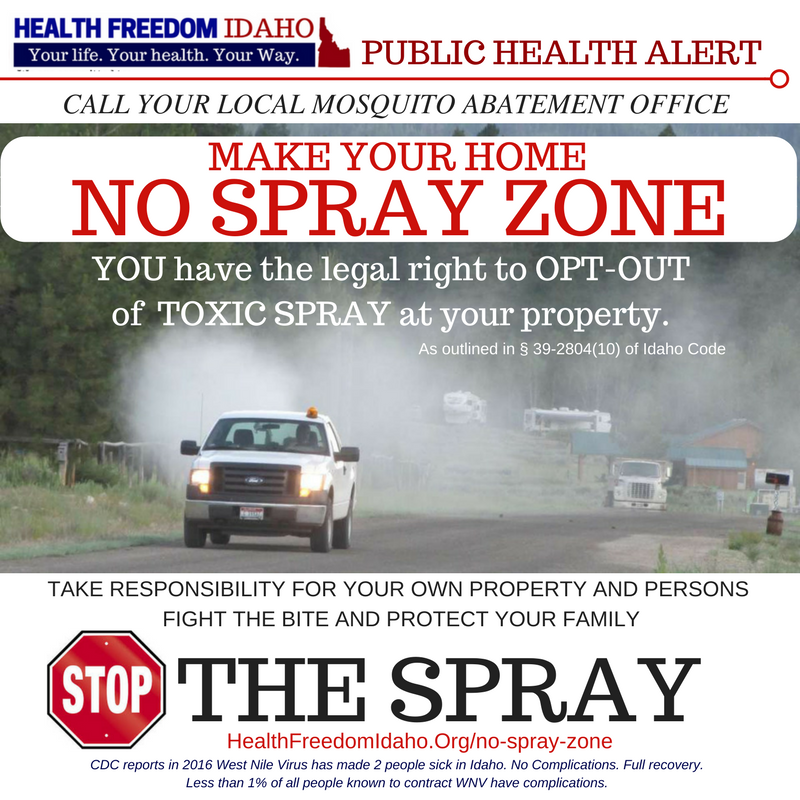
    A STATE OF EMERGENCY was declared by Mosquito Abatement so that they can spray us by plane with Naled (A chemical banned in other countries due to health concerns) They are working on keeping the fear factor alive with this article http://www.idahostatesman.com/n…/local/article163094138.html

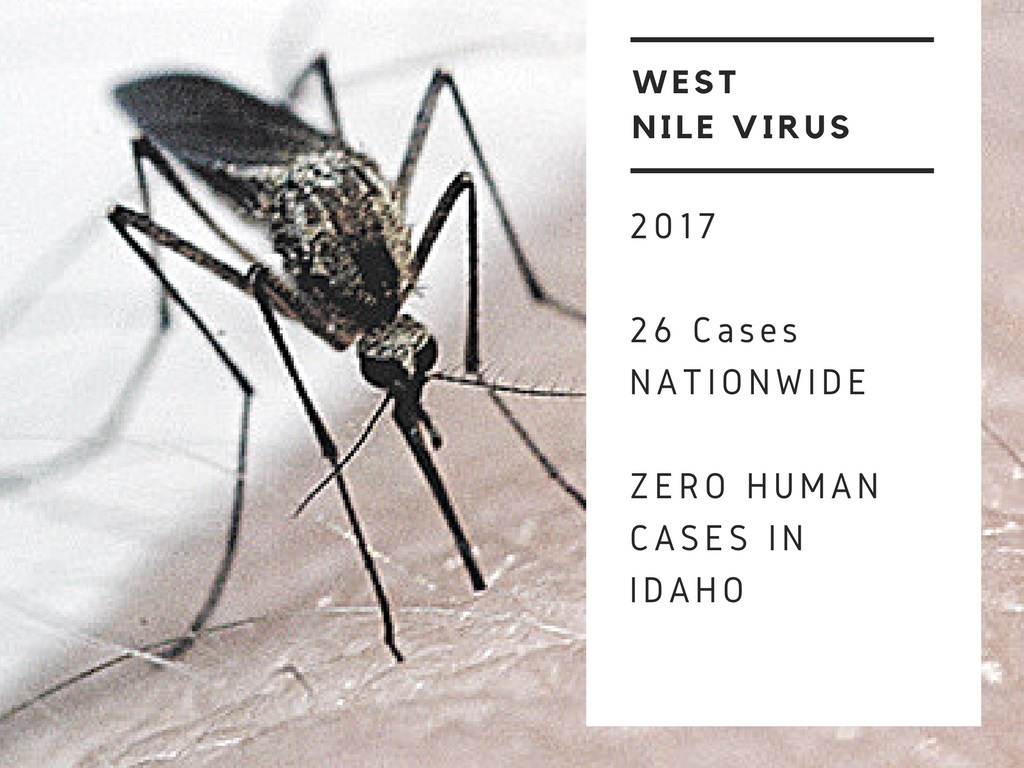
    How many people have been affected by West Nile Annually in the past 15 years? an average of 12 a year.
    https://www.cdc.gov/westnile/statsmaps/preliminarymapsdata2017/activitystate.html 

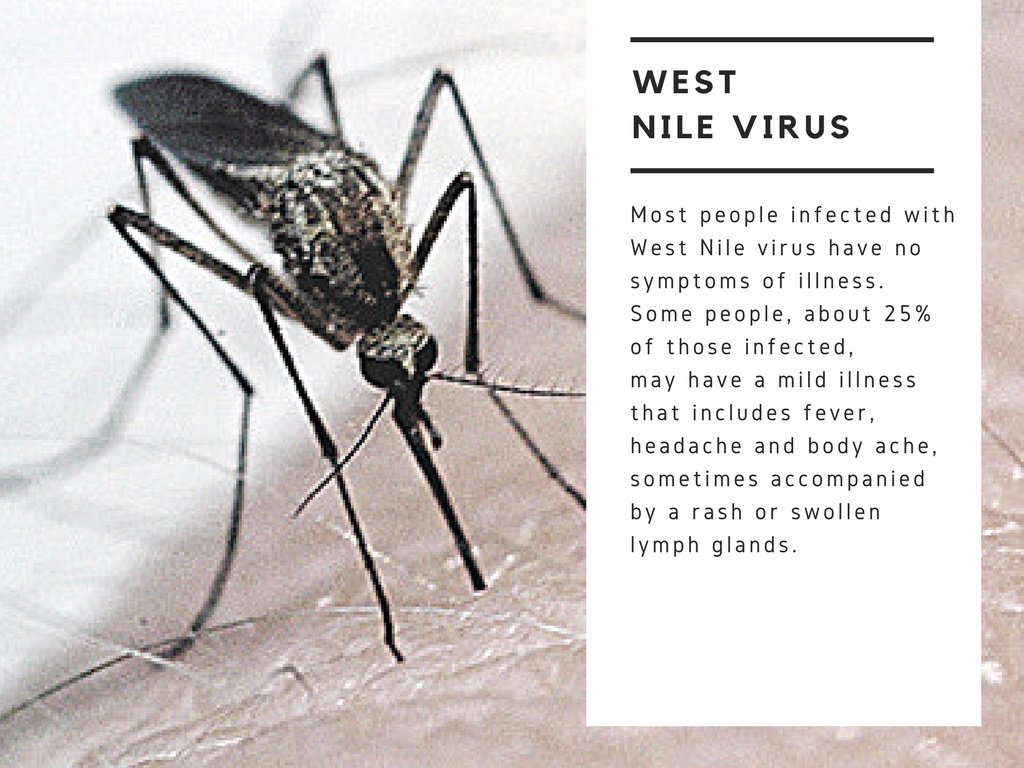
    2017 Idaho NO ONE has been affected. Almost 100% of the cases of West Nile are SO MILD people don’t know they have it, and others assume its a flu or cold.

    Less than 1% of 1% do people have serious reactions. According to the CDC, its primarily elderly people or those already in poor health.

    And yet, 100,000 of people are being bombarded with neurotoxic chemicals (that accumulate in our bodies) to protect the annual average of 12 people from a neurological reaction to a sickness that most people don’t even know they have when they contract it. http://www.idahopress.com/news/local/war-on-mosquitoes/article_09e9de1a-94bb-11e0-a1b9-001cc4c03286.html

    Naled and the chemical it breaks down into contain toxins known to pass through the placenta and affect brain size by as much as 15% in lab tests.  http://nospray.org/naled-insecticide-fact-sheet/


    The number one cause of death of infants in our great state? Birth Defects.

     IDHW numbers, Idaho’s infant mortality rate from birth defects has exceeded the national average 12 of the 16 years from 1999 to 2014, peaking in 2002 when the infant mortality rate of 241.3 per 100,000 births was nearly 100 deaths higher than the U.S. average. In 2014, the most recent data available, that number was 135.4 deaths per 100,000—16.4 higher than the average.

    https://www.boiseweekly.com/boise/the-kids-arent-alright-idaho-has-no-means-to-adequately-track-birth-defects/Content?oid=3827846

    Are they protecting us??? Or POISONING US? 

    It won’t stop..unless we demand it stops!!

    Learn More At: https://hfi.designbyparrish.com/no-spray-zone