Category: Healthy Food

Because access to healthful and uncontaminated food ​should be a human right.

  • Winter Warmth Recipe: Anti-Inflammatory Turmeric Ginger Tea

    Have you tried turmeric ginger tea? Turmeric has a huge reputation for its proven health benefits. It is part of the ginger family, hence its similar looks! When consumed together, ginger and turmeric can be a great cure for cold and flu. Treasure Valley snow will soon make its 2017 appearance. Our northern neighbors have already seen a share. Today, we give you the recipe for an anti-inflammatory turmeric ginger tea. Keep fresh ginger and turmeric on hand for the cold days coming. Bonus recipe included for a spiced creamy turmeric-ginger tea.
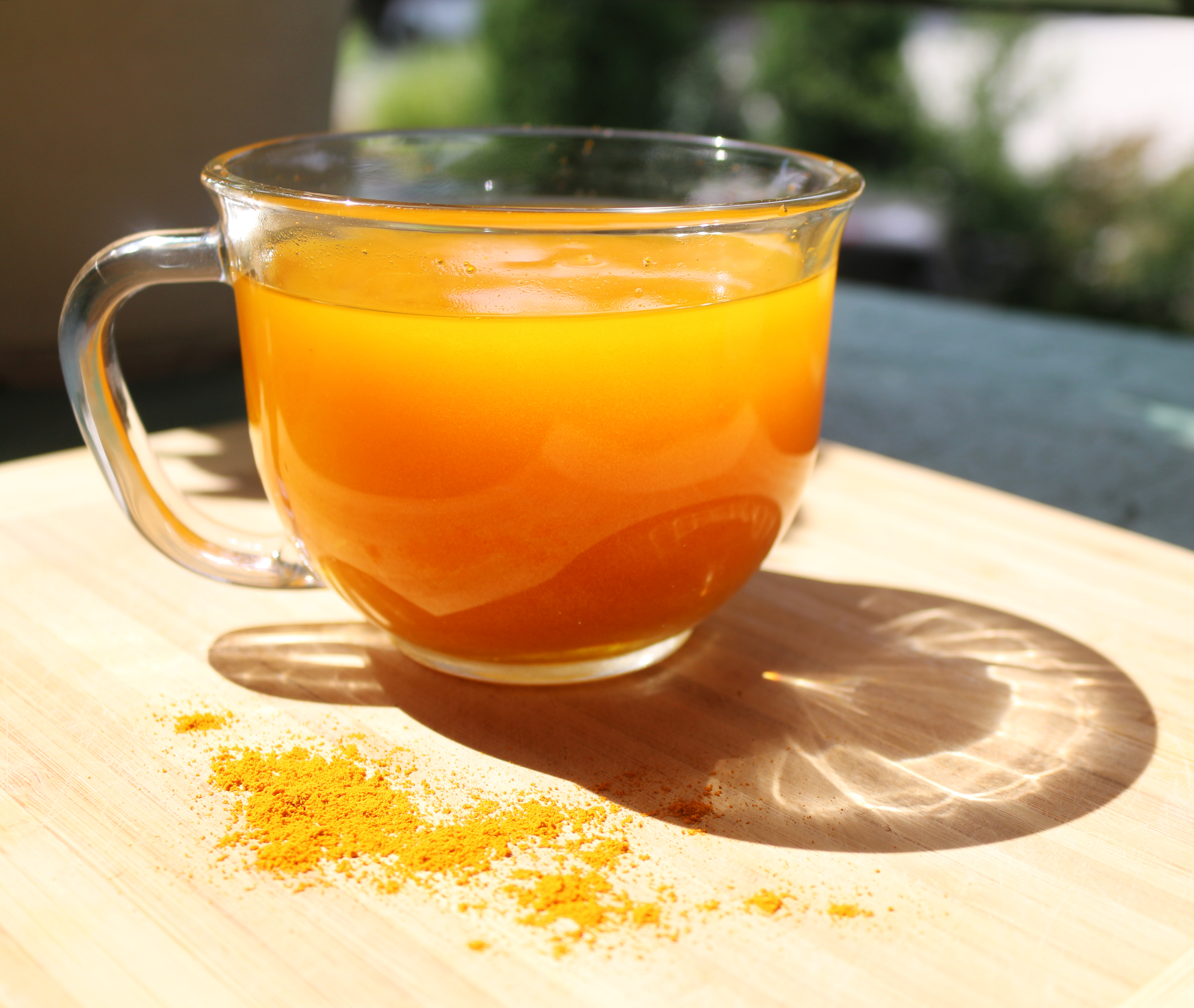
    Yields 3 cups

    Ingredients
    2.5 inch piece of fresh turmeric root or 1 tsp of ground turmeric
    1 inch of fresh ginger root
    4 cups water
    Lemon / lime juice
    *Black pepper
    Honey

    **NOTE: To increase the absorption in the body (turmeric has low absorption and rapid metabolism), you need to add a little fat to the tea, such as a teaspoon of the coconut oil or black pepper in this recipe, which aids in the absorption of curcumin.

    Preparation:

    1. Add water into the pot to boil
    2. Clean and roughly chop the turmeric and the ginger root
    3. Bring to a boil and simmer for 15 minutes
    4. Allow the mixture to cool for about 5 minutes
    5. Add turmeric tea to cup(s)
    6. Add a pinch of black pepper to each cup
    7. Juice 1/4 lemon / lime into each cup
    8. Add 1 teaspoon of honey and stir well

    FRESH SPICE TIPS:

    Storage:

    Store fresh turmeric in the fridge; keep them wrapped loosely with plastic wrap to prevent them from mold. Turmeric can also be frozen. What I tend to do, is keep half the pack in the fridge and the other half in the freezer

    I make the tea from fresh turmeric, but if you can’t find fresh ones, you can use ground turmeric. The active ingredient in turmeric is called curcumin. The black pepper helps to enhance the bioavailability of curcumin by a thousand times, so add a pinch in your cup when drinking.

    Dried Spice alternative:

    If you cannot find fresh turmeric, the general rule of thumb for converting dried spice to fresh is 1 to 3. So, 1 teaspoon of dried spice is equal to 3 teaspoons (1 tablespoon) of fresh. To make it easier for you, I use around 2 or 2.5 inch in length of turmeric for 4 measuring cups of water, this is equal to about 1 tablespoon of freshly grated spice.

    And with just 1 tablespoon of turmeric, it is going to provide you with 15% daily intake of iron, 5% vitamin B6, 5% fibre and 3% magnesium

    Stains Tips when preparing the tea:

    Turmeric’s bright yellow/orange color can stain fingers and surfaces and can be quite tough to clean. You can clean with a solution of baking soda, white vinegar and water to wash it out.

    To minimize stains, don’t peel the turmeric root or grate it as some people prefer to. First, clean the turmeric root; give it a good wash and scrub. What I like to do is re-use a small piece of plastic wrap, and place it on the chopping board with the turmeric root and then carefully and roughly chop it up. When done, add the turmeric into the pot and quickly clean your knife. After drinking the tea, rinse and/or brush your teeth!

    The health benefits of turmeric:

    • Powerful anti-oxidant
    • Body and liver detoxifier
    • Cancer prevention
    • Prevent and slow the progression of Alzheimer’s disease
    • Cleanses and purifies the blood
    • Boost metabolism
    • Eases symptoms of coughs and colds
    • Diabetes control
    • Reduces inflammation such as all types of arthritis, tendonitis, and other inflammation
    • Strengthens ligaments
    • Improves skin complexion
    • Treatment for skin disorders
    • Prevents asthma
    • Prevents arthritis
    • Anti-depressant
    • Reduces joint pain
    • Prevents stroke
    • Treats fever
    • Improves digestion
    • Gastrointestinal treatments
    • Boosts immune system by improving liver function
    • Weight-loss support
    • Improves circulation in the body
    • Wound healing
    • Anti-bacterial
    • Natural painkiller
    • Prevents internal bleed clotting
    • Protects liver tissue
    • Reduce allergies
    • Protect against sleep deprivation
    • Reduces bad cholesterol
    • Stimulates secretion of bile which helps break down fat

    Quick Recipe Tips: How much Chopped or Diced is in a Ginger Root or Tumeric Root?

    Many recipes will call for “1 tablespoon of chopped ginger” or “1 inch of ginger diced” but it is not always obvious to determine actually how much ginger in a …. In order to help make cooking easier we did some experiments to help tell you exactly how much ginger you need to buy.

    Fresh ginger is used after removing the skin with a vegetable peeler. Then depending on the end result desired, the ginger can be diced with a knife, grated with a coarse cheese grater, or sliced thinly with a mandoline.

    To answer How much ginger in a… we went to the grocery store to check out the fresh spices section. After surveying the selection we discovered that if you weigh 5 different 1 inch pieces of ginger, the weight varies depending on the diameter of the ginger selected. And in turn it can make an even more significant difference in the flavor of your food! Sometimes it is easier when shopping by weight; you tend to get the same amount every time. We decided to use a 2 ounce (56.7 grams) piece of ginger for our tests.

    A 1 inch piece of raw ginger with a 1 inch diameter yields about 1.1 tablespoons chopped weighing .26 ounce. A piece measuring a little less than 4 inches, will weigh 1 ounce (28.3 grams) and measure about ¼ cup when sliced. One whole cup of chopped ginger will weigh about 4 ounces. And for cooking large quantities, 1 pound of fresh sliced ginger will yield about 3 cups.

    information from howmuchisin.com

    photo source: http://yumprint.com/app/search/all/?q=lemon%20ginger%20syrup
    photo source: http://www.kimbertonwholefoods.com/turmeric-tea/

    Here’s another warming, health boosting turmeric tea. Have YOU tried it? 

  • Organic Baby Foods Test Positive for dangerous contaminants

    October 25, 2017 USA Today article highlights the CLEAN LABEL study of 530 baby food products. What researchers found is extremely disturbing. 65% of the products tested positive for arsenic, 36% for lead, 58% for cadmium and 10% for acrylamide. All of these chemicals pose potential dangers to developing infants. We agree with Clean Label, the baby industry needs to do a better job in protecting America’s most vulnerable population. Health Freedom Idaho is thankful for organizations such as PAN and Clean Label that help inform consumers.

    Exceprts from the USA Today Article:

    Jennifer Lowry, pediatrician and toxicologist at Children’s Mercy Hospital in Kansas City, Mo., who is not affiliated with the research, said these chemicals can affect fine motor skills and cognition. 

    Mainstream brands including Gerber, Enfamil, Plum Organics and Sprout were among the worst offenders — scoring two out of five in the Clean Label Project’s report card for toxic metals. Plus, 60% of products claiming to be “BPA free” tested positive for the industrial chemical bisphenol A. The quantities of contaminates range, but some products tested positive for up to 600 parts of arsenic per billion. That’s far more than just trace amounts. 

    Arsenic was the most common contaminant spotted in the Clean Label Project study. Nearly 80% of infant formula samples tested positive for arsenic. The toxin is associated with developmental defects, cardiovascular disease, neurotoxicity, diabetes and even cancer, according to the World Health Organization.

    Lead, also found in food tested by the Clean Label Project, has been found in baby food before.
    Just a few months ago, the Environmental Defense Fund found 20% of 2,164 baby food samples tested contained lead.
    No amount of lead is safe, but it’s not regulated. 

    Low levels of lead in children’s blood have been connected to lower IQs, slowed growth, behavioral problems, hearing issues and anemia, according to the Environmental Protection Agency

    The Clean Label Project posted a list of products it tested, along with a star-rating grade informed by the California Office of Environmental Health Hazard Assessment, on its website. Bowen said she hopes the data helps parents become better advocates for their children’s health, and creates change in the baby food business.

    Cominated baby food isn’t a new topic. This knowledge was brought to light in August 2017 during the Health Freedom Idaho sponsored event the Children’s March in Boise. Families were made aware of another organization Pesticide Action Network and their searchable database What’s On My Food? It is designed to make the public problem of pesticide exposure visible and more understandable.

    Pesticides
    …on our food, even after washing;
    …in our bodies, for years;
    …& in our environment, traveling many miles on wind, water and dust.

    How do we protect our children from exposure?
    Seek out pesticide free foods, shop local sources such as farmer’s markets.

  • The mighty pumpkin seed. Could Southwest Idaho become a domestic source?

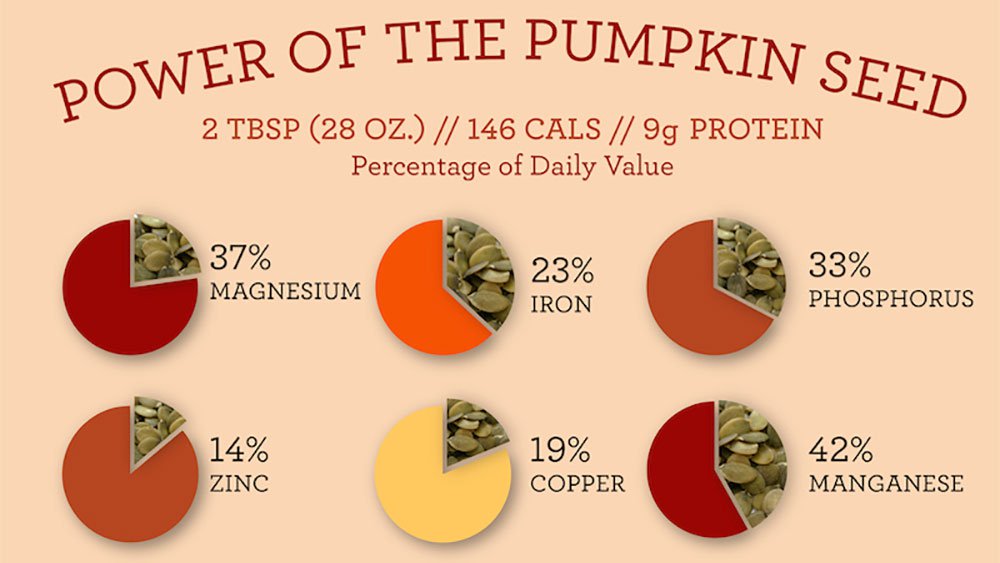
    The popularity of pumpkin seeds is beginning to grow as people realize the benefits of pumpkin seeds. Pumpkin
    seeds contain a wide variety of nutrients ranging from magnesium and manganese to copper, protein, and zinc.Last summer Idaho business review posted an article on the potential for Idaho and Oregon to become a source for pumpkin seeds. Currently, most of the seeds sold in markets come from China. 


    Pumpkin seeds are rich in antioxidants, iron, zinc, magnesium and many other nutrients. An ounce (28 grams) contains about 151 calories.

    Pumpkin Seed Growers in the Treasure Valley? 

    American retailers prefer to buy domestic foods, but most pumpkin seeds in snack foods come from China, she said.

    Kit Kamo director of the Snake River Economic Development Alliance says there are local farmers interested in growing the seeds, and a researcher from Oregon State University is developing a cost estimate for producing and handling them. The findings will help determine whether seed pumpkins — which are distinct from decorative pumpkins and those grown for pumpkin pie — would be economically viable in Malheur County, Oregon and southwest Idaho.

    “We feel there is a potential,” she told The Argus Observer of Ontario, Oregon.

    Kamo said she met with officials from Kathie’s Kitchen, which produces the SuperSeedz brand of seasoned or flavored pumpkin seeds.

    The seeds are harvested wet and will need to be washed and dried so they can be stored, she said. The seeds can be substituted in some applications for soy products, for people who are allergic to soy.

    Pumpkin seeds aren’t the only potential new crop for the Western Treasure Valley. Most sunflower seeds used in snacks are also grown in China and may present another opportunity for farmers in the Treasure Valley, Kamo said.

    How to you eat your seeds? Any favorite recipes to share? 

    Add them to the comments!! 

    This article originally appeared at: http://idahobusinessreview.com/2016/08/09/treasure-valley-could-become-pumpkin-seed-powerhouse/.
  • How to Make Homemade Apple Cider and Cider Vinegar

    OCTOBER IS APPLE MONTH—Most of the summer fruit and veggies are winding down, but apples are in GREAT SUPPLY! 

    Published on Sep 28, 2016

    Ever wonder how to make homemade apple cider? It is possible from your own home, with small apples or big apples. Watch this quick video explaining how to do it. Website to follow with instructions and equipment needed to make apple cider.

    Thinking about making Apple Cider Vinegar?!! Most of us think of apple cider vinegar as something you buy in a bottle at the store, and have never considered making it from scratch. That’s a shame, because making your own is very easy and inexpensive. https://youtu.be/veO25e11pNo  another great tutorial and lesson how to make without a starter mother. https://youtu.be/pVCOrF3gvdM

    Share your FAVORITE Resource for Apples in comments below. 

    I LOVE our local market Cliffs Country Market.  

  • DIY Medicinals: Turmeric Onion Sauerkraut

    Naturally fermented raw sauerkraut is an excellent source of important probiotics that help to maintain healthy gut bacteria. Raw sauerkraut contains lactic acid and living probiotic organisms that are created through the fermentation process, and which are heat sensitive and are killed if the sauerkraut is heat processed. Many of the store-bought sauerkraut options are canned or heat-processed in some way, so while they may still taste good, they are no longer a living food and do not provide the beneficial bacteria that raw sauerkraut does. For this reason, it is preferably to buy raw sauerkraut, or make your own in small batches for maximum benefit.

    What does sauerkraut do for you, exactly? 

    Sauerkraut can be made of two simple ingredients: cabbage and salt. At the beginning of the fermentation process, the salt preserves the cabbage to prevent if from rotting, allowing the fermentation process to begin – a process that begins after only a couple of days. During the process of fermentation, starches and sugar in the vegetables are converted to lactic acid, or probiotic bacteria, a naturally occurring substance that prevents the formation of harmful bacteria and acts as a preservative.

    These probiotic bacteria are extremely helpful in aiding human digestion and in helping our bodies detox. They have been used for centuries in traditional food cultures as a way of preserving the harvest and providing needed nutrients, and even by sailors to prevent scurvy.

    A healthy body begins with a healthy gut, and probiotics are your gut’s best friend. Probiotics can also be found in yogurt, kefir, chocolates and probiotic tablets, all of which introduce important lactobacilli to our gut; however most of these contain dairy. For those people wishing to avoid dairy or with lactose sensitivities, raw sauerkraut is an excellent alternative.

    Benefits of sauerkraut:

    • important source of probiotics for gut health
    • help the body detox
    • excellent source of dietary fiber, vitamin C, vitamin A, and vitamin K
    • good source of iron, manganese, magnesium, copper, sodium and calcium
    • excellent for digestive, heart, eye and skin health
    • anti-inflammatory
    • boosts immune system (35% RDV of vitamin C)

    source: www.organicfacts.net

    About Turmeric

    Turmeric is a root vegetable native to India and China, and has been long been used for its medicinal qualities. Bright yellow-orange in color, slightly peppery and bitter in flavor, it is most commonly seen in curry powder and as an ingredient in ball park mustard. But more important are the health benefits it provides.

    Turmeric qualities:

    • it is anti-inflammatory
    • excellent source of iron and manganese
    • good source of vitamin B6, dietary fiber and potassium
    • has been used effectively in cancer treatments
    • helps prevent gas when cooked together with legumes
    • used in treatment of a variety of health issues including cardiovascular disease, rheumatoid arthritis, and high cholesterol

    Source: whfoods.com

    Are ready to make your own raw sauerkraut by now? You’re gonna love this stuff.

    Turmeric Onion Sauerkraut

    • 1.5 lbs/700g green cabbage, sliced thinly
    • 1/2 onion, diced small
    • 1 tablespoon sea salt
    • 1/2 tablespoon turmeric

    Note: You may want to use kitchen gloves when handling this sauerkraut. Turmeric tends to stain everything it touches, so your hands will stay yellow for days.

    Combine all ingredients in a large stainless steel mixing bowl. Using your hands, massage the cabbage for about 5 minutes to tenderize it. Allow the mixture to rest for 30 minutes in order to let the salt draw the water out of the cabbage. Pack it into your Kraut Source jar or crock, pushing the cabbage down so that the liquid covers the vegetables. Secure the lid per the Kraut Source instructions; or if using a fermentation vessel, follow those instructions; or alternatively, check these instructions here.

    Set the jar out of your way and out of direct sunlight to ferment for 3 weeks. You may want to place the jar in a shallow bowl or on a plate for the first week as it tends to bubble and sometimes spills over. After 3 weeks, taste the sauerkraut. If it tastes just the way you want it, transfer it to another glass jar with a lid and store in your refrigerator for up to several months. If you’d like it to be more sour, replace the lid and continue to ferment for several more days/week.

    Makes 1 quart / 1 liter.

    For additional recipes, try these:

    Did you like this recipe? What are you fermenting in your kitchen right now? Let us know in the comments below! We’d love to hear from you. 

  • 8 Keys to Growing in Winter in an Unheated Greenhouse (Hoop House)

    Idaho has snow but that doesn’t mean you can’t grow in the winter. Grow your health. Using sustainable organic methods, while keeping costs and labor at a minimum. Emphasis is placed on improving soil quality with compost and mulch. No store-bought fertilizers, soil amendments, pesticides, compost activators, etc. are used.

    Published on Jan 10, 2016

    Today I share our 8 keys to growing in winter in an unheated greenhouse. Though there are other methods that also work well, I’ll focus specifically on what we do. ZONE 5

    “Four Season Harvest” by Eliot Coleman: http://amzn.to/2a7jV9R
    “The Winter Harvest Handbook” by Eliot Coleman: http://amzn.to/2ahjPiR
    “The Year-Round Vegetable Gardener” by Niki Jabour: http://amzn.to/2a7ksbJ
    6 mil Greenhouse Plastic: http://amzn.to/2a7jxIl

    If you shop on Amazon, you can support OYR simply by clicking this link (bookmark it too) before shopping: http://www.amazon.com/?tag=oneya-20

    1) Grow with the Season 0:16
    2) Grow in the Sun 1:00
    3) Grow Under Cover 1:37
    4) Grow in the Ground 2:30
    5) Grow in Sucession 2:59
    6) Vent to Avoid Overheating 3:40
    7) Water Only When Needed 4:59
    8) Don’t Harvest Greens When They’re Frozen 5:37

    Crops we’re growing now for a winter harvest:

    Under One Layer of Protection

    Claytonia
    Dandelion Greens
    French Sorrel Giant Red Mustard Greens
    Good King Henry
    Mache
    Mustard Greens
    Perpetual Spinach
    Sea Kale
    Sunchokes
    Tatsoi
    Tree Collards

    Two Layers of Protection
    Chives
    Claytonia
    Dandelion Greens
    Dinosaur Kale
    Egyptian Walking Onions
    Endive
    Garlic Chives
    Georgia Collards
    Giant Red Mustard Greens
    Italian Dandelion Greens
    Lettuce (Black Seeded Simpson)
    Lettuce (Romaine)
    Mache
    Minutina
    Mustard Greens
    Parsley
    Perpetual Spinach
    Fordhook Giant Swiss Chard
    Red Veined Sorrel
    Spinach
    Tatsoi
    Tree Collards
    Vates Kale

    OYR is all about growing a lot of food on a little land using sustainable organic methods, while keeping costs and labor at a minimum. Emphasis is placed on improving soil quality with compost and mulch. No store-bought fertilizers, soil amendments, pesticides, compost activators, etc. are used.

    Hoop House Build: https://www.youtube.com/playlist?list…

    This article originally appeared at: https://youtu.be/Jtw7pnqFeS4.
  • Very Soon it will be Elderberry Season!

    7 Surprising Elderberries Benefits

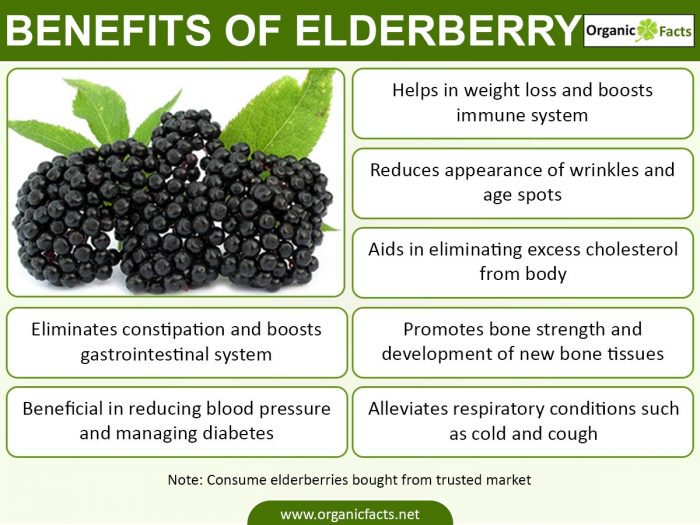
    Some of the most important health benefits of elderberries include their ability to boost immune system function, protect against bacteria and infection, slow down the spread of cancer, moderate the digestive process, prevent the development of diabetes, reduce the pain and speed associated with autoimmune diseases, help with weight loss, lower blood pressure, and alleviate allergies.

    Elderberries are the fruit from the flowering plant known as Sambucus,more commonly referred to as elder or elderflower. The full scientific name of the most common variant, from which we get the majority of our elderberries, is Sambucus nigra. You will primarily find elderberries in the Northern hemisphere, particularly in Europe and North America, although some southern species are grown in Australia. The berries are black or very dark blue, and have a sharp, sweet flavor that makes them highly preferred for desserts, syrups, jams, jellies, spreads, and as the base for various cocktails and beverages. Many people think that elderberries lend this scientific name to Sambuca, but in fact, that is not true. Elderberry wine is very popular and can be made quite simply at home.

    Most of the berries in the genus Sambucus are toxic, with the exception of Sambucus nigra, and even then caution is suggested and cooking the berries before consuming is always a wise choice. The branches, leaves, and twigs of all species contain trace elements of cyanide, which can build up in your body and eventually kill you, so be careful! However, despite the implicit risks of elderberries, they are packed with beneficial nutrients, so they have been a part of traditional medicine for hundreds of years, and some of the health benefits have even made it into the mainstream. The recent popularity of elderberries can largely be attributed to the discovery of its many health benefits, which are explained below!

    Nutritional Value Of Elderberries

    Elderberries pack a very nutritious punch, including minerals like iron, potassium, phosphorous, and copper, as well as vitamins, such as vitamin A, vitamin B, and vitamin C, proteins, and dietary fiber. Add some of the beneficial organic compounds that function as anti-inflammatory and antioxidant agents in the body, and you have one powerful berry!

    Health Benefits Of Elderberries

    Digestive Health: Although most fruits and vegetables can help you hit your fiber goals for the day, few fruits can boast more than 40% of your daily requirements for fiber in a single serving. Elderberries are packed with dietary fiber that can help eliminate constipation, reduce excess gas, and generally increase the health of your gastrointestinal system. Fiber can also help to increase the nutrient uptake efficiency in your gut so you get more out of your food!

    Cardiovascular Protection: It seems that heart health and fruits and vegetables go hand in hand, and with good reason. The high fiber levels help to eliminate excess cholesterol from the system and make room for “good” cholesterol that the body needs. This can help eliminate the chances of developing atherosclerosis and other cardiovascular issues. The high level of potassium in elderberries also protects the heart by relaxing the tension of blood vessels and arteries. As a vasodilator, potassium can significantly reduce blood pressure and keep your heart healthy!

    Respiratory Health: When it comes to clearing up a sore throat, a cough, cold, bronchitis, or any other issue that affects your respiratory system, elderberry juice might be your best choice. Like many cough syrups, elderberries contain active ingredients (bioflavanoids like anthocyanins, to be exact) that can soothe inflammation and irritation and also act as an expectorant and clear out phlegm that can trap foreign agents in your glands. Elderberry juice is even recommended for people with asthma.

    Immune System Health: It seems like people love to discuss elderberries in relation to its effects on the immune system. It has certain antibacterial and anti-infectious qualities, and is very commonly used to ward off influenza during bad seasons where it seems like everyone is catching it. Furthermore, elderberries can strengthen the immune system against itself, protecting against the effects of autoimmune disorders, even alleviating certain symptoms and associated pain of AIDS.

    Diabetes Aid: Some of the active antioxidant ingredients in elderberries work directly on the pancreas to regulate insulin and glucose levels, either providing stability for people who suffer from diabetes or helping non-diabetics to avoid developing this terrible condition.

    Also see

    Bone Health and Inflammation: While the antioxidant and anti-inflammatory compounds found in elderberries can help alleviate joint pain and soreness from inflammation, the high levels of essential minerals will help promote bone strength and the development of new bone tissue. Osteoporosis is a condition that millions of people face in the future, but increasing bone density during your younger decades can delay the onset considerably.

    elderberriesinfo

    Skin Health: Elderberry makes its way into a lot of cosmetic applications, primarily because the bioflavonoids in elderberries plays a very important role for the skin. The antioxidant activity, combined with its significant levels of vitamin A, make elderberries perfect for preventing or lessening wrinkles, helping age spots to fade, and generally improving the glow and tone of your body’s largest and most visible organ!

    Weight Loss Booster: With the high level of dietary fiber, combined with the metabolism-speeding effects of a solid vitamin and mineral injection, elderberries are great weight loss aids. The fiber keeps you feeling full, the low calorie count doesn’t affect your intake too much, and you also get dozens of other health benefits as well!

    Word of Caution: Considering that so few species are edible, it is always wise to find elderberries in a licensed and reputable store. Don’t pick wild elderberries and it is suggested to cook all berries before eating, as they may contain dangerous traces of cyanide. Furthermore, being allergic to plants in the honeysuckle family is not uncommon, so be careful about being up-to-date on your food allergies before adding elderberries to your diet. Finally, elderberries are known to act as diuretics for some people, so if you are already struggling with kidney problems, then elderberries may exacerbate them.

    Also see

    References

    1. http://onlinelibrary.wiley.com/doi/10.1046/j.1365-2745.2002.00698.x/full
    2. http://pubs.acs.org/doi/abs/10.1021/jf102083s
    3. http://www.sciencedirect.com/science/article/pii/S0040403900009941
    4. http://www.sciencedirect.com/science/article/pii/S0378874103000473
    5. http://bmccomplementalternmed.biomedcentral.com/articles/10.1186/1472-6882-10-17
    6. http://www.nature.com/ejcn/journal/v58/n2/abs/1601773a.html
    7. http://www.sciencedirect.com/science/article/pii/S0378874105000656
    8. http://jn.nutrition.org/content/130/1/15.short
    9. http://pubs.acs.org/doi/abs/10.1021/jf980296g
    10. http://www.academicjournals.org/article/article1380715471_Hearst%20et%20al.pdf
    11. http://www.sciencedirect.com/science/article/pii/S027153170200533X

    Elderberries: The Beginner's Guide to Foraging, Preserving and Using Elderberries for Health Remedies, Recipes, Drinks and More

    Or you can buy the Kindle version on Amazon.  It’s also free to read if you subscribe to Kindle Unlimited.

    You can look inside and check out a preview here (click on look inside).

    Recipes in the book include:

    Health Remedies 

    • Elderflower Tea 
    • Elderflower Herbal Hay Fever Tea 
    • Elderflower Tincture 
    • Elderflower Herbal Hay Fever Tincture 
    • Elderberry Syrup (Flu Remedy)
    • Alternate (Alcohol-Based) Elderberry Syrup 
    • Elderberry Tincture
    • Elderberry Tincture Tonic
    • Elderberry Elixir 
    • Elderberry Oxymel 
    • Elderberry Herbal Tea 
    • Elderberry Lollipops
    • Elderberry Gummies
    • Quick Elderberry Apple Juice 
    • Super-Strength Elderberry Apple Juice 
    • Elderberry Apple Juice Popsicles

    Jams & Jellies

    • Elderflower and Rhubarb Jam 
    • Apple-Elderflower Jelly
    • Elderberry Jelly
    • Elderberry & Crab Apple Jelly 
    • Easy Elderberry Jelly from Juice 
    • Easy Elderberry-Apple Jelly from Juice 
    • Easy Elderberry-Grape Jelly from Juice 
    • Elderberry Jam 
    • Elderberry Apricot Jam 

    Elderflower & Elderberry Treats

    • Elderflower Fritters 
    • Elderflower Pancakes 
    • Elderflower Syrup
    • Socată/Suc de Soc (Elderflower Soda)
    • Elderberry Thumbprint Cookies
    • Elderberry Crumble Muffins 
    • Elderberry-Ginger Buckwheat Muffins
    • Elderberry-Apple Fruit Leather
    • Elderberry Cream Cheese
    • Elderberry Cream Cheese Frosting
    • Roasted Pears with Elderberry Glaze
    • Dark Chocolate Elderberry Truffles
    • Striped Elderberry Truffles 
    • Lemon Cheesecake with Elderberry Syrup
    • Elderberry Dumplings
    • Elderberry Fluff
    • Elderberry Cream Cheese Pie
    • Elderberry Meringue Pie
    • Old-Fashioned Elderberry Pie 
    • Foolproof Elderberry Pie
    • Elderberry Apple Pie
    • Sour Cream Elderberry Pie

    Spirits

    • Elderflower Wine
    • Elderflower Liqueur 
    • Sparkling Elderflower Lemonade 
    • Elderflower Hard Lemonade
    • Raspberry Elderflower Garnita
    • Elderflower Smash
    • Blueberry Elderflower Smash
    • Basil and Elderflower Smash 
    • Elderitas 
    • Elderflower Champagne 
    • Elderflower Liqueur Ice Cream Float 
    • Elderberry Liqueur
    • Elderberry Hard Lemonade
    • Elderberry Schnapps
    • Elderberry Cordial
    • Elderberry Bourbon
    • Elderberry Wine
    • Elderberry Mead

    Happy elderberrying!


    Save

  • Chronically ill child healed with diet of raw food

    HFI. Food is medicine.Who hasn’t seen or heard Hippocrates’ famous quote about letting food be your medicine and your medicine your food?  Dominic’s story is proof again that foods can the ultimate source of healing. 

    Our seemingly perfect child went to bed and woke up the following day with dilated pupils, ticcing so bad that he was literally unable to function or perform routine activities.  Antibiotics lessend the symptoms but they never fully resolved. I had dedicated two entire kitchen cabinets to supplements and remedies and was spending a small fortune on these alone. Then he was diagnosed with Chronic Urticaria Angioedema. If you haven’t heard of it; look it up. Frightening condition. Then fate stepped in, we happened to watch “Fat Sick & Nearly Dead”. He voluntarily changed his diet. He drank 6-8 eight oz glasses or organic vegetable juices and 2 fruit smoothies a day.  He ate only raw organic fruit and veggies for the first 10 days. Dominic’s Urticaria Angioedema healed! 

    The WHOLE STORY: Dominic’s Story

    Our beautiful, jovial, spirited son Dominic was diagnosed with PANS at age 6 by one of the most trusted specialists in the field, Dr T.

    His sudden onset began early October of the same year. Our seemingly perfect child went to bed and woke up the following day with dilated pupils, ticcing so bad that he was literally unable to function or perform routine activities. By the time we got him into see Dr T the symptoms worsened. The tics were now motor and vocal and he started raging at his sister.  He was having uncontrollable mood swings, irritability and began wetting the bed nightly. He shared incredibly dark thoughts that were terrifying coming from a six-year-old. Once he began antibiotics the symptoms lessened but never fully resolved. They would wax and wane then return with a vengeance until we trialed a new antibiotic and the cycle would start again.

    We kept him on them for about six months but knew deep down that there had to be a more safer, more effective, holistic way to treat this illness.  We were anxious, but we decided to  stop the antibiotics and made an appointment with a Naturopath who specialized in PANS & PANDAS. Immediately (and when I say immediately I mean within 3 days) we saw massive gains. The bed-wetting stopped. All his intrusive thoughts stopped and his behavioral issues completely resolved. By the 3rd month all symptoms were gone except for the tics, which were much less noticeable. No matter what we did we could never get rid of the tics – even after nearly two years on homeopathic remedies. That was unacceptable to me and as long as he was ticcing I instinctively knew that we didn’t reach the core of this illness and had to keep fighting. But how? I didn’t know. I had dedicated two entire kitchen cabinets to supplements and remedies and was spending a small fortune on these alone. So I took a break from all of it.  The MD’s ND’s, everything. I did continue his constitutional remedy, and vitamins C, D3, Curcumin, Omega3 and probiotics and we fortunately we did had a long peaceful stretch of normalcy. [exhale]

    That quickly came to a halt in June 2015 when my son was was diagnosed with Chronic Urticaria Angioedema. If you haven’t heard of it; look it up.  Frightening condition. He presented with hives and swelling everywhere, even his face and genitals.  We we’re terrified that his tongue or throat would be affected (which is common) so we were given epi-pens and rescue inhalers to carry wherever we went.  Juuuuust in case… Thankfully, that never happened.

    After a long discussion with his father we decided that western medicine was the way to go.  We didn’t want to risk a single chance that he would have any trouble breathing.  However, that proved useless.  After three months with no relief, his symptoms began worsening.  Once again, we were lost, desperate and had no idea where to turn. As fate would have it, one day I turned Netflix on and told Dominic that he could pick ANY movie to watch together.  He picked “Fat Sick & Nearly Dead” He had no idea it was a health food documentary – he just was amused by the title. Much to our surprise, the documentary was about a man who cured a horrific disorder by juicing…You guessed it.  He had Chronic Urticaria. It had to be a sign. I bought an Omega centrifugal juicer and started juicing immediately. He drank 6-8 eight oz glasses or organic vegtable juices and 2 fruit smoothies a day.  He ate only raw organic fruit and veggies for the first 10 days. Dominic’s Urticaria Angioedema healed!  We also realized that his tics were MUCH better.  He told us he felt “clearer and more energetic”. His ADHD was gone. His grades went from 45 avg to 90 avg in a couple of months!  Juicing far exceeded our expectations. He still juices daily, but eats a regular diet of mainly organic, dairy/sugar free foods.  He cheats only occasionally.  And I have since learned to make my own Liposomal C (he drinks high doses 3000-5000mg daily) and probiotics – Coconut Milk Kefir (1 cup a day)  He’s a happy healthy thriving normal child again. He tics only when he’s sick and that’s not too often anymore. Until those tics resolve completely I will keep fighting.  I feel confident now that we have plenty of other weapons left in our arsenal of natural remedies.  But when I find the tic annihilator I’ll be certain to let the rest of the PANDAS community know.

    This article originally appeared at: http://pansadvocacy.org/2016/02/07/dominics-story/.
  • 88% of Idaho Eat Organic Foods

    HFI: Health Freedom means being able to choose quality foods supporting the immune system. Once found only in health food stores, organic food is now a regular feature at most supermarkets. People are concerned about toxins used in food production. They are concerned about the affects of chemicals and GMOs on their health. Where do you shop for your local organic, non-GMO and pesticide free produce? 

    Organic Trade Association reports that organic foods now occupy over 80% of United States kitchens. It used to be taboo to correlate the cleanliness of food with health, but times have changed. Consumers have caused increased accessibility and affordability of organic foods, but a need remains for increased organic food production in America.

    Conventional food producers say their products are safe, but the dangers of Round Up and other chemicals in food production are well known. The disease-stricken United States population has realized that conventional foods and dietary guidelines failed them. However, the word is out that organic foods make people feel healthier.

    Customers are the bottom line, and stores have been reacting to sales accordingly. Robyn O’Brien reports “Target, Costco, Chipotle, Kroger, General Mills and Cheerios have responded to this demand for “free-from” food and are producing more foods free of allergens, artificial dyes, GMOs and artificial ingredients.” Although under scrutiny, organic foods are even available at Walmart.

    The higher prices of organic food invites dishonesty in food production and sales. Fraud risk is greater when food is imported.Recently, 36 million pounds of conventional soybeans and corn shipped from overseas were labeled and sold as organic.

    Hopefully, increased organic sales will increase organic food production in the United States despite the incentives of government subsidies to grow conventionally. Many local farmers use organic methods but cannot afford certification, and there is a need to better connect them to customers who are looking for organic foods. Benefits of American-grown produce include: closer observation of production and shipping, less distance traveled (fresher produce), supporting local economies, and cleaner environmental impact.

  • Preservatives Are the Real Hidden Danger in Fast Food

    Fast Food. Processed Foods. These are some of the most chemically laden things we put into our bodies. Have you seen the cheeseburger and fries that survived two and a half years without decomposing? What are those preservatives doing to our bodies? What ARE we actually eating?? 

    For most people, there’s nothing more satisfying than a fast food meal of a cheeseburger and fries. We all know it’s not the healthiest meal available due to the high amounts of sodium, fat and calories, but there are other hidden dangers lurking in these meals. These foods have gained an unwanted popularity for having the same appearance years after the date they are purchased.

    Two eighth grade schoolgirls put this theory to the test. The young ladies found that due to the preservatives in our fast food, a cheeseburger and fries can survive for two and a half years without decomposing. They earned first place for their efforts.

    Back in October, 2014, Catherine Goffard and Ava Van Straten, who entered the Notre Dame Academy Science Fair in Wisconsin, stored several fast food cheeseburgers and fries in open jars kept at room temperature. Two and a half years later, the results were very interesting. Slight molding only occurred in one cheeseburger; the rest of the food had no bacteria growth. They young ladies compared the fast food meal to a healthier cheeseburger and fries meal that was prepared using fresh, local products. When they let the healthier meal sit for one week, it was covered in mold.

    There was a reason why the girls were interested in this food experiment exposing how preservatives can affect foods. “We want them to know what’s in these burgers that causes them to not mold, and how they’re unhealthy to eat,” said Ava.

    Catherine added, “It makes you kind of think, like, ‘What am I actually eating?’ because there are so many other things that are not included in their ingredients list that are definitely dangerous for you.”

    Over the last decade, lots of stories have been written about the after lives of fast food meals. Here’s a breakdown of some of the preservatives that can be found in the very popular fast food meal of burger and fries:

    TBHQ

    French fries can sometimes keep their crispy look because of TBHQ, which is a simpler way of referring to tertiary butylhydroquinone. TBHQ is a petroleum-based substance used to stop fats and oils from oxidizing, but TBHQ is also used in butane lighters, lacquer and varnish. Children are more prone to experience nausea, vomiting and tinnitus, or hearing loss, when exposed to this substance.

    Calcium Sulfate

    Hamburger buns stay mold-free thanks to ingredients like calcium sulfate. It is usually listed among most fast food restaurants’ nutritional data information, but it doesn’t mean it isn’t a questionable ingredient to include in a food product. This crystalline powder is white, odorless and more commonly used for vehicles, plastics, metal and pesticides.

    Additives

    Many hamburgers contain as little as 2 percent meat and instead contain ingredients normally found in hamburgers like blood vessels, nerves, plant material, cartilage and bone. These beef patties are also high in fat and cooked at high heat, which helps it to lose moisture, thus helping to give it a longer shelf life. Sometimes, a wide variety of additives are used to preserve and texturize the meat, like sodium phosphate and nitrates. Sodium phosphate is considered generally safe but it can disrupt how your body absorbs iron, calcium and magnesium and is not recommended for people with kidney problems. Eating too many nitrates has been linked to a variety of cancers including colorectal and stomach cancers.

    Read More:

    This article originally appeared at: http://nucific.com/fast-food-experiment/?utm_campaign=arti_lal_dlpa_ppe%7Cc_us-g_b-a_35p-int_n-aud_la10_all%5Epreservative-v02-t00.