Category: Healthy Food

Because access to healthful and uncontaminated food ​should be a human right.

  • Eating Out? First Visit The Eat Well Guide

    HFI: What a wonderful resource to eating well wherever you are! These days, it’s hard to trust that the food you’re eating was produced in a safe, humane and sustainable manner. From their site: “We built the Eat Well Guide to make it easier to find good food and to support local farmers, restaurateurs and others who are doing their best by their customers, their workers and the planet. We personally vet every business that goes into the Guide, and we never charge or accept money in exchange for inclusion.”

    The Guide’s thousands of listings include restaurants, farms, farmers’ markets, stores and more. Search by location and/or category, or check out our city guides to find tailored listings for restaurants and other sustainable vendors in cities across the US.

    Visit the Eat Well Guide

    We’ve set out to map the sustainable food system. We can do a lot on our own, but we can go further, faster, with help from people like you all over the country. If you know of a sustainable business that should be listed in the Guide, please tell us! You can also use the “Help Improve This Listing” button to let us know about any errors, or to flag a business if you don’t think it belongs in the Eat Well Guide.

    Standards for Inclusion

    Sustainable agriculture means producing food using farming techniques that protect the environment, public health, human communities and animal welfare. This allows farmers to supply healthful food without compromising future generations’ ability to do the same. The Eat Well Guide includes sustainable farms, along with restaurants, markets and other businesses that offer sustain-ably produced foods.

    Our Process

    The Eat Well Guide is a labor of love – it’s a nonprofit endeavor and has always been completely free for those who use it and for all the businesses listed within. Over the course of the Guide’s decade-plus history, we’ve built the nation’s most robust directory of sustainable food purveyors through staff research, and with suggestions from individuals, partner organizations and the owners of many of the businesses we list.

    Our staff reviews all listings before adding them to the Guide by checking websites and/or calling businesses. Although we’re not a certifying agency, we make every effort to ensure that each listing meets the standards outlined below. We also make note of any sustainability certifications a business has earned from third-party certifiers on its listing page.

    Our Standards

    FARMS

    We list sustainable farms and ranches that offer foods including beef, dairy, eggs, pork, poultry and produce, along with U-pick farms and Community Supported Agriculture (CSA) programs that: 

    • Promote animal welfare and raise animals on pasture without non-therapeutic antibiotics, synthetic growth hormones or the confinement systems used on industrial operations.
    • Protect biodiversity, soil, water and other natural resources, and avoid use of toxic pesticides, synthetic fertilizers and genetically modified (GM) crop varieties.

    While many farms listed in the Guide are USDA certified organic, we also include farms that are in the process of transitioning to organic, farms that go above and beyond the organic standards and farms that choose to use sustainable production techniques without seeking organic certification.

    RESTAURANTS

    We list restaurants that: 

    • Offer foods prepared with ingredients supplied directly by local, sustainable farms and other purveyors of local, sustainable food. Since seasonal growing conditions and access to sustainable farms vary widely across the country, we don’t require restaurants to source exclusively from local, sustainable farms. We include restaurants that make a sincere effort toward sustainability by sourcing the most sustainable ingredients as often as possible.

    BEER, WINE AND COCKTAIL ESTABLISHMENTS

    We list breweries, wineries and bars that: 

    • Demonstrate a commitment to sustainability by offering beer, wine and/or liquor produced using ingredients from growers who have achieved organic or biodynamic certification or practice sustainable growing techniques; abstain from the use of industrial pesticides and/or preservatives; utilize agricultural methods that promote biodiversity and soil enrichment; and conserve water and protect natural resources.

    STORES

    We list stores including bakeries, butcher shops, cheese shops, co-ops, fish markets, online shops and other specialty shops that:

    • Offer foods supplied directly by local, sustainable farms and other purveyors of local, sustainable food. Since seasonal growing conditions and access to sustainable farms vary widely across the country, we don’t require stores to source exclusively from local, sustainable farms. We include stores that make a sincere effort toward sustainability by offering the most sustainable foods as often as possible.
    • Fish markets must demonstrate a commitment to sustainability by selling seafood that is fished or farmed in ways that have less impact on the environment. For more information on sustainable seafood, please see Food & Water Watch’s Smart Seafood Guide.

    FARMERS’ MARKETS

    We list farmers’ markets that:

    • Offer foods supplied directly by local, sustainable farms and other purveyors of local, sustainable food.

    CHEFS, CATERERS AND MEAL DELIVERY

    We list chefs, caterers and meal delivery services that:

    • Offer foods prepared with ingredients supplied directly by local, sustainable farms and other purveyors of local, sustainable food. Since seasonal growing conditions and access to sustainable farms vary widely across the country, we don’t require chefs, caterers and meal delivery services to source exclusively from local, sustainable farms. We include chefs, caterers and meal delivery services that make a sincere effort toward sustainability by sourcing the most sustainable ingredients as often as possible.

    BED AND BREAKFASTS

    We list bed and breakfasts and farm stays that:

    • Provide overnight guests with foods supplied directly by local, sustainable farms and other purveyors of local, sustainable food. Since seasonal growing conditions and access to sustainable farms vary widely across the country, we don’t require bed and breakfasts to source exclusively from local, sustainable farms. We include bed and breakfasts that make a sincere effort toward sustainability by sourcing the most sustainable ingredients as often as possible.

    ORGANIZATIONS

    We list community gardens, education centers and organizations that:

    • Promote a more sustainable food system through education and/or advocacy.
  • Pesticide Perspective: Eating Organic. Should You Care?

    Pesticides. Should we fear them? Does  an Organic diet eliminate them? Have there been studies to prove the cumulative effect of these chemicals on our bodies and the health of our children? Is it worth the money to buy organic produce for my family.

    Opinion from: 

    Joel Kahn, MD, FACC
    Clinical Professor of Medicine (Cardiology), Wayne State University School of Medicine

    If life were ideal, we would consume food contaminated with as little pesticide as possible. Pesticides have been classified as probable carcinogens for 25 years and have been associated with different kinds of cancers in certain workers, although they are exposed to much higher levels than found on our food.

    The fact that organic fruits and vegetables have lower residues of pesticides is well known. For example, researchers in Australia studied 13 volunteers who ate a conventional diet for one week and more than 80 percent organic foods for another week. Urinary levels of pesticides fell by 89 percent to 96 percent on the organic diet.

    In a different analysis of a family of five in Sweden, urine levels of pesticides fell by over 90 percent when the family’s diet shifted from conventional to organic, and the decrease was greatest in the children. 1

    Here’s a list of the pesticides (or plant protectors as they are sometimes referred to in the report) that were found in the family’s bodies:
    MPCA (herbicide)
    Ethylenebisdithiocarbamates (fungicide)
    Atrazine (herbicide)
    Chlorpyrifos (insecticide)
    Thiabendazole, iprodione, diuron, vinclozolin (fungicides)
    Boscalid (fungacide)
    2,4-dichlorophenoxyacetic acid (herbicides)
    Pyrethroids, such as cypermethrin and esfenvalerate (insecticides)
    Propamocarb (fungicide)
    Chlormequat chloride (CCC) and mepequat (growth inhibitors)
    Note: in some cases the testing was on metabolites of the original chemical compound.

    It’s clear from the experiment that eating organic significantly reduces the load of pesticides carried in your body.

    But should you care? Have you seen this resource? http://www.whatsonmyfood.org

    Organic foods do NOT eliminate chemicals but it DOES SIGNIFICANTLY REDUCE THEM in our bodies.

    The Conclusion of the report was: 

    Choosing organic foods not only reduces the levels of a number of pesticides that we are exposed to through what we eat, but also reduces the risk of a long-term impact and combination effects.
    IVL Report U 5080 Human exposure to pesticides from food
    21
     We also help to reduce the spread of chemicals in the environment, and protect those who work in the cultivation of fruit and vegetables. Considering that in our day-to-day lives we are exposed to a considerable number of other chemical substances depending on our choices of food, cleaning products, shampoo, furniture, and other items, it is difficult to make a complete assessment of how much the total chemical load decreased.

    Soon after the video detailing the findings was released the Co-op who produced the study was sued.

    Does that make their finding wrong or invalid?

    Is the law suit self serving?

    Do you believe a larger study is warranted that has better controls and a larger sampling of individuals/foods and pesticides/herbicides and insecticides reviewed?

    RESOURCES:

    Articles:
     1 https://www.verywell.com/buying-and-eating-organic-4140466 

    2 https://www.treehugger.com/family/swedes-show-how-eating-organic-nearly-eliminates-your-pesticide-load.html

    REPORT: https://www.coop.se/contentassets/dc9bd9f95773402997e4aca0c11b8274/coop-ekoeffekten_rapport_eng.pdf

    Report on Lawsuit: https://debunkingdenialism.com/2016/05/31/coop-sued-for-misleading-the-organic-effect-marketing-campaign/

  • FOOD DYES & KIDS: A Rainbow of Risk

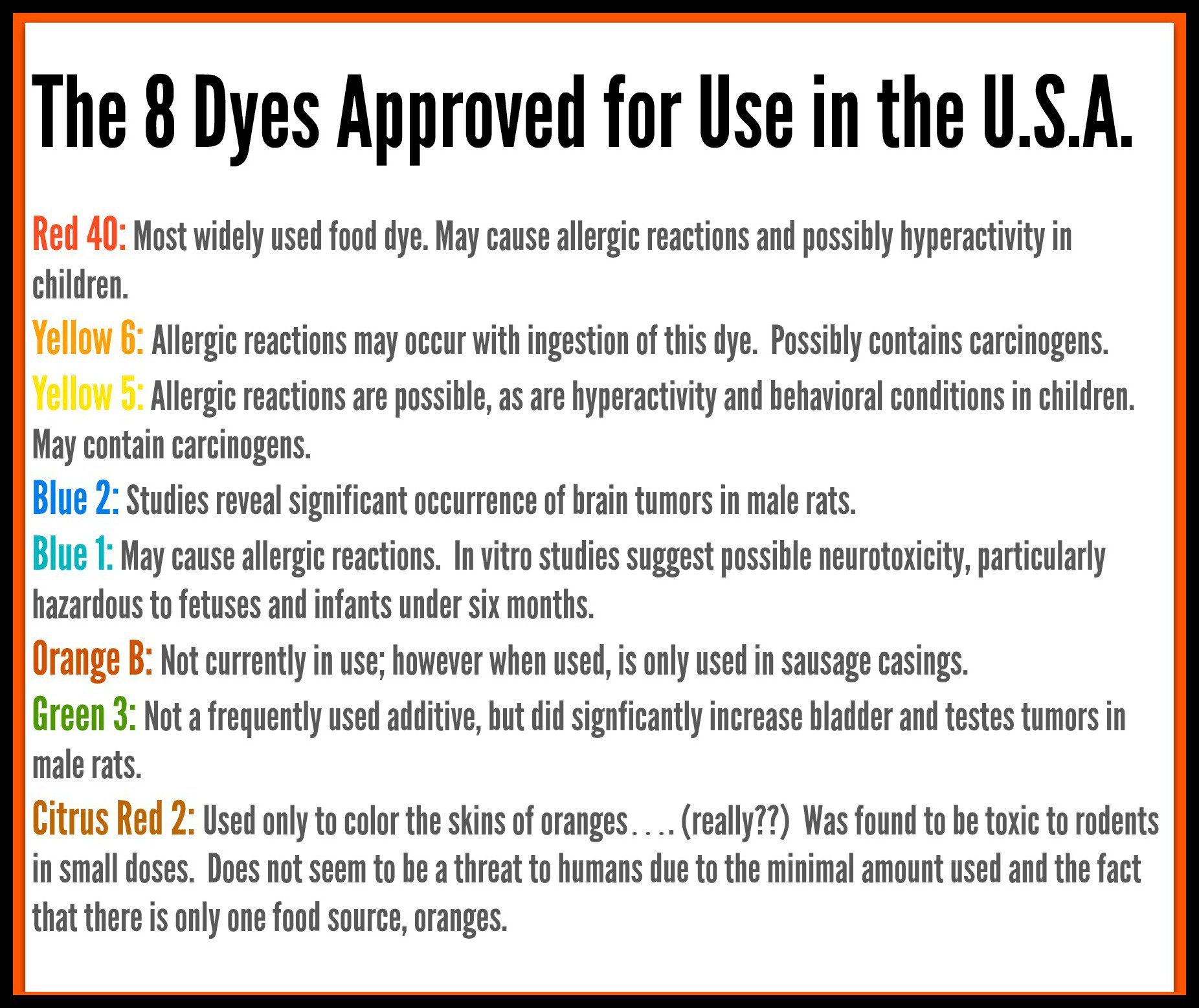
    In 2011, the FDA acknowledged that food dyes (and other ingredients) cause behavioral problems in some children, but has done nothing to protect children. Still, mounting public concerns about dyes has spurred several major companies to remove dyes in some of their foods. Kraft has removed food dyes from some child-oriented varieties of its Macaroni & Cheese but not the most popular one. General Mills has removed dyes from Trix and Yoplait Go-Gurt yogurts. Chick-fil-A removed Yellow 5 from its chicken soup. Frito-Lay has removed dyes from Lay’s seasoned and kettle-cooked chips, Sun Chips, and Tostitos. Pepperidge Farm has removed dyes from its Goldfish Colors crackers.

    Many studies have shown that food dyes can impair children’s behavior, but until now the amounts of dyes in packaged foods has been a secret. New research by Purdue University scientists, published in the journal Clinical Pediatrics, reports on the dye content of scores of breakfast cereals, candies, baked goods, and other foods. According to the nonprofit Center for Science in the Public Interest, the findings are disturbing since the amounts of dyes found in even single servings of numerous foods—or combinations of several dyed foods—are higher than the levels demonstrated in some clinical trials to impair some children’s behavior.

    • General Mills’ Trix cereal lists Yellow 6, Blue 1, and Red 40 on its ingredients list. But until now, no one would have known that Trix had 36.4 milligrams of those chemicals. Fruity Cheerios had 31 mg of food dyes, also some combination of Red 40, Yellow 6, and Blue 1.

      Of all the cereals tested, the one with the most artificial dyes was Cap’n Crunch’s Oops! All Berries, with 41 mg.

    • Target Mini Green Cupcakes, which have Yellow 5, Blue 1, Yellow 6, and Red 40, had 55.3 mg of artificial dyes per serving, the highest level found in any food. Red 40, Yellow 5, and Yellow 6 are the three most widely used dyes in the United States.
    • Skittles and M&M’s, which are dyed with Blue 1, Blue 2, Yellow 5, Yellow 6, and Red 40, had the highest levels found in candies.

      Skittles Original had 33.3 mg per serving; M&M’s Milk Chocolate had 29.5 mg per serving. Both candies are made by Mars, Inc.

    • Kraft Macaroni & Cheese was found to have 17.6 mg of artificial dyes per serving.
    • Keebler Cheese & Peanut Butter Crackers had 14.4 mg of artificial dyes, and Kraft’s Creamy French salad dressing had 5 mg.

    The Purdue researchers noted that one of the largest sources of artificial dyes in the American diet is beverages. They found high levels of dyes in 8-ounce servings of some, including 18.8 mg in Full Throttle Red Berry energy drink, 22.1 mg in Powerade Orange Sports Drink, 33.6 mg in Crush Orange, 41.5 mg in Sunny D Orange Strawberry, and 52.3 mg per serving in Kool-Aid Burst Cherry. The beverage data were published in Clinical Pediatrics last September.

    Clinical trials have shown that modest percentages of children are affected by doses up to 35 mg of mixtures of synthetic coloring, with larger percentages generally being affected by doses of 100 mg or more. The amount of dye that is needed to trigger reactions in the most sensitive children is not known.

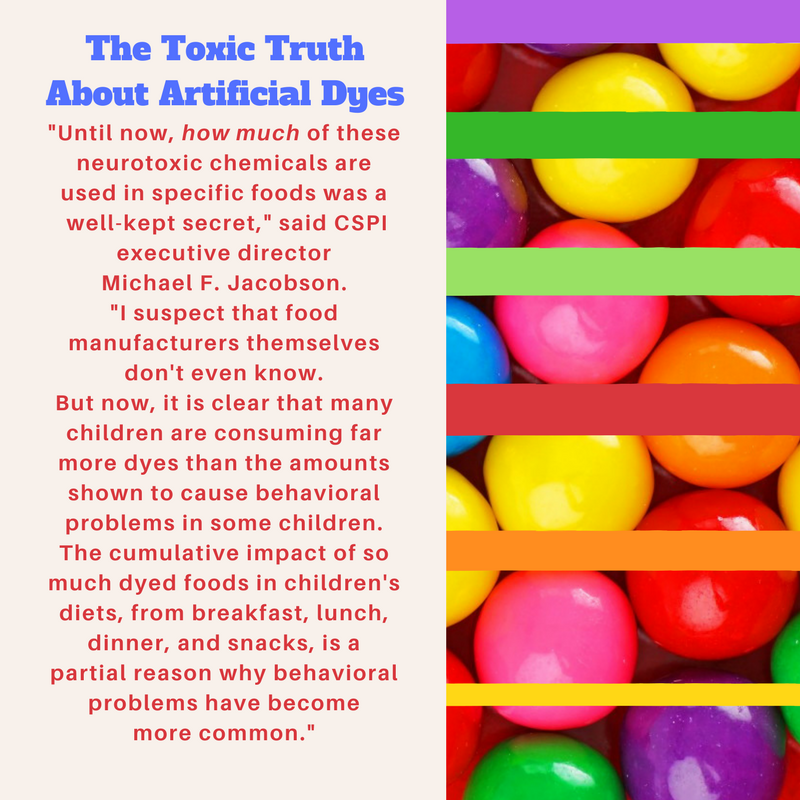
    “Until now, how much of these neurotoxic chemicals are used in specific foods was a well-kept secret,” said CSPI executive director Michael F. Jacobson. “I suspect that food manufacturers themselves don’t even know. But now it is clear that many children are consuming far more dyes than the amounts shown to cause behavioral problems in some children. The cumulative impact of so much dyed foods in children’s diets, from breakfast, lunch, dinner, and snacks, is a partial reason why behavioral problems have become more common.”

    According to the Purdue researchers, the amount of artificial food dye certified for use by the Food and Drug Administration has increased five-fold, per capita, between 1950 and 2012. The researchers estimate that a child could easily consume 100 mg of dyes in a day and that some children could consume more than 200 mg per day. Studies that tested much smaller amounts could easily have downplayed or missed entirely the effect of dyes on behavior.

    **See Food Dyes: Rainbow of Risk https://cspinet.org/resource/food-dyes-rainbow-risks

    Related Links and Downloads: 
    Contact Info: 

    Read the full article at https://cspinet.org/new/201405071.html

  • Your Tax Money Will Now Pay for GMO Marketing Campaign NOT Safety Testing

    HFI: Thanks to a recently passed spending bill, $3 MILLLION TAX PAYER DOLLARS will now be spent to convince the public that their concerns about GMO safety and the 26% increase in pesticide and herbicide application on their foods aren’t valid.

    According to Beyond Pesticides.org 

    $3 MILLION of YOUR Tax Dollars are now going to be spent on education campaign – not safety testing.

    Buried in the spending bill passed earlier this month to avert a government shutdown is a provision that allots $3 million for a federal outreach campaign promoting agricultural biotechnology and genetically engineered (GE) crops. The bill tasks the U.S. Food and Drug Administration (FDA), in coordination with the United States Department of Agriculture (USDA), to use these funds, “for consumer outreach and education regarding agricultural biotechnology and biotechnology-derived food products and animal feed…” According to the Washington Post, Democrats in Congress made a failed bid to move the funding towards FDA-run pediatric medical projects, but faced unanimous Republican opposition.

    Under the provision, FDA and USDA will spend taxpayer money to create, “science-based educational information on the environmental, nutritional, food safety, economic, and humanitarian impacts of such biotechnology, food products, and feed.” 

    There is a lack of sufficient research completed about genetic engineering for human consumption. This new generation of GMO plants is requiring higher and higher doses of pesticides as insects and pests become resistant to genetic modifications in plants. This instead leads to increased — not reduced — dependence on pesticides and at higher doses.

    “The Food and Drug Administration does not require safety assessments of GMO foods,”Caroline Kinsman, communications manager for the Non-GMO Project says, “and does not review all GMO products hitting the market. FDA guidelines are entirely voluntary and the patent holders themselves determine whether their products warrant analytical or toxicological tests.”

    If such an endeavor were made truly in the public interest, educational materials produced by these agencies would reveal significant adverse effects in every listed topic. 2

    GE crops, particularly those engineered to tolerate continuous applications of herbicides like glyphosate, are damaging to the environment. Significant increases in herbicide use as a result of these crops has been linked to the loss of milkweed habitat for Monarch butterflies, effects on soil health and soil organisms, and water contamination. There is no evidence GE foods are more nutritious than other foods in any way, and in fact studies consistently find organic products to have greater health benefits, with higher levels of essential nutrients than conventional foods. Food safety is no way enhanced with GE crops, as concerning levels of GE-dependent glyphosate herbicides have been found in the U.S. food supply, and studies find people who eat organic have lower pesticide levels in their body compared to those who eat conventional food.

    What is GMO? Are you already eating it?

    Genetically modified organisms — also called genetically engineered foods or trans-genetic hybrids — are organisms that have been created through application of transgenic, gene-splicing techniques. It’s a biotechnology that allows DNA, genetic material, from one species (animal, fungi, bacteria, even viral) to be transferred into another species producing a variety of desired traits. For example, genes from salmon can be spliced into tomatoes to make them more resistant to cold weather, helping farmers still reap a crop when the weather is not cooperating.

    In the United States, 93 percent of soybeans and 88 percent of corn is genetically altered, and much of it ends up unlabeled in the processed foods we eat, especially cereals. In addition to soy and corn, the most common GMOs are cotton, canola, sugar beets, Hawaiian papaya, alfalfa and squash (zucchini and yellow). And like corn and soy, many of these items sneak into our food unannounced as added ingredients in the processed foods we eat.

    Just Say No 
    to GMOs But Why?
    Caroline Kinsman, communications manager for the Non-GMO Project, says the truth about GMOs is simple: GMOs show no improvements of any kind. Instead, she says, they tax the environment because of the increased and necessary pesticide use, and there are too many uncertainties of their effect on human health, especially long-term effects, which is a massive unknown due to the relatively young existence of GMOs. Some initial studies have shown GMOs to carry new toxins and new allergens.

    The Non-GMO Project builds a non-GMO food supply, in part, by verifying and labeling products that meet its rigorous Standard. The Standard entails elements of traceability, segregation and testing at critical control points in the lifecycle of products. Many consumers may recognize the project’s butterfly label on many of their favorite natural foods.

    “Americans have the right to know what’s in the food we’re eating and feeding to our families — we deserve an informed choice. Labeling genetically engineered ingredients provides consumers a choice. Informed choice is a fundamental right,” Kinsman says.

    Consumers take concern on GMOs is twofold, she says. First, there is a lack of sufficient research completed about genetic engineering for human consumption. Second, this new generation of GMO plants is requiring higher and higher doses of pesticides as insects and pests become resistant to genetic modifications in plants. This instead leads to increased — not reduced — dependence on pesticides and at higher doses.

    “The Food and Drug Administration does not require safety assessments of GMO foods,” Kinsman says, “and does not review all GMO products hitting the market. FDA guidelines are entirely voluntary and the patent holders themselves determine whether their products warrant analytical or toxicological tests.”

    So until mandatory labeling hits the U.S., Kinsman recommends knowing which crops pose the highest risks (For a simple, printable list of companies that use Monsanto products, visit www.realfarmacy.com/printable-list-of-monsanto-owned-food-producers).

  • Food & Mood

    Food and Mood: How food impacts your brain health

    We are all aware of how our moods influence our food choices.  Many of us have used food as an alternative to feeling our feelings.  It is often easier to feel full than it is to feel angry, sad, lonely, depressed or anxious.  We celebrate with food, we commiserate with food, we soothe ourselves with food.  Our mood often impacts the decision to eat and what we choose to eat!

    But did you know that what you eat also influences how you feel.  The food we eat can actually impact our mood.  What we eat can contribute to feelings of stress, anxiety, sadness and even depression.  Our food choices even influence how our brain ages and can contribute to the development of dementia or Alzheimer’s in our later years.

    How food impacts brain health

    The food we eat provides the basic building blocks for all of our physiological needs.   Our brain weighs about 2% of our body mass but uses 20% of our caloric needs.  We know that what we eat impacts our health, but a lot of people forget that our brain is attached to our body and what we eat impacts its health as well!

    If you were to build a house out of rotten lumber what do you think would happen??  The food we eat essentially provides the building blocks we use to build and renovate a healthy body and brain.  Healthy food, healthy brain.


    Food provides the building blocks for a healthy brain

    Neurotransmitter synthesis requires adequate amino acids (which are derived from protein) and vitamin and mineral co factors.  Deficiencies in either protein or B12, folate, B6 and zinc can cause symptoms of depression and dementia such as low mood, fatigue, cognitive decline and irritability.

    Omega 3 fatty acids also benefit our moods and reduce the risk of dementia.  Recently a large meta- analysis which included 26 studies and over 150,000 individuals confirmed that high fish consumption (which is one of the best sources of omega 3 fatty acids) is significantly associated with a reduced risk of depression.  Other research has also shown that some diet rich in omega 3 fatty acids (especially EPA) has a beneficial effect on the symptoms of depression.

    The brain on fire

    One of the reasons that omega 3 fatty acids are beneficial is that they are anti-inflammatory.  More and more research is linking neuro inflammation to depression, anxiety, dementia, Alzheimer’s and ADHD.  Omega 3 fatty acids help put out the fire!

    One of the challenges with the standard North American Diet is that we don’t consume enough omega 3 fatty acids and we over consume omega 6 fatty acids – which are pro inflammatory.  Current ratios of omega 6 to omega 3 fatty acids are 16:1.   Traditional diets ranged from 4:1 to 1:4.  A far cry from current consumption ratios.

    Antioxidants also play a role

    A diet rich in antioxidants can have a positive impact on mood and brain health in general.  Antioxidants are substances that protect our cells against the effects of free radicals.  Free radicals are by products  of normal physiological processes.  They are also created  after exposure to a variety environmental toxins such as cigarette smoke, pollution etc.  Free radicals cause oxidative stress and contribute to the development of many diseases ranging from cancer, heart disease , depression, anxiety, Alzheimer’s, multiple sclerosis to name just a few.

    Vitamins A,C and E, carotenoids, flavonoids, tannins, lignans and phenols are antioxidants derived from food that protect our cells from free radical damage.

    Plant based foods are the best sources – fruits, vegetables, nuts,

    seeds, herbs, spices, whole grains.  And even chocolate!  Current dietary recommendations are 7 to 10 servings of fruits and vegetables.  In 2014, only 39.5% of Canadians aged 12 and older reported eating 5 or more servings daily.


    Lets talk about sugar

    Sugar also impacts our mood.  There are actually no government guidelines in North America regarding the daily intake of sugar.  The World Health Organization recommends we decrease our consumption of added sugar to no more than 5% of our daily calories or a maximum of 6 teaspoons of sugar daily.  If you read labels it is helpful to know that 4 grams of sugar is equal to 1 teaspoon.

    The average Canadian eats 18 teaspoons of sugar daily.  That is an astounding 88 pounds a year.  Teenagers eat more – boys a whopping 138 pounds of sugar a year.


    Sugar is like a drug

    When we eat sugar there is a release of feel good hormones.  Sugar hijacks the brains reward pathway.  Over activity of this reward system leads to more cravings and an increased tolerance to sugar.  So begins a vicious cycle of cravings.

    Sugar and carb laden foods mess with our brains neurotransmitters.  Sugar also causes our blood sugar crash and can cause symptoms such as irritability, mood swings, brain fog and fatigue.  Chronically high blood sugar has also been linked to inflammation in the brain.

    The standard N.A. diet that is high in processed food (sugar, fat, salt) increases the risk of  depression compared to those who eat a whole foods diet that is lower in sugar and processed food.


    How to boost your mood with food

    • Start with real food. Real food is the kind of food that has been around for hundreds of years.   Avoid processed and refined food, preservatives, artificial flavours and sweeteners.
    • Get a minimum of 7 -10 servings of fruits and vegetables.
    • Eat fish several times a week. Wild salmon, herring, sardines are the highest in omega 3 fatty acids.  Supplement with a good source of fish oil if this is preferable.
    • Add more healthy fats to your diet. Great sources are nuts, seeds, avocados, flax seeds, extra virgin olive oil.
    • Eat less sugar and refined carbohydrates. Aim for less than 6 teaspoons daily.
    • Incorporate more herbs and spices into your cooking.
    • Enjoy good quality dark chocolate in moderation!!
    • But don’t forget to also move your body daily, practise gratitude, and have more fun…….


  • Are Gum Additive Safe?

    What are Gum additives and Why are they in our food?

    Gum additives are everywhere in our food supply today. Xanthan and guar gum are by far the most common. But there are many others too, such as locust bean gum (carob gum), gellen gum, cellulose gum, and relative newcomer tara gum. The savvy shopper is clued into which gum additives to avoid and which are no big deal.

    Gums are mostly comprised of indigestible polysaccharides. Some are produced from plants and some from bacterial fermentation. Others are produced from edible plants and even a few from ornamentals.

    Food manufacturers love gums because they have unique properties that add desirable texture and/or shelf life to processed foods. Typical use is for thickening, stabilizing or emulsifying. Some are more heat and cold resistant than others. Others are more acid and pH resistant. Most are utilized as powders.

    Are Gum Additives Safe?

    Examination of the most common gum additives in food today indicates that in general they are safe for occasional consumption by healthy persons with normal gut function. The exceptions to this are xanthan gum, which infants should not consume. The worst of the lot is cellulose gum. It is best avoided by everyone as it is a chemically treated, ultra cheap, industrialized product.

    Guar gum, tara gum, gellen gum, and locust bean (carob) gum are all safe in small amounts. Tara gum has a perfect safety record in the research so far, although these results are only in animal studies.

    Locust bean gum is currently under investigation for pharmaceutical use and is well tolerated even by full term infants with reflux.

    All of the gums listed in this article must be temporarily avoided for those on the GAPS or SCD diets. This is due to to unknown long term effects on gut flora and the potential for inflaming a healing gut.

    Learn more about specific gums at 
  • Farmed Salmon the Dirty Secret

    HFI: Here are some facts about Farmed Salmon which may get you think twice about buying one again:
    1. Farmed salmon is fed pellets of chicken feces, soy, GMO canola oil, corn meal and other fish with high levels of toxins
    2. Farmed salmon has 7 times higher levels of PCB’s compared to wild salmon
    3. Farmed salmon has 30 times more sea lice
    4. Farmed salmon is given toxic chemicals to intesify their flesh’s color
    5. Farmed salmon is pumped with more antibiotics than any other livestock
    6. Farmed salmon has less omega 3’s as a result of the lack of wild diet
    7. Farmed salmon is prone to more disease

    Next time you dine out and decide to try the salmon, make sure it’s wild and not farmed.

    According to the EPA the most toxic fish in the world is farmed salmon. They even advise people that more than one meal of farmed salmon a month is the maximum they should eat.

    But even their recommendation is wrong because farmed salmon is one of the most toxic FOODS in the world and should not be consumed in any amount.

    You should know that farmed fish of any kind is not good for your health and can wreak havoc on your organism in ways you can’t even imagine. Why? Well, because fish in the wild doesn’t eat corn, grains or pork, while farmed fish do, but they’re not supposed to. Moreover, farmers give fish a toxic combination of vitamins and antibiotics, which afterwards end up in your system. Some fish even get synthetic pigments.

    Farmed Salmon – One of the Most Toxic Foods in the World

    What’s even more surprising is that the toxins in farmed fish don’t come only from pesticides and antibiotics, most of them come from the dry pellet feed. Research has found that the fish feed contains dangerous amounts of dioxins, PCBs and a bunch of other drugs and chemicals which can cause permanent damage to your body and can even be linked to immune system problems, endocrine system disorders, autism and ADHD.

    Dr. Monsen, a well-renowned biologist says:

    “I do not recommend pregnant women, children or young people eat farmed salmon. It is uncertain in both the amount of toxins salmon contain, and how these drugs affect children, adolescents and pregnant women… The type of contaminants that have been detected in farmed salmon have a negative effect on brain development and is associated with autism, ADD / ADHD and reduced IQ. We also know that they can affect other organ systems in the body’s immune system and metabolism.”

    Omega-3 Levels in Farmed Salmon Is Nearly Half of That in Wild Salmon

    The International Fishmeal and Fish Oil Organization (IFFO) says that the farmed fish we eat today doesn’t contain even half of the amount of omega-3s compared to a decade ago. This is mostly due to the fact that farmed salmon are now fed more on byproducts of hog and poultry processing, soybeans and soybean oil, canola oil, corn and other grain when they should be fed smaller wild fish rich in omega-3s.

    Farmed Salmon Can Cause Cancer

    According to research, people that eat farmed salmon more than once a month are at a higher risk of developing some type of cancer later in life as a result of the high amount of chemicals and antibiotics found in the farmed salmon fillet.

    Moreover, it has been revealed that farmed salmon contains high levels of cancer causing PCB, 16 times higher than wild salmon. Farmed salmon also contains 11 times more dioxin than wild salmon.

    If this wasn’t enough, farmed salmon is rich in inflammation producing omega-6 fatty acids, which consequently can increase your risk of developing serious diseases like diabetes, cancer, arthritis, coronary artery disease and Alzheimer’s.

    Banned Synthetic Astaxanthin

    It’s astonishing to find out that farmers pump their salmon with synthetic astaxanthin, a substance that has been banned by every government in the world for human consumption. This harmful substance makes the farmed fish’s flesh look more pinkish and similar to wild salmon, fooling people into thinking they’re actually eating wild salmon.

     How can you tell the difference?
    Well, if the menu doesn’t say you can ask, and if it’s cheaper than usually it’s surely farmed because farmed salmon is more affordable than wild. Wild salmon can sometimes cost as much as a high end cut of beef. If you want to preserve your health choose wild and forget about farmed. Another telltale sign your salmon isn’t wild?  The color!  Farm- raised salmon is much lighter than wild salmon!

    Source: http://chere1.com

  • Buyer Beware: You HAVE To Read Labels

    HFI: Research your foods and learn to read labels. Healthy doesn’t necessarily mean free of harmful ingredients. 

    Food labeled “healthy” should be nutritious, low in added sugar, and free of trans fat and other harmful ingredients, right? Not according to the Food and Drug Administration’s current labeling guidelines.

    The rules for health claims on food products hasn’t been significantly updated since 1994, despite big advances in nutrition science.

    EWG Food Scores database has nutrition facts, ingredients and processing ratings on more than 80,000 products, and our Dietary Guidelines can help you create a healthy and nutritious diet for yourself and your family. 

    It’s clear the FDA needs to modernize its criteria for “healthy.” When we look for “healthy” foods in a grocery store, we are looking for foods that nourish our bodies and are not known to have harmful effects.

     By Dawn Undurraga, Nutritionist and Violet Batcha, Digital Media Manager
  • Food Affects How You Feel

    Harvard Health affirms that food affects how you feel. Your diet matters SO MUCH MORE than you think. 

    Beat anxiety and depression by eating eating more fruits and vegetables!

    “Serotonin is a neurotransmitter that helps regulate sleep and appetite, mediate moods, and inhibit pain. Since about 95% of your serotonin is produced in your gastrointestinal tract, and your gastrointestinal tract is lined with a hundred million nerve cells, or neurons, it makes sense that the inner workings of your digestive system don’t just help you digest food, but also guide your emotions. What’s more, the function of these neurons — and the production of neurotransmitters like serotonin — is highly influenced by the billions of “good” bacteria that make up your intestinal microbiome.”

    Start paying attention to how eating different foods makes you feel — not just in the moment, but the next day. Try eating a “clean” diet for two to three weeks — that means cutting out all processed foods and sugar. Add fermented foods like kimchi, miso, sauerkraut, pickles, or kombucha. You also might want to try going dairy-free — and some people even feel that they feel better when their diets are grain-free. See how you feel. Then slowly introduce foods back into your diet, one by one, and see how you feel.

    When my patients “go clean,” they cannot believe how much better they feel both physically and emotionally, and how much worse they then feel when they reintroduce the foods that are known to enhance inflammation. Give it a try!

    Make sure these fruits and vegetables are free from glyphosate and the Roundup product.

    Scientific studies have also discovered that glyphosate is an endocrine distruptor and can cause mental instability and mood disorders. 

    Tryptophan is an α-amino acid that is used in the biosynthesis of proteins.  Tryptophan is an essential amino acid in humans, meaning that the body cannot synthesize it: it must be obtained from the diet through plant and animal sources that include grains, nuts, oats, wheat, and eggs (list not exhaustive). Tryptophan is also a precursor to the neurotransmitter serotonin and the hormone melatonin.  Tryptophan deficiency can lead to lower serotonin levels. This can result in mood disorders, such as depression.

    Serotonin also impacts every part of your body, from your emotions to your motor skills. Serotonin is considered a natural mood stabilizer. It’s the neurotransmitter that helps with sleeping, eating, and digesting.

    Glyphosate works in plants by disrupting the plants shikimate pathway.  The shikimate pathway is involved with the synthesis of the essential amino acids, phenylalanine, tyrosine, and tryptophan.  When we consume Roundup treated plants, we do not get the needed amino acids like tryptophan necessary for the synthesis of serotonin.

    Another interesting point about glyphosate is that because of its chelating (binding and removing) abilities, it also reduces calcium and magnesium levels.

    From the Harvard Health Blog:

    Think about it. Your brain is always “on.” It takes care of your thoughts and movements, your breathing and heartbeat, your senses — it works hard 24/7, even while you’re asleep. This means your brain requires a constant supply of fuel. That “fuel” comes from the foods you eat — and what’s in that fuel makes all the difference. Put simply, what you eat directly affects the structure and function of your brain and, ultimately, your mood.

    Like an expensive car, your brain functions best when it gets only premium fuel. Eating high-quality foods that contain lots of vitamins, minerals, and antioxidants nourishes the brain and protects it from oxidative stress — the “waste” (free radicals) produced when the body uses oxygen, which can damage cells.

    Unfortunately, just like an expensive car, your brain can be damaged if you ingest anything other than premium fuel. If substances from “low-premium” fuel (such as what you get from processed or refined foods) get to the brain, it has little ability to get rid of them. Diets high in refined sugars, for example, are harmful to the brain. In addition to worsening your body’s regulation of insulin, they also promote inflammation and oxidative stress. Multiple studies have found a correlation between a diet high in refined sugars and impaired brain function — and even a worsening of symptoms of mood disorders, such as depression.

    It makes sense. If your brain is deprived of good-quality nutrition, or if free radicals or damaging inflammatory cells are circulating within the brain’s enclosed space, further contributing to brain tissue injury, consequences are to be expected. What’s interesting is that for many years, the medical field did not fully acknowledge the connection between mood and food.

    Today, fortunately, the burgeoning field of nutritional psychiatry is finding there are many consequences and correlations between not only what you eat, how you feel, and how you ultimately behave, but also the kinds of bacteria that live in your gut.

    How the foods you eat affect how you feel read more here http://www.health.harvard.edu/blog/nutritional-psychiatry-your-brain-on-food-201511168626.

    For more information on this topic, please see: Nutritional medicine as mainstream in psychiatry, Sarris J, et al. Lancet Psychiatry. 2015

    The field of Nutritional Psychiatry is relatively new, however there are observational data regarding the association between diet quality and mental health across countries, cultures and age groups – depression in particular. Here are links to some systematic reviews and meta-analyses:

    http://ajcn.nutrition.org/content/99/1/181.long
    http://www.ncbi.nlm.nih.gov/pubmed/23720230
    http://www.ncbi.nlm.nih.gov/pmc/articles/PMC4167107/

    There are also now two interventions suggesting that dietary improvement can prevent depression:

    http://www.ncbi.nlm.nih.gov/pmc/articles/PMC3848350/
    http://www.ncbi.nlm.nih.gov/pmc/articles/PMC4050338/

    Diet during early life is also linked to mental health outcomes in children (very important from public health perspective):

    http://www.ncbi.nlm.nih.gov/pubmed/24074470
    http://www.ncbi.nlm.nih.gov/pubmed/25524365 http://www.ncbi.nlm.nih.gov/pubmed/23541912

    Extensive animal data show that dietary manipulation affects brain plasticity and there are now data from humans to suggest the same:

    http://www.ncbi.nlm.nih.gov/pmc/articles/PMC4563885/

    Finally, while there are yet to be published RCTs testing dietary improvement as a treatment strategy for depression, the first of these is underway and results will be published within six months:

    http://www.ncbi.nlm.nih.gov/pmc/articles/PMC3636120/

  • Ketchup. That bottled stuff is not so good for you!

    Many of you are not aware of the method of labeling ingredients in food products. Namely, companies list the ingredients according to the amounts added to the food, from the most to the least.

    This is important as it gives you an opportunity to control what you consume.

    When it comes to Heinz ketchup, we strongly advise you to stay away from it, and we give the most important reasons:

    High Fructose Corn Syrup

    Heinz ketchup is loaded with high fructose corn syrup, and this would have been evident if the company did not list the same ingredients twice under a different name, corn syrup, and high fructose corn syrup.

    This ingredient acts as sugar in the body when metabolized, and raises the blood sugar levels, and endangers the functioning of the liver. It is derived from GMO and causes obesity, weight gain, heart diseases, diabetes, and weakened immune system.

    Distilled Vinegar and Sugar

    Despite the high fructose corn syrup, they have also added additional sugar- even 4 extra grams of sugar per tablespoon!

    In the end, they add distilled vinegar, which is another GMO corn ingredient.

    Therefore, this product contains three GMO ingredients, sugar, chemicals, and actually no place for any nutrients! Does this sound healthy, does it actually sound like a food?

    The list of ingredients continues with additives, salt, onion powder, no fiber, no protein, and no nutritional value.

    Therefore, I’d advise you to never consume this ketchup again!…

    Probiotic Ketchup – the GOOD STUFF 

    My kids are beginning to get a taste for it. I am realistic – it takes time for taste buds to change.

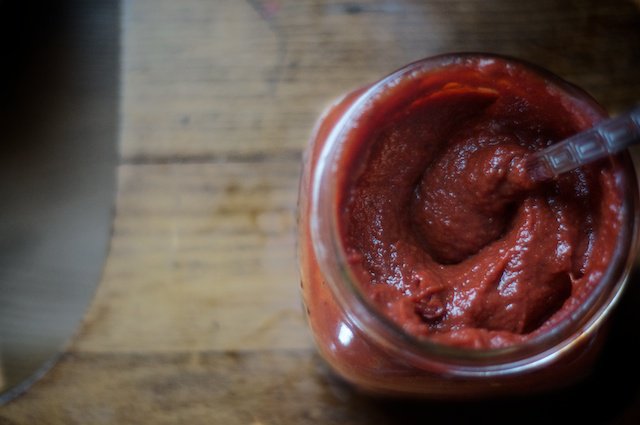
    Spiced, Fermented Ketchup

    The spices here can totally be optional, but I love a heavily spiced ketchup, so I went nuts.  I went heavy on the clove, because I like it and the morning glory version is noticeably clovey.  Feel free to omit any spices that you don’t love, since this is definitely a heavily spiced ode to the good ol’ MG ketchup.

    I didn’t add any salt because my kraut juice contained all the salt I wanted.  If you use a different starter, add a pinch or two of salt.

    Ingredients

    1 cup tomato paste

    1 1/2 cups drained, canned tomatoes (or sub ~4 medium, fresh, milled tomatoes), canned liquid reserved

    1 1/2 teaspoon mustard powder

    1/2 teaspoon allspice

    1/2 teaspoon cayenne (omit if you don’t like heat)

    1 teaspoon clove

    1 cup sauerkraut juice

    2 tablespoons maple syrup

    How-To

    1.  Combine all ingredients except sauerkraut juice and maple syrup. Put them in a sauce pan over medium heat and cook for 40 minutes, stirring regularly. When the mixture has thickened a bit, stir in the maple syrup.

    2. Remove from heat and bring back to room temperature. If you find the mixture  has gotten thicker than you like, use the reserved canning liquid to thin it out a bit, a tablespoon at a time. Add the sauerkraut juice.

    2.  Pour into a 1 1/2 pint jar and tighten the lid.

    3.  Let it sit at room temperature for 24 to 48 hours or until the lid has puffed up and is a bit rigid.

    4.  I like to give it another whirl in the food processor to smooth it out even more after fermentation.

    5.  Refrigerate and consume with abandon

    http://phickle.com/ketchin-up-spiced-style/