Published on Apr 11, 2016
My famous Healing Dressing. Awesome ingredients like:
tumeric, garlic, ginger, olive oil, apple cider vinegar, stevia and balsamic vinegar

Because access to healthful and uncontaminated food should be a human right.
My famous Healing Dressing. Awesome ingredients like:
tumeric, garlic, ginger, olive oil, apple cider vinegar, stevia and balsamic vinegar
“Fresh, Instant Almond Milk” is, at its core, almond butter blended with water, founded on the smart observation that the two differ by only one essential ingredient: water. With almond butter as a starting point, you can skip the soaking and the straining.
All you need to do is blend 3 tablespoons of almond butter with 1 1/2 cups water. Laura also adds 1/8 teaspoon salt, 2 teaspoons maple syrup, and 1/4 teaspoon vanilla extract. Blend on high speed until smooth and creamy, and strain if you like (though not necessary).
“I keep a jar of raw almond butter on hand and I never go without fresh almond milk.” —Laura Wright, The First Mess Cookbook
Since this almond milk is less neutral-tasting (read: less watery) than store-bought almond milk, however, it might not be the best candidate for adding to coffee or pouring over cereal.
Keep it stored in a jar in the refrigerator for up to 1 week. Since the almond butter particles will settle, you’ll want to give it a good shake before using.
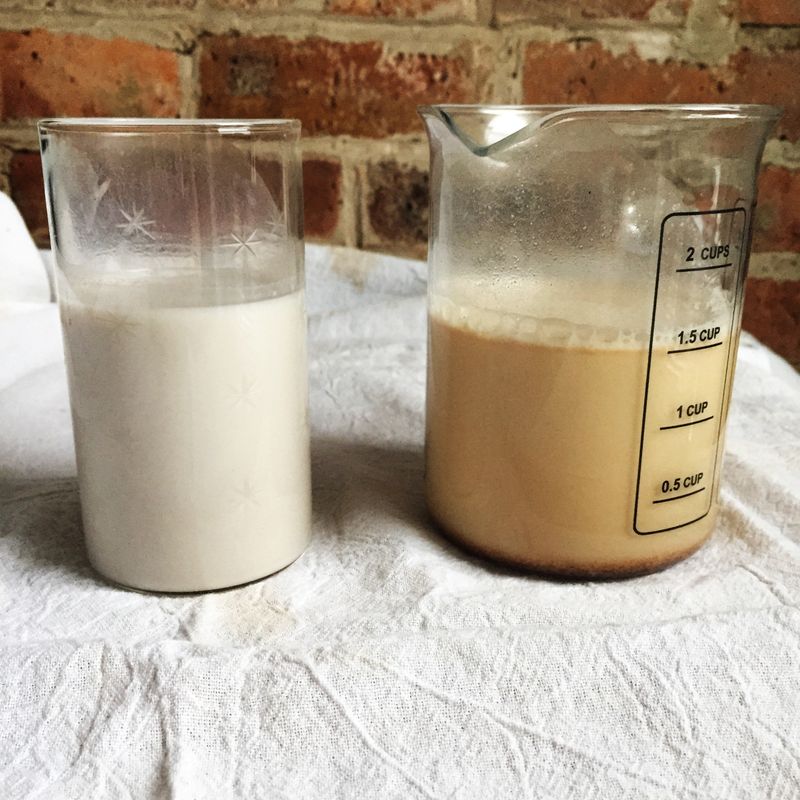
Store-bought almond milk (left) versus almond butter almond milk (right).
Almond milk: Do you love it, hate it, or feel totally neutral towards it? Tell us in the comments.
SO, are almonds really all that good for you?? You decide. https://draxe.com/almonds-nutrition/

How does your can stack up?
If you’re going to buy tuna, make sure to choose a responsibly-caught option.
We’ve ranked 20 well-known canned tuna brands that can be found in grocery stores nationwide based on how sustainable, ethical, and fair their tuna products are for our oceans—and for the workers that help get the products to store shelves.
If you’re going to buy tuna, make sure to choose a responsibly-caught option.
check out this article before you shop: http://www.greenpeace.org/usa/oceans/tuna-guide/.
Dr. Rosie Main shares What Not to Eat!
Dr. Rosie Main is on a mission to transform the health of those who are seeking ways to to live to their God Given Potential. Dr. Main is a Wellness Doctor, Speaker and Radio Host both in English and Spanish and speaks on nutrition, the importance of the nervous system, toxicity, mindset, exercise, healthy recipes, and current health news. She is a Maximized Living Doctor and has her own practice in Meridian, ID where she helps people with chronic conditions and many kids and families that travel to find solutions to many of their health problems that mainstream medicine has not helped. She has a passion to see people transform the health and lives to reach their true potential.
Main Health Solutions
2300 W Everest Ln, Ste 175
Meridian, Idaho
@MainHealthSolutions
Call (208) 859-6170

Adults are free with paid kid’s registration. Each child will require a purchased ticket.
Suggested age range: 5-10 years old. Kids up to age 12 or 13 are welcome to join us if they are not experienced cooks, this class is designed for the beginner to intermediate parent-helper.
Location: Boise Co-op at The Village, 2350 N. Eagle Rd., Meridian, ID 83646
About the host: Kendy Radasky, a Nutritional Therapist and self-described foodie enjoys testing new recipes on her picky 6-year old son. Her two favorite places to spend time are the garden and the kitchen – using fresh, organic, homegrown ingredients in the meals and snacks she creates for her family. Both she and her son experience food sensitivities, so much of Kendy’s exploration with new recipes centers around gluten-free, grain-free, and dairy-free options. In her work as a Nutritional Therapist, Kendy guides mothers and moms-to-be, who sometimes feel depleted by the responsibilities of family and work, to deeply nourish themselves so they can reclaim their vitality and creativity, and more fully nurture those they love.

The Seattle Times wrote about a method from Washington potato farmer Greg Lutovsky to plant potatoes inside a box. The potential yield is staggering: up to 100 pounds of bounty in just 4 square feet! With a long planting season (April to August) and just 90 days’ from planting to harvest, you can enjoy your nutrition-packed, homegrown, organic, non-GMO potatoes all summer and fall.
The recipe to this bumper crop is:
Greg Lutovsky shares his guide for building a potato growing box yields up to a 100 lbs. of potatoes in a mere 4 square feet is shown below:

Image courtesy of The Seattle Times
For more details and tips, read potato farmer Greg Lutovsky’s interview here.

With its mild flavor, its delicate, pale color, and its (undeserved) reputation as a food with ‘little nutritional value,’ celery just might be the Clark Kent of the produce aisle. The reality is: this underappreciated vegetable is a nutritional superhero that is just beginning to get its due.
Not only is celery packed with essential vitamins, minerals and dietary fiber, but researchers are crediting it with impressive power to prevent – and even treat – cancer as well.
Properties in celery target cancer cells at the molecular level
Although celery is rich in many beneficial compounds, its premier cancer-fighting constituent is an antioxidant flavonoid called apigenin – which has been impressing researchers with its powerful chemopreventive effects. Again and again, in both cell and animal studies, apigenin was found to inhibit the initiation, progression and metastasis of tumors.
And, apigenin fights cancer at every stage – with multiple mechanisms of action. This versatility is important because it may help to overcome the natural genetic variations that make some patients unable to benefit from a single chemopreventive compound.
Apigenin prevents, suppresses and even reverses cancer in several distinct ways
Angiogenesis – the growth of new blood vessels to nourish tumors – is an important process in the proliferation of cancer. Apigenin has been found to inhibit angiogenesis, thus depriving tumors of blood, oxygen and nutrients they need to survive.
In a cell study, apigenin helped to “starve” human pancreatic cancer cells by depriving them of glucose, which is needed to fuel cancer’s rampant growth.
Apigenin also interferes with molecular signaling, decreasing the production of chemicals needed by cancer cells. In a 2008 study published in Carcinogenesis, apigenin inhibited the expression of focal adhesion kinase – or FAK – a protein essential to cancer’s ability to break down and invade healthy tissue – thereby inhibiting the metastasis of human ovarian cancer cells.
In another study, researchers found that apigenin protected pancreatic cells from inflammatory and cancer-causing damage induced by the NF-kappaB cytokine. And, finally, apigenin promotes apoptosis – the programmed death of cancer cells. Researchers have found that the ability of apigenin to induce apoptosis reduced the incidence of early lesions in rats with laboratory-induced colon cancer.
New review of research confirms anti-cancer effects
In an extensive and recent review of cell and animal studies on apigenin published in 2016 in Journal of Cancer Protection, the authors credited the flavonoid (in celery) with diverse and powerful chemoprotective qualities and effects.
These include suppressing the progression of prostate cancer, causing a marked reduction in carcinomas, slowing cancer cell proliferation, reducing levels of pro-inflammatory molecules that can trigger cancer, promoting apoptosis and decreasing blood vessel growth to tumors.
Concluding that apigenin is beneficial in both the prevention and treatment of many types of cancer, the review authors called for more clinical studies. Of course, research on apigenin’s stunning anti-cancer effects is ongoing.
So, don’t be fooled: Despite its reputation as a nutritional “lightweight,” celery can be a powerful weapon in your arsenal of natural cancer-fighting foods.
References:
http://www.lifeextension.com/Magazine/2009/SS/Powerful-Advances-in-Natural-Cancer-Prevention/Page-01
https://www.ncbi.nlm.nih.gov/pmc/articles/PMC5207605
https://www.ncbi.nlm.nih.gov/pubmed/18974065


Two new reports published in recent weeks add to the already large and convincing body of evidence, accumulated over more than half a century, that agricultural pesticides and other toxic chemicals are poisoning us.
Both reports issue scathing indictments of U.S. and global regulatory systems that collude with chemical companies to hide the truth from the public, while they fill their coffers with ill-gotten profits.
According to the World Health Organization, whose report focused on a range of environmental risks, the cost of a polluted environment adds up to the deaths of 1.7 million children every year.
A report by the Special Rapporteur on the right to food, presented to the United Nations Human Rights Council, focused more narrowly on agricultural chemicals. The UN report states unequivocally that the storyline perpetuated by companies like Monsanto—the one that says we need pesticides to feed the world—is a myth. And a catastrophic one at that.
‘UN experts denounce ‘myth’ pesticides are necessary to feed the world’
The headline in the Guardian’s story on the report delivered this week to the UN Human Rights Council said it all.
From the Guardian:
A new report, being presented to the UN human rights council on Wednesday, is severely critical of the global corporations that manufacture pesticides, accusing them of the “systematic denial of harms”, “aggressive, unethical marketing tactics” and heavy lobbying of governments which has “obstructed reforms and paralysed global pesticide restrictions.”
The report says pesticides have “catastrophic impacts on the environment, human health and society as a whole”, including an estimated 200,000 deaths a year from acute poisoning. Its authors said: “It is time to create a global process to transition toward safer and healthier food and agricultural production.”
The UN report was authored by Hilal Elver, special rapporteur on the right to food, and Baskut Tuncak, special rapporteur on toxics. The report stated that chronic exposure to pesticides has been linked to cancer, Alzheimer’s and Parkinson’s diseases, hormone disruption, developmental disorders and sterility. It said the populations most at risk are farmers and agricultural workers, communities living near plantations, indigenous communities and pregnant women and children, who are especially vulnerable to pesticide exposure and require special protections.
The Crop Protection Association, a lobbying group representing the $50-billion agri-chemical industry, fired back at the report with its standard false claim that pesticides “play a key role in ensuring we have access to a healthy, safe, affordable and reliable food supply.” But Elver told the Guardian:
“It is a myth. Using more pesticides is nothing to do with getting rid of hunger. According to the UN Food and Agriculture Organisation (FAO), we are able to feed 9 billion people today. Production is definitely increasing, but the problem is poverty, inequality and distribution.”
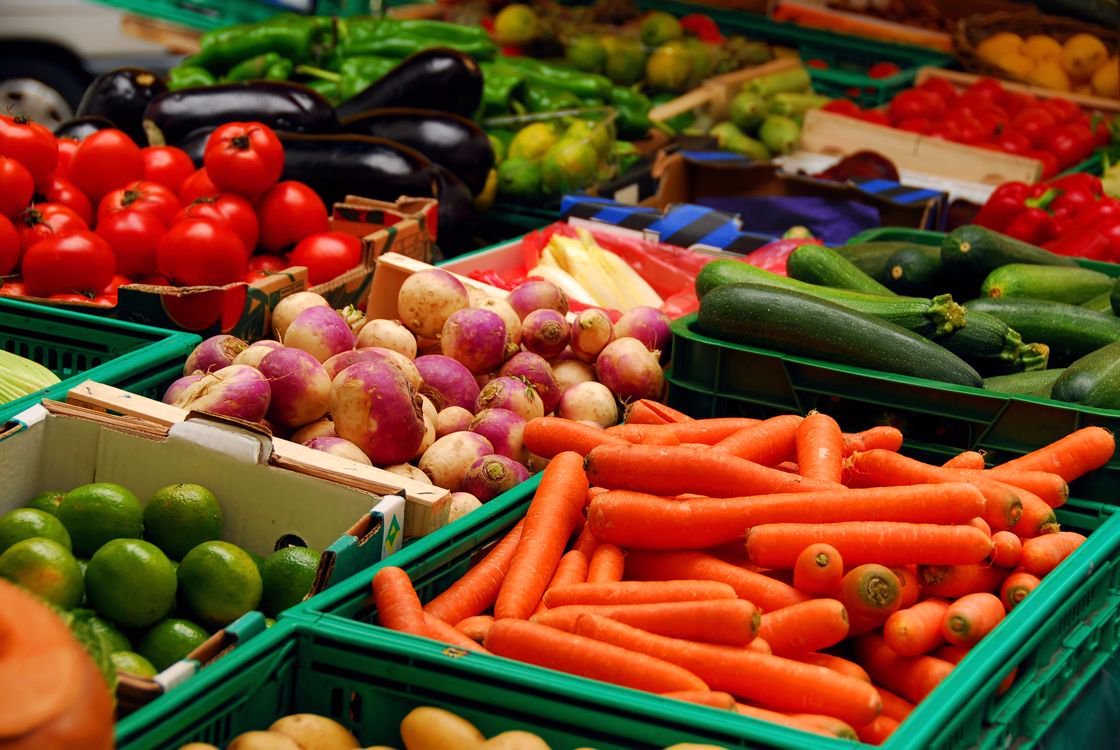
There’s food LOT’s Of It!
Sustainable Pulse also reported on the story, noting that the report warns that some pesticides can persist in the environment for decades:
The excessive use of pesticides contaminates soil and water sources, causing loss of biodiversity, destroying the natural enemies of pests, and reducing the nutritional value of food. The impact of such overuse also imposes staggering costs on national economies around the world.
The UN report, which mentioned (page 15, no 68) the efforts of the Monsanto Tribunal to raise global awareness about the dangers of pesticides, included a long list of recommendations for moving away from chemical-based agriculture. At the top of the list was a call out to the international community to work on a comprehensive, binding treaty to regulate hazardous pesticides throughout their life cycle, taking into account human rights principles. Such a treaty should:
• Aim to remove existing double standards among countries that are particularly detrimental to countries with weaker regulatory systems
• Generate policies to reduce pesticide use worldwide and develop a framework for the banning and phasing-out of highly hazardous pesticides
• Promote agroecology
• Place strict liability on pesticide producers.
‘Exposure to pollution kills millions of children, WHO reports find’
In a March 5 story, the Washington Post reported on two World Health Organization (WHO) reports how exposure to polluted environments is linked to more than one in four deaths among children under the age of five.
Worldwide, 1.7 million children’s deaths are attributable to environmental hazards, such as exposure to contaminated water, indoor and outdoor pollution, and other unsanitary conditions, the reports found.
Weaker immune systems make children’s health more vulnerable to harmful effects of polluted environments, the report says.
According to the WHO reports, which focused on a wide range of chemicals, including those found in food, electronics, contaminated water supplies, second-hand tobacco smoke, and others, one-fourth of all children’s deaths and diseases in 2012 could have been prevented by reducing environmental risks.

THIS FALL right here in IDAHO SIMPLOT will be planting and harvesting GMO POTATOES! **Keep eyes out for the three varieties – Russet Burbank, Ranger Russet, and Atlantic and AVOID! No longer terms studies, no labeling, no need to eat. Search for organic and NON GMO potatoes.
Sunday, March 05, 2017 by: Daniel Barker
(Natural News) The U.S. Environmental Protection Agency (EPA) and Food and Drug Administration (FDA) have given permission to Idaho-based agribusiness giant J.R. Simplot Co. to begin the spring planting and fall harvesting of three different types of genetically modified potatoes.
Simplot says that the varieties are genetically engineered to resist the pathogen associated with late blight, the disease responsible for the Irish potato famine. The GMO potatoes are also modified to keep them from turning brown when sliced, to be resistant to bruises and black spots, and to have a longer storage life.
The company also says that the GMO potato varieties will produce less acrylamide – a chemical thought to cause cancer – when fried. This supposed advantage has prompted Simplot to make the highly suspicious claim that these are actually “cancer-fighting potatoes.”
The three varieties – Russet Burbank, Ranger Russet, and Atlantic – which were previously approved by the U.S. Department of Agriculture (USDA), have now been classified as safe to eat and safe for the environment, despite the testimony of the FDA’s own scientists calling into question the safety of GMOs in general.
Since at least 1992, the FDA has been lying by saying that there is an overwhelming consensus among scientists that GMOs are safe and that there has been sufficient data to back their claim.
Steven Druker, a lawyer representing a coalition of nonprofit organizations, was able to successfully sue the FDA, forcing the release of declassified documents regarding GMOs.
The documents Druker obtained clearly showed that the FDA ignored the safety warnings of its own scientists and covered up all evidence that GMOs were unsafe.
In the YouTube video below, watch from 46:55 to find out what was in the declassified FDA documents:
There’s been very little in the mainstream press regarding the approval of these new GM potato varieties – other than an Associated Press piece being run in all the major news outlets – and the AP story essentially parrots the official lie that there is “no evidence that genetically modified organisms, known as GMOs, are unsafe to eat.”
Linda Kahl, Ph.D., an FDA compliance officer, wrote in one of the declassified documents:
“The processes of genetic engineering and traditional breeding are different, and according to the technical experts in the agency, they lead to different risks.”
And since there will be no labels warning consumers of potatoes and other foods that contain GMOs, the only way to protect yourself is to buy products labeled organic and GMO-free – or better yet, grow them yourself.
If you don’t want to eat Zombie fries you should avoid buying potatoes labeled as Russet Burbank, Ranger Russet, or Atlantic.
Follow more news about GMOs at GMO.news.
Sources:

We don’t usually think about green peas as an exotic food in terms of nutrient composition but we should. Because of their sweet taste and starchy texture, we know that green peas must contain some sugar and starch (and they do). But they also contain a unique assortment of health-protective phytonutrients. One of these phytonutrients, a polyphenol called coumestrol, has recently come to the forefront of research with respect to stomach cancer protection.
A Mexico City-based study has shown that daily consumption of green peas along with other legumes lowers risk of stomach cancer (gastric cancer), especially when daily coumestrol intake from these legumes is approximately 2 milligrams or higher. Since one cup of green peas contains at least 10 milligrams of coumestrol, it’s not difficult for us to obtain this remarkable health benefit. (source)
Dried peas need to be washed and any discoloured peas or little stones discarded. Split peas don’t need to be soaked but doing so helps speed up the cooking time, but if adding to a soup they don’t need soaking. Simply wash, add to the rest of the ingredients, and cook.
Dr. Andrew Weil on health benefits and how to cook them:
There are few of us who have not found comfort in a steaming bowl of split pea soup at one time or another. Split peas are the dried, peeled, and most often split spherical seeds of the common pea plant, Pisum sativum. They can be purchased whole and un-split as well, though these take longer to cook.
Peas are thought to have originated somewhere between the Middle East and Central Asia; and, until the 16th century, when more tender varieties were able to be cultivated, they were almost exclusively consumed by humans in their dried form.
Just one cup of cooked split peas provides a full 65 percent of the Daily Value for fiber, making them, like all legumes, highly beneficial in blood sugar management and cholesterol control. Dried peas are also a good source of B vitamins (folate and thiamin) and various minerals such as magnesium, phosphorous and potassium.
Cooking time: Split peas, 30-60 minutes; whole peas, 60-90 minutes
Liquid per cup of legume: Split peas, 4 cups; whole peas, 6 cups
How to cook dried peas: While dried split peas do not need to be soaked, dried whole peas should be soaked overnight prior to cooking.
For split peas, combine in a pot with fresh, cold water for cooking. Place on stove and bring to a boil in a pot with a lid. Once boiling, reduce to a simmer, tilting the lid slightly to allow steam to escape, and leave to cook for up to 60 minutes, or until mushy.
For whole peas, drain soaking water and replace with fresh, cold water for cooking. Place on stove and bring to a boil in a pot with a lid. Once boiling, reduce to a simmer, tilting lid slightly to allow steam to escape, and leave to cook for up to 90 minutes, or until tender. (source)
Here is my all-time favorite recipe for split-pea soup WITH fresh (frozen) peas added at the end. I often adapt this recipe by replacing the bacon (nitrate free of course) with 1-cup of leftover ham that’s been diced, labeled, frozen and ready for soup.
This recipe is superbly delicious, and it freezes beautifully.
Speedy Split Pea Soup With Bacon (or ham)
Makes 6 generous servings (or lots to freeze) and is ready in about an hour.
1 package bacon, chopped (or 1-2 cups diced cooked ham)
1 large onion, chopped
2 carrots, peeled and chopped
2 stalks celery, washed and chopped
2 cloves garlic, peeled sliced thinly
2 cups dried split peas
8 cups chicken or vegetable stock
2 bay leaves
1 tablespoon dried rosemary
Salt and pepper
2 cups of frozen peas
1 tablespoon of any vinegar
Place bacon in a large soup pot over a medium high heat. When the bacon is brown and crispy drain away the fat, leaving about 2 Tbsp in the pot (alternately, first cook veg in a bit of EVOO and add thawed cooked ham when adding dried peas, stock and seasonings). Add onion, carrots, celery and garlic to the pot and sauté for a few minutes. Add the dried peas, stock, bay leaves, rosemary and salt and pepper. Bring to a simmer and continue cooking until the soup is thick and the peas are completely soft. Stir in frozen peas and stir to heat through. Stir in the vinegar and add salt and pepper to taste. (recipe source) Gina’s Note: The bright pop of flavor from the fresh/frozen green peas adds a real freshness and depth to this dish, and the vinegar (I use red wine vinegar) simply highlights all the flavours already there. You won’t actually taste vinegar, it’s simply doing its magic of heightening flavors.