Category: Healthy Food

Because access to healthful and uncontaminated food ​should be a human right.

  • GROW YOUR OWN: Tomatoes and Peppers

    GROW YOUR OWN: Tomatoes and Peppers

    You can taste the sun in a ripe homegrown tomato, but only if the tomato plant has enjoyed a robust, healthy life. This is no great challenge in climates where summers are long and warm, but you will need special varieties to grow great tomatoes if you have a short, cool season. Disease resistance is important in all climates because tomatoes can be weakened or killed by several widespread diseases.

    To learn more about getting started with your own garden, see Vegetable Gardening Tips for Beginners.

    Best Tomato Varieties for Your Location 
    check out University of Idaho Recommendations

    • Short, cool summers: Try early-maturing cherry tomatoes such as blight-resistant ‘Jasper’, along with heirlooms selected in cold climates around the world such as golfball-size ‘Stupice’ from Czechoslovakia or the heart-shaped ‘Anna Russian Oxheart’.

    • Moderate summers: Full-season varieties known for great flavor such as ‘Brandywine’, an Amish heirloom from Pennsylvania, can be mixed with ‘Sun Gold’, a fruity-tasting yellow cherry tomato, or full-flavored, chocolate-colored ‘Black Krim’ for a beautiful and productive tomato patch.

    • Long, humid summers: Resistance to fusarium wilt is crucial yet easy to come by in popular varieties such as baseball-size red ‘Better Boy’ or ‘Super Sweet 100’ cherry. Among heirlooms, purple-blushed varieties such as ‘Black Cherry’ or superjuicy ‘Pruden’s Purple’ often show good tolerance of muggy weather. 

    • Hot, dry summers: Disease-resistant, heat-tolerant ‘Champion’ always makes a good crop of round slicing tomatoes, which contrast beautifully with golden ‘Persimmon’ or sliced rounds of meaty ‘San Marzano’ paste tomatoes.

    Growing Peppers

    Garden peppers are pickier than tomatoes when it comes to weather, so choosing varieties suited to your climate is fundamental to growing a good crop of ripe peppers. Most peppers start out green and gradually ripen to red, yellow or orange, depending on variety. Ripe peppers taste better and have much more vitamin C compared with green ones, so they are worth waiting for. In the garden, ripening peppers are at risk for developing cracks and sunscald, neither of which will happen if you pick peppers when they begin to change colors and allow them to ripen at room temperature.

    Best Pepper Varieties for Where You Live

    • Short, cool summers: Early-maturing ‘Ace’ red bell is a cold-climate standout, but you may also do well with ‘Cubanelle’ frying peppers, which develop a mild, sweet flavor before they are fully ripe.

    • Moderate summers: Peppers that load up with fruit early such as ‘Carmen’ frying pepper and ‘Lipstick’ sweet pimento shorten the wait for homegrown peppers.

    • Long, humid summers: Most peppers can be grown with ease in warm climates, but banana peppers (sweet or hot) and ‘Jupiter’ red bell always produce bumper crops.

    • Hot, dry summers: Southwestern peppers include dozens of varieties that prosper in hot climates, for example ‘Big Jim’ green chili pepper, ‘Santa Fe’ hot chili, and lots of local heirlooms.

    Growing Tomatoes and Peppers

    Tomatoes and peppers are members of the same botanical family, so they are grown in similar ways.

    1. About six weeks before your last spring frost date, start seeds indoors under fluorescent lights. Keep seedlings warm, moist and almost touching the lights. When seedlings are about six weeks old, transplant to larger containers (still indoors).

    2. Harden off homegrown or purchased seedlings by gradually exposing them to outdoor weather for a few hours each day for at least a week before transplanting.

    3. Plan to transplant seedlings to the garden (or outdoor containers) after your last frost has passed, during a period of warm weather. Choose a sunny site with fertile, well-drained soil, and loosen the planting bed to 12 inches deep. Mix a 2-inch layer of mature compost into the bed, and then dig planting holes 18 inches apart. Enrich each hole with a spadeful of additional compost mixed with a balanced organic fertilizer (follow application rates on the label).

    4. Set tomatoes so only the top five or six leaves show at the surface. Set peppers so that the small seedling leaves barely show at the soil line.

    5. Pull weeds by hand until the soil warms and plants are growing vigorously. Before hot weather arrives, mulch with grass clippings, straw or leaves to deter weeds and retain moisture.

    6. Use wire cages to keep lanky tomato branches high and dry, and tie pepper plants to sturdy stakes.

    FIND OUT MORE ABOUT GROWING TOMATOES IN Southern IDAHO @ http://magicvalley.com/lifestyles/food-and-cooking/southern-idaho-s-tomato-nerd-shares-his-wisdom/article_3d5935f8-fc96-5b0a-b832-3f840310166b.html

  • Make A Valentine’s Treat That’s Good For Your Heart!

    Make A Valentine’s Treat That’s Good For Your Heart!

     
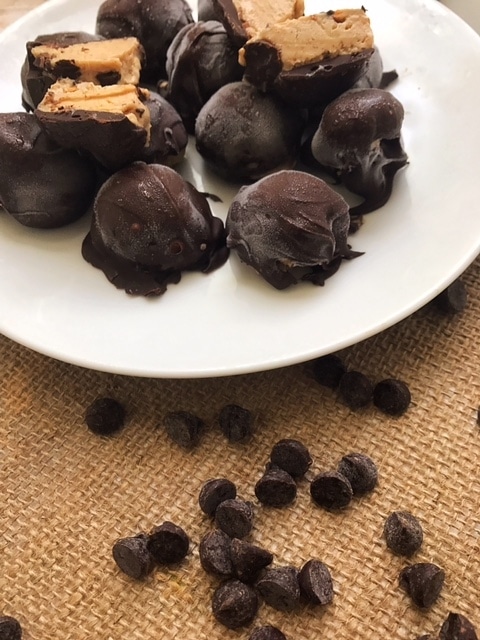
    Who wants Peanut Butter, Banana and Dark Chocolate Frozen Truffles! 
    GUILT FREE TREAT as DARK CHOCOLATE IS GOOD FOR YOU (in moderation of course!)

    Peanut Butter, Banana and Dark Chocolate Frozen Truffles

    Yield: 20-24 truffles

    These frozen truffles are not only super rich and chocolaty, but they are made with healthy ingredients! The oil is used to thin the chocolate to make it easier for dipping. You can forgo the oil, but it will be more difficult to coat the truffles. Don’t worry if they don’t look like perfectly shaped spheres. They will still look and taste amazing!

    Ingredients

    • 2 large bananas, peeled ( about 8 ounces without the peel)
    • 1/3 cup natural peanut butter, crunchy or smooth (make sure to stir well)
    • 1-1/4 cups dark chocolate chips (preferably with a cocoa % of at least 65%)
    • 2 teaspoons neutral flavored oil or coconut oil (I prefer to use heart healthy Thrive Culinary Algae Oil)

    Instructions

    1. Slice the bananas and place on a parchment or silcone baking mat lined sheet pan. Place pan in the freezer and allow bananas to freeze for about 1 hour.
    2. In the bowl of a food processor, add the frozen banana slices and peanut butter. Process until mixture is smooth. You will probably need to scrape the bowl multiple times before the mixture fully comes together.
    3. Spoon banana mixture into a bowl and place in the freezer until mixture is firm. Start checking after about 1-1/2 hours.
    4. Remove banana mixture from the freezer. If mixture is too firm to scoop, allow to thaw for about 10 minutes. Using a scoop or melon baller with a 1″ diameter, scoop out balls of banana mixture and place back on the lined sheet pan. If this gets a little messy, form balls the best you can with your fingers. Place sheet pan in freezer until balls are frozen, about 15 minutes.
    5. Right before you’re ready to remove the banana balls from the freezer, place the chocolate chips and oil in a microwave safe bowl. Microwave in 20 second increments until the chocolate is melted. Stir chocolate chips after each round. It shouldn’t take you more than a few rounds in the microwave.
    6. Place a banana ball on a fork and dip into the bowl of chocolate. Use a spoon to pour chocolate over the top.
    7. Put truffles back on the lined sheet pan and place in freezer until chocolate is hardened, about 5 minutes. Place truffles in an airtight container and store in the freezer until ready to eat.
    8. When ready to eat, allow truffles to thaw for 5 minutes.
    4.7.2.17

    http://tastybalancenutrition.com/valentines-treat-heart-health/

    Recipe by Lindsey Pine MS, RD, CSSD, CLT
  • Flourless Sugarless Chocolate Cake

    Flourless Sugarless Chocolate Cake

    Hands on time 20 min
    Total time: 2 hours includes cooling
    Serves 10

    1 cup (2 sticks) unsalted butter cut into pieces plus more for pan
    1/4 cup unsweetened cocoa powder, plus more for pan
    1 1/4 cups of heavy cream
    8 oz bittersweet chocolate chopped
    5 large eggs
    1 cup of xylitol

    >Heat oven to 350 F. Butter a 9 inch springform pan and dust with cocoa powder
    >In a medium saucepan heat the butter with 1/4 cup of heavy cream over medium-low heat until butter is melted. Add the chocolate and stir until melted and smooth;remove from heat
    >In a medium bowl whisk together the eggs, xylitol and cocoa powder, whisk in the chocalate mixture
    >Transfer the batter to the prepared pan and bake until puffed and set 35-40 min. Let cool in the pan for 1 hour. Run a knife around edge of cake before unmolding

    Whip up the cup of heavy cream for a whip cream topping!
    Enjoy

    Dr. Rosie Main
    MAIN HEALTH SOLUTIONS

  • Cinnamon Pancakes

    Cinnamon Pancakes

    A hearty delicious breakfast for the person with a sweet tooth.

    Ingredients List

    •1 tbsp coconut oil

    •2 eggs

    •6 tbsp water

    •¼ tsp salt

    •4 tbsp almond flour

    •2 scoops Maximized Living Grass-fed Whey Protein Vanilla

    •1 tsp vanilla extract

    •Stevia or xylitol to taste

    •2 tsp butter(raw or grass-fed)

    Toppings

    •1 ½ tbsp butter(raw or grass-fed)

    •2 tsp cinnamon and stevia or xylitol to taste

    Cooking Directions

    Melt coconut oil in a small bowl for 20 seconds on the stove top. Add eggs and whisk together. Add water, almond flour, and whey protein powder, beating well after each addition. Melt butter in medium-sized skillet over low heat. Pour half of natter into pan. Once edge have set and begun to turn light golden brown flip over with a spatula. Cook on the other side for 1-2 minutes. Transfer to plate. Repeat with remaining batter. Mix cinnamon and sweetener in small bowl. Top each pancake with butter and cinnamon mixture.

    Dr. Rosie Main
    MAIN HEALTH SOLUTIONS

    2300 W Everest Ln, Ste
    175 Meridian, Idaho

    @MainHealthSolutions

    Call (208) 859-6170

    rjmaindc@yahoo.com

    http://www.maximizedlivingdrmain.com/

    gmw-loader.gif
    This article originally appeared at: http://maximizedliving.com/cinnamonpancakes.
  • The secret ingredient in fast food packaging

    The secret ingredient in fast food packaging

    • Chemicals in fast food packaging have been linked to health problems
    • Fluorinated compounds are also in furniture, carpets, clothing, cosmetics and cookware

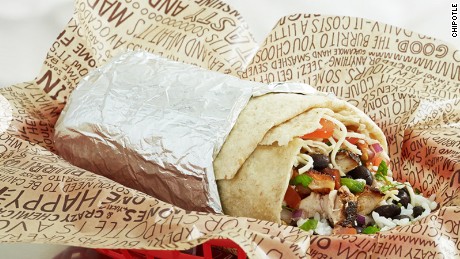
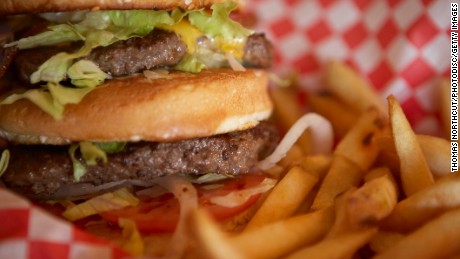
    (CNN)Most of the time, when you order fast food, you know exactly what you’re getting: an inexpensive meal that tastes great but is probably loaded with fat, cholesterol and sodium.

    But it turns out that the packaging your food comes in could also have a negative impact on your health, according to a report published Wednesday in the journal Environmental Science & Technology Letters.
    The report found fluorinated chemicals in one-third of the fast food packaging researchers tested.
    These chemicals are favored for their grease-repellent properties.
    Along with their use in the fast food industry, fluorinated chemicals — sometimes called PFASs — are used “to give water-repellant, stain-resistant, and non-stick properties to consumer products such as furniture, carpets, outdoor gear, clothing, cosmetics (and) cookware,” according to a news release that accompanied the report.
    Read More
    “The most studied of these substances (PFOSs and PFOAs) has been linked to kidney and testicular cancer, elevated cholesterol, decreased fertility, thyroid problems and changes in hormone functioning, as well as adverse developmental effects and decreased immune response in children.”
    These are long-chain PFASs that have largely been phased out, in favor of shorter-chain compounds that are thought to have shorter half-lives in the human body, but these shortened forms have not yet been thoroughly studied.
    As these chemicals are used in many everyday products, consumers are exposed to them frequently, and the same health effects may not be true for all of them.
    Previous studies have shown that PFASs can migrate from food packaging into the food you eat, said Laurel Schaider, a research scientist at the Silent Spring Institute and one of the authors of the paper.

    “These studies have found that the extent of migration depends on the temperature of the food, the type of food and how long the food is in contact with the paper,” Schaider said. “And it depends on which specific chemical” is in the packaging.
    What constitutes a bad (w)rap?
    Scientists at the five institutions that collaborated on the report collected more than 400 samples of fast food packaging from 27 leading US chains.

    The types of packaging were split into six categories: food contact paper (sandwich wrappers and pastry bags), food contact paperboard (boxes for fries or pizza), non-contact paper (outer bags), paper cups, other beverage containers (milk and juice containers) and miscellaneous (lids).
    Food contact papers were divided into three subcategories: sandwiches, burgers and fried foods; Tex-Mex; and desserts and breads.
    Food contact paper fared the worst, with 46% of all samples testing positive for fluorine. Food contact paperboard was next, at 20%, followed by other beverage containers at 16%. Non-contact paper, paper cups and miscellaneous all tested negative for fluorine.
    The researchers did not provide any chain-specific data in order to compare fast food restaurants or determine which brands scored better or worse than average.
    “For foodservice packaging that requires a barrier coating, ‘short chain’ fluorochemicals are used today, so it’s no surprise that the study would find these chemicals,” said Lynn M. Dyer, President of the Foodservice Packaging Institute in the US. “These, like all packaging products, go through rigorous testing to ensure that they meet stringent US Food and Drug Administration regulations, providing the safe delivery of foods and beverages to consumers.”
    Dryer added, however, that “some fluorochemical-free products have been introduced since this study was conducted in 2014 and 2015,” meaning there are now a greater numbers of options available for fast food chains to provide oil, grease and/or water resistance.
    What’s a consumer to do?
    Short of asking that your next burger be served in between two lids, there isn’t a whole lot you can do to avoid PFAS exposure once you’ve chosen to eat at a fast food restaurant.
    “Unfortunately, for consumers, there’s no easy way to tell — just by looking at packaging — whether or not it contains fluorinated chemicals,” Schaider said. “For people who wish to reduce their exposure to these chemicals, they may be able to take some steps … to reduce that migration from packaging into food — for instance, by taking the food out of the packaging sooner rather than later.”
    You could also ask that your fries or dessert be served in a paper cup or a noncontact paper bag. This is the outer bag all your items are usually put into when you get your food.
  • Dr Rosie’s Health Boosting Juice

    Dr Rosie’s Health Boosting Juice

    Minimize sugar so very little fruit
    Organic or home grown (organic of course)
    Natural Grocers is a good store to get everything or Fred Meyer has most

    Your body is new every 6-12 months so what you consume will determine what quality cells, tissues and health you will have now and in the future. Diet is not the only factor in being healthy, but it’s a major one and deserves much focus, energy and financial investment. It’s always cheaper to stay healthy than to attempt to regain health once it’s lost.
    Enjoy life and Maximize your health potential to the fullest
    Recipe:
    6 Kale leaves
    Handful of spinach (pre-packaged works, but prefer fresh bunches)
    ½ Cucumber
    4 celery stalks
    1 Granny Smith Apple whole (only this type as all others have much higher glycemic index)
    ½ Lemon (lightly peel the yellow exterior, leaving as much of the white as possible)
    ½” of Ginger (finger thickness, increase a little if you can)
    1” Turmeric Root (same)

    Extras to add if you can as they aid in detoxification:
    Parsley (10 sprigs)
    Cilantro (same)

    Be blessed.
    This juice is great for a fast of 3 days, 5, 7, 30 or ??

    It is also great as a daily addition to a ‘truly’ healthy diet

    Dr. Rosie Main
    MAIN HEALTH SOLUTIONS

    2300 W Everest Ln, Ste
    175 Meridian, Idaho

    @MainHealthSolutions

    Call (208) 859-6170

    rjmaindc@yahoo.com

    visit Dr Rosie at DoctorMain.com

  • SPOTLIGHT: Moscow Local Organic

    SPOTLIGHT: Moscow Local Organic

    Affinity Farm Certified Organic grower

    Moscow, Idaho

    Founded in 2001, Affinity Farm strives to grow and sell the highest quality vegetables and bedding plants. Our mission is to engage in a “right livelihood” producing healthy food for our selves and our customers with as little environmental impact as possible. We farm using only “organic” methods, and try to consider the consequences of all of our actions.

    Soil fertility is maintained through cover cropping, the application of composted manure, broad forking and harrowing, rather than tilling, whenever possible. We adhere to the “soil food web” philosophy, and see our soil as a living, breathing, partner in our endeavor.
    Pests are managed primarily though healthy soils, and physical barriers (row cover), though we periodically also use some CNG approved substances (Savers soap, and Bt) to deter a specific pest.

    We grow a wide variety of vegetables, including heirloom tomatoes, cucumbers, greens such as kale, spinach, lettuce, chard and arugula, hard and softneck garlic, onions, green beans, eggplants, turnips, and many more. We take pride in their quality, and consistency throughout the market season.

    We market our produce May through October at our stand at the Moscow Farmers Market (our stand is located in front of “Hyperspud Sports, on Main Street-the south-east corner of freindship Square), and through our small CSA program.

    We love our work: from spending each day outside growing food, to getting to know the people in our community who eat it. We are a small farm, and strive to work with minimal outside inputs. We are committed to the process of reducing our carbon impact by growing food as close to its consumption point as possible.

    Location

    810 empire lane
    Moscow, ID 83843
    Latah County

    Contact

    • Producer: Russell Poe and Kelly Kingsland
    • Day: (208) 892-9000
    • Evening: same
    • Email
  • Get Seedy in 2017 COMING in just a few days!

    Get Seedy in 2017 COMING in just a few days!

    The best way to know what’s in your food – is to GROW YOUR OWN FOOD! Learn from local experts:

    SEED SAVING CLASSES: 

    Get Seedy in 2017!

    Come join local seed freak Casey O’Leary for a lively presentation about garden planning for seed saving, the importance of local seeds, and what’s hot in the local seed scene for 2017!

    Tues Feb. 7th, 6:45-7:45pm. Chinden Gardeners monthly meeting Meadow Creek Clubhouse
    5285 North Riffle Way, Garden City, Idaho

    All are welcome! For further information contact: Claudia Hambacker @ 804-212-9380 

    and LATER THIS MONTH!
    Mon Feb. 27th, 6-7:30pm
    Boise Co-op in The Village at Meridian. This one will touch on some seed starting basics as well! Contact leslie@boisecoop.com of visit www.boisecoop.com
  • 4 Recipes for Creamy Gluten-Free Cheesecake

    4 Recipes for Creamy Gluten-Free Cheesecake

    Basic Gluten-Free Cheesecake

    SERVES 12

    Modify this versatile recipe using different crusts and toppings to suit your needs. It’s fun to create different desserts using one basic no-fail cheesecake.

    2 (8-ounce) packages cream cheese or dairy-free cream cheese, room temperature
    1½ cups sugar
    5 eggs, room temperature
    2 cups Greek yogurt, sour cream or dairy-free sour cream
    2 tablespoons cornstarch or arrowroot
    1 teaspoon pure vanilla extract
    1 gluten-free crust of choice, pre- baked
    Topping of choice

    1. Preheat oven to 250 degrees.

    2. Beat the cream cheese until fluffy. Add the sugar and continue beating for a few minutes. Add the eggs one at a time, beating to combine. Then beat in remaining ingredients.

    3. Pour the filling into a springform pan that contains a cooled prebaked crust.

    4. Bake in preheated oven on the middle rack for 2 hours or until the top is golden and feels firm yet soft like a baked custard. Begin checking after 90 minutes. Internal temperature should be 150 degrees.

    5. Turn the oven off and leave the cheesecake inside for about an hour. Five minutes after shutting off the oven, run a sharp knife around the edge of the pan to help prevent cheesecake from cracking as it cools and settles.

    6. Remove cheesecake from the oven and cool completely before chilling in the refrigerator. Cover with toppings of your choice. Slice and serve.

    Each slice with graham cracker crust contains 581 calories, 44g total fat, 24g saturated fat, 0g trans fat, 205mg cholesterol, 373mg sodium, 42g carbohydrate, 1g fiber, 11g protein.

    Dairy-Free Cheesecake

    Find even more Gluten Free and Dairy Free Recipes at: http://www.glutenfreeandmore.com/issues/4_8/Gluten-Free-Cheesecake-Guide-2054-1.html.

  • New Year! New You! BONE BROTH

    New Year! New You! BONE BROTH

    Bone broths have been used medicinally throughout the centuries to cure digestive disorders, cold and flu viruses, skin conditions, and a host of other infectious diseases. It was often referred to as the “Jewish Penicillin”, and can heal the body in a very short amount of time. In my personal experience- I have noticed clear skin and increased energy that I was truly not expecting! Currently I am doing for fasting purposes to help as I fast and pray yet be able to function physically with my work week. I am loving the benefits of it both spiritually and emotionally. Many people do it to help with autoimmune conditions caused by the leaking of undigested food that goes and stimulates the immune system to create antibodies that attack itself. We see many people with thyroid issues, arthritis, diabetes, lupus and many more new millennium diseases due to a leaky gut. 
    A bone broth helps restore health as well as mental health since the gut is also considered the second brain. Serotonin is primarily produced in the gut and if inflammation exists in the gut, many issues like anxiety, insomnia and depression are found. Lastly doing a bone broth fast is soothing during this time of year and easy to prepare (see recipe below). 
    Superfood Benefits and Reasons to Eat
    1. Strengthened Immune System: “Science validates what our grandmothers knew. Rich homemade chicken broths help cure colds. Stock contains minerals in a form the body can absorb easily—not just calcium but also magnesium, phosphorus, silicon, Sulphur and trace minerals. It contains the broken down material from cartilage and tendons–stuff like chondroitin sulphates and glucosamine, now sold as expensive supplements for arthritis and joint pain.” Taken from Sally Fallon “Why Broth is Beautiful”.

      Try it out, next time you are feeling a little down, drink some bone broth and notice the incredible difference how you feel! Or if you don’t even want to get to that point, start consuming it now and nourish that beautiful body!

    2. Glowing Skin and Strong Hair: Want the number one beauty secret that ancient women have discovered long ago? It promotes hair growth, fights aging, wrinkles, and even stretch marks? No, you do not have to pay hundreds to support a gorgeous body- just consuming nutrient dense foods will do the trick- bone broth being a major player!

      The collagen and gelatin in bone broth supports hair growth and rejuvenates the cells of the skin. Our bodies need certain building blocks to manufacture collagen. Gelatin is basically powdered collagen, providing our bodies with what it needs to make healthy skin and hair cells- naturally! You will see the results you are looking for.

    3. Strengthens Digestive System: Science has now confirmed the beneficial effects of gelatin taken with food. It aids in the digestion and has been used to treat numerous intestinal disorders. The gelatin in bone broth protects and heals the mucosal lining of the digestive tract and also helps aid in the digestion of nutrients.

    Bone Broth Recipe:
    Ingredients
    Calories: 379 per serving | Number of Serving: 3 Quarts

    2-4 pounds grass fed beef marrow and knuckle bones
    2 tblsp raw apple cider vinegar
    4 quarts filtered water
    3 garlic cloves, halved
    3 tumeric pieces, halved
    1 onion, quartered
    Pepper, sea salt, and any other desired spices

    Place bones in a pot or a crockpot (high temperature), add apple cider vinegar and water, and let the mixture sit for 2-4 hours so the vinegar can leach the mineral out of the bones.

    Add more water if needed to cover the bones.

    Reduce to a low simmer, cover, and cook for 24-72 hours (if you’re not comfortable leaving the pot to simmer overnight, turn off the heat and let it sit overnight, then turn it back on and let simmer all day the next day)

    Let the broth cool and strain it, making sure all marrow is knocked out of the marrow bones and into the broth.
    Add sea salt to taste and drink the broth as is or store in fridge up to 5 to 7 days or freezer up to 6 months for use in soups or stews.

    Please let me know if you need help following this plan or and health concerns!
    Go love……Go serve!

    Dr. Rosie Main, DC
    Main Health Solutions
    USA Team Doctor USA Wrestling
    Host Maximized Living Radio 94.1