Category: Healthy Food

Because access to healthful and uncontaminated food ​should be a human right.

  • Create a Backyard Bee Haven

    Welcome Spring! The last of the snow is melting. Its time to think of planning our plantings. Consider planning a garden space that is a bee haven. Why? Honey is one of the oldest medicals found in the ancient pyramids of Egypt. You don’t have to be a bee-keeper to support honey production. pesticide-free, pollinator-friendly space is easy! Whether you have a large yard, front stoop or balcony window, follow these simple guidelines:

    Avoid pollinator-harming pesticides. Pesticides kill beneficial insects including pollinators and natural enemies that control common pests like aphids. Certain pesticides, including neonicotinoids, are highly toxic to honey bees in particular. Instead of using synthetic pesticides, explore organic ways to grow healthy plants, such as using compost for healthy soil and controlling pests with homemade remedies and biocontrols like ladybugs.

    Provide a variety of food. Consider clustered plantings with staggered blooming times so there is food throughout the year, particularly in the late summer and fall. Native plants are always best, and inter-planting and hedgerows provide additional forage on farms.

    Provide a year-round, clean source of water. This can be a river, pond, irrigation system, rainwater collection system or small-scale garden water features. Shallow water sources can provide more than enough water for bees and other pollinating insects without creating opportunities for mosquitoes to breed.

    Provide shelter for pollinators. Leave some ground undisturbed and untilled and some dead trees and plants on the property for wild bees to nest in. Glorybee.com suggests before you get rid of those dandelions and clovers, consider that these alleged undesirables can provide lots of deliciousness for your buzzing visitors. By keeping them right where they are, you’ll be helping your bee friends thrive. The same goes for flowers and vegetables you’ve actually taken the time to plant; if you harvest or deadhead these but leave them intact until all the flowers are completely gone, you’ll be able to support pollinators during their time of need (particularly when other options aren’t readily available).

    Buy local honey

    This is something just about anyone can do, even if they don’t like to garden. Beekeeping is an amazing endeavor, but the truth is that not everyone is cut out for it. If you try to take on this responsibility without the proper knowledge, you could end up doing more harm than good. That’s why it’s important to support your local beekeepers to ensure their efforts aren’t in vain. And while it hasn’t been totally proven, there is evidence to suggest that local honey can be the best thing for your allergies!

    Know how to aid a tired bee

    Have you ever seen a bee who seems to be struggling to fly? You might assume that it’s injured or worse, but this sweet bee might actually just be worn out. It’s usually pretty easy to revive them and get the buzz back in their wings. Just mix together two tablespoons of white, granulated sugar (no artificial sweeteners or honey from your cupboard!) and one teaspoon of water, then place on a plate or a spoon and bring the bee to drink. You can even put this mixture in a small, shallow container and leave it somewhere in your garden to keep your friends from getting too tired on-the-go. If you find a wet bee out in the rain, bring to a place where it can get dry; if you see a bee lying motionless on a flower, keep in mind that it may simply be resting, so don’t be too quick to try to move it and feed it.

    Bee-friendly gardening Garden, Pollinators

    https://glorybee.com/blog/horticultural-hive-mind-a-gardeners-guide-to-protecting-the-bees/

    More Resources: 

    The Power of Manuka Honey

    Herbal Honey Ancient Medicinal

  • How I Survive the Holidays Sugar Free

    The holidays are upon us and with a family that can not tolerate sugar AT ALL it can really become a challenge and turn joy into stress. Health Freedom Idaho member Jill shares her holiday successes in her blog healingfoodie. Great advice and easy to impliment, making one less stress for the holiday season.

    Fail-safe recipes and ideas that get the family through the holiday keeping our health on track.

    Here are some other great tips:

    I always have a stocked pantry with items that I can whip up a delicious desert to take along.  
    I try to stock my freezer with a variety of grab and go sizes for on the go.
    Potluck? I make 2 trays just so that I can have a back up in case my 1st tray is devoured before my family gets the chance to dish up.

    Here are some of my go to items.

    SIMPLE SUGAR FREE DESSERT

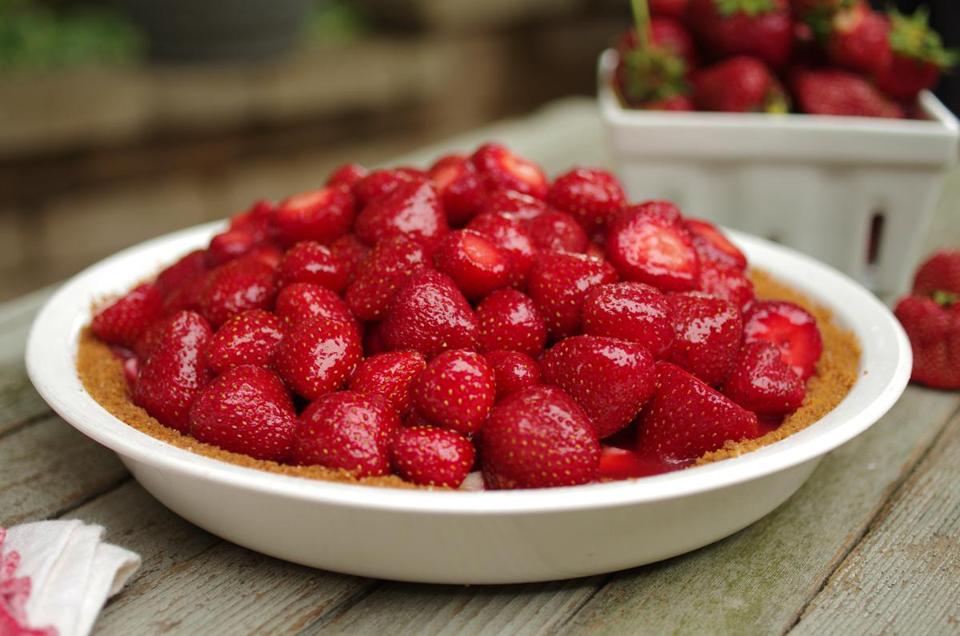
    I can blend up some pecan and dates into a crust in my Vitamix and press into a pie plate and toss some strawberries inside and sprinkle cinnamon on and chill or freeze in 15 to 30 mins.

    Easy crust

    • 1.5 cups medjool dates
    • 1.5 cups pecan
    • 2 cups fresh strawberries or other topping.
    • Dash of cinnamon

    This recipe and more healing tips found on her blog. 

    The most important piece of advice? Plan, prepare, and party

    Author: Healing Foodie

    I am a mother of five children and 120 pounds on a heavy day. I grew up eating the average American diet and seemed pretty healthy until I found myself exhausted and struggling with kidney stones, sleepless nights and unmanageable skin issues. I stumbled across the answers that would soon unlock some keys to my healing and recovery. Eliminating added sugars, eating whole non GMO food, fermenting and gardening, homeschooling and my continued learning. Come join my journey and continue your own.

  • Lead Contaminated Water: Boise Schools test 100 times the limit set by the EPA

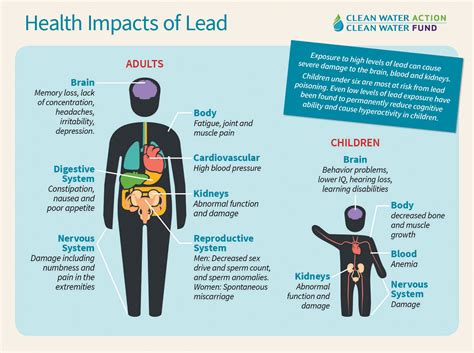
    Local News reports that 23 schools in the Boise area have a water faucets exposing students to elevated levels of lead. Lead is toxic, and if it makes its way into the still-developing brains of young children, many of the effects can be permanent. Lead can change how signals are passed within the brain, how memories are stored, even how cells get their energy, resulting in life-long learning disabilities, behavioral problems, and lower IQs.

    The news report came out November 30, 2018 regarding the Boise School District. Tests for lead at water faucets and fixtures at 27 schools across the district and of the more than 1,000 tests conducted, nearly 200 tested at elevated levels (above 15 parts per billion) of lead. The tests above the limit span across 23 schools in the district. 

    Borah, Capital, Hillside and Whittier all had at least one faucet or fixture with test results more than 100 times the limit set by the EPA (0.015 mg/L).

    After Fairmont Jr. High School saw elevated results in a test for lead, Boise School District officials say they began supplying water to the 27 schools and began tests of the faucets and fixtures that could be at risk of elevated lead levels. 

    Since October, more than 1,000 tests have been conducted and the nearly 200 fixtures and faucets which tested at elevated levels are in the process of being removed and replaced. In the meantime, the District says it will continue to provide drinking water to those schools, as they have since the initial positive test. 

    While 23 schools saw at least one faucet with elevated lead numbers, Capital High School saw the most test results (44) above the 0.015 mg/L limit set by the EPA. Whittier Elementary School had 22 results above the EPA limit.

    When cells in the brain absorb lead, it tends to affect the frontal cortex, the area responsible for abstract thought, planning, and attention, and the hippocampus, essential to learning and memory. 1

    For a complete list of schools tested and links to each school’s results, click here.

    The Boise School District has a page with information about the lead tests and what parents need to know about safety and next steps. You can access that page here.

    The following schools had at least one faucet or fixture test with levels above the 0.015 mg/L limit: Borah, Capital, Collister, Fairmont, Fort Boise, Garfield, Hawthorne, Highlands, Hillside, Jefferson, Koelsch, Liberty, Madison, Maple Grove, Monroe, Mountain View, North, Owyhee, Pierce Park, Taft, Valley View, Washington, Whittier.

    The following schools had no faucets or fixtures test with levels above the 0.015 mg/L limit: Adams, Boise, Hillcrest, Longfellow.

    What are the health effects and dangers of lead?

    But the resulting symptoms vary a lot between individuals, says Jay Schneider, a neuroscientist at Thomas Jefferson University “You don’t often see the same kinds of cognitive dysfunction in all kids,” he says. “From what our research has shown, there are very significant differences in the way different brains respond to this particular toxin.” 1

    Since lead is stored in the body, a person can get poisoned from exposure to just small amounts of lead over a long period of time (chronic exposure).  You do not need to get exposed to just large doses of lead to be poisoned (acute exposure).  It can take months or years for the body to get rid of lead.  A person will continue to be exposed to lead internally even after the actual exposure to lead stops.

    How Does Lead Cause Neurological Damage?

    Lead can be ingested, through water or other contaminated substances–the Environmental Protection Agency limits the amount of lead in water to 15 micrograms per liter, though some toxicologists think that limit should be lowered to 10 micrograms per liter. Lead can also be inhaled or sometimes even absorbed through the skin, though lead can’t move from water into skin, so it’s safe to bathe in lead-contaminated water as long as you don’t drink it.

    Once it’s in the body, lead competes with calcium to be absorbed by the body. There are lots of factors that can affect just how much of the lead is absorbed, but there is an overall higher absorption rate for lead that is inhaled versus ingested. It sticks to red blood cells—doctors usually test the blood for proof of exposure to lead—and then moves into soft tissues, like the liver and lungs. If lead is absorbed into bones, it can stay there for decades and recirculate in the person’s blood if a bone is broken or when a woman is pregnant, potentially poisoning both the mother and the fetus. The amount the body absorbs depends on the route of exposure.  In general, an adult will absorb 10-15% of the lead in the digestive system, while children and pregnant women can absorb up to 50%.  People will absorb more lead if they are fasting or if their diet is lacking in iron or calcium.2

    A local doctor interviewed by 6 On Your Side said: 

    “Any neurological effects, (from exposure to the lead contaminated water fountain) Dr. Mark Uranga of St. Luke’ said, from minor exposure like this are very unlikely.”

    The U.S. National Toxicity Program states:

    The NTP concludes that there is sufficient evidence for adverse health effects in children there is sufficient evidence that blood Pb levels <5 µg/dL are associated with increased diagnosis of attention-related behavioral problems, greater incidence of problem behaviors, and decreased cognitive performance as indicated by
    (1) lower academic achievement,
    (2) decreased intelligence quotient (IQ),and
    (3) reductions in specific cognitive measures.

    There is also limited evidence that blood Pb <5 µg/dLis associated with delayed puberty and decreased kidney function in children ≥12 years of age. There is sufficient evidence that blood Pb levels <10 µg/dLin children are associated with delayed puberty and reduced postnatal growth. 3

    RESOURCES:

    1 https://www.popsci.com/lead-water-what-are-health-effects-dangers#page-2

    2 http://www.osh.net/articles/archive/osh_basics_2001_may26.htm

    3 National Toxicity Program printable brochure on low levels of lead: https://ntp.niehs.nih.gov/ntp/ohat/lead/final/monographhealtheffectslowlevellead_newissn_508.pdf

  • Classic Made Healthier Gluten-Free Gingerbread Cookies

    Many families are switching to gluten free and reducing sugar. Concerns about glyphosate in the wheat, blood sugar and gut issues or a diagnosis of celiac doesn’t mean you miss out on the excitement of decorating gingerbread men cookies. This recipe by All Day I Dream About Food has taken the yuletide classic and made it gltuen free, low-carb and sugar-free. A classic made healthy so no one has to miss the Christmas fun.

    Tender Gingerbread Men Cookie Recipe

    Classic Gingerbread Men cookies made low carb and gluten-free. Perfect for decorating with your kids and giving as a healthy holiday gift.

    Ingredients
    Cookies:

    • 4 cups almond flour
    • 1 cup Swerve Sweetener
    • 1/4 cup coconut flour
    • 2 tbsp ground ginger
    • 1 tbsp ground cinnamon
    • 2 tsp baking powder
    • 1 tsp xanthan gum
    • 1/2 tsp salt
    • 1/2 tsp ground cloves
    • 2 large eggs
    • 1/4 cup coconut oil (or butter) melted
    • 2 tbsp Yacon syrup
    • 1 tsp vanilla extract
    Royal Icing:
    • 1/2 lb powdered Swerve Sweetener
    • 1 ½ tbsp egg white powder
    • 1 ½ tsp arrowroot starch OR 1/8 tsp xanthan gum (optional)
    • 1/4 cup lukewarm water more if needed to thin out
    Instructions
    1. For the cookies, preheat oven to 275F and line two baking sheets with parchment paper.
    2. In a large bowl, whisk together almond flour, sweetener, coconut flour, ginger, cinnamon, baking powder, xanthan gum, salt and cloves.
    3. Stir in eggs, coconut oil, molasses and vanilla extract until dough comes together.
    4. Divide dough in half and turn out first half onto a large piece of parchment paper. Top with another piece of parchment and roll out out about 1/4 inch thick.
    5. Use cookie cutters to cut into desired shapes and gently loosen and lift with an offset spatula. Place onto prepared baking sheets.
    6. Gather up scraps and reroll until too little is left to roll out. Repeat with second half of dough.
    7. Bake 20 minutes or until golden brown and just firm to the touch. Remove and let cool 5 minutes on pan, then transfer to a wire rack to cool completely.
    8. For the royal icing, in a medium bowl, whisk together powdered sweetener, meringue powder and arrowroot starch or xanthan gum.
    9. Add water and stir until smooth. Add more water 1 teaspoon at a time until desired consistency is achieved.
    10. Pipe icing onto cooled cookies and let set 30 minutes or longer.
    11. *For crisper cookies, bake at 225F for 50 to 60 minutes. Remove from oven and let cool. They will crisp up as they cool
    Recipe Notes

    Makes about 50 cookies when cookie cutters are about 3 inches tall. 

    Nutrition Facts
    Keto Gingerbread Men
    Amount Per Serving (2 cookies)
    Calories 141 Calories from Fat 105
    % Daily Value*
    Total Fat 11.7g 18%
    Total Carbohydrates 6.2g 2%
    Dietary Fiber 2.6g 10%
    Protein 4.6g 9%
    * Percent Daily Values are based on a 2000 calorie diet.

    BE SURE TO VISIT ALLDAYIDREAMABOUTFOOD.COM for other classics made healthy.

  • The Cookie that Caused the Traditional Holiday Cold

    It happened every year, after an exhausting 24 hour car ride (driven in the middle of the night so the kids could sleep) we would arrive at grandma’s house and eat dozens upon dozens of sugary Christmas cookies. It was my grandma’s sugar cookie recipe and it was a Christmas tradition. We would eat them the whole time we were there. Inevitably, someone in the house would get sick and then it would spread through the grandkids and adults. Sickens during the holidays became a tradition too.We just thought it was because we were all in close proximity to each other and spreading germs. Those cookies were so addictive that we couldn’t stop eating them. My husband told me that one night he was tired and sleepy and not hungry but he still dragged himself to the kitchen and had another sugar cookie. These cookies were covered in sprinkles and they would fall off, so he ate them over the trash can as to not get them on the carpet. Good lord, it was crazy. 

    Fast forward many years, and I now know why we got sick. 

    As humans, we naturally crave a sweet taste. It is an essential part of balancing the other tastes found in nature such as salty, bitter, and sour flavors. But it felt like we were crazy addicts at Christmas time. So, what happens when we consume a lot of sugar? First and foremost, our bacteria shifts dramatically and makes more sugar-loving microbes that make us crave sugar like crazy. This, along with the key player in the reward system of our brain, set us up for control problems. That feeling of pleasure we get from food and other substances is made by dopamine. Dopamine receptors are all over our brain, and indulging in any addictive substance, such as sugar, brings on a deluge of dopamine. 
    Guess what happens when we eat a lot of sugar?
     
    Yep, those levels also surge and then we need more to stay satisfied. Neurotransmitters – namely epinephrine, norepinephrine, serotonin, and dopamine – have been shown to play a major role in controlling and maintaining homeostasis within the gut system in terms of nutrient absorption, blood flow, gut microbiome, local immune system, and overall gut motility and cravings. Hang on — I’m not saying you have to give it all up, but I’m going to tell you what to do to help yourself and bring the balance back. But first, let me tell you what goes on inside of your body. 

    There is a fact that you may not know about your body’s immune system:

    EATING ANY KIND OF SUGAR HAS THE POTENTIAL TO REDUCE YOUR BODY’S DEFENSES BY 75% OR MORE FOR FOUR TO SIX HOURS.

    This is the reason my family always got sick at Christmas. We had way too much sugar during the holidays and it lowered our immune system’s ability to keep us well. Let’s talk about this in regards to vitamin C. In the 1970’s, Dr. Linus Pauling (one of the greatest researchers in the field of microbiology) discovered that vitamin C helps the body combat the common cold. But what he also found was how sugar can do the opposite.

    So it’s not a great idea, and especially if you’re sick, to eat any kind of sugar, because the white blood cells can’t get past the sugar to do their job. So this is why we all got sick every Christmas. Our bodies lost their superpower strength to keep us healthy because we were eating so much sugar and crashing our immune system again and again. 

    Want to avoid getting sick? In addition to washing your hands frequently and staying warm (mom was right … bring a sweater; viruses thrive in cold weather) perhaps the best way to prevent illness is to avoid eating excess sugar. Sugar weakens the immune system. 

    There are certain times of the year when you need to strengthen your inner micro-biome and the holidays is one of those times.

    Look at these great holiday inspired ferments: 

    KEIFER

    Kefir is my number one thing I consume every day. It sets my day off right. It balances hormones and blood sugar and, goodness, I don’t know what I would do without it. There are fifty bacteria in kefir. It will be a mighty force in your life and slowly change this whole world inside of you. 

    You just make a jar of Easy Kefir, which only takes 24 hours to make. Then when it’s done, add a few spoonfuls of this to small jars and fill them with milk. Let this ferment for 24 hours or until it’s thick and creamy, and then place in the fridge. You can even make chocolate milk kefir and boy, is it yummy. It’s such an easy way to make kefir and since it’s made from actual kefir grains, you get all the benefits of kefir without worrying about straining out the grains. Kefir is so nutrient dense that it will give your gut and brain what it needs and calm your body down while strengthening your immune system too! 
    Have it every day and just watch how you’ll change and sail through cold and flu season.
    KOMBUCHA
    Kombucha is a powerful detoxifier and will stop those craving for sugar quite effectively. Sugar is hard on your liver and kombucha will help support liver function. Kombucha will also supply you with a very powerful probiotic yeast that fights Candida and keeps not only the good bacteria in your body healthy, but the good yeasts too! When I have overwhelming cravings for food I know won’t be good for me, I always drink a kombucha first; and then if I still want it, I can have it but I never do. Kombucha works and it’s super delicious too. 
    Candy Cane Kombucha and let the microbes eat the sugar out of the tea. Then you’ll receive a holiday treat with tons of Christmas flavor and lots of bubbliness too! 

    Click Here

    And what about an interesting twist on Keifer water – gingerbread style featuring blackstrap molasses, ginger and spices.! 

    gingerbreadwaterkefir.jpg
    Gingerbread Water Kefir

    christmas-kefir-soda.jpg

    Christmas Kefir Soda  Christmas flavored kefir soda that’s super bubbly. The fruit adds extra food for the culture, which gives you extra probiotics too. This bottle can be used as a starter for many more bottles. Donna shares her recipes, and how to’s on her site Click Here

    These recipes and so many more are available at CulturedFoodLife.Com

    More Information

    Colds and flu aren’t the only reason not to eat sugar. Look through this list of other-sugar-related-ailments. If you are suffering from any of these, think about how much sugar you are ingesting. Here’s another article on a blood sugar stabilizing diet, it’s similar to the Mediterranean-type diet. This is a very simple and delicious way to cut back on the sugar.

    water-kefir-pot-icon.png

  • Why Stress Causes Sugar Cravings and How to Fight It

    Welcome to the holiday season – a source of ‘seasonal stress.’ Sugar plums and chocolate Santas, Christmas cookies and parties galore the hustle and bustle of expectations, additional obligations, and hectic schedules can mean disaster on your health. Why? Because the extra stress can induce a craving for sugar which in turn reduces your body’s immunity to sickness. Take a moment to slow down and reframe your mindset learn stress causes sugar cravings and how to fight it.

     Sweetdefeat shares their answer: 

    Understanding the connection can help you change your eating habits.

    You get into a fight with your friend and suddenly you simply need a sweet treat. You get an urgent work email and immediately head towards the office candy bowl. Or you’re feeling sad, so you sit down in front of a favorite movie with a pint of ice cream.

    We’ve all been there: craving sugar for psychological reasons that have nothing to do with hunger. It’s called “stress eating” for a reason. When you experience persistent stress, your adrenal glands release cortisol, which increases both appetite and motivation. Together, that makes you more likely to eat even when you don’t need it. Understanding how stress affects sugar cravings helps you recognize the signs, so you can can say “no” the next time a craving strikes.

    Sugar and Stress Eating

    For our ancestors, stress made them eat more, and that was a good thing. When humans were just trying to survive, eating sweets in the form of fruit meant better nutrition. Today, our stress responses are triggered almost constantly, by work, family commitments, or even the ever-present noise of city living. And the extra food is no longer a good thing: Research shows that chronic stress is linked to craving sweet and fatty foods, which contributes to the development of obesity and the host of ill health effects that accompany excess weight.

    When you eat sugar, your brain releases feel-good chemicals and its reward system is activated, just as it is by drug use. In fact, sugar addiction can be just as powerful as cocaine addiction. Research suggests that “the brain reward circuitry may be a key player in stress-induced food intake,” says a 2007 study published in Physiology & Behavior.

    The bad news is that your body is programmed to want sugar when you’re feeling stressed. The good news it that by recognizing the reason for your craving, you can make better choices.

    Reframe Your Cravings

    It’s hard to make cravings go away completely, though if you cut back on your sugar intake, they will diminish as your body becomes accustomed to your new low-sugar lifestyle. Here are five tips to help you kick cravings:

    • Acknowledge the craving. Recognize that your body is craving sugar, but doesn’t really need it. Once you learn to distinguish between true hunger and cravings, you can take the proper steps to fight the cravings.

    • Feed hunger with healthy options. If you’re truly hungry, have a balanced meal or snack with veggies, good fats, and protein, which has been shown to help stabilize blood-sugar levels.

    • Fight cravings with a lozenge. Sweet Defeat lozenges contain extracts from the plant Gymnema sylvestre and have been shown to reduce sugar cravings. The lozenge also temporarily blocks the ability to taste sweetness, so treats aren’t satisfying: the sugar doesn’t activate the brain’s reward cycle.

    • Take a walk. Remember how sugar releases those feel-good chemicals in your brain? Well, so does exercise, so that’s a great alternative to indulging in sweets. Research shows that taking a brisk walk can help reduce sugar cravings.

    • Plan for a treat. Cravings cause us to behave impulsively. Rather than eating a sugary treat when a craving hits, make yourself a deal: If you still want it in two hours, or tomorrow, then you can have it. Research shows that this if-then bargaining can help reduce unhealthy food consumption.

    Cravings can be hard to resist, but when they hit it’s important to remember that you are ultimately the one in control.

    This article originally appeared at: https://www.sweetdefeat.com/blog/why-stress-causes-sugar-cravings-and-how-to-fight-it/

    Learn More about the Impact of Sugar on your Health

    Eating Sugar Found to Cause Depression 

    Sugar is Carcinogenic

    How Sugar Effects the Brain

  • Wildcraft Eggnog Holiday Indulgence with Health Benefits

    The holiday season beckons family and friend together. A special treat reserved for this time of year is eggnog! We are NOT talking about that store bought stuff – wildcraft eggnog! This recipe comes highly recommended and straight from our favorite website LearningHerbs.com 

    John says, 

    “Eggnog often gets viewed as a total indulgence (read: unhealthy treat that will make you gain pounds just by looking at it). And if you buy eggnog at the store then this is probably true. Not only do store-bought eggnogs contain ingredients of poor quality (like factory-farmed milk and eggs) but you will also most likely find it to be full of weird preservatives and tons of sugar. But if you make your own eggnog you can control the ingredients and change it from an unhealthy beverage to a wonderful health-promoting drink.”

    Learn more about the health benefits of nutmeg (did you know its a medicinal used for digestive issues?) visit the Learning Herbs Blog

    Wildcraft Eggnog

    3 organic eggs (+ 1 extra yoke if desired)

    1/4 cup local raw honey

    1 tablespoon vanilla extract 

    1 tablespoon freshly grated nutmeg (plus a little more for garnish *Fresh grated nutmeg makes a world of difference!)

    1/2 teaspoon cinnamon 

    1/4 teaspoon cardamom

    1/8 teaspoon cloves 

    1 cup organic heavy whipping cream 

    1 cup organic whole milk 

    *1/2 cup dark rum (optional)

    These herbal ingredients can be found in most markets, or can be ordered online from Mountain Rose Herbs

    Here’s what to do…

    In a bowl, whisk the eggs until they’re very frothy 

    Add the honey and continue whisking until it is well blended 

    Add the freshly grated nutmeg as well as the other spices and vanilla extract and continue whisking

    A little at a time, add in the whipping cream, continuing to whisk 

    Only a little at a time, whisk in the milk

    Finally, whisk in the rum (optional) 

    Chill the eggnog for 1 or 2 hours and serve cold 

    Sprinkle a little nutmeg on top before serving 

    This makes four small servings and should be consumed within 48 hours. Enjoy!


    Text from https://learningherbs.com/remedies-recipes/how-to-make-eggnog/
    Copyright © 2018 LearningHerbs.

  • Adding Herbs Daily for the Culinary and Medicinal Benefits

    The importance of food in our holiday gatherings can not be over emphasized. In a day in age when more than 80% of adults are taking medications for health issues and 50% of our children are diagnosed with chronic diseases we need to modify our thinking about our food. Nature provided us with all the nourishing foods to eat in order to keep us healthy. Medicinal and Culinary Herbs are plants, and all plants have vitamins and minerals. They were meant to be consumed as food, not only to be used for their medicinal benefits.

    When most people think about food they romanticize it. We think about it in terms of  Grandma and Thanksgiving and First Dates, Family Gatherings going out for Pizza and Ice-cream! Picnics and campfire means s’mores and hot dogs; Christmas -cookies; Easter – chocolate eggs & candy; Halloween – more candy!  All that is fun and lovely, but it lets us forget that “we are what we eat” – and that is not a metaphor!  

    The Sad Health Damages of the Average American Diet 

    The average American consumes about 1 gallon of soda per week, which equates to more than 18 fluid ounces, or 1.5 sodas per day. These sodas are loaded with sugar, with a 12oz can containing 35-45 grams – an amount that exceeds the recommended daily intake of ~15 grams. What’s more, these sugars are typically in the form of high-fructose corn syrup, one of the cheapest, and most health-hazardous forms of sugar that can be used. 

    Even More Alarming Statistics on the Average Yearly Consumption of Food Like Products for the typical American includes:

    • 29 pounds of french fries
    • 23 pounds of pizza
    • 24 pounds of ice cream
    • 24 pounds of chemical artificial sweeteners

    But it’s crazy for us to think that if we keep do what we do and expect the outcome to be different somehow…

    There are so many ways you can weave the medicinal and culinary herbs, into your everyday cooking! 

    Such as drinking them in teas, adding them to your meals as spices, to your smoothies and sweet treats, bake with it! The point is this – nutrition comes from food and not lab made supplements, so for me and my family, we start there and we just keep on going that direction.
    Our body has countless safety mechanisms, so when we put it through the wear and tear and one or more systems fail, the others are there to pick it up and keep working. 

    Milla, mother of 3 children who have suffered with chronic disease and diagnosis such as Lyme and Autism explains how she incorporates herbs into everyday life. 

    I use fresh herbs, dried & frozen, fermented, medicinal and culinary anywhere I can! in smoothies, soups, stews, salads, baking, tea/decoctions… I even stuff dates with ground milk thistle seeds. It has become a second nature now, when I prepare food,  I think: “what herb will fly here?”

    Milla shares a plethora of Tasty, Easy and healthy, toxin-free recipes. Gluten-Dairy-MSG-Soy-Corn-Dye-Artificial anything- FREE. Organic only, unprocessed, mostly plant-based, low on fat-grain-seed-legume-nuts. Be sure to visit her website at https://www.siberiancedarland.com/

    SOURCES: 

    http://naturalsociety.com/average-american-diet-infographic/

    RECOMMENDED Reading:

    https://nourishedblessings.com/what-is-reid/

  • Weed Killer Found in Your “All Natural” Cup of Tea

    Last year, OCA sued Bigelow, after the brand’s Classic Green Tea tested positive for glyphosate, the active ingredient in Monsanto’s Roundup weedkiller. Glyphosate is the active ingredient in many herbicides, most notably in Monsanto’s star product, Roundup. The chemical is applied to more than 150 food and non-food crops and used on lawns, gardens and parks. In fact, researchers from the University of California San Diego School of Medicine found that human exposure to glyphosate has increased approximately 500 percent since 1994, the year Monsanto introduced its genetically modified Roundup Ready crops in the U.S. Today, the chemical can be detected in everyday household foods such as cookies, crackers, ice cream and even our urine.

    Organic Consumer Association alleges that Bigelow Tea puts the words “All Natural” on its Classic Green Tea and other tea products, and also represents its products and the company as being “environmentally friendly” even though Bigelow’s Green Tea tested positive for glyphosate, the active ingredient in Monsanto’s Roundup® weedkiller.

    Among other health and environmental concerns, according to a report published January 2017, low doses of glyphosate have been linked to non-alcoholic fatty liver disease, suggesting that there is no “safe” level of glyphosate.

    In March 2015, the World Health Organization’s International Agency for Research on Cancer (IARC) which labeled glyphosate a “probable carcinogen.” The France-based panel’s ruling has since sparked debate around the world, prompted hundreds of lawsuits over allegations that glyphosate causes cancer, and resulted in the state of California adding glyphosate to its list of cancer-causing chemicals.

    “All Natural” Should Mean Pesticide Free

    According to the lawsuit that an estimated 0.38 ppm in Bigelow Green Tea. The lawsuit isn’t about the contamination rather, the complaint alleges that Bigelow deceptively labeled, marketed and sold tea products with the representation of “All Natural” and “Natural,” making the products appear environmentally friendly.

    “Like other companies that market their products as ‘natural’ and ‘environmentally friendly,’ Bigelow is using these terms to profit from growing consumer demand for healthier, more sustainable produced products, even though the company knows those claims are false,” said Ronnie Cummins, international director of the Organic Consumers Association.

    “Bigelow knows that health-conscious consumers will pay a premium for “all natural” products believing those products are free of pesticides and other contaminants. Likewise, Bigelow knows that consumers who care about the environment will pay more for products they believe were produced using methods that don’t harm the environment. As a consumer education and advocacy group, it’s our job to expose these false claims and force corporations to either clean up their products, or clean up their labels and advertising.”

    Judge Denies Request for Case Dismissal

    OCA is represented by Richman Law Group.

    They filed the suit in Washington, D.C., under the District of Columbia Consumer Protection Procedures Act (CPPA), because we believe consumers don’t expect an “All Natural” product to contain pesticide residues.

    Bigelow did what all corporations do in the face of a lawsuit—it asked the court to dismiss the case. The court said no. The case will go forward.

    In its ruling, Judge Robert Rigsby agreed with us—that any “reasonable fact-finder considering the facts as alleged [in this case] could conclude that consumers have been misled in violation of the CPPA.”

    In other words, Judge Rigsby recognized that the word “natural” means something to consumers. And that “something” doesn’t include pesticide contamination.

    More on the Myth of Natural Campaign

    *Read the full complaint 

    Learn More:

    See Monsanto’s internal documents revealing the company is well aware of health risks to humans

    Toxicity of Glyphosate (sign the Petitions)

    Detoxing from Glyphosate

  • Making an Oil Change

    No fat makes no sense! Without adequate daily intake of certain fats, we could not create cell membranes, secrete hormones, maintain our brains and nerves, and mount appropriate inflammatory responses. No fat means no life.

    What oil is good for you and what oil not? Rather than simply focusing on the ill effects of unhealthy fats, it is really important to learn about the good ones and encourage patients to integrate these into their daily lives. One of the most important things to understand is which ones can be safely heated and which should only be eaten cold, as flavoring or dressing oils.

    HEATING UP THE OILS 

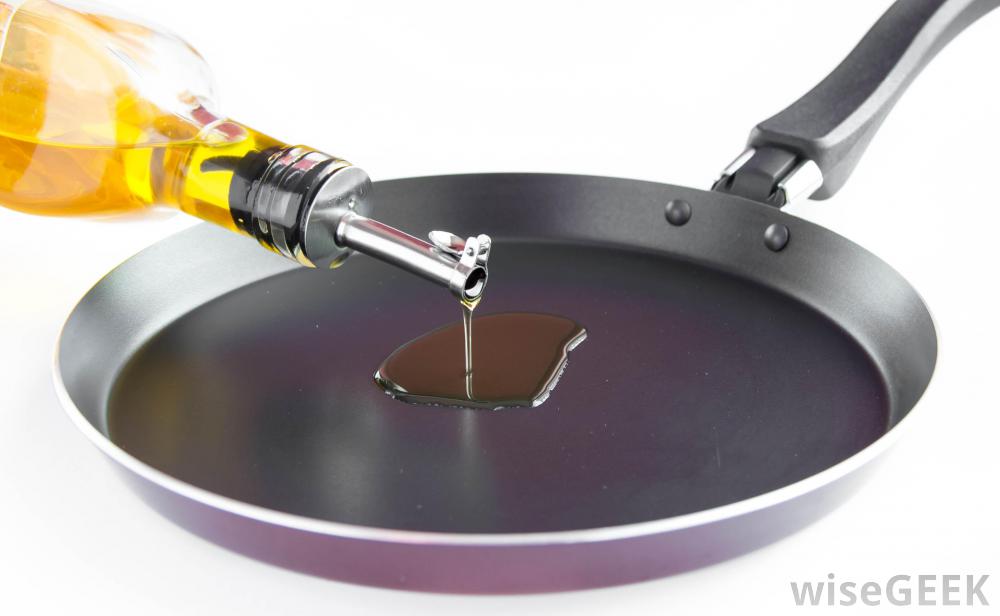
    The general rule is that no oil should ever be heated to the point of smoking, as this generates all sorts of free radicals and toxic byproducts, not to mention nasty flavors. Whenever using oil in a pan, try to cook with as low a temperature as possible to get the job done; this will minimize the degradation of the oil.

    Oils with high nutritional value like flax, most tree nut oils (walnut, hazelnut, pumpkin seed, pistachio) should not be heated at all, as heat tends to degrade the very nutrients that make these oils valuable. The general rule is, the higher the essential fatty acid content, the lower the smoke-point; the lower the EFA content, the higher the smoke point. So save those expensive EFA-rich oils for salad dressings or for drizzling on steamed vegetables.

    Avocado & Olive Oils

    Avocado oil is not terribly nutritious, but it is great for cooking, since it can sustain very high heat without smoking, This oil can bear heat levels up to 500 degrees F, so it is ideal for sautées, as well as for popping corn. 

    Olive oil should be stored in a cool, relatively dark place but it need not be refrigerated, as this will cause it to coagulate. Dr. Riley said it is best to buy olive oil in relatively small amounts. Once opened, a bottle should not be kept for more than 6 months. “Buy the amount you feel confident you’ll use in a 6 month period.”

    Great source for Avacado Oil is Thrive Market

    Flax Rox!

    Flax seed, aka linseed, and the oil pressed from it, is one of nature’s richest sources of essential fatty acids. It contains omega-3s and omega-6s in optimal physiologic proportions, It is also a great source of lignans, which are proving to be important nutrient allies in preventing breast cancer and possibly other hormone-mediated cancers (see Regulators Push to Ban the Trans, below).

    WATCH OUT! Flax/linseed is grown in vast quantities for the paint industry, and consequently, many crops are heavily sprayed with pesticides. He recommended oils by the Barleans company (www.barleans.com), which has been in the food-grade flax business for decades.

    Flax products are all they make. “They press the oil every day, and do not warehouse it. So they ship it the day they make it, which makes it very fresh.”

    Flax is one of the most susceptible oils to degradation from light and oxygen exposure. Buy it only in opaque plastic or glass bottles, and always keep it refrigerated. It can be used as a finishing oil or as a base for salad dressings. But because of its low susceptibility to heat, ban it from the pan.

    Consumers hear a lot of different and confusing fat-related terminology: saturated, unsaturated, trans, essential.Holistic Primary Care provided some great insight into these oil terms and their health benefits. Read More at https://holisticprimarycare.net/topics/topics-a-g/cooking-for-health/50-well-oiled-a-guide-to-healthy-dietary-fats.html