Category: Healthy Food

Because access to healthful and uncontaminated food ​should be a human right.

  • Cabbage: 11 Varieties and 20 Health Benefits

    Did you know that you don’t need to purchase organic cabbage to avoid pesticides?  EWG reports that only two of more than 700 cabbage samples contained more than one pesticide residue. 86 percent of cabbage samples contained no detectable pesticide residue. Stock up on this hearty leafy green and all its health benefits. 

    The health benefits of cabbage include its frequent use as a treatment for constipation, stomach ulcers, headaches, obesity, skin disorders, eczema, jaundice, scurvy, rheumatism, arthritis, gout, eye disorders, heart diseases, and Alzheimer’s disease.

    What is Cabbage?

    Cabbage is a leafy green, red, or white biennial vegetable which is grown annually. This cruciferous vegetable belongs to the Brassica family and is round or oval in shape. It consists of soft, light green or whitish inner leaves covered with harder and dark green outer leaves. It is widely used throughout the world and can be prepared in a number of ways, but most commonly, it is included as either a cooked or raw part of many salads. Cabbage belongs the group of cole crops, which means that it is closely related to broccoli, cauliflower, and Brussels sprouts.

    Here are 11 varieties of cabbages and their uses


    1. Cannonball Cabbage
    This is a small, green cabbage variety that is sometimes described as a mammoth Brussels sprout, and them most common variety found at grocery stores and markets. They only grow to be about 12 inches across (which still makes for a lot of delicious greenery) with very dense leaves, making it perfect for shredding into coleslaw or sauerkraut.

    2. Bok Choy
    Bok choy is in fact a type of cabbage, but develops thick, white and watery-crisp stems and leaves that are green and tender. More akin to Swiss chard or spinach than a regular head of cabbage, bok choy makes an excellent addition to sautéed vegetable sides, stir-fries and Asian inspired soups. 

    3. Choy Sum
    Sometimes labeled as ‘Chinese Cabbage’ choy sum can be found at mot grocery stores and all Asian food markets. This cabbage looks similar to bok choy, but is slightly slimmer and longer, with crispier stems and very tender leaves. It’s great chopped into an Asian salad with oranges and peanuts.

    4. Early Jersey Wakefield Cabbage
    This cabbage variety originates from Yorkshire in the U.K., but has morphed into a classic American heirloom over the centuries. The green cabbage has a heart or cone shaped head, which forms into a point that is surrounded by similar shape pale green leaves. These cabbages usually weigh 3-4 pounds and are excellent for plain steaming or light sautéing.

    5. January King Cabbage
    This curly-leafed cabbage displays gorgeous blue-green leaves with brushes of purple and dapples of turquoise. As the name implies, this cabbage variety enjoy cool weather and can even be planted in the fall for winter harvests.  Rather small at 1 pound a head, this showy cabbage is great roasted and served as a unique side dish.

    6. Napa Cabbage
    Oblong in shape with crisp stems and frilly, greenish yellow leaves, this cabbage variety is sweet and softer than the average green cabbage. It is delicious raw in salads as a dumpling filler or steamed with other leafy greens and drizzled with lemon juice.

    7. Portugal Cabbage
    Another type of green cabbage, Portugal cabbage originates from the Mediterranean region. The plant features large, spread and ribbed leaves but forms no head; the rib part of the leaf and the top of the stem are the parts that are eaten. The leaves are tough but fantastic in a hearty Portuguese style soup!

    8. Red Drumhead Cabbage
    Red cabbages are typically tougher and deeper in flavor than green cabbages, and were traditionally harvested in the fall for pickling. Plant breeding has now allowed for more tender varieties of red cabbage that can be shredded into salads and coleslaws. Red cabbages are great options for veggie patches, as they tend to attract less worms and produce large, round heads.

    9. Savoy Cabbage
    The crinkly leaves of the beautiful savoy cabbage are deep green along the edges, turning yellow toward the base. The flavor of a savoy is earthy but mild, and smaller heads are perfect for grating or slicing into salads and stir-fries. Savoy cabbage is also a great choice for fermented foods like homemade kimchi!

    10. Walking Stick Cabbage
    This 2 to 3 foot tall variety looks more like kale than cabbage, the leaves of which can be steamed or lightly sautéed when young. Originally from Great Britain, the larger leaves of this cabbage were once used as wrappers for baking hearth breads. The cabbage received its name from the strength of the stem, which is often saved for use as a walking stick, plant stake or bean pole.

    11. Winnigstadt Cabbage
    German in origin, the Winnigstadt cabbage displays dark green, glossy leaves in a large and dense head with a small point. This cabbage requires ample growing space, with its outer leaves spreading up to 3 or 4 feet across, and unfortunately often attracts worms. Sweeter in flavor than most other cabbages, this variety is ideal for raw salads and coleslaw, but is also an excellent choice for sauerkraut.

    Nutrition

    Cabbage is a very good source of manganese, dietary fiber, calcium, magnesium, and potassium. It is also rich in various vitamins including vitamin C, B6, A, K, and E. With a 100 gram serving of cabbage containing about 25 calories, it proudly takes the title of a healthy addition to your diet. It is also high in antioxidants including flavonoid, zeaxanthin, lutein, choline, and beta-carotene.

    Health Benefits of Cabbage

    Did you know that the inexpensive and widely used cabbage can practically work miracles? Let’s take the look at the best ones!

    Antioxidant Agent

    Cabbage acts as a good detoxifier too, meaning that it purifies the blood and removes toxins, primarily free radicals and uric acid which are the main causes of rheumatism, gout, arthritis, renal calculi, skin diseases, and eczema. This detoxifying effect of cabbage is due to the high content of vitamin C and sulfur in it.

    Anti-inflammatory Agent

    Cabbage is known to accumulate a build-up of cadmium-binding complexes in its leaves and one of the main components of that is glutamine. Glutamine is a strong anti-inflammatory agent, so consuming it can reduce the effects of many types of inflammation, irritation, allergies, joint pain, fever, and various skin disorders.

    Supports the Body Against Cancer

    One of the most celebrated health benefits of cabbage is its powerful antioxidant quality. This means that cabbage and other similar vegetables scavenge free radicals from the body, which can be detrimental to overall health and are major contributors to cancer and heart diseases.

    It also contains another and glucosinolates that can be converted into isothiocyanate compounds that help in the prevention of various cancers including breast cancer, prostate cancer, bladder cancer, and colon cancer.

    Red cabbage also has a number of anti-cancer compounds, like lupeol, sinigrin, and sulforaphane (glucosinolates derived isothiocyanate), which are known to stimulate enzyme activity and inhibit the growth of tumors that lead to cancer. One study, performed primarily on Chinese women, showed a significant reduction in breast cancer when cruciferous vegetables like cabbage were regularly added to their diet.

    Supports the Digestive Tract

    Cabbage is very rich in fiber and glucosinolates, which is the main health benefit of roughage. This helps the body retain water and it maintains the bulkiness of the food as it moves through the bowels. Thus, it is a good remedy for constipation and other problems related to digestion.

    Roughage deficiency can be really fatal, but it is one that is commonly overlooked in the maintenance of personal health. A lack of roughage in food can result in constipation, which is the root cause of many other ailments and health hazards such as stomach ulcers, headaches, gastrointestinal cancers, indigestion, and a subsequent loss of appetite. The dangers of roughage deficiency even extend to skin diseases, eczema, premature aging, and hundreds of mild to serious conditions.

    Regulates Heart Health & Cholesterol

    By binding the bile acids, it helps to lower your total LDL cholesterol levels. Cabbage is also rich in polyphenols, which reduces the risk of cardiovascular diseases by reducing blood pressure and preventing platelet build-up.

    Protects from Radiation Therapy

    Cabbage has a rare compound called 3,3′-diindolylmethane (DIM), which has been shown to prevent the risks associated with radiation therapy. It helps in ensuring that the red and white blood cells and the platelet count remain existent, which is often not the case during radiation therapy. Therefore, DIM is also favored for use during cancer treatment in order to protect healthy tissue.

    Boosts Immunity

    Due to the high vitamin C content of cabbage, it helps in boosting the immune system and fighting off free radicals.

    Skin Care & Vitamin C

    As mentioned already, cabbage is rich in antioxidants, including vitamin C, anthocyanins, and sulfur, since it is a cruciferous vegetable. Antioxidants play a major role in skin health and the general toning and improvement of the body in response to the aging process. Free radicals can be an underlying cause of wrinkles, skin discoloration, spots, and many other conditions. Therefore, the antioxidants you get by eating cabbage can cause a turn-around in your aging processes, leaving you feeling and looking healthy and young. It also helps in preventing the onset of acne.

    Weight Loss

    Cabbage is frequently recommended for people who want to lose weight in a healthy way. Since cabbage is packed with many beneficial vitamins, minerals, and other nutrients, it is a healthy dietary option for people to eat and is quite filling since it has high levels of fiber, which add bulk to the bowels. It is also low in calories, amounting to only 33 calories in a cup of cooked cabbage. 

    Prevents Cataract

    Cabbage is a rich source of beta-carotene, so many people, particularly as they get older, turn to cabbage for its ability to prevent macular degeneration and promote good eye health and delay cataract formation.

    Hair Care

    Cabbage being rich in sulfur and silicon helps in preventing dry hair. It also has a high vitamin A content that acts as an antioxidant and promotes hair health and hair growth.

    May help to Prevent Prostate Cancer

    Beta-carotene has been positively linked to reduced chances of prostate cancer, which is an extra bonus on top of other anti-carcinogenic effects of cabbage!

    Improves Brain Health

    Let’s not forget that cabbage is a very powerful brain food! The presence of vitamin K and anthocyanins within cabbage can give a strong boost to mental function and concentration. Vitamin K is essential for the production of sphingolipids, the myelin sheath around nerves. This wrapping is what protects nerves from damage and decay. Therefore, consuming vitamin K can improve your defense against neural degeneration, Parkinson’s and Alzheimer’s disease, and dementia.

    Furthermore, the anthocyanins in cabbage are a current area of research, but early indications point to it being a more powerful source of antioxidants than vitamin C, and red cabbage has even more types of anthocyanins than normal cabbage. It also appears that the nutrient uptake is not limited by anything and that people can eat as much cabbage as they want, and continue to accumulate antioxidants, which help fight off diseases, reduce chances of cancer, improve the nervous system, and increase brain function.

    Cabbage, being rich in iodine, also helps in the proper functioning of the brain and the nervous system, along with keeping the glands of the endocrine system in proper condition.

    Improves Bones

    Cabbage, as well as all cruciferous vegetables, are great sources of minerals, like calcium, magnesium, and potassium. These three essential minerals are integral in the protection of bones from degradation and the onset of conditions like osteoporosis and general bone weakening.

    Regulates Blood Pressure

    The presence of potassium in cabbage also makes it a wonderful way to protect yourself from elevated blood pressure, which increases the risk of heart attack and stroke. Potassium is a vasodilator, which means that it opens up the blood vessels and eases the flow of blood, so it isn’t being forced in a stress-inducing way through constricted arteries and veins. Overall, cabbage is a great shield against many types of dangerous conditions!

    Reduces Muscle Aches

    When certain bacteria ferment the sugars in cabbage during the preparation of sauerkraut, lactic acid is released. It isn’t the easiest compound to find in a diet, but it has been shown to reduce muscle soreness and aches, so in some small way, cabbage can help in general pain relief and muscle soreness, depending on how it is prepared.

    Speeds-up Healing

    Cabbage is rich in sulfur, which is a very useful nutrient as it fights infections. A deficiency of sulfur can result in microbial infections and a greatly reduced healing speed. It also reduces the frequency and severity of ulcers.

    Other benefits

    Cabbage can also be used for the treatment of varicose veins, leg ulcers, and peptic and duodenal ulcers.

    Basically, this common component of your Chinese dishes could be a miraculous addition to your diet. Don’t be afraid to add cabbage to your daily diet, whether it is in your soup or salad, and that small change will help you live a healthier and longer life.

    Uses of Cabbage

    Cabbage can be used in various culinary uses and can be incorporated into our daily diet in the following ways:

    • Salads: Cabbage can be shredded into salads with salt and other spices.
    • Soups: It can also be boiled into a soup and served hot.
    • Stews: It can be served raw or steamed into a stew with water and salt.
    • Sauerkraut learn how to make your own

    Article last updated on August 10, 2018 by OrganicFacts

    This article originally appeared at: https://www.organicfacts.net/health-benefits/vegetable/health-benefits-of-cabbage.html.

  • 17 Amazing Benefits of Pineapples

    Pineapples are delicious tropical fruits, which have been celebrated for centuries not only for their unique taste but also for their miraculous health benefits. Eat a cup of pineapple chunks to reap its amazing benefits, such as boosting immunity, improving bone and eye health, and aiding in digestion. It is also anti-inflammatory in nature and helps in curing coughs and colds and accelerating weight loss.

    90 percent of conventional pineapples had no detectable pesticide residues you don’t have to pick up an organic pineapple it’s on the clean 15 list from EWG.

    What is Pineapple?

    Pineapple, also known as ananas, is a delicious tropical fruit surrounded by thorny spikes and topped with hard, waxy leaves that are sometimes up to thirty per fruit. The fruit is up to a foot long and has a combination of sweet and tart taste. Pineapple belongs to the Bromeliaceae family and is actually a composite fruit made of coalesced berries that grow at the crown of a fruiting tree. The name pineapple evolved in the 17th century due to its structure and appearance being similar to pine cones.

    Pineapples are a storehouse of several health benefits due to their nutrients. They contain bromelain, protein, carbohydrates, sugar, and soluble and insoluble dietary fiber. The vitamins in these fruits include vitamin A, vitamin C, beta-carotene, thiamin, vitamin B5 (pantothenic acid), vitamin B6, and folate. Minerals like potassium, copper, manganese, calcium, sodium, and magnesium are also found in pineapples. These tropical fruits are low in calories and are, therefore, a major part of weight loss diets.

    Pineapple Uses

    The fruit can be added to your daily diet in many forms, most commonly by cutting them into pineapple chunks to snack on! Crushed pineapple can also be added to cupcakes, cookies, bars, ice creams, yogurt, and various other desserts. Fresh pineapple juice or smoothie is another popular and delicious way to start your day. Its antioxidant-rich juice is also enjoyed around the world as the tropical drink, pina colada.

    Pineapple leaves are used as wallpaper and in ceiling insulation. Pineapple fragrance oils are also popular due to their tropical touch.1

    Health Benefits of Pineapple

    The pineapple fruit is known to offer several benefits. Let us discuss each benefit in detail below.

    Boosts Immunity

    Pineapple is rich in vitamin C, which makes it one of the richest sources of ascorbic acid. Vitamin C helps in reducing illnesses and boosting the immune system by stimulating the activity of white blood cells and acting as an antioxidant to defend against the harmful effects of free radicals.

    Improves Bone Health

    Pineapple contains an impressive amount of manganese. Manganese is a trace mineral essential for the strengthening of bones as well as their growth and repair, as well as the creation and activation of certain enzymes. This is according to a report on the nutritional value and benefits of pineapple published in the International Journal of Nutrition and Food Sciences. A single serving of the tropical fruit can provide you with more than 70% of your daily requirement of this mineral.

    Treats Cough and Cold

    Pineapple is rich in both bromelain and vitamin C, therefore it helps in preventing and treating respiratory illnesses while eliminating phlegm and mucus from your body if you’ve already contracted an illness or infection. These two nutrients are connected with the reduction of phlegm and mucus build up in the respiratory tracts and sinus cavities.

    In order to check the impact of pineapple on immunity levels, almost 100 children were fed no fruit, some fruit, and lots of fruit daily in a nine-week study. Children who ate pineapple showed a lower risk of viral infections and children who the most had almost four times more white blood cells than the other two groups. This clearly shows that consuming pineapple daily is positively linked to increased immunity levels.

    Have you ever heard of drinking pineapple juice to alleviate your cough? It works!

    On top of containing tons of illness-fighting vitamin C, pineapples have bromelain, an enzyme with anti-inflammatory properties. This combination of nutrients helps to fight off disease and kill bacteria, including those found in your throat! In fact, research has found that raw extracts from pineapple could decrease mucus five times faster than over-the-counter cough syrups.

    What kinds of coughs can it help?

    Pineapple juice can treat most persistent coughs, as long as they aren’t from something more serious like pneumonia. If you have a cold, skip the cough syrup and go straight for pineapple juice. It’s less expensive, healthier, and tastes much better.

    Relieves Asthma

    Pineapple aids in reducing the symptoms of asthma. It contains essential nutrients like vitamin C, bromelain, and beta-carotene, which help reduce inflammation often faced by asthmatics.

    How to Pick a Pineapple?

    The ripeness and freshness of a pineapple can be determined by the smell if its base (no matter how green the crown is). Pick a pineapple, the base of which smells sweet, just like pineapple juice. A fragrance-free pineapple is either harvested too early or is not sweet as it should be.

    Note: If you are planning to consume a pineapple, cut the crown and keep the fruit in the fridge placing it upside down. Generally, the sweetness settles at the bottom of the fruit and this will help in distributing it throughout the pineapple. It’s best to have pineapple slices when it’s fresh so as to get maximum nutrition from it.

    Like Share
    References

    1. https://www.ncbi.nlm.nih.gov/pmc/articles/PMC3529416/
    2. http://www.sciencedirect.com/science/article/pii/S0963996910004801
    3. http://nopr.niscair.res.in/handle/123456789/5694
    4. http://www.jpma.org.pk/full_article_text.php?article_id=8055
    5. https://www.ncbi.nlm.nih.gov/pubmed/24123777
    6. https://www.ncbi.nlm.nih.gov/pubmed/23620673
    7. http://onlinelibrary.wiley.com/doi/10.1002/mame.200400132/abstract
    8. http://iv.iiarjournals.org/content/19/2/417.short
    9. http://ajcn.nutrition.org/content/76/1/245.short
    10. https://www.ncbi.nlm.nih.gov/pmc/articles/PMC437620/
    11. http://article.sciencepublishinggroup.com/pdf/10.11648.j.ijnfs.20150401.22.pdf
    12. http://jamanetwork.com/journals/jamaophthalmology/article-abstract/416232
    13. http://ebm.sagepub.com/content/140/3/820.short
    14. http://www.jbc.org/content/82/2/465.short
    15. https://www.youtube.com/watch?v=3-z6PiCTA-o
    16. http://pubs.acs.org/doi/abs/10.1021/jf60227a026?journalCode=jafcau&
    17. http://onlinelibrary.wiley.com/doi/10.1111/j.1749-6632.1975.tb29287.x/abstract
    18. https://www.ncbi.nlm.nih.gov/pubmed/25505983/
    Article last updated on August 24, 2018 by OrganicFacts

    Report Error in this Article

  • Benefits of the Alligator Pear AKA the Avocado

    Avocado is the fruit of the avocado tree, scientifically known as Persea americana (1).This fruit is prized for its high nutrient value and is added to various dishes due to its good flavor and rich texture.These days, the avocado has become an incredibly popular food among health-conscious individuals. It’s often referred to as a superfood, which is not surprising given its health properties (2).

    Due to its various health benefits, this fruit is now grown in a number of countries. It has a very thick skin that protects it from pesticides. This is the reason you don’t need to buy organic avocados; it is one of the safest crops in terms of its low exposure to pesticides. <See EWG Clean 15>

    Nutritional Value of Avocado

    Avocados are considered a “superfood” and have a special position in the food calorie pyramid. Avocados are rich in various nutrients, vitamins, and minerals. They are also a good source of monounsaturated fatty acids and have a low sugar content. They are a good source of energy and contain a number of essential vitamins and minerals. According to the USDA National Nutrient Database, avocados contain calcium, iron, magnesium, potassium, copper, manganese, phosphorus and zinc. [4] They also contain minerals such as vitamin C, B6, B-12, A, D, K, E, thiamin, riboflavin, and niacin. Furthermore, they are a great source of dietary fiber, and a single serving can provide more than 40% of the daily requirement!

    Avocados are rich in potassium and successfully balance the potassium to sodium ratio which is vitally important to overall health. According to CAC (California Avocado Commission), a medium-sized California Hass avocado contains almost 22.5 grams fat. [5] Two-thirds of this fat is of the monounsaturated variety, and they are also very low in fructose. Perhaps most importantly, avocados have a unique collection of organic compounds like phytosterols, carotenoids, and flavonoids.

    Here are some of the most abundant nutrients, in a single 3.5-ounce (100-gram) serving (3):

    • Vitamin K: 26% of the daily value (DV)
    • Folate: 20% of the DV
    • Vitamin C: 17% of the DV
    • Potassium: 14% of the DV
    • Vitamin B5: 14% of the DV
    • Vitamin B6: 13% of the DV
    • Vitamin E: 10% of the DV
    • It also contains small amounts of magnesium, manganese, copper, iron, zinc, phosphorous and vitamins A, B1 (thiamine), B2 (riboflavin) and B3 (niacin).

    This is coming with 160 calories, 2 grams of protein and 15 grams of healthy fats. Although it contains 9 grams of carbs, 7 of those are fiber, so there are only 2 “net” carbs, making this a low-carb friendly plant food.

    How to Select and Store Avocado?

    Fresh, ripe avocados with no dark spots should be chosen. Do not refrigerate avocados unless they are ripe. If a portion of the fruit has been used then the remainder may be stored in the refrigerator for future use. Unripe avocados can be stored at room temperature.

    Quick Serving Ideas

    Guacamole: Mix chopped onion, tomato, lettuce and avocado in a bowl. Add salt, pepper, lime juice, and drizzle olive oil over the salad. Fresh avocado guacamole can be added as a topping on your meats and fish too.

    Soup: Garnish soups with chopped avocado for additional flavor and health benefits.

    Fruit: Ripe avocados can be consumed directly.

    Dressing: They can be used for dressing food preparations of your choice and can be sliced perfectly with avocado slicers available in the market.

    Avocado FAQs

    Is avocado a fruit?

    Yes, avocado is a fruit; although technically, it is a berry. Also known by the name of ‘Alligator Pear’ (a reference to its dark, rough outer skin), avocados are rich in healthy fats and are popular in many cuisines all over the world. They have numerous health benefits, both as a food and as an addition to natural skincare products.

    Are avocados good for you?

    Avocados are great for your health when incorporated into a balanced and healthy diet. They are rich in vitamins and minerals and are full of ‘healthy’ fats, which help keep you feeling full for longer. Avocados can be a great natural or vegan substitute for products like butter and margarine.

    Learn More about its health benefits at:
    https://www.organicfacts.net/health-benefits/fruit/health-benefits-of-avocado.html

    https://ketogenicwoman.com/primer-fats-and-oils-for-keto/

    What are YOUR favorite recipes for an avocado?

    Here’s a plethora of recipes from the Food Network

  • Watermelon Jelly

    Have you ever heard of watermelon jelly? Honestly, we hadn’t either until a particular summer when our garden was bursting with luscious melon. My boys excitedly counted over one hundred of them. Clearly, we had a problem.

    How would we ever use all those melons?

    Not wanting to be outdone by our garden, I set about to experiment with all the ways I could think of to preserve some of that summer goodness. I am proud to say watermelon jelly was an immediate win and has become a favorite of ours to enjoy all winter long. When it’s chilled, it has a very nice gel and a lovely exotic flavor.

    Will you be a kitchen maven with me and try something that’s out-of-the-box delicious?

    Like watermelon jelly? You won’t be disappointed.

    Watermelon Jelly

    This jelly has a lovely exotic flavor. Preserve some of the summer’s goodness for winter with this unique recipe. 

     Prep Time 25 minutes

     Cook Time 20 minutes

     Total Time 45 minutes

    Ingredients

    • 8 C watermelon juice QP626
    • 1/2 C lemon juice JS441
    • 4 Tbs beef gelatin BP115
    • 1 C honey SW011
    • 3 Tbs Pomona’s pectin BP060

    Instructions

    Instructions

    1. Place four pint-sized jars in a 170° oven. Set four dome lids in a pan of water over medium heat. 

    2. Cut the melon off of the rind. Juice the melon using a juicer (a Champion juicer works great) or remove the seeds and blend the melon until smooth.

    3. Place watermelon juice, lemon juice, and gelatin in a pot. Quickly whisk the gelatin smooth so it doesn’t clump, then place the pot over medium heat and stir frequently. 

    4. Meanwhile, stir together honey and pectin until smooth. As soon as the juice mixture comes to a gentle boil, stir in the honey mixture. Stir until it is smooth and comes back to a gentle boil.

    5. Immediately ladle jelly into the hot jars filling to 1/4 inch from the rim. Wipe rims clean and secure hot lids with jar rings. Set jars upside down for five minutes. Turn right side up and leave until cool. Alternatively, you may water bath them. Check seals and store in the pantry.

    Recipe Notes

    Before serving, set in the fridge to thoroughly chill and jell.


    Azure Standard delivers NonGMO Organic throughout Idaho.

    Here, we understand that naturally grown foods are instrumental in producing a long and satisfying life. We’d like to see more farmers and home gardeners turn to natural organic growing practices, so we do what we can to not only support the organic farmer, but also provide as many organic products as possible.

    We chose to call our business Azure Standard, to signify by the name what we are attempting to do. Azure is a shade of blue which has been associated with law, justice, and honesty. In raising an azure standard, we want to place an honest standard in the marketing of food. We feel that the correct way to effect a positive change is not to attack the way it is being done, but to begin to do it right.

    We are dedicated to the “organic principle” of cooperating with nature and we pray others will join us so that we may once again see prosperity in our land.

    David Stelzer
    Azure Founder and CEO

  • Unsuspecting Families Are Feeding Their Children Contaminated Finger Foods

    My pediatrician told me that my when my infant was about 9 months old (maybe a bit older) he was ready for solid foods like original Cheerios. So I followed the doctor’s advice, I kept a ready supply of this handy finger food in my diaper bag. My children ate boxes and boxes of Cheerios. In fact, I served it almost daily. Like you, I thought I was feeding my family a nutritious source of ‘whole grain part of a balanced diet’. Unwittingly, I was filling their body with high levels of toxic glyphosate and the 10,000 food additive chemicals, all of which are allowed to be added (directly or indirectly) to their food.  

    75% of US foods are contaminated with Roundup with glyphosate. 

    Now, my children are suffering from ADD, anxiety, depression, chronic constipation and a myriad of other ailments that are linked to imbalance known as a “leaky gut”. People who have leaky gut are more likely to have a number of other health problems including “gastrointestinal issues such as inflammatory bowel disease, chronic diarrhea, colitis and Crohn’s disease, obesity, cardiovascular disease, depression, cancer, cachexia, Alzheimer’s disease, Parkinson’s disease, multiple sclerosis, and ALS, among others.”

    Our gut is the key to our health and wellness. its responsible for 75% of our immune response. <Learn More about Leaky Gut>

    Glyphosate responsible for gut imbalance? 

    Glyphosate is the key ingredient of the herbicide Roundup, more than one billion pounds sprayed in the US alone. It’s applied to our food as little as three days before harvest. It is absorbed into the plant and can’t be washed away. It is catastrophic to the beneficial gut bacteria that is responsible for our immune system response.

    Monsanto has steadfastly claimed that Roundup is harmless to animals and humans because the mechanism of action it uses (which allows it to kill weeds), called the shikimate pathway, is absent in all animals. However, the shikimate pathway IS present in bacteria, and that’s the key to understanding how it causes such widespread systemic harm in both humans and animals.

    The bacteria in your body outnumber your cells by 10 to one. For every cell in your body, you have 10 microbes of various kinds, and all of them have the shikimate pathway, so they will all respond to the presence of glyphosate!

    Glyphosate causes extreme disruption of the microbe’s function and lifecycle. What’s worse, glyphosate preferentially affects beneficial bacteria, allowing pathogens to overgrow and take over, including the highly toxic Clostridium botulinum. 

    In the interview above, Dr. Seneff reviews a variety of chronic diseases, explaining how glyphosate contributes to each condition. So to learn more, I urge you to listen to it in its entirety. It’s quite eye-opening. According to Dr. Seneff, glyphosate is possibly “the most important factor in the development of multiple chronic diseases and conditions that have become prevalent in Westernized societies.”

    It’s disconcerting to say the least. I did what my doctor said, and fed my children Cheerios and other foods recommended by the government via the food pyramid. Now my children are part of the statistic of that is 54% of children suffering from chronic illness and disease. 

    Not giving up the possibility of healing my kids

    My mission, to see if I can undo the damage, support their body’s healing processes and help them to make better food choices. Its never to late to start making a change and to heal from the damage done. This is what we are doing to help detox the glyphosate, build our guts and provide nutrient-dense foods to support healing.

  • Benefits of Beets

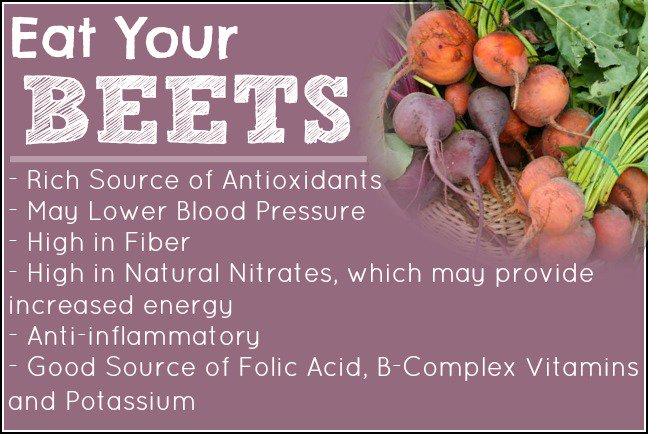
    Beets provide many health benefits  beet roots help lower blood pressure, while beet greens may strengthen your immune system. Those who struggle with eating the whole beet can easily access and consume beetroot powder. Beetroot powder is added to water for a nutritious drink. It is also used in smoothies and greens drinks, sprinkled on salads and used in gravies, sauces, soups and to provide color to most any recipe.

    Why are beets so beneficial? Consider that beets ‘live’ in the dirt, a place full of microbes which love a free meal. This means that nature has equipped the plant with natural defenses. No wonder that beet has been found to fight off the following infectious organisms:

    • Beet pectin has been found to inhibit the synthesis of types A and B staphylococcal enterotoxins.[iv]
    • Beet extract has been found to reduce influenza A infectivity and lethality.[v]
    • Beet root has been found capable of inhibiting Epstein-Barr virus associated tumor formation.[vi] 

    Dr. Jack Wolfson, the Paleo Cardiologist, explains:

    If you have issues with blood pressure, circulation, energy, endurance or erections, then beetroot powder is the supplement for you.

    Some of the main benefits of beetroot powder include:

    • Supports healthy blood pressure because it contains nitrates that are vasodilators. We have been very successful getting patients off blood pressure drugs using beetroot powder. 
    • Improves ED, endothelial dysfunction. But when we improve ED, we improve the other ED, erectile dysfunction. This leads to healthier blood vessel flow. Healthier blood vessel flow improves erections. We affectionately call beetroot powder ” The Boner Juice.” Blood flow to the clitoris is also improved, therefore improving the female sexual experience.
    • Improves athletic performance by boosting your stamina and muscle blood flow and recovery.
    • Regulates homo cysteine as beetroot is high in betaine, converting homocysteine to methionine. High homocysteine is a risk factor for many diseases. MTHFR gene defects get plenty of beetroot powder.
    • Improves blood sugar control.
    • Tremendous antioxidant that limits free radical damage in the body.
    • Supports healthy blood clotting factors.
    • Excellent source of fiber, folate, magnesium, potassium, iron, and zinc

    HOW TO BUY BEETROOT POWDER

    There are lots of places online selling beetroot powder.

    Not all beetroot powder is equal. Some has been poisoned by pesticides sprayed on crops. Some contain filler. 

    Here’s what you should look for:
    100% organic ingredients for the WHOLE beet including the Beet Greens
    No GMO’s
    No fillers, sweeteners or additives
    Glass bottle packaging to avoid toxic off-gasing from plastics

    Make sure you compare the amount of beetroot powder in a bottle, as amounts vary widely among manufacturers.

    Use of beetroot powder may turn your urine and stool somewhat pink or red. This is normal and simply reflects the coloration of the beetroot powder.

    Science acknowledges the benefits of beets

    Undoubtedly, future research will find beet to have a wider range of antimicrobial applications. But beet’s powers don’t end there.  Other already researched properties include:

    • Liver Damage: A 2006 study found that beet root has significant dose-dependent liver-protective properties against the chemical carbontetrachloride.[vii] More recently, research has found that it also protects against N-nitrosodiethylamine associated liver damage.[viii]
    • Cardiovascular Disease: While the “LDL cholesterol is bad” myth is almost imbecilic in its simplicity, those looking for ways to modulate the lipid ratio naturally in favor of the medical establishment’s largely drug-company drafted lipid guidelines can rest assured that beet can help. A 2000 study found beet fiber was capable of simultaneously increasing HDL and lowering LDL levels; perhaps far more impressive, the study also found close to a 30% reduction in cholesterol plaque accumulation in the aorta of those animals fed beet fiber.[ix]
    • Radiation Exposure: Compounds found in beets known as betalains have been found to reduce toxicity associated with gamma radiation exposure.[x]
    • Cancer: Beetroot juice has been found to reduce adverse effects caused by DMBA, a chemical associated with mammary cancer risk.[xi] Beetroot has also been found to exhibit anti-cancer properties in prostate cancer cell lines at toxicity levels far lower than chemo-agents such as doxorubicin.[xii]

    Excerpt from article on Greenmedinfo.com,
    For more information consult contributing writer Dr. Vic Shayne’s excellent book: Whole Food Nutrition: The Missing Link in Vitamin Therapy.
    Check out Dr. Jack Wolfson’s article on 
    Beetroot Powder

    Resources

    Sayer Ji is founder of Greenmedinfo.com, a reviewer at the International Journal of Human Nutrition and Functional Medicine, Co-founder and CEO of Systome Biomed, Vice Chairman of the Board of the National Health Federation, Steering Committee Member of the Global Non-GMO Foundation.

  • Inflammation and 8 Other Side Effects of Canola Cooking Oil

    While canola oil has been marketed as a health-food oil, low in saturated fats and a source of omega-3 fatty acids, it is very far from that. Canola oil is not only genetically modified, but it is highly processed and refined, both of which contribute to major health problems in the body. Canola oil has practically taken over as the food processing industry’s oil of choice. Whether it’s mayonnaise, chips, salad dressings and other snack foods, canola oil is usually the first, second or third ingredient on the list. Canola oil is extremely inexpensive to grow and harvest. 90 percent of the Canadian canola oil crop is a Monsanto genetically engineered crop(1)  because insects won’t go near canola oil, it is incredibly easy to grow.Unfortunately, the health dangers of canola oil are far beyond what we’ve been led to believe. 

    What is Canola Oil?

    Canola oil comes from a descendant of the rapeseed plant, a member of the Brassica genus, along with some of our favourite vegetables like kale, broccoli, cauliflower and cabbage. Rapeseed oil was put on the market for human consumption in the 1950s, but not many people wanted to consume it due to its strong flavour and off-putting colour.

    Scientists at the time began to discover that erucic acid, one of the major fatty acid components of the oil (over 50%), was damaging to heart tissue. Meanwhile, olive oil started being marketed as the next big thing in health. So what did marketers do for rapeseed oil? Give it a makeover of course! After some selective breeding and careful marketing, rapeseed oil was now low in erucic acid, high in oleic acid (just like heart-healthy olive oil), high in omega-3 fats and also neutral tasting. The name rapeseed was replaced with canola (the term can from Canada, and ola for oil) (2).

    Inflammation and 8 Other Side Effects of Canola Cooking Oil

    Canola oil isn’t the healthy oil you’ve been led to believe. There are so many dangers of canola oil, that anyone in their right mind would stay away from it. Here are just a few reasons why canola oil should never be in your home again.

    Unfortunately, in America and other industrialized nations, excess consumption of omega-6 fatty acids has caused a deficiency of omega-3. While the typical omega-6 to omega-3 fatty acid ratio should be 2:1, it is actually more like 20:1. These discrepancies can be associated with inflammation and other chronic diseases all throughout the body.

    In fact, symptoms of severe omega-3 deficiency include:

    Canola Oil Nutrition Facts: Autoimmune Diseases

    Those suffering the most from omega-3 deficiencies tend to be those with poor diets, which contain abnormal amounts of processed foods, hydrogenated oils and large amounts of canola oil. If that’s not bad enough, here are a few more side effects of excessive canola cooking oil  consumption:

    • Elevated risks of cancer associated with the hydrogenation process
    • Growth retardation
    • Irregularities in blood platelets
    • Damage to free radicals
    • Liver and kidney breakdown

    1. How a Hydrogenated Oil Leads to Inflammation

    All oils, unless they’re “cold-pressed” or “extra-virgin” are refined. This process includes caustic refining, bleaching, and degumming – all which involve high temperatures or chemicals that are damaging to the human body. Last but not least comes the deodorization process. Because canola oil is high in omega-3 fatty acids, it becomes easily rancid and foul-smelling when subjected to oxygen and high temperatures. The standard deodorization process removes a large portion of the omega-3 fatty acids by turning them into trans-fatty acids (3).

    If you’re consuming any vegetable oils that are oxidized from heat and light in processing, you are also exposing your body tissues to oxidized or rancid products. This contributes to degenerative diseases and chronic inflammation.

    2. Genetically Modified Product

    Almost all canola oil is produced from genetically modified crops. More than 90% of all canola oil is produced from genetically engineered crops. While genetic modification was successful at lowering the erucic acid content, it also increased the amount of oleic acid.

    Oleic acid has been linked to a number of health concerns such as:
    – Retarded growth (banned in infant formulas)
    – Abnormalities in blood platelets
    – Damage from free radicals
    – Increased risk of developing certain cancer types

    Genetically engineered foods also pose some very serious health concerns like allergic reactions, immuno-suppression, toxicity, and loss of nutrition through the foods we eat (4).

    3. Increased Risk of Developing Cancer

    Canola oil is extremely unstable under heat, light and pressure, which causes oxidation and releases free radicals inside the body. When canola oil is heated (aka. when we cook with it), it produces high levels of butadiene, benzene, acrolein, formaldehyde and other nasty compounds. These chemical compounds, combined with increased free radicals create the perfect environment for cancer growth.

    Researchers have found that cancer cells feed on the oleic acid in canola oil. The acid causes the cancer cells to become stronger and maintain malignancy (5). Additional research has also shown that oleic acid promotes tumor progressions (6).

    With the amount of free radicals released in canola oil after cooking, it’s no wonder this oil is a trigger for cancer growth. Free radicals are highly reactive chemicals that play a major role in cancerous cell mutation (7).

    4. Contributes To Heart Disease

    While genetic modification has lowered erucic acid levels in canola oil, it is still a major source of the acid. Erucic acid is a fatty acid that has been associated with heart damage, specifically Keshan disease, a disease that creates fibrotic lesions of the heart. Studies have shown that in areas where people are prone to Keshan, erucic acid levels are higher, and selenium levels are lower (8).

    Partially hydrogenated oils like canola are also known for causing high levels of inflammation in the body, as well as calcification of the arteries. Both inflammation and calcification are major risk factors for coronary heart disease (9).

    5. Interferes with Healthy Brain Function

    A new study out of the Lewis Katz School of Medicine at Temple University and published in the journal Scientific Reports has linked canola oil with a decrease in memory and learning indicative of Alzheimer’s disease – the most common form of dementia (10). The study found that the brains of canola-oil treated mice had higher amounts of amyloid plaques as well as diminished contact between brain neurons.

    Canola oil, being an inflammatory food, contributes to poor brain function. Chronic inflammation, as you might already know, is detrimental to the body. It attacks healthy cells, blood vessels and tissues instead of protecting them. It can shut down energy production in brain cells and slow down the firing of neurons, contributing to ADHD, anxiety, brain fog, depression, memory loss and Alzheimer’s (11).

    6. Hypertension and Strokes

    Studies have found that rapeseed oil and some other vegetable oils shortens the life span of stroke-prone and hypertensive animal subjects. One study discovered that rats bred to have high blood pressure and proneness to stroke died sooner when fed canola oil as the sole source of fat. On the flip side, rats fed the non-canola oil-based diets lived longer (12).

    Another study published in Toxicology Letters looked at the effects of canola oil on blood coagulation time, or how long it took blood to clot in stroke-prone animal subjects. The study found that there was a “canola oil-induced shortening of blood coagulation time and increased fragility in [red blood cell membranes],” which may trigger strokes in animal subjects who are stroke-prone (13).

    7. Kidney and Liver Problems

    Being a genetically modified food product, canola oil takes a toll on our liver and kidneys.

    A 2011 review of 19 different studies that involved mammals being fed genetically modified soy and corn for a period of 90 days, found that GMO foods can disrupt kidney and liver function. The review, published in Environmental Sciences Europe, stated that in the trials mentioned, kidney function was reduced by 43.5%, while liver function was reduced by 30.8%.

    If you want your detox organs to work properly, avoid canola oil, and other GM products.

    8. May Hamper Normal Growth in Children

    Erucic acid in canola oil was the main reason canola oil was banned from use in infant formula. The erucic acid in canola oil is harmful to infants, due to an inability to properly break it down. While the FDA previously made canola oil illegal for use in baby formula, that isn’t the case anymore. As of a few years ago, canola oil made it to the generally recognized as safe list (14), meaning that infant formula companies can use all the canola oil they want in their formula.

    Best Oils to Substitute for Canola Oil

    So which oils can you use? It depends on what you’re using it for!

    1. Coconut Oil

    Coconut oil is best when it is cold-pressed and virgin. Try your best to avoid refined coconut oil. Coconut oil has a high heat threshold, meaning it doesn’t turn into trans-fatty acids when heated. Coconut oil contains medium-chain fatty acids, too, which support a healthy nervous system, and also encourage fat loss. Plant-based and delicious, coconut oil has become more and more popular in recent years. Studies point to its many beneficial properties which include boosting the immune system, decreasing inflammation, fighting heart disease, and more. 

    2. Olive Oil

    Part of the Mediterranean diet, olive oil is praised for its ability to improve the health of our heart. Same as coconut oil, always look for extra-virgin or cold-pressed variant. Great for homemade salad dressings, or drizzling on cooked vegetables, olive oil is something you should definitely have in your kitchen. Some fake olive oils are mixed with cheaper, GMO vegetable oils, so always make sure it is GMO-free and organic. Its not advised to COOK with olive oil. Leave your olive oil cold and unheated. 

    3.Pure Avocado Oil

     Avocado oil is a great alternative with a mild flavor. It has a higher smoke point that olive oil and preserves its nutrients at higher temperatures. Unlike extra virgin olive oil and coconut oil it blends well into mayo and sauces without much taste. Avocado oil has a high smoke point like coconut oil, so it can safely be cooked with at high temperatures. Alternatively, you can also use this oil in its raw form on salads and the like. Avocado is also unique because it contains more potassium than a banana and more protein and fats than any other fruit.  Nutritionally it resembles olive oil.

    What about Organic Canola Oil?

    Nearly 90% of this product that we find in the market is genetically modified and is prepared by using excessive heat. Organically produced edibles are cold-pressed and keep the nutrients of that particular product intact; thus are undoubtedly a healthier and better choice. Its organic form does not contain any harmful trans-fats and oxidized substances unlike the industrially processed oil. Doing a cost comparison it is more beneficial for your wallet and your body to reach for an alternative oil mentioned above.

    https://livelovefruit.com/8-health-dangers-of-canola-oil/

    https://www.slideshare.net/OrganicOilStore/all-about-organic-canola-oil

  • Nightshades: Friend or Foe?

    There are many debates about which foods should be avoided in the diet. Among items like sugar, dairy, processed foods, gluten, grains, and soy, you may come across the idea that nightshades should be eliminated, especially if you have arthritis or an autoimmune disease. Is there any evidence that these vegetables, which often have healthy nutrients and phytochemicals, should be blacklisted?

    Quick Read:

    • Nightshades are a family of plants with more than 3,000 species. Some, such as belladonna, are known poisons. Others are familiar foods like eggplants, peppers, potatoes, and tomatoes.
    • Some argue that nightshades can be harmful because they provide alkaloids, glycoalkaloids, and lectins and may increase inflammation and may cause allergic reactions.
    • On the other hand, there is other evidence that alkaloids and glycoalkaloids may be beneficial for numerous health concerns, including obesity, cancer, and more.
    • Research against nightshades is limited, but it may be beneficial for some individuals with specific conditions (such as autoimmune disorders, arthritis, or IBD) to remove nightshades at least temporarily to see if they enjoy health improvements.
    • Remember to speak with your healthcare practitioner to see if removing nightshades may be beneficial for you.

    What Are Nightshades?

    Nightshade is the term given to a family of plants whose scientific name is Solanaceae. Some of the more than 3,000 species in this family are known poisons, such as belladonna. Others are familiar foods found in diets around the world. The most commonly eaten varieties include:

    • Ashwagandha
    • Cape gooseberry
    • Eggplant
    • Ground cherry
    • Peppers (except peppercorn)
    • Potatoes (not yams or sweet potatoes)
    • Tomatillo
    • Tomatoes

    In addition, there are some plants that also contain solanine that some may recommend you avoid if you display a sensitivity, including blueberries, artichokes, and huckleberries.

    Why Remove Nightshades?

    Those in the anti-nightshades camp generally argue that these plants can be harmful for the following reasons:

    • Alkaloids and glycoalkaloids
    • Lectins
    • Food allergies and histamine

    Let’s start by looking at the alkaloids and glycoalkaloids in the plants. These are natural pesticides and include solanine, capsaicin, and nicotine. The hypothesis is that since they act as a protection to the plant, they may be toxic to those who consume it. Some studies have found adverse reactions to some of these alkaloids and glycoalkaloids.

    People can have a food allergy to plants in the nightshade family. A food allergy to potatoes is possible, with those with atopic dermatitis and other food allergies the most at risk. People also report food allergies to tomatoes and eggplants (aubergines), although the allergy to eggplant may be from the histamine content rather than to the eggplant-specific proteins. As discussed in a previous blog, when you do present with a food allergy, it is beneficial to remove those foods from your diet.

    If you struggle with a chronic illness, have removed the more common triggers from your diet, and consume a lot of nightshades, then you may benefit from a trial to see if eliminating them works. Talk with your nutritionist, dietician, doctor, or other healthcare professional to see if removing nightshades may be beneficial for you.

    <read more here>

    This article originally appeared at: http://deannaminich.com/nightshades-friend-or-foe/.

  • A Cup of Tea For Your Garden. How Compost Tea Could Help You Avoid Chemicals.

    The best way to know what’s on your food is to grow your own. Mid-season the garden plants are pushed to their limits. Just as thriving plants are beginning to produce, insects and disease could arise. Instead of seeking a chemical to apply, here’s an environmental and health friendly alternative. Compost tea has beneficial, active aerobic microbes that can be applied to both soil and leaf. What are Microbes? It all goes back to the soil food web. Just put its a balance of insect and disease control and optimum plant health. Consider adding an aerobic compost tea to your garden system. Providing the garden with an astonishing number and diversity of beneficial, active, aerobic microbes will help you avoid problems such as mildews and fungus without the need to apply harmful and toxic chemicals.

    WHAT IS COMPOST TEA?

    Compost tea is a great way to revive the soil food web when there’s not enough compost to go around and to establish beneficial aerobic microbes on the leaves of our plants, as well. Gardeners have been making a form of compost tea for centuries by putting a small amount of compost in a pail of water, sometimes inside a burlap sack, stirring it once in a while for a few days, and then applying that water to the soil. It’s a lot like making a cup of tea — put the tea bag in the container, add water, stir and drink. That’s tea.

    There are two types of teas; Anaerobic (no oxygen) and aerobic. The difference is the length and intensity of the benefits it provides.

    Anaerobic tea:

    Gardeners add “foods” to the tea to wake up the microbes, but in doing this then they use up more oxygen, and the tea can quickly go anaerobic (no oxygen). Immature compost may also make an anaerobic tea. Anaerobic tea may have its particular uses, but it will be mainly composed of anaerobic bacteria and yeasts, not unusually diverse, and lacking aerobic microbes like fungi, protists, and many bacteria.We want the aerobic tea to restore more of the beneficial microbes.Bubbling air through the water with some kind of air pump and adding specific foods to feed and multiply the microbes produces aerated compost tea. This system can extract and increase an astonishing number and diversity of beneficial, active, aerobic microbes. The goal is aerobes (aerobic organisms), because they’re generally the beneficial ones. Excellent compost tea can contain as many as 100 trillion bacteria per 0.03 oz. (1 ml).

    Could Disease Controlled with Compost Tea instead of Pesticides/Herbicides?

    • One primary benefit of compost tea in disease control is the ability actually inoculate the leaves of our plants, something we can’t do with compost. With more experience, a gardener can also get fancy and brew specific teas for specific circumstances. A brew a tea to combat powdery mildew on grapes, or a tea to alter the microbial population in soil to allow the food grower to establish an orchard.
    • Compost tea can’t be marketed as a pesticide and people have found themselves in legal trouble for doing so, but of course, it can help to control some plant predators because that’s what beneficial microbes do.
    • There has been some excellent research on compost tea, mostly on a larger scale.
    • Vineyards have achieved good control of mildews and even been able to harvest their grapes several weeks early, giving them a head start on wine making.

    Food growers have controlled diseases and documented many other benefits for plant health. Golf courses and parks have reduced pesticide, chemical fertilizer, and water use, substantially lowering costs while creating healthier turf.

    Harvard University has been using compost tea for 10 years. (See their article)

    They did a one-acre test of mostly turf in 2008 using compost, compost tea, mycorrhizal fungi, humic acids, liquid kelp, and organic fertilizer. Compared to the control, root growth was two times greater and nitrogen produced was three to four times greater.

    •   They were able to mow 50% less, presumably because there wasn’t such a big hit of nitrogen and other chemical fertilizers all at once which often produces green grass and fast growth, but eventually causes problems.
    •   Cut water use by 30% and that was expected to increase to 50% for a savings of two million gallons a year. Apparently, all 16 acres at Harvard are now organic.

    In some gardens, one application of compost tea has cleared out plant predators overnight and perked the plants up as if it was exactly what they needed. In other gardens, a few applications have been necessary, and in other gardens, not much change was noticed. Part of gardening is trial and error, and the joy is in finding the solution. 

    Making Compost Tea

    from Phil the Smiling Gardener

    To make a good tea, you need to get a lot of factors right — air pressure, water quantity, size of the air bubbles, amount and types of compost and microbes foods, and on and on.

    That means you either need to purchase a quality brewer that has been thoroughly tested and has the data to support that, or build your own and test and tweak it until you get it right.

    The first option may cost you at least a couple hundred dollars for a five-gallon brewer, but that’s actually cheaper than the testing that needs to be done to build your own properly.

    DIY aerobic compost tea

    Aerobic Compost Tea it’s made by pumping air through water that contains a small amount of compost along with foods for aerobic microbes to multiply. Here’s an example brewer. This takes one to five days to make.

    1. You start with a small amount of exceptionally good, aerobic, fully finished compost. Finished compost should look like rich, black soil, without any visible chunks of whatever went into it (except for things like egg shells which break down very slowly).

    TIPS:

    •     A mixture of two or three different composts is even better. Using different composts will bring more microbial diversity, and you can also throw in a small amount of healthy soil.
    •     If you want to promote a fungal tea, perhaps to establish an orchard or shrub garden or strawberries, use compost that was made with a lot of woody material and still contains a small amount of woody material.
    •     Even better, mix some oatmeal or oat bran into the compost a few days before you brew at three tablespoons per cup of compost. Keep this moist, dark and warm at 75F (25C) to promote fungal growth. For a bacterial tea, go for a less woody compost.

    2. Add compost to a mesh bag or directly into a bucket of clean (filtered non-chlorinated), room temperature water. Don’t use irrigation water, chemical run-off and chemigation (specifically added chemicals directly to irrigation water) could destroy the beneficial microbes you are seeking. *If you use city water, you need to let that bucket of water sit out for 24 hours for the chlorine to dissipate, or you can turn your air pump on for 20 minutes instead, and that also does the trick.

    3. Your pump will blow air through tubes that are in the bottom of the bucket, the tubes attached with waterproof tape or weighed down somehow. The air goes through the water and compost, keeping the environment aerobic to favor the aerobic microbes, and physically pulling them off the compost.

    TIPS

    At the beginning of the brewing process add :

    •     Examples of right microbe foods include molasses, kelp, fish, humic acids and rock dust. Obviously, these products should not have preservatives in them, because preservatives are designed to kill microbes.
    •     Molasses, other sugars, fruit juice and kelp, promote more bacteria growth. Fish, seed meals, humic acids, yucca and rock dust, encourage more fungal growth.

    At the end of the brewing process add:

    Extracts from the yucca plant can be used as a biostimulant and wetting agent., which is added at the end., these are all added at the beginning of the brewing process. Mycorrhizal fungi can be added at the end of the brewing process if you’re making a soil application.

    RECIPE for a five-gallon homemade brewer:
    2 cups finished compost,
    1 Tablespoon unsulfured blackstrap molasses,
    1 Tablespoon liquid kelp,
    1 teaspoon liquid fish to 5 gallons of clean water.

    Brew for 2-3 days.

    If you use a purchased brewer, they often use less compost. You may be able to buy excellent compost from the brewer manufacturer and a mixture of the microbe foods too.

    Compost tea needs to be used as soon as possible after you make it because not long after that pump goes off, the oxygen in the water drops rapidly. It can be used for eight hours, but the sooner, the better. When possible use within one hour of its being ready.

    Application method of applying it is to strain it through nylon or cheesecloth into a quality backpack sprayer, such as those made by Solo. This allows me to spray a mist at 60 psi and thoroughly coat both sides of the leaves of all of my plants. A watering can will suffice for soil applications, but some kind of spray is best.

    A hose-end sprayer would work, but that water is coming through the hose often has chlorine in it, and it’s frigid. I’d instead not shock my microbes like that.

    For foliar applications, which is the primary method of application you’ll do, you’ll generally spray compost tea undiluted at 1 pint per 1,000 square feet, which means a good quality five-gallon brew can do about an acre.

    It doesn’t hurt to do more than that, though. You could spray your five gallons on a few thousand square feet and that’s just fine.

    TREES

    Of course, if you have tall trees, you’ll need more. The rule is 1 pint per 1,000 square feet for every six feet of tree height you have. If your trees are 12 feet tall, you need one quart. Don’t dilute the foliar sprays because you want the maximum number of microbes on the leaf surface as possible.

    Learn more about the soil web and compost tea at https://www.smilinggardener.com/collection/compost-tea/

  • Hidden Sources of Gluten

    Dr McQueen of Red Mountain Natural Medicine in Boise shares with HFI some common hidden sources of gluten in food, personal products and household products. If you or one of your loved ones have been diagnosed with Celiac disease or non-Celiac gluten sensitivity (NCGS), hopefully you are already well-aware of the common gluten-containing foods to be avoided in your diet.  Complete avoidance of gluten, a protein found in many cereal grains, is an absolute necessity in those with Celiac disease since ingestion of gluten in these individuals is associated with autoimmune-mediated damage to the small intestine.  Untreated, Celiac disease can lead to nutritional deficiencies and increase the risk of all kinds of serious health problems, some of which include other autoimmune disorders like Type I diabetes and multiple sclerosis, anemia, osteoporosis, infertility, miscarriage, neurological conditions, and even cancers of the digestive tract.  1,2

    Celiac disease is one of the most common chronic inflammatory conditions affecting the West as well as other parts of the world.  In Western countries, prevalence of Celiac disease is considered to be somewhere close to one percent.  3,4

    Prevalence of NCGS is still widely debated, but estimates in Western populations are significant, varying somewhere between 0.6 to 6%.  5  NCGS has been described as a non-allergic and non-autoimmune condition in which the consumption of gluten can lead to symptoms similar to those seen in Celiac disease.  6  In cases of NCGS, gluten exposure in the diet can lead to the development of symptoms in or outside of the gastrointestinal tract from hours to days.  These symptoms then improve or disappear after the withdrawal of gluten from the diet.  NCGS differs from Celiac disease in that it is not considered an autoimmune condition and does not typically cause significant damage to the intestines.  That being said, some individuals that are non-Celiac are highly sensitive to even the tiniest amounts of gluten exposure.

    With growing awareness of the gluten problem that impacts so many individuals, it has become progressively easier to find gluten-free options when grocery shopping or going out to dine.  What remains a challenge is avoiding contact with the laundry list of hidden gluten-containing ingredients in packaged and processed foods, personal care products, and even medications.

    GLUTEN-CONTAINING FOODS TO AVOID

    In the case of Celiac disease or NCGS (especially the former!) care must be taken to avoid the following gluten-containing foods:

    Barley, Brewer’s Yeast, Bulgur, Couscous, Einkorn, Kamut, Oats (also available gluten-free, but this MUST be from pure, uncontaminated oats), Rye, Semolina, Spelt, Triticale, Wheat, and Wheat Germ/Flour/Bran/Starch

    HIDDEN SOURCES OF GLUTEN IN COMMON FOOD ITEMS

    Even if you are well-versed in identifying and staying away from the specific grains that contain gluten, it’s important to know about the food items that may commonly contain hidden gluten-containing ingredients.  In order to avoid gluten exposure, you need to become comfortable reading food labels.  This may seem daunting, but it’s really something we should all be doing anyway to support our health!  Here are some of the common food items that contain gluten:

    • Malt vinegar (or any product containing malt, since this is derived from barley)
    • Salad dressings, marinades
    • Seasonings
    • Condiments (mustard, ketchup, mayonnaise, etc.)
    • Soy and teriyaki sauces (most contain wheat)
    • Sushi rice (often contains malt vinegar)
    • Broths/stocks/bouillon cubes
    • Miso soups that are barley-based
    • Prepared/canned soups and beans
    • Processed meats (deli meats, sausages, hot dogs, etc.)
    • Fish sticks
    • Coffee creamers, flavorings, or instant coffee
    • Some alcohols (beers, wine coolers, some vodkas – here is a link for more information on gluten-free alcoholic beverages)
    • Chewing gum
    • Candies and candy bars
    • Energy bars, granola bars
    • Gravies, sauces of all kinds
    • Meat substitutes (veggie burgers, veggie sausage, seitan)
    • Breads, pastries, baked goods, croutons
    • Pastas, noodles
    • Crackers, chips, French fries


    INGREDIENTS THAT MAY INDICATE HIDDEN SOURCES OF GLUTEN

    After you have read over the list above, you might be feeling a little overwhelmed.  And justifiably so.  What in the heck is being added to all these food items above that can make them gluten-containing?  To be honest, a whole lot of different ingredients can contain hidden gluten!  Here is a link to a site that lists some of these hidden ingredients.

    Fortunately, more and more gluten-free food items are becoming available all the time to meet the growing demands for these products.  This certainly provides some benefits and conveniences for those following a gluten-free diet, but unfortunately it also has a major downside.  Many of the gluten-free food substitutes out there are touted as being healthy options or perceived this way by the public.  But in reality, many gluten-free products are absolute junk since they are still highly processed and contain way too many non-pronounceable ingredients.  Many of these products are highly refined and contain added sugars, starches, or other additives to help mimic the highly desirable texture of gluten.

    You should also be aware that current FDA standards allow products that are labeled as “gluten free” to contain up to 20 ppm (parts per million) of gluten.  For these reasons packaged foods and food items should, as a general rule, always be minimized in the diet, even if they are labeled gluten-free.  I can say from personal experience and in working with my patients that this makes it so much simpler to stay gluten-free!  

    Emphasize a diet rich in whole unprocessed foods that require no or little processing.  
    This can include the following:

    • Healthy Fats – Extra virgin olive oil, coconut and MCT oil, organic/pastured butter and/or ghee, raw nuts/seeds/nut and seed butters, avocado, olives
    • Healthy Proteins – Whole eggs, low mercury fish (especially wild salmon, sardines), grass-fed meats/poultry, wild game
    • Vegetables – Leafy greens and lettuces, broccoli, kale, cabbage, cauliflower, onions, garlic, mushrooms, Brussels sprouts, squashes/zucchini, green beans, bok choy, lots more!
    • Fruits – Eat a variety, but emphasize those higher in fiber and lower in sugar (apples, pears, dark berries, avocados, tomatoes, lemons, limes)
    • Herbs, Seasonings, Condiments – Enjoy whatever you like, but just make sure any pre-prepared products are free of gluten, sugar, and preservatives.
    • Legumes, Beans, and Lentils
    • Gluten-Free Grains – Amaranth, buckwheat, brown rice, white rice, wild rice, millet, quinoa, and teff.

    HIDDEN SOURCES OF GLUTEN IN YOUR COSMETICS AND OTHER NON-FOOD ITEMS

    While there is plenty of debate over how strict one must be in avoiding gluten from non-food (non-ingested) sources, it makes sense that individual sensitivity should guide this decision.  Some individuals find that they do much better avoiding gluten containing products altogether; others have no need to be so strict.  Here is a list of non-food items that commonly contain gluten:

    Personal Care Products:

    Examples include shampoo, conditioner, hairspray, hair dye and other hair products, lip balm, lipstick, lotion/cream, makeup, mouthwash, soap, moisturizer, deodorant, sunscreen, toothpaste.*NOTE:  Keep in mind that lip balms and lipsticks are more likely to be ingested to some degree, especially if used regularly.  Extra caution should be taken with these products. Here is a link for resources on gluten-free skin care products and cosmetics.  Another link here.

    Household Items:

    Examples include laundry detergent, glues on stamps/envelopes

    Products in Dentistry:

    Examples include sealants and various plastics

    Medications:

    Many medications are not gluten-free because they contain added fillers or excipients derived from wheat or gluten, or they are manufactured in facilities not dedicated gluten free.  It can be a challenge to determine whether they are or not.  When in doubt, call the manufacturer.  Also, keep in mind that manufacturers change ingredients all the time, so you must periodically check for any changes in ingredients.  Here is some further information to read on gluten in medications.

    Vitamins/Supplements:

    Many of the lower quality vitamins and supplements available on the market will contain common allergens, fillers, and binders including wheat and/or gluten.  It’s absolutely worth paying a bit more for brands that care about making cleaner, higher quality products that are free of common allergens.  There are a number of great professional brand companies out there to choose from.  Look for companies that are GMP-certified to assure purity and quality.   Some of the brands that I trust are Metagenics, Thorne Research, Seeking Health, Pure Encapsulations, and Allergy Research Group.  Keep in mind that not every product from these stated companies will be gluten free – Make sure to check for yourself and/or healthcare practitioner before using a specific product.

    Playdough:

    Since kids playing with playdough are known for ingesting some at least every now and then, you should know that it contains gluten.  There are resources online for making your own gluten-free playdoughs if you prefer!

    Food Containers and Food Preparation Equipment:

    Whether you are eating at home or at a restaurant, it’s important to know that exposure to gluten can occur via strainers, cutting boards, cookware, grills, and toasters that have previously come into contact with breads or other gluten-containing foods.

    Pet Food:

    Many pet foods contain wheat or oats.  The dust particles from these can get inhaled or transferred to the mouth, creating a problem for some sensitive individuals.

    THE BOTTOM LINE

    Gluten is found is all kinds of foods and non-food products that we unintentionally come into contact with every day.  Avoiding gluten exposure takes some real diligence and effort, but it can be done!  If you are on the gluten-free path, know that you are not alone and there are lots of great people, support groups, and resources out there to help you be successful.  Hopefully this article is a stepping stone for helping you with that success.

    In Health,

    Dr. Shana McQueen of Red Mountain Natural Medicine 

    this article originally appeared at: http://redmountainclinic.com/meet-dr-mcqueen/

    REFERENCES:

    • Serena G, Camhi S, Sturgeon C, Yan S, Fasano A. The Role of Gluten in Celiac Disease and Type 1 Diabetes. Nutrients. 2015;7(9):7143-7162. doi:10.3390/nu7095329.
    • Rodrigo L, Hernández-Lahoz C, Fuentes D, Alvarez N, López-Vázquez A, González S. Prevalence of celiac disease in multiple sclerosis. BMC Neurology. 2011;11:31. doi:10.1186/1471-2377-11-31.
    • Ciccocioppo R, Di Sabatino A, Corazza GR. The immune recognition of gluten in coeliac disease. Clinical and Experimental Immunology. 2005;140(3):408-416. doi:10.1111/j.1365-2249.2005.02783.x.
    • Gujral N, Freeman HJ, Thomson AB. Celiac disease: Prevalence, diagnosis, pathogenesis and treatment. World Journal of Gastroenterology : WJG. 2012;18(42):6036-6059. doi:10.3748/wjg.v18.i42.6036.
    • Igbinedion SO, Ansari J, Vasikaran A, et al. Non-celiac gluten sensitivity: All wheat attack is not celiac. World Journal of Gastroenterology. 2017;23(40):7201-7210. doi:10.3748/wjg.v23.i40.7201.
    • Capili, B, Chang, M, et al.  A Clinical Update: Nonceliac Gluten Sensitivity—Is It Really the Gluten?  The Journal for Nurse Practitioners. 2014;10(9):666-673.  doi.org/10.1016/j.nurpra.2014.07.036