Category: Healthy Food

Because access to healthful and uncontaminated food ​should be a human right.

  • 80% of Supermarket Meat Contains Antibiotic-Resistant Bacteria

    New analysis from the Environmental Working Group (EWG) shows that the latest tests by federal scientists found almost 80 percent of supermarket meat to contain antibiotic-resistant bacteria. The so-called superbugs were discovered to be resistant to at least one of 14 antibiotics they were tested for by the National Antimicrobial Resistance Monitoring System (NARMS).

    Superbugs were found on 79 percent of ground turkey, 71 percent of pork chops, 62 percent of ground beef, and 36 percent of chicken breasts, wings, and thighs sampled, EWG reports in a news release. The meats were tested in supermarkets by NARMS in 2015, which was the latest year for which such data is available.

    “Consumers need to know about potential contamination of the meat they eat, so they can be vigilant about food safety, especially when cooking for children, pregnant women, older adults or the immune-compromised,” said Dawn Undurraga, EWG’s nutritionist and author of the report.

    The World Health Organization warns that antibiotic resistance is a serious threat to global health and food security. Antibiotics are routinely given to animals within the meat industry in order to help them survive the challenging conditions in which they are forced to live and cope with, like stress, overcrowding, unsanitary environment, as well as to make them grow faster. In spite of the threat this practice presents, in the U.S., the federal government still allows healthy animals to be given antibiotics by meat producers. In fact, according to a report from 2013, of all antibiotics distributed in the U.S., a shocking 80 percent were given to livestock.

    “Bacteria transfer their antibiotic resistance genes to other bacteria they come in contact with in the environment and in the gastrointestinal tract of people and animals, making it very difficult to effectively treat infections,” said Dr. Gail Hansen, a public health consultant and veterinarian.

    With these findings in mind, it is more pertinent than ever to consider removing your support from the factory farming industry. Considering 99 percent of animals raised for food in the U.S. come from factory farms, your best bet to steer clear of animal abuse and superbugs is to opt for plant-based sources of protein. Around one-third of Americans are leaving meat off their plates due to concerns like antibiotic resistance, but we can only hope to see a decrease in the number of germ-spewing factory farms if more people join in and take action to build a better food system.

     Do you believe that locally sources pasture raise foods are safer? Where do you choose to purchase your meat? Share in comments below.

  • Farmed Salmon — One of the Most Toxic Foods in the World

    According to the EPA the most toxic fish in the world is farmed salmon. They even advise people that more than one meal of farmed salmon a month is the maximum they should eat. But even their recommendation is wrong because farmed salmon is one of the most toxic FOODS in the world and should not be consumed in any amount.

    Toxicology researcher Jerome Ruzzin has confirmed Oddekalv’s claims. He’s tested a number of different food groups sold in Norway for toxins, and indeed, farmed salmon contains the greatest amount of toxins of them all, and by an incredibly large margin. Overall, farmed salmon is five times more toxic than any other food product tested. In animal feeding studies, mice fed farmed salmon grew obese, with thick layers of fat around their internal organs. They also developed diabetes. So what about wild caugh salmon? Alaskan salmon is said to have some of the lowest levels of toxins, but highest levels of parasites

    More about Farmed Salmon

  • Monsanto plans to invest a whopping $100 million in a form of gene-editing technology

    Monsanto, ‘the most hated corporation in America,’ plans to take the science of genetic manipulation to a whole new level. According to a March 27 article in Business Insider, the agrichemical giant has joined forces with Pairwise Plants – a California start-up company helmed by a pair of Harvard scientists – and plans to invest a whopping $100 million in a form of gene-editing technology.

    While the new technology, known as CRISPR, is being hailed by some as a way to correct genetic diseases, many natural health advocates question its safety – and whether our food is an appropriate target for gene-editing.

    Three days after the collaboration was announced, a published study showing that CRISPR induced unexpected mutations in mice was retracted. The timing is highly suspicious, to say the least – especially in light of Monsanto’s long and disgraceful history of suppressing damaging research.

    Monsanto: CRISPR-made produce to hit grocery store shelves within 10 years

    The gene-editing tool CRISPR (an acronym for Clustered Regularly Interspaced Short Palindromic Repeats) allows scientists to manipulate DNA to produce traits such as flavor, longer shelf life, convenient sizing or tolerance to drought and disease.

    In other words, unlike traditional GMO methods – which add genes from another organism – gene-editing changes (or deletes) existing genes.

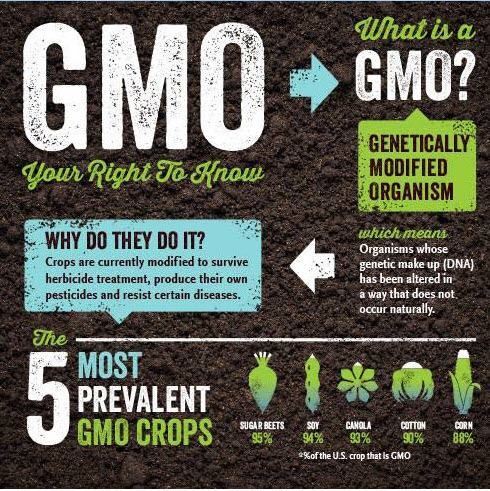
    Monsanto plans to “gene-edit” corn, soy, wheat, cotton and canola – major crops used in an extensive variety of foods. (Of course, they will then have exclusive rights to the “edited” crops).

    The company’s stated goal is to be the first to get CRISPR-made produce into the U.S. marketplace – and to do so within the next 5 to 10 years.

    And, they are pulling out all the stops in pursuit of this goal.

    Not only has Monsanto invested $100 million in Pairwise, but they are providing leadership as well. The collaboration between the two companies is so cozy that Tom Adams – the head of Monsanto’s biotechnology department – is slated to lead Pairwise as Chief Executive Officer.

    Unpredicted mutations appear in study – as safeguards fail

    Natural health experts and GMO critics – including the non-profit organization GM Watch – warn that CRISPR could cause unpredictable mutations.

    Their suspicions appear to have been confirmed by an explosive study published last May in Nature Methods, in which CRISPR caused hundreds of unintended, “off-target” mutations in mice.

    The mice had originally undergone CRISPR gene editing to correct a genetic defect. When researchers sequenced their genomes – their entire collection of genes – they found that two of the mice had sustained more than 1,500 mutations involving the nucleotide (a small block of DNA).

    CRISPR technology is believed to be so precise and predictable that the USDA has already given the “green light” to CRISPR-produced foods.

    Yet, computer algorithms used by scientists to screen for possible unintended mutations completely failed to predict them. In addition, the mutations were “off-target,” meaning they didn’t occur in the genes that had been edited in the first place.

    Leading authority on genetic modification had been expecting these results

    Commenting on the study, Dr. Michael Antoniou – a molecular geneticist and authority on genetic modification – called the results “unsurprising.” Chillingly, he remarked that there “wasn’t a question” of unintended mutations appearing. “The only question,” remarked Dr. Antoniou, “is how many.”

    These mutations, of course, could have unintended effects. For example, said Dr. Antoniou, the disruption of an enzyme’s function could lead to unpredictable biochemical reactions.

    Dr. Antoniou maintains that the entire genome sequences of gene-edited organisms should be submitted to biosafety authorities – and that long-term toxicity studies should also be performed.

    GM Watch agrees, stating that new genome editing should be at least as strictly regulated as the original genetic modification technique.

    But, the story doesn’t end there.

    Scientific study retracted in the wake of biotech corporate announcement

    Three days after the announcement of Monsanto’s collaboration with Pairwise, the study was retracted from online versions of Nature Methods
    A month later, on April 27, 2018, it was retracted from the printed journal.

    Nature Method’s editors explained that “multiple groups” had questioned the researchers’ interpretation that the nucleotide changes were due to CRISPR treatment.

    And, without more analysis of the rodents’ genetic background, no one could claim certainty. Ultimately, the editors ruled that the changes discovered by the researchers were actually due to “normal genetic variation.”

    Undeterred, the study’s authors are currently carrying out follow-up studies using whole genome sequencing.

    Although the study, “Unexpected Mutations after CRISPR-Cas 9 editing in vivo,” has been retracted, you can still view it here.

    Read More at https://www.naturalhealth365.com/monsanto-food-news-2571.html

    “Gene editing” may sound less sinister than “genetic modification.” But, for many, it still adds up to “Frankenfood.”

    Sources for this article include:

    GMWatch.org
    Nature.com
    BusinessInsider.com
    Wired.com
    Cen.ACS.org

  • 100% Organic Wine the Way Nature Intended

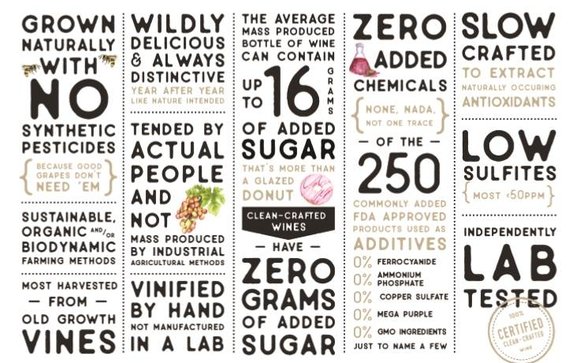
    Clean-Crafted Wine: Wine the Way Nature Intended. Wine is a tricky business. Grapes march to the beat of their own drum. The introduction of synthetic pesticides, chemical additives and sugars provide a way for wine producers to get around the natural unpredictability of grapes and promote wine that tastes the same, bottle after bottle, year after year. Unfortunately, chemically altered, unnatural wine is now the norm. 

    Clean-Crated Wines offer a cleaner, healthier alternative. For a bottle of wine to be considered Clean-Crafted, it must be grown organically and contain NO synthetic pesticides, chemicals, copper sulfate, or added sugars.  Scout & Cellar is a wine company that curates small batch, hand crafted wines from around the world. Every wine sourced is independently lab tested and guaranteed to be free of over 300+ FDA approved chemicals and pesticides, including Glyphosate.  We have done the research so you can enjoy wildly delicious with the peace of mind that it is chemical free and 100% natural.

    PURCHASE TICKETS 

    Can’t wait until July 21? Learn more from Dena Rojas www.scoutandcellar.com/denarojas

  • Learn How Food Can Provide Healing for Neurological and Physical Conditions

    Eating a healthy diet is vital for prevention of disease and maintaining a healthy body, mind and spirit. Nutritional counseling helps to provide guidance about what to eat, how to cook it and how to find the best local ingredients.The GAPS diet is a natural treatment for neurological and physical conditions in the body. GAPS (Gut and Psychology Syndrome and Gut Physiology Syndrome) establishes a connection between the state of a person’s digestive system and the health of the rest of their body. Around ninety percent of the immune system is located in the digestive system (the gut), if the gut isn’t functioning properly, the rest of the body can’t function properly.

    PURCHASE TICKETS

    What is the GAPS Protocol?

    GAPS_awesome-bGAPS (Gut and Psychology Syndrome and Gut Physiology Syndrome) establishes a connection between the state of a person’s digestive system and the health of the rest of their body. This term was created by Dr. Natasha Campbell-McBride MD, MMedSci (neurology), MMedSci (human nutrition), after working with hundreds of adults and children dealing with different types of neurological and physical conditions.

    We are living in a time, with a growing epidemic of people dealing with mental and physical illness, such as autism, spectrum disorders, attention deficit hyperactivity disorder (ADHD/ADD), schizophrenia, dyslexia, dyspraxia, depression, bi-polar disorder, auto-immune conditions, allergies, digestive disorders and more. The GAPS diet is a natural treatment for all these conditions and more.

     A weak immunity is the true cause behind illness’s. Working on strengthening the gut, strengthens the immune system, which benefits all the functions in the body.

    The GAPS diet provides the framework to heal the gut (the digestive system), through whole food and some supplementation. It encourages specific types of foods that are healing to the digestive system, while at the same time limiting certain types of carbohydrates that are damaging to the gut. People who are dealing with digestive sensitivity, cannot adequately digest carbohydrates, and the undigested food becomes fuel for the bad intestinal microbes, thus fueling disease in the body, The GAPS diet removes the food source for the bad microbes, and encourages large amounts of foods that aid in properly healing the digestive system.

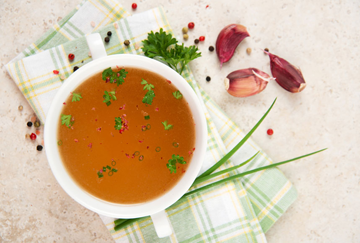
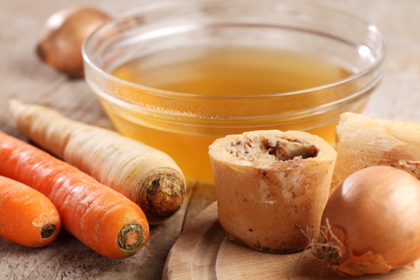
    GAPS_Bone-Brot

    The GAPS diet can be an extremely effective and positively life-changing protocol. But it does take strict adherence and a good deal of self-education to get started and to stay in compliance. Having the assistance of an expert can make the process easier to start, more likely to maintain and provide the encouragement you might need to go the distance.

    Good nutrition means giving your body what it needs to function optimally.

    We look forward to hearing insight and guidance from speaker Jennifer Whitney, a Certified Wholistic Nutritionist, Certified Health Coach, and Certified Gaps Practitioner. She graduated from The Wellspring School For Healing Arts, and has been trained in Western and Eastern nutrition. As a nutritionist, she offers personalized step by step nutritional programs, food sensitivity testing, food desensitization and personalized weight loss coaching. She specializes in the GAPS program to heal leaky gut and many different types of digestive disorders.

    You can receive Jennifer’s expert assistance via phone or in-person.
    RestoringNutrition.com

  • Wild Lettuce: Identification, Benefits and Medicinal Uses

    The next time you are doing outdoor chores around the home such as, mowing the lawn, weeding around the fence, house or garden you may inadvertently discard a very useful plant that could easily be mistook for an invasive weed. After reading this piece and can identify this “wonder plant,” realizing it’s more than just another dispensable weed, you may want to (instead) consider harvesting it.

    The aforementioned plant I am speaking of is “wild lettuce.”  

    So, what is wild lettuce?

    The scientific/botanical term for wild lettuce is “Lactusa Virosa.” It is a part of the  Asteraceae plant family which has 23,600 species of herbs, shrubs, and trees throughout the world, making a member of one the largest plant families worldwide. Two close cousins to the Lactuca Virosa, are the Serriola Lactuca (also called the compass plant) and the Lactuca Canadensis (AKA Canada wild lettuce).

    Wild lettuce grows In many different regions of the world. In these regions, it’s presence is quite pervasive during the summer and early fall months. It can be found in backyards, along hiking trails, roadsides, growing up through the cracks in sidewalks and almost anywhere else you can imagine.

    Identification:

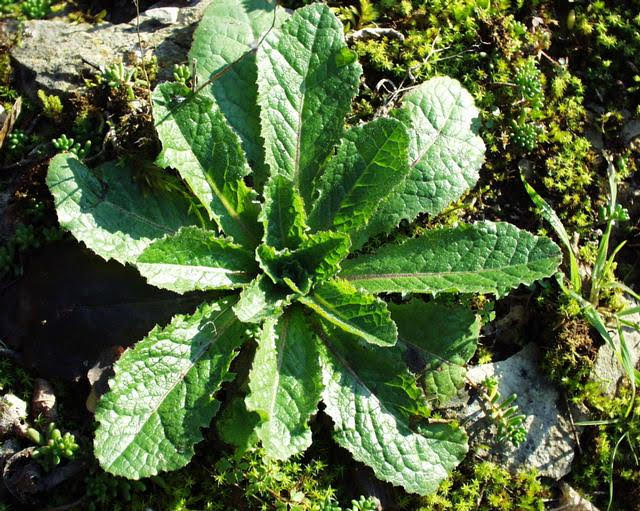
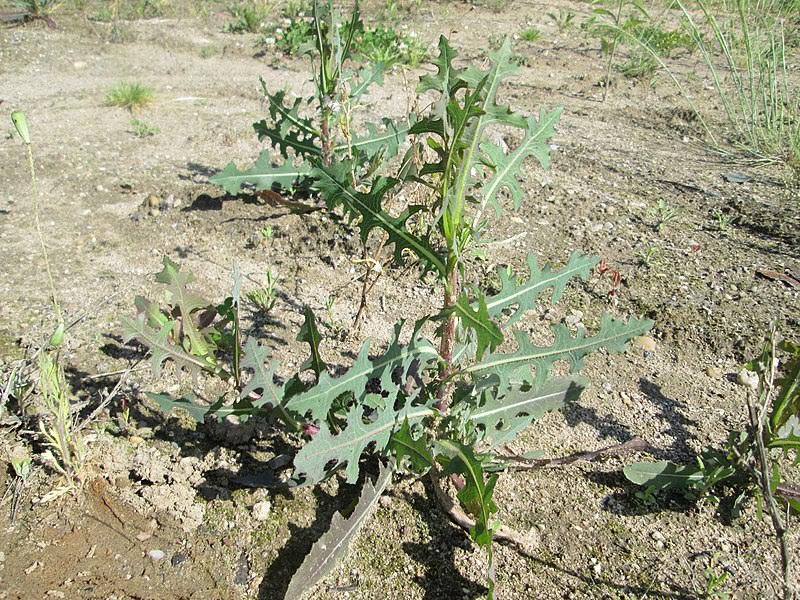
    Here are some photos that will help with recognizing the different species of wild lettuce when you come across them:

    Lactuca Virosa

    Lactuca Serriola

    Lactuca Canadensis

    Benefits and uses of Wild Lettuce:

    Wild lettuce contains a number of powerful nutrients that play a role in providing remedy for a plethora of diseases and ailments such as:

    Sesquiterpene Lactones:

    A substance that contains a number of bio-active compounds (2 of which are “lactucin and lactucopicrin“) and is instrumental in fighting diseases such as cancer and cardiovascular disease.

    Coumarins:

    This is a phytochemical and antioxident that supports many bodily functions including: proper blood flow and functioning of the heart, protecting the brain and central nervous system and reinforcing the immune system.

    Quercetin:

    A powerful antioxidant that that is instrumental in the protection of DNA and cell membranes from free radicals,
    reducing blood pressure and hypertension, preventing bone loss and many other remedies.

    Wild lettuce can be used to make your own DIY teas, tinctures and extracts to yield optimum benefits and can even be smoked for recreational purposes.

    NOTE: In the US, wild lettuce is an unscheduled substance, thus it is completely legal to harvest, sell, buy and use.

    This guest post come from situationalwellness.com If you would like to learn more about wild lettuce such as it’s history of use, possible side effects, DIY preparations and much more, read the full article at  Wild Lettuce

    What are you thoughts on foraging wild lettuce for personal use?

  • Destroying the Stigma Of CBD Oil

    I have always been a fan of medical cannabis. I am a firm believer that every plant has been given to us for medicine and food. It’s a biblical thing…God made the plants, and He made them for us.  No matter what your perspective on that, many of us know how many plants are fantastic for our health and healing. You can heal many many things by using natural means.  I used cannabis when I was fighting cancer. But today I don’t want to be high. I’ve got no time for that. At 63, I want to function on all cylinders.  

    Recently, my friend introduced me to CBD oil from hemp.

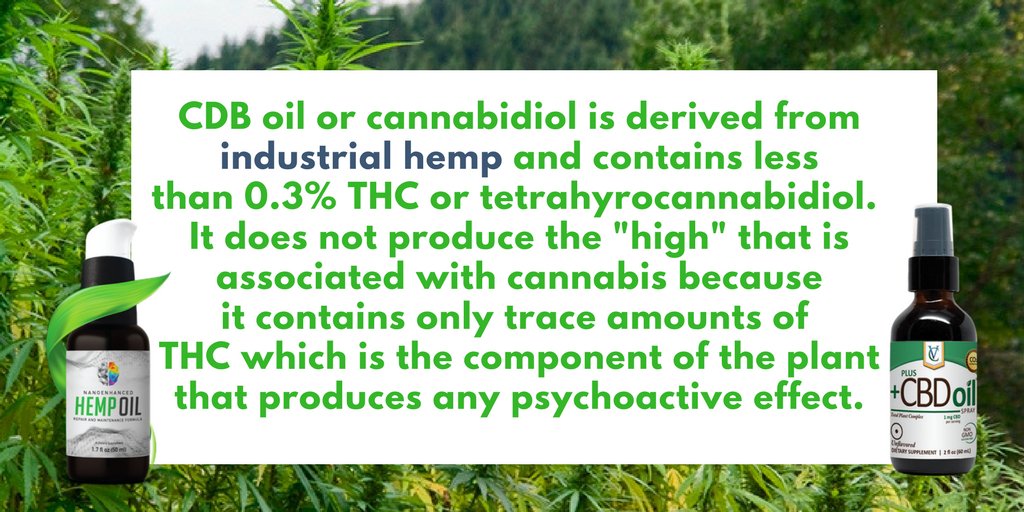
    • Cannabidiol (CBD) is a non-intoxicating compound found in both marijuana and hemp. It’s one of numerous natural plant cannabinoids.
    • Hemp refers to the sterilized seeds, stems, stalks and roots.  

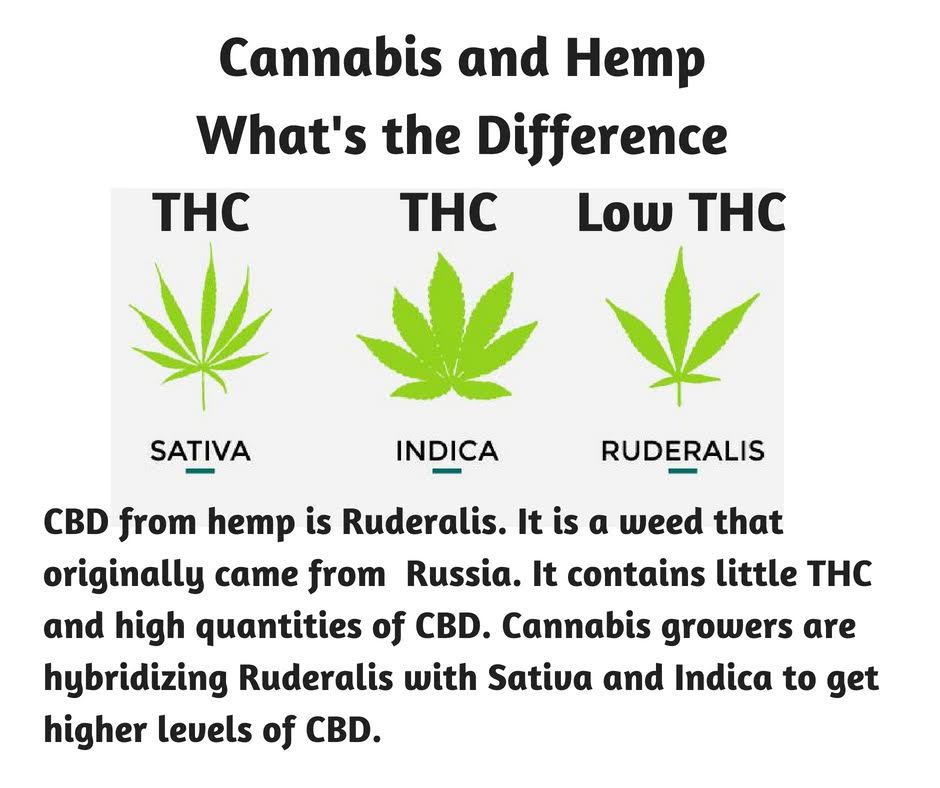
    Now there is a miracle plant -hemp.   Cannabis Ruderalis.  Hemp is one of the most amazing plants there is.  It can replace fossil fuel, make paper, make clothing, be food, and miracle of miracles….heal the body. There is no psychoactive effect with Hemp, with its very low THC.

    WHAT HEALTH BENEFITS DOES IT OFFER?

    I was asked to try CBD oil and being the intrepid experimenter I am, I said, “Sure, what the heck!” So I started taking these drops twice a day, morning and night to see what it was all about.  

    Day 3, I was sleeping all night, not even waking up to go to the bathroom. WOW. Haven’t slept for 20+ years.  Astonishing!

    Then my radiation caused hot flashes went away.

    Another miracle, being able to enjoy a hot shower again.  

    Then pine pollen season went by without any allergy symptoms.  

    “OK…I’m sold!”

    I started sharing CBD with others, and BAM! The testimonies began to roll in:

    Joint pain – gone.

    Migraines – diminished.

    Rheumatoid Arthritis pain -gone.

    Hormonal issues – gone.

    In fact, there are reports that neurological symptoms of PTSD, anxiety, depression, opiate addiction and more are all being helped by this oil from a plant.  

    WHY DOES IT WORK?

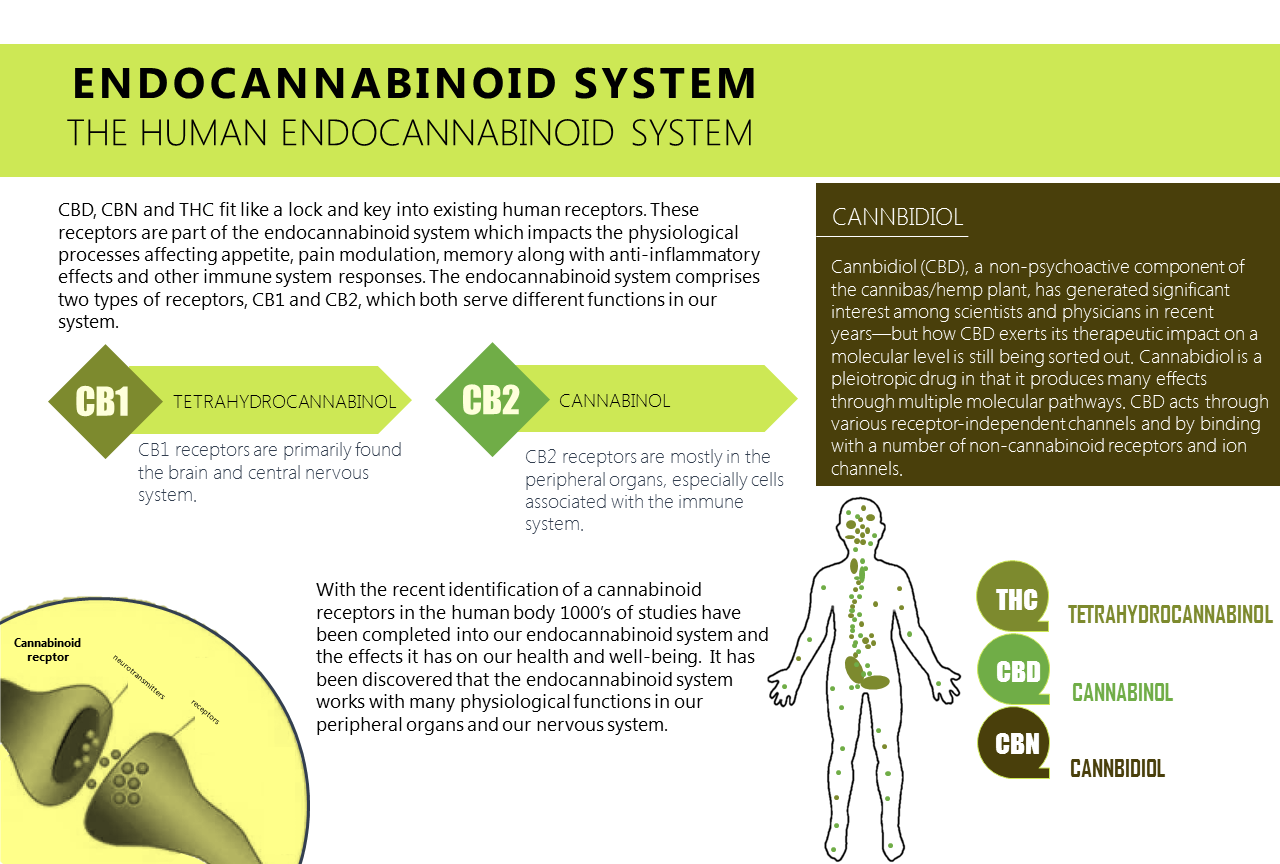
    We have this thing called an endocannabinoid system. It is a recent discovery that came about as cannabis started to be known more for healing.  The endocannabinoid system touches every single part of the body and brings it into homeostasis, or perfect balance.  


     WHAT ABOUT THE NEED FOR REGULATION?

    During legislative hearings on the topic of CBD, concerns were raised about the regulation of purity of CBD oil. These are valid concerns that can be addressed by a free-market. Consumers must research and read labels choosing companies that prove CBD oil is a pure organic non-GMO product. I will only use a pure product. Its so important to take time to read the labels on this and ANYTHING you consume. Many companies add all kinds of harmful additives in the products like polysorbate 80, and propylene glycol to name a few.  I chose a product that is all CBD from hemp in hemp seed oil. While there is added peppermint its naturally extracted flavor oil using CO2 extraction.  

    More on CBD, THC and Idaho Statute:
    Hemp-based CBD is legal in Idaho advocates say
    Let’s Talk about CBD Oil, Marijuana|
    Regulating THC in CBD Oil 

    As a cancer butt kicker, the organic and lab testing outcomes are critical to me. Bringing my body into balance is crucial to my health and life. I choose a very clean lifestyle and CBD to help me continue to be cancer free. I believe in this oil. I am passionate about it. I believe it is a gift, and one that can help so many people. Every day I am grateful that I was introduced to it, and that others are finding it too.  

    Liz Re

    Hempworx
    Legal Hope without the high

    www.plants4health.net

    This seems to sum up what CBD does in a nutshell. It is indeed a miracle oil, made from one of the most miraculous, versatile plants on earth.

    Share With Us! Have you found CBD oil beneficial? What about other uses for hemp, seeds and hemp oil? 

  • 9 Astonishing Health Benefits of Hemp Seeds

    Many people are familiar with marijuana and the stereotypes around it, but hemp, which is derived from the same cannabis sativa plant, is a lesser-known substance that holds a lot of benefits itself! Hemp is a different strain entirely, which dates back as far as eight thousand years to Mesopotamia, where it was used for making fabric. While marijuana, with its many medical benefits, may be the more famed sibling, hemp’s potential has made its presence known throughout the ages in a variety of different products. Both strains have their similarities, but the higher concent

    ration of cannabidiol and the lower concentrations of THC (tetrahydrocannabinol) in hemp make it a product with less psychoactive qualities than marijuana.

    What is Hemp Seed?

    According to the Hemp Industries Association (HIA), the total retail sales in the United States for hemp products in 2015 was $600 million, a number that includes everything from food and body products to clothing and auto parts.

    Hemp seeds, or hemp hearts, are the seeds of the hemp plant, Cannabis sativa. Technically a nut, these small, crunchy seeds are safe to consume and contain only traces of a psychotropic chemical, called THC, the primary psychoactive compound in cannabis which is known to cause euphoria. These seeds have a soft, creamy filling which has a mild, nutty flavor, and they are usually eaten raw. Hemp is the common term for a variety of plants in the Cannabis family. This beneficial and versatile plant can be turned into fibers, oil, wax, resin, cloth, fuel, and a wide range of other useful products. Hemp grows all over the world, as it is a very resilient plant which can grow in a variety of environmental conditions. 

    The main concern that people have with edible hemp products, is that it comes from a cannabis plant. However, hemp seeds that are sold for consumption have less than 0.5% THC and are safe to eat. Idaho CBD Oil Legislation in 2018 would have regulated all products containing CBD by requiring a doctors note in order to purchase any products with CBD containing “less than .3% THC”.  Since .3% or less THC is naturally occurring in hemp products, this could limit ability to purchase for Idaho citizens. See John Green public testimony regarding this point.  It is very important to realize that the INTENT of the bill was to give CBD oil access to the families with medical need, however the unintended consequences actually LIMITED and REGULATED it use across the board. Words have power and the phrase “less that .3% THC” encompassed all hemp based products. – More on Idaho Regulations on CBD, THC

    Health Benefits of Hemp Seeds

    Hemp seed food products are also considered more allergy-free than many other seeds. Hemp seeds contain the perfect balance of essential amino acids for sustaining good health. In addition, hemp seed oil contains necessary fatty acids, also known as good fats. Not only can hemp seeds provide valuable nutritional benefits to people, but they can also be used in pet foods and taste good too.

    Full of Nutrients

    Hemp may be a lot less prominent than marijuana, but it has a lengthy history for good reason. With cultivation of the plant going back thousands of years, hemp has long been used as a food and a medicine, particularly in ancient Chinese culture. Not only is it high in fiber, it’s rich in minerals like potassium, magnesium, and calcium, which are responsible for its status as a superfood. 1

    Helps Prevent Heart Disease

    In addition to their bevy of benefits, hemp seeds also contain the amino acid arginine, which produces nitric oxide and leads to lower blood pressure and reduced heart disease risk. According to a 2005 study of more than 13,000 people posted by the National Centre for Biotechnology, this amino acid led to decreased levels of C-reactive protein (CRP), a protein that can lead to heart disease.

    Reduces Inflammation

    Because hemp seeds also contain gamma-linolenic acid, which has been proven to reduce inflammation, it is suggested that this plant can assist in fighting the causes of disease and age. Studies show it reduces

    • allergies
    • eczema
    • chronic fatigue syndrome
    • depression

      Given the presence of plant sterols and alcohols in hemp, there are many ways hemp seed and CBD oil benefit the body!

    Rich in Antioxidants

    From blueberries to pecans to decadent dark chocolate, there are a variety of foods that are rich in antioxidants, which protect the body from damaging free radicals. Fortunately, you can add hemp seeds to this list of foods, too! With a high concentration of vitamin E and phenolic acid, hemp is ideal when it comes to getting in much-needed antioxidants!

    Improves Skin Issues

    Hemp seeds may be rich in many vital minerals, but the presence of omega-3 fatty acids also means that they can work to improve problem skin and conditions like eczema. According to a 2005 study, “Dietary hempseed oil caused significant changes in plasma fatty acid profiles and improved clinical symptoms of atopic dermatitis,” a claim which is backed up by the presence of polyunsaturated fatty acids (PUFAs) in hempseed oil.

    Balances Bad Cholesterol

    We already know that omega-3 fatty acids are found in hemp seeds, but so are omega-6 fatty acids, and this balance actually assists in speeding up your metabolism. Hemp seeds contain more than 30% fat from both linoleic acid (omega-6) and alpha-linolenic acid (omega-3). As a result, there’s less of an opportunity for cholesterol to build up on the arteries.

    Combats Degenerative Disease

    According to the American Chemical Society, hemp seed contains a high concentration of a-linolenic acid, which “provides it with a high pharmaceutical value for degenerative chronic diseases.” Potentially, this means that hemp seed can be ideal when it comes to treating cancer, cardiovascular ailments, and even debilitating illnesses like Alzheimer’s disease.

    Provides Plant-Based Protein

    When it comes to protein, hemp seeds actually contain a high amount, with 2-3 tablespoons providing about 11 grams of protein per serving. Surprisingly, hemp seeds are one of few protein sources that are plant based and still manage to provide all of the amino acids the body needs to maintain health.

    Helps with Digestion

    Fiber may be found in foods like beans and brown rice, but it also has quite a high concentration in hemp seeds, which makes them ideal for maintaining digestion. Because hemp seeds contain both soluble and insoluble fiber, they are a good dietary solution for providing balance to the body. It’s just important to ensure that you’re keeping the shell on if you’re eating hemp seeds for digestive issues, because this is where the proteins are found!

    Where do you purchase your hemp seeds? Locally or online? How do you eat them smoothies or salads? Share your favorite recipe below!

    this article appeared at 9 Astonishing Health Benefits of Hemp Seeds | Leafbuyer. https://www.leafbuyer.com/blog/9-astonishing-health-benefits-of-hemp-seeds/
  • Tyson Foods acquires organic-chicken producer

    Tyson aquires Smart Chicken’s organic brand. Is that good or bad? Tyson, one of the largest U.S. poultry producers wants to build up a presence in the fast-growing organic segment. Sales of frozen or refrigerated organic chicken have climbed by about two-thirds over the past four years, according to research firm SPINS. Organic chicken sales increased nearly 12% to $333 million over the 52 weeks ended April 28, while conventional chicken sales grew 3% to $7.7 billion over that period, according to data compiled by Nielsen Perishables.

    Organic meat tends to be more expensive than conventionally produced kinds. To qualify for the U.S. Department of Agriculture’s organic seal, chickens must be fed organic grain, which is raised without synthetic pesticides and fertilizers. Antibiotics, which are widely used in conventional meat production to treat sick birds and prevent disease outbreaks, are prohibited. Organic chicken farms are required to let the birds go outdoors.

    A pack of regular boneless, skinless chicken breasts is priced around $2.49 a pound in U.S. grocery stores this week, according to the USDA, while the organic product sells for about $6.91 a pound.

    “What we saw here was an opportunity to bring in another brand into our house of brands, and put us in a position to capture a marketplace that is growing,” said Doug Ramsey, Tyson’s president of poultry.

    Colorado-based Pilgrim’s Pride Corp., the second-largest U.S. chicken processor after Tyson, in 2016 converted one of its plants to produce organic chicken. Last year, Pilgrim’s spent $350 million to buy GNP Co., a Minnesota company marketing organic chicken under the Just Bare brand, which Pilgrim’s has been working to expand into more retail locations.

    Perdue Farms Inc., another major U.S. chicken firm, based in Maryland, entered the organic market with a deal in 2011 for Coleman Natural.

    Organic chicken, though, remains a small fraction of Pilgrim’s and Perdue’s overall poultry production.

    Tyson plans to run Tecumseh Poultry as a wholly owned, independent subsidiary, though the company will have access to Tyson’s supply chain to help it grow, Mr. Ramsey said.

    The Wall Street Journal reported in April that Tecumseh Poultry was exploring a sale. The company was projected to earn about $40 million before interest, taxes, depreciation and amortization this year on about $170 million in revenue, people familiar with the matter said at the time.

    Smart Chicken touts its air-chilling process, which uses cold air to cool chicken while it is being processed, versus the water-chilling method used by the bulk of the U.S. poultry industry.

    Tyson already sells some organic prepared foods, including chicken nuggets and strips under its Nature Raised Farms brand, and Aidells organic sausages.

    What are your thoughts? Does this shift mean that more people are concerned about chemical laden food? Or will this be another ‘falsely labeled’ organic brand?

  • Daily Detox Lemon, Ginger, and Turmeric Tea

    Ginger Turmeric tea may have some very strong health benefits that cannot be ignored. Some of the benefits could deflect some serious health benefits even to the extent of being life-saving. Ginger turmeric tea may not be considered a super tea like some of the famous health teas out there but it is a formidable health agent in it’s own right. It may be that not a lot of people associate ginger turmeric tea with healthy living. But ginger tea may be a good addition to a healthy lifestyle.

    The Benefits of the Ingredients used in this Tea

    • Lemons– Are beneficial for flushing out the kidneys which prevents kidney stones and urinary tract infections. Good source of vitamin C which is supposed to be one of the best antioxidants in nature
    • Ginger- A good source for stomach issues it it supposed to help the food travel faster from the stomach to the intestines helping with issues such as:indigestion, acid reflux, bloating, and gas. It’s also super effective in helping with inflammation.      
    • Turmeric– is another powerful anti-inflammatory which is high in antioxidants. Curcumin is the main ingredient in turmeric which helps the immune system fight infection and has pain-relieving properties. Say goodbye to headaches.
    • Cayenne– It will add a kick to the mix and it will benefit your insides. It helps with weight loss and inflammation. It will give your immune system a boost with its source of beta-carotene
    • Cinnamon– The final kicker in the mix. It has more antioxidants to help combat infection and it may help to elevate insulin sensitivity thus stabilizing blood sugar levels

    Ingredients:

    • 6 cups water
    • 1 chunk fresh ginger {approximately 5-6″ in length}
    • 3 cinnamon sticks
    • 1 tsp ground turmeric
    • ½ tsp cayenne pepper
    • 6 fresh lemons

    Instructions:

    • peel the ginger and dice into thin slices.
    • in a large pot or saucepan over high heat on the stove combine the peeled and sliced ginger and water. bring to a boil. then turn to low heat and let simmer for approximately 10 minutes.
    • after 10 minutes, add the cinnamon sticks, turmeric and cayenne and simmer on low heat for another 10 minutes; stirring occasionally.
    • then remove from heat, let cool and strain.
    • this makes about 6 cups of a concentrated version of the detox tea which you can store in a glass container in the fridge. you can drink this concentrate warm or cold and add ½ fresh lemon juice right before you enjoy.
    • You can add ¼ cup of this mixture to ½ fresh lemon juice and 6 oz hot water.

    this and other great recipes for gingerand tumeric can be found  Balance Me Beautiful