Category: Healthy Food

Because access to healthful and uncontaminated food ​should be a human right.

  • Gems In the Gem State: McIntyre Pastures’ Focus On The Soil

    In this new series, Gems In the Gem State, we focus on our local food, health and environment heroes. We recently interviewed Maria McIntyre of McIntyre Pastures and loved what she had to share about the foundation of their meat and egg production: the soil. Their family farm saw its start 109 years ago. The farm is currently being run by the third and fourth generation family members who are loving this way of life and the nourishing products they produce.

    By Maria McIntyre

    Everything hinges on the health of our soil. The difference between nutrient-dense food – and food that is not – all stems back to the soil it was raised in or consumed from. In a healthy teaspoon of soil, there can be anywhere from 100 million to 1 billion microbes. 

    Most people in agriculture don’t take time to try and understand what it takes to make these microbes happy. We don’t want to profess to know it all, because we feel like we might know 1/10 of a percent of how the soil functions, but…one thing we do know is that they need food and a safe habitat just like any other animal to be successful. 

    We have just as big of a responsibility to tend to the “livestock” that is under the ground as we do to what is grazing and living on top of the soil. 

    On our farm we do not till the soil, so we don’t disturb the habitat for the microbes. We constantly keep living roots in the soil via perennials and cover crops so they are giving off life-supporting food sources to the microbes. We also employ ruminants (cattle) to graze the plants and convert the plant material into another food source (manure and urine). All of this turns into nutrient dense grass and then, finally, nutrient dense meat and eggs. Behind our cattle, then come our chickens to do their valuable work. 

    What does this mean for you, the consumer? 

    A quote we found intriguing and alarming is this: “You would need to eat twice as much meat, 3 times as much fruit, and 4-5 times as many vegetables to get the same amount of minerals as available in the same foods in 1940” (Dr. Christine Jones, Amazing Carbon founder). 

    You can get overwhelmed with labels or even claims made on how your food is produced. If you do value the kind of nutrients that are being transferred to the foods you eat, you need to know the source of your food. Know your farmer. Know his or her practices. Know that what is being claimed is actually what is happening.

    These photos below help illustrate what we are doing here at McIntyre Pastures.

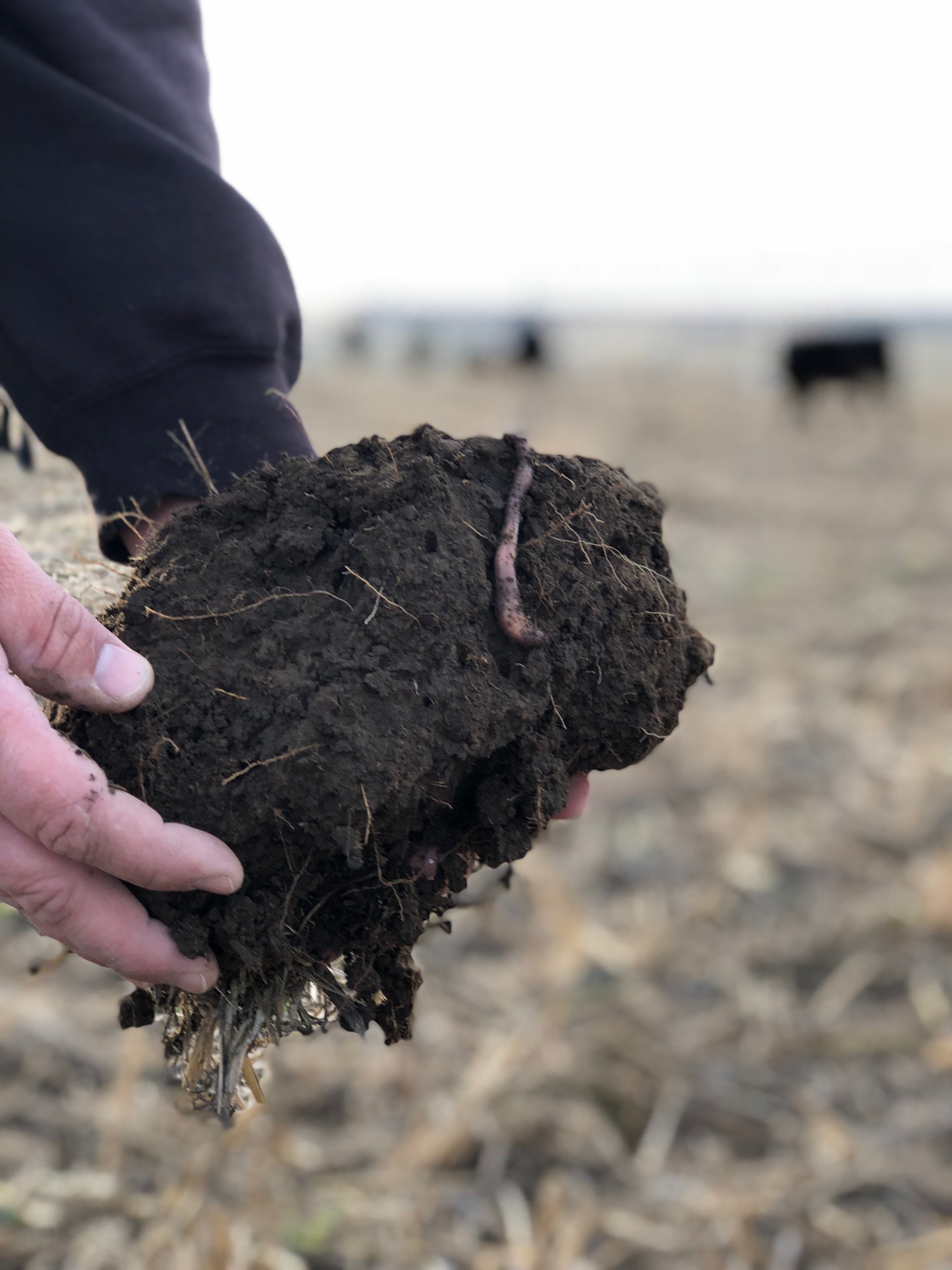
    The picture of the soil is from just last week! We seeded a cover crop (polyculture) early last fall for our mother cows and their calves to winter on. As spring has come, the plant matter (which included turnips, black oats, chickory, radish, collards, italian rye, and much more) has all been eaten, broken down, and re-deposited in the form of manure and urine. Look how happy the soil looks! Worms, worm casts, aeration and more, in abundance. 
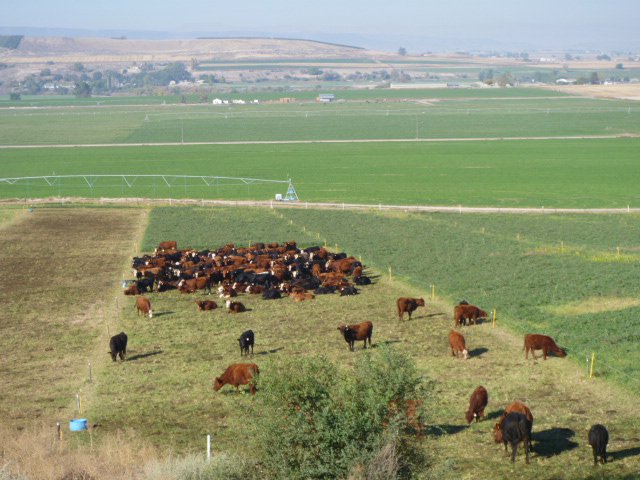
    The pictures of the cattle grazing in paddocks shows how soil health is built by rotating (very often) the ruminants across a large area by sectioning it off. This spreads the urine and manure instead of letting them stay in an area for a long amount of time, thus building up the nutrients and minerals in the soil. 
    The chickens follow behind the cattle in such a great circle. They clean up what the cattle have left behind and deposit more manure and urine in the soil. They also glean from the manure the cattle have left and help naturally ‘sanitize’ the pasture by eating fly larva and insects.

    The picture of the eggs compares our pastured eggs (the darkest orange yolked one) to a ‘free range’ and confined, ‘organic’. Although color is not a complete test, it is a great indicator of nutrient content. 
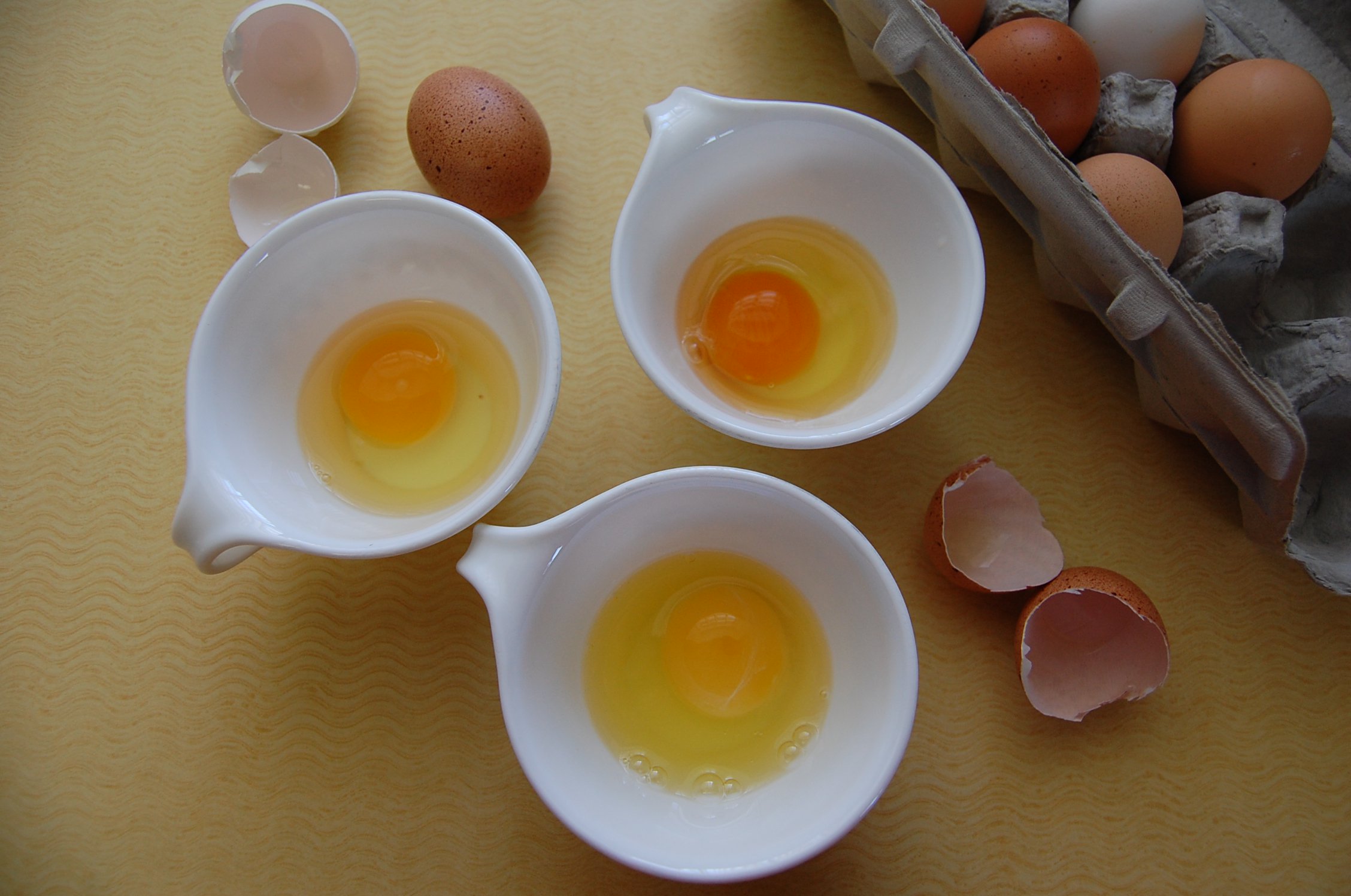
    By pasturing our chickens behind the cattle and rotating them on healthy pasture and cover crop, scratching manure behind the cattle for flies and larva, coupled with non-GMO / soy free feed and minerals free choice, those benefits they are drawing from the soil are passed onto the consumer in the egg. Again, make sure you know what you are getting.

    We love what we do here on the farm and especially appreciate providing nourishing food to people, while fostering a highly sustainable ecosystem for our animals and soil.
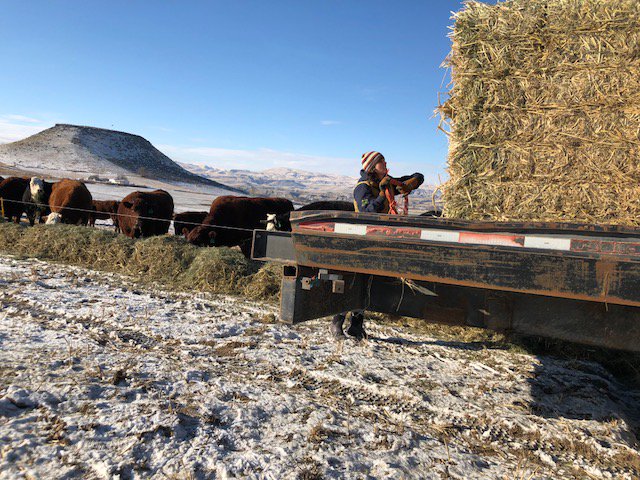


    You can read more about McIntyre’s farming practices on their website.

    If you’re interested in purchasing their meat and eggs, you can buy at select markets or order online and pick up at a number of locations in the Treasure Valley. McIntyre also provides products to local restaurants.

  • Regulating THC in CBD Oil

    Cannabidiol (CBD) is a non-intoxicating compound found in both marijuana and hemp. It’s one of numerous natural plant cannabinoids. https://healthfreedomidaho.org/cbd-oil-from-hemp Confusion about regulations regarding the THC in hemp products abounds. Read John Green’s public testimony about hemp, THC and current regulations here

    FEDERAL REGULATION

    From a regulatory standpoint, the U.S. Food and Drug Administration (FDA) has federal oversight over the marketplace. https://www.fda.gov/newsevents/publichealthfocus/ucm421168.htm#enforcement   In February 2015 and again in 2016, the FDA sent out warning letters to a handful of CBD companies. The letters focused on CBD content that didn’t match product labeling and improper medical claims made on websites. Lab analysis revealed some consumer products had a fraction of CBD claimed on the label.  The FDA is doing its job and the free market is working.  

    THC is weighed and measured at the beginning of the process from the dry flower.  https://hightimes.com/culture/home-testing-for-thc-potency-is-a-viable-option/

    IDAHO REGULATION 

    Idaho has a current law regarding CBD https://legislature.idaho.gov/statutesrules/idstat/title37/t37ch27/sect37-2701/ and the Idaho Attorney General incorrectly interprets this law to mean that products that contain any amount of the THC at all are illegal in the state of ID.  As you can see, Idaho statute is UNENFORCEABLE.    

    Idaho Attorney John Green is running for  Idaho Legislative District Seat B.  He wrote a stellar paper regarding the legality of CBD. 
    Read that Here.

    His suggested changes to the bill as it was presented: 

    If you want to know the theoretical maximum percent dry weight value for the THC content of your product, then look for a product with proper labeling information.  This value should appear as “total THC” or something similar, and should be calculated as follows:

    Total Potential THC = (0.877 * %THCA) + %THC

    This is the theoretical maximum amount of THC present in your product. It accounts for the weight difference between THCA and THC, and assumes 100% conversion of THCA into THC. But the conversion efficiency may not be 100%, which is why this is a maximum estimate. The real amount of THC available for your consumption will probably be lower than this number. Estimating exactly how much lower is tricky because, as we explored, it depends on the details of your consumption method. And of course, all of this depends on having a cannabis product that has been honestly and accurately measured. It’s entirely possible that certain cannabis products on the market today have not been accurately tested, and the numbers on the label may be inflated https://www.leafly.com/news/science-tech/how-to-assess-thc-cbd-levels-in-cannabis-strains-products

    A very common question is “Will eating hemp foods show up positive for THC on a drug test?”.

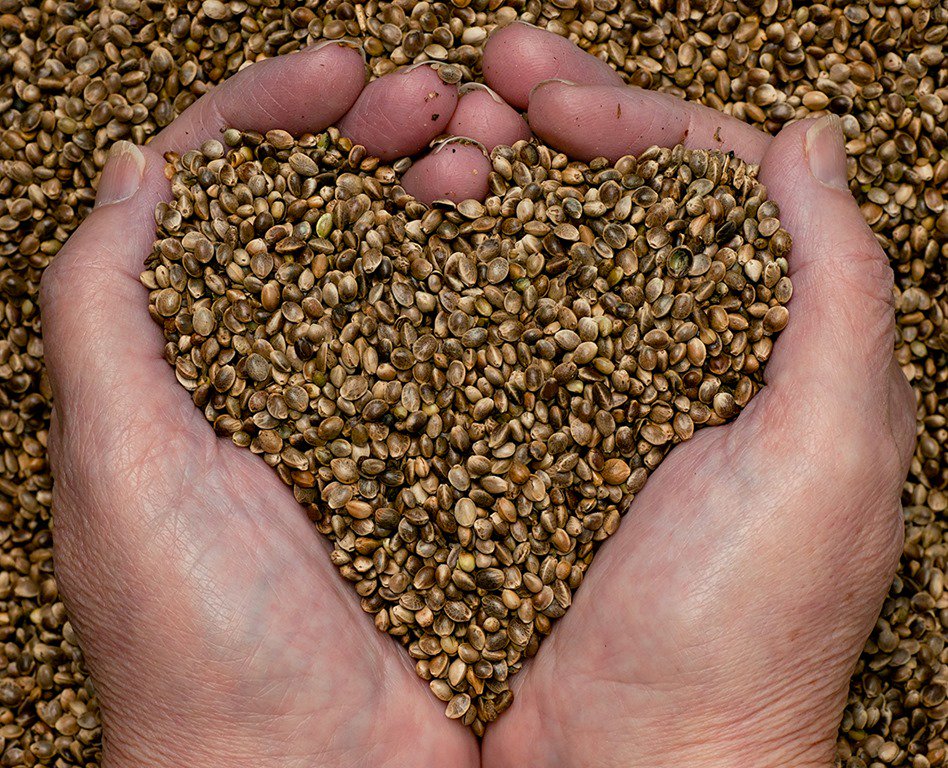
    According to the research studies available, the answer to this question is a resounding NO! Regular consumption or use of commercially made hemp foods (such as seeds, cooking oil, cereals, milk, granola) or hemp products (lotions, shampoos, lip balms, etc.) will not show a positive result for THC on a drug test. 

    https://www.leafly.com/news/cannabis-101/will-hemp-test-positive-on-drug-tests

    The unintended consequences could be devastating for Idaho citizens. https://hfi.designbyparrish.com/cbd-oil-hb410-and-unintended-consequences   

    What Happened to the CBD oil bill in the Idaho Legislature in 2018? 

    • H 410 was modified to eliminate the tracking database for CBD oil so it received a new bill number H 577. The change in bill did not remove all the unintended consequences.
    • Trying to understand how H577 use and possession of Cannabidiol Oil (CBD) will affect your ability to purchase hemp products? John Green makes the Costco connection in this well written article
    • H577 was heard in the House Health and Welfare Committee and passed. It moved to the Senate side to be heard by the Senate Health and Welfare Committee. 
    • March 2018, the bill is being held in the Senate Health and Welfare Committee by Chairman Heider. When Senators motioned for the bill to be heard they were called into the Senator’s office for a private meeting.

      We heard Sen. Heider loud and clear through those closed doors: The people be damned.

      Read more here: http://www.idahostatesman.com/opinion/bill-manny/article204029989.html#storylink=cpy

    • Its expected that the CBD oil bill will remain drawered and unheard this year.
  • What is Organic Farming

    The USDA defines organic agriculture as “a production system that is managed to respond to site-specific conditions by integrating cultural, biological, and mechanical practices that foster cycling of resources, promote ecological balance, and conserve biodiversity.”

    More specifically, organic farming entails:

    • Use of cover crops, green manures, animal manures and crop rotations to fertilize the soil, maximize biological activity and maintain long-term soil health.
    • Use of biological control, crop rotations and other techniques to manage weeds, insects and diseases.
    • An emphasis on biodiversity of the agricultural system and the surrounding environment.
    • Using rotational grazing and mixed forage pastures for livestock operations and alternative health care for animal
      wellbeing.
    • Reduction of external and off-farm inputs and elimination of synthetic pesticides and fertilizers and other materials, such as hormones and antibiotics.
    • A focus on renewable resources, soil and water conservation, and management practices that restore, maintain and enhance ecological balance.

    Many organic farmers, including Wende Elliott and Joe Rude of Colo, Iowa, view organic production as a means to work with the environment and maintain the balance of their ecosystem. “Natural systems work hard if you incorporate biodiversity into your operation instead of fighting it,” said Rude, who co-farms 125 acres of pastured poultry, corn, hay and alfalfa.

    Using nature as a model for the agricultural system – recycling nutrients, encouraging natural predators to manage pests, increasing plant densities to block weeds – organic farmers don’t merely substitute non-toxic materials for pesticides and fertilizers, but rather consider the farm as an integrated entity, with all parts interconnected.

    When livestock and poultry are incorporated into organic systems, the potential for diversification and integration is even greater: Livestock feed on grasses and mixed forages, both of which help improve soil structure. At the same time, livestock provide manure to fertilize soil, and can be used to “cull” any non-harvestable crops.

    Elliott and Rude, like many organic farmers, want to raise food free of hormones, antibiotics and pesticides. For many years, organic producers and proponents have claimed that organic farming is gentler on the environment. Research now confirms this:

    The Sustainable Agriculture Farming Systems (SAFS) project at the University of California-Davis, a 12-year research station experiment comparing conventional and organic systems, showed water infiltration rates to be 50 percent higher in the organic system. The project, supported by a grant from USDA’s Sustainable Agriculture Research and Education (SARE) program, also showed that the organic system had one-third the amount of water movement into surface and groundwater as the conventional system. The organic system was more efficient at storing nitrogen and had positive effects on soil quality, including higher biological activity and a doubling of organic matter in 10 years.

    • An organic cropping system consumed three to four times less energy than a conventional system, while also producing six times more biomass per unit of energy consumed in a South Dakota State University comparative trial at the Northeast Research Station near Watertown.
    • A SARE-funded study evaluating pesticide and nutrient loads in subsurface drainage on organic and conventional farms in Illinois found less nitrate, chloride and atrazine in the water draining from the organic fields.
    • More recent research also shows that organic farming systems can be equally productive and economically competitive with conventional systems, and in some cases, more resilient. Consider that:
    • A study comparing long-term established organic and conventional tomato farms in California’s Central Valley found comparable yields.
    • An article published in the Organic Farming Research Foundation Bulletin reviewing data from seven universities and two research station experiments verified that organic corn, soybean and wheat yielded, on average, 95 percent of conventional.
    • Many studies have shown that organic systems perform better than conventional ones under drought conditions.

    What Makes a Successful Organic Farmer?

    The old image of an organic farmer as a small “back-to-the-land” type is long gone. Some organic operations have been so successful that they have been gobbled up by large multinationals such as Kraft and General Mills, which have recognized the powerful market potential for organic goods. Other organic farmers have organized into successful cooperatives. The largest organic cooperative in the country, Organic Valley, has more than 500 organic farmer-members across 13 states and successfully markets organic dairy products, beef, pork and poultry.

    For many farmers, a driving force to convert to organic production is economic: Organic crops can fetch a price premium of anywhere from 25 percent to 200 percent or more over conventionally grown products, according to USDA’s Economic Research Service.

    However, most organic farmers produce crops and livestock organically because they believe their methods are better for the environment. Many seek a safer food supply. “The main motivation for us going organic is out of a certain stewardship ethic toward the soil, the earth and ultimately, for mankind,” said Altfrid Krusenbaum, a Wisconsin farmer who began the transition to organic corn, soybeans, wheat and alfalfa in 1990. Krusenbaum was profiled in the University of Wisconsin’s College of Agriculture and Life Sciences Quarterly.

    In fact, switching to organic farming requires a major philosophical shift. Said Joe Rude, an Iowa poultry and crop farmer, “It’s about trying to get the ecological system harmonious and working with it, rather than overriding it.” Farmers who turn to organic farming solely to capture market premiums often fail because it does not mean simply substituting one type of inputs for another, such as replacing a synthetic pest control with Bacillus thuringiensis or applying organic fertilizers in place of synthetic ones.

    “In organic farming, a mind shift is essential,” agreed Brad Brummond, North Dakota State University extension agent from Walsh County, who specializes in organic production. “You must go from treating problems to treating the causes of the problems and recognize that every decision you make will affect other aspects of your system.”

    When deciding if organic farming might be right for you, consider the list of characteristics shared by successful organic farmers:

    • A commitment to a safer food supply and protection of the environment
    • Patience and good observation skills
    • An understanding of ecological systems
    • Good marketing skills and motivation to spend time seeking out markets
    • A willingness to share stories of successes and failures and to learn from others (information networks are often underdeveloped for organic farmers).
    • Flexibility and eagerness to experiment with new techniques and practices

    Adapted from a North Dakota Extension publication written by Brummond available at: www.ext.nodak.edu/extpubs/plantsci/crops/a1181w.htm

  • Real Food Heals Chronic Health Issues

    Did you know 85%+ of our food supply is contaminated with GMOs (genetically-modified organisms)? Consumption of GMOs has been linked to infertility, food allergies, cancer, liver failure and other health conditions. 

    Did you know there are local food producers right here in the Treasure Valley who raise and produce food without pesticides, herbicides, antibiotics, hormones, chemical fertilizers and GMOs?


    Resources:

    Boise Farmer’s Market, on Grove Street between 10th and 11th Streets, Saturdays from 9 a.m. -1 p.m. (April – December)

    Boise Farmer’s Mobile Market: https://www.facebook.com/BFMMobileMarket

    Meridian farmer’s market: https://www.facebook.com/Meridian-Area-Farmers-Market-123902790978848/

    Nampa Farmer’s Market: https://www.facebook.com/nampa.farmersmarket/

    CSAs (Community Supported Agriculture), subscriptions for produce and other food delivery

    Peaceful Belly  https://peacefulbelly.com/

    Earthly Delights  http://earthlydelightsfarm.com/csa-program/

    Brown Box Organics  http://www.brownboxorganics.com/

    Ohana No-till Farm http://www.ohananotillfarm.com/

    Morning Owl Farm http://www.morningowlfarm.com/csa-program.html

    Cunningham Pastured Meats https://cunninghampasturedmeats.com/

    True Roots Organics https://www.localharvest.org/true-roots-organics-M63482

    References:

    https://hfi.designbyparrish.com/foods-reduces-brain-inflammation

    https://hfi.designbyparrish.com/diy-goat-milk-keifer-amp-goat-milk-yogurt

    https://hfi.designbyparrish.com/preservatives-are-the-real-hidden-danger-in-fast-food

  • Three Foods That Can Change Your Life

    We were absolutely AMAZED at the effect that fermented foods have had on our well being. Yes indeed, it is life changing. We struggled every winter from October through February with sickness upon sickness. Each illness significantly worse than the previous as our weaken immune systems had no time to recover. A sweet friend told me to make sauerkraut. My initial response? YUCK!
    She persisted in sharing with me the wisdom behind the reasoning. In my desperation, I drove two hours to visit the Mountain People Organics at the Farmory Co-op where she spent the day teaching my children about this old family recipe. 

    Fermentation is an art form and each individual cultured food is, in and of itself, unique. The three foods of The Trilogy each provide different good bacteria and yeasts that enhance the trillions of bacteria in the body and allow them to thrive, grow, and multiply. This allows you, the host, the opportunity to heal disease, remove pathogens, enhance digestion, make serotonin, and experience a multitude of other opportunities for healing that otherwise would not have been possible. This is what I call The Trilogy

    Three magic and powerful foods consumed every day without fail, are a secret weapon against so many health ailments. They are kefir, kombucha, and cultured vegetables.;

    REALITY CHECK

    This is the thing I noticed the most when I taught others about cultured foods – when they consumed one of these foods they would get better, but when they consumed all three, they seemed to thrive! These three foods (kefir, kombucha, and cultured vegetables) are unique unto themselves and each food contains a different set of bacteria and yeasts that we need to thrive and feel alive.

    Sauerkraut & other Cultured Vegetables 

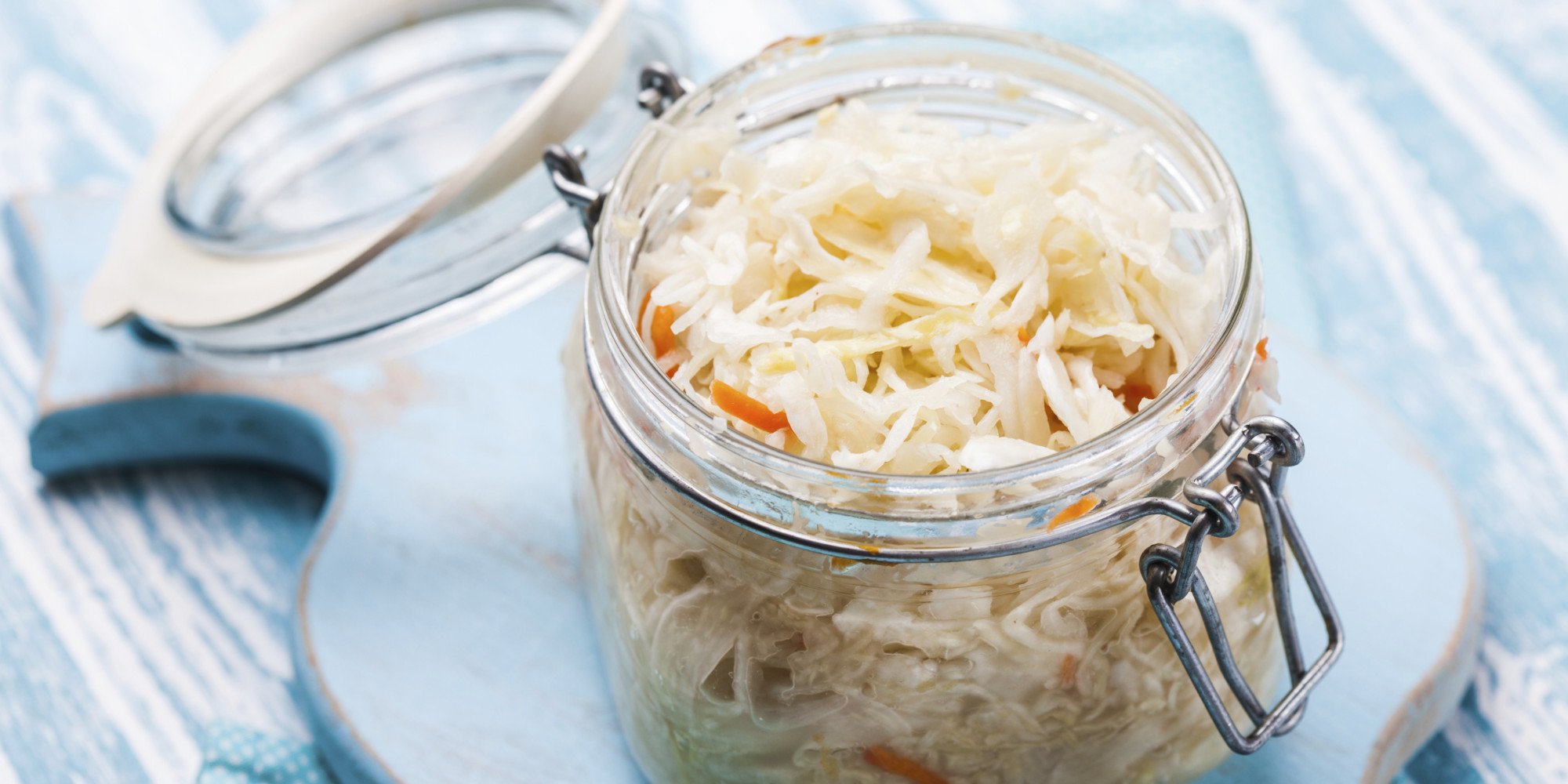
    Everybody knows that vegetables are so, so good for you – but when you ferment vegetables, they become even more powerful. We aren’t really fans of the flavor of sauerkraut (yet) but the benefits of the food is such a defining difference in our emotional and physical well-being, we take a spoonful of juice on a regular basis. When we are lax in our intake of ferments we get grouchy and cranky. Sniffles and snots begin to appear more frequently and we even see the return of rashes.  No longer are we suffering the winter sickness blues. We have had a reduction in anxiety, as the natural probiotics are balancing our bodies and mind. (see Brain Gut Connection)


    Kombucha 

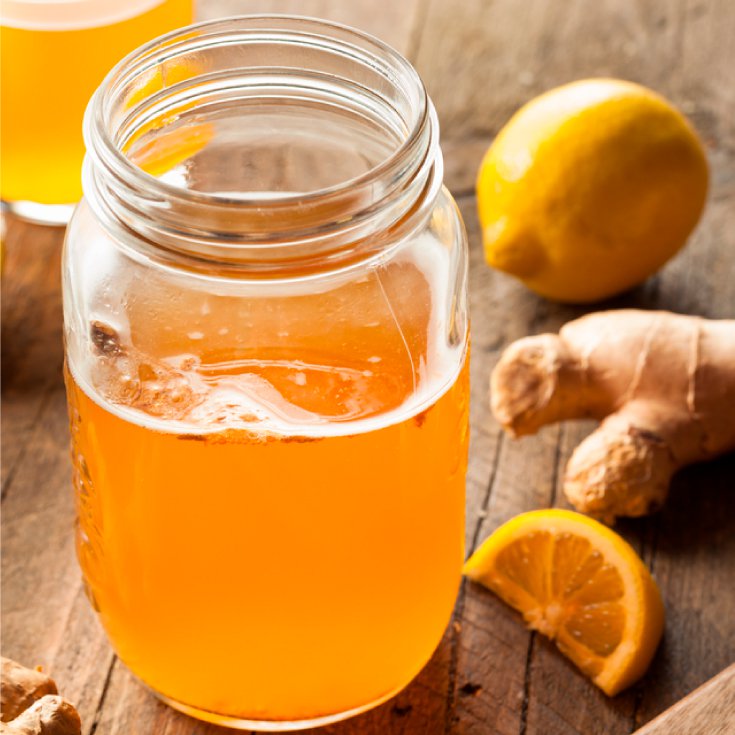
    We have enjoyed kombucha for years now.  It helps remove toxins through the kidney, liver, and the bowels. You might notice, as I did, that kombucha can help you lose a lot of excess water weight.  It helps you eliminate the excess swelling and fluid that accumulates in your tissues from chemically laden foods and alcohol.  Kombucha is a liver cleanser and it will assist your liver in removing toxins that have accumulated. Kombucha will also help relieve the water retention that often happens when the body protects the organs by holding on to water when under stress or a heavy toxic load.
    Honestly, we are still refining the art of brewing our own. You can learn how to do that here.
    Sometimes life gets busy and our consumption out paces our brewing so there are some weeks it easier it is to pick up a bottle at our local market Cliff’s Market in Caldwell or even at our favorite grocery store Fred Meyer. 

    Keifer

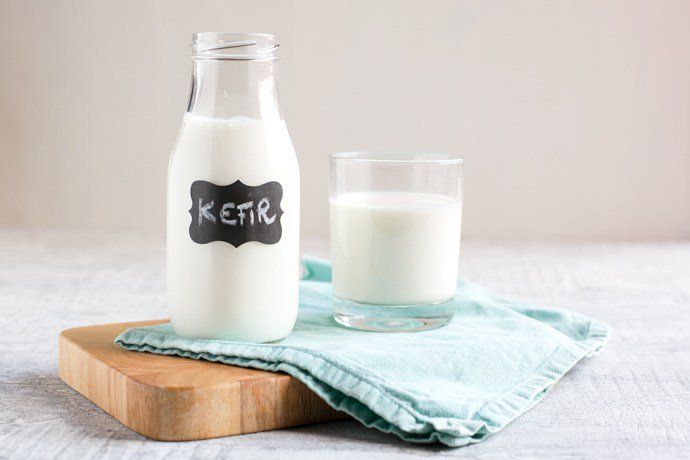
    Keifer is the next regular to add to our diet. Homemade kefir has 50 plus good bacteria and yeasts. It is so powerful that I recommend people consume only small amounts when they first start kefir, so as not to overwhelm their body with good bacteria. These bacteria are strong and will go to work killing pathogens and bad bacteria, making some individuals uncomfortable. You can read more about that on this blog post: The Healing Crisis. 

    Kefir and its special bacteria will make you its home and keep things in balance for you. It will add probiotics to any kind of milk, whether it be cow, goat, coconut, or almond milk.It will transform the milk, increasing vitamins and nutrient absorption, and it will do this sitting on your counter in a glass jar while you go about your day. Then when you consume it, you will find it will digest your food, reduce inflammation, make elimination a breeze, and, well, the list is so long it would take this entire page to explain it all.
    Is it hard to make? NOPE! Miste Karlfeldt, our executive director of Health Freedom Idaho, has a wonderful easy to follow tutorial on making keifer at home.  

    Our new year goal is to master the perfect trifecta! 

    trilogy pic

    Learn more about cultured foods and ferments at  http://www.culturedfoodlife.com,

  • CARRAGEENAN: a controversial ‘natural’ food additive making us sick

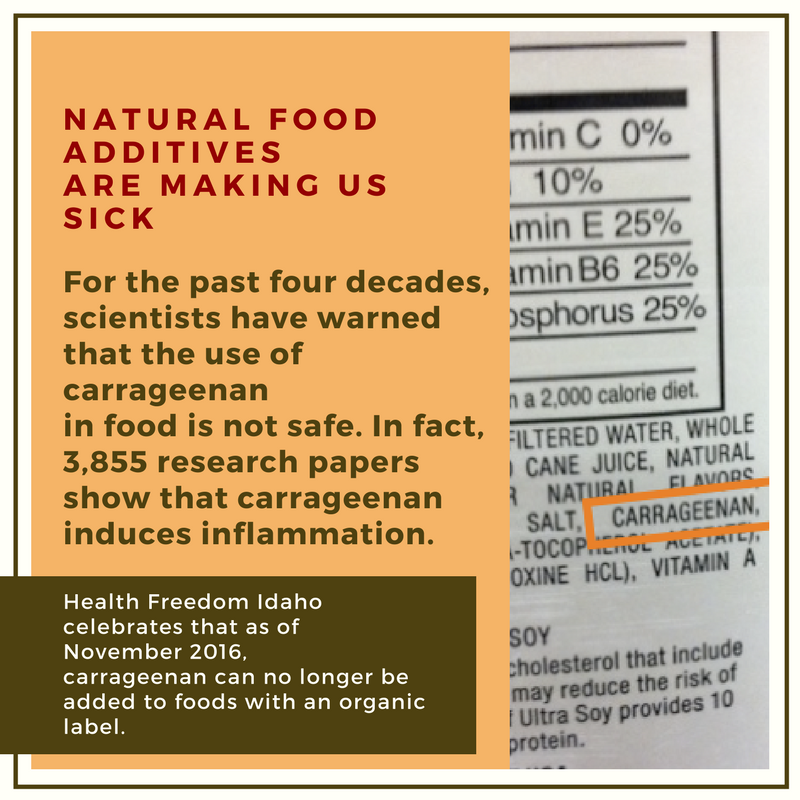
    For the past four decades, scientists have warned that the use of carrageenan in food is not safe. Health Freedom Idaho believes that the freedom to choose healthful and uncontaminated food should be a human right.  Consumers should have the freedom to select whole real food free of GMOs and pesticides, and to be made aware when additives, antibiotics or other contaminants are part of their food. We appreciate organizations such as The Cornucopia Institute for the persistence and diligence in bringing this issue to light. The voice of the people was heard and carrageenan has now been removed from the natural additives list of organic foods.

    CARRAGEENAN: A CONTROVERSIAL “NATURAL” FOOD ADDITIVE  extracted from red seaweed.

    For the past four decades, scientists have warned that the use of carrageenan in food is not safe. Animal studies and in-vitro studies with human cells have repeatedly shown that food-grade carrageenan* causes gastrointestinal inflammation and higher rates of intestinal lesions, ulcerations, and even malignant tumors. In fact, roughly 3,855 research papers show that carrageenan induces inflammation, most of which test the effectiveness of anti-inflammatory drugs.1 

    The chemical structure of carrageenan—unique chemical bonds not found in other seaweeds or gums—affects the body in several ways. Most notably, it triggers an immune reaction, which leads to inflammation in the gastrointestinal system. Animal studies have repeatedly shown that food-grade carrageenan causes gastrointestinal inflammation and higher rates of intestinal lesions, ulcerations, and even malignant tumors.  A convincing body of scientific literature shows negative effects caused by food-grade carrageenan. Moreover, scientists are concerned that the acidic environment of the stomach may actually “degrade” food-grade carrageenan once it enters the digestive system, thus exposing the intestines to this potent and widely recognized carcinogen. These scientific findings, coupled with the food industry’s extensive use of carrageenan, raise serious questions for consumers. 

    Why is carrageenan in processed foods and beverages?

    Though carrageenan adds no nutritional value or flavor to foods or beverages, the food industry uses it in a wide variety of applications; its unique chemical structure makes it useful for several reasons. Carrageenan serves as a substitute for fat, and as a thickener of nonfat or low-fat foods or dairy replacements. It recreates a fatty “mouthfeel” in products such as low-fat or nonfat dairy (e.g., low-fat cottage cheese, low-fat sour cream) and plant-based dairy substitutes (e.g., soy milk, coconut milk). Carrageenan can also serve as a stabilizer for beverages that separate, and must be stirred or shaken before use to redistribute the particles. Addition of carrageenan allows beverages like chocolate milk and nutritional shakes to be consumed without first shaking or stirring. 

    Which foods commonly contain carrageenan? 

    DAIRY: whipping cream, chocolate milk, ice cream, sour cream, cottage cheese, “squeezable yogurt” marketed to children
    DAIRY ALTERNATIVES: soy milk, almond milk, hemp milk, coconut milk, soy desserts, soy pudding MEATS: sliced turkey, prepared chicken
    NUTRITIONAL DRINKS: examples include Ensure™, SlimFast™, Carnation Breakfast Essentials™ and Orgain™
    PREPARED FOODS: canned soup, broth, microwaveable dinners, frozen pizza SUPPLEMENTS: chewable vitamins

    Many individuals experiencing gastrointestinal symptoms (ranging from mild “belly bloat,” to irritable bowel syndrome, to severe inflammatory bowel disease) have noticed that eliminating carrageenan from the diet leads to profound improvements in their gastrointestinal health. 

    Carrageenan is also used in meats, especially processed deli meats and prepared chicken. It is sometimes injected as a brine in precooked poultry to improve tenderness and maintain juiciness. It is added to low-sodium or low-fat deli meat (e.g. sliced turkey) as a binder. It is found in many processed foods, even some certified organic frozen pizzas and nutritional bars. And, many varieties of canned pet food contain carrageenan. 

    Starting in the late 1960s, research showed that the type of carrageenan used in food caused gastrointestinal disease in laboratory animals, including an ulcerative colitis–like disease, intestinal lesions, and colon cancer. 

    “The rising incidence and prevalence of ulcerative colitis across the globe is correlated with the increased consumption of processed foods, including products containing carrageenan. Since carrageenan has been found to cause colitis in animal models of ulcerative colitis we felt it would be important to perform a well-controlled dietary study to determine whether carrageenan causes exacerbations (flare ups) of ulcerative colitis in patients in clinical remission.” —Dr. Stephen Hanauer, MD, Chief, Section of Gastroenterology, Hepatology and Nutrition, and Joseph B. Kirsner, Professor of Medicine and Clinical Pharmacology, University of Chicago School of Medicine 

    Carrageenan exposure clearly causes inflammation; the amount of carrageenan in food products is sufficient to cause inflammation; and degraded carrageenan and food-grade carrageenan are both harmful.” —Dr. Joanne Tobacman, MD, Associate Professor of Clinical Medicine, University of Illinois at Chicago “[Dr. Tobacman] explained that all forms of carrageenan are capable of causing inflammation. 

    This is bad news. We know that chronic inflammation is a root cause of many serious diseases including heart disease, Alzheimer’s and Parkinson’s diseases, and cancer. All told, I recommend avoiding regular consumption of foods containing carrageenan.” — Dr. Andrew Weil The unique chemical structure of carrageenan triggers an innate immune response in the body, which leads to inflammation, a precursor to more serious diseases.

    In 1981, two prominent researchers conducted a literature review of the science published since the late 1960s, and raised concerns about the widespread use of carrageenan in the diet. The researchers wrote in the journal Cancer Detection and Prevention: “[U]ndegraded carrageenan is still widely used throughout the world as a food additive. Its harmful effects in animals are almost certainly associated with its degradation during passage through the gastrointestinal tract. There is a need for extreme caution in the use of carrageenan or carrageenan-like products as food additives in our diet.” 4 In the two decades between 1981 and 2001, more published research studies showed harmful effects of consuming foodgrade carrageenan. 

    In 2001, the official journal of the National Institute of Environmental Health Sciences, which is part of the National Institutes of Health, published a review of the scientific literature. Its author, Dr. Joanne Tobacman, concluded: “The widespread use of carrageenan in the Western diet should be reconsidered” due to evidence that “exposure to undegraded as well as to degraded carrageenan was associated with the occurrence of intestinal ulcerations and neoplasms.” 6 Meanwhile, carrageenan manufacturers and the food industry commissioned scientists to perform similar studies.7

    When the public become aware of the potential health hazards of carrageenan preassure was put on the manufacturers.

    Cornucopia, along with several farmer and consumer groups testified at the April 2016 NOSB meeting that carrageenan does not meet the criteria defined in the Organic Foods Production Act, including essentiality and harm to human health. Dr. Joanne Tobacman, a physician, scientist at the University of Illinois College of Medicine and the nation’s foremost independent expert on carrageenan, presented her research and urged the NOSB to remove carrageenan from organic foods as well.

    The carrageenan trade lobby group, United 4 Food Science, fought back hard, and found allies in companies that make organic products containing carrageenan such as organic liquid infant formula (Similac) and vegan products (Follow Your Heart). Many companies that had fought to continue using carrageenan, including Group Danone (Stonyfield), CROPP (Organic Valley), WhiteWave (Horizon and Silk), Hain Celestial (Earth’s Best, Rice Dream and Westsoy) and Smucker’s (Santa Cruz Organics and R.W. Knudsen), have since removed it from some or all of their products in response to consumer demand.

    After six years of Cornucopia’s research, advocacy, and petitioning, the National Organic Standards Board (NOSB) voted in November 2016 to remove carrageenan, a potent inflammatory agent and possible carcinogen, from the National List for use in organics.

    Carrageenan Voted Out of Organic Food BUT its still in conventionally labeled foods! 

    It will be some time before all organic products are carrageenan free. Until then consult Cornucopia’s buying guide.

    • Read The Cornucopia Institute’s updated full report on the dangers of carrageenan.
  • How to Make Iron Boosting Hot Cacao

    I love hot chocolate. (Well anything chocolate, actually). My kids have a cup almost every day in the winter. Especially during the Christmas season, there is something so special about cozying up next to the fire with family during the holidays and sharing a hot cup of deliciousness. I want to step away from the processed chemical laden foods and we have to avoid dairy for several kids food sensitivities. We found this tasty recipe with iron boosting properties of raw cacao powder and blackstrap molasses. These two ingredients both have incredible health benefits, especially raw cacao, which is a superfood filled with antioxidants. 

    Iron Content:

    Raw cacao contains about 7.3 mg iron* per 100 grams. Studies have shown that cocoa is a significant source of moderately bioavailable iron. (1) Raw cacao is also high in beneficial antioxidants and magnesium.

    Blackstrap Molasses contains about 3.5 mg of iron* for per 1 tbsp (2). Blackstrap molasses also contains calcium and magnesium.

    For healthy adults between the ages 19-50, the recommended daily allowance is 8 mg for men and 18 mg for women.

    *Plant-based iron is not absorbed well by the body. Taking vitamin C with plant-based iron helps to increase its absorption. I would highly recommend this if you want the iron boosting benefits (2).

    Boost your iron naturally with homemade, healthy hot chocolate made with raw cacao and molasses! Just in time for the holiday season. Read the recipe at naturallyfreelife.com!

    Why Boost Iron?

    Why do I care about iron so much? Well, before we start making hot cacao, let’s do science.

    What does iron do in the body? In a short sense, iron assists the cells in delivering oxygen to the tissues.

    Red blood cells are filled with proteins called hemoglobin. Hemoglobin grabs oxygen as it comes from the lungs via the air we breathe. These oxygen rich red blood cells go from the lungs to the heart and then are pumped throughout the body. The oxygen is released to the cells in the body where it is utilized and the red blood cells pick up carbon dioxide. They travel back to the lungs where we expel the carbon dioxide through breathing and the process starts over.

    Hemoglobin

    Hemoglobin is made of two parts, heme rings and globin chains. Each hemoglobin has four total heme rings and four total globin chains.  Each heme ring contains iron in the center; “Fe” is the periodic table abbreviation for elemental iron. This iron binds oxygen. So, there are four heme rings, each with an iron atom in the center; therefore, one hemoglobin can carry four oxygen molecules. The more red blood cells you have, the more hemoglobin you have. The more hemoglobin you have, the more oxygen your cells can carry. There are two blood tests that are done on a regular basis to check the oxygen carrying capacity of a persons blood: hemoglobin and hematocrit. (3)

    • A hemoglobin measurement is the grams per deciliter of hemoglobin in your blood.
    • A hematocrit measurement is the percent of packed red blood cells in your blood.

    A lack of iron decreases the oxygen carrying capacity of your red blood cells, may decrease your hemoglobin and hematocrit measurements,  and is a cause, but not the only cause, of anemia.

    Boost your iron naturally with homemade, healthy hot chocolate made with raw cacao and molasses! Just in time for the holiday season. Read the recipe at naturallyfreelife.com!

    Hot Cacao Recipe

    • 12-16 oz of full fat coconut milk
    • 1 heaping tsp raw cacao powder
    • 1 tsp raw honey
    • ½-1 tbsp blackstrap molasses (start small, add more if you like the flavor)
    • One scoop grass-fed collagen peptides for a protein boost (optional)
    • Dash of ginger
    • Dash of cinnamon or cinnamon stick

      **Its not very sweet. My littles like it with a bit of organic stevia or xylitol to taste.

    Heat for a couple minutes on the stove add all ingredients, and mix very well with a whisk. 

    The cacao iron article and recipe originally appeared at: https://www.naturallyfreelife.com/how-to-make-iron-boosting-hot-cacao/

    Please consult a doctor before making any health changes, especially if you have a specific diagnosis or condition. The information on this site should not be relied upon to determine diet, make a medical diagnosis, or determine treatment for a medical condition. The information on this website is not intended to be a consult with a healthcare provider. Any statements or claims about the possible health benefits from food or supplements have not been evaluated by the Food & Drug Administration (FDA) and are not intended to diagnose, treat, prevent or cure any disease

  • Meet the tiny mobile home that comes equipped with a tiny greenhouse

    Meet the tiny mobile home that comes equipped with a tiny greenhouse. I imagine that it might be a tad hard to TRAVEL with the greenhouse attached. The thought is interesting however. Enjoy the beautiful Northern Idaho landscapes and recreation in the summer and spring and head down to the Treasure Valley in the fall and winter wintering it out in ‘milder’ temperatures. Growing your own food, herbs.

    When people make the dramatic, yet increasingly popular, switch to tiny house living, they’re not just choosing to live in a smaller place. They’re choosing adventure (if it’s a mobile home), the outdoors because having a tiny interior encourages residents to venture outside, and a life free from all the extra stuff we collect over the years. In the process of paring down on items, lots of people feel that they are being forced to give up some of their passions that require lots of supplies, such as art or extreme sports, and more people and builders are developing better designs to help accommodate these needs.

    Credit: Olive Nest Tiny HomesCredit: Olive Nest Tiny Homes

    That’s exactly what the company Olive Nest Tiny Homes is doing with their designs and their latest release allows residents to continue with their passion for gardening and sustainability. Gardening can be difficult, especially for those living in apartments or small spaces that don’t allow for too many plants or have no access to sun. So it’s come as a surprise that the company was able to integrate a tiny greenhouse into their latest design, but it’s more than perfect for people already interested in sustainability, small carbon footprints, and rejecting consumerism.

    RELATED STORY:

    Credit: Olive Nest Tiny HomesCredit: Olive Nest Tiny Homes

    The main part of the tiny home is a cozy 323-square-feet, but the design of it and the hidden storage makes it feel spacious and airy. With stairs instead of a ladder leading up to the lofty bedroom, there’s room for more storage without the hassle of climbing stairs just to get to the room. A kitchen bar table easily turns out and becomes a table for four, and the kitchen itself is equipped with a full-size gas range and fridge.

    When making their way out to the greenhouse, which is 85-square-feet, residents have one more tiny area to get through: the adorable porch that attaches the main unit to the greenhouse. The porch is paneled with wood and even features a porch swing, where residents can enjoy the produce they’ve grown in their greenhouse.

    Credit: Olive Nest Tiny HomesCredit: Olive Nest Tiny Homes

    Designs like this really showcase the amazing way that people are coming together to address the needs of people wanting to convert to a tiny house lifestyle while showing others that the community is adapting to accommodate more hobbies and passions. This design is currently listed on Tiny House Listings for $81,000. Watch the video below to see all the features and take a tiny tour.

    Unfortunately for residents of Idaho, tiny homes are not supported. Codes restrict their placement to mobile home parks. It is illegal within Boise to park a tiny home on a residential property even with the owner’s permission. 

    *Article originally appeared at True Activist. 

  • A sweet treat to beat the winter blues

    I’m a firm believer in the idea that part of the reason people get sick in the winter is because they don’t eat enough fruit or vegetables.

    We tend to purchase all our fruits, fresh and in season, however, I am so thankful for flash freezing! We pick up 5 pound bags of frozen organic berries from our local Grocery outlet store and make a fun sorbet. It requires only 4 ingredients and a food processor and a freezer.

    Frozen organic veggies and fruit can be just as nutritious as the fresh stuff, which makes it perfect for winter!

    One of my favorite ways to get fruit in my face is with this recipe for Strawberry Sorbet.

    Ingredients

    1. 3 cups frozen strawberries
    2. 2/3 cup cold water
    3. 1 tbsp balsamic vinegar
    4. 1/3 cup honey

    Instructions

    1. Place all the ingredients in a food processor and blend until smooth.
    2. Transfer the sorbet in an airtight container.
    3. Freeze for 1-2 hours or until firm, before serving.
  • Why You Should Use Apple Cider Vinegar (For Pretty Much Everything)

    Get the scoop on the uses and benefits of apple cider vinegar (ACV) and the very common, avoidable mistakes you should know about. By now, most people are aware of all of the amazing health benefits of apple cider vinegar. It’s used to promote shiny hair, cure a sore throat, and maintain good overall health. 

    What is apple cider vinegar, exactly?

    It’s all very simple. Vinegar is formed when yeasts ferment natural food sugars into alcohol and acetic acid bacteria convert alcohol to acetic acid. As acetic acid bacteria grow on the surface of a liquid (like apple cider) and ferments, a “mother” forms, which is that gunky goodie stuff that floats around in the bottle. Although it looks like an ugly booger, it’s actually an amino-rich substance – a clear sign of an unpasteurized, high-quality, apple cider vinegar that contains antioxidant and antimicrobial rich properties.

    Apple Cider Vinegar (ACV) isn’t a new fad. It has been around since like…the beginning of time. God invented apples, and then he invented Adam, and then he told Adam to be fruitful and make some apple cider vinegar.

    Okay, that’s probably not exactly how it happened, but we do know that apple cider vinegar has been around since the time of the Babylonians, and that Hippocrates used it in 400 B.C to cure-all sorts of things from ulcers and sores, to coughs and infections. And let’s face it, that guy knew what he was talking about. 

    What’s so awesome about it?

    Apple cider vinegar isn’t just your average vinegar … it’s down right medicinal. ACV contains acetic, caffein, and gallic acids, catechin, epicatechin, and other properties that push it into the “super awesome for you” category, like enzymes and prebiotics that feed beneficial bacteria in the gut that power your immune system.

    Even though it’s acidic, apple cider vinegar leaves an alkaline ash after it’s digested and restores the pH balance of the body. This is why people hail ACV for all things stomach, digestion, bacterial illness, diarrhea, yeast, and urinary tract infection. (Lemons are another example of something super awesome acidic that leave an alkaline ash….and we use those for everything too.)

    What is apple cider vinegar used for? (Pretty much everything.)

    You could just showcase a bottle in your kitchen so you look like you’re “in the know,” but I suggest actually opening the bottle and trying it out on at least 23 of the 1,000 things you can use apple cider vinegar for:

    1. Gas, Upset Stomach, and Digestive Issues
    Take a teaspoon before meals to prevent indigestion, gas, upset stomach, and food bourne illnesses.

    2. Foreign Travel / Food Poisoning 
    Pour some apple cider vinegar into a travel-size container and take a teaspoon before your meals to prevent food poisoning.

    3. Diarrhea 
    If your diarrhea is caused by a bacteria, apple cider vinegar may help. Add a tablespoon of apple cider vinegar to 4 ounces of water, and down it.

    4. Cold Prevention
    If you feel a cold coming on, take a tablespoon of apple cider vinegar three times a day until your symptoms disappear, or to keep them from coming on in the first place.

    5. Sinus Drainage
    Need a booger buster? No worries. Grab a teaspoon of ACV and a warm drink of water and…BAM! Acetic acid kills bacteria and potassium thins the mucus.

    6. Diabetes
    Studies show that two tablespoons a day can help prevent hyperglycemia, is beneficial for both type 1 and type 2 diabetes, and can improve insulin sensitivity.

    7. Ulcers and Wounds
    Hippocrates used apple cider vinegar to treat wounds and ulcers … and that’s good enough for me.

    8. Weight Loss 
    Taking apple cider vinegar before meals has been shown to suppress appetite, decrease body fat, and make you feel fuller faster.

    9. Oxidative Stress and Cancer Prevention
    Apple cider vinegar contains polyphenols, which combat oxidative stress. Studies show that ingestion of polyphenols reduces the risk of cancer.

    10. All Things Cleaning
    You know how people love them some Clorox? Apple cider vinegar is like the Clorox of crunchy people who clean green. Spray it on your surfaces, use it in your bathroom, and switch out your expensive toxic products with something non-toxic that works better.

    11. Cooking
    Apple cider vinegar can be used in soups, salad dressings, sauces, juices, and baking and is an amazing natural preservative.

    12. All Things Hair 
    If you want shinier, smoother, flake-free, and tangle free hair, add 1 part water to 1 part vinegar in a spray bottle. Spray your hair after shampooing, massage into your scalp, let sit for a few minutes, and rinse.

    13. Odor Neutralizer
    Place apple cider vinegar in a bowl near the stink to get rid of it.

    14. Tiny Insect Killer
    If you can’t get rid of those annoying gnats that think your fruit belongs to them, put a tiny squirt of dish soap in a bowl with a few tablespoons of water, add a tablespoon of apple cider vinegar, and watch the magic happen. It’s like a sticky trap … for gnats.

    15. Teeth Whitener
    Mix one part apple cider vinegar and two parts water. Swish for one minute to kill the bacteria and whiten your teeth. You can also create a whitening paste by mixing 2 teaspoons of ACV with 1 teaspoon of baking soda.

    16. Energy Booster
    Next time you’re drinking your “lemon, maple syrup, and cayenne water” … add a teaspoon (or two) of apple cider vinegar for a caffeine-free pick-me-up.

    Have you ever MADE YOUR OWN!?

    Yep. We tried. Starting with our organic apples from our favorite Market – Cliff’s Country Markety Caldwell has organic apples CHEAPER than the low-spray the they carry as well. We got us a couple big boxes. Kids learned to peel and core and consumed the insides and saved the outsides and cores for our vinegar!

    This is how easy it is to make it.