Category: Holistic Health

Naturopathic, alternative medicine and chiropractic health care

  • When It’s Not Just the Holiday Blues: Teen Depression

    The prevalence of teenage anxiety and depression continues to rise with more and more teenagers turning to “cutting”. About 30% of girls and 20% of boys–totaling 6.3 million teens–have had an anxiety disorder, according to data from the National Institute of Mental Health. Experts believe there are many factors contributing to this mental health crisis we are seeing, a few of which include social media, school pressures, online bullying, and an overall disconnect from family and friends despite the deceptive connectedness provided through technology. “Some of the treatments for self-harm are similar to those for addiction, particularly in the focus on identifying underlying psychological issues–what’s causing the anxiety and depression in the first place–and then teaching healthy ways to cope. Similarly, those who want to stop needing a strong level of internal motivation”.

    The first time Faith-Ann Bishop cut herself, she was in eighth grade. It was 2 in the morning, and as her parents slept, she sat on the edge of the tub at her home outside Bangor, Maine, with a metal clip from a pen in her hand. Then she sliced into the soft skin near her ribs. There was blood–and a sense of deep relief. “It makes the world very quiet for a few seconds,” says Faith-Ann. “For a while I didn’t want to stop, because it was my only coping mechanism. I hadn’t learned any other way.”

    The pain of the superficial wound was a momentary escape from the anxiety she was fighting constantly, about grades, about her future, about relationships, about everything. Many days she felt ill before school. Sometimes she’d throw up, other times she’d stay home. “It was like asking me to climb Mount Everest in high heels,” she says.

    It would be three years before Faith-Ann, now 20 and a film student in Los Angeles, told her parents about the depth of her distress. She hid the marks on her torso and arms, and hid the sadness she couldn’t explain and didn’t feel was justified. On paper, she had a good life. She loved her parents and knew they’d be supportive if she asked for help. She just couldn’t bear seeing the worry on their faces.
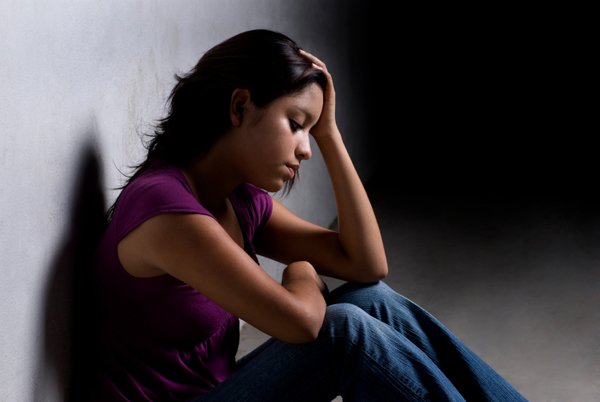
    For Faith-Ann, cutting was a secret, compulsive manifestation of the depression and anxiety that she and millions of teenagers in the U.S. are struggling with. Self-harm, which some experts say is on the rise, is perhaps the most disturbing symptom of a broader psychological problem: a spectrum of angst that plagues 21st century teens.

    Adolescents today have a reputation for being more fragile, less resilient and more overwhelmed than their parents were when they were growing up. Sometimes they’re called spoiled or coddled or helicoptered. But a closer look paints a far more heartbreaking portrait of why young people are suffering. Anxiety and depression in high school kids have been on the rise since 2012 after several years of stability. It’s a phenomenon that cuts across all demographics–suburban, urban and rural; those who are college bound and those who aren’t. Family financial stress can exacerbate these issues, and studies show that girls are more at risk than boys.

    In 2015, about 3 million teens ages 12 to 17 had had at least one major depressive episode in the past year, according to the Department of Health and Human Services. More than 2 million report experiencing depression that impairs their daily function. About 30% of girls and 20% of boys–totaling 6.3 million teens–have had an anxiety disorder, according to data from the National Institute of Mental Health.

    Experts suspect that these statistics are on the low end of what’s really happening, since many people do not seek help for anxiety and depression. A 2015 report from the Child Mind Institute found that only about 20% of young people with a diagnosable anxiety disorder get treatment. It’s also hard to quantify behaviors related to depression and anxiety, like nonsuicidal self-harm, because they are deliberately secretive.

    Still, the number of distressed young people is on the rise, experts say, and they are trying to figure out how best to help. Teen minds have always craved stimulation, and their emotional reactions are by nature urgent and sometimes debilitating. The biggest variable, then, is the climate in which teens navigate this stage of development.

    They are the post-9/11 generation, raised in an era of economic and national insecurity. They’ve never known a time when terrorism and school shootings weren’t the norm. They grew up watching their parents weather a severe recession, and, perhaps most important, they hit puberty at a time when technology and social media were transforming society.

    “If you wanted to create an environment to churn out really angsty people, we’ve done it,” says Janis Whitlock, director of the Cornell Research Program on Self-Injury and Recovery. Sure, parental micromanaging can be a factor, as can school stress, but Whitlock doesn’t think those things are the main drivers of this epidemic. “It’s that they’re in a cauldron of stimulus they can’t get away from, or don’t want to get away from, or don’t know how to get away from,” she says.

    In my dozens of conversations with teens, parents, clinicians and school counselors across the country, there was a pervasive sense that being a teenager today is a draining full-time job that includes doing schoolwork, managing a social-media identity and fretting about career, climate change, sexism, racism–you name it. Every fight or slight is documented online for hours or days after the incident. It’s exhausting.

    “We’re the first generation that cannot escape our problems at all,” says Faith-Ann. “We’re all like little volcanoes. We’re getting this constant pressure, from our phones, from our relationships, from the way things are today.”

    Steve Schneider, a counselor at Sheboygan South High School in southeastern Wisconsin, says the situation is like a scab that’s constantly being picked. “At no point do you get to remove yourself from it and get perspective,” he says.

    It’s hard for many adults to understand how much of teenagers’ emotional life is lived within the small screens on their phones, but a CNN special report in 2015 conducted with researchers at the University of California, Davis, and the University of Texas at Dallas examined the social-media use of more than 200 13-year-olds. Their analysis found that “there is no firm line between their real and online worlds,” according to the researchers.

    Phoebe Gariepy, a 17-year-old in Arundel, Maine, describes following on Instagram a girl in Los Angeles whom she’d never met because she liked the photos she posted. Then the girl stopped posting. Phoebe later heard she’d been kidnapped and was found on the side of a road, dead. “I started bawling, and I didn’t even know this girl,” says Phoebe. “I felt really extremely connected to that situation even though it was in L.A.”

    That hyperconnectedness now extends everywhere, engulfing even rural teens in a national thicket of Internet drama. Daniel Champer, the director of school-based services for Intermountain in Helena, Mont., says the one word he’d use to describe the kids in his state is overexposed. Montana’s kids may be in a big, sparsely populated state, but they are not isolated anymore. A suicide might happen on the other side of the state and the kids often know before the adults, says Champer. This makes it hard for counselors to help. And nearly 30% of the state’s teens said they felt sad and hopeless almost every day for at least two weeks in a row, according to the 2015 Montana Youth Risk Behavior Survey. To address what they consider a cry for help from the state’s teens, officials in Montana are working on expanding access to school-based and tele-based counseling.

    Megan Moreno, head of social media and adolescent health research at Seattle Children’s Hospital, notes a big difference between the mobile-social-tech revolution of the past 15 years and things like the introduction of the telephone or TV. In the olden days, your mom told you to get off the family phone or turn off the TV, and you did it. This time, kids are in the driver’s seat.

    Parents are also mimicking teen behavior. “Not in all cases, obviously, but in many cases the adults are learning to use their phones in the way that the teens do,” says Moreno. “They’re zoning out. They’re ignoring people. They’re answering calls during dinner rather than saying, ‘O.K., we have this technology. Here are the rules about when we use it.’”

    She cautions against demonizing technology entirely. “I often tell parents my simplest analogy is it’s like a hammer. You know, you can build a house that’s never existed before and you can smash someone’s head in, and it’s the same tool.” Sometimes phones rob teens’ developing brains of essential downtime. But other times they’re a way to maintain healthy social connections and get support.

    Nora Carden, 17, of Brooklyn, who started college in upstate New York this fall, says she’s relieved when she goes on a trip that requires her to leave her phone for a while. “It’s like the whole school is in your bag, waiting for an answer,” she says.

    School pressures also play a role, particularly with stress. Nora got counseling for her anxiety, which became crushing as the college-application process ramped up. She’d fear getting an answer wrong when a teacher called on her, and often felt she was not qualified to be in a particular class. “I don’t have pressure from my parents. I’m the one putting pressure on myself,” she says.

    “The competitiveness, the lack of clarity about where things are going [economically] have all created a sense of real stress,” says Victor Schwartz of the Jed Foundation, a nonprofit that works with colleges and universities on mental-health programs and services. “Ten years ago, the most prominent thing kids talked about was feeling depressed. And now anxiety has overtaken that in the last couple of years.”

    Tommy La Guardia, a high-achieving 18-year-old senior in Kent, Wash., is the first college-bound kid in his family. He recently became a finalist for prestigious scholarships, all while working 10 to 15 hours a week at a Microsoft internship and helping to care for his younger brothers.

    His mom, Catherine Moimoi, says he doesn’t talk about the pressure he’s under. They don’t have a lot of resources, yet he manages everything himself, including college tours and applications. “He’s a good kid. He never complains,” she says. “But there are many nights I go to sleep wondering how he does it.”

    Tommy admits that the past year was tough. “It’s hard to describe the stress,” he says. “I’m calm on the outside, but inside it’s like a demon in your stomach trying to consume you.” He deals with those emotions on his own. “I don’t want to make it someone else’s problem.”

    Alison Heyland, 18, a recent high school graduate, was part of a group in Maine called Project Aware, whose members seek to help their peers manage anxiety and depression by making films. “We’re such a fragile and emotional generation,” she says. “It’s tempting for parents to tell kids, ‘Just suck it up.’” But, says Alison, “I feel like it really is less realistic for you to go after your dream job today. You’re more apt to go do a job that you don’t really like because it pays better and you’ll be in less debt.”

    Meanwhile, evidence suggests the anxiety wrought by school pressures and technology is affecting younger and younger kids. Ellen Chance, co-president of the Palm Beach School Counselor Association, says technology and online bullying are affecting kids as early as fifth grade.

    The strain on school counselors has increased since No Child Left Behind standardized testing protocols were implemented in the past decade. Tests can run from January through May, and since counselors in Chance’s county are often the ones who administer the exams, they have less time to deal with students’ mental-health issues.

    “I couldn’t tell you how many students are being malicious to each other over Instagram or Snapchat,” she says of the elementary school where she’s the sole counselor for more than 500 kids. “I’ve had cases where girls don’t want to come to school because they feel outcasted and targeted. I deal with it on a weekly basis.”

    Conventional wisdom says kids today are oversupervised, prompting some parenting critics to look back fondly to the days of latchkey kids. But now, even though teens may be in the same room with their parents, they might also, thanks to their phones, be immersed in a painful emotional tangle with dozens of their classmates. Or they’re looking at other people’s lives on Instagram and feeling self-loathing (or worse). Or they’re caught up in a discussion about suicide with a bunch of people on the other side of the country they’ve never even met via an app that most adults have never heard of.

    Phoebe Gariepy says she remembers being in the backseat of a car with her headphones on, sitting next to her mom while looking at disturbing photos on her phone on social-media feeds about cutting. “I was so distant, I was so separated,” she says. She says it was hard to get out of that online community, as gory as it was, because her online life felt like her real life. “It’s almost like a reality-TV show. That’s the most triggering part of it, knowing that those real people were out there.” It would be hard for most people to know that the girl sitting there scrolling through her phone was engaged in much more than superficial selfies.

    Josh, who did not want his real name published, is a high school sophomore in Maine who says he remembers how his parents began checking on him after the Sandy Hook shooting that killed 20 children and six adults. Despite their vigilance, he says, they’re largely unaware of the pain he’s been in. “They’re both heterosexual cis people, so they wouldn’t know that I’m bisexual. They wouldn’t know that I cut, that I use red wine, that I’ve attempted suicide,” he says. “They think I’m a normal kid, but I’m not.”

    In the CNN study, researchers found that even when parents try their best to monitor their children’s Instagram, Twitter and Facebook feeds, they are likely unable to recognize the subtle slights and social exclusions that cause kids pain.

    Finding disturbing things in a child’s digital identity, or that they’re self-harming, can stun some parents. “Every single week we have a girl who comes to the ER after some social-media rumor or incident has upset her [and then she cut herself],” says Fadi Haddad, a psychiatrist who helped start the child and adolescent psychiatric emergency department at Bellevue hospital in New York City, the first of its kind at a public hospital. Teens who end up there are often sent by administrators at their school. When Haddad calls the parents, they can be unaware of just how distressed their child is. According to Haddad, this includes parents who feel they’re very involved in their children’s lives: they’re at every sports game, they supervise the homework, they’re part of the school community.

    Sometimes when he calls, they’re angry. One mother whose child Haddad treated told him that she found out her daughter had 17 Facebook accounts, which the mother shut down. “But what good does that do?” says Haddad. “There will be an 18th.”

    For some parents who discover, as Faith-Ann’s parents Bret and Tammy Bishop did a few years ago, that their child has been severely depressed, anxiety-ridden or self-harming for years, it’s a shock laden with guilt.

    Bret says Faith-Ann had been making cuts on her legs and ribs for three years before she got the courage to tell her parents. “You wonder, What could I have done better?” he says. Looking back, he realizes that he was distracted too much of the time.

    “Even for us as adults, you’re never away from work now. Before, there wasn’t anything to worry about till I got back on Monday. But now it’s always on your phone. Sometimes when you’re home, you’re not home,” Bret says.

    When Bret and Tammy joined a group for parents of kids with depression, he discovered that there were many girls and some boys who were also depressed and hurting themselves, and that few parents had any idea of what was going on.

    Tammy said she wishes she’d followed her gut and taken Faith-Ann for counseling earlier. “I knew something was wrong, and I couldn’t figure it out,” she says.

    Self-harm is certainly not universal among kids with depression and anxiety, but it does appear to be the signature symptom of this generation’s mental-health difficulties. All of the nearly two dozen teens I spoke with for this story knew someone who had engaged in self-harm or had done it themselves. It’s hard to quantify the behavior, but its impact is easier to monitor: a Seattle Children’s Hospital study that tracked hashtags people use on Instagram to talk about self-harm found a dramatic increase in their use in the past two years. Researchers got 1.7 million search results for “#selfharmmm” in 2014; by 2015 the number was more than 2.4 million.

    While girls appear more likely to engage in this behavior, boys are not immune: as many as 30% to 40% of those who’ve ever self-injured are male.

    The academic study of this behavior is nascent, but researchers are developing a deeper understanding of how physical pain may relieve the psychological pain of some people who practice it. That knowledge may help experts better understand why it can be hard for some people to stop self-harming once they start. Whitlock, the director of the self-injury research program at Cornell, explains that studies are pretty consistent in showing that people who injure themselves do it to cope with anxiety or depression.

    It’s hard to know why self-harm has surfaced at this time, and it’s possible we’re just more aware of it now because we live in a world where we’re more aware of everything. Whitlock thinks there’s a cultural element to it. Starting in the late 1990s, the body became a kind of billboard for self-expression–that’s when tattoos and piercings went mainstream. “As that was starting to happen, the idea of etching your emotional pain into your body was not a big step from the body as a canvas as an idea,” she says.

    The idea that self-harm is tied to how we see the human body tracks with what many teens told me when I interviewed them. As Faith-Ann describes it, “A lot of value is put on our physical beauty now. All of our friends are Photoshopping their own photos–it’s hard to escape that need to be perfect.” Before the dawn of social media, the disorders that seemed to be the quintessential reflection of those same societal pressures were anorexia or bulimia–which are still serious concerns.

    Whitlock says there are two common experiences that people have with self-harm. There are those who feel disconnected or numb. “They don’t feel real, and there’s something about pain and blood that brings them into their body,” she says.

    On the other end of the spectrum are people who feel an overwhelming amount of emotion, says Whitlock. “If you asked them to describe those emotions on a scale of 1 to 10, they would say 10, while you or I might rate the same experience as a 6 or 7. They need to discharge those feelings somehow, and injury becomes their way,” she explains.

    The research on what happens in the brain and body when someone cuts is still emerging. Scientists want to better understand how self-harm engages the endogenous opioid system–which is involved in the pain response in the brain–and what happens if and when it does.

    Some of the treatments for self-harm are similar to those for addiction, particularly in the focus on identifying underlying psychological issues–what’s causing the anxiety and depression in the first place–and then teaching healthy ways to cope. Similarly, those who want to stop need a strong level of internal motivation.

    “You’re not going to stop for somebody else,” explains Phoebe, the teenager from Maine. Even thinking about how upset her mother was about the self-harm wasn’t enough. “I tried making pacts with friends. But it doesn’t work. You have to figure it out for yourself. You have to make the choice.”

    Eventually, Phoebe steered herself out of the dark, destructive corners of the Internet that reinforced her habit by romanticizing and validating her pain. She’s now into holistic healing and looks at positive sites populated by people she calls “happy hippies.”

    Faith-Ann remembers the day her mother Tammy noticed the scars on her arms and realized what they were. By then she was a junior in high school. “I normally cut in places you couldn’t see, but I had messed up and I had a cut on my wrists. I lifted my arm to move my hair, and she saw it. It was scary because the cuts were in a place that people associate with suicide.” That was not what she was attempting, however.

    “If she’d asked me before that if I was cutting, I would have said no. I wouldn’t have wanted to put that pain on her,” says Faith-Ann. But that night she said, “Yes, I am cutting, and I want to stop.” Tammy cried for a bit, but they moved on. She didn’t ask why, she didn’t freak out, she just asked what she could do to help. “That was the exact right thing to do,” says Faith-Ann.

    The family got counseling after that. Her parents learned that they weren’t alone. And Faith-Ann learned breathing techniques to calm herself physically and how to talk to herself positively. Recovery didn’t happen all at once. There were relapses, sometimes over tiny things. But the Bishops were on the right road.

    One of the most powerful things Faith-Ann did to escape the cycle of anxiety, depression and self-harm was to channel her feelings into something creative. As part of the Project Aware teen program in Maine, she wrote and directed a short film about anxiety and depression in teens called The Road Back. More than 30 kids worked on the project, and they became a support system for one another as she continued to heal.

    “I had a place where I could be open and talk about my life and the issues I was having, and then I could project them in an artistic way,” she says.

    Bellevue’s Fadi Haddad says that for parents who find out their children are depressed or hurting themselves, the best response is first to validate their feelings. Don’t get angry or talk about taking away their computers. “Say, ‘I’m sorry you’re in pain. I’m here for you,’” he says.

    This straightforward acknowledgment of their struggles takes away any judgment, which is critical since mental-health issues are still heavily stigmatized. No adolescent wants to be seen as flawed or vulnerable, and for parents, the idea that their child has debilitating depression or anxiety or is self-harming can feel like a failure on their part.

    Alison Heyland’s dad Neil says that initially, it was hard to find people to confide in about his daughter’s depression. “I see everyone putting up posts about their family, they look so happy and everyone’s smiling, everything is so perfect and rosy. I kind of feel less than,” he says.

    For both generations, admitting that they need help can be daunting. Even once they get past that barrier, the cost and logistics of therapy can be overwhelming.

    Faith-Ann still struggles at times with depression and anxiety. “It’s a condition that’s not going to totally disappear from my life,” she says over the phone from Los Angeles, where she’s thriving at film school. “It’s just learning how to deal in a healthy way–not self-harming, not lashing out at people.”

    Of course Bret and Tammy Bishop still worry about her. They now live in Hampstead, N.C., and at first Bret didn’t like the idea of Faith-Ann’s going to school in California. If she was having trouble coping, he and Tammy were a long plane ride away. How can you forget that your child, someone you’ve dedicated years to keeping safe from the perils of the world, has deliberately hurt herself? “It’s with you forever,” says Tammy.

    These days, she and Bret are proud of their daughter’s independence and the new life she’s created. But like a lot of parents who’ve feared for their child’s health, they don’t take the ordinary for granted anymore.

    For more on help for teen mental-health issues, visit time.com/teenmentalhealth

    This article originally appeared at: http://time.com/4547322/american-teens-anxious-depressed-overwhelmed/?xid=fbshare.
  • Cuddling your infant changes their genetics, study says

    Baby wearing doesn’t just keep our babies warm, snug, and loved. a new study shows it changes their very genetics.  As part of my adoptive parent training, I learned of the many studies showing the psychological brain benefits of close consistent contact with my children. I am THRILLED to see science is still expanding our knowledge of physical contact focusing on the biological effect.   A new study says cuddling can actually affect babies at the molecular level, and the effects can last for years. Based on the study, babies who get less physical contact and are more distressed at a young age, end up with changes in molecular processes that affect gene expression.

    The team from the University of British Columbia in Canada emphasises that it’s still very early days for this research, and it’s not clear exactly what’s causing the change.

    But it could give scientists some useful insights into how touching affects the epigenome – the biochemical changes that influence gene expression in the body.

    During the study, parents of 94 babies were asked to keep diaries of their touching and cuddling habits from five weeks after birth, as well as logging the behaviour of the infants – sleeping, crying, and so on.

    Four-and-a-half years later, DNA swabs were taken of the kids to analyse a biochemical modification called DNA methylation. It’s an epigenetic mechanism in which some parts of the chromosome are tagged with small carbon and hydrogen molecules, often changing how genes function and affecting their expression.

    The researchers found DNA methylation differences between “high-contact” children and “low-contact” children at five specific DNA sites, two of which were within genes: one related to the immune system, and one to the metabolic system.

    DNA methylation also acts as a marker for normal biological development and the processes that go along with it, and it can be influenced by external, environmental factors as well.

    Then there was the epigenetic age, the biological ageing of blood and tissue. This marker was lower than expected in the kids who hadn’t had much contact as babies, and had experienced more distress in their early years, compared with their actual age.

    “In children, we think slower epigenetic ageing could reflect less favourable developmental progress,” says one of the team, Michael Kobor.

    In fact, similar findings were spotted in a study from 2013 looking at how much care and attention young rats were given from a very early age.

    Gaps between epigenetic age and chronological age have been linked to health problems in the past, but again it’s too soon to draw those kind of conclusions: the scientists readily admit they don’t yet know how this will affect the kids later in life.

    We are also talking about less than 100 babies in the study, but it does seem that close contact and cuddles do somehow change the body at a genetic level.

    Of course it’s well accepted that human touch is good for us and our development in all kinds of ways, but this is the first study to look at how it might be changing the epigenetics of human babies.

    It will be the job of further studies to work out why, and to investigate whether any long-term changes in health might appear as a consequence.

    “We plan to follow up on whether the ‘biological immaturity’ we saw in these children carries broad implications for their health, especially their psychological development,” says one of the researchers, Sarah Moore.

    “If further research confirms this initial finding, it will underscore the importance of providing physical contact, especially for distressed infants.”

    The research has been published in Development and Psychopathology.

    Human relationships, interaction and touch. Photo by Sabine van Straaten on Unsplash

  • Health Freedom Idaho on Idaho Living

    I was in the news again! This time it was for the much more fun topic of what I keep in my medicine cabinet at home. It was fun to show Katie Neuman Rhodenbaugh some powerful holistic options for getting through the flu season and also hear some of her tips. I hope that this info helps some folks make a change away from antibiotics. We have SO MANY much better options available to us.

    CLICK THE PICTURE TO SEE THE VIDEO INTERVIEW.

    Here are some of the resources suggested in the video:

    Immunity Booster: 
    Liposomal Vitamin C
    Vitamin A

    Growing Pains and Sleeping
    MagBrite available at the Karlfeldt Center
    Epson Salts (available at grocery stores)

    This article originally appeared at: http://idahonews.com/idaho-living/health-freedom-idaho.

  • One of the most important medical advances in public health

    This is the story of a man whose ideas could have saved a lot of lives and spared countless numbers of women and newborns’ feverish and agonizing deaths. What Semmelweis had discovered is something that still holds true today: Hand-washing is one of the most important tools in public health. It can keep kids from getting the flu, prevent the spread of disease and keep infections at bay. Even today, convincing health care providers to take hand-washing seriously is a challenge. Hundreds of thousands of hospital patients get infections each year, infections that can be deadly and hard to treat. The Centers for Disease Control and Prevention says hand hygiene is one of the most important ways to prevent these infections.


    The year was 1846, and our would-be hero was a Hungarian doctor named Ignaz Semmelweis.

    Semmelweis was a man of his time, according to Justin Lessler, an assistant professor at Johns Hopkins School of Public Health. Semmelweis considered scientific inquiry part of his mission as a physician.

    De Agostini Picture Library/Getty Images

    It was a time Lessler describes as “the start of the golden age of the physician scientist,” when physicians were expected to have scientific training.

    So doctors like Semmelweis were no longer thinking of illness as an imbalance caused by bad air or evil spirits. They looked instead to anatomy. Autopsies became more common, and doctors got interested in numbers and collecting data.

    The young Dr. Semmelweis was no exception. When he showed up for his new job in the maternity clinic at the General Hospital in Vienna, he started collecting some data of his own. Semmelweis wanted to figure out why so many women in maternity wards were dying from puerperal fever — commonly known as childbed fever.

    He studied two maternity wards in the hospital. One was staffed by all male doctors and medical students, and the other was staffed by female midwives. And he counted the number of deaths on each ward.

    When Semmelweis crunched the numbers, he discovered that women in the clinic staffed by doctors and medical students died at a rate nearly five times higher than women in the midwives’ clinic.

    But why?

    At Vienna General Hospital, women were much more likely to die after childbirth if a male doctor attended, compared to a midwife.

    Semmelweis went through the differences between the two wards and started ruling out ideas. Right away he discovered a big difference between the two clinics.In the midwives’ clinic, women gave birth on their sides. In the doctors’ clinic, women gave birth on their backs. So he had women in the doctors’ clinic give birth on their sides. The result, Lessler says, was “no effect.”

    Then Semmelweis noticed that whenever someone on the ward died of childbed fever, a priest would walk slowly through the doctors’ clinic, past the women’s beds with an attendant ringing a bell. This time Semmelweis theorized that the priest and the bell ringing so terrified the women after birth that they developed a fever, got sick and died.

    So Semmelweis had the priest change his route and ditch the bell. Lessler says, “It had no effect.”

    By now, Semmelweis was frustrated. He took a leave from his hospital duties and traveled to Venice. He hoped the break and a good dose of art would clear his head.

    When Semmelweis got back to the hospital, some sad but important news was waiting for him. One of his colleagues, a pathologist, had fallen ill and died. It was a common occurrence, according to Jacalyn Duffin, who teaches the history of medicine at Queen’s University in Kingston, Ontario.

    “This often happened to the pathologists,” Duffin says. “There was nothing new about the way he died. He pricked his finger while doing an autopsy on someone who had died from childbed fever.” And then he got very sick himself and died.

    Semmelweis studied the pathologist’s symptoms and realized the pathologist died from the same thing as the women he had autopsied. This was a revelation: Childbed fever wasn’t something only women in childbirth got sick from. It was something other people in the hospital could get sick from as well.

    But it still didn’t answer Semmelweis’ original question: “Why were more women dying from childbed fever in the doctors’ clinic than in the midwives’ clinic?”

    Duffin says the death of the pathologist offered him a clue.

    “The big difference between the doctors’ ward and the midwives’ ward is that the doctors were doing autopsies and the midwives weren’t,” she says.

    So Semmelweis hypothesized that there were cadaverous particles, little pieces of corpse, that students were getting on their hands from the cadavers they dissected. And when they delivered the babies, these particles would get inside the women who would develop the disease and die.

    If Semmelweis’ hypothesis was correct, getting rid of those cadaverous particles should cut down on the death rate from childbed fever.

    So he ordered his medical staff to start cleaning their hands and instruments not just with soap but with a chlorine solution. Chlorine, as we know today, is about the best disinfectant there is. Semmelweis didn’t know anything about germs. He chose the chlorine because he thought it would be the best way to get rid of any smell left behind by those little bits of corpse.

    What Semmelweis had discovered is something that still holds true today: Hand-washing is one of the most important tools in public health. It can keep kids from getting the flu, prevent the spread of disease and keep infections at bay.

    You’d think everyone would be thrilled. Semmelweis had solved the problem! But they weren’t thrilled.

    For one thing, doctors were upset because Semmelweis’ hypothesis made it look like they were the ones giving childbed fever to the women.

    And Semmelweis was not very tactful. He publicly berated people who disagreed with him and made some influential enemies.

    Eventually the doctors gave up the chlorine hand-washing, and Semmelweis — he lost his job.

    Semmelweis kept trying to convince doctors in other parts of Europe to wash with chlorine, but no one would listen to him.

    Even today, convincing health care providers to take hand-washing seriously is a challenge. Hundreds of thousands of hospital patients get infections each year, infections that can be deadly and hard to treat. The Centers for Disease Control and Prevention says hand hygiene is one of the most important ways to prevent these infections.

    Over the years, Semmelweis got angrier and eventually even strange. There’s been speculation he developed a mental condition brought on by possibly syphilis or even Alzheimer’s. And in 1865, when he was only 47 years old, Ignaz Semmelweis was committed to a mental asylum.

    The sad end to the story is that Semmelweis was probably beaten in the asylum and eventually died of sepsis, a potentially fatal complication of an infection in the bloodstream — basically, it’s the same disease Semmelweis fought so hard to prevent those women who died from childbed fever.

    This article originally appeared at: https://www.npr.org/sections/health-shots/2015/01/12/375663920/the-doctor-who-championed-hand-washing-and-saved-women-s-lives.
  • Use Fennel For That Less-Stuffed-Post-Feast-Feeling

    Did you know that fennel is a multi-tasker? It’s an herb, a vegetable and a spice. It’s been long regarded as a digestive aid, with the Greeks, Chinese, Indians and Egyptians all heralding its benefits in soothing gastrointestinal issues. 
    Maybe you love the “licorice” flavor, or perhaps you have an aversion, but either way, it’s wise to know about this wonderful plant’s ability to help digest and soothe minor to even serious intestinal issues.
    Chewing the seeds is a common practice in India. You might just test it out and chew a few seeds after your Thanksgiving meal, or any meal for that matter. 
    Fennel’s essential oils make it a powerful antioxidant and digestive aid. Fennel seeds can help soothe stomach cramps, reduce gas and bloating, stimulate the flow of bile, relax the colon and even help heal colitis, Chron’s and IBS. Babies with colic can even be soothed with diluted fennel tea. 
    Fennel is also a mild diuretic, assisting with flushing excess water and toxins out of the body. That’s especially helpful after all the salt and carbs of a typical Thanksgiving feast. 
    Easy ways to use fennel:
    • Chew a dozen or so seeds after a meal
    • Crush the seeds and use in herb mixtures, dressings and rubs
    • Eat raw fennel in salads, as a snack, or roast fennel with EVOO and other vegetables for a delicious side
    • Purchase or make fennel tea as a post-meal digestive aid

    So, enjoy your feasting and grab some fennel to help it all digest just a little easier! 

  • Benefits and uses of Yarrow

    Yarrow is an herb that I always keep on hand, especially with kids. It is part of my Sweet Dreams Sleep Tincture and I often add it to teas or preparations for the kids.Native American herbal medicine makes extensive use of yarrow. Among the Micmac people of Maine, New Brunswick, and Nova Scotia, the stalk was chewed or stewed to induce sweating to “break” fevers and colds. They also pounded the stalks into a pulp to be applied to bruises, sprains, and swelling. Yarrow is also a natural insect repellant. This beneficial plant grows fairly easily in the Treasure Valley. 

    Dramatic Benefits of Yarrow:
    from LearningHerbs.com

    My first introduction to yarrow was quite dramatic. While out camping, a friend sliced open her hand quite deeply and it started to profusely flow with blood. After sitting her down and raising her hand above her heart, yarrow was picked fresh and place on the wound. Within seconds it stopped bleeding. Later at the emergency room the doctor was at first annoyed with the “dirty” plant material that was placed in the wound, but then amazed as he realized how deep the cut was, and how very little blood there was. 

    Yarrow is another magical herb that can not only stop bleeding almost instantly, but can also increase circulation when taken internally or used externally to promote blood flow in bruises or varicose veins. Yarrow’s healing abilities have been known for an immeasurable amount of time and have even been made famous in our myths of Achilles.

    Read More at https://learningherbs.com/remedies-recipes/natural-insect-repellent/

    Wellness Mama talks about the benefits of yarrow with her young children.

    Yarrow is one of my go-to herbs for children. It is helpful in relieving fevers, shortening the duration of cold and flu, helping improve relaxation during illness, and relieving cramps associated with hormones or illness. Applied topically, it is helpful with skin itching, rash or other issues.

    An external tincture or poultice will often help with hemorrhoids, rashes and broken skin. Some people will notice relief from allergy symptoms by drinking a tea of yarrow and mint.

    From Practical Herbalism:

    Yarrow flower used in chronic diseases of the urinary apparatus, is especially recommended by Prof. J. M. Scudder. It exerts a tonic influence upon the venous system, as well as upon mucous membranes. It has been efficacious in sore throat, hemoptysis, hematuria and other forms of hemorrhage where the bleeding is mall in amount; incontinence of urine, diabetes, hemorrhoids with bloody and mucoid discharges, and dysentery. Also in amenorrhea, flatulency and spasmodic diseases, and in the form of injection in leucorrhea with relaxed vaginal walls. It will be found to be one of our best agents for the relief of menorrhagia.”

    Priest & Priest tell us that it is a mild, slow, and stimulating diaphoretic that is best used for the first stage of acute fevers, and for atonic and relaxed tissues where there is free discharge or passive hemorrhage of bright red blood. They recommend cold preparations to stimulate the appetite and tone the digestive organs, and give the following specific indications: Acute stage of colds; influenza and respiratory catarrhs; chronic diarrhea and dysentery; epistaxis; intestinal hemorrhage, bleeding hemorrhoids, uterine hemorrhage; profuse or protracted menstruation; and leucorrhea.”

    From Mountain Rose Herbs:

    “The British Herbal Compendium notes that preparations of yarrow lower fevers, induce sweating, stop cramps, encourage menstruation, relieve inflammation, and stimulate the release of stomach acid to digest proteins and fats. The herb is taken internally to treat colds, fevers, and indigestion, and used in skin treatments of slow-healing wounds. The Complete German Commission E Monographs recommends sitz baths with yarrow added to the bath water to relieve pelvic cramps in women.”

    How We Use Yarrow:

    • In homemade Buckwheat Relaxation pillows to help promote restful sleep
    • In sweet dreams sleep tincture for times when falling asleep is difficult
    • In teas (with mint and chamomile) during illness
    • As a tea, tincture or poultice on skin for rashes and itching
    • As a tincture to help ease menstrual cramps and hormone issues (not for use during pregnancy)
    • Yarrow tea often helps with congestion symptoms from allergies and illness
    • Adding yarrow to skin lotions, oils or salves can help with eczema or dry skin
    • I add a strong yarrow tea to my child’s bath for a high fever that I want to bring down naturally
    • Since it is helpful in stopping bleeding and avoiding infection, poultices of yarrow and plantain can be helpful on wounds

    Have you ever used yarrow? How do you use it? Share your tips below!

  • Teens, Screens, and Mental Health

    Surveys show that today’s teens feel useless and joyless and there is an increase of teen suicide.Could it be access to smartphones and social media usage? Even if online time doesn’t directly harm mental health, it could still adversely affect it in indirect ways, especially if time online crowds out time for other activities. What are your thoughts? Could screens be toxic to our health?

    San Diego State Professor of Psychology writes this about teens, screens and mental health:

    Around 2012, something started going wrong in the lives of teens.

    In just the five years between 2010 and 2015, the number of U.S. teens who felt useless and joyless – classic symptoms of depression – surged 33 percent in large national surveys. Teen suicide attempts increased 23 percent. Even more troubling, the number of 13- to 18-year-olds who committed suicide jumped 31 percent.

    In a new paper published in Clinical Psychological Science, my colleagues and I found that the increases in depression, suicide attempts and suicide appeared among teens from every background – more privileged and less privileged, across all races and ethnicities and in every region of the country. All told, our analysis found that the generation of teens I call “iGen” – those born after 1995 – is much more likely to experience mental health issues than their millennial predecessors.

    What happened so that so many more teens, in such a short period of time, would feel depressed, attempt suicide and commit suicide? After scouring several large surveys of teens for clues, I found that all of the possibilities traced back to a major change in teens’ lives: the sudden ascendance of the smartphone.

    All signs point to the screen

    Because the years between 2010 to 2015 were a period of steady economic growth and falling unemployment, it’s unlikely that economic malaise was a factor. Income inequality was (and still is) an issue, but it didn’t suddenly appear in the early 2010s: This gap between the rich and poor had been widening for decades. We found that the time teens spent on homework barely budged between 2010 and 2015, effectively ruling out academic pressure as a cause.

    However, according to the Pew Research Center, smartphone ownership crossed the 50 percent threshold in late 2012 – right when teen depression and suicide began to increase. By 2015, 73 percent of teens had access to a smartphone.

    Not only did smartphone use and depression increase in tandem, but time spent online was linked to mental health issues across two different data sets. We found that teens who spent five or more hours a day online were 71 percent more likely than those who spent only one hour a day to have at least one suicide risk factor (depression, thinking about suicide, making a suicide plan or attempting suicide). Overall, suicide risk factors rose significantly after two or more hours a day of time online.

    Of course, it’s possible that instead of time online causing depression, depression causes more time online. But three other studies show that is unlikely (at least, when viewed through social media use).

    Two followed people over time, with both studies finding that spending more time on social media led to unhappiness, while unhappiness did not lead to more social media use. Athirdrandomly assigned participants to give up Facebook for a week versus continuing their usual use. Those who avoided Facebook reported feeling less depressed at the end of the week.

    The argument that depression might cause people to spend more time online doesn’t also explain why depression increased so suddenly after 2012. Under that scenario, more teens became depressed for an unknown reason and then started buying smartphones, which doesn’t seem too logical.

    What’s lost when we’re plugged in

    Even if online time doesn’t directly harm mental health, it could still adversely affect it in indirect ways, especially if time online crowds out time for other activities.

    For example, while conducting research for my book on iGen, I found that teens now spend much less time interacting with their friends in person. Interacting with people face to face is one of the deepest wellsprings of human happiness; without it, our moods start to suffer and depression often follows. Feeling socially isolated is also one of the major risk factors for suicide. We found that teens who spent more time than average online and less time than average with friends in person were the most likely to be depressed. Since 2012, that’s what has occurred en masse: Teens have spent less time on activities known to benefit mental health (in-person social interaction) and more time on activities that may harm it (time online).

    Teens are also sleeping less, and teens who spend more time on their phones are more likely to not be getting enough sleep. Not sleeping enough is a major risk factor for depression, so if smartphones are causing less sleep, that alone could explain why depression and suicide increased so suddenly.

    Depression and suicide have many causes: Genetic predisposition, family environments, bullying and trauma can all play a role. Some teens would experience mental health problems no matter what era they lived in.

    But some vulnerable teens who would otherwise not have had mental health issues may have slipped into depression due to too much screen time, not enough face-to-face social interaction, inadequate sleep or a combination of all three.

    It might be argued that it’s too soon to recommend less screen time, given that the research isn’t completely definitive. However, the downside to limiting screen time – say, to two hours a day or less – is minimal. In contrast, the downside to doing nothing – given the possible consequences of depression and suicide – seems, to me, quite high.

    It’s not too early to think about limiting screen time; let’s hope it’s not too late.

    http://theconversation.com/with-teen-mental-health-deteriorating-over-five-years-theres-a-likely-culprit-86996

  • Faith in Medicine: the 3rd Leading Cause of Death

    The Legislature is being pressured by out of state vaccine advocate Paul Offit and local organizations with the intent is to create a law that would prosecute parents who choose alternative methods of treatment for their sick children. Health Freedom Idaho is grateful that our Legislators have said, year after year, that laws are already in place under Child Protective Services and mandated reporting are adequate to protect children from abuse. November 17, 2017 KIVI news reported that this topic will again be brought up again in the 2018 Legislative session. 

    Health Freedom Idaho will be there again to address this topic. The legislation that has been brought to date, and voted down, proposed increased mandated reporting by Doctors and healthcare workers, increased CPS supervision of families, and a decrease in parental choice in health care options.  <see Faith Healing Exemption> 

    There are concerns by many citizens of Idaho that the Legislature will put in a place a statute that will increase false allegations of “abuse” and erode parental authority in the health choice of their children.  Legislators have been reminded that receiving medical treatment at a doctor’s office or hospital does not ensure health or healing. It does not guarantee longevity or of lack of suffering. Millions of other parents hold faith in modern medicine, yet are not punished when a treatment fails and their child is subsequently injured or killed.

    This leads to three important points: 

    • A study conducted by Johns Hopkins researchers points to medical error as the third leading cause of death in the U.S. 1
    • Looking to malpractice figures in Idaho, we see hundreds of doctors and nurses have erred in providing care to patients resulting in license suspension and revocation. Other research has revealed that, medical error by pediatric hospital staff is as high as 67%. 2
    • Idaho has no program in place to report adverse events and medical errors. Without the tracking of these vital statistics, Idaho doctors and hospitals can shield their fatal lapses in care, diagnostic mistakes, and dosage errors from public scrutiny. Some of these errors are FATAL.

    When a child died after being given the wrong dosage of medicine by St. Lukes Hospital in Idaho, the nurse was NOT prosecuted because his intent was not to kill the child. 

    Why would the State want to hold parents to a different standard when parents choose alternative means of care (including prayer) when treating their child’s illness? 

    Third Leading Cause of Death MEDICAL ERROR

    A study by researchers at Johns Hopkins Medicine says medical errors should rank as the third leading cause of death in the United States — and highlights how shortcomings in tracking vital statistics may hinder research and keep the problem out of the public eye.

    The authors, led by Johns Hopkins surgeon Dr. Martin Makary, call for changes in death certificates to better tabulate fatal lapses in care. In an open letter, they urge the Centers for Disease Control and Prevention to immediately add medical errors to its annual list reporting the top causes of death.

    Johns Hopkins study conservatively estimates that more than 251,000 Americans die each year from medical errors. On the CDC’s official list, that would rank just behind heart disease and cancer and in front of respiratory disease.

    Medical mistakes that can lead to death range from surgical complications that go unrecognized to mix-ups with the doses or types of medications patients receive. But no one knows the exact toll taken by medical errors. In significant part, that’s because the coding system used by CDC to record death certificate data doesn’t capture things like communication breakdowns, diagnostic errors and poor judgment that cost lives, the study says.

    How does this affect Idaho? 

    Idaho doesn’t track medical errors. In fact, it took a special task force called by the Governor to track the causes of death in infants and children in the past several years. Medical errors can be easily covered and ignored by hospital administration, staff and left hidden from the public. 

    Occasionally a heart breaking story is revealed that leaves one to question our society’s unwavering ‘faith’ in modern medicine. 4

    St. Luke’s: Nurse’s Medication Error Resulted in Child Fatality 

    One week after confirming an infant died at St. Luke’s Magic Valley Medical Center after receiving the wrong medication, hospital officials said Oct. 2 the 7-month-old died when he received a dose of saline solution infused with potassium phosphate intended for an adult patient.

    A family attorney revealed the child’s name as August Elliot.

    “One of our nurses prepared the adult patient’s medication solution at the nurse’s station,” the hospital said in the statement. “Sometime later, another nurse mistook that prepared bag as the one to be used for the child, took it into August’s room and administered it. Approximately 10 minutes later, August went into cardiac arrest and we began resuscitation efforts. Thirteen minutes into that effort, another nurse read the label on the bag and realized August was receiving the wrong medication.”

    Hospital officials wrote in a statement: “We missed at least one part of the standard procedure of administering medication,” and they were tightening their internal processes to minimize any chance of human error in the future.

    DUE TO THE FACT THAT THE FATAL DOSE WAS GIVEN IN ERROR – The nurse wasn’t charged with a criminal act. (Which brings into question the legislative need to criminalize the behavior of parents who do not intend on doing harm to their children when they choose alternative course of treatment (including prayer) for their children’s illness.


    The Twin Falls Times-News reports the findings from the hospital’s investigation have been forwarded to the nation’s top hospital accreditation board and the Twin Falls County Coroner.

    1. 3rd Leading Cause of Death Medical Error https://www.npr.org/sections/health-shots/2016/05/03/476636183/death-certificates-undercount-toll-of-medical-errors

    https://www.bmj.com/content/353/bmj.i2139.full

    Pediatric Staff admits errors as much as 67%
    from the Nursing Certification review Manual Continuing Education Resource Clinical Practice Resource

    2. Stratton, Biegen, Pepper and Vaughn 2004 conducted a descriptive study that surveyed a convenience sample of 57 pediatric-care and 227 adult care hospital nurses regarding medication errors reported on their units, examining why medication error occur, and why medication errors are not always reported. This study primarily focused on pediatric data with a comparison of adult acute care nurses. Pediatric nurse indicated that a higher proportion of errors were reported compared with adult care. 67% pediatric care errors compared to 56% adult care.)

    3 http://www.thornton-health.com/articles/drs_cause_death.shtml 

    This information is a followup of the Institute of Medicine report the data was hard to reference as it was not in peer-reviewed journal. Now it is published in JAMA which is the most widely circulated medical periodical in the world.

    The author or the originally reference studies Dr. Barbara Starfield of the Johns Hopkins School of Hygiene and Public Health and she describes how the US health care system may contribute to poor health.

    4 http://www.kmvt.com/content/news/Prosecutor-will-not-file-charges-in-infants-death-at-St-Lukes-Hospital-367063101.html 

    FOLLOW UP: http://www.ktvb.com/news/local/family-sues-nurse-healthcare-company-after-babys-death-at-st-lukes/311329841

  • 7 Wonderful Oregano Benefits

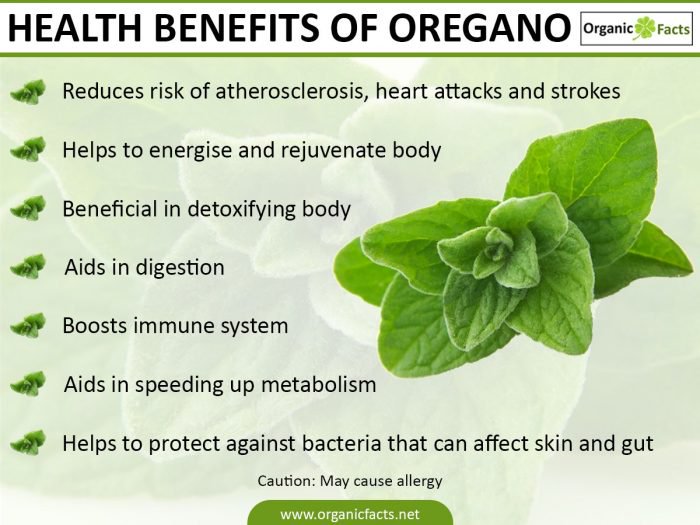
    The impressive health benefits of oregano include its ability to protect the immune system, prevent the onset of chronic disease, improve digestion, detoxify the body, strengthen the bones, improve heart health, increase energy levels, and even protect against diabetes. From adding flavor to dishes to killing antibiotic resistant infections, oregano has many uses in the kitchen and beyond.

    • Oregano is a popular herb that many people think of as merely a spice to improve or enhance the flavor of their food, but in reality, this perennial herb, with the scientific name of Origanum vulgare, has a treasure of health benefits that most people don’t realize at all. Native to southwest Eurasia and the Mediterranean area, oregano has been a valuable part of both culinary and alternative medicine treatments for thousands of years. Oregano is actually closely related to mint, and its genus is actually in the same family as Mentha. For this reason, the two share many similar organic components and have many of the same health benefits. The leaves of oregano are the most commonly used part of the plant, but strangely, the aroma and flavor of the leaves are far greater when the herb is dried than when the leaves are fresh, which is somewhat unusual for an herb.
    • Here are culinary use tips:

      • Add it toward the end of the cooking process for maximum flavor
      • The smaller you chop or grind it, the more flavor will be released
      • Start with a small amount, as too much can make the food bitter
      • One teaspoon of dried oregano is equivalent to one tablespoon of fresh oregano
    • It is available dried or fresh in grocery stores, or you can grow it in a pot on a windowsill or balcony or in the garden. It is a perennial, which means it can grow all year.

      In folk medicine and herbal remedies from Australia to Egypt, oregano has developed a popular following as a veritable cure for many health concerns, but the research to back up all of those claims is ongoing. However, there are some potent active ingredients in oregano that have been intensely studied, and their effects on the body are redundant.

    Oil of oregano is an extremely concentrated form of oregano and is used to treat some conditions, but it should always be diluted, as it is very potent. In culinary applications, where it is most commonly seen, it is used to flavor everything from soups, sauces, and curries to meat dishes, pizza, pasta, vegetables, and even salads. Now, let’s dig a little deeper into the diverse and impressive health benefits of oregano.

    Health Benefits of Oregano

    Health benefits of oregano include:

    Boosts Immunity

    Two of the most important components of oregano is rosmarinic acid and thymol, both of which are powerful antioxidant compounds that have been closely linked to reducing oxidative stress in the body. Free radicals are the destructive by-products of cellular metabolism that can cause cancer and other chronic diseases. Thus, adding oregano to your diet by sprinkling it on your meals can improve your immune health and keep your body safe from some of the most dangerous and silent killers.

    Oregano is an herb with an estimated 4 times the concentration of antioxidants as blueberries and offers a wealth of additional health benefits. – Natural Society.com

    In 2014, food scientists discovered that the popular culinary herbs oregano, rosemary, and marjoram contain compounds that may have the potential to manage type 2 diabetes in a similar way to some currently prescribed drugs.

    Antibacterial Activity

    On a more basic immune system note, oregano also has clear antibacterial properties, which is again due to the presence of thymol and carvacrol. These important organic compounds can defend the body against a wide range of bacteria that can affect the skin, the gut, and other parts of the body. Oregano is also a slightly stimulating agent, which can increase the production of white blood cells and speed up the metabolism, resulting in the faster recovery of common illnesses.

    The herb has shown antimicrobial activity in a number of studies. One group of researchers found that Origanum vulgare essential oils were effective against 41 strains of the food pathogen Listeria monocytogenes.

    Another team from India and the United Kingdom (U.K.) reported that the essential oil of Himalayan oregano has strong antibacterial properties that may protect against the hospital superbug, MRSA.

    “We have done a few preliminary tests and have found that the essential oil from the oregano kills MRSA at a dilution 1 to 1,000. The tests show that the oil kills MRSA both as a liquid and as a vapor and its antimicrobial activity is not diminished by heating in boiling water.”

    Prof. Vyv Salisbury, the University of the West of England, Bristol

    Aids Digestion

    Oregano is packed with fiber, so despite its small size, it can have a major impact on your digestive system. Fiber is an essential element of a healthy digestive system, as it can increase the bulk of your stool and stimulate peristaltic motion, which moves food through the digestive tract and excretes it efficiently. Also, fiber helps to maintain the health of the gut and increases nutrient uptake, so the food you eat does more for you!

    Improves Heart Health

    Oregano is a natural form of omega-3 fatty acids, the beneficial type of cholesterol that actually improves your heart health. Furthermore, omega-3 fatty acids help to re balance your cholesterol levels and reduce inflammation in the cardiovascular system, thereby helping to prevent atherosclerosis, heart attacks, and strokes! 

    Detoxifies the Body

    The nutrient-rich oregano, with a high content of manganese, calcium, iron, vitamin K, fiber, and a wide range of other organic compounds, makes this an ideal herb for detoxifying the body. Research has shown that oregano can help liver function and speed up the process of toxin elimination.

    Improves Bone Health

    As we get older, our bones begin to weaken and break down, so ensuring that we get enough vitamins and minerals in our early years is important. Calcium, iron, and manganese are some of the most crucial minerals for bone health, and oregano has significant amounts of all of them, making it great for people who want to protect themselves against osteoporosis later in life.

    oreganoinfo

    Increases Energy Levels

    By improving the functionality of the metabolism, thanks to B-vitamins and its unique organic composition, the body is rejuvenated and energized. The increase in circulation, due to the presence of iron and increased levels of hemoglobin, helps to fully oxygenate the cells and muscles of the body, thereby increasing energy and strength.

    Word of Caution

    Although some people who are allergic to mint and other herbaceous perennial plants may experience some discomfort while eating or touching oregano, it is not commonly known as an allergenic substance. Also, the symptoms of an allergic reaction to oregano are very mild. Toss some oregano into your next meal and see just how beneficial it can really be!

    Our Favorite Herb Resources:
    Organic Facts.net
    Learning Herbs.com
    BeHealthy.Today

     References

    1. http://www.ingentaconnect.com/content/ben/cmc/2004/00000011/00000011/art00008
    2. http://www.tandfonline.com/doi/abs/10.1080/10412905.1994.9698321
    3. http://onlinelibrary.wiley.com/doi/10.1111/j.1745-4514.2000.tb00715.x/abstract
    4. http://www.sciencedirect.com/science/article/pii/S0032959204001189
    5. http://www.pakbs.org/pjbot/PDFs/39(2)/PJB39(2)609.pdf
    6. http://www.apjcn.org/update%5Cpdf%5C2006%5C1%5C107%5C107.pdf
    7. http://onlinelibrary.wiley.com/doi/10.1111/j.1365-2621.2006.01259.x/abstract
    8. http://www.sciencedirect.com/science/article/pii/S0308814603002632
    9. http://onlinelibrary.wiley.com/doi/10.1046/j.1523-5408.2002.05503.x/abstract
    10. https://www.medicalnewstoday.com/articles/266259.php
    11. https://www.organicfacts.net/health-benefits/oregano.html
    12. http://naturalsociety.com/oregano-4-times-antioxidants-blueberries/#ixzz5LT2g94Br 
    13. https://behealthy.today/a-z-herbs-healthier-you/
  • Learning About Herbs

    Herbs. I wanted to know more. Was overwhelmed with the SHEER amount of information (some contradictory) about herbs, remedies and healing. I learn by doing. Rosalee was a WONDERFUL teacher as she encourages us to do as we learn. She shares a brief lesson. The nettles experiment. Try it and grow your confidence in the power of herbs and your own understanding of natural means of healing. 

    There are many different layers to learning about plants and herbalism. There’s learning about the plants themselves, the gifts they offer, where they grow, when to harvest, how to harvest, and so on. There’s learning how to choose the right herb for the right situation. And there’s learning how to prepare that herb.

    When you are starting out, it can easily feel like information overload. Trying to memorize all those layers of information can seem impossible.

    I want herbs to be accessible for everyone and I believe that learning about herbs should be fun and illuminating, filled with “aha!” moments.

    That’s why I am passionate about hands-on experiences with herbs. Of course books or lectures are great ways to begin to learn about herbs, but when it comes to really getting it, learning by doing is often what facilitates deeper understanding of all those layers.

    Today I want to show you how to use your sense of taste to tell the difference between two different herbal preparations. This will help you figure out the best herbal remedies for your situation.

    But first, tell me: does this sound familiar? Have you ever been excited to use an herb, but you get stuck because you don’t know exactly how to prepare it?

    How To Figure Out the Best Herbal Remedies

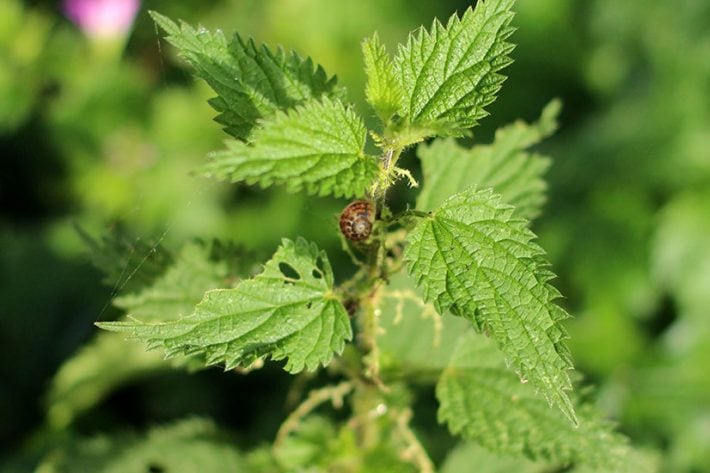
    Let’s use nettles as an example.

    You’re interested in learning about stinging nettle (Urtica dioica) so you reach for a few books on the subject or do a search on the internet.

    You start reading about nettle and see that it is amazing. It strengthens our hair, bones, and teeth. It modulates inflammation and can address signs of chronic inflammation such as arthritis and eczema. It can address insulin resistance and type 2 diabetes by reducing blood glucose levels and by modulating inflammation. Many people rely on nettle to get them through their seasonal allergies. And, you don’t need a reason to enjoy nettle, as it makes a delicious and nutrient-dense food.

    With all these reasons to enjoy nettle, you are excited to use the herb yourself.

    So where to start? How do you prepare nettle?

    One website recommends making a nettle tea by steeping a bit of leaves in a small amount of just-boiled water.

    Another source recommends making a nourishing herbal infusion by steeping a handful or two of stinging nettle in a lot more water and for a lot longer.

    Which is best?

    Let’s try them both, and then use our senses to figure out the best herbal remedies with nettle!

    A Nettle Experiment

    Even if you think you have a pretty good idea of the differences between these preparations, I recommend doing this exercise. It is by physically doing something that we really learn. If you simply read this article and then move on to the 1,001 other things in your life today, it’s unlikely you are going to remember or gain deeper insights. Involving our senses in the learning process is the best way to truly learn something.

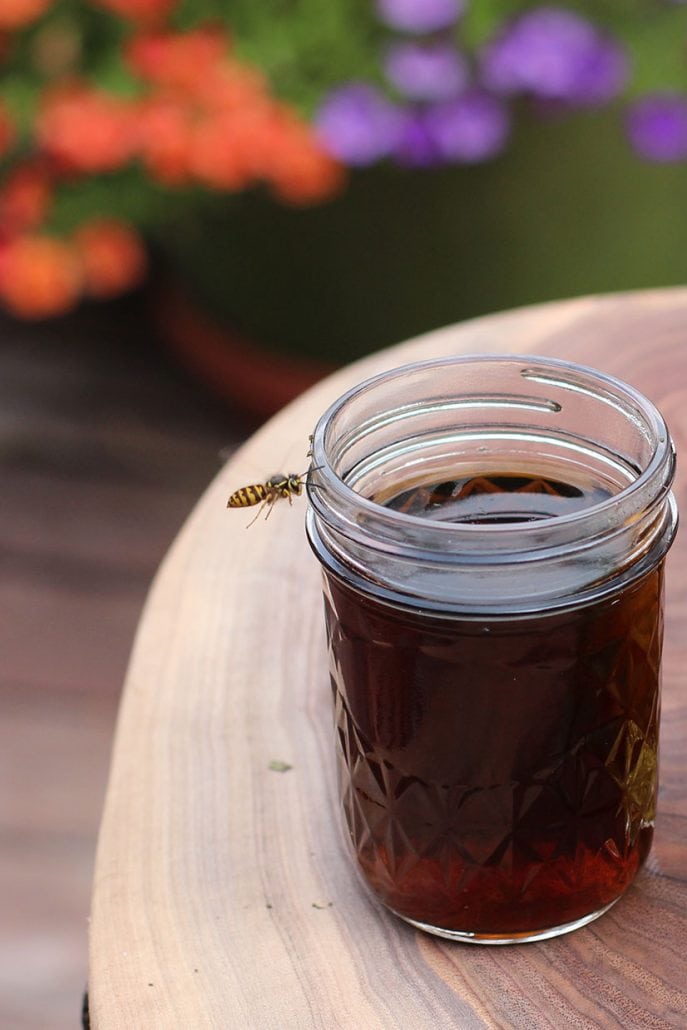
    How To Figure Out the Best Herbal Remedies

    How To Figure Out the Best Herbal Remedies

    How To Figure Out the Best Herbal Remedies

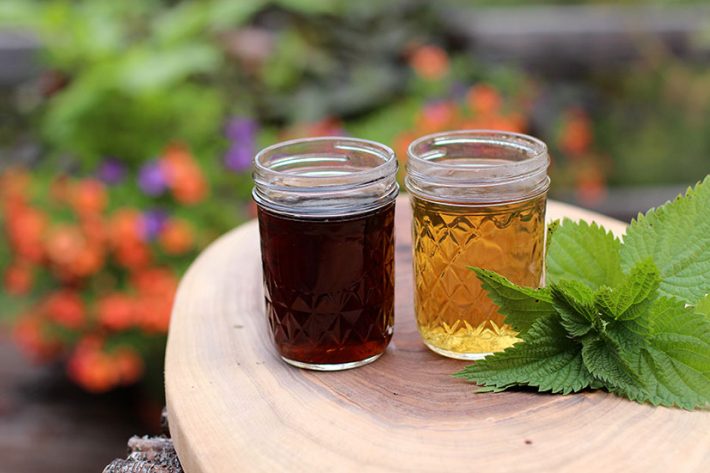
    Step 1: Make a Nourishing Herbal Infusion with Stinging Nettle Leaf

    A nourishing herbal infusion is a type of water based extraction made popular by herbalist Susun Weed. This method uses a lot more herbs and a longer steeping time than you typically use in a tea.

    Here’s how to make it.

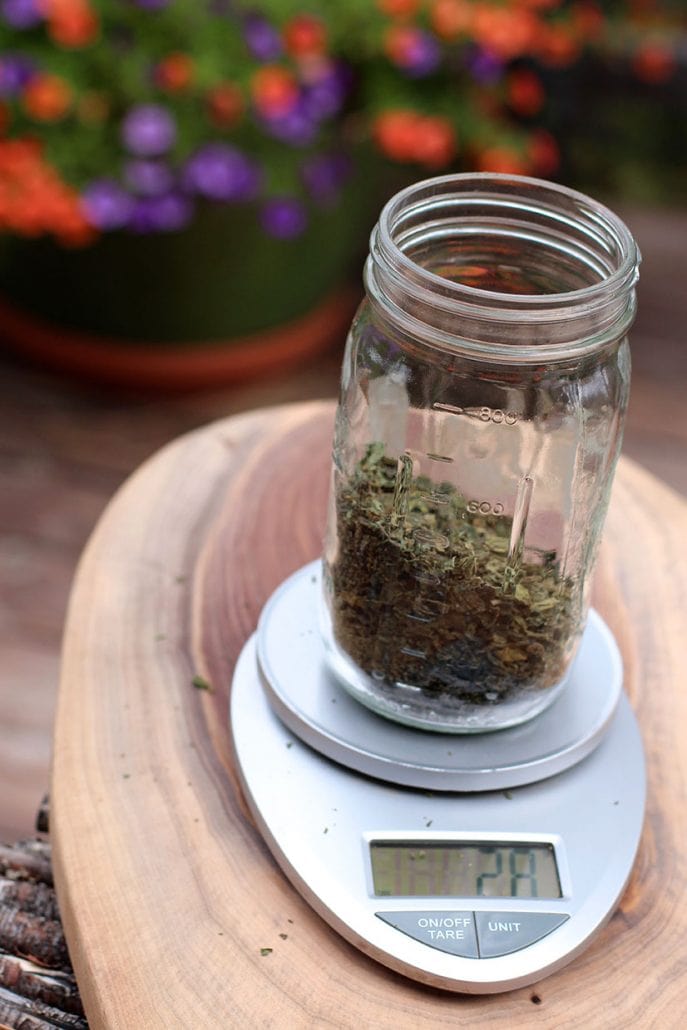
    Weigh out 28 grams of dried stinging nettle leaf. If you have finely cut leaf, this is about two cups of material. (It’s always best to weigh plants to get the best sense of how much you are using.)

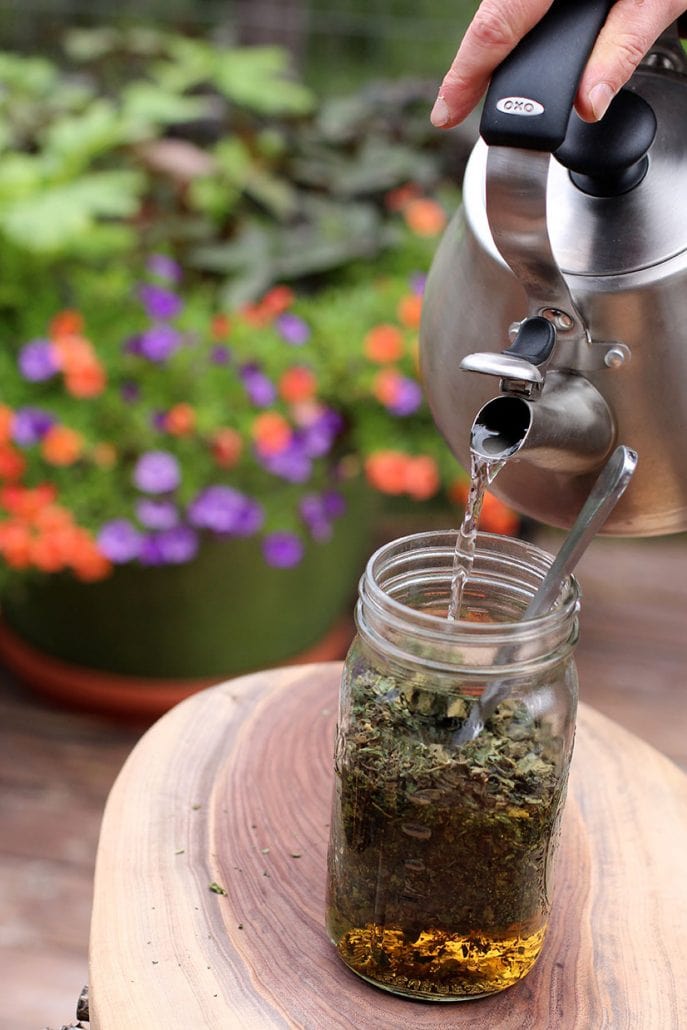
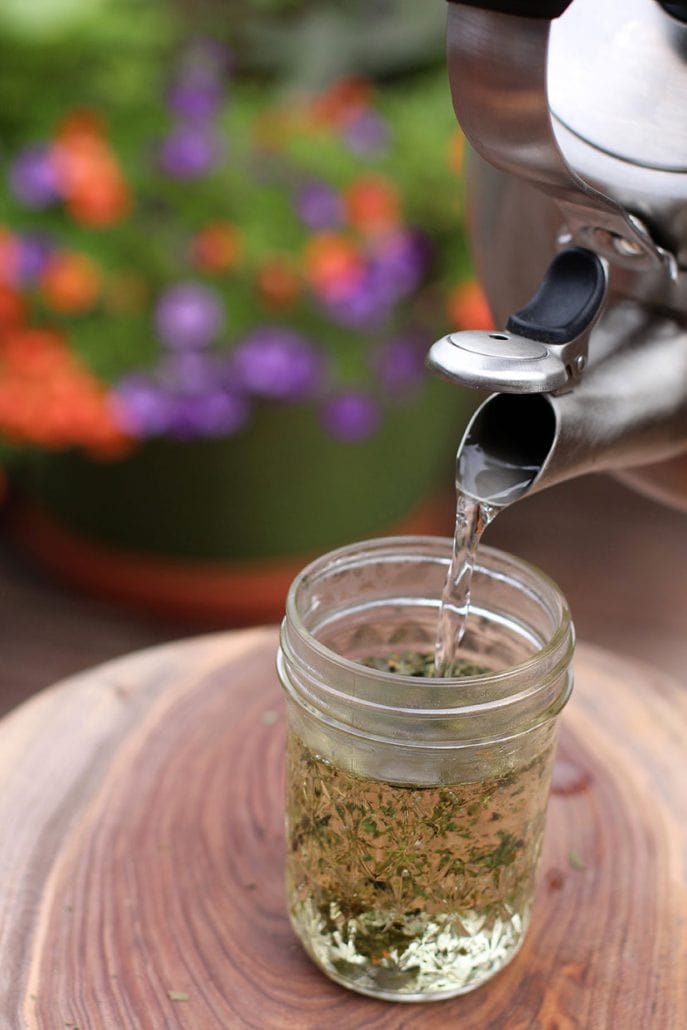
    Place the leaves in a quart canning jar. Fill the jar with just-boiled water. Stir well, add more water if necessary. Cover and let sit for 4 to 8 hours or overnight.

    Strain.

    Move on to Step 2.

    How To Figure Out the Best Herbal Remedies

    How To Figure Out the Best Herbal Remedies

    How To Figure Out the Best Herbal Remedies

    Step 2: Make a Tea with Stinging Nettle Leaf

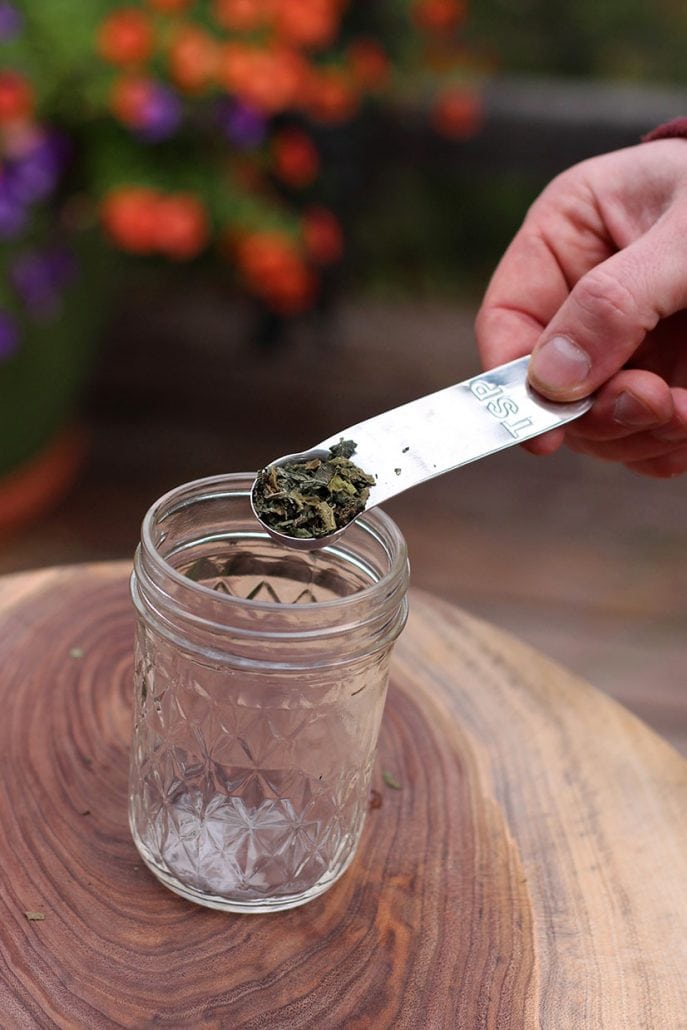
    Place 1 teaspoon of dried nettle leaf into a half-pint glass jar or lidded mug.

    Pour 1 cup of just-boiled water over the leaves. Stir well. Cover and let steep for 10 minutes.

    Strain. Let it cool.

    Move on to Step 3.

    Step 3: Let’s Taste!

    Now that you have both of your herbal preparations we can use our senses to look at and taste the differences between them.

    Okay, let’s begin…

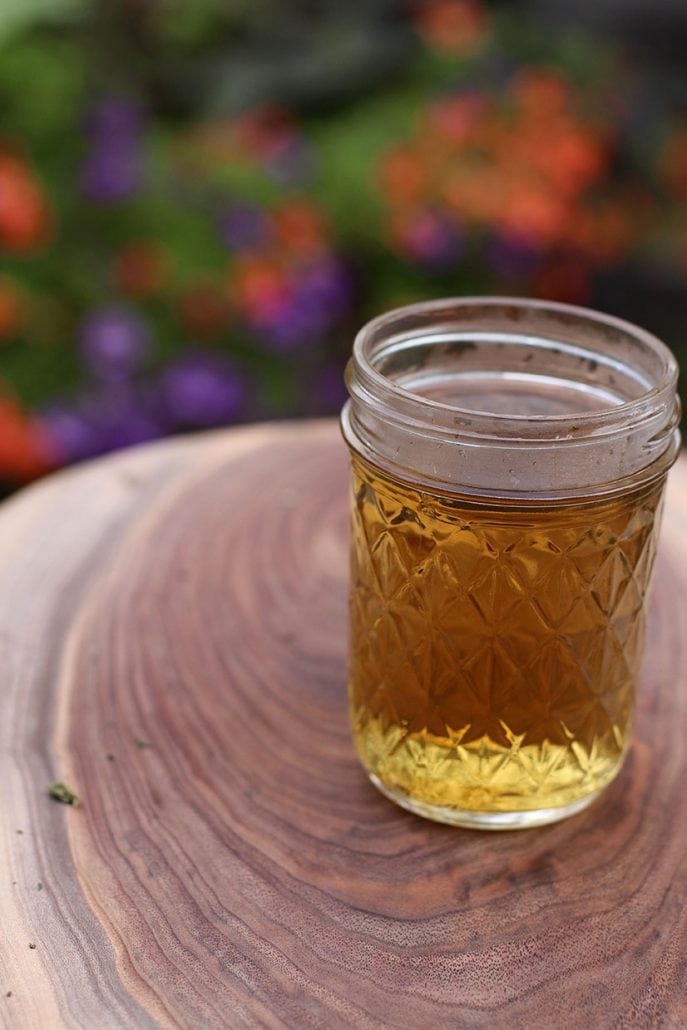
    First start with how the two preparations look. Is there a difference in color?

    Next smell the two. Do they smell different?

    Take a sip of your tea. Spend some time with it to really get a sense of its varying tastes, as well as how it feels in your body.

    Now take a sip of the nourishing herbal infusion. Take some time with this to really get a sense of their different qualities.

    You could note your personal preferences, but also spend time observing without judgement to simply notice what each preparation is like.

    I recommend focusing solely on the experience at first, then, take some time to write down your observations.

    You’ll get the most out of this article by tasting these preparations yourself. And while I don’t want to give you all the answers, here are some things to consider.

    Nettle is considered to be a salty herb. You may have noticed that neither of these preparations taste like table salt or even like salty seaweed. Instead, this salty classification refers to its mineral-like taste. Nettle is high in many nutrients including minerals like magnesium and potassium. Now here’s a hint: vitamins and minerals are best extracted with prolonged hot water.

    Keeping your nettle tasting experience in mind, which nettle preparation do you think would be best for building strong hair, bones and teeth? What preparation would be best for serving an afternoon tea to a friend?

    How To Figure Out the Best Herbal Remedies

    This Is Just the Beginning…..learn more: https://learningherbs.com/remedies-recipes/best-herbal-remedies/