Category: Holistic Health

Naturopathic, alternative medicine and chiropractic health care

  • How to Get the Most Benefits from Turmeric

    If you saw a list of all the ways herbalists use turmeric to help improve people’s health, it would be so extensive you might think it unbelievable. Learning Herbs shares insight on turmeric. How do YOU use turmeric in your household? Share with us in the comments below.

    TURMERIC

    How can one herb do so much?

     It may be due to turmeric’s incredible ability to modulate inflammation. Inflammation plays a significant role in cancer, type 2 diabetes, autoimmune disorders, asthma, arthritis, ulcerative colitis, periodontitis, eczema, psoriasis, and many other ailments. In fact, many of the major diseases plaguing the Western world can be linked to chronic systemic inflammation.1

    turmeric

    How to Use Turmeric

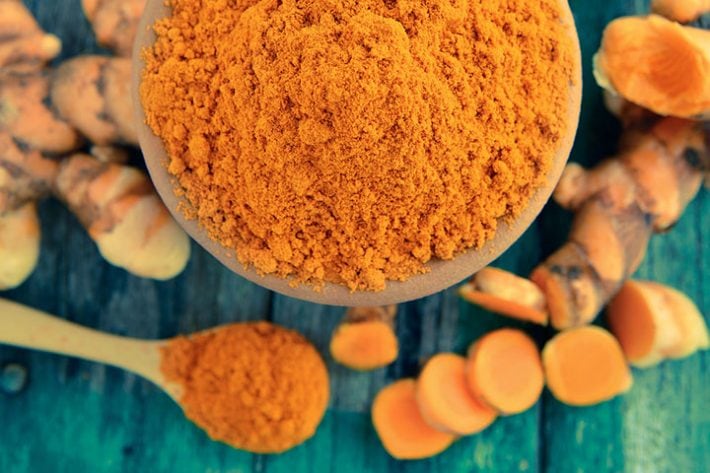
    You can most easily find turmeric in powdered form. The best-quality turmeric will be a very bright orange. If it has turned to a browner shade, then you know it is not very fresh.

    Turmeric is full of amazing antioxidants and constituents, but it is not easily absorbed by the digestive system.

    Here are two important tips for dramatically increasing the bioavailability of turmeric:

    1. Add black pepper 

    Add a small amount, roughly 3 percent, of freshly ground black pepper to your turmeric. This has long been the practice in Ayurveda, and science has proved that piperine, an extract of black pepper, increases the bioavailability of curcumin by as much as 2,000 percent.2

    2. Heat turmeric in oil

    Another tip is to take your turmeric heated in oil. The heat and oil help to better extract its constituents, making them more available in your body.

    If you walk into any health food store, you will see many different options for taking curcumin, a constituent of turmeric. In fact, it’s impossible to read about the plant turmeric without also hearing about curcumin. However, I am skeptical anytime science reduces a complex herb down to one component.

    The fact that herbs have hundreds if not thousands of constituents that work on a variety of pathways in the body is what makes them so uniquely powerful. Although studies have shown that curcumin extracts may have certain benefits, I recommend reaping the rewards of the whole root.
     Recommended Amounts

    When you enjoy turmeric in culinary dishes for preventive care, the amount of turmeric you use isn’t very high—perhaps 1 gram a day. However, if you are using turmeric for more specific conditions, then higher dosages may be necessary to get the results you would like, and taking capsules may be the easiest choice.

    The therapeutic amount for turmeric is as follows:

    As powder: 1 to 10 grams per day
    As tincture: 1:2, 60% alcohol, 2 to 4 mL, 2 to 3 times per day3

    Special Considerations

    Turmeric is mildly warming and drying and may exacerbate hot and dry conditions. If you take too much, you might feel unusually thirsty or experience hot flashes or night sweats. Turmeric is often combined with ghee or demulcent herbs to offset this effect.

    The following people should avoid large amounts of turmeric: those who are currently taking blood thinners, people with blood-clotting disorders, people who have known gallstones (although this is controversial), and women who are pregnant or breastfeeding (also controversial).

    Want to learn more about turmeric and get recipes for Warmed Golden Milk, Turmeric and Pumpkin Seed Paté, and more? Get your copy of Rosalee’s NEW book, Alchemy of Herbs!

    Show 3 footnotes

    1. Khansari, Nemat, Yadollah Shakiba, and Mahdi Mahmoudi. “Chronic Inflammation and Oxidative Stress as a Major Cause of Age-Related Diseases and Cancer.” 3, no. 1 (2009): 73–80. doi:10.2174/187221309787158371.
    2.  Kuptniratsaikul, Vilai, et al. “Efficacy and Safety of Curcuma Domestica Extracts Compared with Ibuprofen in Patients with Knee Osteoarthritis: A Multicenter Study.” 9 (March 20, 2014): 451–58. doi:10.2147/CIA.S58535.
    3.  Shoba, G., et al. “Influence of Piperine on the Pharmacokinetics of Curcumin in Animals and Human Volunteers.” 64, no. 4 (1998): 353–56. doi:10.1055/s-2006-957450.
    This article originally appeared at: https://learningherbs.com/remedies-recipes/turmeric/

  • Chemo failed her. Food healed her.

    Chemo failed her. Her medical degree didn’t inform her. Her diet healed her. Dr. Terry Wahls learned how to properly fuel her body.  Using the lessons she learned at the subcellular level, she used diet to cure her MS and get out of her wheelchair. She shares briefly the biology and her protocol that helped support her personal healing. Did you notice the “Viewer discretion advised” warning from TedX advising people to be wary of watching a talk which suggests that increasing the dietary intake of fresh plants and natural proteins is a better idea than something in a box from a factory or pharma?
    This video isn’t intended to diagnosis or cure but instead to encourage individuals to seek out health resources and information.

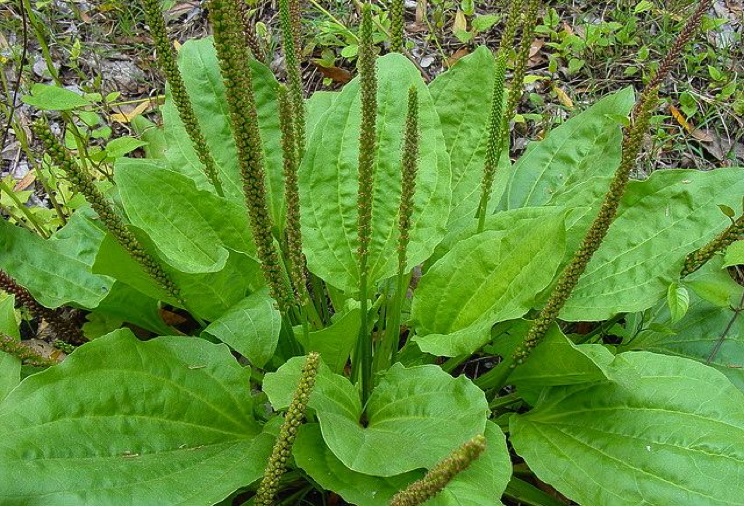
  • Plantain, a weed that cures?

    A simple plant, abundant and some consider a nuisance and weed is actually considered a ‘cure-all’ by some

    THE HISTORY

    One of the few “gifts” English colonists brought to Native Americans was plantain, a favorite medicinal herb back in Europe.After witnessing its power, Native Americans quickly adopted it and still use it today as a panacea or “cure-all” for almost every illness and injury brought on by civilization. They called it White Man’s Foot, as it was often found growing along well-trodden foot paths.

    Like many other plants deemed “weeds” by modern Americans, plantain is loaded with nutrients and is one of the most powerful medicines on Earth.

    Luckily, no matter how hard we try to eradicate it, it keeps growing where “civilized” humans need it most, through cracks in city streets and sidewalks and all over suburban yards.

    From bee stings, snake bites and sunburns, to bronchitis, arthritis and cancer, this plant is revered among practitioners of folk medicine for its ability to cure just about anything.

    MEDICIAL PROPERTIES

    General medicinal properties of plantain:

    • Antibacterial – kills bacteria or prevents bacterial growth
    • Antidote – combats toxins
    • Astringent – stops bleeding and contracts tissues
    • Anti-inflammatory – reduces inflammation
    • Antiseptic – kills of prevents microbial growth
    • Antitussive – relieves coughing
    • Cardiac – strengthens the heart
    • Demulcent – soothes and protects mucus membranes
    • Diuretic – removes excess water
    • Expectorant – loosens mucus and aids its expulsion
    • Haemostatic – stops bleeding (external)
    • Laxative – relieves constipation
    • Ophthalmic – relieves eye conditions
    • Poultice – draws infection from a wound
    • Refrigerant – cools the body and reduces fever by inducing sweating
    • Vermifuge – kill parasitic worms

    SPECIFIC USES:

    First Aid/Topical Wound Healing

    Plantain can be used as a poultice to draw toxins out of the body. Just chew or crush plantain leaves to release their juices and apply directly to insect bites, bee stings, snake bites, cuts, blisters, splinters, sunburns, poison ivy outbreaks, acne or rashes.

    It can also be made into an antiseptic salve to prevent infection in burns and open wounds. The salve also acts as an insect repellent.

    Digestion

    Plantain leaves and seeds aid in digestion. They’ve been reported to have a soothing effect for people who’s gut linings have been damaged by prolonged used of anti-inflammatory, analgesic, or antibiotic drugs and people with Celiac disease and food allergies.

    They seeds are used to treatment of both constipation and tea made from the leaves is used to treat diaherrea.

    Arthritis and muscle soreness

    Loaded with calcium and magnesium, plantain isused in the treatment of arthritis

    It’s also applied topically to swollen joints, sore muscles, sprains, and sore feet.

    Congestion, respiratory infection

    Plantain’s mucus loosening and cough relieving properties make it great for treating colds. Its anti-inflammatory, cooling and pain relieving properties provide relief for sore throats.

    It is also widely used in the treatment of bronchitis and tuberculosis.

    For more medicinal uses, check out the section on plantain in American Materia Medica, Therapeutics And Pharmacognosy:

    This article originally appeared at: http://returntonow.net/2017/10/19/plantain-common-driveway-weed-cures-almost-anything-ails/.
  • Could Micronutrients Replace Ritalin as Treatment for ADHD?

    A number of independent studies back clinical micronutrients as a safe, effective alternative to psychiatric medications.
    While there are a number of ADHD treatments available for both adults and children, it is unusual to see “independently researched” and “stimulant-free” associated with one.

    How can nutrition treat mental health, you might ask?
    It’s really not a new idea. 
    For decades, Dr. Bruce Ames, world-renowned biochemist and senior scientist at Children’s Hospital Oklanda Research Institute has been touting the importance of adequate nutrition.
    Dr. Ames has shown that deficiencies of at least seven essential nutrients can cause mutations by inducing chromosome breaks by the same mechanisms as radiation. [1] His research is part of a larger body of evidence showing that deficiencies in at least 14 nutrients kill brain cells or degenerate nerves or nerve endings. [2]
    It is little wonder that this renowned scientist has concluded that “We are starving, even though we are all getting fat, we are starving for vitamins and minerals.” [3]

    So couldn’t we just eat more vegetables?
    Dr. Ames is just one of many researchers finding that even carefully selected diets may no longer provide us with the levels of essential minerals and vitamins considered adequate, not to mention the quantities of essential nutrients required to optimize health for those with existing mental or physical illness.  
    Research has shown that food crops today have lower nutrient values than they did 50+ years ago.

    Intensive agricultural practices, including extensive chemical use and food supply over-processing, are just two among many factors depleting our food sources of essential nutrients.  
    It’s not that diet and lifestyle improvements are unnecessary—indeed they are incredibly helpful—but the truth is, even the healthiest modern diet is simply not enough to be a complete treatment for most people, which makes supplementation a serious issue. 

    Dr. Julia Rucklidge, one researcher who has conducted a number of independent studies on clinical micronutrient therapy for ADHD says:
    “The evidence now is pretty remarkable in terms of using vitamins and minerals for the treatment of mental illnesswe’ve been collecting data to look at it specifically for the treatment for ADHD, for which we’ve found a robust effect compared to placebo in adults with ADHD. There are also other studies that have been done both in my lab and also internationally that have shown the effect of micronutrients for the treatment of stressPTSDautism, across the whole range of disorders like depressionanxietystress… ”

    Has your family found alternative sources for ADHD using suppliments and dietary changes? Share in Comments Below.

    Sources: 

    [1] Ames, BN. A role for supplements in optimizing health: the metabolic tune-up. Arch Biochem Biophys. 2004. 423:227-234.

    [2] Vinh Quôc Luong K et al. J Neurosci Res. (2012); Karmon Y et al. Neurol Res. (2012); Muller DP et al. Crit Rev Neurobiol. (1990); Bowling FG. Semin Cell Dev Biol. (2011); Ames BN et al. Mol Aspects Med. (2005); Giacomello M et al. Int J Biochem Cell Biol. (2013); Takeda A. Brain Res Brain Res Rev. (2003)

    [3] The American Academy of Anti-Aging Medicine (A4M) World Congress on Anti-Aging and Biomedical Technologies in Las Vegas. 2011

    *These statements have not been evaluated by the FDA and are not intended to cure or treat any disease. These statements do not constitute medical advice, you should ask your doctor before starting or changing any health regimen.

    †Refers to Daily Essential Nutrients and pre-2013 versions of EMPowerplus co-formulated by David L. Hardy, founder of Hardy Nutritionals®.


    This article originally appeared at: https://www.elephantjournal.com/2017/08/micronutrients-may-replace-ritalin-as-treatment-for-adhd-partner/.
  • No vaccine needed: natural & effective healing protocols for disease!

    Vaccines have risks which are described on product package inserts as “Adverse Events”. These include but are not limited to impaired immune system and auto immune disorders, neurological damage including seizures, paralysis and others, physical damage and death. 

    References:
    CDC.gov (main source)
    medscape.com
    immunize.org/packageinserts/ (Flu vaccine ingredient; adverse reactions)

    Fetal cells and synthetic hormones in vaccines which cause cancer and brain damage (autism and related disorders).

    Vaccines that cause shedding of the virus are as follows: Measles, Mumps, Varicella (Chicken Pox), Oral  Polio, Rubella, Rotavirus, Influenza (Flumist). This “Shedding” means the virus can infect the host and/or others around them for up to 6 weeks after injection. There are many studies and examples showing how shedding occurs.  

    www.medscienceresearch.com/shedding

    http://www.vaccineriskawareness.com/Vaccine-Shedding

    http://www.greenmedinfo.com/blog/vaccinated-spreading-measles-who-merck-cdc-documents-confirms

    KBOI 2 News interviews a toxicologist on vaccines.

    Safety and effectiveness of vaccines including support/testimonials from medical doctors

    The diseases for which vaccines are created do not need to be fatal.
    Our bodies are designed to encounter, contract, and heal from them! 

    With proper support, we can recover and gain natural immunity which not only protects against future disease, but can provide protection against other illnesses and disease including cancer. 

    MUMPS: Researchers investigated whether mumps might engender immunity to ovarian cancer through antibodies against the  cancer-associated antigen MUC1 abnormally expressed in the inflamed  parotid gland.  

    https://www.ncbi.nlm.nih.gov/pmc/articles/PMC2951028/

    MEASLES:  Albonico et al found that adults are significantly protected  against non-breast cancers — genital, prostate, gastrointestinal, skin,  lung, ear-nose-throat, and others – if they contracted measles (odds  ratio, OR = 0.45), rubella (OR = 0.38) or chickenpox (OR = 0.62) earlier  in life. [Med Hypotheses 1998; 51(4): 315-20].

    https://www.ncbi.nlm.nih.gov/m/pubmed/9824838/

    MEASLES: Montella et al found that contracting measles in childhood  reduces the risk of developing lymphatic cancer in adulthood [Leuk Res  2006; 30(8): 917-22]. Read more:

    http://www.lrjournal.com/article/S0145-2126(05)00466-2/abstract

    https://www.ncbi.nlm.nih.gov/m/pubmed/16406019/

    MEASLES: Alexander et al found that infection with measles during  childhood is significantly protective — it cuts the risk in half —  against developing Hodgkin’s disease (OR = 0.53) [Br J Cancer 2000;  82(5): 1117-21]. Read more:

    http://www.nature.com/bjc/journal/v82/n5/full/6691049a.html

    https://www.ncbi.nlm.nih.gov/m/pubmed/10737396/

    Measles to the Rescue: A Review of Oncolytic Measles Virus.

    MV Clinical trials are producing encouraging preliminary results in  ovarian cancer, myeloma and cutaneous non-Hodgkin lymphoma, and the  outcome of currently open trials in glioblastoma multiforme,  mesothelioma and squamous cell carcinoma are eagerly anticipated.
    Aref S, et al. Viruses. 2016. Read more:

    http://www.mdpi.com/1999-4915/8/10/294

    https://www.ncbi.nlm.nih.gov/pmc/articles/PMC5086626/

    MEASLES: Glaser et al also found that lymph cancer is significantly  more likely in adults who were not infected with measles, mumps or  rubella in childhood [In J Cancer 2005; 115(4): 599-605].

    http://onlinelibrary.wiley.com/doi/10.1002/ijc.20787/full

    COMMON INFECTIONS: Gilham et al found that infants with the least  exposure to common infections have the greatest risk of developing  childhood leukemia [BMJ 2005; 330: 1294]. Read more:

    http://www.bmj.com/content/330/7503/1294

    https://www.ncbi.nlm.nih.gov/m/pubmed/15849205/

    EARLY EXPOSURE TO INFECTIONS:Urayama et al also found that early  exposure to infections is protective against leukemia [Int J Cancer  2011; 128(7): 1632-43].  Read more: 

    http://onlinelibrary.wiley.com/doi/10.1002/ijc.25752/full

    https://www.ncbi.nlm.nih.gov/m/pubmed/21280034/

    CHICKEN POX: (VARICELLA Canniff J., Donson A.M., Foreman N.K., Weinberg  A. Cytotoxicity of glioblastoma cells mediated ex vivo by  varicella-zoster virus-specific T cells. J Neurovirol. 2011;17(October  (5)):448–454. [PubMed] Canniff et al. reported an association between  those individuals with clinical or laboratory evidence of  varicella-zoster virus (VZV) infection and lower risk of glioma.A glioma  is a type of tumor that starts in the brain or spine. It is called a glioma because it arises from glial cells.

    https://www.ncbi.nlm.nih.gov/pmc/articles/PMC3759842/#!po=27.5510

    CHICKEN POX IN CHILDHOOD: Silverberg J.I., Kleiman E., Silverberg  N.B., Durkin H.G., Joks R., Smith-Norowitz T.A. Chickenpox in childhood  is associated with decreased atopic disorders, IgE, allergic  sensitization, and leukocyte subsets. Pediatr Allergy Immunol.  2012;23(February (1):50–58. [PubMed Silverberg et al. also reported that  wild-type VZV infection up to 8 years of age was found to be protective  against atopic disorders that are thought to be “mediated by  suppression of IgE production and allergic sensitization, as well as  altered leukocyte distributions.  Chicken Pox references taken from Goldman, King STUDY. Read more:

    http://onlinelibrary.wiley.com/wol1/doi/10.1111/j.1399-3038.2011.01224.x/full

    https://www.ncbi.nlm.nih.gov/m/pubmed/22017482/

    INFLUENZA – Influenza Virus Infection Elicits Protective Antibodies and  T Cells Specific for Host Cell Antigens Also Expressed as  Tumor-Associated Antigens: A New View of Cancer ImmunosurveillanceUzoma  K. Iheagwara, Pamela L. Beatty, Phu T. Van, Ted M. Ross, Jonathan S.  Minden, and Olivera J. Fin

    https://www.ncbi.nlm.nih.gov/pmc/articles/PMC4006373/

    Natural alternatives to the flu shot.

    Protocols for natural support during illness/disease:

    Pertussis – High doses of vitamin C

    http://drsuzanne.net/dr-suzanne-humphries-oral-intravenous-vitamin-c/

    http://www.vaccinationcouncil.org/2012/09/07/vitamin-c-for-whooping-cough-updated-edition-suzanne-humphries-md/

    Meningitis

    High doses of Vitamin C (IV), Genistein, Essential fatty  acids, Perilla leaf extract, Rosmarinic acid, & Superoxide  dismutase.

    http://www.lifeextension.com/protocols/infections/meningitis/page-06

    Mumps

    High doses of Vitamin C

    https://riordanclinic.org/2014/02/high-dose-intravenous-vitamin-c-as-a-successful-treatment-of-viral-infections/

    Measles & Rubella – High doses of Vitamin C & Vitamin A

    http://drsuzanne.net/dr-suzanne-humphries-oral-intravenous-vitamin-c/

    Chicken Pox -High doses of Vitamin C, garlic, echinacea, and astragalus  (avoid Ibuprofen as it can cause a serious secondary infection).

    https://www.drweil.com/health-wellness/body-mind-spirit/hair-skin-nails/chickenpox/

    Shingles

    High doses of Vitamin C (IV)

    https://www.ncbi.nlm.nih.gov/m/pubmed/22460093/

    Hepatitis B

    Glutathione, glutathione peroxidase, Selenium, Zinc, vitamin E, B Vitamins and vitamin C

    http://www.lifeextension.com/protocols/infections/hepatitis-b/page-08

    https://www.ncbi.nlm.nih.gov/m/pubmed/22582501/?i=4&from=hepatitis%20b%20vitamin%20c

    Pneumonia

    High doses of Vitamin C

    http://orthomolecular.org/resources/omns/v12n18.shtml

    https://www.ncbi.nlm.nih.gov/pmc/articles/PMC2099400/

    Polio

    High doses of Vitamin C

    http://www.doctoryourself.com/klennerbio.html

    Small pox & Anthrax

    High doses of Vitamin C (IV)

    https://www.peakenergy.com/health_ebytes/issue_1.php

  • 21 Natural Alternatives to the Flu Shot

    We don’t need another ineffective flu shot, a virus vaccine created by biotech, or another dose of carcinogenic chemicals created by Big Pharma. We just need to nurture our innate immunity with good habits like taking probiotics supplements and supporting immunity through natural means– here you will find more than 20 natural flu remedies using natural antivirals.

    The Flu shot is filled with toxins, never tested for long term safety. (How can you test something long term that changes annually?) <read more> Interestingly, the flu shot may never really be protecting you, as since there is no single virus that causes the flu, and therefore there is no one flu vaccine that protects against all of them. A virus mutates over time. It adapts. If a vaccine is created to kill one type of virus, it can mutate into another organism, specifically adapted to withstand the ‘medicine’ that was created to kill it. Biotech has simply attempted to come up with a one-dose, all-purpose vaccine that will kill every virus.

    If it were truly possible to kill all viruses, none would be left on the planet. Just like humans, viruses can make mistakes in the copying of RNA or DNA, and these small mistakes can be repeated into new strains. When these mutations don’t kill the organism, they replicate, making new progeny with the ‘mistake’ coding. This is why people are usually susceptible to disease – except there’s a catch.

    Innate human immunity works with this world of strange and ever-changing viruses and microbes. It is only when our natural immunity is weakened or disturbed that the body is more likely to get the flu, or any other virus, as well as common invaders like fungi, various parasites including worms, and amoeba, and other single-celled protozoans.

    We have both external protections and internal ones. A variety of enzymes contained in tears, sweat, and mucus in the digestive, respiratory, and reproductive tracts will neutralize potential invaders (that is unless they are altered by substances like glyphosate or vaccinations). Internally the phagocytes, or white blood cells, will surround the bodily invaders when our immunity is working properly.

    Finally, we have good microbes in our gut that work to crowd out the bad ones, and make it hard for them to live in our body. When our internal bacteria is imbalanced, we become a host for parasites or viruses.

    We don’t need another ineffective flu shot, a virus vaccine created by biotech, or another dose of carcinogenic chemicals created by Big Pharma. We just need to nurture our innate immunity with good habits like taking probiotics supplements and supporting immunity through natural means.

    21 Natural Flu Remedies (Natural Antivirals)

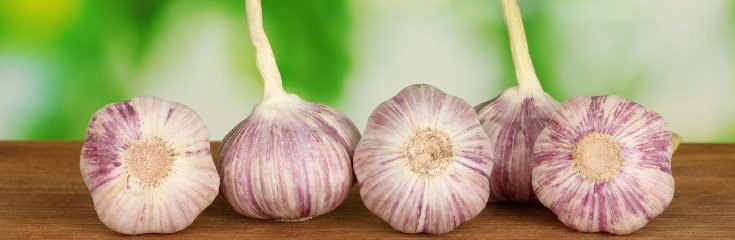
    garlic bulbs

    Here are 21 natural anti-virals and natural flu remedies that do the trick better than any super drug developed by GlaxoSmithKline ever could. Why doesn’t the CDC ever talk about these methods?

    • 1. Colloidal Silver – This stuff is so powerful it has even been able to kill HIV strains. It is also anti-bacterial and anti-fungal.
    • 2. Lomatium Dissectum – Lomatium is the “secret” anti-influenza herb that very few people know about. The root’s anti-viral action is combined with a respiratory clearing action that’s especially useful for dealing with the secondary infections caused by many strains of influenza.
    • 3. ZincZinc salts have been shown to be very effective in fighting viruses.
    • 4. Green Tea – This super food, which is the least processed of all teas, has numerous health benefits; fighting viruses is among them. It has been used as an anti-viral remedy for centuries.
    • 5. Lemon Balm – This anti-viral is effective against herpes viruses and many others.
    • 6. Elderberry – This amazing berry can treat wounds, reduce nasal congestion, and effectively fight against colds and flu.
    • 7. Olive Leaf – The ancient Egyptians considered the olive tree a symbol of heavenly power because it is a powerful immune-booster. It abounds with potent phytochemicals and powerful antioxidants that will protect you against the flu.
    • 8. Pau D’ Arco – Pau d’Arco is effective in part through its lapacho compound – inactivating, slowing, inhibiting, killing, or stunting viruses. Viruses including: herpes virus (herpes simplex), polio virus, vesicular stomatitis virus, avian myeloblastosis virus, rauscher murine leukemia virus, human immunodeficiency virus, the flu virus, and many more.
    • 9. Liquorice – A wonderful antiviral agent, liquorice even heals chicken pox and shingles.
    • 10. Garlic – Garlic is an amazingly healthful food that can protect against, colds, the flu, and much, much more. Check out other health benefits of garlic here.
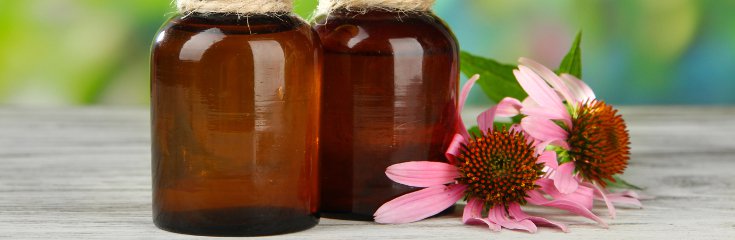
    • 11. Echinacea – Extracts from 8 different Echinacea varieties have proven to have anti-viral properties.

    Echinacea


    • 12. St. John’s Wort – Not only can this herb boost your mood, it is also antibacterial and antiviral.
    • 13. Vitamin D – Another great vitamin to keep in your medicine cabinet, vitamin D protects against multipleviruses while preventing seasonal depressive disorder – also common during flu season.
    • 14. Vitamin C – The University of Michigan says vitamin C is a powerful anti-viral.
    • 15. Probiotics – Your body contains ten times more bacteria then cells. Most of them, optimally 85%, should be friendly flora. Friendly bacteria not only attack pathogenic bacteria and fungi,they also trigger appropriate white cell reactions to invaders, and they influence your mental/emotional state. It’s estimated that eighty percent of your 100 trillion bacteria are located in the gut’s flora.
    • 16. Barley or Wheat Grass – Both of these grasses are best juiced. Wheatgrass juice is the nectar of rejuvenation, the plasma of youth, and has been called the blood of all life since it most resembles healthy human blood. Barley grass is also a natural antiviral that has been used for centuries with similar qualities. They both cleanse the lymph system, and boost immunity, too.
    • 17. Ginger – We’ve been talking about the benefits of ginger at Natural Society for a long time. The root contains over 14 bio-active compounds to help kill disease.
    • 18. Shiitake mushrooms – Not only does these little fungi slow cancerous tumor growth, but they are great at killing viruses and bad bacteria of all kinds.
    • 19. Cat’s Claw – This herb boosts total immunity and the natural immune defense of the body. It grows in the Amazon, though fortunately you can get it at your local health food store.
    • 20. Astragalus – Another ancient herb for healing, astragalus doubles the survival rate for cancer patients and fights numerous diseases.
    • 21. Quality Sleep – Lack of sleep makes you more prone to diseases. Even a few nights of good rest can make your impervious to a cold or the flu.

    This article originally appeared at: http://naturalsociety.com/21-natural-flu-remedies-antivirals/.
  • Pineapple Juice Found To Be 500% More Effective Than Cough Syrup

    It’s a once a year thing in our house. One child gets a cold that settles in her chest and just hangs out there. The coughing keeps us ALL awake at night. It rattles her head to the point of headache. Pineapple juice is one of these wonderful healing ingredients to soothe a persistent cough or sore throat.

    In 2010 Indian researchers tested the effectiveness of natural substances such as pineapple juice to treat tuberculosis (find the study here). They found that a mixture of pineapple juice with raw honey, pepper and salt work extremely well to dissolve mucus and soothe a persistent cough. Patients recovered up to 5 times quicker with this all natural pineapple remedy compared to OTC cough syrup.

    Benefits Of Pineapple Juice 

    Pineapple thanks its many health benefits to a powerful enzyme called
    bromelain which acts as an antioxidant to reduce inflammation and swelling of the sinuses. It eliminates bacteria and fights infections.

    Only 1 cup of pure pineapple juice contains 50% of your daily recommendation of vitamin C, another powerful antioxidant to strengthen your immune system and soothe a sore throat or cough.

    Next to
    bromalain and vitamin C, pineapple is also a good source of vitamin A, thiamin, riboflavin, vitamin B-6, folate, pantothenic acid, magnesium, manganese and potassium, which are all essential nutrients to keep your body healthy.

    Powerful All-natural Cough Suppressant Recipe

    If you have a
    juicer it is best to make your own juice, or opt for unprocessed natural pineapple juice instead. Most commercially available brands contain too much sugar and added flavors and are low in the actual real fruit.

    • 1 cup pineapple juice
    • ¼ cup fresh lemon juice
    • 1 piece of ginger (about 3 inches)
    • 1 tablespoon raw honey
    • Pinch of salt
    • ½ teaspoon cayenne pepper

    Blend or juice all ingredients. Take ¼ cup of this remedy up to 3 times a day and your cough or sore throat will be gone in no time.

    Note: to improve digestion and effectiveness add a pinch of turmeric as well.

  • Food reduces brain inflammation

    Reduce brain inflammation with ketogenic diet but now they want to make a drug to induce a ketogenic state. People always want the quick fix.

    The keto diet is focused on reducing the amount of carbohydrates as much as possible and increasing the amount of fat.

    Besides its weight loss-related benefits, recent studies have pointed to many other advantages. For instance, Medical News Today recently covered research suggesting that the diet may increase longevity and improve memory in old age.

    Other studies have noted the neurological benefits of the diet. The keto diet is used to treat epilepsy, and some have suggested that it may prove helpful in Alzheimer’s and Parkinson’s disease.

    However, the mechanism by which a keto diet may benefit the brain in these illnesses has been a mystery. The new research – which was led by Dr. Raymond Swanson, a professor of neurology at the University of California, San Francisco – suggests that it may do so by reducing brain inflammation.

    In the new study, Dr. Swanson and team show the molecular process by which the keto diet reduces brain inflammation. The researchers also identify a key protein that, if blocked, could create the effects of a keto diet.

    This means that a drug could be designed to reduce inflammation in patients who cannot follow a keto diet because of other health reasons.

    The findings were published in the journal Nature Communications.

    A keto state lowers brain inflammation

    A keto diet changes the metabolism, or the way in which the body processes energy. In a keto diet, the body is deprived of glucose derived from carbs, so it starts using fat as an alternative source of energy.

    In the new study, Dr. Swanson and his colleagues recreated this effect by using a molecule called 2-deoxyglucose (2DG).

    The 2DG molecule stopped glucose from metabolizing and created a ketogenic state in rodents with brain inflammation as well as in cell cultures. Levels of inflammation were drastically reduced – almost to healthy levels – as a result.

    “We were surprised by the magnitude of our findings,” said Dr. Swanson. “Inflammation is controlled by many different factors, so we were surprised to see such a large effect by manipulating this one factor. It reinforces the powerful effect of diet on inflammation.”

    The restricted glucose metabolism lowered the so-called NADH/NAD+ ratio. Dr. Swanson explained to MNT what this ratio refers to, saying, “NAD+ and NADH are naturally occurring molecules in cells that are involved in energy metabolism.”

  • Drugs are Never a Solution To Health

    Drugs are never the answer to health. — at Main Health Solutions.

  • Music, Mood and Well-being

    HFI Teens: Music can make you more stressful or calm anxiety, knowing that certain kinds of music can alleviate stress is one thing; being mindful in choosing what kind of music to listen to is another. Our advice: choose your musical intake as carefully as you choose your food and friends.

    Music’s beneficial effects on mental health have been known for thousands of years. Ancient philosophers from Plato to Confucius and the kings of Israel sang the praises of music and used it to help soothe stress. Military bands use music to build confidence and courage. Sporting events provide music to rouse enthusiasm. Schoolchildren use music to memorize their ABCs. Shopping malls play music to entice consumers and keep them in the store. Dentists play music to help calm nervous patients. Modern research supports conventional wisdom that music benefits mood and confidence.

    Because of our unique experiences, we develop different musical tastes and preferences. Despite these differences, there are some common responses to music. Babies love lullabies. Maternal singing is particularly soothing, regardless of a mom’s formal musical talents or training. Certain kinds of music make almost everyone feel worse, even when someone says she enjoys it; in a study of 144 adults and teenagers who listened to 4 different kinds of music, grunge music led to significant increases in hostility, sadness, tension, and fatigue across the entire group, even in the teenagers who said they liked it. In another study, college students reported that pop, rock, oldies, and classical music helped them feel happier and more optimistic, friendly, relaxed, and calm.

    Music, Attention, and Learning

    Everyone who has learned their ABCs knows that it is easier to memorize a list if it is set to music. Scientific research supports common experience that pairing music with rhythm and pitch enhances learning and recall. Music helps children and adolescents with attention problems in several ways. First, it can be used as a reward for desired behavior. For example, for paying attention to homework for 10 minutes, a child can be rewarded with the opportunity to listen to music for 5 minutes. Second, it can be used to help enhance attention to “boring” academic tasks such as memorization, using songs, rhythms, and dance or movement to enhance the interest of the lists to be memorized. Instrumental baroque music is great for improving attention and reasoning. For students, playing background music is not distracting. Third, musical cues can be used to help organize activities – one kind of music for one activity (studying), another for a different activity (eating), and a third kind for heading to bed. Fourth, studies show that calming music can promote pro-social behavior and decrease impulsive behavior.

    Music and Anxiety

    Many people find familiar music comforting and calming. In fact, music is so effective in reducing anxiety, it is often used in dental, preoperative, and radiation therapy settings to help patients cope with their worries about procedures. Music helps decrease anxiety in the elderly, new mothers, and children too. Music’s ability to banish worries is illustrated in the Rogers and Hammerstein lyrics,

    “Whenever I feel afraid, I hold my head erect
    And whistle a happy tune, so no one will suspect I’m afraid…
    And every single time,
    the happiness in the tune convinces me that I’m not afraid.”

    Any kind of relaxing, calming music can contribute to calmer moods. Calming music can be combined with cognitive therapy to lower anxiety even more effectively than conventional therapy alone.

    Some studies suggest that specially designed music, such as music that includes tones that intentionally induce binaural beats to put brain waves into relaxed delta or theta rhythms, can help improve symptoms in anxious patients even more than music without these tones; listening to this music without other distractions (not while driving, cooking, talking, or reading) promotes the best benefits.

    Music and Moods

    An analysis of 5 studies on music for depression concluded that music therapy is not only acceptable for depressed patients, but it actually helps improve their moods. Music has proven useful in helping patients with serious medical illnesses such as cancer, burns, and multiple sclerosis who are also depressed. If it can help in these situations, it may be able to help you and your loved ones experience more positive moods.