Category: Holistic Health

Naturopathic, alternative medicine and chiropractic health care

  • Herbs More than Simple Seasonings

    Herbs More than Simple Seasonings

    Patience. Its essentially for healthy living. Peace in the present and hope for the future often times comes with an attitude of patience. Worry is just the opposite of patience. Too much stress and anxiety wears downs our immunity and body in general. My personal therapy is gardening. Gardening helps me unwind, relax and gives me hope. This article resonated with me reminding me to be patient.

    Front Yard to Back Country:

    It is a northern gardener’s life to be unable to garden outdoors for half the year (or more). Just one of gardening’s many great lessons: patience. That and learning about cycles. Cycles of seasons, light and shadow, decay and rebirth. Of noticing migrating birds when they leave, and when they return again. When the massive queen bumblebees emerge and drowsily look for new dens to start this year’s hive, eliciting alarm as they buzz close by ears and again reacquaint us to the sound of buzzing creatures. And of the tenacious determination of green growing things, pushing through the soil and sometimes even, through snow.
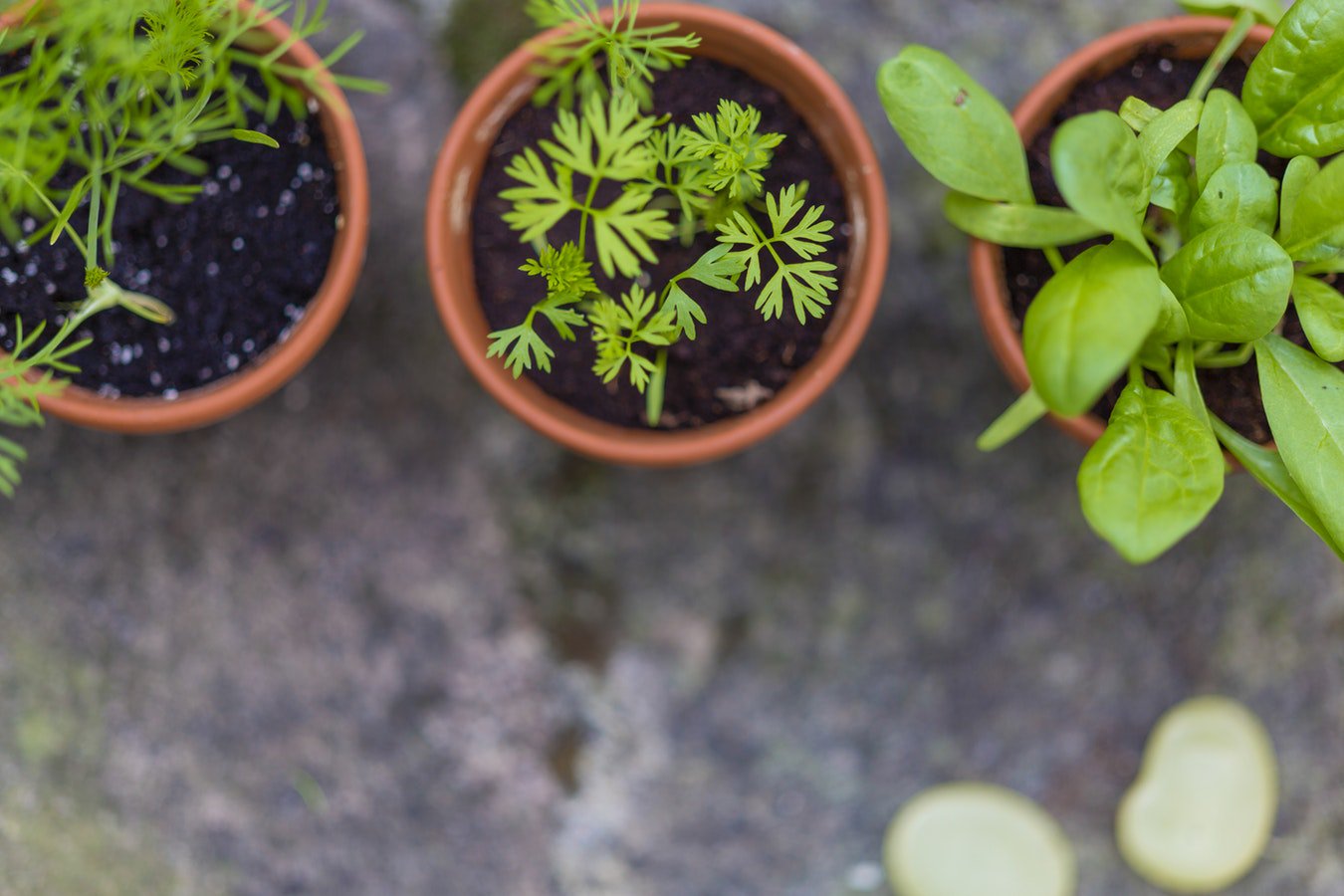
    The older I get the more I have learn that plants offer more than just a psychological boost of joy. They have become my source of health physically. I have gathered my garden into little pots sitting on my untidy kitchen counter by my window. Snow falls outside, my medicinal and kitchen herbs fresh and clean inside, staring at me as I do dishes. 

    I have learned these herbs are more than just pretty green and a tasty seasonings, they have become my go-to remedies. 

    1. BASIL – Basil is an herbal carminative, that is, it can relieve gas and soothe stomach upsets. One possible explanation for its calming effect is a compound called eugenol, which has been shown to help ease muscle spasms. Research is still preliminary, but laboratory studies also suggest that compounds found in basil may help disrupt the dangerous chain of events that can lead to the development of cancer.

    2. DILL – Dill has been used to soothe the digestive tract and treat heartburn, colic and gas for thousands of years. In fact, the word dill comes from the Old Norse word dilla, meaning to lull or soothe. The herb has an anti foaming action that suggests why it might help break up gas bubbles. Like parsley, dill is rich in chlorophyll, which also makes it useful in treating bad breath.

    3. GARLIC – Intact garlic cloves contain an odorless, sulphur-containing amino acid called alliin. When the garlic is crushed, alliin becomes allicin. Research shows that allicin helps lower cholesterol and blood pressure and also helps prevents blood clots. Garlic can also reduce the risk of developing atherosclerosis (hardening of the arteries). Compounds in this familiar bulb kill many organisms, including bacteria and viruses that cause earaches, flu and colds. Research indicates that garlic is also effective against digestive ailments and diarrhea. What’s more, further studies suggest that this common and familiar herb may help prevent the onset of cancers.

    4. MINT – Herbalists the world over use mint, as a premier stomach tonic, to counteract nausea and vomiting, promote digestion, calm stomach muscle spasms, relieve flatulence, and ease hiccups. Menthol, the aromatic oil in peppermint, also relaxes the airways and fights bacteria and viruses. Menthol interferes with the sensation from pain receptors, thus it may be useful in reducing headache pain. Scientific evidence suggests that peppermint can kill many kinds of micro-organisms, and may boost mental alertness.In one study, people who inhaled menthol said they felt as if it relieved their nasal congestion, although it didn’t increase their measurable air flow. 

    For me, mint is calming. Teas made from mint and citrus rinds relax and help me unwind.
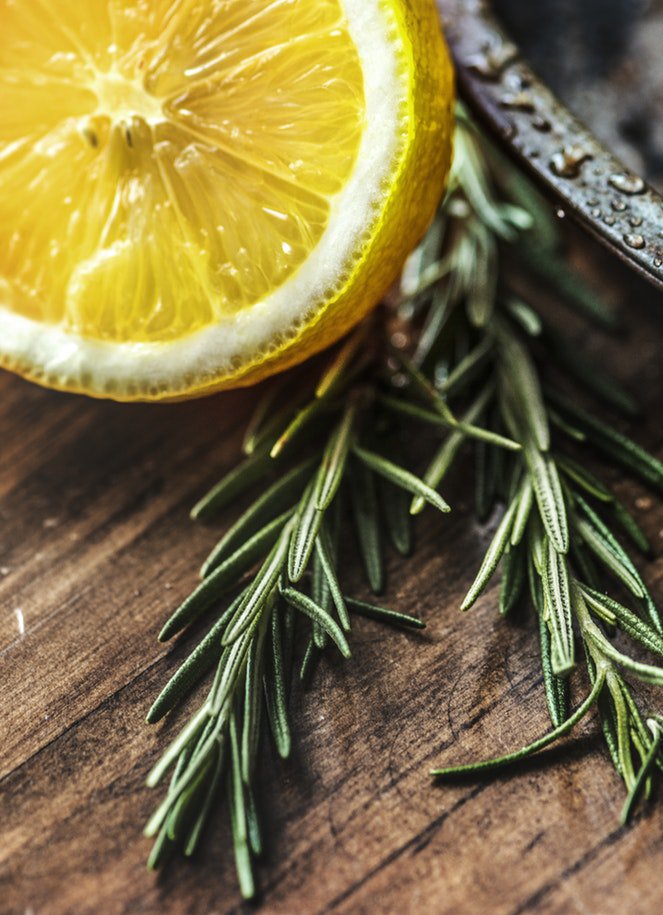
    5. OREGANO – Oregano contains at least four compounds that soothe coughs and 19 chemicals with antibacterial action that may help reduce body odor. The ingredients in oregano that soothe coughs may also help un-knot muscles in the digestive tract, making oregano a digestive aid. This familiar spice also contains compounds that can lower blood pressure too.

    6. ROSEMARY – Rosemary is one of the richer herbal sources of antioxidants, which have been shown to prevent cataracts, and contains 19 chemicals with antibacterial action that help fight infection. Traditionally used to ease asthma, this common culinary ingredient has volatile oils that can reduce the airway constriction induced by histamine, that chemical culprit of asthma and other allergy symptoms. Herbalists think that rosemary may also help ease breast pain by acting as a natural drying agent to fluid filled cysts.

    7. SAGE – The oils found in sage are both antiseptic and antibiotic, so it can help fight infections. Sage is effective for symptoms of menopause, night sweats and hot flashes, because of its estrogenic action and because its tannins can dry up perspiration. There’s also compelling evidence that sage may be of value to people with diabetes for whom the hormone insulin does not work as efficiently as it should. Lab studies indicate that sage may boost insulin’s action.

    8. THYME – Thyme contains thymol, which increases blood-flow to the skin. The warmth is comforting, and some herbalists believe that the increased blood-flow speeds healing. An anti-spasmodic. Thyme relaxes respiratory muscles and is endorsed for treating bronchitis by Commission E, the expert panel that judges the safety and effectiveness of herbal medicines for the German government. Aromatherapists say that thyme’s scent is a mood lifter

    What do you look forward to most in the midst of the snow and cold weather? 

    What keeps your hopeful and healthy?


    Herb information came from http://www.healthy-holistic-living.com/healing-herbs.html

  • Could Lyme Disease Be the Cause of Your Health Condition?

    Could Lyme Disease Be the Cause of Your Health Condition?

    HFI: Many of our members and subscribers have recently been given a diagnosis of lyme. If you have done research for yourself or a family member please feel free to CONTRIBUTE your voice and post resources to share with others. We are building a community to support each other’s health and education is a key component.
    Portion of an article by Dr. Karlfeldt regarding Lyme Disease


    Lyme disease is the fastest spreading infectious disease in the United States, with an estimated 200,000 new cases per year. Lyme is a complex disease that can be highly difficult to diagnose. Currently there is no reliable test to determine if someone has contracted Lyme disease or is cured of it. People with chronic Lyme can have many debilitating symptoms, including severe fatigue, anxiety, headaches, and joint pain. Lyme disease is not just an “East Coast” problem.

    In fact, in the last ten years, ticks known to carry Lyme disease have been identified in all 50 states and worldwide. Ticks can vary in size from a poppy-seed size nymphal tick to a sesame-seed size adult tick. The ticks can carry other infectious agents besides the spirochete that causes Lyme disease. The same tick that carries the bacteria that causes Lyme Disease, can also transmit other illnesses. The most common are Babesiosis, Ehrlichiosis, and Bartonella henselae.

    Lyme Disease is very complicated to diagnose because:

    Lyme bacteria are not always detectable in the whole blood, even in active disease. The bacteria like to hide and travel in the body through the connective tissue rather than the in blood. Every patient responds differently to an infection. Antibodies may only be present for a short time after the infection.


    Lyme disease has three components, which should be recognized and addressed with treatment:

    The presence of spirochete infection and co-infections: The co-infections are bacterial, viral, fungal and parasitic.
    Since the spirochetes paralyze multiple aspects of the immune system, the organism is without defenses against many microbes. The illness producing effect of microbial exo- and endotoxins and toxins produced by the host in response to microbial trigger: Most of these are neurotoxins, some appear to be carcinogenic as well, others block the T3 receptor on the cell wall, etc. Decreased hormonal output of the gonads and adrenals is a commonly observed toxin mediated problem in Lyme patients. Central inhibition of the pineal gland, hypothalamus and pituitary gland is almost always an issue that has to be resolved somewhat independently from treating the infection. Furthermore, biotoxins from the infectious agents have a synergistic effect with heavy metals, xenobiotics and thioethers from cavitations and NICO lesions in the jaw and from root filled teeth. The immune reactions provoked by the presence of both toxins and microbes: The immune reactions are largely depending on host factors, such as genetics, prior illnesses, mental-emotional baggage, early childhood traumatization, current exposure to electromagnetic fields (sleeping location, use of cell phones, poor wiring in car or home, etc), food allergies and diet, socio-economic background, marital stress etc.

    The treatment of Lyme disease requires 4 distinctive steps:

    1 Decreasing toxic body burden/unloading the system – supporting the body’s pathways of elimination (liver/gallbladder, colon, kidneys, lungs, and skin); reducing heavy metal, chemical, electro-magnetic, and microwave exposure. 

    2 Improving disturbed physiology – correcting nutritional deficiencies, balancing hormones, neurotransmitters, and repairing weak tissue. 
    Decreasing microbial count – using proper broad based agents at high enough of a dosage and for long enough to support the reduction of Borrelia and it’s co-infections. Immunemodulation – reduce an over reactive response by the immune system to the presence of the bugs. It is believed that it is this response that creates more tissue damage than the actual presence of the bugs. 
    4 A very effective technique to do this is Applied PsychoNeurobiology (APN) developed by Dr. Dietrich Klinghardt.

    Michael Karlfeldt, N.D., Ph.D., uses ART testing (autonomic response testing), which is the most advanced and scientifically validated method of muscle testing developed by Dr. Klinghardt, to determine what is stressing the body and what nutritional protocol would best restore balance. Dr. Karlfeldt has been trained by Dr. Klinghardt, one of the world’s foremost authority in the treatment of Lyme Disease.

    Dr. Michael Karlfeldt

    Dr. Michael Karlfeldt

    2921 S. Meridian Rd, Meridian, ID, 83642

    telephone – 208-338-8902

    info@thekarlfeldtcenter.com

  • Gut bacteria and the brain: Are we controlled by microbes?

    Gut bacteria and the brain: Are we controlled by microbes?

    The gut has defenses against pathogens, but, at the same time, it encourages the survival and growth of “healthy” gut bacteria.

    The vast majority of these single-celled visitors are based in the colon, where no less than 1 trillion reside in each gram of intestinal content.

    Estimating the number of bacterial guests in our gut is challenging; to date, the best guess is that 40 trillion bacteria call our intestines home – partially dependent on the size of your last bowel movement (poop’s major ingredient is bacteria).

    To put that unwieldy number into perspective, our bodies consist of roughly 30 trillion cells. So, in a very real sense, we are more bacteria than man.

    Most of our gut bacteria belong to 30 or 40 species, but there can be up to 1,000 different species in all. Collectively, they are termed the microbiome.

    Of course, bacteria do benefit from the warmth and nutrition in our bowels, but it is not a one-way relationship – they also give back.

    Some species benefit us by breaking dietary fiber down into short-chain fatty acids that we can then absorb and use. They metabolize a number of compounds on our behalf and play a role in the synthesis of vitamins B and K.

    On the other side of the fence, recent research infers that dysregulation of gut bacteria might be an important factor in inflammatory and autoimmune conditions.

    The microbiome’s role in health and disease is only slowly giving up its secrets. The latest and perhaps most remarkable finding is the ability that gut bacteria have to moderate our brain and behavior.

    Why should the gut and brain be linked?

    The goings on in our guts are a matter of life or death. If the gut is empty, our brain must be told; if there is a problem with our gut that will hinder food processing and therefore nutrition absorption, the brain will need to be informed. If our gut is facing a pathogen attack, our brain should be kept in the loop.

    The links between our gut and brain are hormonal, immunological, and neural, via the central nervous system and the enteric nervous system, which governs the function of the gut. Collectively, they are termed the gut-brain axis.

    Although, at first glance, the connections between the gut and brain might seem surprising, we have all experienced it in action. The relationship between stress, anxiety, and a swift bowel movement are no stranger to anyone.

    These gut-brain conversations have been studied for some time. However, a new level to this partnership has recently been glimpsed; researchers are now considering the influence of our microbiome on the gut-brain axis. In other words, researchers are asking: do the bacteria in our gut affect our psychology and behavior?

    Termed, rather clumsily, the brain-gut-enteric microbiota axis or microbiome-gut-brain axis, researchers are only beginning to scratch its surface.

    Stress and the gut

    In humans, the hypothalamic-pituitary-adrenal (HPA) axis is the primary responder to stresses of any kind. It is one of the major players in the limbic system and is heavily involved in emotions and memory.

    Stress activates the HPA axis and eventually results in the release of cortisol – the “stress hormone” – which has a variety of effects on many organs, including the brain and gut.

    In this way, the brain’s response to stress has a direct influence on the cells of the gut, including epithelial and immune cells, enteric neurons, interstitial cells of Cajal (the pacemakers of the bowels), and enterochromaffin cells (serotoninsynthesizing cells).

    Conversely, these cell types are also under the influence of our resident army of bacteria. Although the mechanisms by which the microbiota regulate the brain are less clear, evidence is mounting that there is, indeed, a two-way dialogue.

    What a difference a microbe makes

    The first clues that microbes might have some control over our mental activity came more than 20 years ago. Patients with hepatic encephalopathy – a decline in brain function due to severe liver disease – were found to improve substantially after taking oral antibiotics.

    Later studies provided further hints that the microbiome had more than a passing influence on states of mind; it was found to impact anxiety and depressive-like behaviors.

    Another key observation linked dysbiosis (microbial imbalance) with autism. Children with autism often have abnormal and less diverse communities of bacteria in their gut. One researcher concluded:

    “We suspect that gut microbes may alter levels of neurotransmitter-related metabolites, affecting gut-to-brain communication and/or altering brain function. […] Correlations between gut bacteria and neurotransmitter-related metabolites are stepping stones for a better understanding of the crosstalk between gut bacteria and autism.”

    Researchers in 2004 noted that mice bred to have no gut bacteria had an exaggerated HPA axis response to stress. Further investigations using similar germ-free mice have demonstrated that their lack of gut bacteria alters memory function.

    Germ-free mice have been a useful tool to study the microbiome-gut-brain axis. They have helped prove that something is going on, but the results are impossible to extrapolate into humans. They replicate no natural situation known to man – there is no such thing as a germ-free human.

    Other studies have used different approaches; some investigated the effects of the neuroactive compounds that gut flora produce; others still have looked at the differences in the gut flora of individuals with psychiatric or neurological differences.

    Research, in general, has not been conclusive. Even if changes in gut flora are seen, the eternal chicken or egg question persists: was the psychiatric condition caused by the change in gut flora, or did the psychiatric condition and its altered behavior patterns cause the gut flora to change? Or, is there a two-way interaction?

    How can gut flora moderate the brain?

    [E.coli illustration]
    Bacterial influence over human psychology is slowly coming into focus.

    Stress is known to increase the permeability of the intestinal lining; this gives bacteria easier access to both the immune system and the neuronal cells of the enteric nervous system.

    This may be one of the ways in which bacteria find a way to influence us. However, another, more direct route has also been demonstrated.

    One study, using food-borne pathogens, provided evidence that bacteria in the intestines can activate stress circuits by directly activating the vagus nerve – a cranial nerve supplying a number of organs, including the upper digestive tract.

    A more direct route still might involve direct contact of the microbiome with the sensory neurons of the enteric nervous system. Studies have shown that these sensory neurons are less active in germ-free mice, and, once the mice have been given probiotics to restock their microbiome, the activity levels of the neurons return to normal.

    Probiotics influencing psychology

    If germ-free mice show differences in behavior, the next question is whether adding gut bacteria to an animal can make similar changes. A meta-analysis, published in the Journal of Neurogastroenterology and Motility, collated the results of studies looking at the effects of probiotics on central nervous system function in both humans and animals.

    They examined 25 animal and 15 human studies, most of which used Bifidobacterium and Lactobacillus over a 2-4-week period. Although, as the authors mention, translating animal studies like this into human terms is a dodgy game. They concluded:

    “These probiotics showed efficacy in improving psychiatric disorder-related behaviors including anxiety, depression, autism spectrum disorder, obsessive-compulsive disorder, and memory abilities, including spatial and non-spatial memory.”

    Another study, published in PLOS One, found that age-related decline in memory could be reversed in rats by altering the levels of Actinobacteria and Bacterioidetes in their gut with probiotics.

    The authors conclude: “The data support the notion that intestinal microbiota can be manipulated to positively impact on neuronal function.”

    The future of the microbiome-gut-brain axis

    There is a long and winding path ahead of those scientists brave enough to investigate the strange reality of the microbiome-gut-brain axis. No doubt a multitude of molecules are involved in various ways to differing degrees.

    In the far-flung future, perhaps medicines specifically targeting the microbiome will be created for psychiatric conditions; the microbiome may become an early warning system for certain diseases or even a diagnostic tool.

    For now, all we can do is ponder the influence that bacteria have on our everyday state of mind. We should also be amazed and amused that humans, as intelligent as we consider ourselves, are partially under the control of single-celled lifeforms.

    Perhaps we would do well to remember that bacteria predate us by billions of years and are highly likely to outlive our species by billions more.

    This article originally appeared at: http://www.medicalnewstoday.com/articles/312734.php.
  • FDA quietly bans powerful life-saving intravenous Vitamin C

    FDA quietly bans powerful life-saving intravenous Vitamin C

    It would be naive to think that the FDA endeavors to protect the public’s health as its primary focus. Indeed, that would be a conflict of interest, as it serves its master, the pharmaceutical industry. Has the Food and Drug Administration engineered a shortage of intravenous vitamin C as part of an overall attack on natural and non-toxic approaches to healing that compete with prescription drugs? An analysis by Natural Blaze would suggest that the answer is yes.

    Natural Blaze claims that a critical shortage of IV bags in general followed an FDA ban on the mass production of intravenous vitamin C. The FDA limited the availability of IV-C and the pharmaceutical industry halted production of injectable vitamins and minerals, after a 60 minute story about the miraculous recovery of a swine flu patient on life support. Because of the shortage of IV-C, doctors called upon compounding pharmacies to produce it. But the FDA began to limit compounding pharmacies after injectable steroids produced by the New England Compounding Center were contaminated with a fungus that caused a deadly outbreak of meningitis. Here is an example of an entire industry being punished for the dubious practices of one compounding pharmacy.

    Try and follow this convoluted story: Doctors began to source NECC for its more expensive product because cheaper generic versions were in short supply. But it was the FDA’s increased inspection of drug factories that disrupted the supply chain in the first place. So the meningitis deaths were in part caused by the onerous actions of the FDA.

    Natural Blaze reports, “… without anyone noticing, and by many indirect means of banning production of the bags or shutting down those doing the production of the bags and the injectable vitamins and minerals, access to IV solutions for innumerable treatments for diseases, have gone into critical shortage.”

    Vitamin C and the Big C

    Could the shortage of IV-C be part of an effort to limit alternative cancer therapies?

    DrWhitaker.com states, “… vitamin C is a potent antioxidant that has the power to boost immune function, increase resistance to infection, and protect against a wide range of diseases. But there’s an entirely different and largely unknown role of vitamin C, and that is its ability—when administered in very high doses by intravenous (IV) infusions—to kill cancer cells. … Best of all—and unlike virtually all conventional chemotherapy drugs that destroy cancer cells—it is selectively toxic. No matter how high the concentration, vitamin C does not harm healthy cells.”

    Dr. Whitaker continues:

    “The only way to get blood levels of vitamin C to the concentrations required to kill cancer cells is to administer it intravenously. … For example, 10 g of IV vitamin C raises blood levels 25 times higher than the same dose taken orally, and this increases up to 70-fold as doses get larger.”

    Choose health, choose life

    When the human body is challenged by pathogens or needs to heal from injuries or surgery, its requirement for vitamin C increases considerably. If hospitals routinely administered intravenous ascorbic acid, a proven and inexpensive treatment, patient outcomes would improve. When one weighs the risk of infection from deadly superbugs in hospitals today, IV vitamin C as a preventative safeguard makes all the more sense.

    To learn how to secure IV-C in advance of a hospital stay for yourself or a family member, check out this very useful advice at DoctorYourself.com. You will learn how to deal with objections from physicians and hospital administrators regarding this “alt-health” remedy. It will require some moxie, but doing so may save a life.

    Supporters of Obamacare believe that access to affordable healthcare is the most  important consideration. But of even greater concern should be the ability to choose your own treatment modality, such as IV-C. In other words, medical freedom of choice trumps universal access. Many of us involved in the health freedom movement are outraged by the disregard for our natural rights by unelected federal bureaucracies such as the FDA. We hope for a day when a critical mass of aware citizens will hold their elected officials accountable to overturn toxic policies that favor Big Pharma’s obscene profits over our health and well-being. And that day is long overdue.

    Sources:

    NaturalBlaze.com

    DrWhitaker.com

    DoctorYourself.com

    This article originally appeared at: http://www.naturalnews.com/2017-02-01-fda-quietly-bans-powerful-life-saving-iv-bags-with-vitamin-c.html.
  • Centenarians tell us the secret to long life

    Centenarians tell us the secret to long life

    The secrets to a long and happy life offered by those will will mark their 100th birthday or more this year were as individual as the people providing them. 

    Heredity, family and remaining active are all qualities that the centenarians said helped them to have a long life. A sense of humor and not worrying were also identified as attributes that contribute to longevity.

    Christine Petersen of Butte is 103 and her advice for a happy life, she said, involved friends, children and a happy marriage.

    A good marriage is important to her, she said, explaining that yes, she did indeed marry the right man.

    She and Herbert married in 1932, she said. She remembers their 50th anniversary but beyond that, she said, too many years have passed to recall.

    Petersen was born in Denmark while her mother was there visiting. Her mother died during childbirth, she said, and it wasn’t until she was 8 that she journeyed to the United States where her father was ranching near Bannack, outside of Dillon.

    Brief biographies assembled by the state for this event, held at the Red Lion Colonial Inn in Helena, said Petersen arrived with her siblings to join their father.

    Petersen’s advice for a long life is to eat healthy food, work hard and have a positive outlook on life.

    “Probably 100 other reasons right now I can’t think of,” she said and added, “Make the best of every day.”

    Edith Spencer came from Bozeman for the celebration, as she will mark her 100th birthday in August.

    “I don’t believe in growing old,” she said. “I just grow. If I get old, that’s an accident.”

    “Belief in God and in the next day,” she said of what has allowed her to have a long life. “And God comes first because there might not be another day.”

    There was no pause when asked for advice on how to have a happy life.

    “Marry the right person,” she said. “I did. Robert Clark Spencer.”

    Her biography said they came to Montana in the late 1980s to be closer to their youngest son and his family.

    Fritz Weed, who will be 100 by year’s end, said hard work and “behaving yourself once in a while,” were his secrets to having a long life.

    “You have to have a little fun now and then,” added the Helena resident who was born in Terry.

    He, like Spencer, said marriage can be important in having a happy life.

    “I had a beautiful wife for 60 years,” he said.

    “It sure was good,” he said.

    Ruth Arnold, 103 and from Three Forks, was among the centenarians scattered throughout the audience.

    Her German ancestry, she said, contributed to her long life.

    Having a happy life, she said, means “having a good attitude and trying to do the right thing. Be kind to other people and respect other people.”

    “I’ve found a good word goes a long ways,” Arnold said.

    Gov. Steve Bullock, the keynote speaker, singled out several of the centenarians as he spoke and made note of Charles Bennetts, 101, of Fairfield, who rode his horse to school. In Bennetts’ senior year, he rode in minus 50 degree weather to take an exam at the community’s high school.

    While noting how the centenarians have been active, Bullock pointed out that being active is the key to success in all of their lives.

    To make it to 100 a person needs the right genes, a good dose of determination and the right luck, he said.

    This article originally appeared at: http://helenair.com/news/local/i-don-t-believe-in-growing-old-centenarians-explain-their/article_e01e6836-e78f-59ac-a627-9ad3d6f74cb7.html.
  • HEALED:  Eczema & Allergies

    HEALED: Eczema & Allergies

    Today I came across something so beautiful and inspiring (it even brought a few tears to my eyes) and I just had to share another inspiring story of health and healing. I LOVE reading about all the positive transformations from people healing themselves of all sorts of diseases and health complications. Families seeking the SOURCE of the aliment instead of treating the symptoms. So many are finding that changing lifestyles is empowering and set us free from the never ending cycle of pharmaceuticals and medicated treatments. 

    “Let food be thy medicine, and medicine by thy food” – Hippocrates. 

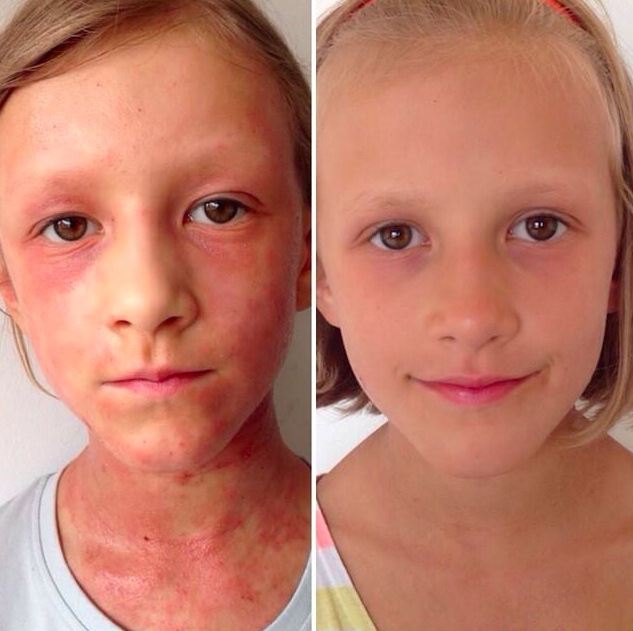
    Below is a picture of Maya, the beautiful daughter of @dehappy5_mama on Instagram. Ullenka (the happy mama!), her husband and their three kids have been following a raw high carb low fat vegan diet for the last 6 months and have experienced some truly remarkable results.

    Maya had previously suffered from severe eczema as well as leaky gut caused by candida overgrowth. After only a few months, Maya is completely healed and is looking absolutely gorgeous and healthy.

    Screen%2BShot%2B2014-09-23%2Bat%2B6.50.58%2BPM.jpg
    “After struggling with terrible eczema and allergies for most of her life, my 8 year old daughter recovered completely within only 5 months on high carb raw vegan diet. She has a condition called leaky gut caused by candida overgrowth that she had since born. Years of other treatments and diets gave no results and even worsen her eczema till the point shown on left photo. At the beginning there was about three months of hard detox and from then she started to heal beautifully to be a healthy and happy girl today. Her two younger brothers had milder stadium of eczema and all three of them are clear skin today.” @dehappy5_mama
    I am so happy to see Maya’s transformation after only a few months of eating raw – how amazing! It just goes to show the incredible power of raw foods – fruit in particular (which Maya mostly eats). “I know it looks dramatic and I am sorry if anyone of you feels a bit discomforted looking at her. But I want to show this to help many other people, especially children, that suffer through this terrible disease. She had such severe eczema on her body that I am first time publicly sharing her pictures from that period of time. I actually will not say anything anymore, you see the results. For those of you who are interested about more details please go to my blog. There is first part of her story with even more dramatic photos.” @dehappy5_mama
    Follow @dehappy5_mama on Instagram here and check out her blog here!
  • The Gut-Thyroid Connection: Hashimoto’s

    The Gut-Thyroid Connection: Hashimoto’s

    Hashimoto’s disease, an autoimmune hypothyroid disorder responsible for 80% of all hypothyroid cases in the US.

    What is the Gut –Thyroid Connection?

    Hashimoto’s disease is an organ specific autoimmune disease – meaning it affects the thyroid. But at its core, it is rooted in inflammation that may begin outside of the thyroid in a substantial number of cases . One of the most common sources of inflammation that eventually leads to autoimmune conditions is intestinal hyperpermeability, or “leaky gut.”

    The main job of the intestinal mucosa (the lining of the intestine) is to act as like customs officer at a border crossing. It allows nutrients from our food to pass into the submucosa where it can be assimilated for our benefit, while keeping potentially harmful proteins from our food and fragments of both healthy and harmful bacteria out of the submucosa where they can trigger inflammatory and immune reactions. Over time, persistent exposure of the submucosa to inflammatory and immune triggers causes the body to produce antibodies, special proteins that recognize and fight viruses and bacteria. These antibodies can also start to recognize and attack your body tissue, including your thyroid tissue, and sabotage your thyroid’s ability to produce or use thyroid hormones, resulting in Hashimoto’s disease.

    Further, the health of the intestinal microbiome regulates overall inflammation in your body by inhibiting the production of pro-inflammatory cytokines including tumor-necrosis factor (TNF), interleukin 6 (IL-6), and nuclear factor-kappa B (NF-KB), while promoting anti-inflammatory cytokines like interleukin-10 (IL-10).

    New research also suggests that there is direct cross-talk between proteins and hormones in the gut and the hypothalamic-pituitary-thyroid axis (HPT), adding yet another layer of the connection to what goes on in the gut and the health of the thyroid.

    Antibiotic use, frequent use of NSAIDS (ibuprofen, Aleve, Motrin, etc.), a diet high in sugar and low in a wide variety of vegetables, over-exercise and chronic stress, all affect the health of the intestinal mucosa and the microbiome, and can determine whether you develop hypothyroidism.

    Celiac disease, as in Karen’s case, creates an extreme set-up for leaky gut. In fact, as many as 10% of patients with celiac disease have hypothyroidism. But much milder forms of leaky gut and dysbiosis – which affect millions more people that has previously been recognized – can also create the environment for Hashimoto’s to develop.

    The tricky thing is that not not everyone with gut problems has classic digestive symptoms. Sometimes the only symptom of gut problems is an autoimmune disease! So if you have Hashimoto’s disease, it is worth including gut healing as part of your plan.

    Learn More about the The Core Solution: Healing the Gut-Thyroid Connection


    This article originally appeared at: https://avivaromm.com/gut-thyroid-connection/.
  • He’s  healed from PDD, ADHD & more without meds

    He’s healed from PDD, ADHD & more without meds

    Health Freedom Idaho: Evan’s story is amazing, and is possible for many more children! Health Freedom Idaho is committed to protecting our access to a variety of practitioners to meet our individual health needs. 

    Evan began retreating into his own silent world, where he became anxious, and full of rage.  He had global developmental delays, with difficulty speaking, obsessions and compulsions, social, physical and academic difficulties. He developed blue circles under his eyes, and had difficulty sleeping.  His mother took him to doctors, and enrolled him in intensive therapies.  She knew medication would be introduced, but was concerned about the side effects.

    11_evan_1

    Through extensive research Evan’s mother discovered that many children are out of balance biochemically and plagued by nutritional deficiencies.  The intestinal system becomes inflamed due to genetic mutations and food intolerance, which results in inflammation and prevents proper metabolic and brain functioning. So Evan’s mother began to focus on treating these imbalances through nutrition and integrative therapies.

    Evan begins to get better through gut healing

    With the help of a naturopath and other supportive doctors Evan’s gut began to heal, and he was able to absorb nutrients properly.  His family added in Eastern medicine treatments such as acupuncture, and saw improvement in all areas of development.

    Evan healed from his PDD, ADHD, sensory issues and is now a healthy boy!

    read more about his story at https://documentinghope.com/evan/
  • Britain Reclassifies CBD Oil as Medicine, While America Throws It in With Heroin

    Britain Reclassifies CBD Oil as Medicine, While America Throws It in With Heroin

    The decision made on Monday by Britain’s Medicines & Healthcare products Regulatory Agency (MHRA) was based on credible claims that CBD successfully treats serious diseases. While the DEA has been busy reclassifying cannabidiol (CBD) as a Schedule I drug—right up there with heroin—our friends across the pond are rightly classifying it as a medicine.

    In early December, researchers from the University of Alabama found that CBD oil reduces both the frequency and severity of seizures in children and adults with with severe, intractable epilepsy. In two-thirds of the 81 participants, the severity was reduced by at least 50 percent. In view of the fact that UK-based GW Pharmaceuticals has made huge strides recently with its CBD-based Epidiolex for rare, treatment-resistant epilepsy, the MHRA’s decision makes perfect sense.

    While the DEA has been busy reclassifying cannabidiol (CBD) as a Schedule I drug—right up there with heroin—our friends across the pond are rightly classifying it as a medicine.

    The decision made on Monday by Britain’s Medicines & Healthcare products Regulatory Agency (MHRA) was based on credible claims that CBD successfully treats serious diseases.

    The new classification means products containing CBD can now be legally distributed across the United Kingdom.

    “We have come to the opinion that products containing cannabidiol (CBD) used for medical purposes are a medicine,” said an MHRA spokesperson on the agency’s website. “MHRA will now work with individual companies and trade bodies in relation to making sure products containing CBD, used for a medical purpose, which can be classified as medicines, satisfy the legal requirements of the Human Medicines Regulations 2012.”

    Throughout 2016, an increasing number of British Parliament members called for reform of Britain’s “failing drug laws,” arguing that an evidence-based approach” should be central to effective drugs policies.

    Alas, the government listened and acted accordingly.

    Gerald Heddell, director of inspection and enforcement at MHRA, told Sky News: “The change really came about with us offering an opinion that CBD is in fact a medicine, and that opinion was based on the fact that we noted that people were making some quite stark claims…


  • She OVERCAME 10 Diagnoses, 55 Allergies & Chronic Pain

    She OVERCAME 10 Diagnoses, 55 Allergies & Chronic Pain

    Health Freedom Idaho: Romy’s story is amazing, and is possible for many more children! Health Freedom Idaho is committed to protecting our access to a variety of practitioners to meet our individual health needs. 

    Romy’s Journey

    Romy was diagnosed at 7 yrs old with Chronic Neuro-Lyme Disease, Bartonella, Babesia, Mycoplasma, Chlamydia, EB, HV6, Strep, and multiple food and environmental allergies (IgE). She received Lyme congenitally from her mother, in utero, as well as receiving multiple exposures throughout her young life.

    Romy lived with 26 excruciating pain areas all over her body – muscles, joints, literally any skin surface was painful to the touch. Romy had a very scary experience with a Lyme-induced seizure on New Years Eve in the beginning of her journey.

    Romy had to be carried or transported in a stroller, shopping cart, or wheelchair in order to prevent fire-like pain shooting up from her calves.  This pain was so sharp and agonizing, she would scream.  She could walk about one block without triggering this pain.
    Full-body tics would prevent her from sleeping.  At one point she could not run but “gallop” and drag her foot behind her.  She experienced  facial tics and vocal tics, very swollen/painful throat, fatigue, sensory integration dysfunction, food/environmental allergies, thermoregulation problems, blurry/sandy eyes, encephalitis, and inflammation in every joint.

    Paranoia, clinginess, night terrors, OCD, aggression, fears, anxiety, and poor executive functioning.  She had a pounding, frontal headache for over two years.

    Interventions include Homeopathy & Dietary Changes

    Homeopathy proved to be an invaluable tool for Romy’s healing.  Homeopathy was the only modality that was effective in reducing Romy’s agonizing pain.

    After the microbial numbers were reduced to a more manageable level, herbs began to work.  Romy utilized an important herbal protocol on top of antibiotics.  Romy lost about 10 symptoms in 1 1/2 months.  After that, her family focused more on rebuilding and repair with supplements and other therapies.

    Romy was on long term antibiotics along with comprehensive herbal and homeopathy protocols as well as a healthy diet and lifestyle approach.

    Today

    Romy is symptom-free and takes accelerated classes as a sophomore in high school.  She’s also on the Constitution Team that competes with other high schools across the country.

    Romy makes her diet and a healthy life-style top priority.  She enjoys dance classes, kick boxing, rigorous workouts at the gym, and long walks on the weekend with her dog. She loves to cook with her dad and is a master at making green smoothies.  Her family grows vegetables and cooks almost every night.

    Romy’s mother recalls what she learned from her daughter’s healing journey: “Modern living demands being open and recognizing we are all individuals toting our own special blend of disease, metabolic deficiencies, lifestyle factors, genetics, toxic exposure, emotional baggage, what have you.  Modern living demands that we partake and manage our own health.  Every day there are hundreds of articles published on diseases.  No way our practitioners can be experts on everything like in the old days.  As a result, we must take ownership of our health and research and read every day.  We must bring our knowledge to the table.”

    And finally, “She is our little burst of light and love.  She has always been that way, so disarming. Even at her sickest, she could eek out a sweet smile, or weakly laugh at something funny.  Simply everything is better with her here with us,” recalls Romy’s mother. Read more of Romy’s story here.


    Romy’s story is amazing, but this is possible for many more children! Health Freedom Idaho is committed to protecting our access to a variety of practitioners to meet our individual health needs.