Category: Holistic Health

Naturopathic, alternative medicine and chiropractic health care

  • The Many Ways Cultured Foods Detoxify Your Body

    Detoxification is an important component to maintaining health. It can be difficult for our body to keep up with the assault chemicals added to our water, food and sprayed in our air, applied to our skin – our bodies are inundated. In this article shared by Moms Across America learn the many ways you can use cultured foods to detoxify your body. 

    Reprinted with permission from culturedfoodlife.com

    I love my microbes and all they do for me. Not a week goes by that I don’t discover something new that my 100 trillion microbes are doing just for me. I used to think that my liver was mostly responsible for filtering and removing compounds from within my body including hundreds of toxic chemicals and extra hormones (like estrogen) that can damage cells and weaken my immune system, but this is only half of the story. Your bacteria in your gut are responsible for 50% of the detoxification that your body undergoes, but if you don’t have the right microbes and a lot of them, they can’t do their job. So, what do bacteria do to detoxify you?

    Chemical BPA

    The chemical Bisphenol A (BPA)  is found in plastics, paper money, and thermal printer receipts. BPA is a powerful endocrine disruptor and has been linked to forty different diseases. But interestingly, animal research has shown that the proper bacteria in your gut can help detoxify this chemical by reducing the intestinal absorption of bisphenol and speeding it out of your body.1 What’s really exciting is that many of the strains of bacteria you need are found in cultured foods. Eat them and they become a part of you!

    Pesticides

    When you make cultured vegetables, specific strains of bacteria go to work that have been shown to degrade many different pesticides in your vegetables such as chlorpyrifos, coumaphos, diazinon, methyl parathion, and parathion. They do this while fermenting on your counter, and the pesticides will be degraded by 83.3 percent in as little as three days. Give it a few more days and they remove them completely.2 The really cool part is that these microbes actually use these hard-to-break-down chemicals as sources of carbon and phosphorous food!

    Sodium nitrate and heavy metals

    The chemical sodium nitrate is used as a food preservative in cured meats because it contains powerful anti-microbial properties which prevent food spoilage, but it is also used in fertilizer, explosives, rocket fuel, and for enamels made of pottery or glass. Sadly, it’s even found in organic food. We can’t seem to hide from it and it’s been linked to a variety of chronic degenerative diseases, including cancer. However, Mr. lactobacillus and his many friends are capable of breaking down this toxic chemical 3  as well as breaking down heavy metals 4 and heterocylic amines 5 which are compounds formed when meat is cooked at high temperatures.

    Cultured Foods Reduce The Toxicity Of Foods

    Probiotics found in so many cultured foods, and even in my sourdough bread, possess the ability to reduce the toxicity of foods and help me assimilate many foods I otherwise would struggle to digest. Just as they called in special forces of microbes to degrade and remove the oil spills in the ocean, they’ll do the same inside of you and me. But you have to take care of them and feed them, then watch them grow in strength and number to do their jobs. We have just scratched the surface of all they can do, but I encourage you to make some cultured vegetables and keep them on hand. I hope you make kefir daily, and as you drink it you’ll feel the wonderful thing you’re doing to your microbiome. If you consume bread, make it sourdough that has the help of lactobacillus microbes to transform it. And last, but not least, have some kombucha when you’re feeling you need a pick-up. Let them do the work for you and you just take care of them. You’ll start speaking of yourself in third person . . .   “Would Donna’s microbes like this cultured food?  I think they would – time to eat!”

    This article originally appeared at: https://www.momsacrossamerica.com/cultured_foods.
  • Kootenai Hospital Once Again Coercing Parents, Using CPS As “Enforcer”

    Another recent example of Kootenai Health using coercion to force parental compliance to subject an infant to unnecessary procedures under threat of CPS and child removal. It is an a absolute nightmare, and it’s happening ALL THE TIME to families at KH in this city. What this mother had to endure at the hands of hospital staff is unconscionable. Unwilling to provide informed consent, the hospital staff performed procedures before getting consent forms signed. They poked the infant about a dozen times trying to get blood from his tiny veins and even jabbed him with a HUGE needle into his spinal column to collect fluid WITHOUT mother’s consent, not once, but three times! They gave him antibiotics behind the mother’s back for a case of the flu.

    The hospital bullied, threatened and called CPS. In the end, the case was closed as unfounded and unnecessary, but only after leaving mother and child traumatized. This story is one of many. This hospital needs to restructure its policies and start giving informed consent and respectful care. Hundreds of parents have commented furious, and scared to become patients at Kootenai Health because this is becoming a regular occurrence.


    Hannah’s story in her own words:

    It’s time… I’ve held my story in for six months, save for a few close friends and family knowing, and it’s time to break the silence of fear. The fear of repercussions that would come from sharing this with anyone who may not know me personally or understand the nuances of what happened. The fear of offending someone who holds a different belief system than I do. Fear of someone who may think Iam ungrateful or unkind. Fear that I may get negative feedback or retaliation. Despite all of those fears, I have to trust that speaking out and sharing my story could help a mama or daddy out there somewhere find the courage they need to stand up for themselves. I am writing this to you.

    So here it goes…*deep breath*

    This is my sweet baby boy. He is only 21 days old in this picture, and as you can see, he is hooked up to a half a dozen cords and things that beep. I took this picture to remind myself to tell this story someday when the trauma had worn off a bit. I guess today is that day.

    It all began when my husband came home from work this past January looking very ill. After suffering at home for a day, he decided to go into urgent care. I stayed home with the kids. When he called and told me he tested positive for Influenza A and was on his way to the hospital for fluids, I panicked a bit but kept my cool.

    I had never dealt with the flu. A bad cold, yes! But not the stinking, ugly, terrible, no good flu.

    What I quickly discovered through google (yes, I google a lot) is that there’s not much you can do for the flu. There is a prescription drug that you can take that supposedly shortens the duration of the illness (and comes with some nasty side effects), but the flu is a virus, and it has to run its course.

    After my hubby got home that night from the IV fluid treatment with his prescription bag in hand, the baby started to seem a bit warm to the touch. He barely had a fever, just 2/10ths above normal. But, as a mama who notices every breath and eye twitch, I watched him like a hawk and checked his temp about every 30-40 mins. After several checks, which didn’t result in anything consistent or worrisome, I called the after-hours nurse at his pediatrician’s office, to be sure I knew what to look for if anything were to change. She told me to continue to watch him as I had been and call if anything changed.

    My mama bear instincts told me that he was fine and that even though he may have been exposed to the flu, he was breastfed, very strong, and going to be ok. All my antibodies would help him push through it quickly. #breastmilkisamiracle

    The next morning I had a scheduled (totally unrelated) follow-up appointment with the pediatrician, and I had mentioned that my husband was at home with the flu. Without knowing what would follow, the nurse swabbed my baby.

    The nurse left, and a few minutes later the doctor came in and informed me that my baby tested positive for Influenza A. He told me that he already called the on-call pediatrician at the hospital emergency room and that I had two choices. I could leave immediately and take my baby to the hospital without any stops or detours along the way, or he would have an ambulance take him for me. He informed me that they knew we were coming one way or the other and that it would not go well if I did not show up.

    GUT PUNCH! 

    Holding back the deluge of tears, I pulled myself together and asked a few questions about why we needed to go to the hospital. The Dr. told me that they would need to monitor my baby since this was the flu in a baby under 30 days old just in case he was to take a turn for the worst. He stated that babies could go from seeming fine to death very quickly. That terrified me. I promptly chose Option A and left with my baby immediately. I was bawling all the way to the hospital. I called my husband, who was still at home sick as a dog and told him that I was ordered to go to the hospital with the baby, or else.

    I arrived at the emergency room as an emotional wreck. I literally thought at that moment that my baby was going to die if I didn’t do exactly what I was told. I didn’t know how to handle it. Something in my gut was telling me to run in the opposite direction, but I did what I was told because I was afraid.

    They quickly took us back, and I met with a nurse and the emergency room doctor. I was frantic thinking about life and death for my brand new baby, questioning my judgment, and thinking that if I hadn’t shown up, they would have come looking for me. Meanwhile, the doctor acted as he had never heard of me or why I was even there…like he had no idea what was going on. It did not instill any confidence.

    Was I really supposed to be there? I ask myself that question regularly.

    I told him that my baby had tested positive for Influenza A and that they needed to monitor him.

    MONITOR, MY ASS!

    What began was a cascade of events that all happened so fast it still feels like a complete blur.

    They poked him about a dozen times trying to get blood from his tiny veins and even jabbed him with a HUGE needle into his spinal column to collect fluid WITHOUT my consent, not once, but three times! 

    It was a frenzy of people coming and going with needles, catheters, x-ray machines; you name it. Then, when they had tried (and failed) to get everything they needed from his tiny body, they shoved forms in my face to consent to the procedures AFTER they did them, even though I was telling them to stop over and over again. I was crying and telling anyone who would listen that I was completely uncomfortable with all this. I demanded that someone tell me what they wanted to do, why they wanted to do it, and what the potential risks were BEFORE I would give my consent.

    I wanted to be informed, but they had no interest in my rights as the parent of my child. My baby was my responsibility, and they treated me like the enemy. They did everything they could to coerce me through fear tactics to comply or just disregarded my wishes completely.

    I came into the hospital under the impression that they would watch him and make sure his fever didn’t elevate or cause concern because they had already had their diagnosis. It was the flu. Dad had, he had it, I probably had it…we knew the cause. But they treated him as if he was undiagnosed and potentially carried every possible illness known to humanity. In their words, “your baby is guilty until proven innocent.”

    Finally, almost 2 hours later, the pediatrician who received the call ahead from our regular pediatrician came in and spoke with me. She assured me that no more testing would be needed, she was sorry for everything that had happened, and that they were going to move us to a room for the night before her shift ended so we could rest. They would monitor the baby from a distance in a safe place, but the worst was over.

    After getting us settled in the room, nurses came in about every 20 minutes for something. Rest was NOT the order of the day. My baby was starving, but his “just in case” IV wouldn’t allow him to lay comfortably to nurse because it set off the alarms every time he moved. He was crying; I was crying. We were both a mess.

    I just looked down at my sweet little baby boy and kept saying, “I’m so sorry, my sweet baby. I’m soo soo sorry; please forgive me….”

    I called my husband four times an hour for moral support. He couldn’t be with me in the hospital because he was so sick himself. I was all alone, exhausted, and traumatized — the perfect prey.

    After nearly a whole day in the hospital, with nurses coming in all day and night, I discovered that they were giving him antibiotics in his IV without my consent. 

    They were just supposed to be monitoring his vitals. I clearly told them no antibiotics multiple times. I was willing to have the IV in place if they would allow him to show signs of not improving before they pumped him full of unnecessary antibiotics.

    My rights were continually ignored. To them, I was just an annoyance who asked too many questions and wanted to meddle in things I didn’t understand.

    After a horrible night, the newest pediatrician on call –with nine other staff members from all the divisions of the hospital– came to my room at 9 am to confront me about their need for yet another attempt to get spinal fluid. I had reached my limit of unnecessary intervention. The risk and trauma to my sweet baby boy was not an option.

    With lips shaking and knees knocking, I said, No!

    WHAT HAPPENED NEXT WAS UNREAL!

    The doctor said that if I did not consent to the spinal tap to obtain a sample of spinal fluid to culture, my baby would be forced to stay for seven to ten days of IV antibiotics, even though nothing had cultured yet in his urine and blood tests. And that if I did not consent to the medicines and decided to take him home, that they would call CPS.

    Wait! What happened to “just monitor him in a safe place”?

    And CPS?!?!

    It’s my right as the mother of my child to do what I think is best for his care, and by doing so, I would be reported to CPS????

    In a culture where women can decide to end a life on the inside, now that mine was on the outside, I had no say in his medical care?

    It didn’t make any sense.

    If the medical staff knew his elevated temperature –which was gone almost a full 24 hours earlier–was from viral influenza, why did my baby need more antibiotics? They could not treat the flu because there is no such treatment. And I wasn’t willing to risk a potential life-long battle with his gut health, immune system, and other possible health repercussions purely on the excuse, “it’s procedure” or “guilty until proven innocent.”

    Since they were already giving him antibiotics behind my back without my consent, how would the new spinal draw culture anyway? Something was not adding up.

    Their concern for spinal meningitis or other secondary bacterial infections would have shown symptoms of ongoing fever, lack of desire to eat, excessive sleepiness, and more.
     None of which my perfect baby boy had. 

    His temporary fever, which only lasted a couple of hours, was history BEFORE he was put on antibiotics without my permission. The ONLY point of concerned was his blood pressure, which was not getting a consistent reading. But guess what?! They discovered after nearly 24 hours that they were using the wrong size cuff. Seriously?! After fixing that issue, his blood pressure was excellent too!

    Despite the barrage of nurse and doctor visits in the room continually jostling him, my baby was eating, sleeping, peeing, pooping, and behaving like the sweet little guy that he is. The flu couldn’t keep him down. Even the nurses were amazed at how “not sick,” he was. Hmmm.

    Why all this intervention for my baby who wasn’t exhibiting symptoms, other than the ones they created by not allowing him to nurse and sleep?

    When I decided to muster up the courage to exercise my parental rights, I told the doctor I was leaving. That’s when things took a turn for the worst. 

    As if it couldn’t get any harder to stay strong through the countless threats of my baby dying, they had a legal official employed at the hospital approach me with threats of CPS saying that it was hospital policy, and telling me that if I left without continuing treatment they would also notify my insurance company who would not pay the thousands of dollars worth of medical bills we had already racked up.

    I had multiple nurses and doctors come in to persuade me, and they even tried to talk to my father-in-law, who was visiting to get him to convince me to stay for more testing. These scare tactics went on for hours. It was intense, uncomfortable, and meant to wear me down so I would stay and comply.

    I couldn’t do it. I was staring down at my healthy, happy baby boy who just wanted to eat and rest. I knew he was protected, and I had to get him out of there. I believed his heavenly Father was protecting his little body from the flu and had given me the strength to be his arms at that moment. I had to shield him from these people.

    I signed the form that released the hospital and its staff from any legal ramifications from my decision and we left that afternoon with dozens of shocked and angry eyes following us out. 

    The police came knocking on my door at 10 pm that night with an after-hours caseworker from CPS. The hospital had kept their word. With mace open and hand poised, the officer and CPS entered. 

    What I did not know at the time was if CPS visits after hours, they do not need a judge-signed court order to remove your child and take custody.

    The after-hours caseworker tried to persuade me to go back to the hospital, saying they would leave us alone if we would go back in for the spinal tap. They already had my baby’s blood and urine for culture, and he had been on IV antibiotics and was showing no signs of illness.

    What was it with their absolute obsession with my sons spinal fluid?

    I was creeped out by the whole thing. I told them I was not willing to go back. I believe it was TONS of prayer that protected my baby boy from being taken that night. I have never been so afraid in my life.

    Knowing CPS would be back again, I contacted my trusted midwife and explained what happened. She quickly got in touch with our assigned CPS caseworker to tell our side of things. She knows the lingo and has had experience with this particular hospital in similar cases. Meanwhile, the hospital continued to call me every 20 minutes on repeat all day long the next day trying to get me to come back.

    I decided to call a lawyer because I felt like I was being attacked, and I needed to understand my rights. I called about a dozen offices to find someone who handled this type of case. I finally found someone. He answered on the first ring, and with grace and understanding, he talked me through it all. He was a Godsend!

    He informed me that if I went back to the hospital with an open CPS case, and they determine my baby is still in need of medical care (even if he may not be), they have the right to assume all parental rights over my child, to administer any care the hospital deems fit, and not release him until they decide.

    NO WAY!!!

    Was all this coercion to return the hospital their way of medically kidnapping my child?

    NOT MY KID!!!

    We endured multiple visits to our home, countless calls, emails and texts, check-ups, cops parked outside our house, the stress of the unknown, the fear of someone having the power to take our kids, and more, but I am so thankful that I stood my ground. I would do it again.

    I am so grateful for my midwife, who took charge and advocated so much of our case with CPS. (Thank you Sarah Dunn – you are amazing and I am so grateful for you!)

    I am so thankful for being assigned a CPS caseworker who was interested in the truth and believed in my rights a parent. Thank you for closing our case quickly as completely unfounded and unnecessary.

    I am thankful for my husband, Bart Shields, and my family, who supported me in my decision and stood up for me when I needed to trust my mama instincts.

    And I am so thankful for my healthy baby boy who continues to thrive and grow every day with a smile on his face. He is perfect in every way.

    I am sharing this story because I want moms and dads to know their rights when receiving medical care for their family. I want them to see that they don’t have to be bullied through fear tactics to comply. I want them to confidently stand up for themselves and their children when their instincts are telling them to, even when they are lied to and scared.

    Some might ask if I am anti-hospital or anti-medicine. The answer is no. I am very thankful for doctors and nurses and the establishments where they work. What I am not ok with is bullying and scare tactics used to perform treatments and testing that are not medically necessary, without respecting my rights as a parent, and then calling CPS when they don’t get their way.

    I did what I believed was best for my baby, and I want to encourage you to do what you think is best for yours. Go in with eyes wide open, educated, knowing your rights, and listening to your gut. Don’t let anyone bully you, especially about your health and your body!


  • Natural Remedies for When You’re Worn Down

    Tired of being tired? Those words can be used to describe millions of people who cannot narrow down a particular cause, but just generally go through life feeling rundown and out of energy. 

    Getting through the day takes a lot of energy and by the time you get home from work, all you want to do is fall onto the couch and sleep – only to get back up and do it all over again the next day. 

    If this is you, know that feeling worn out every day is not normal. You do not have to live with a constant feeling of being tired.

    There are some natural remedies to try to help combat feelings of burnout so you can get back to living your life, not just grudging your way through it. 

    Here are a few of favorites: 

    Vitamin D

    Many health experts consider the benefits of vitamin D to be one of the most important health discoveries in the last century! How amazing is that?

    The first thing that comes to mind when you think about Vitamin D is SUNSHINE.

    Have your health care provider check your Vitamin D levels the next time you have your bloodwork done. 

    Up to 50% of the general population is deficient in this vitamin and it can cause tiredness and achiness when low. The recommended dosage is 1,000 to 4,000 international units per day, but your provider will give you a dosage based upon the deficiency that you are experiencing.

    Learn More about the Health Benefits of Vitamin D

    Rhodiola Rosea

    This herb is an adaptogen herb, which means it enhances the body’s ability to deal with stress. Stress can be a big contributor to constant tiredness and Rhodiola was found in studies to decrease mental fatigue and increase physical performance, as well as reduce depression symptoms. 

    Iron

    How long has it been since you’ve had your iron levels checked? Iron deficiencies can be a key factor in feeling run down and weak. 

    In some instances, iron deficiencies can be remedied by eating more iron-rich foods, such as meat and seafood. But often a supplement must be used to bring up iron levels to a healthy level. 

    Beetroot Powder

    This vegetable has a high amount of nitrate, which produces nitric oxide in the body. Nitric oxide increases blood and oxygen delivery due to blood vessel relaxation which allows your body to work more efficiently while exercising and moving around. 

    Vitamin B12

    Having low levels of vitamin B12 goes unnoticed until you are rundown and feel as if you have hit a wall. If you do not get enough B12 from your diet naturally, check in with a physician to get your vitamin B levels checked. If you do have a significant deficiency, a simple B12 injection or supplement can get you feeling back on track.

    With all the different natural remedies, there is no excuse for living with tiredness all the time. Take the time to listen to your body and get it the proper attention it needs from your physician or alternative health practitioner. 

    If you’d like an alternative to Western medicine, a holistic healthcare provider can help you find a more natural solution to your exhaustion. Some insurance plans may even cover certain holistic alternatives to medicine, so be sure to check in with your provider to see what the best payment option is for you.


    Author Biography


    Christian Worstell is a freelance writer who covers health and lifestyle topics for a range of blogs and media outlets. When he’s not behind the desk, he can usually be found on a golf course or spending time with his family.

  • House orders Pentagon to say if it Weaponized Ticks with Lyme and Released Them

    So, remember that CRAZY CONSPIRACY THEORY that’s been going around for years that our government infected ticks with Lyme disease, which weaponized them, and then accidentally let them loose on Plum Island, 285 miles from Lyme, CT and that’s why we are in an epidemic of Lyme disease right now? It has become the most common vector-borne disease in the United States with almost 400,000 new cases reported annually.

    July 2019 “The House quietly voted last week to require the Pentagon inspector general to tell Congress whether the department experimented with weaponizing disease-carrying insects and whether they were released into the public realm — either accidentally or on purpose.”

    Rapid Growth of Lyme Unchecked

    More people are diagnosed with Lyme disease annually than with HIV/AIDS or breast cancer in the U.S. 

    Since Lyme disease was identified in 1975 by Dr. Allen Steere when he was investigating a cluster of cases of rheumatoid arthritis in children in Lyme, Connecticut, it has become the most common vector-borne disease in the United States with 380,690 new cases in 2015 alone at a cost of more than $4.2 billion. Lyme disease has been reported in all 50 U.S. states, and the number of high-risk counties has increased 320% over the past two decades.

    Lyme disease is called “The Great Imitator” because it can mimic many other diseases. It is common for patients with Lyme to be misdiagnosed with Myalgic Encephalomyelitis/Chronic Fatigue Syndrome (ME/CFS), Fibromyalgia, psychiatric illnesses, and neurodegenerative diseases such as Multiple Sclerosis, Parkinson’s, and Alzheimer’s.

    Undiagnosed, untreated, and inadequately treated Lyme disease patients represent an enormous social and economic burden with lifelong costs for unemployment, Medicaid, Medicare, disability, and welfare for people who can no longer work or manage everyday activities.

    Lyme disease specialists believe the true number of people with the disease could be in the millions, most languishing under misdiagnoses, or falsely accused of imagining or fabricating the illness that has disabled them.

    Pentagon to Confirm or Deny Weaponizing Ticks 

    Excerpt from Roll Call Article by John M. Donnelly

    The House quietly voted last week to require the Pentagon inspector general to tell Congress whether the department experimented with weaponizing disease-carrying insects and whether they were released into the public realm — either accidentally or on purpose.

    The unusual proposal took the form of an amendment that was adopted by voice vote July 11 during House debate on the fiscal 2020 defense authorization bill, which lawmakers passed the following day.

    The amendment, by New Jersey Republican Christopher H. Smith, says the inspector general “shall conduct a review of whether the Department of Defense experimented with ticks and other insects regarding use as a biological weapon between the years of 1950 and 1975.”

    If the answer is yes, then the IG must provide the House and Senate Armed Services committees with a report on the experiments’ scope and “whether any ticks or insects used in such experiments were released outside of any laboratory by accident or experiment design.”

    The amendment is an attempt to confirm or deny reports that Pentagon researchers — at places such as Fort Detrick in Maryland and Plum Island in New York — implanted diseases into insects to learn about the effects of biological weapons and also looked into using such insects to disseminate biological agents.

    President Richard Nixon banned U.S. government research into biological weapons in 1969, but research into protecting U.S. military personnel from such agents may have continued, Smith said in an interview Monday.

    A book called “Bitten,” published this year, makes the case that the Defense Department research occurred and hints at a possible connection between the experiments and the spread of maladies such as Lyme disease, which is borne by ticks.

    To Smith and other advocates of the Pentagon IG report, studying the past may provide data that can help stem the spread of Lyme disease in the future.

    SOURCE: 

    https://www.cdc.gov/mmwr/volumes/66/ss/ss6622a1.htm?s_cid=ss6622a1_e

    www.lymedisease.org/congress-lyme-fries/

    https://www.rollcall.com/news/congress/house-orders-pentagon-report-whether-weaponized-ticks

  • Sitting in Silence Proven to Improve Chronic Conditions

    Mediation tends to imply ‘religious’ practices. However, Dean Sluyter explains that it is simply sitting quietly and intentionally. Meditating has been found to be beneficial for improving a variety of conditions including high blood pressure, stress, heart disease, insomnia, depression, anxiety, chronic pain management, drug and alcohol addiction. even AIDS and cancer patients. Although it was once considered an alternative treatment method, meditation is now not only acceptable but encouraged by a variety of traditional physicians, hospitals and health care centers.

    You learn to savor the quiet. It’s something most of us don’t have, quiet, and it takes some getting used to. When we’re driving our cars or out exercising or eating or working, we have music playing or we talk with people or we have the television on. Quiet can be amazing, though, because it helps us calm down, contemplate, slow down to savor the emptiness. 

    Stress and anxiety are known factors in causing pain, physical and emotional. A healthy lifestyle starts with a mindset – we need to slow down. Meditation is intentionally putting a pause in an very busy lifestyle. – Michael Karlfeldt

    In Zen and the Brain, Dr. James Austin tells us that meditation actually rewires the brains circuitry. This theory has been confirmed with imaging techniques that record brain activity.

    In another study published in the American Medical Associations Journal – Hypertension, researchers reported that meditating was just as effective for controlling high blood pressure as prescription drugs.

    While a study at the Stress Reduction Clinic at the University of Mass. by Jon Kabat-Zinn, M.D. reports that participants were able to reduce chronic pain by more than 50 percent. The participants in this study also experienced an increased ability to perform their daily activities and long-term improvements in mood.

    In another study by psychologist, Dr Gregg Jacob at Harvard University, found that 75 percent of people with long-term insomnia were able to falls asleep within 20 minutes after retiring with the
    use of meditation and relaxation.

    In a five year study by Dr. James Blumenthal of Duke University, participants with heart disease were able to reduce their risk of having a second heart attack by 74 percent using meditation, compared to participants who were using prescription medication.

    Aside from specific health conditions, meditating is one of the most effective methods for reducing and managing stress and achieving relaxation, which is something we can all benefit from.

    Learn More About Meditation from Dr. Michael Karlfeldt and Dean Sluyter.

    Natural Meditation: Balance for Mind and Body

  • If You Have to Pick One Herb for Your Garden, Choose Lavender.

    All lavender is fragrant and fantastic for medicinal, cosmetic, and culinary uses. Lavandula angustifolia, in its many varieties, are low maintenance and drought tolerant plants.  Southern Idaho’s alkaline soils are conducive to growing lavender. . Although lavender can tolerate a variety of growing conditions, this plant thrives best under warm, sunny conditions in well-drained soil. In addition, an alkaline soil rich in organic matter can encourage higher plant oil production, enhancing the fragrance in lavender plants.

    Medicinal Uses 

    excerpt from Wellness Mama

    Originating from southern Europe and parts of Africa, Asia, and India, many ancient and medieval cultures relied on the herb not just for its signature scent but also its pain relieving and sedative properties.

    Thanks to its linalool and linalyl acetate components (which are present even when diffusing), lavender has protective effects shown to:

    • Stabilize mood
    • Improve sleep
    • Soothe nerves
    • Work as an expectorant
    • Balance blood sugar
    • Kill bacteria
    • Relieve pain
    • Speed wound healing

    Proven Benefits of Lavender

    Lavender for Better Sleep

    There’s a reason lavender is used in so many of my DIY creations. It is well known for its ability to relax the mind and improve quality of sleep. In one 2006 study, sleep-deprived college students inhaled either lavender or a placebo. Those who used lavender slept more soundly and felt more refreshed upon waking up.

    More study is needed to determine whether it is safe to use during breastfeeding (it’s generally not recommended at this time), but it’s exciting to see emerging research on how lavender might help women during the crucial postpartum time. Improving postpartum sleep (or what little we mothers get anyway) sounds like a worthy cause to me!

    Lavender for Anxiety and Depression

    On a similar note, many studies show interesting applications for lavender for memory, mood, and overall cognitive function. Just the odor of lavender seemed to help various test groups stay relaxed and focused when asked to do various stressful tasks, or improved their ability to recover feelings of wellbeing after exposure to stress.

    Researchers continue to examine the possibilities for lavender in the treatment of dementia, anxiety, depression, and various neurological disorders.

    (I don’t know if those symptoms bring this to mind for anyone else… but lavender’s soothing effects also make it great for managing PMS!)

    Lavender for Skin Care

    Due to its anti-inflammatory effects and ability to scavenge free radicals, lavender has a place in skin care. As is so common in the health world, controversy surrounds the subject of whether it is a skin irritant or a skin protectant, but this article by Robert Tisserand explains the reasons why its benefits outweigh any risks. (Risks are slight, in his informed opinion).

    Give lavender a try in your DIY beauty routine. Use a quality oil (I like Plant Therapy) and the proper dilution for skin. If there’s any concern about sensitive skin, try a test run on a small spot in the inner elbow.

    Lavender for First Aid and Wound Healing

    Studies (and much anecdotal experience) show that lavender reduces pain and itching from bug bites, bee stings, and even burns. In fact one 2011 study examined the benefits of lavender in healing episiotomies and another 2013 study showed lavender aromatherapy relieved pain after c-section.

    Lavender for Hair Growth

    A 2016 study on mice showed lavender is an effective proponent of hair growth and significantly increased the number and health of hair follicles when applied in proper dilution daily for a period of 4 weeks. The properties make it great for healthy, shiny hair in general. (Recipes for these treatments below.)

    This herb has many benefits here are 5 simple ways to use your harvest

    1. Crush fresh flowers and spread it on your legs & arms to help repel flies & mosquitoes while sitting outside in the summer.
    2. Use lavender in soothing and calming bath salts to relieve tension, stress, and insomnia.  
      To make 12 ounces of Lavender and Rosemary Bath Salts mix these ingredients in a non-reactive bowl or glass jar:
      • 1/2 cup Epsom salt
      • 1/2 cup Dead Sea salt
      • 1/2 cup oatmeal, powdered in a blender
      • 1 tablespoon dried rosemary
      • 1 tablespoon dried lavender buds
      • 1 tablespoon olive oil
      • 8 to 10 drops of lavender essential oil
        Combine the ingredients and mix well. Transfer it to a mason jar with a lid and let it rest for a couple of days so the essential oils are incorporated. Add a handful of lavender bath salts to warm bath water. The Epsom Salts in this recipe help relieve sore muscles and the lavender will help relieve stress. Enjoy!
    3. Make lavender antiseptic spritzer with 1 cup water, 2 tablespoons of lavender infused witch hazel, 5-10 drops of lavender essential oil – all placed in an 8 oz spray bottle.
    4. Make lavender lemonade with this recipe from Small Footprint Family. It uses honey, lemons, and lavender. Simple and scrumptious!
    5. In a tincture – Used for medicinal purposes since ancient times, a lavender tincture can promote relaxation and sleep.

    Resources:

    Read more at Gardening Know How: Lavender In The Garden: Information And Growing Lavender Tips https://www.gardeningknowhow.com/edible/herbs/lavender/lavender-in-the-garden-information-and-growing-lavender-tips.htm

    10 things to make using Lavender: https://thenerdyfarmwife.com/10-things-to-make-with-lavender/

    Lavender Uses from Wellness Mama: https://wellnessmama.com/7041/lavender-uses/

  • Scientist find that LED Blue Light can Damage Health

    The “blue light” in LED lighting can damage the eye’s retina and disturb natural sleep rhythms, a French health authority warned in a new report. “Exposure to an intense and powerful [LED] light is ‘photo-toxic’ and can lead to irreversible loss of retinal cells and diminished sharpness of vision,” the French Agency for Food, Environmental and Occupational Health & Safety (ANSES) warned in a statement. LED lighting may actually be one of the most important, non-native EMF radiation exposures you’re exposed to on a daily basis. Other health problems rooted in mitochondrial dysfunction may also be exacerbated, and these run the gamut from metabolic disorder to cancer.

    While less dangerous, even chronic exposure can “accelerate the ageing of retinal tissue, contributing to a decline in visual acuity and certain degenerative diseases such as age-related macular degeneration,” the agency concluded.

    Long-lasting, energy efficient and inexpensive, light-emitting diode (LED) technology has gobbled up half of the general lighting market in a decade, and will top 60 percent by the end of next year, according to industry projections. The basic technology for producing a white light combines a short wavelength LED such as blue or ultraviolet with a yellow phosphor coating. The whiter or “colder” the light, the greater the proportion of blue in the spectrum.

    LEDs sabotage health and promote blindness. Limit your exposure to blue light swap out LEDs for incandescent or low-voltage incandescent halogen lights

    Blue Light Disturbs the Circadian rhythm

    LEDs are used for home and street lighting, as well as in offices and industry. That are also increasingly found in auto headlights, torches (flashlights) and some toys. LED cellphone, tablet and laptop screens do not pose a risk of eye damage because their luminosity is very low compared to other types of lighting, Francine Behar-Cohen, an ophthalmologist and head of the expert group that conducted the review, told journalists.

    But these back-lit devices — especially when they are used at night or in a dark setting — can “disturb biological rhythms, and thus sleep patterns,” the agency cautioned.

    Because the crystalline lens in their eyes are not fully formed, children and adolescents are particularly susceptible to such disruptions, the ANSES reports noted.

    Interfering with the body’s circadian rhythm is also known to aggravate metabolic disorders such a diabetes, as well as cardiovascular disease and some forms of cancer, noted Dina Attia, a researcher and project manager at ANSES. In addition, a stroboscopic affect in some LED lights — provoked by tiny fluctuations in electric current — can induce “headaches, visual fatigue and a higher risk of accidents,” the report said.

    For domestic lighting, ANSES recommended buying “warm white” LED lighting, limiting exposure to LED sources with a high concentration of blue light, and avoiding LED screens before bedtime. ANSES also said that manufacturers should “limit the luminous intensity of vehicle headlights,” some of which are too bright.

    Lighting Plays an Important Role in Biological Energy Production

    Light is a sorely misunderstood and overlooked part of the equation for biological energy production, specifically at the mitochondrial ATP level.  ATP is the fuel your cells need for all of their varied functions, including ion transport, synthesizing and metabolism. Remarkably, your body produces your body weight in ATP every day. And, while you can survive for several minutes without oxygen, were all ATP production to suddenly stop, you’d die within 15 seconds. Your body’s energy production involves not just food intake. You also need exposure to certain wavelengths of light in order for your metabolism to function optimally. This is yet another reason why sun exposure is so vitally important for optimal health.
    – Dr. Mercola

    Change the Light

    Best,  Incandescent light, especially the old type “Edison” style tungsten filament lamps. light is 2300K, close to sun-set light.

    I’ve replaced all my lamps with these tungsten filament lamps, and I sleep better, my children sleep better, and I can tolerate getting up at night to help the baby Much better.

    There is much more to light, also as a medicine to help energize the body, we are starting to understand all the mechanisms just recently, if you want to know more on this topic.

    Learn More from Experts in this field

    Dr. Hamblin. Battling Superbugs and Cancer with light

    Healing with Ozone and Light

    SOURCES:

    CNN
    https://articles.mercola.com/sites/articles/archive/2016/10/23/near-infrared-led-lighting.aspx

  • Farm Bill 2018 and its influence on CBD Market

    With the passage of the Farm Bill 2018 there is a legitimate greenlight for the CBD products. The products are gaining immense popularity across many segments of the economy such as in health/wellness. Idaho farmers lost the opportunity to plant this season as the Senate squashed a bill that would have added another cash crop to the agricultural market of our state. However, CBD product sales are exponentially growing and the market is expected to hit its peak in the next couple of years.

    Farm Bill 2018 and its influence on CBD Market

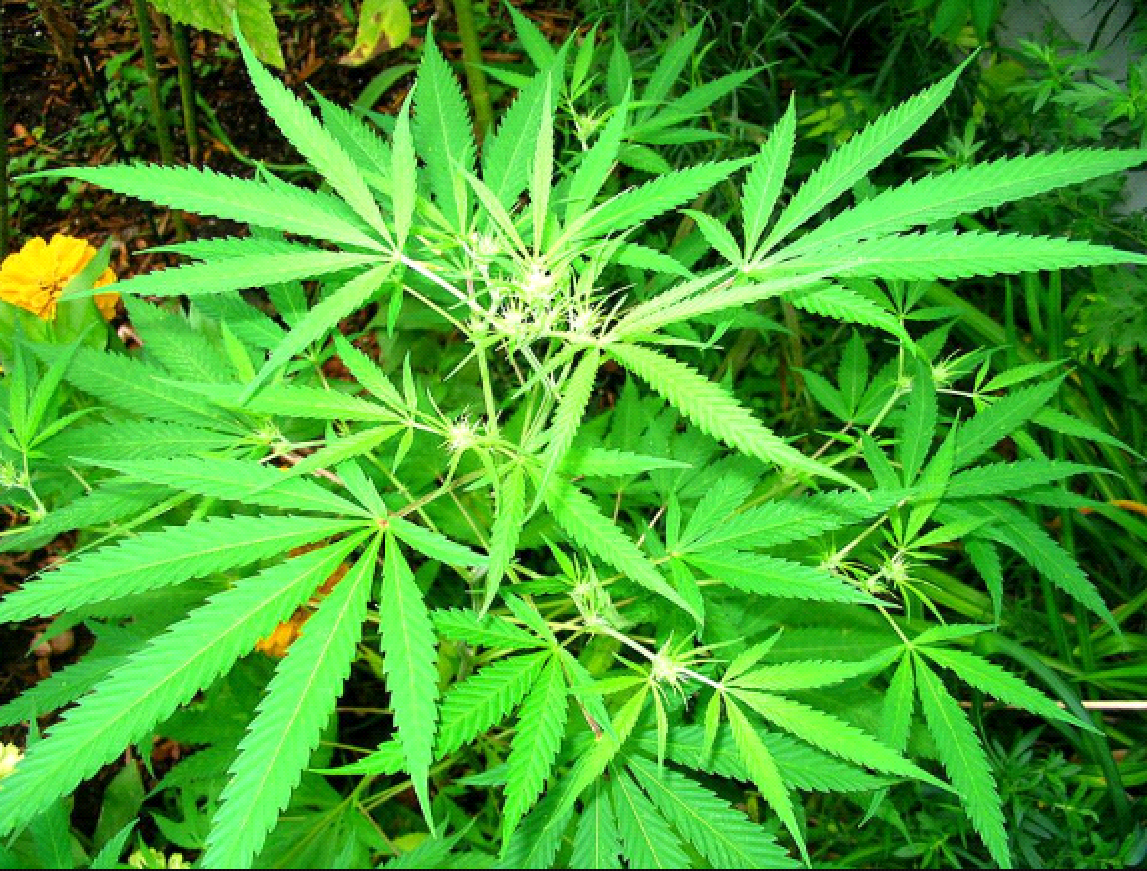
    Hemp as well as hemp-derived cannabidiol (CBD), is now legal in the U.S. As a result, hemp is likely to expand into about $22 million economic sector come 2022. This is great news for everyone; products for the consumers, medicines for the sick, and farmers will get jobs. 

    Brief information about CBD

    Image Source 

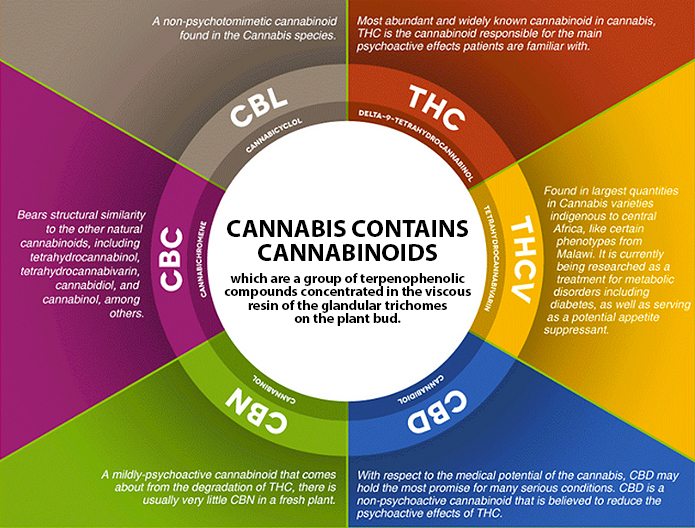
    As defined by legislation, hemp is a usual agricultural crop which is also known as cannabis plant and has about 0.3% of THC (delta-9-tetrahydrocannabinol). TCH is a compound that makes people feel ‘high’ by interacting with your endocannabinoid receptors found in the brain, thus, activating the reward mechanisms to produce dopamine. 

    THC content cannot be more than than 0.3%

    As per the Farm Bill section 10113, hemp cannot contain over 0.3% THC. Any cannabis plant containing more than 0.3% THC will be considered a non-hemp marijuana or cannabis under

    CBD does not affect your receptors. You can consume CBD in liquid form like consuming thc vape juice or by inhaling which is the quickest way to feel the benefits of CBD.Before the legalization of farm bill 2018, 47 estates including Washington, D.C and Puerto Rico had legal laws which permit the individuals to use CBD but with limits. This is according to NORML, a marijuana advocacy institution. After this year’s bill, CBD is lawful in all the 50 states. 

    CBD is not linked to any abuse and it cannot motivate physical dependence. Therefore, individuals can tolerate it as long as they follow the doctor’s instructions.

    Medicinal benefits of CBD

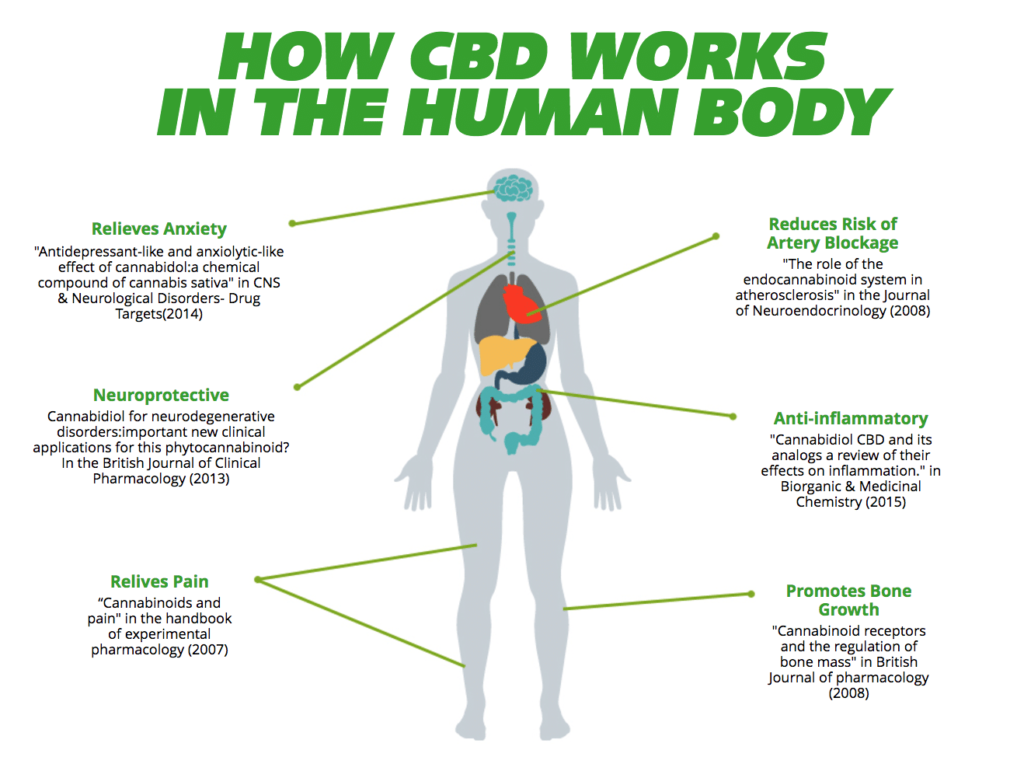
    The U.S FDA (food and drug administration) approved Epidiolex, a hemp-derived drug that contains high amounts of CBD and helps in treating epileptic syndromes affecting young children about 3-5 years. It treats chronic pain through its anti-inflammatory characteristics. Also, it combats anxiety, depression, and insomnia.

    Hemp also has other uses apart from medicinal purposes. It is useful in the manufacturing of cars, making papers as well as clothes like sweaters.

    Learn More About the Benefits of CBD with Dr. Judy Mikovitis


    CBD vs Marijuana

    Marijuana is known to be a Schedule I controlled substance under the federal law. Therefore, it is an illegal product for any purposes. There are several types of marijuana; ruderalis, Indica, and sativa. Whereas CBD is a type of cannabis shatter that has unique features like low THC levels and fibrous stalks. Farm bill 2014 distinguished CBD from marijuana by the concentration or percentage of THC that each species has.

    Farmers usually harvest marijuana plants for their buds which have the psychoactive properties. Thus, they produce “high effect” when you use marijuana. However, for CBD; the targets are the seeds and stalks. Best online dispensary Canada offers quality cannabis and marijuana seeds. Therefore, if you are a hemp farmer living in Canada, visit their site and order your seeds. 

    CBD market vs Cannabis market after farm bill 2018

    There is a legitimate greenlight for the CBD products following the passing of this year’s bill. The products are gaining immense popularity across many segments of the economy such as in health/wellness.

    This brings the question; will there be a hit in the legitimate cannabis market? The answer is no. This is so because the CBD market has little effect on the cannabis market as they are separate markets. Ordinary retail outlets might have CBD products. However, each state formulates regulatory regimes that limit the availability of cannabis products in retail stores because state-certified dispensaries distribute them.  

    What does the bill say about CBD?

    The passing of farm bill 2018 is a turning point for the CBD market in the U.S. It removed hemp and its derivatives from the schedule I of the controlled substance. Therefore, this makes CBD legal. In reality, it moved CBD from the legal grey region to the light area. 

    The legal gray region kept the CBD market small and rambling for a long time. With this year’s bill, more CBD products will be available on the shelves of many large-scale and majority distribution channels. Therefore, companies in some industries such as beauty, pet, tobacco, skin care, and drinks will be able to develop many CBD products. There are a number of online stores from where you can buy such products with the same ease as  you buy steroids online.

    Although the CBD market operated under the legal grey region with challenges such as inadequate distribution channels, small brands, and reduced marketing budget, it witnessed boost nationwide. 

    This is evident by its 80% growth to reach about $590 million, and with the passing of the bill; the CBD market will reach great heights come 2022. 

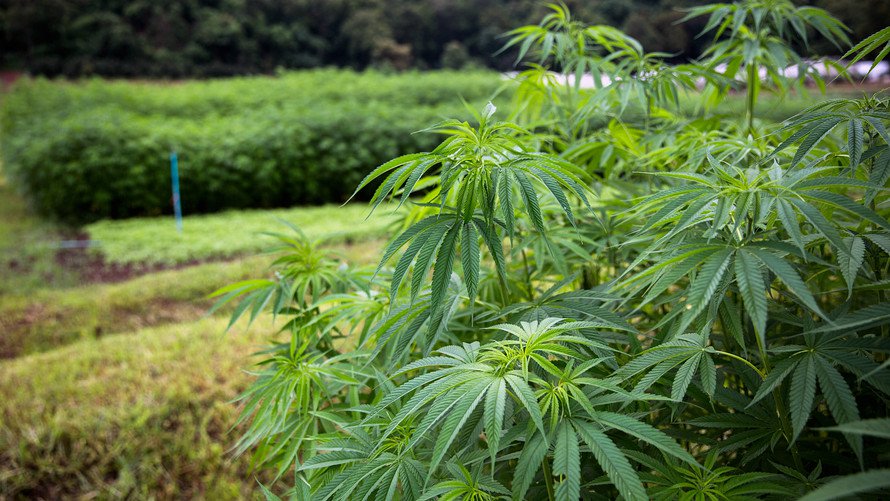
    It allows hemp farmers grow this plant without apprehension of breaking the federal government law. The bill ensures that hemp receives the same treatment as any other agricultural commodity. Truly, this gives farmers a chance of being part of the growing economy as fresh CBD markets develop. 

    For this reason, hemp can be useful in different industries such as biofuel, plastic, building materials, cloth, and paper. Luckily, there are many autoflowering marijuana flowers that they can grow. Struggling farmers will realize new job opportunities.

    State-federal regulation on the cultivation of the crop

    Even though hemp has been legalized by the federal government, hemp cultivation and production will still be regulated by both state and federal governments. As per the Farm Bill section 10113, state dfederal law and thus, would not be protected legally under the new Farm Bill. epartments of agriculture need to work in collaboration with the chief law enforcement officer and state’s governor to formulate a plan that should be presented to the secretary of the USDA. And only after taking an approval from the secretary of the USDA, a state’s plan for hemp regulation and licensing can be commenced. In states that choose not to formulate a hemp regulatory program, USDA will come into the picture and formulate the program. And this regulatory program will require cultivators to not only get a license for cultivation but also work in compliance with federally-run program.

    What does IDAHO say about local farmers growing Hemp? 

    HB122 was a positive step forward for Hemp Farming in Idaho but it got squashed by Idaho’s Senate. Legislative session closed without any vote on farming and since we have no state plan, farmers can plant next year directly under the federal hemp rules due out by this fall.

    CBD took long to become legal in the US disappointing many farmers. However, it is now exciting to have it as a usual cash crop. The good news is that hemp is versatile as it sustainable as well as an environmentally-friendly plant. This is a great boon for the farmers because they have stretched access to different hemp products. 

    Conclusion

    Farm bill 2014 restricted the cultivation of industrial hemp through a pilot program. The program limits how much of the hemp should farmers grow and the reasons to grow it. However, with this year’s bill, such restrictions are put to an end. It allows licensed American farmers to cultivate industrial hemp. 

    Under this bill, CBD is put in the same category as other normal commercial crops. Also, there will be no prohibition around its processing, transporting, or selling across the states. However, the law states its cultivation.

    The CBD products from industrial hemp are now legal in the U.S. This is so because these products cause no psychoactive effects on the consumer. If you are a consumer it is always wise of you to check the THC content of any CBD product, ensure its manufacturer is genuine, and consult your doctor before using the product. There is no doubt that the U.S will now compete favorably with China. 

    Learn More About CBD

    More Health Benefits of CBD

    Destroying the Stigma Of CBD Oil


    Author Bio 

    Jessica has been closely studying the cannabis industry trends from quite some time. Intrigued by the booming growth of this sector, she takes an interest in penning down her views providing quality insight on current marijuana trends, particularly medical cannabis. 

  • Top 10 Frequently Asked Questions About Hemp

    Cannabis is an industry clouded by years of confusion, prohibition, and a lack of information. Hemp, the non-psychoactive strain of marijuana, has countless applications across industry and medicine. CBD extracts from hemp cannot make you high and are trusted by many for their health and mood benefits. We’ll be answering the top ten frequently asked questions about hemp and CBD so that you understand this booming new industry completely. 


    What is hemp?

    Hemp is a non-psychoactive strain cultivated for thousands of years. As one of the oldest crops in existence, hemp has uses spanning textiles, printing, manufacturing, medicine, and countless other industrial applications. This term commonly refers to industrial or agricultural hemp, hemp which has been grown for fiber. It is extremely low in THC, the psychoactive component of cannabis, and hemp requires minimal care to grow.


    Is hemp legal?

    The 2018 Hemp Farming Act which makes a part of the U.S. Farm Bill passed by president Donald Trump in December 2018 makes hemp a legal crop throughout the USA. Even though hemp is legal, it is still under regulation. The United States Department of Agriculture set forth to develop a framework of regulations through the course of 2019. CBD oil derived from hemp is legal in 50 States across the US, grown by the Farm Bill regulations. Cannabis was illegal for many years mainly due to the effects and benefits being misunderstood. Without the psychoactive effect, not even social issues are at risk of falling out of balance due to bad habits or poor lifestyle choices.

    When and why was hemp illegal?

    There are many speculations as to what made hemp and all other varieties of cannabis illegal. However, the only acceptable conclusion without pointing fingers and casting blame is to say that marijuana was largely misunderstood. Perhaps the threat of its many applications across printing, construction, and both home and enterprise-level industry made it a threat in the eyes of early leaders, leading to propaganda and prohibition. For years, the medical benefits of cannabis with or without THC were only known to those open enough to investigate without a predisposition. Today, the evidence is emerging across all fields and sciences indicating the many applications and health benefits that cannabis and cannabis extracts hold. 

    Can Hemp make you high?

    Tetrahydrocannabinol, or THC, is the psychoactive component of cannabis. Marijuana of the hemp variety contains less than 0.3% THC which means that only trace elements enter the bloodstream. This is nowhere near enough to induce any hallucinogenic or mind-altering effects. When someone ingests cannabis with a conventional concentration of THC (around 12%), THC binds to receptors in the brain governing pleasure, memory, and other facets of cognition. The characteristic ‘high’ arises due to the stimulation of dopamine production as THC binds to cannabinoid receptors in the brain. CBD extracted from hemp has no such effect, instead it benefits the body through the way that it works synergistically with the endocannabinoid system.
    Will hemp extracts or CBD oil cure my / treat my…?

    DSHEA compliance means that we cannot endorse any specific treatment or medicinal benefit of CBD or hemp oil. There are, however, many reputable scientific studies which have motivated the legalization of cannabis in its entirety throughout the US and other parts of the world. For example, take a look at these recent studies:

    Are hemp extracts and CBD oil addictive?

    Absolutely not. The only way that you can ingest hemp is by means of CBD oil. You can’t smoke industrial hemp. Regardless, cannabidiol is non-addictive, and hemp extracts can’t make you high. CBD and cannabis use rather assist the process of withdrawal, easing symptoms and benefitting recovery without any dependency forming. 


    What effects can I expect from using hemp extracts or CBD oil?

    Just like you get Sativa strains for athletes and specific types of marijuana for certain medical conditions, you can expect a steady range of benefits from CBD oil as well. There are no mind-altering effects. CBD oil combats fatigue, bringing on a subtle and slow energizing effect. Mental clarity is promoted by stimulating feelings of well-being. Social anxiety drops and depression also eases away. Nausea drops thanks to the interaction between serotonin receptors and CBD, and CBD helps you get over insomnia making it easier to fall asleep, or stay awake. 


    Is CBD from hemp and CBD from cannabis the same thing?


    Cannabinoids are cannabinoids. CBD from hemp and cannabis is the same thing. Hemp is a variety of cannabis sativa which is very low in THC. There is no difference in purity nor potency. CBD oil and other extracts taken from industrial hemp are always free from THC and many of the other compounds and phytocannabinoids in other strains of cannabis. The only CBD which is different is CBD which is manufactured synthetically. When you use CBD extracted from the plant, you benefit from the entourage effect believed to vastly increase the medicinal and therapeutic effects of cannabis.

    Does CBD and hemp extracts interact with other medications?

    Yes. The cytochrome P450 enzyme production is inhibited by CBD. P450 is a live enzyme which affects the way that a large number of medications metabolize. Whenever a medicine enters the body, it becomes broken down into metabolites by the liver and other parts of your molecular pathways. Enzymes help the body get rid of foreign molecules arising as metabolites. As the P450 enzyme goes to work, medications their compounds oxidize which means that an extra oxygen atom enters their molecular structure. This generally makes them more water-soluble which in turn means that they’re easier for the kidneys to flush. A person supplementing with CBD will experience an increase in action, duration, and effect of their medication. This is the same enzymatic action that occurs when eating grapefruit. The contraindications for eating grapefruit with certain prescription medication like the blood thinner warfarin will occur. Physicians normally advise patients to stay away from grapefruit and grapefruit juice completely; otherwise, the blood thinner will thin the blood for longer. Always adjust your dosage as per the advice of your doctor if this interaction applies to your medication.


    How large is the hemp industry?

    The hemp industry is gigantic. After all, the first two drafts of the declaration of independence of the United States of America were on Dutch hemp paper. Hemp’s uses span:

    • Paper

    • Textiles

    • Biodegradable plastics

    • Construction

    • Health 

    • Food

    • Fuel


    In the US alone, hemp is estimated to expect a boom over the next year at an estimated $800 million, reaching twenty billion dollars by 2022. Hemp seed is a rich source of fatty acids, holding all the essential amino’s to prevent deficiency diseases. Hemp seed oil is a fantastic source of biofuel, and while not as high energy, it is sustainable. Unlike conventional fossil fuels, using hemp for energy farming is a clean source of power as well. This is a crop which is easy to grow, withstanding disease and taxing conditions extremely well across a range of different climates. 

    What happened to growing HEMP in Idaho? 


    Find it All Online

    US residents you can find CBD oil at local health stores. There are many companies that sell full spectrum CBD oil online. Outside the US you can find hemp derived CBD oil and conventional strains of all types readily available online at Ontario cannabis. This is especially handy for people living in Canada and other areas of the world where cannabis is legal. With the world’s best cannabis on order, you’ve got the flexibility and ease of selecting the ideal product for your physical or recreational needs.

    Author Bio 

    Jessica has been closely studying the cannabis industry trends from quite some time. Intrigued by the booming growth of this sector, she takes an interest in penning down her views providing quality insight on current marijuana trends, particularly medical cannabis.

  • Healing Herb Thyme for Cough and Cold

    The herb thyme is an ancient medicinal that was used for its healing properties by all early Mediterranean civilizations and was mentioned in writings by both Hippocrates and Dioscorides. In modern times science research has shown that taking thyme by mouth, alone or in combination with other herbs, reduces coughing in people with bronchitis, upper respiratory tract infections, or common colds. Thymus vularis ct. linalol is recommended by herbalists as an effective and safe beginner herb for children and the elderly. It is easy to make this fragrant herb into a Honey Thyme Homemade Cough Syrup which will allow your body to reap the benefits of both honey and thyme in fighting off germs and helping to relieve those uncomfortable symptoms of colds.

    DIY Honey Cough Syrup

    The organic raw honey in the syrup is soothing and they thyme offers a host of great healing properties due to Thymol. Making your own is a simple process. Go here for a printable version.

    Grow Your Own ‘Medicine’

    Thyme is a special herb that’s easy to grow or use to make your own teas and essential oils. Here’s how to grow it. 

    Thyme is easy to grow and will do well in a summer garden or in a pot. There are several varieties of thyme, including a lemon thyme that makes a great tea, and creeping varieties that make a pretty ground-cover – though common thyme (T.vulgaris) is the most commonly used in the kitchen and in the herbalist’s workspace.

    It prefers hot and dry conditions, so choose it’s location according to this. Somewhere that gets full sun throughout the day is best. It likes dry and coarse soil; over-watering your thyme is the quickest way to kill it, so go light on the moisture.

    When the plant begins to produce flowers, you can cut it and dry. Either hang it upside down in a clean and dry place, or use a food dehydrator. Having dried thyme ensures you will be able to reap it’s benefits even in the colder months when your plant isn’t producing.

    Read more: http://naturalsociety.com/benefits-of-growing-thyme-plants-grow-own-medicine/#ixzz5kQFMIcGN 

    Science Research Proves Thyme Destroys Step Throat and respiratory Infections

     Thymol is derived from thyme and is a powerful antimicrobial that helps with bronchial and respiratory infections. Thyme oil is highly concentrated and should be used with caution! Always dilute with a neutral carrier oil. There are some who believe that ingesting oils such as thyme should be limited. Please view this safety information by expert Robert Tisserand.

    A 2011 study showed thyme oil to be highly effective against 120 strains of bacteria taken from patients with oral, respiratory and urinary tract infections, including several antibiotic-resistant strains.

    A 2013 study focused more specifically on strep throat. Of the 18 essential oils researchers tested, they found five that exhibited “significant antibacterial activity” against strep: thyme, oregano, cinnamon, lemon grass and winter savory.

    The study’s authors note that penicillin is not always effective at treating Streptococcus pyogenes. and say the five herbs could be an “interesting” addition to our “alternative therapeutic arsenal.”

    Dr. Axe recommends adding 2 drops of thyme oil to a mouthful of water and gargling to relieve sore throat.

    A 2016 study found that ingestion of thymol — a phenol obtained from thyme oil — significantly shortened the duration of upper respiratory infection, while alleviating cough and shortness of breath.

    The effectiveness of the combination of thyme extract, primrose extract and thymol was “comparable to synthetic antibiotic ambroxol,” the study’s authors wrote.

    https://cafejohnsonia.com/2012/10/diy-honey-thyme-cough-syrup.htmlSOURCES:

    http://naturalsociety.com/benefits-of-growing-thyme-plants-grow-own-medicine/

    https://returntonow.net/2019/01/26/thyme-destroys-strep-throat-and-respiratory-infections/