Category: Holistic Health

Naturopathic, alternative medicine and chiropractic health care

  • How to Balance Work and Caregiving for a Family Member

    Are you someone who has an older family member, but are also working full time? Perhaps you currently work full time in an office but need to leave from time to time to take care of your loved one. Sometimes it may feel like you are abandoning your responsibilities at work or your responsibilities to your relative. This is a tough balancing act to handle. If this sounds like you, then here are some things that you should review.

    Your Employer Cannot Discriminate

    First and foremost, know that your current employer cannot discriminate against you for being the caregiver of a family member. According to the Equal Employment Opportunity Commission (EEOC), “unlike childcare…eldercare responsibilities generally increase over time as the person cared for ages, and eldercare can be much less predictable than childcare because of health crises that typically arise”. This means that as a caregiver, you will likely spend more time taking care of the person you love, and this could create conflicts at work. According to the EEOC, an increasing number of Americans are caregivers for their elderly family members and this will only trend upwards as the Baby Boomer population get older. 

    Look into the current benefits and policies from your employer. 

    Some companies actually do offer help to working caregivers taking care of their family members. This sometimes includes assistance finding resources, subsidized back-up care, flexible schedules, or counseling. You can speak with your Human Resources department to learn more about these benefits.

    Family and Medical Leave Act

    Furthermore, read up on the Family and Medical Leave Act. The FMLA dictates that eligible employees of covered employers are able to “take unpaid, job-protected leave for specified family and medical reasons with continuation of group health insurance coverage under the same terms.” Those employees may take twelve workweeks of leave in a 12-month period for situations such as a spouse, child, or parent with a serious health condition, the birth of a new child, or the employee themselves suffering from a health condition.

    Communicating with your employer is key to maintaining the balance between work and care giving for your loved one. 

    You may need to explain your loved one’s current debilitation, how they affect your schedule, and how you will have to leave work in response to a crisis. 

    Ask your employer how you should discuss this issue with your fellow coworkers. They may be able to assist you with work responsibilities when you are responding to an emergency. See if any of your coworkers are in a similar role with a family member. Ask them about how they handle crises when they occur and if they have any advice for you.

    Don’t Try to go it Alone – Ask for Support 

    Being a caregiver can be rewarding for you and your loved one, but you may need help from family and friends. Ask for help when you need it. You can always look for professionals in your area with the knowledge to help you manage your caregiving duties. Create boundaries and limits with your family members and care recipients about your availability while you are working. 

    Perhaps you can be available during your lunch or have a half-day once in a while. Always have a backup plan for when things don’t go according to plan. Ask for feedback or advice from family members, a caregiving professional, or your support group about what you can do to help your loved one. Remember, you’re not the only one in this boat, so even when it seems impossible, remember that you have options.


    Harley Petrina is the writer of Phoenix, Arizona based companies Senior Planning and Prime Medical. Founded in 2007, https://www.seniorplanning.org/ has helped many Arizona seniors and their families navigate the complicated process of long term care planning with regards to finding senior living facilities.

    In his spare time, Jacob enjoys dining out and supporting his alma mater Arizona State’s Sun Devil sports teams. Jacob lives in Tempe, Arizona.

  • Why You Should Do An Ayurvedic Spring Cleanse

    As we (at least here in Idaho) watch the snow melt away (hopefully soon), we know Spring is on it’s way. This is the time of year Mother Earth renews herself, and celebrates with blooming flowers and new leaves.  While we aren’t always aware, our own bodies are also beginning to shift with the change of season. This is a great time to reset, restore and cleanse our mind and body with a seasonal cleanse to leave us healthier and stronger. 

    What is an Ayurvedic “Cleanse?”

    “De-Tox” and “cleanse” have different meanings to different people.  But don’t worry… when I speak of “cleanse,” I am not suggesting a starvation detox that consists of lemon water and fruit or juice. No fasting involved! An Ayurvedic cleanse is a time-tested, gentle cleansing approach that nourishes the body, while setting up an environment for the elimination of toxins.  Unlike many of the trendy detox diets and cleanses out on the market that do more harm than good, this cleanse will leave you rejuvenated. This sets you up for optimal health.  The best part?!  You get to eat simple, yet delicious foods with a variety of herbs and spices to optimize your digestion.  In an Ayurvedic cleanse there are three phases:  

    1. The preparatory
    2. The cleanse
    3. The post-cleanse, where you reset your digestion to transition back into a diverse diet.  

    Ayurveda also places a strong emphasis on cleansing/rejuvenating self-care practices that will guide you to healthier habits to optimize your wellness.

    Why Cleanse?

    The unfortunate reality is we live in a world full of toxic substances. In our food we find pesticides, antibiotics, microbes, mercury, and more – even if we are eating organic. Our air also carries pollutants, which then get absorbed into the body. The good news is our body has a system to detox. A cleanse will support this system, and – when done properly – will leave you feeling rejuvenated, and healthier than when you started.

    Cleanse Benefits

    A cleanse comes with many benefits, in both mind and body: improved digestion, a sense of calm, and balanced sleep cycles. A cleanse will reset your natural balance, and you will feel rejuvenated!

    – Improve your digestion

    – Restore a sense of calm

    – Restore balanced sleep-cycles

    – Reset your natural balance

    – Cleanse and rejuvenate

    Interesting in a cleanse?  I offer guided cleanses, and can do consultations in person or by phone.  For those of you in Valley County Idaho, I will be offering a guided group cleanse throughout the month of April.  For more information, please contact me at jean@theyogamomma.com 

    Jean Keese is a Health Freedom Advocate, Clinical Ayurvedic Practitioner, Wellness Coach, Yoga/Pilates Instructor and Homeschooler.  She lives in McCall with her family, small herd of dairy goats, and free-range chickens.   You can learn more about Jean at theyogamomma.com.jwww.theyogamomma.com.    

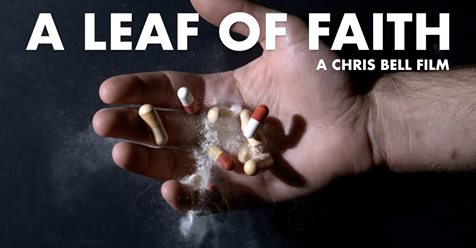
  • A Leaf of Faith learn more about this natural, miracle plant Kratom

    Kratom, our Leaf of Faith, has positively affected so many people. Many have witnessed the miracles of the plant, the communities and families it has tied together, but still, so many people are unaware of what it is.Do not miss this movie premiere! FREE TICKETS.  From the director of bigger stronger faster and prescription thugs comes a leaf of faith. A look into kratom and how it is helping those addicted to opioids come off completely. Chris Bell is he takes a step back and shows the good, the bad, and the ugly of everything he researches so we as citizens can leave with an understanding far greater than we had before. So click the link and grab your free tickets for March 12, Tuesday night’s premiere.

    “A Leaf of Faith” picks up where Prescription Thugs left off, as Chris embarks on a journey to end his chronic pain that had led him to opioid addiction.

     Could a simple leaf – grown in southeast Asia and sold in gas stations in America – be the miracle solution to the opioid epidemic that is killing thousands of Americans every year? Follow Chris across the globe as he learns the truth about kratom, a herb that might save your life…if the government doesn’t ban it first.

     FREE GENERAL ADMISSION

    (Includes FREE Kratom Sample)

    PLUS SPECIAL VIP TICKETS

     VIP event includes gourmet appetizer buffet, desserts, kratom samples, socializing with Chris Bell & elected officials from around Idaho

     5:00 PM Doors open for VIP event & legislative reception

     5:30 PM VIP event & legislative reception starts

     6:30 PM Doors open for General Admission

     7:00 PM Movie Premiere begins

     8:40 PM Q & A with director Chris Bell and special guests

     9:00 PM Autographs and pictures

    10:00 PM Event concludes


    WATCH THE TRAILER HERE

    “Kratom is an amazing plant! It has helped me with chronic pain from Thoracic Outlet Syndrome. ” – Dianne

    “Kratom gave me back the life I once had and made me a better mother, wife, person & trusted employee! My family wouldn’t be where it is today without Kratom. ♥️

    “Kratom is an excellent tool for achieving and maintaining sobriety. I discovered it a little over 5 years ago during an internet search and it gave me what I needed to live an honest & productive life. I worked my income up to $21 an hour (from $9.50), secured half custody of my daughter, & reconnected with my family. 
    I thought I would never get out of the deep hole that I dug myself into. Thanks to kratom my life continues to improve every day! 
    I have been educating those in need throughout my community for years and I will continue to do so.
    Thanks A Leaf Of Faith for spreading the word.” – Joshua

  • Finding Hope When You’re not Experiencing the Healing You Long For

    You’ve been implementing healing protocols in your life for some time now. You feel like you’re doing all the right things but you’ve hit a plateau and you can’t seem to pinpoint why.  

    I’ve been there, several times throughout my healing journey actually. Being in this place often felt hopeless and initially cause me great despair.

    Health Freedom Idaho is thrilled to hear from Jennifer, a Certified Essential Oil Coach and Health Coach with FeastingOnJoy.com as she shares healing journey overcoming the feelings of hopeless by providing practical encouragement and hope for each individual healing journey.

    The Dreaded Plateau

    When I first starting healing my Hashimoto’s, after my rock bottom I began to experience what it felt like to feel well again. I was on cloud nine! After feeling awful for years, this victory was extremely motivating. However, as some time went on, I started feeling like I was on a plateau or that I just wasn’t progressing in healing like I thought I should be. The frustrating thing was that I was doing all the right things to obtain optimal health, but I would still have bad days and not be able to pinpoint why. Sometimes these times became overwhelming and I would often feel like I was never going to heal.

    Have you been there? Are you there right now?

    Being a Certified Essential Oil Coach and (soon to be) a Nutritional Therapy Practitioner, I consider myself a hope-giver. 

    “As a hope-giver, we guide others to anticipating, embracing and living out the vision of God’s hope, love and beauty, creatively exploring ways to live fully alive, right where we are amidst life’s brokenness.” Dr. Catherine Hart Weber.

    If you need some encouragement and hope on your healing journey, I wanted to share 3 steps to move through the plateau and persist for the healing you’re longing for.

    3 Steps to Embrace the Plateau

    1. The “P” Word

    The healing journey can be rigorous. You may be learning a new protocol, spending time at the doctors, coordinating appointments, ordering supplements among many other things. Just those tasks can be exhausting and stressful for the body. 

    Sometimes the mind can’t rest because of all the “to-do’s” when it comes to healing. That’s where my first step comes into play.

    As counterintuitive as it may sound, it’s beneficial for you to PAUSE where you’re at. Pausing will look different to everyone but it could include:

    • Not making any new doctor’s appointments

    • Refusing to read or learn any more on healing your condition

    • Purpose to think about other things 

    • Spend time on a hobby, or going outside into nature

    • Set aside time to dig into God’s Word and write some scripture 

    Of course, this is only a temporary pause but it will allow your mind to reset and refocus on the task at hand.

    “In taking a step back, you are awaiting your step forward.” Jennifer | Feasting On Joy

    2. The Right Path

    Once you have given your soul, mind and body the pause it needs to refocus you will inevitably have clarity on what the next step is to get yourself off that plateau. You may need to get on a different path.

    For example, as important is whole, unadulterated food is for healing, I learned that food is not the only area I needed to focus on to heal. It was during one of those plateaus in my healing journey that I stepped onto a different path of parasite cleansing and dealing with silent infections {like the Epstein Barr Virus}.

    In veering off the path I was on, and heading a different direction for a time, I was able to get off my plateau and help my body get rid of some nasty bugs {a-hem, we all have them}, conquer an infection and continue deeply healing my body.

    If I hadn’t paused and taken a step back, I never would have known I needed to get on a different path for a time to get off my plateau.

    3. A Caring Someone

    Journeying through healing chronic illness is not for the faint of heart. Additionally, it’s not meant to be done alone. Creating a support system is crucial for healing not only your body but your soul.

    Throughout my healing journey, I have been privileged to have a very supportive husband and parents. They’ve helped me through many discouraging times where I was in deep despair. More importantly though, for me personally, one of my biggest supporters is Jesus. He is the ONE I have leaned on and trusted in daily {and sometimes hourly} to help me through the day. He is the ONE that has given me the strength to fight this battle and He is the ONE who I surrendered my healing too. His plan is perfect.

    Not only do I dialogue with my family about what I am struggling with but I write Scripture every single day. It’s so therapeutic.

    I use this system called QUEST {Quiet Unmatched Enjoyable Scripture Writing Time} which allows me to choose the topic I am struggling with and write the Word specifically about that. It could be the topic of fear or Healing, or even anger and getting wisdom. It’s been a perfect tool to help me be content with the plateau and eventually move off the plateau and continue healing. 

    Don’t walk this journey alone. 

    As Helen Keller says, “Alone we can do so little; together, we can do so much.”

    Finding Hope When You’re Not Experiencing the Healing You’ve Been Longing For

    It is so hard when you have such strong desires and visions of what life could be like if you felt better, or if you completely healed. However, by pausing and taking a step back, potentially taking a different path and creating a support system you can lean on, you can learn to find contentment on the plateau and gain strength for when you move past it.

  • Could Cannabis Be A Powerful Natural Weapon Against Cancer? The Evidence May Surprise You

    Cannabis is controversial, to say the least. It has been declared a schedule 1 drug by the DEA, and from there the idea that it is strictly recreational and even dangerous has spun out of control. What’s interesting is that cannabis was formerly used in medicine on a regular basis. 

    The earliest use of cannabis goes back as early as 500 BC China. The plant wasn’t grown for recreation, but for medicine. 

    Later, cannabis hemp strains would make their way to Africa, Europe, and the Americas to be used for textiles, paper, and rope. The seeds were used as food. 

    During the 1930s, an Irish doctor named Sir William Brooke O’Shaughnessy discovered that cannabis could help treat stomach aches and vomiting in cholera patients. Doctors throughout Europe and the United States were soon selling it to treat stomach issues along with other illnesses. It was found that THC (tetrahydrocannabinol) was the cannabinoid within the cannabis plant that was responsible for these healing abilities. THC was known to be psychotropic, but it wasn’t until the Mexican Revolution that marijuana was introduced by the Mexicans as a recreational substance. 

    The correlation between this introduction and the animosity felt against the Mexican immigrants moved the country to fear marijuana. By 1931, 29 states had banned cannabis. In 1937, The Marijuana Tax Act was put into effect criminalizing marijuana on a federal level. What is interesting is that this ban on cannabis seems to be more fueled by racial discrimination than by anything scientific. You’ll be hard-pressed to find it recorded in any scientific study that medicinal abilities of cannabis were ever denied. 

    In fact, over the years, more studies have come out with results supporting the idea that cannabis is still very much medicinal. Cancer has been the center of many of these studies. The positive results of this research should make the federal government jump for joy, knowing that the odds are against the U.S when it comes to being affected by cancer. These studies continue to be ignored, swept under the rug and rejected. But could there be hope in cannabis for cancer patients? The evidence suggests that there is a reason to believe that cannabis could be a viable option in the treatment of cancer and cancer-related side effects.

    A Brief Look Into Cannabis and Cancer Research

    Cancer has no longer become a disease that is absolutely fatal. Doctors have more resources at their fingertips than ever when it comes to offering treatments to their patients. However, it does seem that after spending billions of dollars on cancer research we should be a little further in knowing how to prevent and cure cancer. Even the treatments that are available now aren’t a sure thing and can even increase the risk of more cancer later in life. 

    Health care has grown leaps and bounds when it comes to preventing deaths due to strokes and heart attacks, but cancer deaths are still 1 in 4 a year. True, there are drugs like Gleevec for chronic myelogenous leukemia or Herceptin for a particular type of breast cancer that has been successful. The problem is that these drugs are so specific, and there are so many other cancers out there in need of a cure. Other cancer drugs are expensive and offer so little a return (maybe 2 to 6 more months of life) that national health care programs won’t even pay for them.

    So why, if The National Cancer Institute has spent billions of dollars on cancer research and treatment over the last 40 years, has there not been more progress? There are around 260 nonprofit groups for cancer, which is more than for heart disease, AIDS, Alzheimer’s disease, and stroke put together. Yet with all of this support we’ve only seen an approximate 1% decline in cancer deaths per year since 1990. Every life saved is a reason to rejoice, but as a whole, this statistic isn’t anything to write home about.

    So what can be done about it? Dr. Margaret Cuomo, the sister of Governor Andrew Cuomo of New York, wrote in her book, “A World Without Cancer:”

    “Simply put, we have not adequately channeled our scientific know-how, funding, and energy into a full exploration of the one path certain to save lives: prevention. That it should become the ultimate goal of cancer research has been recognized since the war on cancer began. When I look at NCI’s budget request for the fiscal year 2012, I’m deeply disappointed, though past experience tells me I shouldn’t be surprised. It is business as usual at the nation’s foremost cancer research establishment. More than $2 billion is requested for basic research into the mechanism and causes of cancer. Another $1.3 billion is requested for treatment. And cancer prevention and control? It gets $232 million altogether. (Remarkably, in the very same budget report, the NCI states, “Much of the progress against cancer in recent decades has stemmed from successes in the areas of prevention and control.”)”

    Preventing cancer is obviously key to being cancer free. It goes without saying that f you don’t have cancer in the first place, then a cure isn’t necessary. As research is done on cancer, however, understanding how cancers form and why becomes more clear. Cancer is a very complex disease, and there isn’t just one type to consider. Cancer can attack all throughout the body, and even within those particular cancers lies different cellular makeups that can’t all be treated the same way. It’s also hard to blame cancer research on things like prevention when we, as a society, are already aware of certain reasons why we get cancer. 

    Lung cancer, for one, is caused mainly by smoking, yet people still smoke. It is well-known that the United States is one of the most obese countries in the world, yet we continue to neglect our diet and exercise. Obesity is to blame for one-third of all cancers. This information has been published in numerous places, but our nation continues to ignore the warnings.

    More research on cancer prevention would absolutely be helpful, but it is ultimately up to us as a nation to keep ourselves healthy. We must also determine what is best for our family and ourselves as far as prevention and cure go. We cannot rely on organizations like the CDC to be our go-to when it comes to making decisions concerning our health. While stopping smoking and losing weight are both sound forms of advice, the CDC also recommends that adolescents take the HPV vaccine to lower their risk of ovarian cancer. But some have reported that in spite of receiving the vaccine, they still contracted ovarian cancer. Understandably, this vaccine is approached with caution as its vaccine insert states that the side effects could involve seizures. Other concerns have been brought up due to reported deaths after receiving the Gardasil vaccine. Certainly, this isn’t the best way to prevent cancer when dying from prevention is such a risk.

    Though cancer research has come a long way, it hasn’t come as far as we would like. We still have some steps to take before we can celebrate. However, researchers have brought something unique to the table when it comes to cancer treatment. Cannabis has been used by many cancer patients to help them stay more comfortable and pain-free during their treatments. Some patients even believe that cannabis itself is responsible for their cancer recovery.

    Cannabis isn’t the only plant that can potentially help you recover from cancer. Different foods such as cruciferous vegetables can give your body the fighting power it needs to get rid of or prevent cancer.

    Can You Eat Your Way To Recovery?

    Consuming ultra-processed foods only add to our risk of getting cancer. These foods contain substances called carcinogens which can lead to cancer. Known carcinogens like acrylamide are found in cigarette smoke and are also used in making plastics and dyes. This chemical is also found in certain foods such as bread, crackers, cakes, and potatoes when they are over-cooked. The International Agency for Research on Cancer classifies acrylamide as a “probabl[e] human carcinogen,” so avoiding foods like french fries, potato chips and in some cases coffee, could help you to lower your risk of getting cancer.

    Processed meats are also considered carcinogens and eating the equivalent of 50 grams a day (about one hot dog) can increase your risk of colon cancer by 18 percent. Sugar can also contribute to your risk of cancer. Added sugar such as high fructose corn syrup can increase the risk of getting colon cancer, esophageal cancer and breast cancer. Consuming sugar can also increase the likelihood of becoming obese, therefore increasing the possibility of getting cancer a well.

    These things are obviously bad for your health and can encourage cancer growth, but what can help fight cancer?

    Here are some foods that you should add to your diet now to help prevent or fight cancer:

    Leafy Greens

    Every time you read about eating healthy, leafy greens are always highlighted. This is because they are packed with vitamins and nutrients that help with overall health. Leafy greens such as collards, spinach and kale are particularly rich in vitamin C and beta-carotene, which are known cancer fighters. 

    These greens are not only full of antioxidants, but they are also a great source of glucosinolates, which means that they are antibacterial and antiviral. They can also inactivate carcinogens and help to kill cancer cells and prevent tumors from forming. 

    Isothiocyanates that are found in leafy greens can help your body to detoxify on a cellular level. Eating a serving of these leafy greens twice a day can help to boost your vitamin intake. If you’re not into leafy greens, you can always hide them by putting them in a smoothie or juicing them with other fruits and vegetables. 

    Berries

    Berries are some of the top antioxidant foods you can eat. They can help to increase immunity and help with aging. Berries can also increase your energy and have the ability to decrease damage from free-radicals. 

    Orange-Colored Fruits and Vegetables 

    Orange fruits and veggies such as citrus fruits, squash, sweet potatoes, and carrots are all high in vitamin A. One essential nutrient that is derived from vitamin A is beta-carotene. This nutrient is great for liver health, immune health, detoxing, skin health, eyesight and fighting cancer. We don’t usually envision carbs as healthy, but when it is a carbohydrate-rich vegetable, it’s a different story. 

    Vegetables such as sweet potatoes, carrots and beets can help to reduce cancer, specifically in the upper digestive tract. 

    Organ Meat 

    Though processed meat is to be avoided, natural organ meats are considered extremely nutritious and beneficial for a cancer-fighting diet. Meats such as beef and chicken liver are extremely high in vitamin B12 can help to remove toxins from the body. 

    Cruciferous Vegetables

    Vegetables are like cancer assassins. They include vegetables such as broccoli, cauliflower, Brussels sprout,  and cabbage. These foods are extremely high in vitamin C and are rich in glutathione. These vegetables have detoxifying properties and can help to protect the structure of DNA. 

    Mushrooms

    Mushrooms have long been known for their cancer-fighting properties. The benefits of mushrooms rely on what species you consume. Reishi, Cordyceps, and maitake are particularly good for immune health and can help fight against tumor growth as well as help with cell regeneration.

    Of course, just eating cancer-fighting food alone won’t make you an all-around healthy person. Regular exercise, getting enough sleep and controlling your stress levels are all necessary for keeping your body healthy.

    In some cases, cancer may still show up. It isn’t a cut and dry disease, and even genetics and environmental factors play a role in cancer. However, within the body is an amazing system of receptors called the endocannabinoid system which, with the help of cannabis, could have a lot to offer in cancer treatments.

    Cannabis and the Endocannabinoid System

    The endocannabinoid system is arguably one of the most important medical discoveries. The endocannabinoid system works directly with the central nervous and peripheral systems and can help to regulate the functions in these systems

    The human body naturally creates its own cannabinoids that work within this system, however, in some cases, these endocannabinoids can become imbalanced. When this happens various ailments involving appetite, pain and inflammation may occur. 

    Fortunately, these endocannabinoids have plant cannabinoid equals called phytocannabinoids that can help to bring the system back into balance. Within the endocannabinoid system are two main types of receptors called CB1 and CB2 receptors. These receptors are very similar but are found in different areas of the body. CB1 receptors are found primarily in the brain, but there are also some in the lungs, kidneys, liver, fat, heart, muscle and bone. CB2 receptors are mostly found in the immune system and blood system, however, there are some in the nervous system, liver, gut, muscle, and bone as well.

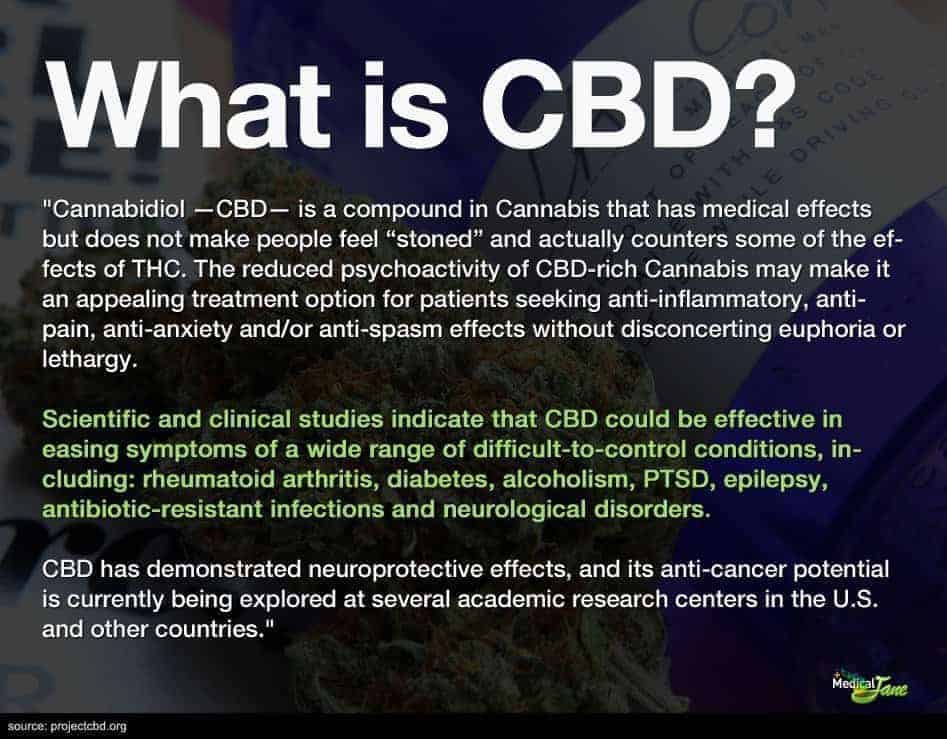
    Cannabis contains beneficial cannabinoids that, when consumed, may help to treat some diseases. Tetrahydrocannabinol (THC) and cannabidiol (CBD) are two cannabinoids that are making names for themselves. THC is mostly known for being the cannabinoid that gets you high. When THC enters the brain it binds with the CB1 receptors in the body’s endocannabinoid system, which can effect people in different ways. Typically these effects include paranoia, memory loss, heightened mood and increased appetite. THC is psychotropic, which is why it comes with a caution sign. CBD, however, does not have this psychotropic reaction and cannot get you high. Though THC is no doubt medicinally beneficial, CBD has become very popular in health care for its strict medicinal abilities. Since there is no way to get high on CBD, using it recreationally would be a bit of a bust.

    So what does this have to do with cancer?

    Cannabis has become, for some, the relief of choice during cancer treatment. Because the cannabinoids in cannabis can interact with receptors that influence functions within the brain and gut, many patients have found relief from their cancer treatment side effects by taking cannabis. Cannabis has been known to help treat these symptoms by improving appetite, relieving nausea and vomiting and reducing pain.

    The question remains, however: which cannabinoid is better for cancer? CBD or THC? The answer depends heavily on what you are trying to treat: The side effects of cancer treatments or cancer itself?

    CBD or THC: Which Is Best For Natural Cancer Treatment?

    There have been numerous studies done on the effectiveness of cannabis on killing cancer cells. Cancer in the breast, brain, liver, and blood have all had a spot in cannabis research studies. These studies showed that cannabinoids could induce apoptosis, which is programmed cell death in tumors. Cannabinoids can also stop the tumor from creating new blood cells, which essentially starves the tumor.

    One study done by Madrid’s Complutense University showed that one-third of rats that were injected with a synthetic form of THC had their malignant brain tumors eliminated. Another third had their life-spans extended.

    Another study that was published in the Journal for Molecular Medicine showed that cannabis extracts that contained high amounts of CBD (the non-psychotropic cannabinoid in cannabis) help to prevent colon cancer from spreading in mice. It was shown that this high CBD cannabis or “botanical drug substance” can actually stop the growth of tumors without harming healthy cells.

    In an article published in the American Association for Cancer Research, CBD was found to actually kill breast cancer cells. This study suggests that CBD can target only cancer cells resulting in no damage to normal breast tissue. This is pretty incredible considering that the two main cancer treatments available now, chemotherapy and radiation therapy, can both cause damage to healthy tissue.

    Even though studies like these continue to point at cannabis as a possible cure option, doctors are still unsure of its cancer-fighting abilities.

    Dr. Abrams, who is an oncologist and cancer and integrative medicine specialist at the UCSF Other Center for Integrated Medicine at Mount Zion in San Fransisco, has been in this line of health care for a long time. As California has legalized medical marijuana for cancer patients, he has observed many patients use the plant to ease their treatment side effects. He states:

    “[After] 33 years of being an oncologist in San Francisco, I would guess that a large proportion of the patients I have treated have used cannabis. If cannabis definitively cured cancer, I would have expected that I would have a lot more survivors. That being said, what we do know is that cannabis is truly an amazing medicine for many cancer and treatment-related side effects — nausea, vomiting, loss of appetite, pain, depression, anxiety, insomnia.”

    While Dr. Abrams makes a good point about survival rate in his patients, one must also ask the question: Is the low survival rate due to cannabis being ineffective in fighting cancer or to the heavy doses of chemotherapy and radiation? The bottom line is that we need more research to come to an educated conclusion to this question.

    What is lacking in the research on cannabis for cancer treatment is that it is limited to animals. To have a good grasp on what cannabis can do we still need human clinical trials.

    The deficiency of human trials doesn’t discredit the studies that have already been conducted, however. Even the National Cancer Institute has quietly recognized that cancer cells can be killed by cannabis in labs.

    Due to the success of these studies, gaining more knowledge on the effects of cannabis on cancer cells is needed. Through human studies, we could better understand how this medicinal substance can be used.

    One thing we can be sure about is that many doctors, including oncologists, are in support of using cannabis to help treat cancer treatment side effects such as pain, nausea, fatigue and vomiting.

    When it comes to possibly curing cancer, it would seem from research that CBD is the most effective of the two cannabinoids. However, THC holds its own when it comes to giving pain relief and increasing appetite. When trying to treat a particular ailment with cannabis, it is important to find the best strain with a good balance of THC and CBD. 

    When it comes to cancer-related symptoms, the following strains may be able to provide the best results:

    Blackberry Kush: This is an indica strain that is high in THC and great for pain relief. It gives you a full-body relaxation, so taking this strain during the day may not be the best idea. It may get you a little higher than you would like for daytime activities, but it is very fast acting and effective. 

    ACDC: This is an award-winning strain that is popular in relieving pain as well. It is a hybrid and has a high amount of CBD, therefore it won’t get you as high as other marijuana strains. 

    Durban Poison: Along with providing relief for nausea, this strain can increase your energy level and give you a feeling of euphoria. 

    Sour Diesel: This is one of the most popular strains in the world. Most if not all dispensaries should have it on hand as it is often used to help treat a collection of medical conditions including nausea. 

    Bubba Kush: This is one of the best choices for getting your appetite back. It can make you a little bit more relaxed than you want if you plan on being active, but this strain can no doubt help you to work up an appetite. It might be best to save this for when you have a day in, or in the evening. 

    Sonoma Coma: As you can tell from the name, this strain comes from Sonoma County in Northern California. It can give you a little burst of energy while helping you to work up an appetite as well. 

    Sour Grape: This is a hybrid strain with an equal ratio of THC and CBD. This combination helps to ensure a calm body and mind without getting you too high. 

    Glass Slipper: This strain packs a punch and the effects can be strong and last for hours. It can aid in relieving stress, but make sure you go easy on the dosage. Too much of this strain can knock you out for a while. 

    Super Silver Haze: This strain is over 20 years old and is great for providing energy that can get you through the day. 

    Jack Herer: This strain has long-lasting effects that can give you a big energy boost as well. This strain contains 18-24% THC which is fast acting and effective.

    Medicinal marijuana has been around for centuries. The medicinal benefits have always been within these plants; that has not changed. The only thing that has really changed is our mindset. It wasn’t that long ago that marijuana was seen as purely medicinal until a federal law was enacted. 

    The United States government continues to follow this law, despite the evidence that cannabis could help so many people with varying health problems. In 2016, it was predicted that 595,690 people would die from cancer in the United States alone. With numbers like this, finding a safe and effective natural cancer treatment should be at the top of our list. 

    The World Health Organization has even come out and criticized the DEA for their scheduling of CBD. It’s no secret that these decisions are not based on science, safety or morality. To withhold cannabis from people who truly need it is unethical at best. Studies have shown that cannabis could help treat and perhaps cure the third leading cause of death in the United States. Cancer patients should have this plant at their fingertips. Without it, they may not get the relief or treatment that they so desperately need.

    Always consult your physician and educate yourself on your state’s marijuana laws before using medical marijuana.

  • Heart Disease. What if Cholesterol isn’t to Blame?

    Here’s a secret most drug manufacturers don’t want you to know – millions of people die from heart attacks with normal cholesterol levels.Three Large Industry-Funded studies found it was impossible for cholesterol to be the main cause of heart disease. For years, decades in fact, we have been conned into thinking that high cholesterol levels were contributing factors to heart disease. “Cholesterol and heart disease has been almost synonymous for the last half-century. Cholesterol has been portrayed as the Darth Vader to our arteries and our heart.”, Ron Rosedale, MD. While heart disease is a real health problem, cholesterol isn’t necessarily to blame.

    “Cholesterol is ESSENTIAL to every cell in the body.”

    Would you believe that cholesterol is a good thing?

    Cholesterol is a fatty substance produced by the liver that performs or assists in thousands of bodily functions such as building cell membranes, nerve sheaths, and critical for your brain.25% of the cholesterol in our body is found in the brain. It works to facilitate membrane function and is the raw material for making progesterone, estrogen, cortisol, testosterone and vitamin D.

    Learn more about cholesterol’s benefits on this interview from Healthmade Radio with Dr. Jack Wolfson and Dr. Michael Karlfeldt

    It was determined many years ago that the majority of cholesterol in your bloodstream
    comes from what your liver is manufacturing and distributing. The amount of cholesterol that one eats plays little role in determining your cholesterol levels. It is also known that HDL shuttles cholesterol away from tissues, and away from your arteries, back to your liver. That is why HDL is called the “good cholesterol;” because it is supposedly taking cholesterol away from your arteries. But let’s think about that.

    • Why does your liver make sure that you have plenty of cholesterol?
    • Why is HDL taking cholesterol back to your liver?
    • Why not take it right to your kidneys, or your intestines to get rid of it?

    The body’s natural process of taking cholesterol back to your liver so that your liver can recycle it; put it back into other particles to be taken to tissues and cells that need it. Your body is trying to make and conserve the cholesterol for the precise reason that it is so important, indeed vital, for health. 3

    Cholesterol-Lowering Drugs are Dangerous.

    Cholesterol-lowering drugs are dispensed like candy at the doctor’s office. Turn on the TV or radio and you are assured to hear a commercial about cholesterol dangers and why you need a drug to lower your numbers. Even your next-door neighbor or work colleague is bragging about the drug that lowered their numbers.

    If this sounds familiar, you are not alone. Statin drugs used to combat high cholesterol actually do way more harm than good…they kill more people than they save. Millions of people swallow pharmaceuticals to lower cholesterol. This is totally unnecessary “the benefits from statin treatment have been exaggerated”. 2

    Dr. Mercola says, “Using drugs to reduce cholesterol levels or inflammation may increase your risk of fatal side effects; natural remedies that are not associated with dangerous health problems include magnesium, balancing essential fats and reducing hyperinsulinemia.”

    Cholesterol is one of the “most vital” molecules in the body and prevents infection, cancer, muscle pain and other conditions in elderly people. Lowering cholesterol with medications for primary cardiovascular prevention in those aged over 60 is a total waste of time and resources, whereas altering your lifestyle is the single most important way to achieve a good quality of life. -Vascular and endovascular surgery expert Professor Sherif Sultan from the University of Ireland

    This information is more than two years old, so why are doctor’s still prescribing cholesterol reducing drugs to patients to ‘reduce their risk of heart disease’? Perhaps its the $316,000,000 paid by patients and insurance companies each year for treatments for heart disease that plays a role in their recommendations. 5

    If not cholesterol then what is causing heart disease?

    The fixation on cholesterol as a major cause of heart disease defies the last 15 years of science and deflects from real causes such as the damage (via glycation) that sugars such as glucose and fructose inflict on tissues, including the lining of arteries, causing chronic inflammation and resultant plaque. Ron Rosedale, MD

    Hundreds of excellent scientific articles have linked insulin resistance and more recently leptin resistance to cardiovascular disease
    much more strongly than cholesterol, and they are in fact at least partially responsible for cholesterol abnormalities. For instance, insulin and leptin
    resistance result in “small dense” LDL particles and a greater number of particles. This is much more important than the total cholesterol number. 

    The focus therefore should be to reduce inflammation.

    Chronic inflammation at the cellular level is the root cause of most all diseases.

    This is a serious concern that most regular MD’s aren’t treating. Rather, they are just prescribing Big Pharma medications to treat the symptoms of inflammation, rather than the causes of the inflammation itself. Dr. Wolfson, Paleo Carteologist suggests, instead of taking a statin for the rest of your life to treat a symptom, seek out a natural doctor who will get to the cause of why your arteries are inflamed.

    Concerned with heart disease 11 ways to reduce your risk of heart disease?

    Research Resources: 

    1. https://articles.mercola.com/sites/articles/archive/2018/10/10/high-cholesterol-heart-disease-myth.aspx

    2.https://www.telegraph.co.uk/science/2016/06/12/high-cholesterol-does-not-cause-heart-disease-new-research-finds/

    3. https://oawhealth.com/article/cholesterol-is-not-the-cause-of-heart-disease/

    4. https://www.thedrswolfson.com/inflammation-causes-symptoms-natural-treatments/

    5. https://www.drugs.com/slideshow/most-expensive-conditions-to-treat-1123

    6  Heart Disease, Stroke and Research Statistics At-a-Glance. American Heart Association. Accessed January 21, 2017 at https://www.heart.org/idc/groups/ahamah-public/@wcm/@sop/@smd/documents/downloadable/ucm_480086.pdf

  • Sunshine Reduces Risk of 17 Types of Cancer

    Without the sun, there is no life. Thus, it’s only common sense that your body needs sunshine for healthy living. Tragically, we have been told to avoid the sun by media and doctors alike. We have been told to apply sunscreen if we are in the sun, even though this sunscreen causes cancer because of its ingredients. Sunscreen blocks UVA and UVB radiation, which are part of solar radiation necessary for good health. That is why our skin and eye contain receptors for this form of energy.

    Sunscreens are TOXIC

    The wide-spread use of sunscreen in society is undoubtedly a major reason for the explosion of cancer rates in the U.S. First, the vast majority of sunscreens contain toxic ingredients, thus likely to increase cancer risk. Secondly, sunshine, as your will see below, decreases cancer risk. Therefore, if you avoid the sun, you increase your risk of cancer. 

    • The sun creates vitamin D. Adequate amounts of Vitamin D are vital for good health.
    • The sun controls our circadian rhythm, the internal body clock that makes us tick.
    • The sun causes release of nitric oxide. See this blog post about the importance of nitric oxide.

    Sun Exposure is Good. Sunburn is Bad. 

    Let me be clear. We don’t want you to allow the sun to burn your skin. Recurrent sunburn is bad. Protect yourself and your children with a natural sunscreen when facing prolonged exposure. Read the ingredients. If you can’t pronounce them, don’t buy it. Wear a hat and a long shirt/pants when exposure is prolonged and it is your first time in the sun for a while. (See our article on sunscreens)

    There are basically 3 types of skin cancer: basal cell, squamous cell, and melanoma. The last one, melanoma can be deadly. But the good news is that sunshine LOWERS the risk of melanoma. 

    For the medical journal articles, please see below. The other two skin cancers, basal and squamous, are mostly cosmetic and easily removed by a dermatologist. According to Harvard medical doctor, Michael Holick, the link between sunshine and squamous cell/basal cell skin cancer is weak. The number of people who die yearly of basal cell skin cancer? Zero.

    Take off your sunglasses and your prescription glasses. Let the energy from the sun come in through the eyes, hit the back of eye called the retina, and work its magic. Remember, our ancestors were in the sun for most of the day. Naked. Nature intended for your body to benefit from the sun.

    Here’s more good health news. The sun lowers your risk of these 17 cancers:

    1) Melanoma
    2) Colon
    3) Breast
    4) Prostate
    5) Lymphoma
    6) Bladder
    7) Lung
    8) Pancreas
    9) Brain
    10) Kidney
    11) Uterus
    12) Esophagus
    13) Ovarian
    14) Mouth
    15) Thyroid
    16) Cervix
    17) Leukemia

    This article originally appeared at: https://www.thedrswolfson.com/17-cancers-reduced-sunshine/.

    Learn more about the health benefits of sunshine, vitamin D and cholesterol on this Healthmade Radio episode with Dr. Jack 

    Cover Photo by A. L. on Unsplash

    RESOURCES:

    https://www.ncbi.nlm.nih.gov/pmc/articles/PMC5129901/

    https://www.ncbi.nlm.nih.gov/pubmed/18990771

    https://www.ncbi.nlm.nih.gov/pubmed/19276870

    https://www.ncbi.nlm.nih.gov/pubmed/20948235

    https://www.ncbi.nlm.nih.gov/pubmed/26505275

    http://www.tandfonline.com/doi/full/10.1080/19381980.2016.1162366

  • Farm Bill 2018: Hemp is No Longer a Controlled Substance

    During most of the last century, we had to import all of our hemp. It was illegal to grow in the U.S. because it was mistakenly classified as a controlled substance. But hemp is not marijuana. Hemp cannot get you high. In 2018 the Farm Bill Act passed Congress the era of prohibition will soon be over. Hemp and hemp derivatives are now permanently removed from regulation under the Controlled Substances Act! 

    Hemp is now permanently removed from the Controlled Substances Act (CSA). It is forever deemed an agricultural commodity, no longer mistaken as a controlled substance, like marijuana.

    What about my CBD oil does the Farm Bill 2018 clarify its legality? 

    There is much celebration on the passage of the Farm Bill does this mean all the confusion about CBD oil is over? Unfortunately – NO! The Farm Bill provides that the states CAN BE more restrictive than the Federal Government. 
    They can NOT however restrict the transportation of hemp and hemp derived products through the state.

    Prior to the passage of the Farm Bill that clearly removed hemp from the controlled substance act, the owner of a store in Pocatello was under investigation for selling hemp derived CBD oil in her shop. The police confiscated the oil without a search warrant and tested it in their labs. They claim the oil contained THC and is therefore is considered a controlled substance and illegal in Idaho. According to testimony at the legislative hearings early 2018, Idaho doesn’t have a testing facility that can detect THC in the minute quantities that are found in the hemp derived CBD oil sold in retail stores throughout the state.

    While the owner wasn’t arrested, the police issued a warning to all residents of the city “anyone possessing or selling CBD oil can result in criminal charges.” According to the local news station police said under Idaho law, the presence of THC, in any amount, is illegal to sell, possess, or consume. They say it is the police department’s policy to actively investigate reports of illegal activity and pursue criminal charges when warranted, including businesses or individuals who may have purchased illegal products.  
    (Read more about this case)

    According to the bill ANALYSIS BY U.S. HEMP ROUNDTABLE GENERAL COUNSEL JONATHAN MILLER <see press release>

    Hemp is removed from the definition of “marijuana,” and THC found in hemp is excluded from the definition of a controlled substance. 
    …and popular products such as hemp-derived cannabidiol (CBD) can no longer be mistaken as controlled substances, like marijuana.

    By redefining hemp to include its “extracts, cannabinoids and derivatives,” Congress explicitly has removed popular hemp products — such as hemp-derived cannabidiol (CBD) — from the purview of the CSA. Accordingly, the Drug Enforcement Administration no longer has any possible claim to interfere with the interstate commerce of hemp products. This should give comfort to federally regulated institutions — banks, merchant services, credit card companies, e-commerce sites and advertising platforms — to conduct commerce with the hemp and hemp product industry. 

    Watch Facebook Live with US Hemp Roundtable. Watch the 14:55 mark for specific information on Idaho. 

    Johnathan Miller goes on to state:

    The FDA continues to exercise jurisdiction over the regulation of ingestible and topical hemp products. 
    We applaud the agency’s continued efforts to crack down on bad actors who undermine the industry through misguided marketing claims. And while we are concerned about non-binding statements made by the FDA that have led some state and local officials to question the legality of the retail sale of hemp-derived CBD, we are hopeful that we can work with the agency to clarify that CBD – which <FDA’s> own scientists concluded has no abuse potential and does not pose a risk to public health – should not be withheld from Americans who count on it for their health and wellness.

    < Read More  FDA AND CBD: NEW HOPE FOR A NEW PATH>

    Economic analysts predict hemp foods and pharmaceuticals to emerge as a multi-billion U.S. market by 2020. The most popular product – hemp-derived cannabidiol or CBD – has been declared by the World Health Organization’s Expert Committee on Drug Dependence as safe and well-tolerated in humans (and animals), and is not linked with any negative public health concerns. Furthermore, the WHO concluded that CBD does not induce physical dependence and is not associated with abuse potential.

    Legalization How Much Potential Change? 

    The Hemp Roundtable:

    The era of hemp prohibition is over.  Effective immediately, hemp is permanently deemed a legal agricultural commodity, and popular products such as hemp-derived cannabidiol (CBD) can no longer be mistaken as controlled substances, like marijuana. The Drug Enforcement Administration now has no possible claim to interfere with the interstate commerce of hemp products. This should give comfort to federally regulated institutions — banks, merchant services, credit card companies, e-commerce sites and advertising platforms — to engage in commerce with the hemp and hemp product industry.  An exciting, emerging, multi-billion-dollar hemp industry is now unleashed, providing economic opportunity to farmers and small businesses all across America.

    Passage of Farm Bill – can farmers plant acres of hemp now?

    There will be much regulation regarding the growing of hemp, time will tell if the industry will grow beyond the medicinal resources of CBD oil. However, leading farm groups like the American Farm Bureau Federation and the National Farmers Union are calling for passage of bi-partisan House and Senate bills that remove hemp from the Controlled Substances Act, empower state agriculture programs, and unleash an exciting new industry.Hemp Legalization is around the corner as the US Farm Bill 2018 was passed in both the House and the Senate and was signed by the President on December 20, 2018.

    Hemp farmers now can fully participate in USDA programs for certification and competitive grants, crop insurance and the legal transportation of plants and product.

    • Section 297B (a)-(d) (p. 429) Empowers states and Tribes to submit plans to USDA to implement a permanent hemp growing program
    • Section 10114 (p. 435): Nothing in the act prohibits the interstate commerce of hemp, nor can States or Tribes prohibit the transportation of hemp or hemp products through their territory.
    • Title XI (p. 439): Hemp farmers are made eligible for crop insurance, and marketability requirements for the crop insurance program can be waived.

    Other Benefits of Hemp Cultivation textiles, food, biodegradable plastic, fuel, paper and medicines. 

    Best known historically for its use to make paper and rope (neither of which are often made with hemp these days, because there are better materials), the crop’s versatility is its major selling point. It’s used in the manufacture of fabrics, household products, fuels, plastics, construction materials, and all kinds of other stuff. It has gained some popularity as a food ingredient in recent years. The U.S. Department of Agriculture has said that “the market potential for hemp seed as a food ingredient is unknown. However, it probably will remain a small market, like those for sesame and poppy seeds.” The total retail market for hemp in the United States is only about $500 million. That will no doubt grow with domestic cultivation — and perhaps with innovations in manufacturing technologies that could increase demand.

    The question remain will Idaho continue restricting the sale of CBD oil in retail locales?
    Will legislators see the potential for hemp based fuel, fiber and food that the hemp industry could create for local economy and propose legislation that will encourage growth in this untapped market?

    _____________________________________

    READ MORE:

    Courtesy Disclaimer: 
    *The legal landscape around CBD is unclear and changing rapidly both at the Federal and State level. The information on our website and any other communication regarding legality which you may receive from any representative of HFI is is for informational purposes only and not for the purpose of providing legal advice. You must make your own judgment regarding whether you should purchase CBD in your jurisdiction. You should contact your attorney to obtain more specific guidance.*

  • Prevent and Alleviate Headaches Without Drugs!

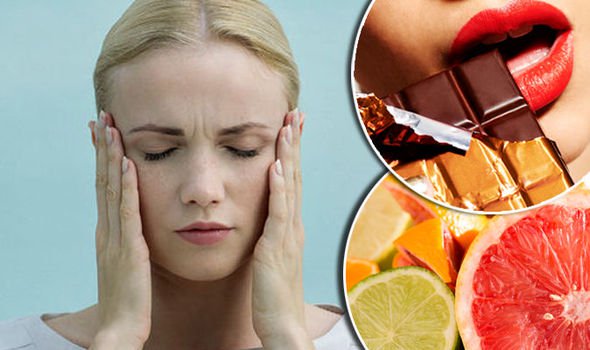
    Headaches are a common symptom and source of pain and debilitation for many people. Headaches can come from stress, tension, allergens or unknown cause. Conventional medical advice recommends taking over-the-counter medications for headaches including ibuprofen and acetaminophen products such as Tylenol. Did you know that Tylenol is dangerous that it has a “black box warning” (the FDA’s strongest drug label warning)? The FDA is completely aware of the dangers associated acetaminophen. They promised to implement safety measures and dosage restrictions, warnings, and safety measures to protect consumers from the harms of Tylenol way back when, but never followed through.
    It’s been 40 years and they haven’t done a thing. Tylenol makes way too much money and you know about the FDA’s impressive ability to write-off children damaged by billion dollar industries. These pain relievers come with many side effects and should be avoided.

    Here’s a short list of natural remedies for headaches and suggestions on dietary changes to help eliminate headaches from Healthmade.co

    Dietary changes to prevent and support healing for headache

    • Avoid processed and packaged foods, ingredients, and other products. Processed foods contain ingredients that can cause headaches and other chronic health issues to occur.
    • Consume real, organic foods – nutrient-dense foods such as grassfed and finished meats, pasture-raised poultry and eggs and safe-sourced seafood. All these foods are abundant in important nutrients including fat-soluble vitamins A, D, E, and K2, CLA (conjugated linoleic acid) and Omega 3 essential fatty acids important for health.
    • Avoid sugar – sugar depletes the body of important minerals and displaces truly nutrient-dense foods that support wellness.
    • Avoid alcohol. Alcohol causes dehydration and mineral depletion (see avoid sugar and processed products, above. Both contain sugar and other ingredients that can easily deplete nutrients from the body, contain toxins, and contribute to headaches and other chronic health issues).  
    • Consume fermented and cultured foods – sauerkraut, pickles and other cultured vegetables, yogurt, sour cream and kefir made from organic, whole, raw milk.
    • Consume fermented beverages – cultured vegetable juices from sauerkraut, pickles, beet kvass (a Ukrainian drink made from beets, salt and filtered water), kombucha and water kefir. Fermented foods and beverages contain minerals, vitamins and enzymes that contribute to health and can help keep the body replete with nutrients that prevent headaches and other chronic health issues.
    • Consume homemade bone broth with sea salt – broths and sea salt contain amino acids and trace minerals that are helpful in maintaining wellness and can contribute to keeping headaches away.
    • Use sea salt in food preparation and cooking – sea salt contains critical, trace minerals for health including magnesium, calcium, phosphorus, boron, zinc, iron, and many others that can help eliminate headaches.
    • Avoid foods that can contribute to nutrient-depletion – soy, corn, grain and gluten foods that aren’t traditionally prepared via soaking, sprouting and fermentation can leach minerals from the body – which contributes to headaches – and also contribute to other health issues

    Source: https://www.ncbi.nlm.nih.gov/pmc/articles/PMC4325021/

    Source: https://www.westonaprice.org/health-topics/vegetarianism-and-plant-foods/living-with-phytic-acid/

    • Heal your digestive tract, naturallyThe digestive tract is where most illness and disease originates.
    •  Avoid GMOs (genetically-modified organisms, found in 90% or more of our mainstream food supply). Any artificial, synthetic, or toxic substances in your diet or environment can contribute to headaches and other chronic health issues. 

    Source: https://migraine.com/stories/gmo-foods-something-seriously-consider/

    Natural remedies and other preparations for headaches

    • Magnesium oil (topical application) spray. Our bodies become depleted from important minerals such as magnesium easily from daily stress, anxiety and life tasks. Magnesium spray absorbs quickly and easily via the skin, and is more easily absorbed than through the digestive track topically. Recommended: 12foru magnesium spray, can also be put into capsules and taken orally.
    • Liposomal Vitamin CVitamin C is a powerful antioxidant and important nutrient. Reduces bioaccumulation of toxins and enhancesand rebuilds glutathione functions, both of which can help prevent headaches.Recommended: 12foru liposomal Vitamin C.
    • Epsom and/or magnesium salt baths as needed or 2-3 times weekly. Epsom and magnesium salts can be purchased at most health food stores and are excellent for promoting relaxation and detox in the body to help prevent headaches and other chronic health issues.
    • Use a water filtration / purification system for drinking/bathing and cooking, if possible
    • Avoid chemicals and toxins in clothing, personal and beauty care products, and commercial products in your home or business environments – eliminate commercial and chemical cleaners, detergents, soaps, shampoos, conditioners, toothpaste, solvents, plastics, formaldehyde and others that could be lurking in garments, furniture, paint, carpets, and others. Read labels and purchasing natural products with few ingredients, and those that are real, plant-based, and eco-friendly. For example, products with vinegar, baking soda, lemon juice, hydrogen peroxide and essential oils are preferable to products containing harmful chemicals with warning labels.
    • Reduce stress and anxiety. Lowering your blood pressure naturally via diet and other means is one way to accomplish this task.
    • Drink plenty of filtered water throughout the day. See above on water purification / filtration.
    • Obtain adequate sleep and rest. Sleep and rest allow the body to replenish, repair and rejuvenate its cells, organ systems and the brain. These can all contribute to reduction and avoidance of headaches and other chronic health issues.
    • Use massage, chiropractic, reflexology and other holistic care to help promote circulation, muscle-loosening and relaxation, stress-relief and obstructions in the spine or muscular-skeletal system that can contribute to headaches and other chronic health issues.
    • Herbal tinctures (or teas) to help with headache tension and relief: feverfew, ginger, butterbur, willow, and lemon balm tinctures.

    Note: as with any one dietary, supplemental or habit change, daily tea and/or consumption of extracts can help keep headaches away, but should not be considered a stand-alone cure for a headache or any health challenge. Underlying issues (see above) such as nutrient deficiencies, environmental toxins, rest, stress, and others also need consideration and addressing. Tinctures and teas can also be found at most health food stores.

    Learn how to make a lemon balm/feverfew tincture at home here.

    Source: https://www.ncbi.nlm.nih.gov/pmc/articles/PMC3210009/

    Source: https://www.ncbi.nlm.nih.gov/pubmed/23030536

    Source: https://tinyurl.com/ycxg9e26

    Source: http://pennstatehershey.adam.com/content.aspx?productId=107&pid=33&gid=000281

    RESOURCES

    Dangers of Tylenol

    Tylenol is hazardous – They Have Known It For 40 years

    Now might not be the best time to tell you that Tylenol has a “black box warning” (the FDA’s strongest drug label warning) and contains the following ingredients:

    Carboxymethylcellulose sodium (a thickening agent), carrageenan (associated with cancer and gastrointestinal disease), citric acid, flavor, glycerin, hydroxyethyl cellulose, microcrystalline cellulose, propylene glycol (a common ingredient in antifreeze that could be neurotoxic), propylparaben (a hazardous substance and endocrine disruptor), purified water, sodium benzoate, sorbitol solution, sucralose, and of course – acetaminophen.

  • Death by Medical Error Hospital Attempt to Cover Up

    At Vanderbilt University Medical Center, the largest hospital in Nashville, a nurse’s error in an attempt to give an anti-anxiety medication to a patient suffering headaches and vision problems prior to an MRI. The patient was accidentally killed when given vecuronium, a drug used in death row executions.  In this case, the drug appears to have caused the patient, who was otherwise stable, to lose consciousness, suffer cardiac arrest and ultimately be left brain dead. The patient died one day later after being taken off of a breathing machine. The hospital failed to let the Davidson County Medical Examiner, who is supposed to investigate all unusual deaths in Nashville, know of the error leading the examiner to believe the death from bleeding and natural causes rather than a medication error.

    The <wrong> drug was then given to the patient, who was then put into the scanning machine before anyone realized a medication mistake had been made. The patient was then left alone to be scanned for as long as 30 minutes, according to the investigation report, before someone realized the patient was not breathing and medical staff began CPR.

    Read more: Patient Death Due to Medication Error

    Third Leading Cause of Death? MEDICAL ERROR

    A study by researchers at Johns Hopkins Medicine says medical errors should rank as the third leading cause of death in the United States — and highlights how shortcomings in tracking vital statistics may hinder research and keep the problem out of the public eye.

    The authors, led by Johns Hopkins surgeon Dr. Martin Makary, (listen to his interview) call for changes in death certificates to better tabulate fatal lapses in care. In an open letter, they urge the Centers for Disease Control and Prevention to immediately add medical errors to its annual list reporting the top causes of death.

    Based on an analysis of prior research, the Johns Hopkins study estimates that more than 250,000 Americans die each year from medical errors. On the CDC’s official list, that would rank just behind heart disease and cancer, which each took about 600,000 lives in 2014, and in front of respiratory disease, which caused about 150,000 deaths.

    Medical mistakes that can lead to death range from surgical complications that go unrecognized to mix-ups with the doses or types of medications patients receive. Like the case of August Elliot in Idaho given the wrong medication and died in his father’s arms in the hospital.

    But no one knows the exact toll taken by medical errors. In significant part, that’s because the coding system used by CDC to record death certificate data doesn’t capture things like communication breakdowns, diagnostic errors and poor judgment that cost lives, the study says.

    Read More About 

    Medical Error The 3rd Leading Cause of Death

    Death of August Elliot in Idaho caused directly by Medical error

    Faith Healing Workgroup testimony Jean Fischer  

    Idaho Pediatric Death Statistics. These are the only statistics available for cause of death. These do NOT take into account medical error.

    TRACKING MEDICAL ERROR COULD SAVE LIVES