Category: Holistic Health

Naturopathic, alternative medicine and chiropractic health care

  • Herbal Honey an Ancient Medicinal

    Herb Infused Honey. Honey is medicine. Raw, unpasteurized honey is antimicrobial, anti-inflammatory and anti-allergenic. It helps build blood and actively promotes the healing of tissues. And according to Stephen Buhner,

    “Honey contains (among other things) a complex assortment of enzymes, organic acids, esters, antibiotic agents, trace minerals, proteins, carbohydrates, hormones, and antimicrobial compounds. One pound of the average honey contains 1333 calories (compared with white sugar at 1748 calories), 1.4 grams of protein, 23 milligrams of calcium, 73 milligrams of phosphorus, 4.1 milligrams of iron, 1 milligram of niacin, and 16 milligrams of vitamin C, and vitamin A, beta carotene, the complete complex of B vitamins, vitamin D, vitamin E, vitamin K, magnesium, sulfur, chlorine, potassium, iodine, sodium, copper, manganese, high concentrations of hydrogen peroxide, and formic acid… and the list goes on. Honey contains more than 75 different compounds! Many of the remaining substances in honey are so complex (4-7 percent of the honey) that they have yet to be identified.” 

    All this and we haven’t even added the plant medicine.

    Also, herbal honeys are delicious and so incredibly pleasurable to make. Everything about the process is sensual and glorious, if a bit sticky (this is why we have tongues and window shades). There’s nothing quite so beautiful as honey lit up by sunshine. Combine that with the colours and scents of fresh herbs and you’ve got yourself a bonafide experience. Take your honey in tea, on toast, use it to make medicinal syrups or liqueurs or just eat it off the spoon.

    11412399_896425497069857_3916898294343928999_n

    Depending on the herb you choose, there are a couple of ways to make yourself an herbal honey—cold or warm infusion. More delicate plants like wild rose or elderflower do better with a cold infusion, while “tougher” herbs like rosemary or grindelia need heat to extract the flavour and medicine. Fresh herbs are much preferable to dried.

    A good rule of thumb is a 1 parts herb to 12 parts honey for a cold infusion and 1 part herb to 5 parts honey for a warm infusion. You want more honey in a cold infusion as you won’t be evaporating off the plant waters with heat. More honey means less chance of spoilage.

    Curious how to make a cold infusion of Wild Rose Honey or Warm Infusion of Grindelia Honey visit GatherVictoria.com

    Herbs best suited for cold infusions:

    Elderflower, Rose, Mint, Linden, Queen Anne’s Lace Blossoms

    Herbs best suited for warm infusions:

    Grindelia, Fir tips, Lavender, Yarrow, Thyme, Rosemary, Wild Bergamot, St. John’s Wort, Balsam root, Holy Basil, Sweet Basil, Calendula

    Herbal honeys make a wonderful gift and make a perfect host or hostesss gift.
    Remember to let the receiver know they need to place the sealed jar in a warm place out of direct sunlight and allow to infuse for 2-4 weeks. For a milder herbal honey, start tasting at 2 weeks.

    And a quick note: leave some blossoms for the bees! Forage responsibly, take only what you need and plant flowering herbs for our pollinating pals.

  • A Plant Can Do This? Why is it illegal?

    The recreational use of the cannabis plant to produce a “high” has overshadowed the myriad of industries that hemp is viable for and this is precisely how and why the plant has and continues to receive such bad press. A short documentary named The Hemp Conspiracy, looks at the benefits of cannabis outside of recreational use.The documentary maker said he created the video to explore the debate around legalizing cannabis.

    The video begins with a narrator asking: 

    “What if there was a plant that had over 60,000 uses, a plant that had the ability to heal some of the deadliest diseases known to mankind, could replace many chemical ridden medicines prescribed for problems such as depression and insomnia? A plant that could aid in the reduction of the growing and devastating effects of deforestation across the planet, a plant that was illegal for reasons that simply do not make sense?

    “That plant is cannabis.”

    The documentary investigates how the illegal plant could be used in a number of helpful ways.

    THOUSANDS OF BENEFITS

    There are three species of cannabis Sativa indicia and Ruderalis all of which can be split. Although usually, the Sativa type into an industrial compound referred to as hemp. This is where the industrial side of cannabis comes in. Hemp has been used for thousands of years, and its usability is unlike anything else it can be used for oil for cooking and converting the fuel. The seeds which are one of the most nutritional seeds on the planet. Supply every mineral and vitamin the body needs. It can be used for clothing and only requires half the amount of water to turn into fiber than cotton. It also requires no chemicals or fertilizers. It can also be used as housing insulation fiber boards.

    PAPER and PLASTIC

    Two main resources that can be produced using hemp by could have a profound impact on the planet and our lives is paper and plastic. According to a study conducted in 1916, it’s believed one acre of hemp over the course of 20 years can produce four to ten times the amount of paper than trees. Although the deforestation problem we are faced with today is attributed to many things, reducing the need for tree paper by using hemp, would still reduce the damaging effects of paper production. Which sees roughly four billion trees being cut down a year for that purpose. Yet less than nor point one percent of the paper we use today is made with hemp plastic which cannot only be made to be completely biodegradable. This would reduce the enormous amount of pollution on beaches and destruction to marine life. It can also be produced with little or no chemicals which we all know makes up the majority of plastic we used today.

    So how did this beneficial and non-intoxicating medicine become illegal? “It’s kind of simple,” says Martin Lee of Project CBD “It’s marijuana prohibition — that’s why it’s illegal…and it’s built on a mountain of lies.”

    A GAME CHANGING MEDICINE

    Scientists and researchers believe is the reason it has profound benefits in the first place so they have been able to identify 483 different chemical compounds within the plant 80 of which are called cannabinoids so far we do not know a whole lot about these 80 cannabinoids and their effects on humans. 

    Scientist argues cannabis has thousands of benefits

    Most researchers only been focused on a handful of them such as delta nine tetrahydrocannabinol. It is by far the most studied chemical which binds to the receptors in your central nervous system and immune system when heated causing you to get high. It is the only compound in cannabis to do so. This is the chemical that medical marijuana is most active in as it acts as a side effect free muscle relaxant anti-inflammatory antidepressant and current studies are showing that it could be used as a treatment for anxiety the side effects of chemotherapy cancer growth reduction Crohn’s disease chronic pain insomnia and multiple sclerosis just to name a few. 

    The next one is tetrahydrocannabinol acid which is the same chemical as the one just talked about but in its unheated form which means it’s a non psychoactive compound this is administered by juicing cannabis as you would wheatgrass or any other plant. It contains medical properties that are lost when heated this chemical is in its early stages of research but is thought to be an effective treatment as an anti-inflammatory and a variety of illnesses without any significant side effects and also will not give patients  the feeling of a high cannabidiol is similar and has been linked as an effective aid for anxiety nausea acne schizophrenia and many neurodegenerative diseases. However truth be told, these studies have not gone on long enough for us to know the full benefits cannabis. There’s a reason for that because it’s been illegal in any every country since the early 1900s.

    Why is it illegal?

    We have established that cannabis has thousands of industrial uses and many of these can be produced with a less of an impact on the environment than conventional products and that cannabis may have more medical benefits than any other natural untouched products in the world so why would something with all of these uses and benefits be illegal?

    Learn More: Watch the Video

  • 4 Types of Green Tea and Their Health Benefits

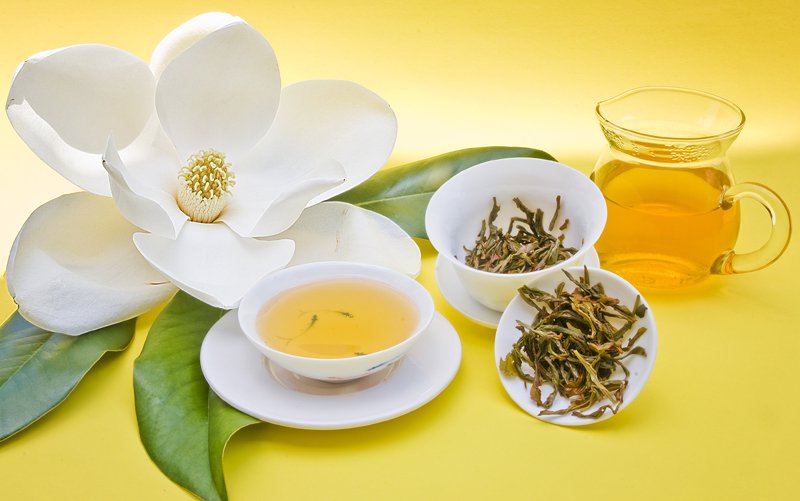
    The world of tea offers something for everyone, depending on your taste, mood, and health goals. All true tea comes from the tea plant Camellia sinensis. That’s right, black tea, green tea, white tea, and oolong tea all come from the same plant—everything else is technically a tisane! What makes them so unique in look and taste is the way they are grown, harvested, and prepared.

    And while all contain antioxidant, antibacterial, anti-inflammatory, and antiviral benefits due to their shared catechin polyphenol, antioxidant content, each type contains its own individual benefits, which can help you better decide which will be your go-to choice. 

    Dr. Will Cole, leading functional-medicine expert share insight into the variety of Green Tea which he calls : the grounder.

    It is definitely the most popular, right now. While harvested later than white tea, green tea does not go through the same oxidation process that oolong and black tea go through. Like white tea, this allows for some of the highest levels of catechins, specifically the uber-beneficial compound epigallocatechin gallate (EGCG).

    It’s been shown in a number of exciting studies to be extremely powerful in a number of issues:

    • Boosts metabolism
    • Improves the skin
    • Slows down aging
    • Decreases cancer growth
    • Improves brain function
    • Protects from brain diseases
    • Reduces heart disease risk
    • Reverses diabetes
    • Decreases inflammation through boosting pro-antioxidant Nrf2 pathways and decreases pro-inflammatory activity.

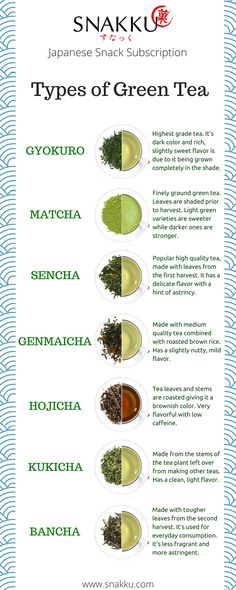
    Green tea is a fun part of the kingdom. Like all the varieties of beer or wine, green tea comes in different forms that each can have their own individual taste and array of nutrients. Here’s how the different green teas rank:

    Matcha:

    Matcha is a green powder made from a specific kind of green tea leaf. Unlike many other green teas, plants used for matcha are first covered and grown in the shade for weeks upon weeks before they are harvested, resulting in boosted chlorophyll levels, which gives it the bright green color it is known for. Then the leaves are dried and ground into powder. Matcha has one of the highest concentrations of EGCG of all green teas, up to three times more than a typical sencha!

    Sencha:

    Sencha is brewed by infusing the whole tea leaves in water to produce a very mild and pleasant taste. Harvested early on in the season, sencha is made from some of the most flavorful top leaves. It’s no wonder that this is the most popular tea in Japan.

    Gyukuro:

    Similar to sencha, the biggest difference is that the leaves are also shade grown just like matcha versus in the sun, which results in a stronger, more intense flavor. Gyokuro is also touted as having the highest EGCG levels.

    Sancha:

    More bitter in taste, bancha has the lowest caffeine content of all green tea varieties. It is harvested from the same tree as sencha but later in the season, making it one of the cheapest, most commonly found green teas out there.

    The bottom line? All tea is super healthy, so choose based on your personal goals and flavor preferences.

    As with the importance of what’s in teas, it is just as important about what is not in teas.

    Says Julie Graves-LaForge an Independent Sipologist with Sipology by Steeped Tea (who are members of the Ethical Tea Partership).  The ETA is a community of tea producers that meet international social standards. They practice safety and opportunity for tea workers and their communities. They strive to improve tea producers’ sustainability; protecting soil, water, ecosystems and wildlife.  They provide education and training around good practice tea farming.

    To Learn More about Sipology by Steeped Tea visit http://mysteepedteaparty.com/myuniquepartea

    MORE ABOUT TEA BENEFITS

    This is what happens when you give up coffee for matcha.

    Portion of this article originally appeared at the site of 

    William Cole, D.C., IFMCP Functional Medicine Practitioner https://www.mindbodygreen.com/articles/the-healthiest-types-of-tea.

  • Is CBD Oil Safe For Kids?

    According to a 2013 study published in the British Journal of Clinical Pharmacology, CBD oil benefits include  anti-inflammatory, anticonvulsant, antioxidant, antiemetic, anxiolytic and antipsychotic agent, and is therefore a potential medicine for the treatment of neuroinflammation, epilepsy, oxidative injury, vomiting and nausea, anxiety and schizophrenia. The pharmaceutical companies are aware of the health benefits and are trying to cash in with a synthetic product.  According to the Journal’s CBD market analysis, total CBD sales in the United States will exceed $2.1 billion by 2020, with $450 million of this figure comprised of hemp-derived CBD sales. Karnes thinks the CBD market will exceed $3 billion by 2021. As the cannabinoid becomes more readily available it raises the question Is CBD Oil Safe for Kids?

    Cyrus Partow, the founder of CBDNerds.com shares with us his answer to this question.

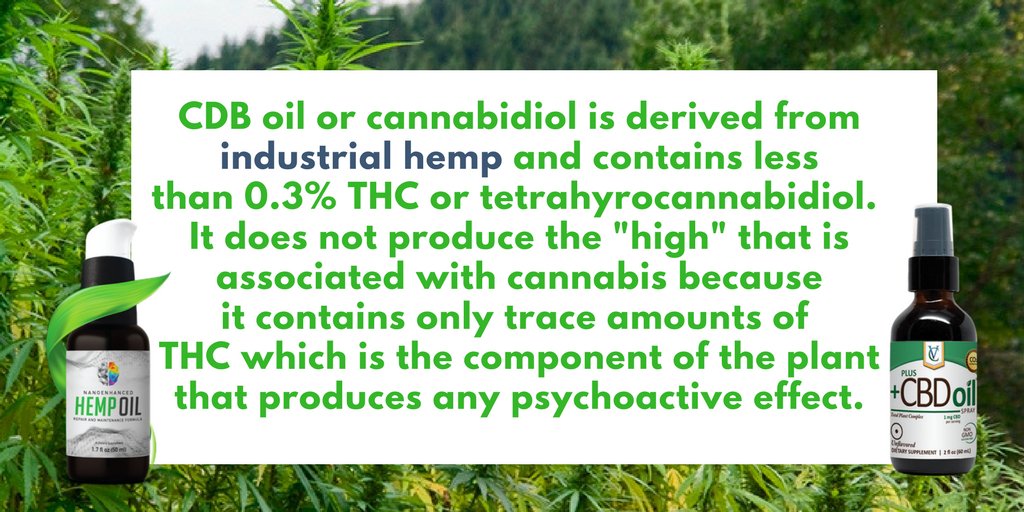
    CBD oil is a compound extracted from the Cannabis plant and because of this, is commonly associated with marijuana. The big difference is that CBD is different from THC in that it’s not psychoactive and has major benefits including the potential to treat several forms of epilepsy. In fact, the FDA recently approved of the drug Epidiolex which is a CBD based medication.  

    In general, CBD is not approved by the FDA as a cure for medical conditions. Because of this, doctors and pediatricians will not be recommending CBD to parents to help their children’s ailments. It’s been more and more shown that CBD can be a safe solution for adults and even pets, but is CBD safe for children?

    The answer to this isn’t definitive as there isn’t concrete research on CBD oil side effects and benefits with children. This doesn’t mean it’s not safe or effective. Here’s several things about CBD every parent should know before giving it to their kids.

    CBD can potentially help with Epilepsy and Seizures

    There’s a famous case where a 6 year old by the name of Charlotte Figi was given CBD oil to alleviate her seizures. This is after her being diagnosed with Dravet syndrome which is a condition that causes seizures in children. Symptoms could include not being able to move, talk, or eat on your own. In this specific case Charlotte was having over 300 episodes in a single week. After taking CBD oil her episodes fell to just 1 per week. Although there’s lack of clinical use data, there is research being done on Cannabidiol’s effects on childhood Epilepsy.

    Medical researchers have confirmed what some desperate parents have been claiming for years—that a nonpsychoactive component of marijuana known as cannabidiol (CBD) can reduce epileptic seizures in children.

    THC get’s you high, CBD does not 

    This is a very important fact because many people do not want to turn to a solution for relief if it gets you high, specifically your kids. CBD is non-psychoactive and will not get you high. If you decide to try CBD oil for your kids be sure to purchase from brands that have transparent 3rd party lab results showing there’s no THC. This Select CBD review clarifies the importance of only purchasing hemp extracts from the USA. Most reputable online brands will sell you only Hemp CBD since it’s illegal to sell THC products. 

    CBD oil can help with Autism and Anxiety

    Clinical studies show that CBD interacts with serotonin receptors which may cause reverses in anxiety like behavior. The evidence is still anecdotal but there’s suggestions that CBD is a potential candidate for treating Autism. One in 50 children have some form of Autism and symptoms can include limited social desires, repetitive movements, not being able to maintain eye contact and much more. CBD effects our endocannabinoid system. This network of cell receptors makes sure our body is balanced. It also which works with emotional responses and biological responses. CBD can work with Autism in regulating the CB2 receptors. Cell mutations on CB2 receptors are a factor in causes of Autism. Anywhere from 1/3 to 1/5 of children suffering from Autism also suffer from Epilepsy.  Cannabis oil has been shown to be 80% successful in helping autistic children.  

    Some Studies Suggest CBD can with ADD or ADHD

    It’s common for doctors to prescribe prescription drugs like Adderall which has incredible harmful affects that can last long term. In this clinical trial CBD was shown to reduce ADHD symptoms and even help with cognition and behavior.  CBD is really just a natural alternative without the same major side effects some pharmaceuticals have. 

    Avoid these types of CBD brands

    If you come across any brands that offer free CBD bottles or free trials do not purchase from them. Typically these companies sell products that are not 3rd party lab tested and could include a plethora of impurities and toxins. There are many quality brands that are transparent about their 3rd party lab tests and publish these on their website. Also be sure to avoid brands that don’t have the CBD oil ingredients on the bottle. This is a major red flag. Most quality companies have the ingredients posted on the website and bottle. It’s common to see CBD oil with coconut oil or even MCT oil. 

    There are many effective forms of CBD to give children.

    CBD Gummies are often the most popular since, well, they’re gummies! Kids love taking something that tastes good and is fun to eat. Another option is simply giving them CBD oil that’s mixed with coconut oil. Be sure to avoid Raw Hemp Oil as it doesn’t taste good and will be hard to give your kids. If THC is a concern then be sure to go with Isolate CDD rather than Full Spectrum since there are no other cannabinoids in Isolate.

    This article was written by Cyrus Partow, the founder of CBDNerds.com. Cyrus is a passionate CBD user who has tested a variety of different products and reviewed them. CBD Nerds is a site offering guides and resources around the most common CBD related questions. In addition, they offer reviews on products, brands, and more.

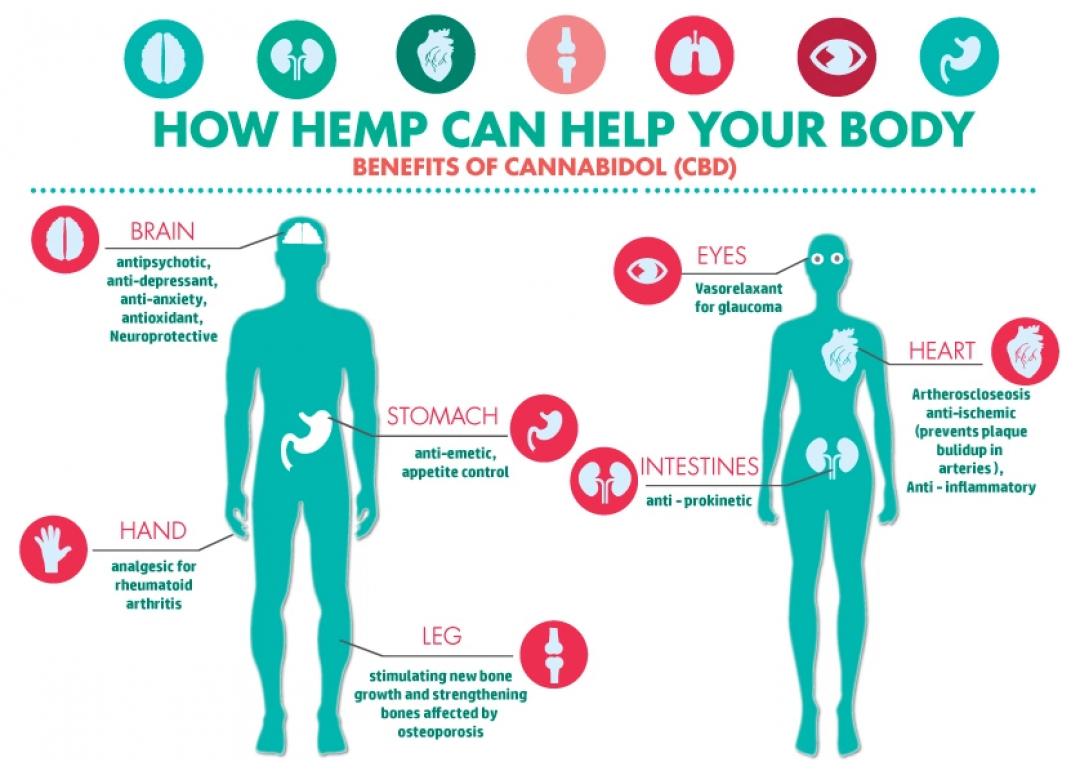
    Learn Specifically, How CBD Benefits the Human Body:

    *Relieves Anxiety– has an antidepressant-like and anxiolytic effect from cannabidiol in cannabis sativa

    *Neuroprotective– cannabidiol has clinical applications for neurodegenerative disorders

    *Relieves Pain– Cannabinoids have been found to treat pain without the same harmful addictive tendencies or side effects of opiods like percocet, oxycodone and vicodin

    *Reduces the Risk of Artery Blockage– thus making it effective for the treatment of high blood pressure and general stress

    *Anti-inflammatory– Cannabidiol CBD and its analogs have been determined to treat inflammation, which is the root cause of several negative medical conditions as well as cancer and arthritis

    *Promotes Bone Growth– as we age, our body breaks down over time, but CBD activates cannabinoid receptors to stimulate bone growth and bone mass

    Watch Dr. Judy Mikovits @ Healthmade.com

  • Pharmaceuticals Kill More Teens Than Illegal Substances

    Combine the number of overdose deaths caused by heroin and cocaine, and you still haven’t matched the number of deaths caused by pharmaceutical prescription medications each year in the United States. In fact, according to the Centers for Disease Control and Prevention (CDC) website, pharmaceutical abuse was responsible for about 23,000 deaths in 2013  — that’s more than half of the overdose deaths in the U.S. that year. These deaths are tied to teen anxiety and stress and their inability to cope. As adults and parents, we can be mindful of the teens around us, encouraging them in their pursuits of excellence and their struggles to fit in. The struggle of stress and anxiety is real in life, helping to teach the next generation to cope without the needs for a pill is critical for not only their health, but the health of the coming generations. 

    Prescription drugs have a disproportionately large effect on teenagers. A recent study published in Journal of Public Policy and Marketing sheds light on this issue, which the CDC has labeled an “epidemic.”

    Over 1,000 teenagers in 40 different regions around the U.S. participated in an online survey that questioned them about their use of alcohol, tobacco, legal drugs and illegal drugs. Participants were asked if they suffer from anxiety, if they have a desire to be “popular,” how often they participate in exciting activities, and whether they consider using drugs risky.

    The authors of the study — Richard Netemeyer of the University of Virginia, Scot Burton of the University of Arkansas, Barbara Delaney of the Partnership for Drug Free Kids, and Gina Hijjawi of American Institutes for Research — published several conclusions.

    First, their results showed use of pharmaceuticals has a linear correlation with the amount of anxiety and other psychological stress a teenager experiences each day. Pharmaceutical use also increases with the amount of alcohol a teenager consumes.

    Second, their results show prescription drug use increases exponentially in circumstances where a teenager is experiencing more severe anxiety, a heightened desire to be popular, a need to be a “good teen,” or is using other restricted substances.

    “Teens need help before they reach these tipping points for prescription drug abuse,” write the authors. “Adults spotting teens with very high levels of anxiety and at least moderate use of other restricted substances should realize that these are students with a high likelihood of prescription abuse.

    According to an editorial published by the New York Times in 2013, pharmaceutical advertisements have helped cultivate a “pill for every ill” approach to health care in the United States. U.S. physicians, for example, prescribe drugs as treatment for ADHD 25 times more often than European physicians. It follows that U.S. teenagers have 25 times more access to ADHD medication like Ritalin and Adderall than European teenagers.

    Several organizations work to educate the public on the risks of prescription drug abuse. The National Coalition Against Prescription Drug Abuse, for example, organizes school related activities aimed at educating students about the risks of pharmaceuticals, and the Office of National Drug Control Policy is trying to implement a four-part plan to educate teenagers and monitor their use of pharmaceuticals.

    Evidence from the study suggests these organizations have a long way to go. 

    The causes of stress/anxiety

    Anxiety can be brought upon by a slew of different things: genetics, hormones, environment, relationships, trauma, and much more. An anxiety disorder doesn’t entail just feeling stressed a little more frequently–it means someone is experiencing so much anxiety that it’s difficult to function in certain situations or moments, sometimes logical and sometimes not.

    The adolescent years are some of the most trans-formative and intense, which makes it a perfect time to develop issues like anxiety. As adults, we have experience with how to properly deal with stress, but teens don’t. Not to mention that students nowadays have an enormous amount of responsibility set on their shoulders with little to no education on how to handle the stress of that correctly. It’s a recipe for disaster.

    Studies shows teens experience “adult-level” stress

    If you think high school is just “kid” drama and doesn’t produce “real” stress, you’re probably wrong. A study by the American Psychological Association discovered that teens feel just as much anxiety as adults–if not more at times. This isn’t just a little stress, either, it’s the type of stress that keeps you awake at night, makes you skip meals, and makes you feel depressed. The type of stress that signals a parent to begin searching out help for teen mental health issues.

    In the study, it was discovered that on-average, a teen’s overall stress throughout the year was higher than an adult’s. This is probably due to the lack of experience with how to deal with stress–but it could also be linked to new factors, like social media.

    Social media & anxiety

    Like all new technologies, there’s always a downside that needs to be addressed–for social media, it could be the obsession with “likes” and a strong fear of missing out (FOMO). As a program that provides help for teen mental health, it’s not unusual for teens that come to us to have a pretty unhealthy relationship with technology.

    In a recent CNN article, teens discussed their own experiences with social media anxiety. One girl explained how her friend nearly had a breakdown because she didn’t receive a certain amount of “likes” on a photo she posted on Facebook. This type of behavior is linked to an individual basing their self-worth on something such as “likes.” To them, not getting enough “likes” means they’re not popular or pretty enough–it can create an enormous amount of anxiety.

    5 Tips for Helping Teens Cope with Stress & Anxiety without Medication

    Often times teens are marketed too that there is a pill for every ill and that a drug will make it ‘all go away’. This is an unhealthy attitude. It is the adults and parents responsibility  to guide, encourage and teach our children and teens. Here are some suggestions from the American Academy of Child and Adolescent Psychiatry in helping to train your teens to recognize and learn to cope with anxiety and stress and in a healthy way.  

    • Take care of your body

      • Get Enough Sleep 
        Healthy sleep is so important. When stress spikes, sleep often suffers. At the same time, too little sleep can make stress that much worse. Encourage your child to get enough shut-eye. Limiting screen time and stimulating activities in the evening can help your child fall asleep earlier so that he or she is better rested when the alarm buzzes.
      • Eat regularly. Small meals with a protein will help keep your blood sugar balanced and your mood balanced.

        The study found that nearly 1 in 3 teenagers felt depressed, sad, or overwhelmed because of stress. It also was reported that about 25 percent of teens skipped a meal because they were too stressed to eat. Of those teens that said they’ve skipped a meal because of stress, about 40 percent said they do it weekly. Sounds like a pretty unhealthy way of coping with stress, right?

    • Focus on Strengths. Point out your teens strengths and encourage them to find positives on their own.

      • Positive self talk can make a world of difference in mindset and attitude and the ability to cope with stressful situations.Decrease negative self talk: challenge negative thoughts about yourself with alternative neutral or positive thoughts. “My life will never get better” can be transformed into “I may feel hopeless now, but my life will probably get better if I work at it and get some help”
      • Focus on the process instead of the outcome. How hard a child tries is more important than the grade they receive.
    • Practice breathing and mindfulness.

      • Take 30 seconds to focus on deep breathing and relaxation. “Teens tend to hold their breath to get through stressful situations, but it can impact their ability to focus,” Weiker says. “The more you hold your breath, the more tired and agitated you become.”
    • Remind teens that they are in control of some things in their lives. 

      • Encourage them to make decisions and prioritize activities when possible.
      • Teach them to feel good about doing a competent or “good enough” job rather than demanding perfection from yourself and others.
      • Talk to your teens. Be open to listening without judgment to teens concerns and stresses. Their stress in their youth affects them just as much as your adult stress effects you as an adult. 
    • Take a Break from Stressful Situations.

      • Encourage them to participate in activities, like listening to music, talking to a friend, drawing, writing, or spending time with a pet, to help reduce stress.
      • Teaching our teens to recognize the need to rest is just as healthy as teaching them motivation and a strong work ethic.
        Give them “permission” and encouragement to choose a healthy activity that makes them happy to work on without interruption for a period of time and on a regular basis. 

    As an adult changing our mindset to consider that teen stress is a teaching opportunity. Validating their stress levels and helping them to find healthy ways to cope is a skill that they can take with them into adulthood.

    RESOURCES:

    https://www.viewpointcenter.com/blog/help-teen-mental-health-causes-anxiety-disorders/

    https://www.psychologytoday.com/us/blog/the-race-good-health/201402/5-tips-helping-teens-cope-stress

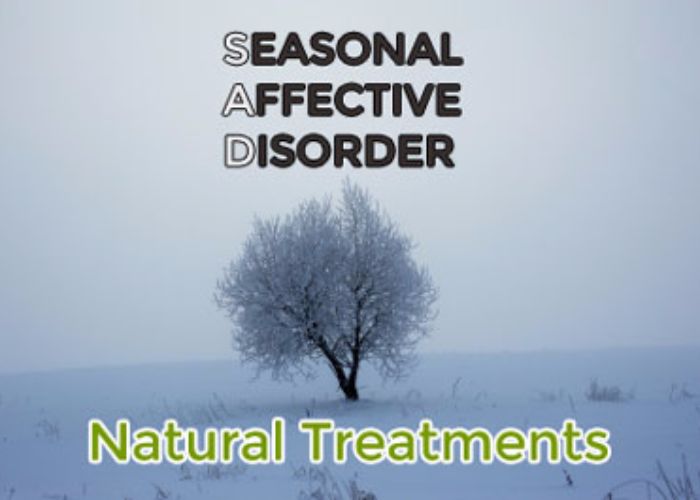
  • Seasonal Affective Disorder (S.A.D) A Naturopathic Treatment Approach

    It’s that time of year again. The days are getting shorter, the air is getting cooler, and the leaves are starting to paint our city in beautiful yellows, oranges, and reds. Along with this pleasant turn of the season comes a higher prevalence of seasonal affective disorder (SAD). For those that experience SAD, the coming of fall and winter presents unique mental health challenges.

    SAD is a type of depression that comes and goes with the seasons. It is often experienced as an exacerbation of preexisting mental health conditions that worsens in the coldest and darkest times of the year. It is very common in the United States (up to 10%) during the months of October through February.

    Symptoms of seasonal affective disorder include:

    • Feeling down or depressed most of the day, nearly every day
    • Loss of interest in activities you once enjoyed
    • Low energy
    • Low motivation
    • Insomnia or oversleeping
    • Change in appetite, especially increased cravings for carbohydrates
    • Change in weight
    • Feeling sluggish
    • Heightened irritability or agitation
    • Difficulty concentrating
    • Feeling hopeless, worthless or guilty
    • Having frequent thoughts of death or suicide
    • Fatigue

    Just because symptoms arise seasonally doesn’t mean you have to “tough-it-out” and wait for the spring season to bring relief. Treating SAD proactively can help to maintain steady mental state of mind and motivation throughout the year. Below are some ideas for maintaining great mental health in this more challenging time of year.

    Boise Natural Health Clinic suggests these supports to build a healthy foundation for any mental health treatment.  

    Healthy daily diet  

    • Health Freedom Idaho member suggested: “Endorphins are key! Eat feel good foods that boost serotonin and dopamine and get the heart pumping and blood flowing as much as possible”

    Proper supplementation 

    • Omega-3 fatty acids, Probiotics, Vitamin D3, and a good multivitamin

    Go Outside

    In the winter months we don’t get enough sunshine and, as a result, we also lack Vitamin D which contributes to SAD. Try to go outside in the daylight whenever possible – it doesn’t need to be for a long time, even half an hour can make a difference. You should also avoid wearing sunglasses (but never look directly at the sun) to get the most out of the daylight hours.

    Adequate sleep 

    Make a plan and routine to get more than 7 hours a sleep a night. Plan a night time routine. Get off screens at least an hour before bed, blue light from screens can interfere with your bodies ability to make Melatonin generated by the body to help you feel you ‘sleepy’. A simple habit such as a cup of tea before bed is calming and can help your body and mind relax to ease sleep. Many suggest magnesium to help promote restful sleep. There are many varieties to choose from a whole food version successfully used with adults and children is here.

    Exercise

    • Exercise increases endorphins (neurotransmitters that make you feel happy) and decreases cortisol (our stress hormone). As I’ve told many of my patients, exercise is the best stress management because it helps to decrease cortisol just like you would draining a battery. It is an incredible stress management tool, that when used effectively, can be a game changer for some.

    Solid Stress Management Routine 

    Health Freedom Idaho members made the following suggestions:

    • Re-prioritize! Say no more often and only say yes to the most important things. Take more down time with the family. 
    • Focus on a few big activities to look forward too. A buck list of ideas that don’t take a lot of planning or finances are often the most memorial and can keep the motivation going through the season. 

    Manage your holiday expectations. Don’t set yourself up for failure by making blanket statements “This will be the best Christmas ever.” But keep positive in your mindset. Set boundaries and limits so that your family and close friends will know what you will (and won’t) be doing for the holidays. This will give you the freedom to stay ‘no’ without feeling you are failing others, which can lead to a negative mindset.

    If you experience SAD, please know you are not alone. Should you need additional support, Naturopathic treatments for SAD may include  light therapy (light box), counseling and targeted supplementation.

    Light Therapy

    A light box imitates the natural light of the day, and can be useful when used at your desk in the morning and throughout the day when the days get dark and short. Light boxes can help to decrease the amount of melatonin (the hormone that makes you sleepy) and increases the amount of serotonin (the hormone that makes you happy) when used during the day.

    Psychotherapy

    I refer to local area counselors on a frequent basis. Counseling/psychotherapy helps us to address the root cause of depression or other mental health concerns, even if they are only experienced seasonally. The different modalities of counseling have a wide array of benefit. To experience maximum benefit from counseling, it is important to find a therapist that you connect with and to make sure that they provide a type of counseling that fits your needs.

    Emotional Freedom Technique

    Emotional Freedom Technique (EFT) can be an incredibly useful and effective modality for managing seasonal affective disorder as well as chronic conditions such as anxiety and depression. Boise Natural Health Clinic’s own Emily Yuen offers EFT and we have seen patients get excellent results.

    Portions of this article originally appeared at: https://boisenaturalhealth.com/seasonal-affective-disorder-naturopathic-treatment-approach/.

  • The Myth of Adrenal Fatigue?

    Adrenal Fatigue is indeed “fatigue”.  People that suffer from Adrenal Fatigue tend to feel tired and sleepy throughout the whole day. And this doesn’t go away after a good night’s sleep! Adrenal Fatigue is caused by lower levels of stress hormones, such as cortisol and adrenaline and neurotransmitters. These declines in hormones and neurotransmitters together with the disruption in the daily cortisol cycle, are basically responsible for many of the adrenal fatigue symptoms. Because every person is different, every sufferer from Adrenal Fatigue usually has slightly different symptoms.  

    Most (if not all) people that suffer from Adrenal Fatigue experience symptoms like fatigue, an inability to handle stress and cravings for certain types of foods. 

    What Is Adrenal Fatigue?

    A relatively new term, “adrenal fatigue” was proposed as a new condition in 1998 by Dr. James L. Wilson, a naturopath and chiropractor. His assumption was that an overstimulation of the adrenal glands (or “adrenals”) by chronic stress over time could lead to an inconsistent level of cortisol (the stress hormone) in the bloodstream, sometimes far more than normal and at other times, far too low. In addition to this overload or improper cortisol level, people with adrenal fatigue often don’t have enough DHEA, the “parent hormone” responsible for the creation of many necessary hormones in the body.

    Dr Josh Axe lists these Adrenal Fatigue Symptoms

    What happens when the adrenal glands stop producing hormones efficiently? Every bodily function is affected, and as adrenal hormone levels ebb and flow abnormally, even the normal “get-up-and-go” you get from them disappears. Adrenal fatigue symptoms include: (17)

    • Autoimmune conditions
    • Chronic fatigue (always feeling tired)
    • Brain fog
    • Hair loss
    • Hormone imbalance
    • Weakened stress response
    • Insulin resistance
    • Lightheadedness
    • Decreased sex drive/libido
    • Moodiness and irritability
    • Depression
    • Muscle or bone loss
    • Skin ailments
    • Sleep disturbances
    • Weight gain
    • Sweet and salty food cravings

    As you can see, there are a number of symptoms that might be related to other underlying disorders. Fortunately, the ways to combat these issues are very similar and will benefit your overall health.

    What Are Your Adrenal Glands?

    adrenal glands above kidneysWhat are your adrenals? Your adrenal glands (adrenals) are two thumb-sized organs that sit above your kidneys and are part of the endocrine system. Also known as the suprarenal glands, they’re involved in producing over 50 hormones that drive almost every bodily function, many of which are essential for life.

    Hormones affect every function, organ and tissue in the body directly or indirectly. They react to each other as well as respond to conditions in the body in an intricate and highly sensitive balancing act. The adrenal glands work closely with the hypothalamus and the pituitary gland in a system known as the hypothalamus-pituitary-adrenal axis (HPA axis). (7)

    Normally, the adrenal glands release cortisol on a diurnal rhythm, referring to the process of boosts of cortisol throughout the day that help wake us up, with a decline in this hormone level in the evening to aid the body in sleeping. This rhythm, however, doesn’t always apply when external stress occurs.

    Adrenal glands play a huge role in stress response. Your brain registers a threat, whether emotional, mental or physical. The adrenal medulla releases cortisol and adrenaline hormones to help you react to the threat (the fight-or-flight response), rushing blood to your brain, heart and muscles. The adrenal cortex then releases corticosteroids to dampen processes like digestion, immune system response and other functions not necessary for immediate survival.

    Your adrenal glands are also responsible for balancing hormones

    Some Doctors Say, “It’s a Myth!”

    An article from a São Paulo university was released in 2016 with the title: “Adrenal fatigue does not exist: a systematic review.” According to this review, results of acceptable studies available to them at the time had “conflicting results” and could provide no definitive proof of the disease, nor diagnostic criteria or adrenal fatigue treatment. (4)

    The medical community believes that the diagnosis doesn’t exist, even when patients are suffering from the symptoms. You need not have a ‘label’ or ‘diagnosis’ to help improve your symptoms. Since the treatment for adrenal fatigue consists mainly of diet and lifestyle adjustments, (which traditional doctors do not see as legitimate medicine) making these improvement will have great benefits and very few side effects! 

    Adopt a healthy diet and avoid blood sugar spikes

    The idea is to remove anything that taxes your adrenals.

    Foods to avoid include:

    • Caffeine: This can interfere with your sleep cycle and make it hard for your adrenals to recover. If you must drink coffee or a caffeinated beverage, then have a limited amount in the morning before noon.
    • Sugar and sweeteners: Includes avoiding high-fructose corn syrup and artificial sweeteners as well. Avoid sugary foods, cereals, candy, sweets, etc. Be aware that sugar is an additive in many breads, condiments and dressings. Try to avoid as much extra sugar as possible. Seek the benefits of raw honey or stevia as an alternative, and always moderate your use of sweeteners of any kind.
    • Carbohydrates: While carbohydrates aren’t all bad for you, the inflammation they can cause is particularly problematic when experiencing adrenal fatigue. Many people crave carb-heavy foods when they’re stressed, which offer a momentary satisfaction but end up taxing the adrenal glands more. If you’re overwhelmed and stressed out, try kicking the gluten and starchy carbs for a period of time to see if that may regulate your tiredness and energy levels.
    • Processed and microwaved foods: First of all, the microwave has its own dangers, but additionally, most microwaveable, ultra-processed foods have many preservatives and fillers that are hard to digest and wear out your body’s energy and digestion cycle. Try to buy food on the outer walls of your grocery store and prepare your own food whenever possible.
    • Processed meats: An overload of protein can stress your hormones more than you might think, and the added hormones and lacking nutrition in conventional, processed meats (particularly red meats like beef and steak) can throw your system out-of-whack in quick succession. When buying meats for adrenal support, stick to grass-fed beef and free-range chicken or turkey, and eat these protein-heavy meats only in moderation.
    • Hydrogenated oils: Vegetable oils like soybean, canola and corn oil are highly inflammatory and can lead to adrenal inflammation. Try to only use good fats such as coconut oil, olive oil, organic butter or ghee.

    Practice breathing exercises and meditate to reduce your stress levels

    5 Minute Mindfulness

    The most basic way to do mindful breathing is simply to focus your attention on your breath, the inhale and exhale. You can do this while standing, but ideally you’ll be sitting or even lying in a comfortable position. Your eyes may be open or closed, but you may find it easier to maintain your focus if you close your eyes.

    Build in time to get more rest and sleep

    The National Sleep Foundation Suggests the following:

    1. Stick to a sleep schedule of the same bedtime and wake up time, even on the weekends. This helps to regulate your body’s clock and could help you fall asleep and stay asleep for the night.
    2. Practice a relaxing bedtime ritual. A relaxing, routine activity right before bedtime conducted away from bright lights helps separate your sleep time from activities that can cause excitement, stress or anxiety which can make it more difficult to fall asleep, get sound and deep sleep or remain asleep.
    3. If you have trouble sleeping, avoid naps, especially in the afternoon. Power napping may help you get through the day, but if you find that you can’t fall asleep at bedtime, eliminating even short catnaps may help.
    4. Exercise daily. Vigorous exercise is best, but even light exercise is better than no activity. Exercise at any time of day, but not at the expense of your sleep.
    5. Evaluate your room. Design your sleep environment to establish the conditions you need for sleep. Your bedroom should be cool – between 60 and 67 degrees. Your bedroom should also be free from any noise that can disturb your sleep. Finally, your bedroom should be free from any light.Consider using blackout curtains, eye shades, ear plugs, “white noise” machines, humidifiers, fans and other devices

      Additional suggestions include unplugging wireless routers and reducing screen time prior to bed

    Herbs and Supplements that are regularly suggested to support adrenal health

    Holistic Primary Care shares insight into some of the herbs with detailed information on contradictions for each. 

    • Ginkgo (Ginkgo biloba) is a common herb well known for its ability to enhance peripheral circulation and for its neuroprotective effects. Often overlooked is the fact that Ginkgo can favorably affect stress levels. In one study, it lowered cortisol levels in healthy patients undergoing glucose tolerance testing (Kudolo GB. Clin Nutr. 2006. 25(4) 606-16). Ginkgo is commonly thought to be blood thinning; however, a recent meta-analysis showed that Ginkgo extract did not increase the risk of bleeding (Kellermann A, et al. Pharmacotherapy. 2011 May;31(5): 490-502). Not all Ginkgo extracts are the same. <read more>
    • Ashwagandha (Withania somnifera) root comes from India’s Ayurvedic medicine tradition. It is particularly useful for stress-induced sleeping problems 
    • Rhodiola (Rhodiola rosea) is another adaptogenic herb with a long history of traditional use. It also has a number of positive human trials in the areas of stress and fatigue management, enhancement of mental performance and treatment of mild depression.

    https://adrenalfatiguecoach.com/adrenal-fatigue-symptoms/.

    https://draxe.com/3-steps-to-heal-adrenal-fatigue/

    https://www.mindful.org/a-five-minute-breathing-meditation/

    https://holisticprimarycare.net/topics/topics-a-g/chronic-disease/1241-herbal-options-for-managing-adrenal-fatigue.html

  • Tips to Improve Immunity

    We get one body, and we need to look after it. Our bodies are complicated pieces of machinery which have been protecting us from disease, adapting to changing surroundings and lifestyles and helping us to survive since the beginning of time. Our bodies are not cut out for modern life; for processed diets and sedentary lifestyles, yet they still survive. Take a moment to think about what an amazing thing that is. Think about what we put our bodies through every day, yet they do (mostly) what we ask of them. 

    Be kind to your body. Nourish it with healthy food, condition it with exercise and balance it with healthy products, after all, it has to last you a lifetime.

    What can you do to improve immunity?

    There’s no magic pill to improve immunity, you have to adopt some healthy habits to keep your system functioning as it should.

    Exercise

    Not getting enough exercise can make you sluggish and it can affect your immune system. Exercise is excellent for general immunity, and you don’t need to be an Olympic athlete, even walking has been shown to benefit your immune system. Research shows that people who exercise regularly have more efficient white cells which fight infection. And as we know, exercise is known to release endorphins into the bloodstream; the body’s happy hormone, which reduces stress and promotes sound sleep. These are essential for good immunity.

    Eat a Healthy Diet

    Proper nutrition is essential for the proper functioning of your immune system. A diet high in sugar and alcohol can feed infections so you might want to avoid these if your immune system is low. Ensure that your diet contains plenty of vitamins, minerals, and antioxidants, so include plenty of colorful fruits and vegetables. Other immune boosting foods include garlic and mushrooms, both of which have antiviral and antibiotic properties.

    18 Tips to Supporting Wellness

    Learn about the three foods that can boost immunity

    Healing Tonic

    Foods that Reduce Brain Inflammation

    Benefits of Bone Broth

    Get Enough Sleep

    Apart from making you chronically fatigued, lack of sleep can make you prone to illness and infection. If sleep deprivation is chronic, it can lead to diabetes and heart disease.  When you sleep, the body heals itself. If you don’t sleep, your body does not get the chance to repair and restore, and your immune function is impaired. Research has shown that 7 hours of sleep per night is associated with an optimal immune function.

    Avoid sleep disruption from EMF wireless radiation

    Learn to Manage Stress

    When your body is under constant stress, you’re more prone to illness and infection. Stress hormones such as cortisol and adrenaline are released into the bloodstream when we are under stress, and these weaken the immune system.

    5 Successful Tips to Reducing Stress

    What can compromise and weaken your immune system?

    Learn More visit www.balancemebeautiful.com

    Portions of this article were contributed by balancemebeautiful.com

  • 5 Simple Ways to Avoid EMF Disrupted Sleep

    Do you have a hard time falling asleep? What about staying asleep? According to the American Academy of Sleep Medicine, approximately 30 percent of American adults struggle with insomnia. Studies show that exposure to artificial electromagnetic fields (EMFs) may play a role in disrupting our sleep by suppressing the body’s production of melatonin, the key regulator of sleep.

    EMF (electromagnetic field) should be considered a harmful invader to your body, just like any other environmental toxin. It interferes with your health at the cellular level because you are actually an electrical being. Your body is a complex communication device where cells, tissues, organs and organisms all “talk” with finely tuned bio-electrical transmitters and receivers. 1

    SEVERAL TYPES OF EMF:

    1. Static Electric Fields: These are made up of static electricity caused by ions released from synthetic materials in your home. When combined, they can make you feel unwell, which underscores the importance of choosing natural materials for your furniture, cabinetry, flooring and other building supplies.
    2. Power Frequency: This includes the wiring in your walls, electrical outlets, extension cords, lamps, and other electricity sources. They produce electric fields that essentially turn your body into a large antenna and interfere with your cells’ ability to communicate with one another. A bedroom disrupted with power frequency is especially unhealthy to sleep in, as cells cannot regenerate properly, potentially leading to insomnia and other diseases.
    3. Power Frequency Magnetic Fields: These are caused by building wiring errors and also when power lines to your home run underground near your sleeping area. An electrical panel box located on a wall near your sleeping area or even a refrigerator or TV located on the other side of the wall from where you sleep can also lead to power frequency magnetic fields.
    4. Radiofrequency/Communications: This includes a broad range of cordless phones, WiFi, wireless devices, cell phones and cell phone towers, all of which can interfere with your health.

    It’s during sleep that your body regenerates and detoxifies, so you want your bedroom to be a sleeping sanctuary with very low EMF risks. It’s a given that you’re going to be exposed to varying levels of EMF during your waking hours, so giving your body a break during the night is really important.

    The good news is there are all sorts of ways to reduce our exposure in our sleep areas. (Better: When I understood the potential of our devices to disrupt our sleep I was motivated to make these changes.)

    1. We turned the router off.
      This simple step can go a long way toward reducing your nighttime exposure. Ideally, it’s optimal to transition to wired computers and eliminate Wi-Fi altogether, but turning off the router is an excellent first step. If you have a hard time remembering, put the router on a timer that will turn it off at the same time each night. If you must be near an active router either at night or during the day, consider a router guard.
    2. We removed the cordless phone and replaced it with a corded landline.
      Cordless DECT (Digital Enhanced Cordless Telecommunications) phones emit high levels of microwave radiation. Most of the hazardous EMFs come from the base station, which is powered 24 hours a day. The antennas radiate these fields for hundreds of feet and are much like having a mini cell phone tower in your room. If a corded phone is not an option, move the base station to another area of the home, keeping the charged handset in the room with you at least six feet from your body. This simple change has made the biggest difference for me as I was the one sleeping next to it.Similarly, cell phones are best kept away from your sleeping area. Invest in a battery-operated clock if an alarm is needed.
    3. We moved as many electrical devices as possible away our sleeping area.
      I keep one small lamp next to my bed. I have removed everything else. If possible, remove radios, TVs, answering machines, VCRs, lamps, computers, etc. If you must have any of these, keep them at least six feet from your body and unplug them before sleep. The International Institute for Building-Biology & Ecology (IIBBE) recommends removing televisions entirely as they still emit fields when unplugged.
    4. We eliminated electronic media two hours before bedtime.
      In the study Using Electronic Media Before Sleep Can Curtail Sleep Time and Result in Self-Perceived Insufficient Sleep, those who used very little media before bedtime reported better sleep than those who indicated heavy media use. If you do read on a device before bedtime, consider using blue-light filtering glasses. Most devices emit blue light that suppresses melatonin. These are affordable and readily available online. I use my orange glasses every night!
    5. Consider cutting the power supply to your bedroom at night.
      While unplugging electronic devices can help, you might consider turning off the circuit breaker that provides power to your sleeping area. If you’re not sure which one it is, switch off each circuit until you find it. You can also invest in a demand switch or cut-off switch that automatically cuts the flow of electricity to the room when there is no demand for it. If your breaker is in an easy to reach place, it can be a simple habit to just turn off the bedroom breakers before you go to sleep.

    There are many other steps you can take to improve the  EMF (electromagnetic) environment in your sleeping area. 

    References:

    1 https://deeprootsathome.com/simple-tips-to-lower-your-emf-risks-start-in-the-bedroom/

    2 Neuroprotective Role of Melatonin in Oxidative Stress-Vulnerable Brain

    https://www.windheimemfsolutions.com/client-success-less-emf-less-anxiety-and-better-sleep/ – source of graphic on melatonin 

    3 Pineal Melatonin Level Disruption in Humans Due to Electromagnetic Fields and ICNIRP Limits 
    Andrea Fabry is a former journalist, certified building biology practitioner, and the mother of nine children. She is the founder of momsAWARE, an organization dedicated to raising awareness about environmental issues. Her journey began in 2008 when a serious toxic mold exposure compromised her family’s health. Since then, she has discovered a passion for non-toxic living and enjoys educating and empowering others. She is the author of Is Your House Making You Sick? A Beginner’s Guide to Toxic Mold.

    This article originally appeared at: https://ehtrust.org/five-strategies-improving-sleep/.
  • The Immune System Complex and Not Completely Understood

    “We don’t know what caused it (the paralysis or the SIDs death), but it wasn’t the vaccines.” These are comments made by media, by doctors, by individuals who hold tightly to the belief that vaccines are life-saving and beneficial and should be mandated for all.

    “Science is settled!” they shout ignoring the apparent connection of damage and injury to vaccinations for some individuals.

    If science is considered settled, then it is no longer studied objectively and by definition can no longer be considered science.

    54% of our children are suffering from chronic illness and disease.  And OBVIOUSLY there much we are doing wrong! Obviously, following the USDA for diet and the FDA for protection from toxins and CDC recommendations for protection from disease is failing us.

    For example, doctors often can’t tell you why your child has allergies, asthma, Celiac disease, diabetes, eczema, multiple sclerosis, POTS, SIDS, or thyroid problems, etc., There is much we don’t know about the developing the immune system.

    http://sm.stanford.edu/archive/stanmed/2011summer/article7.html

    Resources for Research: 

    http://vaccinepapers.org/

    http://learntherisk.org/

    nvic.org