Category: Holistic Health

Naturopathic, alternative medicine and chiropractic health care

  • Gut Cleansing

    The mystery demystified. Our clients experience miracles after cleansing and healing the gut, David DeHaas, of Living Waters Wellness Center, in Boise, shares with HFI. 

    He first heard of colon hydrotherapy in 1990, it wasn’t until 1996 that he actually tried it. Sick intermittently for many years prior to his first treatment, DeHaas who later become a naturopathic health coach and colon hydrotherapist, suffered from allergies, asthma, fatigue, muscle pain, psoriasis, candida, fungus, heavy metal toxicity and cancer. Although he’d tried various natural healing modalities, DeHaas never fully healed.

    “By the time that someone recommended colon hydrotherapy, I was desperate to get better, so I tried it. Because I had no clue what it was and thought it sounded invasive and weird, I was surprised by how easy and comfortable the private process was. After I did many sessions, my health improved dramatically. I felt younger and lighter. Also, I didn’t ache anymore, my skin cleared up and I was able to think clearly,” he says.

    Always excited at the opportunity to tell clients about the many benefits from deeply cleansing the colon, the body’s main passageway for eliminating toxins, DeHaas enthuses, “I let people know that if they are sick, their colon isn’t working properly.”

    Through knowledge gained from years of experience in the health industry and working as a colon hydrotherapist, DeHaas has developed a life-changing, 10-day deep tissue cleansing processes which combines natural healing modalities, including far-infrared therapy, pulse frequency, herbs, lymph detox, sound therapy, light therapy, and mind mapping. “The process gives our clients the tools to drastically improve their health in just 10 days. We’ve witnessed our own family members heal life-threatening illnesses with this deep tissue cleanse,” he says.

    When asked why you can’t do a cleanse by juicing, fasting or taking a product, DeHaas responded, “ Juicing and fasting gives your digestive system a rest, but the body won’t be cleansed. Think of a refrigerator with old rotting food in it. You can’t get it clean by putting clean food in it. You need to clean out the refrigerator first then fill it with clean food.”

    When questioned about why the program lasts for 10 days, DeHaas explains, “It takes 10 days of cleansing to clean out the intestinal tract and tissues. In addition, you are doing a parasite, lymph, kidney and pancreas cleanse, as well as clearing out negative thoughts, emotions and toxic energy.”

    The gut is recognized as the body’s second brain. Every organ and appendage in the body is connected via nerves to the intestine. There are more neurons in the intestinal tract than in the spine. If those neurons aren’t firing, there is an imbalance in the body. Rotting fecal matter in the small intestine covers up the villi and deteriorates the microbiome. Villi are small finger-like projections of tissue which increase the surface area of the intestine and contain specialized cells that transport substances into the bloodstream. Although these villi do not aid in the digestion of nutrients, they do help with nutrient absorption.

    To improve health, the cells have to heal. Picture the cells as the body’s engine. Over time, the engine breaks down and needs new parts. “Vitamins, minerals and herbs are the ‘parts’ for the cells,” clarifies DeHaas, who notes that if the intestinal tract is toxic, the parts can’t be absorbed into bloodstream for delivery to cells. Moreover, if the liver is toxic, it can’t clean the blood, which is the transportation highway to the cells.

    “Ours is a simple healing formula. Clean the colon, small intestine and blood, and transfer perfect nutrients to the cells,” declares DeHaas.

    Living Waters Wellness Center is located at 855 S. Curtis Rd., in Boise. To make an appointment, call 208-378-9911. For more information, visit LivingWatersCleanse.com

    This article was published by Natural Awakening Magazine  pick up your free copy at your local library or health practitioner

  • ACTION ALERT! Stop Your $10 Supplement from costing $40,000 as a “Drug”

    Many diseases and conditions are linked to poor gut health. Individuals have sought ways to support their bodies with diet and supplements. L-glutamine is one of those supplements. While not appropriate for every condition, access to this supplement is vital for some families working on healing gut issues. A move by drug companies to turn supplements into drugs and REMOVE THE SUPPLEMENT VERSIONS from the market is underway. Join Health Freedom Idaho as we Tell Congress to leave our supplements ALONE! 

    For years, consumers have benefitted from access to cheap, safe, and effective CBD oil and L-glutamine supplements. But now the FDA says that CBD is a drug, not a supplement–a drug which will be sold for $32,500 a year. Legally the FDA could at any time remove all CBD supplements from the market, on its own volition, or if the drug company who holds drug market exclusivity requests FDA do so. A newly approved drug means L-glutamine faces a similar threat.

    This excerpt from Alliance for Natural Health:

    Earlier this year, we told you about an FDA back-channel that allows drug companies to turn supplements into drugs—and remove the supplement versions from the market. This has happened to a popular and medically important version of vitamin B6 (pyridoxamine), and with the FDA’s approval of a new drug to treat sickle cell anemia, the same could happen to L-glutamine. Unless we close a back-channel at the FDA, more and more supplements will be turned into expensive drugs, and consumers won’t be able to manage their health cheaply and naturally with the supplement versions.

    Last year, the FDA announced the approval of Endari, a drug for sickle cell disease. Endari is an oral powder comprised of L-glutamine, an important amino acid currently available as a supplement. The drug company, Emmaus Medical, Inc., filed an investigational new drug (IND) application—demonstrating their investigation of L-glutamine as a drug—on May 15, 1997. This is important because there is no new dietary ingredient (NDI) notification for L-glutamine. (Think of an NDI notification as a “new supplement” notification; by law an NDI notification must be filed on supplements that came to market after 1994.)

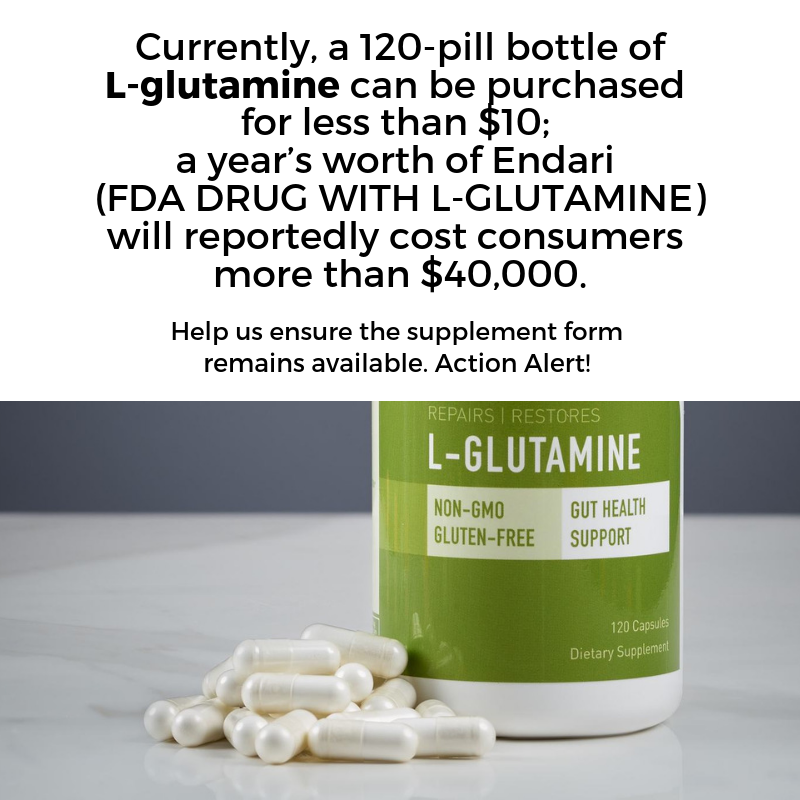
    Enter the FDA back-channel. If a drug company begins investigating a nutrient for use in a drug before a supplement company files an NDI notification on that nutrient, the company can ask the FDA to have supplement version removed from the market, leaving consumers with no other option than the drug. Currently, a 120-pill bottle of L-glutamine can be purchased for less than $10; a year’s worth of Endari will reportedly cost consumers more than $40,000.

    If Emmaus enforces its IND, the only way that L-glutamine supplements could survive is if the FDA decides that L-glutamine was in the market “in or as” a supplement before 1994. To make matters worse, the FDA has not completed its policy that lets companies know what is and isn’t grandfathered, or even how to file an NDI notification. Given how the current draft of the FDA’s proposal is written, there’s even a real danger that supplements most people would think of as “grandfathered” could require NDI notifications. All of this creates confusion that only helps drug companies further exploit this back-channel.

    Benefits of L-Glutamine

    L-Glutamine is constantly being used in our bodies. Normal function in multiple systems is dependent on proper blood glutamine levels. When our bodies undergo trauma or severe stress or illness, cortisol levels increase in our bodies and glutamine stores can be depleted at the same time. This is one of the reasons why we often feel sick after we experience a lot of stress, and why athletes often catch illnesses after grueling workouts or intense performance. Supplementing with L-Glutamine can alleviate some of these symptoms and lead to enhanced recovery. [1]

    In addition to general stress, recovery from trauma and damage to muscles specifically can be alleviated by L-Glutamine supplementation. This is simply because our bodies have to make more protein when protein rich tissues like muscles are damaged, and when our bodies need to build protein, glutamine is one of the amino acids that is highest in demand. [3]

    Immune System Support

    Just as our bodies use L-Glutamine for energy in intestinal and brain cells, our bodies’ defense cells (leukocyte) also use glutamine for energy (See ‘Digestive Support’ above). Because of this, in order to maintain a healthy immune system, keeping glutamine levels up is essential, especially in times of strain when our glutamine stores are often running low. [4] 

    CBD oil faces a similar threat. 

    For years, consumers have benefitted from access to cheap, safe, and effective CBD oil supplements. But now the FDA says that CBD is a drug, not a supplement—a drug which will be sold for $32,500 a year. While the FDA has not removed CBD oil supplements from the market yet, FDA’s declaration indicates it may be only a matter of time.

    Until we close down the IND back channel that allows Big Pharma to turn supplements into drugs, we will continue to see this happen. There’s too much money to be made. That’s why ANH is advocating for a legislative change that will protect natural substances from being turned into drugs by eliminating the market exclusivity that drug companies get when a new drug investigation is on a dietary ingredient currently being sold in the market in a dietary supplement. These rules should apply retroactively to protect CBD oil, pyridoxamine, L-glutamine, and other substances that have already (or are likely to be) removed before this legislation becomes law.

    Action Alert! Write to Congress and urge them to close the FDA back-channel that turns nutrients into expensive drugs. Please send your message immediately.

  • Another New Scientific Discovery in the Gut-Brain Connection

    On the heels of the discovery that that 100 gut bacteria can produce electricity is the newly discovered gut-brain connection That gut brain connection is becoming clearer. We must never assume science is settled, huge discoveries are being made yearly that impact our understanding of the process of hormones, immunity, detoxing and cell communication throughout our body. 

    The discovery of the size and complexity of the human microbiome has resulted in an ongoing reevaluation of many concepts of health and disease, including diseases affecting the CNS. A growing body of preclinical literature has demonstrated bidirectional signaling between the brain and the gut microbiome, involving multiple neurocrine and endocrine signaling mechanisms.

    The human gut is lined with more than 100 million nerve cells—it’s practically a brain unto itself. And indeed, the gut actually talks to the brain, releasing hormones into the bloodstream that, over the course of about 10 minutes, tell us how hungry it is, or that we shouldn’t have eaten an entire pizza. But a new study reveals the gut has a much more direct connection to the brain through a neural circuit that allows it to transmit signals in mere seconds. The findings could lead to new treatments for obesity, eating disorders, and even depression and autism—all of which have been linked to a malfunctioning gut.

    The study reveals “a new set of pathways that use gut cells to rapidly communicate with … the brain stem,” says Daniel Drucker, a clinician-scientist who studies gut disorders at the Lunenfeld-Tanenbaum Research Institute in Toronto, Canada, who was not involved with the work. Although many questions remain before the clinical implications become clear, he says, “This is a cool new piece of the puzzle.”

    In 2010, neuroscientist Diego Bohórquez of Duke University in Durham, North Carolina, made a startling discovery while looking through his electron microscope. Enteroendocrine cells, which stud the lining of the gut and produce hormones that spur digestion and suppress hunger, had footlike protrusions that resemble the synapses neurons use to communicate with each other. Bohórquez knew the enteroendocrine cells could send hormonal messages to the central nervous system, but he also wondered whether they could “talk” to the brain using electrical signals, the way that neurons do. If so, they would have to send the signals through the vagus nerve, which travels from the gut to the brain stem.

    He and colleagues injected a fluorescent rabies virus, which is transmitted through neuronal synapses, into the colons of mice and waited for the enteroendocrine cells and their partners to light up. Those partners turned out to be to vagal neurons, the researchers report today in Science.

    In a petri dish, enteroendocrine cells reached out to vagal neurons and formed synaptic connections with each other. The cells even gushed out glutamate, a neurotransmitter involved in smell and taste, which the vagal neurons picked up on within 100 milliseconds—faster than an eyeblink.

    That’s much faster than hormones can travel from the gut to the brain through the bloodstream, Bohórquez says. Hormones’ sluggishness may be responsible for the failures of many appetite suppressants that target them, he says. The next step is to study whether this gut-brain signaling provides the brain with important information about the nutrients and caloric value of the food we eat, he says.

    There are some obvious advantages to superfast gut-brain signaling, such as detecting toxins and poison, but there may be other perks to sensing the contents of our guts in real time, he says. Whatever those are, there’s a good chance the benefits are ancient—gut sensory cells date back to one of the first multicellular organisms, a flat creature called Trichoplax adhaerens, which arose roughly 600 million years ago.

    Additional clues about how gut sensory cells benefit us today lie in a separate study, published today in Cell. Researchers used lasers to stimulate the sensory neurons that innervate the gut in mice, which produced rewarding sensations the rodents worked hard to repeat. The laser stimulation also increased levels of a mood-boosting neurotransmitter called dopamine in the rodents’ brains, the researchers found.

    Combined, the two papers help explain why stimulating the vagus nerve with electrical current can treat severe depression in people, says Ivan de Araujo, a neuroscientist at the Icahn School of Medicine at Mount Sinai in New York City, who led the Cell study. The results may also explain why, on a basic level, eating makes us feel good. “Even though these neurons are outside the brain, they perfectly fit the definition of reward neurons” that drive motivation and increase pleasure, he says.

    NICOLLE R. FULLER/Science Source

    Your gut is directly connected to your brain, by a newly discovered neuron circuit

    By Emily Underwood

    More about Brain Communication

    https://www.sciencealert.com/secret-tunnels-microscopic-vascular-channels-skull-marrow-brain-dura-neutrophils

    Gut-Brain Connection: 

    http://www.jneurosci.org/content/34/46/15490 Gut Microbes and the Brain: Paradigm Shift in Neuroscience

  • Johnson & Johnson Now Owns Zarbee’s Naturals

    Wall Street Journal reports that Johnson & Johnson’s consumer-health arm reached a deal to buy children’s cough-syrup maker Zarbee’s Naturals, a move that could help the company better reach health-conscious millennial parents and bolster sales from the unit

    Johnson and Johnson has been plagued with ‘bad press’ for creating products that contain carcinogens and selling them to families without disclosure. 

    Johnson and Johnson, a company that makes gasp-inducing amounts of money on products the general public uses to clear acne, soothe aches, and wash tender, highly vulnerable infant skin. Johnson & Johnson Lawsuit: Company Admits to Cancer Causing Ingredients to Their Products.

    Two of the most concerning ingredients are Quaternium-15 and 1,4 dioxane.

    Quaternium-15 releases formaldehyde, a well-known carcinogen that causes watery eyes; burning sensations in the eyes, nose, and throat; coughing; wheezing; nausea; and skin irritation. Daily exposure is linked with leukemia and brain cancer.

    Other formaldehyde-releasing chemicals used by Johnson & Johnson include DMDM hydantoin, imidazolidinyl urea, and Diazolidinyl urea.

    According to the Environmental Protection Agency, inhaling 1,4 dioxane causes vertigo, drowsiness, headache, anorexia and irritation of the eyes, nose, throat, and lungs, while topical application may irritate the skin. It’s also a possible carcinogen.

    To avoid this chemical, keep an eye out for ingredients like PEG-100 stearate, sodium laureth sulphate, sodium myreth sulphate, polyethylene and ceteareth-20, which produce 1,4 dioxane as a byproduct.

    Now the company owns Zarbee’s Natural products, in hopes to grow sales and ‘clear’ their name. 

    Sales of J&J’s consumer brands have seen paltry growth, particularly in the U.S., with over-the-counter consumer-product sales growing 1.1% during the first six months of 2018 compared with a year earlier. The company cited Nielsen data showing that overall sales of U.S. natural products grew 7.2% in 2017 compared with traditional over-the-counter drugs, which grew 3.4%.

    Zarbee’s, founded in 2008 by pediatrician Zak Zarbock, markets its health-care products as healthier alternatives to traditional over-the-counter medicines since they don’t contain alcohol, gluten or dyes. J&J’s portfolio of consumer brands includes Tylenol, Motrin, Listerine and Band-Aid.

    Will you trust Zarbee’s now that its own by Johnson and Johnson?

  • Herbal suggestions in treating Chicken Pox

    Chickenpox is a highly contagious infection caused by the varicella zoster virus. Typicially mild, this itchy skin rash turns to blisters as it spreads over the entire body. Other symptoms include fatigue, fever, and loss of appetite. Chickenpox usually lasts 7–10 days and passes through 3 distinct phases. During the first, which lasts about 3 days, the skin breaks out in raised red and pink bumps. For roughly 3 more days, those bumps fill with fluid, becoming blisters or vesicles. During the third stage, those blisters pop, drain, and form scabs. 

    Chickenpox can happen to people of any age, but it most commonly afflicts children under 12. Learn More about chicken pox complications here

    Dealing with a case of the chickenpox? Check out these herbs from the University of Maryland Medical Center: http://www.umm.edu/health/medical/altmed/condition/varicellazoster-virus?fref=gc&dti=1466194300114062

    Did you know that in 2013 a review of the U.S. varicella vaccine program revealed that reducing exposure to people infected with chickenpox has significantly increased the risk of shingles?

    “Universal varicella vaccination has not proven to be cost-effective as increased HZ (herpes zoster or shingles) morbidity has disproportionately offset cost savings associated with reductions in varicella disease. Universal varicella vaccination has failed to provide long-term protection from VZV (varicella-zoster virus) disease.”

    https://www.ncbi.nlm.nih.gov/pmc/articles/PMC3759842/

    Information provided by #Physicians4InformedConsent


  • Health Benefits Of CBD That Nobody Talks About

    Cannabidiol, also known as CBD, is a cannabis compound which is completely non-psychoactive. It is emerging as a powerful medicinal substance with anti-inflammatory properties and the ability to help several diseases which were previously untreatable. CBD can help fight cancer and bowel diseases, it  cures symptoms of schizophrenia, and even reduces anxiety and sleep disorders. People are unaware of a number of health benefits of CBD. 

    1. CBD Reduces Inflammation and Autoimmunity

    CBD serves as a  therapeutic medium for a variety of inflammatory and pain-associated disorders due to its anti-inflammatory properties.

    Inflammation has always been a subject for researchers when it comes to finding a therapeutic solution. CBD has a prominent way of interacting with the endocannabinoid system that appears very beneficial for the therapeutic applications which are related to inflammation.

    2. CBD May Protect Against Neurodegenerative Diseases

    CBD is said to prevent toxic effects of Neurotransmitter Glutamate and Radical Oxygen Species in the brain, which results in preventing brain cell death.

    CBD has antioxidant activity much greater than that of vitamin C or vitamin E. CBD also protects brain cells from beta-amyloid toxicity, making it a potential therapy in Alzheimer’s and Parkinson’s diseases. It may also protect the brain in cases where the blood flow is reduced.

    Some studies have shown improvement in patients suffering from Parkinson’s disease treated with 100 to 600 mg/day of CBD over a 6-week period.

    3. CBD Relieves Nausea and Increases Appetite

    CBD is said to relieve nausea and vomiting. Researchers found that CBD in low amounts decreases nausea and vomiting produced by toxic drugs, but in high doses, it can increase nausea or has no effect. 

    THC is a drug used to treat nausea and vomiting in human patients, but more clinical studies prove that CBD is more efficient in doing so.

    CBD also helps in increasing the appetite by binding the cannabinoid receptors in the body.

    CBD greatly helps to reduce food sensitivities as well.


     4. CBD Promotes Bone Growth

    CBD does not only increase the bone growth but also the bone density.  This is all because of the endocannabinoid system. Cannabinoids work on receptors in the endocannabinoid system to produce bone formations. It is also found that broken limbs are healed much faster when treated with CBD.


    5. CBD Helps In Treating Insomnia

    CBD for anxiety is already a well-known benefit. As CBD possesses the ability to reduce anxiety, it can be helpful in reducing sleep difficulties and also improving the sleep quality. CBD  helps in increasing the overall sleep amounts and improves insomnia as well. CBD has been shown to reduce insomnia in people who suffer from chronic pain.

    If CBD is given in smaller doses, it can also stimulate alertness and reduces daytime sleepiness, which is important for daytime performance and for the strength and consistency of the sleep-wake cycle of an individual.

    6. CBD May Help with Quitting Smoking

    Research has found that inhaling CBD for a few weeks can possibly reduce the number of cigarettes smoked by almost 40%, without increasing the cravings for nicotine. 

    CBD is very easily available worldwide and legal in Idaho.

    7. Cannabidiol Can Provide Treatment for Acne

    CBD decreases the lipid synthesis and proliferation of sebaceous glands on the human face and also possesses an anti-inflammatory effect on sebaceous glands. Therefore, it can potentially act as a therapeutic agent for the treatment of acne vulgaris.

    8. Cannabidiol Lowers the Incidence of Diabetes

    CBD can impede and delay the destruction of insulin-producing cells present in the pancreas and also the production of inflammatory cytokines in diabetics.

    CBD has found to reduce the inflammation of pancreatic cells and improves the glucose tolerance. It also increases the insulin sensitivity for type 1 diabetic individuals so that there is a possibility that less insulin is needed for the management. It also makes the fluctuation of the blood-glucose level more manageable.

    Article contributed by Kathy T. Cooley

    Learn more about the legality of CBD oil in Idaho

  • Better Options than Opioids

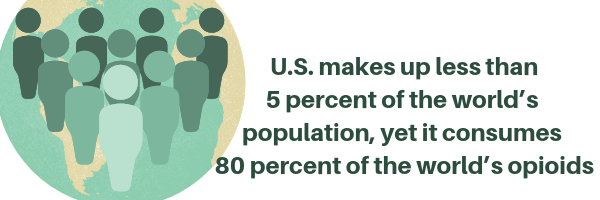
    Chronic pain affects 100 million Americans, with annual treatment costs reaching $635 billion, according to the Institute of Medicine. Opiate-derived pain medications, conventional medicine’s go-to treatment for chronic pain is addicting. The pharmaceutical companies wanting to make as much money as possible, these companies marketed their drugs as safe and effective for treating pain — even though the evidence for opioids shows that, particularly for chronic pain, the risks outweigh the benefits in most, but not all, cases. Many doctors and patients were convinced by this campaign. (Purdue Pharma, the maker of OxyContin, and some of its higher-ups later paid more than $600 million in fines for their misleading marketing claims, and opioid makers and distributors are now facing many more lawsuits on similar grounds.) The sheer number of individuals in pain, 

    Natural Ways to Reduce Pain 

    by Kathleen Barnes

    courtesy of Natural Awakening Magazine of Southern Idaho

    The first step in preventing dependency is to avoid opioids completely, says Fadel Zeidan, Ph.D., assistant professor of neurobiology and anatomy at the Wake Forest School of Medicine, in Winston-Salem, North Carolina: “Opioids don’t work for chronic pain. They may be effective for acute pain, such as right after an injury or surgery, but they are ineffective and addictive in the long run.” Here are several better ways to feel better.

    Mindfulness meditation: Zeidan recommends mindfulness meditation and cites a University of Massachusetts study of people with chronic pain in which pain lessened by at least 65 percent after 10 weeks of this practice.

    “Mindfulness meditation is about discipline and regulating one’s attention. It appears to shut down the thalamus, the brain’s gatekeeper, and the brain’s ability to register pain,” explains Zeidan.

    Yoga: Strongly positive effects have been reported in several studies, including one on 150 veterans with chronic low back pain from the Veterans Administration San Diego Healthcare System. It showed that 12 weeks of yoga classes reduced pain and opioid use, and improved functionality of participants; many of them had suffered back pain for more than 15 years.

    Acupuncture: The ancient Chinese modality that’s been used to treat all types of pain for millennia has become such a mainstream treatment that the U.S. Food and Drug Administration recommends that healthcare providers learn more about it to help patients avoid prescription opioids.

    “All pain starts with imbalance,” says Terri Evans, a doctor of Oriental medicine in Naples, Florida. “Acupuncture is about creating balance in the body and in releasing the fascia, where pain patterns get locked.”

    Marijuana: All forms of marijuana, or cannabis, are illegal on the federal level, but medical marijuana is now legal in 29 states and the District of Columbia. In a study from the San Francisco General Hospital published in the journal Neurology, researchers found that smoking the first cannabis cigarette reduced pain by 72 percent in a group of patients with painful neuropathy. The body’s endocannabinoid system, found in the brain, organs, connective tissues and immune cells, is one of its natural pain-coping mechanisms, and is most affected by cannabis.

    Mitch Earleywine, Ph.D., associate professor of clinical psychology at the State University of New York at Albany, author of Understanding Marijuana: A New Look at the Scientific Evidence and a member of the advisory board of the National Organization for the Reform of Marijuana Laws, is an advocate of medical marijuana. While regarding it as helpful for chronic pain with little risk of addiction, he concludes it’s “great for a small handful of conditions, but it’s not the cure-all that some are suggesting.”

    CBD oil: Dr. Hyla Cass, of Marina del Rey, California, an integrative physician expert in psychiatry and addiction recovery and author of The Addicted Brain and How to Break Free, is more comfortable with CBD (cannabidiol) oil. It’s a hemp product legal in 45 states, provided it qualifies in non-addictive levels of THC, the component of cannabis that induces euphoria (see TheCannabisIndustry.org/state-marijuana-policies-map).

    Some CBD oils contain trace amounts of THC, not enough to induce a “high” or contribute to addiction, but there are also products that contain no THC at all. By definition, hemp’s THC content is less than 0.3 percent whereas marijuana’s 5 to 35 percent.

    “CBD oil won’t make you high,” says Cass. “In and of itself, CBD oil is very potent. You don’t need the THC for pain relief. There’s no need to go down the slippery slope of using an illegal substance.”

    In addition to CBD oil’s pain-relieving effects on the endocannabinoid system, says Cass, it’s a powerful anti-inflammatory, which contributes to its effectiveness in addressing the underlying causes of chronic pain, confirmed by University of South Carolina research.

    Kathleen Barnes is the author of numerous books on natural health, including Food is Medicine. Connect at KathleenBarnes.com.

    .

    This article originally appeared at: https://nasoid.com/better-options-than-opioids/.

    Learn More About CBD in Idaho

    Regulating THC in CBD Oil 

    Health benefits of CBD oil that nobody talks about

  • Family who Fueled and Seeded the Opioid Epidemic Awarded A Patent to Make Money On A Treatment

    Dr. Richard Sackler, a member of the family that owns Purdue Pharma who has made billions from the sale of addicting OxyContin and is being sued by more than 1,000 jurisdictions for its alleged role in seeding the opioid crisis. Now he has been awarded a patent for a treatment for opioid use disorder. 

    Congress has requested from Purdue a copy of a deposition from Sackler that was taken as part of a lawsuit brought by Kentucky against Purdue. The case was settled in 2015, but it is believed to be the only time a member of the Sackler family has been questioned under oath about the marketing of OxyContin and what the company knew about the addictive properties of the pain reliever which fueled the addiction crisis that its now epidemic proportion. Recently Sackler has been awarded a patent on a drug treatment his family’s company is accused of fueling. 

    They profit billions for creating an epidemic and then potentially profit additional billions from treatments for the addiction.

    By 2020, the global market for pain management pharmaceuticals is expected to reach $40.4 billion in revenue, according to BCC Research, a market research company. It’s also projected to grow – or at least stay constant – because of an aging population, an increase in patients with cancer and chronic pain, and health care advances that allow people to live longer.

    Tim Morrison, a Phoenix resident whose son is recovering from an opiate addiction. “It’s all about dollars, and there is no consideration for the human element and the fact that it’s addictive.”

    This article originally appeared at: https://www.businessinsider.com/richard-sackler-granted-patent-for-addiction-treatment-2018-9?utm_content=buffer2d920&utm_medium=social&utm_source=facebook.com&utm_campaign=buffer-bi.

    https://www.statnews.com/2018/08/06/congress-purdue-pharma-richard-sackler-deposition/

  • A Trillion Dollars is Spent Each Year from the Damaging Health Effects of Sugar

    America spends two and a half times more on healthcare per capita than any other developed nation, quickly approaching $3 trillion EVERY year. With this kind of expenditure, you would expect our citizens to be the healthiest in the world, but this is not the case.

    In fact, the US ranks dead last in quality of care—Americans are sicker and live shorter lives than people in most other industrialized nations. So where’s the money going?

    The Credit Suisse Research Institute’s 2013 study1 “Sugar: Consumption at a Crossroads” found that 30 to 40 percent of US healthcare expenditures are for diseases directly related to the overconsumption of sugar!

    We spend more than a trillion dollars each year fighting the damaging health effects of sugar. This, combined with the massive waste, fraud, and inefficiency of our healthcare system, make it completely unsustainable over time.

    US Government Actually Encourages Sugar Consumption

    Excess sugar causes obesity as well as a plethora of illnesses, including type 2 diabetes, heart disease, kidney disease and cancer. If you want to locate the sickest people, follow obesity rates. According to a United Health Foundation study, nine of the 10 least healthy states in the nation also have nine of the 10 worst obesity rates.2

    With one food causing such pervasive health problems and so much national expense, you would think our government regulators would do everything they could to lower sugar consumption. But the opposite is true—they encourage it!

    Maybe the US government read the 2008 study that challenged the common notion that preventing obesity would save governments millions of dollars.3 The study suggested that healthy people are more expensive to care for because they live longer.

    Maybe the government wants us to get obese—because we’ll die younger. As cynical as that sounds, it would explain why they continue to subsidize the corn syrup industry.4

    Cancer Predicted to Become #1 Killer of Americans

    Besides the obvious sugar-obesity link, I’ve also often discussed the intrinsic connection between sugar consumption and cancer. It’s no surprise to me that cancer rates keep rising, considering that most people consume highly processed food as the bulk of their diet.

    A diet devoid of healthy fats and natural vitamins and minerals, while being chockfull of processed sugars and fructose along with synthetic chemicals of all kinds simply cannot produce health, and the proof of this is plain for all to see… A recent report by the American Society of Clinical Oncology predicts that a mere 16 years from now, cancer will be the leading cause of death in the US, surpassing heart disease, which is currently number one.  As reported by CNN Health:5

    “The number of new cancer cases is expected to increase nearly 45 percent by 2030, from 1.6 million cases to 2.3 million cases annually. This influx of new patients will place a bigger burden on a field of medicine already stretched by physician shortages and financial difficulties, says the report, which highlights growing problems for cancer care in the United States.”

    Without Sugar, Cancer Cannot Thrive

    The most powerful essential strategy I know of to treat cancer is to starve the cells by depriving them of their food source, which, in large part, is typically sugar. Unlike all the other cells in your body, which can burn carbs or fat for fuel, cancer cells have lost that metabolic flexibility and can only thrive if there enough sugar present.  Dr. Otto Warburg was actually given a Nobel Prize over 75 years ago for figuring this out but virtually no oncologist actually uses this information.

    Make no mistake about it, the FIRST thing you want to do if you want to avoid or treat cancer if you have insulin or leptin resistance (which 85 percent of people do) is to cut out all forms of sugar/fructose and grain carbs from your diet, in order to starve the cancerous cells.

    I recommend reducing your total fructose intake to a maximum of 25 grams/day, from all sources, including fruit. If you are insulin resistant, you’d do well to make your upper limit 15 grams/day. Cancer patients would likely be best served by even stricter limits.  For a more detailed discussion please review my interview with Dr. Seyfreid.

    The easiest way to dramatically cut down on your sugar and fructose consumption is to switch to a diet of whole, unprocessed foods, as most of the added sugar you end up with comes from processed fare, not from adding a teaspoon of sugar to your tea or coffee. But there are other ways to cut down well. This includes:

    • Cutting back on the amount of sugar you personally add to your food and drink
    • Using Stevia or Lo Han instead of sugar and/or artificial sweeteners. You can learn more about the best and worst of sugar substitutes in my previous article, “Sugar Substitutes—What’s Safe and What’s Not
    • Using fresh fruit in lieu of canned fruit or sugar for meals or recipes calling for a bit of sweetness
    • Using spices instead of sugar to add flavor to your meal

    Also consider reducing your protein intake to one gram per kilogram of lean body weight. It would be unusual for most adults to need more than 100 grams of protein and most likely close to half of that amount. Replace the non-vegetable carbs (sugar/fructose/grains) and excess protein with high quality fats, such as organic eggs from pastured hens, high quality meats, avocados, and coconut oil. It’s certainly much easier to prevent cancer than to treat it, once it takes hold, and I believe you can virtually eliminate your risk of cancer (and radically improve your chances of recovering from cancer if you currently have it) by following certain basic lifestyle guidelines. For a full list, please see this previous article.

    Two Sodas Per Day May DOUBLE Your Chances for an Untimely Death

    A new study found a significant relationship between added sugar consumption and death from heart disease. Americans who consumed the most sugar — about a quarter of their daily calories — were twice as likely to die from heart disease as those who limited their sugar intake to seven percent of their total calories. The average American is consuming 22 teaspoons of sugar per day, about three times what’s recommended. That’s the equivalent of about two sodas.13

    According to Dr. Robert Lustig, one of the leading experts on childhood obesity, excess sugar acts as a poison, responsible for weight gain and a multitude of chronic and deadly diseases. Recent research shows that fructose can activate taste cells found on your pancreas, a reaction that can increase your body’s secretion of insulin and raise your risk for type 2 diabetes. Sugar also reacts with AGEs (advanced glycation end products), which is one of the major mechanisms by which damage accrues in your body and leads to aging and disease.

    To protect your health, consider restricting your fructose consumption to 25 grams per day or less. If you’re overweight or have a disease such as cancer, diabetes, or heart disease (or are at high risk for them) then you’re probably better off further reducing your fructose intake to 15 grams per day or less (and this includes all sources—HFCS, sugar, honey, agave, fruit, fruit juice, maple syrup, etc.).

    Redesigning Subsidies for the Health of People and Planet

    The time is ripe for change. Redesigning our food system could help move us toward health and economic recovery. If we’re going to subsidize farmers, let’s subsidize them in a way that helps restore the health of American citizens and our land—programs that might just pay for themselves by the reduction in healthcare costs they bring about. Two years ago, Mark Brittman of the New York Times14 argued that subsidy money could be easily redirected toward helping smaller farmers to compete in the marketplace in a number of ways. For example, funds could be redirected toward:

    • Funding research and innovation in sustainable agriculture
    • Providing incentives to attract new farmers
    • Saving farmland from development
    • Assisting farmers who grow currently unsubsidized fruits and vegetables, while providing incentives for monoculture commodity farmers (corn, soy, wheat, and rice) to convert some of their operations to more desirable foods
    • Leveling the playing field so that medium-sized farms can more favorably compete with agribusiness as suppliers for local supermarkets

    If you don’t like the idea of your tax dollars funding corporate welfare programs for corporations that flood the market with sugary beverages and processed foods, join forces with organizations that are actively working for positive change. Here are five actions you can take:

    • The Environmental Working Group has started a petition urging Congress to enact a Farm Bill that protects family farmers who help us protect the environment and public health. Take a moment to sign it now.
    • Sign up with the National Sustainable Agriculture Coalition to keep abreast of news and action alerts relating to the Farm Bill.
    • Join Food Democracy Now, an organization co-founded by Aaron Woolf, director of the documentary film King Corn.
    • Of course, you can also voice your opinion every day by voting with your wallet and supporting small family farms in your area.
    • Say no to junk food producers by not buying their products, andreturn to a diet of real, whole foods—fresh organic produce, meats from animals raised sustainably and humanely on pasture, and raw organic milk and eggs.

    https://articles.mercola.com/sites/articles/archive/2014/03/29/sugar-consumption-healthcare-costs.aspx

  • 10 Reasons Witch Hazel Should Be in Every Medicine Cabinet

    An ancient Native American remedy for all kinds of ailments, witch hazel has become a must-have natural skin care product. In addition to keeping your skin young and beautiful, it works wonders on sunburn, bug bites, poison ivy, acne, wrinkles, ear infection, sore throat. It is one of the most useful  first aid items to keep on hand for all kinds of injuries and illnesses.

    Witch hazel is a low growing shrub native to North America. It has a long history of use medicinally, and cultivation of the bush has spread to Europe for this purpose. Preparations of it ranging from tinctures to soothing creams are available in most drug stores, as well as specialty stores for skin care. The plant acts as an astringent, firming and tightening tissue and acting to reduce itching and irritation. Other properties have also been ascribed to witch hazel, making it an excellent all-purpose addition to the medicine cabinet.

    Four species of witch hazel are included in the genus Hamamelis. All of the plants have simple alternating leaves with wavy edges, and bright yellow flowers that appear in the fall. Simultaneously, the fruit of the flowers from the previous year matures. When the seeds have fully ripened, the pods crack open explosively, ejecting the seeds into the surrounding area. This trait has led to another common name, snapping hazel.

    Some people erroneously believe that the plant name is related to witches. In fact, the origins are a bit more mundane. The “witch” is merely a corruption of the Anglo-Saxon word wych, meaning flexible. The branches of this plant are well known for their pliancy. 

    Here are 10 ways witch hazel can save the day:

    1. Clear Up Acne

    A study published in the Journal of Aesthetic and Clinical Dermatology showed witch hazel to be one of the most effective acne treatments of 52 products.

    It slows bacterial growth and speeds up healing of scabs, while reducing inflammation, redness, oil production and development of blackheads and whiteheads.

    2. Reverse Wrinkles and Signs of Aging

    Witch hazel’s anti-inflammatory and antioxidant properties help protect collagen and skin elasticity just as well or better than many commercial beauty products. You can easily blend witch hazel with vitamin E oil and other natural ingredients to make your own Homemade Anti-Aging Serum.  Combine it with other skin-saving oils like evening primrose, frankincense and tea tree oils for even better results.

    3. Protect Against Skin Cancer

    A study published in Chemical Research in Toxicology found the polyphenols and tannin antioxidants in witch hazel reduced free radicals and prohibited the proliferation of melanoma cells.

    4. Bug Repellent and Treatment for Bug Bites

    Witch hazel’s astringent properties make it effective at reducing pain, stinging, swelling and allergic reactions to bug bites. It’s also used in many commercial bug repellents.

    5. Heal Rashes

    Witch hazel is a time-tested treatment for all kinds of skin rashes including diaper rash, eczema, psoriasis, razor burn, and general dry or itchy skin. 

    5. Cleanse Hair and Soothe the Scalp

    Witch hazel reduces oil build-up, leaving your hair shinier, healthier and more volumized.

    According to one study, it also helps soothe dry, itchy and irritated scalps. 

    6. Treat Ear Infections

    As an effective antibacterial, witch hazel is an excellent natural ear infection remedy. It’s especially great for “swimmer’s ear.” Just insert a few drops in each ear several times a day.

    7. Soothe a Sore Throat

    Sipping Smallflower Witch Hazel Leaves can soothe a sore throat. Its astringent properties fighting infection, while soothing pain.

    9. Treat Hemorrhoids

    Witch hazel mixed with water is a great way to reduce hemorrhoid inflammation, itching, burning, and bleeding. (Make sure to use alcohol-free witch hazel for this.)

    10. Heal Mouth and Gums and Freshen Breath

    Witch hazel helps heal blisters, sores and infections on your lips, inner cheeks or gums and freshens breath. You can apply it directly or add it to a homemade mouthwash.

    It’s also great for toothaches and teething infants.