Category: Toxins

The facts about chemicals, pesticides, and clean water.

  • Fluoride Dangers acknowledged

    Fluoride Dangers acknowledged

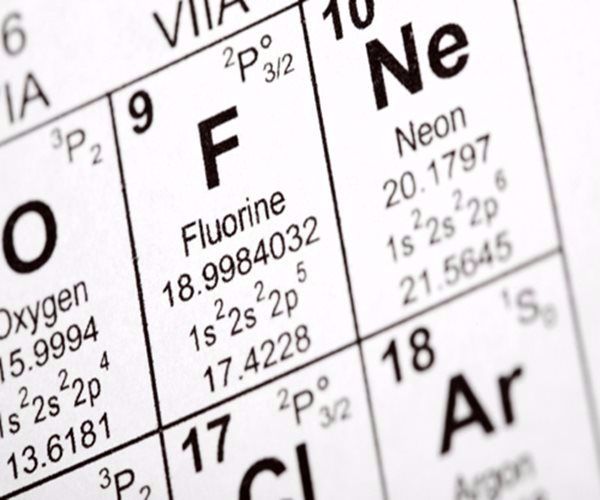
    Scientists in England have found that fluoride could be causing depression and weight gain and have urged councils to stop adding it to the drinking water. The new findings directly contradict a report released by Public Health England last year that called fluoride a “safe and effective” way of improving dental health.

    According to a study of 98 percent of GP practices in England, high rates of underactive thyroid were 30 percent more likely in areas of the greatest fluoridation.

    The Telegraph reports that up to 15,000 people are needlessly experiencing thyroid problems, which include depression, weight gain, pain, and fatigue.

    Approximately 10 percent of the population in England live in areas with a naturally or artificially fluoridated water supply, according to the Telegraph. Researchers from the University of Kent suggest that the number of cases of underactive thyroid was higher in areas such as the West Midlands and the North East of England. Professor Stephen Peckham of the Centre for Health Service Studies, lead author of the study, asserts that the findings should be particularly disconcerting for those who reside in those regions.

    “The difference between the West Midlands, which fluoridates, and Manchester, which doesn’t was particularly striking,” Peckham noted. “There were nearly double the number of cases in Manchester.”

    Advocates of fluoridation contend it helps to fight tooth decay by making enamel more resistant to bacteria; however, studies have shown that the adverse effects of fluoridation far outweigh any purported good it does.

    The University of Kent study found that fluoride inhibits the production of iodine, which is necessary for the health of the thyroid gland, resulting in an underactive thyroid, or hypothyroidism.

    “Underactive thyroid is a particularly nasty thing to have and it can lead to other long term health problems,” stated Professor Peckham. He added, “I do think councils need to think again about putting fluoride in the water. There are far safer ways to improve dental health.”

    What’s worse is that the levels of fluoride analyzed in that study were less than four milligrams per liter, less than the amounts permitted to be used in water fluoridation by the U.S. Environmental Protection Agency.

    “Our very great concern is that children worldwide are being exposed to unrecognized toxic chemicals that are silently eroding intelligence, disrupting behaviors, truncating future achievements and damaging societies, perhaps most seriously in developing countries,” added the authors, who also warned of additional problems associated with exposure to these kinds of substances, including autism.

    As a result of those findings, a 2014 report in the medical  journal The Lancet labelled fluoride a dangerous developmental neurotoxicant, placing it alongside other toxins such as lead, mercury, and arsenic.

    Critics have seized upon the various findings against fluoride to call for a complete end to water fluoridation.

    “In light of the new classification of fluoride as a dangerous neurotoxin, adding more fluoride to Americans’ already excessive intake no longer has any conceivable justification,” declared Fluoride Action Network Executive Director and retired chemistry professor Dr. Paul Connett in a statement. “We should follow the evidence and try to reduce fluoride intake, not increase it.”

  • OUR FOOD, TOXIC FIELDS.

    OUR FOOD, TOXIC FIELDS.

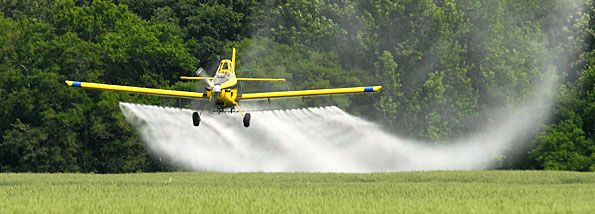
    Among farmworkers, 10,000–20,000 pesticide poisonings occur every year. Beyond the acute poisonings, there are long-term, chronic health effects such as cancer, Parkinsons’ Disease, asthma, birth defects and neurological harms, including developmental delays and learning disabilities.

    Children of farmworkers are particularly at risk. Pesticides cling to workers’ skin and clothing long after they return home, putting their children at risk.

    PROTECTIONS MUST BE STRENGTHENED.

    A healthy, safe, and fair food system would protect us all and safeguard the health and economic needs of farmworkers, farmers, rural communities and consumers. Shifting away from reliance on hazardous pesticides is a key step toward this goal. But as long as harmful pesticides are in use, farmworkers need better protections in the field.

    GOOD NEWS FOR FARMWORKERS.

    After more than a decade of broken promises and delays, EPA recently updated and strengthened the rules protecting farmworker.
    Read reaction from labor, farmworker and environmental groups.

    Growing CHANGE. Being better in growing our food. 

  • SOLVED: Mystery of the Dying Bees

    SOLVED: Mystery of the Dying Bees

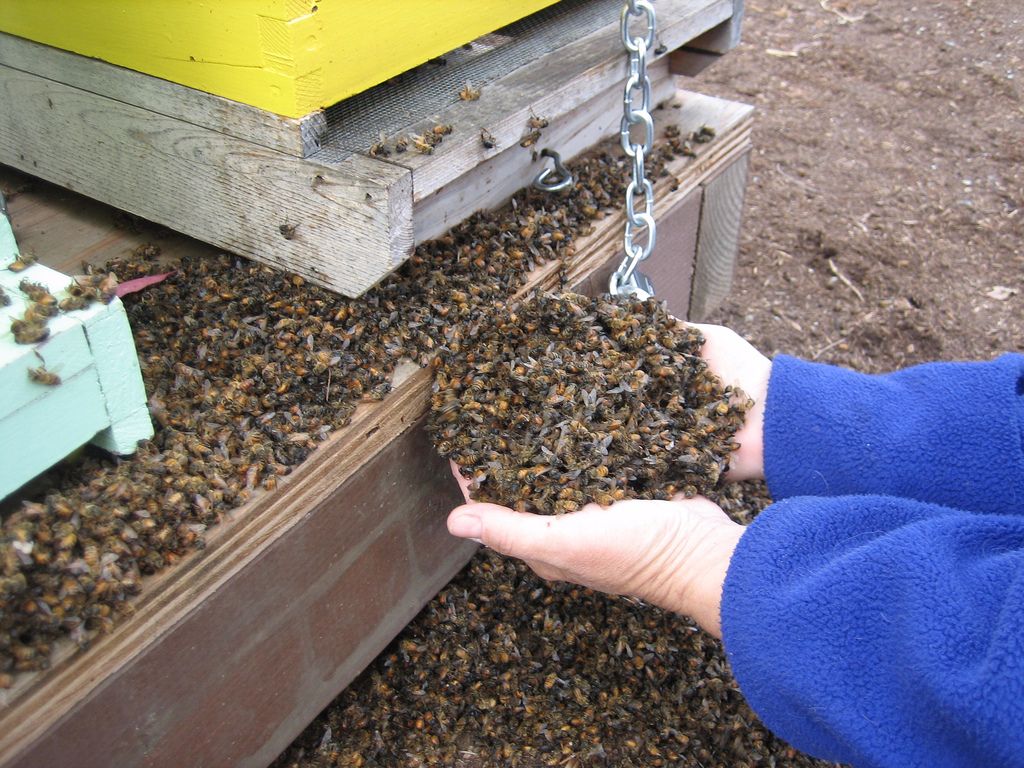
    Why are all the bees dying? 
    The quick answer: Its the large variety of PESTICIDES & FUNGICIDES APPROVED BY THE EPA for use on crops.

    Bee colonies across the nation are in serious decline. This new, unexplained condition has become known as Colony Collapse Disorder (CCD). It is estimated that about a quarter of the 2.4 million commercial bee colonies across the nation have been lost just since last autumn, and in some areas the loss is almost 90 percent. The impact of this loss is enormous because honey bees are the primary pollinators of much of the nation’s food crops.
    California, producers of almonds, apples, alfalfa, avocados, blueberries, citrus, tree fruit, and watermelons, among many other crops, depend on a healthy bee population for crop pollination. We need every bee!

    Read more here: http://www.motherjones.com/tom-philpo…

    “Bees are dying in record numbers—and now the government admits that an extremely common pesticide is at least partially to blame.

    For more than a decade, the Environmental Protection Agency has been under pressure from environmentalists and beekeepers to reconsider its approval of a class of insecticides called neonicotinoids, based on a mounting body of research suggesting they harm bees and other pollinators at tiny doses. In a report released Wednesday, the EPA basically conceded the case.

    The report card was so dire that the EPA “could potentially take action” to “restrict or limit the use” of the chemical by the end of this year.

    Marketed by European chemical giants Syngenta and Bayer, neonics are the most widely used insecticides both in the United States and globally. In 2009, the agency commenced a long, slow process of reassessing them—not as a class, but rather one by one (there are five altogether). Meanwhile, tens of millions of acres of farmland are treated with neonics each year, and the health of US honeybee hives continues to be dismal.”

    HOW do they kill the bees. Here’s a nice info graphic.

    RESOURCES:
    article originally appeared at: https://youtu.be/M_XnvZAcM0U.
    EarthJustice : Bees http://earthjustice.org/features/infographic-bees-toxic-problem

  • 12 Toxins in Your Drinking Water

    12 Toxins in Your Drinking Water

    HFI: Let’s take a look at some of the nastiest water contaminants that may be pouring out of your faucet. Idaho Water District frequently tests the water for contaminates. Unfortunately, they ADD Fluoride to some community water sources. See if you are drinking fluoride. 

    1. Fluoride

    Adding fluoride to drinking water is a process that began back in the 1940’s to help reduce tooth decay. It sounds like a noble cause but fluoride is a neurotoxin and an endocrine disruptor. It can harm the thyroid gland and calcify the pineal gland. It’s so toxic that several countries have banned water fluoridation. Even some U.S. cities have caught on and started rejecting the process of fluoridation.[1]

    2. Chlorine

    Chlorine has disinfectant properties that make it useful for cleaning products and swimming pools. It’s even used to sanitize sewage and industrial waste. Chlorine is added to drinking water as a purification technique, despite not being completely safe.[2]

    Chlorine is a reactive chemical that bonds with water, including the water in your gut, to produce poisonous hydrochloric acid. Chlorine exposure can cause respiratory problems and damage cells. Long term effects include memory loss and impaired balance.[3][4]

    3. Lead

    Lead is the main toxin causing problems in Flint. Corroded pipes are releasing up to ten times the allowable amount of lead into the water. Lead is toxic to almost every organ and affects children the worst. Developmental issues, stunted growth, deafness, behavioral problems, learning disabilities, and brain damage can all result from exposure to lead.[5] If ingested during pregnancy, lead can cause premature birth.[6] Lead exposure has even been linked to autism, prostate cancer, and reproductive problems for both men and women.[7] It’s damaging to the cardiovascular system and kidneys, too.[8]

    4. Mercury

    Although mercury is a naturally occurring element, “natural” does not mean “safe.” Mercury is extremely toxic and can cause brain damage, blindness, nerve damage, cognitive disability, impairment of motor functions, headaches, weakness, muscle atrophy, tremors, mood swings, memory loss, and skin rashes.

    A byproduct of mining and industrial practices, mercury vapor can linger in the atmosphere and ride the winds halfway around the globe.[9]

    5. PCBs

    PCBs, or polychlorinated biphenyls, are chemicals used for industrial purposes such as insulation, machinery, oil, paints, adhesives, electronics, and fluorescent lights.

    Although PCBs were banned in 1979, they’re still present in landfills and pose a danger to the environment. PCBs break down slowly and infiltrate the environment. They have been found in snow and sea water thousands of miles from where they were produced.[10]

    Animal tests have found PCBs to cause cancer and negatively affect the immune, reproductive, nervous, and endocrine systems.[11]

    6. Arsenic

    Arsenic, despite being poisonous, is used in a multitude of industrial processes. Environmental contamination may result from improper waste disposal, or from poorly-planned wells that hit a natural source.[12]

    Arsenic poisoning can cause vomiting, abdominal pain, diarrhea, and even death in severe cases. Long-term exposure can lead to skin cancer, lung cancer, and bladder cancer. In Taiwan, arsenic causes “blackfoot disease,” a type of gangrene that causes blood vessels to die and rot.[12]

    7. Perchlorate

    Perchlorates are a key ingredient in rocket fuel and explosives. They dissolve easily and seep into groundwater from military and industrial sites. It’s believed that perchlorates have contaminated much of the Colorado river.[13] The problem is severe; almost all humans will test positive for perchlorates, which attack the thyroid.

    8. Dioxins

    Dioxins are released during combustion, such as burning of hazardous waste, forest fires, cigarette smoke, and burning oil and coal. They settle in the environment and destroy water sources.[14]

    Short term exposure can cause lesions and respiratory problems. Long-term exposure can affect the immune, nervous, endocrine, and reproductive systems. The International Agency for Research on Cancer has declared dioxins are carcinogenic. In developing fetuses, dioxin poisoning can cause birth defects or stillbirth.[15]

    9. DDT (Dichloro-Diphenyl-Trichloroethane)

    DDT was used as an insecticide in the 1940s to combat insect-borne diseases like malaria and typhus. It had widespread use as an agricultural insecticide until it was banned in the United States in 1972 due to environmental concerns.[16]

    It remains in use in other parts of the world and is still a major health concern for all of us. DDT molecules are persistent and can travel vast distances in the atmosphere.[17]

    Animal testing has found DDT causes reproductive problems and liver damage. The International Agency for Research on Cancer has declared DDT is a cancer risk.[18]

    10. HCB

    Until 1965, HCB, or Hexachlorobenzene, was used as a pesticide. Production has been banned, but it is still formed as a byproduct from the production of other chemicals. A large dose can result in death. Smaller doses can lead to liver disease and skin lesions. The EPA has classified HCB as a probable cancer source.[19]

    In Anatolia, Turkey in the late 1950’s, over 4500 people suffered HCB poisoning as a result of tainted grain. Over 500 people died, including children. 30 years later, follow-up studies found that the breast milk of women in the area still contained up to 150 times the amount of HCB allowed in cow’s milk.[20]

    11. Dacthal

    Dacthal (dimethyl tetrachloroterephthalate, or DCPA) is an herbicide that contaminates soil and water sources. Unlike HBA and DDT, Dacthal is still in use today. Animal tests have found dacthal damages the adrenal glands, kidneys, liver, thyroid, and spleen.[21][22]

    12. MtBE

    MtBE (methyl tertiary-butyl ether) is a gasoline additive that can render large quantities of groundwater completely undrinkable. In 1996, the city of Santa Monica, CA found this out the hard way and the city had to shut down 50% of its water supply and pay for replacement water.[23]

    The health effects of MtBE are not understood. Animal tests have linked it to kidney damage, seizures, and problems with fetal development.[24]

    Further Concerns and Safety

    I need to clear up a common misconception. Some people are under the impression that they can remove toxins from water by boiling it. Boiling water kills harmful organisms but does nothing to remove toxic chemicals, compounds, salts, and metals.

    This is by no mean a complete list of all the toxins that might be in drinking water. Please keep informed of water quality issues in your area. If poor-quality tap water is a problem for you, I recommend investing in a quality water filter or glass-bottled distilled water.

    Do you have any water quality horror stories? Please leave a comment below and share your experience with us.

    References (23)

    1. “Are You Fluoridated? – Kelly Brogan MD.” 2015. 8 Mar. 2016.
    2. “Toxicological Profile for Chlorophenols.” ATSDR’s Toxicological Profiles Web Version (2002): n. pag. Agency for Toxic Substances & Disease Registry. Centers for Disease Control and Prevention. Web. 10 Feb. 2016.
    3. Facts about Chlorine.” CDC. N.p., n.d. Web. 10 Feb. 2016.
    4. O’Malley, Gerald F., DO. “Chlorine Toxicity.” : Practice Essentials, Background, Pathophysiology. Medscape, n.d. Web. 10 Feb. 2016.
    5. Cecil, Kim M., Christopher J. Brubaker, Caleb M. Adler, Kim N. Dietrich, Mekibib Altaye, John C. Egelhoff, Stephanie Wessel, Ilayaraja Elangovan, Richard Hornung, Kelly Jarvis, and Bruce P. Lanphear. “Decreased Brain Volume in Adults with Childhood Lead Exposure.” PLoS Medicine. Public Library of Science, n.d. Web. 10 Feb. 2016.
    6. “Learn about Lead.” EPA. Environmental Protection Agency, n.d. Web. 10 Feb. 2016.
    7. “Relationship between chronic lead toxicity and plasma neurotransmitters in autistic patients from Saudi Arabia.” National Center for Biotechnology Information. U.S. National Library of Medicine, n.d. Web. 10 Feb. 2016.
    8. Telisman, Spomenka, Bozo Colak, Alicia Pizent, Jasna Jurasovic, and Petar Cvitkovic. Lead Toxicity May Be Associated with Reproductive Toxicity and Prostate Cancer Initiation in Men.” GreenMedinfo, 16 June 2007. Web. 10 Feb. 2016.
    9. “Basic Information about Mercury.” EPA. Environmental Protection Agency, n.d. Web. 10 Feb. 2016.
    10. “Polychlorinated Biphenyls:Basic Information.” EPA.gov. EPA, 8 Apr. 2013. Web. 10 Feb. 2016.
    11. “Polychlorinated Biphenyls: Health Effects of PCBs.” EPA.gov. EPA, 13 Jun. 2013. Web. 10 Feb. 2016.
    12. “Arsenic.” World Health Organization, Dec. 2012. Web. 10 Feb. 2016.
    13. “Technical Fact Sheet – Perchlorate.” EPA United States Environmental Protection Agency (n.d.): n. pag. EPA.gov. Environmental Protection Agency, Jan. 2014. Web. 10 Feb. 2016.
    14. “Learn about Dioxin.” EPA. Environmental Protection Agency, 10 Dec. 2015. Web. 10 Feb. 2016.
    15. “Dioxins and Their Effects on Human Health.” World Health Organization. World Health Organization, June 2014. Web. 10 Feb. 2016.
    16. “DDT – A Brief History and Status.” EPA. Environmental Protection Agency, 5 Nov. 2015. Web. 11 Feb. 2016.
    17. “DDT.” Eco-USA. Eco-USA, n.d. Web. 11 Feb. 2016.
    18. “IARC Monographs Evaluate DDT, Lindane, and 2,4-D.” International Agency for Research on Cancer (n.d.): n. pag. IARC. World Health Organization, 23 June 2015. Web. 11 Feb. 2016.
    19. “Hexachlorobenzene.” United States Environmental Protection Agency, Jan. 2000. Web. 11 Feb. 2016.
    20. “Issues: Health. Healthy Milk, Healthy Baby: Chemical Pollution and Mother’s Milk: Hexachlorobenzene.” NRDC. National Resources Defense Council, 22 May 2001. Web. 11 Feb. 2016.
    21. Us Epa, Office Of Water (Ow). “Summary from the Health Advisory (HA) for Dacthal and Dacthal Degradates (Tetrachloroterephthalic Acid and Monomethyl Tetrachloroterephthalic Acid).” Summary from the Health Advisory for Dacthal and Dacthal Degradates (Tetrachloroterephthalic Acid (n.d.): n. pag. EPA.gov. Environmental Protection Agency. Web. 11 Feb. 2016.
    22. Cox, By Caroline. “DCPA (Dacthal).” Journal of Pesticide Reform 11.3 (1991): 17-20. Web. 11 Feb. 2016.
    23. “Methyl Tertiary Butyl Ether (MTBE): Drinking Water.” EPA.gov. Environmental Protection Agency, n.d. Web. 11 Feb. 2016.
    24. “MTBE: What Is MTBE?” Cancer.org. American Cancer Society, 17 July 2014. Web. 11 Feb. 2016.

  • Dollar Store Products Contain Toxic Chemicals

    Dollar Store Products Contain Toxic Chemicals

    HealthyStuff, in collaboration with the Campaign for Healthier Solutions, released a report today about toxic chemicals found in Dollar store products. The report — A Day Late and a Dollar Short: Discount Retailers are Falling Behind on Safer Chemicals — includes testing results for 164 dollar store products such as toys, jewelry, school supplies and other household items, that found over 81% (133 of 164) contained at least one hazardous chemical above levels of concern.

    The campaign also sent a letter to the CEO’s of the four largest Dollar store chains — including Family Dollar (tentatively acquired by Dollar Tree on January 22), Dollar Tree, Dollar General, and 99 Cents Only urging them to stop the sale of products with hazardous chemicals to communities of color and low-income families, who already live in more polluted areas and “food deserts,” and adopt policies that will protect both customers and their businesses. Combined these discount chains have sales totaling over $36 billion and operate more stores nationally than Walmart.

    “People struggling to make ends meet are confined to shopping at the Dollar stores,” said Jose T. Bravo, National Coordinator for the Campaign for Healthier Solutions. “We are already disproportionately affected by pollution and lack of adequate medical care, and now we know we’re filling our homes and our bodies with chemicals released from Dollar store products. This needs to stop. ”

    “We’ve tested 1,000’s of products from dozens of retailers over the last ten years, said Jeff Gearhart, HealthyStuff Research Director. “And on average the dollar store products are some of the poorest performing from a chemical hazard perspective. I am particularly concerned about the comparatively high percentage of products containing hazardous plasticizers. ”

    The chemicals of concern found in Dollar store products tested for this report include: phthalates, linked to birth defects, reduced fertility, cancer, learning disabilities, diabetes, and other health issues; polyvinyl chloride plastic (PVC or vinyl), which creates hazards throughout its life cycle and has been linked to asthma and lung effects; and toxic metals such as lead, which harms brain development, leading to learning disabilities, lower IQ, and cause other serious health impacts, especially in children.

    RELATED ARTICLES:

    Other key findings from the report include:

    • 49% of products tested (80 of 164) contained two or more hazardous chemicals above levels of concern;
    • 38% of the products tested (63 of 164) contained the toxic plastic PVC (vinyl);
    • 32% of a subset of vinyl products tested for phthalates (12 of 38) contained levels of phthalates above the Consumer Product Safety Commission (CPSC) limit for children’s products.

    In addition, 40% of sales at Dollar stores go toward food products (not tested for this report) — much of which is highly processed with low nutritional quality, and whose packaging is another potential source of toxic chemicals including bisphenol-A (BPA), a synthetic hormone linked to breast and others cancers, reproductive problems, obesity, early puberty and heart disease.

    Fortunately, there is a growing movement by mainstream retail and manufacturing brands — including Target and Walmart — to respond to consumer demand for safer products with publicly-available corporate policies that identify, disclose, and replace priority toxic chemicals with safer alternatives. By failing to address toxic chemicals through comprehensive policies, Dollar chains are not only putting their customers at risk, they are exposing their businesses to the fate of companies like Mattel, which lost 18% of its value after recalling toys with lead paint, and Sigg USA, which went bankrupt after failing to disclose toxic BPA in its water bottles.

    The Campaign for Healthier Solutions is asking for a comprehensive set of reforms, including that:

    Discount Retailers immediately remove children’s products found to contain regulated phthalates and lead from store shelves; and adopt comprehensive corporate chemical management policies to identify, disclose, and remove hazardous chemicals from their supply chains and from all products in their stores, beginning with their house brands.

    Local, State, and Federal Governments ensure that discount retailers comply with all relevant laws and regulations; and adopt public policies (such as Maine’s Kid-Safe Products Law and Washington’s Children’s Safe Products Act) that require manufacturers and retailers to disclose hazardous chemicals in products, research alternatives, and remove hazardous chemicals when alternatives are available, effective, and safer.

    Families and Communities let Dollar store chains know that they want safer products, and join local and national efforts advocating for nontoxic products.

    Complete test results are available at HealthyStuff.org. The full report and more information about the Campaign are available at www.nontoxicdollarstores.org

    *Article originally appeared at Healthy Holistic Living.

  • What’s On My Favorite Food: Applesauce

    What’s On My Favorite Food: Applesauce

    Its been a favorite since they were sitting in the high chair. Now that they are ‘growing up’ we get those conventional single serving sizes for quick snacks during outings and after school.
    I thought I was doing right by them. Instead of junk food, giving them whole food. I didn’t realize, what I was putting into their developing bodies. 
    Yet, check out the 14 Pesticide Residues found on apples by the USDA Pesticide Data Program.
    I will be choosing ORGANIC from now on – NO MATTER WHAT!
    How about you? Did you know how many residual chemicals were in your child’s after school snack?
  • As If We Needed More: Fumigants Turn Into Fluoride

    As If We Needed More: Fumigants Turn Into Fluoride

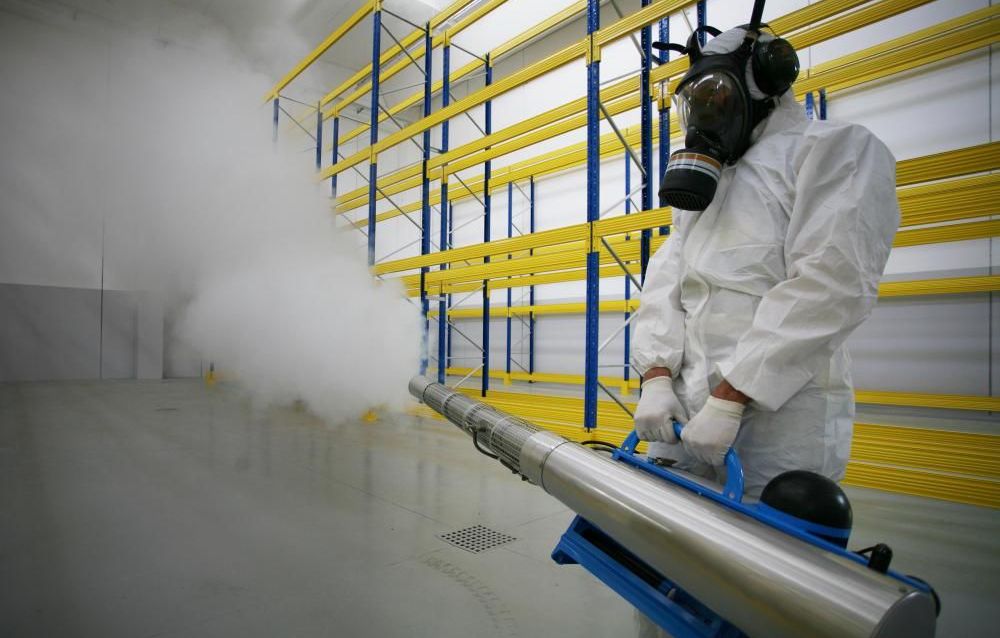
    As if fluoridated water and widespread fluoridated pesticide use like cryolite wasn’t enough, some food processors use sulfuryl fluoride as a fumigant on certain foods, and for pest prevention in warehouses and food containers. Sulfuryl fluoride breaks down into fluoride after application. 

    “Unlike virtually every other western country, the EPA [Environmental Protection Agency] does not require that food processors remove food prior to the fumigation. As a result, any food that is being stored in the facility during a structural fumigation will be contaminated with fluoride.”

    According to EPA estimates, foods most commonly fumigated include cocoa powder (100 percent), dried beans (100 percent), walnuts (99 percent) and dried fruits (69 percent). Other “healthy” foods like brown rice are also very high in fluoride, despite only 3% of the crop being fumigated. Rice tends to have 12.5 parts per million (ppm) compared to 8.4 ppm for cocoa powder. 

    Love your morning coffee? According to a 2005 editorial by the late Albert Burgstahler, PH.D., who was a professor emeritus of chemistry, “Fluoride residues in food fumigated with sulfuryl fluoride are excessively high and are at levels known to cause serious adverse health effects, including crippling skeletal fluorosis.”5

    White grape juice is generally very high as well, due to the use of cryolite. 

    So, whenever possible, buy organic for foods that are likely to be fumigated to protect you and your family from more toxic fluoride. 

  • Lead and Lipstick: Shades of Darkness

    Lead and Lipstick: Shades of Darkness

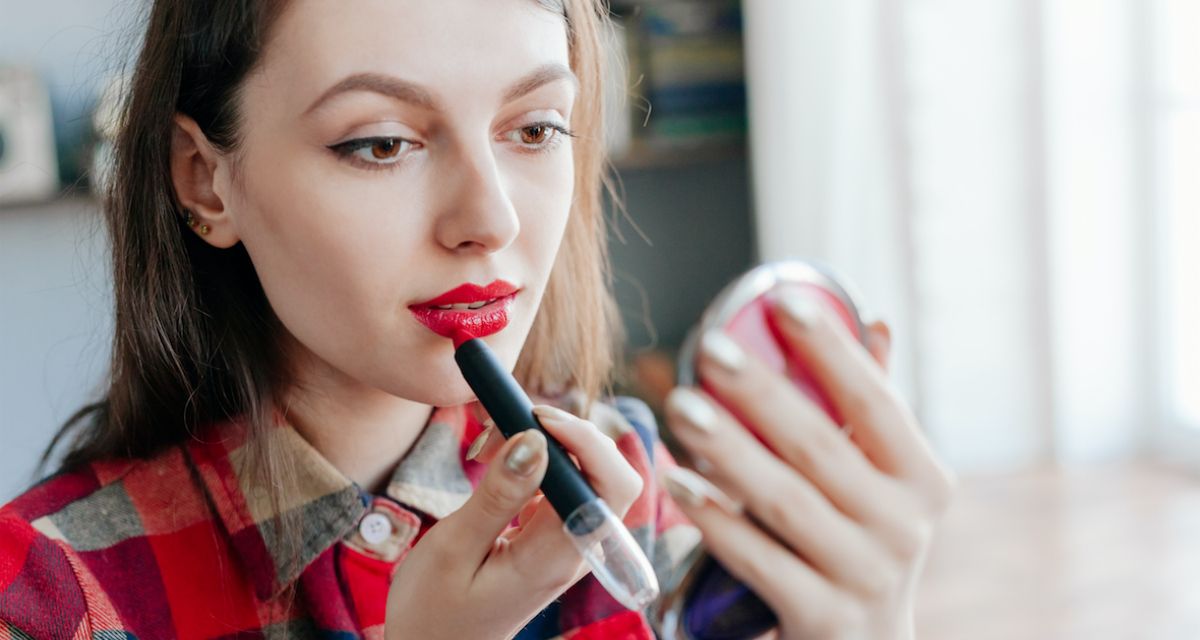
    Coloring our puckers can come at a high cost – luxury-branded lipsticks aside. It’s the health cost that is causing more women concern as they think before they don the latest shades from global beauty brands. 

    A Food and Drug Administration study from 2012 showed that several hundred lipsticks from 20 popular brands all contained lead from the mineral pigments that color lipstick. 
    Lead is a nervous system toxin and can enter our bodies through drinking water, old paint and cosmetics. 
    If you’re pregnant, lead is particularly dangerous, and can cross into the placenta. When levels are high enough, permanent brain damage, learning, language and behavioral difficulties can occur. 
    EWG’s Skin Deep® database can help steer you in the right colorful direction. We can’t avoid all toxins, but we can be selective about some of the health and beauty brands that we put in and on our bodies. 
    Oh, and since manufacturers don’t have to label products with toxic ingredients, you might want to sign EWG’s petition and tell the FDA to update the law (largely unchanged since 1938) to protect us from unnecessary beauty toxins!

    Please add your name to EWG’s petition and tell the FDA to protect us from lead in cosmetics!


  • What’s On Our Favorite Food: BLUEBERRIES

    What’s On Our Favorite Food: BLUEBERRIES

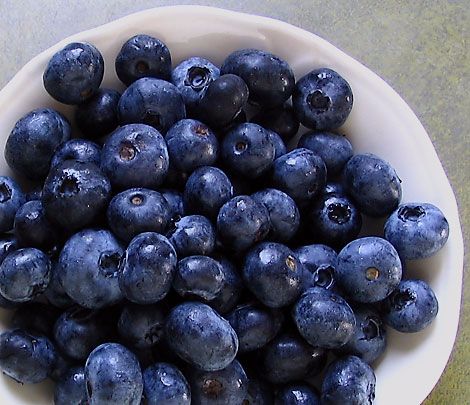
    We LOVE a fresh ripe blueberry. We LOVE a fresh frozen blueberry. We LOVE warm from the oven blueberry baked into something good. 
    WE DO NOT LOVE that there are 52 Pesticide Residues Found by the USDA Pesticide Data Program.
    Can you believe it? A blueberry can have 52 pesticides. 
    My youngest is highly sensitive to pesticides. This child must eat PESTICIDE FREE foods. After looking at the list of effects of these 52 pesticides – NO ONE should eat a convention blueberry. 
    Makes me want to grow my own.  How about you? If you’re ambitious, check out how to grow blueberries in Idaho.
  • Parasite Cleanse Diet – Foods To Eat And Foods To Avoid

    Parasite Cleanse Diet – Foods To Eat And Foods To Avoid

    One of the best ways to help the body destroy and get rid of unwanted parasites is following a parasite cleanse diet. This diet should be taken for at least 2 months to give your body an opportunity to get rid of all kinds of parasites and eggs that are hidden in different organs.
    Parasites in the body can originate from several sources, such as raw meat, tainted water, pets or other animals.

    They can cause symptoms like: digestive disorders, fatigue, food cravings and unstable blood sugar.

    A good parasite cleanse diet involves eating herbs, natural whole foods and taking supplements that will help the body eliminate parasites.

    The diet should have high mineral and nutrient content and shouldn’t contain any kind of artificial stimulants.

    Here are some of the common foods and herbs that should be included in a good parasite cleansing diet. You can find them at your local grocery store or health food store.

    What to Eat to Get Rid of Parasites

    Wormwood

    Wormwood is an herb that helps to kill big, adult parasites by making their environment unfriendly to live in. You can find it in tea, capsules and in concentrated liquid form.

    Garlic

    Garlic is a natural antiparasitic and antibiotic food; it also helps support bowel movements and bowel detoxification.

    Cloves

    Cloves help to kill the parasitic eggs that are laid daily by adult parasites. These eggs can remain dormant for a while so it’s important to let them hatch and then destroy them using more cloves.

    Black Walnut Hulls

    This herb helps to kill large adult parasites wherever they are in the body. Black walnut hulls is a powerful anti-fungal and anti-parasitic supplement. 

    Vegetables

    Green leafy vegetables with high nutrient content and probiotics help the body to get rid of toxins.

    Vegetables rich in anti-oxidants like cucumbers, tomatoes, carrots, sweet potatoes and blueberries help feed the body organs and glands infected with parasites.

    Coconut oil

    Coconut oil contains about 50% of lauric acid, a saturated fat which is contained in coconut products. After conversion by the body it produces a substance that effectively kills parasites, viruses, yeasts, as well as bad bacteria in the digestive tract. Make sure that you choose organic, extra virgin coconut oil for best results. 

    Apple Cider Vinegar

    Need to increase your hydrochloric acid for better digestion (especially meats)? One tablespoon of apple cider vinegar in water about 30-60 minutes before meals will increase your stomach acid and prepare your digestive system for absorption. Just rinse your mouth with fresh water after consuming and then let your saliva remineralize your teeth. 

    Increasing your HCL will help keep your stomach free from parasites and also ensure that you eliminate any larvae you accidentally eat during your meals.

    If you’re concerned about the acidity, ACV actually becomes alkaline in the body

    Papaya

    This fruit has a powerful ability to destroy worms, such as tapeworms and most intestinal worms. To enhance its potency, peel off the skin before soaking in apple cider vinegar. Then eat 8 ounces of the papaya and take two ounces of this vinegar solution for four days.

    Green onions

    Like garlic, green onions release an enzyme called alliinase when they’re crushed or cut. To prepare onions and avoid the ‘tear factor’ caused by onions, refrigerate them for one hour and then cut them using a sharp knife.

    For an antiparasitic boost, juice the white section of the onions and add two sesame seed oil teaspoons. Drink twice a day for 3 days without any food.

    Pineapple

    This fruit contains an antiparasitic enzyme known as bromelain. Some studies show that a 3-day pineapple fast can help kill tapeworms.

    Fish and organic meats

    These high-quality protein sources can support your immune system and provide the body with the essential fatty acids needed for fuel.

    Pumpkin seeds

    Pumpkin seeds are usually used for eliminating tapeworms and roundworms. You can mash them and then mix with juice, chew them or make pumpkin seed butter in your food processor. 

    Carrots and carrot juice or cranberry juice (unsweetened)

    You can dilute cranberry juice in water. Carrots or carrot juice kills parasites as well.

    Fennel seed tea

    This mild laxative can irritate certain kinds of parasites in the body.

    You essentially flush them out with fluids in the process. If you have a sensitive stomach, be sure to ingest the tea in small doses so that you know it’s affect on your digestive system. Fennel seed tea is a great remedy for irritable bowel syndrome in general. 

    Pungent spices

    Parasites don’t like spice! Spices like cayenne, chilies, horseradish, turmeric, cinnamon, nutmeg, cardamom, and cloves all make parasites disappear.

    Add a kick to your parasite cleanse diet and you’ll feel the results quickly.

    Fermented foods/probiotics

    Some options that you can make at home include rejuvelac (a drink produced from fermented grains like wheat berries, and sauerkraut (fermented cabbage). You can also use probiotic supplements, which help kill the bad bacteria and replenish good bacteria. We love Bio-Kult Advanced Probiotic Multi-Strain Formula for its widely reported effectiveness and personal results with GAPS and other leaky gut diets. 

    What foods should you AVOID in a parasite cleanse diet?

    Sugar

    Sugar feeds parasites and also eats up the supply of B vitamins and minerals in the body. A parasitic infection may lead to cravings for carbohydrates and refined sugar, so it’s best to avoid these kinds of food to starve parasites off their energy and fuel.

    Refined carbohydrates

    Refined carbohydrates like cakes, bread, cookies, cereal and pasta should be avoided. All of these lead to major fluctuations in blood sugar control and therefore put an extra strain on an already burdened system that’s infected with parasites.

    Thank you to the Total Cleanse Detox Diet site for these great parasite cleansing tips! 

    Best herbal supplements for parasite cleanse diet

    The Health Freedom Idaho team and their families have tested a number of protocols and supplements for parasite cleansing. Below are some of the best-rated and most effective supplements and books for parasite cleansing.

    • SCRAM Internal Parasite Formula. This is one of the most highly rated anti-microbial supplements on Amazon and contains high-quality organic herbs such as black walnut, wormwood, clove, milk thistle, enzymes to break down a microbe’s cellular walls and probiotics. It is also vegan and non-GMO. This is a staple to have on hand when you travel and when you’re choosing to do a parasite or candida (yeast) cleanse. 
    • Intestinal Cleanse for Kids by Cedar Bear Naturale. This formulation was designed by a master herbalist to be safe for children and their developing digestive systems. 
    • ParaGuard by Zahler contains the heavy hitters of clove, wormwood and black walnut hulls, but also features powerful anti-microbial oils like oregano and peppermint, along with pumpkin seed (a powerful anti-parasitic, as listed above) and garlic bulb. 
    • Black Walnut Hulls is a powerful anti-parasitic and anti-fungal on its own. This tincture is made according to the standards of Dr. Hulda Clark and has no magnesium stearate or excipients, thereby improving absorption. 
    • Clove Bud Powder is not only a key herbal remedy for parasite cleansing, but also increases circulation and oxygenation in the blood, strengthens arteries and can reduce excess iron in the body. 
    • Wormwood (artemesia) is a go-to for balancing and strengthening the digestive system and ridding the intestines of parasites. Wormwood helps maintain a normal balance of bacteria and other microbes in the intestines and enhances digestive enzymes and the secretion of bile.
    • IntestinePro Intestine Support has 15 ingredients that support digestion and parasite control. By using a supplement like this, you’re approaching microbe balance from a number of angles, including probiotics and lesser known herbs. 
    •  Hulda Clark’s book, “The Cure For All Diseases” is one of the standards in parasite education and supplementation protocols.

    Want more immune-boosting tips? Click on over to these recent articles:

    Using Vitamin C to Recover From Illness and Disease  |  21 Natural Remedies Instead of the Flu Shot  |  Optimize Your Vitamin D Levels to Boost Immunity, Lower Depression and Cancer Risk  |  Apple Cider Vinegar, a Silver Bullet for Health  |  Turmeric Tea, an Anti-Inflammatory Remedy