Category: Toxins

The facts about chemicals, pesticides, and clean water.

  • Idaho boy sprayed by cyanide planted by US Department of Agriculture, dog killed

    Idaho boy sprayed by cyanide planted by US Department of Agriculture, dog killed

    HFI: BOMBS in IDAHO? By Whose Authorization? WHY NO NOTIFICATION? “300 yards from this swingset next to my house there were 2 cyanide bombs. It kills anything. It almost killed my child and it did kill my dog,” Mark said. “I don’t want it to kill my neighbors.”

    POCATELLO, ID –


    The family of a teenage boy sprayed by a cyanide explosive that killed their dog is outraged they weren’t told the device was planted near their home, reports East Idaho News.

    Canyon Mansfield, 14, went on a walk Thursday afternoon with his family’s 3-year-old yellow Labrador, Casey, on a hill behind their Pocatello home on Buck Skin Road.

    “I see this little pipe that looked like a sprinkler sticking out of the ground,” Canyon told EastIdahoNews.com. “I go over and touch it. Then it makes a pop sound and it spews orange gas everywhere.”

    The orange gas was cyanide, and it sprayed into Canyon’s left eye and on his clothing.

    The teen grabbed some snow and washed his eye out but then realized Casey was having problems.

    “I look over and see him having a seizure,” Canyon said, holding back tears. “I ran over and he had these glassy eyes. He couldn’t see me, and he had this red stuff coming out of his mouth.”

    Canyon ran down the hill and inside the house to his mother.

    “He said, ‘Mom, Mom, there’s something wrong with Casey,’” Theresa Mansfield recalled. “We ran back outside and up the hill and by the time we got there, Casey had died.”

    Theresa called the police and then contacted her husband, Mark, who is a medical doctor.

    “I hurried home, and the first thing I did was try to resuscitate the dog,” Mark Mansfield said. “Unfortunately I exposed myself to cyanide and had no idea.”

    It took hours after emergency crews arrived and help from multiple agencies to learn Casey had died from exposure to an M-44.

    M-44s are spring-activated devices that release cyanide when they are activated through upward pressure or pulling. The US Department of Agriculture uses the devices to control coyotes and other predators.

    “We didn’t know anything about it. No neighborhood notifications and our local authorities didn’t know anything about them,” Mark said. “The sheriff deputies who went up there didn’t even know what a cyanide bomb was.”

    The Mansfields have lived in their home nearly 10 years and have never seen M-44s in their neighborhood. They say the one triggered Thursday was planted on the borderline of their property.

    “We weren’t aware, and nobody told us,” Theresa said. “There was nothing posted up on the hill saying to beware or be careful.”

    Canyon was rushed to Portneuf Medical Center for treatment and his family said they and Bannock County sheriff deputies who responded to their home had blood drawn to make sure they were OK.

    On Friday, US Department of Agriculture Wildlife Services told EastIdahoNews.com this is the first unintentional discharge of an M-44 in Idaho since 2014.

    “Wildlife Services understands the close bonds between people and their pets and sincerely regrets such losses,” R. Andre Bell, a spokesman for the US Department of Agriculture, said in a statement. “Wildlife Services has removed M-44s in that immediate area … and is completing a thorough review of the circumstances of this incident … to determine whether improvements can be made to reduce the likelihood of similar occurrences happening in the future.”

    The clothes Canyon was wearing when the explosive went off now sit in a sealed plastic bag since the Mansfields are unsure what to do with them.

    “We couldn’t even have a proper burial for Casey because we didn’t know how to deal with cyanide,” Theresa said. “No one knows how to deal with cyanide.”

    The Mansfields said, as of Friday, nobody from the US Department of Agriculture has contacted them to apologize for what happened. They wonder if other explosives may be hidden in the hills surrounding their home.

    “If you plant bombs by our house, just tell us,” Canyon said. “By the grace of God I’m still alive.”

    His parents say they hope no other family has to endure what they’ve been through.

    “300 yards from this swingset next to my house there were 2 cyanide bombs. It kills anything. It almost killed my child and it did kill my dog,” Mark said. “I don’t want it to kill my neighbors.”

    Theresa added, “Canyon is lucky to be alive. Thank God. Thank God that he is OK.”
  • The Most Toxic Chemical Ever Used Now Found In Our Natural Suppliments?

    The Most Toxic Chemical Ever Used Now Found In Our Natural Suppliments?

    HFI: Glyphosate. Its that chemical found in roundup, that is sprayed on our fields, on our foods and eaten by the animals we eat. The cycle of contamination continues as it ends up in the gelatin that is used in capsules packaging supplements and medicines. 

    From the Healthy traditions website:

    Glyphosate is in 80% of our food supply in the U.S., and may well be the most toxic chemical ever approved for commercial use, according to some scientists. Scientists now link glyphosate to kidney disease, antibiotic resistant bacteria, inflammatory bowel disease, obesity, depression, ADHD, autism, Alzheimer’s disease, Parkinson’s disease, ALS, multiple sclerosis, cancer, cachexia, infertility, and developmental malformations. It reportedly destroys the microbiome of humans and plants, which is seen by some as the root cause of many modern diseases.

    To learn more about the dangers of glyphosate, see:

    Glyphosate Herbicide Causes Antibiotic Resistant Bacteria, Kidney Disease, and Infertility

    Is Glyphosate Responsible for your Health Problems?

    Common Weedkiller Used in Modern Agriculture Could be Main Factor in Gluten Intolerance

    MIT Researcher: Glyphosate Herbicide will Cause Half of All Children to Have Autism by 2025

    From the Green Pastures.Org Blog:

    Once you think of glyphosate insinuating itself into collagen, it’s an easy step to imagine that glyphosate would be a major contaminant in gelatin, a very common food additive and the main constituent of gelatin-based deserts. Gelatin is routinely added to marshmallows, pudding, gummy bears, yogurts, margarine, frosting, cream cheese, sour cream, non-dairy creamers and fat-reduced foods.

    There are hundreds if not thousands of proteins that strongly depend on glycine at certain spots in their chain in order to adequately perform their job.

    Gelatin is typically derived from the bones, joints and skin of pigs and cows. These animals are fed high doses of glyphosate in their GMO Roundup Ready corn and soy feed. The glyphosate that makes its way into their joints ends up in your gelatin dessert.

    Gelatin is also the main constituent of gel caps, which have become a standard way of packaging both pharmaceutical drugs and nutritional supplements such as fish oil. I would predict that any nutritional supplement housed in a gel capsule is going to cause you much more harm than good, because whatever benefit the contents provides is more than offset by the damaging effects of the glyphosate.

    Please read the rest of the article to read about the full impact of glyphosate.

  • How sugar affects the brain

    How sugar affects the brain

    When you eat something loaded with sugar, your taste buds, your gut and your brain all take notice. This activation of your reward system is not unlike how bodies process addictive substances such as alcohol or nicotine — an overload of sugar spikes dopamine levels and leaves you craving more.
    Nicole Avena explains what sugar does to your body.
    Lesson by Nicole Avena, animation by STK Films.

    This article originally appeared at: https://youtu.be/lEXBxijQREo.

    Help teens figure out alternate sweeteners. What do you use to satisfy a sweet tooth.

  • EPA to Ban Dangerous Pesticide Chlorpyrifos

    EPA to Ban Dangerous Pesticide Chlorpyrifos

    OCTOBER 30, 2015

    Washington, D.C. — 

    Some 15 years after the Environmental Protection Agency (EPA) banned chlorpyrifos from residential use, the agency proposed today to ban the neurotoxic pesticide from use in agricultural fields as well.

    The announcement came after a recent court of appeals decisions gave EPA a deadline to take meaningful action on a 2007 legal petition to ban the chemical.

    “This is what we have been seeking for years. EPA’s and other independent findings show that chlorpyrifos causes brain damage to children and poisons workers and bystanders,” said Patti Goldman, the Earthjustice attorney handling the case. “At long last, the agency is signaling its intention to protect children, workers and their families by banning this hazardous pesticide. It is imperative that EPA move quickly to protect workers and children by finalizing this important rule.”

    Calling EPA’s delay in regulating chlorpyrifos “egregious,” the 9th Circuit Court of Appeals recently ordered EPA to respond to the 2007 petition by October 30. The original lawsuit spurring the court deadline was filed by Earthjustice on behalf of Pesticide Action Network (PAN) and Natural Resources Defense Council (NRDC).

    “Given the incredibly strong science on the health harms of this pesticide, it’s absurd that EPA has taken so long to act,” said Dr. Margaret Reeves, Senior Scientist at PAN. “A ban will finally ensure that children, workers and families in rural communities are safe from this drift-prone, bad actor pesticide.”

    In December 2014, EPA acknowledged the extensive body of peer-reviewed science correlating chlorpyrifos exposure with brain damage to children, including reduced IQ, delayed development, and loss of working memory.

    And it found drinking water contamination, particularly harmful to infants, and serious risks to workers from handling chlorpyrifos or entering the fields after spraying.

    Ordered by a court to take regulatory action based on its scientific reviews, EPA is now proposing to revoke all chlorpyrifos tolerances.

    This would end all uses of chlorpyrifos that result in residues on food, contamination of drinking water, or drift to schools, homes, and other places people are located.

    http://earthjustice.org/news/press/2015/epa-to-ban-dangerous-pesticide-chlorpyrifos

  • TOXIC Neonicotinoids EPA Approved Bee Killer

    TOXIC Neonicotinoids EPA Approved Bee Killer

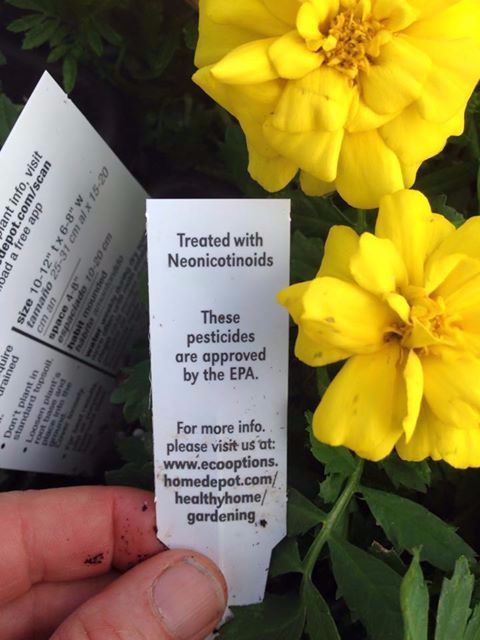
    HFI: Important!! Neonicotinoids Do not, I repeat, do not buy plants treated with Neonicotinoids. Bees take the pollen back to the hive and feed it to the brood.  This is the number one cause of colony collapse! They are banned in Europe! Avoid these toxins and Save the bees! Neonicotinoids are also known to kill our earthworms. 
    Save our food supply. Purchase local seeds and plants from local farmers and nurseries. Better yet save your own and grow at home!

    Toxic ‘witches brew’ of pesticides and fungicides is killing Up To Half Of America’s Bees

    This headline appeared in the Popular Science Magazine in March of 2013. Now four years later, BEES have been added to the endangered species list in the United States.Bees don’t just make honey, remember, but pollinate a ton of what we eat–as much as a fourth of it. That could lead to less food and higher food prices.

    In 2013 Quartz published these frightening facts:
     

    …The mysterious mass die-off of honey bees that pollinate $30 billion worth of crops in the US has so decimated America’s apis mellifera population that one bad winter could leave fields fallow. Now, a new study has pinpointed some of the probable causes of bee deaths and the rather scary results show that averting beemageddon will be much more difficult than previously thought.

    Scientists had struggled to find the trigger for so-called Colony Collapse Disorder (CCD) that has wiped out an estimated 10 million beehives, worth $2 billion, over the past six years. Suspects have included pesticides, disease-bearing parasites and poor nutrition. But in a first-of-its-kind study published today in the journal PLOS ONE, scientists at the University of Maryland and the US Department of Agriculture have identified a witch’s brew of pesticides and fungicides contaminating pollen that bees collect to feed their hives. The findings break new ground on why large numbers of bees are dying though they do not identify the specific cause of CCD, where an entire beehive dies at once.

    When researchers collected pollen from hives on the east coast pollinating cranberry, watermelon and other crops and fed it to healthy bees, those bees showed a significant decline in their ability to resist infection by a parasite called Nosema ceranae. The parasite has been implicated in Colony Collapse Disorder though scientists took pains to point out that their findings do not directly link the pesticides to CCD. The pollen was contaminated on average with nine different pesticides and fungicides though scientists discovered 21 agricultural chemicals in one sample. Scientists identified eight ag chemicals associated with increased risk of infection by the parasite.

    Most disturbing, bees that ate pollen contaminated with fungicides were three times as likely to be infected by the parasite. Widely used, fungicides had been thought to be harmless for bees as they’re designed to kill fungus, not insects, on crops like apples.

    BEES ADDED TO US ENDANGERED SPECIES LIST FOR THE FIRST TIME

    Toxins affect EVERYTHING! Bees & Earthworms

    Neonicotinoids : From Beecharmers.org

    Below is a summary of the chemical and brand names of the commonly used neonicotinoids. These are toxic to our honey bees. We are asking growers who are using these materials and who are dependent on honey bees for pollination, not to use these products currently until more research is done .
    Actara, Platinum, Helix, Cruiser, Adage, Meridian, Centric, Flagship, Poncho, Titan, Clutch, Belay, Arena, Confidor, Merit, Admire, Ledgend, Pravado, Encore, Goucho, Premise, Assail, Intruder, Adjust and Calypso (This list was generated by The Senior Extension Associate at Penn State)
    Never use a neonicotinoid pesticide on a blooming crop or on blooming weeds if honey bees are present.

    • The use of a neonicotinoid pesticide pre-bloom, just before bees are brought onto a crop is not recommended. If one of these materials MUST be used pre-bloom (for example at pink in apples), select a material that has a lower toxicity to bees (acetamiprid or thiacloprid) and apply only when bees are not foraging, preferably late evening.
    • Do not apply these materials post bloom (example petal fall) until after the bees have been
    removed from the crop. For the full report clicke here.

    Preserving the Bees: 

    •  *In the United States, a group of beekeepers from North Dakota is taking Bayer to court after losing thousands of honeybee colonies in 1995, during a period when oilseed rape in the area was treated with imidacloprid. A third of honeybees were killed by what has since been dubbed colony collapse disorder.
    • *The Dutch government has banned Imidaclprid completely in open-air situations. The product evidently also leaves a residue in the soil that completely destroys the Earthworm population that is so important to soil conservation. It also gets into weeds and other crops grown in the same ground. French beekeepers maintain they have lost thousands of colonies to this pesticide and a sister organo-phosphate called Fibronil produced by Aventis and are calling on the French government to remove both products from the market.
    • *PARIS – “Gaucho”, a broad-spectrum insecticide made by the Germany-based chemical giant Bayer, was banned in France in 1999 due to its toxicity to bees and other forms of life — including humans — but its replacement, “Regent”, from another German giant, BASF, is just as dangerous say beekeepers and biologists.

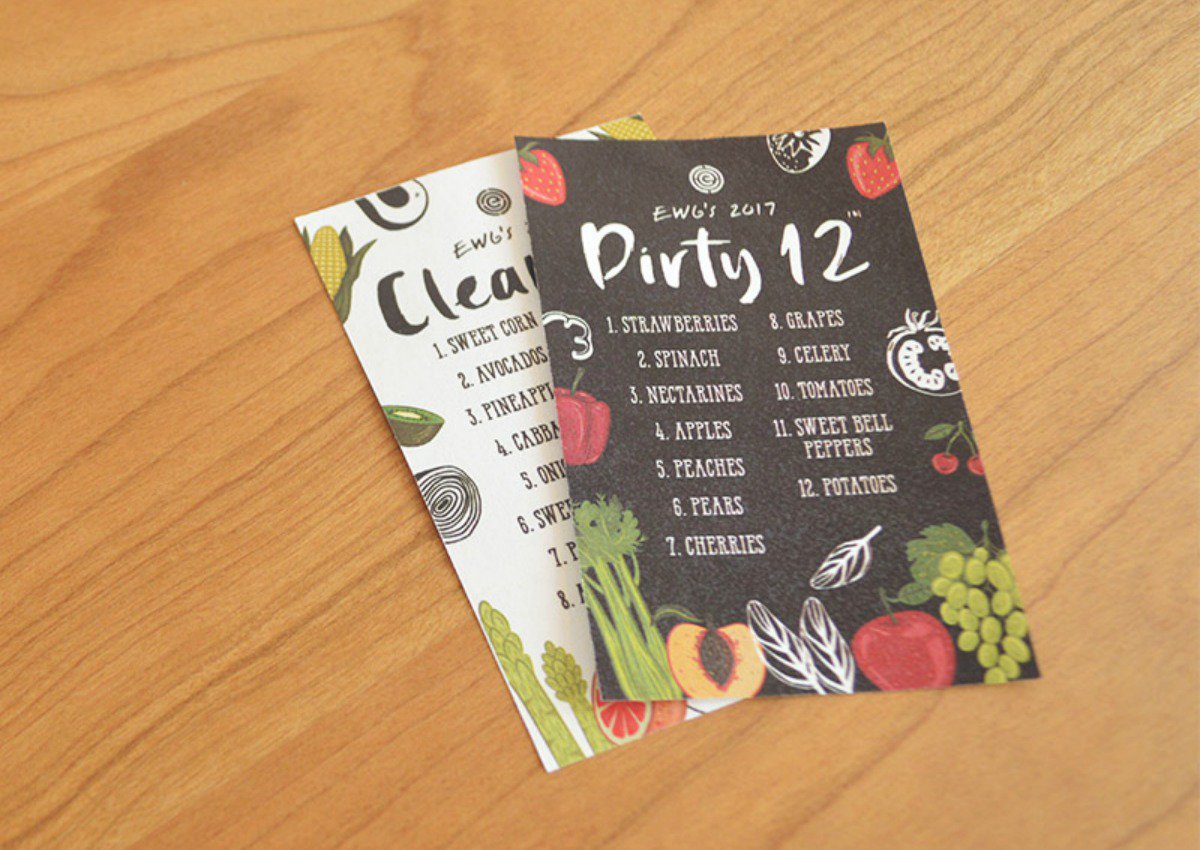
  • The 2017 Dirty Dozen: Strawberries, Spinach Top EWG’s List of Pesticides in Produce

    The 2017 Dirty Dozen: Strawberries, Spinach Top EWG’s List of Pesticides in Produce

    Julie: My canary child can tell you if the strawberries are contaminated. Even if the label says ORGANIC – doesn’t mean it isn’t sprayed prior to planting. Driscolls causes almost instant reaction for his little body. We have to get to know our farmer before letting my littlest try the strawberries. 

    EWG’s analysis of tests by the U.S. Department of Agriculture found that nearly 70 percent of samples of 48 types of conventional produce were contaminated with residues of one or more pesticides. USDA researchers found a total of 178 different pesticides and pesticide breakdown products on the thousands of produce samples they analyzed. The pesticide residues remained on fruits and vegetables even after they were washed and, in some cases, peeled.

    “If you don’t want to feed your family food contaminated with pesticides, the EWG Shopper’s Guide helps you make smart choices, whether you’re buying conventional or organic produce,” said Sonya Lunder, an EWG senior analyst. “Eating plenty of fruits and vegetables is essential no matter how they’re grown, but for the items with the heaviest pesticide loads, we urge shoppers to buy organic. If you can’t buy organic, the Shopper’s Guide will steer you to conventionally grown produce that is the lowest in pesticides.”

    Landrigan, Dean of Global Health and Director of the Children’s Environmental Health Center at Mt. Sinai, was the principal author of a landmark 1993 National Academy of Sciences study, Pesticides in the Diets of Infants and Children. The study led to enactment of the 1996 Food Quality Protection Act that set safety standards for pesticides on foods.

    For the Dirty Dozen list, EWG singled out produce with the highest loads of pesticide residues. In addition to strawberries and spinach, this year’s list includes nectarines, apples, peaches, celery, grapes, pears, cherries, tomatoes, sweet bell peppers and potatoes.

    Key findings:

    • Nearly all samples of strawberries, spinach, peaches, nectarines, cherries and apples tested positive for residue of at least one pesticide.
    • The most contaminated sample of strawberries had 20 different pesticides.
    • Spinach samples had an average of twice as much pesticide residue by weight than any other crop. Three-fourths of spinach samples had residues of a neurotoxic pesticide banned in Europe for use on food crops – it’s part of a class of pesticides that recent studies link to behavioral disorders in young children.

    “From the surge in sales of organic food year after year, it’s clear that that consumers would rather eat fruits and vegetables grown without synthetic pesticides,” said Lunder. “But sometimes an all-organic diet is not an option, so they can use the Shopper’s Guide to choose a mix of conventional and organic produce.”

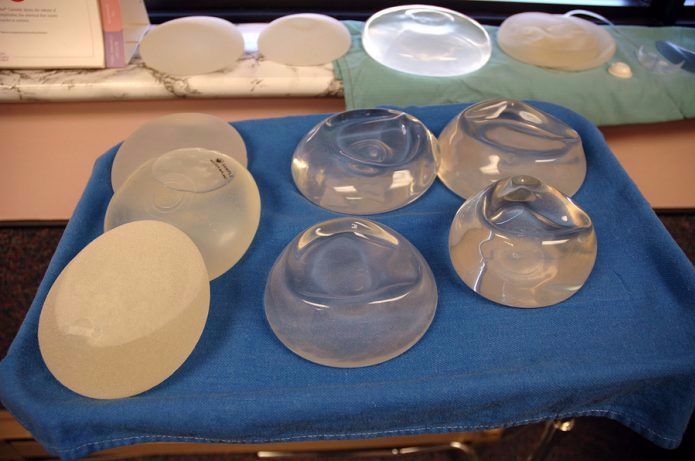
  • The Real Cost of Breast Implants

    The Real Cost of Breast Implants

    Dr. Ed Melmed & Dawn Strohm

    For more information please visit
    http://www.knowthecause.com/index.php…

    This article originally appeared at: https://www.youtube.com/watch?v=OeRoZzfA3jg.
  • An Attempt to Create the Toxin Free Household

    An Attempt to Create the Toxin Free Household

    I always thought of toxins as those products to ‘keep out of reach of child’ or I would end up calling poison control. Recently, I have begun to realize that toxins are those chemicals that disrupt our bodies natural processes, cause a plethora of ailments and could cause long term serious health issues. Thinking back, I was always grateful that in my family of many children, didn’t have to deal with food allergies. What a pain for those other families!
    And then my youngest was born. It was those allergies that took our family on a journey into an awareness of food ingredients and house hold toxins and helped us take back our health.  

    Over the past three years, we spent time focused on changing our eating habits. It took a couple years but we have eliminating 99% of processed foods stopped all fast food. Our meals, snacks and treats with are made with local,organic and fresh foods. Do not pity my children however. My baker in the making has discovered ways to allow us to enjoy organic brownies, homemade ice cream, HOMEMADE PEPPERMINT CHOCOLATE, home made pretzels and cakes galore! We still save up ‘out to eat money’ to visit our favorite french fry shop in town that sources its potatoes and cooks them safe for our family.

    So, this past year the focus has been products. What we put on our skin and hair and what we are surrounded in our home.
    I am amazed at the significant health improvements of our entire household.

    Common Household Toxins 
    This was a real eye-opener when we first saw it so we began to read labels on the stuff in our own home and confirmed what this is showing.  In some cases toxins were NOT listed on labels due to inconsistencies in government regulations.
    Healthy Home checklist printable

    Common Toxic Products In Your Home

    Items We Replaced:

    • Air Fresheners 
      “Fragrance” is a scary ingredient. According to the FDA, “fragrance” can be any combination of natural or synthetic chemicals (300+) to create a desired scent. The chemicals used in “fragrance” do not have to be disclosed on ingredient labels because of “proprietary secrets.” Many of these ingredients are carcinogenic, endocrine disruptors, and neurotoxic. Many air fresheners even cause respiratory ailments too!
    • Cleaning Supplies
      Cleaning supplies really anger me. Many of them are guilty of “Green Washing,” which is where they claim to be environmentally friendly and “nontoxic,” but they aren’t. Check out the EWG databases and see how your cleaning products measure up! It was a massive eye opener to me that products I grew up using was actually poisonous! Many cleaning products list “detergents,” but not which kind – which I find to be very misleading and dishonest. If people truly knew what was in their cleaners, popular companies would be out of business or executives jailed for false marketing and public endangerment! 
    • Personal Care Products
      You wash your hair, your body, your face, with the intention of cleaning. Surprisingly, if you get your personal care products from local department stores, like Walmart, Target… etc… chances are, they contain dangerous or potentially dangerous ingredients

      Disturbing fact: Since WWII, there have been over 80,000 new synthetic chemicals created. 10,500 of those are regularly used in the cosmetic and skincare industry. 10% of those have safety data available, not all have fully sufficient safety data. 1,500 have safety data that indicate they are toxic to humans.

      It only takes 22 seconds for your skin to absorb what you put on it. From there, it is absorbed into your blood stream. From the time you slather a lotion or cream on your skin, it takes less than a minute for the components to reach your brain. 

    We replaced: Window cleaner… kitchen cleaner… bathroom cleaner… floor cleaner… stove cleaner… oven cleaner… toilet cleaner… soft scrub… tub and shower cleaner… heavy duty cleaner… carpet cleaner… laundry detergent… laundry fabric softener… stain remover… dryer sheets..We don’t buy cleaners instead use products that are safe enough to eat. Yep. Vinegar and Baking soda take care of 99% of our cleaning needs.

    I threw out several shampoos and conditioners… deep conditioners… hair masks… hair spray… body wash… soap bars… liquid hand soaps (bye bye triclosan!)… lotions… face creams… deodorant… and a drawer full of makeup. We read labels closely and make as much of our own as we can. 

    At this point, we have completely eliminated our pharmaceuticals from the medicine cabinet.  We use essential oils, and herbs instead.

    We have shifted what we were once spending on synthetic drugs and man-made detergents and health and beauty products to natural alternatives.

    The girls are learning to make their own makeup and cleansers. We make toothpaste too.

    We purchase environmentally friendly dish and laundry soap but in a pinch washing the clothing and even the dishes with vinegar and warm water has been pretty successful too!

    We notice that costs are the same or less but we now have the peace of mind of knowing that we’re taking care of our bodies and the environment.

    What We’ve Found After a Year of Reduced Toxins

    So now that we’ve eliminated most of the toxins in our household what have we observed?  
    Less colds and when we get them, they are shorter duration than ever before.
    We are aware that we don’t sweat as much and don’t need antiperspirants;
    Less respiratory congestion; indigestion (bloating and gas), joint/body aches and pains eliminated; eliminated much of our skin issues, rashes, peeling nails, flaky and dry skin.

    Arguably some of these improvements could also be from the result of a mostly organic diet, increased multi-vitamins and ferments.
    One of the most recent noticeable changes has been attitude. Mood swings and impulse control have improve greatly. Our diet change has been solid for over a year and just recently we modified our detergents for laundry and clothing, we saw moods improve. I am amazed at how sensitive our household was to the residues of chemicals on our plates and our clothing. 

    How hard was it to change? 
     
    Not as disruptive to our busy lives as we expected.  We just kept at it and over a gradual process of months we were able to make the change-over. There were times I felt guilty after realizing I was exposing my kids to some pretty toxic stuff. But, I know better and do better. They are learning what a difference it has been in their lives and health and will be able to make better choices because they have seen how yucky their skin, hair and even mood was when we were surrounded by so much synthetic chemicals. 

    What have you done to reduce toxins? Do you have products that you specifically use and find effective for your family. Please share. 

  • 9 Toxins Found In Most Homes

    9 Toxins Found In Most Homes

    We’ve had a noticeable improvement in our health since we began to remove ‘hidden’ toxins that were slowly poisoning us from our home over the past year and a half.  These days most people are generally aware about environmental concerns. And still there is always more to learn…

    The short list of toxins under your roof may surprise you:

    Formaldehyde offgasses (evaporates) from cushions, particleboard and the adhesives used to manufacture most inexpensive wood-based products. Carpets and carpet cushions may also offgas formaldehyde, causing eye and upper respiratory irritation. According to the EPA, formaldehyde may even cause cancer;

    Radon is the second-leading cause of lung cancer in the United States, warns the Surgeon General. Radon is a natural radioactive gas that can seep into homes through cracks in the basement, the surrounding foundation and in well water. It enters the body quietly through the airways;

    Lead keeps epidemiologists returning to the drawing board, says Soloway, “mostly because we know more now about the adverse effects of low-level exposure.” Levels once thought to be acceptable are now known contributors to learning disabilities and behavioral problems. Lead is found in paint in older houses, old plumbing and soil near highways and busy roads. It causes neurological and kidney damage, high blood pressure, disrupted blood cell production and reproductive problems; 

    Carbon monoxide will kill an estimated 660 Americans this year. Don’t look for exhaust fumes in the attached garage; the biggest culprit is the unserviced furnace burning propane, butane or oil; Arsenic is still lacing many household pesticides and is increasingly used as a wood preservative. Low levels of inorganic arsenic “may cause lung cancer risk,” according to the CDC. The Department of Health and Human Services agrees, adding arsenic compounds to the list of unknown carcinogens;

    Vinyl chloride is the source of “new car smell”: The plastic interior of a new car offgasses this known carcinogen. Water sitting in PVC pipes overnight may also be steeping into a toxic tea. Very large exposures can lead to “vinyl chloride disease,” which causes severe liver damage and ballooning of the fingertips;

    Hydrofluoric acid “can cause intense pain and damage to tissues and bone if the recommended gloves happen to have holes in them,” says Soloway. This highly corrosive substance is the active ingredient in many household rust removers.

    But even the most liberal list of known toxins pales next to the order of volatile organic compounds (VOCs). VOCs comprise hundreds of natural and man-made, carbon-based agents. They react quickly with other carbon-based compounds, and evaporate easily, making them ideal solvents. VOCs can be found in disinfectants and pesticides, too. 

    Solvents: Benzene and methyl ethyl ketome traverse cell walls unchecked by normal cell defense. Both are known carcinogens. Cousins toluene, xylene, 1,1,1-trichloroethane and trichloroethylene make up the lion’s share of the solvent market;

    Disinfectants: Phenols, which include biphenyl, phenolics and the preservative pentachloraphenol, are found in disinfectants, antiseptics, perfumes, mouthwashes, glues and air fresheners;

    Pesticides: Chlordane, aldrin, dieldrin, though all banned for nearly two decades, continue to show up airborne in older houses.

    Don’t be a statistical figure on the CDC’s tracking list: Be aware of what substances, from pesticides to cleaners, pose threats in your household. Maintain ingredient awareness. Many poisonings still occur because of product combinations, like the ammonia-chlorine bleach reaction, which produces the deadly respiratory irritant chloramine (a problem labeling practices have not addressed).

    Replace toxic agents with non-toxic alternatives. Above all, educate your household to reduce risk and exposure.

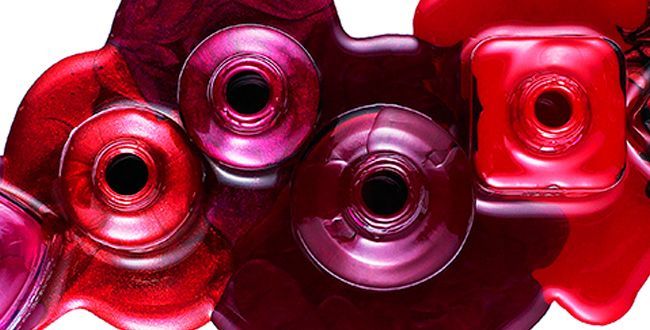
  • Toxins in your nail polish

    Toxins in your nail polish

    A study from October is getting a lot of headlines and making some people question their nail polish.

    The joint study (1) from Duke University and Environmental Working Group says a chemical used in many nail polishes known as TPHP can leak through the skin and into the wearer’s bloodstream.

    TPHP is often found in plastics and flame retardants, and nail polish-makers add the chemical to boost durability and flexibilty.

    The study’s 26 participants showed a 700 percent increase, on average, in the metabolized form of TPHP. This spike came 10 hours after painting their nails.

    The chemicals can contribute towards infertility, hormone-related cancers like breast and ovarian cancer, prostate conditions, thyroid disorders, neurological issues, diabetes, and even obesity (2).

    “Nails aren’t permeable to most molecules, but TPHP could be absorbed into the cuticle or around the nail,” says Johanna Congleton, a senior scientist with EWG who also worked on the study.

    They also make their way into the bloodstream after being inhaled (in the case of being in a closed room or nail salon during application) or being ingested (by nail biting).

    “It is very troubling that nail polish being marketed to women and teenage girls contains a suspected endocrine disruptor,” says Johanna Congleton, Ph.D., MSPH, a senior scientist at EWG and co-author of the study. “It is even more troubling to learn that their bodies absorb this chemical relatively quickly after they apply a coat of polish.”

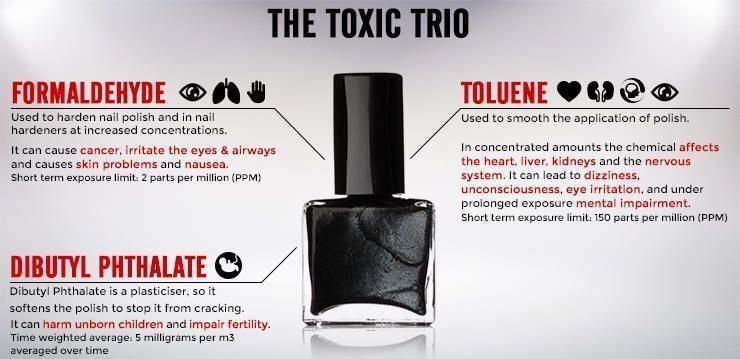
    Here are just a few chemicals routinely found in nail polish and other nail products (3).

    Formaldehyde is a well-known carcinogen that can cause respiratory distress if inhaled. Symptoms of exposure include coughing, asthma, and an itchy throat. Asthmatic or people with other respiratory conditions should avoid exposure to formaldehyde when possible (4).

    Dibutyl phthalate is a plasticizer and solvent that is also an endocrine disruptor. Chronic exposure through ingestion can cause liver and kidney failure in children.

    Toluene is, a mild skin irritant considered a developmental toxicity hazard. This chemical is dangerous to nursing or expectant mothers, as it can be absorbed into the bloodstream and find its way into breastmilk. When inhaled, the chemical can cause drowsiness, headaches, and irritation of the respiratory tract (5).

    They  pledged to remove the toxic trio from their nail polish. The bad news is that,  in 2012, California’s Department of Toxic Substances revealed that some  products claiming to be non-toxic and even “three free” still contained the  toxic chemicals.4 For instance:5

    *10 of 12 nail polishes that claimed to be free of toluene  contained the substance

    *5 of 7 nail polishes that claimed to be free of all three  chemicals actually contained one or more at elevated levels

    Polishes that exclude all three of the above-listed chemicals:

    1. Piggy Paint, non-toxic, odorless, kid-friendly, kid-colored, water-based formula.

    2. Honeybee Gardens, an alternative to solvent-based nail polish, water-based, odorless, removes with rubbing alcohol.

    3. No-Miss, does not contain the three-to-avoid above, and also does not contain camphor.

    4. Acquarella, water-based system of nail polish, conditioner, remover and moisturizer.

    5. Suncoat, water-based nail polish that has been recognized and honored from the Canadian Health Food Association Expo.

    6. Gaiam, Created by New York City’s first organic spa, this non toxic nail polish is free of known carcinogens.

    7. Peacekeeper Cause-Metics, created by the Environmental Working Group as the safest paint-based natural nail polish.

    8. Benecos, created without the use of formaldehydes, toluene, camphor, phthalates or formaldehyde.

    9. Nubar, carcinogen-free nail care products.

    10. Safe Nail Polish, non-toxic, oderless, made in the USA.

    11. Priti, non-toxic, made without the evil-three and all known carcinogenic ingredients.

    12. Spa Ritual, vegan nail lacquers.