Category: Toxins

The facts about chemicals, pesticides, and clean water.

  • Why Is This 12-Year-Old Petitioning For Changes in Cosmetic Labeling?

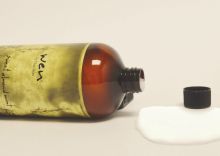
    Eliana washed her hair with a product called WEN and upon subsequent usage hair loss was instantaneous. So it was absolutely clearly caused by the product. Unfortunately, her family discovered there were many other individuals who suffered hair loss but the product was not removed from the market nor were consumers warned of a potential reaction of permanent hair loss after usage. The cosmetic industry is NOT REQUIRE TO LIST ALL INGREDIENTS. There is no way to know which toxin cause her reaction..that is permanent. 

    Published on Jun 7, 2017

    Eliana’s story/review of Wen, and why we need cosmetic safety reform. Eliana has a sunny disposition in the video, but I can assure you this was *devastating*. Sharing her story was a hard thing for her to do, so tried to keep her smiling. She shows some of her current damage at around 2:30 and talks about the regulatory shortcomings that allow this to continue happening.
    Eliana Used WEN Sweet Almond Mint Cleansing Conditioner. Did you know this could happen?

    TRANSCRIPT: Hi my name is Eliana I’m 12 years old, I live in Denver Colorado. I am a singer, a dancer, an actress, and I love creating art of all styles. When I was 9 years old my grandmother gave me this bottle of Wen Cleansing Conditioner. She said it was all natural and gentle and would be better for my hair. This is me just days before I used Wen. My mom washed my hair with Wen on a Friday afternoon.
    When I came home from school on Monday my mother said “You have hair all over your clothes! What’s going on?!”, My hair was a knotted mess like never before. I didn’t know it, but my mom had already cleaned out TONS of hair from my brush that day and the day before. I left a trail of hair all over the swimming pool. In the shower my mother combed out the tangles and a humongous wad of loose hair. I was really scared and I asked “Mommy, do I have cancer?” I lost about half my hair over the next week. This is what my hair looked like 2 weeks after using Wen only once on my whole head. A doctor asked if I was stressed. The only thing I was stressed about was – hair loss! We didn’t think a so-called “natural” shampoo could cause hair loss, so we didn’t think to tell the doctor about Wen.
    Then my mom used my regular old shampoo and I didn’t lose any hair! My next bath, my mom thought she should use Wen so the comb wouldn’t pull on my hair. Nearly All the rest of my hair slipped off my head instantly. I was BALD. My Mother began to cry. I’d never seen my mother cry before so I began to cry with her because I thought parents weren’t afraid of anything. This is what I looked like after using Wen that second time on my whole head.
    At school kids tried taking my hat, I was called terrible names, there was a lot of pointing and whispering, even the little kids were mean when I passed them in the hall. I told my parents I didn’t want to go back to school there and my mom taught me at home.
    We found out that lots of people lost their hair to Wen, not just me – tens of thousands at least. I lost all my hair, even my eyebrows and eyelashes. It’s been 2 1/2 years. Some of my hair has grown back, but I still have bald spots all over my head and it’s very thin some places I don’t think it’s right that a company can sell a product they know is dangerous and hurting many, many people every single day it’s still on the market.
    The FDA should be able to make companies recall dangerous personal care and cosmetic products. Can you believe right now, it is completely voluntary?
    Companies can put almost anything they want in cosmetics. Some of these ingredients can cause serious allergic reactions, and even cancer!
    They don’t even have to disclose all of the ingredients – the word “fragrance” can be dozens of hidden chemicals. The FDA and consumers should be able to know more about what is the products we use every day.
    When a product does hurt someone, that company should be required to quickly report the injury. But shouldn’t they make sure that the products are safe *before* they are on store shelves?
    Just about everyone uses personal care products every day. I think congress should make cosmetic safety a priority.

    Eliana Lawrence

    This article originally appeared at: https://youtu.be/9XVtDSPt7a8.
  • Thousands of Adults and Children Lost Their Hair. Will Anything Change?

    Thursday, July 13, 2017

    Almost two years ago, EWG first reported that more than 17,000 adults and children had lost some or all of their hair after using a shampoo advertised by celebrity hair stylist Chaz Dean and sold by one of the nation’s largest direct marketing firms.

    Yet Congress has failed to give the Food and Drug Administration the basic tools it needs to ensure that cosmetics and other personal care products are safe – or to even know when products are hurting consumers.

    In the case of WEN, the shampoo linked to the hair loss, the manufacturer had no duty to tell the FDA that thousands of women and girls had lost their hair. In fact, by 2015, the FDA had only received 127 “adverse event” reports lawsuit about WEN – less than one percent of the cases cited by court documents filed in a lawsuit in Los Angeles by some of the women against Guthy-Renker LLC, the maker of the shampoo.

    Under current law, the FDA has virtually no power to review cosmetic chemicals to determine safety and has little power to act when companies produce unsafe products. As the case of WEN revealed, the FDA doesn’t even have the power to know when products harm American consumers.

    In the last five years, Congress held one hearing on cosmetics. That’s it.

    There’s been no progress on Capitol Hill despite efforts by Sens. Feinstein, D-Calif., and Susan Collins, R-Maine. They’ve introduced legislation that would ensure that companies report “serious” adverse events to the FDA within 15 days. Theirbill would also give FDA the power to order recalls and stop the production of dangerous products. Most importantly, their bill would also require FDA to review the most dangerous chemicals in cosmetics. Reps. Frank Pallone, D-N.J., and Leonard Lance, R-N.J., have developed a House version of the Feinstein-Collins bill.

    The good news is that Feinstein-Collins bill is broadly supported by the personal care products industry. Cosmetics giants including Estee Lauder, Revlon, L’Oreal, Procter & Gamble, Johnson & Johnson, as well as smaller companies like Juice Beauty and the Honest Company, support their bill.

    Even hand-made soap companies, who opposed an earlier version of the bill, have endorsed the Feinstein-Collins bill after changes were made to address their concerns. The new version of the bill exempts home-based businesses with annual average sales below $1 million, exempts small companies with annual average sales below $500,000, and creates a simplified registration process for small companies with sales between $500,000 and $2 million.

    The Feinstein-Collins bill is also “paid for,” as legislators like to say. Cosmetics companies have agreed to provide $20 million a year to finance FDA chemical reviews, with most of the funding provided by the largest players in the $62.5 billion industry. No company with sales below $2 million would help finance the FDA’s work.

    Many other countries – including Canada, the U.S.’ largest trading partner – already set limits on which chemicals can be used in personal care products.

    So what’s the holdup? It’s hard to imagine. The Feinstein-Collins bill is bipartisan, supported by large and small companies, will not cost the taxpayers a nickel and will help open export markets.

    No wonder retailers like Wal-Mart, Target and CVS aren’t waiting for Congress and are instead taking steps to set their own standards for which chemicals can be included in cosmetics. Also impatient with Congress, state legislators (and even some city council members) are introducing bills to finally ban some of the most dangerous chemical in these products. The maker of WEN recently settled a class action suit, but consumers should not be forced to rely on the legal system alone to weed out unsafe products.

    We are LIVE with Eliana Lawrence, the fearless 12 year old fighting for better regulations of the cosmetics industry.
    https://www.facebook.com/ewg.org/videos/10155718740319887/
     Eliana was exposed to toxic chemicals in her shampoo with heartbreaking health effects. Tune in to hear her story.

    Want to join Eliana’s fight for cosmetics reform? Take action here:http://action.ewg.org/p/dia/action4/common/public/…

    No one knows for sure which chemical in WEN may have injured more than 21,000 users (up from 17,000 two years ago). Under current law, the company was not required to provide safety studies to FDA.

    But we do know there are chemicals found in cosmetics that are cause for concern, including lead, formaldehyde, parabens, phthalates, and 1,4-dioxane, a chemical linked to cancer but found in hundreds of kids’ products. Most consumers believe FDA already reviews these everyday products for safety. But the truth is that formulators can put just about anything in cosmetics.

    It’s time for Congress to act. If thousands of American are losing their hair is not enough to spur action, what is? 

    This article originally appeared at: http://www.ewg.org/enviroblog/2017/07/thousands-women-and-girls-lost-their-hair-will-anything-change#.WW0vtIgrKUm.
  • State Bans Sale of Natural Alternative to Cancer-Causing Roundup

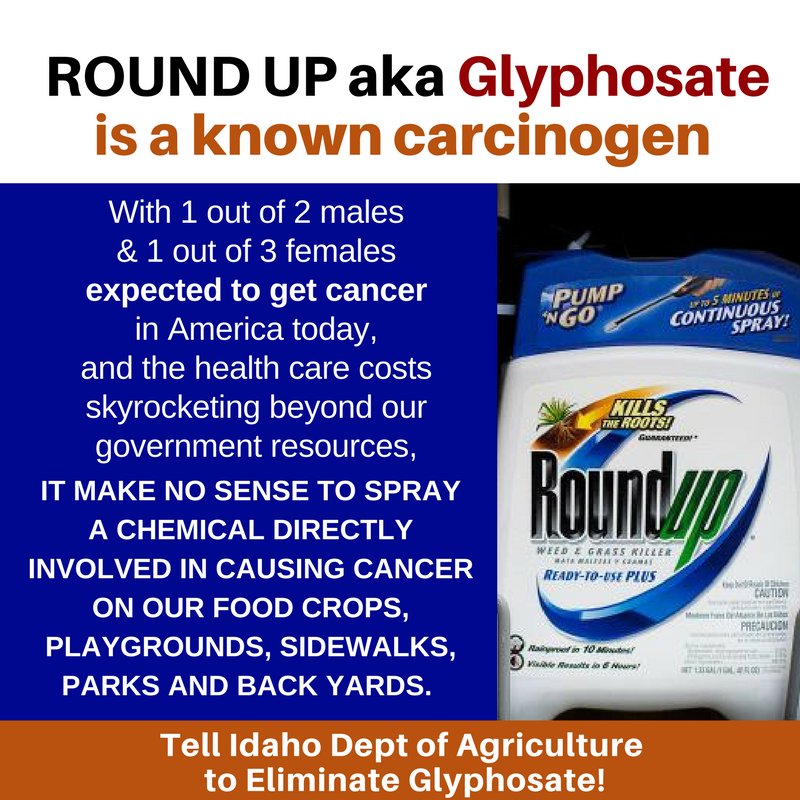
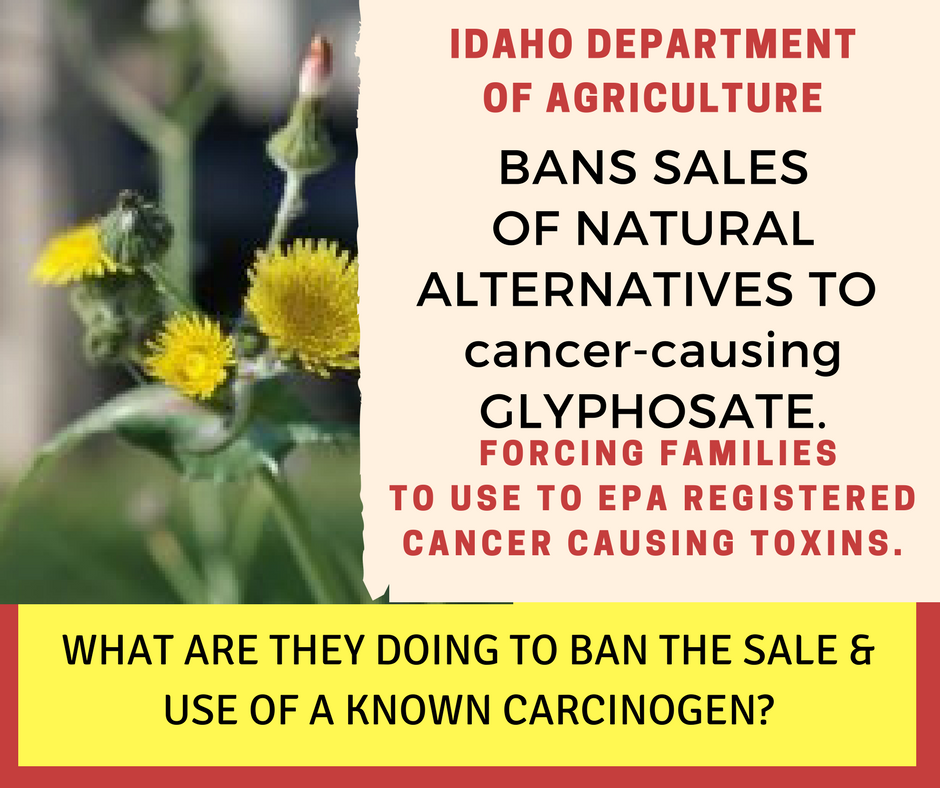
    Glyphosate, a registered pesticide has be labeled as a cancer causing agent. With ONE of EVERY THREE males and ONE in TWO Females in this country expected to get cancer you would think this news would prompt the State to initiate a ban or at least a plan to greatly reduce glyphosate’s usage. Unfortunately, that’s not the case. Not only has it NOT been removed from store shelves, they continue to spray it  around our cities, in our parks, and on our food. City authorities are well aware of its health consequences and yet, just yesterday city workers were spraying it in neighborhoods. Of even greater concern is that our state Department of Agriculture has just banned the sale of alternative weed killers forcing families to use to cancer causing toxins instead. Are you ready to call/email and ask WHY!!!

    WORLD’S MOST POPULAR WEEDKILLER -GLYPHOSATE CAUSES CANCER. 

    Glyphosate is the chemical name of world’s most widely used and best-selling herbicide. In 2016, it has been labeled it a carcinogen (an agent that is directly related to causing cancer.)  Over 100 million pounds are applied to U.S. farms and lawns every year, according to the EPA. In the home and garden sector, it is the second most-used pesticide, with over 5 million pounds used per year. Our local cities, such as the City of Caldwell and City of Boise regularly apply the poison to the streets, sidewalks and public spaces. Glyphosate is now widely available from many manufacturers under numerous trade names after patent protection ended in 2000: RoundUp, KleenUp, Accord, Imitator, Eraser, Pronto, Rodeo, etc.. There are over 750 products containing glyphosate for sale in the U.S2 , according to the National Pesticide Information Center.

    VIABLE ALTERNATIVES TO GLYPHOSATE?

    Vinegar / acetic acid

    According to the Sustainable Agricultural Systems Laboratory, part of the USDA, in a study of using vinegar as a herbicide, results indicated that vinegar can kill several important weed species at several growth stages. Vinegar at 10%, 15% or 20% acetic acid concentration provided 80-100 percent kill of selected annual weeds, including giant foxtail up to 3 inches in height, common lambs quarters up to 5 inches, smooth pig weed up to 6 inches, and velvet leaf up to 9 inches.

    Boise: IDAHO DEPARTMENT OF AGRICULTURE STOPS SALE OF GLYPHOSATE ALTERNATIVE

    July 14, 2017 according to a facebook post, North End Organic Nursery said, “The Idaho Department of Agriculture has issued a stop-sale order on the Horticultural Vinegar…after spending the last 30 minutes on the phone with the ISDA in regards to the sale of horticultural vinegar, they are standing by their stop sale because it is not a registered pesticide.

    This food grade Horticultural vinegar has many different uses, and we believe they are out of their jurisdiction and scope of power to tell us that we are not allowed to sell it. There might be a fight ahead of us folks. They are going to be cracking down on others as well.” 

    WHY WOULD VINEGAR NEED TO BE REGISTERED BY THE EPA AS A PESTICIDE? 

    Glyphosate, a registered pesticide, has be labeled as a cancer causing agent. It has NOT been pulled from shelves. It has NOT been removed from regular use in our cities, parks, or on our food.

    Horticultural Vinegar (20% acetic acid) can be used to effectively kill weeds without the toxic chemicals in the EPA registered versions of glyphosate.

    Herbicidal vinegar is stronger than household vinegar: the acetic acid concentration for herbicidal use is 10 -20%, compared to 5% acetic acid. Acetic acids of 8% or less inert ingredient are exempt from registration by the EPA as a pesticide under EPA Minimum Risk Pesticide, FIFRA 25 (b). Most states require registration for use of acetic acid as a pesticide.

    A product sold by North End Organic Nursery is not registered with EPA and does not qualify under the Minimum Risk Pesticide category for non-registration. It seems we have a gray area of the legal system.
    There is a part of federal law which states that if a product clearly has uses other than as a pesticide AND the company makes no claims about that product having pesticide uses, it does not have to be registered as a pesticide. This law makes sense for things like citric acid, culinary herbs and their oils, and other products that are used in many other applications besides pesticides. Acetic acid has numerous other uses so it, too, falls under this category. 

    It makes you wonder…

    What is the Department of Agriculture doing to reduce the exposure of a carcinogenic chemical for State employees (forced to handle the material) and the general public (forced exposure)?

    Shouldn’t the Department of Agriculture be working to find ways to reduce the usage of a known carcinogen rather than eliminating options of alternatives? 

    if you would like to ask these questions directly to those in power making the decisions they can be reached at

    these contact names were taken from list of State Contacts in the Agriculture Department

    ____________________________

    RESOURCES ON THE ALTERNATIVES OF GLYPHOSATE as a weed killer.

    A University of Maryland report from 2017

    PROs: • Excellent control when contacting very small annual broadleaf weeds • Rapid kill rate (Over 90% of treated plants should die within 24hours). • Acetic acid products break down quickly in the environment • Most useful for managing weeds in gravel and onpatios/sidewalks. • These contact herbicides fit into an integrated pest management program; although weeds require monitoring for best control timing. • Non selective, but mainly kill broadleaf weeds. Burns back grasses

    Studies have found that properly applied acetic acid appears to have promising results at controlling the following weeds: broadleaf plantain9 , carpetweed5 , common chickweed10, cutleaf evening primrose11, ground ivy9 , oriental mustard12, pale smartweed10, tumble pigweed5 , spiny amaranth5 , lambsquarters13, velvetleaf 9 , and recently germinated crabgrass14. Although the overall cost is higher than traditional herbicides, careful weed monitoring and spot applications as part of an IPM program could reduce material cost.

  • Why Your Drinking Water May Be Killing You: FREE EVENT Twin Falls

    HFI: Why Your Drinking Water May Be Killing You. Dr. Chad Nielson will be having an informational meeting about water quality on July 27th at 7 pm at Nielson Family Chiropractic 1330 Filer Ave. E. Twin Falls. This is a free event and all are welcome.

    —–

    After reading this article, you will never look at tap water the same way again.  Most Americans have generally assumed that the water coming out of our taps is perfectly safe, but the Flint water crisis and other similar incidents are starting to help people to understand that there are some very dangerous substances in our water.  In particular, I am talking about things like arsenic, lead, atrazine, perchlorate and a whole host of pharmaceutical drugs.  According to an absolutely stunning NRDC report, close to 77 million Americans received their water from systems “that violated federal protections” in 2015.  And even if you get your water from a system that meets federal standards, that still does not mean that it is safe.

    Let’s start by talking about arsenic.  Earlier today I came across an article that talked about how levels of arsenic in the water at some schools in the San Joaquin Valley “exceed the maximum federal safety levels by as much as three times”

    Reef-Sunset Unified School District Superintendent David East is worried about water. Not because of the drought—record rains this past winter ended five years of dry times. Rather, East, whose district encompasses the small towns of Avenal and Kettleman City on the San Joaquin Valley’s west side, is worried about the safety of the water that the 2,700 students in his school district are being given to drink.

    That’s because arsenic levels in the drinking water at some schools in the San Joaquin Valley exceed the maximum federal safety levels by as much as three times. And arsenic is not the only threat to schoolchildren. High levels of pesticides, nitrate, bacteria, and naturally occurring uranium also contaminate groundwater in many rural parts of the state.

    The International Agency for Research on Cancer says that arsenic is a “group 1 carcinogen”, and if you get too much of it in your system it can kill you.  Sadly, the EPA has estimated that 36 million Americans are drinking tap water that contains dangerous levels of arsenic.

    In addition to arsenic, a very nasty pesticide known as “atrazine” is often found in tap water supplies.  The following information about atrazine comes from the NRDC

    This endocrine-disrupting chemical is one of the most commonly detected pesticides in U.S. waters. NRDC studies have found its contamination is most common in drinking water across the Midwest and the southern United States. 

    Perchlorate is another very dangerous substance that is commonly found in our drinking water.  According to the NRDC, perchlorate has been discovered in water supplies “in at least 26 states”…

    This widespread toxic chemical, used in rocket fuel, explosives, and road flares, can interfere with thyroid hormone production. Perchlorate has been detected in the water in at least 26 states, yet there is no federal standard for its presence in drinking water. 

    Of course lead in the water has been getting a tremendous amount of attention because of what happened in Flint, Michigan.  The lawsuits that will come out of this case could take decades to resolve

    Flint’s water problems began in April 2014, when the city, in an attempt to save money, switched the town’s water source from Lake Huron to the Flint River. In the switch, officials failed to add a $200-per-day anti-corrosion agent that would coat the city’s antiquated pipes. The omission would prove disastrous as lead from the pipes began to leach into the water that flowed out of the tap, endangering thousands of children. Officials asserted it was “safe to drink,” above the outcry of residents who suspected the brown, odorous water was contaminated.

    The first outbreak of Legionnaires’ disease — a serious type of pneumonia caused by Legionella bacteria — hit by summer. According to the water crisis interim investigation report released last week, Lyon and others knew about outbreaks for nearly a year before the public was notified and an emergency was declared. In all, a dozen people died from Legionnaires’ disease, though residents suspect there may be other victims who were never tested for the bacteria.

    But Flint is far from alone.  In fact, this week there have been headlines about serious problems with lead in the water in Chicago.

    Wherever there are old pipes, lead in the water is potentially a massive problem.

    On top of everything else, our water systems are becoming increasingly polluted by pharmaceutical drugs.  An EPA study actually found traces of more than two dozen pharmaceutical drugs in more than half of the water systems that were tested around the country…

    Conducted by the Environmental Protection Agency, it is the largest study of water coming out of wastewater treatment plants.

    It looked at samples from 50 large-size wastewater treatment plants nationwide and tested for 56 drugs including oxycodone, high-blood pressure medications, and over-the-counter drugs like Tylenol and ibuprofen. More than half the samples tested positive for at least 25 of the drugs monitored, the study said. High blood pressure medications appeared in the highest concentrations and most frequently.

    “We were surprised to find that many drugs occurring across all the wastewater plants,” said Mitchell Kostich, the EPA research biologist who led the study. “We were also surprised to see so many drugs of a particular class—the high blood pressure medications—appear at those levels across the board.”

    So those that drink tap water coming from these polluted systems are actually ingesting small amounts of dozens of different pharmaceutical drugs every single day.

    No wonder so many of us are walking around like zombies.

    So how did all of these drugs get into the water?  The following comes from WebMD

    According to the investigation, the drugs get into the drinking water supply through several routes: some people flush unneeded medication down toilets; other medicine gets into the water supply after people take medication, absorb some, and pass the rest out in urine or feces. Some pharmaceuticals remain even after wastewater treatments and cleansing by water treatment plants, the investigation showed.

    Are you starting to understand what an environmental nightmare we are facing?

    But in addition to everything that you just read, many water systems around the country actually add toxic substances to the water purposely.

    Of course the most prominent example of this is fluoride.  We are told that fluoride “reduces cavities” even though this has never been scientifically proven.  But what we do know is that fluoride is a highly dangerous neurotoxin that can have a very serious impact on early childhood development

    Scientific investigations have revealed that fluoride is an endocrine-disrupting chemical,1 and a developmental neurotoxin that impacts short-term and working memory, and lowers IQ in children.2 It has been implicated as a contributing factor in the rising rates of both attention-deficit hyperactive disorder (ADHD)3,4 and thyroid disease.

    And we also know that fluoride can cause a condition known as “fluorosis”, and the introduction of fluoride into our water systems has coincided with a dramatic rise in fluorosis all over the nation.  In fact, more than half the children in the entire country have now been affected…

    According to research presented at the April 2017 National Oral Health Conference in Albuquerque, New Mexico, 57 percent of youth between the ages of 6 and 19 years have dental fluorosis, a condition in which your tooth enamel becomes progressively discolored and mottled, according to data from 2011 to 2012.1

    In addition, studies have shown that fluoride can also contribute to “cancer, heart disease, diabetes, obesity and neurodegenerative disease.”

    Because of such overwhelming scientific evidence, fluoride in the water has already been completely banned in many industrialized countries, and if I end up in Washington I will push for a complete national ban on fluoride in the water in the United States.

    All of us should be able to agree that we need to do whatever we can to keep the water that we are drinking clean and safe.

    But until we can get this done, I would encourage everyone to either filter their drinking water or to get it from a source that they know is pure.

    By drinking such polluted water, we are literally poisoning ourselves and our children, and we have no choice but to get this problem fixed.

    This article originally appeared at: http://theeconomiccollapseblog.com/archives/environmental-nightmare-dozens-of-highly-toxic-substances-have-been-found-in-tap-water-all-over-america.
  • What Do We Really Know About Roundup Weed Killer? What can we do about it?

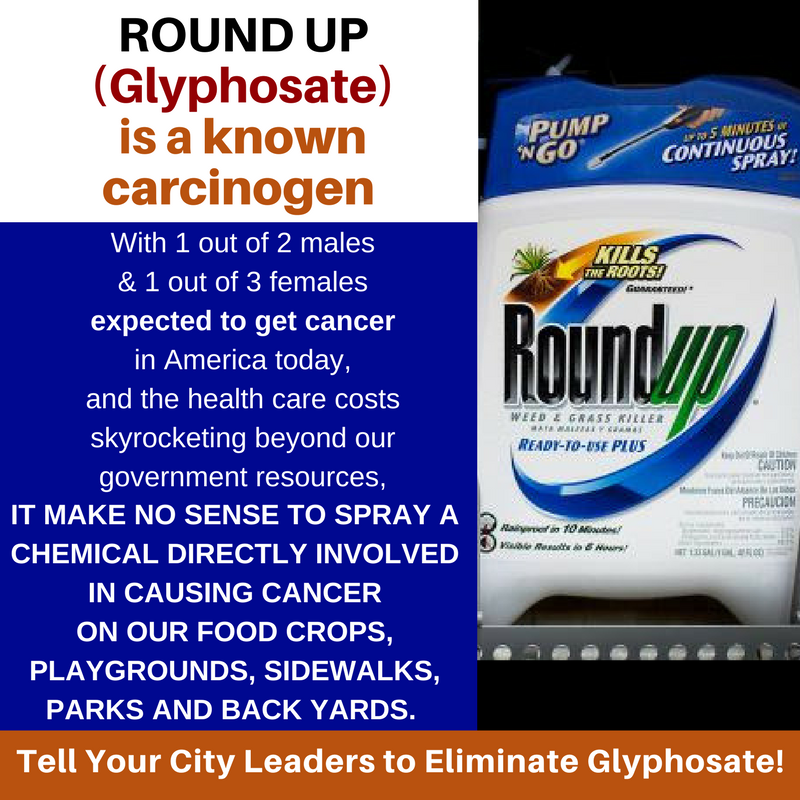
    HFI: Glyphosate has been called a carcinogen by a world health organization. Now that glyphosate is on the Prop 65 carcinogen list, activists and city officials have increased support for discontinuing or banning the use of glyphosate, all around the world. With 1 out of 2 males and 1 out of 3 females expected to get cancer in America today, and the health care costs skyrocketing beyond our government resources, it makes no sense to continue to spray a carcinogenic chemical on our food crops, playgrounds, sidewalks, parks and back yards. None.
    NOW is the time to speak up. express concern. Demand the product to be eliminated from public spaces. 

    Excerpt of Article from National Geographic: 

    A farmer in central Illinois sprays his cornfield with glyphosate. Seeds have been genetically engineered to tolerate the chemical so farmers can apply it to entire fields without destroying crops. As a result, its use has skyrocketed but some experts say research is needed exploring what happens to it in the environment and how much people are exposed.

    Photograph by Seth Perlman, AP

    The world’s most widely-used herbicide has been getting a lot of attention lately.

    Last month, an international agency declared glyphosate, the primary ingredient in the popular product Roundup,  a “probable human carcinogen.” The weed killer also has made recent headlines for its widespread use on genetically modified seeds and research that links it to antibiotics resistance and hormone disruption. Several national governmentsare planning to restrict its use, and some school districts are talking about banning it.

    So what do we know about glyphosate? Five key questions and answers:

    How Is Glyphosate Used?

    Introduced commercially by Monsanto  in 1974, glyphosate kills weeds by blocking proteins essential to plant growth.  It is now used in more than 160 countries, with more than 1.4 billion pounds applied per year.

    Glyphosate, often sold under the brand name Roundup, is probably in your garage or shed because it’s ranked as the second most widely used U.S. lawn and garden weed killer. These products have been promoted as easy-to-use and effective on poison ivy, kudzu, dandelions, and other weeds.

    But the primary use is by agriculture. Nearly allthe corn, soy, and cotton now grown in the United States is treated with glyphosate.

    Its use skyrocketed after seeds were genetically engineeredto tolerate the chemical. Because these seeds produce plants that are not killed by glyphosate, farmers can apply the weed killer to entire fields without worrying about destroying crops. Between 1987 and 2012, annual U.S. farm use grew from less than 11 million pounds to nearly 300 million pounds.

    “By far the vast use is on [genetically engineered] crops – corn, soy and cotton – that took off in the early to mid-nineties,” says Robert Gilliom, chief of surface water assessment for the US Geological Survey’s National Water Quality Assessment Program.

    In addition, some five million acres in California were treated with glyphosate in 2012 to grow almonds, peaches, onions, cantaloupe, cherries, sweet corn, citrus, grapes, and other edible crops.

    Glyphosate, marketed by Monsanto as Roundup, is the second most popular weed killer for residential yards and gardens.

    What Happens to Glyphosate in the Environment?

    Despite its widespread use, USGS hydrologist Paul Capel said there is “a dearth of information” on what happens to it once it is used.

    Glyphosate is not included in the U.S. government’s testing of food for pesticide residues or the monitoring of chemicals in human blood and tissues. As a result, there is no information on how much people are exposed to from using it in their yards, living near farms or eating foods from treated fields.
    However you can see its found on food in independent testing. http://www.ewg.org/agmag/2016/02/how-much-monsanto-s-weed-killer-your-food

    A recent USGS study sampled waterways in 38 states and found glyphosate in the majority of rivers, streams, ditches, and wastewater treatment plant outfalls tested. Not much was found in groundwater because it binds tightly to soil.

    Glyphosate also was found in about 70 percent of rainfall samples. It “attaches pretty firmly to soil particles” that are swept off farm fields then stay in “the atmosphere for a relatively long time until they dissolve off into water,” Capel says.

    What About Exposure Through Food?

    Before genetically engineered crops, glyphosate residues in food were considered unlikely, says Charles Benbrook, research professor at Washington State University’s Center for Sustaining Agriculture and Natural Resources. But since about 2005, pre-harvest use of glyphosate “results in very high residues,” he says. Traceswere found in 90 percent of 300 soybean samples.

    So what is the likelihood of exposure? The people most likely to be exposed are working on or living near farms where glyphosate is used, says University of California, Irvine professor Bruce Blumberg.

    What Is known About Effects on Human Health?

    The U.S. Environmental Protection Agency had determined that the science “does not provide evidence to show that glyphosate causes cancer.” But now the EPA says it will analyzenew findings by the UN’s International Agency for Research on Cancer, which declared in March that glyphosate probably raises the risk of cancer in people exposed.

    The UN agency based its decision on human, animal, and cell studies, says National Cancer Institute scientist emeritus, Aaron Blair who chaired the IARC review committee. The studies found glyphosate in farmworkers’ blood and urine, chromosomal damage in cells, increased risks of non-Hodgkin lymphoma in some people exposed, and tumor formation in some animal studies.

    The big unanswered question is the potential health effect of low levels over extended periods of time. 

    Monsanto called the IARC conclusion “inconsistent with decades of ongoing comprehensive safety assessments.” The American Soybean Association and National Corn Growers Association also denounced the finding. CropLife America, a trade association representing pesticide manufacturers, says, “It’s important to remember that glyphosate acts on an enzyme that exists only in plants and not mammals, contributing to the low risk to human health.”

    One study suggests that glyphosate may affect pathogens such as Salmonella in ways that can contribute to antibiotic resistance. Other recent research suggests it can interfere with hormones.

    Yet the really big unanswered question is the potential health effect of low levels over extended periods of time.

    So Where Does This Leave Us?

     July 7, 2017, was a historic day for our movement. It is the day that the California EPA’s Office of Environmental Health Hazard Agency (OEHHA) officially listed glyphosate on the Prop 65 list warning list as a carcinogen. The implications are huge. Within a year, all companies with ten employees or more who manufacture products that expose humans to glyphosate will need to label that product with a warning such as “This product may contain a chemical known to the state of California to cause cancer, birth defects, or other reproductive harm.” 


     This is huge news for health advocates and regulators in other states and countries around the world who want more evidence to transition away from using glyphosate and toxic chemicals. 

    Now that glyphosate is on the Prop 65 carcinogen list, activists and city officials have increased support for discontinuing or banning the use of glyphosate, all around the world. With 1 out of 2 males and 1 out of 3 females expected to get cancer in America today, and the health care costs skyrocketing beyond our government resources, it makes no sense to continue to spray a carcinogenic chemical on our food crops, playgrounds, sidewalks, parks and back yards. None.

    Now is the time to SPEAK UP! Express your concern to legislators, City Councils, Parks and Recreations and your neighbors about the use of a carcinogenic chemicals in public spaces. 

    #EliminateGlyphosate 

    This article originally appeared at: http://news.nationalgeographic.com/2015/04/150422-glyphosate-roundup-herbicide-weeds/.
  • Why You Want to Avoid Hot Drinks When Flying

    Tea and Coffee in Flight Comes With Extras

    Early morning flights and traveling from west to east, when jet lag is tougher on your body,9 makes it more difficult to stay awake and function when you land. Sometimes all you want is a nice warm cup of coffee or tea to wake you up and help you feel refreshed.

    The featured video shows you why, before you ask the flight attendant to serve that coffee, you may want to wait until you land and are safely off the plane. According to a flight attendant, there is a self-imposed ban on warm beverages by flight crew. One attendant stated:10 “Flight attendants will not drink hot water on the plane. They will not drink plain coffee, and they will not drink plain tea.”

    Unfortunately, even cold drinks may be a problem as the attendants use tap water when the bottled water runs out. The same attendant confirmed that while the water tanks are cleaned, it isn’t very often.11 The tap water on your plane is first delivered to the airport via a water tanker truck where it is stored in a facility. Another truck is then filled from the storage tank and delivers the water to the plane. Tap water on your flight may be contaminated at any point during transport from the original source to your plane.

    This water has tested positive for coliform bacterial contamination, bacteria that indicate human fecal waste is present. Coliform bacteria are considered “indicator” bacteria, as they come from the same sources as pathogenic organisms like E. coli.12 Water supplies are tested for indicator bacteria since the concentrations of pathogens from fecal contamination may be small and the number of possible pathogens is large, making testing for each pathogen impractical. Testing for coliform bacteria is therefore more practical.

    Airlines Disinfect Water Tanks Every Three Months

    Over 15 years ago the Association of Flight Attendants-CWA13 (AFA) pushed for regulation of tap water on air flights. After an Environmental Protection Agency (EPA) study found 1 of every 8 planes in 158 tested had contaminated water,14 the airline industry agreed to a two-year plan during which they would test the water from each plane every year and disinfect the planes water tanks every three months.

    However, the tanks agreed to be disinfected in this accord were the plane’s tanks and not the storage or transportation tanks. Bacteria may infect the water on the plane from the storage tanks or from hoses that are routinely found in filthy condition.15

    Twelve airlines agreed to the initial solution in 2004 proposed by the EPA. Within a year the EPA went on to develop drinking water agreements with 24 domestic airlines.16 In the most recent round of testing released, the results showed Southwest had the best test results with less than 3 percent of its planes testing positive for coliform and none for E. coli.17

    The testing in 2004 by the EPA eventually led to the Aircraft Drinking Water Rule18 in 2009, after more testing continued to identify coliform contamination in aircraft tap water.19 Further study results, requested in 2012 by an investigation by NBC5 through a Freedom of Information Act Request, showed 12 percent of tests on commercial flights had at least one plane that tested positive for coliform bacteria.

    Bill Honker, director of the water division, EPA Region 6 in Dallas, calls this a “high percentage” of planes and believes the industry could do a better job of protecting their customers.20

    Think Twice About Your Water Sources

    The bacteria found in the planes’ water tanks may not all be killed at the temperatures used to brew tea and coffee on the plane, and in some instances the maximum brewing temperature is not reached.21 Southwest Airlines routinely uses ozone to disinfect their tanks and the faucets in the galley and lavatories, contributing to their low bacterial rates on testing.

    However disgusting it is that water from the plane’s tank may have coliform bacteria, the water originates from a source awash with fluoride, chloride and other pollutants. Drinking bottled water from plastic bottles has its own set of concerns, as it may contain bisphenol-a (BPA), an endocrine disrupting chemical linked to altered immune function, obesity, reduced sperm production and hyperactivity.22

    When water bottles are not stored in climate controlled environments, leakage of BPA into the water increases. If the plastic bottles are BPA-free, the chemical has likely been replaced with another form of bisphenol with a similar chemical structure and function.

    However, it is also important to be drinking while you fly. The air in the plane has little humidity. According to Aviation International News, a dripping wet terry cloth hand towel will be bone dry after 1.5 hours of flight,23 as the water is absorbed into the air quickly. The same happens to you as water evaporates more quickly from your skin and lungs in the low humidity, dehydrating you more quickly.

    Although plastic bottles of water have their health concerns, it’s a far safer choice than drinking tap water from the plane, and you do need to rehydrate while flying. If you are traveling for longer periods and are concerned the airline will run out of bottled water, you may carry on as many bottles as you like, as long as they are purchased after the security checkpoint.24

    Not Just US Planes

    Similar problems have been reported onboard Cathay Pacific Airways when Hong Kong’s Port Authority Office collected samples from 22 planes as part of a routine inspection and found 10 percent had tainted drinking water.25 Following the inspection, the airline issued a warning to passengers to avoid brushing their teeth in the lavatories and issued all passengers bottled water.

    This airline also cleans and disinfects its tanks every three months and tests every six months. Brenda Wiles manages a lab in Fort Worth, Texas, that is certified to test the drinking water from aircraft. She commented:26 “There’s poop in the water if there’s E. coli in the water, and that’s not a good thing. [Heating] might kill some of the organisms, the more susceptible ones, but it’s not going to kill the majority of them.”

    Filtration Is a Must for Clean, Pure Water

    According to a statement from the AFA, which first made the push to have water safety onboard planes regulated:27 “The regulation gives broad discretion to airlines on how often they must test the water and flush the tanks. AFA does not believe this regulation goes far enough or is sufficiently enforced.”

    It appears from this statement that the AFA is not satisfied with the regulations currently in place, or the attempts by the airlines to ensure the health and safety of the passengers and crew from water contamination. As with water from your tap at home, you may consider precautions that will help you avoid contamination from bacteria, toxic chemicals, drugs, fluoride and chlorine.

    To be certain you are using the purest water at home, consider filtering at both the point of entry to the house and the point of use. Unfiltered water may expose you to dangerous chlorine vapors and chloroform gas. A whole house filter helps eliminate the potential for vaporized chlorine from your toilets, washing machine and showers. Chloroform gas, chlorine vapors and the associated detergent byproducts may increase your risk of asthma, airway inflammation and respiratory allergies.

    If you don’t have a whole house filter, open your windows on opposing sides of your home to achieve cross ventilation for between five and 10 minutes each day to remove the gasses, no matter the temperature outside. Although purification is important, I also believe it’s important to drink living water. During my interview with Dr. Gerald Pollack, author of “The Fourth Phase of Water: Beyond Solid, Liquid, and Vapor,” we discussed “structured water,” which is the type of water found in your cells.

    This type of water is energized to recharge your mitochondria. You can find structured water from a deep spring, and the deeper and more pressurized the better. You can find a spring in your area using the website FindaSpring.com.28 Just be sure to evaluate the site you choose based on any surrounding industrial or agricultural facilities that may pollute the water.

    Two options you may try at home are vortexing or cooling the water to 39 degrees F. By creating a vortex in a glass of water by stirring it with a spoon, you’re putting more energy into it, thereby increasing the structure of the water. According to Pollack, virtually any energy put into the water seems to create or build structured water.

    This article originally appeared at: http://articles.mercola.com/sites/articles/archive/2017/07/05/airplanes-tap-water-coliform-contamination.aspx.
  • Are you still washing laundry with toxins?

    I am a mom of 5. I admit, I am guilty of washing hundreds of loads of clothes in chemicals that are harmful to my children and the environment. I am still new in my journey towards creating an environment that is less toxic for my children. Sadly, all five of my children suffer from allergies, sensitivities and sensory issues that are impacted by the chemicals on toxins that surround them. We spent last year cleaning up our foods, and earlier this year swapping out of soaps and shampoos. Now on to household cleaners…

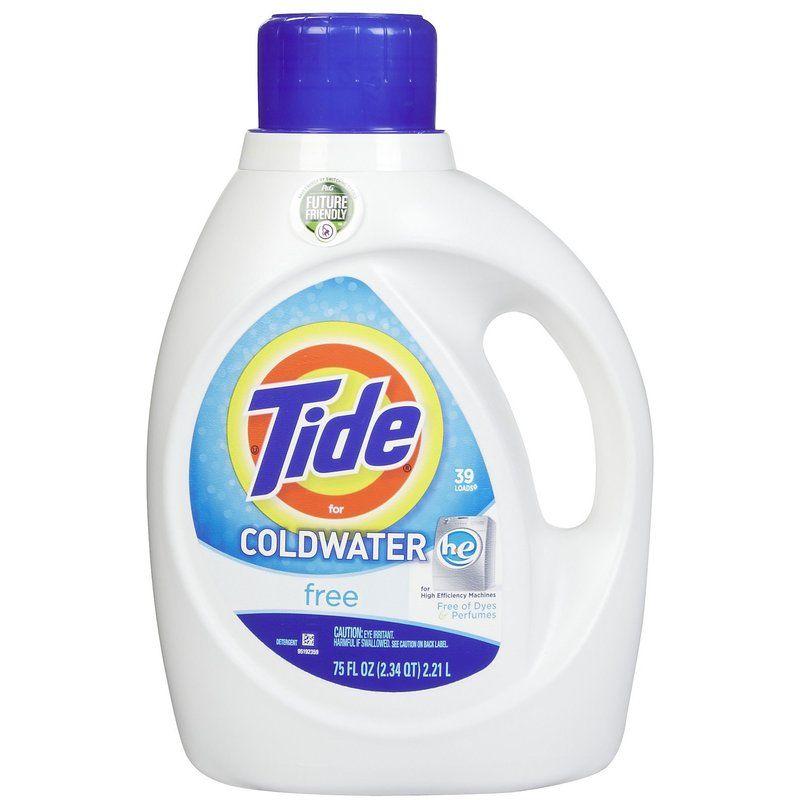
    Our laundry detergent of choice was Tide clear. It even has a sticker on the label Future friendly. It is one of Proctor & Gamble’s leading hundreds of toxic chemical companies that people use in their homes every day in an effort to be “clean” and “sanitary” whilst unknowingly poisoning themselves and their families..

    I wasn’t aware of how toxic it is. I am not sure how it affects my children.
    I really hadn’t thought about it before. I know the soaps with perfumes bother their breathing and skin.

    I decided to look up the ingredients of Tide and see the score as listed from EWG’s Guide to Healthy Cleaning. Sadly, my cleaning product scored a D and is listed as a product  for HIGH CONCERN. Likely hazards to health or the environment. May also have poor ingredient disclosure.

    ETHANOLAMINE


    Moderate Concern: respiratory effects, general systemic/organ effects; Some Concern: chronic aquatic toxicity, nervous system effects, skin irritation/allergies/damage

    ALCOHOL ETHOXYLATES (C10-C16) SODIUM SALT


    Some Concern: chronic aquatic toxicity, damage to DNA, respiratory effects, developmental/endocrine/reproductive effects, digestive system effects, nervous system effects, acute aquatic toxicity, damage to vision, cancer

    YIKES!
    Its time to make my own. Here’s the recipe that I have found from Real Yummy Food.

    Do you have one you use you can share? 

  • What Goes Up Must Come Down

    Just a friendly reminder that what goes up must come down… please take extra precautions for the next week. Consider increasing cilantro intake and bentonite clay detox baths, magnesium and other detox protocols. 

    Fireworks Ingredients: Mercury, lead, gun powder, sulfur-coal, hexachlorobenzene, polychlorinated dioxins, dibenzofurans, aluminum, antimony sulfide, cadmium, lithium, rubidium, strontium, arsenic, barium nitrate, chloride, nitrogen dioxide, perchlorate, metallic compounds, etc.

    American Pollution Made in China produces:
    • Carcinogenic Dust & Fumes
    • Light & noise pollution
    • Air & groundwater pollution
    • Gunpowder fuels flight. Metallic compounds and chemicals color explosions release toxic chemicals and particle-laden smoke
    • Humans, animals, & plants subjected to high levels of metals
    • Colors, booms, whistles, from chemicals toxic to humans
    • Carcinogenic & hormone-disrupting chems seep in soil and water
    • Releases lung-clogging smoke causing asthma attacks during fireworks display and days thereafter.

    Veterans w/ PTSD, folks w/ MCS/EI, babies, the elderly & ill are highly affected.

    Please use nontoxic alternatives: Electronic pyrotechnics made in USA.

    READ: http://www.4to40.com/science/index.asp…

    READ: http://www.backcountryattitude.com/toxic_fireworks.html

    #toxicityawareness

  • Ada County Arial Spray to Douse Community With Toxins

    HFI: Spraying in Ada County for mosquitoes this week. Here’s the fact sheet for the insecticide. I’m not okay paying taxes in exchange for poisoning my organic garden, yard, or my family. The illness that they are creating fear over (West Nile Virus) is much less dangerous than the poison used to “combat” it. Due to the ’emergency measures’ in place, we have no choice in the matter whatsoever. We are losing our rights so fast, and those who oppose these measures are considered “unscientific” and “extreme”. This affects our eco-system, our children and their future.

    http://nospray.org/naled-insecticide-fact-sheet/

    This active ingredient, Naled, is BANNED in many other countries. Why not here? Money talks.
    Here are concerns from other countries about the carcinogenics of Dibom NALED http://chem-tox.com/brevard/main.htm

     CDC reports state wide in 2016 6 people tested positive for West Nile Virus and were either symptom-less or were sick with flu like symptoms. Three individuals were hospitalized with more serious complications. There were NO FATALITIES. CDC reports that COMPLICATIONS from West Nile Virus are VERY, VERY RARE less than 1% of individuals actually experience complications from West Nile Virus. see full details: https://hfi.designbyparrish.com/no-spray-zone

    Is your family in the target zone: https://adacounty.id.gov/Mosquito-Abatement

    Have you called to express your concern?? Did you ask them to CONTACT YOU when they are targeting your home, neighborhood? DO IT!

    EMAIL: weedandpest@adaweb.net
    Phone: (208) 287-7080
    Facebook: https://www.facebook.com/AdaCountyWeedPestMosquito/

    Ask: What are your spraying? Where is the long term studies saying its safe for children, in pregnancy? what about those medically fragile?
    THE CHEMICAL IS CONCERNING READ HERE: http://chem-tox.com/brevard/main.htm

    Ask: Why aren’t you letting communities know BEFORE they are targeted? Tell them, I want to be alerted when my neighborhood is targeted.

    Tell them: will let them know that citizens want them make chemicals the LAST line of defense instead of the first. 

    Ada County: *You can OPT OUT of ground fogging. 

     Ada County Weed Pest and Mosquito Abt. Dist.
    PRINTABLE FORM

    Canyon County Mosquito Abatement District

  • Bitter “Sweet” Diet Products leads to cancer

    HFI: aspartame. It was marketed as a ‘diet’ product. Designed to trick your body to enjoying the sweet without the calories. Instead, those health / sugar conscious individuals are at increased risk for leukemia, multiple myeloma and non-Hodgkin’s lymphomas. Note that diet soda is the largest dietary source of aspartame (by far) in the U.S. Every year, Americans consume about 5,250 tons of aspartame in total, of which about 86 percent (4,500 tons) is found in diet sodas. Perhaps the healthy soda, is no soda at all. 

    As few as one diet soda daily may increase the risk for leukemia in men and women, and for multiple myeloma and non-Hodgkin lymphoma in men, according to new results from the longest-ever running study on aspartame as a carcinogen in humans. Importantly, this is the most comprehensive, long-term study ever completed on this topic, so it holds more weight than other past studies which appeared to show no risk. And disturbingly, it may also open the door for further similar findings on other cancers in future studies.


    The most thorough study yet on aspartame – Over two million person-years

    For this study, researchers prospectively analyzed data from the Nurses’ Health Study and the Health Professionals Follow-Up Study for a 22-year period. A total of 77,218 women and 47,810 men were included in the analysis, for a total of 2,278,396 person-years of data. Apart from sheer size, what makes this study superior to other past studies is the thoroughness with which aspartame intake was assessed. Every two years, participants were given a detailed dietary questionnaire, and their diets were reassessed every four years. Previous studies which found no link to cancer only ever assessed participants’ aspartame intake at one point in time, which could be a major weakness affecting their accuracy.


    One diet soda a day increases leukemia, multiple myeloma and non-Hodgkin lymphomas

    The combined results of this new study showed that just one 12-fl oz. can (355 ml) of diet soda daily leads to:

    – 42 percent higher leukemia risk in men and women (pooled analysis)
    – 102 percent higher multiple myeloma risk (in men only)
    – 31 percent higher non-Hodgkin lymphoma risk (in men only)

    These results were based on multi-variable relative risk models, all in comparison to participants who drank no diet soda. It is unknown why only men drinking higher amounts of diet soda showed increased risk for multiple myeloma and non-Hodgkin lymphoma. Note that diet soda is the largest dietary source of aspartame (by far) in the U.S. Every year, Americans consume about 5,250 tons of aspartame in total, of which about 86 percent (4,500 tons) is found in diet sodas.


    Confirmation of previous high quality research on animals

    This new study shows the importance of the quality of research. Most of the past studies showing no link between aspartame and cancer have been criticized for being too short in duration and too inaccurate in assessing long-term aspartame intake. This new study solves both of those issues. The fact that it also shows a positive link to cancer should come as no surprise, because a previous best-in-class research study done on animals (900 rats over their entire natural lifetimes) showed strikingly similar results back in 2006: aspartame significantly increased the risk for lymphomas and leukemia in both males and females. More worrying is the follow on mega-study, which started aspartame exposure of the rats at the fetal stage. Increased lymphoma and leukemia risks were confirmed, and this time the female rats also showed significantly increased breast (mammary) cancer rates. This raises a critical question: will future, high-quality studies uncover links to the other cancers in which aspartame has been implicated (brain, breast, prostate, etc.)?

    There is now more reason than ever to completely avoid aspartame in our daily diet. For those who are tempted to go back to sugary sodas as a “healthy” alternative, this study had a surprise finding: men consuming one or more sugar-sweetened sodas daily saw a 66 percent increase in non-Hodgkin lymphoma (even worse than for diet soda). Perhaps the healthiest soda is no soda at all.

    Source
    http://www.ncbi.nlm.nih.gov/pubmed/23097267
    http://www.ncbi.nlm.nih.gov/pubmed/16507461
    http://www.ncbi.nlm.nih.gov/pubmed/17805418