Category: Toxins

The facts about chemicals, pesticides, and clean water.

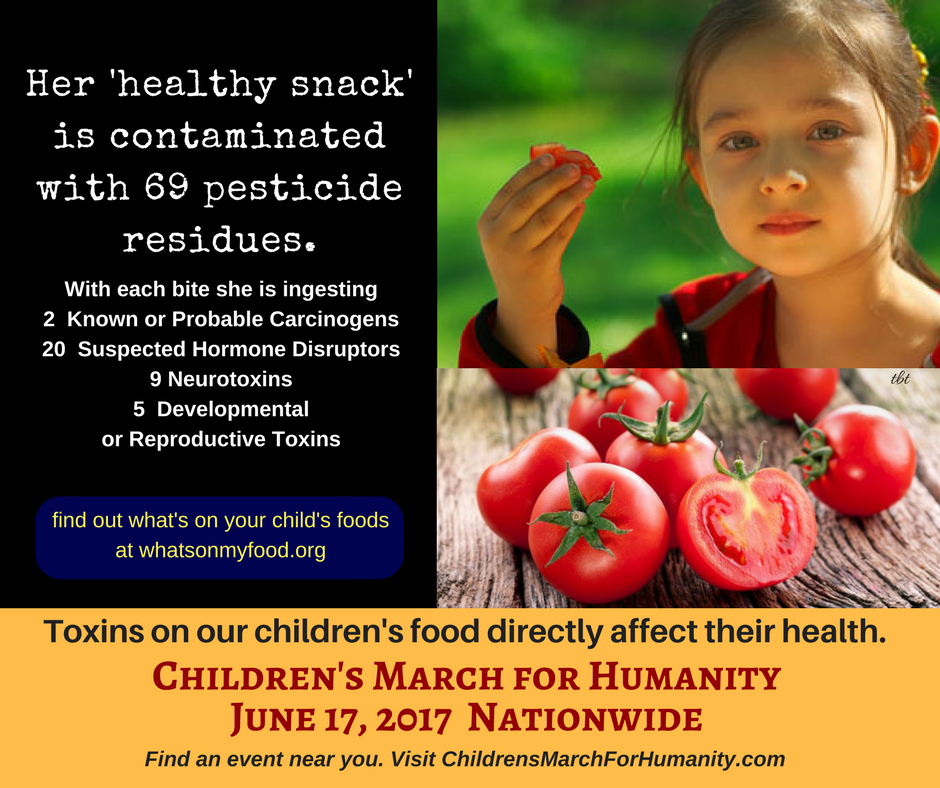
  • 3 Pesticide Realities

    All too often, Monsanto and the rest of the “Big 6” pesticide corporations distort information to make their products seem safe and necessary — but they’re not.

    Myths about pesticides are a testimony to the power of advertising, marketing and lobbying. Pesticide corporations, like big tobacco and the oil industry, have systematically manufactured doubt about the science behind pesticides, and fostered the myth that their products are essential to life as we know it — and harmless if “used as directed.”

    The book Merchants of Doubt calls it the Tobacco Strategy: orchestrated PR and legal campaigns to deny the evidence, often using rogue scientists to invent controversy around so-called “junk science” to deny everything — from second-hand smoke causing cancer to global warming to the hazards of DDT.

    Here are eight of the seemingly plausible myths we hear from the Big 6 every day:

    1. Pesticides are necessary to the feed the world
    2. Pesticides aren’t that dangerous
    3. The dose makes the poison
    4. The government is protecting us
    5. GMOs reduce reliance on pesticides
    6. We’re weaning ourselves off of pesticides
    7. Pesticides are the answer to global climate change
    8. We need DDT to end malaria, combat bedbugs, etc.

    Myth #1: “Pesticides are necessary to the feed the world”

    Reality: The most comprehensive analysis of world agriculture to date tells us that what can feed the world — and what feeds most of the world now, in fact — is small-scale agriculture that does not rely on pesticides.

    Dow, Monsanto, Syngenta and other pesticide producers have marketed their products as necessary to feed the world. Yet as insecticide use increased in the U.S. by a factor of 10 in the 50 years following World War II, crop losses almost doubled. Corn is illustrative: in place of crop rotations, most acreage was planted year after year only with corn. Despite more than a 1,000-fold increase in use of organophosphate insecticides, crop losses to insects has risen from 3.5% to 12% (D. Pimental and M. Pimental, 2008).

    More to the point, hunger in an age of plenty isn’t a problem of production (or yields, as the pesticide industry claims), efficiency or even distribution. It is a matter of priorities. If we were serious about feeding people, we wouldn’t grow enough extra grain to feed 1/3 of the world’s hungry — and then pour it into gas tanks.

    Myth #2: “Pesticides aren’t that dangerous”

    Reality:  Pesticides are dangerous by design. They are engineered to cause death. And harms to human health are very well documented, with children especially at risk. Here are a few recent examples from the news:

    • An entire class of pesticides (organophosphates) has been linked to higher rates of ADHD in children.
    • The herbicide atrazine, found in 94% of our water supply, has been linked to birth defects, infertility and cancer.
    • Women exposed to the pesticide endosulfan during pregnancy are more likely to have autistic children.
    • Girls exposed to DDT before puberty are five times more likely to develop breast cancer.
    • The World Health Organization recently designated the key ingredient in the widely used herbicide RoundUp a “probable human carcinogen.”

    A large and growing body of peer-reviewed, scientific studies document that pesticides are harmful to human health. The environmental damage caused by pesticides is also clear; from male frogs becoming females after exposure, to collapsing populations of bats and honeybees.

    Myth #3: “The dose makes the poison”
    Reality: If someone is exposed to an extremely small amount of one ingredient from a single pesticide at a time, and it was a chemical of relatively low toxicity and exposure occurred outside any window of biological vulnerability, it might pose little danger. Unfortunately, that’s an unlikely scenario.

    First, pesticide products typically contain several potentially dangerous ingredients (including so-called “inerts” not listed on the label). Second, we’re all exposed to a cocktail of pesticides in our air, water, food and on the surfaces we touchThe combination of these chemicals can be more toxic than any one of them acting alone. Third, many pesticides are endocrine disruptors and even extremely low doses can interfere with the delicate human hormone system and cause lifechanging damage.

    Finally, the timing of exposure can be just as — if not more — important than the dose. Even extremely low levels of pesticides can cause irreversible, lifechanging harm if they occur at a moment when organs or other systems are developing. One stark example from a recent study using MRI technology illustrates the point: children exposed in utero to the neurotoxic insecticide chlorpyrifos experienced lasting changes in their brain architecture.

    It’s also important to understand that research used to determine the safety of a pesticide is funded and conducted by the corporations marketing the product, often leading to distortion of findings.

  • Johnson & Johnson faces a $110 million verdict in baby powder suit

    A Virginia woman just won a record-setting $110.5 million in a lawsuit that alleges that using Johnson & Johnson’s baby powder caused her ovarian cancer.

    62-year-old Louis Slemp of Wise, Virginia is the latest in a line of plaintiffs with similar claims, including three previous St. Louis juries who awarded a total of $197 million, including a decision in October that awarded a California woman $70 million.

    Slemp was diagnosed with ovarian cancer in 2012, which spread to her liver. As a 40-year user of J&J’s talcum-containing products, such as baby powder, she blames her cancer on the extended talcum use. 

    Talc is a naturally occurring mineral, and is made up primarily of magnesium, silicon, and oxygen. It’s widely used in cosmetics and personal care products to absorb moisture, cut down on friction, prevent caking and improve the product’s feel. In its natural form, talc can contain asbestos, which is known to cause cancers in and around the lungs when inhaled. But all talcum products sold in the U.S. have not contained asbestos since the 1970s.

    Johnson & Johnson said in a statement that it would appeal and disputed the scientific evidence behind the plaintiffs’ allegations.

    The evidence concerning asbestos-free talcum products and cancer risk is unclear, but some studies report a slightly increased risk in women who use talcum powder in the genital area. 

  • Our Kids Are So Very Sick

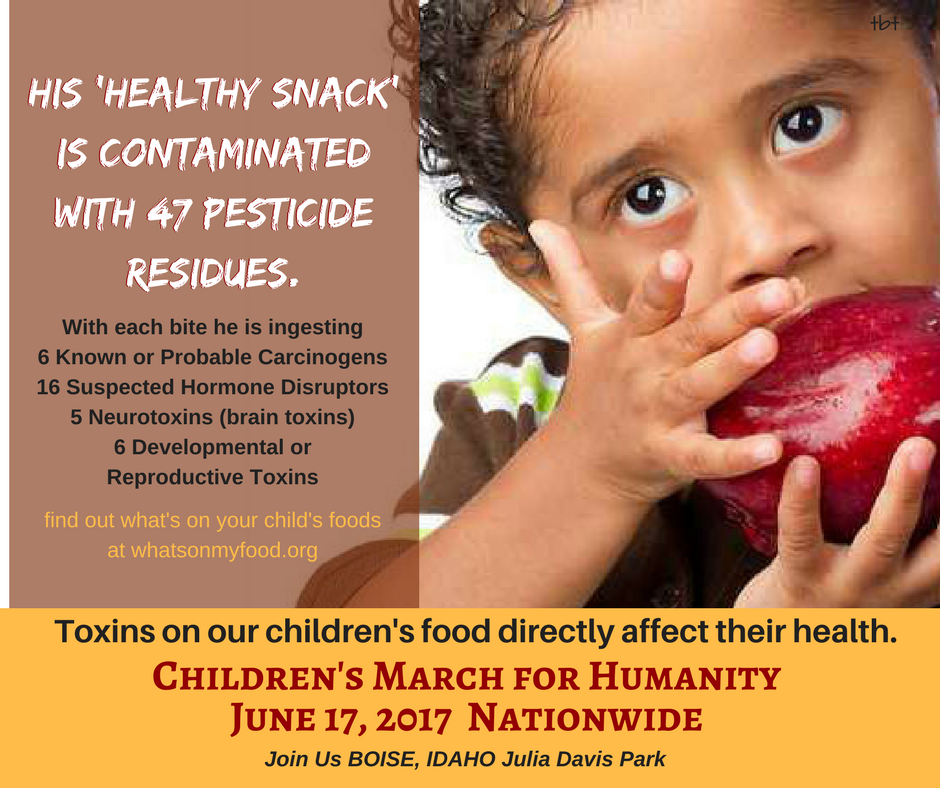
    Our Children are bombarded with toxins, overwhelmed with chronic illness and neurological disabilities. Join other families we come together as ONE VOICE on behalf of our children’s health and future. 

    Children’s March for Humanity will be hosted in cities nationwide. Communities coming together with the same concerns about our children’s health.
    JOIN US IN BOISE At Julia Davis Park    BECOME A SPONSOR of this event.

    1 in 6 have learning disabilities

    1 in 12 have asthma

    1 in 10 have ADHD

    1 in 13 have food allergies

    1 in 20 have seizures

    1 in 68 have autism

    1 in 42 boys have autism

    HALF of our children have a chronic illness or are overweight.

    Learning Disabilities:

    https://www.cdc.gov/ncbddd/developmentaldisabilities/about.html

    Recent estimates in the United States show that about one in six, or about 15%, of children aged 3 through 17 years have a one or more developmental disabilities.1(https://www.cdc.gov/ncbddd/developmentaldisabilities/about.html#ref) Developmental disabilities are a group of conditions due to an impairment in physical, learning, language, or behavior areas. These conditions begin during the developmental period, may impact day-to-day functioning, and usually last throughout a person’s lifetime.2(https://www.cdc.gov/ncbddd/developmentaldisabilities/about.html#ref)

    In 2013–14, the number of children and youth ages 3–21 receiving special education services was 6.5 million, or about 13 percent of all public school students. Among students receiving special education services, 35 percent had specific learning disabilities. –https://nces.ed.gov/fastfacts/display.asp?id=64https://nces.ed.gov/fastfacts/display.asp?id=64

    Some reports estimate that as many as 15% to 20% of Americans are affected by learning disabilities and disorders. https://www.nichd.nih.gov/health/topics/learning/conditioninfo/Pages/risk.aspxhttps://www.nichd.nih.gov/health/topics/learning/conditioninfo/Pages/risk.aspx

    Asthma:

    The number of people with asthma continues to grow. One in 12 people (about 25 million, or 8% of the population) had asthma in 2009, compared with 1 in 14 (about 20 million, or 7%) in 2001.
    Asthma is one of the most common chronic disorders affecting children.[1] It is estimated that 6.3 million children under the age of 18 have asthma in the United States.[2] Asthma is the third leading cause of hospitalization among children under age 15, and in 2008 was associated with an estimated 10.5 million missed school days.[3] The combination of illness-related absence (due to doctors’ visits as well as to illness), and potential asthma emergencies in the classroom, reduces student and teacher productivity,[4] and can negatively affect children’s academic performance.

    https://www.cdc.gov/asthma/asthmadata.htm
    https://www.nichd.nih.gov/health/topics/learning/conditioninfo/Pages/risk.aspx


    ADHD

    One in 10 children and teens has been diagnosed with attention deficit hyperactivity disorder (ADHD), according to a new government report.

    http://www.webmd.com/add-adhd/childhood-adhd/news/20150514/cdc-1-in-10-children-diagnosed-with-adhd

    11% of children 4-17 years of age (6.4 million) have ever been diagnosed with ADHD as of 2011
     https://www.nichd.nih.gov/health/topics/learning/conditioninfo/Pages/risk.aspx
    The American Psychiatric Association (APA) says that 5 percent of American children have ADHD. But the Centers for Disease Control and Prevention (CDC) puts the number at more than double the APA’s number. The CDC says that 11 percent of American children, ages 4 to 17, have the attention disorder.

    Food Allergies

    Researchers estimate that up to 15 million Americans have food allergies according to cdc.gov

    1. This potentially deadly disease affects 1 in every 13 children (under 18 years of age) in the U.S. That’s roughly two in every classroom.
    2. The economic cost of children’s food allergies is nearly $25 billion per year.

      https://www.foodallergy.org/facts-and-stats

      • Every 3 minutes, a food allergy reaction sends someone to the emergency department – that is more than 200,000 emergency department visits per year. 
      • A reaction to food can range from a mild response (such as an itchy mouth) to anaphylaxis, a severe and potentially deadly reaction.
      • The U.S. Centers for Disease Control reported that food allergies result in more than 300,000 ambulatory-care visits a year among children under the age of 18. 
      • Food allergy is the leading cause of anaphylaxis outside the hospital setting.


      SEIZURES
      According to the latest estimates, about 1.8% of adults aged 18 years or older have had a diagnosis of epilepsy or seizure disorder.
      When applied to the 2013 population, this is about 750,000 children aged 0-17 years.2

      When counting both children and adults, about 5.1 million people in the United States have had a diagnosis of epilepsy or a seizure disorder.1-3

      Kobau R, Luo Y, PhD, Zack M, Helmers S, Thurman D. Epilepsy in adults and access to care — United States, 2012. MMWR. 2012;61(45);909-913. Accessed February 2, 2016. [PDF-863KB]

      US Census Bureau, Population Division [database online]. Annual estimates of the resident population by sex, age, race, and Hispanic origin for the United States, States, and Counties: April 1, 2010, to July 1, 2013. Release Date: June 2014. html. Accessed February 2, 2015.AUTISM

    AUTISM


    CDC https://www.cdc.gov/ncbddd/autism/data.html reports that 1 in 68 children has been diagnosed with autism. 1 in 6 has learning disabilities.

    Researchers at the Johns Hopkins Bloomberg School of Public Health contributed to a new U.S. Centers for Disease Control and Prevention (CDC) report that finds the prevalence of autism spectrum disorder (ASD) largely unchanged from two years ago, at one in 68 children (or 1.46 percent). Boys were 4.5 times more likely to be identified with ASD than girls, an established trend. The rate is one in 42 among boys and one in 189 among girls.

    ASD is a developmental disorder characterized by social and communication impairments, limited interest and repetitive behaviors. Early diagnosis and intervention are important to improving learning and skills. Rates have been rising since the 1960s, but researchers do not know how much of this rise is due to more children being diagnosed with ASD or if actual cases are increasing or a combination of both. The CDC’s first prevalance report, which was released in 2007 and was based on 2000 and 2002 data, found that one in 150 children had ASD.

    For this new report, the CDC collected data at 11 regional monitoring sites that are part of the Autism and Developmental Disabilities Monitoring (ADDM) Network in the following states: Arkansas, Arizona, Colorado, Georgia, Maryland, Missouri, New Jersey, North Carolina, South Carolina, Utah, and Wisconsin. The Maryland monitoring site is based at the Johns Hopkins Bloomberg School of Public Health.

  • Fragrance Is The New Secondhand Smoke

    Fragrance is the New Secondhand Smoke | Branch Basics 
     
    Surely you’re familiar with one of these scenarios: The Scented Candle That Won’t Go Away

    You walk into a store full of scented candles. They smell so fresh and lovely, but a few minutes later, your nose starts to itch and you are starting to get a headache. You notice that you’re having a harder time focusing on anything and you start to feel light-headed.  You end up buying a candle and leaving, feeling better as soon as you walk out the door. A few days later, the smell of your new candle is on everything: your coat, your car, the living room – even when it’s not lit. The headache just won’t go away and you start to feel worn down and tired.

    The Mist That Never Disappears

    You spray a fine mist of air freshener all over that musty pile of backpacks in the mudroom. Your second-grader grabs his bag, now slightly wet and sweet-smelling, and starts to do homework, but is having trouble focusing. He’s getting a headache and starting to whine about wanting to play outside. Meanwhile, the fake scent of flowers dissipates as it numbs sensory receptors in your nose and starts driving your puppy a little crazy. Eventually, you can’t smell it anymore, but you’ve ingested it through your nose, lungs, and skin.

    Fragrance Is the New Secondhand Smoke

    If you’ve experienced anything like this and connected the dots, you know how insidious synthetic fragrance can be. It’s only human to seek out pleasant smells and to try to eliminate unattractive scents from our environments. However, the immediate and long-term effects of synthetic  fragrance exposure is hazardous to our health. Simply adding a pleasant smelling chemical to our bodies and air will not only affect our own health, but the health of the people (and pets!) who share the air with us.

    What’s Actually in A Fragranced Product?

    Today, fragrance is the elephant in the room. “Fragrance” or “parfum” on an ingredient list actually represents a trade secret fragrance recipe that could be made up of not just one or two chemicals, but hundreds of synthetic chemicals.4 These chemicals are selected from a reservoir of 5,000 ingredients.5 And of this large number of ingredients, none of them actually have to be disclosed or tested for safety.6

    According to an Environmental Working Group (EWG) study, 72% of products with the ingredient “fragrance” contained endocrine disruptors called phthalates.7 Phthalates have been linked to diabetes, obesity, liver and breast cancer, hormone disruption affecting fertility and development as well as linked to ADHD and Autism in first and third trimester prenatal exposure. The National Academy of Sciences, working with an expert panel, stated that there may be cancer-causing chemicals in fragrance recipes.8 Unfortunately, because of secrecy and a lack of transparency in labeling, there is really no way for a consumer to make informed decisions about fragranced products.9

    Up to 95% of these the synthetic chemicals used to make fragrance recipes are derived from petrochemicals.10 These particular ingredients are known (according to a 1991 EPA analysis) to cause cancer, birth defects, nervous system disorders, asthma, and allergies.11 To make matters even worse for the unsuspecting public, many products labeled as “unscented” are actually the fragranced product with the addition of another masking fragrance.12

    What about Natural Fragrance or Essential Oils?

    Unfortunately, the term “natural fragrance” or “essential oil” on an ingredient list does not necessarily mean it is safe. In a study analyzing 25 top selling products, researchers found that the “green”, natural, and organic fragranced products emitted just as many hazardous chemicals as regular fragranced products.13 That’s because most essential oils in consumer products are processed with a toxic solvent. In addition, essential oils containing terpenes such as pine and citrus oils react with ozone in surrounding air to create secondary pollutants such as formaldehyde, acetaldehyde, acetone, and ultrafine particles.14 To ensure safety, essential oils in products should be verified as organic and wildcrafted and extracted without solvents. 15, 16

    How can we help protect the public?

    Fragranced products  are harmful to our health. Babies, children, the elderly, and those with cancer or other chronic illness are particularly at risk. The current demand for products that  “smell good” reflects the misinformed innocence of consumers. Awareness of this issue is in its infancy, but the good news is that action is already being taken to pave the way in educating and protecting the public. The American Lung Association has created a fragrance-free policy for workplaces and for schools. Harvard University teaching hospital is a model for promoting fragrance-free policies in their hospital.17 Brigham and Women’s Hospital has even initiated a campaign for fragrance-free health care.

    The best way for individuals to influence the fragrance industry is at the cash register – this will ultimately provide the impetus for change in the marketplace.  Be proactive and only buy products that are unscented or have pure, safe essential oils. Even just removing all products with fragrance as an ingredient will immediately improve air quality in your home.  Take charge of your family’s health and wellbeing – ditch these synthetics! 

    Clean Up Your Act Branch Basics: Fragrance is the New Secondhand Smoke

    Join us to Clean Up Your Act. We are pledging the following:

    1. Don’t Buy Fragranced Products (unless contain pure organic essential oils)
    2. Ditch All Synthetic Fragrances
    3. Invest in Fragrance-Free, Nontoxic Alternatives

  • A new generation of water pollutants in your medicine cabinet

    Every day, we each use a variety of personal care products. We wash our hands with antibacterial soaps and clean our faces with specialty cleansers. We wash and maintain our hair with shampoo, conditioner and other hair care products. We use deodorant and perfume or cologne to smell nice. Depending on the day, we may apply sunscreen or insect repellent.The Conversation

    But where do they go after we use them?

    When we bathe, personal care products wash off of our bodies and into sewer systems that carry them to regional wastewater treatment plants. However, these plants are not designed to treat the thousands of specialty chemicals in pharmaceuticals and personal care products. Many of the active and inactive ingredients present in these products pass through our wastewater treatment plants and ultimately end up in rivers, streams or oceans.

    Once in the environment, these chemicals may cause hormonal effects and toxicity in aquatic animals. In my laboratory, we are studying these emerging water pollutants, which are turning up in surface water, groundwater and even treated drinking water. Although they are typically found at low concentrations, they may still threaten human and ecological health.

    New pollutants, present worldwide

    Personal care products and their ingredients are widely distributed throughout our environment. In one recent study, our lab aggregated more than 5,000 measurements of active ingredients from a variety of personal care products that were found in untreated wastewater, treated wastewater and surface waters such as rivers and streams. They included N,N-diethyl-3-methylbenzamide, or DEET(an insect repellent); galaxolide(a fragrance); oxybenzone(a sunscreen); and triclosan(an antibacterial compound).

    Other studies conducted near the Mario Zucchelli and McMurdo & Scott research bases confirmed that chemicals in personal care products were even present in Antarctic seawater. Those reports identified the presence of plasticizers, antibacterials, preservatives, sunscreens and fragrances in the Antarctic marine environment. Together, these studies suggest that the active ingredients in personal care products can be found in any water body influenced by human activity.

    These substances are typically present in the aquatic environment at concentrations of 10 to 100 nanograms per liter, which is equivalent to 1 to 2 drops in an Olympic-sized swimming pool. But even at these low levels, some still pose a risk.

    Moving up the food chain

    Depending on their chemical properties, we can classify some of these products as hydrophilic (“water-loving”) or lipophilic (“lipid-loving”). The fat layers in our bodies are comprised of lipids, so lipophilic personal care products can accumulate in the tissue and organs of aquatic animals like fish, birds and even dolphins.

    Our group has recently detected a suite of sunscreen agents and 17α-ethinylestradiol, a synthetic form of the hormone estrogen that is the active ingredient in birth control pills, in crayfish from urban streams near Baltimore, Maryland. We have also measured sunscreens in oysters and mussels collected from the Chesapeake Bay. The uptake of these chemicals by aquatic animals raises environmental concerns.

    Specifically, as lipophilic chemicals from personal care products accumulate in animals at higher concentrations, there is a greater potential for them to cause toxic effects. For instance, many personal care products disrupt hormone systems in the body. Some chemicals used in personal care products affect reproductive systems and function, causing the feminization of male fish.

    These reproductive effects can have important consequences for aquatic animals in the environment, and they may even represent a potential health risk for humans. Last year, the Food and Drug Administration banned the use of triclosan and a number of other antibacterial agents in antiseptic wash products due, in part, to health risks associated with hormonal effects.

    Recent research has shown that oxybenzone, a sunscreen agent used in many personal care products, is toxic to corals. For many coastal communities, coral reefs are critical to local economies. For example, the net value of Hawaii’s coral reefs is estimated to be $34 billion.

    Earlier this year Hawaii introduced legislation to ban the sale of sunscreens containing oxybenzone and octinoxate in order to protect coral reefs. While research and policymaking are still ongoing in this area, it is important to note that a number of new consumer products have started using labels like “coral safe” and “reef safe.”

    Multiple solutions

    Typical wastewater treatment plants are designed to treat multiple pollutants, including organic carbon from human and food waste; nutrients like nitrogen and phosphorus; and pathogenic bacteria and viruses that cause disease. However, they are not equipped to handle the many ingredients of concern that are present in personal care products.

    Protecting the environment and human health from these substances will require progress in several areas. They include improving technologies for wastewater treatment plants; conducting more testing and regulation of personal care products to avoid unintended toxicity to aquatic animals; and designing “green chemicals” that do not pose toxicity concerns. This multi-pronged approach will help us to ensure that personal care products continue to improve our quality of life without harming the environment.

    Lee Blaney, Assistant Professor of Environmental Engineering, University of Maryland, Baltimore County

     Read the original article.

    .

  • Commerical Hand Sanitizers Puts 10x more Chemicals IN your body


    You use hand sanitizer to keep dangerous germs out, but you’re really inviting toxic chemicals in. Research proves that the active ingredient in hand sanitizer is an endocrine disruptor(1), easily absorbed through your skin, and might be linked to cancer. Its name? Triclosan. 

    Hand sanitizer companies use triclosan as an antibacterial agent; it is, after all, effective in killing many types of bacteria. Triclosan is also used in other hygienic products such as toothpaste and soaps. On the label, it may also be called (2): 

    • Aquasept
    • Irgasan DP 300
    • Microshield T
    • Sapoderm
    • Tersaseptic
    • Trisan
    • Manusept

    Health Dangers of Triclosan

    While triclosan has yet to be classified as a confirmed human carcinogen, scientists have suggested potential links to hormone-related cancers such as breast cancer, ovarian cancer, and prostate cancer (4). As an endocrine disruptor, triclosan interferes with the body’s normal hormone systems- sometimes with deadly effects. 

    HM Lee, head researcher of a 2016 scientific paper writes, “the majority of previous studies revealed that BPA, phthalates, TCDD, and triclosan have the potential to induce cancer metastasis…the exposure to these EDCs [endocrine disrupting chemicals] can increase the risk aggravating the disease for the patients suffering cancer and that more regulations about the use of these EDCs are needed,” (4). 

    But can these risks really come from using hand sanitizer? The answer, unfortunately is yes. Research shows that triclosan can be easily stored up by your body over time. A 2016 study uncovered that triclosan was found in both water supplies and in humans- in blood, urine, breast milk, and even nails. Head researcher LWB Olaniyan states that this bioaccumulation of triclosan in the body is a cause for concern, especially since triclosan ” is a pro-oxidant and may be cytotoxic via a number of mechanisms,” (1).

    The dangers aren’t just for adults who make a habit of using hand sanitizers over the years. There is a “window” of time that makes young, developing children more susceptible to the effects of endocrine disrupting products. A 2016 study done on rats raised concerns about children’s and adolescents’ use of personal products containing triclosan (as well as other dangerous additives like phthalates). Head researcher  Sander Houten writes about the potential dangers for humans: “the prepubertal stage is the most sensitive window of opportunity for these personal care product ingredients,” (3). 

    The Most Effective Homemade Hand Sanitizer from http://www.healthy-holistic-living.com

    The truth is you don’t need an antibacterial soap or product to protect yourself from harmful germs! In a 2007 study, scientists proved that soaps containing triclosan were actually no more effective at reducing bacteria and preventing infections than regular soap. Not to mention, many strains of bacteria had evolved to be immune to triclosan’s antibacterial effects anyway (5). 

    The bottom line is you don’t need to waste money on toxic hand sanitizers to stay health- all you need is a bar of soap to keep your hands clean. However, if you’re looking for a natural antibacterial to carry around with you, you can easily make your own “sanitizer” out of essential oils and natural ingredients. 

    Eucalyptus and tea tree essential oils are proven antimicrobials (without being toxic or endocrine disrupting) (6). They can easily be mixed with natural aloe vera gel, another antibacterial agent (7). Aloe also has the added benefit of being naturally soothing, able to reduce skin redness, and even increase skin elasticity (8,9).

    Ingredients:

    • 1/4 cup Aloe Vera Gel
    • 10 Drops of Tea Tree Oil
    • 10 Drops Eucalyptus Oil 

    Instructions:

    1. Mix all ingredients together.
    2. Pour into a spray bottle or a pump type bottle.
    3. Shake before applying

    Always do a “spot test” using a small amount of the essential oil mixture to test for skin irritation. Cinnamon essential oil is an especially common irritant. 

    Sources:

    1.https://www.ncbi.nlm.nih.gov/pmc/articles/PMC5031584/

    2. https://pubchem.ncbi.nlm.nih.gov/compound/triclosan#section=Wikipedia

    3. https://www.ncbi.nlm.nih.gov/pmc/articles/PMC4965097/

    4. https://www.ncbi.nlm.nih.gov/pubmed/28042023

    5. https://www.ncbi.nlm.nih.gov/pubmed/17683018

    6. https://www.ncbi.nlm.nih.gov/pubmed/27790572

    7. https://www.ncbi.nlm.nih.gov/pubmed/28050502 

    8. http://www.ncbi.nlm.nih.gov/pmc/articles/PMC4078333/

    9. http://www.ncbi.nlm.nih.gov/pmc/articles/PMC2883372/

    Of course, there are other recipes for DIY Hand Santizer. Want to share your favorite, do so in the comments! 

  • Evidence that Agricultural Pesticides and Other Toxic Chemicals Are Poisoning Us

    Two new reports published in recent weeks add to the already large and convincing body of evidence, accumulated over more than half a century, that agricultural pesticides and other toxic chemicals are poisoning us.

    Both reports issue scathing indictments of U.S. and global regulatory systems that collude with chemical companies to hide the truth from the public, while they fill their coffers with ill-gotten profits.

    According to the World Health Organization, whose report focused on a range of environmental risks, the cost of a polluted environment adds up to the deaths of 1.7 million children every year.

    A report by the Special Rapporteur on the right to food, presented to the United Nations Human Rights Council, focused more narrowly on agricultural chemicals. The UN report states unequivocally that the storyline perpetuated by companies like Monsanto—the one that says we need pesticides to feed the world—is a myth. And a catastrophic one at that.

    The fact that both these reports made headlines, in mainstream outlets like the Washington Post and the Guardian, is on one hand, good news. On the other, it’s a sad and discouraging commentary on our inability to control corporate greed.

    Ever since Rachel Carson, in her book Silent Spring,so eloquently outlined the insanity of poisoning our environment, rational thinkers have warned that at the least, we ought to follow the precautionary principle when it comes to allowing the widespread use of poisons to be unleashed into the environment.

    And yet, here we are, in 2017, facing the prospect under the most corporate-friendly administration in history, of dismantling what little remains of the government’s ability to stop the rampant poisoning of our soils, food, water and air—the very resources upon which all life depends.

    In his book, Poison Spring: The Secret History of Pollution and the EPA, published in 2014, E. G. Vallianatos, who worked for the EPA for 25 years, wrote:

    “It is simply not possible to understand why the EPA behaves the way it does without appreciating the enormous power of American’s industrial farmers and their allies in the chemical pesticide industries, which currently do about $40 billion per in year business. For decades, industry lobbyists have preached the gospel of unregulated capitalism and Americans have bought it. Today, it seems the entire government is at the service of the private interests of America’s corporate class.”

    That was three years ago. And yet, as public opinion shifts toward condemnation of the widespread use of toxic chemicals on our food, here in the U.S., government officials entrusted with public health and safety appear more determined than ever to uphold the “rights” of corporations to poison everything in sight—including our children.

    Exposure to Pollution Kills Millions of Children, WHO Reports Find

    According to the WHO reports, which focused on a wide range of chemicals, including those found in food, electronics, contaminated water supplies, second-hand tobacco smoke and others, one-fourth of all children’s deaths and diseases in 2012 could have been prevented by reducing environmental risks. From the WHO press release:

    Children are also exposed to harmful chemicals through food, water, air and products around them. Chemicals, such as fluoride, lead and mercury pesticides, persistent organic pollutants and others in manufactured goods, eventually find their way into the food chain. And, while leaded petrol has been phased out almost entirely in all countries, lead is still widespread in paints, affecting brain development.

    What Will it Take?

    If you find yourself unsurprised by the findings of these reports or the recommendations that follow, it’s no wonder. Many organizations, including ours, have for decades been calling for reforms.

    Join us and 1000’s of other families across the United States calling for a change. RSVP to the Children’s March For Humanity https://www.eventbrite.com/e/childrens-march-for-humanity-boise-tickets-33803789043

    Portions of this article were written by Katherine Paul is associate director of the Organic Consumers Association.

  • Autism Meltdown. What should WE do?

    I saw an autistic meltdown in the middle of the grocery store today. Yes, it was autism, flapping arms, squaking nosies, ears covered and the mostly grown boy squatting on the cold floor rocking back and forth. Most pretended as if it wasn’t happening. I locked eyes with the mother briefly, and felt a very lost and exhausted sense. My heart broke for her. She attempted to quiet him and leave the store as quickly as possible.

    Simple things, that we all take for granted. Grocery shopping in a store with bright lights that might trigger a child’s sensitivity. Or loud noises, that might send a child into a downward spiral. Or to many people surrounding, that might cause him to become sensory overloaded. I imagine this mother now knows the “not so busy” times to visit the grocery store, with her autistic son, to keep the over stimulation as minimal as possible.

    This life.
    This life that now has become one hundred times harder than most can ever even fathom.

    Do you still think autism is a gift?

    Autism Moms I would like to know – what can we do to help you in a store – when this situation arises? 

  • EPA Scraps Scheduled Ban of Widely Used Pesticide Known to Harm Kids’ Brains

    In one of his first major decisions as U.S. Environmental Protection Agency (EPA) administrator, Scott Pruitt sided with the pesticide lobby over scientists Wednesday in an eleventh-hour decision to abort the agency’s proposal to ban chlorpyrifos—an insecticide that at small doses can harm children’s brains and nervous systems—from use on food crops.

    Pruitt and the Trump administration’s decision ignored overwhelming evidence that even small amounts of chlorpyrifos can damage parts of the brain that control language, memory, behavior and emotion. Multiple independent studies have documented that exposure to chlorpyrifos impairs children’s IQs and EPA scientists’ assessments of those studies concluded that levels of the pesticide found on food and in drinking water are unsafe.

    In October 2015, the EPA proposed to revoke all uses of chlorpyrifos on food. Late last year, Croplife America—the main trade and lobbying group for the pesticide industry—petitioned the EPA to block the expected ban. In its appeal, Croplife argued that the EPA should disregard the findings of epidemiological studies documenting that the pesticide impaired American children’s IQs and brain development.

    The EPA’s analysis of children’s sensitivity to chlorpyrifos drew upon studies by Columbia University, Mount Sinai School of Medicine and the University of California, Berkeley. In 2007 the Natural Resources Defense Council and the Pesticide Action Network petitioned the EPA to ban food uses of chlorpyrifos and they later sued the agency to compel a ruling on the petition. The EPA proposed the ban in October 2015 and was under court order to issue a final rule by the end of March.

  • Potent carcinogen contaminated drinking water used by millions

    According to a new nationwide Gallup survey, Americans are really worried about contaminants in their drinking water. Nearly two-thirds of Americans have “a great deal” concern about pollution of tap water, and 57 percent worry “a great deal” about pollution of the nation’s rivers, lakes and reservoirs. Concern hasn’t been this high since 2001.

    The worry is well founded Shell Oil Co. and Dow Chemical hid a known cancer-causing substance in two commonly-used pesticides that contaminated the drinking water of millions of people in California, according to lawsuits detailed in a report from the Environmental Working Group earlier this month.