Category: Toxins

The facts about chemicals, pesticides, and clean water.

  • Ignoring Congress Concerns over safety EPA approves expanded use of Combo Herbicide

    Ignoring Congress Concerns over safety EPA approves expanded use of Combo Herbicide

    EPA Approves Expanded Use of Dow’s “Enlist Duo” Herbicide.

    The Environmental Protection Agency has approved the special blending of the two herbicides developed by Dow. Enlist Duo, containing 2,4-D and glyphosate, for use on Dow’s 2nd generation GMO corn, soy and cotton. About 18 weeds have developed resistance to 2,4-D over the more than 50 years it has been in use. So the idea is to use both herbicides, with each one eradicating the weeds that the other one can’t. Beyond Pesticides states:

    These super weeds  now infest tens of millions of acres of U.S. farmland. However, independent and USDA scientists predict that the Enlist Duo “crop system” will only foster resistance to 2,4-D in addition to glyphosate, thus continuing the GE crop pesticide treadmill and escalating the cycle of more toxic pesticides in the environment. Additionally, the health effects of both 2,4-D and glyphosate are well documented. 2,4-D has been linked to  soft tissue sarcoma,  non-Hodgkin’s lymphoma  (NHL), neurotoxicity, kidney/liver damage, and harm to the reproductive system. Glyphosate has been  recently classified as a human carcinogen  based on laboratory studies by the World Health Organization (WHO) in March.”

    Thirty – five members of Congress expressed their concerns over the safety of the spray requesting “more information about EPA’s plan to reevaluate Enlist Duo’s health and environmental risks.”  

    “This is part of a vicious cycle that is leading to more potent, dangerous chemicals being widely used on crops across the United States,” said  Rep. Blumenauer. He continued, “With the rise of herbicide-resistant genetically modified crops, herbicides are more widely sprayed causing weeds to grow more resistant — ultimately, requiring the application of even stronger herbicides. EPA must take action to make sure products entering the market to be used on our food are safe for human health and the environment.”

    Meanwhile, Monsanto, the developer of Roundup Ready corn, is developing its own new generation of herbicide-resistant crops able to withstand a third weed killer.

    The USDA considers only whether the genetically engineered seeds represent a hazard to other crops; the EPA is responsible for overseeing the safety of herbicides used in agriculture. No agency looks at the bigger policy question of whether the nation is embarking on a potentially dangerous path toward creating ever-more-resistant weeds and spraying them and crops with larger and larger doses of stronger herbicides. That question should be answered before the country escalates the war out in the fields. -LA TIMES

    READ: Beyond Pesticides History behind the Question and Approval of Enlist Duo
     
    READ: Escalating the weed wars

    READ: Appendix citing concerns over safety of Enlist Duo Center for Food Safety

  • Three reasons ‘BPA-free’ won’t protect you

    Three reasons ‘BPA-free’ won’t protect you

    Children are particularly susceptible to the effects of BPA and similar chemicals, research shows, even in very small quantities.

    A walk through the baby aisle of any pharmacy will reveal a sea of products shouting “BPA-free” on their packaging.

    Bisphenol-A — better known as BPA — is an industrial chemical that’s used in many household plastics and food packages. It’s capable of interfering with the body’s hormones, particularly estrogen, and scientists have linked BPA exposure to diseases like cancer and diabetes.

    With these hazards, the logical solution seemingly would be to shop BPA-free. Unfortunately, it’s not really a solution.

    What’s wrong with BPA-free?

    1. BPA is in more products than you think.
      BPA is so pervasive it’s practically unavoidable. In 2012 the FDA banned it from baby bottles and sippy cups— but it remains used in many other ways, like canned food, water bottles and receipt paper.
    2. When BPA is removed, it’s often replaced with a similarly dangerous chemical.
      This is known as “regrettable substitution.” There’s no one charged with ensuring replacement chemicals are any safer.
    3. Many other unregulated and untested chemicals are in everyday products.
      So even if we could limit our exposure to BPA, we still encounter thousands of other chemicals — many linked to human health risks — in products we use every day.

    What can you do?

    Because this problem is so pervasive, we can’t solve it just by how we shop (though EPA’s Safer Choice label is a welcome start).

    For decades, federal law regulating everyday chemicals was weak and outdated. The Toxic Substances Control Act, the main law meant to protect us, allowed companies to sell and use chemicals without showing they’re safe. In June 2016, President Obama signed the Lautenberg Act, finally reforming the 40-year-old law.

    Moving potentially hazardous chemicals out of the products on store shelves is a big task. It won’t happen overnight and we can’t expect the new law alone to solve it. And the Lautenberg Act does not cover potentially hazardous, unregulated chemicals in food—like BPA in food cans.

    Consumers like you, advocates like us and companies that make and sell products all have a significant role to play. We must keep demanding safer products, get stronger rules in place and strive to go beyond simple compliance with the law.

    This article originally appeared at: https://www.edf.org/health/three-reasons-bpa-free-wont-protect-you.
  • Confirmed! Fluoride is a Neuro-toxin. SUMMARY OF THE SCIENCE

    Confirmed! Fluoride is a Neuro-toxin. SUMMARY OF THE SCIENCE

    New York – December 30, 2016 – The Fluoride Action Network (FAN) has released a new video: “Fluoride & The Brain” that should be the ideal tool to help educate dentists, doctors, scientists, decision-makers, the media, and friends on the scientific evidence that fluoride can damage the brain and has the potential to lower IQ in children.

    HFI: Did you know that SOME SCHOOLS across the U.S. administer FLUORIDE TREATMENTS to kids in the classroom with (and without) parental permission? Have you checked with your school?
    Fluoride is in the public water system in Idaho. Does this concern you?

    This 30 minute presentation is available to watch for free.

    Michael Connett explains the fluoride-brain connection in language most people can understand.

    Fluoride’s ability to damage the brain is one of the most active areas of fluoride research today.
    Over 300 studies have found that fluoride is a neurotoxin (a chemical that can damage the brain). This research includes:

    • Over 100 animal studies showing that prolonged exposure to varying levels of fluoride can damage the brain, particularly when coupled with an iodine deficiency, or aluminum excess;
    • 50 human studies linking moderately high fluoride exposures with reduced intelligence;
    • 45 animal studies reporting that mice or rats ingesting fluoride have an impaired capacity to learn and/or remember;
    • 12 studies (7 human, 5 animal) linking fluoride with neurobehavioral deficits (e.g., impaired visual-spatial organization);
    • 3 human studies linking fluoride exposure with impaired fetal brain development.

    Based on this accumulating body of research, several prestigious reviews — including a report authored by the U.S. National Research Council, a meta-analysis published by a team of Harvard scientists, and a review published in The Lancet— have raised red flags about the potential for low levels of fluoride to harm brain development in some members of the population.

    In November 2016, FAN, together with a coalition of environmental, medical and health groups served the Environmental Protection Agency (EPA) with a Petition calling on the Agency to ban the addition of fluoridation chemicals to public water supplies due to the risks these chemicals pose to the brain.

    This article originally appeared at: http://fluoridealert.org/articles/fluoride-the-brain/.
  • Scientists Prove Link Between Aluminum and Early Onset Alzheimer’s Disease

    Scientists Prove Link Between Aluminum and Early Onset Alzheimer’s Disease

    In today’s world, aluminum is omnipresent, building up within our system from everyday products.  
    Now, we are learning that aluminum toxicity can manifest itself in alarming ways.

    As many of us are aware, the human body is being bombarded with aluminum in everyday products. Many of our foods, vaccinations, medications, baby products, cosmetics, cleaning products and even soft furnishings contain aluminum and it appears that we are powerless to prevent the ever-increasing onslaught.

    This is extremely worrying because, according to Professor Exley, a scientist from Keele University in Staffordshire, aluminum can accumulate in the body and has the potential to do harm wherever it ends up.

    Link Between Early Onset Alzheimer’s Disease and Aluminum Now Proven

    For many years, scientists have claimed that a link between aluminum and Alzheimer’s disease has existed. However, up until now, there has been little evidence to support their claims, which has left the scientific community confused.

    However, according to scientists from Keele University in Staffordshire, recent studies have now confirmed that aluminum does play a role, in some, if not all, cases of Alzheimer’s disease. 

    In an article titled, Strong evidence linking Aluminum to Alzheimer’srecently published on The Hippocratic Post website, Exley explained that:

    “We already know that the aluminium content of brain tissue in late-onset or sporadic Alzheimer’s disease is significantly higher than is found in age-matched controls. So, individuals who develop Alzheimer’s disease in their late sixties and older also accumulate more aluminium in their brain tissue than individuals of the same age without the disease.

    Even higher levels of aluminium have been found in the brains of individuals, diagnosed with an early-onset form of sporadic (usually late onset) Alzheimer’s disease, who have experienced an unusually high exposure to aluminium through the environment (e.g. Camelford) or through their workplace. This means that Alzheimer’s disease has a much earlier age of onset, for example, fifties or early sixties, in individuals who have been exposed to unusually high levels of aluminium in their everyday lives.”

    His most recent study, published by the Journal of Trace Elements in Medicine and Biology in December 2016, titled: Aluminium in brain tissue in familial Alzheimer’s disease, is one of the many studies that he and his team have conducted on the subject of aluminum over the years. However, this study in particular is believed to be of significant value, because it is the first time that scientists have measured the level of aluminum in the brain tissue of individuals diagnosed with familial Alzheimer’s disease. 

    (Alzheimer’s disease or AD is considered to be familial if two or more people in a family suffer from the disease.) 

    According to their paper, the concentrations of aluminum found in brain tissue donated by individuals who died with a diagnosis of familial AD, was the highest level ever measured in human brain tissue. 

    What Do Their Findings Mean?

    To explain the team’s findings in more depth, Exley wrote:

    “This new research may suggest that these genetic predispositions to early onset Alzheimer’s disease are linked in some way to the accumulation of aluminium (through ‘normal’ everyday human exposure) in brain tissue.

    Ageing is the main risk factor for Alzheimer’s disease and aluminium accumulates in human brain tissue with ageing. Environmental or occupational exposure to aluminium results in higher levels of aluminium in human brain tissue and an early onset form of sporadic Alzheimer’s disease. The genetic predispositions which are used to define familial or early-onset Alzheimer’s disease also predispose individuals to higher levels of brain aluminium at a much younger age.

    Aluminium is accepted as a known neurotoxin, for example being the cause of dialysis encephalopathy, and its accumulation in human brain tissue at any age can only contribute to any ongoing disease state or toxicity.”

    How to Reduce the Body’s Burden of Aluminum

    As a solution, Professor Exley has suggested that we aim to reduce the accumulation of aluminum in our brains through everyday activities.  One of the ways that Professor Exley has suggested to help reduce the accumulation of aluminum in the body is by drinking a silicon-rich mineral water. According to Exley, silicon protects the body against the toxicity of aluminum, and by drinking a silicon-rich mineral water, his studies have revealed that the aluminum is removed from the human body through the excretion of urine.

    See: Silicon-Rich Mineral Water as a Non-Invasive Test of the Aluminum Hypothesis in ‘Alzheimer’s Disease

    Readers will find more information on the dangers of aluminum and the research carried out by Professor Christopher Exley listed on the Children’s Medical Safety Research Institute (CMSRI) website. 

    Complete article with background information and information about aluminum in children can be found at: http://www.greenmedinfo.com/blog/scientists-prove-link-between-aluminum-and-early-onset-alzheimer-s-disease?utm_content=44158910&utm_medium=social&utm_source=facebook.

  • 12 Ways to Avoid Toxins in the Kitchen

    12 Ways to Avoid Toxins in the Kitchen

    1. Avoid plastic whenever possible when it comes to food and beverage.  Hard plastics can contain BPA, which is a developmental, neural, and reproductive toxin. Scientists have linked very low doses of BPA exposure to cancers, impaired immune function, early onset of puberty, obesity, diabetes and hyperactivity[1].  It can be transferred from plastic into food and drink.  A recent study, found that even BPA-free plastics contain synthetic chemicals which can migrate into food[2].
    2. If you must use plastic in the kitchen:
      • Choose BPA-Free, PVC-free plastic #2, #4, #5 (see plastics guide)
      • Do not heat in the microwave (“microwave-safe” only means that the plastic won’t actually melt – the extreme heat of the oven will increase transference of chemicals).
      • Do not store fatty, greasy or acidic foods in plastic.
      • Do not use scratched, badly worn or cloudy plastics for your food and beverages.
      • Hand-wash plastics to avoid wear and tear.
    3. Avoid hard plastic melamine dishes.  They are made by combining the chemical melamine with formaldehyde (which is considered a known human carcinogen[3]) Studies have shown that formaldehyde can leach from dishware into food. [4]
    4. When it comes to food storage, safer materials include: glass, 304 grade stainless steel, food-grade silicone – all of which do not leach chemicals into your food.
    5. When it comes to dishware, glass is a great choice, followed by ceramic dishware with lead-free glaze.  If you are concerned about breakage – food grade silicone (Kinderville brand), high quality 304-grade stainless steel and bamboo or wood  containing food-safe finishes are all safe options.
    6. Avoid Teflon and any other chemical non-stick coatings. Teflon is a coating manufactured using perfluorooctanoic acid (PFOA), which is considered “a likely human carcinogen.” When heated, cookware coated with Teflon and other synthetic non-stick surfaces emits fumes that can kill birds[5] and potentially sicken people.  Over heating of non-stick pans and any scratching or chipping of the materials can cause these chemicals to be released.
    7. Use caution with aluminum cookware.  Aluminum is a soft, highly reactive metal and can migrate in measurable amounts into food when used for cooking. Aluminum has been linked to brain disorders as well as behavioral abnormalities and is considered a toxic substance by the Agency for Toxic Substances & Disease Registry.[6] Many companies are switching from aluminum to Anodized aluminum. In this treatment the aluminum is dipped into a chemical bath to create a more durable layer, so that the aluminum can’t as easily leach into food. However,  the anodization can break down over time – so still not the safest choice for cookware.
    8. Avoid plastic utensils and accessories when cooking as these can melt or flake with extreme heat or wear down over time potentially causing chemicals to migrate into food. Instead choose stable materials such as: wood, bamboo, silicone or stainless steel.
    9. The safest materials for cookware and bakeware include: glass, high quality 304 grade stainless steel, cast iron and Xtrema ceramic cookware.
    10. When using stainless steel cookware, know that deeply scratched and pitted pans can cause metals (nickel and chromium) to migrate into food in trace amounts. These are not toxic elements, so there is not really cause for concern unless you have a specific allergy or sensitivity.  But to play it safe, avoid frequent use of abrasive materials with stainless steel cookware.
    11. Use non-toxic cleaning products – avoid bleach, ammonia and synthetic fragrances and dyes.
    12. Filter tap water for drinking and cooking.  Find a high-quality filter than can remove heavy metals, chlorine, VOC’s and other contaminants.

    *Lastly, buy products from reputable manufacturers or individuals who can answer your questions. 

    How do YOU avoid toxins in the Kitchen? What are your favorite products, cleaners?
  • Imagine a world without pesticides

    Imagine a world without pesticides

    Can we imagine a day, a year or a world without using hazardous chemicals to grow our food? I can. And we must.

    Today, people are continuing to stand up for the future of food and farming, speaking out against harmful pesticide use in Hawaii, Iowa, California and beyond even when it draws the ire of corporate bullies like Monsanto and Dow. And internationally, often under daunting, even dangerous circumstances, grassroots groups in our global network are creatively and courageously drawing attention to the harms of chemical-intensive industrial farming in their countries.

    “It has become clear that the problems we have today with children’s lives being continuously wrecked by pesticides are because of institutional failures to acknowledge that pesticides are not necessary,” charged our sister organization PAN Asia & the Pacific on No Pesticides Use Day.

    ….

    A better world

    Our vision of a better world for our children and for future generations is a powerfully motivating factor — and we’ve made important progress on many continents in recent years. But there is clearly more work to do.

    For our children, we need to push back against corporate control over scientific and agricultural policies at every level — including in our state legislatures and in academic research on college campuses. For our children, we need to advocate for buffer zones to protect them from pesticide drift in agricultural areas. For our children, we need to provide farmers the tools and support to step off the pesticide treadmill.

    If we can imagine a world for our children without hazardous pesticides, we must begin now to invest in non-chemical alternatives to provide more and more of the food we’ll need for coming generations. As the saying goes, “The best time to plant a tree was 20 years ago; the second best time is now.”

    What alternatives do you use to protect your children from household toxins? Sharing information is the start of change. 
  • ACTION ALERT: Petition to ban neurtoxic additive to our water

    ACTION ALERT: Petition to ban neurtoxic additive to our water

    New York – November 30, 2016 – A coalition of environmental, medical and health groups have served the Environmental Protection Agency (EPA) with a Petition calling on the Agency to ban the addition of fluoridation chemicals to public water supplies due to the risks these chemicals pose to the brain, reports the Fluoride Action Network (FAN).

    The Petition, which includes over 2,500 pages of supporting scientific documentation, explains that “the amount of fluoride now regularly consumed by millions of Americans in fluoridated areas exceeds the doses repeatedly linked to IQ loss and other neurotoxic effects.”  Signers  include FAN, Food & Water Watch, Organic Consumers Association, American Academy of Environmental Medicine, International Academy of Oral Medicine and Toxicology, and Moms Against Fluoridation.

    “If EPA applies its own risk assessment guidelines to fluoridation, we believe it will agree that fluoridation poses an unacceptably high risk to the brain,” says attorney Michael Connett, FAN legal adviser.

    The Toxic Substances Control Act (TSCA) authorizes EPA to prohibit the “particular use” of a chemical that presents an unreasonable risk to the general public or susceptible subpopulations. TSCA gives EPA the authority to prohibit drinking water additives.

    Subpopulations especially vulnerable to fluoride’s neurotoxic effects include infants, the elderly, kidney patients, and the nutrient deficient (e.g. iodine and calcium). Evidence also suggests that African-Americans may suffer disproportionate harm as well.

    EPA scientists characterize chemicals with human evidence of neurotoxicity as “gold standard” chemicals warranting assessment priority.  Not only is there human research on fluoride neurotoxicity, it is so extensive that fluoride is classified alongside lead, mercury and PCBs as one of only 12 chemicals “known to cause developmental neurotoxicity in human beings.” (Lancet Neurology)

    At EPA’s request, the National Research Council (NRC) reviewed fluoride toxicology research and concluded in 2006, “It is apparent that fluorides have the ability to interfere with the functions of the brain.”

    Since NRC’s review, 196 fluoride/brain studies have been published, including 61 human studies.

    Contrary to claims that only high doses of fluoride are linked to brain damage, studies of fluoride-exposed human populations consistently find neurotoxic effects at water fluoride levels well below the EPA’s “safe” level (4 mg/L).

    One recent study from China found that children ingesting just 1.4 milligrams of fluoride each day suffered a 5-point loss in IQ. Some children living in fluoridated areas in the United States ingest doses comparable to this level.

    Research also shows that some Americans have fluoride levels in their urine and blood that equal or exceed the levels linked to cognitive deficits.

    “As with lead, fluoride is a neurotoxic and endocrine disrupting substance that has no place in our drinking water,” Connett states. “The EPA should follow Europe’s lead and end fluoridation.”

    EPA has 90 days to respond to the Petition.

    To access a copy of the Petition, click here.

    RESOURCES: 
  • Fluoride: Just when you thought it was safe to drink the water …

    Fluoride: Just when you thought it was safe to drink the water …

    32% of Idahoians have fluoride added to their water. Fluoride the active ingredient in rat poison and Prozac, was in 2015 officially classified as a neurotoxin.  Unlike other chemicals added to water, which are intended to treat the water itself, fluoride is intended to treat the people who drink the water, whether they want the treatment or not. We believe that people have the right to choose to take medicine – or not. SIGN THE PETITION 

    Many communities in Idaho have fluoride added to the water. Click here to find out if YOUR water contains the neurotoxin fluoride. 

    In the 1950s, dentists believed that fluoride was a “nutrient.” A nutrient is a vitamin or mineral that is necessary for good health. Dentists believed that fluoride ingestion during childhood was necessary for strong, healthy teeth. A “fluoride deficiency” was thus believed to cause cavities, just like a deficiency of calcium can cause osteoporosis, or a deficiency of vitamin-D can cause rickets. It is now known, however, that fluoride is not a nutrient. As acknowledged by the CDC, the fluoride content of a tooth has little bearing on whether or not the tooth will develop a cavity. According to the CDC: “The prevalence of dental caries in a population is not inversely related to the concentration of fluoride in enamel, and a higher concentration of enamel fluoride is not necessarily more efficacious in preventing dental caries.” SOURCE: CDC (2001). Recommendations for using fluoride to prevent and control dental caries in the United States. Mortality and Morbidity Weekly Review 50(RR14):1-42.


    In short, people can have perfect teeth without consuming fluoridated water or any other fluoride product. As with teeth, no other tissue or cellular process requires fluoride. Accordingly, it is now accepted that fluoride is not an essential nutrient.

    Almost SIXTEEN years ago it was determined that fluoride doesn’t have dental benefits. This begs the question, “WHY IS FLUORIDE STILL PROMOTED TO HELP PREVENT TOOTH DECAY?”

    In fact, a report from the world’s oldest and most prestigious medical journal, The Lancet, has officially classified fluoride as a neurotoxin — in the same category as arsenic, lead and mercury. 

    The news was broken by author Stefan Smyle, who cited a report published in The Lancet Neurology, Volume 13, Issue 3, in the March 2014 edition, by authors Dr. Phillippe Grandjean and Philip J. Landrigan, MD. The report, which was officially released in 2014 and published in the journal, can be viewed by clicking here.

    It’s important to realize that fluoride is a cumulative toxin, which over time, can lead to more serious health concerns than dental fluorosis. The report authors state: “Neurodevelopmental disabilities, including autism, attention-deficit hyperactivity disorder, dyslexia and other cognitive impairments, affect millions of children worldwide, and some diagnoses seem to be increasing in frequency. Industrial chemicals that injure the developing brain are among the known causes for this rise in prevalence.” 

    Toxic Chemicals such as fluoride which is added to our drinking water and methyl mercury injected into our children via their childhood vaccination are accumulating in their systems and wreaking havoc on the neurological development of an entire generation of children.  

    In addition to fluoride in city water supplies, the substance can also be found in certain foods, especially in heavily processed brands of tea that may be grown in polluted areas (see this list for more info).

    If you’ve ever noticed the warnings on toothpaste labels you probably know just how serious fluoride poisoning can be, especially for children if they swallow too much at one time.

    Because of this threat, many parents have begun eschewing fluoridated toothpaste brands altogether and are using more natural brands such as Earthpaste, Desert Essence, Uncle Harry’s Toothpaste Dr. Bronner’s toothpaste line, or even making their own from a combination of ingredients such as coconut oil, organic neem leaf powders, essential oils like peppermint or cinnamon, and other natural ingredients.

    In the Lancet report, the authors propose a global prevention strategy, saying that “untested chemicals should not be presumed to be safe to brain development, and chemicals in existing use and all new chemicals must therefore be tested for developmental neurotoxicity.”

    10 FACTS About FLUORIDE PRINTABLE

    FACT #1: MOST DEVELOPED COUNTRIES DO NOT FLUORIDATE THEIR WATER
    FACT #2: FLUORIDATED COUNTRIES DO NOT HAVE LESS TOOTH DECAY THAN NON-FLUORIDATED COUNTRIES
    FACT #3: FLUORIDE AFFECTS MANY TISSUES IN THE BODY BESIDES THE TEETH
    FACT #4: FLUORIDATION IS NOT A “NATURAL” PROCESS
    FACT #5: 40% OF AMERICAN TEENAGERS SHOW VISIBLE SIGNS OF FLUORIDE OVER-EXPOSURE.
    FACT #6: FOR INFANTS, FLUORIDATED WATER PROVIDES NO BENEFITS, ONLY RISKS
    FACT #7: FLUORIDE SUPPLEMENTS HAVE NEVER BEEN APPROVED BY THE FDA
    FACT #8: FLUORIDE IS THE ONLY MEDICINE ADDED TO PUBLIC WATER
    FACT #9: SWALLOWING FLUORIDE PROVIDES LITTLE BENEFIT TO TEETH
    FACT #10: FLUORIDE is a medication and is labeled as a drug by the FDA

     Learn more about why you want to Remove Fluoride.

    REFERENCES:
    1)   See data at: www.fluoridealert.org/content/bfs-2012/

    2)   See data at: www.fluoridealert.org/content/water_europe/

    3)   For data on the number of countries in Europe that allow fluoridated salt, see: Gotzfried F. (2006). Schweiz Monatsschr Zahnmed 116: 371–75. Unlike water fluoridation (which applies fluoride to an entire water supply), salt fluoridation in Europe is limited to household salt that people have the option to purchase. In two of the five European countries that allow salt fluoridation, only 6% to 10% of household salt is actually fluoridated. Salt fluoridation is thus a far less intrusive application of fluoride than water fluoridation.
    4)   See extensive compilation of published research and data at:www.fluoridealert.org/studies/caries01/

    5)   World Health Organization Collaborating Centre for Education, Training, and Research in Oral Health, Malmö University, Sweden. Data available athttp://www.mah.se/CAPP/ (accessed on March 30, 2013).
    6)   A representative example of this viewpoint was expressed by Dr. Robert Kehoe in 1957: “The question of the public safety of fluoridation is non-existent from the viewpoint of medical science.”
    7)   In a January 2008 article published in Scientific American, Dr. Doull was quoted as saying: “[W]e’ve gone with the status quo regarding fluoride for many years—for too long, really—and now we need to take a fresh look. In the scientific community, people tend to think this is settled. I mean, when the U.S. surgeon general comes out and says this is one of the 10 greatest achievements of the 20th century, that’s a hard hurdle to get over. But when we looked at the studies that have been done, we found that many of these questions are unsettled and we have much less information than we should, considering how long this has been going on. I think that’s why fluoridation is still being challenged so many years after it began.” See: www.fluoridealert.org/researchers/nrc/panelists/

    8)   National Research Council. (2006). Fluoride in drinking water: a scientific review of EPA’s standards. National Academies Press, Washington D.C. Available online at:www.nap.edu/catalog.php?record_id=11571

    9)   See excerpts of NAS’s findings at: www.fluoridealert.org/researchers/nrc/findings/

    10) See excerpts of NAS’s recommendations at: www.fluoridealert.org/researchers/nrc/recommendations/

    11) Most fresh surface waters (e.g., lakes/streams) contain very little fluoride. When fluoride is obtained from deep ground water supplies, however, fluoride contamination can become a significant problem.  See infra note 13.
    12) High levels of naturally occurring fluorides have wreaked havoc on tens of  millions of people’s health around the world, particularly in developing countries where water shortages force many rural communities to obtain water from deep in the ground. Consumption of fluoride-laden well water causes serious health ailments, including tooth loss, bone disease, ulcers, brain damage, heart disease, and thyroid disease. See:www.fluoridealert.org/issues/health/. Because of this, international organizations like UNICEF assist developing nations in finding ways of removing fluoride from the water. For a review by UNICEF on the worldwide scope of fluoride poisoning, see:www.fluoridealert.org/uploads/UNICEF-1999.pdf

    13) In Canada, the average level of fluoride in fresh surface water is just 0.05 ppm, which is 14 to 24 times less fluoride than added to water in fluoridation programs. See: Environment Canada. (1993). Inorganic Fluorides: Priority Substances List Assessment Report. Government of Canada, Ottawa. p. 14. Fresh vegetables, fruits, milk, and eggs contain even lower levels of fluoride (unless they’re sprayed with fluoride pesticides). See: www.fluoridealert.org/content/fresh_foods/. In the rare circumstance where rivers or ponds contain the same level of fluoride that is added to tap water, salmon and frogs have been found to suffer serious harm, including bone disease, changes in behavior, and increased mortality. See: Shaw SD, et al. (2012). Journal of Zoo & Wildlife Medicine 43(3):549-65; Damkaer DM, Dey DB. (1989). North American Journal of Fisheries Management. 9: 154-162.
    14) As noted by the U.S. Environmental Protection Agency, “By recovering by-product fluosilicic acid from fertilizer manufacturing, water and air pollution are minimized, and water authorities have a low-cost source of fluoride available to them.” See:www.fluoridealert.org/uploads/hanmer1983.pdf.
    15) In 20th century, fluoride pollution caused more harm to livestock than any other pollutant. In Polk County, Florida (the capital of America’s phosphate industry), cattle downwind of the phosphate industry suffered “mass fluoride poisoning.” Between 1953 and 1960, “the cattle population dropped 30,000 head,” and “an estimated 150,000 acres of cattle land were abandoned.” As one farmer explained, “Around 1953 we noticed a change in our cattle… We watched our cattle become gaunt and starved, their legs became deformed; they lost their teeth. Reproduction fell off and when
    a cow did have a calf, it was also affected by this malady or was a stillborn.” For discussion and documentation, see: www.fluoridealert.org/articles/phosphate01/

    16) See: Weng C, et al. (2000). Treatment chemicals contribute to arsenic levels. Opflow (AWWA), October, p. 6-7. Available at: http://www.fluoridealert.org/uploads/opflow-2000.pdf

    17) Hirzy JW, et al. (2013). Environ. Sci. Policy http://dx.doi.org/10.1016/j.envsci.2013.01.007. On the lead/neurotoxic risk, see: Coplan MJ, et al. (2007). Neurotoxicology 28(5):1032-42; Maas RP, et al. (2007). Neurotoxicology 28(5):1023-31.
    18) Beltran-Aguilar ED, et al. (2010). Prevalence and Severity of Dental Fluorosis in the United States, 1999–2004. NCHS Data Brief No. 53.
    19) For photographs and discussion, see: www.fluoridealert.org/issues/fluorosis/

    20) Spzunar SM, Burt BA. (1988). J. Dent. Res. 67(5):802-06; Hodge HC. (1950). J. Am. Dent. Assoc. 40:436-39.
    21) See: www.fluoridealert.org/studies/dental_fluorosis01/

    22) See: www.fluoridealert.org/issues/sources/f-toothpaste/

    23) See: www.fluoridealert.org/issues/sources/processed/

    24) See: www.fluoridealert.org/issues/sources/f-pesticides/

    25) See: www.fluoridealert.org/issues/sources/tea/

    26) See: www.fluoridealert.org/issues/sources/teflon-pans/

    27) See: www.fluoridealert.org/issues/sources/pharmaceuticals/
    28) Institute of Medicine. (1997). Dietary Reference Intakes for Calcium, Phosphorus, Magnesium, Vitamin D, and Fluoride. p. 302.
    29) Ekstrand J, et al. (1981). British Medical Journal 283: 761-2.
    30) In a May 15, 2012 letter to Senator Barbara Boxer, the CDC wrote: “We are unaware of data . . .  about the additional protection from tooth decay that could result from [intakes greater than 10 micrograms/day of fluoride].” See: www.fluoridealert.org/uploads/cdc-2012.pdf

    31) See: www.fluoridealert.org/studies/infant02/

    32) See: www.fluoridealert.org/studies/infant01/

    33) Choi AL, et al. (2012). Environmental Health Perspectives 120:1362-68.
    34) For a discussion of these studies, see: www.fluoridealert.org/articles/iq-facts/. For a listing of all studies that have found an association between fluoride and reduced IQ, see:www.fluoridealert.org/studies/brain01/.
    35) Dr. Philippe Grandjean, the senior scientist who authored the Harvard review, has stated that: “Chemical brain drain should not be disregarded. The average IQ deficit in children exposed to increased levels of fluoride in drinking water was found to correspond to about 7 points – a sizable difference. To which extent this risk applies to fluoridation in Wichita or Portland or elsewhere is uncertain, but definitely deserves concern.” See:
    www.braindrain.dk/2013/02/fluoridated-water-and-brains/.
    36) Under current fluoride supplementation guidelines, two-year-old children living in non-fluoridated areas are prescribed 0.25 mg of fluoride per day. This is the same amount of fluoride contained in just one 8 ounce glass of water fluoridated at 1 ppm. To learn more about current fluoride supplementation guidelines, see: Rozier RG, et al. (2010). J. Am. Dent. Assoc. 141(12):1480-89.
    37) 21 U.S.C. § 355(a). Although an exception to this rule exists for drugs that were on the market prior to 1938, fluoride supplements did not enter the market until the 1950s. Accordingly, the “grandfather clause” exception does not apply to fluoride supplements. For a detailed discussion on this point, see: www.fluoridealert.org/researchers/fda/explanations/

    38) To access FDA’s letters confirming this fact, see: www.fluoridealert.org/researchers/fda/not-approved/

    39) The two fluoride supplements that FDA has rejected are Enziflur (a fluoride/vitamin combination) and prenatal fluoride supplements. See: www.fluoridealert.org/uploads/enziflur-1975.pdf  and www.fluoridealert.org/articles/fda-1966/.
    40) According to the NAS, “fluoride is no longer considered an essential factor for human growth and development.” See: www.fluoridealert.org/studies/essential-nutrient/

    41) According to the FDA: “Fluoride, when used in the diagnosis, cure, mitigation, treatment, or prevention of disease in man or animal, is a drug that is subject to Food and Drug Administration (FDA) regulation.” See: www.fluoridealert.org/researchers/fda/drug/

    42) In Germany, for example, “the argumentation of the Federal Ministry of Health against a general permission of fluoridation of drinking water is the problematic nature of compulsion medication.” See this and other statements from European authorities at:www.fluoridealert.org/content/europe-statements/.
    43) Under the principle of “informed consent,” the patient has the “right to self decision.” See: AMA Ethical Opinion 8.08. While the doctor has an “obligation . . . to present the medical facts accurately to the patient,” it is the patient (or the patient’s caregiver) who has the sole right to decide what medical treatments to use.
    44) Fejerskov O. (2004). Caries Research 38:184 (“The hypothesis was that increased intake of fluoride during tooth formation raises the fluoride concentration in enamel and hence increases acid resistance. As a consequence fluoride had to be taken systemically and artificial fluoridation of drinking waters became the ‘optimal’ solution.”).
    45) For an extensive compilation of quotes from dental researchers discussing this consensus, see: www.fluoridealert.org/studies/caries04/

    46) According to the CDC, “fluoride prevents dental caries predominately after eruption of the tooth into the mouth, and its actions primarily are topical for both adults and children.” Centers for Disease Control (1999). Morbidity and Mortality Weekly Report 48: 933-40.
    47) In Maryland, 84% of dentists do not accept Medicaid patients. Similar rates exist in other states, including Alabama (82%), Colorado (79%), and Ohio (72%). As a result, most low-income children are not able to receive treatment from a dentist. See data and reports at: www.fluoridealert.org/content/dental-care/

    48) See: www.fluoridealert.org/issues/sources/ej/

    49) Beltran-Aguilar ED et al. (2005). MMWR Surveillance Summaries 54(3): 1-44. For a discussion of other studies that have found racial disparities in fluorosis rates, see:www.fluoridealert.org/studies/dental_fluorosis02/

    50) See: www.fluoridealert.org/issues/ej/statements/

    51) For a compilation of reports, see: www.fluoridealert.org/studies/caries07/.
    52) See: www.fluoridealert.org/news/cincinnatis-dental-crisis/

    53) Ismail AI, et al. (2006). Severity of dental caries among African American children in Detroit. Presentation at ADEA/AADR/CADR Conference, March 11. Abstract available at:http://iadr.confex.com/iadr/2006Orld/techprogram/abstract_73168.htm

    54) Albert DA, et al. (2002). Dental caries among disadvantaged 3- to-4-year-old children in northern Manhattan. Pediatric Dentistry 24:229-33.
    55) Bridge to Healthy Smiles. Cook County Oral Health Crisis. Available at: http://www.bridgetohealthysmiles.com/ISDSBrochure.pdf

    56) Bexar County Head Start Dental Screenings Program. See data at:www.fluoridealert.org/uploads/san_antonio_caries.pdf

    57) For a discussion of these tragic outcomes, see: Carrie Gann, Man Dies from Toothache, Couldn’t Afford Meds, ABC News, Sept. 11,2011, and Laura Owings, Toothache Leads to Boy’s Death, ABC News, March 5, 2007.
    58) Allowing access to dental therapists represents an important strategy for expanding dental care services to underserved populations. Dental therapists are specially trained to provide dental care, such as tooth cleanings and fillings. According to a recent review, “the quality of technical care provided by dental therapists (within their scope of competency) was comparable to that of a dentist, and in some studies was judged to be superior.” Nash D, et al. (2012). A Review of the Global Literature on Dental Therapists. W.K. Kellogg Foundation. p. 6. Despite these findings, dental trade associations (such as the American Dental Association) are vigorously lobbying against efforts to allow dental therapists to serve underprivileged populations. See: Levine D. (2011). Why Are Dentists Opposing Expanded Dental Care? Available at: www.governing.com/topics/health-human-services/gov-why-are-dentists-opposing-expanded-dental-care.html

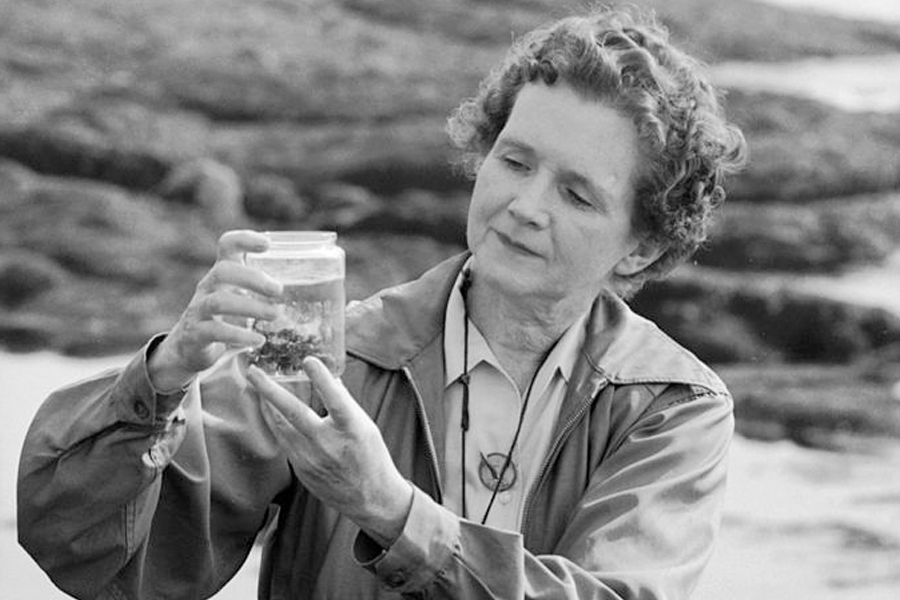
  • How a courageous woman took on the chemical industry and raised important questions about humankind’s impact on nature.

    How a courageous woman took on the chemical industry and raised important questions about humankind’s impact on nature.

    Rachel Carson’s Silent Spring, which in 1962 exposed the hazards of the pesticide DDT, eloquently questioned humanity’s faith in technological progress and helped set the stage for the environmental movement.

    Carson, a renowned nature author and a former marine biologist with the U.S. Fish and Wildlife Service, or FWS, was uniquely equipped to create so startling and inflammatory a book. A native of rural Pennsylvania, she had grown up with an enthusiasm for nature matched only by her love of writing and poetry. The educational brochures she wrote for FWS, as well as her published books and magazine articles, were characterized by meticulous research and a poetic evocation of her subject.

    DDT, the most powerful pesticide the world had ever known, exposed nature’s vulnerability. Unlike most pesticides, whose effectiveness is limited to destroying one or two types of insects, DDT was capable of killing hundreds of different kinds at once. Developed in 1939, it first distinguished itself during World War II, clearing South Pacific islands of malaria-causing insects for U.S. troops while being used as an effective delousing powder in Europe. Its inventor was awarded the Nobel Prize.

    Silent Spring

    Silent Spring took Carson four years to complete.The book’s most haunting and famous chapter, “A Fable for Tomorrow,” depicted a nameless American town where all life—from fish to birds to apple blossoms to human children—had been “silenced” by the insidious effects of DDT. It meticulously described how DDT entered the food chain and accumulated in the fatty tissues of animals, including human beings, and caused cancer and genetic damage. A single application on a crop, she wrote, killed insects for weeks and months—not only the targeted insects but countless more—and remained toxic in the environment even after it was diluted by rainwater. Carson concluded that DDT and other pesticides had irrevocably harmed animals and had contaminated the world’s food supply.

    First serialized in The New Yorker in June 1962, the book alarmed readers across America and, not surprisingly, brought a howl of indignation from the chemical industry. “If man were to faithfully follow the teachings of Miss Carson,” complained an executive of the American Cyanamid Company, “we would return to the Dark Ages, and the insects and diseases and vermin would once again inherit the earth.” Monsanto published and distributed 5,000 copies of a brochure parodying Silent Spring entitled “The Desolate Year,” relating the devastation and inconvenience of a world where famine, disease, and insects ran amok because chemical pesticides had been banned. Some of the attacks were more personal, questioning Carson’s integrity and even her sanity.


    Vindication

    Her careful preparation, however, had paid off. Anticipating the reaction of the chemical industry, she had compiled Silent Spring as one would a lawyer’s brief, with no fewer than 55 pages of notes and a list of experts who had read and approved the manuscript. Many eminent scientists rose to her defense, and when President John F. Kennedy ordered the President’s Science Advisory Committee to examine the issues the book raised, its report thoroughly vindicated both Silent Spring and its author. As a result, DDT came under much closer government supervision and was eventually banned. The public debate moved quickly from whether pesticides were dangerous to which ones were dangerous, and the burden of proof shifted from the opponents of unrestrained pesticide use to the manufacturers.

    The most important legacy of Silent Spring, though, was a new public awareness that nature was vulnerable to human intervention. Carson had made a radical proposal: that, at times, technological progress is so fundamentally at odds with natural processes that it must be curtailed.

    One of the landmark books of the 20th century, Silent Spring’s message resonates loudly today, even several decades after its publication. And equally inspiring is the example of Rachel Carson herself. Against overwhelming difficulties and adversity, but motivated by her unabashed love of nature, she rose like a gladiator in its defense.

  • Five Ways to Reduce Your Exposure to Toxins in Food

    Five Ways to Reduce Your Exposure to Toxins in Food

    Food may go through a lot on its journey to your plate, sometimes in ways that are not beneficial to your health. Some things may occur before food is even planted or harvested. For example, crops can be treated with pesticides and fertilizers or transformed through hybridization or genetic engineering. And then there are toxic substances that are added to food either intentionally as ingredients or inadvertently as contaminants while food is being processed. While pesticides and genetically engineered foods can be mostly avoided by choosing organic, it can be challenging to avoid toxins added to food during processing and packaging.

    Researchers recently found almost two hundred chemicals of concern are used in food storage materials in the U.S. (1). Of these, I’ll focus this blog post on two types of chemicals: phthalates and bisphenol A (BPA), as well as its replacements. These chemicals are components in plastic wraps and food containers and give them flexibility and strength. They are also present in containers of small kitchen appliances like mixers, blenders, popcorn poppers, and water filtration pitchers.

    So, how are these chemicals a concern for your health? One of the major issues is that they act as hormone disruptors, meaning they interfere with your body’s natural cycles. Studies have shown that some phthalates have been linked to feminization of male fetuses in women who had higher levels in their blood stream during pregnancy (2). BPA has been shown to increase susceptibility to breast cancer or to act as an obesogen, which means that children exposed to higher levels as fetuses are more likely to gain weight later in their lives than those exposed to lower levels (3,4). Please note that products labeled ‘BPA-free’ may have alternatives that have also been shown to be disruptive to hormone cycles (5).

    So how do you avoid these chemicals in your diet? Several recent studies give some guidance both on ways to avoid them and how hard it can be to do so. Two of these studies tracked levels of BPA and phthalates in people’s urine before and during an intervention where they were asked to eat only unprocessed, unpackaged food. In one study, the levels of these chemicals dropped by more than half during the week they ate unprocessed food (6). In the other study, there were some sources of chemicals that they hadn’t expected and the reductions weren’t as successful (7). In another study, volunteers were asked to eat one serving of canned soup daily for five days. Their BPA levels went up by 1000% (e.g. a 10-fold increase) during that time (8).

    Because problematic chemicals aren’t well regulated in our food and consumer products, such as the ‘BPA-free’ products containing replacements that can be as toxic as the original, I recommend using non-plastic alternatives for cooking and storage of food and water, like stainless steel, glass, and low-lead ceramic containers. Also, it’s a good idea to use mesh and canvas bags when buying produce and bulk foods and become a collector of glass jars (i.e. canning and food jars) for storage.

    I offer these simple steps for reducing your exposure to toxins in food, whether they were added during processing, packaging, or from environmental contamination:

    1. Avoid processed and packaged food, including canned foods and beverages.
    2. Choose organic food whenever possible to reduce exposure to pesticides.
    3. Cook and store food in stainless steel, glass and ceramic and avoid plastic containers and nonstick pans.
    4. Minimize consumption of animal fats (meat, cheese, and butter), as they accumulate toxins like PCBs and dioxins (9).
    5. Avoid char on food (yup, even in barbecue), since it’s highly carcinogenic (10).

    References

    1. Geueke, B, et al. (2014). “Food contact substances and chemicals of concern: a comparison of inventories. Food Additives & Contaminants: Part A. Vol 31:1438.
    2. Swan SH, et al (2005). “Decrease in anogenital distance among male infants with prenatal phthalate exposure.Environmental Health Perspectives Vol 113:1056.
    3. Bhan, A, et al. (2014). “Bisphenol-A and diethylstilbestrol exposure induces the expression of breast cancer associated long noncoding RNA HOTAIR in vitro and in vivo.The Journal of Steroid Biochemistry and Molecular Biology, Vol. 141:160.
    4. Trasande, L, et al. (2012). “Association Between Urinary Bisphenol A Concentration and Obesity Prevalence in Children and Adolescents.Journal of the American Medical Association. 308:1113.
    5. Bienkowski, B. and Environmental Health News (2013). “BPA Replacement Also Alters Hormone.
    6. Rudel, R, et al. (2011). “Food Packaging and Bisphenol A and Bis(2-Ethyhexyl) Phthalate Exposure: Findings from a Dietary Intervention.Environmental Health Perspectives. 119:914.
    7. Sathyanarayana, S. et al. (2013). “Unexpected results in a randomized dietary trial to reduce phthalate and bisphenol A exposures.Journal Exposure Science & Environmental Epidemiology. Vol. 23:378.
    8. Carwile, JL, et al (2011). “Canned Soup Consumption and Urinary Bishphenol A: A Randomized Crossover Trial.Journal of the American Medical Association. 306:2218.
    9. Kalantzi, OI, et al. (2001). “The global distribution of PCBs and organochlorine pesticides in butter.”  Environmental Science & Technology. 35:1013.
    10. Massachusetts General Hospital (2011). “Can eating grilled foods really increase cancer risk?” 01/Jul/2011

    Photo: “Rusty tin cans” © 2013 by Beverley Goodwin. Used under Creative Commons License.

    —This article originally appeared at: https://eatingrules.com/reduce-toxin-exposure-in-food/