
News & Updates
-

Follow the Money. How our Health Policies are Influenced
ARE YOU ALL READY FOR THESE NUMBERS??? $186,215,379 was spent by PHRMA lobbying our legislators in 2016. (Keep in mind that 2016 isn’t even over.) 1,307 lobbyist are lobbying for PHARMA 147 legislators in WA ***Here comes the math*** 9 lobbyists per legislator hammering on the bills that PHARMA will make BIG $$$ on at
-

Study: Manuka honey kills more bacteria than all available antibiotics
Australian researchers have found one type of honey, called Manuka honey, to be better than all known antibiotics. Manuka honey is produced by bees that forage on the nectar of Leptospermum Scoparium, or New Zealand’s Manuka bush, as well as tea trees, native to Australia and New Zealand only. This remarkable type of honey not
-

Crave Liberty? Idaho Ranks #1 in Health Freedom
The John Locke Foundation just published its First In Freedom Index, a report that compares and ranks the relative freedom of all fifty states. The North Carolina-based think tank says it has an institutional commitment to “individual liberty and limited, constitutional government,” weighed four different variables to compile the rankings. To see their full results
-
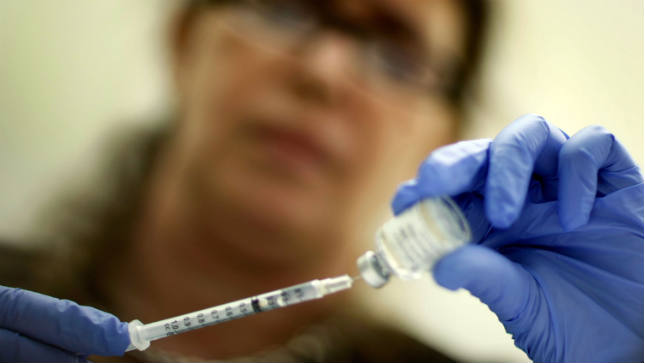
If only half of America is properly vaccinated, where are the epidemics?
© Getty Images In 2014, an outbreak of whooping cough (pertussis) broke out in the San Diego area. Of the 621 individuals who were infected, nearly all of them were completely up to date on all preventive vaccinations. If vaccines are given to protect from disease, how could this happen? San Diego public health official
-

Are Your Plant Containers Leaching Toxins Into Your Food?
Think twice before you decide what containers to put your plants in, particularly when it comes to edibles. Why? The very same properties that make soil a perfect channel for nutrients and water to find their way into plants also make it a channel for harmful toxins, especially ones that are hiding inside the pots
-

12 Ways to Avoid Toxins in the Kitchen
Avoid plastic whenever possible when it comes to food and beverage. Hard plastics can contain BPA, which is a developmental, neural, and reproductive toxin. Scientists have linked very low doses of BPA exposure to cancers, impaired immune function, early onset of puberty, obesity, diabetes and hyperactivity[1]. It can be transferred from plastic into food and