
Tag: alternative

  • Safe Alternative to Toxic Fabric Softner

    Today, almost everyone in America adds a chemical fabric softener to their laundry routine, pouring a capful into the washer or tossing a sheet in the dryer. Fabric softener ads often portray an image of comfort, freshness and sweetness. Yet most fabric softeners contain a grim list of known toxins which can enter your body through the skin and by inhalation, causing a wide range of health problems, particularly for young children. Manufacturers are aware that the products contain toxic chemicals. The packaging on many brands include a warning that the product should not be used on children’s sleepwear. Since some of the same brands also have large images of children and toys, however, consumers may miss the small print message.

    What is fabric softener? 

    It is a combination of chemicals that coat the surface of textiles with a thin layer of lubrication. This makes the clothes feel smoother and helps them to resist the buildup of static electricity. Early fabric softeners were made from a combination of soap and olive oil or other natural oils.

    However, today’s fabric softeners are made of noxious chemicals combined with a massive amount of fragrance that masks their nose-curling odors. Fabric softener actually makes material less absorbent, which is not a good thing for your bath towels anyway.

    Here is a list of just SOME of the toxic chemicals found in commercial fabric softeners:

    • Alpha Terpineol: can cause central nervous damage and respiratory problems
    • Camphor: causes central nervous disorders, is easily absorbed through skin
    • Chloroform: a carcinogenic neurotoxin preferred by Ted Bundy
    • Benzyl Acetate: linked to pancreatic cancer
    • Benyl Alcohol: respiratory tract irritant
    • Ethanol: on the EPA’s “hazardous waste” list, can cause central nervous system disorders
    • Ethyl Acetate: a narcotic on the EPA’s “hazardous waste” list
    • Limonene: a known carcinogen that irritates eyes and skin
    • Linalool: causes central nervous system disorders and depresses heart activity

    Safer Alternatives.

    Buy a $5 set of dryer balls, switch to a soy-based softener, or add a quarter-cup of baking soda or vinegar to your wash cycle and you will never have to use chemical fabric softener again.

    Vinegar is cheap and nontoxic. It naturally removes soap residue, and helps with static reduction during drying. Vinegar contains small amounts of sodium and  potassium, which help soften hard water. Homemade fabric softener ingredients are combined with water to make a solution you can store in a container and use each time you do the wash.

    Making your own fabric softener is very easy and cost effective.

    Natural  Homemade Fabric Softener Ingredients

    Mix ingredients together and pour into a storage container.

    To use:

    Dilute the vinegar mixture  with water before being used in your laundry.  For regular sizes loads, mix 1/4 cup of vinegar mixture with 3/4 cups of water. Pour the fabric softener into your washer during the final rinse cycle.

    If you feel the need to purchase fabric softener check out EWG’s list of toxin products.
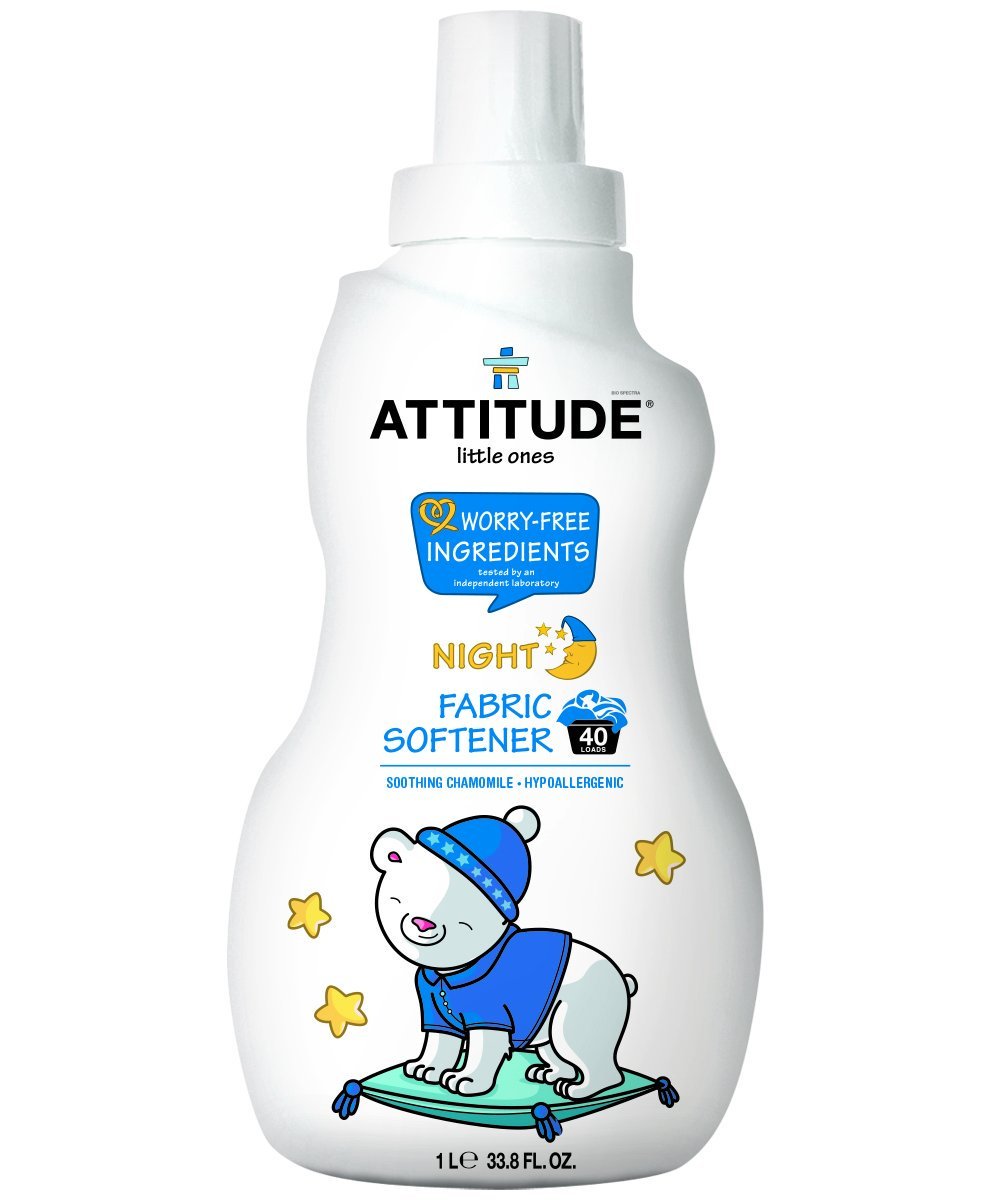
    Attitude can be purchased online from AMAZON 
  • Ban Lifted For Sale of Natural Alternative To Toxic Round Up

    HFI:  North End Organic Nursery Boise, Idaho shared through social media, that Horticultural vinegar is a highly effective product to reduce/eliminate weeds that DOES NOT CONTAIN CANCER CAUSING GLYPHOSATE. That’s when the State decided they were not allowed to sell the natural alternative product. Within days, hundred of customers and citizens alike expressed outrage at the over step of power of the ISDA. An agreement was made, and the product will return to the stores, without the label that it can be used effectively against weeds. Moral of the story…the state is watching (yes, even social media) and they are listening, to our posts, our calls and our emails. Perhaps we should begin a dialogue to REDUCE the usage of glyphosate in our public spaces!

    July 14, 2017

    North End Organic Nursery Boise
    owner Lindsay Schramm, was SHOCKED with Kevin Kostka, an enforcement officer for State of Idaho, told her that a product known as horticultural vinegar — effective as a non-toxic alternative for battling weeds – could not be sold her her stores.

    This product, sold in her store for years, has been effective as an alternative to carcinogenic weed killers containing glyphosate – such as Roundup. The State realized its effectiveness in reducing weeds, after a popular time-lapse video was shared from youtube and facebook.

    Schramm shared on facebook, “This is food grade Horticultural vinegar, and just like salt, has many different uses, and we believe they are out of their jurisdiction and scope of power to tell us that we are not allowed to sell it.


    “Somebody at some point stumbled across the fact that, hey, if you put it full strength on a weed, the weed dies,” Schramm said. “With all of the terrible things that are out there right now, people got excited about the possibility of using something that’s very simple, nontoxic product.

    “It may not have been originally intended as an herbicide, but it just so happens to work great as an herbicide.” 


    HEALTH FREEDOM IDAHO ASKS: Is the State banning and limiting the sales of probably carcinogenic products containing glyphosate? 

    THE WIN!!!
    July 17 5:30 PM North End Organic Nursery Posted An Update: “we are desiring to work with the ISDA, not against them, and after some civil conversations we are working on a resolution. Thank you all for your support. Nothing has changed yet, but we are optimistic.”

    On Tuesday July 18, North End Nursery posted that they fround a place of agreement: Scramm will relabel the bottles, removing reference to use of horticultural vinegar as an herbicide, and then the department will allow the store to resume selling the vinegar.

    Soon you will be able to purchase your horticultural vinegar AGAIN from North End Organic Nursery. 

  • Imagine a world without pesticides

    Imagine a world without pesticides

    Can we imagine a day, a year or a world without using hazardous chemicals to grow our food? I can. And we must.

    Today, people are continuing to stand up for the future of food and farming, speaking out against harmful pesticide use in Hawaii, Iowa, California and beyond even when it draws the ire of corporate bullies like Monsanto and Dow. And internationally, often under daunting, even dangerous circumstances, grassroots groups in our global network are creatively and courageously drawing attention to the harms of chemical-intensive industrial farming in their countries.

    “It has become clear that the problems we have today with children’s lives being continuously wrecked by pesticides are because of institutional failures to acknowledge that pesticides are not necessary,” charged our sister organization PAN Asia & the Pacific on No Pesticides Use Day.

    ….

    A better world

    Our vision of a better world for our children and for future generations is a powerfully motivating factor — and we’ve made important progress on many continents in recent years. But there is clearly more work to do.

    For our children, we need to push back against corporate control over scientific and agricultural policies at every level — including in our state legislatures and in academic research on college campuses. For our children, we need to advocate for buffer zones to protect them from pesticide drift in agricultural areas. For our children, we need to provide farmers the tools and support to step off the pesticide treadmill.

    If we can imagine a world for our children without hazardous pesticides, we must begin now to invest in non-chemical alternatives to provide more and more of the food we’ll need for coming generations. As the saying goes, “The best time to plant a tree was 20 years ago; the second best time is now.”

    What alternatives do you use to protect your children from household toxins? Sharing information is the start of change.