Tag: aluminum

  • Neurotoxin Aluminum Linked to Mental Impairments

    Our bodies are exposed to pollutants before we’re even born. Many pollutants, like the ones in our air, are unavoidable. But there are many toxins that we can choose to avoid. Aluminum is one of those toxins. Unlike vitamins, minerals, and trace elements, the body does not need aluminum. And aluminum is no innocent or benign participant. Aluminum accumulates in the kidneys, brain, lungs, liver and thyroid where it competes with calcium for absorption and can affect skeletal mineralization. In infants, this can slow growth. Animal models have linked aluminum exposure to mental impairments. [1]

    The scary truth about aluminum is that it is found in so many things in our world and it is toxic to our bodies, even in small amounts. From household products to vaccinations, aluminum pervades our lifestyle, and if not monitored closely, can easily make its way into our bodies causing lasting, harmful effects.

    ALUMINUM IS FOUND IN:

    THE DANGERS OF ALUMINUM

    • Why is Aluminum Exposure Harmful? Just as cigarette smoke damages lung function and overexposure to UV rays will degrade your skin, aluminum is an attacker and its target is your central nervous system. [2]Studies show that toxic metals contribute to brain diseases by producing oxidative stress and aluminum is one of the worst offenders. [1] The prevailing belief around the world is that aluminum is linked to degenerative brain diseases:
      • linked to Alzheimer’s
      • epilepsy
      • dementia
      • osteomalacia
      • ADD
      • chronic fatigue syndrome

    It makes sense, research shows aluminum can produce toxic, oxidative stress in the brain and a brain autopsy study of elderly persons found them to have aluminum levels 20+ times higher than a middle-aged group. [3] [4] The Agency for Toxic Substances and Disease Registry, part of the U.S. Department of Health and Human Services, recognizes aluminum as one of several metals known to affect the neurological system. [5] As far as aluminum is concerned, the supreme brain-health concern is Alzheimer’s disease.

    Many of the symptoms of aluminum toxicity mimic those of Alzheimer’s disease and osteoporosis. Colic, rickets, gastrointestinal problems, interference with the metabolism of calcium, extreme nervousness, anemia, headaches, decreased liver and kidney function, memory loss, speech problems, softening of the bones, and aching muscles can all be caused by aluminum toxicity.  To minimize the risk of degenerative brain, bone, and other diseases, reductions in oral and topical exposure to aluminum and aluminum compounds are highly recommended. Download your free copy of Aluminum Tainted Everyday Products from the CHILDREN’S MEDICAL SAFETY RESEARCH INSTITUTE

    • AVOIDING ALUMINUM
      Aluminum is one of the most abundant metals on earth and it has permeated mainstream products to the degree that it’s virtually impossible to completely avoid exposure. However, you can take certain measures to reduce your exposure.
    • Avoid using disposable aluminum pans for cooking. Use glass pans for baking, stoneware for cookie sheets, and cast-iron for stove-top cooking.
    • Do not wrap food in foil to cook in oven or on grill. Potatoes bake just fine with no wrapping at all on oven rack.
    • Don’t use a deodorant that contains aluminum. Try using baking soda (as long as it is aluminum-free, too) or buy all-natural, aluminum-free deodorant, or make your own. bettermindbodysoul.com/diy-natural-deodorant-stick/
    • Read all labels on food and pay attention to packaging. Acidic foods in aluminum cans react, causing the aluminum to leach into the contents of the can.
    • Use all-natural shampoos, soaps, lotions, and cosmetics.
    • Avoid aluminum-containing antacids. Try natural remedies for heartburn and indigestion like sipping a glass of water with one tablespoon of apple cider vinegar, eat fresh pineapple or papaya, chew a sprig of parsley, drink a cup of peppermint tea, drink aloe vera, or coconut water, or milk.

    References (13)

    1. Kumar V, Gill KD. Aluminium neurotoxicity: neurobehavioural and oxidative aspects. Arch Toxicol. 2009 Nov;83(11):965-78. doi: 10.1007/s00204-009-0455-6. Epub 2009 Jul 1. Review.
    2. Michalke B, Halbach S, Nischwitz V. JEM spotlight: metal speciation related to neurotoxicity in humans. J Environ Monit. 2009 May;11(5):939-54. doi: 10.1039/b817817h. Epub 2009 Mar 19. Review.
    3. Fernández-Dávila ML, Razo-Estrada AC, García-Medina S, Gómez-Oliván LM, Piñón-López MJ, Ibarra RG, Galar-Martínez M. Aluminum-induced oxidative stress and neurotoxicity in grass carp (Cyprinidae–Ctenopharingodon idella). Ecotoxicol Environ Saf. 2012 Feb;76(2):87-92. doi: 10.1016/j.ecoenv.2011.09.012. Epub 2011 Oct 10.
    4. Jansson ET. Aluminum exposure and Alzheimer’s disease. J Alzheimers Dis. 2001 Dec;3(6):541-549.
    5. Pohl HR, Roney N, Abadin HG. Metal ions affecting the neurological system. Met Ions Life Sci. 2011;8:247-62.
    6. Brenner S. Aluminum may mediate Alzheimer’s disease through liver toxicity, with aberrant hepatic synthesis of ceruloplasmin and ATPase7B, the resultant excess free copper causing brain oxidation, beta-amyloid aggregation and Alzheimer disease. Med Hypotheses. 2013 Mar;80(3):326-7. doi: 10.1016/j.mehy.2012.11.036. Epub 2012 Dec 20.
    7. Shrivastava S. Combined effect of HEDTA and selenium against aluminum induced oxidative stress in rat brain. J Trace Elem Med Biol. 2012 Jun;26(2-3):210-4. doi: 10.1016/j.jtemb.2012.04.014. Epub 2012 May 8.
    8. Bondy SC. The neurotoxicity of environmental aluminum is still an issue. Neurotoxicology. 2010 Sep;31(5):575-81. doi: 10.1016/j.neuro.2010.05.009. Epub 2010 May 27. Review.
    9. Belojević G, Jakovljević B. [Aluminum and Alzheimer’s disease]. Srp Arh Celok Lek. 1998 Jul-Aug;126(7-8):283-9. Review. Serbian.
    10. Nishida Y. Elucidation of endemic neurodegenerative diseases–a commentary. Z Naturforsch C. 2003 Sep-Oct;58(9-10):752-8. Review.
    11. Mandour RA, Azab YA. The prospective toxic effects of some heavy metals overload in surface drinking water of Dakahlia Governorate, Egypt. Int J Occup Environ Med. 2011 Oct;2(4):245-53.
    12. Riihimäki V, Aitio A. Occupational exposure to aluminum and its biomonitoring in perspective. Crit Rev Toxicol. 2012 Nov;42(10):827-53. doi: 10.3109/10408444.2012.725027. Epub 2012 Sep 27. Review.
    13. Polizzi S, Pira E, Ferrara M, Bugiani M, Papaleo A, Albera R, Palmi S. Neurotoxic effects of aluminium among foundry workers and Alzheimer’s disease. Neurotoxicology. 2002 Dec;23(6):761-74.

    †Results may vary. Information and statements made are for education purposes and are not intended to replace the advice of your doctor. Global Healing Center does not dispense medical advice, prescribe, or diagnose illness. The views and nutritional advice expressed by Global Healing Center are not intended to be a substitute for conventional medical service. If you have a severe medical condition or health concern, see your physician.

    This article originally appeared at: http://www.keeperofthehome.org/eliminating-aluminum-from-our-homes.

  • Toxins Impact on Our Children

    “In Canada, and the United States, chemicals are used in consumer products and released into the environment before they are tested for toxic effects. By allowing children to be exposed to toxins, or chemicals of unknown toxicity, we are unwittingly using our children as part of a massive experiment.”

    That’s correct.

    The same goes with ALUMINUM adjuvants in vaccines.

    They have NEVER been proven safe. On the contrary, there’s so much evidence in the scientific literature to conclude that they are NOT safe. Yet the medical system is injecting them into newborns, infants, and children during critical neuro-developmental stages of their lives… repeatedly.

    When will our governments stop turning a blind eye to this? 

    Even though aluminum is not considered to be a heavy metal like lead, it can be toxic in excessive amounts and even in small amounts if it is deposited in the brain. Many of the symptoms of aluminum toxicity mimic those of Alzheimer’s disease and osteoporosis. Colic, rickets, gastrointestinal problems, interference with the metabolism of calcium, extreme nervousness, anemia, headaches, decreased liver and kidney function, memory loss, speech problems, softening of the bones, and aching muscles can all be caused by aluminum toxicity. 

    Learn more about Aluminum in Vaccines

    The Impact of Toxins on the Developing Brain

  • Aluminum Exposure

    Aluminium in vaccines, in our food storage containers and personal products. 

    Why is Aluminum Exposure Harmful?

    Just as cigarette smoke damages lung function and overexposure to UV rays will degrade your skin, aluminum is an attacker and its target is your central nervous system. [2]Studies show that toxic metals contribute to brain diseases by producing oxidative stress and aluminum is one of the worst offenders. [1] The prevailing belief around the world is that Aluminium is linked to degenerative brain diseases:

    • linked to Alzheimers
    • epilepsy
    • dementia
    • osteomalacia
    • ADD
    • chronic fatigue syndrome

    It makes sense, research shows aluminum can produce toxic, oxidative stress in the brain and a brain autopsy study of elderly persons found them to have aluminum levels 20+ times higher than a middle-aged group. [3] [4] The Agency for Toxic Substances and Disease Registry, part of the U.S. Department of Health and Human Services, recognizes aluminum as one of several metals known to affect the neurological system. [5] As far as aluminum is concerned, the supreme brain-health concern is Alzheimer’s disease.

    Avoiding Aluminum  

    Detoxing from Aluminum

    Learn More

    Aluminum Toxicity

    Aluminum in Autistic Patients 15x’s that of Elderly Person https://hfi.designbyparrish.com/15-year-old-autistic-teen-has-10x-times-amount-of-aluminum-in-brain-than-elderly-person

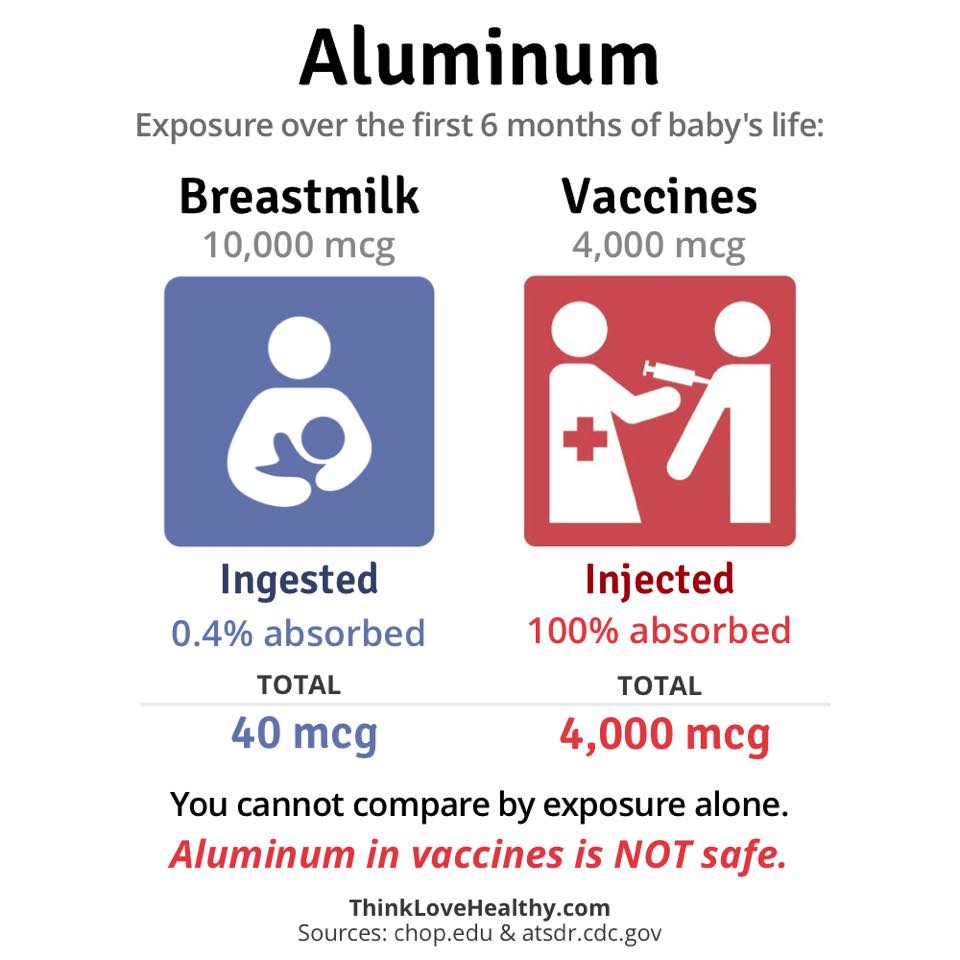
  • Aluminum in Vaccines: Fetal Exposure

    Pregnant women are being told that they are being given vaccines to protect the baby in language that implies, if not outright states, that appropriate safety studies have been done. They have not. Pregnant women in the general population are in essence being used in ongoing clinical trials without their fully informed consent.

    Over the years, data has been gathered in a haphazard fashion using voluntary registries set up by pharmaceutical companies and in adverse event reports to VAERS, both of which suffer from extreme under-reporting. VSD (Vaccine Safety Datalink) studies on the safety of vaccination during pregnancy mostly include only pregnancies with live-birth outcomes, and very few studies look at the long-term health effects on children. One such rare study on vaccination with the influenza vaccine during pregnancy (Zerbo et al) found a significant association with autism. Even the most elaborate and inappropriate application of adjustments and corrections could not make the association go away in the first trimester, so the authors simply dismissed the result as due to chance. This is not science. http://jamanetwork.com/journals/jamapediatrics/article-abstract/2617988

    The impact of maternal immune activation during pregnancy, and the impact of exposure to various vaccine components, such as the placenta-crossing 250 mcg of aluminum in the Tdap, on long-term neurological development are not known, but there’s enough science indicating that extreme caution is warranted. The current push to vaccinate during every single pregnancy, as well as during every outbreak, comes without any understanding of the health effect of such frequent administration of three disease antigens (tetanus, diphtheria, pertussis) and other vaccine components. This is a small sampling of studies on one component, aluminum:

  • Flawed Science: Newborn Receives Same Dose of Neurotoxic Aluminum in Vaccines as 160 Pound Adult

    Regarding the aluminum in vaccines is the amount of aluminum allowed in a vaccine administered to a newborn based on safety studies? Is the dose based on the infant’s weight? On the amount of aluminum a newborn’s kidneys can safely eliminate? On the fragile state of the child’s developing immune and neurological systems? On the current science of aluminum particle neurotoxicity?

    No.

    March 2018 published paper reveals how the FDA determined the allowable amount of aluminum in a single vaccine–the same amount for a 7lb newborn as a 160lb adult–and reveals that it is absolutely critical for everyone who administers vaccines to children to cease following the CDC’s pediatric schedule and begin considering what is best for their young patients. 

    The Highlights of this paper include: 

    • Aluminum levels in vaccine is based on immune efficacy and ignore body weight for safety
    • Several critical mistakes have been made in the consideration of pediatric dosing of aluminum in vaccines
    • Safety inferences of vaccine doses of aluminum have relied solely on dietary exposure studies of adult mice and rats
    • On Day 1 of life, infants receive 17 time smore aluminum than would be allowed if the doses were adjusted per body weight
    • Revised MRL calculation based on weight sare provided, but are also based on derived speculation, NOT on safety data
      March 2018 Journal of Trace Elements in Medicine and Biology Volume 46, March 2018, Pages 76-82

    What is an adjuvant?

    From the CDC: “An adjuvant is an ingredient of a vaccine that helps create a stronger immune response in the patient’s body.  In other words, adjuvants help vaccines work better. Some vaccines made from weakened or dead germs contain naturally occurring adjuvants and help the body produce a strong protective immune response. However, most vaccines developed today include just small components of germs, such as their proteins, rather than the entire virus or bacteria. These vaccines often must be made with adjuvants to ensure the body produces an immune response strong enough to protect the patient from the germ he or she is being vaccinated against.”

    From VaccinePapers.org:

    “The Dwoskins had attended the Institute of Medicine (IOM) and FDA meetings on vaccines, where aluminum was briefly discussed. Both the IOM and FDA acknowledged that aluminum adjuvant toxicity had not been studied. Inferences had been made, based on single-vaccine studies, but experiments to measure the toxicity of aluminum adjuvant had never been done (except by Shaw). In particular, nobody had ever tested the effect of the total amount of aluminum adjuvant received from the vaccine schedule recommended by the CDC.”

    For the results of aluminum-adjuvant injection experiments that replicated the CDC pediatric schedule, visit VaccinePapers.org. Key findings: Administration of aluminium to neonatal mice in vaccine-relevant amounts is associated with adverse long term neurological outcomes.

    An article about Aluminum Toxicity and History from Health Freedom Idaho’s toxicologist

    Dr. Suzanne Humphries breaks down the issue of aluminum into fine detail to help you better understand its use and effects.

    This video explains forms of aluminum adjuvants and inaccurate labeling.

    Here she explains the different forms of aluminum adjuvants and how mislabeling has played a role in obfuscating the common ingredient of several vaccines that continues to cause injuries.

    Aluminum Adjuvants

    Abstract: Aluminum vaccine adjuvants: are they safe? Curr Med Chem. 2011;18(17):2630-7.

    “Aluminum is an experimentally demonstrated neurotoxin and the most commonly used vaccine adjuvant. Despite almost 90 years of widespread use of aluminum adjuvants, medical science’s understanding about their mechanisms of action is still remarkably poor. There is also a concerning scarcity of data on toxicology and pharmacokinetics of these compounds. In spite of this, the notion that aluminum in vaccines is safe appears to be widely accepted. Experimental research, however, clearly shows that aluminum adjuvants have a potential to induce serious immunological disorders in humans. In particular, aluminum in adjuvant form carries a risk for autoimmunity, long-term brain inflammation and associated neurological complications and may thus have profound and widespread adverse health consequences. In our opinion, the possibility that vaccine benefits may have been overrated and the risk of potential adverse effects underestimated, has not been rigorously evaluated in the medical and scientific community.”

    Aluminum Toxicity Studies

    2002 “Neurological adverse events associated with vaccination.

    2002 “The potential role of aluminium in Alzheimer’s disease.”

    2004 “Chronic exposure to aluminum in drinking water increases inflammatory parameters selectively in the brain.

    2004 “Neurotoxic effects of aluminium among foundry workers and Alzheimer’s disease.)

    2007 “Aluminum adjuvant linked to Gulf War illness induces motor neuron death in mice.

    2007 “Neurological adverse events of immunization: experience with an aluminum adjuvanted meningococcal B outer membrane vesicle vaccine.

    2007 “Mechanisms of aluminum-induced neurodegeneration in animals: Implications for Alzheimer’s disease.

    2007 “Inflammation, neurodegenerative diseases, and environmental exposures.

    2008 “Role of metal ions in the abeta oligomerization in Alzheimer’s disease and in other neurological disorders.

    2009 “Long-term persistence of vaccine-derived aluminum hydroxide is associated with chronic cognitive dysfunction.

    2009 “Aluminum hydroxide injections lead to motor deficits and motor neuron degeneration.”

    2009 “Aluminum-induced defective mitochondrial metabolism perturbs cytoskeletal dynamics in human astrocytoma cells.

    2011 “Aluminum toxicity and astrocyte dysfunction: a metabolic link to neurological disorders.”

    2011 “Aluminum vaccine adjuvants: are they safe?

    2011 “Metal ions affecting the neurological system.

    2013 “Autoimmune/autoinflammatory syndrome induced by adjuvants (ASIA syndrome) in commercial sheep.

    2013 “How aluminum, an intracellular ROS generator promotes hepatic and neurological diseases: the metabolic tale.

    2014 “Aluminum-induced entropy in biological systems: implications for neurological disease.”

    2014 “Are there negative CNS impacts of aluminum adjuvants used in vaccines and immunotherapy?

    2014 “A sudden onset of a pseudo-neurological syndrome after HPV-16/18 AS04-adjuvated vaccine: might it be an autoimmune/inflammatory syndrome induced by adjuvants (ASIA) presenting as a somatoform disorder?

    2014 “Elevated brain aluminium and early onset Alzheimer’s disease in an individual occupationally exposed to aluminium: a case report.

    2014 “Prolonged exposure to low levels of aluminum leads to changes associated with brain aging and neurodegeneration.

    2014 “Administration of aluminium to neonatal mice in vaccine-relevant amounts is associated with adverse long term neurological outcomes.

    2014 “Oxidative stress and mitochondrial dysfunction in aluminium neurotoxicity and its amelioration: a review

    “Being involved in the production of reactive oxygen species, aluminium may impair mitochondrial bioenergetics and may lead to the generation of oxidative stress. In this review, we have discussed the oxidative stress and mitochondrial dysfunctions occurring in Al neurotoxicity. In addition, the ameliorative measures undertaken in aluminium induced oxidative stress and mitochondrial dysfunctions have also been highlighted. ”

    2014 “Aluminum in the central nervous system (CNS): toxicity in humans and animals, vaccine adjuvants, and autoimmunity.

    2014 “Aluminium Induced Endoplasmic Reticulum Stress Mediated Cell Death in SH-SY5Y Neuroblastoma Cell Line Is Independent of p53”

    2015 “Trace elements in scalp hair samples from patients with relapsing-remitting multiple sclerosis.

    2015 “Correlation of aluminum and manganese concentration in scalp hair samples of patients having neurological disorders.

    2015: “Biopersistence and brain translocation of aluminum adjuvants of vaccines

    “We previously showed that poorly biodegradable aluminum-coated particles injected into muscle are promptly phagocytosed in muscle and the draining lymph nodes, and can disseminate within phagocytic cells throughout the body and slowly accumulate in brain. This strongly suggests that long-term adjuvant biopersistence within phagocytic cells is a prerequisite for slow brain translocation and delayed neurotoxicity.”

    2016: “Insight into the cellular fate and toxicity of aluminum adjuvants used in clinically approved human vaccinations

    “We demonstrate that not all aluminium adjuvants are equal neither in terms of their physical properties nor their biological reactivity and potential toxicities both at the injection site and beyond. High loading of aluminium oxyhydroxide in the cytoplasm of THP-1 cells without immediate cytotoxicity might predispose this form of aluminium adjuvant to its subsequent transport throughout the body including access to the brain.”

    2016 “Behavioral abnormalities in female mice following administration of aluminum adjuvants and the human papillomavirus (HPV) vaccine Gardasil.”

    “Vaccine adjuvants and vaccines may induce autoimmune and inflammatory manifestations in susceptible individuals. To date most human vaccine trials utilize aluminum (Al) adjuvants as placebos despite much evidence showing that Al in vaccine-relevant exposures can be toxic to humans and animals. We sought to evaluate the effects of Al adjuvant and the HPV vaccine Gardasil versus the true placebo on behavioral and inflammatory parameters in female mice.”

    2016 “Aluminum adjuvants of vaccines injected into the muscle: Normal fate, pathology and associated disease.”

    “Although generally well tolerated on the short term, it has been suspected to occasionally cause delayed neurologic problems in susceptible individuals. In particular, the long-term persistence of aluminic granuloma also termed macrophagic myofasciitis is associated with chronic arthromyalgias and fatigue and cognitive dysfunction. Safety concerns largely depend on the long biopersistence time inherent to this adjuvant, which may be related to its quick withdrawal from the interstitial fluid by avid cellular uptake; and the capacity of adjuvant particles to migrate and slowly accumulate in lymphoid organs and the brain, a phenomenon documented in animal models and resulting from MCP1/CCL2-dependant translocation of adjuvant-loaded monocyte-lineage cells (Trojan horse phenomenon). These novel insights strongly suggest that serious re-evaluation of long-term aluminum adjuvant phamacokinetics and safety should be carried out.”

    2017 Effects of Aluminium on Rat Brain Mitochondria Bioenergetics: an In vitro and In vivo Study

    “The observed effects also included both an alteration in mitochondrial transmembrane potential and a decrease in oxidative phosphorylation capacity when relatively high concentrations of aluminium were added to the isolated mitochondria. These findings contribute to explain both the ability of aluminium to generate oxidative stress and its suggested potential to act as an etiological factor by promoting the progression of neurodegenerative disorders such as Parkinson’s disease.”

    2017 The putative role of environmental aluminium in the development of chronic neuropathology in adults and children. How strong is the evidence and what could be the mechanisms involved?

    “Evidence of the neurotoxicity of aluminium cations (Al3+) includes: an association between chronic aluminium exposure and the development of AD; the involvement of aluminium adjuvants in the development of ASIA; and epidemiological evidence pointing to an association between the use of aluminium adjuvants and ASD.”

    “Aluminium has no known beneficial physiological action in the human body and some genetic polymorphisms predispose to a greater susceptibility to its adverse effects. Therefore, a strong case can be made for avoiding unnecessary exposure to environmental sources of aluminium salts, especially on the part of children, pregnant mothers and women of child-bearing age who may become pregnant. Such avoidance need not lead to hardship or inconvenience; aluminium cookware may be replaced by safer alternatives, while aluminium-containing antiperspirants, potentially implicated in the rise of cases of breast cancer particularly affecting the upper outer quadrant of the mammary gland, may be replaced by non-aluminium versions. The use of aluminium salts in medical products is a more contentious issue. While antacids are available which do not contain aluminium salts, the avoidance of immunisations which do not contain aluminium salts as adjuvants has wider political and financial implications. It would seem prudent to try to find an alternative to aluminium adjuvants as soon as possible and phase out their use.”

    “Moreover, aluminium exposure is associated with the production of pro-inflammatory cytokines and chemokines and with the development of chronic oxidative stress, mitochondrial dysfunction and glial activation or dysfunction; these changes in turn are associated with ASD.”

    2017 Aluminium in brain tissue in autism.

    “The pre-eminence of intracellular aluminium associated with non-neuronal cells was a standout observation in autism brain tissue and may offer clues as to both the origin of the brain aluminium as well as a putative role in autism spectrum disorder.”

    We thank Informaed Choice Washington for the detailed research and sharing this critical information: http://informedchoicewa.com/.

  • Avoiding Aluminum tainted products

    Aluminum is the most widely distributed metal on the planet and it’s used in the production of many every-day products. Cookware is made from aluminum, soda cans are aluminum, and aluminum foil is found in most kitchens. Aluminum is also in antacids, aspirin, vaccines, and even flour. This overwhelming infestation of aluminum means that your risk of exposure is through the roof, which is also made of aluminum. This is a great resource guide that addresses Aluminum-Tainted Everyday Products.

    Unlike vitamins, minerals, and trace elements, the body does not need aluminum. And aluminum is no innocent or benign participant. Aluminum accumulates in the kidneys, brain, lungs, liver, and thyroid where it competes with calcium for absorption and can affect skeletal mineralization. In infants, this can slow growth. Animal models have linked aluminum exposure to mental impairments. [1]

    Many of the symptoms of aluminum toxicity mimic those of Alzheimer’s disease and osteoporosis. Colic, rickets, gastrointestinal problems, interference with the metabolism of calcium, extreme nervousness, anemia, headaches, decreased liver and kidney function, memory loss, speech problems, softening of the bones, and aching muscles can all be caused by aluminum toxicity.  To minimize the risk of degenerative brain, bone and other diseases, reductions in oral and topical exposure to aluminum and aluminum compounds are highly recommended. Download your free copy of Aluminum Tainted Everyday Products from the CHILDREN’S MEDICAL SAFETY RESEARCH INSTITUTE

    Read your labels:
    Key to Aluminum Compounds: FD&C — Federal Drug Administration designation for dyes approved for food (F), drugs (D) and/or cosmetics (C).

    Lake — pigments or dyes that are precipitated with metal salts such as aluminum, calcium, barium, or others.

    Alumina (aka aluminum oxide) — white granular chemical compound of aluminum (derived from refined bauxite ore) and oxygen.

    Aluminum Hydroxide — antacid used to treat heartburn and indigestion.

    Aluminum Sucrose Octasulfate Magnesium Aluminum Silicate, Aluminum Tristearate — thickening agent to prevent liquid makeup from separating or becoming runny.

    Aluminum Stearate — a colorant and emulsifier in cosmetics.

    Aluminum Starch Octenylsuccinate, Aluminum Dimyristate, Sodium AluminoSilicate — anti-caking agents.

    Calcium Aluminum Borosilicate — a glass-type material used as a bulking agent.

    Aluminum Chlorohydrate, Aluminum Zirconium Octachlorohydrex, Aluminum Sesquichlorohydrate — antiperspirant and astringent agents.

    Other antiperspirant agents: • Aluminum Chloride — alters sweat-producing cells • Aluminum Zirconium Tetrachlorohydrex — obstructs pores in the skin to prevent sweat from leaving body • Aluminum Zirconium Tetrachlorohydrex Glycerine Complex — obstructs pores and absorbs moisture • Sodium Silver Aluminum Silicate — inhibits growth of skin bacteria produced by sweat • Potassium Alum – agent used in processing cheese, pickling and as an oral health astringent • Sodium Aluminum Phosphate – stabilizer agent in processed food

    Learn more about the toxicity of aluminum and health concerns

    Fact: Aluminum leads to neurodegenerative or autoimmune disease
    Aluminum in Vaccines: History and Toxicity
    Aluminum eliminating the bad and ugly
    New HPV vaccine with DOUBLE the aluminum

  • 15 year old autistic teen has 10x times amount of aluminum in brain than elderly person

    Breaking news: A new study, just published in the peer-reviewed Journal of Trace Elements in Medicine and Biology has found, via brain autopsies, that there are unusually high amounts of aluminum in the brains of autistic children.

    Here’s an excellent post about this new science from the Children’s Medical Safety Research Institute:

    For my science nerd geek friends out there, here’s the abstract from the study in its entirety:

    “Autism spectrum disorder is a neurodevelopmental disorder of unknown aetiology. It is suggested to involve both genetic susceptibility and environmental factors including in the latter environmental toxins. Human exposure to the environmental toxin aluminium has been linked, if tentatively, to autism spectrum disorder. Herein we have used transversely heated graphite furnace atomic absorption spectrometry to measure, for the first time, the aluminium content of brain tissue from donors with a diagnosis of autism. We have also used an aluminium-selective fluor to identify aluminium in brain tissue using fluorescence microscopy. The aluminium content of brain tissue in autism was consistently high. The mean (standard deviation) aluminium content across all 5 individuals for each lobe were 3.82(5.42), 2.30(2.00), 2.79(4.05) and 3.82(5.17) μg/g dry wt. for the occipital, frontal, temporal and parietal lobes respectively. These are some of the highest values for aluminium in human brain tissue yet recorded and one has to question why, for example, the aluminium content of the occipital lobe of a 15 year old boy would be 8.74 (11.59) μg/g dry wt.? Aluminium-selective fluorescence microscopy was used to identify aluminium in brain tissue in 10 donors. While aluminium was imaged associated with neurones it appeared to be present intracellularly in microglia-like cells and other inflammatory non-neuronal cells in the meninges, vasculature, grey and white matter. The pre-eminence of intracellular aluminium associated with non-neuronal cells was a standout observation in autism brain tissue and may offer clues as to both the origin of the brain aluminium as well as a putative role in autism spectrum disorder.”

    And here’s where to watch JB Handley and Del Bigtree break it all down and call out the scientists who refuse to tell the truth and who perpetuate public health policy that is harming our kids: https://www.facebook.com/jbhandleyjr/videos/1924798020893677/

    Our own toxicologist has a through write up that’s easy to read, about the dangers of aluminum <here>

    Even as U.S. Food and Drug Administration showed years ago that aluminum is neurotoxic, the CDC maintained that the cumulative amounts of aluminum injected intramuscularly via vaccines was not. This kind of magical thinking categorizes otherwise smart scientists who cannot or will not pay attention to what is right in front of them when it goes against their belief system. Now we have even more scientific proof that something is amiss with #aluminum and it is implicated in autism.

    Amount of aluminum in vaccines include:

    • Hib (PedVaxHib brand only) – .225 mg per shot
    • Hepatitis B – .25 mg
    • DTaP – depending on the manufacturer, ranges from .17 to .625 mg
    • Pneumococcus – .125 mg
    • Hepatitis A – .25 mcg
    • HPV – .225 mg
    • Pentacel (DTaP, HIB and Polio combo vaccine) – .33 mcg
    • Pediarix (DTaP, Hep B and Polio combo vaccine) – .85 mcg

    I propose we all rip the blinders off our eyes and figure this out together. Leave your egos at the door, doctors, researchers, vaccine injury deniers, and brain damage deniers. Cigarettes cause cancer. DES is not safe for pregnant women. Vaccines are harming some children. We all care about the same thing: children’s health. Can we please remember that and move forward already?

    “Yet, while the aluminium content of each of the five brains was shockingly high it was the location of the aluminium in the brain tissue which served as the standout observation.

    The majority of aluminium was identified in non-neuronal cells, which are involved in maintaining a constant internal environment.

    “Aluminium was also found in inflammatory cells in the brain, alongside clear evidence of inflammatory cells heavily loaded with aluminium entering the brain via the surrounding membranes and those that separate the brain from circulating blood.

    “The fact that the majority of aluminium found in brain tissues in ASD was within cells and associated with tissues that maintain the body’s internal environment is, at least for now, unique to ASD and may begin to explain why young adolescents had so much aluminium in their brains.”

    (Via Daily Mail)

    -from Jennifer Margulis https://www.facebook.com/photo.php?fbid=10215128147545356&set=p.10215128147545356&type=1&theater 

  • Aluminum in Vaccines: History and Toxicity.

    Here is the Toxicological Profile on Aluminum, prepared by the Agency for Toxic Substances and Disease Registry, or ATSDR.

    If you were to read through the 300+ pages of this report, you would find that it’s full of information on scientific research which aims to determine the effect of aluminum exposure on the body – whether ingested, inhaled, etc., at what exposure limit it has been found safe or harmful, and the scientific research which supports the proposed safe limits. You would also find that the amount of aluminum that is allowed in a vaccine is 0.85mg/dose (or 850mcg). However, there’s some important information missing when it comes to understanding why this amount was chosen.

    Where does this number come from?

    This dose was scientifically determined to be the amount of aluminum which is most effective when used as an adjuvant in vaccines. This is the amount of aluminum which was found to trigger an effective, sustained immune response to the injected antigen. This chosen amount is not based on safety. In fact, in the ATSDR document, there are zero references to any published scientific research on why the 0.85mg limit is considered safe.

    Stated a different way, there is no experimental scientific evidence of any kind that proves this amount of aluminum is safe to inject.

    Why is that?

    History.

    In 1975, the US Food and Drug Administration (FDA) granted “GRAS” status to eleven different aluminum compounds, including aluminum hydroxide and aluminum phosphate, two aluminum adjuvants used as ingredients in current vaccines.

    “GRAS” = “Generally Recognized as Safe” 

    Screen Shot 2017-06-16 at 4.18.00 AM.png

    Therefore, since 1975, aluminum has been considered “safe” by the FDA, due to historical use of certain amounts of aluminum in various products. Unfortunately, not only are we relying on pre-1975 science in recognizing the toxicity of aluminum in the body, but we are ignoring the impact of chronic low-dose toxicity, and today we are being bombarded with much more aluminum in our environment (and vaccines) than ever before.

    Curiously, if you were to perform a simple search of the scientific literature available on aluminum hydroxide and aluminum phosphate prior to 1970, you can find studies such as this one, where it is being used to produce experimental epilepsy and seizures in monkeys. Or this one, where it was found to cause neurofibrillary degeneration of nerve cells (which is known to lead to the development of Alzheimer’s). Or this one, in which it was described that there were “difficulties” in mass-vaccinating children with aluminum-containing vaccines, due to febrile reactions, aluminum cysts at the site of injection, post-vaccination encephalopathy (brain dysfunction, disease, or disorder), paralytic poliomyelitis of the injected limb, and other unfavorable results…

    There’s an endless amount of research on experimentation with aluminum for various purposes, but when it comes to real information on what might be a safe limit of injection, the literature is lacking.

    Determining a Safe Limit.

    In the study of toxicology, the method for finding a safe limit is to first experimentally determine the acute (short term/one-time dose) and chronic (long term low dose) No Observed Adverse Effect Level (NOAEL) for a given substance. An aluminum compound would be administered to a test subject (e.g. “lab rats”), and scientists would perform a health risk assessment. Any observed effects compared to the control group would be noted. The dose would be reduced until no adverse effects were observed. Using that exposure level, a margin of safety would be applied by reducing the dose by a factor of 10, 100, or 1000. This would help account for variation in interspecies differences (from rats to humans, for example), and also provide extra protection for our most sensitive population, infants and pregnant women. (This is a simplified explanation of the process.) The resulting exposure limit deemed “safe” would be much smaller than the highest dose at which no adverse effects were observed.

    When it comes to injecting aluminum into the body, none of this has ever been done. No experimental studies have been performed to determine a NOAEL, and therefore no safe limit or maximum allowable dose level (MADL) has been elucidated.

    [If anyone can find scientific research on this, please alert me to its existence.]

    What scientific research or evidence do we have for an applicable “safe” limit?

    In the FDA Code of Federal Regulations on TPN therapy (Total Parenteral Nutrition – the feeding of a person intravenously), it states:

    “premature [newborns], who receive parenteral levels of aluminum at greater than 4 to 5 [micro]g/kg/day accumulate aluminum at levels associated with central nervous system and bone toxicity.”

    And that,

    “Tissue loading may occur at even lower rates of administration.”

    Based on the above, it can be gathered that an exposure level of even 5 micrograms of aluminum (per kilogram body weight, per day) is a dose that would cause observable adverse effects in infants. This dose is much higher than what an experimentally determined safe limit would be. However, this is the closest thing that we have to a potential injectable reference dose for how much is approaching “unquestionably too much”.

    Some calculations:

    The average newborn weighs approximately 7.5lbs or 3.5kg.

    “Safe limit” = 5 micrograms/kg/day

    Multiply by weight of newborn: (5mcg/kg/day)(3.5kg) = 17.5 micrograms/day.

    Amount of aluminum in the hepatitis B vaccine, given on the first day of life = 250 micrograms.

    Demonstrably, the amount of aluminum in just one hepatitis B vaccine is over 14x the “safe limit” for how much a newborn would receive in one day.

    More calculations:

    The average 2 month old weighs approximately 11lbs or 5kg.

    “Safe limit” = (5 micrograms/kg/day) (5kg) = 25 micrograms/day.

    There are several vaccines administered at 2 months of age, according to the CDC schedule.

    Diptheria, tetanus, pertussis. (DTaP)  /  Polio (IPV)  /  Haemophilus b (HIB)  /  Hepatitis B  /  Pneumococcal (PCV)  /  Rotavirus

    Vaccines containing aluminum that may be administered at a 2 month appointment include:

    Pediarix: DTaP, IPV, HepB (850mcg), PCV (125mcg), PedvaxHIB (225mcg)

    850mcg + 125mcg + 225mcg = 1200mcg aluminum.

    The “safe limit” for a two month old in one day, according to the FDA = 25mcg.

    Injected amount via vaccines recommended by the CDC = 1200mcg.

    Therefore, the amount of aluminum that may be administered to a 2 month old infant in one day, exceeds the safe limit set by the FDA by 48x.

    The CDC schedule recommends this same set of vaccines at 4 months and 6 months, adding another vaccine for influenza 6 months.

    Even when adjusting for an exposure level of zero micrograms for the days between a child’s 2, 4, and 6 month visits, the long-term or chronic safe limit is still exceeded. At 25mcg/day from 2 months of age to 6 months of age (120 days), the safe limit of exposure would be 3000mcg. (1200mcg)(3 sets of vaccines, one set for each visit) = 3600mcg. (Technically, this comparison is not scientifically sound due to how dramatically the safe limit is exceeded in one day.)

    *A list of vaccines which contain aluminum is at the end of this article.

    Autoimmunity.

    While there is no research or experimental scientific data on what is truly a safe limit of aluminum to inject via vaccine, there is quite a bit of research on the adverse health effects of injecting aluminum adjuvants.

    In the scientific literature, aluminum adjuvants in vaccines have been linked to the development of various autoimmune diseases, such as rheumatoid arthritis, lupus, thyroid disease or autoimmune thyroiditis, fibromyalgia, chronic fatigue, multiple sclerosis, myocarditis, antiphospholipid syndrome / thrombosis (risk of blood clots), Sjögren syndrome (dry eyes, dry mouth), and more.

    It’s well-researched and acknowledged that aluminum-containing vaccines triggers conditions such as “autoimmune (auto-inflammatory) syndrome induced by adjuvants” (ASIA), and “macrophagic myofasciitis” (MMF), which may manifest as any one of the above autoimmune conditions, or present as cognitive dysfunction in addition to chronic and increasing inflammation and pain located in joints and muscles.

    Dr. Romain Gherardi, a specialist of neuromuscular diseases, has been researching macrophagic myofasciitis and treating it in his hospital clinic in France for several years. His findings continue to be supported through new evidence and research. This is an excerpt from one of his studies, published in 2012:

    “Aluminium oxyhydroxide (alum)… has been used in vaccines for its immunological adjuvant effect since 1927. Alum is the most commonly used adjuvant in human and veterinary vaccines, but the mechanisms by which it stimulates immune responses remain incompletely understood. 

    Although generally well tolerated, alum may occasionally cause disabling health problems in presumably susceptible individuals. A small proportion of vaccinated people present with delayed onset of diffuse myalgia, chronic fatigue and cognitive dysfunction, and exhibit very long-term persistence of alum-loaded macrophages at the site of previous intramuscular (i.m.) immunization, forming a granulomatous lesion called macrophagic myofasciitis (MMF). Clinical symptoms associated with MMF are paradigmatic of the recently delineated ‘autoimmune/inflammatory syndrome induced by adjuvants’ (ASIA). The stereotyped cognitive dysfunction is reminiscent of cognitive deficits described in foundry workers exposed to inhaled Al particles. 

    Alum safety concerns will largely depend on whether the compound remains localized at the site of injection or diffuses and accumulates in distant organs. Animal experiments indicate that biopersistent nanomaterials taken up by monocyte-lineage cells in tissues, such as fluorescent alum surrogates, can first translocate to draining lymph nodes, and thereafter circulate in blood within phagocytes and reach the spleen, and, eventually, slowly accumulate in the brain.”


    Macrophagic myofasciitis: characterization and pathophysiology.
    Gherardi RK, et al. Lupus. 2012.

    Neurotoxicity.

    Another aspect of aluminum adjuvant toxicity is that the aluminum can remain at the injection site for several years. Not only can this cause persistent itching and contact allergy, but the brain gradually accumulates the injected aluminum. As a result of this long-term biopersistence, autoimmune and neurological conditions have been found to manifest as late as ten years post-vaccination.

    It is documented that aluminum adjuvants cause neurological damage. The damage is typically delayed and chronic, once again due to the long-term persistence of aluminum at the injection site. Aluminum destroys motor neurons in the brain and slowly causes a greater and greater amount of neuroinflammation. In one study, the damage most closely resembled Amyotrophic Lateral Sclerosis (ALS).

    The neurological damage observed also suggests that aluminum adjuvants may play a significant role in the rising rate of autism. Dr. Russel Blaylock, a neuroscientist who has spent years researching the issue, has actually proposed a mechanism for the development of autism due to immunoexcitotoxicity. (More on the vaccine-autism connection here).


    Is Aluminum in Vaccines Safe?

    Aluminum in vaccines is not safe. There was never a valid reason to claim safety. Even at the microgram levels injected, these amounts are harmful and there’s no way to know if you or your child will be significantly affected – weeks, months, or even years later. With the increase in the amount of aluminum-containing vaccines that we are expected to receive, the incidence of autoimmune and neurological disease is rising alongside of it. More and more children are developing chronic, debilitating conditions. The independent scientific research on aluminum adjuvants causing autoimmunity and neurotoxicity – is only growing – and there is less and less doubt that aluminum-containing vaccines have caused chronic illness in a significant portion of the population. It’s a tragedy that scientific research continues to validate that aluminum is in fact causing Alzheimer’s disease, and yet doctors and nurses urge the elderly to get their aluminum-adjuvanted pneumonia vaccine every year.

    “Everyday there is more evidence that this relationship is more than casual. In humans, adjuvants can induce non-specific constitutional, musculoskeletal or neurological clinical manifestations and in certain cases can lead to the appearance or acceleration of an autoimmune disease in a subject with genetic susceptibility.”

    Adjuvants- and vaccines-induced autoimmunity: animal models.
    Ruiz JT, et al. Immunol Res. 2017.

    There is so much more scientific research on the adverse health effects of aluminum. A small amount of research hilighted here, in relation to vaccine adjuvants. I would encourage you to go to PubMed.gov and search the literature for yourself.

    Also, I highly suggest watching the documentary, Injecting Aluminum.

    TLH.


    Aluminum-containing vaccines.

    Vaccine package inserts provide the information as listed below:

    Screen Shot 2017-06-23 at 1.18.55 PM.png


    Additional References:

    Overview of basic toxicological principles: http://ec.europa.eu/health/ph_projects/2003/action3/docs/2003_3_09_a21_en.pdf

    The spectrum of ASIA: ‘Autoimmune (Auto-inflammatory) Syndrome induced by Adjuvants’: http://journals.sagepub.com/doi/full/10.1177/0961203311429316

    Clinical features in patients with long-lasting macrophagic myofasciitis.
    Rigolet M, et al. Front Neurol. 2014. https://www.ncbi.nlm.nih.gov/m/pubmed/25506338/

    A role for the body burden of aluminium in vaccine-associated macrophagic myofasciitis and chronic fatigue syndrome.
    Exley C, et al. Med Hypotheses. 2009. https://www.ncbi.nlm.nih.gov/m/pubmed/19004564/

    Atypical presentation of macrophagic myofasciitis 10 years post vaccination.
    Ryan AM, et al. Neuromuscul Disord. 2006. https://www.ncbi.nlm.nih.gov/m/pubmed/17005400/

    [Lessons from macrophagic myofasciitis: towards definition of a vaccine adjuvant-related syndrome].
    Gherardi RK. Rev Neurol (Paris). 2003. https://www.ncbi.nlm.nih.gov/m/pubmed/12660567/

    Macrophagic myofasciitis lesions assess long-term persistence of vaccine-derived aluminium hydroxide in muscle.
    Gherardi RK, et al. Brain. 2001. https://www.ncbi.nlm.nih.gov/m/pubmed/11522584/

    Aluminum adjuvants of vaccines injected into the muscle: Normal fate, pathology and associated disease: http://www.sciencedirect.com/science/article/pii/S1286011516000254

    Severe manifestations of autoimmune syndrome induced by adjuvants (Shoenfeld’s syndrome): https://link.springer.com/article/10.1007/s12026-016-8811-0

    Strong evidence linking and Alzheimer’s: https://www.hippocraticpost.com/mental-health/strong-evidence-linking-aluminium-alzheimers/


    This article originally appeared at: https://thinklovehealthy.com/2017/06/22/aluminum-in-vaccines-history-and-toxicity/.

  • Aluminum eliminating the bad and ugly

    Our bodies are exposed to pollutants before we’re even born. Many pollutants, like the ones in our air, are unavoidable. But there are many toxins that we can choose to avoid. Aluminum is one of those toxins. Unlike vitamins, minerals, and trace elements, the body does not need aluminum. And aluminum is no innocent or benign participant. Aluminum accumulates in the kidneys, brain, lungs, liver and thyroid where it competes with calcium for absorption and can affect skeletal mineralization. In infants, this can slow growth. Animal models have linked aluminum exposure to mental impairments. [1]

    The scary truth about aluminum is that it is found in so many things in our world and it is toxic to our bodies, even in small amounts. From household products to vaccinations, aluminum pervades our lifestyle, and if not monitored closely, can easily make its way into our bodies causing lasting, harmful effects.

    ALUMINUM IS FOUND IN:

    THE DANGERS OF ALUMINUM

    • Why is Aluminum Exposure Harmful?

      Just as cigarette smoke damages lung function and overexposure to UV rays will degrade your skin, aluminum is an attacker and its target is your central nervous system. [2]Studies show that toxic metals contribute to brain diseases by producing oxidative stress and aluminum is one of the worst offenders. [1] The prevailing belief around the world is that aluminum is linked to degenerative brain diseases:

      • linked to Alzheimers
      • epilepsy
      • dementia
      • osteomalacia
      • ADD
      • chronic fatigue syndrome

    It makes sense, research shows aluminum can produce toxic, oxidative stress in the brain and a brain autopsy study of elderly persons found them to have aluminum levels 20+ times higher than a middle-aged group. [3] [4] The Agency for Toxic Substances and Disease Registry, part of the U.S. Department of Health and Human Services, recognizes aluminum as one of several metals known to affect the neurological system. [5] As far as aluminum is concerned, the supreme brain-health concern is Alzheimer’s disease.

    • AVOIDING ALUMINUM
      Aluminum is one of the most abundant metals on earth and it has permeated mainstream products to the degree that it’s virtually impossible to completely avoid exposure. However, you can take certain measures to reduce your exposure.

      • Avoid using disposable aluminum pans for cooking. Use glass pans for baking, stoneware for cookie sheets, and cast-iron for stove-top cooking.
      • Do not wrap food in foil to cook in oven or on grill. Potatoes bake just fine with no wrapping at all on oven rack.
      • Don’t use deodorant that contains aluminum. Try using baking soda (as long as it is aluminum-free, too) or buy all-natural, aluminum-free deodorant, or make your own.
      • Read all labels on food and pay attention to packaging. Acidic foods in aluminum cans react, causing the aluminum to leach into the contents of the can.
      • Use all-natural shampoos, soaps, lotions, and cosmetics.
      • Avoid aluminum-containing antacids. Try natural remedies for heartburn and indigestion like sipping a glass of water with one tablespoon of apple cider vinegar, eat fresh pineapple or papaya, chew a sprig of parsley, drink a cup of peppermint tea, drink aloe vera, or coconut water, or milk.

    References (13)
    1. Kumar V, Gill KD. Aluminium neurotoxicity: neurobehavioural and oxidative aspects. Arch Toxicol. 2009 Nov;83(11):965-78. doi: 10.1007/s00204-009-0455-6. Epub 2009 Jul 1. Review.
    2. Michalke B, Halbach S, Nischwitz V. JEM spotlight: metal speciation related to neurotoxicity in humans. J Environ Monit. 2009 May;11(5):939-54. doi: 10.1039/b817817h. Epub 2009 Mar 19. Review.
    3. Fernández-Dávila ML, Razo-Estrada AC, García-Medina S, Gómez-Oliván LM, Piñón-López MJ, Ibarra RG, Galar-Martínez M. Aluminum-induced oxidative stress and neurotoxicity in grass carp (Cyprinidae–Ctenopharingodon idella). Ecotoxicol Environ Saf. 2012 Feb;76(2):87-92. doi: 10.1016/j.ecoenv.2011.09.012. Epub 2011 Oct 10.
    4. Jansson ET. Aluminum exposure and Alzheimer’s disease. J Alzheimers Dis. 2001 Dec;3(6):541-549.
    5. Pohl HR, Roney N, Abadin HG. Metal ions affecting the neurological system. Met Ions Life Sci. 2011;8:247-62.
    6. Brenner S. Aluminum may mediate Alzheimer’s disease through liver toxicity, with aberrant hepatic synthesis of ceruloplasmin and ATPase7B, the resultant excess free copper causing brain oxidation, beta-amyloid aggregation and Alzheimer disease. Med Hypotheses. 2013 Mar;80(3):326-7. doi: 10.1016/j.mehy.2012.11.036. Epub 2012 Dec 20.
    7. Shrivastava S. Combined effect of HEDTA and selenium against aluminum induced oxidative stress in rat brain. J Trace Elem Med Biol. 2012 Jun;26(2-3):210-4. doi: 10.1016/j.jtemb.2012.04.014. Epub 2012 May 8.
    8. Bondy SC. The neurotoxicity of environmental aluminum is still an issue. Neurotoxicology. 2010 Sep;31(5):575-81. doi: 10.1016/j.neuro.2010.05.009. Epub 2010 May 27. Review.
    9. Belojević G, Jakovljević B. [Aluminum and Alzheimer’s disease]. Srp Arh Celok Lek. 1998 Jul-Aug;126(7-8):283-9. Review. Serbian.
    10. Nishida Y. Elucidation of endemic neurodegenerative diseases–a commentary. Z Naturforsch C. 2003 Sep-Oct;58(9-10):752-8. Review.
    11. Mandour RA, Azab YA. The prospective toxic effects of some heavy metals overload in surface drinking water of Dakahlia Governorate, Egypt. Int J Occup Environ Med. 2011 Oct;2(4):245-53.
    12. Riihimäki V, Aitio A. Occupational exposure to aluminum and its biomonitoring in perspective. Crit Rev Toxicol. 2012 Nov;42(10):827-53. doi: 10.3109/10408444.2012.725027. Epub 2012 Sep 27. Review.
    13. Polizzi S, Pira E, Ferrara M, Bugiani M, Papaleo A, Albera R, Palmi S. Neurotoxic effects of aluminium among foundry workers and Alzheimer’s disease. Neurotoxicology. 2002 Dec;23(6):761-74.

    †Results may vary. Information and statements made are for education purposes and are not intended to replace the advice of your doctor. Global Healing Center does not dispense medical advice, prescribe, or diagnose illness. The views and nutritional advice expressed by Global Healing Center are not intended to be a substitute for conventional medical service. If you have a severe medical condition or health concern, see your physician.

  • New HPV vaccine with DOUBLE the aluminum

    CDC updates immunization schedule and adds new HPV vaccine with double the aluminum

    The Human Papillomavirus, or HPV, is the most common STD contracted in the United States. In addition, the U.S. Centers for Disease Control and Prevention (CDC) says that just about every sexually active person (male or female) has the virus at some point.

    But, what most people are NOT told is, HPV resolves on its own without causing complications or the need to ‘modify’ the immunization schedule with more toxic vaccines.

    On rare occasions, HPV can lead to cervical cancer and cancers of adjacent organs.  This was the motive for creating the Human Papillomavirus vaccine. The two main HPV vaccines in use are Gardasil and Cervarix – with many integrative healthcare providers warning us about the potential health risks associated with these vaccines.

    New HPV vaccine promoted within the immunization schedule offers many unwanted side effects

    The CDC recently released a new immunization schedule for the HPV vaccine for both adults and adolescents. New recommendations say the vaccine can be administered as young as 9 years old but with an average of 11 or 12 for the first dose.

    However, the American College of Pediatricians (ACP) expressed serious concerns about Gardasil in January of 2016. The HPV vaccine has been linked with POF (premature ovarian failure, also known as premature menopause), as well as amenorrhea (absence of menstruation).

    HPV vaccine side effects can be deadly

    Most doctors are not aware of these potential complications, so incidents of this vaccine side effect could be even higher than reported. Gardasil also contains polysorbate 80, a compound linked with ovarian toxicity in experiments done with rats. Polysorbate 80 has also been connected with severe anaphylactic reactions, encephalitis and multiple sclerosis.

    Other disturbing effects of the HPV vaccine are autoimmune conditions, permanent disability and early death in young women. And, let’s not forget, HPV vaccines contain aluminum – a known neurotoxin.

    This fact is not debatable: More than 1,600 peer-reviewed published papers and scientific documents have confirmed the hazards of aluminum toxicity.

    nine-valent HPV vaccine Double the dose of toxic aluminum offsets any potential health benefits

    Despite these HPV vaccine side effects, a new “super” version of the HPV vaccine called 9vHPV vaccine is now being pushed. The vaccine makers claim the new version targets nine strains of HPV and 80 percent of vulvar, cervical and anal cancers, up from 65 percent by the previous version. It’s being sold under the name Gardasil 9 and is being marketed as an “improvement” over the previous version.

    Despite these claims, the new version actually has double the toxic aluminum of the previous one. How the potential risks of aluminum exposure are worth any supposed benefits is hard to believe by any reasonable (thinking) person.

    The World Health Organization has found that the death rate from cervical cancer is actually 2.5 times LOWER than the very serious complications and side effects documented from the HPV vaccine. In some parts of the world, HPV vaccine risks are as much as FOUR TIMES higher than the cervical cancer death rate.

    HPV vaccine marketing campaign ramps up despite risks

    Vigilant parents of teenage girls have been giving the vaccine a less-than-enthusiastic reception, so the drug makers have started marketing HPV vaccines to boys and young adults of both genders. While the previous version of the HPV vaccine was problematic, the new version could be even more devastating to health.

    Pediatricians and other medical professionals need to start speaking up and standing up for their patients, especially the youngest among us. When you consider all the facts, aluminum exposure risks and HPV vaccine side effects far overshadow any possible benefit of these vaccines.

    Ask questions and always make an informed decision about your health.

    References:

    https://www.fda.gov/downloads/BiologicsBloodVaccines/Vaccines/ApprovedProducts/UCM426457.pdf

    http://www.aafp.org/news/health-of-the-public/20170206immunskeds.html

    http://www.aafp.org/news/health-of-the-public/20170206immunskeds.html

    https://www.cdc.gov/std/hpv/stdfact-hpv.htm

    http://www.naturalhealth365.com/hpv-vaccine-side-effects-1752.html

    HPV vaccine immunization schedule vaccine side effects2017-04-25