Tag: benefits

  • 20 Ways to Take Advantage of the Health Benefits of Coconut Oil

    Coconut oil has many health benefits. There are hundreds of uses for coconut oil in the kitchen, with multiple ways of incorporating coconut oil into a healthy diet. As a cooking oil, replace polyunsaturated oils, “vegetable oils” such as corn and soy, with coconut oil. Coconut oil should be your main cooking oil, as it is heat stable, and will not become toxic in uses that require high heat.

    Use coconut oil for frying: Gluten Free Fried Chicken Recipe – http://www.freecoconutrecipes.com/ind…
    Gluten Free Coconut Fried Fish Recipe – http://www.freecoconutrecipes.com/ind…

    Use coconut oil for baking: Roast Chicken with Coconut Oil Recipe – http://www.freecoconutrecipes.com/ind…

    Use coconut oil for making your own mayonnaise: Coconut Mayonnaise Recipe – http://www.freecoconutrecipes.com/ind…

    Use coconut oil in dips: Coconut Ranch Party Dip Recipe – http://www.freecoconutrecipes.com/ind…

    Use coconut oil to make your own salad dressings: Spicy Coconut Cilantro Dressing Recipe – http://www.freecoconutrecipes.com/ind…

    Use coconut oil to make your own ketchup: Homemade Fresh Tomato Ketchup Recipe – http://www.freecoconutrecipes.com/ind…

    Use coconut oil to make the best pie crusts: Coconut Oil Pie Crust Recipe – http://www.freecoconutrecipes.com/ind…

    Use coconut oil in your soups: Sweet Potato Coconut Peanut Butter Soup Recipe – http://www.freecoconutrecipes.com/ind…

    Use coconut oil to make fudge: Black and White Toasted Coconut Fudge Recipe – http://www.freecoconutrecipes.com/ind…

    Use coconut oil to make pudding: Quick Chocolate Coconut Pudding Recipe – http://www.freecoconutrecipes.com/ind…

    Use coconut oil to make cookies: Gluten Free Chocolate Crinkles Recipe – http://www.freecoconutrecipes.com/ind…

    Use coconut oil to make muffins: Gluten Free Lemon-Lime Coconut Flour Muffins Recipe – http://www.freecoconutrecipes.com/ind…

    Use coconut oil to make brownies: Coconut Peanut Butter Whole Wheat Brownies Recipe – http://www.freecoconutrecipes.com/ind…

    Use coconut oil to make chocolate cake: Making A Foolproof Gluten Free Cake Recipe – http://www.freecoconutrecipes.com/ind…

    Use coconut oil to make chocolate candy: Homemade Honey Chocolate Recipe – http://www.freecoconutrecipes.com/ind…

    Use coconut oil in gluten free and dairy free recipes: Strawberry Cream Pie – Gluten Free and Dairy Free Recipe – http://www.freecoconutrecipes.com/ind…

    Add coconut oil to your coffee: Spiced Coconut Mocha Recipe – http://www.freecoconutrecipes.com/ind…

    Use coconut oil in hot chocolate: Coconut Peanut Butter Cup Hot Cocoa Recipe – http://www.freecoconutrecipes.com/ind…

    Use coconut oil to add energy to your smoothies: How to Add Coconut Oil to Smoothies without the Oil Clumping Recipe – http://www.freecoconutrecipes.com/ind…

    Use coconut oil in your protein shakes for extra energy: Chocolate Coconut Banana Protein Shake Recipe – http://www.freecoconutrecipes.com/ind…

    Use coconut oil in chocolate milk: Pecan Coconut Chocolate Milk Recipe – http://www.freecoconutrecipes.com/ind…

    For hundreds of more uses of coconut oil, visit FreeCoconutRecipes.com where other coconut oil users submit their kitchen-tested coconut recipes. We post new recipes every week!
    http://www.freecoconutrecipes.com/

    This article originally appeared at: https://youtu.be/x28yuVzwrMk.
  • The Nutrient Rich Onion

    Onions are rich in conventional nutrients as well as unique phytonutrients. An onion contains vitamins A, B6, C, Folate and the minerals Calcium, Chromium, Copper, Iron, Magnesium, Manganese, Phosphorus, Potassium, Selenium, Sodium, and Zinc. Medicinally, Onion is an analgesic, anti-inflammatory, antiseptic, antispasmodic, carminative, diaphoretic, diuretic, expectorant, stimulant, and vulnerary. Onion is excellent for treating coughs, colds, the flu and some say even cancer. Its known to help with sleep and improve health of hair. In fact, its antibacterial properties are said to help reduce cavities and gingivitis. Quite the list of accomplishments!

    Antioxidant and Anti-Inflammatory Benefits of Onions

    Onions are a good source of vitamin C and the mineral manganese, two “conventional” nutrients that play a key role in our body’s antioxidant support. Vitamin C, offers protection of genetic materials like RNA and DNA and many of the cell structures.

    Learn More About the Health Benefits of Vitamin C

    Additionally, vitamin C helps Phase 1 (“mixed function oxidase”) enzymes in our body’s detoxification system function properly because it helps keep metal cofactors for those enzymes in place.

    Manganese, is another critical antioxidant benefits supporting proper functioning of the enzyme superoxide dismutase (SOD) in a form that requires manganese (abbreviated MnSOD). MnSOD is one of the key enzymes in our mitochondria, cell components that are critical for oxygen-based energy production. Good antioxidant protection in our mitochondria is quite essential since these cell components are so vigorously engaged in oxygen metabolism and can trigger problems unless functioning safely.

    Most recognize the unique antioxidant, and anti-inflammatory properties come from the phytonutrients provided by onions. Perhaps most famous are the quercetin flavonoids (and quercetin glycosides) that are so plentiful in onions (and especially red onions). Also well studied here are the anthocyanin flavonoids that give red onions their incredible color. Studies also show that yellow and white onions can also be concentrated sources of antioxidant and anti-inflammatory phytonutrients. Virtually all of these nutrients have been shown to have antioxidant and anti-inflammatory properties and to be contained in most varieties of onions, including yellow and white varieties. (With the anthocyanin flavonoids, it is a different story, since these flavonoids are only concentrated in red or purple onion varieties.)

    Great for your Teeth and Gums

    Onion has been shown to help prevent bacterial infection. Along with its sulfur-containing compounds, the flavonoid quercetin contained in onion helps provide these antibacterial benefits. Studies showing antibacterial activity of onion in relationship to the bacteria Streptococcus mutans and Streptococcus sobrinus. (These bacteria are commonly involved in the production of tooth cavities). Antibacterial benefits have also been shown in the area of gum (periodontal) disease bacteria, including Porphyromonas gingivalis and Prevotella intermedia. 

    Cancer

    Allium vegetables have been studied extensively in relation to cancer, especially stomach and colorectal cancers. Their beneficial and preventive effects are likely due in part to their rich organosulfur compounds.

    The exact mechanism by which these compounds inhibit cancer is unknown, but hypotheses include the inhibition of tumor growth and mutagenesis, and prevention of free radical formation. Onions are also a source of the strong antioxidant vitamin C that helps to combat the formation of free radicals known to cause cancer.

    Sleep and mood

    Folate, found in onions, might help reduce depression. Homocysteine prevents blood and other nutrients from reaching the brain, and folate prevents this chemical from building up. Excess homocysteine also interferes with the production of the feel-good hormones serotonin, dopamine, and norepinephrine, which regulate not only mood, but also sleep and appetite.

    Skin and hair

    Onions are high in vitamin C, which is needed for the building and maintenance of collagen, which provides structure to skin and hair.

    Flu Remedy Onion in your sock? 
    Science hasn’t studied the remedy of an onion in the sock to help reduce the length of flu.  Have YOU attempted this cure dating back to the 1500’s? What was the result?

    Could Length of Cutting/Storage of Onion Could Decrease Health Benefits?

    Interestingly, in one study, fresh, chopped, uncooked onion had antibacterial effects on these potentially unwanted gum bacteria, but non-fresh, uncooked onion (raw onion that was chopped and then left to sit for 2 days at room temperature) did not demonstrate these same antibacterial properties nor did fresh onion that was grated and then steamed for 10 minutes. While it is not possible to draw broad conclusions from a single lab study, these findings suggest that length of storage (for onion that has been chopped but not cooked) and duration of heat exposure (in this case involving exposure to steam for 10 full minutes) can affect some of onion’s health benefits. 

    For these reasons, special care may be needed in the storage, handling, and cooking of this allium vegetable.

    Recipes

    Healthy Sauté – similar to Quick Boiling and Quick Steaming,  – follows three basic cooking guidelines that are generally associated in food science research with improved nutrient retention. These three guidelines are:
    (1) minimal necessary heat exposure;
    (2) minimal necessary cooking duration;
    (3) minimal necessary food surface contact with cooking liquid.

    Heat 2 TBS vegetable or chicken broth over medium heat in a stainless steel skillet.
    When broth begins to steam, add onions and cover for 3 minutes.
    The onions will release a small amount of liquid.
    Uncover, add another 2 TBS broth, and continue to stir for 4 minutes, leaving the lid off.
    Toss with our Mediterranean Dressing and top with your favorite optional ingredients. 7-Minute Healthy Sautéed Onions.

    • Sofrito sauce—typically associated with Spanish cuisine but actually used in a variety of cuisines worldwide—has been the topic of a recentstudy that provides some fascinating new information about onions. The four sauce ingredients : extra virgin olive oil, garlic, onions, and tomatoes. In this study, several methods for preparation of the sofrito sauce were investigated, but one of the consistent study findings was the ability of onion to help increase the bioavailability of lycopene (a well-studied, health-promoting carotenoid) from the tomatoes. The authors speculated that the sulfur-compounds in the onions may have been involved in a chemical reaction (electron transfer) that helped increase the availability of the lycopene. 
  • Cabbage: 11 Varieties and 20 Health Benefits

    Did you know that you don’t need to purchase organic cabbage to avoid pesticides?  EWG reports that only two of more than 700 cabbage samples contained more than one pesticide residue. 86 percent of cabbage samples contained no detectable pesticide residue. Stock up on this hearty leafy green and all its health benefits. 

    The health benefits of cabbage include its frequent use as a treatment for constipation, stomach ulcers, headaches, obesity, skin disorders, eczema, jaundice, scurvy, rheumatism, arthritis, gout, eye disorders, heart diseases, and Alzheimer’s disease.

    What is Cabbage?

    Cabbage is a leafy green, red, or white biennial vegetable which is grown annually. This cruciferous vegetable belongs to the Brassica family and is round or oval in shape. It consists of soft, light green or whitish inner leaves covered with harder and dark green outer leaves. It is widely used throughout the world and can be prepared in a number of ways, but most commonly, it is included as either a cooked or raw part of many salads. Cabbage belongs the group of cole crops, which means that it is closely related to broccoli, cauliflower, and Brussels sprouts.

    Here are 11 varieties of cabbages and their uses


    1. Cannonball Cabbage
    This is a small, green cabbage variety that is sometimes described as a mammoth Brussels sprout, and them most common variety found at grocery stores and markets. They only grow to be about 12 inches across (which still makes for a lot of delicious greenery) with very dense leaves, making it perfect for shredding into coleslaw or sauerkraut.

    2. Bok Choy
    Bok choy is in fact a type of cabbage, but develops thick, white and watery-crisp stems and leaves that are green and tender. More akin to Swiss chard or spinach than a regular head of cabbage, bok choy makes an excellent addition to sautéed vegetable sides, stir-fries and Asian inspired soups. 

    3. Choy Sum
    Sometimes labeled as ‘Chinese Cabbage’ choy sum can be found at mot grocery stores and all Asian food markets. This cabbage looks similar to bok choy, but is slightly slimmer and longer, with crispier stems and very tender leaves. It’s great chopped into an Asian salad with oranges and peanuts.

    4. Early Jersey Wakefield Cabbage
    This cabbage variety originates from Yorkshire in the U.K., but has morphed into a classic American heirloom over the centuries. The green cabbage has a heart or cone shaped head, which forms into a point that is surrounded by similar shape pale green leaves. These cabbages usually weigh 3-4 pounds and are excellent for plain steaming or light sautéing.

    5. January King Cabbage
    This curly-leafed cabbage displays gorgeous blue-green leaves with brushes of purple and dapples of turquoise. As the name implies, this cabbage variety enjoy cool weather and can even be planted in the fall for winter harvests.  Rather small at 1 pound a head, this showy cabbage is great roasted and served as a unique side dish.

    6. Napa Cabbage
    Oblong in shape with crisp stems and frilly, greenish yellow leaves, this cabbage variety is sweet and softer than the average green cabbage. It is delicious raw in salads as a dumpling filler or steamed with other leafy greens and drizzled with lemon juice.

    7. Portugal Cabbage
    Another type of green cabbage, Portugal cabbage originates from the Mediterranean region. The plant features large, spread and ribbed leaves but forms no head; the rib part of the leaf and the top of the stem are the parts that are eaten. The leaves are tough but fantastic in a hearty Portuguese style soup!

    8. Red Drumhead Cabbage
    Red cabbages are typically tougher and deeper in flavor than green cabbages, and were traditionally harvested in the fall for pickling. Plant breeding has now allowed for more tender varieties of red cabbage that can be shredded into salads and coleslaws. Red cabbages are great options for veggie patches, as they tend to attract less worms and produce large, round heads.

    9. Savoy Cabbage
    The crinkly leaves of the beautiful savoy cabbage are deep green along the edges, turning yellow toward the base. The flavor of a savoy is earthy but mild, and smaller heads are perfect for grating or slicing into salads and stir-fries. Savoy cabbage is also a great choice for fermented foods like homemade kimchi!

    10. Walking Stick Cabbage
    This 2 to 3 foot tall variety looks more like kale than cabbage, the leaves of which can be steamed or lightly sautéed when young. Originally from Great Britain, the larger leaves of this cabbage were once used as wrappers for baking hearth breads. The cabbage received its name from the strength of the stem, which is often saved for use as a walking stick, plant stake or bean pole.

    11. Winnigstadt Cabbage
    German in origin, the Winnigstadt cabbage displays dark green, glossy leaves in a large and dense head with a small point. This cabbage requires ample growing space, with its outer leaves spreading up to 3 or 4 feet across, and unfortunately often attracts worms. Sweeter in flavor than most other cabbages, this variety is ideal for raw salads and coleslaw, but is also an excellent choice for sauerkraut.

    Nutrition

    Cabbage is a very good source of manganese, dietary fiber, calcium, magnesium, and potassium. It is also rich in various vitamins including vitamin C, B6, A, K, and E. With a 100 gram serving of cabbage containing about 25 calories, it proudly takes the title of a healthy addition to your diet. It is also high in antioxidants including flavonoid, zeaxanthin, lutein, choline, and beta-carotene.

    Health Benefits of Cabbage

    Did you know that the inexpensive and widely used cabbage can practically work miracles? Let’s take the look at the best ones!

    Antioxidant Agent

    Cabbage acts as a good detoxifier too, meaning that it purifies the blood and removes toxins, primarily free radicals and uric acid which are the main causes of rheumatism, gout, arthritis, renal calculi, skin diseases, and eczema. This detoxifying effect of cabbage is due to the high content of vitamin C and sulfur in it.

    Anti-inflammatory Agent

    Cabbage is known to accumulate a build-up of cadmium-binding complexes in its leaves and one of the main components of that is glutamine. Glutamine is a strong anti-inflammatory agent, so consuming it can reduce the effects of many types of inflammation, irritation, allergies, joint pain, fever, and various skin disorders.

    Supports the Body Against Cancer

    One of the most celebrated health benefits of cabbage is its powerful antioxidant quality. This means that cabbage and other similar vegetables scavenge free radicals from the body, which can be detrimental to overall health and are major contributors to cancer and heart diseases.

    It also contains another and glucosinolates that can be converted into isothiocyanate compounds that help in the prevention of various cancers including breast cancer, prostate cancer, bladder cancer, and colon cancer.

    Red cabbage also has a number of anti-cancer compounds, like lupeol, sinigrin, and sulforaphane (glucosinolates derived isothiocyanate), which are known to stimulate enzyme activity and inhibit the growth of tumors that lead to cancer. One study, performed primarily on Chinese women, showed a significant reduction in breast cancer when cruciferous vegetables like cabbage were regularly added to their diet.

    Supports the Digestive Tract

    Cabbage is very rich in fiber and glucosinolates, which is the main health benefit of roughage. This helps the body retain water and it maintains the bulkiness of the food as it moves through the bowels. Thus, it is a good remedy for constipation and other problems related to digestion.

    Roughage deficiency can be really fatal, but it is one that is commonly overlooked in the maintenance of personal health. A lack of roughage in food can result in constipation, which is the root cause of many other ailments and health hazards such as stomach ulcers, headaches, gastrointestinal cancers, indigestion, and a subsequent loss of appetite. The dangers of roughage deficiency even extend to skin diseases, eczema, premature aging, and hundreds of mild to serious conditions.

    Regulates Heart Health & Cholesterol

    By binding the bile acids, it helps to lower your total LDL cholesterol levels. Cabbage is also rich in polyphenols, which reduces the risk of cardiovascular diseases by reducing blood pressure and preventing platelet build-up.

    Protects from Radiation Therapy

    Cabbage has a rare compound called 3,3′-diindolylmethane (DIM), which has been shown to prevent the risks associated with radiation therapy. It helps in ensuring that the red and white blood cells and the platelet count remain existent, which is often not the case during radiation therapy. Therefore, DIM is also favored for use during cancer treatment in order to protect healthy tissue.

    Boosts Immunity

    Due to the high vitamin C content of cabbage, it helps in boosting the immune system and fighting off free radicals.

    Skin Care & Vitamin C

    As mentioned already, cabbage is rich in antioxidants, including vitamin C, anthocyanins, and sulfur, since it is a cruciferous vegetable. Antioxidants play a major role in skin health and the general toning and improvement of the body in response to the aging process. Free radicals can be an underlying cause of wrinkles, skin discoloration, spots, and many other conditions. Therefore, the antioxidants you get by eating cabbage can cause a turn-around in your aging processes, leaving you feeling and looking healthy and young. It also helps in preventing the onset of acne.

    Weight Loss

    Cabbage is frequently recommended for people who want to lose weight in a healthy way. Since cabbage is packed with many beneficial vitamins, minerals, and other nutrients, it is a healthy dietary option for people to eat and is quite filling since it has high levels of fiber, which add bulk to the bowels. It is also low in calories, amounting to only 33 calories in a cup of cooked cabbage. 

    Prevents Cataract

    Cabbage is a rich source of beta-carotene, so many people, particularly as they get older, turn to cabbage for its ability to prevent macular degeneration and promote good eye health and delay cataract formation.

    Hair Care

    Cabbage being rich in sulfur and silicon helps in preventing dry hair. It also has a high vitamin A content that acts as an antioxidant and promotes hair health and hair growth.

    May help to Prevent Prostate Cancer

    Beta-carotene has been positively linked to reduced chances of prostate cancer, which is an extra bonus on top of other anti-carcinogenic effects of cabbage!

    Improves Brain Health

    Let’s not forget that cabbage is a very powerful brain food! The presence of vitamin K and anthocyanins within cabbage can give a strong boost to mental function and concentration. Vitamin K is essential for the production of sphingolipids, the myelin sheath around nerves. This wrapping is what protects nerves from damage and decay. Therefore, consuming vitamin K can improve your defense against neural degeneration, Parkinson’s and Alzheimer’s disease, and dementia.

    Furthermore, the anthocyanins in cabbage are a current area of research, but early indications point to it being a more powerful source of antioxidants than vitamin C, and red cabbage has even more types of anthocyanins than normal cabbage. It also appears that the nutrient uptake is not limited by anything and that people can eat as much cabbage as they want, and continue to accumulate antioxidants, which help fight off diseases, reduce chances of cancer, improve the nervous system, and increase brain function.

    Cabbage, being rich in iodine, also helps in the proper functioning of the brain and the nervous system, along with keeping the glands of the endocrine system in proper condition.

    Improves Bones

    Cabbage, as well as all cruciferous vegetables, are great sources of minerals, like calcium, magnesium, and potassium. These three essential minerals are integral in the protection of bones from degradation and the onset of conditions like osteoporosis and general bone weakening.

    Regulates Blood Pressure

    The presence of potassium in cabbage also makes it a wonderful way to protect yourself from elevated blood pressure, which increases the risk of heart attack and stroke. Potassium is a vasodilator, which means that it opens up the blood vessels and eases the flow of blood, so it isn’t being forced in a stress-inducing way through constricted arteries and veins. Overall, cabbage is a great shield against many types of dangerous conditions!

    Reduces Muscle Aches

    When certain bacteria ferment the sugars in cabbage during the preparation of sauerkraut, lactic acid is released. It isn’t the easiest compound to find in a diet, but it has been shown to reduce muscle soreness and aches, so in some small way, cabbage can help in general pain relief and muscle soreness, depending on how it is prepared.

    Speeds-up Healing

    Cabbage is rich in sulfur, which is a very useful nutrient as it fights infections. A deficiency of sulfur can result in microbial infections and a greatly reduced healing speed. It also reduces the frequency and severity of ulcers.

    Other benefits

    Cabbage can also be used for the treatment of varicose veins, leg ulcers, and peptic and duodenal ulcers.

    Basically, this common component of your Chinese dishes could be a miraculous addition to your diet. Don’t be afraid to add cabbage to your daily diet, whether it is in your soup or salad, and that small change will help you live a healthier and longer life.

    Uses of Cabbage

    Cabbage can be used in various culinary uses and can be incorporated into our daily diet in the following ways:

    • Salads: Cabbage can be shredded into salads with salt and other spices.
    • Soups: It can also be boiled into a soup and served hot.
    • Stews: It can be served raw or steamed into a stew with water and salt.
    • Sauerkraut learn how to make your own

    Article last updated on August 10, 2018 by OrganicFacts

    This article originally appeared at: https://www.organicfacts.net/health-benefits/vegetable/health-benefits-of-cabbage.html.

  • 17 Amazing Benefits of Pineapples

    Pineapples are delicious tropical fruits, which have been celebrated for centuries not only for their unique taste but also for their miraculous health benefits. Eat a cup of pineapple chunks to reap its amazing benefits, such as boosting immunity, improving bone and eye health, and aiding in digestion. It is also anti-inflammatory in nature and helps in curing coughs and colds and accelerating weight loss.

    90 percent of conventional pineapples had no detectable pesticide residues you don’t have to pick up an organic pineapple it’s on the clean 15 list from EWG.

    What is Pineapple?

    Pineapple, also known as ananas, is a delicious tropical fruit surrounded by thorny spikes and topped with hard, waxy leaves that are sometimes up to thirty per fruit. The fruit is up to a foot long and has a combination of sweet and tart taste. Pineapple belongs to the Bromeliaceae family and is actually a composite fruit made of coalesced berries that grow at the crown of a fruiting tree. The name pineapple evolved in the 17th century due to its structure and appearance being similar to pine cones.

    Pineapples are a storehouse of several health benefits due to their nutrients. They contain bromelain, protein, carbohydrates, sugar, and soluble and insoluble dietary fiber. The vitamins in these fruits include vitamin A, vitamin C, beta-carotene, thiamin, vitamin B5 (pantothenic acid), vitamin B6, and folate. Minerals like potassium, copper, manganese, calcium, sodium, and magnesium are also found in pineapples. These tropical fruits are low in calories and are, therefore, a major part of weight loss diets.

    Pineapple Uses

    The fruit can be added to your daily diet in many forms, most commonly by cutting them into pineapple chunks to snack on! Crushed pineapple can also be added to cupcakes, cookies, bars, ice creams, yogurt, and various other desserts. Fresh pineapple juice or smoothie is another popular and delicious way to start your day. Its antioxidant-rich juice is also enjoyed around the world as the tropical drink, pina colada.

    Pineapple leaves are used as wallpaper and in ceiling insulation. Pineapple fragrance oils are also popular due to their tropical touch.1

    Health Benefits of Pineapple

    The pineapple fruit is known to offer several benefits. Let us discuss each benefit in detail below.

    Boosts Immunity

    Pineapple is rich in vitamin C, which makes it one of the richest sources of ascorbic acid. Vitamin C helps in reducing illnesses and boosting the immune system by stimulating the activity of white blood cells and acting as an antioxidant to defend against the harmful effects of free radicals.

    Improves Bone Health

    Pineapple contains an impressive amount of manganese. Manganese is a trace mineral essential for the strengthening of bones as well as their growth and repair, as well as the creation and activation of certain enzymes. This is according to a report on the nutritional value and benefits of pineapple published in the International Journal of Nutrition and Food Sciences. A single serving of the tropical fruit can provide you with more than 70% of your daily requirement of this mineral.

    Treats Cough and Cold

    Pineapple is rich in both bromelain and vitamin C, therefore it helps in preventing and treating respiratory illnesses while eliminating phlegm and mucus from your body if you’ve already contracted an illness or infection. These two nutrients are connected with the reduction of phlegm and mucus build up in the respiratory tracts and sinus cavities.

    In order to check the impact of pineapple on immunity levels, almost 100 children were fed no fruit, some fruit, and lots of fruit daily in a nine-week study. Children who ate pineapple showed a lower risk of viral infections and children who the most had almost four times more white blood cells than the other two groups. This clearly shows that consuming pineapple daily is positively linked to increased immunity levels.

    Have you ever heard of drinking pineapple juice to alleviate your cough? It works!

    On top of containing tons of illness-fighting vitamin C, pineapples have bromelain, an enzyme with anti-inflammatory properties. This combination of nutrients helps to fight off disease and kill bacteria, including those found in your throat! In fact, research has found that raw extracts from pineapple could decrease mucus five times faster than over-the-counter cough syrups.

    What kinds of coughs can it help?

    Pineapple juice can treat most persistent coughs, as long as they aren’t from something more serious like pneumonia. If you have a cold, skip the cough syrup and go straight for pineapple juice. It’s less expensive, healthier, and tastes much better.

    Relieves Asthma

    Pineapple aids in reducing the symptoms of asthma. It contains essential nutrients like vitamin C, bromelain, and beta-carotene, which help reduce inflammation often faced by asthmatics.

    How to Pick a Pineapple?

    The ripeness and freshness of a pineapple can be determined by the smell if its base (no matter how green the crown is). Pick a pineapple, the base of which smells sweet, just like pineapple juice. A fragrance-free pineapple is either harvested too early or is not sweet as it should be.

    Note: If you are planning to consume a pineapple, cut the crown and keep the fruit in the fridge placing it upside down. Generally, the sweetness settles at the bottom of the fruit and this will help in distributing it throughout the pineapple. It’s best to have pineapple slices when it’s fresh so as to get maximum nutrition from it.

    Like Share
    References

    1. https://www.ncbi.nlm.nih.gov/pmc/articles/PMC3529416/
    2. http://www.sciencedirect.com/science/article/pii/S0963996910004801
    3. http://nopr.niscair.res.in/handle/123456789/5694
    4. http://www.jpma.org.pk/full_article_text.php?article_id=8055
    5. https://www.ncbi.nlm.nih.gov/pubmed/24123777
    6. https://www.ncbi.nlm.nih.gov/pubmed/23620673
    7. http://onlinelibrary.wiley.com/doi/10.1002/mame.200400132/abstract
    8. http://iv.iiarjournals.org/content/19/2/417.short
    9. http://ajcn.nutrition.org/content/76/1/245.short
    10. https://www.ncbi.nlm.nih.gov/pmc/articles/PMC437620/
    11. http://article.sciencepublishinggroup.com/pdf/10.11648.j.ijnfs.20150401.22.pdf
    12. http://jamanetwork.com/journals/jamaophthalmology/article-abstract/416232
    13. http://ebm.sagepub.com/content/140/3/820.short
    14. http://www.jbc.org/content/82/2/465.short
    15. https://www.youtube.com/watch?v=3-z6PiCTA-o
    16. http://pubs.acs.org/doi/abs/10.1021/jf60227a026?journalCode=jafcau&
    17. http://onlinelibrary.wiley.com/doi/10.1111/j.1749-6632.1975.tb29287.x/abstract
    18. https://www.ncbi.nlm.nih.gov/pubmed/25505983/
    Article last updated on August 24, 2018 by OrganicFacts

    Report Error in this Article

  • Essential Oils Health Benefits

    After a failed spine surgery at 26, my liver and kidneys were damaged from prescription arthritis medication for managing chronic pain. I was able to stop taking my prescription medications and detox my body with safe, pure, beyond organic essential oils. In this presentation, I’ll share the basics of essential oils; where they come from, safety and purity, and the three ways to use them.

    You don’t have to rely on conventional methods to reduce or even eliminate your pain! I have been exclusively using essential oils to manage the persistent pain from my spine surgery and active lifestyle. And unlike most conventional methods, these high quality essential oils won’t pollute your liver, and they don’t wreck the lining of your stomach or your gut microbiome!

    Lisa shares her experience and expertise in essential oil use at home in an effective and safe manner. 

    PURCHASE TICKETS

  • Open the blinds, and let there be light! The Health Benefits of Natural Light.

    Light within our home and at our workplace can affect both our health and our well-being. Sunlight helps the body produce the “happy” hormone serotonin which combats a type of depression called Seasonal Affective Disorder (SAD). Studies who that sunlight in the classroom have a positive impact on student test scores. We now know that artificial light can decrease levels of melatonin, a hormone that is created in the brain. Melatonin is fundamental for our body’s health as it controls our circadian rhythms. A body ‘out of balance’ will effect mood and sleep patterns, energy and eventually decrease immunity.

    If you can’t go outside as often as you like you can make some home improvements to ensure you’re getting maximum light through your windows. “More public living spaces, like living rooms and kitchens, are ideal for allowing filtered daylight to penetrate” – Karen Egly-Thompson a former interior designer.  Wooden blinds are perfect at letting the right amount of light in and are also easily controllable.

    Natural light boosts your body’s vitamin D storage

    Vitamin D is important for absorbing calcium and promoting bone growth, as well as helping prevent certain types of cancers, heart disease, depression and weight gain.  Yet, many Americans have a vitamin D deficiency due to a lack of outdoor sun exposure. So get outside since scientists suggest that Vitamin D may be helpful in treating many different disorders and diseases, such as autism, cancer, diabetes, chronic pain and depression.

    Natural light improves your mood

    Did you know that there is a type of depression called Seasonal Affective Disorder, which affects many people in the winter when they do not receive enough sunlight? Scientists believe that the “happy” hormone called serotonin increases when nights are short and days are long.  In fact, many psychiatrists recommend that people get out in the sunlight for at least 30 minutes a day to help prevent or treat depression.

    Open the blinds let in the light. Better yet, open the door and take a walk outside in the sun for at least 20 minutes several times a week, your body will thank you. 

    RESOURCES: 

    Shining Light on What Natural Light Does For Your Body

    Natural light helps you sleep

    Research shows that the amount of sunlight you receive during the day has a direct impact on how much sleep you get at night. Direct sunlight, especially early in the morning for at least half an hour, produces the most benefit for a good night’s sleep while artificial lighting has little to no effect. In fact, artificial light before bed and at night can increase the risk of type 2 diabetes, high blood pressure and cancer if you’re unable to consistently obtain quality sleep.

    Natural light benefits vision

    Computer screens, smart phones and florescent light can cause eye strain that can lead to permanent eye damage. Natural light has been shown to lower the risk of nearsightedness in children and young adults by helping the eye produce dopamine, which aids in healthy eye development.

    Employees Benefit From Natural Light, Study Finds

    Natural light leads to higher productivity

    A study by the Swiss Federal Institute of Technology found that employees working in natural light recorded higher levels of energy than those working under artificial light.  Another study showed 40 percent higher sales at checkout counters located beneath skylights. This data confirms what many studies have shown: natural light leads to enhanced productivity.

    Natural Light and Education: The Benefits of Daylighting for Schools

  • U.S. Senate Votes To Legalize Hemp Farming

    The non-psychoactive cannabis cousin of marijuana would finally become legal to grow in the United States under a bill overwhelmingly approved by the Senate. We hope that this bill passes as it will end the confusion about hemp in our state and the country. The wide-ranging agriculture and food policy legislation known as the Farm Bill, passed by a vote of 86 – 11 on Thursday, contains provisions to legalize the cultivation, processing and sale of industrial hemp. With over 25,000 products being made from hemp just imagine how much $$$ that can mean for America and our farmers. #HempFarmAct#FarmBill

    The wide-ranging agriculture and food policy legislation known as the Farm Bill, passed by a vote of 86 – 11 on Thursday, contains provisions to legalize the cultivation, processing and sale of industrial hemp.

    The move, championed by Senate Majority Leader Mitch McConnell (R-KY), would also make hemp plants eligible for crop insurance.

    “Consumers across America buy hundreds of millions in retail products every year that contain hemp,” McConnell said in a floor speech on Thursday. “But due to outdated federal regulations that do not sufficiently distinguish this industrial crop from its illicit cousin, American farmers have been mostly unable to meet that demand themselves. It’s left consumers with little choice but to buy imported hemp products from foreign-produced hemp.”

    McConnell also took to the Senate floor on Tuesday and Wednesday to tout the bill’s hemp legalization provisions in separate speeches.

    In April, the GOP leader introduced standalone legislation to legalize hemp, the Hemp Farming Act, the provisions of which were included in the larger Farm Bill when it was unveiled earlier June 2018.

    The Senate Committee on Agriculture, Nutrition and Forestry approved the bill by a vote of 20-1 two weeks ago.

    During that committee markup, Sen. Charles Grassley (R-IA), one of Congress’s most ardent opponents of marijuana law reform, threatened to pursue serious changes to the bill’s hemp provisions on the floor. Namely, he wanted to remove the legalization of derivatives of the cannabis plant, such as cannabidiol (CBD), which is used by many people for medical purposes. But Grassley never ended up filing a floor amendment, allowing hemp supporters to avoid a contentious debate and potentially devastating changes to the bill.

    Hemp legalization enjoys broad bipartisan support.

    “Legalizing hemp nationwide ends decades of bad policymaking and opens up untold economic opportunity for farmers in Oregon and across the country,” Sen. Ron Wyden (D-OR) said upon passage of the Farm Bill on Thursday. “Our bipartisan legislation will spur economic growth in rural communities by creating much-needed red, white and blue jobs that pay well. I’m proud to have worked with my colleagues to get the bipartisan Hemp Farming Act through the Senate. Today marks a long-overdue, huge step forward for American-grown hemp.”

    BIG news for industrial hemp farming! Today, the Senate passed my bipartisan #HempFarmingAct, legislation that would lift a decades-old ban on growing industrial hemp on American soil. #RonReportpic.twitter.com/r0fBzseRIh

    — Ron Wyden (@RonWyden) June 28, 2018

    Earlier this month, the Senate approved a nonbinding resolution recognizing hemp’s “growing economic potential.”

    “For the first time in 80 years, this bill legalizes hemp. We forget, but hemp was widely grown in the United States throughout the mid-1800s,” Sen. Michael Bennet (D-CO) said in a floor speech on Wednesday. “Americans used hemp in fabrics, wine, and paper. Our government treated industrial hemp like any other farm commodity until the early 20th century, when a 1937 law defined it as a narcotic drug, dramatically limiting its growth. This became even worse in 1970 when hemp became a schedule I controlled substance. In Colorado, as is true across the country–I have talked to a lot of colleagues about this–we see hemp as a great opportunity to diversify our farms and manufacture high-margin products for the American people.”

    McConnell’s standalone hemp bill currently has 29 cosponsors signed on—17 Democrats, nine Republicans and two independents.

    A Congressional Research Service report released last week says that the “global market for hemp consists of more than 25,000 products.”

    House Republican leaders blocked a vote to make hemp legalization part of that chamber’s version of the Farm Bill. But now that the language is included in the version approved by the Senate, it will be part of discussions by the bicameral conference committee that will merge both chambers’ bills into a single piece of legislation to be send to President Trump’s desk. All indications are that McConnell, as the most powerful senator, will fight hard for the survival of his hemp proposal.

    A White House statement of administration policy released this week outlining concerns with the Farm Bill does not mention its hemp legalization provisions.

    In 2014, McConnell included provisions to allow limited state-authorized hemp research programs in that year’s version of the Farm Bill.

    Kentucky’s agriculture commissioner cheered the passage of the new hemp provisions on Thursday..

    For farmers across KY, there is no piece of legislation more important than the #FarmBill. I am excited that @SenateMajLdr’s #HempFarmingAct made it into this measure, which will allow states to unleash the full economic potential of our industrial hemp pilot programs. #KyAg365 pic.twitter.com/HjU6OGKNjZ

    — Commissioner Quarles (@KYAgCommish) June 28, 2018

    article written by Tom Angell publishes Marijuana Moment news and founded the nonprofit Marijuana Majority
    originally posted at https://www.forbes.com/sites/tomangell/2018/06/28/u-s-senate-votes-to-legalize-hemp-after-decades-long-ban-under-marijuana-prohibition/2/#

  • 9 Astonishing Health Benefits of Hemp Seeds

    Many people are familiar with marijuana and the stereotypes around it, but hemp, which is derived from the same cannabis sativa plant, is a lesser-known substance that holds a lot of benefits itself! Hemp is a different strain entirely, which dates back as far as eight thousand years to Mesopotamia, where it was used for making fabric. While marijuana, with its many medical benefits, may be the more famed sibling, hemp’s potential has made its presence known throughout the ages in a variety of different products. Both strains have their similarities, but the higher concent

    ration of cannabidiol and the lower concentrations of THC (tetrahydrocannabinol) in hemp make it a product with less psychoactive qualities than marijuana.

    What is Hemp Seed?

    According to the Hemp Industries Association (HIA), the total retail sales in the United States for hemp products in 2015 was $600 million, a number that includes everything from food and body products to clothing and auto parts.

    Hemp seeds, or hemp hearts, are the seeds of the hemp plant, Cannabis sativa. Technically a nut, these small, crunchy seeds are safe to consume and contain only traces of a psychotropic chemical, called THC, the primary psychoactive compound in cannabis which is known to cause euphoria. These seeds have a soft, creamy filling which has a mild, nutty flavor, and they are usually eaten raw. Hemp is the common term for a variety of plants in the Cannabis family. This beneficial and versatile plant can be turned into fibers, oil, wax, resin, cloth, fuel, and a wide range of other useful products. Hemp grows all over the world, as it is a very resilient plant which can grow in a variety of environmental conditions. 

    The main concern that people have with edible hemp products, is that it comes from a cannabis plant. However, hemp seeds that are sold for consumption have less than 0.5% THC and are safe to eat. Idaho CBD Oil Legislation in 2018 would have regulated all products containing CBD by requiring a doctors note in order to purchase any products with CBD containing “less than .3% THC”.  Since .3% or less THC is naturally occurring in hemp products, this could limit ability to purchase for Idaho citizens. See John Green public testimony regarding this point.  It is very important to realize that the INTENT of the bill was to give CBD oil access to the families with medical need, however the unintended consequences actually LIMITED and REGULATED it use across the board. Words have power and the phrase “less that .3% THC” encompassed all hemp based products. – More on Idaho Regulations on CBD, THC

    Health Benefits of Hemp Seeds

    Hemp seed food products are also considered more allergy-free than many other seeds. Hemp seeds contain the perfect balance of essential amino acids for sustaining good health. In addition, hemp seed oil contains necessary fatty acids, also known as good fats. Not only can hemp seeds provide valuable nutritional benefits to people, but they can also be used in pet foods and taste good too.

    Full of Nutrients

    Hemp may be a lot less prominent than marijuana, but it has a lengthy history for good reason. With cultivation of the plant going back thousands of years, hemp has long been used as a food and a medicine, particularly in ancient Chinese culture. Not only is it high in fiber, it’s rich in minerals like potassium, magnesium, and calcium, which are responsible for its status as a superfood. 1

    Helps Prevent Heart Disease

    In addition to their bevy of benefits, hemp seeds also contain the amino acid arginine, which produces nitric oxide and leads to lower blood pressure and reduced heart disease risk. According to a 2005 study of more than 13,000 people posted by the National Centre for Biotechnology, this amino acid led to decreased levels of C-reactive protein (CRP), a protein that can lead to heart disease.

    Reduces Inflammation

    Because hemp seeds also contain gamma-linolenic acid, which has been proven to reduce inflammation, it is suggested that this plant can assist in fighting the causes of disease and age. Studies show it reduces

    • allergies
    • eczema
    • chronic fatigue syndrome
    • depression

      Given the presence of plant sterols and alcohols in hemp, there are many ways hemp seed and CBD oil benefit the body!

    Rich in Antioxidants

    From blueberries to pecans to decadent dark chocolate, there are a variety of foods that are rich in antioxidants, which protect the body from damaging free radicals. Fortunately, you can add hemp seeds to this list of foods, too! With a high concentration of vitamin E and phenolic acid, hemp is ideal when it comes to getting in much-needed antioxidants!

    Improves Skin Issues

    Hemp seeds may be rich in many vital minerals, but the presence of omega-3 fatty acids also means that they can work to improve problem skin and conditions like eczema. According to a 2005 study, “Dietary hempseed oil caused significant changes in plasma fatty acid profiles and improved clinical symptoms of atopic dermatitis,” a claim which is backed up by the presence of polyunsaturated fatty acids (PUFAs) in hempseed oil.

    Balances Bad Cholesterol

    We already know that omega-3 fatty acids are found in hemp seeds, but so are omega-6 fatty acids, and this balance actually assists in speeding up your metabolism. Hemp seeds contain more than 30% fat from both linoleic acid (omega-6) and alpha-linolenic acid (omega-3). As a result, there’s less of an opportunity for cholesterol to build up on the arteries.

    Combats Degenerative Disease

    According to the American Chemical Society, hemp seed contains a high concentration of a-linolenic acid, which “provides it with a high pharmaceutical value for degenerative chronic diseases.” Potentially, this means that hemp seed can be ideal when it comes to treating cancer, cardiovascular ailments, and even debilitating illnesses like Alzheimer’s disease.

    Provides Plant-Based Protein

    When it comes to protein, hemp seeds actually contain a high amount, with 2-3 tablespoons providing about 11 grams of protein per serving. Surprisingly, hemp seeds are one of few protein sources that are plant based and still manage to provide all of the amino acids the body needs to maintain health.

    Helps with Digestion

    Fiber may be found in foods like beans and brown rice, but it also has quite a high concentration in hemp seeds, which makes them ideal for maintaining digestion. Because hemp seeds contain both soluble and insoluble fiber, they are a good dietary solution for providing balance to the body. It’s just important to ensure that you’re keeping the shell on if you’re eating hemp seeds for digestive issues, because this is where the proteins are found!

    Where do you purchase your hemp seeds? Locally or online? How do you eat them smoothies or salads? Share your favorite recipe below!

    this article appeared at 9 Astonishing Health Benefits of Hemp Seeds | Leafbuyer. https://www.leafbuyer.com/blog/9-astonishing-health-benefits-of-hemp-seeds/
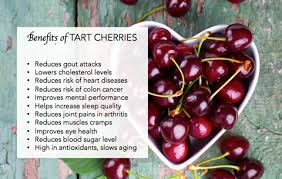
  • Benefits of Tart Cherries

    Tart Cherry Juice health benefits, prevention of cancer, prevention of heart disease, improving circulation, speeding up healing process, preventing arthritis, improving focus and attention, help regulating sleep, preventing diabetes, boosting immune system, preventing respiratory problem and promoting weight loss.

    Tart cherry juice is rich in various nutrients. An 8-ounce (240-ml) serving contains 119 calories and the following (1):

    • Carbs: 28 grams
    • Fiber: 5 grams
    • Protein: 2 grams
    • Fat: 1 gram
    • Vitamin A: 62% of the RDI
    • Vitamin C: 40% of the RDI
    • Manganese: 14% of the RDI
    • Potassium: 12% of the RDI
    • Copper: 12% of the RDI
    • Vitamin K: 7% of the RDI

    Tart cherry juice also contains smaller amounts of B vitamins, calcium, iron, magnesium, omega-3 and omega-6 fats, in addition to antioxidants and other beneficial plant compounds (1, 2).

    Compared to sweet cherry varieties, tart cherries contain 20 times more vitamin A, and their antioxidant levels are up to five times higher (1, 3, 4, 5).

    One easy way to tell tart cherries from sweet varieties is by their color. Sweet cherries tend to be darker in color, whereas tart cherries retain their bright red color after being harvested.

    Keep in mind that some varieties of tart cherry juice contain substantial amounts of added sugars, so opt for an unsweetened variety.

    A GLASS FOR A GOOD NIGHT SLEEP

    Research shows that supplementing with tart cherry juice increases levels of melatonin and helps improve sleep quality and duration (15).

    In one study, participants suffering from insomnia drank either 16 ounces (480 ml) of tart cherry juice or the same amount of a placebo juice each day for two weeks. The cherry juice increased sleep time by an average of 85 minutes (16).

    Interestingly, tart cherry juice seems to be just as, if not more, effective at reducing insomnia than valerian and melatonin — the two most studied natural products for insomnia (17).

  • What is Kefir?

    Kefir’s tart and refreshing flavor is similar to a drinking-style yogurt, but it contains beneficial yeast as well as friendly ‘probiotic’ bacteria found in yogurt. The naturally occurring bacteria and yeast in kefir combine symbiotically to give superior health benefits when consumed regularly. It is loaded with valuable vitamins and minerals and contains easily digestible complete proteins.

    For the lactose intolerant, kefir’s abundance of beneficial yeast and bacteria provide lactase, an enzyme which consumes most of the lactose left after the culturing process.

    How is Kefir Made?

    Kefir can be made from any type of milk, cow, goat or sheep, coconut, rice or soy. Although it is slightly mucous forming, the mucous has a “clean” quality to it that creates ideal conditions in the digestive tract for the colonization of friendly bacteria.

    Kefir is made from gelatinous white or yellow particles called “grains.” This makes kefir unique, as no other milk culture forms grains. These grains contain the bacteria/yeast mixture clumped together with casein (milk proteins) and complex sugars. They look like pieces of coral or small clumps of cauliflower and range from the size of a grain of wheat to that of a hazelnut. Some of the grains have been known to grow in large flat sheets that can be big enough to cover your hand!. The grains ferment the milk, incorporating their friendly organisms to create the cultured product. The grains are then removed with a strainer before consumption of the kefir and added to a new batch of milk.

    This article originally appeared at: http://www.kefir.net/what-is-kefir/.