Tag: cancer

  • Sugar is Carcinogenic?

    It’s a no-brainer when it comes to avoiding sodas, juices with added sugars, pastries, candies, and processed foods that use processed grains and even add sugar or HFCS to foods that are not even sweet. That’s to keep you addicted even if you can’t taste it. Refined sugar is actually addictive, some claim it’s even as addictive as cocaine. Despite all the carcinogenic chemicals that blanket our biosphere, we do have one area that’s in our control – avoiding refined sugars and carbohydrates.

    That’s right, team of UCSF scientists think that sugar is so toxic and so addictive that it should be regulated with taxes, restricted on to whom and where it can be advertised, and age-restricted sales. Right they are in their view on sugar and how it is highly addictive and toxic. Fructose has even been shown to be addictive as cocaine while fueling cancer and obesity rates

    But would regulating sugar really be the answer to the problem? While sugar consumption definitely needs to be lessened, creating laws against is not the answer. The government doesn’t need to create laws for every single issue we face. Certainly companies shouldn’t be allowed to blatantly lie and tout foods as being healthy when they contain 25g of sugar per serving, that is another issue that would be labeling as informed consent.

    A Recent Study That Makes Sugar Carcinogenic

    Now it’s even worse. There is a study that seems to be hidden from the public eye and is certainly not welcome within our orthodox oncology system. It would cramp the food and soda business’s profits if refined sugar is seen as carcinogenic.

    The study, “Increased sugar uptake promotes oncogenesis via EPAC/RAP1 and O-GlcNAc pathways” was published in the 2013-2014 Journal of Clinical Investigation (JCI). Because it is a free access journal, you can access the full text, not just the abstract, here.

    Its a wonder how this study hasn’t made much of a stir in our sick-care system since it is so accessible. Instead it was dug up by a research scout for Green Med Info. It is of course full of biochemical details, which is what medical people are supposed to be familiar with. So for now, let’s be content with a layman’s summary report of their study, which was an in vitro (cultures, petri dishes, and test tubes) study as opposed to an in vivo (animal or human) study. This way they could really play around with and analyze the results with total control.

    Here’s the bottom line of this study: Increased glucose uptake leads to early phases of cancer cell creation while curbing glucose intake reversed cancerous cells into normal cells. In other words, sugar is carcinogenic as well as fodder for already existing cancer cells.

    It’s important to not confuse the enormous amount of refined sugar, table sugar or HFCS, one takes in with sodas and processed foods with naturally occurring sugars and fructose in plant foods, regardless of how high the glycemic index may be. Fruit juices don’t need added sugars, but many fruit juices have sugar added. That’s the type of beverage or food that needs to be avoided.

    But table sugar is refined, and most off the shelf breads and pastries are composed of refined grains that are refined carbohydrates, which become sugar instantly without any compensating nutrition. They are processed out of whole foods to be independent of other compounds that balance natural whole foods to make them beneficial.

    On average, Americans consume 475 calories worth of added sugars each day. That is about 30 teaspoons, or 5x more than even the American Heart Association recommends. The recommended amount of sugar to consume on a daily basis is only 25g, but look at what we have to currently battle:

    • An average bottle of Coke contains over 60g of sugar.
    • A Red Bull contains up to 27g of sugar.
    • Supposedly healthy Vitamin Water contains up to 13g of sugar.
    • An 8oz Snapple contains up to 23g of sugar.
    • A single Pop Tart contains 17g of sugar.
    • A Cinnabon Cinnamon Roll has up to 55g.
    • Most kids cereals, like Capn Crunch, Frosted Flakes and Trix contain anywhere from 10-12g of sugar per serving.
    • A 16oz Starbucks Mocha Grande Frappuccino contains over 40g of sugar.

    While that is discouraging, all of the listed items are actually only a part of a ‘bad’ diet, and are completely avoidable. The change in a drastic reduction in sugar consumption will not happen over night, but with the proper education and dismissal of false advertising, changes will occur in time.

    Read more: https://naturalsociety.com/scientists-declare-health-crisis-over-carcinogenic-sugars/#ixzz5PbuYpTFP 

    Follow us: @naturalsociety on Twitter | NaturalSociety on Facebook

    An interesting informative excerpt from the Cancer Tutor:
    Dr. Tony [Antonio] Jimenez hypothesizes that sugar from Organic Produce may not contribute to cancer cell growth like its adulterated counterpart [refined sugar/HFCS]. He explains that human mammalian cells absorb levorotatory (left spinning) molecules, while cancer cells can only assimilate dextrorotatory (right spinning) molecules.

    Essentially, fruits in their natural state contain left spinning sugars, whereas GMO-influenced fruits consist only of right spinning sugars. Dr. Jimenez concludes that the glycemic index is not nearly as important as the source and lineage of the fruits and vegetables we eat. As an example, Dr. Max Gerson used Carrot Juice as a successful alternative therapy, despite its high glycemic index.

    Resources can be found at https://realfarmacy.com/refined-sugars-create-cancer-sources-references/

    https://naturalsociety.com/scientists-declare-health-crisis-over-carcinogenic-sugars/

  • A Trillion Dollars is Spent Each Year from the Damaging Health Effects of Sugar

    America spends two and a half times more on healthcare per capita than any other developed nation, quickly approaching $3 trillion EVERY year. With this kind of expenditure, you would expect our citizens to be the healthiest in the world, but this is not the case.

    In fact, the US ranks dead last in quality of care—Americans are sicker and live shorter lives than people in most other industrialized nations. So where’s the money going?

    The Credit Suisse Research Institute’s 2013 study1 “Sugar: Consumption at a Crossroads” found that 30 to 40 percent of US healthcare expenditures are for diseases directly related to the overconsumption of sugar!

    We spend more than a trillion dollars each year fighting the damaging health effects of sugar. This, combined with the massive waste, fraud, and inefficiency of our healthcare system, make it completely unsustainable over time.

    US Government Actually Encourages Sugar Consumption

    Excess sugar causes obesity as well as a plethora of illnesses, including type 2 diabetes, heart disease, kidney disease and cancer. If you want to locate the sickest people, follow obesity rates. According to a United Health Foundation study, nine of the 10 least healthy states in the nation also have nine of the 10 worst obesity rates.2

    With one food causing such pervasive health problems and so much national expense, you would think our government regulators would do everything they could to lower sugar consumption. But the opposite is true—they encourage it!

    Maybe the US government read the 2008 study that challenged the common notion that preventing obesity would save governments millions of dollars.3 The study suggested that healthy people are more expensive to care for because they live longer.

    Maybe the government wants us to get obese—because we’ll die younger. As cynical as that sounds, it would explain why they continue to subsidize the corn syrup industry.4

    Cancer Predicted to Become #1 Killer of Americans

    Besides the obvious sugar-obesity link, I’ve also often discussed the intrinsic connection between sugar consumption and cancer. It’s no surprise to me that cancer rates keep rising, considering that most people consume highly processed food as the bulk of their diet.

    A diet devoid of healthy fats and natural vitamins and minerals, while being chockfull of processed sugars and fructose along with synthetic chemicals of all kinds simply cannot produce health, and the proof of this is plain for all to see… A recent report by the American Society of Clinical Oncology predicts that a mere 16 years from now, cancer will be the leading cause of death in the US, surpassing heart disease, which is currently number one.  As reported by CNN Health:5

    “The number of new cancer cases is expected to increase nearly 45 percent by 2030, from 1.6 million cases to 2.3 million cases annually. This influx of new patients will place a bigger burden on a field of medicine already stretched by physician shortages and financial difficulties, says the report, which highlights growing problems for cancer care in the United States.”

    Without Sugar, Cancer Cannot Thrive

    The most powerful essential strategy I know of to treat cancer is to starve the cells by depriving them of their food source, which, in large part, is typically sugar. Unlike all the other cells in your body, which can burn carbs or fat for fuel, cancer cells have lost that metabolic flexibility and can only thrive if there enough sugar present.  Dr. Otto Warburg was actually given a Nobel Prize over 75 years ago for figuring this out but virtually no oncologist actually uses this information.

    Make no mistake about it, the FIRST thing you want to do if you want to avoid or treat cancer if you have insulin or leptin resistance (which 85 percent of people do) is to cut out all forms of sugar/fructose and grain carbs from your diet, in order to starve the cancerous cells.

    I recommend reducing your total fructose intake to a maximum of 25 grams/day, from all sources, including fruit. If you are insulin resistant, you’d do well to make your upper limit 15 grams/day. Cancer patients would likely be best served by even stricter limits.  For a more detailed discussion please review my interview with Dr. Seyfreid.

    The easiest way to dramatically cut down on your sugar and fructose consumption is to switch to a diet of whole, unprocessed foods, as most of the added sugar you end up with comes from processed fare, not from adding a teaspoon of sugar to your tea or coffee. But there are other ways to cut down well. This includes:

    • Cutting back on the amount of sugar you personally add to your food and drink
    • Using Stevia or Lo Han instead of sugar and/or artificial sweeteners. You can learn more about the best and worst of sugar substitutes in my previous article, “Sugar Substitutes—What’s Safe and What’s Not
    • Using fresh fruit in lieu of canned fruit or sugar for meals or recipes calling for a bit of sweetness
    • Using spices instead of sugar to add flavor to your meal

    Also consider reducing your protein intake to one gram per kilogram of lean body weight. It would be unusual for most adults to need more than 100 grams of protein and most likely close to half of that amount. Replace the non-vegetable carbs (sugar/fructose/grains) and excess protein with high quality fats, such as organic eggs from pastured hens, high quality meats, avocados, and coconut oil. It’s certainly much easier to prevent cancer than to treat it, once it takes hold, and I believe you can virtually eliminate your risk of cancer (and radically improve your chances of recovering from cancer if you currently have it) by following certain basic lifestyle guidelines. For a full list, please see this previous article.

    Two Sodas Per Day May DOUBLE Your Chances for an Untimely Death

    A new study found a significant relationship between added sugar consumption and death from heart disease. Americans who consumed the most sugar — about a quarter of their daily calories — were twice as likely to die from heart disease as those who limited their sugar intake to seven percent of their total calories. The average American is consuming 22 teaspoons of sugar per day, about three times what’s recommended. That’s the equivalent of about two sodas.13

    According to Dr. Robert Lustig, one of the leading experts on childhood obesity, excess sugar acts as a poison, responsible for weight gain and a multitude of chronic and deadly diseases. Recent research shows that fructose can activate taste cells found on your pancreas, a reaction that can increase your body’s secretion of insulin and raise your risk for type 2 diabetes. Sugar also reacts with AGEs (advanced glycation end products), which is one of the major mechanisms by which damage accrues in your body and leads to aging and disease.

    To protect your health, consider restricting your fructose consumption to 25 grams per day or less. If you’re overweight or have a disease such as cancer, diabetes, or heart disease (or are at high risk for them) then you’re probably better off further reducing your fructose intake to 15 grams per day or less (and this includes all sources—HFCS, sugar, honey, agave, fruit, fruit juice, maple syrup, etc.).

    Redesigning Subsidies for the Health of People and Planet

    The time is ripe for change. Redesigning our food system could help move us toward health and economic recovery. If we’re going to subsidize farmers, let’s subsidize them in a way that helps restore the health of American citizens and our land—programs that might just pay for themselves by the reduction in healthcare costs they bring about. Two years ago, Mark Brittman of the New York Times14 argued that subsidy money could be easily redirected toward helping smaller farmers to compete in the marketplace in a number of ways. For example, funds could be redirected toward:

    • Funding research and innovation in sustainable agriculture
    • Providing incentives to attract new farmers
    • Saving farmland from development
    • Assisting farmers who grow currently unsubsidized fruits and vegetables, while providing incentives for monoculture commodity farmers (corn, soy, wheat, and rice) to convert some of their operations to more desirable foods
    • Leveling the playing field so that medium-sized farms can more favorably compete with agribusiness as suppliers for local supermarkets

    If you don’t like the idea of your tax dollars funding corporate welfare programs for corporations that flood the market with sugary beverages and processed foods, join forces with organizations that are actively working for positive change. Here are five actions you can take:

    • The Environmental Working Group has started a petition urging Congress to enact a Farm Bill that protects family farmers who help us protect the environment and public health. Take a moment to sign it now.
    • Sign up with the National Sustainable Agriculture Coalition to keep abreast of news and action alerts relating to the Farm Bill.
    • Join Food Democracy Now, an organization co-founded by Aaron Woolf, director of the documentary film King Corn.
    • Of course, you can also voice your opinion every day by voting with your wallet and supporting small family farms in your area.
    • Say no to junk food producers by not buying their products, andreturn to a diet of real, whole foods—fresh organic produce, meats from animals raised sustainably and humanely on pasture, and raw organic milk and eggs.

    https://articles.mercola.com/sites/articles/archive/2014/03/29/sugar-consumption-healthcare-costs.aspx

  • Why We MUST Detox from Glyphosate Toxins

    By now, most of us have heard about glyphosate in one way or another. Glyphosate has been found in the majority of our environment and food: rain, tap water, air, streams and even in our cereal, honey, breast milk and cotton products. It is almost impossible to avoid.

    Monsanto corporation – now a part of Bayer – lost the trial of the century against a man dying of cancer, his cancer alleged to be caused by Roundup herbicide. The corporation was found by a jury to be responsible for all claims and ordered to pay $289 million dollars in punitive damages to school groundskeeper Dewayne Johnson, whose life and limb are stricken with deadly lymphoma after years of using Roundup Pro and Ranger Pro. 

    Moreover, the jury found that Monsanto “acted with malice, oppression and fraud.” 

    Monsanto internal documents depict a “rampant corporate culture that has no interest in looking at whether or not their product is safe,” says Brent Wisner, lead trial counsel for Dewayne Lee Johnson in his lawsuit against the company.

    See the internal Monsanto papers and documents now unclassified that the jury saw that lead them to that conclusion.

    Our children are the sickest generation – 54% have chronic disease or neurological illness. Its easy to see that their health conditions are likely connected to this toxin’s pervasive use. Our children, the most susceptible to toxins. They are suffering the consequences of more than 250 million pounds of Roundup herbicide every year. At the same time, weeds are becoming more resistant to Roundup, so farmers are using more and more chemicals to deal with super-pests and super-weeds. From 1994 to 2005, the use of glyphosate has increased by 1,500 percent.

    Increasingly, glyphosate is also sprayed just before harvest on wheat, barley, oats and beans that are not genetically engineered. Glyphosate kills the crop, drying it out so that it can be harvested sooner than if the plant were allowed to die naturally.Monsanto’s Round Up ‘pre-harvest’ spraying guide meant for conventional farmers recommends that they spray crops just three days prior to harvest – and they don’t just mean on GMO crops. This means you’re likely consuming food which had been drenched in toxic pesticides.

    According to the Environmental Protection Agency (EPA), the following non-organic crops are sprayed with glyphosate (reporting years: 2004-2013) (10):

    1. Alfalfa*
    2. Almonds**
    3. Apples*
    4. Apricots
    5. Artichokes
    6. Asparagus
    7. Avocados
    8. Barley*
    9. Beans, Green
    10. Blueberries
    11. Broccoli
    12. Brussels Sprouts
    13. Cabbage
    14. Caneberries
    15. Canola*
    16. Canteloupes
    17. Carrots
    18. Cauliflower
    19. Celery
    20. Cherries*
    21. Chicory
    22. Corn**
    23. Cotton**
    24. Cucumbers
    25. Dates
    26. Dry Beans/Peas*
    27. Fallow**
    28. Figs
    29. Garlic
    30. Grapefruit*
    31. Grapes**
    32. Hazelnuts
    33. Kiwifruit
    34. Lemons*
    35. Lettuce
    36. Nectarines
    37. Oats*
    38. Olives
    39. Onions
    40. Oranges**
    41. Pasture*
    42. Peaches*
    43. Peanuts*
    44. Pears*
    45. Peas, Green
    46. Pecans*
    47. Peppers
    48. Pistachios*
    49. Plums/Prunes*
    50. Pluots
    51. Pomegranates*
    52. Potatoes
    53. Pumpkins
    54. Rice*
    55. Sorghum**
    56. Soybeans**
    57. Spinach
    58. Squash
    59. Strawberries
    60. Sugar Beets**
    61. Sugarcane*
    62. Sunflowers**
    63. Sweet Corn*
    64. Tangelos
    65. Tangerines
    66. Tobacco
    67. Tomatoes*
    68. Walnuts*
    69. Watermelons
    70. Wheat**
    *Over 100,000 pounds of glyphosate herbicide sprayed on them throughout the year
    **Over 1,000,000 pounds of glyphosate herbicide sprayed on them throughout the year

    Applying glyphosate to non-GMO crops as a desiccant before harvest is probably one of the worst times to spray, because the glyphosate then absorbs into the food crop directly. In other words, glyphosate can’t simply be “washed off,” as it has become part of the food itself. This chemical is them ingested by those who consume the whole, unprocessed food, or via processed foods that contain glyphosate as an ingredient.

    Poison Served with Breakfast

    The Environmental Working Group has released independent laboratory test results that found that Roundup’s weed-killing poison, glyphosate, has been found in 43 of 45 cereals tested, including those we feed our children.

    Of the 43 cereals that tested positive for glyphosate, 31 of those had a glyphosate level greater than 160 parts per billion–the threshold the EWG used. 1 part per trillion was shown to increase the growth of cancer cells. NO exposure is safe. 

    Cereals found to contain even higher levels of glyphosate include:

    • Quaker Simply Granola Oats, Honey, Raisins & Almonds
    • Nature Valley Granola Protein Oats ‘n Honey
    • Quaker Dinosaur Eggs, Brown Sugar, Instant Oatmeal
    • Cheerios Toasted Whole Grain Oat Cereal
    • Lucky Charms, among others

    Dangers of Glyphosate

    Did you know that if your child has multiple allergies, rashes or even just irritability and learning focus challenges, that could indicate they have leaky gut? That means small holes in your child’s small intestines are leaking unprocessed food and potentially medications into their blood stream and causing havoc in the immune system. 

    Did you know that Glyphosate (Roundup) weed killer sprayed on GMOs and non organic food,  is allowed on 160 of our foods by the EPA at levels far above that which has shown to destroy gut bacteria? The gut bacteria is the stronghold of our immune system and is where Tryptophan is stored and made. Without Tryptophan our bodies cannot make Serotonin or Melatonin which regulate insulin, (diabetes) mental processing and  illness, feeling satiated (obesity), bi polar and even acts of violence. 

    Did you know that glyphosate can break down the blood brain barrier, allowing toxins into the brain such as chemical off gassing from fire retardent on pajamas, sofas and toxins in vaccines?

    Did you know that glyphosate destroys the tight junctions of blood vessels, hampering the flow of nutrients to bones and organs, leading to osteoporosis, arthritis and more?

    In 2015, the International Agency for Research on Cancer, part of the World Health Organization, reviewed extensive U.S., Canadian and Swedish epidemiological studies on glyphosate’s human health effects, as well as research on laboratory animals. The IARC classified the chemical as probably carcinogenic to humans, and has steadfastly defended that decision despite ongoing attacks by Monsanto.

    In 2017, California listed glyphosate in its Proposition 65 registry of chemicals known to cause cancer. The state’s Office of Environmental Health Hazard Assessment, or OEHHA, has proposed a so-called No Significant Risk Level for glyphosate of 1.1 milligrams per day for an average adult of about 154 pounds. That level of exposure is more than 60 times lower than the safety level set by the Environmental Protection Agency.

    Scientists have been able to correlate a number of health issues related to glyphosate exposure, including, but not limited to:

    •  ADHD [1] 
    •  Alzheimers Disease [2] 
    •  Autism [3]
    •  Birth Defects [4] 
    • Cancer [5]
    • Celiac Disease [6]
    • Colitis [7] 
    • Heart Disease [8]
    • Inflammatory Bowel Disease [9]
    • Kidney Disease [10]
    • Liver Disease [11] 
    • Non-Hodgkin Lymphoma [12]
    • Parkinsons Disease [13] 

    Glyphosate Detox

    If we’re not directly eating glyphosate-sprayed crops, then we’re inhaling it, or drinking it (or even bathing in it). There is quite literally no way to escape the glyphosate chemical giant Monsanto (now owned by Bayer) has created. 

    Here’s the steps to take to detox: 

    1. Eating Cleaner Foods. 

    • Choosing the organic or pesticide-free label. 
    • Seeking out stores that sell local produce labeled pesticide free. *Shopping in-season helps to reduce the costs. 
    • Shopping the regular sales at THRIVE MARKET seeking out the CHOSEN brand. 
    • Getting meats and eggs from local farmers.
    • **Eliminating refined sugar – specifically GMO beet sugar is important as well!

    “Herbs such as cilantro help us to eliminate metals such as lead and mercury. Herbs like turmeric and garlic help to lower the levels of inflammation that are often the underlying causes [of chronic diseases” -Dr. Robert Zieve, an integrative medicine expert and medical director of Partners in Integrative Cancer Therapies, in Prescott, AZ 

    2. Sipping Ferments. 

    Apple Cider Vinegar , Sauerkraut juice and Kombucha contain a beneficial bacteria that neutralizes glyphosate! That is absolutely amazing! 

    Dr. Natasha Campbell-McBride, MD, ““With every mouthful of sauerkraut you’re consuming billions of beneficial microbes which will be killing the pathogens in your gut driving them out and replenishing the beneficial flora in your digestive tract.” 

    Click here to learn how to make sauerkraut at home and here to learn how to make kraut juice, a more gentle on the stomach probiotic for those with leaky gut. Getting your child to take the tangy savory liquid tends to be a bit more challenging.

    3. Regular Detox Baths (with filtered water).

    1/4 cup of Epson salts or baking soda or apple cider vinegar on a regular schedule has helped tremendously ESPECIALLY during the weeks before harvest as the fields around us are sprayed intensively with Glyphosate. 20 minute soak – or for our kids “until they get ‘wrinkly’. 

    4. Restore balance. Support Natural Detox.

    We have added a new element to our routine. Toxic exposure is constant and even with a clean diet, sneaking in ferments (which is really hard to do with young children) and doing regular detox baths its not enough to overcome the hurtle of these health issues. We are calling in reinforcements. 
    As a family we are adding Biome Medic a product specifically designed to tackle glyphosate toxicity to help flush harmful toxins, support “good” bacteria and repair your microbiome. 

    $50 Discount Biome Medic or Any Purium Detox Product

    Biome Medic. Studied under a randomized, product-controlled IRB approved protocol,the six-week pre-clinical trial reported a 74%reduction of the herbicide glyphosate, a 75% reduction in the inflammatory bio marker reactive protein(CRP) and a 35% increase in gut immune response as measured by reduced food sensitivities.
    http://www.puriumcorporate.com/purium1/php_uploads/BiomeMedicResearchResults-PressRelease.pdf

    Purim is a family owned company dedicated to providing whole, organic, GMO-free nutrients for the whole family. 


    [1] The journal Environmental Health Perspectives reported in 2002 that exposure to Roundup [glyphosate herbicide] was been linked to attention deficit disorder (ADHD), likely due to the herbicide’s capacity to disrupt thyroid hormone functions.

    [2] A study published in the journal Toxicology found that glyphosate exposure can cause the same kind of oxidative stress and neural cell death found in Alzheimer’s diagnosis. It also affects CaMKII, an enzyme whose dysregulation has also been linked to Alzheimer’s.

    [3] A research scientist at MIT says the symptoms of glyphosate toxicity closely resembles the same of autism symptoms.

    [4] Glyphosate exposure can disrupt the Vitamin A signaling pathway, which is critical for normal fetal development. A study from Paraguay found that babies born to women, living less than a mile from fields sprayed with glyphosate herbicide, were more than twice as likely to develop birth defects.

    [5]: There are numerous glyphosate studies that link glyphosate to cancer. The International Agency of Research on Cancer (an agency within the World Health Organization) published a study in 2015 that determined glyphosate is a probable human carcinogen. There is also a meta-analysis study from 2014 published in International Journal of Environmental Research and Public Health and a 2008 Swedish study that link glyphosate and non-Hodgkin lymphoma. There are others, including a study in Argentina of 65,000 people in farming communities where Roundup is used (communities referred to as “the fumigated towns”), found cancer rates to be two to four times higher than the country’s national average. Specifically, the study noted increases in breast, prostate and lung cancers. In a comparison of two farming communities—one that sprayed Roundup and another that didn’t—31 percent of residents in the Roundup sprayed community had a family member with cancer. In the community that didn’t spray, only three percent of residents had a family member with cancer. The high cancer rates among those exposed to Roundup [glyphosate herbicide] can likely be traced to the herbicide’s known capacity to induce DNA damage, which has been demonstrated in a number of laboratory tests.

    [6] A study of fish exposed to glyphosate herbicide showed that some developed digestive problems similar to those with Celiac Disease. Parallels between glyphosate exposure and Celiac Disease include impairment in enzymes critical to detoxifying environmental toxins, imbalances in gut bacteria, amino acid depletion and certain mineral deficiencies.

    [7] A Roundup study titled ‘The Effect of Glyphosate on Potential Pathogens and Beneficial Members of Poultry Microbiota in Vitro’ found that glyphosate toxicity could be a significant predisposing factor in the overgrowth of clostridia, an established causal factor in colitis.

    [8]: A study published in Entropy found that glyphosate exposure can cause disruption to the body’s enzymes, causing lysosomal dysfunction, which is a factor in heart failure and cardiovascular disease.

    [9] In another Entropy study, researchers found that exposure to glyphosate has been demonstrated to create a severe tryptophan deficiency in some, which can cause inflammatory bowel disease.

    [10]: Glyphosate herbicide exposure may explain the recent spike in kidney disease statistics among farm workers in India, Central America and Sri Lanka. According to the International Journal of Environmental Research and Public Health“Although glyphosate alone does not cause an epidemic of chronic kidney disease, it seems to have acquired the ability to destroy the renal tissues of thousands of farmers.”

    [11] A 2009 study showed that very low doses of glyphosate can disrupt liver cell function.

    [12] A study looking at meta-analyses of nearly 30 years worth of research on the relationship between Non-Hodgkin Lymphoma and occupational exposure to pesticides, found a positive association between glyphosate herbicide exposure and B cell lymphoma.

     [13] The onset of Parkinson’s following glyphosate exposure has been documented by a number of lab studies, which show that glyphosate can induce the cell death characteristic of the disease.

    Contaminated Cheerios: https://www.reuters.com/article/products-general-mills-glyphosate/general-mills-hit-with-lawsuit-over-glyphosate-containing-cheerios-idUSL2N1VB1MY

    To read more about allowable glyphosate levels and the chemical’s effects, read “Glyphosate: Unsafe on Any Plate”.

  • Two Landmark Cases: Is the Toxic Tide Turning In Favor Of Our Kid’s Health?

    Our children are exposed to high levels of pesticides and herbicides ingested and inhaled daily, which is negatively impacting the health of an entire generation. Two significant court rulings today in favor of protecting our children and the environment from toxins. Over a decade ago an analysis of federal data by the Environmental Working Group (EWG) revealed that 1 million American children age 5 and under consume unsafe levels of a class of pesticides that can harm the developing brain and nervous system. Chlorpyrifos, a chemical sprayed on food crops, is a known neurotoxin, especially for children. It is one of the most widely used pesticides in the U.S. based on the results of three federally funded observational studies; the EPA was expected to phase out all remaining uses of the pesticide due to evidence that it caused long-term learning problems and IQ loss in children.
    EPA revoked the ban in 2017. The U.S. Court of Appeals for the Ninth Circuit has ordered the Environmental Protection Agency to ban chlorpyrifos, a widely used pesticide linked to learning disabilities in children, within 60 days.

     “EPA has no basis to allow continued use of chlorpyrifos, and its insistence in doing so puts all children at risk,” said Melanie Benesh, an attorney for the group Environmental Working Group. “By requiring the EPA to finally ban chlorpyrifos, the Ninth Circuit is ensuring that the agency puts children’s health, strong science and the letter of the law above corporate interests.”

    The risk for toxic exposure in our children increases due to high levels of pesticides sprayed in their homes, schools and day care centers, because the EPA’s current standards are based on levels considered safe for adults.  Children’s bodies are smaller, their systems still developing. It is outrageous that the agency’s tasked to protect our children ignore their responsibility.

    This week a jury agreed that Monsanto hid cancer danger of the weed-killer for decades. Labeled as a possible carcinogenic by the World Health Organization, Glyphosate is the number one product used for weed control in homes and schools. Johnson was a groundkeeper at a San Fransisco school district. He is said to have used Monsanto’s glyphosate weed killer on school grounds almost 30 times per year. He claims that two accidents caused him to be “doused” in the company’s weed killer. During the trial, the juror was presented with previously undisclosed information about how the body absorbs glyphosate and the dangers associated with the other ingredients that make up the Roundup formulated product. The jury agreed that Monsanto hid cancer danger of the weed killer awarding Mr. Johnson $289.2 million dollars.

    Could this be a sign of the toxic tide turning?

    Jury Orders Monsanto/Bayer to pay $289.2 million to Cancer-stricken Grounds Keeper. Jury agreed on all counts that Monsanto hid cancer danger of weed-killer for decades

    The jury awarded Johnson 289.2 million dollars! 4000 other plaintiffs are waiting to sue Monsanto and 10,0000 are expected by the end of the year. Surely this decision has Bayer, who now owns Monsanto, reconsidering whether or not to continue to sell glyphosate-based products.Thousands of individuals from across the country have filed lawsuits against Monsanto alleging exposure to Roundup weed killer caused them to develop non-Hodgkin lymphoma. In addition to the federal MDL in San Francisco, people from California, Nebraska, Delaware and Missouri have filed claims in state courts making similar allegations.

     The first trial in the Roundup cancer litigation is a state court case filed in San Francisco Superior by plaintiff DeWayne Johnson, who is represented by The Miller Firm, LLC. The Johnson case will begin on June 18, 2018. Another state court case will be heard in St. Louis, Missouri in October 2018.

    Since the beginning of the litigation against Monsanto, the law firm of Baum, Hedlund, Aristei & Goldman and the other firms leading the litigation have led the fight to declassify court documents that consist of internal Monsanto studies, company reports, emails, text messages, and other memoranda.

     These documents, known as The Monsanto Papers, include information that Monsanto does not want the public to see. They allow the public to look behind the curtain of secrecy that normally shrouds ongoing litigation and see firsthand how Monsanto has engaged in ghostwriting, scientific manipulation and collusion with regulatory agencies (including the EPA). The documents also include previously undisclosed information about how the body absorbs glyphosate and the dangers associated with the other ingredients that make up the Roundup formulated product.

    This week the jurors agreed with the plaintiff  and the scientific evidence to back their claims that glyphosate, the active ingredient in Roundup, causes non-Hodgkin lymphoma (NHL).

    Chlorpyrifos Court Decision

    HuffPost: Court Orders EPA To Ban Chlorpyrifos, A Pesticide Linked To Brain Damage In Kids

    In a joint letter to Pruitt in June, the American Academy of Pediatrics and Environmental Working Group, a nonprofit advocacy group, said they were “deeply alarmed” by his decision.  “EPA has no basis to allow continued use of chlorpyrifos, and its insistence in doing so puts all children at risk,” they wrote. Reprinted by AOL and Yahoo! News.

    Washington Examiner: Federal appeals court orders EPA to ban pesticide

    “Today’s court decision is huge victory for public health, especially that of children,” said Melanie Benesh, an attorney for the group Environmental Working Group. “By requiring the EPA to finally ban chlorpyrifos, the Ninth Circuit is ensuring that the agency puts children’s health, strong science and the letter of the law above corporate interests.” 

    Learn more about the 1998 report, Overexposed: Organophosphate Insecticides in Children’s Food, is in response to the Food Quality Protection Act, passed unanimously by Congress in 1996, that requires all pesticides to be safe for infants and children.  

  • Inflammation: The Root of Disease

    What is Inflammation? How does it affect our overall health? What can be done to repair or avoid it? These were the themes from all the practitioners at the Natural Health Symposium in Boise last month.  Research suggests that chronic inflammation contributes to the development of many diseases and various types of cancer. Genetic risk factors, a compromised immune system, stress, obesity, lack of sleep, and a poor diet all play a role in the onset of chronic inflammation. Maintaining a healthy, well-balanced diet, getting enough sleep, staying physically active, monitoring your genetic risk factors and staying on top of treating acute inflammation are steps to take to prevent an onset of chronic inflammation.
    Inflammation is the immune system’s protective response to injury, disease or irritation of the tissues.
    Inflammation may cause cancer, skin conditions, allergies, muscle pain, joint pain, headaches and painful menstruation. So what exactly is inflammation? 
    It’s a combination of heat, pain, redness and swelling that happens externally or inside the body. (Dr. David Samadi, Lenox Hill Hospital)

    Acute vs. Chronic Inflammation
    Acute inflammation occurs in the short-term and is responsible for getting rid of infection, helping clean a wound, and repairing your tissue. Examples may include cutting yourself while shaving, breaking a bone, or spraining your ankle. The inflammation that occurs is a healthy reaction to repair the injured tissue. An army of white blood cells are the first responders that essentially ingest and dispose of the damaged cells, pathogens, or irritants that may have entered your body.
    On average, as long as you don’t re-injure yourself, an acute inflammatory response should only last a few days or weeks. Your body knows to trigger acute inflammation in order to get rid of things that are harming you.
    Here’s the problem: if you don’t take care of that wound, or if your body is inundated with a constant invasion of pathogens or toxins, your cells continually call for help from your immune system, and your body is on high alert at all times. This prolonged “state of emergency” can cause lasting damage and is called chronic inflammation.
    Chronic inflammation can last from several months to years. The onset of chronic inflammation can be delayed, and signs of chronic inflammation are difficult to detect. In fact, it can be incredibly difficult to identify the part of your body that becomes inflamed when the problem is chronic.
    We were curious as to exactly which parts of our body are affected by inflammation. Let’s think of inflammation in terms of a car. For example, in order to run properly, a car engine needs fuel, air intake and a spark plug to ignite the fuel, which creates the energy to turn the driveshaft, that turns the qwheels and takes you to the grocery store. And the excess fuel mixture is burned off and turns into exhaust. (Dr. Brant Larsen)

    All of our human life happens inside our very tiny human cells. Each cell wall consists of a membrane made of a phospholipid bilayer that functions similarly to soap with a hydrophobic interior and a hydrophilic exterior. The food we eat gives the cells the fuel – in the form of sugars, glucose and fats. We breathe air to give the cells oxygen.  The spark – which are the electrical impulses from our nervous system – create the energy we need. Through the membrane, our cells eliminate the burned fuel, metabolic waste, and any harmful substances that have entered the cell through the membrane.

    Chronic inflammation is more common than we think.

    If our body is using energy to unnecessarily fight a perceived “invasion”, then it has less energy for normal functions. More importantly, with less energy available, our bodies cannot produce anti-inflammatory compounds such as glutathione, one of our bodies’ major antioxidant. In addition, adenosine tri-phosphate (ATP)— the energy molecule used by our cells is being used to fight a threat that isn’t real. At the end of the day, we have less energy and lower levels of antioxidants creating vulnerability for potentially diseased states.

    How do you know if you are chronically “inflamed”?

    You may not always be able to visually see the effects of inflammation, but there are signs that indicate its presence. 

    Chronic inflammation can manifest itself in many ways, including digestive issues and skin problems, exhaustion, and recurring infections.

    Genetics play a role in inflammatory responses.

    Chronic inflammation is believed to play a role in the development of several long-term illnesses like cancer, heart disease, autoimmune diseases and even brain diseases such as Alzheimer’s and dementia. 

    Triggers for chronic inflammation.
    To better understand the primary reasons our body could have chronic, low-grade inflammation, we spoke to Dr. Peter Bongiorno of Inner Source Health. He discussed three primary triggers for chronic inflammation: 
    Digestive, Obesity, and Toxins.

    Digestive: Since the majority of your immune system is located inside your digestive tract, it is important to keep this healthy. Eating nutrient-dense, whole foods will encourage good digestive enzymes and healthy microbiota and enable your digestive system to process your food and effectively eliminate waste. A poor diet high in many processed foods, including hydrogenated and partially hydrogenated oils, high in sugar and white flour causes your immune system to respond with an inflammatory response to protect its healthy cells. If you have been tested by your doctor and suffer from specific food allergens, like gluten or dairy for example, these foods can also trigger an inflammatory response.

    Researchers today are working hard to understand how much of the immune system is located inside your digestive tract. It is believed that it is a significant source for inflammation triggers.

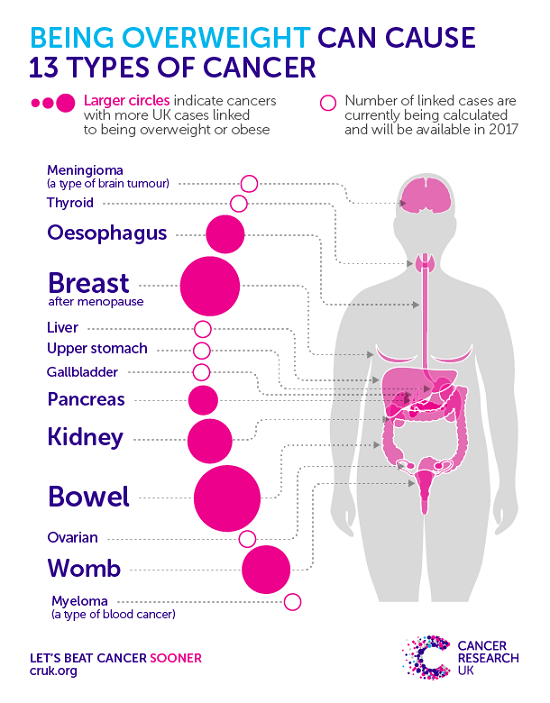
    Obesity: Having excess body fat, especially visceral fat around the hips and abdomen, contributes to chronic, low-grade inflammation, which can cause DNA damage and an increase in risk factors for certain types of cancer. According to the National Cancer Institute, obesity is linked to at least 13 different cancers. However, half of all cancer cases could be avoided using the information we already know (i.e. keep a healthy diet, don’t smoke, and get good amounts of sleep and exercise).

    Fat tissue will create inflammation that uses up nutrients and makes it more challenging for your body to clear toxic substances. It also switches how cells grow and use energy. Dr. Bongiorno

    Obesity is a leading cause of chronic illness and is attributed to many types of cancer.

    Toxins: If you are inhaling or ingesting large amounts of toxic substances, they can be stored in fatty tissue and then eventually your healthy cells. While our bodies can handle a certain amount, an overload can cause healthy tissue and cell membranes to become inflamed and damaged. Additionally, processed foods and an unhealthy gut will negatively affect your body’s ability to process exposure to toxic substances. If you are exposing yourself to more toxins than your body is eliminating, this may create inflammation.

    If you are exposing yourself to more toxicants than your body is eliminating this may create inflammation.

    How should we fight chronic inflammation?
    Keep a healthy diet. You can avoid certain foods that are known to trigger inflammation. These include sugars and overly-processed foods – otherwise known as “junk food.” Additionally, smoking and excessive alcohol consumption should be curbed.
    • A healthy diet helps fight inflammation.

    Foods to eat include plenty of colorful vegetables and greens, and foods containing healthy fatty acids, such as those found in nuts and avocados. Additionally, drink plenty of clean water so your cells stay hydrated and can perform at their optimal level!

    Learn More About Diet: Jennifer Whitney

    Regular exercise is also an important part of fighting inflammation. A recent study performed by Mark Hamer, PhD, an epidemiologist at the University College London, examined the long-term effects of exercise with regard to inflammation. The study lasted for 10 years and included 4,000 middle-aged men and women.

    Dr Rosie Main has nutrition and exercise plans to support your healing

    • Regular exercise helps fight inflammation.
    Ultimately, Dr. Hamer found that subjects who completed approximately 2.5 hours of “moderate” exercise per week – or at least 30 minutes a day – reduced their inflammation markers by a minimum of 12%. Additionally, some study participants began exercising midway through the study period and were able to significantly lower their inflammation levels as well— meaning it is never too late for the benefit of working out!

    Get enough sleep and reduce stress. Poor sleep and stress are known triggers of inflammation. According to a study performed by Emory University and presented at the 2010 American Heart Association Scientific Sessions, getting less than six hours of sleep per night is associated with higher levels of inflammation. This is also linked with an increased risk of heart attack and stroke.

    • Reducing stress and getting enough sleep helps fight inflammation.

    In addition to lack of sleep, excessive levels of long-term stress can negatively affect your gut and compromise the production of enzymes that aid in the digestive process. For your best performance, it is optimal to get eight hours of sleep each night, with at least five of those hours being continuous or uninterrupted.

    Our Local Practitioners All Shared Numerous Ways To Support Your Healing From Inflammation visit their sites to learn more: 

    David DeHaas of Living Waters Wellness Center  

    Malisa Williams, LMSW, CMSP of Renew Wellness  

    Dr. Michael Karlfeldt of The Karlfeldt Center

    Tamra Geryk RN of Functional Medicine of Idaho  

    Dr. Rosie Main DC of Main Health Solutions  

    Jennifer Whitney of Restoring Nutrition  

    Lisa Hevern, an Independent DoTerra Wellness Advocate 

    Dr. Jon Harmon of Clear Mind Idaho 

    Dr. Andrew Rostenberg of Red Mountain Natural Clinic  

    Sources:

    “Anti-Inflammatory Nutrition Research.” Inflammation Research Foundation, www.inflammationresearchfoundation.org/

    “Acute Inflammation.” Washington.Edu. University of Birmingham, n.d. Web. 05 Oct. 2016.

    DiCorleto, PhD Paul. “Why You Should Pay Attention to Chronic Inflammation.” Health Essentials from Cleveland Clinic, 25 July 2016, health.clevelandclinic.org/2014/10/why-you-should-pay-attention-to-chronic-inflammation/.

    Gushée, Sophia Ruan. A to Z of D-toxing: The Ultimate Guide to Reducing Our Toxic Exposures. N.p.: n.p., n.d. Print.

    Heid, Markham. “The Habit That Can Save Your Life.” Prevention. N.p., 16 Aug. 2012. Web. 05 Oct. 2016.

    “How being overweight causes cancer.” Cancer Research UK, 6 Apr. 2017, www.cancerresearchuk.org/about-cancer/causes-of-cancer/bodyweight-and-cancer/how-being-overweight-causes-cancer.

    Hume, Tim, and Jen Christensen. “WHO: Imminent Global Cancer ‘disaster’ Reflects Aging, Lifestyle Factors.” CNN. Cable News Network, 04 Feb. 2016. Web. 05 Oct. 2016.

    Nordqvist, Christian. “Pain / Anesthetics Bones / Orthopedics Immune System / Vaccines Arthritis / Rheumatology Inflammation: Chronic and Acute.”Medical News Today. MediLexicon International, 16 Sept. 2015. Web. 05 Oct. 2016.

    Paddock, Catharine. “Cardiovascular / Cardiology Sleep / Sleep Disorders / Insomnia Heart Disease Stroke Poor Sleep Tied To Inflammation, A Risk Factor For Heart Disease, Stroke.” Medical News Today. MediLexicon International, 15 Nov. 2010. Web. 05 Oct. 2016.

    Pevzner, Holly. “10 Ways to Reduce Inflammation.” EatingWell. Eating Well Magazine, June 2012. Web. 05 Oct. 2016.

    Rattue, Grace. “Immune System / Vaccines How Does The Immune System Power Inflammation?” Medical News Today. MediLexicon International, 05 July 2012. Web. 05 Oct. 2016.

    Samadi, David. “Inflammation: The Battle to the Death Inside Our Bodies.” The Observer. N.p., 11 Sept. 2015. Web. 05 Oct. 2016.

    Share:


    This article originally appeared at: https://www.dirt-to-dinner.com/what-is-inflammation/.
  • Round Up is Wrecking Ball on the Human Body

    Dr. Stephanie Seneff, an MIT senior research scientist, and environmental toxins expert are known for having documented the link between glyphosate and autism. She also believes that glyphosate is responsible for many other chronic diseases whose rates have soared in recent years, since the introduction of glyphosate. Dr. Seneff labels glyphosate as “the most significant chemical used today,” and one that has the effect of a “wrecking ball” on the human body. 1

    Exposure to glyphosate has been shown to have the following effects on human physiology:  2  3

    • acts as an antibiotic (glyphosate was patented as an antibiotic)
    • chelates important minerals (iron, cobalt, manganese; glyphosate patented as a mineral chelator)https://www.sciencedirect.com/science/article/pii/S0300483X09003047
    • decimates the microflora and its ability to produce essential amino acids like tryptophan that converts to serotonin
    • disrupts the microbiome in the intestine, by disrupting the shikimate pathway, causing a decrease in the ratio of beneficial to harmful bacteria
    • inhibition of cytochrome P450 (CYP) enzymes
    • disrupts sulfate synthesis and sulfate transport
    • impairs methylation pathways
    • interferes with synthesis of aromatic amino acids and methionine, which leads to shortages in neurotransmitters and folate
    • inhibition of pituitary release of thyroid stimulating hormone
    • toxic and endocrine disruptors in human cell lines  4

    Glyphosate exposure has also been associated with the development of various cancers.  The World Health Organization International Agency for Research on Cancer published a summary in March 2015 that classified glyphosate as a probable carcinogen in humans.  5  The possible cancers linked to glyphosate exposure include:

    • non-Hodgkin lymphoma
    • pancreatic islet-cell adenoma
    • renal tubule carcinoma
    • skin tumors

    Detoxing Glyphosate

    Based on the scientific studies to-date, there are a number of natural substances that have shown positive results in detoxifying and reducing the toxic effects of glyphosate exposure.

    https://vimeo.com/287550913 
    $50 discount code for HFI readers: BeTrue

    Foods

    • Raphanus sativus (Radish)
    • Probiotic foods and supplements
    • Sauerkraut and sauerkraut juice

    Minerals

    Herbs

    • Taraxacum officinalis (Dandelion)
    • Rhamnus frangula (Alder buckthorn)
    • Raphanus sativus (Radish)
    • Carduus marianus (Silybum marianum; milk thistle)
    • Arctium lappa (Burdock root)
    • Berberis vulgaris (Barberry; the active ingredient in barberry is berberine)
    • Chelidonium majus (Greater celandine)

    1. Dr Seneff video interview: https://youtu.be/CmAsTrsUjBc

    2 http://www.mdpi.com/1099-4300/15/4/1416/htm

    3 https://people.csail.mit.edu/seneff/2016/Seneff_Stephanie_052516.pdf

    4 https://www.sciencedirect.com/science/article/pii/S0300483X09003047

    5 http://www.iarc.fr/en/media-centre/iarcnews/pdf/MonographVolume112.pdf

    6 https://biofoundations.org/how-to-detoxify-your-body-from-glyphosate-exposure/

  • Cured from Cancer with food and meditation. 12 years later still cancer free.

    In 2005, Kathy Bero was diagnosed with inflammatory breast cancer and given about 21 months to live. At the time she was 41 years old, had two young daughters and wasn’t ready to die so she went the traditional route with surgery, chemo, and radiation. But the disease came back.

    She said, “Eleven months after my first diagnosis, I was diagnosed with a high-grade tumor in my head and neck. My kidneys were failing; my liver was failing. My lungs were damaged. My heart was damaged. I told my oncologist that I’m done with that protocol because one way or another, I’m going to die. And I don’t want to go that way.”It’s about eating specific foods that fight disease,” she said. HINT: Yes, it can.)

    What anti-angiogenic foods do is block the creation of blood vessels, effectually stopping the spread of cancer…it’s like cutting off cancer’s growth supply line. Examples of anti-angiogenic foods are organic vegetables like purple potatoes, carrots, leeks, berries, walnuts, green tea, herbs, and especially garlic. For Bero, garlic is a favorite, “When a recipe calls for two cloves, I’m probably going to put in six because garlic is a really strong cancer fighter.” READ MORE

    Learn more about the power of food:

    When Foods hurt. When Foods Heal. 

  • 31 Scientists Have Determined That Cell Towers Could Contribute To An Increased Risk Of Brain Cancer

    31 scientists have determined that cell towers could contribute to an increased risk of brain cancer. Electromagnetic waves cause sleep problems, tinnitus, chronic fatigue, headaches, concentration, memory, learning and immune system problems, heart palpitations. nausea, joint pain, swelling of face, neck, eye problems, rashes, and cancer in some individuals. With increase exposure, you or your children could suffer these symptoms as your body deteriorates under the constant barge of wireless radiation. We can not eliminate exposure to wi-fi. But it can be reduced and we should take responsibility to see that it is NOT increased. 

    Safety Concerns

    A 2011 article in IEEE Spectrum says that for the World Heath Organization, a working group of 31 scientists from 14 countries reviewed the latest research and classified radiofrequency electromagnetic fields — from any source — as Group 2B, “possibly carcinogenic to humans based on an increased risk for glioma, a malignant type of brain cancer.” (source) Citing Studies completed from 2011 to 2018, Dr. Lennart Hardell and other members from that committee are calling to change RF Microwave radiation to Group 1 — a definite human carcinogen.

    Sensitivity Concerns

    Electromagnetic Hypersensitivity (EHS) is the medical term for a set of health symptoms whose cause is electrically based. It is also called Electrical Sensitivity (ES), EMF injured, Microwave or Radiation Sickness, and other names. Vested industry interests are trying to control the public’s perception of EHS on Wikipedia by calling EHS pseudoscience, which is false, and harmful to people and the doctors trying to help them.  We are electromagnetic beings, and we are affected by electricity in our environment.  The increasing saturation of wireless radiation (cell towers, cell and cordless phones, wi-fi and smart meters) pollutes our air and living environments.  In order to maintain health and wellness prudent avoidance of EMF’s is advised. 

    EHS Symptoms can vary with each person, depending on:  the strength, type and length of EMF exposure; exposure to other environmental toxins; individual constitution; and basic health practices. Symptoms can be mild to severe including: sleep problems, tinnitus, chronic fatigue, headaches, concentration, memory, learning and immune system problems, heart palpitations. nausea, joint pain, swelling of face, neck, eye problems, rashes, and cancer. 

    In order to heal, reducing exposures is imperative. Please see Safety Tips for steps you can take to reduce EMF’s and start feeling better.

    “How to Find a Healthy Home” by Jeromy Johnson is a much needed, essential, and excellent primer for anyone interested in reducing EMF exposure in their current home, or for help finding a safer home to rent or buy.   http://www.emfanalysis.com/healthy-home/

    In the Treasure Valley contact BeEMFSafe to learn more about your home and ways to reduce exposure.

    The following quotation is available at: http://www.stralingsrisicos.nl/index.php?option=com_content&view=article&id=23&Itemid=6

    More Research Information

    Learn More about Health Concerns of electromagnetic waves: http://www.mystreetmychoice.com/videos.html

    Personal Testimony

    Dr. Scott Eberle trained as a family physician, worked for nearly two decades as an AIDS specialist, and continues as a hospice medical director. After an episode of carbon monoxide poisoning in 2010, he began having symptoms that, in retrospect, were the initial onset of EHS. In 2013, his health plummeted until he finally figured out the cause. What’s the Diagnosis Doctor? was published in Sonoma Medicine in 2104. An Underworld Journey was published by Ecopsychology in 2017. See also: So You Think You Might Be Electrosensitive and Guidelines for Making a Home Radiowave Safe . Read more from Dr. Eberle here.

    EMF Electrician Michael Neuert: Electromagnetic Fields and Your Immune System”

    Mast-Victims.Org an online community where people “living under the threat of masts and antennas can record their case histories and share their thoughts online.”

    Dr. Tressider letter http://emfsafetynetwork.org/wp-content/uploads/2017/04/Tressider-2017.pdf

    Interviews with Electrosensitives: Electromagneticman 

    Guideline of the Austrian Medical Association for the diagnosis and treatment of EMF-related health problems and illnesses There has been a sharp rise in unspecific, often stress associated health problems that increasingly present physicians with the challenge of complex differential diagnosis. A cause that has been accorded little attention so far is increasing electrosmog exposure at home, at work and during leisure activities, occurring in addition to chronic stress in personal and working life. It correlates with an overall situation of chronic stress that can lead to burnout. How can physicians respond to this development?

    Radiation Research Trust EHS TEST

    Online ES support group E-SENS

    Susan Parsons:”Living with Electrohypersensitivity-A Survival Guide

    Lucinda Grant: Electrical Sensitivity Handbook available at Amazon

    Sarah Dacre electrosensitivity story

    Katie Hickox EHS story

    Dr. Christine Aschermann:“Observations from a Psychotherapy Practice on Mobile Telecommunications and DECT Telephones“ Aschermann2009

    Forced to Disconnect – Electrohypersensitive fugitives e book by Gunilla Ladberg

    The Radiation Poisoning of America By Amy Worthington 2007

    Here’s a way to educate friends and neighbors and protect your health.  Put a sign on your front door asking people to turn off their cell phone!

    Share These Resources with your City Council. 
    Let them know your concerns about increased EMF radiation for your health and the health of your family. 

    Printable Brochure

  • Fight Cancer While Enjoying Your Cruciferous Stir-Fry

    A good stir-fry is serious comfort food and has reportedly has health benefits, too. And if your stir-fry contains cruciferous vegetables like broccoli, cauliflower, cabbage or kale, are you doing your body as good a turn as you otherwise could if you steamed those sulfurous veg? The core cancer-fighting property in cruciferous vegetables is called “glucosinolate” and is a natural phytochemical that makes them such anti-cancer superstars. 

    Well, good news. Stir-frying beats boiling and deep-frying for preserving glucosinolates.

    A recent study revealed that stir-frying the vegetables, even at the highest temperatures and longest durations, did not deplete them of their glucosinolates – including glucobrassicanapin, the most abundant form.

    Researchers stir-fried red cabbage and bok choy in sunflower oil – using pan temperatures ranging from 160 to 250 degrees Celsius, and cooking times ranging from one to eight minutes. 

    Earlier studies showed that boiling cruciferous vegetables in water actually leached out water-soluble glucosinolates.Similarly, deep-frying cruciferous veg can cause up to an 84 percent loss of those powerful glucosinolates. Sorry, tempura lovers. 

    Bring on the cauliflower curry and beef and broccoli! 

    So how do glucosinolates fight cancer?

    • Protect cell DNA against potentially cancer-causing mutations, and to cause apoptosis – or programmed cell death – in cancer cells.
    • They detoxify and neutralize carcinogens in the body, while inhibiting angiogenesis – the cancer-promoting growth of blood vessels that nourish tumors.
    • Reduce inflammation
    • Reduce bloog sugar
    • Support cardiovascular health
    • Promote weight loss

    Ample studies have been conducted about the must-have health benefits cruciferous vegetables. We recommend getting at least 5 servings per week as a foundation to your cancer-protection routine.

    Here are a few recipes to get you going!

    Healthy Chinese Chicken Stir-Fry

    DIY Turmeric Sauerkraut

    Cauliflower “Mashed Potatoes”

    Sesame Garlic Broccolini

  • Nutritionist help son fight for his life against cancer using detox remedies beneficial for every child

    My son was diagnosed with cancer, in California you HAVE treat your child with chemo or CPS will take your child away and forcibly administer chemo while your child lives with strangers. Most pediatric cancer patients die from treatment, not from the disease. In fact, it’s very rare that a child dies from cancer alone, they most often die from opportunist infections. These infections present themselves due to a severely weakened immune system, induced by the harsh and toxic treatments like chemotherapy, radiation, prophylactic antibiotics and steroids, etc.

    It seems obvious to me that one of the most important parts of treating cancer should be detoxing the body. In addition to the toxic chemotherapy drugs that are pumped into these tiny little bodies on a regular basis, breaking down a tumor with chemo releases dead tumor waste that’s extremely toxic to the body and needs to be eliminated. I’ve yet to meet an Oncologist who advises their patients to detox the dead cancer cells out. It makes sense to me that this could be a reason many cancers come back. Our bodies have the ability to naturally detox through urine, waste and sweat but that’s not nearly enough to push the toxic medications and dead cancer cells out.

    I’ve taken matters into my own hands and my son has not experienced any side effects from the 100+ doses of chemotherapy he’s received. I hope you’ll benefit from learning what we’ve done to support his body. Aside from following a ketogenic diet, and implementing a therapeutic protocol for immune support, we’ve done four detox therapies for him.

    1. Castor Oil Pack Detox

    The castor oil pack is specifically for detox. In my experience, it’s very effective when dealing with non-cancerous uterine fibroids and ovarian cysts. Other conditions which seem to respond well include headaches, liver disorders, constipation, intestinal disorders, gallbladder inflammation or stones, conditions with poor elimination, nighttime urinary frequency, and inflamed joints. My son holds the castor oil pack against his liver for at least 20 minutes (the length of a cartoon) and does this five nights a week.

    Some details should you and your medical professional decide to use castor oil packs:

    It’s not to be used during pregnancy, heavy menstrual flow, or the presence of internal bleeding. Click here to read the procedure and the supplies needed.

    You may fall asleep and wear the pack all night if needed. If using a heating pad, unplug it before falling asleep.

    For maximum effectiveness, apply the pack as often as possible – at least four consecutive days per week for at least 4-6 weeks.
    Daily use provides the most beneficial effects.

    2. Detox Bath with Epsom Salt and Baking Soda 

    The sulfates in Epsom salt help flush toxins and heavy metals from the cells, easing muscle pain and helping the body to eliminate harmful substances. Your skin is a highly porous membrane – adding the right minerals to your bathwater triggers a process called reverse osmosis, which actually pulls salt out of your body, and harmful toxins along with it. The baking soda helps rid the body of chemicals from food, drugs, radiation exposure, etc.

    We do these baths at least 4 days week.

    Materials we use for one bath:

    2 cups Epsom salt
    2 cups baking soda (aluminum free)

    Procedure we use:
    Add salt and baking soda to a very warm bath and let dissolve for five minutes.

    3. Green Juice
    This green juice is important to our detoxification routine. It assists in the rapid removal of metabolic wastes from the body and the rebuilding of damaged tissues. Juicing helps clear the kidneys of toxins and contribute to the proper digestion of food.

    My son drinks this juice at least 4-6 days a week.

    Green juice consists of the following:

    1 apple (to sweeten)
    1 orange
    2 stalks of celery
    1 cucumber
    1 carrot
    1 bunch of parsley
    1 bunch cilantro
    8 beet greens
    1 red bell pepper
    1 green cabbage
    1 lemon
    1/2 bulb of ginger

    It’s very important that the produce in the juice is all organically grown. I don’t recommend powdered greens as most of them have been preserved and are not in their most nutrient-dense state.

    learn more about their journey past cancer March 3rd, 2017 “Season, and her son because he finished his last treatment last month!! You can read more in this post of how they fought differently…but my, oh my…what an incredibly long journey!” : How One Mom is Helping Her Child Fight Cancer with Holistic Detox Therapies