
Tag: cannabis

  • Could Cannabis Be A Powerful Natural Weapon Against Cancer? The Evidence May Surprise You

    Cannabis is controversial, to say the least. It has been declared a schedule 1 drug by the DEA, and from there the idea that it is strictly recreational and even dangerous has spun out of control. What’s interesting is that cannabis was formerly used in medicine on a regular basis. 

    The earliest use of cannabis goes back as early as 500 BC China. The plant wasn’t grown for recreation, but for medicine. 

    Later, cannabis hemp strains would make their way to Africa, Europe, and the Americas to be used for textiles, paper, and rope. The seeds were used as food. 

    During the 1930s, an Irish doctor named Sir William Brooke O’Shaughnessy discovered that cannabis could help treat stomach aches and vomiting in cholera patients. Doctors throughout Europe and the United States were soon selling it to treat stomach issues along with other illnesses. It was found that THC (tetrahydrocannabinol) was the cannabinoid within the cannabis plant that was responsible for these healing abilities. THC was known to be psychotropic, but it wasn’t until the Mexican Revolution that marijuana was introduced by the Mexicans as a recreational substance. 

    The correlation between this introduction and the animosity felt against the Mexican immigrants moved the country to fear marijuana. By 1931, 29 states had banned cannabis. In 1937, The Marijuana Tax Act was put into effect criminalizing marijuana on a federal level. What is interesting is that this ban on cannabis seems to be more fueled by racial discrimination than by anything scientific. You’ll be hard-pressed to find it recorded in any scientific study that medicinal abilities of cannabis were ever denied. 

    In fact, over the years, more studies have come out with results supporting the idea that cannabis is still very much medicinal. Cancer has been the center of many of these studies. The positive results of this research should make the federal government jump for joy, knowing that the odds are against the U.S when it comes to being affected by cancer. These studies continue to be ignored, swept under the rug and rejected. But could there be hope in cannabis for cancer patients? The evidence suggests that there is a reason to believe that cannabis could be a viable option in the treatment of cancer and cancer-related side effects.

    A Brief Look Into Cannabis and Cancer Research

    Cancer has no longer become a disease that is absolutely fatal. Doctors have more resources at their fingertips than ever when it comes to offering treatments to their patients. However, it does seem that after spending billions of dollars on cancer research we should be a little further in knowing how to prevent and cure cancer. Even the treatments that are available now aren’t a sure thing and can even increase the risk of more cancer later in life. 

    Health care has grown leaps and bounds when it comes to preventing deaths due to strokes and heart attacks, but cancer deaths are still 1 in 4 a year. True, there are drugs like Gleevec for chronic myelogenous leukemia or Herceptin for a particular type of breast cancer that has been successful. The problem is that these drugs are so specific, and there are so many other cancers out there in need of a cure. Other cancer drugs are expensive and offer so little a return (maybe 2 to 6 more months of life) that national health care programs won’t even pay for them.

    So why, if The National Cancer Institute has spent billions of dollars on cancer research and treatment over the last 40 years, has there not been more progress? There are around 260 nonprofit groups for cancer, which is more than for heart disease, AIDS, Alzheimer’s disease, and stroke put together. Yet with all of this support we’ve only seen an approximate 1% decline in cancer deaths per year since 1990. Every life saved is a reason to rejoice, but as a whole, this statistic isn’t anything to write home about.

    So what can be done about it? Dr. Margaret Cuomo, the sister of Governor Andrew Cuomo of New York, wrote in her book, “A World Without Cancer:”

    “Simply put, we have not adequately channeled our scientific know-how, funding, and energy into a full exploration of the one path certain to save lives: prevention. That it should become the ultimate goal of cancer research has been recognized since the war on cancer began. When I look at NCI’s budget request for the fiscal year 2012, I’m deeply disappointed, though past experience tells me I shouldn’t be surprised. It is business as usual at the nation’s foremost cancer research establishment. More than $2 billion is requested for basic research into the mechanism and causes of cancer. Another $1.3 billion is requested for treatment. And cancer prevention and control? It gets $232 million altogether. (Remarkably, in the very same budget report, the NCI states, “Much of the progress against cancer in recent decades has stemmed from successes in the areas of prevention and control.”)”

    Preventing cancer is obviously key to being cancer free. It goes without saying that f you don’t have cancer in the first place, then a cure isn’t necessary. As research is done on cancer, however, understanding how cancers form and why becomes more clear. Cancer is a very complex disease, and there isn’t just one type to consider. Cancer can attack all throughout the body, and even within those particular cancers lies different cellular makeups that can’t all be treated the same way. It’s also hard to blame cancer research on things like prevention when we, as a society, are already aware of certain reasons why we get cancer. 

    Lung cancer, for one, is caused mainly by smoking, yet people still smoke. It is well-known that the United States is one of the most obese countries in the world, yet we continue to neglect our diet and exercise. Obesity is to blame for one-third of all cancers. This information has been published in numerous places, but our nation continues to ignore the warnings.

    More research on cancer prevention would absolutely be helpful, but it is ultimately up to us as a nation to keep ourselves healthy. We must also determine what is best for our family and ourselves as far as prevention and cure go. We cannot rely on organizations like the CDC to be our go-to when it comes to making decisions concerning our health. While stopping smoking and losing weight are both sound forms of advice, the CDC also recommends that adolescents take the HPV vaccine to lower their risk of ovarian cancer. But some have reported that in spite of receiving the vaccine, they still contracted ovarian cancer. Understandably, this vaccine is approached with caution as its vaccine insert states that the side effects could involve seizures. Other concerns have been brought up due to reported deaths after receiving the Gardasil vaccine. Certainly, this isn’t the best way to prevent cancer when dying from prevention is such a risk.

    Though cancer research has come a long way, it hasn’t come as far as we would like. We still have some steps to take before we can celebrate. However, researchers have brought something unique to the table when it comes to cancer treatment. Cannabis has been used by many cancer patients to help them stay more comfortable and pain-free during their treatments. Some patients even believe that cannabis itself is responsible for their cancer recovery.

    Cannabis isn’t the only plant that can potentially help you recover from cancer. Different foods such as cruciferous vegetables can give your body the fighting power it needs to get rid of or prevent cancer.

    Can You Eat Your Way To Recovery?

    Consuming ultra-processed foods only add to our risk of getting cancer. These foods contain substances called carcinogens which can lead to cancer. Known carcinogens like acrylamide are found in cigarette smoke and are also used in making plastics and dyes. This chemical is also found in certain foods such as bread, crackers, cakes, and potatoes when they are over-cooked. The International Agency for Research on Cancer classifies acrylamide as a “probabl[e] human carcinogen,” so avoiding foods like french fries, potato chips and in some cases coffee, could help you to lower your risk of getting cancer.

    Processed meats are also considered carcinogens and eating the equivalent of 50 grams a day (about one hot dog) can increase your risk of colon cancer by 18 percent. Sugar can also contribute to your risk of cancer. Added sugar such as high fructose corn syrup can increase the risk of getting colon cancer, esophageal cancer and breast cancer. Consuming sugar can also increase the likelihood of becoming obese, therefore increasing the possibility of getting cancer a well.

    These things are obviously bad for your health and can encourage cancer growth, but what can help fight cancer?

    Here are some foods that you should add to your diet now to help prevent or fight cancer:

    Leafy Greens

    Every time you read about eating healthy, leafy greens are always highlighted. This is because they are packed with vitamins and nutrients that help with overall health. Leafy greens such as collards, spinach and kale are particularly rich in vitamin C and beta-carotene, which are known cancer fighters. 

    These greens are not only full of antioxidants, but they are also a great source of glucosinolates, which means that they are antibacterial and antiviral. They can also inactivate carcinogens and help to kill cancer cells and prevent tumors from forming. 

    Isothiocyanates that are found in leafy greens can help your body to detoxify on a cellular level. Eating a serving of these leafy greens twice a day can help to boost your vitamin intake. If you’re not into leafy greens, you can always hide them by putting them in a smoothie or juicing them with other fruits and vegetables. 

    Berries

    Berries are some of the top antioxidant foods you can eat. They can help to increase immunity and help with aging. Berries can also increase your energy and have the ability to decrease damage from free-radicals. 

    Orange-Colored Fruits and Vegetables 

    Orange fruits and veggies such as citrus fruits, squash, sweet potatoes, and carrots are all high in vitamin A. One essential nutrient that is derived from vitamin A is beta-carotene. This nutrient is great for liver health, immune health, detoxing, skin health, eyesight and fighting cancer. We don’t usually envision carbs as healthy, but when it is a carbohydrate-rich vegetable, it’s a different story. 

    Vegetables such as sweet potatoes, carrots and beets can help to reduce cancer, specifically in the upper digestive tract. 

    Organ Meat 

    Though processed meat is to be avoided, natural organ meats are considered extremely nutritious and beneficial for a cancer-fighting diet. Meats such as beef and chicken liver are extremely high in vitamin B12 can help to remove toxins from the body. 

    Cruciferous Vegetables

    Vegetables are like cancer assassins. They include vegetables such as broccoli, cauliflower, Brussels sprout,  and cabbage. These foods are extremely high in vitamin C and are rich in glutathione. These vegetables have detoxifying properties and can help to protect the structure of DNA. 

    Mushrooms

    Mushrooms have long been known for their cancer-fighting properties. The benefits of mushrooms rely on what species you consume. Reishi, Cordyceps, and maitake are particularly good for immune health and can help fight against tumor growth as well as help with cell regeneration.

    Of course, just eating cancer-fighting food alone won’t make you an all-around healthy person. Regular exercise, getting enough sleep and controlling your stress levels are all necessary for keeping your body healthy.

    In some cases, cancer may still show up. It isn’t a cut and dry disease, and even genetics and environmental factors play a role in cancer. However, within the body is an amazing system of receptors called the endocannabinoid system which, with the help of cannabis, could have a lot to offer in cancer treatments.

    Cannabis and the Endocannabinoid System

    The endocannabinoid system is arguably one of the most important medical discoveries. The endocannabinoid system works directly with the central nervous and peripheral systems and can help to regulate the functions in these systems

    The human body naturally creates its own cannabinoids that work within this system, however, in some cases, these endocannabinoids can become imbalanced. When this happens various ailments involving appetite, pain and inflammation may occur. 

    Fortunately, these endocannabinoids have plant cannabinoid equals called phytocannabinoids that can help to bring the system back into balance. Within the endocannabinoid system are two main types of receptors called CB1 and CB2 receptors. These receptors are very similar but are found in different areas of the body. CB1 receptors are found primarily in the brain, but there are also some in the lungs, kidneys, liver, fat, heart, muscle and bone. CB2 receptors are mostly found in the immune system and blood system, however, there are some in the nervous system, liver, gut, muscle, and bone as well.

    Cannabis contains beneficial cannabinoids that, when consumed, may help to treat some diseases. Tetrahydrocannabinol (THC) and cannabidiol (CBD) are two cannabinoids that are making names for themselves. THC is mostly known for being the cannabinoid that gets you high. When THC enters the brain it binds with the CB1 receptors in the body’s endocannabinoid system, which can effect people in different ways. Typically these effects include paranoia, memory loss, heightened mood and increased appetite. THC is psychotropic, which is why it comes with a caution sign. CBD, however, does not have this psychotropic reaction and cannot get you high. Though THC is no doubt medicinally beneficial, CBD has become very popular in health care for its strict medicinal abilities. Since there is no way to get high on CBD, using it recreationally would be a bit of a bust.

    So what does this have to do with cancer?

    Cannabis has become, for some, the relief of choice during cancer treatment. Because the cannabinoids in cannabis can interact with receptors that influence functions within the brain and gut, many patients have found relief from their cancer treatment side effects by taking cannabis. Cannabis has been known to help treat these symptoms by improving appetite, relieving nausea and vomiting and reducing pain.

    The question remains, however: which cannabinoid is better for cancer? CBD or THC? The answer depends heavily on what you are trying to treat: The side effects of cancer treatments or cancer itself?

    CBD or THC: Which Is Best For Natural Cancer Treatment?

    There have been numerous studies done on the effectiveness of cannabis on killing cancer cells. Cancer in the breast, brain, liver, and blood have all had a spot in cannabis research studies. These studies showed that cannabinoids could induce apoptosis, which is programmed cell death in tumors. Cannabinoids can also stop the tumor from creating new blood cells, which essentially starves the tumor.

    One study done by Madrid’s Complutense University showed that one-third of rats that were injected with a synthetic form of THC had their malignant brain tumors eliminated. Another third had their life-spans extended.

    Another study that was published in the Journal for Molecular Medicine showed that cannabis extracts that contained high amounts of CBD (the non-psychotropic cannabinoid in cannabis) help to prevent colon cancer from spreading in mice. It was shown that this high CBD cannabis or “botanical drug substance” can actually stop the growth of tumors without harming healthy cells.

    In an article published in the American Association for Cancer Research, CBD was found to actually kill breast cancer cells. This study suggests that CBD can target only cancer cells resulting in no damage to normal breast tissue. This is pretty incredible considering that the two main cancer treatments available now, chemotherapy and radiation therapy, can both cause damage to healthy tissue.

    Even though studies like these continue to point at cannabis as a possible cure option, doctors are still unsure of its cancer-fighting abilities.

    Dr. Abrams, who is an oncologist and cancer and integrative medicine specialist at the UCSF Other Center for Integrated Medicine at Mount Zion in San Fransisco, has been in this line of health care for a long time. As California has legalized medical marijuana for cancer patients, he has observed many patients use the plant to ease their treatment side effects. He states:

    “[After] 33 years of being an oncologist in San Francisco, I would guess that a large proportion of the patients I have treated have used cannabis. If cannabis definitively cured cancer, I would have expected that I would have a lot more survivors. That being said, what we do know is that cannabis is truly an amazing medicine for many cancer and treatment-related side effects — nausea, vomiting, loss of appetite, pain, depression, anxiety, insomnia.”

    While Dr. Abrams makes a good point about survival rate in his patients, one must also ask the question: Is the low survival rate due to cannabis being ineffective in fighting cancer or to the heavy doses of chemotherapy and radiation? The bottom line is that we need more research to come to an educated conclusion to this question.

    What is lacking in the research on cannabis for cancer treatment is that it is limited to animals. To have a good grasp on what cannabis can do we still need human clinical trials.

    The deficiency of human trials doesn’t discredit the studies that have already been conducted, however. Even the National Cancer Institute has quietly recognized that cancer cells can be killed by cannabis in labs.

    Due to the success of these studies, gaining more knowledge on the effects of cannabis on cancer cells is needed. Through human studies, we could better understand how this medicinal substance can be used.

    One thing we can be sure about is that many doctors, including oncologists, are in support of using cannabis to help treat cancer treatment side effects such as pain, nausea, fatigue and vomiting.

    When it comes to possibly curing cancer, it would seem from research that CBD is the most effective of the two cannabinoids. However, THC holds its own when it comes to giving pain relief and increasing appetite. When trying to treat a particular ailment with cannabis, it is important to find the best strain with a good balance of THC and CBD. 

    When it comes to cancer-related symptoms, the following strains may be able to provide the best results:

    Blackberry Kush: This is an indica strain that is high in THC and great for pain relief. It gives you a full-body relaxation, so taking this strain during the day may not be the best idea. It may get you a little higher than you would like for daytime activities, but it is very fast acting and effective. 

    ACDC: This is an award-winning strain that is popular in relieving pain as well. It is a hybrid and has a high amount of CBD, therefore it won’t get you as high as other marijuana strains. 

    Durban Poison: Along with providing relief for nausea, this strain can increase your energy level and give you a feeling of euphoria. 

    Sour Diesel: This is one of the most popular strains in the world. Most if not all dispensaries should have it on hand as it is often used to help treat a collection of medical conditions including nausea. 

    Bubba Kush: This is one of the best choices for getting your appetite back. It can make you a little bit more relaxed than you want if you plan on being active, but this strain can no doubt help you to work up an appetite. It might be best to save this for when you have a day in, or in the evening. 

    Sonoma Coma: As you can tell from the name, this strain comes from Sonoma County in Northern California. It can give you a little burst of energy while helping you to work up an appetite as well. 

    Sour Grape: This is a hybrid strain with an equal ratio of THC and CBD. This combination helps to ensure a calm body and mind without getting you too high. 

    Glass Slipper: This strain packs a punch and the effects can be strong and last for hours. It can aid in relieving stress, but make sure you go easy on the dosage. Too much of this strain can knock you out for a while. 

    Super Silver Haze: This strain is over 20 years old and is great for providing energy that can get you through the day. 

    Jack Herer: This strain has long-lasting effects that can give you a big energy boost as well. This strain contains 18-24% THC which is fast acting and effective.

    Medicinal marijuana has been around for centuries. The medicinal benefits have always been within these plants; that has not changed. The only thing that has really changed is our mindset. It wasn’t that long ago that marijuana was seen as purely medicinal until a federal law was enacted. 

    The United States government continues to follow this law, despite the evidence that cannabis could help so many people with varying health problems. In 2016, it was predicted that 595,690 people would die from cancer in the United States alone. With numbers like this, finding a safe and effective natural cancer treatment should be at the top of our list. 

    The World Health Organization has even come out and criticized the DEA for their scheduling of CBD. It’s no secret that these decisions are not based on science, safety or morality. To withhold cannabis from people who truly need it is unethical at best. Studies have shown that cannabis could help treat and perhaps cure the third leading cause of death in the United States. Cancer patients should have this plant at their fingertips. Without it, they may not get the relief or treatment that they so desperately need.

    Always consult your physician and educate yourself on your state’s marijuana laws before using medical marijuana.
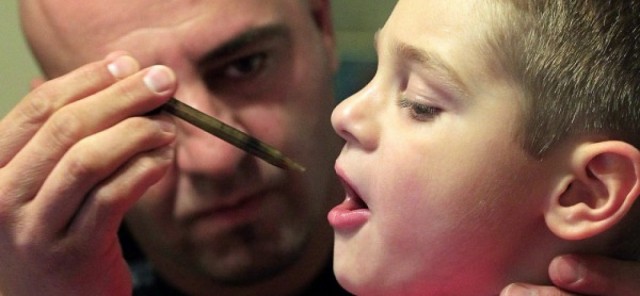
  • CBD Oil. The Bill and Its Unintended Consequences

    Well intended bills can have unintended consequences. 

    Rep. Dorothy Moon’s bill HB410 is just that. Rep. Dorothy Moon is a wonderful legislator and a freedom fighter. She has heard the voice of her constituents that are asking for CBD oil to be legalized in our great state. She attempted several version of the bill, none of which the Attorney General would support. Understandably, Rep. Moon wanted to bring a bill that would be successful, but in so doing the proffered legislation has lost the liberty that she intended to provide. You see, the Attorney General has a compelling interest for the state, while legislators should have a compelling interest for the people.

    After days of study I have come to the conclusion that some of the unintended consequences of this bill are the following:

    • The citizen (who must be 18 years of age) is required to go to an MD. The MD will have to indicate that the individual suffers from an illness and may benefit from treatment with cannabidiol. Do you want the decision to use CBD products taken out of your hands and put into the hands of a medical doctor?
    • Once you submit to the authority of the MD, you will then have to submit to the authority of the state by providing your name, address, photo identification, along with any other information the board considers necessary in order to obtain a registration card.
    • What if you want to use CBD oil for your child? Well, the rules are a bit different. You, the parent, will then have to acquire a signed statement from a neurologist indicating that a minor in the parent’s care suffers from an illness and may benefit from treatment of cannabidiol oil. Parents, do you want this decision taken out of your hands and placed into the hands of a neurologist who may or may not have education in CBD oil at all? You will then have to continue the process of applying to the state for your registration card.
    • Keep in mind that the card is only good for ONE YEAR so you will have to repeat this rigmarole YEARLY.
    • A board will have to be created to oversee these registration cards. This costs the taxpayers’ money. This board will maintain a database of records including the name of each registrant and the name of each minor receiving care from the registrant. Do you want you or your child’s personal health information kept and overseen by a state run board?

    The police will then have to start enforcing this new law. I can see it now. The police officer pulls over the soccer mom on her way to taking her kids to school. He discovers her smoothie is made from hemp milk! Gasp! “I’m sorry Ma’am but do you have a registration card for that hemp milk?” Hopefully she didn’t add the hemp hearts from Costco to her smoothie that morning. That’s right! Your hemp products such as shirts, twine, purses, cooking oil, and milk will come under the authority of this law. What a waste of taxpayer money!

    The registration card is really the crux of this issue and is what the Attorney General required in order to support the bill. Now why do you suppose that it is important to the Attorney General that a registration card be required? MORE REGULATION and BUREAUCRACY!

    There are some pretty scary consequences to having the state tracking the method you choose for healing. Most do not understand the marijuana plant nor the properties that provide healing without enough THC to bring the high that most people associate with the plant. Most do not understand that when a product has less than .3% THC that it is considered food according to the federal definition. (See https://hfi.designbyparrish.com/cbd-oil-from-hemp).

    Do we really want to be begging the state for permission to use the products that we see fit to use? According to my research, it wouldn’t be a stretch to say that refined sugar is more dangerous than hemp products.

    In other states that require a registration card for marijuana we see that the state is denying the citizen’s right to gun ownership.

    Could the government potentially require gun owners to turn in their firearms?

    An Oregon mother had her child taken by CPS and put into foster care for months. The mother was using marijuana recreationally which is allowed in the state of Oregon. The boyfriend had a registry card as both a grower and a patient but the child was still taken into shelter care because he was growing the plants. The mother did eventually win in court and got her daughter back but at what cost both financially and emotionally?

    You see, the medical marijuana card may protect the right to obtain and use a substance but it is being used to target other rights. I think that we should learn from what is happening in that other states and not open the door here.

    There are more possible unintended consequences to consider about this registration card. How will this record affect a truck driver’s CDL, a practitioner’s medical license, the cosmetologist’s license or any other occupational licensing for that matter?

    We should never expect our legislators to hand out laws like candy. They are to uphold their oath of office which is to support the constitution. Each legislator takes this oath when sworn into office, “I do solemnly swear (or affirm, as the case may be) that I will support the constitution of the United States and the constitution of the state of Idaho, and that I will faithfully discharge the duties of senator (or representative, as the case may be) according to the best of my ability.”

    I believe that the citizens should be asking for a better path that would Rep. Moon to both uphold her oath and also make CBD oil available to all who would like to use it.

    We will have more information coming out soon for those looking to understand the multiple factors surrounding this issue. Idaho’s attorney general interprets Idaho law to mean that any amount of THC is a controlled substance and the DEA has overstepped their bounds. 

    There is a lot to learn here in order to be prepared to defend your rights to access something as benign as CBD oil with less than .3% THC. When we see such a desire to control something with proven useful, nourishing, and healing properties we must ask the all-important question, “WHY?”


    UPDATE on the status of the bill. 

    Dorthy Moon removed the tracking portion and the bill got a new name – HB 577.

    It passed Idaho State Affairs Committee with a solid 12-0 vote. 

    House voted in favor of the bill with a whopping 59-11 vote ‘Aye’. 

    The Bill stalled in the Senate Health and Welfare Committee as Chairman Heider refused to allow the bill to be heard. 

  • Otter Vetoes Bill To Allow CBD Oil To Be Used To Treat Sick Idaho Kids

    Otter Vetoes Bill To Allow CBD Oil To Be Used To Treat Sick Idaho Kids

    IDAHO:  Gov. Butch Otter has vetoed SB 1146a, the bill that would have allowed parents of Idaho children with an intractable form of epilepsy to treat their kids with cannabidiol, a non-psychotropic oil that’s an extract of cannabis and can halt the children’s repeated, extended and life-threatening seizures. The bill passed after lengthy and emotional hearings during this year’s legislative session. “Of course I sympathize with the heartbreaking dilemma facing some families trying to cope with the debilitating impacts of disease,” Otter wrote in his veto message; you can read it here. But he said there were too many questions about the bill, including from law enforcement and his administration’s Office of Drug Policy, which raised concerns that the bill would open the door to legalizing medical marijuana.

    “It ignores ongoing scientific testing on alternative treatments,” Otter wrote. “It asks us to trust but not to verify. It asks us to legalize the limited use of cannabidiol oil, contrary to federal law. And it asks us to look past the potential for misuse and abuse with criminal intent.”

    “As an alternative to this legislation, I soon will issue an Executive Order authorizing the Department of Health & Welfare to study, and implement as it deems appropriate, an expanded access program for treatment-resistant epilepsy in children,” Otter wrote. “That program has been approved by the Food & Drug Administration.”

  • Idaho business selling CBD oil opposes ban

    Idaho business selling CBD oil opposes ban

    NORTH IDAHO – A North Idaho businessman is concerned the government is trying to prevent him from selling one of his more popular health products – CBD oil.

    Marijuana is not legal in Idaho. The oil is made from the cannabis plant, but it does not contain any THC – the compound in the plant that makes people high.

    Kurt Wilson is that owner, and he said the people who have bought CBD oil from him have seen great results.

    “There’s over 6,000 years of recorded history of this oil being used,” Wilson said. “It’s plant!”

    The store is called Survival Enterprises. Wilson caters to customers who want to live a lifestyle of being self-sufficient. He had everything for sale from knives to nutrition. Part of that nutrition is Cannabidiol, or CBD for short.

    “This stuff helps them not to be nauseous after chemotherapy,” Wilson said. “And they don’t have to get goofy by smoking dope or anything like that.”

    CBD is oil that comes from industrial hemp. Wilson said it does not contain any THC. Most CBD’s contain less than one percent of THC anyways, he said.

    Wilson said because of that, he said they are legal to sell.

    “I can give you a gallon of it to drink, and it’s just going to mellow you out a little bit and that’s it,” Wilson said. “So there’s no drug involved there in any way shape or form.”

    Wilson said he sells around 30 to 40 bottles a month of this stuff, but it is technically a controlled schedule 1 substance by federal standards.

    According to an article on leafly.com, a marijuana trade website, the US Drug Enforcement Administration clarified and reinforced their position that all cannabis extracts, like CBD, are illegal.

    The DEA action did not bring about any major change in law, but rather reinforced their position.

    Wilson said CBDs are an alternative for his survivalist customers who do not want to purchase medicines from big pharmaceutical companies.

    “What’s occurring here is that, again, we don’t have government,” Wilson said, “we have corporate representatives. And the corporations have told government we can’t really have competition.”

    In Idaho, CBDs are in somewhat of a gray area, Wilson said. In 2015, Governor Butch Otter vetoes a state bill that would have allowed Idaho parents to treat their epileptic children with CBD.

    Over however issues an order directing the state to study the effectiveness of the substance. Although federally illegal, Wilson said this is simply the byproduct of a plant.

    He wants to keep selling it to those who need it.

    “Now they’re going to start doing that to little guys like me selling a couple of jars of this stuff,” Wilson said.

    (© 2016 KREM)

  • ACTION ITEM! CBD Prohibition

    ACTION ITEM! CBD Prohibition

    The empire strikes back: DEA quietly announces “Schedule I” status for CBD extracts to comply with United Nations demands… CBD Prohibition? Hemp industry disputes

    Friday, December 16, 2016 by: Mike Adams

    ACTION ITEM: Sign the petition that asks the incoming Trump administration to legalize CBD supplements nationwide.

    Meaning an extract containing one or more cannabinoids that has been derived from any plant of the genus Cannabis, other than the separated resin (whether crude or purified) obtained from the plant.

     In effect, the DEA has, completely outside any act of Congress, created an entirely new “Schedule I” controlled substance it calls “Marihuana Extract” (note the spelling with an “h” rather than a “j”). This “Marihuana Extract” is, according to the DEA, any extract containing “one or more cannabinoids…”

    CBD is, of course, a non-psychoactive cannabinoid. It’s just one of over a hundred cannabinoids found in hemp extracts, which also include CBD-A, CBG, CBC, CBN and so on.

    Sign our petition at this link to ask the Trump administration to protect access to CBD products and keep the DEA’s hands off natural medicine from Cannabis.

    The sky is not falling! Hemp Industry Association responds…

    From the Hemp Industry Association, here’s a thoughtful response on all this, which insists the DEA’s new classification is not a show-stopper:

    Yesterday the Drug Enforcement Administration (DEA) issued a Final Rule on the coding of marijuana extracts. Unfortunately some misleading media stories and social media postings lead quite a few people to panic at reports that CBD was being banned under this new rule. 

    The Sky is NOT Falling. The Final Rule published by DEA did not change the legal status of CBD. This can only be done by a scheduling action which has NOT occurred. 

    HIA has carefully reviewed this with our legal advisers and discussed it with industry experts. While there are some differing opinions on the effect of the rule, there is general agreement that yesterday’s ruling did not change the status of CBD. Here are some important facts to know:

    • Cannabidiol is not listed on the federal schedule of controlled substances
    • Sec. 7606 of the Farm Bill defines hemp as distinct from marijuana and does not treat it as a controlled substance when grown under a compliant state program
    • Despite these facts, DEA has stated that CBD is a controlled substance previously
    • HIA strongly disagrees with the DEA position and is ready to take action to defend should DEA take any action to block the production, processing or sale of hemp under Sec. 7606
    • The Final Rule published on December 14th was not a scheduling action but rather an administrative action related to record keeping
    • The code assigned to “marihuana extract” in the rule is “Administration Controlled Substances Code Number” for the purposes of identification of substances on registration forms 
    • The rule was originally published as a proposed rule in 2011 BEFORE the Farm Bill and didn’t mention CBD or hemp
    • DEA confirmed to a reporter from the Denver Post that this was an administrative action and did not change the status of CBD in federal law

    So what does this all mean? We believe the DEA rule on “marijuana extracts” was not directed at hemp derived CBD products and has been in the works for 5 years. We also believe there is no imminent change in DEA policy regarding hemp derived CBD products. 

    For now, we want to urge everyone to calm down and continue with your businesses. We also hope that in future, reporters will take the time to get the facts before posting misleading stories about hemp and CBD.


    The industry plans to fight the absurd DEA classification with lawsuits and petitions

    The CBD industry, naturally, is planning on waging a fierce battle to keep CBD products legal in all 50 states. Via Leafly:

    Robert Hoban, a Colorado cannabis attorney and adjunct professor of law at the University of Denver, raised the notion that the rule itself may not be lawful. “This action is beyond the DEA’s authority,” Hoban told Leafly in an interview late this afternoon. “The DEA can only carry out the law, they cannot create it. Here they’re purporting to create an entirely new category called ‘marihuana extracts,’ and by doing so wrest control over all cannabinoids. They want to call all cannabinoids illegal. But they don’t have the authority to do that.”

    The CBD industry, in fact, has been looking for an opportunity to challenge the DEA in court, and it looks like that time has arrived.

    SIGN THE PETITION at this link, asking the Trump administration to protect consumers’ access to CBD products.

  • Healing power of terpenes found in medical cannabis

    Healing power of terpenes found in medical cannabis

    (NatuarlHealth365) Have you ever heard of terpenes? You’re about to see why the pharmaceutical industry, mainstream media outlets and conventional medicine would like to see you uneducated about these powerful organic compounds found within medical cannabis.

    You see, there is just no way that big pharma medications will ever replicate the complex interactions that occur naturally in plants – even though drug companies keep trying at the expense of patients’ health and pocketbooks! One category of substances, called terpenes, play a major role in the healing power of not only medical cannabis but dozens of other pungent herbs and plants as well.

    Exposing the wonderful truth about terpenes

    Terpenes are the aromatic components in strong-smelling plants such as citrus, rosemary, frankincense, and especially cannabis. Plants use the pungent odors that terpenes produce to protect them against pathogens like fungus as well as against grazing animals.

    Most healing plants like lemon and rosemary contain one or two types of terpene. For instance, lemon (and especially lemon peel) contains the monoterpene limonene, which has been found to slash some cancers by 50 percent.

    The high amount of terpenes (especially limonene and pinene) found in the Mediterranean diet is one of the reasons why this way of eating has been recommended by both mainstream organizations like the Mayo Clinic and natural health experts like Dr. Andrew Weil. It is also why a modified low to no-carb version of the diet (with plenty of organic extra virgin olive oil and other healthy fats included) can be ideal for who are healing from or wanting to prevent cancer.

    The terpene pinene can be found in pine nuts, oregano and peppers. Basil is a virtual powerhouse of terpene action, including linalool, cineole, eugenol, sabinene, myrcene, and limonene.

    The following are just a few research studies that have connected specific terpenes to the healing and prevention of cancer:

    Limonene: Since the 1990’s, researchers have found evidence of the cancer-healing properties of limonene, especially on breast, prostate, skin and pancreatic cancers. One of the latest was a 2014 study published in the European Journal of Medicinal Chemistry which found 19 novel limonene-based thiosemicarbazones that were extremely effective against ten different cancer cell lines in laboratory tests.

    Pinene: Among the several studies confirming pinene’s cancer healing effects was a 2013 study done by Turkish scientists that found that α-pinene had anti-tumor effects on neuroblastoma cells (cancer of the adrenal glands).

    Caryophyllene: A 2014 study commissioned by the National Environmental Engineering Research Institute in India found that this terpene stimulated apoptosis and tumor suppression in lymphoma as well as in neuroblastoma cells.

    Besides its directly protective effects against the “big guns” – cancer and heart disease – terpenes are also anti-fungal and anti-bacteria. And because their molecular structures are so small, they are able to breach the blood-brain barrier. This is why terpene content is the basis for effective aromatherapy protocols.

    Sadly, the current health crisis in the United States is caused in large part by the consumption of the “Standard American Diet,” which is severely lacking in terpene-rich foods.

    Terpenes are a part of the ‘Entourage Effect’ of medical cannabis

    There are over 200 kinds of terpenes in cannabis (depending on strain), some of which give off a distinct odor while others do not. All of them interact with each other and with the over 400 known substances in cannabis, including THC, CBD, esters, lactones, ketones, fatty acids, alcohols, steroids.

    These interactions produce what is now known as the “Entourage Effect” of Cannabis Therapy. The term was first coined in the late 1990’s by Israeli scientists S. Ben-Shabat and Raphael Mechoulam of Hebrew University in Jerusalem and refers to how terpenes and cannabinoids in cannabis combine and interact for the treatment of specific disease conditions.

    How do terpenes in cannabis trigger the healing response in the body?

    One big way is how terpenes help to strengthen and boost the endocannabinoid system, a scientifically-documented system whose job it is to bring balance and homeostasis to virtually every part of the body. This includes the endocrine system, where it helps regulate stress hormones, and the immune system, where endocannabinoid receptors play a part in T-Cell production, among other things.

    The use of medical cannabis to help in the healing of everything from pain to cancer is now a reality for thousands of individuals in the increasing number of states where marijuana for medicinal purposes is legal.

    If you are considering cannabinoid-based healing modalities for breast cancer (or any other health condition) you need to know about the terpene content in the cannabis-based product you will be taking. This is because studies have shown that the kind of terpene in a particular cannabis strain will have an effect on the way THC reacts in the body (research also continues to show how THC, often in very small amounts, is a vital component of marijuana’s healing effects).

    Another reason why terpene knowledge is important is for more targeted use of medical cannabis – especially for the healing of particular kinds of cancers.

    Terpenes are vital healing substances found in hundreds of herb and plants. Knowing about the terpene content in not only medical cannabis but also in the other super foods you may be consuming will help you become truly empowered on your journey towards vibrant health.

    About the author: Dr. Veronique Desaulniers (“Dr. V”) is a best-selling author and specialist in Chiropractic, Bio-Energetics, Meridian Stress Analysis, Homeopathy and Digital Thermography. After 30 years in active practice, she decided to “retire” and devote her time to sharing her personal, non-toxic Breast Cancer healing journey with others. Her years of experience and research have culminated in “The 7 Essentials™ “, a step-by-step coaching program that unravels the mystery of healing the body. Her website and personal healing journey have touched the lives of thousands of women around the globe. To get your F.R.E.E. 7-day mini e-course and to receive her weekly inspiring articles on the power of natural medicine – visit: BreastCancerConqueror.com

    References:

    https://www.ncbi.nlm.nih.gov/pmc/articles/PMC1470060
    https://www.ncbi.nlm.nih.gov/pubmed/19856118
    http://www.mayoclinic.org/healthy-lifestyle/nutrition-and-healthy-eating/in-depth/mediterranean-diet/art-20047801
    https://www.ncbi.nlm.nih.gov/pubmed/27717404
    https://www.ncbi.nlm.nih.gov/pubmed/27609479
    https://www.ncbi.nlm.nih.gov/pubmed/25831235
    https://www.ncbi.nlm.nih.gov/pubmed/20924961
    http://www.drweil.com/weekly-bulletin/four-reasons-to-eat-a-mediterranean-diet
    http://ntalabs.com/media%5CChemicals%20in%20Marijuana.pdf
    https://en.wikipedia.org/wiki/Entourage_effect
    http://norml.org/library/item/introduction-to-the-endocannabinoid-system
    http://www.sciencedirect.com/science/article/pii/S0223523414003080
    http://www.ingentaconnect.com/content/ben/aiaamc/2014/00000013/00000001/art00007
    http://www.ukcia.org/research/EndocrineEffects.pdf
    http://norml.org/pdf_files/NORML_Clinical_Applications_for_Cannabis_and_Cannabinoids.pdf
    http://safeaccess.ca/research/pdf/MD_AndersonCancerStudy.pdf