
Tag: chocolate

  • Toxic Heavy Metals Found in Organic Chocolate

    A study by As You Sow found levels of cadmium and lead, two toxic heavy metals, in 45 of 70 chocolate bar samples (including some organic brands) at levels higher than what is considered to be safe in drinking water. While you would have to eat an enormous amount of chocolate to be affected, if this was the sole source of exposure.  Its one of many places we are bombarded by toxins unfortunately, heavy metals are in a lot of food products. Unfortunately, heavy metals accumulate in the body ingested and injected over time these toxins build up. Cadmium and Lead are neurotoxic and carcinogenic. Current regulations for cadmium are based on threats to adults, and the kidneys have been considered the most sensitive organ to its toxic effects. Classified as a known human carcinogen, it is linked to lung, kidney and prostate cancer in workers.
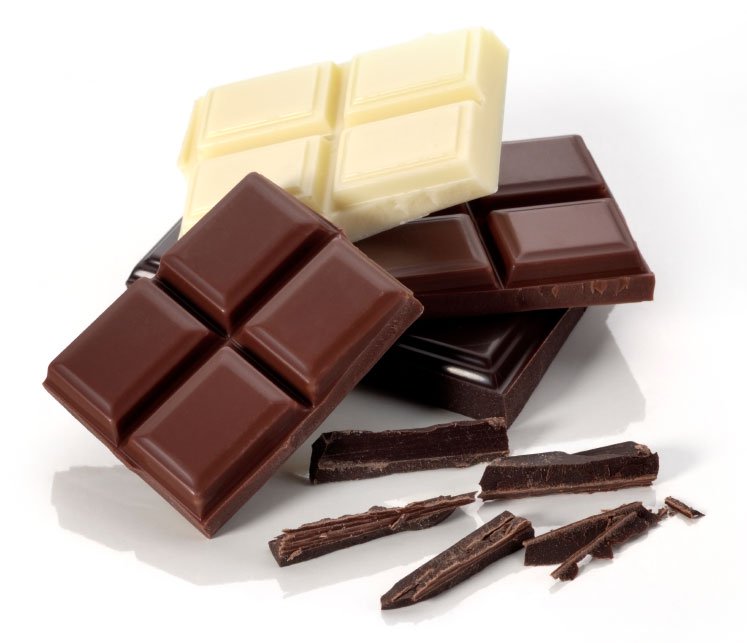
    A study in the Journal of Agricultural and Food Chemistry examined the levels of lead and cadmium in white, milk, and dark chocolate sold in Brazil. They concluded that dark chocolates had the highest amounts of lead and cadmium.

    Cadmium is a heavy metal considered toxic for the human body. When ingested or inhaled, it is not well absorbed by the body, so it accumulates over time and can have detrimental effects on kidneys, lungs and bones and on the brain. This is why it is classified as a human carcinogen and can potentially increase the risks of cancer and considered neurotoxic.

    Children with higher cadmium levels are three times more likely to have learning disabilities and participate in special education, according to a study led by Harvard University researchers. Dr. Robert Wright, the study’s senior author, emphasized that the links to learning disabilities and special education were found at commonplace levels previously thought to be benign.  Some studies of adult workers have shown that high exposures can trigger neurological problems, and small, earlier studies of children found links to mental retardation and decreased IQs.

    Cadmium stays in the body for long periods, so tests measured amounts the children were exposed to over years.

    “One of the important points of the study is that we didn’t study a population of kids who had very high exposures. We studied a population representative of the U.S. That we found any [effect] suggests this is occurring at relatively low levels,” said Wright, an associate professor of pediatrics and environmental health at Harvard.

    Lead has been studied and regulated for many decades, leading to a large amount of evidence that it reduces children’s IQs at low concentrations and contributes to attention disorders and even violent behaviors. It interferes with the development of synopses, or connections between neurons, that allow a child to learn.

    Since cadmium is also a heavy metal, it might have similar effects on the brain, said Lanphear, one of the world’s leading experts on the effects of lead in children. But unlike lead, cadmium “is relatively understudied as respect to brain toxicity,”  said Wright, an associate professor of pediatrics and environmental health at Harvard.

    What’s Heavy Metal Doing in My Chocolate? 

    According to the As You Sow, the source of lead and cadmium is contamination through one of the various processing steps a bean undergoes after the harvest. These steps include fermentation, drying of the cacao bean, and manufacturing processes such as grinding, refining, and conching. Other opportunities for contamination are shipping, handling, and finally, packaging. Studies have shown that much of the “lead contamination in (chocolate) products occurs after the beans are harvested and dried, during the shipping of those beans and/or the manufacturing of cocoa and chocolate products.”.8, 9

    Cadmium and lead are toxic heavy metals that are released into the environment through manmade industrial processes including mining, burning fossil fuels such as coal or oil, incineration of municipal waste (plastics/batteries). It is also released by battery manufacturers, smelters, electroplating plants and other industries. It is one of the top chemicals reported in Superfund sites, found in virtually all of them, according to a Centers for Disease Control and Prevention document.
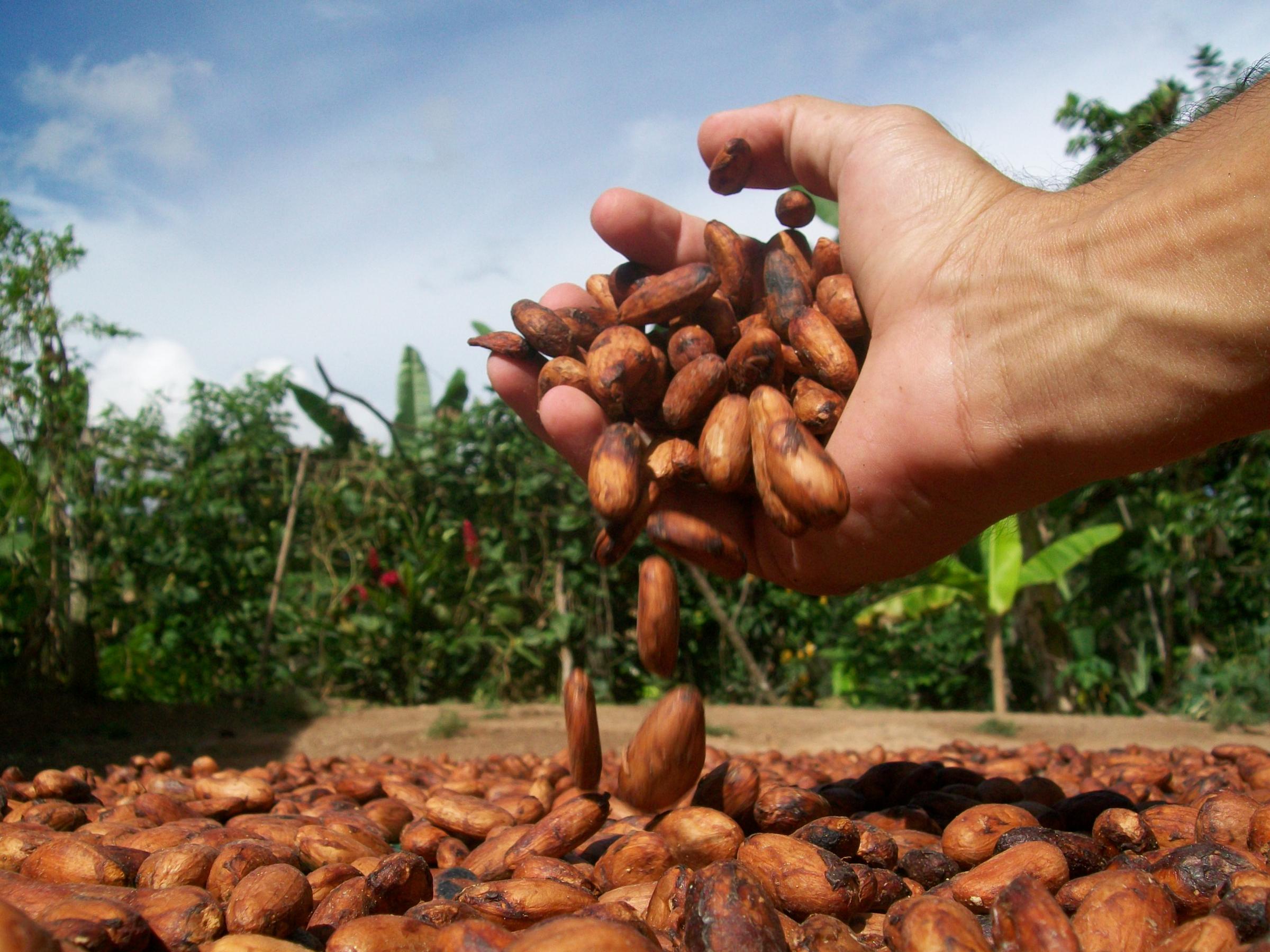
    Cadmium and lead also enter soil through the disposal of sewage sludge, or the application of pesticides or phosphate fertilizers (which can contain high levels of cadmium).4, 7

    Once released into the atmosphere, respirable-sized airborne particles attach to dust, can travel long distances, and will be deposited onto the earth, where they move easily through soil layers and can be taken up into the food chain. Once mined and introduced into the atmosphere, these heavy metals can move from air to soil to water, but do not break down easily and will remain for decades.4, 7

    Its Regulated Right? 

    The FDA does not consistently monitor food for lead and cadmium contamination. California has the most health protective standards in the country for the presence of lead and cadmium in consumer products, and requires the manufacturer to warn consumers if a product contains chemicals known to cause cancer and/or birth defects or other reproductive harm, above the safe harbor level set by California’s Office of Environmental Health Hazard Assessment. They require a warning label on their products if they contain more than 4.1 mg of cadmium per daily serving. The latest news in the legal department is the introduction by the European Union of new limits on the amount of cadmium in cocoa products. They will be enforced starting 1 January 2019.

    As You Sow commissioned an independent state-certified laboratory to measure levels of lead and cadmium in over 120 chocolate products available at retailers across California. In 2018, As You Sow legal efforts culminated in a first-of-its-kind settlement with many of the world’s largest chocolate companies. Thirty-one chocolate companies, including Barry Callebaut (USA), Blommer Chocolate Co., Cargill, Inc., Guittard Chocolate Co., The Hershey Company, Lindt & Sprungli (North America), Mars Incorporated, Mondelez Global LLC, and Nestle USA, Inc, committed to funding an independent Expert Committee to investigate the sources of lead and cadmium in chocolate and find feasible measures to lower levels of these metals by 2025.

    While this work is ongoing, the chocolate companies have also agreed to provide interim warnings for their products if they exceed specified concentrations of lead and/or cadmium in their chocolates. These agreed upon warning levels range from 0.1 ppm to 0.225 ppm for lead and 0.4 ppm cadmium to .960 ppm for cadmium, depending on the percent of cacao contained in the product. These warning levels may be reduced based on the results reached by the Committee.  

    Can I avoid heavy metals and still eat chocolate? 

    CADMIUM & LEAD FOUND IN CHOCOLATE FROM SEES, TRADER JOES, HERSHEY & OTHERS! 

    Eating Organic doesn’t protect you! According to their testing results these are a few of the Organic Brand bars to avoid: 

    • Organic Chocolates such as Trader Joe’s Dark Chocolate 73% Cacao Super Dark (organic),
    • Endangered Species Chocolate Natural Dark Chocolate – 72% Cocoa, 
    • Enjoy Life Eat Freely boomCHOCOboom Bar
    • Lily’s Extra Dark 70% Dark Chocolate Stevia Sweetened Vegan Non GMO
    • Theo Organic Fair Trade Coconut 70% Dark Chocolate
    • Tanzania Schoolhouse Project – 72% Cacao Organic Dark Chocolate
    •  Earth Circle chocolate 
    • Organic Ecuador Cacao Powder

    Find out if YOUR chocolate is toxic here

    https://www.scientificamerican.com/article/is-cadmium-as-dangerous-for-children-lead/

    https://thechocolatejournalist.com/cadmium-chocolate/

    Learn more about LEAD EXPOSURE in Boise Idaho school water

  • 20 Ways to Take Advantage of the Health Benefits of Coconut Oil

    Coconut oil has many health benefits. There are hundreds of uses for coconut oil in the kitchen, with multiple ways of incorporating coconut oil into a healthy diet. As a cooking oil, replace polyunsaturated oils, “vegetable oils” such as corn and soy, with coconut oil. Coconut oil should be your main cooking oil, as it is heat stable, and will not become toxic in uses that require high heat.

    Use coconut oil for frying: Gluten Free Fried Chicken Recipe – http://www.freecoconutrecipes.com/ind…
    Gluten Free Coconut Fried Fish Recipe – http://www.freecoconutrecipes.com/ind…

    Use coconut oil for baking: Roast Chicken with Coconut Oil Recipe – http://www.freecoconutrecipes.com/ind…

    Use coconut oil for making your own mayonnaise: Coconut Mayonnaise Recipe – http://www.freecoconutrecipes.com/ind…

    Use coconut oil in dips: Coconut Ranch Party Dip Recipe – http://www.freecoconutrecipes.com/ind…

    Use coconut oil to make your own salad dressings: Spicy Coconut Cilantro Dressing Recipe – http://www.freecoconutrecipes.com/ind…

    Use coconut oil to make your own ketchup: Homemade Fresh Tomato Ketchup Recipe – http://www.freecoconutrecipes.com/ind…

    Use coconut oil to make the best pie crusts: Coconut Oil Pie Crust Recipe – http://www.freecoconutrecipes.com/ind…

    Use coconut oil in your soups: Sweet Potato Coconut Peanut Butter Soup Recipe – http://www.freecoconutrecipes.com/ind…

    Use coconut oil to make fudge: Black and White Toasted Coconut Fudge Recipe – http://www.freecoconutrecipes.com/ind…

    Use coconut oil to make pudding: Quick Chocolate Coconut Pudding Recipe – http://www.freecoconutrecipes.com/ind…

    Use coconut oil to make cookies: Gluten Free Chocolate Crinkles Recipe – http://www.freecoconutrecipes.com/ind…

    Use coconut oil to make muffins: Gluten Free Lemon-Lime Coconut Flour Muffins Recipe – http://www.freecoconutrecipes.com/ind…

    Use coconut oil to make brownies: Coconut Peanut Butter Whole Wheat Brownies Recipe – http://www.freecoconutrecipes.com/ind…

    Use coconut oil to make chocolate cake: Making A Foolproof Gluten Free Cake Recipe – http://www.freecoconutrecipes.com/ind…

    Use coconut oil to make chocolate candy: Homemade Honey Chocolate Recipe – http://www.freecoconutrecipes.com/ind…

    Use coconut oil in gluten free and dairy free recipes: Strawberry Cream Pie – Gluten Free and Dairy Free Recipe – http://www.freecoconutrecipes.com/ind…

    Add coconut oil to your coffee: Spiced Coconut Mocha Recipe – http://www.freecoconutrecipes.com/ind…

    Use coconut oil in hot chocolate: Coconut Peanut Butter Cup Hot Cocoa Recipe – http://www.freecoconutrecipes.com/ind…

    Use coconut oil to add energy to your smoothies: How to Add Coconut Oil to Smoothies without the Oil Clumping Recipe – http://www.freecoconutrecipes.com/ind…

    Use coconut oil in your protein shakes for extra energy: Chocolate Coconut Banana Protein Shake Recipe – http://www.freecoconutrecipes.com/ind…

    Use coconut oil in chocolate milk: Pecan Coconut Chocolate Milk Recipe – http://www.freecoconutrecipes.com/ind…

    For hundreds of more uses of coconut oil, visit FreeCoconutRecipes.com where other coconut oil users submit their kitchen-tested coconut recipes. We post new recipes every week!
    http://www.freecoconutrecipes.com/

    This article originally appeared at: https://youtu.be/x28yuVzwrMk.
  • Chocolate As Nutrition

    Chocolate isn’t just for guilt-trips anymore. It’s been shown in numerous studies to be a powerful performance-enhancing, happiness-triggering, mood-enhancing, appetite-reducing, inflammatory-nipping and good-bacteria-building substance. Yay for that! Side note though: GOOD chocolate must be consumed to make it all that it can be: preferably organic, super dark, low sugar and European, since you want as little mycotoxins as possible (since it is a fermented food).  

    Thanks to Bulletproof Executive for a great background on what chocolate actually contains and how it works to make us feel and look better, its caveats and for publishing the delicious keto chocolate mousse recipe below from Ryan Carter

    • High Pressure Mood Improver
    • Chocolate makes you eat less
    • Maintenance of a Healthy Cardiovascular System
    • Chocolate makes your skin glow…and may reduce sunburn
    • Healthy Inflammation Levels From Powerful Antioxidants (for mice!)
    • Chocolate is a prebiotic
    • Cellular Rejuvenation (Anti-Aging)

    Head on over to Bulletproof’s blog for the full spectrum of benefits and caveats, and then, enjoy your delicious health supplement! 

    Keto Chocolate Avocado Mousse

    Prep Time: 15 min.
    Total Time: 45 min.
    Makes: 3 servings

    Ingredients:

    Instructions:

    1. Chill ripe avocado for 1-2 hours prior. This step assures the blender stays cool, which helps maintain the temperature of your dessert just in case you want to consume it immediately.
    2. Add avocado to your blender, along with chocolate and protein powders, followed by the coconut milk.
    3. Add sweetener of choice (optional).
    4. Put the lid on and blend for 10 seconds then rest for 10 seconds in intervals until mousse reaches silky consistency. This helps to avoid overheating, which can destroy the protein in the powder as well as the consistency of the mousse.
    5. Transfer to bowls and add your favorite toppings!

    Optional toppings

    • Himalayan Sea Salt
    • Bulletproof Fuel Bar shavings
    • Blueberries
    • Chopped nuts (try macadamia or Brazil nuts)
    • Fresh ginger, chopped or shaved
    • Lightly toasted coconut

    Nutrition Facts

    Serving size: 100g

    Calories 198
    Total fat 15.6g
    Sat Fat 6.78g
    Cholesterol 0mg
    Sodium 27.8mg
    Total Carb 8.8g
    Dietary Fiber 5g
    Sugars 1.1g
    Protein 7.4g
    Vitamin A 2%
    Vitamin C 9%
    Calcium 1%
    Iron 6%

  • Eat Up those Valentine’s DARK Chocolates – They Are Good For You!

    Eat Up those Valentine’s DARK Chocolates – They Are Good For You!

    Dark chocolate is loaded with nutrients that can positively affect your health.

    Made from the seed of the cocoa tree, it is one of the best sources of antioxidants on the planet.

    Studies show that dark chocolate (not the sugary crap) can improve health and lower the risk of heart disease.

    1. Dark Chocolate is Very Nutritious

    If you buy quality dark chocolate with a high cocoa content, then it is actually quite nutritious.

    It contains a decent amount of soluble fiber and is loaded with minerals.

    A 100 gram bar of dark chocolate with 70-85% cocoa contains (1):

    • 11 grams of fiber.
    • 67% of the RDA for Iron.
    • 58% of the RDA for Magnesium.
    • 89% of the RDA for Copper.
    • 98% of the RDA for Manganese.
    • It also has plenty of potassium, phosphorus, zinc and selenium.

    Of course, 100 grams (3.5 ounces) is a fairly large amount and not something you should be consuming daily.
    All these nutrients also come with 600 calories and moderate amounts of sugar.

    For this reason, dark chocolate is best consumed in moderation.

    2. Dark Chocolate is a Powerful Source of Antioxidants

    Stacked Chocolate Blocks

    It is loaded with organic compounds that are biologically active and function as antioxidants. These include polyphenols, flavanols, catechins, among others.

    One study showed that cocoa and dark chocolate contained more antioxidant activity, polyphenols and flavanols than other fruits they tested, which included blueberries and Acai berries (2).

    Bottom Line: Cocoa and dark chocolate have a wide variety of powerful antioxidants, way more than most other foods.

    3. Dark Chocolate May Improve Blood Flow and Lower Blood Pressure

    Chipped Dark Chocolate

    The flavanols in dark chocolate can stimulate the endothelium, the lining of arteries, to produce Nitric Oxide (NO), which is a gas (3).

    One of the functions of NO is to send signals to the arteries to relax, which lowers resistance to blood flow and therefore reduces blood pressure.

    There are many controlled trials showing that cocoa and dark chocolate can improve blood flow and lower blood pressure, but the effects are usually mild (4, 5, 6, 7).

    However, there is also one study in people with elevated blood pressure that showed no effect, so take all this with a grain of salt (8).

    Bottom Line: The bioactive compounds in cocoa can improve blood flow in the arteries and cause a small but statistically significant decrease in blood pressure.

    4. Dark Chocolate Raises HDL and Protects LDL Against Oxidation

    Woman Holding Chocolate And Milk

    Consuming dark chocolate can improve several important risk factors for heart disease.

    It makes perfect sense that cocoa lowers oxidized LDL. It contains an abundance of powerful antioxidants that do make it into the bloodstream and protect lipoproteins against oxidative damage (10, 11, 12).

    Dark chocolate can also reduce insulin resistance, which is another common risk factor for many diseases like heart disease and diabetes (13, 14).

    Bottom Line: Dark chocolate improves several important risk factors for disease. It lowers the susceptibility of LDL to oxidative damage while increasing HDL and improving insulin sensitivity.

    5. Dark Chocolate May Lower The Risk of Cardiovascular Disease

    Woman Staring at a Piece of Chocolate

    The compounds in dark chocolate appear to be highly protective against the oxidation of LDL.

    In the long term, this should cause much less cholesterol to lodge in the arteries and we should see a lower risk of heart disease over the long term.

    It turns out that we have several long-term observational studies that show a fairly drastic improvement.

    In a study of 470 elderly men, cocoa was found to reduce the risk of cardiovascular death by a whopping 50% over a 15 year period (15).

    Another study revealed that eating chocolate 2 or more times per week lowered the risk of having calcified plaque in the arteries by 32%. Eating chocolate less frequently had no effect (16).

    Yet another study showed that chocolate 5+ times per week lowered the risk of cardiovascular disease by 57% (17).

    Of course, these 3 studies are so-called observational studies that can not prove that it was the chocolate that caused the reduction in risk.

    However, given that we have a biological mechanism (lower blood pressure and oxidized LDL) then I find it plausible that regular consumption of dark chocolate can in fact reduce the risk of heart disease.

    Bottom Line: Observational studies show a drastic reduction in heart disease risk for the people who consume the most chocolate.

    6. Dark Chocolate May Protect Your Skin Against The Sun

    Cocoa Powder

    The bioactive compounds in dark chocolate may also be great for your skin.

    The flavonols can protect against sun-induced damage, improve blood flow to the skin and increase skin density and hydration (19).

    The minimal erythemal dose (MED) is the minimum amount of UVB rays required to cause redness in the skin, 24 hours after exposure.

    In one study of 30 people, the MED more than doubled after consuming dark chocolate high in flavanols for 12 weeks (20).

    Bottom Line: Studies show that the flavanols from cocoa can improve blood flow to the skin and protect it against sun-induced damage.

    7. Dark Chocolate May Improve Brain Function

    Doctor With Thumbs Up

    The good news isn’t over yet. Dark chocolate may also improve the function of the brain.

    One study of healthy volunteers showed that 5 days of consuming high-flavanol cocoa improved blood flow to the brain (21).

    Cocoa may also significantly improve cognitive function in elderly people with mental impairment. It also improves verbal fluency and several risk factors for disease (22).

    Cocoa also contains stimulant substances like caffeine and theobromine, which may be a key reason cocoa can improve brain function in the short term (23).

    Take Home Message

    There is considerable evidence that cocoa can provide powerful health benefits, being especially protective against cardiovascular disease.

    But of course, this doesn’t mean people should go all out and consume lots of chocolate every day. It is still loaded with calories and easy to overeat on. Maybe have a square or two after dinner and try to really savor them.

    Dark chocolates often contain some sugar, but the amounts are usually small and the darker the chocolate, the less sugar it will contain.

    There are of course other benefits to chocolate that I have not mentioned… such as the awesome taste.

    Find Out more about Health Foods and recipes visit our pages at HEALTHY FOODS