
Tag: cough

  • Healing Herb Thyme for Cough and Cold

    The herb thyme is an ancient medicinal that was used for its healing properties by all early Mediterranean civilizations and was mentioned in writings by both Hippocrates and Dioscorides. In modern times science research has shown that taking thyme by mouth, alone or in combination with other herbs, reduces coughing in people with bronchitis, upper respiratory tract infections, or common colds. Thymus vularis ct. linalol is recommended by herbalists as an effective and safe beginner herb for children and the elderly. It is easy to make this fragrant herb into a Honey Thyme Homemade Cough Syrup which will allow your body to reap the benefits of both honey and thyme in fighting off germs and helping to relieve those uncomfortable symptoms of colds.

    DIY Honey Cough Syrup

    The organic raw honey in the syrup is soothing and they thyme offers a host of great healing properties due to Thymol. Making your own is a simple process. Go here for a printable version.

    Grow Your Own ‘Medicine’

    Thyme is a special herb that’s easy to grow or use to make your own teas and essential oils. Here’s how to grow it. 

    Thyme is easy to grow and will do well in a summer garden or in a pot. There are several varieties of thyme, including a lemon thyme that makes a great tea, and creeping varieties that make a pretty ground-cover – though common thyme (T.vulgaris) is the most commonly used in the kitchen and in the herbalist’s workspace.

    It prefers hot and dry conditions, so choose it’s location according to this. Somewhere that gets full sun throughout the day is best. It likes dry and coarse soil; over-watering your thyme is the quickest way to kill it, so go light on the moisture.

    When the plant begins to produce flowers, you can cut it and dry. Either hang it upside down in a clean and dry place, or use a food dehydrator. Having dried thyme ensures you will be able to reap it’s benefits even in the colder months when your plant isn’t producing.

    Read more: http://naturalsociety.com/benefits-of-growing-thyme-plants-grow-own-medicine/#ixzz5kQFMIcGN 
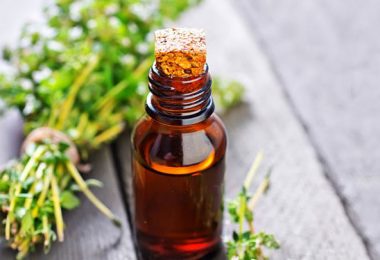
    Science Research Proves Thyme Destroys Step Throat and respiratory Infections

     Thymol is derived from thyme and is a powerful antimicrobial that helps with bronchial and respiratory infections. Thyme oil is highly concentrated and should be used with caution! Always dilute with a neutral carrier oil. There are some who believe that ingesting oils such as thyme should be limited. Please view this safety information by expert Robert Tisserand.

    A 2011 study showed thyme oil to be highly effective against 120 strains of bacteria taken from patients with oral, respiratory and urinary tract infections, including several antibiotic-resistant strains.

    A 2013 study focused more specifically on strep throat. Of the 18 essential oils researchers tested, they found five that exhibited “significant antibacterial activity” against strep: thyme, oregano, cinnamon, lemon grass and winter savory.

    The study’s authors note that penicillin is not always effective at treating Streptococcus pyogenes. and say the five herbs could be an “interesting” addition to our “alternative therapeutic arsenal.”

    Dr. Axe recommends adding 2 drops of thyme oil to a mouthful of water and gargling to relieve sore throat.

    A 2016 study found that ingestion of thymol — a phenol obtained from thyme oil — significantly shortened the duration of upper respiratory infection, while alleviating cough and shortness of breath.

    The effectiveness of the combination of thyme extract, primrose extract and thymol was “comparable to synthetic antibiotic ambroxol,” the study’s authors wrote.

    https://cafejohnsonia.com/2012/10/diy-honey-thyme-cough-syrup.htmlSOURCES:

    http://naturalsociety.com/benefits-of-growing-thyme-plants-grow-own-medicine/

    https://returntonow.net/2019/01/26/thyme-destroys-strep-throat-and-respiratory-infections/

  • 17 Amazing Benefits of Pineapples

    Pineapples are delicious tropical fruits, which have been celebrated for centuries not only for their unique taste but also for their miraculous health benefits. Eat a cup of pineapple chunks to reap its amazing benefits, such as boosting immunity, improving bone and eye health, and aiding in digestion. It is also anti-inflammatory in nature and helps in curing coughs and colds and accelerating weight loss.

    90 percent of conventional pineapples had no detectable pesticide residues you don’t have to pick up an organic pineapple it’s on the clean 15 list from EWG.

    What is Pineapple?

    Pineapple, also known as ananas, is a delicious tropical fruit surrounded by thorny spikes and topped with hard, waxy leaves that are sometimes up to thirty per fruit. The fruit is up to a foot long and has a combination of sweet and tart taste. Pineapple belongs to the Bromeliaceae family and is actually a composite fruit made of coalesced berries that grow at the crown of a fruiting tree. The name pineapple evolved in the 17th century due to its structure and appearance being similar to pine cones.

    Pineapples are a storehouse of several health benefits due to their nutrients. They contain bromelain, protein, carbohydrates, sugar, and soluble and insoluble dietary fiber. The vitamins in these fruits include vitamin A, vitamin C, beta-carotene, thiamin, vitamin B5 (pantothenic acid), vitamin B6, and folate. Minerals like potassium, copper, manganese, calcium, sodium, and magnesium are also found in pineapples. These tropical fruits are low in calories and are, therefore, a major part of weight loss diets.

    Pineapple Uses

    The fruit can be added to your daily diet in many forms, most commonly by cutting them into pineapple chunks to snack on! Crushed pineapple can also be added to cupcakes, cookies, bars, ice creams, yogurt, and various other desserts. Fresh pineapple juice or smoothie is another popular and delicious way to start your day. Its antioxidant-rich juice is also enjoyed around the world as the tropical drink, pina colada.

    Pineapple leaves are used as wallpaper and in ceiling insulation. Pineapple fragrance oils are also popular due to their tropical touch.1

    Health Benefits of Pineapple

    The pineapple fruit is known to offer several benefits. Let us discuss each benefit in detail below.

    Boosts Immunity

    Pineapple is rich in vitamin C, which makes it one of the richest sources of ascorbic acid. Vitamin C helps in reducing illnesses and boosting the immune system by stimulating the activity of white blood cells and acting as an antioxidant to defend against the harmful effects of free radicals.

    Improves Bone Health

    Pineapple contains an impressive amount of manganese. Manganese is a trace mineral essential for the strengthening of bones as well as their growth and repair, as well as the creation and activation of certain enzymes. This is according to a report on the nutritional value and benefits of pineapple published in the International Journal of Nutrition and Food Sciences. A single serving of the tropical fruit can provide you with more than 70% of your daily requirement of this mineral.

    Treats Cough and Cold

    Pineapple is rich in both bromelain and vitamin C, therefore it helps in preventing and treating respiratory illnesses while eliminating phlegm and mucus from your body if you’ve already contracted an illness or infection. These two nutrients are connected with the reduction of phlegm and mucus build up in the respiratory tracts and sinus cavities.

    In order to check the impact of pineapple on immunity levels, almost 100 children were fed no fruit, some fruit, and lots of fruit daily in a nine-week study. Children who ate pineapple showed a lower risk of viral infections and children who the most had almost four times more white blood cells than the other two groups. This clearly shows that consuming pineapple daily is positively linked to increased immunity levels.

    Have you ever heard of drinking pineapple juice to alleviate your cough? It works!

    On top of containing tons of illness-fighting vitamin C, pineapples have bromelain, an enzyme with anti-inflammatory properties. This combination of nutrients helps to fight off disease and kill bacteria, including those found in your throat! In fact, research has found that raw extracts from pineapple could decrease mucus five times faster than over-the-counter cough syrups.

    What kinds of coughs can it help?

    Pineapple juice can treat most persistent coughs, as long as they aren’t from something more serious like pneumonia. If you have a cold, skip the cough syrup and go straight for pineapple juice. It’s less expensive, healthier, and tastes much better.

    Relieves Asthma

    Pineapple aids in reducing the symptoms of asthma. It contains essential nutrients like vitamin C, bromelain, and beta-carotene, which help reduce inflammation often faced by asthmatics.

    How to Pick a Pineapple?

    The ripeness and freshness of a pineapple can be determined by the smell if its base (no matter how green the crown is). Pick a pineapple, the base of which smells sweet, just like pineapple juice. A fragrance-free pineapple is either harvested too early or is not sweet as it should be.

    Note: If you are planning to consume a pineapple, cut the crown and keep the fruit in the fridge placing it upside down. Generally, the sweetness settles at the bottom of the fruit and this will help in distributing it throughout the pineapple. It’s best to have pineapple slices when it’s fresh so as to get maximum nutrition from it.

    Like Share
    References

    1. https://www.ncbi.nlm.nih.gov/pmc/articles/PMC3529416/
    2. http://www.sciencedirect.com/science/article/pii/S0963996910004801
    3. http://nopr.niscair.res.in/handle/123456789/5694
    4. http://www.jpma.org.pk/full_article_text.php?article_id=8055
    5. https://www.ncbi.nlm.nih.gov/pubmed/24123777
    6. https://www.ncbi.nlm.nih.gov/pubmed/23620673
    7. http://onlinelibrary.wiley.com/doi/10.1002/mame.200400132/abstract
    8. http://iv.iiarjournals.org/content/19/2/417.short
    9. http://ajcn.nutrition.org/content/76/1/245.short
    10. https://www.ncbi.nlm.nih.gov/pmc/articles/PMC437620/
    11. http://article.sciencepublishinggroup.com/pdf/10.11648.j.ijnfs.20150401.22.pdf
    12. http://jamanetwork.com/journals/jamaophthalmology/article-abstract/416232
    13. http://ebm.sagepub.com/content/140/3/820.short
    14. http://www.jbc.org/content/82/2/465.short
    15. https://www.youtube.com/watch?v=3-z6PiCTA-o
    16. http://pubs.acs.org/doi/abs/10.1021/jf60227a026?journalCode=jafcau&
    17. http://onlinelibrary.wiley.com/doi/10.1111/j.1749-6632.1975.tb29287.x/abstract
    18. https://www.ncbi.nlm.nih.gov/pubmed/25505983/
    Article last updated on August 24, 2018 by OrganicFacts

    Report Error in this Article