Tag: diet

  • Prevent and Alleviate Headaches Without Drugs!

    Headaches are a common symptom and source of pain and debilitation for many people. Headaches can come from stress, tension, allergens or unknown cause. Conventional medical advice recommends taking over-the-counter medications for headaches including ibuprofen and acetaminophen products such as Tylenol. Did you know that Tylenol is dangerous that it has a “black box warning” (the FDA’s strongest drug label warning)? The FDA is completely aware of the dangers associated acetaminophen. They promised to implement safety measures and dosage restrictions, warnings, and safety measures to protect consumers from the harms of Tylenol way back when, but never followed through.
    It’s been 40 years and they haven’t done a thing. Tylenol makes way too much money and you know about the FDA’s impressive ability to write-off children damaged by billion dollar industries. These pain relievers come with many side effects and should be avoided.

    Here’s a short list of natural remedies for headaches and suggestions on dietary changes to help eliminate headaches from Healthmade.co

    Dietary changes to prevent and support healing for headache

    • Avoid processed and packaged foods, ingredients, and other products. Processed foods contain ingredients that can cause headaches and other chronic health issues to occur.
    • Consume real, organic foods – nutrient-dense foods such as grassfed and finished meats, pasture-raised poultry and eggs and safe-sourced seafood. All these foods are abundant in important nutrients including fat-soluble vitamins A, D, E, and K2, CLA (conjugated linoleic acid) and Omega 3 essential fatty acids important for health.
    • Avoid sugar – sugar depletes the body of important minerals and displaces truly nutrient-dense foods that support wellness.
    • Avoid alcohol. Alcohol causes dehydration and mineral depletion (see avoid sugar and processed products, above. Both contain sugar and other ingredients that can easily deplete nutrients from the body, contain toxins, and contribute to headaches and other chronic health issues).  
    • Consume fermented and cultured foods – sauerkraut, pickles and other cultured vegetables, yogurt, sour cream and kefir made from organic, whole, raw milk.
    • Consume fermented beverages – cultured vegetable juices from sauerkraut, pickles, beet kvass (a Ukrainian drink made from beets, salt and filtered water), kombucha and water kefir. Fermented foods and beverages contain minerals, vitamins and enzymes that contribute to health and can help keep the body replete with nutrients that prevent headaches and other chronic health issues.
    • Consume homemade bone broth with sea salt – broths and sea salt contain amino acids and trace minerals that are helpful in maintaining wellness and can contribute to keeping headaches away.
    • Use sea salt in food preparation and cooking – sea salt contains critical, trace minerals for health including magnesium, calcium, phosphorus, boron, zinc, iron, and many others that can help eliminate headaches.
    • Avoid foods that can contribute to nutrient-depletion – soy, corn, grain and gluten foods that aren’t traditionally prepared via soaking, sprouting and fermentation can leach minerals from the body – which contributes to headaches – and also contribute to other health issues

    Source: https://www.ncbi.nlm.nih.gov/pmc/articles/PMC4325021/

    Source: https://www.westonaprice.org/health-topics/vegetarianism-and-plant-foods/living-with-phytic-acid/

    • Heal your digestive tract, naturallyThe digestive tract is where most illness and disease originates.
    •  Avoid GMOs (genetically-modified organisms, found in 90% or more of our mainstream food supply). Any artificial, synthetic, or toxic substances in your diet or environment can contribute to headaches and other chronic health issues. 

    Source: https://migraine.com/stories/gmo-foods-something-seriously-consider/
    Natural remedies and other preparations for headaches

    • Magnesium oil (topical application) spray. Our bodies become depleted from important minerals such as magnesium easily from daily stress, anxiety and life tasks. Magnesium spray absorbs quickly and easily via the skin, and is more easily absorbed than through the digestive track topically. Recommended: 12foru magnesium spray, can also be put into capsules and taken orally.
    • Liposomal Vitamin CVitamin C is a powerful antioxidant and important nutrient. Reduces bioaccumulation of toxins and enhancesand rebuilds glutathione functions, both of which can help prevent headaches.Recommended: 12foru liposomal Vitamin C.
    • Epsom and/or magnesium salt baths as needed or 2-3 times weekly. Epsom and magnesium salts can be purchased at most health food stores and are excellent for promoting relaxation and detox in the body to help prevent headaches and other chronic health issues.
    • Use a water filtration / purification system for drinking/bathing and cooking, if possible
    • Avoid chemicals and toxins in clothing, personal and beauty care products, and commercial products in your home or business environments – eliminate commercial and chemical cleaners, detergents, soaps, shampoos, conditioners, toothpaste, solvents, plastics, formaldehyde and others that could be lurking in garments, furniture, paint, carpets, and others. Read labels and purchasing natural products with few ingredients, and those that are real, plant-based, and eco-friendly. For example, products with vinegar, baking soda, lemon juice, hydrogen peroxide and essential oils are preferable to products containing harmful chemicals with warning labels.
    • Reduce stress and anxiety. Lowering your blood pressure naturally via diet and other means is one way to accomplish this task.
    • Drink plenty of filtered water throughout the day. See above on water purification / filtration.
    • Obtain adequate sleep and rest. Sleep and rest allow the body to replenish, repair and rejuvenate its cells, organ systems and the brain. These can all contribute to reduction and avoidance of headaches and other chronic health issues.
    • Use massage, chiropractic, reflexology and other holistic care to help promote circulation, muscle-loosening and relaxation, stress-relief and obstructions in the spine or muscular-skeletal system that can contribute to headaches and other chronic health issues.
    • Herbal tinctures (or teas) to help with headache tension and relief: feverfew, ginger, butterbur, willow, and lemon balm tinctures.

    Note: as with any one dietary, supplemental or habit change, daily tea and/or consumption of extracts can help keep headaches away, but should not be considered a stand-alone cure for a headache or any health challenge. Underlying issues (see above) such as nutrient deficiencies, environmental toxins, rest, stress, and others also need consideration and addressing. Tinctures and teas can also be found at most health food stores.

    Learn how to make a lemon balm/feverfew tincture at home here.

    Source: https://www.ncbi.nlm.nih.gov/pmc/articles/PMC3210009/

    Source: https://www.ncbi.nlm.nih.gov/pubmed/23030536

    Source: https://tinyurl.com/ycxg9e26

    Source: http://pennstatehershey.adam.com/content.aspx?productId=107&pid=33&gid=000281

    RESOURCES

    Dangers of Tylenol

    Tylenol is hazardous – They Have Known It For 40 years

    Now might not be the best time to tell you that Tylenol has a “black box warning” (the FDA’s strongest drug label warning) and contains the following ingredients:

    Carboxymethylcellulose sodium (a thickening agent), carrageenan (associated with cancer and gastrointestinal disease), citric acid, flavor, glycerin, hydroxyethyl cellulose, microcrystalline cellulose, propylene glycol (a common ingredient in antifreeze that could be neurotoxic), propylparaben (a hazardous substance and endocrine disruptor), purified water, sodium benzoate, sorbitol solution, sucralose, and of course – acetaminophen.

  • Tips to Improve Immunity

    We get one body, and we need to look after it. Our bodies are complicated pieces of machinery which have been protecting us from disease, adapting to changing surroundings and lifestyles and helping us to survive since the beginning of time. Our bodies are not cut out for modern life; for processed diets and sedentary lifestyles, yet they still survive. Take a moment to think about what an amazing thing that is. Think about what we put our bodies through every day, yet they do (mostly) what we ask of them. 

    Be kind to your body. Nourish it with healthy food, condition it with exercise and balance it with healthy products, after all, it has to last you a lifetime.

    What can you do to improve immunity?

    There’s no magic pill to improve immunity, you have to adopt some healthy habits to keep your system functioning as it should.

    Exercise

    Not getting enough exercise can make you sluggish and it can affect your immune system. Exercise is excellent for general immunity, and you don’t need to be an Olympic athlete, even walking has been shown to benefit your immune system. Research shows that people who exercise regularly have more efficient white cells which fight infection. And as we know, exercise is known to release endorphins into the bloodstream; the body’s happy hormone, which reduces stress and promotes sound sleep. These are essential for good immunity.

    Eat a Healthy Diet

    Proper nutrition is essential for the proper functioning of your immune system. A diet high in sugar and alcohol can feed infections so you might want to avoid these if your immune system is low. Ensure that your diet contains plenty of vitamins, minerals, and antioxidants, so include plenty of colorful fruits and vegetables. Other immune boosting foods include garlic and mushrooms, both of which have antiviral and antibiotic properties.

    18 Tips to Supporting Wellness

    Learn about the three foods that can boost immunity

    Healing Tonic

    Foods that Reduce Brain Inflammation

    Benefits of Bone Broth

    Get Enough Sleep

    Apart from making you chronically fatigued, lack of sleep can make you prone to illness and infection. If sleep deprivation is chronic, it can lead to diabetes and heart disease.  When you sleep, the body heals itself. If you don’t sleep, your body does not get the chance to repair and restore, and your immune function is impaired. Research has shown that 7 hours of sleep per night is associated with an optimal immune function.

    Avoid sleep disruption from EMF wireless radiation

    Learn to Manage Stress

    When your body is under constant stress, you’re more prone to illness and infection. Stress hormones such as cortisol and adrenaline are released into the bloodstream when we are under stress, and these weaken the immune system.

    5 Successful Tips to Reducing Stress

    What can compromise and weaken your immune system?

    Learn More visit www.balancemebeautiful.com

    Portions of this article were contributed by balancemebeautiful.com

  • Could Diet Remedy Going Grey Prematurely?

    Gray hair is not a sign of aging that is readily embraced by everyone who comes across this form of depigmentation. Each hair follicle contains pigment (called melanin — the same thing that colors our skin) that gives our hair its color. As we get older, we produce less pigment, resulting in gray hair. Dermatologists usually use the “50-50-50” rule of thumb which states that at 50 years old, 50 percent of the population has at least 50 percent grey hair. Melanocytes, the cells responsible for the production of melanin, decrease as you age. With this reduction, your hair’s pigmentation decreases, causing natural colors to turn shades of silver, gray and even white. Hair dyes have long been the treatment method of choice to avoid growing old gracefully, but proper diet and nutrition may be the answer that will stop gray hairs from ever sprouting. There are some that believe that its possible to reverse grey hair (or at least darken it) using onion juice.
    Health Issues That May be Indicated by Prematurely Gray Hair

    Celiac disease. (Within weeks, a gluten-free diet may result in hair darkening years after going gray.)
    • Endocrine imbalance. (Balancing hormones may result in hair darkening within months.)
    • Pernicious anemia.

      Supplements That May Help Halt or Reverse Graying Hair
      B-12
      Para-aminobenzoic acid (PABA) (from folic acid)
      Copper

    How to Correct a Vitamin or Mineral Deficiency
    When addressing nutritional deficiencies, there are 3 things to consider:
    • Diet
    • Toxic load
    • Ability to assimilate nutrients (gut health)

    A Healthy Diet – A Healthy Body

    The foundation of all health is a truly healthy diet – a whole food diet that consists of 80% or more fresh, organic produce, more vegetables than fruits. One large salad per day filled with a variety of vegetables can change your health. You will be giving your body the nutrients it needs to fuel and repair itself and the prebiotic foods to ensure gut health and on-going detoxification if you include the right foods.

    Eating certain foods boosts hair pigmentation, but avoiding certain foods is also essential. High quantities of salt can damage the blood, elevating blood pressure and inhibiting cell production. According to Evolution Hair Centers, processed foods, chips and other snack foods are loaded with salt that damages your hair. Other foods to avoid include high-carb foods such as pasta and white bread. A truly healthy diet eliminates processed foods along with all artificial flavors, colors, and preservatives, MSG, GMOs, trans fats, high fructose corn syrup, and refined sugar. It limits caffeine. It includes healthy fats rich in omega 3s and plenty of pure water.

    A healthy diet, a thorough detox and the right supplements may not result in darkened hair, but there is no doubt these changes will result in greater health. If you choose to supplement B-12 or folic acid, it is best to take a vitamin B complex. B vitamins work together. Be sure to choose a high-quality vitamin/mineral supplement.


    Vitamins

    Vitamins are essential to every single function your body performs on a daily basis. This includes hair growth and coloring.  A study of young people, 20-years-old and younger who had prematurely gray hair showed low levels of iron, copper and zinc. “Low vitamin B12 levels are notorious for causing loss of hair pigment,” says Dr. Karthik Krishnamurthy, director of the Dermatology Center’s Cosmetic Clinic at Montefiore Medical Center in the Bronx, New York, tells Good Housekeeping. And a 2013 study found low vitamin D3, serum calcium and serum ferritin levels in people who went gray prematurely.

    Herbs

    Flavoring your food with the proper herbs is also beneficial to stopping gray hair in its tracks. According to World Of Hair’s website, curry leaves are a proven method of staving off gray hair. Adding curry to your dishes for flavor plays a dual role in boosting melanocyte production, with shine being an added benefit. Curry leaves eaten whole are also an ideal way to ensure you benefit from the properties this herb holds. However, this spice may be too strong for some.

    Minerals

    Alongside vitamins, certain minerals provide hair health support. Evolution Hair Centers says iron and folic acid are two such minerals, aiding vitamins B12 and C in blood-cleansing abilities. Individuals with lower-than-normal levels of iron suffer a condition called anemia, which has adverse effects on your hair that include fading and dull appearance. Consuming green leafy vegetables, liver and whole grains will ensure iron and folic acid are present in your system at all times. Other minerals that are required to fight the grays include copper and iodine, found in shellfish and other seafood, according to “Women’s Fitness” magazine.


    Onion Juice Reverses Gray Hair

    Onion juice has been used for centuries treat thin graying hair and alopecia. Onion juice has many benefits to the hair follicles:

    Onions are rich in sulphur and other compounds that are great for killing infections. Onion juice kills germs, parasites, some fungal infections; all can cause hair loss. Onions remove hydrogen peroxide buildup and reduce inflammation while providing enzymes, vitamins, minerals, and other nourishment to regenerate the hair floccules.

    Studies have shown that daily onion juice applied topically can reduce and reverse greying and regrow hair. You can juice or crush the onion. Apply the onion juice daily to your scalp and lightly massage or brush it in. Leave the onion Juice on the scalp for 30 minutes to 1 hour.

    Start with a small amount, it’s tricky and it’s messy.

    How To Extract Onion Juice?

    There are mainly three ways by which you can extract onion juice. They are:

    1. Juicer: This is the easiest and the most popular method, which involve minimum efforts. All you need to do is to simply cut the onion into two pieces, put them into a juicer and make onion juice. Any inexpensive juicer will work very well for this.
    2. Blender: This is yet another commonly followed method. Take any blender or food processor to roughly blend the onion, ensure not to finely blend the onion. Once you have the blended onion, strain the juice out of the blended onion.
    3. Grater: Just in case you do not have a juicer or blender, you can simply grate the onions. Peel the onion and cut into two halves. Now grate the onions and extract the juice with the help of a strainer. (googles might help the onion tears in this case!)

    How To Use Onion Juice?

    Onion juice is very strong in nature, so doing a patch test is always recommended so as to avoid any allergic reaction or an adverse effect.

    Once you have the patch test is done without the discovery of any allergic reaction, you can follow to use the onion juice as a treatment.

    Apply the onion juice daily to your scalp and message it in very gentle motions. The gentle massage stimulates the follicles of hair, and also allows maximum amount of juice absorption. Leave the juice for about 40 minutes to 1 hour. Your hair may become a little stiff -nothing to worry about.
     Wash with a mild shampoo after an hour..

    Just in case you cannot stand the smell of onion, you can try using the juice in night, sleep and wash your hair next morning. Storing onion juice for more than a day is not recommended; Infact using the juice instantly after extracting is considered best.

    Remember that a gentle massage and good absorption of onion juice is the key to great results in gray hair reversal. Not only do the onions act as catalase, but they are also a very good source of Biotin, Manganese, Vitamin B6, Copper, Vitamin C, dietary fiber, Phosphorus, Potassium, Folate, and Vitamin B1. Â This not only helps in gray hair reversal but will also help in improving overall health of hair.

    So when are you giving onion juice a chance in your hair care regime?

    Further Reading: Gray Hair – Nutritional Medicine, 1st Edition, Alan R. Gaby, M.D.


    Diet to Prevent Gray Hair | LIVESTRONG.COM. https://www.livestrong.com/article/281798-diet-to-prevent-gray-hair/

    What gray hair says about your health – YouTube. https://www.youtube.com/watch?v=JF1C9PM8PeM

    Reverse Gray Hair Naturally – organiclifestylemagazine.com. https://www.organiclifestylemagazine.com/reverse-gray-hair-naturally

    What gray hair says about your health | MNN – Mother …. https://www.mnn.com/health/fitness-well-being/stories/what-gray-hair-says-about-your-health

    Gray hair linked to nutritional deficiencies …. https://www.naturalhealth365.com/gray-hair-nutrition-news-2629.html

  • Inflammation: The Root of Disease

    What is Inflammation? How does it affect our overall health? What can be done to repair or avoid it? These were the themes from all the practitioners at the Natural Health Symposium in Boise last month.  Research suggests that chronic inflammation contributes to the development of many diseases and various types of cancer. Genetic risk factors, a compromised immune system, stress, obesity, lack of sleep, and a poor diet all play a role in the onset of chronic inflammation. Maintaining a healthy, well-balanced diet, getting enough sleep, staying physically active, monitoring your genetic risk factors and staying on top of treating acute inflammation are steps to take to prevent an onset of chronic inflammation.
    Inflammation is the immune system’s protective response to injury, disease or irritation of the tissues.
    Inflammation may cause cancer, skin conditions, allergies, muscle pain, joint pain, headaches and painful menstruation. So what exactly is inflammation? 
    It’s a combination of heat, pain, redness and swelling that happens externally or inside the body. (Dr. David Samadi, Lenox Hill Hospital)

    Acute vs. Chronic Inflammation
    Acute inflammation occurs in the short-term and is responsible for getting rid of infection, helping clean a wound, and repairing your tissue. Examples may include cutting yourself while shaving, breaking a bone, or spraining your ankle. The inflammation that occurs is a healthy reaction to repair the injured tissue. An army of white blood cells are the first responders that essentially ingest and dispose of the damaged cells, pathogens, or irritants that may have entered your body.
    On average, as long as you don’t re-injure yourself, an acute inflammatory response should only last a few days or weeks. Your body knows to trigger acute inflammation in order to get rid of things that are harming you.
    Here’s the problem: if you don’t take care of that wound, or if your body is inundated with a constant invasion of pathogens or toxins, your cells continually call for help from your immune system, and your body is on high alert at all times. This prolonged “state of emergency” can cause lasting damage and is called chronic inflammation.
    Chronic inflammation can last from several months to years. The onset of chronic inflammation can be delayed, and signs of chronic inflammation are difficult to detect. In fact, it can be incredibly difficult to identify the part of your body that becomes inflamed when the problem is chronic.
    We were curious as to exactly which parts of our body are affected by inflammation. Let’s think of inflammation in terms of a car. For example, in order to run properly, a car engine needs fuel, air intake and a spark plug to ignite the fuel, which creates the energy to turn the driveshaft, that turns the qwheels and takes you to the grocery store. And the excess fuel mixture is burned off and turns into exhaust. (Dr. Brant Larsen)

    All of our human life happens inside our very tiny human cells. Each cell wall consists of a membrane made of a phospholipid bilayer that functions similarly to soap with a hydrophobic interior and a hydrophilic exterior. The food we eat gives the cells the fuel – in the form of sugars, glucose and fats. We breathe air to give the cells oxygen.  The spark – which are the electrical impulses from our nervous system – create the energy we need. Through the membrane, our cells eliminate the burned fuel, metabolic waste, and any harmful substances that have entered the cell through the membrane.

    Chronic inflammation is more common than we think.

    If our body is using energy to unnecessarily fight a perceived “invasion”, then it has less energy for normal functions. More importantly, with less energy available, our bodies cannot produce anti-inflammatory compounds such as glutathione, one of our bodies’ major antioxidant. In addition, adenosine tri-phosphate (ATP)— the energy molecule used by our cells is being used to fight a threat that isn’t real. At the end of the day, we have less energy and lower levels of antioxidants creating vulnerability for potentially diseased states.

    How do you know if you are chronically “inflamed”?

    You may not always be able to visually see the effects of inflammation, but there are signs that indicate its presence. 

    Chronic inflammation can manifest itself in many ways, including digestive issues and skin problems, exhaustion, and recurring infections.

    Genetics play a role in inflammatory responses.

    Chronic inflammation is believed to play a role in the development of several long-term illnesses like cancer, heart disease, autoimmune diseases and even brain diseases such as Alzheimer’s and dementia. 

    Triggers for chronic inflammation.
    To better understand the primary reasons our body could have chronic, low-grade inflammation, we spoke to Dr. Peter Bongiorno of Inner Source Health. He discussed three primary triggers for chronic inflammation: 
    Digestive, Obesity, and Toxins.

    Digestive: Since the majority of your immune system is located inside your digestive tract, it is important to keep this healthy. Eating nutrient-dense, whole foods will encourage good digestive enzymes and healthy microbiota and enable your digestive system to process your food and effectively eliminate waste. A poor diet high in many processed foods, including hydrogenated and partially hydrogenated oils, high in sugar and white flour causes your immune system to respond with an inflammatory response to protect its healthy cells. If you have been tested by your doctor and suffer from specific food allergens, like gluten or dairy for example, these foods can also trigger an inflammatory response.

    Researchers today are working hard to understand how much of the immune system is located inside your digestive tract. It is believed that it is a significant source for inflammation triggers.

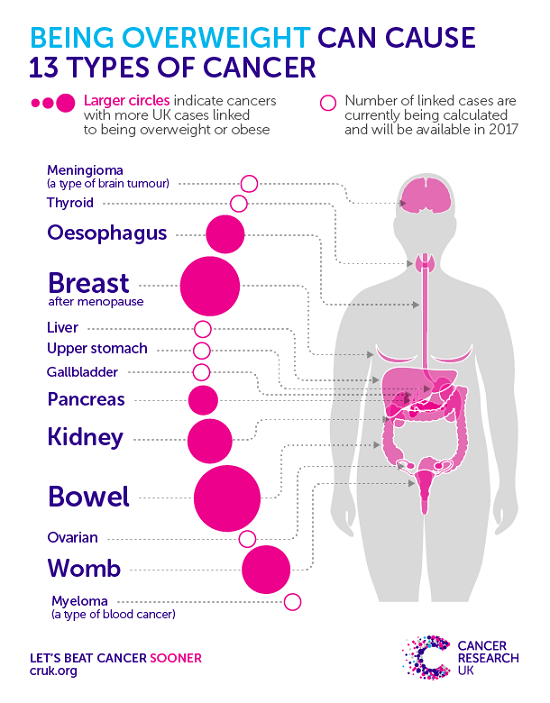
    Obesity: Having excess body fat, especially visceral fat around the hips and abdomen, contributes to chronic, low-grade inflammation, which can cause DNA damage and an increase in risk factors for certain types of cancer. According to the National Cancer Institute, obesity is linked to at least 13 different cancers. However, half of all cancer cases could be avoided using the information we already know (i.e. keep a healthy diet, don’t smoke, and get good amounts of sleep and exercise).

    Fat tissue will create inflammation that uses up nutrients and makes it more challenging for your body to clear toxic substances. It also switches how cells grow and use energy. Dr. Bongiorno

    Obesity is a leading cause of chronic illness and is attributed to many types of cancer.

    Toxins: If you are inhaling or ingesting large amounts of toxic substances, they can be stored in fatty tissue and then eventually your healthy cells. While our bodies can handle a certain amount, an overload can cause healthy tissue and cell membranes to become inflamed and damaged. Additionally, processed foods and an unhealthy gut will negatively affect your body’s ability to process exposure to toxic substances. If you are exposing yourself to more toxins than your body is eliminating, this may create inflammation.

    If you are exposing yourself to more toxicants than your body is eliminating this may create inflammation.

    How should we fight chronic inflammation?
    Keep a healthy diet. You can avoid certain foods that are known to trigger inflammation. These include sugars and overly-processed foods – otherwise known as “junk food.” Additionally, smoking and excessive alcohol consumption should be curbed.
    • A healthy diet helps fight inflammation.

    Foods to eat include plenty of colorful vegetables and greens, and foods containing healthy fatty acids, such as those found in nuts and avocados. Additionally, drink plenty of clean water so your cells stay hydrated and can perform at their optimal level!

    Learn More About Diet: Jennifer Whitney

    Regular exercise is also an important part of fighting inflammation. A recent study performed by Mark Hamer, PhD, an epidemiologist at the University College London, examined the long-term effects of exercise with regard to inflammation. The study lasted for 10 years and included 4,000 middle-aged men and women.

    Dr Rosie Main has nutrition and exercise plans to support your healing

    • Regular exercise helps fight inflammation.
    Ultimately, Dr. Hamer found that subjects who completed approximately 2.5 hours of “moderate” exercise per week – or at least 30 minutes a day – reduced their inflammation markers by a minimum of 12%. Additionally, some study participants began exercising midway through the study period and were able to significantly lower their inflammation levels as well— meaning it is never too late for the benefit of working out!

    Get enough sleep and reduce stress. Poor sleep and stress are known triggers of inflammation. According to a study performed by Emory University and presented at the 2010 American Heart Association Scientific Sessions, getting less than six hours of sleep per night is associated with higher levels of inflammation. This is also linked with an increased risk of heart attack and stroke.

    • Reducing stress and getting enough sleep helps fight inflammation.

    In addition to lack of sleep, excessive levels of long-term stress can negatively affect your gut and compromise the production of enzymes that aid in the digestive process. For your best performance, it is optimal to get eight hours of sleep each night, with at least five of those hours being continuous or uninterrupted.

    Our Local Practitioners All Shared Numerous Ways To Support Your Healing From Inflammation visit their sites to learn more: 

    David DeHaas of Living Waters Wellness Center  

    Malisa Williams, LMSW, CMSP of Renew Wellness  

    Dr. Michael Karlfeldt of The Karlfeldt Center

    Tamra Geryk RN of Functional Medicine of Idaho  

    Dr. Rosie Main DC of Main Health Solutions  

    Jennifer Whitney of Restoring Nutrition  

    Lisa Hevern, an Independent DoTerra Wellness Advocate 

    Dr. Jon Harmon of Clear Mind Idaho 

    Dr. Andrew Rostenberg of Red Mountain Natural Clinic  

    Sources:

    “Anti-Inflammatory Nutrition Research.” Inflammation Research Foundation, www.inflammationresearchfoundation.org/

    “Acute Inflammation.” Washington.Edu. University of Birmingham, n.d. Web. 05 Oct. 2016.

    DiCorleto, PhD Paul. “Why You Should Pay Attention to Chronic Inflammation.” Health Essentials from Cleveland Clinic, 25 July 2016, health.clevelandclinic.org/2014/10/why-you-should-pay-attention-to-chronic-inflammation/.

    Gushée, Sophia Ruan. A to Z of D-toxing: The Ultimate Guide to Reducing Our Toxic Exposures. N.p.: n.p., n.d. Print.

    Heid, Markham. “The Habit That Can Save Your Life.” Prevention. N.p., 16 Aug. 2012. Web. 05 Oct. 2016.

    “How being overweight causes cancer.” Cancer Research UK, 6 Apr. 2017, www.cancerresearchuk.org/about-cancer/causes-of-cancer/bodyweight-and-cancer/how-being-overweight-causes-cancer.

    Hume, Tim, and Jen Christensen. “WHO: Imminent Global Cancer ‘disaster’ Reflects Aging, Lifestyle Factors.” CNN. Cable News Network, 04 Feb. 2016. Web. 05 Oct. 2016.

    Nordqvist, Christian. “Pain / Anesthetics Bones / Orthopedics Immune System / Vaccines Arthritis / Rheumatology Inflammation: Chronic and Acute.”Medical News Today. MediLexicon International, 16 Sept. 2015. Web. 05 Oct. 2016.

    Paddock, Catharine. “Cardiovascular / Cardiology Sleep / Sleep Disorders / Insomnia Heart Disease Stroke Poor Sleep Tied To Inflammation, A Risk Factor For Heart Disease, Stroke.” Medical News Today. MediLexicon International, 15 Nov. 2010. Web. 05 Oct. 2016.

    Pevzner, Holly. “10 Ways to Reduce Inflammation.” EatingWell. Eating Well Magazine, June 2012. Web. 05 Oct. 2016.

    Rattue, Grace. “Immune System / Vaccines How Does The Immune System Power Inflammation?” Medical News Today. MediLexicon International, 05 July 2012. Web. 05 Oct. 2016.

    Samadi, David. “Inflammation: The Battle to the Death Inside Our Bodies.” The Observer. N.p., 11 Sept. 2015. Web. 05 Oct. 2016.

    Share:


    This article originally appeared at: https://www.dirt-to-dinner.com/what-is-inflammation/.
  • 9 reasons we have a “sick”, not “health care” system

    The conventional medical system and hospitalized care is now in the Top 3 leading causes of mortality, as announced by Johns Hopkins University in 2016.

    Does this sound like a system you would choose to participate in?

    Here are 9 reasons we have a “sick” and not a “health care” system:

    1. Any system which forces the population to seek and/or use only one methodology or approach to treatment for addressing health issues or face denial of coverage, is not “health care”. 

    When there is only one accepted method of treating health care issues (via drugs or surgery, for example), when consumers lack education, choices and freedom about their health, this is not health care

    Any time there is a risk to a treatment or medical procedures, there needs to be a choice. When we are forced to accept treatments that don’t heal our bodies or solve health care problems, and we continue to participate in treatment that doesn’t solve the problem, we are trapped in a system that effectively keeps patients and consumers in a state of being unwell.

    2. Any system which penalizes those who chose to go outside the system for “alternatives” or holistic treatment, is not “health care”. 

    Punishing citizens by forcing them to pay into a system which they do not want to participate is not a free society and not only falls under the category of discrimination, but is a direct violation of human rights. Reasoning that our health care system is too costly for certain members of its population to afford it is not justification to mandate citizens to fund or participate in a system. There’s a word for this: it’s called fascism.  

    If leaders of the health care industry possessed a sincere desire to make wellness achievable and accessible to all, they would advocate for holistic health alternatives, education and treatment. If these leaders were willing to provide information to patients and consumers that would allow them to experience wellness, we would see dramatic changes in our death and disease rates.

    Instead, what we have is a system that continues to create dependencies on drugs, surgery and other treatments that are costly and don’t heal or contribute to recovery. Making these changes would significantly impact the overall cost of health because less of our population would be sick and thus would be using medical services. This is the definition of a “sick care” system, and it is extremely profitable for the corporations involved. 

    (As an aside, it’s fair to call it an industry since it generates profit, and quite a lot of it. According to Statistic Brain, the health care industry generates $1.668 trillion annually. Let that sink in.)

    3. Any system that uses treatments that manage rather than heal, and fails to improve health or well-being of its subscribers or members is not  “health care”.  

    Drugs, surgery, and other procedures do not prevent future health issues nor resolve the root of the problem. Instead, those who receive such treatments and are administered pharmaceutical products become looped into a system that requires continual appointments and treatment, vaccines, and renewal of drug prescriptions. This is not wellness, but “managed illness”. All drugs have side-effects which can cause a downward spiral of health issues, and still no resolution of the cause of the original health problem.

    4. Any system that refuses to cover care that goes outside the scope of the conventional medical model, or attempts to discredit other modes of medical or health treatments is not “health care”. 

    The majority of insurance providers do not provide coverage for complimentary or holistic treatments. Instead, most covered services include only conventional treatments.

    When patients seek medical advice and are told that if they do not follow the recommendations provided they will be dismissed as a patient or are endangering themselves or their child of further disease or death, this is not health care.

    What motivation would there be for a system to continually attempt to tarnish or invalidate other types of health care other than to protect its own interests? There’s really only one answer to this: profits and power. 

    5. Any system that relies upon drugs, surgery, vaccines and other similar treatments to treat health care issues does not support wellness. This reactionary, rather than preventative approach, is not “health care”. 

    Although sometimes we do need drugs or surgery, these should be exceptions to the rule of health treatments; not what we use for every health care scenario. We are not drug, vaccine, or surgery deficient.

    The conventional medical model does not educate its patients on preventative habits or lifestyle choices that could lead to wellness. Instead, it recommends taking prescriptions to manage symptoms, consumption of a low-fat, high carbohydrate diet with more plants and grains, increased exercise, and diagnostics including mammography and colonoscopy for “prevention” of disease. 

    Low-fat diets have actually been shown to lead to health issues, and no amount of exercise will create health in someone who is unwell and not addressing existing nutritional deficiencies in their body from consuming a low-fat diet. Contrary to what we’ve been told for decades, cholesterol is actually essential for for every aspect of health including cell structure, hormones, digestion, weight management, stress, brain function, metabolism and more. It’s the source of that cholesterol which makes the difference: cholesterol from animal foods that come from confinement operations versus organically-grown, pasture-raised environments are completely opposite on the spectrum. We can definitely expect to experience disease and chronic health issues from consuming the former, while choices from the second can be extremely beneficial and health-supporting.

    Diagnostics such as colonoscopies and mammograms involve risk due to exposing tissue to radiation and compression (which can lead to cancer), drug reactions, and perforation of human tissue. 

    Each of these recommendations can and have lead to further incidence of disease, yet are advocated and endorsed by conventional medical practitioners and guidelines. Preventative diagnostics have been known to fail to detect or prevent the disease that is being screened. Read more about mammograms from Dr. Mercola.  

    6. Any system that engages in bullying, coercion, threats, intimidation, discouragement of research and education, or disregards empowerment toward the patient or consumer is not “health care”. 

    Patients and consumers regularly report receiving condescending, disrespectful, bullying and unfair treatment by practitioners when they decline or request more information on specific types of treatment. Any practitioner that engages in this type of behavior or approach is not practicing “health care”.

    7. Any system which repeatedly discredits, undermines or disesteems medical doctors, nurses, scientists and others including holistic practitioners who have taken their education and research outside of conventional approaches and treatments and gained an understanding of the importance of holistic approaches to address health care issues is not a “health care system”. 

    When a doctor or practitioner goes outside of accepted answers or language about a treatment or procedure, the typical response is that said individual is not credible or has a soiled reputation, is a “quack”, or is discredited in some other way. In some cases, the individual may be targeted to lose his or her license, or may even die in a mysterious manner. Are these deaths simply coincidences? Erin from Health Nut News did an expose on the more than 70 health practitioners who died between 2015 and 2016 from unexplained causes.

    8. Any system which denies the existence of studies and research showing risks and flaws within the conventional health care approach is not “health care”. 

    There are thousands upon thousands of studies and papers revealing the risks of conventional care approaches, yet many who are confronted with this information or evidence will dismiss and attempt to discredit those who bring this information to light. Why do those within the conventional system fight so vehemently against this information? Why do the defenders of the conventional medical system use the same arguments again and again, and without unbiased, scientific documentation? These responses beg the question: if you want to know who is oppressing you, find out who you are not allowed to question or raise skepticism toward. What do these staunch defenders have to worry about if the risks and flaws of the medical system, challenged by those who aren’t satisfied with the status quo, are wrong?

    9. Any system whose practitioners and representatives oppose parents who provide testimonials of children who have experienced vaccine-injury or death is not “health care”. 

    There are literally tens of thousands of parents who have shared their stories about how vaccines have damaged or killed their children, many of them with similar symptoms and reactions. The majority of representatives in the conventional health care system insist that these parents are incorrect, uneducated, hysterical, irrational, abusive, “conspiracy-theory driven” or even criminals. Most parents who question vaccines were pro-vaccine at one time. The reason they began to question is because they experienced the tragedy of a vaccine-injured or dead child. This is not a place that most parents would ever want to find themselves in; and yet, more and more are having to endure that very scenario. Those parents wish more than anything that they could go back in time and make a different decision. Sadly, once a vaccine is administered, it cannot be “un-given”.

    Although we are assured otherwise, the science is not settled. If science is not allowed to be tested, questioned, or challenged, then we are clearly stifled and arrested as a civilization which cannot move forward in its acquisition and understanding of knowledge and information. The conventional medical system is by no means a “gold standard”. There have been and continue to be examples of those who use it and experience suffering and death as a result of their choice … and yet we are expected to regard this system as infallible and as possessing a guarantee about how to treat and “cure” illness when it appears more than obvious that it is anything but that level of reliable or sound.

    Recommended ways to maintain wellness are as follows:

    • Eat a diet of real, organic, nourishing foods including grassfed meats, pasture-raised poultry and eggs and raw dairy foods, organic or pesticide, herbicide and genetically-modified-free fruits, vegetables, legumes, nuts, seeds, and other foods . 
    • Eliminate sugars, grains, processed and packaged food products. 
    • Prepare foods at home, from scratch using ingredients rather than jars, packages, or prepared meals.
    • Consider traditional preparation of foods such as fermentation (sauerkraut, pickles, yogurt, kefir, sour cream), slow-cooking on low heat meats, fish and poultry using homemade meat broth and stocks from bones, vegetables, sea salt and filtered water. These methods render foods more nutritious and easier-to-digest as well as heal the digestive tract to enable higher absorption rate of nutrients.
    • Eliminate toxins from your environment including commercial cleaners, detergents, air fresheners, candles, shampoos, deodorant, toothpaste, soaps, body, beauty, and personal care products. Opt for natural products or make your own at home. Many cleaning and personal care products are easy to make at home with a few ingredients including kitchen and bathroom cleaners made with apple cider vinegar and baking soda, or plain vinegar and lemon juice, deodorant made with coconut oil and essential oils (such as lavender, lemongrass or peppermint), body butter made with equal parts of coconut oil, shea butter, olive oil and cocoa butter.

    When we eat better, we feel better and tend to get sick less often. Less illness leads to a healthier body and less chance of long-term, chronic illness such as heart disease, diabetes, depression, brain fog, memory issues, obesity, inflammation, and other auto-immune disorders.

    Health share programs

    Here is a list of health share programs that offer health care “coverage” for less than the average insurance plan (especially if you factor in the penalty for not participating), and provide you and your family with a means to lower expenses that would otherwise be difficult or impossible to manage on your own.

    These are not insurance companies, they are share programs that provide coverage to members when needed. Members of these groups are by definition “exempt” from penalties imposed if you opt out of the Affordable Care Act (ACA aka “Obamacare”).

    Altrua

    Aliera

    Liberty

    My Christian Care

    Samaritan Ministries

  • Chocolate As Nutrition

    Chocolate isn’t just for guilt-trips anymore. It’s been shown in numerous studies to be a powerful performance-enhancing, happiness-triggering, mood-enhancing, appetite-reducing, inflammatory-nipping and good-bacteria-building substance. Yay for that! Side note though: GOOD chocolate must be consumed to make it all that it can be: preferably organic, super dark, low sugar and European, since you want as little mycotoxins as possible (since it is a fermented food).  

    Thanks to Bulletproof Executive for a great background on what chocolate actually contains and how it works to make us feel and look better, its caveats and for publishing the delicious keto chocolate mousse recipe below from Ryan Carter

    • High Pressure Mood Improver
    • Chocolate makes you eat less
    • Maintenance of a Healthy Cardiovascular System
    • Chocolate makes your skin glow…and may reduce sunburn
    • Healthy Inflammation Levels From Powerful Antioxidants (for mice!)
    • Chocolate is a prebiotic
    • Cellular Rejuvenation (Anti-Aging)

    Head on over to Bulletproof’s blog for the full spectrum of benefits and caveats, and then, enjoy your delicious health supplement! 

    Keto Chocolate Avocado Mousse

    Prep Time: 15 min.
    Total Time: 45 min.
    Makes: 3 servings

    Ingredients:

    Instructions:

    1. Chill ripe avocado for 1-2 hours prior. This step assures the blender stays cool, which helps maintain the temperature of your dessert just in case you want to consume it immediately.
    2. Add avocado to your blender, along with chocolate and protein powders, followed by the coconut milk.
    3. Add sweetener of choice (optional).
    4. Put the lid on and blend for 10 seconds then rest for 10 seconds in intervals until mousse reaches silky consistency. This helps to avoid overheating, which can destroy the protein in the powder as well as the consistency of the mousse.
    5. Transfer to bowls and add your favorite toppings!

    Optional toppings

    • Himalayan Sea Salt
    • Bulletproof Fuel Bar shavings
    • Blueberries
    • Chopped nuts (try macadamia or Brazil nuts)
    • Fresh ginger, chopped or shaved
    • Lightly toasted coconut

    Nutrition Facts

    Serving size: 100g

    Calories 198
    Total fat 15.6g
    Sat Fat 6.78g
    Cholesterol 0mg
    Sodium 27.8mg
    Total Carb 8.8g
    Dietary Fiber 5g
    Sugars 1.1g
    Protein 7.4g
    Vitamin A 2%
    Vitamin C 9%
    Calcium 1%
    Iron 6%

  • Farmed Salmon the Dirty Secret

    HFI: Here are some facts about Farmed Salmon which may get you think twice about buying one again:
    1. Farmed salmon is fed pellets of chicken feces, soy, GMO canola oil, corn meal and other fish with high levels of toxins
    2. Farmed salmon has 7 times higher levels of PCB’s compared to wild salmon
    3. Farmed salmon has 30 times more sea lice
    4. Farmed salmon is given toxic chemicals to intesify their flesh’s color
    5. Farmed salmon is pumped with more antibiotics than any other livestock
    6. Farmed salmon has less omega 3’s as a result of the lack of wild diet
    7. Farmed salmon is prone to more disease

    Next time you dine out and decide to try the salmon, make sure it’s wild and not farmed.

    According to the EPA the most toxic fish in the world is farmed salmon. They even advise people that more than one meal of farmed salmon a month is the maximum they should eat.

    But even their recommendation is wrong because farmed salmon is one of the most toxic FOODS in the world and should not be consumed in any amount.

    You should know that farmed fish of any kind is not good for your health and can wreak havoc on your organism in ways you can’t even imagine. Why? Well, because fish in the wild doesn’t eat corn, grains or pork, while farmed fish do, but they’re not supposed to. Moreover, farmers give fish a toxic combination of vitamins and antibiotics, which afterwards end up in your system. Some fish even get synthetic pigments.

    Farmed Salmon – One of the Most Toxic Foods in the World

    What’s even more surprising is that the toxins in farmed fish don’t come only from pesticides and antibiotics, most of them come from the dry pellet feed. Research has found that the fish feed contains dangerous amounts of dioxins, PCBs and a bunch of other drugs and chemicals which can cause permanent damage to your body and can even be linked to immune system problems, endocrine system disorders, autism and ADHD.

    Dr. Monsen, a well-renowned biologist says:

    “I do not recommend pregnant women, children or young people eat farmed salmon. It is uncertain in both the amount of toxins salmon contain, and how these drugs affect children, adolescents and pregnant women… The type of contaminants that have been detected in farmed salmon have a negative effect on brain development and is associated with autism, ADD / ADHD and reduced IQ. We also know that they can affect other organ systems in the body’s immune system and metabolism.”

    Omega-3 Levels in Farmed Salmon Is Nearly Half of That in Wild Salmon

    The International Fishmeal and Fish Oil Organization (IFFO) says that the farmed fish we eat today doesn’t contain even half of the amount of omega-3s compared to a decade ago. This is mostly due to the fact that farmed salmon are now fed more on byproducts of hog and poultry processing, soybeans and soybean oil, canola oil, corn and other grain when they should be fed smaller wild fish rich in omega-3s.

    Farmed Salmon Can Cause Cancer

    According to research, people that eat farmed salmon more than once a month are at a higher risk of developing some type of cancer later in life as a result of the high amount of chemicals and antibiotics found in the farmed salmon fillet.

    Moreover, it has been revealed that farmed salmon contains high levels of cancer causing PCB, 16 times higher than wild salmon. Farmed salmon also contains 11 times more dioxin than wild salmon.

    If this wasn’t enough, farmed salmon is rich in inflammation producing omega-6 fatty acids, which consequently can increase your risk of developing serious diseases like diabetes, cancer, arthritis, coronary artery disease and Alzheimer’s.

    Banned Synthetic Astaxanthin

    It’s astonishing to find out that farmers pump their salmon with synthetic astaxanthin, a substance that has been banned by every government in the world for human consumption. This harmful substance makes the farmed fish’s flesh look more pinkish and similar to wild salmon, fooling people into thinking they’re actually eating wild salmon.

     How can you tell the difference?
    Well, if the menu doesn’t say you can ask, and if it’s cheaper than usually it’s surely farmed because farmed salmon is more affordable than wild. Wild salmon can sometimes cost as much as a high end cut of beef. If you want to preserve your health choose wild and forget about farmed. Another telltale sign your salmon isn’t wild?  The color!  Farm- raised salmon is much lighter than wild salmon!

    Source: http://chere1.com

  • 6 Natural Remedies for Headache

    HFI: The occassional headache. Its unavoidable it seems. Headaches are something that millions of people experience daily. They are at best, an unwelcome annoyance and at their worst, completely debilitating. There are many reasons for the onset of a headache and many classifications of headaches. While many types of headaches are related to other health issues, the number one cause of headaches is stress and fatigue…. 

    Here are some suggested home remedies for headaches that have worked for friends and families of Health Freedom Idaho.  Please note headaches are not something a child should regularly experience. Injury, illness, food intolerances, and emotional upheaval certainly can bring on the random headache but in general, children should not get headaches. If your child is experiencing frequent headaches, you need to seek medical expertise to get to the root. Never mess around with on ongoing headache.

    Favorite Headache Home Remedy:

    Lavender Oil

    Not only does lavender smell great — it’s also a useful home remedy for headaches and migraine pain. Lavender oil can be either inhaled or applied topically. Two to four drops for every two to three cups of boiling water are recommended when inhaling lavender-oil vapors as a headache treatment. Unlike many medicinal oils, this home remedy can also be safely applied externally without the need to dilute it. Lavender oil should not be taken orally.

    Peppermint Oil

    Peppermint is a soothing home remedy that has been shown to benefit tension headaches. This fresh-smelling oil has vaso-constricting and vaso-dilating properties, which help control blood flow in the body. Headaches and migraine pain are often due to poor blood flow, and peppermint oil helps to open and close the vessels that promote flow. Peppermint home remedies also open up the sinuses so that more oxygen can get into the bloodstream.

    Basil Oil

    Basil, the strong-scented herb used as a topping for pizzas and pastas, certainly tastes and smells good. And for people in need of a natural headache treatment, the oil derived from basil plants can also be a useful home remedy. Basil works as a muscle relaxant, so it is especially helpful for headaches caused by tension and tight muscles.

    DIY Scalp Massage

    Do-it-yourself scalp massages can be an effective way to alleviate migraine pain, and they feel great. Researchers in Brazil showed that massaging the greater occipital nerve — the area in the back of the head, at the base of the skull — reduces migraine pain. Massage in general has been identified as a useful home remedy for headaches, especially reflexology (massaging reflex points on the hands and feet).

    Feverfew

    Feverfew, as its name suggests, is used to treat fever, but it’s most commonly known as an herbal headache treatment. This home remedy became popular in the 1980s, when a landmark study in Great Britain showed that 70 percent of participants had less migraine pain after taking feverfew daily. Since then, more studies have demonstrated feverfew’s benefit in preventing and treating migraine pain. One study showed improvement in migraine pain among people who took daily feverfew in combination with white willow, another herbal home remedy, which contains properties similar to aspirin.

    Flaxseed

    Some headaches are caused by inflammation, which can be reduced by consuming omega-3 fatty acids. Flaxseed can help provide headache relief because it’s rich in omega-3s. Flaxseed can be used as a home remedy in several forms, including as an oil and ground or whole seeds.

    Buckwheat

    Buckwheat’s usefulness as a home remedy for headaches and migraine pain comes from a flavonoid known as rutin. Flavonoids are phytochemicals, which are found in plants, and have been shown to contain antioxidant properties, which counteract damage to cells. In addition, researchers in Taiwan have demonstrated the effects of flavonoids on inflammation, a common cause of headaches.

    FDA Disclosure: THESE STATEMENTS HAVE NOT BEEN EVALUATED BY THE FDA AND ARE NOT INTENDED TO DIAGNOSE, TREAT OR CURE ANY DISEASE. ALWAYS CHECK WITH YOUR PHYSICIAN BEFORE STARTING A NEW DIETARY SUPPLEMENT PROGRAM.

  • What Not To Eat! Dr. Rosie Main

    Dr. Rosie Main shares What Not to Eat! 

    If you can’t read it..don’t eat it!!

    Dr. Rosie Main is on a mission to transform the health of those who are seeking ways to to live to their God Given Potential. Dr. Main is a Wellness Doctor, Speaker and Radio Host both in English and Spanish and speaks on nutrition, the importance of the nervous system, toxicity, mindset, exercise, healthy recipes, and current health news. She is a Maximized Living Doctor and has her own practice in Meridian, ID where she helps people with chronic conditions and many kids and families that travel to find solutions to many of their health problems that mainstream medicine has not helped. She has a passion to see people transform the health and lives to reach their true potential.

    Main Health Solutions
    2300 W Everest Ln, Ste 175

    Meridian, Idaho

    @MainHealthSolutions

    Call (208) 859-6170


    This article originally appeared at: https://youtu.be/YwEwOZIz6yY.

  • Parasite Cleanse Diet – Foods To Eat And Foods To Avoid

    Parasite Cleanse Diet – Foods To Eat And Foods To Avoid

    One of the best ways to help the body destroy and get rid of unwanted parasites is following a parasite cleanse diet. This diet should be taken for at least 2 months to give your body an opportunity to get rid of all kinds of parasites and eggs that are hidden in different organs.
    Parasites in the body can originate from several sources, such as raw meat, tainted water, pets or other animals.

    They can cause symptoms like: digestive disorders, fatigue, food cravings and unstable blood sugar.

    A good parasite cleanse diet involves eating herbs, natural whole foods and taking supplements that will help the body eliminate parasites.

    The diet should have high mineral and nutrient content and shouldn’t contain any kind of artificial stimulants.

    Here are some of the common foods and herbs that should be included in a good parasite cleansing diet. You can find them at your local grocery store or health food store.

    What to Eat to Get Rid of Parasites

    Wormwood

    Wormwood is an herb that helps to kill big, adult parasites by making their environment unfriendly to live in. You can find it in tea, capsules and in concentrated liquid form.

    Garlic

    Garlic is a natural antiparasitic and antibiotic food; it also helps support bowel movements and bowel detoxification.

    Cloves

    Cloves help to kill the parasitic eggs that are laid daily by adult parasites. These eggs can remain dormant for a while so it’s important to let them hatch and then destroy them using more cloves.

    Black Walnut Hulls

    This herb helps to kill large adult parasites wherever they are in the body. Black walnut hulls is a powerful anti-fungal and anti-parasitic supplement. 

    Vegetables

    Green leafy vegetables with high nutrient content and probiotics help the body to get rid of toxins.

    Vegetables rich in anti-oxidants like cucumbers, tomatoes, carrots, sweet potatoes and blueberries help feed the body organs and glands infected with parasites.

    Coconut oil

    Coconut oil contains about 50% of lauric acid, a saturated fat which is contained in coconut products. After conversion by the body it produces a substance that effectively kills parasites, viruses, yeasts, as well as bad bacteria in the digestive tract. Make sure that you choose organic, extra virgin coconut oil for best results. 

    Apple Cider Vinegar

    Need to increase your hydrochloric acid for better digestion (especially meats)? One tablespoon of apple cider vinegar in water about 30-60 minutes before meals will increase your stomach acid and prepare your digestive system for absorption. Just rinse your mouth with fresh water after consuming and then let your saliva remineralize your teeth. 

    Increasing your HCL will help keep your stomach free from parasites and also ensure that you eliminate any larvae you accidentally eat during your meals.

    If you’re concerned about the acidity, ACV actually becomes alkaline in the body

    Papaya

    This fruit has a powerful ability to destroy worms, such as tapeworms and most intestinal worms. To enhance its potency, peel off the skin before soaking in apple cider vinegar. Then eat 8 ounces of the papaya and take two ounces of this vinegar solution for four days.

    Green onions

    Like garlic, green onions release an enzyme called alliinase when they’re crushed or cut. To prepare onions and avoid the ‘tear factor’ caused by onions, refrigerate them for one hour and then cut them using a sharp knife.

    For an antiparasitic boost, juice the white section of the onions and add two sesame seed oil teaspoons. Drink twice a day for 3 days without any food.

    Pineapple

    This fruit contains an antiparasitic enzyme known as bromelain. Some studies show that a 3-day pineapple fast can help kill tapeworms.

    Fish and organic meats

    These high-quality protein sources can support your immune system and provide the body with the essential fatty acids needed for fuel.

    Pumpkin seeds

    Pumpkin seeds are usually used for eliminating tapeworms and roundworms. You can mash them and then mix with juice, chew them or make pumpkin seed butter in your food processor. 

    Carrots and carrot juice or cranberry juice (unsweetened)

    You can dilute cranberry juice in water. Carrots or carrot juice kills parasites as well.

    Fennel seed tea

    This mild laxative can irritate certain kinds of parasites in the body.

    You essentially flush them out with fluids in the process. If you have a sensitive stomach, be sure to ingest the tea in small doses so that you know it’s affect on your digestive system. Fennel seed tea is a great remedy for irritable bowel syndrome in general. 

    Pungent spices

    Parasites don’t like spice! Spices like cayenne, chilies, horseradish, turmeric, cinnamon, nutmeg, cardamom, and cloves all make parasites disappear.

    Add a kick to your parasite cleanse diet and you’ll feel the results quickly.

    Fermented foods/probiotics

    Some options that you can make at home include rejuvelac (a drink produced from fermented grains like wheat berries, and sauerkraut (fermented cabbage). You can also use probiotic supplements, which help kill the bad bacteria and replenish good bacteria. We love Bio-Kult Advanced Probiotic Multi-Strain Formula for its widely reported effectiveness and personal results with GAPS and other leaky gut diets. 

    What foods should you AVOID in a parasite cleanse diet?

    Sugar

    Sugar feeds parasites and also eats up the supply of B vitamins and minerals in the body. A parasitic infection may lead to cravings for carbohydrates and refined sugar, so it’s best to avoid these kinds of food to starve parasites off their energy and fuel.

    Refined carbohydrates

    Refined carbohydrates like cakes, bread, cookies, cereal and pasta should be avoided. All of these lead to major fluctuations in blood sugar control and therefore put an extra strain on an already burdened system that’s infected with parasites.

    Thank you to the Total Cleanse Detox Diet site for these great parasite cleansing tips! 

    Best herbal supplements for parasite cleanse diet

    The Health Freedom Idaho team and their families have tested a number of protocols and supplements for parasite cleansing. Below are some of the best-rated and most effective supplements and books for parasite cleansing.

    • SCRAM Internal Parasite Formula. This is one of the most highly rated anti-microbial supplements on Amazon and contains high-quality organic herbs such as black walnut, wormwood, clove, milk thistle, enzymes to break down a microbe’s cellular walls and probiotics. It is also vegan and non-GMO. This is a staple to have on hand when you travel and when you’re choosing to do a parasite or candida (yeast) cleanse. 
    • Intestinal Cleanse for Kids by Cedar Bear Naturale. This formulation was designed by a master herbalist to be safe for children and their developing digestive systems. 
    • ParaGuard by Zahler contains the heavy hitters of clove, wormwood and black walnut hulls, but also features powerful anti-microbial oils like oregano and peppermint, along with pumpkin seed (a powerful anti-parasitic, as listed above) and garlic bulb. 
    • Black Walnut Hulls is a powerful anti-parasitic and anti-fungal on its own. This tincture is made according to the standards of Dr. Hulda Clark and has no magnesium stearate or excipients, thereby improving absorption. 
    • Clove Bud Powder is not only a key herbal remedy for parasite cleansing, but also increases circulation and oxygenation in the blood, strengthens arteries and can reduce excess iron in the body. 
    • Wormwood (artemesia) is a go-to for balancing and strengthening the digestive system and ridding the intestines of parasites. Wormwood helps maintain a normal balance of bacteria and other microbes in the intestines and enhances digestive enzymes and the secretion of bile.
    • IntestinePro Intestine Support has 15 ingredients that support digestion and parasite control. By using a supplement like this, you’re approaching microbe balance from a number of angles, including probiotics and lesser known herbs. 
    •  Hulda Clark’s book, “The Cure For All Diseases” is one of the standards in parasite education and supplementation protocols.

    Want more immune-boosting tips? Click on over to these recent articles:

    Using Vitamin C to Recover From Illness and Disease  |  21 Natural Remedies Instead of the Flu Shot  |  Optimize Your Vitamin D Levels to Boost Immunity, Lower Depression and Cancer Risk  |  Apple Cider Vinegar, a Silver Bullet for Health  |  Turmeric Tea, an Anti-Inflammatory Remedy