Tag: dirt

  • ‘Dirt Is Good’: Why Kids Need Exposure To Germs

    I was told that Grandma use to say “little dirt never hurt anybody.” It seems the more we try to sterilize our world infection,virus and bacteria the worse off our kids get. While we claim that health care is better and more advanced our children are sicker and suffering debilitating illnesses at an alarming rate. Has our fear of illness and bacteria actually weaken our kids immune systems? 
    ‘Dirt Is Good’: Why Kids Need Exposure To Germs

    As a new parent, Jack Gilbert got a lot of different advice on how to properly look after his child: when to give him antibiotics or how often he should sterilize his pacifier, for example.

    After the birth of his second child, Gilbert, a scientist who studies microbial ecosystems at the University of Chicago, decided to find out what’s actually known about the risks involved when modern-day children come in contact with germs.

    “It turned out that most of the exposures were actually beneficial,” Gilbert says. “So that dirty pacifier that fell on the floor — if you just stick it in your mouth and lick it, and then pop it back in little Tommy’s mouth, it’s actually going to stimulate their immune system. Their immune system’s going to become stronger because of it.”

    Gilbert is now the co-author of a new book called Dirt is Good: The Advantage of Germs for Your Child’s Developing Immune System. Presented in a Q&A format, the book seeks to answer many of the questions Gilbert has fielded from parents over the years.

    This interview has been edited for length and clarity.

    • Transcript

    • Interview Highlights

      What are some things that parents get wrong?
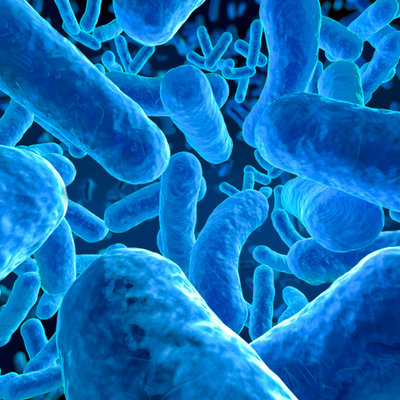
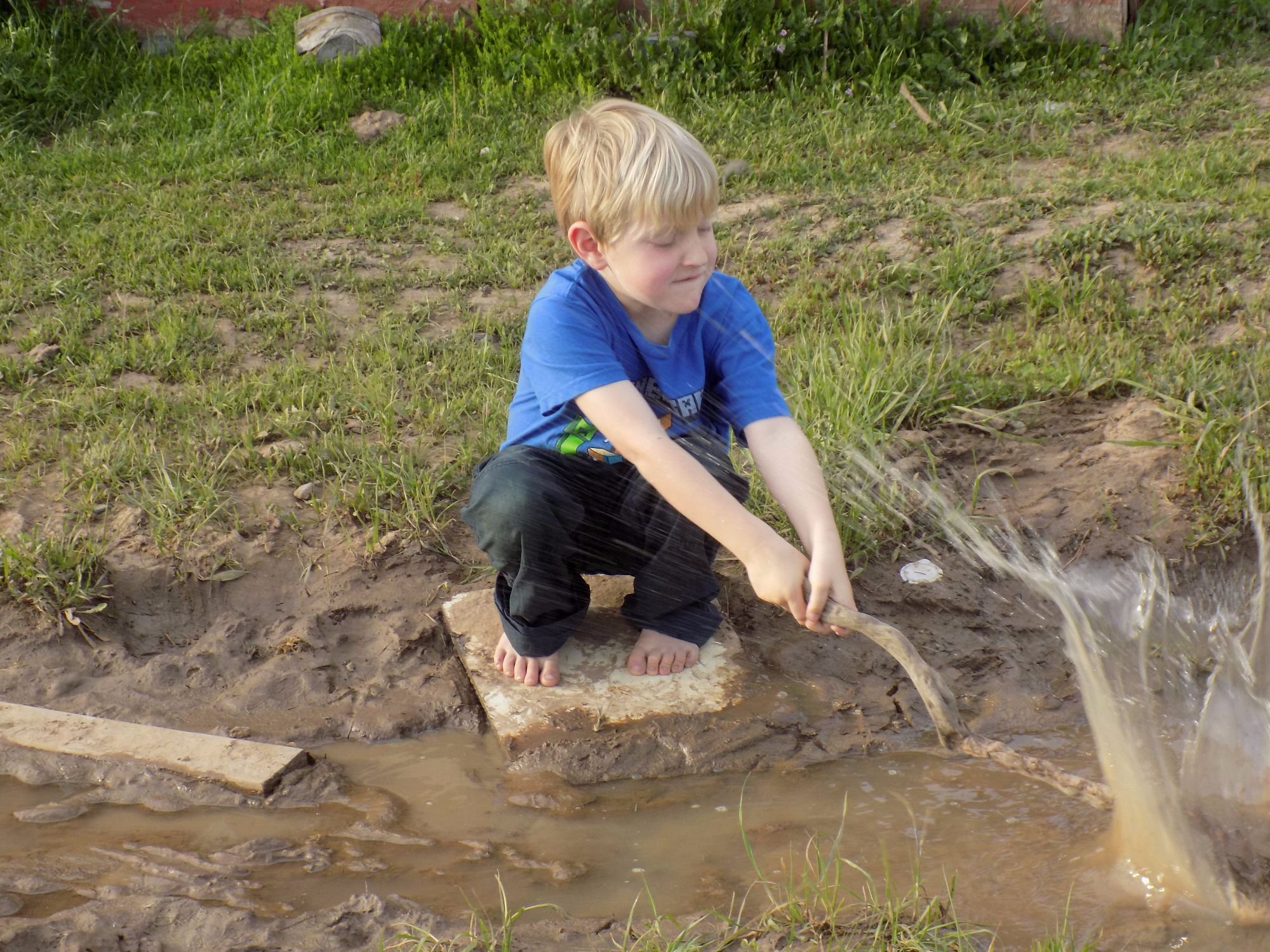
      Some of the main things are over-sterilizing their environment, keeping their children from ever getting dirty. So going out into the backyard and playing in the mud, and then as soon as they’re filthy, bringing them in and sterilizing their hands with antiseptic wipes, and then making sure that none of the dirt gets near their faces. Also, keeping them away from animals. The dogs and cats, sure, but also, other animals. It’s fine to wash their hands if there’s a cold or a flu virus around, but if they’re interacting with a dog, and the dog licks their face, that’s not a bad thing. In fact that could be extremely beneficial for the child’s health.

      What about hand sanitizer? Good or bad?
      Usually bad. Hot, soapy water is fine. Even mildly warm, soapy water is fine, and it’s probably less damaging to the child’s overall health.

      How about the five-second rule? The idea that if something falls on the ground and is there for under five seconds, it’s clean.
      The five-second rule doesn’t exist. It takes milliseconds for microbes to attach themselves to a sticky piece of jammy toast, for example. But it makes no difference. Unless you dropped it in an area where you think they could be a high risk of extremely dangerous pathogens, which in every modern American home is virtually impossible, then there’s no risk to your child.

      Wash a pacifier or lick it if it falls on the ground?
      Lick it. A study of over 300,000 children showed that parents who licked the pacifier and put it back in — their kids developed less allergies, less asthma, less eczema. Overall, their health was stronger and more robust.

      Are things like allergies an unintended consequence of trying to protect our kids too much?From Birth, Our Microbes Become As Personal As A Fingerprint

      Absolutely. In the past, we would have eaten a lot more fermented foods, which contain bacteria. We would have allowed our children to be exposed to animals and plants and soil on a much more regular basis. Now we live indoors. We sterilize our surfaces. Their immune systems then become hyper-sensitized. You have these little soldier cells in your body called neutrophils, and when they spend too long going around looking for something to do, they become grumpy and pro-inflammatory. And so when they finally see something that’s foreign, like a piece of pollen, they become explosively inflammatory. They go crazy. That’s what triggers asthma and eczema and often times, food allergies.

      Give us some advice. What should I allow my child to do?
      Oftentimes, it’s hard to get your kid to eat a healthy diet. I would strongly try to encourage the consumption of more colorful vegetables, more leafy vegetables, a diet more rich in fiber as well as reducing the sugar intake. But just generally, allow your kid to experience the world.

      Read an excerpt of Dirt Is Good
      Disclosure: While this author holds that bacteria is good – he is also pro vaccines.

  • Dirt is NOT Dirty – How Playing in the Dirt Benefits the Immune System

    Dirt is NOT Dirty – How Playing in the Dirt Benefits the Immune System

    At present, our culture is overly obsessive about germs, cleanliness, and hygiene. Parents are constantly washing their children’s hands, using antibacterial soap, alcohol tinged wipes or changing them the second they have dirt on their clothes.

    I don’t know about you, but when I was a child I liked to make mud ‘tea’ with flower petal garnish, walk around barefoot and climb any tree I could find. Instinctively I craved to immerse myself in the natural environment.

    When I had my own children I reminded myself of this as they tasted dirt, licked rocks or a leaf. It is natural for children to be as close to nature as possible. Well, now research into the connection between getting dirty and a immune system health has found that this modern obsession with germs and cleanliness might be leading to the rise in allergies, asthma and inflammatory bowel disease.

    What is it About a Child’s Attraction to Dirt?

    Wrote Mary Ruebush:

    “What a child is doing when he puts things in his mouth is allowing his immune response to explore his environment. Not only does this allow for ‘practice’ of immune responses, which will be necessary for protection, but it also plays a critical role in teaching the immature immune response what is best ignored.”

    Children who grow up on farms and are exposed to all sorts of bugs, worms and natural elements have demonstrably less allergies and autoimmune problems than urban children who spend most of their time indoors. Playing outside barefoot every now and again and digging in the dirt more often would do wonders for the health of today’s youngsters.

    Playing in Dirt Builds a Strong Immune System

    By no means am I suggesting that you feed your child spoonfuls of dirt. However, you can stop worrying about dirt and germs and place your energy elsewhere. People are so worried about their children catching a cold or flu that they are obsessively focused on whether their child is clean and germ-free. However, this seems to work against the natural rhythm of life. Science has proven that exposure to dirt is beneficial to a child’s life. They love dirt because they instinctively know it is good for them in order to grow up with strong immune systems.

    Dirt Fights Allergies and Asthma

    In 2012 researchers at Harvard Medical School published a  study showing the health benefits of dirt. Studying two groups of mice—one that had been exposed to microbes and one that had been raised in germ-free environments—they found that the group with early-life microbe exposure had significantly lower numbers of inflammatory immune cells in the lungs and colon, giving them a better chance at avoiding asthma and inflammatory bowel diseases later in life.

    Said researcher Dr. Richard S. Blumberg in a press release: “These studies show the critical importance of proper immune conditioning by microbes during the earliest periods of life. Also now knowing a potential mechanism will allow scientists to potentially identify the microbial factors important in determining protection from allergic and autoimmune diseases later in life.”

    Dirt Is Good for Skin

    A 2009 study from the University of California at San Diego discovered that bacteria on the surface of our skin play an important role in combating inflammation of the skin when we’re injured. According to the researchers, the bug, called staphylococci, works by dampening down overactive immune responses from the body, which can lead to rashes or cause cuts and bruises to be become swollen and painful. Said Professor Gallo, who led the research: “These germs are actually good for us.”

    Dirt is Good for Memory & Healing

    A 2008 study at the University of Michigan found that memory performance and attention spans improved by 20 percent after subjects spent an hour out in the nature. Another study from University of Pennsylvania found that hospital patients recover faster and need less pain medication when they are in rooms with views of the trees instead of plain walls or brick. It’s clear we all need regular doses of the outdoors, children most of all.

    We can now relax and trust that our children will actually be healthier the dirtier they get. Take a deep breath and enjoy watching the joy your child experiences playing in dirt while knowing that they are building their intuitive instincts and a strong immune system.