Tag: disease

  • How Meditation Benefits Alzheimer’s Patients

    How Meditation Benefits Alzheimer’s Patients

    Several claims about the benefits of meditation toward Alzheimer’s Disease have become more apparent these days. This leads then to the notion that meditating may help slow down symptoms and even probably alleviate the condition.

    Alzheimer’s Disease

    Alzheimer’s Disease is the most common type of dementia among elders and seniors. As per the National Institute of Aging, it is “progressive” and “irreversible” as it causes brain damages, which then results in problems memory, thinking skills, and behavior.

    In the United States, about 5.8 million individuals have Alzheimer’s. It was also released by Alzheimer’s Association that in this figure, nearly 97 percent are ages 65 and above. Only 200,000 of them are aged below 65.

    While the condition was said to be on the rise in recent times, it is worth noting that Alzheimer’s Disease is not normal for anyone. As it happens, it is not part of aging.

    Causes of Alzheimer’s Disease

    The main cause of Alzheimer’s Disease has yet to be known. Even so, several claims made by experts in the field, especially those who have experiences in handling memory care facilities for seniors, have been able to connect the dots and link the condition to various risk factors.

    As explained by NHS UK, the condition is “thought” to be the result of the abnormal protein build-up in brain cells. These proteins involved form “plaques” and “tangles” within the cells.

    It remains unknown, though, as to what causes this to happen. Nevertheless, it was attested that the process normally happens long before the initial symptoms manifest to a person.

    Some of the risk factors were also noted. And these include:

    •         Age
    •         Genetics
    •         Cognitive Impairment
    •         Head Trauma
    •         Cardiovascular Health
    •         Stress
    •         Poor Sleeping Habits
    •         Poor Lifestyle

    Cure, Treatments, and Prevention

    The same institutions revealed that there is no cure yet for Alzheimer’s Disease. So, there is no way yet to stop its progression. It is quite logical, though, as the main cause of the condition has not yet been discovered. But, once experts have been able to make a breakthrough in finding the cause, searching for the cure will surely then follow.

    In parallel with this conclusion, prevention is the best option for individuals who do not have Alzheimer’s. And the best ways to prevent it is to consider all the risk factors and move from there.

    Given all the variables that could contribute to the progression and manifestation of the disease, one could simply change their ways and habits, especially in the aspect of their lifestyle. It is worth noting that prevention is way better than cure.

    But, despite all of these things, there are still treatments that can be given to people who are suffering from AD. They are very evident in many senior assisted living homes and facilities today. Such treatments include medications, therapies, and other alternative treatments.

    By far, alternative treatments have become a very significant aspect in the field of treating Alzheimer’s. And one of these things largely tackles meditation.

    Meditation and Alzheimer’s Disease

    As we all know, meditation has been practiced by a lot of people since then. And the popularity of the practice has become a lot more emphasized today since the benefits of practicing mindfulness have been largely centered by many experts and actual practitioners.

    In terms of treating Alzheimer’s Disease, since the condition targets the mind, memory, and the quality of these aspects, many individuals in the field sought the importance of the links between meditation and the condition. Based on reports, the results were promising.

    According to a study conducted in Beth Israel Deaconess Medical Center, meditation showed impressive effects on people who have Alzheimer’s Disease. It was concluded that the practice of mindfulness can effectively slow down the progression of the disease.

    An article was also published by Express UK claiming that meditation can also be utilized to protect individuals, especially the elderly, against dementia and Alzheimer’s Disease. In the report, several experts also noted how studies have been able to make a breakthrough in this area.

    While the studies have not been conclusive yet, it was claimed that this is already a great discovery in preventing and treating AD and other forms of dementia.

    How Meditation Helps

    While the base and foundation of the research and studies about the benefits of meditation to Alzheimer’s today already proved that the practice is beneficial, several claims attested that these things need further basis and proof. But, even so, the specifications on how meditation can help the condition may already serve as a good starting point.

    Here are the proven points on how meditation can benefit people who have Alzheimer’s Disease:

    • Prevention From Cognitive Decline

    Cognitive decline is one of the risk factors of the condition. Also, the decline further happens when the disease starts to progress. But, as per Everyday Health, regular meditation increases and elevates the cerebral blood flow. As a result, it helps decrease stress and improves focus and concentration. Accordingly, the practice helps people with AD to fight cognitive decline and delay the progression.

    • Beta-Amyloid Change

    People who have Alzheimer’s Disease were always seen to have “clumps of beta-amyloid protein. It is unclear, however, if this mainly causes the condition.

    As per Medical News Today, data was gathered after controlling a group of seniors who practice meditation for 12 weeks. It was found that changes in the amount of beta-amyloid occurred. While it remains inconclusive, several claims have been already made that meditation can help people with AD in terms of the symptoms.

    •   Cellular Aging

    Cellular aging is a great risk factor as well to Alzheimer’s Disease. Aside from the development, it also comes with the progression.

    While aging is obviously irreversible, meditation, as well as, yoga is found to be great practices that can “physically change cells.” The paper was written by Linda Carlson from the Tom Baker Cancer Center in Canada.

    •   Hippocampus Structure

    The hippocampus of people who have AD shows significant shrinkage in its structures. However, Alzheimers Net suggests that individuals who practice yoga and meditation show “less atrophy” in the structure of the hippocampus despite having the disease.

    • Grey Matter and Cortical Thickness

    From the same institution, regular meditation has been noted to increase cortical thickness and grey matter in the brain. Because of this, the aging rate of the brain slows down, which helps alleviate brain-related conditions.

    It has been also suggested that the increase in such matters is linked to a person’s decision making and memory. And all of these are essential aspects that must be considered and paid attention to on people who are suffering from Alzheimer’s.

    Final Thoughts

    All in all, all of the studies and research in recent times linking meditation and Alzheimer’s Disease have remained inconclusive. Even so, the actual data gathered in each study already proves that meditation can largely benefit people who have Alzheimer’s and other forms of dementia.

    Author Bio:

    This post was written by Holly Klamer. She loves to write on issues related to memory care facilities  for seniors, assisted and senior living  and retirement and is a frequent contributor on many blogs and online publications


  • Chronic Disease, Round Up and GMOs

    Reflect, please on the history of marketing and selling the “harmless” active ingredient in the weed-killer Round-up®. The company which Monsanto bought, had discovered this master-chelator could dissolve most metal scale deposits in boilers and pipes. Glyphosate levels in our food chain took a monster leap upward in 1980-85, when (it being deemed so harmless) glyphosate spray was recommended to kill wheat and other grain crops, just prior to harvest. Thus the “weedicide” became instead a “cropicide” (11).  Sprayed on your food at harvest-time, the chemical moves directly into the grain to where seed embryos are being pre-formed and joins the seed part which becomes flour and that we eat. So, if you ever doubted hundreds of privately paid-for tests show now that WE EAT IT! (12) (13).  

    Glyphosate is the most used pesticide in the history of the world. Agribusinesses and farmers sprayed 300 million pounds of RoundUp in 2016 alone. Over 8.6 billion pounds worldwide since it was introduced in 1974––nearly 75% of that in just the last 10 years.

    The bioaccumulation in our food supply, in our soil, in our water, is pervasive

    Critical information about health is found in this brief but important summary of recent work in progress by Anthony Samsel and Stephanie Seneff. This news, both published and unpublished, is dire.

    How the World’s Most Powerful Weed Killer Works

    Glyphosate’s weed-killing action is entirely due to the disruption of a single enzyme.

    Just one.

    All the millions and millions of gallons of RoundUp flooding the world every single year are all to stop one enzyme: 5-enolpyruvylshikimate 3-phosphate synthase, or EPSP-Synthase.

    This enzyme is essential to a plant’s survival.

    It is the critical link in a biochemical process that creates the “aromatic amino acids” (amino acids with a ring attached): phenylalanine, tryptophan, and tyrosine. [2]

    Every plant dies without the ability to make these 3 critical amino acids.

    How Monsanto Can Claim RoundUp is “Safe”

    What’s interesting about these 3 amino acids, is that humans can’t make them. We call them “essential amino acids,” meaning we have to get them from our diet––mostly from plants.

    Therefore Monsanto claims that because humans don’t have this particular enzyme, glyphosate is safe for use.

    But there is one glaring problem here:

    Humans are made of amino acids. The same glycine-glyphosate substitution happens in our bodies.

    But before we get into details of how this is a problem, let’s look a little deeper at how glyphosate works.

    Why does glyphosate affect the EPSP-S enzyme?

    Enzymes work by creating an “active site” that catalyzes a chemical reaction

    For EPSP-Synthase the active site is a small “pocket” created by glycine. Glycine’s small size makes the space for the biochemical magic to happen.

    However, if a cell accidentally uses a glyphosate molecule instead of glycine, that extra “phosate” group fills up the pocket and blocks the active site.

    Without an active site, the reaction cannot happen. It’s like someone changing the lock on your door; the key just won’t fit.

    When this happens to the EPSP-Synthase enzyme, the plant (or bacteria or fungi) cannot make the amino acids it needs to function and the organism dies [2].

    This raises a new question:  if cells really use glyphosate like glycine, wouldn’t we see it in other places also?

    Wouldn’t it cause more problems in other areas associated with glycine?

    The answer points to some of the most mysterious and tragic epidemics of our time. 

    It is not hyperbole to say “glyphosate substitution” (the loss of three Amino Acids) may well be considered to be the cause of most of the idiopathic (unsolved) chronic diseases now rising in human world populations as glyphosate may continue to increase in our diets. The extensive immune damage from a single glyphosate gut disruption, likely leaves life-long auto-immune predilection.  – Avoiding Glyphosate

    Glyphosate, Collagen and Chronic Pain

    Collagen contains the highest concentration of glycine of any protein: nearly 35% glycine by weight.

    And what do we see with glyphosate?

    Again, Monsanto’s internal studies reveal glyphosate accumulates the most in connective tissue and bones [1].

    Collagen is the single most abundant protein in our body. It makes the fascia between your internal organs, makes your skin supple, protects your joints, and forms your ligaments.

    Its structure forms a tight, springy helix, which holds water as a cushion.

    When glyphosate is substituted for glycine, the structure loses its shape. The elasticity and strength become compromised. The joints lose their cushion.

    This is very likely to create chronic joint pain––one of the core drivers of the opioid epidemic in the U.S. [4]

    Collagen is also a critical player in gut issues, including inflammatory bowel disease and irritable bowel syndrome. If collagen is malformed, gut function is also likely to be disrupted [3].

    The Tip of the Iceberg

    There is a correlation between Glyphopho-Food and Food Allergies, Gut Peristalsis and Myosin Sabotage and The Autism Connection and Impaired Detox and Digestion. In fact there are 20 diseases in the USA that correlate with the rise of Glyphosate and GMOs in our food supply. 

    This is only the beginning. If we look for other potential health issues with glycine-dependent proteins, glyphosate may be implicated in the massive increase in Parkinson’s disease, Alzheimer’s disease, autoimmune conditions, infertility, and cancer.

    DISEASE, GLYPHOSATE, AND GMOSRise of 20 Diseases in the USA Correlates with Rise of Glyphosate (Roundup) and GMOs in Everyday Food

    Glyphosate Substitution

    What happens if one in a thousand proteins are mis-manufactured by a compound which does not break down as was supposed?  Why care about deficient F, Y and W?  Well, to put it bluntly, Y is precursor to dopamine (that when fails, produces Parkinson’s disease).   W is precursor to both melatonin (without which no brain repair during sleep) and serotonin, also essential for brain well-being and for gut food passage.  Without both serotonin and dopamine, any person would likely be sleepless, and possibly exhibit severe mental derangement.  Lacking self-esteem, some might become suicidal, or enraged and potentially commit mass mayhem – possibly indiscriminate murders about which their family and friends would then remain in disbelief, clueless about real causes. Could this clearly be a case of de facto government sanctioned poisoning?

    Please read the article in full:  https://martincmichener.wordpress.com/avoiding-glyphosate/

    Read more about the impact of amino acid replacement and its effect on our body at https://www.bodyhealth.com/blogs/news/glyphosate-in-your-body

    References:
    1. Ridley, W.P. & Mirly, K. The metabolism of glyphosate in Sprague   Dawley rats. Part I. Excretion and tissue distribution of glyphosate and its metabolites following intravenous and oral administration (unpublished study MSL-7215  conducted by Monsanto’s Environmental Health Laboratory and submitted to the EPA July 1988)(MRID#407671-01) (1988)
    2. http://www.pnas.org/content/103/35/13010
    3. https://www.ncbi.nlm.nih.gov/pubmed/23525573
    4. https://www.westonaprice.org/health-topics/environmental-toxins/glyphosate-in-collagen/
    5. https://www.cornucopia.org/entropy-15-01416_Glyphosate.pdf
    6. https://pubs.acs.org/doi/abs/10.1021/bi701454e
    7. Protective effects of lignite extract supplement on intestinal barrier function in glyphosate-mediated tight junction injury, JJ Gildea, DA Roberts, Z Bush – J Cin Nutr Diet, 2017
    8. https://www.ncbi.nlm.nih.gov/pmc/articles/PMC2120956/
    9. https://www.ncbi.nlm.nih.gov/pmc/articles/PMC3592909/
    10. https://www.ncbi.nlm.nih.gov/pmc/articles/PMC4392553/
    11. http://www.greenmedinfo.com/blog/how-glyphosate-poisoning-explains-peculiarities-autism-gut
    12. https://www.ncbi.nlm.nih.gov/pmc/articles/PMC3945755/
    13. http://www.mdpi.com/1099-4300/15/4/1416

    14. Crop Dessication. s.l. : Everipedia https://everipedia.org/wiki/Crop_desiccation/.

    15. Moms Across America: . Honeycutt, Zen. s.l. : https://www.momsacrossamerica.com/state_bans.

    16. Glyphosate Is Destructor of Human Health and Biodiversity. Mason, R. s.l. : Sustainable Pulse, 2013.

    Did Monsanto know the impact on human health? Clearly the answer is YES. They knew their billion dollar product could harm and kill humans. The initial reports of licensing appear now all to have been written by Monsanto employees and consultants, without attribution of interest conflicts. Some relevant postings of decisions have been removed.

  • House orders Pentagon to say if it Weaponized Ticks with Lyme and Released Them

    So, remember that CRAZY CONSPIRACY THEORY that’s been going around for years that our government infected ticks with Lyme disease, which weaponized them, and then accidentally let them loose on Plum Island, 285 miles from Lyme, CT and that’s why we are in an epidemic of Lyme disease right now? It has become the most common vector-borne disease in the United States with almost 400,000 new cases reported annually.

    July 2019 “The House quietly voted last week to require the Pentagon inspector general to tell Congress whether the department experimented with weaponizing disease-carrying insects and whether they were released into the public realm — either accidentally or on purpose.”

    Rapid Growth of Lyme Unchecked

    More people are diagnosed with Lyme disease annually than with HIV/AIDS or breast cancer in the U.S. 

    Since Lyme disease was identified in 1975 by Dr. Allen Steere when he was investigating a cluster of cases of rheumatoid arthritis in children in Lyme, Connecticut, it has become the most common vector-borne disease in the United States with 380,690 new cases in 2015 alone at a cost of more than $4.2 billion. Lyme disease has been reported in all 50 U.S. states, and the number of high-risk counties has increased 320% over the past two decades.

    Lyme disease is called “The Great Imitator” because it can mimic many other diseases. It is common for patients with Lyme to be misdiagnosed with Myalgic Encephalomyelitis/Chronic Fatigue Syndrome (ME/CFS), Fibromyalgia, psychiatric illnesses, and neurodegenerative diseases such as Multiple Sclerosis, Parkinson’s, and Alzheimer’s.

    Undiagnosed, untreated, and inadequately treated Lyme disease patients represent an enormous social and economic burden with lifelong costs for unemployment, Medicaid, Medicare, disability, and welfare for people who can no longer work or manage everyday activities.

    Lyme disease specialists believe the true number of people with the disease could be in the millions, most languishing under misdiagnoses, or falsely accused of imagining or fabricating the illness that has disabled them.

    Pentagon to Confirm or Deny Weaponizing Ticks 

    Excerpt from Roll Call Article by John M. Donnelly

    The House quietly voted last week to require the Pentagon inspector general to tell Congress whether the department experimented with weaponizing disease-carrying insects and whether they were released into the public realm — either accidentally or on purpose.

    The unusual proposal took the form of an amendment that was adopted by voice vote July 11 during House debate on the fiscal 2020 defense authorization bill, which lawmakers passed the following day.

    The amendment, by New Jersey Republican Christopher H. Smith, says the inspector general “shall conduct a review of whether the Department of Defense experimented with ticks and other insects regarding use as a biological weapon between the years of 1950 and 1975.”

    If the answer is yes, then the IG must provide the House and Senate Armed Services committees with a report on the experiments’ scope and “whether any ticks or insects used in such experiments were released outside of any laboratory by accident or experiment design.”

    The amendment is an attempt to confirm or deny reports that Pentagon researchers — at places such as Fort Detrick in Maryland and Plum Island in New York — implanted diseases into insects to learn about the effects of biological weapons and also looked into using such insects to disseminate biological agents.

    President Richard Nixon banned U.S. government research into biological weapons in 1969, but research into protecting U.S. military personnel from such agents may have continued, Smith said in an interview Monday.

    A book called “Bitten,” published this year, makes the case that the Defense Department research occurred and hints at a possible connection between the experiments and the spread of maladies such as Lyme disease, which is borne by ticks.

    To Smith and other advocates of the Pentagon IG report, studying the past may provide data that can help stem the spread of Lyme disease in the future.

    SOURCE: 

    https://www.cdc.gov/mmwr/volumes/66/ss/ss6622a1.htm?s_cid=ss6622a1_e

    www.lymedisease.org/congress-lyme-fries/

    https://www.rollcall.com/news/congress/house-orders-pentagon-report-whether-weaponized-ticks

  • The Worst Trade Ever

    Vaccines provide temporary protection from certain acute illnesses. Acute illness, is by definition, self-limiting. They are short term. Chronic illness goes on and on and on. Since nature has given us acute illnesses, there is a reason that we get them.  For children, it is pretty clear that they need to exercise their immune system.  Studies have been done which reveal that when parents keep the house too clean, kids don’t develop a strong enough immune system to fight off the bad boys when they come around.[1]  In fact, some believe that it is a source of autoimmune disorders, asthma, and allergies, because the body doesn’t know what needs to be fought off and what doesn’t.

    Vaccines are given to healthy children in order to protect them from getting sick. The vaccine-preventable diseases, while wide spread, rarely caused complications. The same can’t be said for the chronic diseases that have replaced the acute illnesses.

    At the beginning of the twentieth century, infectious diseases were the leading cause of death worldwide. In the United States, three diseases — tuberculosis, pneumonia, and diarrhoeal disease — caused 30% of deaths.5) By the end of the twentieth century, in most of the developed world, mortality from infectious diseases had been replaced by mortality from chronic illnesses such as heart disease, cancer and stroke.6)


    More than 90% of American child receive 36 doses of childhood vaccines
    as recommended by the CDC. 

    Have we traded acute illness for chronic disease? 

    2018 CDC reports that Half of all Americans live with at least one chronic disease, like heart disease, cancer, stroke, or diabetes. These and other chronic diseases are the leading causes of death and disability in America, and they are also a leading driver of health care costs.

    By 2025, chronic diseases will affect an estimated 164 million Americans – nearly half (49%) of the population [5]

    Autism rates in schoolchildren jumped 15% between 2012 and 2014, continuing a two-decade rise. The prevalence of autism spectrum disorder (ASD) among 11 surveillance sites as one in 59 among children aged 8 years in 2014 (or 1.7 percent). … The rate is one in 38 among boys (or 2.7 percent) and one in 152 among girls (or 0.7 percent).

      “Fully vaccinated children may be trading the prevention of certain acute illnesses (chicken pox, pertussis, measles) for more chronic illnesses and neuro-developmental disorders like ADHD and Autism.”

    [1] https://www.jacionline.org/article/S0091-6749(12)00519-2/fulltext
    http://www.bbc.com/future/story/20151118-can-you-be-too-clean
    https://www.nbcnews.com/news/other/it-possible-be-too-clean-researchers-say-yes-f1C6345427

    [2] https://mpkb.org/home/pathogenesis/epidemiology

    [3] https://www.fightchronicdisease.org/sites/default/files/docs/GrowingCrisisofChronicDiseaseintheUSfactsheet_81009.pdf

    [4] https://www.cdc.gov/vaccines/schedules/downloads/child/0-18yrs-child-combined-schedule.pdf

    [5]  Robert Wood Johnson Foundation

    [6] Autism Rates: https://www.sciencedaily.com/releases/2018/04/180426141604.htm   https://www.cdc.gov/mmwr/volumes/67/ss/ss6706a1.htm

  • Inflammation: The Root of Disease

    What is Inflammation? How does it affect our overall health? What can be done to repair or avoid it? These were the themes from all the practitioners at the Natural Health Symposium in Boise last month.  Research suggests that chronic inflammation contributes to the development of many diseases and various types of cancer. Genetic risk factors, a compromised immune system, stress, obesity, lack of sleep, and a poor diet all play a role in the onset of chronic inflammation. Maintaining a healthy, well-balanced diet, getting enough sleep, staying physically active, monitoring your genetic risk factors and staying on top of treating acute inflammation are steps to take to prevent an onset of chronic inflammation.
    Inflammation is the immune system’s protective response to injury, disease or irritation of the tissues.
    Inflammation may cause cancer, skin conditions, allergies, muscle pain, joint pain, headaches and painful menstruation. So what exactly is inflammation? 
    It’s a combination of heat, pain, redness and swelling that happens externally or inside the body. (Dr. David Samadi, Lenox Hill Hospital)

    Acute vs. Chronic Inflammation
    Acute inflammation occurs in the short-term and is responsible for getting rid of infection, helping clean a wound, and repairing your tissue. Examples may include cutting yourself while shaving, breaking a bone, or spraining your ankle. The inflammation that occurs is a healthy reaction to repair the injured tissue. An army of white blood cells are the first responders that essentially ingest and dispose of the damaged cells, pathogens, or irritants that may have entered your body.
    On average, as long as you don’t re-injure yourself, an acute inflammatory response should only last a few days or weeks. Your body knows to trigger acute inflammation in order to get rid of things that are harming you.
    Here’s the problem: if you don’t take care of that wound, or if your body is inundated with a constant invasion of pathogens or toxins, your cells continually call for help from your immune system, and your body is on high alert at all times. This prolonged “state of emergency” can cause lasting damage and is called chronic inflammation.
    Chronic inflammation can last from several months to years. The onset of chronic inflammation can be delayed, and signs of chronic inflammation are difficult to detect. In fact, it can be incredibly difficult to identify the part of your body that becomes inflamed when the problem is chronic.
    We were curious as to exactly which parts of our body are affected by inflammation. Let’s think of inflammation in terms of a car. For example, in order to run properly, a car engine needs fuel, air intake and a spark plug to ignite the fuel, which creates the energy to turn the driveshaft, that turns the qwheels and takes you to the grocery store. And the excess fuel mixture is burned off and turns into exhaust. (Dr. Brant Larsen)

    All of our human life happens inside our very tiny human cells. Each cell wall consists of a membrane made of a phospholipid bilayer that functions similarly to soap with a hydrophobic interior and a hydrophilic exterior. The food we eat gives the cells the fuel – in the form of sugars, glucose and fats. We breathe air to give the cells oxygen.  The spark – which are the electrical impulses from our nervous system – create the energy we need. Through the membrane, our cells eliminate the burned fuel, metabolic waste, and any harmful substances that have entered the cell through the membrane.

    Chronic inflammation is more common than we think.

    If our body is using energy to unnecessarily fight a perceived “invasion”, then it has less energy for normal functions. More importantly, with less energy available, our bodies cannot produce anti-inflammatory compounds such as glutathione, one of our bodies’ major antioxidant. In addition, adenosine tri-phosphate (ATP)— the energy molecule used by our cells is being used to fight a threat that isn’t real. At the end of the day, we have less energy and lower levels of antioxidants creating vulnerability for potentially diseased states.

    How do you know if you are chronically “inflamed”?

    You may not always be able to visually see the effects of inflammation, but there are signs that indicate its presence. 

    Chronic inflammation can manifest itself in many ways, including digestive issues and skin problems, exhaustion, and recurring infections.

    Genetics play a role in inflammatory responses.

    Chronic inflammation is believed to play a role in the development of several long-term illnesses like cancer, heart disease, autoimmune diseases and even brain diseases such as Alzheimer’s and dementia. 

    Triggers for chronic inflammation.
    To better understand the primary reasons our body could have chronic, low-grade inflammation, we spoke to Dr. Peter Bongiorno of Inner Source Health. He discussed three primary triggers for chronic inflammation: 
    Digestive, Obesity, and Toxins.

    Digestive: Since the majority of your immune system is located inside your digestive tract, it is important to keep this healthy. Eating nutrient-dense, whole foods will encourage good digestive enzymes and healthy microbiota and enable your digestive system to process your food and effectively eliminate waste. A poor diet high in many processed foods, including hydrogenated and partially hydrogenated oils, high in sugar and white flour causes your immune system to respond with an inflammatory response to protect its healthy cells. If you have been tested by your doctor and suffer from specific food allergens, like gluten or dairy for example, these foods can also trigger an inflammatory response.

    Researchers today are working hard to understand how much of the immune system is located inside your digestive tract. It is believed that it is a significant source for inflammation triggers.

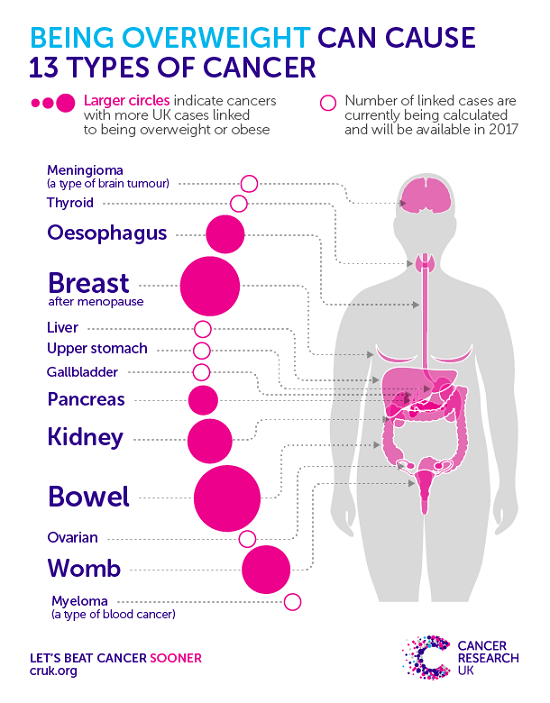
    Obesity: Having excess body fat, especially visceral fat around the hips and abdomen, contributes to chronic, low-grade inflammation, which can cause DNA damage and an increase in risk factors for certain types of cancer. According to the National Cancer Institute, obesity is linked to at least 13 different cancers. However, half of all cancer cases could be avoided using the information we already know (i.e. keep a healthy diet, don’t smoke, and get good amounts of sleep and exercise).

    Fat tissue will create inflammation that uses up nutrients and makes it more challenging for your body to clear toxic substances. It also switches how cells grow and use energy. Dr. Bongiorno

    Obesity is a leading cause of chronic illness and is attributed to many types of cancer.

    Toxins: If you are inhaling or ingesting large amounts of toxic substances, they can be stored in fatty tissue and then eventually your healthy cells. While our bodies can handle a certain amount, an overload can cause healthy tissue and cell membranes to become inflamed and damaged. Additionally, processed foods and an unhealthy gut will negatively affect your body’s ability to process exposure to toxic substances. If you are exposing yourself to more toxins than your body is eliminating, this may create inflammation.

    If you are exposing yourself to more toxicants than your body is eliminating this may create inflammation.

    How should we fight chronic inflammation?
    Keep a healthy diet. You can avoid certain foods that are known to trigger inflammation. These include sugars and overly-processed foods – otherwise known as “junk food.” Additionally, smoking and excessive alcohol consumption should be curbed.
    • A healthy diet helps fight inflammation.

    Foods to eat include plenty of colorful vegetables and greens, and foods containing healthy fatty acids, such as those found in nuts and avocados. Additionally, drink plenty of clean water so your cells stay hydrated and can perform at their optimal level!

    Learn More About Diet: Jennifer Whitney

    Regular exercise is also an important part of fighting inflammation. A recent study performed by Mark Hamer, PhD, an epidemiologist at the University College London, examined the long-term effects of exercise with regard to inflammation. The study lasted for 10 years and included 4,000 middle-aged men and women.

    Dr Rosie Main has nutrition and exercise plans to support your healing

    • Regular exercise helps fight inflammation.
    Ultimately, Dr. Hamer found that subjects who completed approximately 2.5 hours of “moderate” exercise per week – or at least 30 minutes a day – reduced their inflammation markers by a minimum of 12%. Additionally, some study participants began exercising midway through the study period and were able to significantly lower their inflammation levels as well— meaning it is never too late for the benefit of working out!

    Get enough sleep and reduce stress. Poor sleep and stress are known triggers of inflammation. According to a study performed by Emory University and presented at the 2010 American Heart Association Scientific Sessions, getting less than six hours of sleep per night is associated with higher levels of inflammation. This is also linked with an increased risk of heart attack and stroke.

    • Reducing stress and getting enough sleep helps fight inflammation.

    In addition to lack of sleep, excessive levels of long-term stress can negatively affect your gut and compromise the production of enzymes that aid in the digestive process. For your best performance, it is optimal to get eight hours of sleep each night, with at least five of those hours being continuous or uninterrupted.

    Our Local Practitioners All Shared Numerous Ways To Support Your Healing From Inflammation visit their sites to learn more: 

    David DeHaas of Living Waters Wellness Center  

    Malisa Williams, LMSW, CMSP of Renew Wellness  

    Dr. Michael Karlfeldt of The Karlfeldt Center

    Tamra Geryk RN of Functional Medicine of Idaho  

    Dr. Rosie Main DC of Main Health Solutions  

    Jennifer Whitney of Restoring Nutrition  

    Lisa Hevern, an Independent DoTerra Wellness Advocate 

    Dr. Jon Harmon of Clear Mind Idaho 

    Dr. Andrew Rostenberg of Red Mountain Natural Clinic  

    Sources:

    “Anti-Inflammatory Nutrition Research.” Inflammation Research Foundation, www.inflammationresearchfoundation.org/

    “Acute Inflammation.” Washington.Edu. University of Birmingham, n.d. Web. 05 Oct. 2016.

    DiCorleto, PhD Paul. “Why You Should Pay Attention to Chronic Inflammation.” Health Essentials from Cleveland Clinic, 25 July 2016, health.clevelandclinic.org/2014/10/why-you-should-pay-attention-to-chronic-inflammation/.

    Gushée, Sophia Ruan. A to Z of D-toxing: The Ultimate Guide to Reducing Our Toxic Exposures. N.p.: n.p., n.d. Print.

    Heid, Markham. “The Habit That Can Save Your Life.” Prevention. N.p., 16 Aug. 2012. Web. 05 Oct. 2016.

    “How being overweight causes cancer.” Cancer Research UK, 6 Apr. 2017, www.cancerresearchuk.org/about-cancer/causes-of-cancer/bodyweight-and-cancer/how-being-overweight-causes-cancer.

    Hume, Tim, and Jen Christensen. “WHO: Imminent Global Cancer ‘disaster’ Reflects Aging, Lifestyle Factors.” CNN. Cable News Network, 04 Feb. 2016. Web. 05 Oct. 2016.

    Nordqvist, Christian. “Pain / Anesthetics Bones / Orthopedics Immune System / Vaccines Arthritis / Rheumatology Inflammation: Chronic and Acute.”Medical News Today. MediLexicon International, 16 Sept. 2015. Web. 05 Oct. 2016.

    Paddock, Catharine. “Cardiovascular / Cardiology Sleep / Sleep Disorders / Insomnia Heart Disease Stroke Poor Sleep Tied To Inflammation, A Risk Factor For Heart Disease, Stroke.” Medical News Today. MediLexicon International, 15 Nov. 2010. Web. 05 Oct. 2016.

    Pevzner, Holly. “10 Ways to Reduce Inflammation.” EatingWell. Eating Well Magazine, June 2012. Web. 05 Oct. 2016.

    Rattue, Grace. “Immune System / Vaccines How Does The Immune System Power Inflammation?” Medical News Today. MediLexicon International, 05 July 2012. Web. 05 Oct. 2016.

    Samadi, David. “Inflammation: The Battle to the Death Inside Our Bodies.” The Observer. N.p., 11 Sept. 2015. Web. 05 Oct. 2016.

    Share:


    This article originally appeared at: https://www.dirt-to-dinner.com/what-is-inflammation/.
  • What Are Toxins Doing To Our Kids?

    We cannot assume that just because chemicals are in common trade and usage that they have been evaluated for safety by our government or any other scientific board, nor that they have been approved. Most are not and have not. We’re strong parents who can face the truth and do something strong and positive and powerful with it to protect our kids, our neighbor’s kids, and kids in other countries who are still getting exposed to those same chemicals that have been banned for use in our country.

    62,000 Toxic Chemicals & Failed Legislation

    The Toxic Substance Control Act (TCSA), passed in 1976, is the US federal law that regulates industrial and consumer chemicals – the thousands of synthetic chemicals in use that are not intended to be used in medication, cosmetics, foods, or pesticides. At the time this law was passed, the Environmental Protection Agency was charged with creating an inventory of all existing chemicals, which were then to the biomarker for safety. At that time there were already about 62,000 existing chemicals. Rather than being tested, however, they were “presumed safe” and were “grandfathered in.”

    Only 5 chemicals have been banned under the TSCA in over 35 years. Yes, 5! Do you find that as shocking as I do?

    The EPA has otherwise been entirely unable to require testing on, regulate, or remove any of the remaining chemicals from the marketplace. Only a few states in the US – California, New York, and Massachusetts among them – have state laws relevant to children’s environmental health. California put legislation in place so that by 2012, 1200 chemicals identified by the EPA were to be regulated; NY, MA, and CA require commercial pesticide applicators and farmers to report pesticide application to the state, and CT has banned BPA use in carbonless receipts from banks and retail stores due to its risk of absorption and potential harm to offspring when childbearing women who handle these regularly at work are exposed.

    Of the over 80,000 chemicals now in use in the US, it is clear that many are harmful to human physical and neurological development. Exposure at various vulnerable times during pregnancy, infancy, early childhood, and even though the teenage years when the lungs, endocrine, and nervous systems are still developing, can result in the same health problems increasing amongst our children including those I mentioned earlier. Because of their surface area-to-body weight ratio and immature detoxification abilities, most toxins impact children’s health harder than they do us grown-ups.

    https://hfi.designbyparrish.com/our-kids-are-so-very-sick

    What You Can Do to Protect Your Children from Environmental Toxins

    1. Optimize nutrition

    Great nutrition has two key benefits – eating natural foods with as little packaging and as few additives, colorings, pesticides, and herbicides as possible reduces chemical exposures for our kids (even after just 5 days of switching to mostly organic produce, kids’ blood levels of toxic agricultural chemicals go way down). Also, good nutrition boosts our natural ability to detoxify environmental toxins. I recommend that kids get at least two brightly colored fruits or vegetables at each meal (think carrots, blueberries, squash, for example). Healthy All Year has an entire section of lessons dedicated to teaching you how to use nutrition to boost your child’s immunity and support natural detoxification. You’ll also learn which supplements you can use to enhance detoxification naturally and safely, without breaking the bank!
    Teach your children about real foods Food Renegade has a new lesson book a great resource to learn together.

    2. Get Educated & Reduce Exposures

    Knowing which industrial, household and personal products (i.e., shampoos, lotions, sunscreens) are most toxic is key to protecting your child’s health. You also need to know which are the healthier alternatives. The Environmental Working Group, which has recently merged with Healthy Child, Healthy World, another of my favorite environmental advocacy groups. Other advocacy groups, Robyn O’Brien’s Allergy Kids, and Beth Lambert’s Epidemic Answers. Support the body’s ability to naturally detox. 

    3. Don’t be Afraid to be Called “Mean Mommy” and Other Names

    It’s our job to be parents and that means keeping our kids out of harm’s way when we can, even if it makes us temporarily unpopular. While we want our kids to live comfortably in the world, and not make life feel too restrictive, how comfortable is obesity or a hormone problem, really? 

    Yes, my kids called me “mean mommy” because I refused to let them wear the cool pajamas their friends were wearing – the ones treated with flame retardant chemicals. Now, 25 or so years later, the data is unequivocal. Flame retardants are seriously hazardous to our health, and more so to young children whose exposures far outweigh our own, and in whom exposures at critical times may have a detrimental impact on immunity, hormones (including those that impact obesity), and neurological health. 

    4. Join Together and Speak Up!

    It’s amazing what powerful mothers, fathers, grandparents, and citizens have accomplished in making policy changes in their children’s environments from toxic paints and toxic foods in schools to environmental dumping, fracking, and chemical waste plant leaks. Health Freedom Idaho is a coalition of moms (dads, grandparents, concerned citizens) who are speaking up. It is no small task, but clearly, the government isn’t going to clean this problem up for us, so we’ve got to be activists for our children’s health! 

    Will you join us!

    Impact of Toxins on Children’s Health:

    Aviva Romm https://avivaromm.com/government-failing-to-regulate-toxins-harming-kids/

    toxins and children

    ToxicFreeTribe: 16 ways to reduce toxic exposure

    Generation In Jeopardy: https://www.psr-la.org/PesticidesReport

  • 9 reasons we have a “sick”, not “health care” system

    The conventional medical system and hospitalized care is now in the Top 3 leading causes of mortality, as announced by Johns Hopkins University in 2016.

    Does this sound like a system you would choose to participate in?

    Here are 9 reasons we have a “sick” and not a “health care” system:

    1. Any system which forces the population to seek and/or use only one methodology or approach to treatment for addressing health issues or face denial of coverage, is not “health care”. 

    When there is only one accepted method of treating health care issues (via drugs or surgery, for example), when consumers lack education, choices and freedom about their health, this is not health care

    Any time there is a risk to a treatment or medical procedures, there needs to be a choice. When we are forced to accept treatments that don’t heal our bodies or solve health care problems, and we continue to participate in treatment that doesn’t solve the problem, we are trapped in a system that effectively keeps patients and consumers in a state of being unwell.

    2. Any system which penalizes those who chose to go outside the system for “alternatives” or holistic treatment, is not “health care”. 

    Punishing citizens by forcing them to pay into a system which they do not want to participate is not a free society and not only falls under the category of discrimination, but is a direct violation of human rights. Reasoning that our health care system is too costly for certain members of its population to afford it is not justification to mandate citizens to fund or participate in a system. There’s a word for this: it’s called fascism.  

    If leaders of the health care industry possessed a sincere desire to make wellness achievable and accessible to all, they would advocate for holistic health alternatives, education and treatment. If these leaders were willing to provide information to patients and consumers that would allow them to experience wellness, we would see dramatic changes in our death and disease rates.

    Instead, what we have is a system that continues to create dependencies on drugs, surgery and other treatments that are costly and don’t heal or contribute to recovery. Making these changes would significantly impact the overall cost of health because less of our population would be sick and thus would be using medical services. This is the definition of a “sick care” system, and it is extremely profitable for the corporations involved. 

    (As an aside, it’s fair to call it an industry since it generates profit, and quite a lot of it. According to Statistic Brain, the health care industry generates $1.668 trillion annually. Let that sink in.)

    3. Any system that uses treatments that manage rather than heal, and fails to improve health or well-being of its subscribers or members is not  “health care”.  

    Drugs, surgery, and other procedures do not prevent future health issues nor resolve the root of the problem. Instead, those who receive such treatments and are administered pharmaceutical products become looped into a system that requires continual appointments and treatment, vaccines, and renewal of drug prescriptions. This is not wellness, but “managed illness”. All drugs have side-effects which can cause a downward spiral of health issues, and still no resolution of the cause of the original health problem.

    4. Any system that refuses to cover care that goes outside the scope of the conventional medical model, or attempts to discredit other modes of medical or health treatments is not “health care”. 

    The majority of insurance providers do not provide coverage for complimentary or holistic treatments. Instead, most covered services include only conventional treatments.

    When patients seek medical advice and are told that if they do not follow the recommendations provided they will be dismissed as a patient or are endangering themselves or their child of further disease or death, this is not health care.

    What motivation would there be for a system to continually attempt to tarnish or invalidate other types of health care other than to protect its own interests? There’s really only one answer to this: profits and power. 

    5. Any system that relies upon drugs, surgery, vaccines and other similar treatments to treat health care issues does not support wellness. This reactionary, rather than preventative approach, is not “health care”. 

    Although sometimes we do need drugs or surgery, these should be exceptions to the rule of health treatments; not what we use for every health care scenario. We are not drug, vaccine, or surgery deficient.

    The conventional medical model does not educate its patients on preventative habits or lifestyle choices that could lead to wellness. Instead, it recommends taking prescriptions to manage symptoms, consumption of a low-fat, high carbohydrate diet with more plants and grains, increased exercise, and diagnostics including mammography and colonoscopy for “prevention” of disease. 

    Low-fat diets have actually been shown to lead to health issues, and no amount of exercise will create health in someone who is unwell and not addressing existing nutritional deficiencies in their body from consuming a low-fat diet. Contrary to what we’ve been told for decades, cholesterol is actually essential for for every aspect of health including cell structure, hormones, digestion, weight management, stress, brain function, metabolism and more. It’s the source of that cholesterol which makes the difference: cholesterol from animal foods that come from confinement operations versus organically-grown, pasture-raised environments are completely opposite on the spectrum. We can definitely expect to experience disease and chronic health issues from consuming the former, while choices from the second can be extremely beneficial and health-supporting.

    Diagnostics such as colonoscopies and mammograms involve risk due to exposing tissue to radiation and compression (which can lead to cancer), drug reactions, and perforation of human tissue. 

    Each of these recommendations can and have lead to further incidence of disease, yet are advocated and endorsed by conventional medical practitioners and guidelines. Preventative diagnostics have been known to fail to detect or prevent the disease that is being screened. Read more about mammograms from Dr. Mercola.  

    6. Any system that engages in bullying, coercion, threats, intimidation, discouragement of research and education, or disregards empowerment toward the patient or consumer is not “health care”. 

    Patients and consumers regularly report receiving condescending, disrespectful, bullying and unfair treatment by practitioners when they decline or request more information on specific types of treatment. Any practitioner that engages in this type of behavior or approach is not practicing “health care”.

    7. Any system which repeatedly discredits, undermines or disesteems medical doctors, nurses, scientists and others including holistic practitioners who have taken their education and research outside of conventional approaches and treatments and gained an understanding of the importance of holistic approaches to address health care issues is not a “health care system”. 

    When a doctor or practitioner goes outside of accepted answers or language about a treatment or procedure, the typical response is that said individual is not credible or has a soiled reputation, is a “quack”, or is discredited in some other way. In some cases, the individual may be targeted to lose his or her license, or may even die in a mysterious manner. Are these deaths simply coincidences? Erin from Health Nut News did an expose on the more than 70 health practitioners who died between 2015 and 2016 from unexplained causes.

    8. Any system which denies the existence of studies and research showing risks and flaws within the conventional health care approach is not “health care”. 

    There are thousands upon thousands of studies and papers revealing the risks of conventional care approaches, yet many who are confronted with this information or evidence will dismiss and attempt to discredit those who bring this information to light. Why do those within the conventional system fight so vehemently against this information? Why do the defenders of the conventional medical system use the same arguments again and again, and without unbiased, scientific documentation? These responses beg the question: if you want to know who is oppressing you, find out who you are not allowed to question or raise skepticism toward. What do these staunch defenders have to worry about if the risks and flaws of the medical system, challenged by those who aren’t satisfied with the status quo, are wrong?

    9. Any system whose practitioners and representatives oppose parents who provide testimonials of children who have experienced vaccine-injury or death is not “health care”. 

    There are literally tens of thousands of parents who have shared their stories about how vaccines have damaged or killed their children, many of them with similar symptoms and reactions. The majority of representatives in the conventional health care system insist that these parents are incorrect, uneducated, hysterical, irrational, abusive, “conspiracy-theory driven” or even criminals. Most parents who question vaccines were pro-vaccine at one time. The reason they began to question is because they experienced the tragedy of a vaccine-injured or dead child. This is not a place that most parents would ever want to find themselves in; and yet, more and more are having to endure that very scenario. Those parents wish more than anything that they could go back in time and make a different decision. Sadly, once a vaccine is administered, it cannot be “un-given”.

    Although we are assured otherwise, the science is not settled. If science is not allowed to be tested, questioned, or challenged, then we are clearly stifled and arrested as a civilization which cannot move forward in its acquisition and understanding of knowledge and information. The conventional medical system is by no means a “gold standard”. There have been and continue to be examples of those who use it and experience suffering and death as a result of their choice … and yet we are expected to regard this system as infallible and as possessing a guarantee about how to treat and “cure” illness when it appears more than obvious that it is anything but that level of reliable or sound.

    Recommended ways to maintain wellness are as follows:

    • Eat a diet of real, organic, nourishing foods including grassfed meats, pasture-raised poultry and eggs and raw dairy foods, organic or pesticide, herbicide and genetically-modified-free fruits, vegetables, legumes, nuts, seeds, and other foods . 
    • Eliminate sugars, grains, processed and packaged food products. 
    • Prepare foods at home, from scratch using ingredients rather than jars, packages, or prepared meals.
    • Consider traditional preparation of foods such as fermentation (sauerkraut, pickles, yogurt, kefir, sour cream), slow-cooking on low heat meats, fish and poultry using homemade meat broth and stocks from bones, vegetables, sea salt and filtered water. These methods render foods more nutritious and easier-to-digest as well as heal the digestive tract to enable higher absorption rate of nutrients.
    • Eliminate toxins from your environment including commercial cleaners, detergents, air fresheners, candles, shampoos, deodorant, toothpaste, soaps, body, beauty, and personal care products. Opt for natural products or make your own at home. Many cleaning and personal care products are easy to make at home with a few ingredients including kitchen and bathroom cleaners made with apple cider vinegar and baking soda, or plain vinegar and lemon juice, deodorant made with coconut oil and essential oils (such as lavender, lemongrass or peppermint), body butter made with equal parts of coconut oil, shea butter, olive oil and cocoa butter.

    When we eat better, we feel better and tend to get sick less often. Less illness leads to a healthier body and less chance of long-term, chronic illness such as heart disease, diabetes, depression, brain fog, memory issues, obesity, inflammation, and other auto-immune disorders.

    Health share programs

    Here is a list of health share programs that offer health care “coverage” for less than the average insurance plan (especially if you factor in the penalty for not participating), and provide you and your family with a means to lower expenses that would otherwise be difficult or impossible to manage on your own.

    These are not insurance companies, they are share programs that provide coverage to members when needed. Members of these groups are by definition “exempt” from penalties imposed if you opt out of the Affordable Care Act (ACA aka “Obamacare”).

    Altrua

    Aliera

    Liberty

    My Christian Care

    Samaritan Ministries

  • Measles: A Treatable Disease

    Large portions of this editorial are from vaccine choice advocate Shawn Siegel as posted publicly on Facebook here.

    There’s no such thing as an illness or disease that doesn’t have sometimes associated complications and death – even the common cold. Yet, we wouldn’t call the common cold anything other than benign. The pictograph posted below, of pre-vaccine America, makes it as plain as the nose on your face: measles is a benign illness. It should also make it obvious that the one child in 7,500 cases who died had some pretty serious health issues; that complications and death don’t follow the virus, or bacteria, they follow the person.

    There have been no childhood deaths in the U.S. from measles in the past 15 years. Those measles death statistics in the CDC and pharma-backed “science” blogs are in third-world countries, not in the US! Measles is not a deadly disease for people with food and water.  The 98% decline in disease rates for measles was PRIOR to the introduction of the vaccine due to advancements in living conditions, nutrition and healthcare.

    Once again, the media is discarding factual reporting in favor of mindless sensationalism, attributing an alleged measles resurgence — even this claim is specious — to the unvaccinated and a push for vaccination for everyone. 

    Interestingly, a  report on Jan 31, 2019 124 cases of measles confirmed in New York October 2018 to present, NO FATALITIES 
    and media reports only 34 were unvaccinated. That means that 90 of the 124 cases were vaccinated – that would be close to a 75% vaccine failure rate. 

    Whether or not this claim is actually true pales in importance compared to the fact that measles really isn’t much of a threat in the first place. The measles vaccine, on the other hand, is a whole different story.

    RESEARCH LINKS AND RESOUCES can be found on this article: FACTS ABOUT OUTBREAKS and MEASLES

    Health issues can often be improved through proper treatments and therapies. 

    Health in no way can be improved through vaccination – through injection of disease, certainly of multiple diseases, known neurotoxins – literal poisons – carcinogens and other chemicals, none of which belong in the human bloodstream. 

    That’s why the MMR vaccine – sticking to measles – is listed by Health and Human Services as causing brain inflammation, brain damage, potentially fatal anaphylactic shock, chronic arthritis, thrombocytopenic purpura – a blood platelet autoimmune disorder so named because the resulting accumulation of internal bruises ultimately turns the body purple – and “Any acute complication or sequela, including death,…”.

     “preventable diseases” are actually treatable with modern medicine or even with just – better nutrition. Measles is treated with vitamin A. The severity of whooping cough can be greatly reduced with high doses of vitamin C. These diseases were hardly considered dangerous and rather more like a rite of passage for kids in the 50s & early 60s, and now we know so much more about how to treat them. But the fear-mongering in the media and from medical professionals is intense. And ridiculous. Ashley Everly ThinkLoveHealthy.com

    The USCDC lists measles as “the deadliest of the fever / rash diseases”, giving a terribly misleading, dishonest impression of the reality of the illness, when they know full well that what was stated by an MD in a 1959 British Medical Journal issue is true:

    “In this practice measles is considered as a relatively mild and inevitable childhood ailment that is best encountered any time from 3 to 7 years of age. Over the past 10 years there have been few serious complications at any age, and all children have made complete recoveries. As a result of this reasoning no special attempts have been made at prevention even in young infants in whom the disease has not been found to be especially serious.”

    Critically, multiple studies tell us “preventable diseases” are actually beneficial to the immune system to contract and are linked to having a reduced risk of cancer

    That is, from a valid perspective the process we call infectious illness is corrective in nature – an adjustment, if you will, to afford better immunological strength in adolescence and adulthood. 

    Beyond being terribly divisive, the notion that vaccination is protective in any way, for anyone – most of all, ironically, for the vaccinated – is false.

    The final irony is that it’s not really about choice; that no parent who’s seen enough honest vaccine information would ever choose to vaccinate in the first place.

    – Shawn Siegel

    By definition, benign diseases are: generally without complications, and a good prognosis (outcome) is usual. – via Britannica.com

    MORE RESEARCH RESOURCES: 

    Researching Vaccines: Where to Start

    Measles Vaccine Injury and Death

    Vitamin A for Treating Measles in Children

    Lead image courtesy of David D. on Flickr.

  • Could Lyme Disease Be the Cause of Your Health Condition?

    Could Lyme Disease Be the Cause of Your Health Condition?

    HFI: Many of our members and subscribers have recently been given a diagnosis of lyme. If you have done research for yourself or a family member please feel free to CONTRIBUTE your voice and post resources to share with others. We are building a community to support each other’s health and education is a key component.
    Portion of an article by Dr. Karlfeldt regarding Lyme Disease


    Lyme disease is the fastest spreading infectious disease in the United States, with an estimated 200,000 new cases per year. Lyme is a complex disease that can be highly difficult to diagnose. Currently there is no reliable test to determine if someone has contracted Lyme disease or is cured of it. People with chronic Lyme can have many debilitating symptoms, including severe fatigue, anxiety, headaches, and joint pain. Lyme disease is not just an “East Coast” problem.

    In fact, in the last ten years, ticks known to carry Lyme disease have been identified in all 50 states and worldwide. Ticks can vary in size from a poppy-seed size nymphal tick to a sesame-seed size adult tick. The ticks can carry other infectious agents besides the spirochete that causes Lyme disease. The same tick that carries the bacteria that causes Lyme Disease, can also transmit other illnesses. The most common are Babesiosis, Ehrlichiosis, and Bartonella henselae.

    Lyme Disease is very complicated to diagnose because:

    Lyme bacteria are not always detectable in the whole blood, even in active disease. The bacteria like to hide and travel in the body through the connective tissue rather than the in blood. Every patient responds differently to an infection. Antibodies may only be present for a short time after the infection.


    Lyme disease has three components, which should be recognized and addressed with treatment:

    The presence of spirochete infection and co-infections: The co-infections are bacterial, viral, fungal and parasitic.
    Since the spirochetes paralyze multiple aspects of the immune system, the organism is without defenses against many microbes. The illness producing effect of microbial exo- and endotoxins and toxins produced by the host in response to microbial trigger: Most of these are neurotoxins, some appear to be carcinogenic as well, others block the T3 receptor on the cell wall, etc. Decreased hormonal output of the gonads and adrenals is a commonly observed toxin mediated problem in Lyme patients. Central inhibition of the pineal gland, hypothalamus and pituitary gland is almost always an issue that has to be resolved somewhat independently from treating the infection. Furthermore, biotoxins from the infectious agents have a synergistic effect with heavy metals, xenobiotics and thioethers from cavitations and NICO lesions in the jaw and from root filled teeth. The immune reactions provoked by the presence of both toxins and microbes: The immune reactions are largely depending on host factors, such as genetics, prior illnesses, mental-emotional baggage, early childhood traumatization, current exposure to electromagnetic fields (sleeping location, use of cell phones, poor wiring in car or home, etc), food allergies and diet, socio-economic background, marital stress etc.

    The treatment of Lyme disease requires 4 distinctive steps:

    1 Decreasing toxic body burden/unloading the system – supporting the body’s pathways of elimination (liver/gallbladder, colon, kidneys, lungs, and skin); reducing heavy metal, chemical, electro-magnetic, and microwave exposure. 

    2 Improving disturbed physiology – correcting nutritional deficiencies, balancing hormones, neurotransmitters, and repairing weak tissue. 
    Decreasing microbial count – using proper broad based agents at high enough of a dosage and for long enough to support the reduction of Borrelia and it’s co-infections. Immunemodulation – reduce an over reactive response by the immune system to the presence of the bugs. It is believed that it is this response that creates more tissue damage than the actual presence of the bugs. 
    4 A very effective technique to do this is Applied PsychoNeurobiology (APN) developed by Dr. Dietrich Klinghardt.

    Michael Karlfeldt, N.D., Ph.D., uses ART testing (autonomic response testing), which is the most advanced and scientifically validated method of muscle testing developed by Dr. Klinghardt, to determine what is stressing the body and what nutritional protocol would best restore balance. Dr. Karlfeldt has been trained by Dr. Klinghardt, one of the world’s foremost authority in the treatment of Lyme Disease.

    Dr. Michael Karlfeldt

    Dr. Michael Karlfeldt

    2921 S. Meridian Rd, Meridian, ID, 83642

    telephone – 208-338-8902

    info@thekarlfeldtcenter.com

  • Study: Manuka honey kills more bacteria than all available antibiotics

    Study: Manuka honey kills more bacteria than all available antibiotics

    Australian researchers have found one type of honey, called Manuka honey, to be better than all known antibiotics.

    Manuka honey is produced by bees that forage on the nectar of Leptospermum Scoparium, or New Zealand’s Manuka bush, as well as tea trees, native to Australia and New Zealand only.

    This remarkable type of honey not only effectively kills bacteria, but none of the bugs killed by it have been able to build up immunity. In a world where many of the last resort antibiotics are failing against antibiotic-resistant superbugs, Manuka honey may hold the key to fighting resistance issues, saving thousands of lives worldwide.

    Manuka honey fights superbugs

    Dr. Dee Carter from the University of Sydney’s School of Molecular and Microbial Biosciences noted that antibiotics not only have short shelf lives, but the bacteria they attack quickly become resistant as well, making them useless over time.

    The report, published in the European Journal of Clinical Microbiology and Infectious Diseases, claimed that Manuka honey killed almost every bacteria and pathogen it was tested on. Unlike all antibiotics available on today’s market, none of the bugs tested were able to survive the honey treatment.

    According to Dr. Carter, there are particular compounds, like methylglyoxal, in the Manuka honey that cause multi-system failure in the bacteria, killing them before they are able to adapt and build up immunity.

    What Manuka honey can do for you

    Manuka’s biological properties range from antioxidant, anti-inflammatory, antibacterial, antiviral, antibiotic and wound healing, to immune-stimulatory. However, what separates Manuka honey from the rest is that its antibacterial powers challenge even the toughest superbugs, such as the life-threatening methicillin-resistant Staphylococcus aureus (MRSA).

    Read the rest of this article at: http://www.naturalnews.com/2016-12-20-study-manuka-honey-kills-more-bacteria-than-all-antibiotics-available.html.