
Tag: eggs

  • Gems In the Gem State: McIntyre Pastures’ Focus On The Soil

    In this new series, Gems In the Gem State, we focus on our local food, health and environment heroes. We recently interviewed Maria McIntyre of McIntyre Pastures and loved what she had to share about the foundation of their meat and egg production: the soil. Their family farm saw its start 109 years ago. The farm is currently being run by the third and fourth generation family members who are loving this way of life and the nourishing products they produce.

    By Maria McIntyre

    Everything hinges on the health of our soil. The difference between nutrient-dense food – and food that is not – all stems back to the soil it was raised in or consumed from. In a healthy teaspoon of soil, there can be anywhere from 100 million to 1 billion microbes. 

    Most people in agriculture don’t take time to try and understand what it takes to make these microbes happy. We don’t want to profess to know it all, because we feel like we might know 1/10 of a percent of how the soil functions, but…one thing we do know is that they need food and a safe habitat just like any other animal to be successful. 

    We have just as big of a responsibility to tend to the “livestock” that is under the ground as we do to what is grazing and living on top of the soil. 

    On our farm we do not till the soil, so we don’t disturb the habitat for the microbes. We constantly keep living roots in the soil via perennials and cover crops so they are giving off life-supporting food sources to the microbes. We also employ ruminants (cattle) to graze the plants and convert the plant material into another food source (manure and urine). All of this turns into nutrient dense grass and then, finally, nutrient dense meat and eggs. Behind our cattle, then come our chickens to do their valuable work. 

    What does this mean for you, the consumer? 

    A quote we found intriguing and alarming is this: “You would need to eat twice as much meat, 3 times as much fruit, and 4-5 times as many vegetables to get the same amount of minerals as available in the same foods in 1940” (Dr. Christine Jones, Amazing Carbon founder). 

    You can get overwhelmed with labels or even claims made on how your food is produced. If you do value the kind of nutrients that are being transferred to the foods you eat, you need to know the source of your food. Know your farmer. Know his or her practices. Know that what is being claimed is actually what is happening.

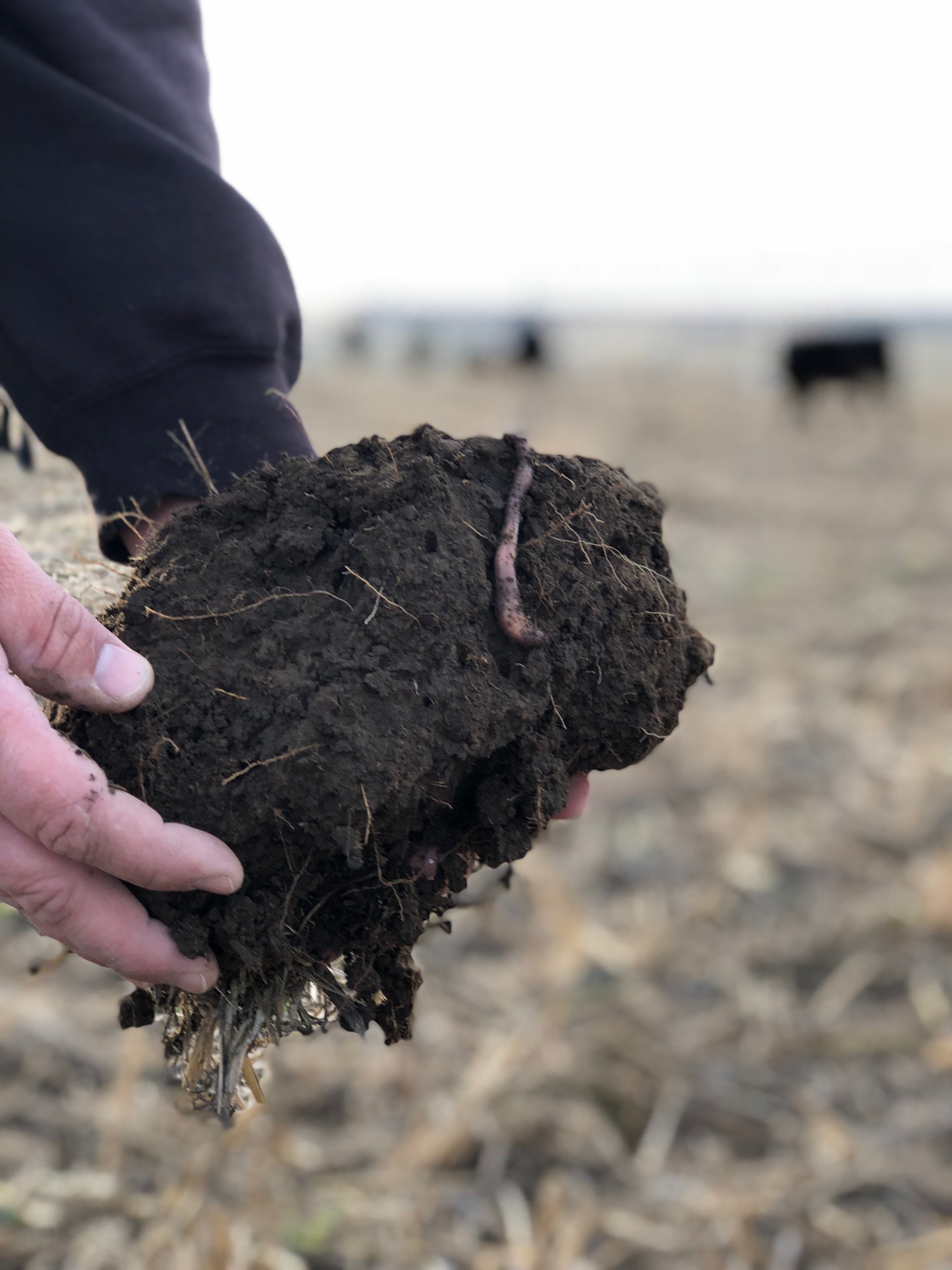
    These photos below help illustrate what we are doing here at McIntyre Pastures.

    The picture of the soil is from just last week! We seeded a cover crop (polyculture) early last fall for our mother cows and their calves to winter on. As spring has come, the plant matter (which included turnips, black oats, chickory, radish, collards, italian rye, and much more) has all been eaten, broken down, and re-deposited in the form of manure and urine. Look how happy the soil looks! Worms, worm casts, aeration and more, in abundance. 
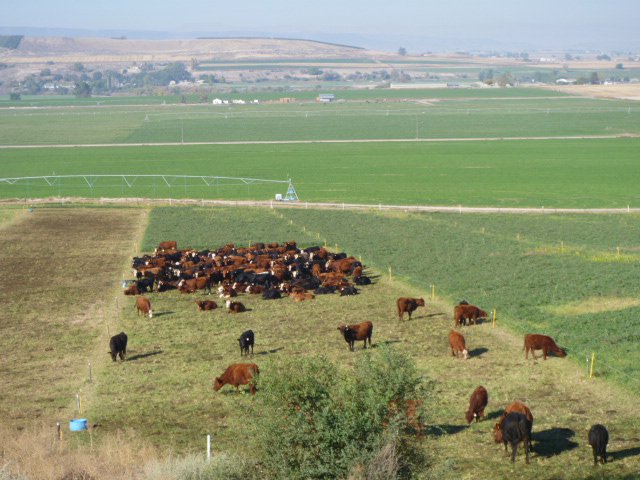
    The pictures of the cattle grazing in paddocks shows how soil health is built by rotating (very often) the ruminants across a large area by sectioning it off. This spreads the urine and manure instead of letting them stay in an area for a long amount of time, thus building up the nutrients and minerals in the soil. 
    The chickens follow behind the cattle in such a great circle. They clean up what the cattle have left behind and deposit more manure and urine in the soil. They also glean from the manure the cattle have left and help naturally ‘sanitize’ the pasture by eating fly larva and insects.

    The picture of the eggs compares our pastured eggs (the darkest orange yolked one) to a ‘free range’ and confined, ‘organic’. Although color is not a complete test, it is a great indicator of nutrient content. 
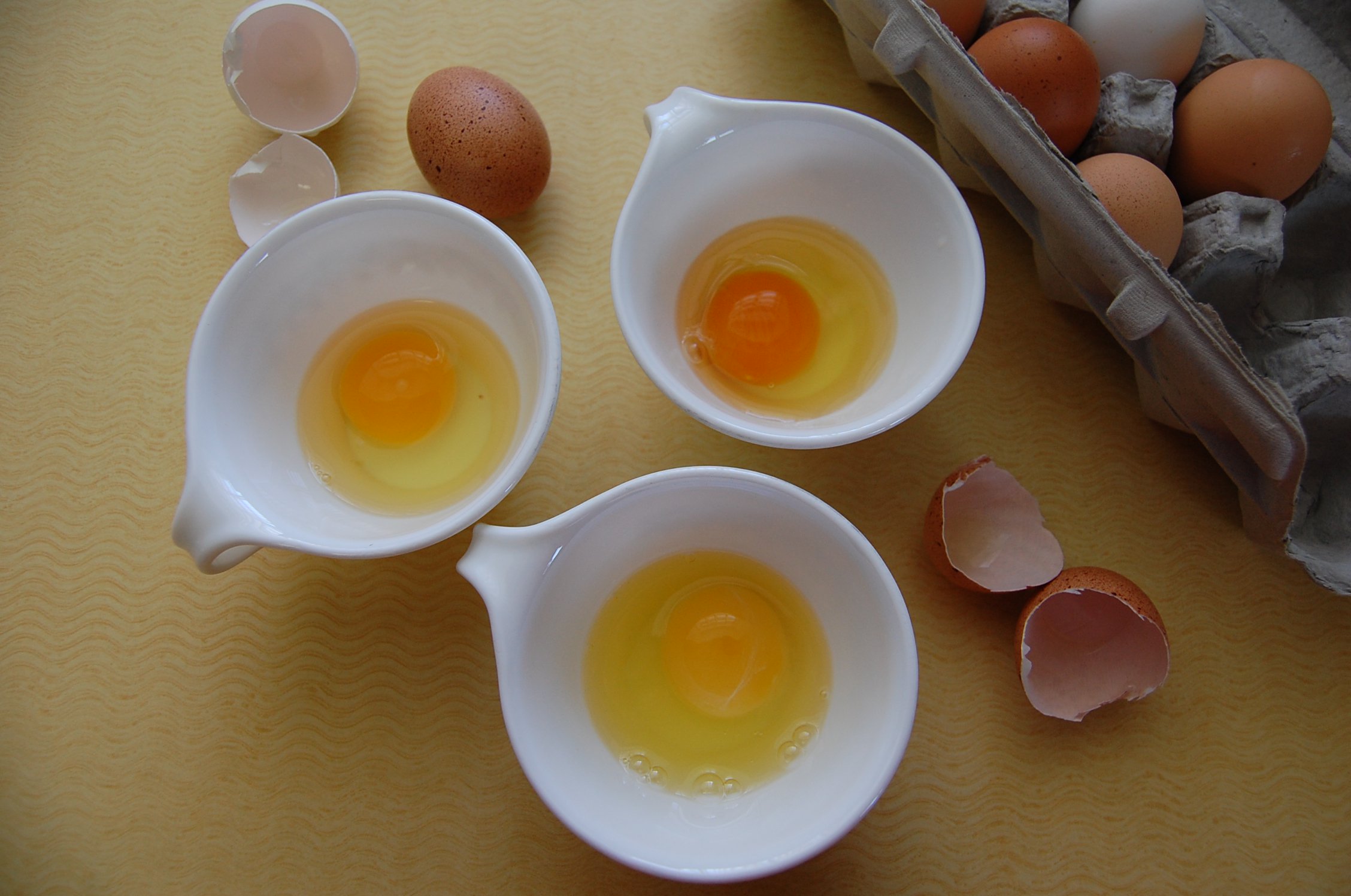
    By pasturing our chickens behind the cattle and rotating them on healthy pasture and cover crop, scratching manure behind the cattle for flies and larva, coupled with non-GMO / soy free feed and minerals free choice, those benefits they are drawing from the soil are passed onto the consumer in the egg. Again, make sure you know what you are getting.

    We love what we do here on the farm and especially appreciate providing nourishing food to people, while fostering a highly sustainable ecosystem for our animals and soil.
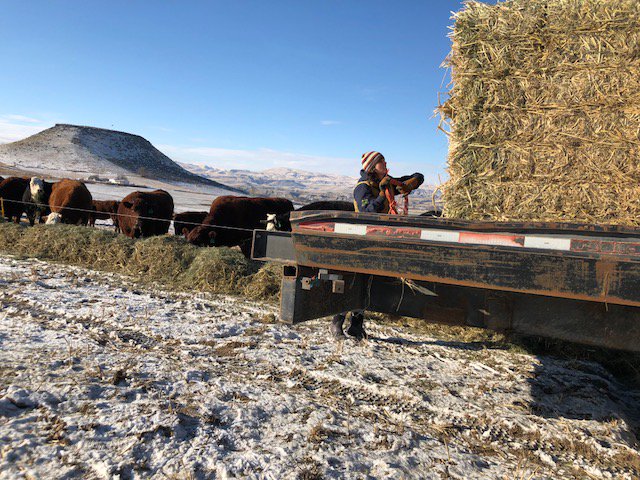


    You can read more about McIntyre’s farming practices on their website.

    If you’re interested in purchasing their meat and eggs, you can buy at select markets or order online and pick up at a number of locations in the Treasure Valley. McIntyre also provides products to local restaurants.

  • Chicken Farmer

    1. Whole Eggs Are Among The Most Nutritious Foods on Earth

    One whole egg contains an amazing range of nutrients.

    Just imagine… the nutrients in there are enough to turn a single fertilized cell into an entire baby chicken.

    Eggs are loaded with vitamins, minerals, high quality proteins, good fats and various other lesser-known nutrients.

    One large egg contains (1):

    • Vitamin B12 (Cobalamin): 9% of the RDA.
    • Vitamin B2 (Riboflavin): 15% of the RDA.
    • Vitamin A: 6% of the RDA.
    • Vitamin B5 (Pantothenic Acid): 7% of the RDA.
    • Selenium: 22% of the RDA.
    • Eggs also contain small amounts of almost every vitamin and mineral required by the human body… including calcium, iron, potassium, zinc, manganese, Vitamin E, Folate and many more.

    A large egg contains 77 calories, with 6 grams of quality protein, 5 grams of fat and trace amounts of carbohydrates.

    It’s very important to realize that almost all the nutrients are contained in the yolk, the white contains only protein.

    Bottom Line: Whole eggs are incredibly nutritious, containing a very large amount of nutrients compared to the calorie load. The nutrients are found in the yolks, while the whites are mostly protein.

    2. Eggs Improve Your Cholesterol Profile and do NOT Raise Your Risk of Cardiovascular Disease

    Egg

    The main reason people have been warned about eggs is that they’re loaded with cholesterol.

    One large egg contains 212 mg of cholesterol, which is a LOT compared to most other foods.

    However, just because a food contains cholesterol doesn’t mean that it will raise the bad cholesterol in the blood.

    The liver actually produces cholesterol, every single day. If you eat cholesterol, then your liver produces less. If you don’t eat cholesterol, then your liver produces more of it.

    The thing is, many studies show that eggs actually improve your cholesterol profile.

    Eggs tend to raise HDL (the “good”) cholesterol and they tend to change the LDL (the “bad”) cholesterol to a large subtype which is not associated with an increased risk of heart disease (2, 3, 4).

    One study discovered that 3 whole eggs per day reduced insulin resistance, raised HDL and increased the size of LDL particles in men and women with metabolic syndrome (5).

    Multiple studies have examined the effects of egg consumption on the risk of cardiovascular disease and found no association between the two (6, 7, 8).

    However, some studies do show an increased risk of cardiovascular disease in diabetic patients. This needs further research though and probably doesn’t apply on a low-carb diet, which can in many cases reverse type II diabetes (9, 10, 11).

    Bottom Line: Studies show that eggs actually improve the cholesterol profile. They raise HDL (the good) cholesterol and increase the size of LDL particles, which should lower the risk of heart disease.

    3. Eggs Are Loaded With Choline, an Important Nutrient For The Brain

    Woman smiling and holding an egg

    Choline is a lesser-known nutrient that is often grouped with the B-complex vitamins.

    Choline is an essential nutrient for human health and is needed for various processes in the body.

    It is required to synthesize the neurotransmitter acetylcholine and is also a component of cell membranes.

    A low choline intake has been implicated in liver diseases, cardiovascular disease and neurological disorders (12).

    This nutrient may be especially important for pregnant women. Studies show that a low choline intake can raise the risk of neural tube defects and lead to decreased cognitive function in the offspring (13).

    In a dietary survey in the U.S. from 2003-2004, over 90% of people ate less than the daily recommended amount of choline (14)!

    The best sources of choline in the diet are egg yolks and beef liver. One large egg contains 113 mg of Choline.

    Bottom Line: Choline is an essential nutrient that 90% of people in the U.S. aren’t getting enough of. Egg yolks are an excellent source of choline.

    4. Eggs Contain High Quality Proteins With a Perfect Amino Acid Profile

    Chicken and Egg, Smaller

    Proteins are the main building blocks of the body and serve both structural and functional purposes.

    They consist of amino acids that are linked together, kind of like beads on a string, then folded into complex shapes.

    There are about 21 amino acids that the body uses to build its proteins.

    The body can not produce 9 of these amino acids, which are deemed as “essential” and must be gotten from the diet.

    The quality of a protein source is determined by its relative amounts of these essential amino acids. A protein source that contains all of them in the right ratios is a good source of protein.

    Eggs are among the best sources of protein in the diet. In fact, the biological value (a measure of protein quality) is often evaluated by comparing it to eggs, which are given the perfect score of 100.

    Bottom Line: Eggs are an excellent source of protein, with all the essential amino acids in the right ratios.

    This article originally appeared at: https://youtu.be/zgVFmfibjeE.