Tag: ferments

  • Detox Your Body with Fermented Foods

    The easiest way to support your body’s natural ability to detox is to consume fermented foods and beverages. These easy-to-digest, mineral-rich traditional foods contain important nutrients including  Vitamins A, D, E, K2, B and C, minerals, enzymes and friendly bacteria (probiotics). These elements not only boost immunity and digestion function, but also support overall health by increasing the amount of available nutrients in food.  

    Making your own fermented foods at home is optimal since you always know what you are putting in your own preparations. These are also typically less expensive than store-bought. However, many health food stores now offer some excellent products if you aren’t in a position to make your own including: sauerkraut, pickles, and other fermented vegetable combinations. 

    Some health food stores now offer raw and pasture-raised cultured dairy foods such as yogurt, kefir, sour cream and cream cheese. Lesser recommended would be pasteurized cultured dairy foods which are more difficult to digest since enzymes and proteins are compromised during the heating process. These typically contain less beneficial bacteria than their raw counterparts.

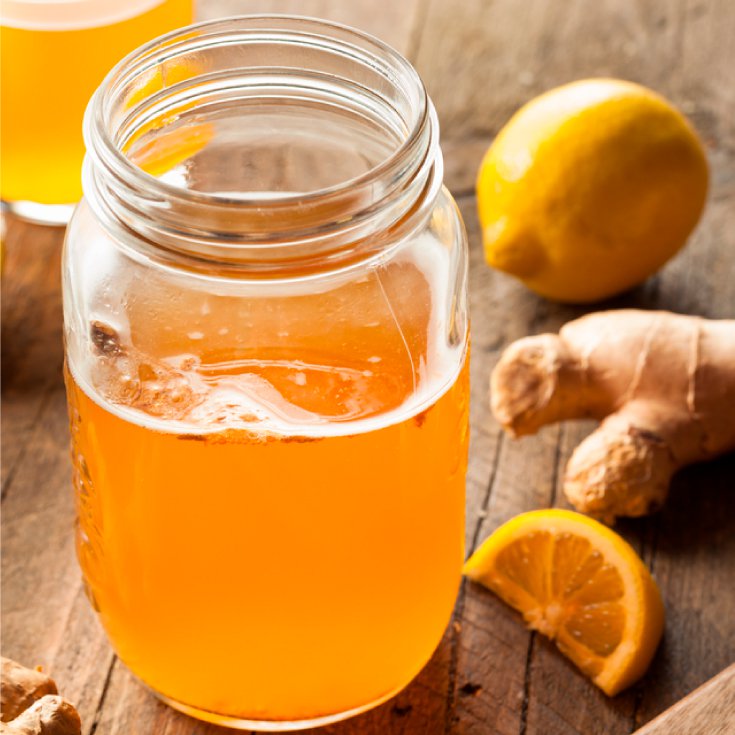
    Fermented teas such as kombucha, water kefir, and vegetable juices are also available and beneficial. These mineral and probiotic-rich beverages can be a healthy part of your diet and support for detox. All kombucha and kefir is prepared with some type of tea and sugar as the SCOBY mother (kombucha) and water kefir grains consume them to allow propagation of more bacteria. However, store-bought kombucha and water kefir tend to be much sweeter than homemade, and can also contain unwanted additives. 

    Although the fermentation process can help neutralize effects of caffeine in tea on the body, some people find they are still sensitive. If you don’t know whether you are sensitive, try a bottle of organic, store bought kombucha to test (or homemade from a friend). Some find that they need to avoid drinking kombucha tea no later than 2 p.m. during the day due to its “awakening” and energizing effects, which can affect sleep cycles. Be sure to always check labels and look for organic and if you purchase a store-bought brand.

    Always read the label carefully and choose organic whenever possible that contain only salt and vegetables/herbs for fermented produce (not vinegar). When choosing cultured dairy foods look for whole milk products (not skim or low-fat, which reduces essential nutrients in dairy foods) and which contain no additives such as modified food starch, sugar, or others you may not recognize or can’t pronounce.

    Interested in making your own kombucha? 

    Visit Kombucha Kamp

    Learn how to make other fermented foods and beverages:

    Water kefir

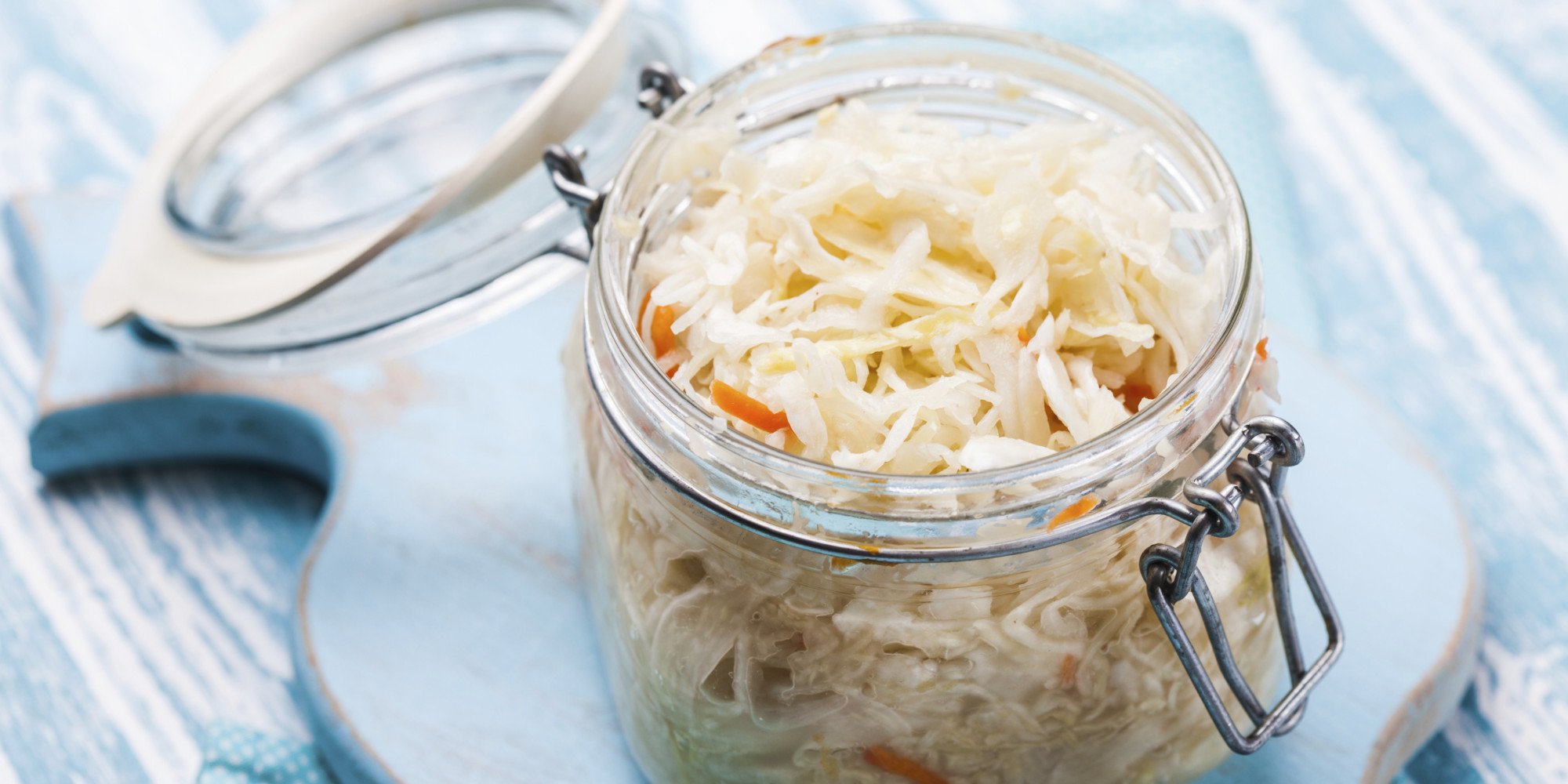
    Sauerkraut

    Raw milk yogurt, whey and cream cheese

    Beet kvass – a traditional, Ukrainian beverage using just beets, salt and filtered water

    Sour pickles

  • What is Kefir?

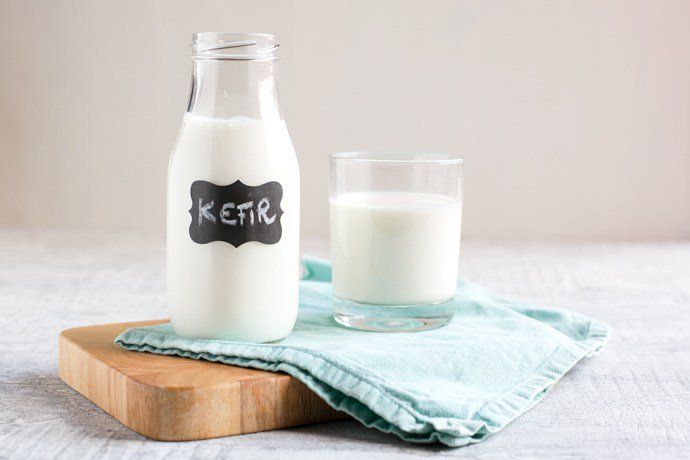
    Kefir’s tart and refreshing flavor is similar to a drinking-style yogurt, but it contains beneficial yeast as well as friendly ‘probiotic’ bacteria found in yogurt. The naturally occurring bacteria and yeast in kefir combine symbiotically to give superior health benefits when consumed regularly. It is loaded with valuable vitamins and minerals and contains easily digestible complete proteins.

    For the lactose intolerant, kefir’s abundance of beneficial yeast and bacteria provide lactase, an enzyme which consumes most of the lactose left after the culturing process.

    How is Kefir Made?

    Kefir can be made from any type of milk, cow, goat or sheep, coconut, rice or soy. Although it is slightly mucous forming, the mucous has a “clean” quality to it that creates ideal conditions in the digestive tract for the colonization of friendly bacteria.

    Kefir is made from gelatinous white or yellow particles called “grains.” This makes kefir unique, as no other milk culture forms grains. These grains contain the bacteria/yeast mixture clumped together with casein (milk proteins) and complex sugars. They look like pieces of coral or small clumps of cauliflower and range from the size of a grain of wheat to that of a hazelnut. Some of the grains have been known to grow in large flat sheets that can be big enough to cover your hand!. The grains ferment the milk, incorporating their friendly organisms to create the cultured product. The grains are then removed with a strainer before consumption of the kefir and added to a new batch of milk.

    This article originally appeared at: http://www.kefir.net/what-is-kefir/.
  • Three Foods That Can Change Your Life

    We were absolutely AMAZED at the effect that fermented foods have had on our well being. Yes indeed, it is life changing. We struggled every winter from October through February with sickness upon sickness. Each illness significantly worse than the previous as our weaken immune systems had no time to recover. A sweet friend told me to make sauerkraut. My initial response? YUCK!
    She persisted in sharing with me the wisdom behind the reasoning. In my desperation, I drove two hours to visit the Mountain People Organics at the Farmory Co-op where she spent the day teaching my children about this old family recipe. 

    Fermentation is an art form and each individual cultured food is, in and of itself, unique. The three foods of The Trilogy each provide different good bacteria and yeasts that enhance the trillions of bacteria in the body and allow them to thrive, grow, and multiply. This allows you, the host, the opportunity to heal disease, remove pathogens, enhance digestion, make serotonin, and experience a multitude of other opportunities for healing that otherwise would not have been possible. This is what I call The Trilogy

    Three magic and powerful foods consumed every day without fail, are a secret weapon against so many health ailments. They are kefir, kombucha, and cultured vegetables.;

    REALITY CHECK

    This is the thing I noticed the most when I taught others about cultured foods – when they consumed one of these foods they would get better, but when they consumed all three, they seemed to thrive! These three foods (kefir, kombucha, and cultured vegetables) are unique unto themselves and each food contains a different set of bacteria and yeasts that we need to thrive and feel alive.

    Sauerkraut & other Cultured Vegetables 

    Everybody knows that vegetables are so, so good for you – but when you ferment vegetables, they become even more powerful. We aren’t really fans of the flavor of sauerkraut (yet) but the benefits of the food is such a defining difference in our emotional and physical well-being, we take a spoonful of juice on a regular basis. When we are lax in our intake of ferments we get grouchy and cranky. Sniffles and snots begin to appear more frequently and we even see the return of rashes.  No longer are we suffering the winter sickness blues. We have had a reduction in anxiety, as the natural probiotics are balancing our bodies and mind. (see Brain Gut Connection)


    Kombucha 

    We have enjoyed kombucha for years now.  It helps remove toxins through the kidney, liver, and the bowels. You might notice, as I did, that kombucha can help you lose a lot of excess water weight.  It helps you eliminate the excess swelling and fluid that accumulates in your tissues from chemically laden foods and alcohol.  Kombucha is a liver cleanser and it will assist your liver in removing toxins that have accumulated. Kombucha will also help relieve the water retention that often happens when the body protects the organs by holding on to water when under stress or a heavy toxic load.
    Honestly, we are still refining the art of brewing our own. You can learn how to do that here.
    Sometimes life gets busy and our consumption out paces our brewing so there are some weeks it easier it is to pick up a bottle at our local market Cliff’s Market in Caldwell or even at our favorite grocery store Fred Meyer. 

    Keifer

    Keifer is the next regular to add to our diet. Homemade kefir has 50 plus good bacteria and yeasts. It is so powerful that I recommend people consume only small amounts when they first start kefir, so as not to overwhelm their body with good bacteria. These bacteria are strong and will go to work killing pathogens and bad bacteria, making some individuals uncomfortable. You can read more about that on this blog post: The Healing Crisis. 

    Kefir and its special bacteria will make you its home and keep things in balance for you. It will add probiotics to any kind of milk, whether it be cow, goat, coconut, or almond milk.It will transform the milk, increasing vitamins and nutrient absorption, and it will do this sitting on your counter in a glass jar while you go about your day. Then when you consume it, you will find it will digest your food, reduce inflammation, make elimination a breeze, and, well, the list is so long it would take this entire page to explain it all.
    Is it hard to make? NOPE! Miste Karlfeldt, our executive director of Health Freedom Idaho, has a wonderful easy to follow tutorial on making keifer at home.  

    Our new year goal is to master the perfect trifecta! 

    trilogy pic

    Learn more about cultured foods and ferments at  http://www.culturedfoodlife.com,