Tag: food

  • Detox and Nutrition: The color code of foods

    By addressing nutrition, exercise, thought patterns, and many other factors at the same time, you can break through toxic barriers and create a vibrant, healthy life, an energized, full-spectrum life! Dr. Minich has written extensively on food, healing, and wellness in her books Quantum Supplements, Whole Detox, Quantum Healing, Chakra Foods for Optimum Health and in her latest book The Rainbow Diet.

    Color influences us.It can change our feelings. It may alter our behavior.

    On a recent episode of HealthMade Radio local Dr. Michael Karlfeldt interviewed Deanna Minich about How Colorful Food Creates a Vibrant, Healthy Energized Life. 

    Her fascinating insight in to the spectrum of phytonutrients in foods was shared recently with her newsletter subscribers:

    Red—Immune system and survival: Red-colored foods tend to be high in vitamin C, which supports adrenal health and immunity. Red-colored foods, such as tomatoes, lycopene, and red beets, have also been shown to be anti-inflammatory.

    Orange—Reproductive health and fertility: Eating orange-colored foods abundant in carotenoids like beta-carotene may help lower the risk of reproductive issues like endometriosis. Carotenoids are also found within the ovaries and the sperm to support fertility.

    Yellow—Digestion: Eating too many of the “wrong” yellow foods, like breads, baked goods, and processed cereals like corn, can put out our digestive fire and give us metabolic syndrome and even diabetes. On the other hand, eating the acidic, warming yellow foods, like lemons, ginger, and grapefruit, can help us burn brightly and rev our metabolisms.

    Green—Cardiovascular health: Green foods like leafy greens are rich in nutrients such as folate, vitamin K, and naturally-occurring nitrates that make them healing and expansive for the heart and blood vessels.

    Blue-Green—Thyroid health: Blue-green foods like algae, sea plants, and even spirulina contain minerals such as iodine and selenium, which nourish and support the function of the thyroid gland.

    Blue-Purple—Cognition and mood: Blue-purple foods like berries and grapes have been shown to help with better brain function like learning and memory, as well as improving mood and calmness.

    White—Cleansing: White foods, like white flour, white sugar, and white salt, can be toxic in high amounts. When we detox our bodies from these white foods, we may feel clearer in mind and purer in body. There are also specific white-colored foods, like garlic, coconut, sauerkraut, and cauliflower, that can help with cleansing through their antimicrobial or detoxifying effects. Fasting is also a “clearing of the inner slate” — the white of nothingness.

    Listen to the interview

    Subscribe to the newsletter: www.deannaminich.com

    Deanna Minich, PhD, FACN, CNS, IFMCP

  • Top 3 Most Contaminated Produce

    The Environmental Working Group released its annual “Dirty Dozen” list of fruits and vegetables. The list includes the top 12 veggies and fruits found to have highest amount of pesticide residue. In 2019 strawberries, spinach, and kale top the list. 

    STRAWBERRIES

    The average American eats about eight pounds of fresh strawberries a year – and with them, dozens of pesticides, including chemicals that have been linked to cancer and reproductive damage, or that are banned in Europe. Strawberry growers use jaw-dropping volumes of poisonous gases to sterilize their fields before planting, killing every pest, weed and other living thing in the soil.

    Fumigants are acutely toxic gases that kill every living thing in the soil. Some were developed as chemical warfare agents, now banned by the Geneva Conventions. After growers inject fumigants, they cover the fields with plastic tarps to keep the gas underground and away from people and animals. But fumigants can leak during application and from torn tarps, sending the deadly fumes adrift and endangering farm workers and people who live nearby.

    USDA tests found that strawberries were the fresh produce item most likely to be contaminated with pesticide residues, even after they are picked, rinsed in the field and washed before eating. For these reasons, in 2019, strawberries are once again at the top of the Dirty Dozen™ list.

    The facts about strawberries and pesticides come from the USDA’s Pesticide Data Program. Between January 2015 and October 2016, USDA scientists tested 1,174 batches of conventional strawberries – about 89 percent of which were grown in the U.S., with the rest coming from Mexico, except one, which came from the Netherlands.

    The USDA’s strawberry tests found that:

    • Almost all samples – 99 percent – had detectable residues of at least one pesticide.
    • Some 30 percent had residues of 10 or more pesticides.
    • The dirtiest strawberry sample had residues of 23 different pesticides and breakdown products.
    • Strawberry samples contained residues of 81 different pesticides in various combinations.

    How hazardous are the chemicals used on strawberries? Some are fairly benign. But others are linked to cancer, reproductive and developmental damage, hormone disruption and neurological problems. Among the dangerous varieties are:

    • Carbendazim, a hormone-disrupting fungicide that damages the male reproductive system, which was detected on 16 percent of samples. The EU has banned it because of safety concerns.
    • Bifenthrin, a pyrethroid insecticide, which was found on more than 29 percent of samples, is an insecticide that the Environmental Protection Agency and California regulators have designated a possible human carcinogen.

    For those of us who don’t want to eat pesticide residues and who want to stop fumigants from endangering farmworkers and neighbors of farms, buying organic is a small price to pay. The transformation of strawberries from an occasional treat to a cheap and abundant supermarket staple should serve as cautionary tale about the consequences of chemically driven industrial agriculture.

    SPINACH

    Spinach is packed with nutrients, making it a staple for healthy eating. But federal data shows that conventionally grown spinach has more pesticide residues by weight than all other produce tested, with three-fourths of samples tested contaminated with a neurotoxic bug killer banned from use on food crops in Europe.

    Seventy-six percent of the samples contained residues of permethrin, a neurotoxic insecticide. At high doses, permethrin overwhelms the nervous system and causes tremors and seizures.

    But several studies also found a link between lower-level exposure to permethrin-type insecticides and neurological effects in children. In one study, children with detectable permethrin residues in their urine were twice as likely to be diagnosed with ADHD as children with non-detectable levels of the pesticide.

    The USDA found 83 samples that had residues of pesticides that are prohibited for use on spinach but legal on other food crops. Nearly all were grown in the U.S.

    DDT, a pesticide long banned in this country, also showed up on spinach and very few other crops. Residues of DDT and its breakdown products were found on 40 percent of spinach samples.

    The USDA washed all of the spinach samples vigorously before testing. The USDA has also detected pesticides on frozen and canned spinach, which suggests that washing and cooking reduces but does not eliminate pesticide levels.

    KALE

    Kale has higher pesticide residues than nearly all other produce found on supermarket shelves, according to the Environmental Working Group’s 2019 Dirty Dozen™.

  • Toxic Heavy Metals Found in Organic Chocolate

    A study by As You Sow found levels of cadmium and lead, two toxic heavy metals, in 45 of 70 chocolate bar samples (including some organic brands) at levels higher than what is considered to be safe in drinking water. While you would have to eat an enormous amount of chocolate to be affected, if this was the sole source of exposure.  Its one of many places we are bombarded by toxins unfortunately, heavy metals are in a lot of food products. Unfortunately, heavy metals accumulate in the body ingested and injected over time these toxins build up. Cadmium and Lead are neurotoxic and carcinogenic. Current regulations for cadmium are based on threats to adults, and the kidneys have been considered the most sensitive organ to its toxic effects. Classified as a known human carcinogen, it is linked to lung, kidney and prostate cancer in workers.
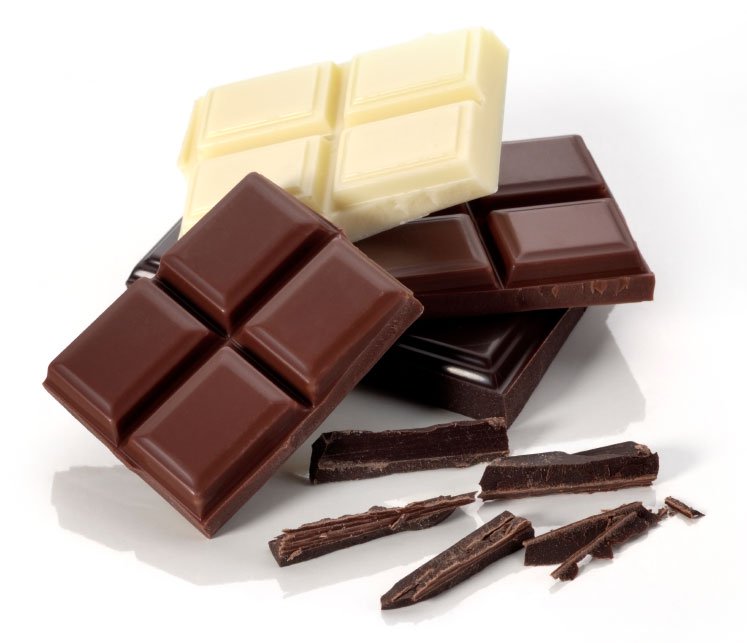
    A study in the Journal of Agricultural and Food Chemistry examined the levels of lead and cadmium in white, milk, and dark chocolate sold in Brazil. They concluded that dark chocolates had the highest amounts of lead and cadmium.

    Cadmium is a heavy metal considered toxic for the human body. When ingested or inhaled, it is not well absorbed by the body, so it accumulates over time and can have detrimental effects on kidneys, lungs and bones and on the brain. This is why it is classified as a human carcinogen and can potentially increase the risks of cancer and considered neurotoxic.

    Children with higher cadmium levels are three times more likely to have learning disabilities and participate in special education, according to a study led by Harvard University researchers. Dr. Robert Wright, the study’s senior author, emphasized that the links to learning disabilities and special education were found at commonplace levels previously thought to be benign.  Some studies of adult workers have shown that high exposures can trigger neurological problems, and small, earlier studies of children found links to mental retardation and decreased IQs.

    Cadmium stays in the body for long periods, so tests measured amounts the children were exposed to over years.

    “One of the important points of the study is that we didn’t study a population of kids who had very high exposures. We studied a population representative of the U.S. That we found any [effect] suggests this is occurring at relatively low levels,” said Wright, an associate professor of pediatrics and environmental health at Harvard.

    Lead has been studied and regulated for many decades, leading to a large amount of evidence that it reduces children’s IQs at low concentrations and contributes to attention disorders and even violent behaviors. It interferes with the development of synopses, or connections between neurons, that allow a child to learn.

    Since cadmium is also a heavy metal, it might have similar effects on the brain, said Lanphear, one of the world’s leading experts on the effects of lead in children. But unlike lead, cadmium “is relatively understudied as respect to brain toxicity,”  said Wright, an associate professor of pediatrics and environmental health at Harvard.

    What’s Heavy Metal Doing in My Chocolate? 

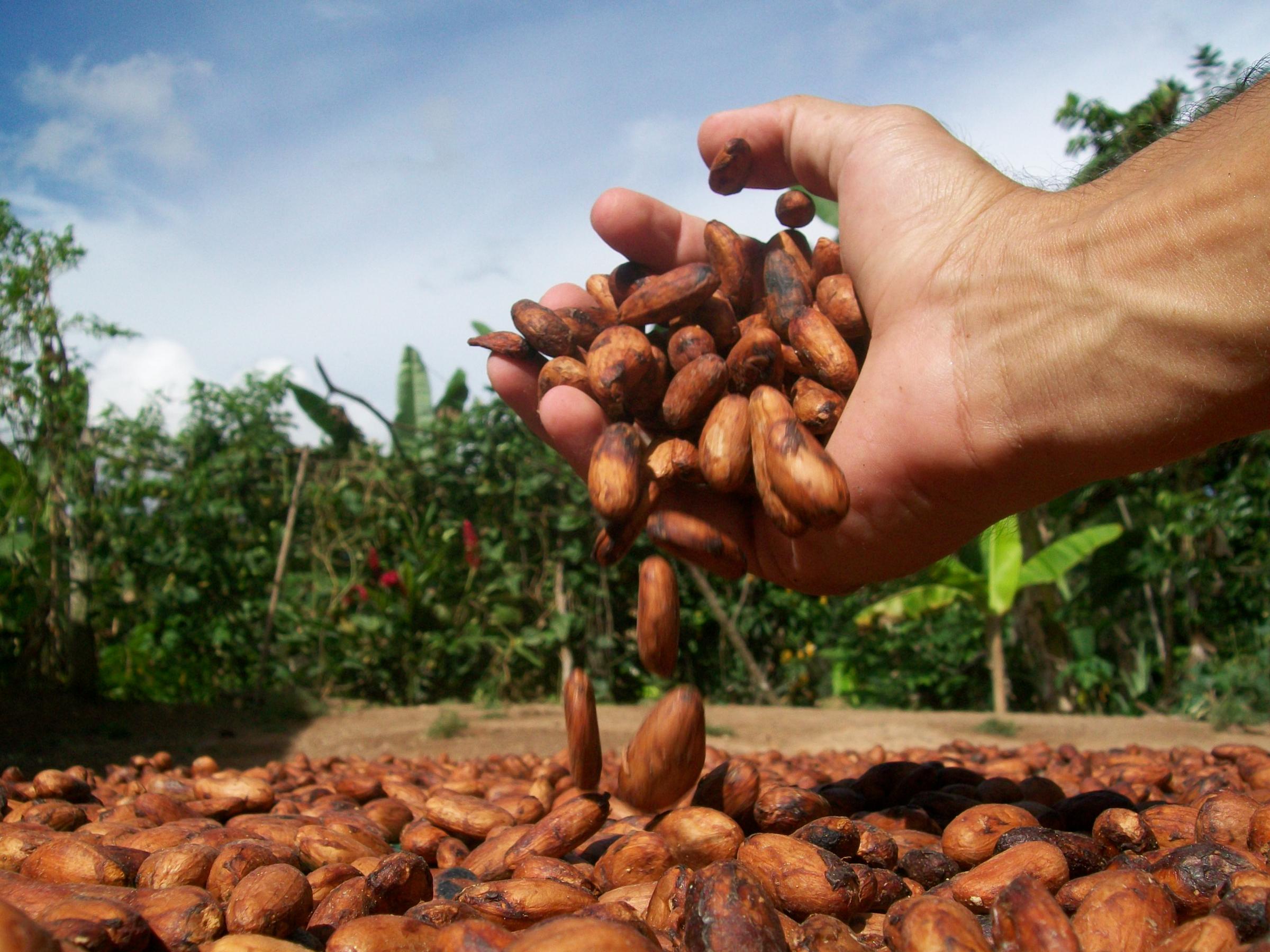
    According to the As You Sow, the source of lead and cadmium is contamination through one of the various processing steps a bean undergoes after the harvest. These steps include fermentation, drying of the cacao bean, and manufacturing processes such as grinding, refining, and conching. Other opportunities for contamination are shipping, handling, and finally, packaging. Studies have shown that much of the “lead contamination in (chocolate) products occurs after the beans are harvested and dried, during the shipping of those beans and/or the manufacturing of cocoa and chocolate products.”.8, 9

    Cadmium and lead are toxic heavy metals that are released into the environment through manmade industrial processes including mining, burning fossil fuels such as coal or oil, incineration of municipal waste (plastics/batteries). It is also released by battery manufacturers, smelters, electroplating plants and other industries. It is one of the top chemicals reported in Superfund sites, found in virtually all of them, according to a Centers for Disease Control and Prevention document.
    Cadmium and lead also enter soil through the disposal of sewage sludge, or the application of pesticides or phosphate fertilizers (which can contain high levels of cadmium).4, 7

    Once released into the atmosphere, respirable-sized airborne particles attach to dust, can travel long distances, and will be deposited onto the earth, where they move easily through soil layers and can be taken up into the food chain. Once mined and introduced into the atmosphere, these heavy metals can move from air to soil to water, but do not break down easily and will remain for decades.4, 7

    Its Regulated Right? 

    The FDA does not consistently monitor food for lead and cadmium contamination. California has the most health protective standards in the country for the presence of lead and cadmium in consumer products, and requires the manufacturer to warn consumers if a product contains chemicals known to cause cancer and/or birth defects or other reproductive harm, above the safe harbor level set by California’s Office of Environmental Health Hazard Assessment. They require a warning label on their products if they contain more than 4.1 mg of cadmium per daily serving. The latest news in the legal department is the introduction by the European Union of new limits on the amount of cadmium in cocoa products. They will be enforced starting 1 January 2019.

    As You Sow commissioned an independent state-certified laboratory to measure levels of lead and cadmium in over 120 chocolate products available at retailers across California. In 2018, As You Sow legal efforts culminated in a first-of-its-kind settlement with many of the world’s largest chocolate companies. Thirty-one chocolate companies, including Barry Callebaut (USA), Blommer Chocolate Co., Cargill, Inc., Guittard Chocolate Co., The Hershey Company, Lindt & Sprungli (North America), Mars Incorporated, Mondelez Global LLC, and Nestle USA, Inc, committed to funding an independent Expert Committee to investigate the sources of lead and cadmium in chocolate and find feasible measures to lower levels of these metals by 2025.

    While this work is ongoing, the chocolate companies have also agreed to provide interim warnings for their products if they exceed specified concentrations of lead and/or cadmium in their chocolates. These agreed upon warning levels range from 0.1 ppm to 0.225 ppm for lead and 0.4 ppm cadmium to .960 ppm for cadmium, depending on the percent of cacao contained in the product. These warning levels may be reduced based on the results reached by the Committee.  

    Can I avoid heavy metals and still eat chocolate? 

    CADMIUM & LEAD FOUND IN CHOCOLATE FROM SEES, TRADER JOES, HERSHEY & OTHERS! 

    Eating Organic doesn’t protect you! According to their testing results these are a few of the Organic Brand bars to avoid: 

    • Organic Chocolates such as Trader Joe’s Dark Chocolate 73% Cacao Super Dark (organic),
    • Endangered Species Chocolate Natural Dark Chocolate – 72% Cocoa, 
    • Enjoy Life Eat Freely boomCHOCOboom Bar
    • Lily’s Extra Dark 70% Dark Chocolate Stevia Sweetened Vegan Non GMO
    • Theo Organic Fair Trade Coconut 70% Dark Chocolate
    • Tanzania Schoolhouse Project – 72% Cacao Organic Dark Chocolate
    •  Earth Circle chocolate 
    • Organic Ecuador Cacao Powder

    Find out if YOUR chocolate is toxic here

    https://www.scientificamerican.com/article/is-cadmium-as-dangerous-for-children-lead/

    https://thechocolatejournalist.com/cadmium-chocolate/

    Learn more about LEAD EXPOSURE in Boise Idaho school water

  • 4 Types of Green Tea and Their Health Benefits

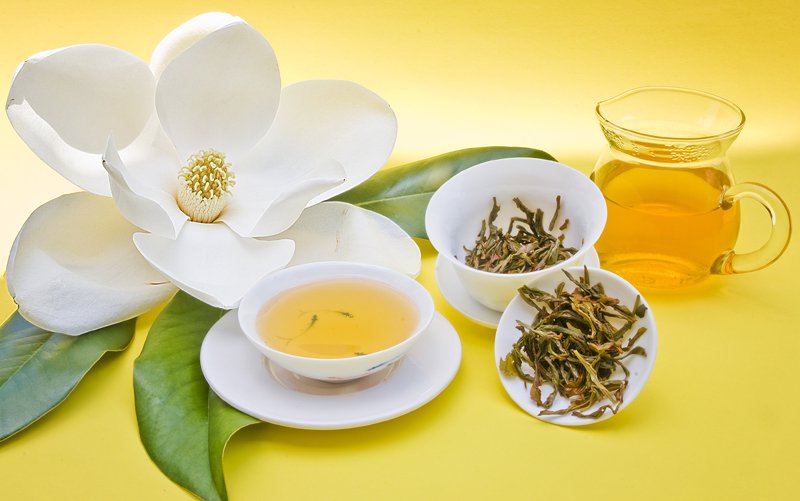
    The world of tea offers something for everyone, depending on your taste, mood, and health goals. All true tea comes from the tea plant Camellia sinensis. That’s right, black tea, green tea, white tea, and oolong tea all come from the same plant—everything else is technically a tisane! What makes them so unique in look and taste is the way they are grown, harvested, and prepared.

    And while all contain antioxidant, antibacterial, anti-inflammatory, and antiviral benefits due to their shared catechin polyphenol, antioxidant content, each type contains its own individual benefits, which can help you better decide which will be your go-to choice. 

    Dr. Will Cole, leading functional-medicine expert share insight into the variety of Green Tea which he calls : the grounder.

    It is definitely the most popular, right now. While harvested later than white tea, green tea does not go through the same oxidation process that oolong and black tea go through. Like white tea, this allows for some of the highest levels of catechins, specifically the uber-beneficial compound epigallocatechin gallate (EGCG).

    It’s been shown in a number of exciting studies to be extremely powerful in a number of issues:

    • Boosts metabolism
    • Improves the skin
    • Slows down aging
    • Decreases cancer growth
    • Improves brain function
    • Protects from brain diseases
    • Reduces heart disease risk
    • Reverses diabetes
    • Decreases inflammation through boosting pro-antioxidant Nrf2 pathways and decreases pro-inflammatory activity.

    Green tea is a fun part of the kingdom. Like all the varieties of beer or wine, green tea comes in different forms that each can have their own individual taste and array of nutrients. Here’s how the different green teas rank:

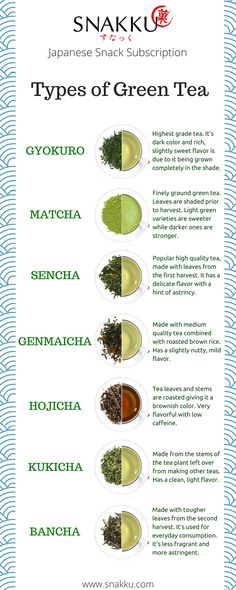
    Matcha:

    Matcha is a green powder made from a specific kind of green tea leaf. Unlike many other green teas, plants used for matcha are first covered and grown in the shade for weeks upon weeks before they are harvested, resulting in boosted chlorophyll levels, which gives it the bright green color it is known for. Then the leaves are dried and ground into powder. Matcha has one of the highest concentrations of EGCG of all green teas, up to three times more than a typical sencha!

    Sencha:

    Sencha is brewed by infusing the whole tea leaves in water to produce a very mild and pleasant taste. Harvested early on in the season, sencha is made from some of the most flavorful top leaves. It’s no wonder that this is the most popular tea in Japan.

    Gyukuro:

    Similar to sencha, the biggest difference is that the leaves are also shade grown just like matcha versus in the sun, which results in a stronger, more intense flavor. Gyokuro is also touted as having the highest EGCG levels.

    Sancha:

    More bitter in taste, bancha has the lowest caffeine content of all green tea varieties. It is harvested from the same tree as sencha but later in the season, making it one of the cheapest, most commonly found green teas out there.

    The bottom line? All tea is super healthy, so choose based on your personal goals and flavor preferences.

    As with the importance of what’s in teas, it is just as important about what is not in teas.

    Says Julie Graves-LaForge an Independent Sipologist with Sipology by Steeped Tea (who are members of the Ethical Tea Partership).  The ETA is a community of tea producers that meet international social standards. They practice safety and opportunity for tea workers and their communities. They strive to improve tea producers’ sustainability; protecting soil, water, ecosystems and wildlife.  They provide education and training around good practice tea farming.

    To Learn More about Sipology by Steeped Tea visit http://mysteepedteaparty.com/myuniquepartea

    MORE ABOUT TEA BENEFITS

    This is what happens when you give up coffee for matcha.

    Portion of this article originally appeared at the site of 

    William Cole, D.C., IFMCP Functional Medicine Practitioner https://www.mindbodygreen.com/articles/the-healthiest-types-of-tea.

  • Two Landmark Cases: Is the Toxic Tide Turning In Favor Of Our Kid’s Health?

    Our children are exposed to high levels of pesticides and herbicides ingested and inhaled daily, which is negatively impacting the health of an entire generation. Two significant court rulings today in favor of protecting our children and the environment from toxins. Over a decade ago an analysis of federal data by the Environmental Working Group (EWG) revealed that 1 million American children age 5 and under consume unsafe levels of a class of pesticides that can harm the developing brain and nervous system. Chlorpyrifos, a chemical sprayed on food crops, is a known neurotoxin, especially for children. It is one of the most widely used pesticides in the U.S. based on the results of three federally funded observational studies; the EPA was expected to phase out all remaining uses of the pesticide due to evidence that it caused long-term learning problems and IQ loss in children.
    EPA revoked the ban in 2017. The U.S. Court of Appeals for the Ninth Circuit has ordered the Environmental Protection Agency to ban chlorpyrifos, a widely used pesticide linked to learning disabilities in children, within 60 days.

     “EPA has no basis to allow continued use of chlorpyrifos, and its insistence in doing so puts all children at risk,” said Melanie Benesh, an attorney for the group Environmental Working Group. “By requiring the EPA to finally ban chlorpyrifos, the Ninth Circuit is ensuring that the agency puts children’s health, strong science and the letter of the law above corporate interests.”

    The risk for toxic exposure in our children increases due to high levels of pesticides sprayed in their homes, schools and day care centers, because the EPA’s current standards are based on levels considered safe for adults.  Children’s bodies are smaller, their systems still developing. It is outrageous that the agency’s tasked to protect our children ignore their responsibility.

    This week a jury agreed that Monsanto hid cancer danger of the weed-killer for decades. Labeled as a possible carcinogenic by the World Health Organization, Glyphosate is the number one product used for weed control in homes and schools. Johnson was a groundkeeper at a San Fransisco school district. He is said to have used Monsanto’s glyphosate weed killer on school grounds almost 30 times per year. He claims that two accidents caused him to be “doused” in the company’s weed killer. During the trial, the juror was presented with previously undisclosed information about how the body absorbs glyphosate and the dangers associated with the other ingredients that make up the Roundup formulated product. The jury agreed that Monsanto hid cancer danger of the weed killer awarding Mr. Johnson $289.2 million dollars.

    Could this be a sign of the toxic tide turning?

    Jury Orders Monsanto/Bayer to pay $289.2 million to Cancer-stricken Grounds Keeper. Jury agreed on all counts that Monsanto hid cancer danger of weed-killer for decades

    The jury awarded Johnson 289.2 million dollars! 4000 other plaintiffs are waiting to sue Monsanto and 10,0000 are expected by the end of the year. Surely this decision has Bayer, who now owns Monsanto, reconsidering whether or not to continue to sell glyphosate-based products.Thousands of individuals from across the country have filed lawsuits against Monsanto alleging exposure to Roundup weed killer caused them to develop non-Hodgkin lymphoma. In addition to the federal MDL in San Francisco, people from California, Nebraska, Delaware and Missouri have filed claims in state courts making similar allegations.

     The first trial in the Roundup cancer litigation is a state court case filed in San Francisco Superior by plaintiff DeWayne Johnson, who is represented by The Miller Firm, LLC. The Johnson case will begin on June 18, 2018. Another state court case will be heard in St. Louis, Missouri in October 2018.

    Since the beginning of the litigation against Monsanto, the law firm of Baum, Hedlund, Aristei & Goldman and the other firms leading the litigation have led the fight to declassify court documents that consist of internal Monsanto studies, company reports, emails, text messages, and other memoranda.

     These documents, known as The Monsanto Papers, include information that Monsanto does not want the public to see. They allow the public to look behind the curtain of secrecy that normally shrouds ongoing litigation and see firsthand how Monsanto has engaged in ghostwriting, scientific manipulation and collusion with regulatory agencies (including the EPA). The documents also include previously undisclosed information about how the body absorbs glyphosate and the dangers associated with the other ingredients that make up the Roundup formulated product.

    This week the jurors agreed with the plaintiff  and the scientific evidence to back their claims that glyphosate, the active ingredient in Roundup, causes non-Hodgkin lymphoma (NHL).

    Chlorpyrifos Court Decision

    HuffPost: Court Orders EPA To Ban Chlorpyrifos, A Pesticide Linked To Brain Damage In Kids

    In a joint letter to Pruitt in June, the American Academy of Pediatrics and Environmental Working Group, a nonprofit advocacy group, said they were “deeply alarmed” by his decision.  “EPA has no basis to allow continued use of chlorpyrifos, and its insistence in doing so puts all children at risk,” they wrote. Reprinted by AOL and Yahoo! News.

    Washington Examiner: Federal appeals court orders EPA to ban pesticide

    “Today’s court decision is huge victory for public health, especially that of children,” said Melanie Benesh, an attorney for the group Environmental Working Group. “By requiring the EPA to finally ban chlorpyrifos, the Ninth Circuit is ensuring that the agency puts children’s health, strong science and the letter of the law above corporate interests.” 

    Learn more about the 1998 report, Overexposed: Organophosphate Insecticides in Children’s Food, is in response to the Food Quality Protection Act, passed unanimously by Congress in 1996, that requires all pesticides to be safe for infants and children.  

  • Cured from Cancer with food and meditation. 12 years later still cancer free.

    In 2005, Kathy Bero was diagnosed with inflammatory breast cancer and given about 21 months to live. At the time she was 41 years old, had two young daughters and wasn’t ready to die so she went the traditional route with surgery, chemo, and radiation. But the disease came back.

    She said, “Eleven months after my first diagnosis, I was diagnosed with a high-grade tumor in my head and neck. My kidneys were failing; my liver was failing. My lungs were damaged. My heart was damaged. I told my oncologist that I’m done with that protocol because one way or another, I’m going to die. And I don’t want to go that way.”It’s about eating specific foods that fight disease,” she said. HINT: Yes, it can.)

    What anti-angiogenic foods do is block the creation of blood vessels, effectually stopping the spread of cancer…it’s like cutting off cancer’s growth supply line. Examples of anti-angiogenic foods are organic vegetables like purple potatoes, carrots, leeks, berries, walnuts, green tea, herbs, and especially garlic. For Bero, garlic is a favorite, “When a recipe calls for two cloves, I’m probably going to put in six because garlic is a really strong cancer fighter.” READ MORE

    Learn more about the power of food:

    When Foods hurt. When Foods Heal. 

  • Directory of Culinary and Medicinal Herbs

    Many herbs are also valuable in the medicine cabinet, whether you’re looking for natural relief for a cold or headache, or trying to ease more chronic ailments, such as allergies, back pain or high blood pressure. Identify herbs to meet your health needs or goals, learn the basic medicinal preparations — teas, infusions and tinctures — and find simple recipes for remedies that can relieve, refresh and heal. 

    Grow Your Herb Garden

    The incredible flavors of culinary herbs make them star players in a healthy diet, and the best way to make the most of herbs in the kitchen is to grow them yourself. Choose one of these four herb garden plans — an edging, a dooryard garden, a raised bed or a container garden — designed to fit into a 12-square-foot area and supply you with herb favorites such as basil, cilantro, dill, marjoram, mint, oregano, parsley, rosemary, sage, thyme and more.

    Where do you get organic spray free seeds/plants for starters?
    Snake River Seed Company
    North End Organic Nursery
    Restoration Seed

    Edwards Greenhouse

    Are we missing your favorite Nursery or Greehouse? Comment below and we will add it! 

    Drying and Storing Herbs

    Of all the various types of foods and ways to preserve them, dehydrating herbs is the easiest place to jump in. Most herbs contain so little moisture that your job is done soon after you’ve bought or harvested them. Drying herbs is an economically savvy food preservation strategy, too, because dried herbs demand high prices at the grocery store. Here, we detail six methods for drying herbs at home.
    To freeze or to dry? That is the question. We turned to the experts to learn the best ways to preserve herbs.

    Herbal Healing Basics

    Does whipping up your own natural, effective medicines sound like your cup of tea? In this herbal medicine-making primer from renowned herbalist Rosemary Gladstar, you’ll learn the basic preparations for using herbs medicinally — teas, infusions and tinctures — and find simple recipes for homebrewed beverages that can relieve, refresh and heal. This is the perfect guide to get you started in making your own herbal remedies. Give it a go, and start sipping your way to better health.
    Your kitchen likely already has all the tools you need to concoct your own simple, all-natural herbal skin care remedies. In this herbal skin care primer from renowned herbalist Rosemary Gladstar, you’ll learn about the best natural skin care ingredients and their unique uses and benefits, and find easy, refreshing recipes for Rose Water, Bay Rum Aftershave and Astringent, and Sea Salt Glow.
     

    An A-to-Z Guide to Culinary and Medicinal Herbs

    Aloe

    Anise

    Basil

    Bergamot

    Black Cohosh

    Borage

    Calendula

    Chamomile

    Chervil

    Chives

    Cilantro

    Comfrey

    Dandelion

    Dill

    Echinacea

    Elderberry

    Eucalyptus

    Fennel

    Fenugreek

    Feverfew

    Garlic

    Ginger

    Ginseng

    Hibiscus

    Horehound

    Horseradish

    Juniper

    Lavender

    Licorice

    MarjoramMint

    Oregano

    Parsley

    Rosemary

    Sage

    Slippery Elm

    Sorrel

    St. John’s Wort

    Tarragon

    Thyme

    Valerian

    Verbena

    Willow

    Wintergreen

    Yarrow

  • Don’t SPRAY your dandelions pick and use them

    The health benefits of dandelion include relief from liver disorders, diabetes, urinary disorders, acne, jaundice, cancer, and anemia. It also helps in maintaining bone health, skin care, and weight loss. All these health benefits are currently being studied for complete validation by a number of international institutions.

    Despite the health benefits of dandelions, they are traditionally more popular as ornamental flowering plants than as medicine, because the flowers look brilliant and are frequently seen in gardens and parks. There are many varieties of dandelion, but the common one is scientifically known as Taraxacum officinale. In terms of history, the plant is believed to have evolved about 30 million years ago in Eurasia.

    Dandelion, which literally translates into “lion’s tooth” in French, is rich in vitamin A, vitamin C, iron, calcium, and detoxifiers, which explains its common inclusion in medicines.

    Embraced throughout human history and across cultures and cuisines, the dandelion has been cast as public enemy No. 1 in postwar, suburban America. An estimated 80 million pounds of pesticides are used each year on home lawns to eradicate them. Yet each year, the scrappy plant returns, thumbing its sunny yellow nose.

    For me, letting my dandelions grow wild and pesticide-free is not just about frugality and ecology, but also gastronomy. Food writers often say that the best foods are those with a sense of time and place. I love these bitter greens as much as I do because I know the ground they come from and appreciate that they only come once a year. They also serve as a useful reminder that good foods are closer than we may think, even as close as our own back yard.  – Mother Earth News

    Should we change our definition of weeds? The ecologists definition of “weed” is a pioneer species, one adapted to growing on disturbed ground. As such, native “weeds” are an essential part of ecological succession. It’s only the invasive that shove out natives that are a problem, and if they’re edible, well, we can eat the problem! –K. Bledsoe 

    Dandelion Recipes to Try

    Dandelion Salad Recipe with Fresh Goat Cheese and Apples
    Dandelion Mushroom Calzone Recipe
    Wilted Dandelion Greens Salad Recipe
    Simple Sautéed Dandelion Greens Recipe

    Other Resources

  • Enter to Win Food Desensitization from Restoring Nutrition

    Did you know about ninety percent of your immune system exist in your gut. A critically important step of healing the body is the food consumed.Jennifer Whitney is a Certified Wholistic Nutritionist, Certified Health Coach, and Certified Gaps Practitioner will be sharing insight and resources at the Boise Natural Health Symposium July 21 at the Vineyard Boise. This inaugural event will include speaking sessions by local health experts, exhibits by Idaho businesses and practitioners, and interactive demonstrations such as healthy food preparation. Enter to win one of the many door prizes.

    Our thanks to Restoring Nutrition for sponsoring this giveaway of 6 Food Desensitization Treatments ($180 is the retail value).  Good nutrition helps improve all forms of natural healing.  

    To enter the giveaway, please use the widget below. Every action you take in the widget earns you more points for the giveaway. You can earn up to 15 entries, which improves your chances of winning! 

    a Rafflecopter giveaway

    Jennifer Whitney graduated from the Wellspring School for Healing Arts, and has been trained in Western and Eastern nutrition, the Gaps program, weight loss, applied kinesiology, desensitization techniques, and different types of cooking methods to heal the body. 

  • A Nourishing Thanksgiving

    It’s one of our favorite holidays of the year. A day dedicated to giving thanks, practicing more gratitude, sharing and relishing the bountiful blessings that we have been afforded. Although Thanksgiving in America has migrated away from its Pilgrim roots and has turned into something of a feast-fest, the act of eating wholesome things with others, in gratitude, is still a meaningful tradition.

    Since we’re all about life, liberty and the pursuit of happiness here at Health Freedom Idaho, we have gathered some of our favorite Thanksgiving recipes for a cornucopia of nourishing epicurean delight.

    If you like pretty pictures to help motivate you, Food52’s Thanksgiving Menu Maker is a welcome distraction and idea-generator. 

    Be sure to scroll down to see the Thrive Market offer for 25% off your first order. Thrive offers some of the best selection, quality and prices on healthy foods, and they have a great giving back ethos that you are sure to appreciate this Thanksgiving. 

    The Turkey

    It’s not just the recipe, it’s the quality of your turkey that can make a world of difference. That’s why we recommend buying organic, heritage or humanely raised turkey for your family’s health and to support sustainable food sources. 

    The classic: Good Eats Roast Turkey is a wet-brining-and-scientifically-predicated-temperature-masterpiece. Pretty foolproof if you follow the directions to a T. 

    The newcomer/old-world technique: Dry-brining has gotten the attention lately, boasting more flavorful and tender meat, shorter cooking times and better protection from overcooking due to the use of coarse sea salt during the thawing / brining process. Healthy Home Economist’s “dry brine any meat” recipe may become your next staple turkey and meat recipe. Note that it takes days to achieve this result, so start accordingly! 

    Better Bone Broth

    We love a good bone broth to flavor our stuffing and gravy. Dr. Rosie’s recipe is nourishing and delicious. May as well make the Thanksgiving essentials more nourishing.

    Or, if you’re short on time, many brands have emerged with bone broth offerings. Epic Foods’ turkey cranberry sage bone broth is Thanksgiving in-a-jar. 

    Recipe: Cranberry Relish

    One of our favorite cranberry sauces is the simplest to make. Because the sauce is raw, the fruit and honey retain their natural enzymes, making this a great digestive aid and palette refresher. 

    • 1 bag of organic fresh cranberries (rinsed)
    • 1 whole organic orange (cubed, large seeds removed)
    • 1 teaspoon fresh grated ginger
    • 1/4 cup good quality raw honey

    Combine in a food processor bowl and pulse to desired consistency. Taste and add more sweetener, if desired. Chill until 30 minutes before the meal. This keeps well in the refrigerator for about a week. 

    Healthier Rolls

    Einkorn Rolls are a fantastic way to enjoy einkorn, a non-hybridized ancient wheat, this holiday. For those avoiding gluten, and this Paleo recipe are wonderful pillows of baked-good-ness for your sopping pleasure.

    Karina’s Gluten-Free Dinner Rolls feature nourishing flours like millet, buckwheat and hazelnut to amp up the nutrition and satisfaction. 

    Garlic Herb Paleo Dinner Rolls from Paleo Running Momma are full of flavor and feature almond flour and grass-fed butter or ghee

    Non-GMO Stuffing

    If you are looking for healthier stuffing cubes, consider Berlin Natural Bakery’s certified non-gmo spelt stuffing. These make more nourishing and flavorful stuffing. They tend to soak up a lot of broth (perhaps due to density?) so amp up your broth by at least 25%. 

    Elevated Potatoes

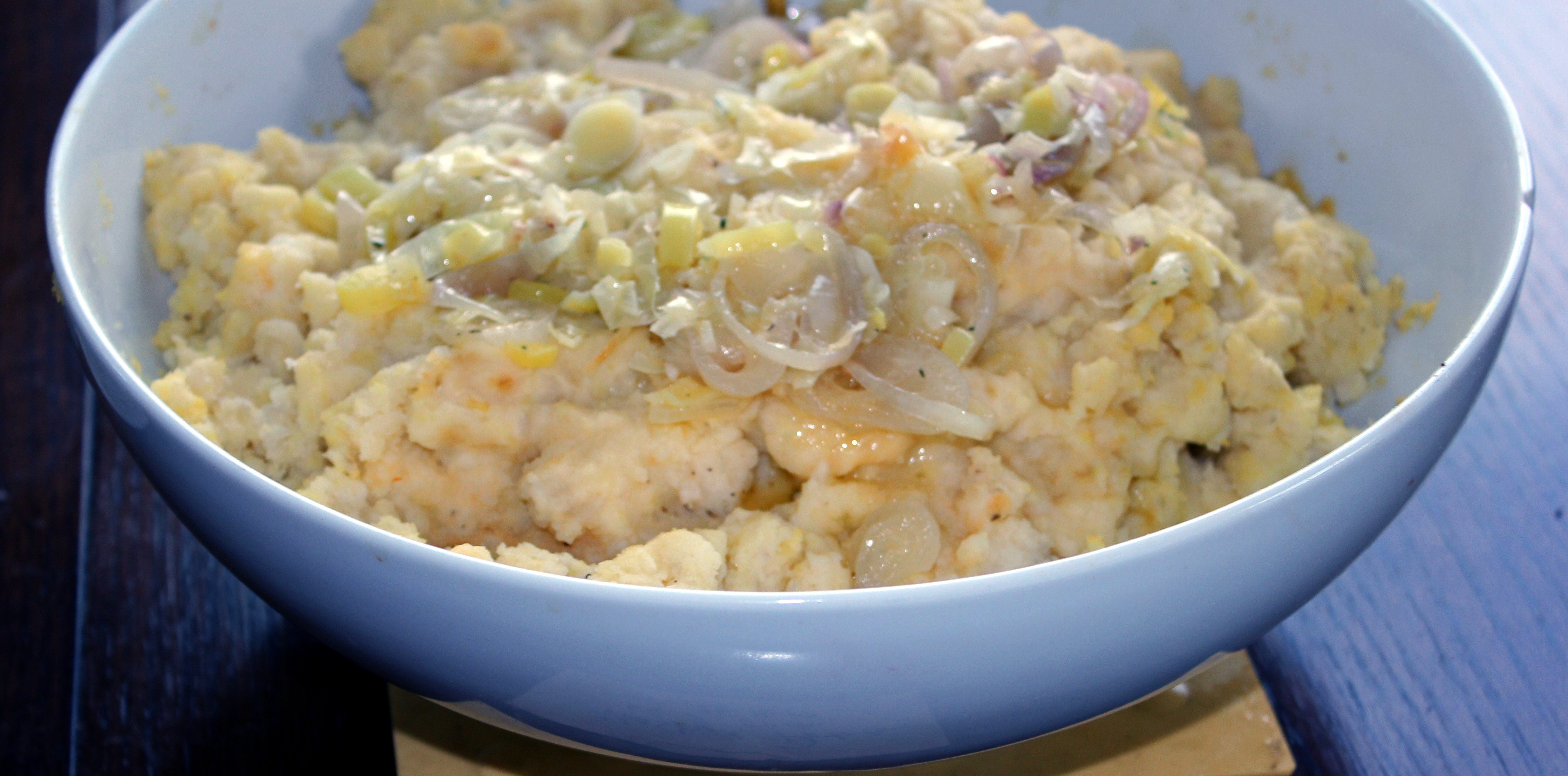
    Onions are a major boon to the standard mashed potatoes in this recipe: Whipped Potatoes with Three Onions. 

    Seasonal Veggies and Squash

    We have a lot of squash growing in local gardens here in Idaho. Butternut, acorn, kabocha and banana squash are common and seemed to grow really well this year. 

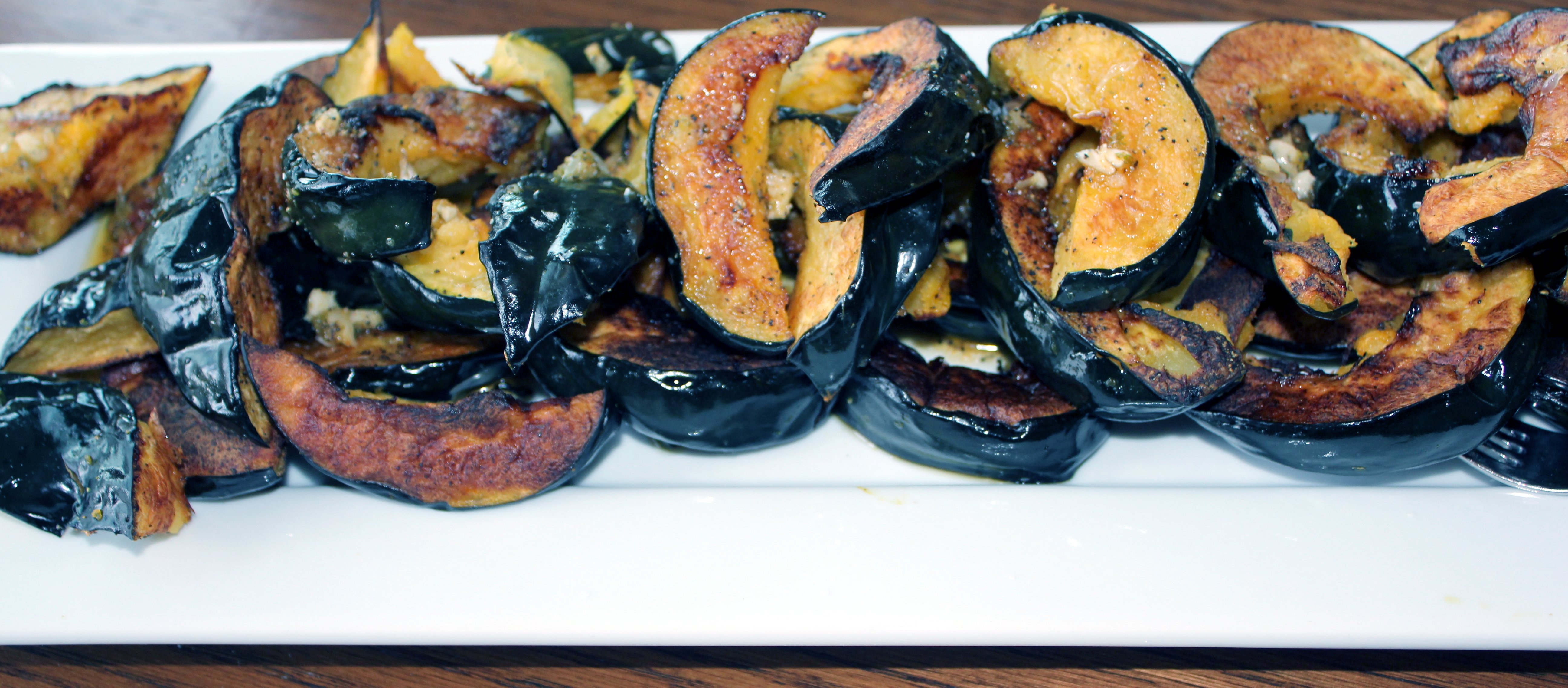
    Roasted acorn squash with chile vinaigrette is a very simple, yet palette-tingling shift out of traditional Thanksgiving flavors. 

    Thrive’s Hasselback squash recipe utilizes a large butternut squash and some quick but fancy knife techniques to transform the 1700’s potato recipe into something even prettier. 

    This Parnsip-Apple Puree is a sweet-light alternative to mashed potatoes. 

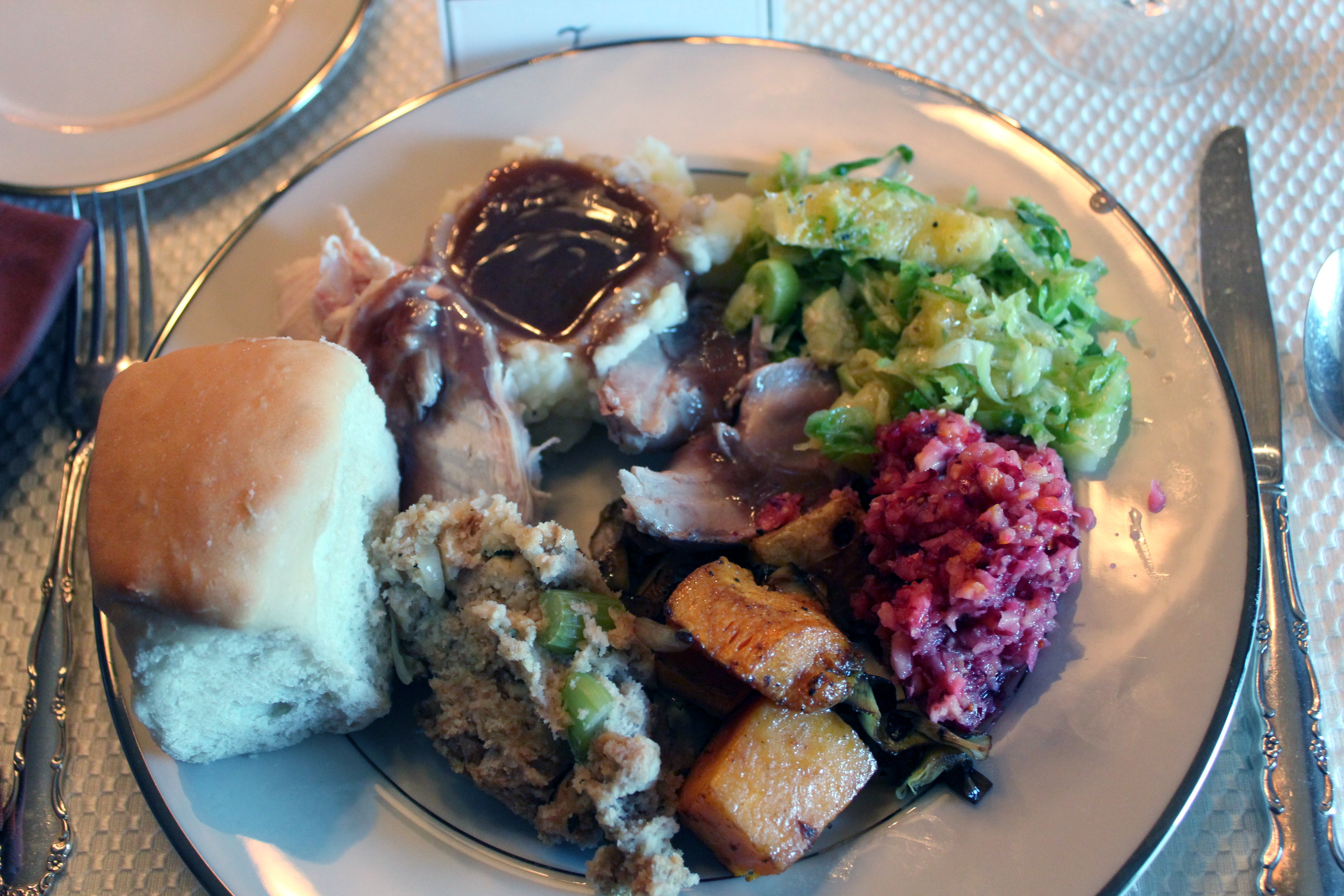
    We like sides from the garden like this fresh-tasting Shaved Fall Vegetable Salad with Cider Vinaigrette as a light compliment to the heavier traditional dishes. 

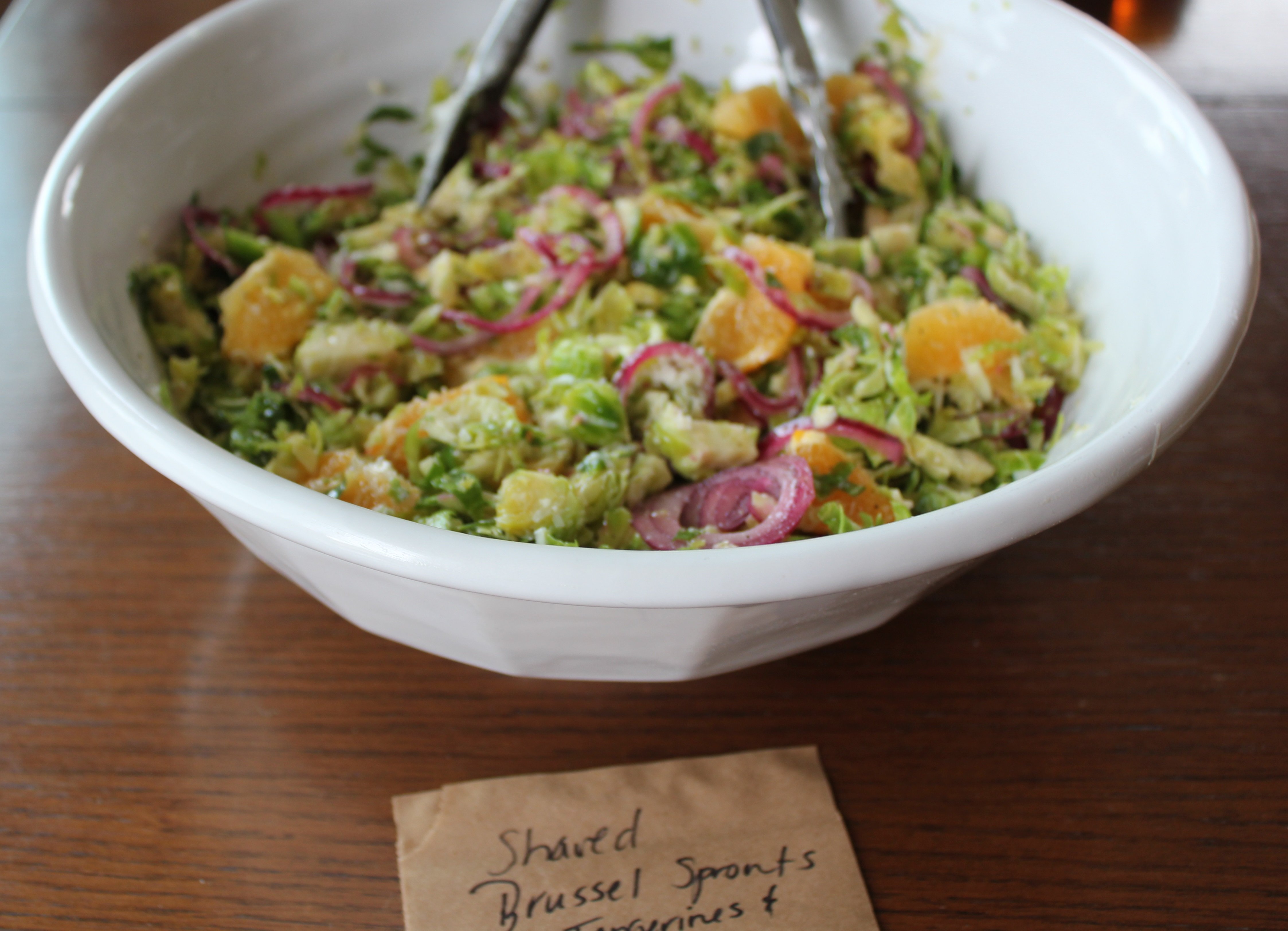
    Shaved Brussel Sprouts with Tangerines are one of our staff faves for texture and a sulfurous contrast to the rich and creamy vibes of Thanksgiving. 

    Pie, Of Course

    For most of us, pie is a must – no matter what diet you may be on. We’ve curated a few traditional and creative takes on the sweet tradition.

    Coupons

    Thrive Market offers the best-selling natural and organic products at wholesale prices through a $60/year membership. Think Costco meets Whole Foods online, and for every paid membership Thrive donates one membership to a low-income American family. Health Freedom Idaho members can sign up to receive 25% off and free shipping off their first order through this link.

    Amazon is showing off their Whole Foods acquisition with this offer. Until November 26th, Amazon Prime members can get 20% off their Thanksgiving turkey at Whole Foods markets. Our Boise store is a valued destination for natural food lovers.

    Jovial Foods is giving 25% off on Cyber Monday for their ancient heirloom non-hybridized Einkorn wheat products and gluten-free foods. (Code: CYBERMONDAY17)

    From Health Freedom Idaho’s volunteer team and their families, to you and yours: a very Happy Thanksgiving!