
Tag: garden

  • Get Rid of A Wasp Nest Without Toxins

    Amazing how quickly wasps can build a nest. We found a dessert plate size nest built over the course of a week. While normally our motto is “Live and Let Live” this nest posed a threat to my children’s play space. One actually flew up to a child who was no where near the nest and stung her on the forehead. They must go! Did you know you don’t need Raid or toxic chemicals to get rid of a wasp nest?! Kill wasps, hornets with this super simple homemade natural wasp killer spray. 

    Soapy water, a sprayer and a little bravery are all it takes! 

    These suggestions come recommended from Facebook friends. When posing the problem to the WOMEN, they suggested waiting until even when the wasps were calm and dealing with it. The MEN, on the other hand, suggested swinging at it with a bat or spraying it full stream with the hose. I am going for the calmer and likely safer method of extinguishing the problem. 

    Did you know wasps are also attracted by certain colors, especially white and yellow, so you can also prevent wasps from bothering you personally by not wearing yellow or white colors. With that in mind I am wearing my dark ninja clothes for this job. I haven’t been stung since I was a kid, but the hives and reaction the resulted isn’t something I want to repeat.

    Tested Strategy: Get Rid of the Wasp’s Nest

    1. Wait until they’re asleep at night 
    2. Soak the nest with a combo of 1/2 water/1/2 vinegar and about a 1/4 cup dawn with a large squirt bottle. *

      You can use a regular spray bottle, or get a bottle attachment for your garden hose. Using your garden hose will allow the mixture to penetrate the hornets next effectively, while keeping you a safe distance away.

    3. Once it’s soaked, knock it into a bag and close tightly. 

    BONUS RECIPE: Homemade Garlic-Mint Garden Insect Spray {that really works!!}

    Click the green arrow for the full printable recipe!

    Take me to the recipe_300x135

    Why does it work? 

    The soapy water works because soap breaks the water tension that insects normally rely on as a barrier to be water resistant. Instead of water normally beading off their bodies as it hits the surface, it sticks and clogs up their spiracles (breathing tubes). Soapy water ultimately drowns bees, wasps, hornets, fleas, roaches and ants.

    Next time I will be more proactive. How to Avoid Wasps.
  • Directory of Culinary and Medicinal Herbs

    Many herbs are also valuable in the medicine cabinet, whether you’re looking for natural relief for a cold or headache, or trying to ease more chronic ailments, such as allergies, back pain or high blood pressure. Identify herbs to meet your health needs or goals, learn the basic medicinal preparations — teas, infusions and tinctures — and find simple recipes for remedies that can relieve, refresh and heal. 

    Grow Your Herb Garden

    The incredible flavors of culinary herbs make them star players in a healthy diet, and the best way to make the most of herbs in the kitchen is to grow them yourself. Choose one of these four herb garden plans — an edging, a dooryard garden, a raised bed or a container garden — designed to fit into a 12-square-foot area and supply you with herb favorites such as basil, cilantro, dill, marjoram, mint, oregano, parsley, rosemary, sage, thyme and more.

    Where do you get organic spray free seeds/plants for starters?
    Snake River Seed Company
    North End Organic Nursery
    Restoration Seed

    Edwards Greenhouse

    Are we missing your favorite Nursery or Greehouse? Comment below and we will add it! 

    Drying and Storing Herbs

    Of all the various types of foods and ways to preserve them, dehydrating herbs is the easiest place to jump in. Most herbs contain so little moisture that your job is done soon after you’ve bought or harvested them. Drying herbs is an economically savvy food preservation strategy, too, because dried herbs demand high prices at the grocery store. Here, we detail six methods for drying herbs at home.
    To freeze or to dry? That is the question. We turned to the experts to learn the best ways to preserve herbs.

    Herbal Healing Basics

    Does whipping up your own natural, effective medicines sound like your cup of tea? In this herbal medicine-making primer from renowned herbalist Rosemary Gladstar, you’ll learn the basic preparations for using herbs medicinally — teas, infusions and tinctures — and find simple recipes for homebrewed beverages that can relieve, refresh and heal. This is the perfect guide to get you started in making your own herbal remedies. Give it a go, and start sipping your way to better health.
    Your kitchen likely already has all the tools you need to concoct your own simple, all-natural herbal skin care remedies. In this herbal skin care primer from renowned herbalist Rosemary Gladstar, you’ll learn about the best natural skin care ingredients and their unique uses and benefits, and find easy, refreshing recipes for Rose Water, Bay Rum Aftershave and Astringent, and Sea Salt Glow.
     

    An A-to-Z Guide to Culinary and Medicinal Herbs

    Aloe

    Anise

    Basil

    Bergamot

    Black Cohosh

    Borage

    Calendula

    Chamomile

    Chervil

    Chives

    Cilantro

    Comfrey

    Dandelion

    Dill

    Echinacea

    Elderberry

    Eucalyptus

    Fennel

    Fenugreek

    Feverfew

    Garlic

    Ginger

    Ginseng

    Hibiscus

    Horehound

    Horseradish

    Juniper

    Lavender

    Licorice

    MarjoramMint

    Oregano

    Parsley

    Rosemary

    Sage

    Slippery Elm

    Sorrel

    St. John’s Wort

    Tarragon

    Thyme

    Valerian

    Verbena

    Willow

    Wintergreen

    Yarrow

  • Always plants flowers in your vegetable garden

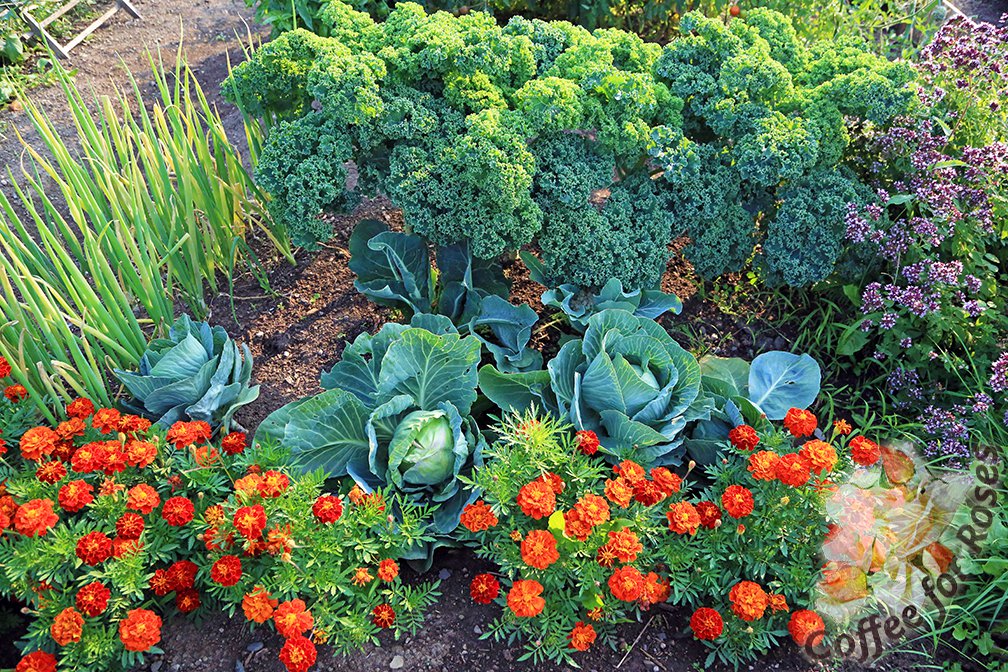
    Growing your own food is the best way to insure you know what’s ON your food. As the snow continues to fall, our thoughts turn to garden planning and seed starting. If you’re still growing flowers and vegetables on opposite sides of your yard, it’s time rethink your garden plan. Companion planting flowers and vegetables in the same beds is a strategy professional growers use to boost yields and keep crops healthy, and it’s easy and beneficial for beginners to do, too. (Whether you’re starting your first garden or switching to organic, Rodale’s Basic Organic Gardening has all the answers and advice you need—get your copy today!)

    Maggie Saska, plant production specialist at the Rodale Institute organic farm, says the most important reason to grow flowers in your vegetable bed is to attract native bees and other beneficial insects. Without bees stopping by your garden to snack on nectar and swap pollen around, you’re going to have a pretty disappointing crop. Plus, planting bee-friendly flowers near your vegetables also supports struggling pollinator populations and biodiversity. You can also plant flowers specifically to attract butterflies, hummingbirds, and other desirable species.

    (You may have also heard that some flowers help vegetables out by repelling pests—a popular example is that growing marigolds next to melons controls nematodes in the soil that destroy the melons’ roots. If you’re interested, you can learn more about this practice in Great Garden Companions.)  

    Our local seed providers can seeds and advice to help you get started.  Here’s information about Boise and the Treasure Valley. Share your favorite resources in your part of the state!

    Get locally grown NON GMO seeds:

  • GROW YOUR OWN: Tomatoes and Peppers

    GROW YOUR OWN: Tomatoes and Peppers

    You can taste the sun in a ripe homegrown tomato, but only if the tomato plant has enjoyed a robust, healthy life. This is no great challenge in climates where summers are long and warm, but you will need special varieties to grow great tomatoes if you have a short, cool season. Disease resistance is important in all climates because tomatoes can be weakened or killed by several widespread diseases.

    To learn more about getting started with your own garden, see Vegetable Gardening Tips for Beginners.

    Best Tomato Varieties for Your Location 
    check out University of Idaho Recommendations

    • Short, cool summers: Try early-maturing cherry tomatoes such as blight-resistant ‘Jasper’, along with heirlooms selected in cold climates around the world such as golfball-size ‘Stupice’ from Czechoslovakia or the heart-shaped ‘Anna Russian Oxheart’.

    • Moderate summers: Full-season varieties known for great flavor such as ‘Brandywine’, an Amish heirloom from Pennsylvania, can be mixed with ‘Sun Gold’, a fruity-tasting yellow cherry tomato, or full-flavored, chocolate-colored ‘Black Krim’ for a beautiful and productive tomato patch.

    • Long, humid summers: Resistance to fusarium wilt is crucial yet easy to come by in popular varieties such as baseball-size red ‘Better Boy’ or ‘Super Sweet 100’ cherry. Among heirlooms, purple-blushed varieties such as ‘Black Cherry’ or superjuicy ‘Pruden’s Purple’ often show good tolerance of muggy weather. 

    • Hot, dry summers: Disease-resistant, heat-tolerant ‘Champion’ always makes a good crop of round slicing tomatoes, which contrast beautifully with golden ‘Persimmon’ or sliced rounds of meaty ‘San Marzano’ paste tomatoes.

    Growing Peppers

    Garden peppers are pickier than tomatoes when it comes to weather, so choosing varieties suited to your climate is fundamental to growing a good crop of ripe peppers. Most peppers start out green and gradually ripen to red, yellow or orange, depending on variety. Ripe peppers taste better and have much more vitamin C compared with green ones, so they are worth waiting for. In the garden, ripening peppers are at risk for developing cracks and sunscald, neither of which will happen if you pick peppers when they begin to change colors and allow them to ripen at room temperature.

    Best Pepper Varieties for Where You Live

    • Short, cool summers: Early-maturing ‘Ace’ red bell is a cold-climate standout, but you may also do well with ‘Cubanelle’ frying peppers, which develop a mild, sweet flavor before they are fully ripe.

    • Moderate summers: Peppers that load up with fruit early such as ‘Carmen’ frying pepper and ‘Lipstick’ sweet pimento shorten the wait for homegrown peppers.

    • Long, humid summers: Most peppers can be grown with ease in warm climates, but banana peppers (sweet or hot) and ‘Jupiter’ red bell always produce bumper crops.

    • Hot, dry summers: Southwestern peppers include dozens of varieties that prosper in hot climates, for example ‘Big Jim’ green chili pepper, ‘Santa Fe’ hot chili, and lots of local heirlooms.

    Growing Tomatoes and Peppers

    Tomatoes and peppers are members of the same botanical family, so they are grown in similar ways.

    1. About six weeks before your last spring frost date, start seeds indoors under fluorescent lights. Keep seedlings warm, moist and almost touching the lights. When seedlings are about six weeks old, transplant to larger containers (still indoors).

    2. Harden off homegrown or purchased seedlings by gradually exposing them to outdoor weather for a few hours each day for at least a week before transplanting.

    3. Plan to transplant seedlings to the garden (or outdoor containers) after your last frost has passed, during a period of warm weather. Choose a sunny site with fertile, well-drained soil, and loosen the planting bed to 12 inches deep. Mix a 2-inch layer of mature compost into the bed, and then dig planting holes 18 inches apart. Enrich each hole with a spadeful of additional compost mixed with a balanced organic fertilizer (follow application rates on the label).

    4. Set tomatoes so only the top five or six leaves show at the surface. Set peppers so that the small seedling leaves barely show at the soil line.

    5. Pull weeds by hand until the soil warms and plants are growing vigorously. Before hot weather arrives, mulch with grass clippings, straw or leaves to deter weeds and retain moisture.

    6. Use wire cages to keep lanky tomato branches high and dry, and tie pepper plants to sturdy stakes.

    FIND OUT MORE ABOUT GROWING TOMATOES IN Southern IDAHO @ http://magicvalley.com/lifestyles/food-and-cooking/southern-idaho-s-tomato-nerd-shares-his-wisdom/article_3d5935f8-fc96-5b0a-b832-3f840310166b.html

  • SPOTLIGHT: Moscow Local Organic

    SPOTLIGHT: Moscow Local Organic

    Affinity Farm Certified Organic grower

    Moscow, Idaho

    Founded in 2001, Affinity Farm strives to grow and sell the highest quality vegetables and bedding plants. Our mission is to engage in a “right livelihood” producing healthy food for our selves and our customers with as little environmental impact as possible. We farm using only “organic” methods, and try to consider the consequences of all of our actions.

    Soil fertility is maintained through cover cropping, the application of composted manure, broad forking and harrowing, rather than tilling, whenever possible. We adhere to the “soil food web” philosophy, and see our soil as a living, breathing, partner in our endeavor.
    Pests are managed primarily though healthy soils, and physical barriers (row cover), though we periodically also use some CNG approved substances (Savers soap, and Bt) to deter a specific pest.

    We grow a wide variety of vegetables, including heirloom tomatoes, cucumbers, greens such as kale, spinach, lettuce, chard and arugula, hard and softneck garlic, onions, green beans, eggplants, turnips, and many more. We take pride in their quality, and consistency throughout the market season.

    We market our produce May through October at our stand at the Moscow Farmers Market (our stand is located in front of “Hyperspud Sports, on Main Street-the south-east corner of freindship Square), and through our small CSA program.

    We love our work: from spending each day outside growing food, to getting to know the people in our community who eat it. We are a small farm, and strive to work with minimal outside inputs. We are committed to the process of reducing our carbon impact by growing food as close to its consumption point as possible.

    Location

    810 empire lane
    Moscow, ID 83843
    Latah County

    Contact

    • Producer: Russell Poe and Kelly Kingsland
    • Day: (208) 892-9000
    • Evening: same
    • Email
  • Are Your Plant Containers Leaching Toxins Into Your Food?

    Are Your Plant Containers Leaching Toxins Into Your Food?

    Think twice before you decide what containers to put your plants in, particularly when it comes to edibles. Why? The very same properties that make soil a perfect channel for nutrients and water to find their way into plants also make it a channel for harmful toxins, especially ones that are hiding inside the pots and vessels holding the soil itself. Here’s what to avoid and what’s safe to use.

    Plastic
    Lightweight, and nearly indestructible, plastics have been the magic answer to a myriad of storage, transportation, and packaging dilemmas. Our world is swimming in plastics, and when we get the chance, it’s nice to be able to recycle them. But many plastics— particularly when they’re exposed to sunlight, water, and high temperatures—leach toxic chemicals like bisphenol A (or BPA), vinyl chloride, or phthalates which are hazardous to human health. Higher density plastics, such as those used to make yogurt pots, soda bottles, and rigid containers like cups, bowls, and planting pots are more stable, and therefore safer to use. Check the underside of containers to determine their suitability: numbers 1, 2, 4, and 5 are a good choice for planting edibles. Others are not.

    Ceramic
    Possibly the classiest choice for a planter, ceramic is practical as well. It’s durable, breathable, and generally made from natural ingredients (mostly clay). Ceramic has its own suite of challenges for the container gardener, but transferring harmful substances is, thankfully, not one of them—unless you opt for glazed ceramics. Colorful, glossy ceramic pots are coated with glazes that may contain lead oxides. 

    Wood
    An untreated wooden box is an excellent container for edibles except for the fact that, given time, it will rot. Slap on some stain or preservative paint, and things start to get complicated. Many wooden containers sold to gardeners are pressure treated to increase their lifespan and ability to stand up to moisture. The chemicals forced into wood during the pressure treating process (copper, chromium, and arsenic—also known as CCA) arrest decay and generally don’t leach into soils much after the first initial rain. Arsenic isn’t something you want to build up in your garden soil, however.
    To minimize any chemical movement, scrub or power wash wood prior to usage. Older, salvaged wood containers like whiskey barrels or window boxes have also usually been treated with CCA. If you’re working with a more fragile, antique container, add a plastic liner (see above) before planting to keep any residual leaching in check. If you choose to decorate your own wooden container, select paints, glazes, or oils that are marked with a nontoxic label.
    Prior to the 1980s, use of lead paint was widespread—particularly on outdoor surfaces exposed to wind, sun, and rain. Lead paint will chip and flake as it ages, letting it dissolve into soil, soa good way to assess whether that antique bucket has been coated in it is to look for lead paint’s characteristic cracking pattern. To go completely au naturel, use wood that is rot resistant and requires no treatment at all: Cedar is the perfect pick.  

    This article originally appeared at: http://www.rodalesorganiclife.com/garden/are-your-plant-containers-leaching-toxins-your-food.