Tag: gluten-free

  • Classic Made Healthier Gluten-Free Gingerbread Cookies

    Many families are switching to gluten free and reducing sugar. Concerns about glyphosate in the wheat, blood sugar and gut issues or a diagnosis of celiac doesn’t mean you miss out on the excitement of decorating gingerbread men cookies. This recipe by All Day I Dream About Food has taken the yuletide classic and made it gltuen free, low-carb and sugar-free. A classic made healthy so no one has to miss the Christmas fun.

    Tender Gingerbread Men Cookie Recipe

    Classic Gingerbread Men cookies made low carb and gluten-free. Perfect for decorating with your kids and giving as a healthy holiday gift.

    Ingredients
    Cookies:

    • 4 cups almond flour
    • 1 cup Swerve Sweetener
    • 1/4 cup coconut flour
    • 2 tbsp ground ginger
    • 1 tbsp ground cinnamon
    • 2 tsp baking powder
    • 1 tsp xanthan gum
    • 1/2 tsp salt
    • 1/2 tsp ground cloves
    • 2 large eggs
    • 1/4 cup coconut oil (or butter) melted
    • 2 tbsp Yacon syrup
    • 1 tsp vanilla extract
    Royal Icing:
    • 1/2 lb powdered Swerve Sweetener
    • 1 ½ tbsp egg white powder
    • 1 ½ tsp arrowroot starch OR 1/8 tsp xanthan gum (optional)
    • 1/4 cup lukewarm water more if needed to thin out
    Instructions
    1. For the cookies, preheat oven to 275F and line two baking sheets with parchment paper.
    2. In a large bowl, whisk together almond flour, sweetener, coconut flour, ginger, cinnamon, baking powder, xanthan gum, salt and cloves.
    3. Stir in eggs, coconut oil, molasses and vanilla extract until dough comes together.
    4. Divide dough in half and turn out first half onto a large piece of parchment paper. Top with another piece of parchment and roll out out about 1/4 inch thick.
    5. Use cookie cutters to cut into desired shapes and gently loosen and lift with an offset spatula. Place onto prepared baking sheets.
    6. Gather up scraps and reroll until too little is left to roll out. Repeat with second half of dough.
    7. Bake 20 minutes or until golden brown and just firm to the touch. Remove and let cool 5 minutes on pan, then transfer to a wire rack to cool completely.
    8. For the royal icing, in a medium bowl, whisk together powdered sweetener, meringue powder and arrowroot starch or xanthan gum.
    9. Add water and stir until smooth. Add more water 1 teaspoon at a time until desired consistency is achieved.
    10. Pipe icing onto cooled cookies and let set 30 minutes or longer.
    11. *For crisper cookies, bake at 225F for 50 to 60 minutes. Remove from oven and let cool. They will crisp up as they cool
    Recipe Notes

    Makes about 50 cookies when cookie cutters are about 3 inches tall. 

    Nutrition Facts
    Keto Gingerbread Men
    Amount Per Serving (2 cookies)
    Calories 141 Calories from Fat 105
    % Daily Value*
    Total Fat 11.7g 18%
    Total Carbohydrates 6.2g 2%
    Dietary Fiber 2.6g 10%
    Protein 4.6g 9%
    * Percent Daily Values are based on a 2000 calorie diet.

    BE SURE TO VISIT ALLDAYIDREAMABOUTFOOD.COM for other classics made healthy.

  • Hidden Sources of Gluten

    Dr McQueen of Red Mountain Natural Medicine in Boise shares with HFI some common hidden sources of gluten in food, personal products and household products. If you or one of your loved ones have been diagnosed with Celiac disease or non-Celiac gluten sensitivity (NCGS), hopefully you are already well-aware of the common gluten-containing foods to be avoided in your diet.  Complete avoidance of gluten, a protein found in many cereal grains, is an absolute necessity in those with Celiac disease since ingestion of gluten in these individuals is associated with autoimmune-mediated damage to the small intestine.  Untreated, Celiac disease can lead to nutritional deficiencies and increase the risk of all kinds of serious health problems, some of which include other autoimmune disorders like Type I diabetes and multiple sclerosis, anemia, osteoporosis, infertility, miscarriage, neurological conditions, and even cancers of the digestive tract.  1,2

    Celiac disease is one of the most common chronic inflammatory conditions affecting the West as well as other parts of the world.  In Western countries, prevalence of Celiac disease is considered to be somewhere close to one percent.  3,4

    Prevalence of NCGS is still widely debated, but estimates in Western populations are significant, varying somewhere between 0.6 to 6%.  5  NCGS has been described as a non-allergic and non-autoimmune condition in which the consumption of gluten can lead to symptoms similar to those seen in Celiac disease.  6  In cases of NCGS, gluten exposure in the diet can lead to the development of symptoms in or outside of the gastrointestinal tract from hours to days.  These symptoms then improve or disappear after the withdrawal of gluten from the diet.  NCGS differs from Celiac disease in that it is not considered an autoimmune condition and does not typically cause significant damage to the intestines.  That being said, some individuals that are non-Celiac are highly sensitive to even the tiniest amounts of gluten exposure.

    With growing awareness of the gluten problem that impacts so many individuals, it has become progressively easier to find gluten-free options when grocery shopping or going out to dine.  What remains a challenge is avoiding contact with the laundry list of hidden gluten-containing ingredients in packaged and processed foods, personal care products, and even medications.

    GLUTEN-CONTAINING FOODS TO AVOID

    In the case of Celiac disease or NCGS (especially the former!) care must be taken to avoid the following gluten-containing foods:

    Barley, Brewer’s Yeast, Bulgur, Couscous, Einkorn, Kamut, Oats (also available gluten-free, but this MUST be from pure, uncontaminated oats), Rye, Semolina, Spelt, Triticale, Wheat, and Wheat Germ/Flour/Bran/Starch

    HIDDEN SOURCES OF GLUTEN IN COMMON FOOD ITEMS

    Even if you are well-versed in identifying and staying away from the specific grains that contain gluten, it’s important to know about the food items that may commonly contain hidden gluten-containing ingredients.  In order to avoid gluten exposure, you need to become comfortable reading food labels.  This may seem daunting, but it’s really something we should all be doing anyway to support our health!  Here are some of the common food items that contain gluten:

    • Malt vinegar (or any product containing malt, since this is derived from barley)
    • Salad dressings, marinades
    • Seasonings
    • Condiments (mustard, ketchup, mayonnaise, etc.)
    • Soy and teriyaki sauces (most contain wheat)
    • Sushi rice (often contains malt vinegar)
    • Broths/stocks/bouillon cubes
    • Miso soups that are barley-based
    • Prepared/canned soups and beans
    • Processed meats (deli meats, sausages, hot dogs, etc.)
    • Fish sticks
    • Coffee creamers, flavorings, or instant coffee
    • Some alcohols (beers, wine coolers, some vodkas – here is a link for more information on gluten-free alcoholic beverages)
    • Chewing gum
    • Candies and candy bars
    • Energy bars, granola bars
    • Gravies, sauces of all kinds
    • Meat substitutes (veggie burgers, veggie sausage, seitan)
    • Breads, pastries, baked goods, croutons
    • Pastas, noodles
    • Crackers, chips, French fries


    INGREDIENTS THAT MAY INDICATE HIDDEN SOURCES OF GLUTEN

    After you have read over the list above, you might be feeling a little overwhelmed.  And justifiably so.  What in the heck is being added to all these food items above that can make them gluten-containing?  To be honest, a whole lot of different ingredients can contain hidden gluten!  Here is a link to a site that lists some of these hidden ingredients.

    Fortunately, more and more gluten-free food items are becoming available all the time to meet the growing demands for these products.  This certainly provides some benefits and conveniences for those following a gluten-free diet, but unfortunately it also has a major downside.  Many of the gluten-free food substitutes out there are touted as being healthy options or perceived this way by the public.  But in reality, many gluten-free products are absolute junk since they are still highly processed and contain way too many non-pronounceable ingredients.  Many of these products are highly refined and contain added sugars, starches, or other additives to help mimic the highly desirable texture of gluten.

    You should also be aware that current FDA standards allow products that are labeled as “gluten free” to contain up to 20 ppm (parts per million) of gluten.  For these reasons packaged foods and food items should, as a general rule, always be minimized in the diet, even if they are labeled gluten-free.  I can say from personal experience and in working with my patients that this makes it so much simpler to stay gluten-free!  

    Emphasize a diet rich in whole unprocessed foods that require no or little processing.  
    This can include the following:

    • Healthy Fats – Extra virgin olive oil, coconut and MCT oil, organic/pastured butter and/or ghee, raw nuts/seeds/nut and seed butters, avocado, olives
    • Healthy Proteins – Whole eggs, low mercury fish (especially wild salmon, sardines), grass-fed meats/poultry, wild game
    • Vegetables – Leafy greens and lettuces, broccoli, kale, cabbage, cauliflower, onions, garlic, mushrooms, Brussels sprouts, squashes/zucchini, green beans, bok choy, lots more!
    • Fruits – Eat a variety, but emphasize those higher in fiber and lower in sugar (apples, pears, dark berries, avocados, tomatoes, lemons, limes)
    • Herbs, Seasonings, Condiments – Enjoy whatever you like, but just make sure any pre-prepared products are free of gluten, sugar, and preservatives.
    • Legumes, Beans, and Lentils
    • Gluten-Free Grains – Amaranth, buckwheat, brown rice, white rice, wild rice, millet, quinoa, and teff.

    HIDDEN SOURCES OF GLUTEN IN YOUR COSMETICS AND OTHER NON-FOOD ITEMS

    While there is plenty of debate over how strict one must be in avoiding gluten from non-food (non-ingested) sources, it makes sense that individual sensitivity should guide this decision.  Some individuals find that they do much better avoiding gluten containing products altogether; others have no need to be so strict.  Here is a list of non-food items that commonly contain gluten:

    Personal Care Products:

    Examples include shampoo, conditioner, hairspray, hair dye and other hair products, lip balm, lipstick, lotion/cream, makeup, mouthwash, soap, moisturizer, deodorant, sunscreen, toothpaste.*NOTE:  Keep in mind that lip balms and lipsticks are more likely to be ingested to some degree, especially if used regularly.  Extra caution should be taken with these products. Here is a link for resources on gluten-free skin care products and cosmetics.  Another link here.

    Household Items:

    Examples include laundry detergent, glues on stamps/envelopes

    Products in Dentistry:

    Examples include sealants and various plastics

    Medications:

    Many medications are not gluten-free because they contain added fillers or excipients derived from wheat or gluten, or they are manufactured in facilities not dedicated gluten free.  It can be a challenge to determine whether they are or not.  When in doubt, call the manufacturer.  Also, keep in mind that manufacturers change ingredients all the time, so you must periodically check for any changes in ingredients.  Here is some further information to read on gluten in medications.

    Vitamins/Supplements:

    Many of the lower quality vitamins and supplements available on the market will contain common allergens, fillers, and binders including wheat and/or gluten.  It’s absolutely worth paying a bit more for brands that care about making cleaner, higher quality products that are free of common allergens.  There are a number of great professional brand companies out there to choose from.  Look for companies that are GMP-certified to assure purity and quality.   Some of the brands that I trust are Metagenics, Thorne Research, Seeking Health, Pure Encapsulations, and Allergy Research Group.  Keep in mind that not every product from these stated companies will be gluten free – Make sure to check for yourself and/or healthcare practitioner before using a specific product.

    Playdough:

    Since kids playing with playdough are known for ingesting some at least every now and then, you should know that it contains gluten.  There are resources online for making your own gluten-free playdoughs if you prefer!

    Food Containers and Food Preparation Equipment:

    Whether you are eating at home or at a restaurant, it’s important to know that exposure to gluten can occur via strainers, cutting boards, cookware, grills, and toasters that have previously come into contact with breads or other gluten-containing foods.

    Pet Food:

    Many pet foods contain wheat or oats.  The dust particles from these can get inhaled or transferred to the mouth, creating a problem for some sensitive individuals.

    THE BOTTOM LINE

    Gluten is found is all kinds of foods and non-food products that we unintentionally come into contact with every day.  Avoiding gluten exposure takes some real diligence and effort, but it can be done!  If you are on the gluten-free path, know that you are not alone and there are lots of great people, support groups, and resources out there to help you be successful.  Hopefully this article is a stepping stone for helping you with that success.

    In Health,

    Dr. Shana McQueen of Red Mountain Natural Medicine 

    this article originally appeared at: http://redmountainclinic.com/meet-dr-mcqueen/

    REFERENCES:

    • Serena G, Camhi S, Sturgeon C, Yan S, Fasano A. The Role of Gluten in Celiac Disease and Type 1 Diabetes. Nutrients. 2015;7(9):7143-7162. doi:10.3390/nu7095329.
    • Rodrigo L, Hernández-Lahoz C, Fuentes D, Alvarez N, López-Vázquez A, González S. Prevalence of celiac disease in multiple sclerosis. BMC Neurology. 2011;11:31. doi:10.1186/1471-2377-11-31.
    • Ciccocioppo R, Di Sabatino A, Corazza GR. The immune recognition of gluten in coeliac disease. Clinical and Experimental Immunology. 2005;140(3):408-416. doi:10.1111/j.1365-2249.2005.02783.x.
    • Gujral N, Freeman HJ, Thomson AB. Celiac disease: Prevalence, diagnosis, pathogenesis and treatment. World Journal of Gastroenterology : WJG. 2012;18(42):6036-6059. doi:10.3748/wjg.v18.i42.6036.
    • Igbinedion SO, Ansari J, Vasikaran A, et al. Non-celiac gluten sensitivity: All wheat attack is not celiac. World Journal of Gastroenterology. 2017;23(40):7201-7210. doi:10.3748/wjg.v23.i40.7201.
    • Capili, B, Chang, M, et al.  A Clinical Update: Nonceliac Gluten Sensitivity—Is It Really the Gluten?  The Journal for Nurse Practitioners. 2014;10(9):666-673.  doi.org/10.1016/j.nurpra.2014.07.036

  • Paleo Garlic Knots

    You know those meals that just need a side of garlic bread to make them complete? We are still in transition making our way completely away from grains. I’ll be honest some meals just don’t feel right unless there’s a crispy piece of warm garlic bread next to them. Our mixed greens salad with Dr Rosie’s healing dressing is a warm weather favorite. This recipe is promising to meet our cravings for bread without the wheat. These paleo garlic knots truly do make quite an addictive snack. With their delicious garlic flavoring from not only the coating but also the garlic powder used in the dough, they can be enjoyed freshly made or reheated in a toaster oven.


    Homemade Paleo Garlic Knots

    Save Recipe

    1. ½ cup almond meal
    2. ½ cup arrowroot flour plus extra for dusting
    3. ¼ tsp baking soda
    4. ¼ tsp salt
    5. ¼ cup almond milk
    6. ½ tsp garlic powder plus extra for dusting
    7. 1 ½ tbsp olive oil plus

    For the garlic coating

    1. 3 garlic cloves, finely chopped
    2. 2 tbsp chopped fresh parsley
    3. 3 tbsp olive oil

    Instructions

    1. Preheat the oven to 350°F. Line a baking sheet with parchment paper.
    2. In a large bowl, mix together the almond flour, arrowroot flour, garlic powder, baking soda and salt.
    3. Add the almond milk and 1 tablespoon of olive oil and mix to make a smooth dough.
    4. Lightly dust a working board with some extra arrowroot flour.
    5. Roll out the dough into a rectangle 1/3 inch thick.
    6. Dust with extra garlic powder.
    7. Cut the dough lengthwise into 8 strips.
    8. Roll out each strip into a rope then tie it into a knot.
    9. Place them on the prepared baking sheet.
    10. Brush the knots with ½ tablespoon of olive oil.
    11. Bake for 12 – 15 minutes or until they are just starting to turn golden.
    12. Meanwhile, in a small saucepan heat 3 tablespoons of olive oil over medium heat.
    13. Add the garlic and cook, stirring, until just softened, about 2 minutes.
    14. Stir in parsley and season with salt.
    15. Transfer the garlic mixture to a bowl and add warm knots.
    16. Gently toss until coated and serve.

    By Harper (PaleoGrubs.com) http://paleogrubs.com/paleo-recipes

  • A Nourishing Thanksgiving

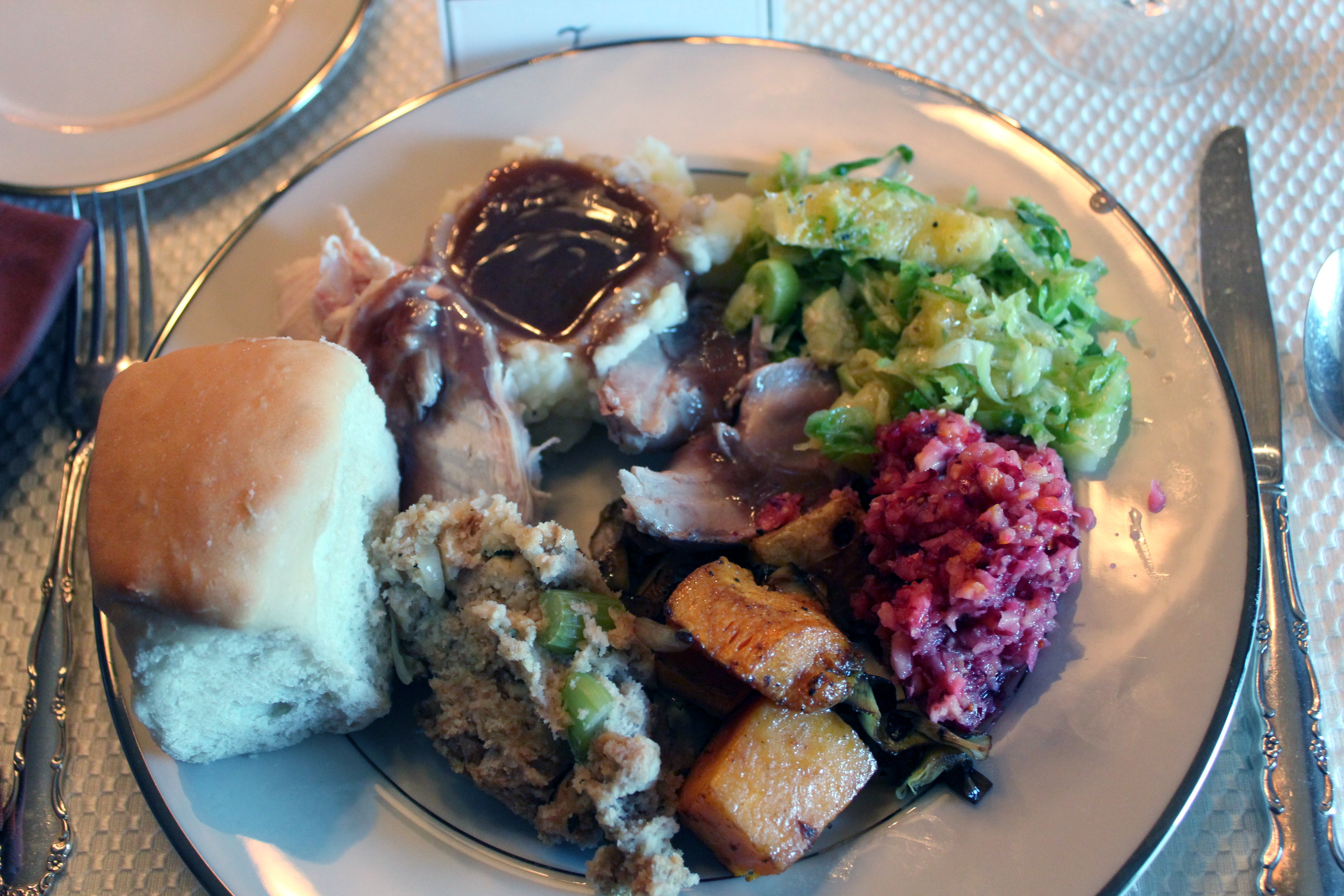
    It’s one of our favorite holidays of the year. A day dedicated to giving thanks, practicing more gratitude, sharing and relishing the bountiful blessings that we have been afforded. Although Thanksgiving in America has migrated away from its Pilgrim roots and has turned into something of a feast-fest, the act of eating wholesome things with others, in gratitude, is still a meaningful tradition.

    Since we’re all about life, liberty and the pursuit of happiness here at Health Freedom Idaho, we have gathered some of our favorite Thanksgiving recipes for a cornucopia of nourishing epicurean delight.

    If you like pretty pictures to help motivate you, Food52’s Thanksgiving Menu Maker is a welcome distraction and idea-generator. 

    Be sure to scroll down to see the Thrive Market offer for 25% off your first order. Thrive offers some of the best selection, quality and prices on healthy foods, and they have a great giving back ethos that you are sure to appreciate this Thanksgiving. 

    The Turkey

    It’s not just the recipe, it’s the quality of your turkey that can make a world of difference. That’s why we recommend buying organic, heritage or humanely raised turkey for your family’s health and to support sustainable food sources. 

    The classic: Good Eats Roast Turkey is a wet-brining-and-scientifically-predicated-temperature-masterpiece. Pretty foolproof if you follow the directions to a T. 

    The newcomer/old-world technique: Dry-brining has gotten the attention lately, boasting more flavorful and tender meat, shorter cooking times and better protection from overcooking due to the use of coarse sea salt during the thawing / brining process. Healthy Home Economist’s “dry brine any meat” recipe may become your next staple turkey and meat recipe. Note that it takes days to achieve this result, so start accordingly! 

    Better Bone Broth

    We love a good bone broth to flavor our stuffing and gravy. Dr. Rosie’s recipe is nourishing and delicious. May as well make the Thanksgiving essentials more nourishing.

    Or, if you’re short on time, many brands have emerged with bone broth offerings. Epic Foods’ turkey cranberry sage bone broth is Thanksgiving in-a-jar. 

    Recipe: Cranberry Relish

    One of our favorite cranberry sauces is the simplest to make. Because the sauce is raw, the fruit and honey retain their natural enzymes, making this a great digestive aid and palette refresher. 

    • 1 bag of organic fresh cranberries (rinsed)
    • 1 whole organic orange (cubed, large seeds removed)
    • 1 teaspoon fresh grated ginger
    • 1/4 cup good quality raw honey

    Combine in a food processor bowl and pulse to desired consistency. Taste and add more sweetener, if desired. Chill until 30 minutes before the meal. This keeps well in the refrigerator for about a week. 

    Healthier Rolls

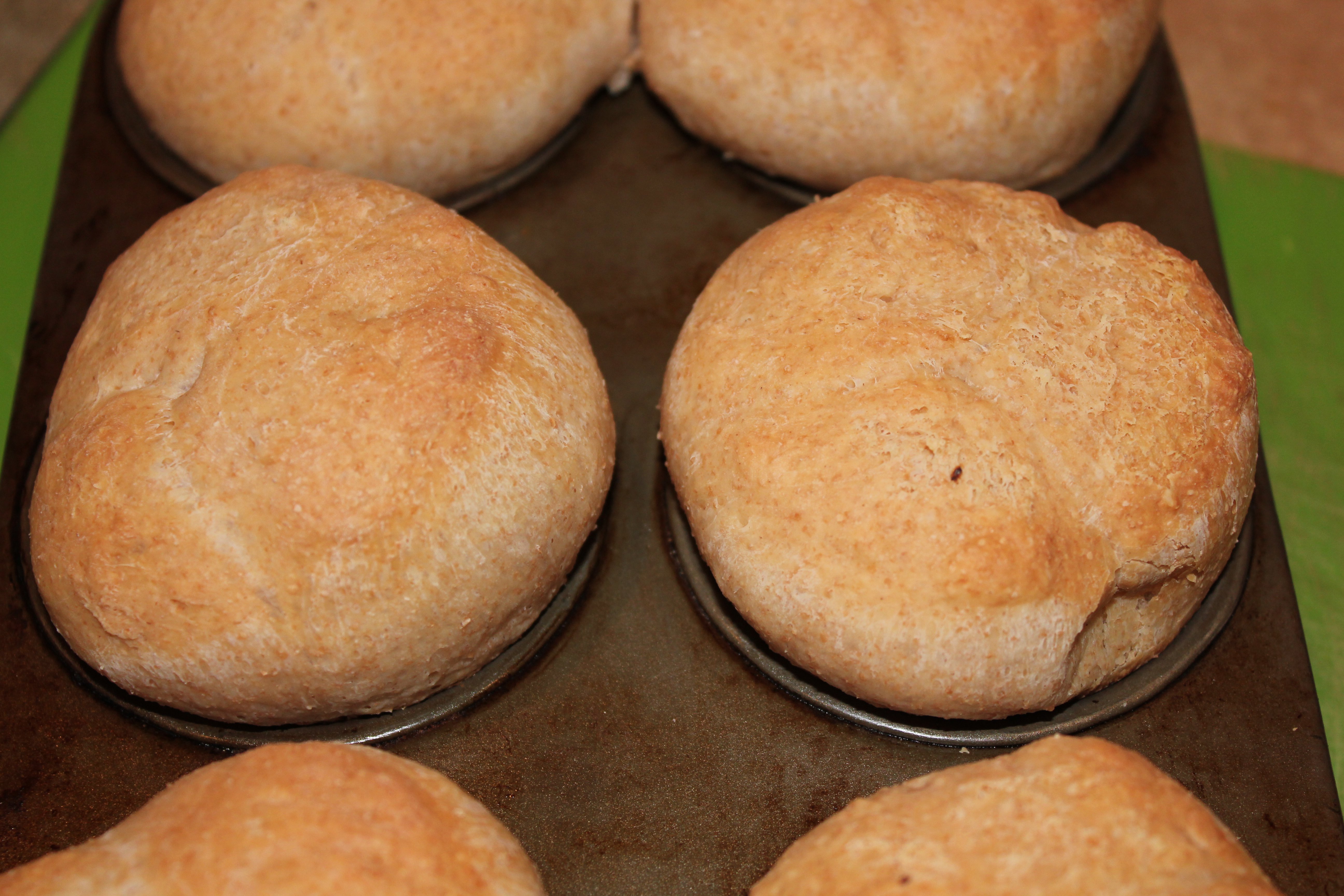
    Einkorn Rolls are a fantastic way to enjoy einkorn, a non-hybridized ancient wheat, this holiday. For those avoiding gluten, and this Paleo recipe are wonderful pillows of baked-good-ness for your sopping pleasure.

    Karina’s Gluten-Free Dinner Rolls feature nourishing flours like millet, buckwheat and hazelnut to amp up the nutrition and satisfaction. 

    Garlic Herb Paleo Dinner Rolls from Paleo Running Momma are full of flavor and feature almond flour and grass-fed butter or ghee

    Non-GMO Stuffing

    If you are looking for healthier stuffing cubes, consider Berlin Natural Bakery’s certified non-gmo spelt stuffing. These make more nourishing and flavorful stuffing. They tend to soak up a lot of broth (perhaps due to density?) so amp up your broth by at least 25%. 

    Elevated Potatoes

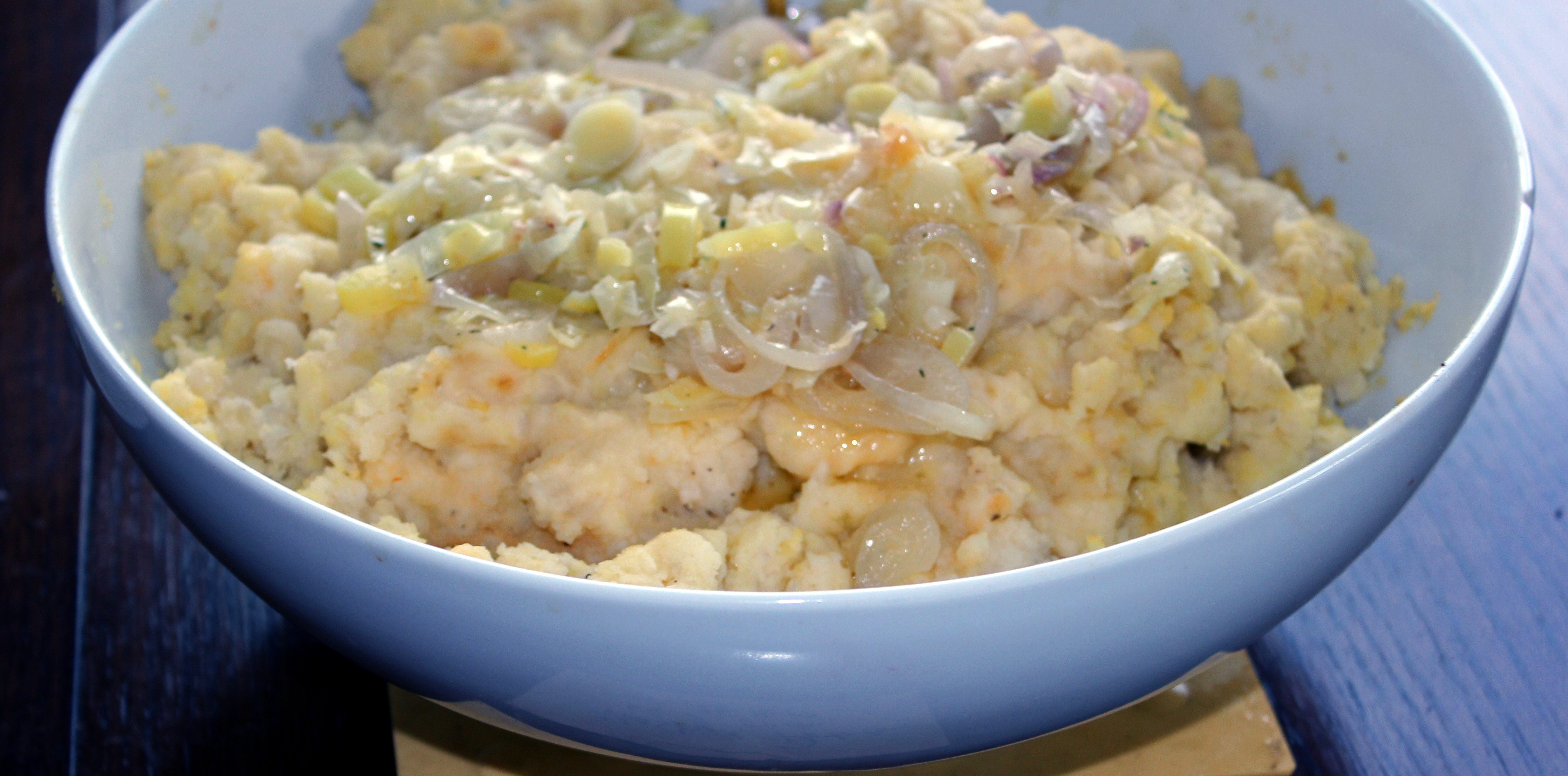
    Onions are a major boon to the standard mashed potatoes in this recipe: Whipped Potatoes with Three Onions. 

    Seasonal Veggies and Squash

    We have a lot of squash growing in local gardens here in Idaho. Butternut, acorn, kabocha and banana squash are common and seemed to grow really well this year. 

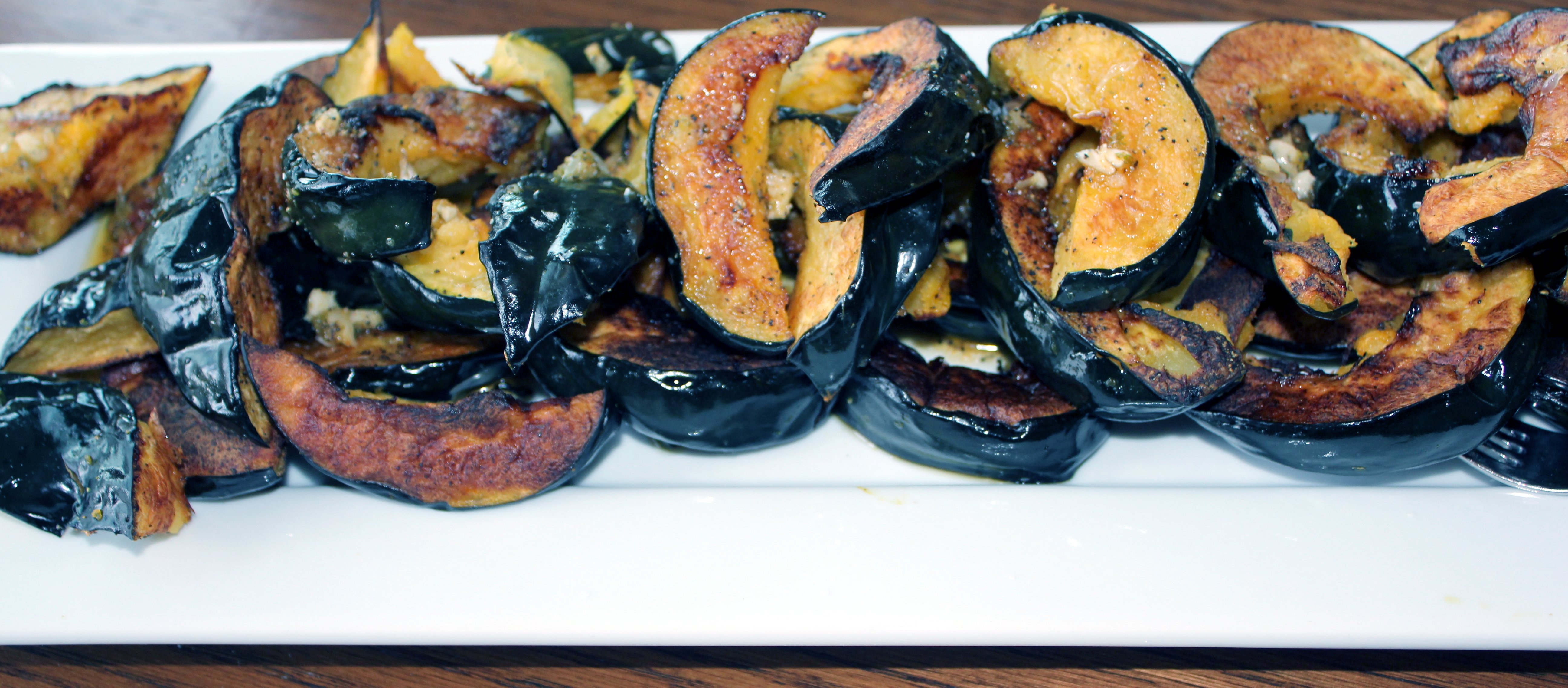
    Roasted acorn squash with chile vinaigrette is a very simple, yet palette-tingling shift out of traditional Thanksgiving flavors. 

    Thrive’s Hasselback squash recipe utilizes a large butternut squash and some quick but fancy knife techniques to transform the 1700’s potato recipe into something even prettier. 

    This Parnsip-Apple Puree is a sweet-light alternative to mashed potatoes. 

    We like sides from the garden like this fresh-tasting Shaved Fall Vegetable Salad with Cider Vinaigrette as a light compliment to the heavier traditional dishes. 

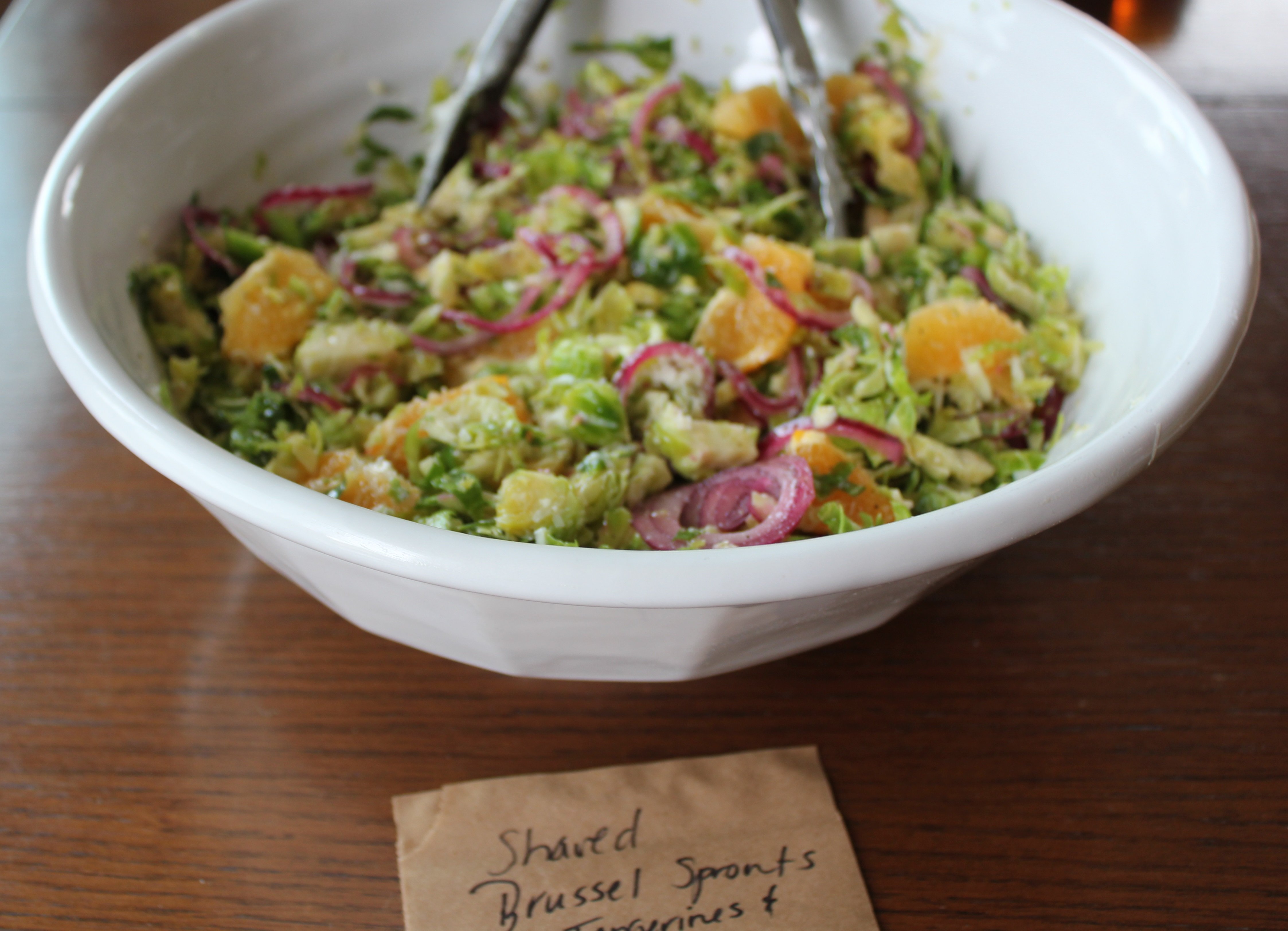
    Shaved Brussel Sprouts with Tangerines are one of our staff faves for texture and a sulfurous contrast to the rich and creamy vibes of Thanksgiving. 

    Pie, Of Course

    For most of us, pie is a must – no matter what diet you may be on. We’ve curated a few traditional and creative takes on the sweet tradition.

    Coupons

    Thrive Market offers the best-selling natural and organic products at wholesale prices through a $60/year membership. Think Costco meets Whole Foods online, and for every paid membership Thrive donates one membership to a low-income American family. Health Freedom Idaho members can sign up to receive 25% off and free shipping off their first order through this link.

    Amazon is showing off their Whole Foods acquisition with this offer. Until November 26th, Amazon Prime members can get 20% off their Thanksgiving turkey at Whole Foods markets. Our Boise store is a valued destination for natural food lovers.

    Jovial Foods is giving 25% off on Cyber Monday for their ancient heirloom non-hybridized Einkorn wheat products and gluten-free foods. (Code: CYBERMONDAY17)

    From Health Freedom Idaho’s volunteer team and their families, to you and yours: a very Happy Thanksgiving! 

  • 4 Recipes for Creamy Gluten-Free Cheesecake

    4 Recipes for Creamy Gluten-Free Cheesecake

    Basic Gluten-Free Cheesecake

    SERVES 12

    Modify this versatile recipe using different crusts and toppings to suit your needs. It’s fun to create different desserts using one basic no-fail cheesecake.

    2 (8-ounce) packages cream cheese or dairy-free cream cheese, room temperature
    1½ cups sugar
    5 eggs, room temperature
    2 cups Greek yogurt, sour cream or dairy-free sour cream
    2 tablespoons cornstarch or arrowroot
    1 teaspoon pure vanilla extract
    1 gluten-free crust of choice, pre- baked
    Topping of choice

    1. Preheat oven to 250 degrees.

    2. Beat the cream cheese until fluffy. Add the sugar and continue beating for a few minutes. Add the eggs one at a time, beating to combine. Then beat in remaining ingredients.

    3. Pour the filling into a springform pan that contains a cooled prebaked crust.

    4. Bake in preheated oven on the middle rack for 2 hours or until the top is golden and feels firm yet soft like a baked custard. Begin checking after 90 minutes. Internal temperature should be 150 degrees.

    5. Turn the oven off and leave the cheesecake inside for about an hour. Five minutes after shutting off the oven, run a sharp knife around the edge of the pan to help prevent cheesecake from cracking as it cools and settles.

    6. Remove cheesecake from the oven and cool completely before chilling in the refrigerator. Cover with toppings of your choice. Slice and serve.

    Each slice with graham cracker crust contains 581 calories, 44g total fat, 24g saturated fat, 0g trans fat, 205mg cholesterol, 373mg sodium, 42g carbohydrate, 1g fiber, 11g protein.

    Dairy-Free Cheesecake

    Find even more Gluten Free and Dairy Free Recipes at: http://www.glutenfreeandmore.com/issues/4_8/Gluten-Free-Cheesecake-Guide-2054-1.html.