Tag: healing

  • Finding Hope When You’re not Experiencing the Healing You Long For

    You’ve been implementing healing protocols in your life for some time now. You feel like you’re doing all the right things but you’ve hit a plateau and you can’t seem to pinpoint why.  

    I’ve been there, several times throughout my healing journey actually. Being in this place often felt hopeless and initially cause me great despair.

    Health Freedom Idaho is thrilled to hear from Jennifer, a Certified Essential Oil Coach and Health Coach with FeastingOnJoy.com as she shares healing journey overcoming the feelings of hopeless by providing practical encouragement and hope for each individual healing journey.

    The Dreaded Plateau

    When I first starting healing my Hashimoto’s, after my rock bottom I began to experience what it felt like to feel well again. I was on cloud nine! After feeling awful for years, this victory was extremely motivating. However, as some time went on, I started feeling like I was on a plateau or that I just wasn’t progressing in healing like I thought I should be. The frustrating thing was that I was doing all the right things to obtain optimal health, but I would still have bad days and not be able to pinpoint why. Sometimes these times became overwhelming and I would often feel like I was never going to heal.

    Have you been there? Are you there right now?

    Being a Certified Essential Oil Coach and (soon to be) a Nutritional Therapy Practitioner, I consider myself a hope-giver. 

    “As a hope-giver, we guide others to anticipating, embracing and living out the vision of God’s hope, love and beauty, creatively exploring ways to live fully alive, right where we are amidst life’s brokenness.” Dr. Catherine Hart Weber.

    If you need some encouragement and hope on your healing journey, I wanted to share 3 steps to move through the plateau and persist for the healing you’re longing for.

    3 Steps to Embrace the Plateau

    1. The “P” Word

    The healing journey can be rigorous. You may be learning a new protocol, spending time at the doctors, coordinating appointments, ordering supplements among many other things. Just those tasks can be exhausting and stressful for the body. 

    Sometimes the mind can’t rest because of all the “to-do’s” when it comes to healing. That’s where my first step comes into play.

    As counterintuitive as it may sound, it’s beneficial for you to PAUSE where you’re at. Pausing will look different to everyone but it could include:

    • Not making any new doctor’s appointments

    • Refusing to read or learn any more on healing your condition

    • Purpose to think about other things 

    • Spend time on a hobby, or going outside into nature

    • Set aside time to dig into God’s Word and write some scripture 

    Of course, this is only a temporary pause but it will allow your mind to reset and refocus on the task at hand.

    “In taking a step back, you are awaiting your step forward.” Jennifer | Feasting On Joy

    2. The Right Path

    Once you have given your soul, mind and body the pause it needs to refocus you will inevitably have clarity on what the next step is to get yourself off that plateau. You may need to get on a different path.

    For example, as important is whole, unadulterated food is for healing, I learned that food is not the only area I needed to focus on to heal. It was during one of those plateaus in my healing journey that I stepped onto a different path of parasite cleansing and dealing with silent infections {like the Epstein Barr Virus}.

    In veering off the path I was on, and heading a different direction for a time, I was able to get off my plateau and help my body get rid of some nasty bugs {a-hem, we all have them}, conquer an infection and continue deeply healing my body.

    If I hadn’t paused and taken a step back, I never would have known I needed to get on a different path for a time to get off my plateau.

    3. A Caring Someone

    Journeying through healing chronic illness is not for the faint of heart. Additionally, it’s not meant to be done alone. Creating a support system is crucial for healing not only your body but your soul.

    Throughout my healing journey, I have been privileged to have a very supportive husband and parents. They’ve helped me through many discouraging times where I was in deep despair. More importantly though, for me personally, one of my biggest supporters is Jesus. He is the ONE I have leaned on and trusted in daily {and sometimes hourly} to help me through the day. He is the ONE that has given me the strength to fight this battle and He is the ONE who I surrendered my healing too. His plan is perfect.

    Not only do I dialogue with my family about what I am struggling with but I write Scripture every single day. It’s so therapeutic.

    I use this system called QUEST {Quiet Unmatched Enjoyable Scripture Writing Time} which allows me to choose the topic I am struggling with and write the Word specifically about that. It could be the topic of fear or Healing, or even anger and getting wisdom. It’s been a perfect tool to help me be content with the plateau and eventually move off the plateau and continue healing. 

    Don’t walk this journey alone. 

    As Helen Keller says, “Alone we can do so little; together, we can do so much.”

    Finding Hope When You’re Not Experiencing the Healing You’ve Been Longing For

    It is so hard when you have such strong desires and visions of what life could be like if you felt better, or if you completely healed. However, by pausing and taking a step back, potentially taking a different path and creating a support system you can lean on, you can learn to find contentment on the plateau and gain strength for when you move past it.

  • How I Survive the Holidays Sugar Free

    The holidays are upon us and with a family that can not tolerate sugar AT ALL it can really become a challenge and turn joy into stress. Health Freedom Idaho member Jill shares her holiday successes in her blog healingfoodie. Great advice and easy to impliment, making one less stress for the holiday season.

    Fail-safe recipes and ideas that get the family through the holiday keeping our health on track.

    Here are some other great tips:

    I always have a stocked pantry with items that I can whip up a delicious desert to take along.  
    I try to stock my freezer with a variety of grab and go sizes for on the go.
    Potluck? I make 2 trays just so that I can have a back up in case my 1st tray is devoured before my family gets the chance to dish up.

    Here are some of my go to items.

    SIMPLE SUGAR FREE DESSERT

    I can blend up some pecan and dates into a crust in my Vitamix and press into a pie plate and toss some strawberries inside and sprinkle cinnamon on and chill or freeze in 15 to 30 mins.

    Easy crust

    • 1.5 cups medjool dates
    • 1.5 cups pecan
    • 2 cups fresh strawberries or other topping.
    • Dash of cinnamon

    This recipe and more healing tips found on her blog. 

    The most important piece of advice? Plan, prepare, and party

    Author: Healing Foodie

    I am a mother of five children and 120 pounds on a heavy day. I grew up eating the average American diet and seemed pretty healthy until I found myself exhausted and struggling with kidney stones, sleepless nights and unmanageable skin issues. I stumbled across the answers that would soon unlock some keys to my healing and recovery. Eliminating added sugars, eating whole non GMO food, fermenting and gardening, homeschooling and my continued learning. Come join my journey and continue your own.

  • Crazy Mothers Know Why

    Hillary Simpson, the mother of a vaccine injured child, starts off her emotional diatribe on Facebook by saying, “I know what happened to my little boy.” Simpson’s emotionally charged plea for a little more understanding from those who choose to bully parents of vaccine injured children, rather than attempt to connect and understand them, is the ire of Simpson’s disgust. She’s calling for change, but more than that, she’s giving a huge piece of her mind to anyone who will listen (and so far, that happens to be a heck of a lot of people according to her Facebook view stats that had already inflated to almost 80k.  at the time of this article’s publishing). So many of our readers are NOT on facebook and may not have seen this video shared here from a youtube upload. 

    “Mothers are strong and capable and resilient. We are strong enough to admit our mistake and even stronger still to forgive ourselves… though that may take awhile. We are capable of thorough researching order to help our children get better…and so many of them do. And we are resilient because WE MUST BE. Our children need us now more than ever as we have officially created the first generation that is sicker than the one before. 

    Sickness. What do people do when they get sick. As a child, as a teen, as a young adult and even when they have kids themselves. They go ask their mother. And yet, they call us crazy mothers….like it’s a bad thing.”

    #crazymothers #askwhy #saidnomother #wedid #learntherisk #educatebeforeyouvaccinate

  • Cabbage: 11 Varieties and 20 Health Benefits

    Did you know that you don’t need to purchase organic cabbage to avoid pesticides?  EWG reports that only two of more than 700 cabbage samples contained more than one pesticide residue. 86 percent of cabbage samples contained no detectable pesticide residue. Stock up on this hearty leafy green and all its health benefits. 

    The health benefits of cabbage include its frequent use as a treatment for constipation, stomach ulcers, headaches, obesity, skin disorders, eczema, jaundice, scurvy, rheumatism, arthritis, gout, eye disorders, heart diseases, and Alzheimer’s disease.

    What is Cabbage?

    Cabbage is a leafy green, red, or white biennial vegetable which is grown annually. This cruciferous vegetable belongs to the Brassica family and is round or oval in shape. It consists of soft, light green or whitish inner leaves covered with harder and dark green outer leaves. It is widely used throughout the world and can be prepared in a number of ways, but most commonly, it is included as either a cooked or raw part of many salads. Cabbage belongs the group of cole crops, which means that it is closely related to broccoli, cauliflower, and Brussels sprouts.

    Here are 11 varieties of cabbages and their uses


    1. Cannonball Cabbage
    This is a small, green cabbage variety that is sometimes described as a mammoth Brussels sprout, and them most common variety found at grocery stores and markets. They only grow to be about 12 inches across (which still makes for a lot of delicious greenery) with very dense leaves, making it perfect for shredding into coleslaw or sauerkraut.

    2. Bok Choy
    Bok choy is in fact a type of cabbage, but develops thick, white and watery-crisp stems and leaves that are green and tender. More akin to Swiss chard or spinach than a regular head of cabbage, bok choy makes an excellent addition to sautéed vegetable sides, stir-fries and Asian inspired soups. 

    3. Choy Sum
    Sometimes labeled as ‘Chinese Cabbage’ choy sum can be found at mot grocery stores and all Asian food markets. This cabbage looks similar to bok choy, but is slightly slimmer and longer, with crispier stems and very tender leaves. It’s great chopped into an Asian salad with oranges and peanuts.

    4. Early Jersey Wakefield Cabbage
    This cabbage variety originates from Yorkshire in the U.K., but has morphed into a classic American heirloom over the centuries. The green cabbage has a heart or cone shaped head, which forms into a point that is surrounded by similar shape pale green leaves. These cabbages usually weigh 3-4 pounds and are excellent for plain steaming or light sautéing.

    5. January King Cabbage
    This curly-leafed cabbage displays gorgeous blue-green leaves with brushes of purple and dapples of turquoise. As the name implies, this cabbage variety enjoy cool weather and can even be planted in the fall for winter harvests.  Rather small at 1 pound a head, this showy cabbage is great roasted and served as a unique side dish.

    6. Napa Cabbage
    Oblong in shape with crisp stems and frilly, greenish yellow leaves, this cabbage variety is sweet and softer than the average green cabbage. It is delicious raw in salads as a dumpling filler or steamed with other leafy greens and drizzled with lemon juice.

    7. Portugal Cabbage
    Another type of green cabbage, Portugal cabbage originates from the Mediterranean region. The plant features large, spread and ribbed leaves but forms no head; the rib part of the leaf and the top of the stem are the parts that are eaten. The leaves are tough but fantastic in a hearty Portuguese style soup!

    8. Red Drumhead Cabbage
    Red cabbages are typically tougher and deeper in flavor than green cabbages, and were traditionally harvested in the fall for pickling. Plant breeding has now allowed for more tender varieties of red cabbage that can be shredded into salads and coleslaws. Red cabbages are great options for veggie patches, as they tend to attract less worms and produce large, round heads.

    9. Savoy Cabbage
    The crinkly leaves of the beautiful savoy cabbage are deep green along the edges, turning yellow toward the base. The flavor of a savoy is earthy but mild, and smaller heads are perfect for grating or slicing into salads and stir-fries. Savoy cabbage is also a great choice for fermented foods like homemade kimchi!

    10. Walking Stick Cabbage
    This 2 to 3 foot tall variety looks more like kale than cabbage, the leaves of which can be steamed or lightly sautéed when young. Originally from Great Britain, the larger leaves of this cabbage were once used as wrappers for baking hearth breads. The cabbage received its name from the strength of the stem, which is often saved for use as a walking stick, plant stake or bean pole.

    11. Winnigstadt Cabbage
    German in origin, the Winnigstadt cabbage displays dark green, glossy leaves in a large and dense head with a small point. This cabbage requires ample growing space, with its outer leaves spreading up to 3 or 4 feet across, and unfortunately often attracts worms. Sweeter in flavor than most other cabbages, this variety is ideal for raw salads and coleslaw, but is also an excellent choice for sauerkraut.

    Nutrition

    Cabbage is a very good source of manganese, dietary fiber, calcium, magnesium, and potassium. It is also rich in various vitamins including vitamin C, B6, A, K, and E. With a 100 gram serving of cabbage containing about 25 calories, it proudly takes the title of a healthy addition to your diet. It is also high in antioxidants including flavonoid, zeaxanthin, lutein, choline, and beta-carotene.

    Health Benefits of Cabbage

    Did you know that the inexpensive and widely used cabbage can practically work miracles? Let’s take the look at the best ones!

    Antioxidant Agent

    Cabbage acts as a good detoxifier too, meaning that it purifies the blood and removes toxins, primarily free radicals and uric acid which are the main causes of rheumatism, gout, arthritis, renal calculi, skin diseases, and eczema. This detoxifying effect of cabbage is due to the high content of vitamin C and sulfur in it.

    Anti-inflammatory Agent

    Cabbage is known to accumulate a build-up of cadmium-binding complexes in its leaves and one of the main components of that is glutamine. Glutamine is a strong anti-inflammatory agent, so consuming it can reduce the effects of many types of inflammation, irritation, allergies, joint pain, fever, and various skin disorders.

    Supports the Body Against Cancer

    One of the most celebrated health benefits of cabbage is its powerful antioxidant quality. This means that cabbage and other similar vegetables scavenge free radicals from the body, which can be detrimental to overall health and are major contributors to cancer and heart diseases.

    It also contains another and glucosinolates that can be converted into isothiocyanate compounds that help in the prevention of various cancers including breast cancer, prostate cancer, bladder cancer, and colon cancer.

    Red cabbage also has a number of anti-cancer compounds, like lupeol, sinigrin, and sulforaphane (glucosinolates derived isothiocyanate), which are known to stimulate enzyme activity and inhibit the growth of tumors that lead to cancer. One study, performed primarily on Chinese women, showed a significant reduction in breast cancer when cruciferous vegetables like cabbage were regularly added to their diet.

    Supports the Digestive Tract

    Cabbage is very rich in fiber and glucosinolates, which is the main health benefit of roughage. This helps the body retain water and it maintains the bulkiness of the food as it moves through the bowels. Thus, it is a good remedy for constipation and other problems related to digestion.

    Roughage deficiency can be really fatal, but it is one that is commonly overlooked in the maintenance of personal health. A lack of roughage in food can result in constipation, which is the root cause of many other ailments and health hazards such as stomach ulcers, headaches, gastrointestinal cancers, indigestion, and a subsequent loss of appetite. The dangers of roughage deficiency even extend to skin diseases, eczema, premature aging, and hundreds of mild to serious conditions.

    Regulates Heart Health & Cholesterol

    By binding the bile acids, it helps to lower your total LDL cholesterol levels. Cabbage is also rich in polyphenols, which reduces the risk of cardiovascular diseases by reducing blood pressure and preventing platelet build-up.

    Protects from Radiation Therapy

    Cabbage has a rare compound called 3,3′-diindolylmethane (DIM), which has been shown to prevent the risks associated with radiation therapy. It helps in ensuring that the red and white blood cells and the platelet count remain existent, which is often not the case during radiation therapy. Therefore, DIM is also favored for use during cancer treatment in order to protect healthy tissue.

    Boosts Immunity

    Due to the high vitamin C content of cabbage, it helps in boosting the immune system and fighting off free radicals.

    Skin Care & Vitamin C

    As mentioned already, cabbage is rich in antioxidants, including vitamin C, anthocyanins, and sulfur, since it is a cruciferous vegetable. Antioxidants play a major role in skin health and the general toning and improvement of the body in response to the aging process. Free radicals can be an underlying cause of wrinkles, skin discoloration, spots, and many other conditions. Therefore, the antioxidants you get by eating cabbage can cause a turn-around in your aging processes, leaving you feeling and looking healthy and young. It also helps in preventing the onset of acne.

    Weight Loss

    Cabbage is frequently recommended for people who want to lose weight in a healthy way. Since cabbage is packed with many beneficial vitamins, minerals, and other nutrients, it is a healthy dietary option for people to eat and is quite filling since it has high levels of fiber, which add bulk to the bowels. It is also low in calories, amounting to only 33 calories in a cup of cooked cabbage. 

    Prevents Cataract

    Cabbage is a rich source of beta-carotene, so many people, particularly as they get older, turn to cabbage for its ability to prevent macular degeneration and promote good eye health and delay cataract formation.

    Hair Care

    Cabbage being rich in sulfur and silicon helps in preventing dry hair. It also has a high vitamin A content that acts as an antioxidant and promotes hair health and hair growth.

    May help to Prevent Prostate Cancer

    Beta-carotene has been positively linked to reduced chances of prostate cancer, which is an extra bonus on top of other anti-carcinogenic effects of cabbage!

    Improves Brain Health

    Let’s not forget that cabbage is a very powerful brain food! The presence of vitamin K and anthocyanins within cabbage can give a strong boost to mental function and concentration. Vitamin K is essential for the production of sphingolipids, the myelin sheath around nerves. This wrapping is what protects nerves from damage and decay. Therefore, consuming vitamin K can improve your defense against neural degeneration, Parkinson’s and Alzheimer’s disease, and dementia.

    Furthermore, the anthocyanins in cabbage are a current area of research, but early indications point to it being a more powerful source of antioxidants than vitamin C, and red cabbage has even more types of anthocyanins than normal cabbage. It also appears that the nutrient uptake is not limited by anything and that people can eat as much cabbage as they want, and continue to accumulate antioxidants, which help fight off diseases, reduce chances of cancer, improve the nervous system, and increase brain function.

    Cabbage, being rich in iodine, also helps in the proper functioning of the brain and the nervous system, along with keeping the glands of the endocrine system in proper condition.

    Improves Bones

    Cabbage, as well as all cruciferous vegetables, are great sources of minerals, like calcium, magnesium, and potassium. These three essential minerals are integral in the protection of bones from degradation and the onset of conditions like osteoporosis and general bone weakening.

    Regulates Blood Pressure

    The presence of potassium in cabbage also makes it a wonderful way to protect yourself from elevated blood pressure, which increases the risk of heart attack and stroke. Potassium is a vasodilator, which means that it opens up the blood vessels and eases the flow of blood, so it isn’t being forced in a stress-inducing way through constricted arteries and veins. Overall, cabbage is a great shield against many types of dangerous conditions!

    Reduces Muscle Aches

    When certain bacteria ferment the sugars in cabbage during the preparation of sauerkraut, lactic acid is released. It isn’t the easiest compound to find in a diet, but it has been shown to reduce muscle soreness and aches, so in some small way, cabbage can help in general pain relief and muscle soreness, depending on how it is prepared.

    Speeds-up Healing

    Cabbage is rich in sulfur, which is a very useful nutrient as it fights infections. A deficiency of sulfur can result in microbial infections and a greatly reduced healing speed. It also reduces the frequency and severity of ulcers.

    Other benefits

    Cabbage can also be used for the treatment of varicose veins, leg ulcers, and peptic and duodenal ulcers.

    Basically, this common component of your Chinese dishes could be a miraculous addition to your diet. Don’t be afraid to add cabbage to your daily diet, whether it is in your soup or salad, and that small change will help you live a healthier and longer life.

    Uses of Cabbage

    Cabbage can be used in various culinary uses and can be incorporated into our daily diet in the following ways:

    • Salads: Cabbage can be shredded into salads with salt and other spices.
    • Soups: It can also be boiled into a soup and served hot.
    • Stews: It can be served raw or steamed into a stew with water and salt.
    • Sauerkraut learn how to make your own

    Article last updated on August 10, 2018 by OrganicFacts

    This article originally appeared at: https://www.organicfacts.net/health-benefits/vegetable/health-benefits-of-cabbage.html.

  • Inflammation: The Root of Disease

    What is Inflammation? How does it affect our overall health? What can be done to repair or avoid it? These were the themes from all the practitioners at the Natural Health Symposium in Boise last month.  Research suggests that chronic inflammation contributes to the development of many diseases and various types of cancer. Genetic risk factors, a compromised immune system, stress, obesity, lack of sleep, and a poor diet all play a role in the onset of chronic inflammation. Maintaining a healthy, well-balanced diet, getting enough sleep, staying physically active, monitoring your genetic risk factors and staying on top of treating acute inflammation are steps to take to prevent an onset of chronic inflammation.
    Inflammation is the immune system’s protective response to injury, disease or irritation of the tissues.
    Inflammation may cause cancer, skin conditions, allergies, muscle pain, joint pain, headaches and painful menstruation. So what exactly is inflammation? 
    It’s a combination of heat, pain, redness and swelling that happens externally or inside the body. (Dr. David Samadi, Lenox Hill Hospital)

    Acute vs. Chronic Inflammation
    Acute inflammation occurs in the short-term and is responsible for getting rid of infection, helping clean a wound, and repairing your tissue. Examples may include cutting yourself while shaving, breaking a bone, or spraining your ankle. The inflammation that occurs is a healthy reaction to repair the injured tissue. An army of white blood cells are the first responders that essentially ingest and dispose of the damaged cells, pathogens, or irritants that may have entered your body.
    On average, as long as you don’t re-injure yourself, an acute inflammatory response should only last a few days or weeks. Your body knows to trigger acute inflammation in order to get rid of things that are harming you.
    Here’s the problem: if you don’t take care of that wound, or if your body is inundated with a constant invasion of pathogens or toxins, your cells continually call for help from your immune system, and your body is on high alert at all times. This prolonged “state of emergency” can cause lasting damage and is called chronic inflammation.
    Chronic inflammation can last from several months to years. The onset of chronic inflammation can be delayed, and signs of chronic inflammation are difficult to detect. In fact, it can be incredibly difficult to identify the part of your body that becomes inflamed when the problem is chronic.
    We were curious as to exactly which parts of our body are affected by inflammation. Let’s think of inflammation in terms of a car. For example, in order to run properly, a car engine needs fuel, air intake and a spark plug to ignite the fuel, which creates the energy to turn the driveshaft, that turns the qwheels and takes you to the grocery store. And the excess fuel mixture is burned off and turns into exhaust. (Dr. Brant Larsen)

    All of our human life happens inside our very tiny human cells. Each cell wall consists of a membrane made of a phospholipid bilayer that functions similarly to soap with a hydrophobic interior and a hydrophilic exterior. The food we eat gives the cells the fuel – in the form of sugars, glucose and fats. We breathe air to give the cells oxygen.  The spark – which are the electrical impulses from our nervous system – create the energy we need. Through the membrane, our cells eliminate the burned fuel, metabolic waste, and any harmful substances that have entered the cell through the membrane.

    Chronic inflammation is more common than we think.

    If our body is using energy to unnecessarily fight a perceived “invasion”, then it has less energy for normal functions. More importantly, with less energy available, our bodies cannot produce anti-inflammatory compounds such as glutathione, one of our bodies’ major antioxidant. In addition, adenosine tri-phosphate (ATP)— the energy molecule used by our cells is being used to fight a threat that isn’t real. At the end of the day, we have less energy and lower levels of antioxidants creating vulnerability for potentially diseased states.

    How do you know if you are chronically “inflamed”?

    You may not always be able to visually see the effects of inflammation, but there are signs that indicate its presence. 

    Chronic inflammation can manifest itself in many ways, including digestive issues and skin problems, exhaustion, and recurring infections.

    Genetics play a role in inflammatory responses.

    Chronic inflammation is believed to play a role in the development of several long-term illnesses like cancer, heart disease, autoimmune diseases and even brain diseases such as Alzheimer’s and dementia. 

    Triggers for chronic inflammation.
    To better understand the primary reasons our body could have chronic, low-grade inflammation, we spoke to Dr. Peter Bongiorno of Inner Source Health. He discussed three primary triggers for chronic inflammation: 
    Digestive, Obesity, and Toxins.

    Digestive: Since the majority of your immune system is located inside your digestive tract, it is important to keep this healthy. Eating nutrient-dense, whole foods will encourage good digestive enzymes and healthy microbiota and enable your digestive system to process your food and effectively eliminate waste. A poor diet high in many processed foods, including hydrogenated and partially hydrogenated oils, high in sugar and white flour causes your immune system to respond with an inflammatory response to protect its healthy cells. If you have been tested by your doctor and suffer from specific food allergens, like gluten or dairy for example, these foods can also trigger an inflammatory response.

    Researchers today are working hard to understand how much of the immune system is located inside your digestive tract. It is believed that it is a significant source for inflammation triggers.

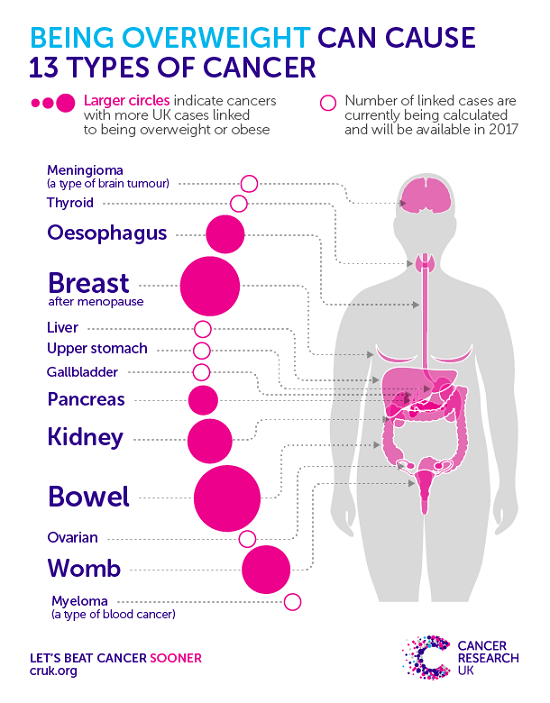
    Obesity: Having excess body fat, especially visceral fat around the hips and abdomen, contributes to chronic, low-grade inflammation, which can cause DNA damage and an increase in risk factors for certain types of cancer. According to the National Cancer Institute, obesity is linked to at least 13 different cancers. However, half of all cancer cases could be avoided using the information we already know (i.e. keep a healthy diet, don’t smoke, and get good amounts of sleep and exercise).

    Fat tissue will create inflammation that uses up nutrients and makes it more challenging for your body to clear toxic substances. It also switches how cells grow and use energy. Dr. Bongiorno

    Obesity is a leading cause of chronic illness and is attributed to many types of cancer.

    Toxins: If you are inhaling or ingesting large amounts of toxic substances, they can be stored in fatty tissue and then eventually your healthy cells. While our bodies can handle a certain amount, an overload can cause healthy tissue and cell membranes to become inflamed and damaged. Additionally, processed foods and an unhealthy gut will negatively affect your body’s ability to process exposure to toxic substances. If you are exposing yourself to more toxins than your body is eliminating, this may create inflammation.

    If you are exposing yourself to more toxicants than your body is eliminating this may create inflammation.

    How should we fight chronic inflammation?
    Keep a healthy diet. You can avoid certain foods that are known to trigger inflammation. These include sugars and overly-processed foods – otherwise known as “junk food.” Additionally, smoking and excessive alcohol consumption should be curbed.
    • A healthy diet helps fight inflammation.

    Foods to eat include plenty of colorful vegetables and greens, and foods containing healthy fatty acids, such as those found in nuts and avocados. Additionally, drink plenty of clean water so your cells stay hydrated and can perform at their optimal level!

    Learn More About Diet: Jennifer Whitney

    Regular exercise is also an important part of fighting inflammation. A recent study performed by Mark Hamer, PhD, an epidemiologist at the University College London, examined the long-term effects of exercise with regard to inflammation. The study lasted for 10 years and included 4,000 middle-aged men and women.

    Dr Rosie Main has nutrition and exercise plans to support your healing

    • Regular exercise helps fight inflammation.
    Ultimately, Dr. Hamer found that subjects who completed approximately 2.5 hours of “moderate” exercise per week – or at least 30 minutes a day – reduced their inflammation markers by a minimum of 12%. Additionally, some study participants began exercising midway through the study period and were able to significantly lower their inflammation levels as well— meaning it is never too late for the benefit of working out!

    Get enough sleep and reduce stress. Poor sleep and stress are known triggers of inflammation. According to a study performed by Emory University and presented at the 2010 American Heart Association Scientific Sessions, getting less than six hours of sleep per night is associated with higher levels of inflammation. This is also linked with an increased risk of heart attack and stroke.

    • Reducing stress and getting enough sleep helps fight inflammation.

    In addition to lack of sleep, excessive levels of long-term stress can negatively affect your gut and compromise the production of enzymes that aid in the digestive process. For your best performance, it is optimal to get eight hours of sleep each night, with at least five of those hours being continuous or uninterrupted.

    Our Local Practitioners All Shared Numerous Ways To Support Your Healing From Inflammation visit their sites to learn more: 

    David DeHaas of Living Waters Wellness Center  

    Malisa Williams, LMSW, CMSP of Renew Wellness  

    Dr. Michael Karlfeldt of The Karlfeldt Center

    Tamra Geryk RN of Functional Medicine of Idaho  

    Dr. Rosie Main DC of Main Health Solutions  

    Jennifer Whitney of Restoring Nutrition  

    Lisa Hevern, an Independent DoTerra Wellness Advocate 

    Dr. Jon Harmon of Clear Mind Idaho 

    Dr. Andrew Rostenberg of Red Mountain Natural Clinic  

    Sources:

    “Anti-Inflammatory Nutrition Research.” Inflammation Research Foundation, www.inflammationresearchfoundation.org/

    “Acute Inflammation.” Washington.Edu. University of Birmingham, n.d. Web. 05 Oct. 2016.

    DiCorleto, PhD Paul. “Why You Should Pay Attention to Chronic Inflammation.” Health Essentials from Cleveland Clinic, 25 July 2016, health.clevelandclinic.org/2014/10/why-you-should-pay-attention-to-chronic-inflammation/.

    Gushée, Sophia Ruan. A to Z of D-toxing: The Ultimate Guide to Reducing Our Toxic Exposures. N.p.: n.p., n.d. Print.

    Heid, Markham. “The Habit That Can Save Your Life.” Prevention. N.p., 16 Aug. 2012. Web. 05 Oct. 2016.

    “How being overweight causes cancer.” Cancer Research UK, 6 Apr. 2017, www.cancerresearchuk.org/about-cancer/causes-of-cancer/bodyweight-and-cancer/how-being-overweight-causes-cancer.

    Hume, Tim, and Jen Christensen. “WHO: Imminent Global Cancer ‘disaster’ Reflects Aging, Lifestyle Factors.” CNN. Cable News Network, 04 Feb. 2016. Web. 05 Oct. 2016.

    Nordqvist, Christian. “Pain / Anesthetics Bones / Orthopedics Immune System / Vaccines Arthritis / Rheumatology Inflammation: Chronic and Acute.”Medical News Today. MediLexicon International, 16 Sept. 2015. Web. 05 Oct. 2016.

    Paddock, Catharine. “Cardiovascular / Cardiology Sleep / Sleep Disorders / Insomnia Heart Disease Stroke Poor Sleep Tied To Inflammation, A Risk Factor For Heart Disease, Stroke.” Medical News Today. MediLexicon International, 15 Nov. 2010. Web. 05 Oct. 2016.

    Pevzner, Holly. “10 Ways to Reduce Inflammation.” EatingWell. Eating Well Magazine, June 2012. Web. 05 Oct. 2016.

    Rattue, Grace. “Immune System / Vaccines How Does The Immune System Power Inflammation?” Medical News Today. MediLexicon International, 05 July 2012. Web. 05 Oct. 2016.

    Samadi, David. “Inflammation: The Battle to the Death Inside Our Bodies.” The Observer. N.p., 11 Sept. 2015. Web. 05 Oct. 2016.

    Share:


    This article originally appeared at: https://www.dirt-to-dinner.com/what-is-inflammation/.
  • The Science of Chiropractic Care, Healing without Drugs or Surgery

    Many people say that they are huge “believers” in Chiropractic. Others say “Oh I “don’t believe” in Chiropractic. For those of us who are dedicated to helping patients through chiropractic care, we wouldn’t categorize the practice as something we believe in or don’t believe in….Why? …Because chiropractic is not a value or a religion. Chiropractic is a scientific health care profession that focuses on disorders of the musculoskeletal system and the nervous system, and the effects of these disorders on your health. 

    Chiropractic services are used most often to treat neuro-musculoskeletal issues, including but not limited to back pain, neck pain, pain in the joints of the arms or legs, and headaches. The body and caring for all of its integral parts takes an army of professionals. However, if you understand how specific our bodies are designed, you will turn to a chiropractor, first, for help with most any ailment that arises.   

    It’s helpful to understand how the spine, nervous system and body work together for your health. The spinal cord and nerves run through the spine, a canal comprised of vertebrae and discs. The vertebrae and nerve areas of the spine are broken into segments. There are 8 neck or cervical nerves, C1-C7, 12 middle back or thoracic nerves, T1-T12, 5 lower back or lumbar nerves, L1-L5, 5 sacral nerves and 1 coccygeal nerve.  The spinal cord is a pathway of nerves each designated for a particular job, either controlling an internal organ or a  body function.  Let’s give you an idea of how integral the spine, nervous system and body are.

    The first 2 cervical nerves, C1 and C2, are responsible for the functions of the head and neck. 
    If you have a headache, dizziness, ear aches, tinnitus, brain fog, colds, allergies, there is likely interference in the nerves in that area. 

    C3 is responsible for the area of the diaphragm, and if you’re having symptoms like difficulty breathing, chronic fatigue, or anxiety, this may manifest itself as neck pain. 

    C4 controls the thyroid, and the source of ailments like weight gain, being cold, insomnia, swollen glands. 

    C5 nerve impingements can cause shoulder pain which ties to craving of sweets, tired or headachy during lags in mealtime, heart palpitations.

    Drop down to T4 in your back if you’re experiencing heartburn, gall bladder issues, bloating after meals, trouble with fatty foods.  You may feel upper back pain with these ailments. Even lower to L4 and L5 in your lumbar region, you may be getting knee or ankle pain, oddly a symptom of colon, prostate or uterine issues.

    You get the idea. If you have an ailment, chiropractic specialists are healthcare providers that are trained to get to the root of the problem. It’s likely there is an issue relating to proper nerve transmission. We want you to be able to experience healing without drugs or surgery through the benefits of chiropractic care.

    So if you believe in something, believe in the value of hard work!  Believe in a higher power if you’d like to!  But when it comes to belief in healthcare, would you say “I believe in medical care” or “I believe in dentists”? You probably wouldn’t find yourself saying that.

    Do you believe that you have a nervous system and a spinal column?  Then you need a good family chiropractor. 
    We “believe” you will be amazed!

    Learn More from The WELLNESS Center of Boise Dr. Collin Struble, DC CME
    www.yourboisechiropractor.com

    The Wellness Center will be a vendor at the Natural Health Symposium Saturday July 21

    PURCHASE TICKETS

  • Cured from Cancer with food and meditation. 12 years later still cancer free.

    In 2005, Kathy Bero was diagnosed with inflammatory breast cancer and given about 21 months to live. At the time she was 41 years old, had two young daughters and wasn’t ready to die so she went the traditional route with surgery, chemo, and radiation. But the disease came back.

    She said, “Eleven months after my first diagnosis, I was diagnosed with a high-grade tumor in my head and neck. My kidneys were failing; my liver was failing. My lungs were damaged. My heart was damaged. I told my oncologist that I’m done with that protocol because one way or another, I’m going to die. And I don’t want to go that way.”It’s about eating specific foods that fight disease,” she said. HINT: Yes, it can.)

    What anti-angiogenic foods do is block the creation of blood vessels, effectually stopping the spread of cancer…it’s like cutting off cancer’s growth supply line. Examples of anti-angiogenic foods are organic vegetables like purple potatoes, carrots, leeks, berries, walnuts, green tea, herbs, and especially garlic. For Bero, garlic is a favorite, “When a recipe calls for two cloves, I’m probably going to put in six because garlic is a really strong cancer fighter.” READ MORE

    Learn more about the power of food:

    When Foods hurt. When Foods Heal. 

  • Directory of Culinary and Medicinal Herbs

    Many herbs are also valuable in the medicine cabinet, whether you’re looking for natural relief for a cold or headache, or trying to ease more chronic ailments, such as allergies, back pain or high blood pressure. Identify herbs to meet your health needs or goals, learn the basic medicinal preparations — teas, infusions and tinctures — and find simple recipes for remedies that can relieve, refresh and heal. 

    Grow Your Herb Garden

    The incredible flavors of culinary herbs make them star players in a healthy diet, and the best way to make the most of herbs in the kitchen is to grow them yourself. Choose one of these four herb garden plans — an edging, a dooryard garden, a raised bed or a container garden — designed to fit into a 12-square-foot area and supply you with herb favorites such as basil, cilantro, dill, marjoram, mint, oregano, parsley, rosemary, sage, thyme and more.

    Where do you get organic spray free seeds/plants for starters?
    Snake River Seed Company
    North End Organic Nursery
    Restoration Seed

    Edwards Greenhouse

    Are we missing your favorite Nursery or Greehouse? Comment below and we will add it! 

    Drying and Storing Herbs

    Of all the various types of foods and ways to preserve them, dehydrating herbs is the easiest place to jump in. Most herbs contain so little moisture that your job is done soon after you’ve bought or harvested them. Drying herbs is an economically savvy food preservation strategy, too, because dried herbs demand high prices at the grocery store. Here, we detail six methods for drying herbs at home.
    To freeze or to dry? That is the question. We turned to the experts to learn the best ways to preserve herbs.

    Herbal Healing Basics

    Does whipping up your own natural, effective medicines sound like your cup of tea? In this herbal medicine-making primer from renowned herbalist Rosemary Gladstar, you’ll learn the basic preparations for using herbs medicinally — teas, infusions and tinctures — and find simple recipes for homebrewed beverages that can relieve, refresh and heal. This is the perfect guide to get you started in making your own herbal remedies. Give it a go, and start sipping your way to better health.
    Your kitchen likely already has all the tools you need to concoct your own simple, all-natural herbal skin care remedies. In this herbal skin care primer from renowned herbalist Rosemary Gladstar, you’ll learn about the best natural skin care ingredients and their unique uses and benefits, and find easy, refreshing recipes for Rose Water, Bay Rum Aftershave and Astringent, and Sea Salt Glow.
     

    An A-to-Z Guide to Culinary and Medicinal Herbs

    Aloe

    Anise

    Basil

    Bergamot

    Black Cohosh

    Borage

    Calendula

    Chamomile

    Chervil

    Chives

    Cilantro

    Comfrey

    Dandelion

    Dill

    Echinacea

    Elderberry

    Eucalyptus

    Fennel

    Fenugreek

    Feverfew

    Garlic

    Ginger

    Ginseng

    Hibiscus

    Horehound

    Horseradish

    Juniper

    Lavender

    Licorice

    MarjoramMint

    Oregano

    Parsley

    Rosemary

    Sage

    Slippery Elm

    Sorrel

    St. John’s Wort

    Tarragon

    Thyme

    Valerian

    Verbena

    Willow

    Wintergreen

    Yarrow

  • Don’t SPRAY your dandelions pick and use them

    The health benefits of dandelion include relief from liver disorders, diabetes, urinary disorders, acne, jaundice, cancer, and anemia. It also helps in maintaining bone health, skin care, and weight loss. All these health benefits are currently being studied for complete validation by a number of international institutions.

    Despite the health benefits of dandelions, they are traditionally more popular as ornamental flowering plants than as medicine, because the flowers look brilliant and are frequently seen in gardens and parks. There are many varieties of dandelion, but the common one is scientifically known as Taraxacum officinale. In terms of history, the plant is believed to have evolved about 30 million years ago in Eurasia.

    Dandelion, which literally translates into “lion’s tooth” in French, is rich in vitamin A, vitamin C, iron, calcium, and detoxifiers, which explains its common inclusion in medicines.

    Embraced throughout human history and across cultures and cuisines, the dandelion has been cast as public enemy No. 1 in postwar, suburban America. An estimated 80 million pounds of pesticides are used each year on home lawns to eradicate them. Yet each year, the scrappy plant returns, thumbing its sunny yellow nose.

    For me, letting my dandelions grow wild and pesticide-free is not just about frugality and ecology, but also gastronomy. Food writers often say that the best foods are those with a sense of time and place. I love these bitter greens as much as I do because I know the ground they come from and appreciate that they only come once a year. They also serve as a useful reminder that good foods are closer than we may think, even as close as our own back yard.  – Mother Earth News

    Should we change our definition of weeds? The ecologists definition of “weed” is a pioneer species, one adapted to growing on disturbed ground. As such, native “weeds” are an essential part of ecological succession. It’s only the invasive that shove out natives that are a problem, and if they’re edible, well, we can eat the problem! –K. Bledsoe 

    Dandelion Recipes to Try

    Dandelion Salad Recipe with Fresh Goat Cheese and Apples
    Dandelion Mushroom Calzone Recipe
    Wilted Dandelion Greens Salad Recipe
    Simple Sautéed Dandelion Greens Recipe

    Other Resources

  • Parasites Were Killing Me! – Lindsey’s Story of Healing After a Parasite Cleanse (UPDATED)

    Parasites mimic neurological disorder such as M.S. and emotional instability anxiety and panic attacks. Lindsey, mother of three young children, dealt with these symptoms for eight months and was rapidly getting worse. Her medical bills piling up as allopathic doctors were looked to only relieve the symptoms as they were unable to find the source of her degenerating health. Her muscle spasms became so severe she had to limit walking and was forced to use a cane. She admits that her emotional instability had her uncontrollably snapping at her young children, which left her guilt ridden. Then, at a point of desperation, she started a parasite cleanse. This video tells her story miraculously within 7 days, she began to see transforming results.

    Parasites were killing me!

    Posted by Lindsey Turner on Sunday, March 4, 2018

    No mother should have to to go through this. I’m beyond blessed to get a second chance and to share this message.    After reading more about parasites and how they attack the body we knew it was the cause of all my health issues. Then as I continually passed them, I was feeling better each day. I showed my Internal Medicine Doctor what I had passed and he said in his opinion, it looked just like a tape worm.  But without proper testing, he couldn’t say for sure. However, given my immediate results he believes it was parasites as well. Our bodies are capable of working hard on constantly trying to repair itself. Our gut is also know as the second brain, some even say the first. So with that in mind, if I have parasites eating my nutrition you can see the spider web effect that begins to unveil.                

    UPDATE: Due to Popular Demand. Lindsey’s Follow-Up with her Personal Healing Protocol

    Learn More about Parasite Cleanse Diet 

    Local Resources: 

    Boise – Jenny Alderete  Natural Wellness Coach at Mountain Family Wellness Hosts classes and Coaches one-on-one

    Online Resources:

    Lindsey says that Jennifer Daniels on YouTube helped educate her

    Help us! Do you have resources on parasite cleanse you wish to share? Contact info@healthfreedomidaho.com