Tag: healthy-food

  • The Cookie that Caused the Traditional Holiday Cold

    It happened every year, after an exhausting 24 hour car ride (driven in the middle of the night so the kids could sleep) we would arrive at grandma’s house and eat dozens upon dozens of sugary Christmas cookies. It was my grandma’s sugar cookie recipe and it was a Christmas tradition. We would eat them the whole time we were there. Inevitably, someone in the house would get sick and then it would spread through the grandkids and adults. Sickens during the holidays became a tradition too.We just thought it was because we were all in close proximity to each other and spreading germs. Those cookies were so addictive that we couldn’t stop eating them. My husband told me that one night he was tired and sleepy and not hungry but he still dragged himself to the kitchen and had another sugar cookie. These cookies were covered in sprinkles and they would fall off, so he ate them over the trash can as to not get them on the carpet. Good lord, it was crazy. 

    Fast forward many years, and I now know why we got sick. 

    As humans, we naturally crave a sweet taste. It is an essential part of balancing the other tastes found in nature such as salty, bitter, and sour flavors. But it felt like we were crazy addicts at Christmas time. So, what happens when we consume a lot of sugar? First and foremost, our bacteria shifts dramatically and makes more sugar-loving microbes that make us crave sugar like crazy. This, along with the key player in the reward system of our brain, set us up for control problems. That feeling of pleasure we get from food and other substances is made by dopamine. Dopamine receptors are all over our brain, and indulging in any addictive substance, such as sugar, brings on a deluge of dopamine. 
    Guess what happens when we eat a lot of sugar?
     
    Yep, those levels also surge and then we need more to stay satisfied. Neurotransmitters – namely epinephrine, norepinephrine, serotonin, and dopamine – have been shown to play a major role in controlling and maintaining homeostasis within the gut system in terms of nutrient absorption, blood flow, gut microbiome, local immune system, and overall gut motility and cravings. Hang on — I’m not saying you have to give it all up, but I’m going to tell you what to do to help yourself and bring the balance back. But first, let me tell you what goes on inside of your body. 

    There is a fact that you may not know about your body’s immune system:

    EATING ANY KIND OF SUGAR HAS THE POTENTIAL TO REDUCE YOUR BODY’S DEFENSES BY 75% OR MORE FOR FOUR TO SIX HOURS.

    This is the reason my family always got sick at Christmas. We had way too much sugar during the holidays and it lowered our immune system’s ability to keep us well. Let’s talk about this in regards to vitamin C. In the 1970’s, Dr. Linus Pauling (one of the greatest researchers in the field of microbiology) discovered that vitamin C helps the body combat the common cold. But what he also found was how sugar can do the opposite.

    So it’s not a great idea, and especially if you’re sick, to eat any kind of sugar, because the white blood cells can’t get past the sugar to do their job. So this is why we all got sick every Christmas. Our bodies lost their superpower strength to keep us healthy because we were eating so much sugar and crashing our immune system again and again. 

    Want to avoid getting sick? In addition to washing your hands frequently and staying warm (mom was right … bring a sweater; viruses thrive in cold weather) perhaps the best way to prevent illness is to avoid eating excess sugar. Sugar weakens the immune system. 

    There are certain times of the year when you need to strengthen your inner micro-biome and the holidays is one of those times.

    Look at these great holiday inspired ferments: 

    KEIFER

    Kefir is my number one thing I consume every day. It sets my day off right. It balances hormones and blood sugar and, goodness, I don’t know what I would do without it. There are fifty bacteria in kefir. It will be a mighty force in your life and slowly change this whole world inside of you. 

    You just make a jar of Easy Kefir, which only takes 24 hours to make. Then when it’s done, add a few spoonfuls of this to small jars and fill them with milk. Let this ferment for 24 hours or until it’s thick and creamy, and then place in the fridge. You can even make chocolate milk kefir and boy, is it yummy. It’s such an easy way to make kefir and since it’s made from actual kefir grains, you get all the benefits of kefir without worrying about straining out the grains. Kefir is so nutrient dense that it will give your gut and brain what it needs and calm your body down while strengthening your immune system too! 
    Have it every day and just watch how you’ll change and sail through cold and flu season.
    KOMBUCHA
    Kombucha is a powerful detoxifier and will stop those craving for sugar quite effectively. Sugar is hard on your liver and kombucha will help support liver function. Kombucha will also supply you with a very powerful probiotic yeast that fights Candida and keeps not only the good bacteria in your body healthy, but the good yeasts too! When I have overwhelming cravings for food I know won’t be good for me, I always drink a kombucha first; and then if I still want it, I can have it but I never do. Kombucha works and it’s super delicious too. 
    Candy Cane Kombucha and let the microbes eat the sugar out of the tea. Then you’ll receive a holiday treat with tons of Christmas flavor and lots of bubbliness too! 

    Click Here

    And what about an interesting twist on Keifer water – gingerbread style featuring blackstrap molasses, ginger and spices.! 

    gingerbreadwaterkefir.jpg
    Gingerbread Water Kefir

    christmas-kefir-soda.jpg

    Christmas Kefir Soda  Christmas flavored kefir soda that’s super bubbly. The fruit adds extra food for the culture, which gives you extra probiotics too. This bottle can be used as a starter for many more bottles. Donna shares her recipes, and how to’s on her site Click Here

    These recipes and so many more are available at CulturedFoodLife.Com

    More Information

    Colds and flu aren’t the only reason not to eat sugar. Look through this list of other-sugar-related-ailments. If you are suffering from any of these, think about how much sugar you are ingesting. Here’s another article on a blood sugar stabilizing diet, it’s similar to the Mediterranean-type diet. This is a very simple and delicious way to cut back on the sugar.

    water-kefir-pot-icon.png

  • Making an Oil Change

    No fat makes no sense! Without adequate daily intake of certain fats, we could not create cell membranes, secrete hormones, maintain our brains and nerves, and mount appropriate inflammatory responses. No fat means no life.

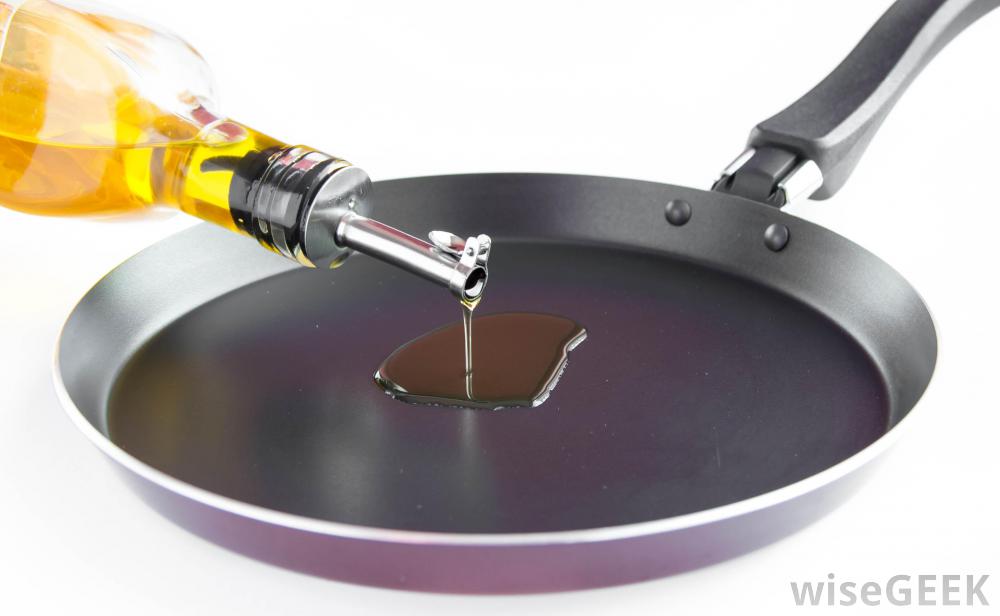
    What oil is good for you and what oil not? Rather than simply focusing on the ill effects of unhealthy fats, it is really important to learn about the good ones and encourage patients to integrate these into their daily lives. One of the most important things to understand is which ones can be safely heated and which should only be eaten cold, as flavoring or dressing oils.

    HEATING UP THE OILS 

    The general rule is that no oil should ever be heated to the point of smoking, as this generates all sorts of free radicals and toxic byproducts, not to mention nasty flavors. Whenever using oil in a pan, try to cook with as low a temperature as possible to get the job done; this will minimize the degradation of the oil.

    Oils with high nutritional value like flax, most tree nut oils (walnut, hazelnut, pumpkin seed, pistachio) should not be heated at all, as heat tends to degrade the very nutrients that make these oils valuable. The general rule is, the higher the essential fatty acid content, the lower the smoke-point; the lower the EFA content, the higher the smoke point. So save those expensive EFA-rich oils for salad dressings or for drizzling on steamed vegetables.

    Avocado & Olive Oils

    Avocado oil is not terribly nutritious, but it is great for cooking, since it can sustain very high heat without smoking, This oil can bear heat levels up to 500 degrees F, so it is ideal for sautées, as well as for popping corn. 

    Olive oil should be stored in a cool, relatively dark place but it need not be refrigerated, as this will cause it to coagulate. Dr. Riley said it is best to buy olive oil in relatively small amounts. Once opened, a bottle should not be kept for more than 6 months. “Buy the amount you feel confident you’ll use in a 6 month period.”

    Great source for Avacado Oil is Thrive Market

    Flax Rox!

    Flax seed, aka linseed, and the oil pressed from it, is one of nature’s richest sources of essential fatty acids. It contains omega-3s and omega-6s in optimal physiologic proportions, It is also a great source of lignans, which are proving to be important nutrient allies in preventing breast cancer and possibly other hormone-mediated cancers (see Regulators Push to Ban the Trans, below).

    WATCH OUT! Flax/linseed is grown in vast quantities for the paint industry, and consequently, many crops are heavily sprayed with pesticides. He recommended oils by the Barleans company (www.barleans.com), which has been in the food-grade flax business for decades.

    Flax products are all they make. “They press the oil every day, and do not warehouse it. So they ship it the day they make it, which makes it very fresh.”

    Flax is one of the most susceptible oils to degradation from light and oxygen exposure. Buy it only in opaque plastic or glass bottles, and always keep it refrigerated. It can be used as a finishing oil or as a base for salad dressings. But because of its low susceptibility to heat, ban it from the pan.

    Consumers hear a lot of different and confusing fat-related terminology: saturated, unsaturated, trans, essential.Holistic Primary Care provided some great insight into these oil terms and their health benefits. Read More at https://holisticprimarycare.net/topics/topics-a-g/cooking-for-health/50-well-oiled-a-guide-to-healthy-dietary-fats.html

  • Dairy Free Gut-Friendly Freezer Chocolate

    Nichole, the author of Hopecentric.com, inspired my family to seek real food for wellness and healing. Her journey to healing her daughter from FPIES using the GAP protocol was instrumental in converting our family from the standard American (SAD) diet to consuming organic foods, free-range meats and natural probiotics found in ferments such as kombucha, and saurkraut. Just by example and seeing their journey of healing I knew that foods have medicinal qualities to support our body’s natural immune response.

    However, I didn’t want my kids to feel deprived of the treats and sweets their classmates and friends were consuming. She helped me ‘solve’ the problem by sharing this easy to make chocolate recipe on facebook many years ago.

    Her simple Facebook post said “equal parts coconut oil, cocoa, and honey. freeze. fast and easy for those emergency chocolate needs.”

    My jaw dropped. “Seriously!? I can feed my kids chocolate and not feel guilty!” After that revelation I knew that we would not only survive going against the standard American diet – we would THRIVE!

    This chocolate is so easy and quick to make. Super kid-friendly (in fact my kids make it for us!) Its made without dairy, sugar or processed ingredients. With just three main clean and straightforward ingredients and only 1 minute or 2 to freeze – this homemade, raw vegan freezer chocolate is complete in under 8 minutes! For those who need to measure here’s a similar recipe you can adjust to your taste.

    We get our ingredients from THRIVE Market. You can purchase them from AMAZON and often you can find them at the local markets in the health food section.

    Instructions

    1. First, melt the coconut oil in a small saucepan until it’s a liquid

    2. Scoop the tablespoons of cacao powder in a small bowl or cup and add in your sweetener of choice.

    3. Once the oil is melted, pour it inside the dry mixture of cacao powder and sweetener of your preferred liking.

    Mix the ingredients together until a smooth, thin-thick consistency, and there are no cacao powder chunks. If the consistency is too thick, simply add in more melted coconut oil and stir well.

    4. Once ready, simply pour the chocolate mixture into cookie cutters or chocolate bar molds to form chocolate. (Tip: be sure to spread melted coconut oil at the bottom and sides of the molds or cookie cutters so it’s easier for the chocolate to come out once frozen later).

    5. Place in freezer and freeze for 5 minutes, until firm/frozen. Enjoy!

    Optional

    • Add a pinch of Pink Himalayan Sea Salt to help bring out the sweetness.
    • those transitioning off refined sugar might find a bit of extra sweetness in a pinch of organic stevia

    Nichole shares with her readers this great tip: 

    “It melts pretty fast. If you mix in a nut butter or coconut butter it stays solid longer. I use it for PB cups. The best one I ever made was just sticking chopped up raspberries in and mixing through. Uh yum!”

    Tips:

    1. If the mixture is too thick, add more melted coconut oil and stir well.
    2. Alternatively, you can make white chocolate by melting cacao butter into a liquid and adding in whichever sweetener of choice you want. Place in cookie cutters or inside molds and freeze until firm/frozen for 5 minutes. Enjoy your chocolate creations!
    3. If you wanted to make dark chocolate, use black strap molasses and a bit of stevia as your sweetener. That will make it taste a lot like dark chocolate!

    Instructions provided by rawveganlivingblog.com

    HFI readers can get 25% off their first purchase at Thrive Market. We order much of our pantry items from Thrive and love their prices, customer service and variety of foods for healthy living!

     Thrive Market

  • 8 Energizing Foods To Eat After An Intense Workout

    A workout is only complete with the right diet, in terms of amount as well as quality. This diet is divided into two parts – post-workout and pre-workout. A balance between these two ensures healthy and proper workout results. Let us look at it a bit into detail.

    “I will beat her. I will train harder. I will eat cleaner. I know her strengths. I’ve lost to her before but not this time. She is going down. I have the advantage because I know her well. She is the old me.”   -Unknown

    What’s the Post-Workout Snack All About?

    Most of us tend to go all-in when we workout. Grinding like there’s no tomorrow, we put our bodies through a great deal to achieve the level of fitness we want.

    Fitness, however, has two dimensions to it: workout and a balanced diet. What you eat throughout the day, particularly before and after your workout, plays a major role in your fitness journey. 

    Chances are, most of us give sufficient thought only to the pre-workout part of our fitness routine, eating the right nutrients to energize us for our workout. 

    Pre_and_post_workout_food_Lead-Image

    The post-workout meal, however, is just as important, if not more. A common misconception is that eating too much after an intense workout cancels out the calories you just burned, thereby defeating the whole purpose of the workout. This is no more than a simple myth. The best time to load yourself up with nutrients is, undoubtedly, right after a workout. While working out, the body burns fat to use it as energy. When we eat right after the workout, the calories don’t replace the burned fat. Fat is deposited in the body only when the body has no other use for the excess calories we consume.

    What Happens If I Starve Myself Instead?

    During an intense workout, our muscles become partially stripped of glycogen. Certain proteins, too, can become damaged and broken down. 

    After we’re done, the body needs calories to repair and restore itself from a gruelling session. Skipping meals after a workout can cause an imbalance or a negative physiological environment which does not conduce to building up of the muscle tissue. 

    It is imperative that you consume enough carbohydrates, proteins and fat within 45 minutes after your workout. 

    The protein helps to repair and build the muscles, the carbohydrates replenish your depleted glycogen stores and healthy fats like milk promote muscle growth. 

    Okay, What Should I Eat?

    There are plenty of rich nutritious food options that could nourish us from head to toe, and if we had to talk about every single one of these, you’d never see an end to this article. 

    Let’s talk about 8 super foods that are guaranteed to help.

    salad

    1. Lean proteins, such as chicken. Boiled chicken is a known source of rich lean proteins, and a very healthy one at that. Eating boiled chicken with a side of some boiled vegetables is a great post-workout snack. Another great snack would be grilled chicken with roasted vegetables. 

    2. Power greens, put together in a super-nutritious salad. This may include a combination of spinach, lettuce, kale, shredded carrots and basically any other leafy vegetable you’d like in your salad. 

    3. Chocolate milk has recently become the new ultimate post-workout recovery drink. In comparison to plain water, milk or other sports drinks, chocolate milk has so much more protein and carbohydrate content in it. It replenishes sore muscles and replaces fluids lost during the workout as sweat, thereby protecting you from dehydration, too. 

    4. Avocado and eggs are, individually, rich sources of healthy fat and proteins, respectively. When combined together in the form of an egg omelette with avocado, probably spread on toast, the effects are doubly beneficial to tired muscles.

    5. Protein shakes are a good idea for two reasons: one, they’re loaded with protein and two, they’re liquid and are digested really quickly, which means they act on the body faster. 

    6. Greek yogurt is popular among fitness enthusiasts for one major reason. It’s low fat. You could eat this with a banana, berries, granola or any other fruit you like.

    7. Fish is another brilliant source of protein, especially tuna fish. If you’re a tuna fish fan, this is your chance to whoop and enjoy a yummy snack just after you’ve worked hard on your body!

    8. Oatmeal is pretty healthy, it may seem boring to most of us, it’s probably a great idea after an intense workout. You could make your oatmeal a little interesting, by adding almonds, bananas, apples or other fruits, cut into small bits and mixed into it. At least the flavour of your favourite fruit will work for you.

    Hydrate, Hydrate, Hydrate!

    hydrate

    You could eat healthier than the healthiest of people, and workout till you hit the floor, exhausted, but your regime would be incomplete without enough water. And I can’t stress this enough, you’re going to need lots of water. 

    Particularly after a workout, you’ve lost a tremendous amount of body fluids through sweating, which can lead to severe dehydration if not replenished immediately. In addition to that, the muscles need water to work. 

    When short on water, your muscles could cramp up, rendering you incapable of working out for the next couple of days, which will, obviously, bum you out. 

    It’s always best to avoid that scenario, and drink as much water as possible. Just remember, there’s no such thing as drinking enough!

    Contributed article 

    Sara O Brown is a working mom, lives with her dentist husband and her adorable dog, Casper. She is passionate about traveling and cooking. She has been writing for- https://www.meddentsafety.com

  • Did You Know the Banana’s Health Benefits

    You’ll never look at the humble banana the same way again after discovering the many health benefits and reasons to add them to your diet.They can help to combat depression, increase intelligence, cure hangovers, relieve morning sickness, protect against kidney cancer, diabetes, osteoporosis, and blindness. Plus they can even cure the itch of a mosquito bite and put a great shine on your shoes.

    Reasons to eat BANANAS

    1. Potassium – Lowers hypertension, relaxes muscles, prevents cramps.
    2. Eliminates migraines
    3. Pectin – Assist with digestion and bowel function. Those with gastroparesis, acid-reflux, GERD, ulcers should eat several ripe bananas daily.
    4. Tryptophan – Is converted to serotonin, the “Happy Hormone.”
    5. Iron – Helps with hemoglobin and anemia. 
    6. Fight Cancers
    7. Helps build muscles by converting amino acids into protein.

    Delicious Creamy Banana & Avocado Smoothie Recipe!

    Serves 2 

    Ingredients

    (use organic ingredients where possible)

    • 2 bananas (fresh or frozen)
    • 1/2 avocado, stone and skin removed
    • 1 1/2 cups almond milk (or any other milk)
    • 1/2 – 1 tsp ground cinnamon
    • 1/2 tsp vanilla paste
    • 1 tbsp raw honey
    • 1 tbsp chia seeds
    • 1 tbsp bee pollen
    • 1 tbsp peanut butter/nut butter (optional)
    • 1 tbsp of Superfood Protein (optional)
    • Handful of ice

    Method

    Place all ingredients in a blender. Blend on high speed for half a minute until you reach a smooth consistency. Enjoy!

    Now You Know Why Monkeys Are So Happy. Eat A Banana!

    Here’s some more great recipes:
    https://www.foodmatters.com/recipe/banana-smoothie-recipe
    https://www.foodmatters.com/…/what-to-eat-before-and…
    https://www.foodmatters.com/recipe/2-ingredient-pancakes

    Banana Pancakes: I mix one banana, 3-4 eggs, a couple heaping spoons of almond and/or coconut flour and stevia to taste and use ghee in the pan.

    What’s Your Favorite Banana Recipe?

    https://www.foodmatters.com/article/25-powerful-reasons-to-eat-bananas

  • Another New Scientific Discovery in the Gut-Brain Connection

    On the heels of the discovery that that 100 gut bacteria can produce electricity is the newly discovered gut-brain connection That gut brain connection is becoming clearer. We must never assume science is settled, huge discoveries are being made yearly that impact our understanding of the process of hormones, immunity, detoxing and cell communication throughout our body. 

    The discovery of the size and complexity of the human microbiome has resulted in an ongoing reevaluation of many concepts of health and disease, including diseases affecting the CNS. A growing body of preclinical literature has demonstrated bidirectional signaling between the brain and the gut microbiome, involving multiple neurocrine and endocrine signaling mechanisms.

    The human gut is lined with more than 100 million nerve cells—it’s practically a brain unto itself. And indeed, the gut actually talks to the brain, releasing hormones into the bloodstream that, over the course of about 10 minutes, tell us how hungry it is, or that we shouldn’t have eaten an entire pizza. But a new study reveals the gut has a much more direct connection to the brain through a neural circuit that allows it to transmit signals in mere seconds. The findings could lead to new treatments for obesity, eating disorders, and even depression and autism—all of which have been linked to a malfunctioning gut.

    The study reveals “a new set of pathways that use gut cells to rapidly communicate with … the brain stem,” says Daniel Drucker, a clinician-scientist who studies gut disorders at the Lunenfeld-Tanenbaum Research Institute in Toronto, Canada, who was not involved with the work. Although many questions remain before the clinical implications become clear, he says, “This is a cool new piece of the puzzle.”

    In 2010, neuroscientist Diego Bohórquez of Duke University in Durham, North Carolina, made a startling discovery while looking through his electron microscope. Enteroendocrine cells, which stud the lining of the gut and produce hormones that spur digestion and suppress hunger, had footlike protrusions that resemble the synapses neurons use to communicate with each other. Bohórquez knew the enteroendocrine cells could send hormonal messages to the central nervous system, but he also wondered whether they could “talk” to the brain using electrical signals, the way that neurons do. If so, they would have to send the signals through the vagus nerve, which travels from the gut to the brain stem.

    He and colleagues injected a fluorescent rabies virus, which is transmitted through neuronal synapses, into the colons of mice and waited for the enteroendocrine cells and their partners to light up. Those partners turned out to be to vagal neurons, the researchers report today in Science.

    In a petri dish, enteroendocrine cells reached out to vagal neurons and formed synaptic connections with each other. The cells even gushed out glutamate, a neurotransmitter involved in smell and taste, which the vagal neurons picked up on within 100 milliseconds—faster than an eyeblink.

    That’s much faster than hormones can travel from the gut to the brain through the bloodstream, Bohórquez says. Hormones’ sluggishness may be responsible for the failures of many appetite suppressants that target them, he says. The next step is to study whether this gut-brain signaling provides the brain with important information about the nutrients and caloric value of the food we eat, he says.

    There are some obvious advantages to superfast gut-brain signaling, such as detecting toxins and poison, but there may be other perks to sensing the contents of our guts in real time, he says. Whatever those are, there’s a good chance the benefits are ancient—gut sensory cells date back to one of the first multicellular organisms, a flat creature called Trichoplax adhaerens, which arose roughly 600 million years ago.

    Additional clues about how gut sensory cells benefit us today lie in a separate study, published today in Cell. Researchers used lasers to stimulate the sensory neurons that innervate the gut in mice, which produced rewarding sensations the rodents worked hard to repeat. The laser stimulation also increased levels of a mood-boosting neurotransmitter called dopamine in the rodents’ brains, the researchers found.

    Combined, the two papers help explain why stimulating the vagus nerve with electrical current can treat severe depression in people, says Ivan de Araujo, a neuroscientist at the Icahn School of Medicine at Mount Sinai in New York City, who led the Cell study. The results may also explain why, on a basic level, eating makes us feel good. “Even though these neurons are outside the brain, they perfectly fit the definition of reward neurons” that drive motivation and increase pleasure, he says.

    NICOLLE R. FULLER/Science Source

    Your gut is directly connected to your brain, by a newly discovered neuron circuit

    By Emily Underwood

    More about Brain Communication

    https://www.sciencealert.com/secret-tunnels-microscopic-vascular-channels-skull-marrow-brain-dura-neutrophils

    Gut-Brain Connection: 

    http://www.jneurosci.org/content/34/46/15490 Gut Microbes and the Brain: Paradigm Shift in Neuroscience

  • 20 Ways to Take Advantage of the Health Benefits of Coconut Oil

    Coconut oil has many health benefits. There are hundreds of uses for coconut oil in the kitchen, with multiple ways of incorporating coconut oil into a healthy diet. As a cooking oil, replace polyunsaturated oils, “vegetable oils” such as corn and soy, with coconut oil. Coconut oil should be your main cooking oil, as it is heat stable, and will not become toxic in uses that require high heat.

    Use coconut oil for frying: Gluten Free Fried Chicken Recipe – http://www.freecoconutrecipes.com/ind…
    Gluten Free Coconut Fried Fish Recipe – http://www.freecoconutrecipes.com/ind…

    Use coconut oil for baking: Roast Chicken with Coconut Oil Recipe – http://www.freecoconutrecipes.com/ind…

    Use coconut oil for making your own mayonnaise: Coconut Mayonnaise Recipe – http://www.freecoconutrecipes.com/ind…

    Use coconut oil in dips: Coconut Ranch Party Dip Recipe – http://www.freecoconutrecipes.com/ind…

    Use coconut oil to make your own salad dressings: Spicy Coconut Cilantro Dressing Recipe – http://www.freecoconutrecipes.com/ind…

    Use coconut oil to make your own ketchup: Homemade Fresh Tomato Ketchup Recipe – http://www.freecoconutrecipes.com/ind…

    Use coconut oil to make the best pie crusts: Coconut Oil Pie Crust Recipe – http://www.freecoconutrecipes.com/ind…

    Use coconut oil in your soups: Sweet Potato Coconut Peanut Butter Soup Recipe – http://www.freecoconutrecipes.com/ind…

    Use coconut oil to make fudge: Black and White Toasted Coconut Fudge Recipe – http://www.freecoconutrecipes.com/ind…

    Use coconut oil to make pudding: Quick Chocolate Coconut Pudding Recipe – http://www.freecoconutrecipes.com/ind…

    Use coconut oil to make cookies: Gluten Free Chocolate Crinkles Recipe – http://www.freecoconutrecipes.com/ind…

    Use coconut oil to make muffins: Gluten Free Lemon-Lime Coconut Flour Muffins Recipe – http://www.freecoconutrecipes.com/ind…

    Use coconut oil to make brownies: Coconut Peanut Butter Whole Wheat Brownies Recipe – http://www.freecoconutrecipes.com/ind…

    Use coconut oil to make chocolate cake: Making A Foolproof Gluten Free Cake Recipe – http://www.freecoconutrecipes.com/ind…

    Use coconut oil to make chocolate candy: Homemade Honey Chocolate Recipe – http://www.freecoconutrecipes.com/ind…

    Use coconut oil in gluten free and dairy free recipes: Strawberry Cream Pie – Gluten Free and Dairy Free Recipe – http://www.freecoconutrecipes.com/ind…

    Add coconut oil to your coffee: Spiced Coconut Mocha Recipe – http://www.freecoconutrecipes.com/ind…

    Use coconut oil in hot chocolate: Coconut Peanut Butter Cup Hot Cocoa Recipe – http://www.freecoconutrecipes.com/ind…

    Use coconut oil to add energy to your smoothies: How to Add Coconut Oil to Smoothies without the Oil Clumping Recipe – http://www.freecoconutrecipes.com/ind…

    Use coconut oil in your protein shakes for extra energy: Chocolate Coconut Banana Protein Shake Recipe – http://www.freecoconutrecipes.com/ind…

    Use coconut oil in chocolate milk: Pecan Coconut Chocolate Milk Recipe – http://www.freecoconutrecipes.com/ind…

    For hundreds of more uses of coconut oil, visit FreeCoconutRecipes.com where other coconut oil users submit their kitchen-tested coconut recipes. We post new recipes every week!
    http://www.freecoconutrecipes.com/

    This article originally appeared at: https://youtu.be/x28yuVzwrMk.
  • Popular Hummus Brands Contaminated with Herbicide

    Is your healthy hummus is filled with glyphosate a weed killer that’s a probable carcinogen and endocrine disruptor? Moms Across America released test results of 10 hummus samples from 8 brands and all but 1 tested positive for glyphosate weedkiller (Roundup herbicide). 

    Lilly’s Hummus representative stated that they source their garbanzo beans from organic farmers in California. When asked about the absence of glyphosate in their products they stated, regarding their suppliers, “They perform random field pre-checks on crops, and recognize glyphosate as one of the worst herbicides. We’re very gratified to produce a nourishing product safe for individuals and families free of this substance.”

    Moms Across America says, “The issue is making sure the organic garbanzo beans are really organic. We encourage brands to do their due diligence. Thank you Lily’s for sourcing non-glyphosate sprayed garbanzo beans.” 

    Why is hummus contaminated?

    There are 2 likely sources of glyphosate in the hummus. First, legume and seed crops (non-organic) are routinely sprayed with Roundup as a pre-harvest desiccant (drying agent). Secondly, most hummus seems to have canola oil on the label (rather than olive oil as the only oil) and canola oil is almost always GMO and engineered to be Roundup Ready (live through field spraying with Roundup).

    Want to know for sure what’s in your hummus? Make it from scratch with organic ingredients.

    Hummus the Easy Way

    Ingredients:

    1. 2 cups drained well-cooked or canned chickpeas (garbanzo beans)
    2. One large eggplant roasted until soft (350˚ for 15- 20 minutes), cooled, peeled and seeded for added nutrition
    3. 1/4 cup extra-virgin olive oil
    4. 3-4 cloves garlic, peeled (saute before adding for a sweeter hummus)
    5. Sea Salt and freshly ground black pepper to taste.
    6. Juice from 1 lemon (seeded)
    7. 1/2 tsp. Lemon Powder (optional – frozen, dehydrated, and powdered form available from Fred Meyer’s or online by TrueLemon)

    Directions:

    Mixed together 1 minute or so in a Cuisinart until smooth. Taste, add more salt, lemon juice, OO as desired. 
    Serve with pita bread and carrot and celery stalks.

    Kids love this, but I introduced them all to lemons as babies. 
    contributed by Deborah Zee 

    More about the tested hummus products from Moms Across America:   https://www.momsacrossamerica.com/_healthy_hummus_contaminated_with_weed_killer

    Summary of Glyphosate’s Danger to Human Health

    Independent, peer-reviewed scientific evidence now shows that glyphosate’s harm to human health could begin at the ultra-low levels of 0.1 parts per billion (ppb). As little as 0.05 ppb of glyphosate causes liver and kidney damage in rats, along with changes in the functions of more than 4,000 genes. SOURCE 

    If you’d like to learn more about gene alterations, this is a highly recommended book.

    What gets overlooked by researchers is the synergistic effects of glyphosate with other toxins that are being used along side glyphosate. They also spray pesticides on the same things they spray glyphosate on. Its difficult to find studies accessing what the effects of that are but you can see the dramatic rise in cancer that coincides with the increase in glyphosate usage so it is working synergistic-ally with other toxins.

    The EPA’s “allowable” level of glyphosate found in U.S. drinking water is 700 ppb of glyphosate. 

    Feeding Lies

    For years Monsanto has been dogged by questions about the safety of glyphosate for humans, animals and the environment, and for years the company has denied or dismissed claims of its products’ links to a range of serious side effects—including birth defects, cancer, autism, non-Hodgkins lymphoma, kidney disease, wildlife and aquatic abnormalities and death, and even the deaths of butterflies and bees.

    But new information has come to light that shows Monsanto not only knew of the biochemical hazards of glyphosate, but did not reveal the results of its own studies that corroborated several scientific challenges to its product. Recently released court documents clearly show Monsanto knew the toxicity of their product and intentionally covered up the dangers to humans and the environment. 

    Humans Contaminated

    Glyphosate is found in vaccines, breastmilk, urine, water. Its detected at high levels in Cheerios, the “irresistible taste of golden honey that also provides 12 essential vitamins and minerals” for American children, contains 1,125.3 ppb.

    Future historians may well look back upon our time and write, not about how many pounds of pesticide we did or did not apply, but about how willing we are to sacrifice our children and jeopardize future generations with this massive experiment we call genetic engineering that is based on flawed science and failed promises just to benefit the bottom line of a commercial enterprise.   – Don M. Huber, Professor Emeritus, Purdue University; COL (Retired) AUS-Medical Intelligence

    SOURCES:

    https://hfi.designbyparrish.com/monsanto-isnt-feeding-the-worldits-killing-our-children

    https://www.momsacrossamerica.com/glyphosate_testing_results

    https://s3.amazonaws.com/media.fooddemocracynow.org/images/FDN_Glyphosate_FoodTesting_Report_p2016.pdf

    https://www.momsacrossamerica.com/_healthy_hummus_contaminated_with_weed_killer

    Study showing GMO corn causes gut damage: http://www.scirp.org/Journal/PaperInformation.aspx?PaperID=85687

  • The Nutrient Rich Onion

    Onions are rich in conventional nutrients as well as unique phytonutrients. An onion contains vitamins A, B6, C, Folate and the minerals Calcium, Chromium, Copper, Iron, Magnesium, Manganese, Phosphorus, Potassium, Selenium, Sodium, and Zinc. Medicinally, Onion is an analgesic, anti-inflammatory, antiseptic, antispasmodic, carminative, diaphoretic, diuretic, expectorant, stimulant, and vulnerary. Onion is excellent for treating coughs, colds, the flu and some say even cancer. Its known to help with sleep and improve health of hair. In fact, its antibacterial properties are said to help reduce cavities and gingivitis. Quite the list of accomplishments!

    Antioxidant and Anti-Inflammatory Benefits of Onions

    Onions are a good source of vitamin C and the mineral manganese, two “conventional” nutrients that play a key role in our body’s antioxidant support. Vitamin C, offers protection of genetic materials like RNA and DNA and many of the cell structures.

    Learn More About the Health Benefits of Vitamin C

    Additionally, vitamin C helps Phase 1 (“mixed function oxidase”) enzymes in our body’s detoxification system function properly because it helps keep metal cofactors for those enzymes in place.

    Manganese, is another critical antioxidant benefits supporting proper functioning of the enzyme superoxide dismutase (SOD) in a form that requires manganese (abbreviated MnSOD). MnSOD is one of the key enzymes in our mitochondria, cell components that are critical for oxygen-based energy production. Good antioxidant protection in our mitochondria is quite essential since these cell components are so vigorously engaged in oxygen metabolism and can trigger problems unless functioning safely.

    Most recognize the unique antioxidant, and anti-inflammatory properties come from the phytonutrients provided by onions. Perhaps most famous are the quercetin flavonoids (and quercetin glycosides) that are so plentiful in onions (and especially red onions). Also well studied here are the anthocyanin flavonoids that give red onions their incredible color. Studies also show that yellow and white onions can also be concentrated sources of antioxidant and anti-inflammatory phytonutrients. Virtually all of these nutrients have been shown to have antioxidant and anti-inflammatory properties and to be contained in most varieties of onions, including yellow and white varieties. (With the anthocyanin flavonoids, it is a different story, since these flavonoids are only concentrated in red or purple onion varieties.)

    Great for your Teeth and Gums

    Onion has been shown to help prevent bacterial infection. Along with its sulfur-containing compounds, the flavonoid quercetin contained in onion helps provide these antibacterial benefits. Studies showing antibacterial activity of onion in relationship to the bacteria Streptococcus mutans and Streptococcus sobrinus. (These bacteria are commonly involved in the production of tooth cavities). Antibacterial benefits have also been shown in the area of gum (periodontal) disease bacteria, including Porphyromonas gingivalis and Prevotella intermedia. 

    Cancer

    Allium vegetables have been studied extensively in relation to cancer, especially stomach and colorectal cancers. Their beneficial and preventive effects are likely due in part to their rich organosulfur compounds.

    The exact mechanism by which these compounds inhibit cancer is unknown, but hypotheses include the inhibition of tumor growth and mutagenesis, and prevention of free radical formation. Onions are also a source of the strong antioxidant vitamin C that helps to combat the formation of free radicals known to cause cancer.

    Sleep and mood

    Folate, found in onions, might help reduce depression. Homocysteine prevents blood and other nutrients from reaching the brain, and folate prevents this chemical from building up. Excess homocysteine also interferes with the production of the feel-good hormones serotonin, dopamine, and norepinephrine, which regulate not only mood, but also sleep and appetite.

    Skin and hair

    Onions are high in vitamin C, which is needed for the building and maintenance of collagen, which provides structure to skin and hair.

    Flu Remedy Onion in your sock? 
    Science hasn’t studied the remedy of an onion in the sock to help reduce the length of flu.  Have YOU attempted this cure dating back to the 1500’s? What was the result?

    Could Length of Cutting/Storage of Onion Could Decrease Health Benefits?

    Interestingly, in one study, fresh, chopped, uncooked onion had antibacterial effects on these potentially unwanted gum bacteria, but non-fresh, uncooked onion (raw onion that was chopped and then left to sit for 2 days at room temperature) did not demonstrate these same antibacterial properties nor did fresh onion that was grated and then steamed for 10 minutes. While it is not possible to draw broad conclusions from a single lab study, these findings suggest that length of storage (for onion that has been chopped but not cooked) and duration of heat exposure (in this case involving exposure to steam for 10 full minutes) can affect some of onion’s health benefits. 

    For these reasons, special care may be needed in the storage, handling, and cooking of this allium vegetable.

    Recipes

    Healthy Sauté – similar to Quick Boiling and Quick Steaming,  – follows three basic cooking guidelines that are generally associated in food science research with improved nutrient retention. These three guidelines are:
    (1) minimal necessary heat exposure;
    (2) minimal necessary cooking duration;
    (3) minimal necessary food surface contact with cooking liquid.

    Heat 2 TBS vegetable or chicken broth over medium heat in a stainless steel skillet.
    When broth begins to steam, add onions and cover for 3 minutes.
    The onions will release a small amount of liquid.
    Uncover, add another 2 TBS broth, and continue to stir for 4 minutes, leaving the lid off.
    Toss with our Mediterranean Dressing and top with your favorite optional ingredients. 7-Minute Healthy Sautéed Onions.

    • Sofrito sauce—typically associated with Spanish cuisine but actually used in a variety of cuisines worldwide—has been the topic of a recentstudy that provides some fascinating new information about onions. The four sauce ingredients : extra virgin olive oil, garlic, onions, and tomatoes. In this study, several methods for preparation of the sofrito sauce were investigated, but one of the consistent study findings was the ability of onion to help increase the bioavailability of lycopene (a well-studied, health-promoting carotenoid) from the tomatoes. The authors speculated that the sulfur-compounds in the onions may have been involved in a chemical reaction (electron transfer) that helped increase the availability of the lycopene. 

  • Benefits of Beets

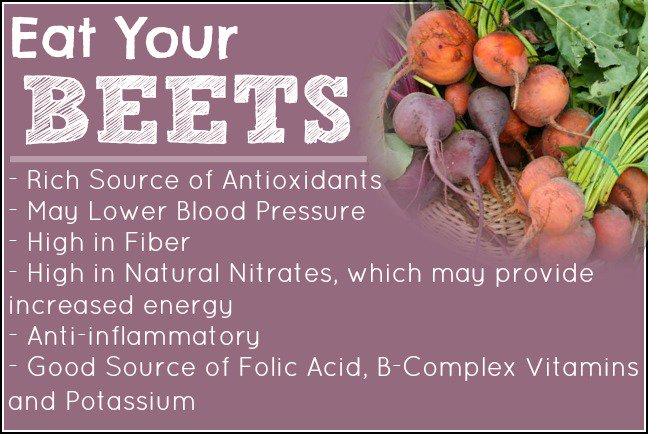
    Beets provide many health benefits  beet roots help lower blood pressure, while beet greens may strengthen your immune system. Those who struggle with eating the whole beet can easily access and consume beetroot powder. Beetroot powder is added to water for a nutritious drink. It is also used in smoothies and greens drinks, sprinkled on salads and used in gravies, sauces, soups and to provide color to most any recipe.

    Why are beets so beneficial? Consider that beets ‘live’ in the dirt, a place full of microbes which love a free meal. This means that nature has equipped the plant with natural defenses. No wonder that beet has been found to fight off the following infectious organisms:

    • Beet pectin has been found to inhibit the synthesis of types A and B staphylococcal enterotoxins.[iv]
    • Beet extract has been found to reduce influenza A infectivity and lethality.[v]
    • Beet root has been found capable of inhibiting Epstein-Barr virus associated tumor formation.[vi] 

    Dr. Jack Wolfson, the Paleo Cardiologist, explains:

    If you have issues with blood pressure, circulation, energy, endurance or erections, then beetroot powder is the supplement for you.

    Some of the main benefits of beetroot powder include:

    • Supports healthy blood pressure because it contains nitrates that are vasodilators. We have been very successful getting patients off blood pressure drugs using beetroot powder. 
    • Improves ED, endothelial dysfunction. But when we improve ED, we improve the other ED, erectile dysfunction. This leads to healthier blood vessel flow. Healthier blood vessel flow improves erections. We affectionately call beetroot powder ” The Boner Juice.” Blood flow to the clitoris is also improved, therefore improving the female sexual experience.
    • Improves athletic performance by boosting your stamina and muscle blood flow and recovery.
    • Regulates homo cysteine as beetroot is high in betaine, converting homocysteine to methionine. High homocysteine is a risk factor for many diseases. MTHFR gene defects get plenty of beetroot powder.
    • Improves blood sugar control.
    • Tremendous antioxidant that limits free radical damage in the body.
    • Supports healthy blood clotting factors.
    • Excellent source of fiber, folate, magnesium, potassium, iron, and zinc

    HOW TO BUY BEETROOT POWDER

    There are lots of places online selling beetroot powder.

    Not all beetroot powder is equal. Some has been poisoned by pesticides sprayed on crops. Some contain filler. 

    Here’s what you should look for:
    100% organic ingredients for the WHOLE beet including the Beet Greens
    No GMO’s
    No fillers, sweeteners or additives
    Glass bottle packaging to avoid toxic off-gasing from plastics

    Make sure you compare the amount of beetroot powder in a bottle, as amounts vary widely among manufacturers.

    Use of beetroot powder may turn your urine and stool somewhat pink or red. This is normal and simply reflects the coloration of the beetroot powder.

    Science acknowledges the benefits of beets

    Undoubtedly, future research will find beet to have a wider range of antimicrobial applications. But beet’s powers don’t end there.  Other already researched properties include:

    • Liver Damage: A 2006 study found that beet root has significant dose-dependent liver-protective properties against the chemical carbontetrachloride.[vii] More recently, research has found that it also protects against N-nitrosodiethylamine associated liver damage.[viii]
    • Cardiovascular Disease: While the “LDL cholesterol is bad” myth is almost imbecilic in its simplicity, those looking for ways to modulate the lipid ratio naturally in favor of the medical establishment’s largely drug-company drafted lipid guidelines can rest assured that beet can help. A 2000 study found beet fiber was capable of simultaneously increasing HDL and lowering LDL levels; perhaps far more impressive, the study also found close to a 30% reduction in cholesterol plaque accumulation in the aorta of those animals fed beet fiber.[ix]
    • Radiation Exposure: Compounds found in beets known as betalains have been found to reduce toxicity associated with gamma radiation exposure.[x]
    • Cancer: Beetroot juice has been found to reduce adverse effects caused by DMBA, a chemical associated with mammary cancer risk.[xi] Beetroot has also been found to exhibit anti-cancer properties in prostate cancer cell lines at toxicity levels far lower than chemo-agents such as doxorubicin.[xii]

    Excerpt from article on Greenmedinfo.com,
    For more information consult contributing writer Dr. Vic Shayne’s excellent book: Whole Food Nutrition: The Missing Link in Vitamin Therapy.
    Check out Dr. Jack Wolfson’s article on 
    Beetroot Powder

    Resources

    Sayer Ji is founder of Greenmedinfo.com, a reviewer at the International Journal of Human Nutrition and Functional Medicine, Co-founder and CEO of Systome Biomed, Vice Chairman of the Board of the National Health Federation, Steering Committee Member of the Global Non-GMO Foundation.