
Tag: healthy-foods

  • Herbs Gardens and Grow Lights

    Herbs, we all use them in our daily lives, one way or the other, whether for their pleasant flavor, for their healing power, or in lovely recipes. Herbal benefits are many; be it for spiritual reasons or to spice up your taste buds, or as a home remedy for ailments like cold, or a sore throat; herbs can be handy for each one’s need! Growing them in the shorter growing season in Idaho can pose a challenge that some gardeners have remedied with grow lights.

    mediterranian basil aloe-vera plant
    Mediterranean sweet basil Aloe vera plant

    Growing Basil in a Grow Light and the in the Garden

    Basil can be a great herb to include in your cooking. My wife makes Thai Chicken with Basil that is very delicious. One issue with basil is that it can be fairly expensive, especially in a basil-intensive meal. The Thai Chicken meal that my wife makes takes $2-$3 worth of basil each time she makes it. However, basil seeds are really cheap and growing basil can be pretty easy.

    I’ve had great success growing basil under a grow light and then transferring it to the garden. Basil is sensitive to frost, so if you want to get an early start you’ll need to use a grow light. You can plant the seeds directly in your garden soil if you prefer, but not until after the last frost. I plant basil under the grow light in early February, at the same time I plant onions. I plant 6-8 seeds in a ~3″ deep baking tin, so the seeds have 3″ – 5″ between them. You can probably get away with planting them even closer. Plant them in good potting soil if possible as they will be in there for a while. Keep the soil fairly moist and they should germinate in about a week. I continue to water every 2-3 days. If you start getting moss-type growth on the soil, then water less.

    It takes about two months for the basil to be ready for it’s first harvesting. If you only need a few leaves you can harvest prior to two months. About 45 days after planting, the basil plants start to grow very rapidly and can double in size in two or three weeks. The picture above shows my basil after about 55 days.

    You can harvest basil without killing the plant. Just cut the main stem about an inch below the lowest set of good leaves. The basil will keep growing and you’ll get several good leaves that you can cook with.

    Basil before cutting:Basil in grow light - Before Cutting


    Basil after cutting:Basil in grow light - After Cutting 

    Harvested Basil:

    Harvested Basil

    Once all danger of frost has passed (about mid-May where I live), you can transfer the basil to your garden. Let the tin you planted in dry out a little bit (not completely). Then just dig a little indentation in your garden that will fit the tin. Try to take the whole chunk of dirt and basil plants out of the tin in one group and stick it in your little hole. Now just water it with the rest of your garden, and pretty soon you’ll have more basil than your family can possible use. Basically those 6-8 little plants will grow into a basil bush. When the basil tries to make seeds, just clip off the buds so that the plant keeps growing. As long as you do this, your basil should last until the fall frost. Basil can be used to make tomato sauce, so if you’ve grown some tomatoes you might use your basil when you’re canning.

    You can even dry basil leaves if you’d like. By the end of the summer, our family is usually sick of basil so we just let the plants die and then start the process again the following year.

    Thai chicken with Basil:

    Thai Chicken with Basil

    This article originally appeared at: http://www.idahogardening.com/2013/growing-basil-in-a-grow-light-and-the-in-the-garden/#comment-13176.
  • Your Tax Money Will Now Pay for GMO Marketing Campaign NOT Safety Testing

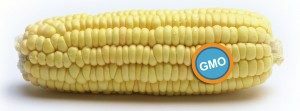
    HFI: Thanks to a recently passed spending bill, $3 MILLLION TAX PAYER DOLLARS will now be spent to convince the public that their concerns about GMO safety and the 26% increase in pesticide and herbicide application on their foods aren’t valid.

    According to Beyond Pesticides.org 

    $3 MILLION of YOUR Tax Dollars are now going to be spent on education campaign – not safety testing.

    Buried in the spending bill passed earlier this month to avert a government shutdown is a provision that allots $3 million for a federal outreach campaign promoting agricultural biotechnology and genetically engineered (GE) crops. The bill tasks the U.S. Food and Drug Administration (FDA), in coordination with the United States Department of Agriculture (USDA), to use these funds, “for consumer outreach and education regarding agricultural biotechnology and biotechnology-derived food products and animal feed…” According to the Washington Post, Democrats in Congress made a failed bid to move the funding towards FDA-run pediatric medical projects, but faced unanimous Republican opposition.

    Under the provision, FDA and USDA will spend taxpayer money to create, “science-based educational information on the environmental, nutritional, food safety, economic, and humanitarian impacts of such biotechnology, food products, and feed.” 

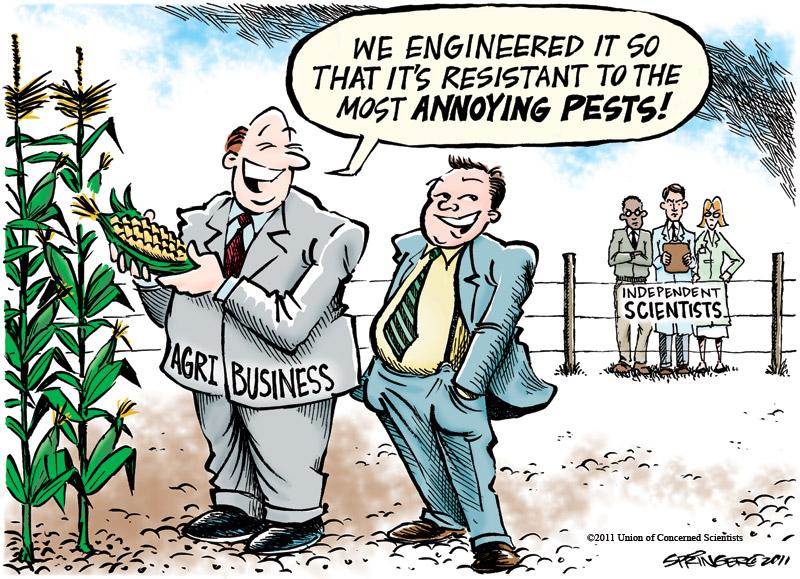
    There is a lack of sufficient research completed about genetic engineering for human consumption. This new generation of GMO plants is requiring higher and higher doses of pesticides as insects and pests become resistant to genetic modifications in plants. This instead leads to increased — not reduced — dependence on pesticides and at higher doses.

    “The Food and Drug Administration does not require safety assessments of GMO foods,”Caroline Kinsman, communications manager for the Non-GMO Project says, “and does not review all GMO products hitting the market. FDA guidelines are entirely voluntary and the patent holders themselves determine whether their products warrant analytical or toxicological tests.”

    If such an endeavor were made truly in the public interest, educational materials produced by these agencies would reveal significant adverse effects in every listed topic. 2

    GE crops, particularly those engineered to tolerate continuous applications of herbicides like glyphosate, are damaging to the environment. Significant increases in herbicide use as a result of these crops has been linked to the loss of milkweed habitat for Monarch butterflies, effects on soil health and soil organisms, and water contamination. There is no evidence GE foods are more nutritious than other foods in any way, and in fact studies consistently find organic products to have greater health benefits, with higher levels of essential nutrients than conventional foods. Food safety is no way enhanced with GE crops, as concerning levels of GE-dependent glyphosate herbicides have been found in the U.S. food supply, and studies find people who eat organic have lower pesticide levels in their body compared to those who eat conventional food.

    What is GMO? Are you already eating it?

    Genetically modified organisms — also called genetically engineered foods or trans-genetic hybrids — are organisms that have been created through application of transgenic, gene-splicing techniques. It’s a biotechnology that allows DNA, genetic material, from one species (animal, fungi, bacteria, even viral) to be transferred into another species producing a variety of desired traits. For example, genes from salmon can be spliced into tomatoes to make them more resistant to cold weather, helping farmers still reap a crop when the weather is not cooperating.

    In the United States, 93 percent of soybeans and 88 percent of corn is genetically altered, and much of it ends up unlabeled in the processed foods we eat, especially cereals. In addition to soy and corn, the most common GMOs are cotton, canola, sugar beets, Hawaiian papaya, alfalfa and squash (zucchini and yellow). And like corn and soy, many of these items sneak into our food unannounced as added ingredients in the processed foods we eat.

    Just Say No 
    to GMOs But Why?
    Caroline Kinsman, communications manager for the Non-GMO Project, says the truth about GMOs is simple: GMOs show no improvements of any kind. Instead, she says, they tax the environment because of the increased and necessary pesticide use, and there are too many uncertainties of their effect on human health, especially long-term effects, which is a massive unknown due to the relatively young existence of GMOs. Some initial studies have shown GMOs to carry new toxins and new allergens.

    The Non-GMO Project builds a non-GMO food supply, in part, by verifying and labeling products that meet its rigorous Standard. The Standard entails elements of traceability, segregation and testing at critical control points in the lifecycle of products. Many consumers may recognize the project’s butterfly label on many of their favorite natural foods.

    “Americans have the right to know what’s in the food we’re eating and feeding to our families — we deserve an informed choice. Labeling genetically engineered ingredients provides consumers a choice. Informed choice is a fundamental right,” Kinsman says.

    Consumers take concern on GMOs is twofold, she says. First, there is a lack of sufficient research completed about genetic engineering for human consumption. Second, this new generation of GMO plants is requiring higher and higher doses of pesticides as insects and pests become resistant to genetic modifications in plants. This instead leads to increased — not reduced — dependence on pesticides and at higher doses.

    “The Food and Drug Administration does not require safety assessments of GMO foods,” Kinsman says, “and does not review all GMO products hitting the market. FDA guidelines are entirely voluntary and the patent holders themselves determine whether their products warrant analytical or toxicological tests.”

    So until mandatory labeling hits the U.S., Kinsman recommends knowing which crops pose the highest risks (For a simple, printable list of companies that use Monsanto products, visit www.realfarmacy.com/printable-list-of-monsanto-owned-food-producers).

  • Food & Mood

    Food and Mood: How food impacts your brain health

    We are all aware of how our moods influence our food choices.  Many of us have used food as an alternative to feeling our feelings.  It is often easier to feel full than it is to feel angry, sad, lonely, depressed or anxious.  We celebrate with food, we commiserate with food, we soothe ourselves with food.  Our mood often impacts the decision to eat and what we choose to eat!

    But did you know that what you eat also influences how you feel.  The food we eat can actually impact our mood.  What we eat can contribute to feelings of stress, anxiety, sadness and even depression.  Our food choices even influence how our brain ages and can contribute to the development of dementia or Alzheimer’s in our later years.

    How food impacts brain health

    The food we eat provides the basic building blocks for all of our physiological needs.   Our brain weighs about 2% of our body mass but uses 20% of our caloric needs.  We know that what we eat impacts our health, but a lot of people forget that our brain is attached to our body and what we eat impacts its health as well!

    If you were to build a house out of rotten lumber what do you think would happen??  The food we eat essentially provides the building blocks we use to build and renovate a healthy body and brain.  Healthy food, healthy brain.


    Food provides the building blocks for a healthy brain

    Neurotransmitter synthesis requires adequate amino acids (which are derived from protein) and vitamin and mineral co factors.  Deficiencies in either protein or B12, folate, B6 and zinc can cause symptoms of depression and dementia such as low mood, fatigue, cognitive decline and irritability.

    Omega 3 fatty acids also benefit our moods and reduce the risk of dementia.  Recently a large meta- analysis which included 26 studies and over 150,000 individuals confirmed that high fish consumption (which is one of the best sources of omega 3 fatty acids) is significantly associated with a reduced risk of depression.  Other research has also shown that some diet rich in omega 3 fatty acids (especially EPA) has a beneficial effect on the symptoms of depression.

    The brain on fire

    One of the reasons that omega 3 fatty acids are beneficial is that they are anti-inflammatory.  More and more research is linking neuro inflammation to depression, anxiety, dementia, Alzheimer’s and ADHD.  Omega 3 fatty acids help put out the fire!

    One of the challenges with the standard North American Diet is that we don’t consume enough omega 3 fatty acids and we over consume omega 6 fatty acids – which are pro inflammatory.  Current ratios of omega 6 to omega 3 fatty acids are 16:1.   Traditional diets ranged from 4:1 to 1:4.  A far cry from current consumption ratios.

    Antioxidants also play a role

    A diet rich in antioxidants can have a positive impact on mood and brain health in general.  Antioxidants are substances that protect our cells against the effects of free radicals.  Free radicals are by products  of normal physiological processes.  They are also created  after exposure to a variety environmental toxins such as cigarette smoke, pollution etc.  Free radicals cause oxidative stress and contribute to the development of many diseases ranging from cancer, heart disease , depression, anxiety, Alzheimer’s, multiple sclerosis to name just a few.

    Vitamins A,C and E, carotenoids, flavonoids, tannins, lignans and phenols are antioxidants derived from food that protect our cells from free radical damage.

    Plant based foods are the best sources – fruits, vegetables, nuts,

    seeds, herbs, spices, whole grains.  And even chocolate!  Current dietary recommendations are 7 to 10 servings of fruits and vegetables.  In 2014, only 39.5% of Canadians aged 12 and older reported eating 5 or more servings daily.


    Lets talk about sugar

    Sugar also impacts our mood.  There are actually no government guidelines in North America regarding the daily intake of sugar.  The World Health Organization recommends we decrease our consumption of added sugar to no more than 5% of our daily calories or a maximum of 6 teaspoons of sugar daily.  If you read labels it is helpful to know that 4 grams of sugar is equal to 1 teaspoon.

    The average Canadian eats 18 teaspoons of sugar daily.  That is an astounding 88 pounds a year.  Teenagers eat more – boys a whopping 138 pounds of sugar a year.


    Sugar is like a drug

    When we eat sugar there is a release of feel good hormones.  Sugar hijacks the brains reward pathway.  Over activity of this reward system leads to more cravings and an increased tolerance to sugar.  So begins a vicious cycle of cravings.

    Sugar and carb laden foods mess with our brains neurotransmitters.  Sugar also causes our blood sugar crash and can cause symptoms such as irritability, mood swings, brain fog and fatigue.  Chronically high blood sugar has also been linked to inflammation in the brain.

    The standard N.A. diet that is high in processed food (sugar, fat, salt) increases the risk of  depression compared to those who eat a whole foods diet that is lower in sugar and processed food.


    How to boost your mood with food

    • Start with real food. Real food is the kind of food that has been around for hundreds of years.   Avoid processed and refined food, preservatives, artificial flavours and sweeteners.
    • Get a minimum of 7 -10 servings of fruits and vegetables.
    • Eat fish several times a week. Wild salmon, herring, sardines are the highest in omega 3 fatty acids.  Supplement with a good source of fish oil if this is preferable.
    • Add more healthy fats to your diet. Great sources are nuts, seeds, avocados, flax seeds, extra virgin olive oil.
    • Eat less sugar and refined carbohydrates. Aim for less than 6 teaspoons daily.
    • Incorporate more herbs and spices into your cooking.
    • Enjoy good quality dark chocolate in moderation!!
    • But don’t forget to also move your body daily, practise gratitude, and have more fun…….


  • What Not To Eat! Dr. Rosie Main

    Dr. Rosie Main shares What Not to Eat! 

    If you can’t read it..don’t eat it!!

    Dr. Rosie Main is on a mission to transform the health of those who are seeking ways to to live to their God Given Potential. Dr. Main is a Wellness Doctor, Speaker and Radio Host both in English and Spanish and speaks on nutrition, the importance of the nervous system, toxicity, mindset, exercise, healthy recipes, and current health news. She is a Maximized Living Doctor and has her own practice in Meridian, ID where she helps people with chronic conditions and many kids and families that travel to find solutions to many of their health problems that mainstream medicine has not helped. She has a passion to see people transform the health and lives to reach their true potential.

    Main Health Solutions
    2300 W Everest Ln, Ste 175

    Meridian, Idaho

    @MainHealthSolutions

    Call (208) 859-6170


    This article originally appeared at: https://youtu.be/YwEwOZIz6yY.

  • Get your Kids to Eat: Cabbage

    Get your Kids to Eat: Cabbage

    Cabbage is yet another example of a cancer fighting leafy green. One thing that may help to separate it from the pack is its popularity in home gardens and fresh markets, which makes them easy to find. It also has a hint of sweetness to go with those yummy, summer smoothies filled with berries.
    We use cabbage as a base for our salads. 
    Slice cabbage thinly (like you are making coleslaw)
    Add Carrot Shreds
    sweet red onion
    Mix ins: 
    sunflower seeds, pumpkin seeds, dried cranberries (great for color and a bit of sweetness), sesame seeds
    Create a yummy citrus salad dressing:
    1. 1 small shallot, finely chopped.
    2. ¾ cup olive oil.
    3. ¼ cup Champagne vinegar or white wine vinegar.
    4. 3 tablespoons fresh lemon juice.
    5. 2 tablespoons fresh orange juice.
    6. ¼ teaspoon finely grated lemon zest.
    7. Kosher salt and freshly ground black pepper.
    Add dressing just before serving and Enjoy All Year Round. 
  • Get Your Kids to Eat: Kale

    Get Your Kids to Eat: Kale

    Kale
    If you like spinach then you will like kale. They are both known for their wide variety of nutrients, mild taste, and availability in your local markets. The best part is that they are from different families, which will make rotating a breeze. Having any kind of health issue? Kale will probably help, though they are especially talented at fighting cancer.
    If its good for them you want them to eat it. . .but, how!?
    We take our fresh kale strip it from the stalk, douse it in avocado oil with a generous sprinkle of pink salt and a dash of garlic salt and stick them in an oven for about an hour at 250 degrees. 
    KALE CHIPS! 
    Crunchy. Salty. Good food snacking.