Tag: healthy-living

  • A New Favorite Herb: Lemon Balm

    If you haven’t yet discovered lemon balm, let me introduce you to your new favorite herb. There are so many wonderful uses for lemon balm! Lemon balm is a powerful herb that can combat viruses in the body and powerfully reduce anxiety. Use lemon balm in the garden, for cleaning, and as a tasty addition to numerous recipes.

    Lemon Balm Benefits

    Heart palpitations, nervous tension, insomnia, and hyperactivity are all classic indications for lemon balm and these combined describe what some people experience when their thyroid becomes overactive, such as in Grave’s disease. In fact, lemon balm, bugleweed (Lycopus spp.) and motherwort (Leonorus cardiacus) is a classic western formula for a hyperactive thyroid. 

    Lemon balm is a member of the mint family and, like other mints, it has complicated energetics. Thermally it has been classified as both warming and cooling. This is explained partly by understanding different perspectives within the major living herbal traditions today. 

    Lemon balm has a sour taste. In Ayurveda sour is classified as hot and wet while in Traditional Chinese Medicine sour is thought to be cooling and moistening. In western herbalism sour is generally thought to be cooling. 

    Matthew Wood explains: 

    “Lemon balm has a sour taste, as its name indicates – it is one of the few sour mints. Like most sour plants, it is cooling and sedative. It combines this property with the typical nerve-calming powers of the mint family to make a strong, but safe and simple sedative. These powers are much more marked when the plant is tinctured fresh. A tincture of fresh melissa should be on the shelf in every household as a general sedative.”

    Lemon Balm been used as a mild emmenagogue to promote late menstruation as well as relieve menstrual cramping

    How to Identify The Lemon Balm Plant

    As mentioned, lemon balm is in the mint family and has many attributes or identifying features common to this family.
    It has square stems and leaves are in an opposite branching pattern.
    Lemon balm flowers are white and have the classic “lipped” look of the mint family. It typically flowers from June to September.
    This is a perennial plant that is easy to grow. Watch out! It will spread readily in your garden.
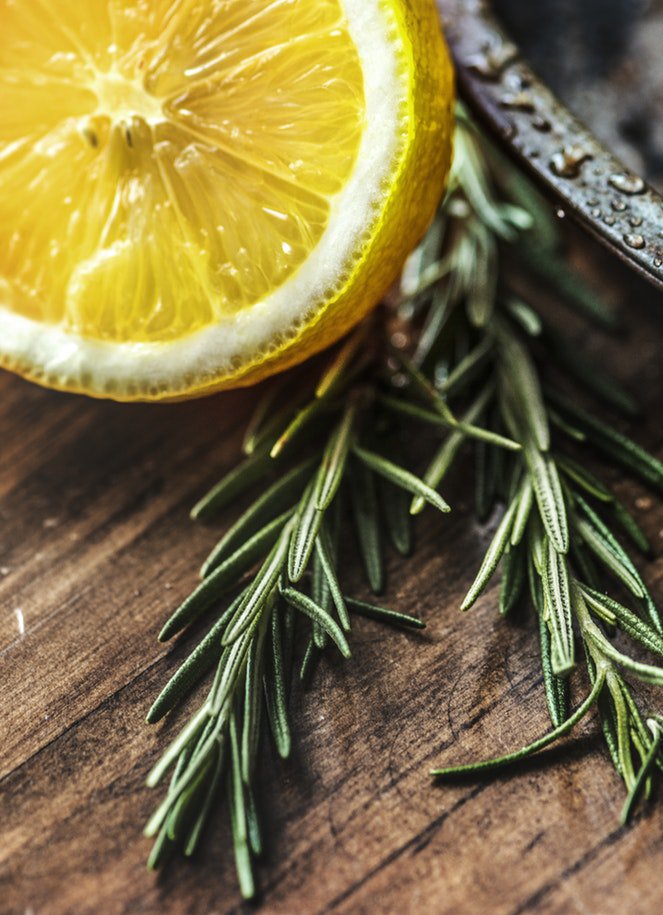
    If you crush a leaf in your fingers you’ll be introduced to the wonderful lemon scent of lemon balm. In the past it was considered a “strewing herb,” which is an herb hung in the rafters or strewed on the ground to emanate a pleasant scent.

  • Herbs More than Simple Seasonings

    Herbs More than Simple Seasonings

    Patience. Its essentially for healthy living. Peace in the present and hope for the future often times comes with an attitude of patience. Worry is just the opposite of patience. Too much stress and anxiety wears downs our immunity and body in general. My personal therapy is gardening. Gardening helps me unwind, relax and gives me hope. This article resonated with me reminding me to be patient.

    Front Yard to Back Country:

    It is a northern gardener’s life to be unable to garden outdoors for half the year (or more). Just one of gardening’s many great lessons: patience. That and learning about cycles. Cycles of seasons, light and shadow, decay and rebirth. Of noticing migrating birds when they leave, and when they return again. When the massive queen bumblebees emerge and drowsily look for new dens to start this year’s hive, eliciting alarm as they buzz close by ears and again reacquaint us to the sound of buzzing creatures. And of the tenacious determination of green growing things, pushing through the soil and sometimes even, through snow.

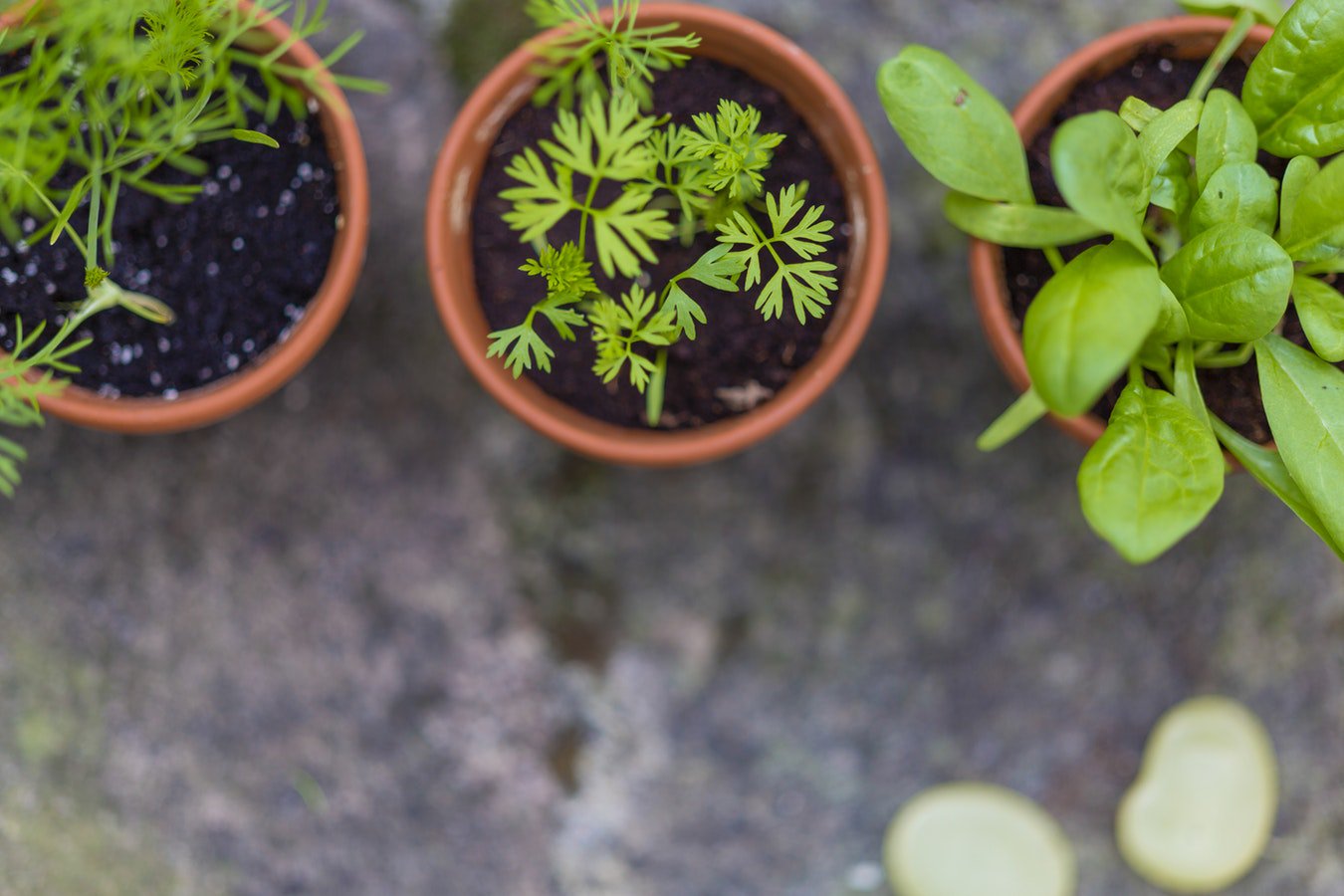
    The older I get the more I have learn that plants offer more than just a psychological boost of joy. They have become my source of health physically. I have gathered my garden into little pots sitting on my untidy kitchen counter by my window. Snow falls outside, my medicinal and kitchen herbs fresh and clean inside, staring at me as I do dishes. 

    I have learned these herbs are more than just pretty green and a tasty seasonings, they have become my go-to remedies. 

    1. BASIL – Basil is an herbal carminative, that is, it can relieve gas and soothe stomach upsets. One possible explanation for its calming effect is a compound called eugenol, which has been shown to help ease muscle spasms. Research is still preliminary, but laboratory studies also suggest that compounds found in basil may help disrupt the dangerous chain of events that can lead to the development of cancer.

    2. DILL – Dill has been used to soothe the digestive tract and treat heartburn, colic and gas for thousands of years. In fact, the word dill comes from the Old Norse word dilla, meaning to lull or soothe. The herb has an anti foaming action that suggests why it might help break up gas bubbles. Like parsley, dill is rich in chlorophyll, which also makes it useful in treating bad breath.

    3. GARLIC – Intact garlic cloves contain an odorless, sulphur-containing amino acid called alliin. When the garlic is crushed, alliin becomes allicin. Research shows that allicin helps lower cholesterol and blood pressure and also helps prevents blood clots. Garlic can also reduce the risk of developing atherosclerosis (hardening of the arteries). Compounds in this familiar bulb kill many organisms, including bacteria and viruses that cause earaches, flu and colds. Research indicates that garlic is also effective against digestive ailments and diarrhea. What’s more, further studies suggest that this common and familiar herb may help prevent the onset of cancers.

    4. MINT – Herbalists the world over use mint, as a premier stomach tonic, to counteract nausea and vomiting, promote digestion, calm stomach muscle spasms, relieve flatulence, and ease hiccups. Menthol, the aromatic oil in peppermint, also relaxes the airways and fights bacteria and viruses. Menthol interferes with the sensation from pain receptors, thus it may be useful in reducing headache pain. Scientific evidence suggests that peppermint can kill many kinds of micro-organisms, and may boost mental alertness.In one study, people who inhaled menthol said they felt as if it relieved their nasal congestion, although it didn’t increase their measurable air flow. 

    For me, mint is calming. Teas made from mint and citrus rinds relax and help me unwind.

    5. OREGANO – Oregano contains at least four compounds that soothe coughs and 19 chemicals with antibacterial action that may help reduce body odor. The ingredients in oregano that soothe coughs may also help un-knot muscles in the digestive tract, making oregano a digestive aid. This familiar spice also contains compounds that can lower blood pressure too.

    6. ROSEMARY – Rosemary is one of the richer herbal sources of antioxidants, which have been shown to prevent cataracts, and contains 19 chemicals with antibacterial action that help fight infection. Traditionally used to ease asthma, this common culinary ingredient has volatile oils that can reduce the airway constriction induced by histamine, that chemical culprit of asthma and other allergy symptoms. Herbalists think that rosemary may also help ease breast pain by acting as a natural drying agent to fluid filled cysts.

    7. SAGE – The oils found in sage are both antiseptic and antibiotic, so it can help fight infections. Sage is effective for symptoms of menopause, night sweats and hot flashes, because of its estrogenic action and because its tannins can dry up perspiration. There’s also compelling evidence that sage may be of value to people with diabetes for whom the hormone insulin does not work as efficiently as it should. Lab studies indicate that sage may boost insulin’s action.

    8. THYME – Thyme contains thymol, which increases blood-flow to the skin. The warmth is comforting, and some herbalists believe that the increased blood-flow speeds healing. An anti-spasmodic. Thyme relaxes respiratory muscles and is endorsed for treating bronchitis by Commission E, the expert panel that judges the safety and effectiveness of herbal medicines for the German government. Aromatherapists say that thyme’s scent is a mood lifter

    What do you look forward to most in the midst of the snow and cold weather? 

    What keeps your hopeful and healthy?


    Herb information came from http://www.healthy-holistic-living.com/healing-herbs.html

  • All Hail Kale

    All Hail Kale

    ALL HAIL TO KALE! This leafy green grows well in parts of Idaho weathering well through the winter! The most common type of kale is called curly kale or Scots kale, which has green and curly leaves and a hard, fibrous stem.

    If you haven’t already, let’s all bravely select this curly, dark green, leafy veggie at the market and give it a go! There are so many ways to prepare this plant that you’ll not run out of ideas. Plus, if you have fussy eaters, you can hide this nutrient-rich plant into smoothies or sauces. They won’t even notice! However if you’re just jumping on the Kale-bandwagon please take it slow to avoid upsets to your digestive system.

    Quick Serving Ideas: It’s genuinely delicious! Sauté with a little olive oil until wilted, then add a pinch of sea salt, almond slivers and dried cranberries, and sauté for a few more minutes. Serve with brown rice and voila! The perfect low-calorie, high-nutrition lunch!
    ~Braise chopped kale and apples for a few minutes in broth or water. Just before serving, sprinkle with balsamic vinegar and chopped walnuts. Delish!
    ~Combine chopped fresh kale, toasted pine nuts, and crumbled feta cheese with (hot, just drained) whole grain pasta drizzled with olive oil. Healthy and amazing!

    Kid Favorite Recipe: Kale “Chips”
    2 Important Tips: Remove the stems and tear leaves into large pieces and spread them out into a thinner layer on each baking sheet.

    Ingredients:

    per baking sheet:
    • approx. 1/2 bunch kale leaves
    • 1/2 tablespoon extra virgin olive oil or melted coconut oil
    • 1.5 tablespoons nutritional yeast
    • 1 teaspoon garlic powder
    • 3/4 teaspoon chili powder
    • 1/2 teaspoon onion powder
    • 1/2 teaspoon smoked paprika
    • 1/4 teaspoon fine grain sea salt or pink Himalayan sea salt
    • 1/8 teaspoon cayenne pepper (optional)

    Directions:

    1. Preheat oven to 300F. Line a large rimmed baking sheet with parchment paper.
    2. Remove leaves from the stems of the kale and roughly tear it up into large pieces. Compost the stems (or freeze for smoothies). Wash and spin the leaves until thoroughly dry.
    3. Add kale leaves into a large bowl. Massage in the oil until all the nooks and crannies are coated in oil. Now sprinkle on the spices/seasonings and toss to combine.
    4. Spread out the kale onto the prepared baking sheet into a single layer, being sure not to overcrowd the kale.
    5. Bake for 10 minutes, rotate the pan, and bake for another 12-15 minutes more until the kale begins to firm up. The kale will look shrunken, but this is normal. I bake for 25 mins. total in my oven.
    6. Cool the kale on the sheet for 3 minutes before digging in! This really makes all the difference! Enjoy immediately as they lose their crispiness with time.
    7. Repeat this process for the other half of the bunch.

    (PRINT THIS RECIPE FROM OhSheGlows.com )

    Healthline provides this breakdown of kale’s nutrients:

    A single cup of raw kale (about 67 grams or 2.4 ounces) contains (1):

    • Vitamin A: 206% of the DV (from beta-carotene)
    • Vitamin K: 684% of the DV
    • Vitamin C: 134% of the DV
    • Vitamin B6: 9% of the DV
    • Manganese: 26% of the DV
    • Calcium: 9% of the DV
    • Copper: 10% of the DV
    • Potassium: 9% of the DV
    • Magnesium: 6% of the DV
    • It also contains 3% or more of the DV for vitamin B1 (thiamin), vitamin B2 (riboflavin), vitamin B3 (niacin), iron and phosphorus

    This is coming with a total of 33 calories, 6 grams of carbs (2 of which are fiber) and 3 grams of protein.

    Kale contains very little fat, but a large portion of the fat in it is an omega-3 fatty acid called alpha linolenic-acid.

    Given its incredibly low calorie content, kale is among the most nutrient-dense foods in existence. Eating more kale is a great way to dramatically increase the total nutrient content of your diet.

    This article originally appeared at: https://frontyardtobackcountry.com/2013/09/26/magnificent-kale/.
    Recipe 

  • Are Your Plant Containers Leaching Toxins Into Your Food?

    Are Your Plant Containers Leaching Toxins Into Your Food?

    Think twice before you decide what containers to put your plants in, particularly when it comes to edibles. Why? The very same properties that make soil a perfect channel for nutrients and water to find their way into plants also make it a channel for harmful toxins, especially ones that are hiding inside the pots and vessels holding the soil itself. Here’s what to avoid and what’s safe to use.

    Plastic
    Lightweight, and nearly indestructible, plastics have been the magic answer to a myriad of storage, transportation, and packaging dilemmas. Our world is swimming in plastics, and when we get the chance, it’s nice to be able to recycle them. But many plastics— particularly when they’re exposed to sunlight, water, and high temperatures—leach toxic chemicals like bisphenol A (or BPA), vinyl chloride, or phthalates which are hazardous to human health. Higher density plastics, such as those used to make yogurt pots, soda bottles, and rigid containers like cups, bowls, and planting pots are more stable, and therefore safer to use. Check the underside of containers to determine their suitability: numbers 1, 2, 4, and 5 are a good choice for planting edibles. Others are not.

    Ceramic
    Possibly the classiest choice for a planter, ceramic is practical as well. It’s durable, breathable, and generally made from natural ingredients (mostly clay). Ceramic has its own suite of challenges for the container gardener, but transferring harmful substances is, thankfully, not one of them—unless you opt for glazed ceramics. Colorful, glossy ceramic pots are coated with glazes that may contain lead oxides. 

    Wood
    An untreated wooden box is an excellent container for edibles except for the fact that, given time, it will rot. Slap on some stain or preservative paint, and things start to get complicated. Many wooden containers sold to gardeners are pressure treated to increase their lifespan and ability to stand up to moisture. The chemicals forced into wood during the pressure treating process (copper, chromium, and arsenic—also known as CCA) arrest decay and generally don’t leach into soils much after the first initial rain. Arsenic isn’t something you want to build up in your garden soil, however.
    To minimize any chemical movement, scrub or power wash wood prior to usage. Older, salvaged wood containers like whiskey barrels or window boxes have also usually been treated with CCA. If you’re working with a more fragile, antique container, add a plastic liner (see above) before planting to keep any residual leaching in check. If you choose to decorate your own wooden container, select paints, glazes, or oils that are marked with a nontoxic label.
    Prior to the 1980s, use of lead paint was widespread—particularly on outdoor surfaces exposed to wind, sun, and rain. Lead paint will chip and flake as it ages, letting it dissolve into soil, soa good way to assess whether that antique bucket has been coated in it is to look for lead paint’s characteristic cracking pattern. To go completely au naturel, use wood that is rot resistant and requires no treatment at all: Cedar is the perfect pick.  

    This article originally appeared at: http://www.rodalesorganiclife.com/garden/are-your-plant-containers-leaching-toxins-your-food.