Tag: herbs

  • Food & Mood

    Food and Mood: How food impacts your brain health

    We are all aware of how our moods influence our food choices.  Many of us have used food as an alternative to feeling our feelings.  It is often easier to feel full than it is to feel angry, sad, lonely, depressed or anxious.  We celebrate with food, we commiserate with food, we soothe ourselves with food.  Our mood often impacts the decision to eat and what we choose to eat!

    But did you know that what you eat also influences how you feel.  The food we eat can actually impact our mood.  What we eat can contribute to feelings of stress, anxiety, sadness and even depression.  Our food choices even influence how our brain ages and can contribute to the development of dementia or Alzheimer’s in our later years.

    How food impacts brain health

    The food we eat provides the basic building blocks for all of our physiological needs.   Our brain weighs about 2% of our body mass but uses 20% of our caloric needs.  We know that what we eat impacts our health, but a lot of people forget that our brain is attached to our body and what we eat impacts its health as well!

    If you were to build a house out of rotten lumber what do you think would happen??  The food we eat essentially provides the building blocks we use to build and renovate a healthy body and brain.  Healthy food, healthy brain.


    Food provides the building blocks for a healthy brain

    Neurotransmitter synthesis requires adequate amino acids (which are derived from protein) and vitamin and mineral co factors.  Deficiencies in either protein or B12, folate, B6 and zinc can cause symptoms of depression and dementia such as low mood, fatigue, cognitive decline and irritability.

    Omega 3 fatty acids also benefit our moods and reduce the risk of dementia.  Recently a large meta- analysis which included 26 studies and over 150,000 individuals confirmed that high fish consumption (which is one of the best sources of omega 3 fatty acids) is significantly associated with a reduced risk of depression.  Other research has also shown that some diet rich in omega 3 fatty acids (especially EPA) has a beneficial effect on the symptoms of depression.

    The brain on fire

    One of the reasons that omega 3 fatty acids are beneficial is that they are anti-inflammatory.  More and more research is linking neuro inflammation to depression, anxiety, dementia, Alzheimer’s and ADHD.  Omega 3 fatty acids help put out the fire!

    One of the challenges with the standard North American Diet is that we don’t consume enough omega 3 fatty acids and we over consume omega 6 fatty acids – which are pro inflammatory.  Current ratios of omega 6 to omega 3 fatty acids are 16:1.   Traditional diets ranged from 4:1 to 1:4.  A far cry from current consumption ratios.

    Antioxidants also play a role

    A diet rich in antioxidants can have a positive impact on mood and brain health in general.  Antioxidants are substances that protect our cells against the effects of free radicals.  Free radicals are by products  of normal physiological processes.  They are also created  after exposure to a variety environmental toxins such as cigarette smoke, pollution etc.  Free radicals cause oxidative stress and contribute to the development of many diseases ranging from cancer, heart disease , depression, anxiety, Alzheimer’s, multiple sclerosis to name just a few.

    Vitamins A,C and E, carotenoids, flavonoids, tannins, lignans and phenols are antioxidants derived from food that protect our cells from free radical damage.

    Plant based foods are the best sources – fruits, vegetables, nuts,

    seeds, herbs, spices, whole grains.  And even chocolate!  Current dietary recommendations are 7 to 10 servings of fruits and vegetables.  In 2014, only 39.5% of Canadians aged 12 and older reported eating 5 or more servings daily.


    Lets talk about sugar

    Sugar also impacts our mood.  There are actually no government guidelines in North America regarding the daily intake of sugar.  The World Health Organization recommends we decrease our consumption of added sugar to no more than 5% of our daily calories or a maximum of 6 teaspoons of sugar daily.  If you read labels it is helpful to know that 4 grams of sugar is equal to 1 teaspoon.

    The average Canadian eats 18 teaspoons of sugar daily.  That is an astounding 88 pounds a year.  Teenagers eat more – boys a whopping 138 pounds of sugar a year.


    Sugar is like a drug

    When we eat sugar there is a release of feel good hormones.  Sugar hijacks the brains reward pathway.  Over activity of this reward system leads to more cravings and an increased tolerance to sugar.  So begins a vicious cycle of cravings.

    Sugar and carb laden foods mess with our brains neurotransmitters.  Sugar also causes our blood sugar crash and can cause symptoms such as irritability, mood swings, brain fog and fatigue.  Chronically high blood sugar has also been linked to inflammation in the brain.

    The standard N.A. diet that is high in processed food (sugar, fat, salt) increases the risk of  depression compared to those who eat a whole foods diet that is lower in sugar and processed food.


    How to boost your mood with food

    • Start with real food. Real food is the kind of food that has been around for hundreds of years.   Avoid processed and refined food, preservatives, artificial flavours and sweeteners.
    • Get a minimum of 7 -10 servings of fruits and vegetables.
    • Eat fish several times a week. Wild salmon, herring, sardines are the highest in omega 3 fatty acids.  Supplement with a good source of fish oil if this is preferable.
    • Add more healthy fats to your diet. Great sources are nuts, seeds, avocados, flax seeds, extra virgin olive oil.
    • Eat less sugar and refined carbohydrates. Aim for less than 6 teaspoons daily.
    • Incorporate more herbs and spices into your cooking.
    • Enjoy good quality dark chocolate in moderation!!
    • But don’t forget to also move your body daily, practise gratitude, and have more fun…….


  • 6 Natural Remedies for Headache

    HFI: The occassional headache. Its unavoidable it seems. Headaches are something that millions of people experience daily. They are at best, an unwelcome annoyance and at their worst, completely debilitating. There are many reasons for the onset of a headache and many classifications of headaches. While many types of headaches are related to other health issues, the number one cause of headaches is stress and fatigue…. 

    Here are some suggested home remedies for headaches that have worked for friends and families of Health Freedom Idaho.  Please note headaches are not something a child should regularly experience. Injury, illness, food intolerances, and emotional upheaval certainly can bring on the random headache but in general, children should not get headaches. If your child is experiencing frequent headaches, you need to seek medical expertise to get to the root. Never mess around with on ongoing headache.

    Favorite Headache Home Remedy:

    Lavender Oil

    Not only does lavender smell great — it’s also a useful home remedy for headaches and migraine pain. Lavender oil can be either inhaled or applied topically. Two to four drops for every two to three cups of boiling water are recommended when inhaling lavender-oil vapors as a headache treatment. Unlike many medicinal oils, this home remedy can also be safely applied externally without the need to dilute it. Lavender oil should not be taken orally.

    Peppermint Oil

    Peppermint is a soothing home remedy that has been shown to benefit tension headaches. This fresh-smelling oil has vaso-constricting and vaso-dilating properties, which help control blood flow in the body. Headaches and migraine pain are often due to poor blood flow, and peppermint oil helps to open and close the vessels that promote flow. Peppermint home remedies also open up the sinuses so that more oxygen can get into the bloodstream.

    Basil Oil

    Basil, the strong-scented herb used as a topping for pizzas and pastas, certainly tastes and smells good. And for people in need of a natural headache treatment, the oil derived from basil plants can also be a useful home remedy. Basil works as a muscle relaxant, so it is especially helpful for headaches caused by tension and tight muscles.

    DIY Scalp Massage

    Do-it-yourself scalp massages can be an effective way to alleviate migraine pain, and they feel great. Researchers in Brazil showed that massaging the greater occipital nerve — the area in the back of the head, at the base of the skull — reduces migraine pain. Massage in general has been identified as a useful home remedy for headaches, especially reflexology (massaging reflex points on the hands and feet).

    Feverfew

    Feverfew, as its name suggests, is used to treat fever, but it’s most commonly known as an herbal headache treatment. This home remedy became popular in the 1980s, when a landmark study in Great Britain showed that 70 percent of participants had less migraine pain after taking feverfew daily. Since then, more studies have demonstrated feverfew’s benefit in preventing and treating migraine pain. One study showed improvement in migraine pain among people who took daily feverfew in combination with white willow, another herbal home remedy, which contains properties similar to aspirin.

    Flaxseed

    Some headaches are caused by inflammation, which can be reduced by consuming omega-3 fatty acids. Flaxseed can help provide headache relief because it’s rich in omega-3s. Flaxseed can be used as a home remedy in several forms, including as an oil and ground or whole seeds.

    Buckwheat

    Buckwheat’s usefulness as a home remedy for headaches and migraine pain comes from a flavonoid known as rutin. Flavonoids are phytochemicals, which are found in plants, and have been shown to contain antioxidant properties, which counteract damage to cells. In addition, researchers in Taiwan have demonstrated the effects of flavonoids on inflammation, a common cause of headaches.

    FDA Disclosure: THESE STATEMENTS HAVE NOT BEEN EVALUATED BY THE FDA AND ARE NOT INTENDED TO DIAGNOSE, TREAT OR CURE ANY DISEASE. ALWAYS CHECK WITH YOUR PHYSICIAN BEFORE STARTING A NEW DIETARY SUPPLEMENT PROGRAM.

  • Remedy for Bloodshot Eyes

    Remedy for Bloodshot Eyes

    Red Eyes

    Red eyes (or bloodshot eyes) are caused by enlarged blood vessels on the surface of the eyeball.

    While most of the time it is a short-lived ailment, red eyes with more severe symptoms can be a sign of serious health problems and medical attention should be sought immediately.

    Natural cures for red eye are equally effective and can be done from the comforts of your own home. If you are wondering how to remove red eyes, then read more below about how home remedies can help you.

    Symptoms of Red Eyes:

    Red, watery and itchy eyes are the three main symptoms that one experiences. However, there are more severe symptoms that require immediate medical attention such as:

    • Blurry vision
    • Severe pain
    • Extreme sensitivity to light
    • Halos in the vision field

    Natural Cures for Red Eyes:

    Consider the following home remedies to help remove red eye:

    • An easy home remedy to soothe red eyes is a ice pack. Use it as a cold compress for 5 minutes on each eye, twice a day.
    • Another natural cure for red and itchy eyes is a simple splash of cold water. This can be done many times a day whenever relief is needed from red eye.
    • Rosewater is a gentle home remedy that takes away bloodshot eyes. Soak 2 sterile cotton balls with rose water, close the eyes and place a cotton ball on each eye. Leave this on for 15 minutes, twice a day.
    • If you are wondering how to remove red eyes with a safe and natural cure, a time-tested way to soothe sire eyes is to place a slice of cold cucumber over each closed eye and leave it on for 15 minutes.
    • Steep 2 bags of green tea for 2 minutes in hot water and remove. Put the teabags in the fridge and when they are cool, place them on the closed eyes and leave it for 15 minutes. This will reduce signs of fatigue and swelling.
    • Bilberry is an herb that has been proven to treat eye-related ailments.
    • Boil ½ tsp of fennel seeds in 1 cup of water and let them steep for 25 minutes. Then, drain the water out and use it as an eye rinse.
    • Homeopathic natural eye drops are available from health food stores that mimic natural tears. This is a great alternative to regular eye drops.
    • Sleep is probably the best home remedy for red eyes.


    Natural Healing heal with nature using home remedies,

    aromatherapy, essential oil, herbal tea, vitamins, juices, nutritional supplements, homeopathy, herbs and minerals.

    This article originally appeared at: http://www.homeremedycentral.com/en/natural-cures/home-remedy/red-eyes.html.
  • Herbs More than Simple Seasonings

    Herbs More than Simple Seasonings

    Patience. Its essentially for healthy living. Peace in the present and hope for the future often times comes with an attitude of patience. Worry is just the opposite of patience. Too much stress and anxiety wears downs our immunity and body in general. My personal therapy is gardening. Gardening helps me unwind, relax and gives me hope. This article resonated with me reminding me to be patient.

    Front Yard to Back Country:

    It is a northern gardener’s life to be unable to garden outdoors for half the year (or more). Just one of gardening’s many great lessons: patience. That and learning about cycles. Cycles of seasons, light and shadow, decay and rebirth. Of noticing migrating birds when they leave, and when they return again. When the massive queen bumblebees emerge and drowsily look for new dens to start this year’s hive, eliciting alarm as they buzz close by ears and again reacquaint us to the sound of buzzing creatures. And of the tenacious determination of green growing things, pushing through the soil and sometimes even, through snow.

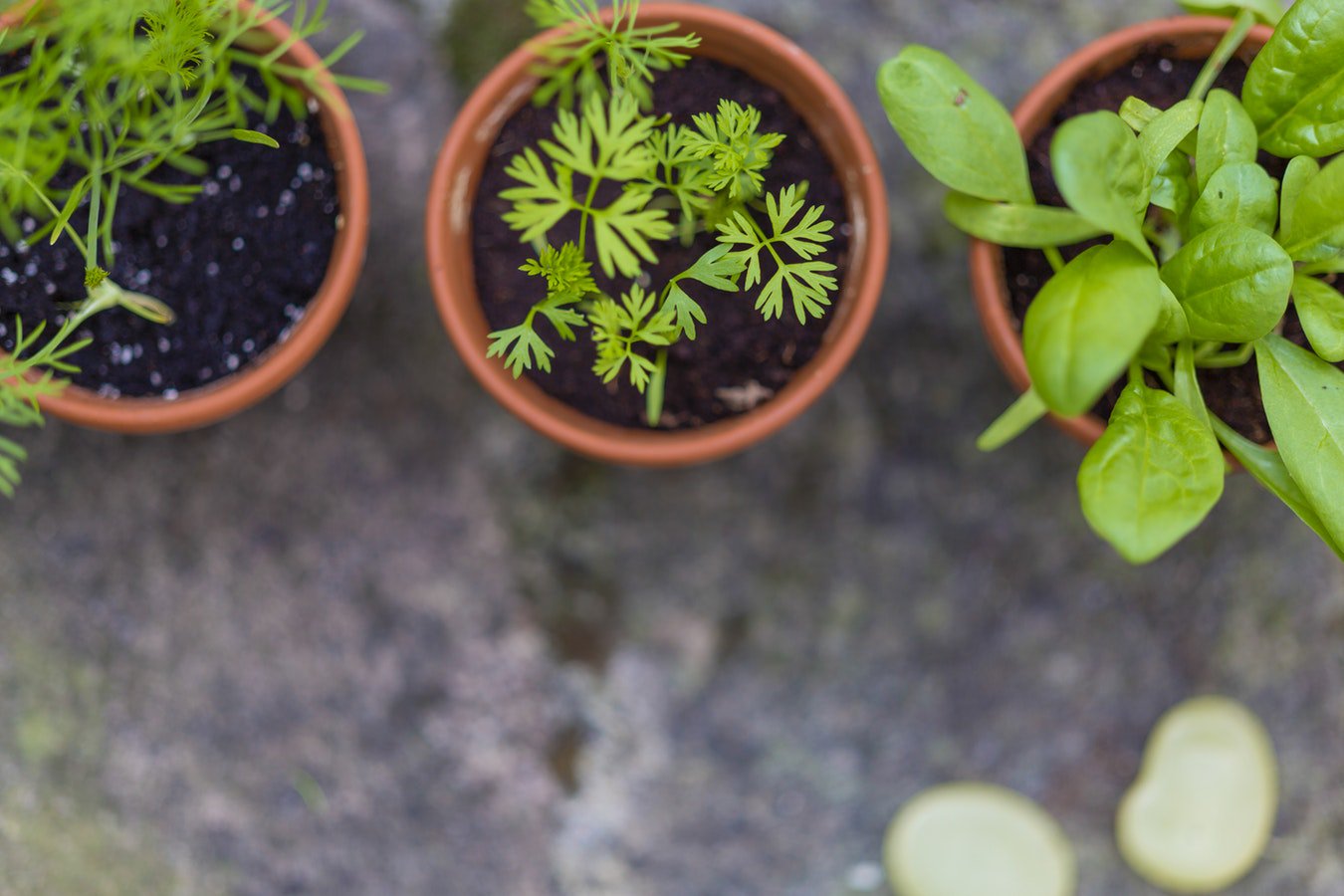
    The older I get the more I have learn that plants offer more than just a psychological boost of joy. They have become my source of health physically. I have gathered my garden into little pots sitting on my untidy kitchen counter by my window. Snow falls outside, my medicinal and kitchen herbs fresh and clean inside, staring at me as I do dishes. 

    I have learned these herbs are more than just pretty green and a tasty seasonings, they have become my go-to remedies. 

    1. BASIL – Basil is an herbal carminative, that is, it can relieve gas and soothe stomach upsets. One possible explanation for its calming effect is a compound called eugenol, which has been shown to help ease muscle spasms. Research is still preliminary, but laboratory studies also suggest that compounds found in basil may help disrupt the dangerous chain of events that can lead to the development of cancer.

    2. DILL – Dill has been used to soothe the digestive tract and treat heartburn, colic and gas for thousands of years. In fact, the word dill comes from the Old Norse word dilla, meaning to lull or soothe. The herb has an anti foaming action that suggests why it might help break up gas bubbles. Like parsley, dill is rich in chlorophyll, which also makes it useful in treating bad breath.

    3. GARLIC – Intact garlic cloves contain an odorless, sulphur-containing amino acid called alliin. When the garlic is crushed, alliin becomes allicin. Research shows that allicin helps lower cholesterol and blood pressure and also helps prevents blood clots. Garlic can also reduce the risk of developing atherosclerosis (hardening of the arteries). Compounds in this familiar bulb kill many organisms, including bacteria and viruses that cause earaches, flu and colds. Research indicates that garlic is also effective against digestive ailments and diarrhea. What’s more, further studies suggest that this common and familiar herb may help prevent the onset of cancers.

    4. MINT – Herbalists the world over use mint, as a premier stomach tonic, to counteract nausea and vomiting, promote digestion, calm stomach muscle spasms, relieve flatulence, and ease hiccups. Menthol, the aromatic oil in peppermint, also relaxes the airways and fights bacteria and viruses. Menthol interferes with the sensation from pain receptors, thus it may be useful in reducing headache pain. Scientific evidence suggests that peppermint can kill many kinds of micro-organisms, and may boost mental alertness.In one study, people who inhaled menthol said they felt as if it relieved their nasal congestion, although it didn’t increase their measurable air flow. 

    For me, mint is calming. Teas made from mint and citrus rinds relax and help me unwind.

    5. OREGANO – Oregano contains at least four compounds that soothe coughs and 19 chemicals with antibacterial action that may help reduce body odor. The ingredients in oregano that soothe coughs may also help un-knot muscles in the digestive tract, making oregano a digestive aid. This familiar spice also contains compounds that can lower blood pressure too.

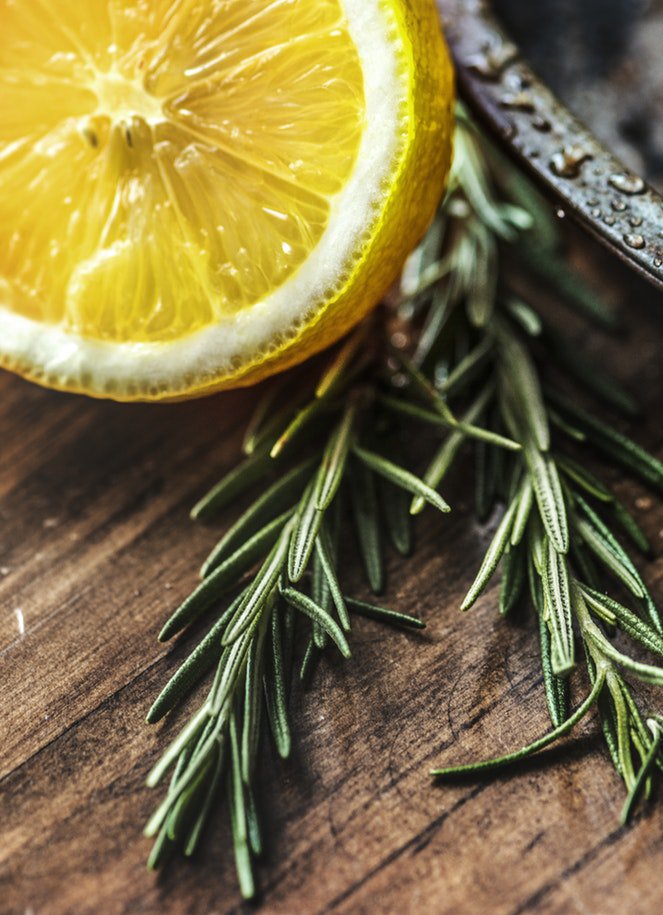
    6. ROSEMARY – Rosemary is one of the richer herbal sources of antioxidants, which have been shown to prevent cataracts, and contains 19 chemicals with antibacterial action that help fight infection. Traditionally used to ease asthma, this common culinary ingredient has volatile oils that can reduce the airway constriction induced by histamine, that chemical culprit of asthma and other allergy symptoms. Herbalists think that rosemary may also help ease breast pain by acting as a natural drying agent to fluid filled cysts.

    7. SAGE – The oils found in sage are both antiseptic and antibiotic, so it can help fight infections. Sage is effective for symptoms of menopause, night sweats and hot flashes, because of its estrogenic action and because its tannins can dry up perspiration. There’s also compelling evidence that sage may be of value to people with diabetes for whom the hormone insulin does not work as efficiently as it should. Lab studies indicate that sage may boost insulin’s action.

    8. THYME – Thyme contains thymol, which increases blood-flow to the skin. The warmth is comforting, and some herbalists believe that the increased blood-flow speeds healing. An anti-spasmodic. Thyme relaxes respiratory muscles and is endorsed for treating bronchitis by Commission E, the expert panel that judges the safety and effectiveness of herbal medicines for the German government. Aromatherapists say that thyme’s scent is a mood lifter

    What do you look forward to most in the midst of the snow and cold weather? 

    What keeps your hopeful and healthy?


    Herb information came from http://www.healthy-holistic-living.com/healing-herbs.html